Tag: Philippines

  • Philippines’ Union Bank Opens Fintech HQ in Singapore

    Philippines’ Union Bank Opens Fintech HQ in Singapore

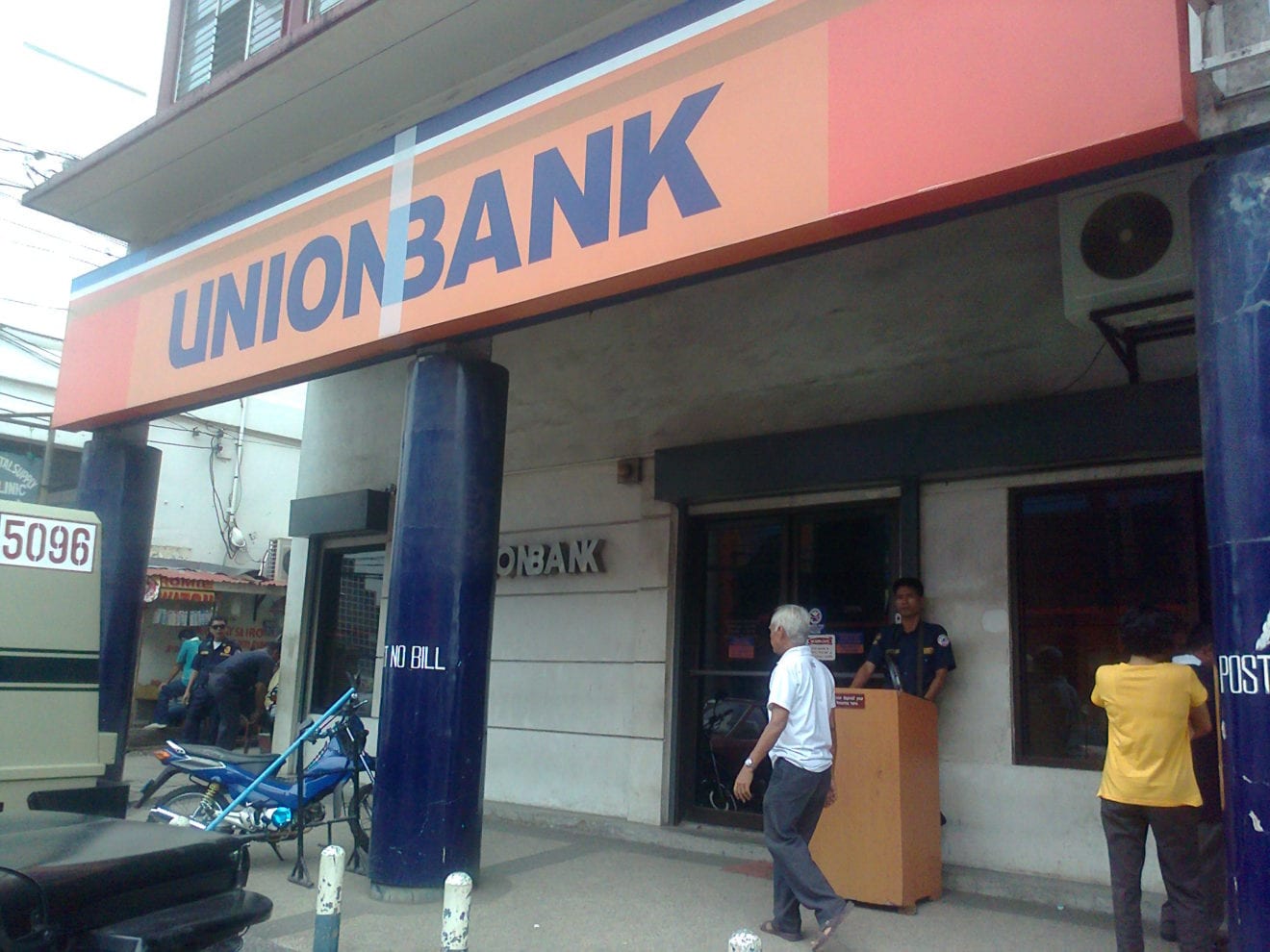
    Union Bank’s fintech subsidiary UBX is expanding its operations in Singapore as it eyes growth in Asia.

    UBX, the financial technology venture studio and fund of Union Bank, hopes its Singapore headquarters will be a bridge for startups to enter the Philippine market, according to an announcement on Tuesday.

    Operations will be led by Singapore country head Cryus Cruz, who joined UBX five months ago after over three years at Tokio Marine Insurance Group, where he was regional manager of digital strategy and its innovation lab. He also brings experience from stints at Chubb, Axa, AIG and J.P. Morgan.

    UBX cited the wealth of start-ups and deep fintech talent pool as among the reasons why it is launching in the city-state. It also noted the rapid rise of fintech in financial transactions, and the «significant growth» UBX ventures are experiencing, fueled by the coronavirus pandemic.

    UBX has strategically set up an office here to contribute to, and benefit from the established ecosystem. This will not only expand our network, it’ll also help us learn from different companies in the country, Cruz said.

    UBX previously partnered with the Monetary Authority of Singapore in its Business Sans Borders (BSB) project.

  • Globe Telecom deploys Infinera’s Auto-Lamda for 5G network upgrades

    Globe Telecom deploys Infinera’s Auto-Lamda for 5G network upgrades

    Infinera announced that Globe Telecom, Inc. (Globe), a major provider of telecom services in the Philippines, deployed Infinera’s Auto-Lambda solution, featuring autotuneable optics, to upgrade its existing 4G access and aggregation networks and in anticipation of providing future 5G services. By upgrading its access network with Infinera’s autotuneable optics technology, Globe can deliver more capacity on its existing network and scale to address bandwidth growth within its current network architecture while reducing both capital and ongoing operational expenses.

    Globe is the leading mobile network operator in the Philippines and offers one of the largest fixed line and broadband networks in the country. With what is believed to be the industry’s first widescale deployment of autotuneable optics over sophisticated amplified ring architectures, Globe is advancing innovation in its access network to address growing capacity demands while evolving its previously deployed IP network to support the increasing demands in mobile backhaul capacity for 5G. Utilizing Infinera’s Auto-Lambda solution, Globe can easily plug autotuneable dense wavelength-division multiplexing (DWDM) optics directly into its existing aggregation and access nodes, allowing its network to automatically tune each of the optical signals to the appropriate wavelength, which significantly simplifies deployment while increasing capacity.

    “In today’s environment, our customers are always online and want unhindered access and capacity. As one of the leading telecom services in the Philippines, we seek the best technology to support our nation’s connectivity needs,” said Jaeson Evangelista, Head Transport Planning at Globe Telecom.

    “Our network requires a solution that is easy to deploy and scalable to meet the increasing capacity needs of our customers. We chose Infinera’s Auto-Lambda solution because it provides the innovation and benefits our network needs, from operational simplicity and ease of deployment to cost savings and eliminating the need for new networking hardware. Additionally, Infinera’s autotuneable optics provide a unique solution that enables DWDM upgrades directly into third-party devices in our network, making installation and deployment easy for our engineers.”

    “Globe has a rich legacy in the Philippines for its telecommunication services and providing the country with unmatched connectivity,” said Nick Walden, Senior Vice President, Worldwide Sales at Infinera. “Globe’s deployment of Infinera’s Auto-Lambda solution highlights the benefits provided by Infinera’s innovation, including autotuneable optics that provide high-capacity access and aggregation DWDM networks without an extensive overhaul to an operator’s existing network infrastructure.”

  • MTN, Smart extend 5G roaming of Philippines to South Africa

    MTN, Smart extend 5G roaming of Philippines to South Africa

    MTN South Africa network will be the first mobile operator in Africa to provide 5G access to customers from the Philippines through its international roaming agreement with the Philippines’ leading mobile services provider, Smart Communications.

    The agreement delivers on MTN’s and Smart’s commitment to keeping its travelers connected and providing them with access to 5G; both at home and when traveling as capable devices become available.

    “We’re excited to launch 5G roaming in South Africa with Smart’s network because of what it means for customers,” said Arne Casteleyn, general manager – international roaming, MTN GlobalConnect. “With MTN Y’ello Connect Roaming Hub and our central roaming team, we never stop innovating, developing and deploying faster roaming services to provide our customers with access to a next-generation network.”

    Casteleyn further explained that providing 5G services for visitors coming to Africa is crucial to get the same data speeds as at home and to harness trends such as the Internet of Things (IoT). “We continue to ramp up the roll-out of 4G, VoLTE, and 5G roaming with the world’s top operators which proves MTN’s commitment to provide excellent roaming services to its travelers as travel restrictions ease with mass vaccinations.”

    “This is part of Smart’s commitment to bring our world-class services anywhere in the world by expanding our 5G roaming coverage in Africa, after our successful rollout with 46 partners in Europe, USA, Middle East, and Asia,” said Ray Arsenal, AVP and head of roaming partnerships.

    Established in 2018, MTN GlobalConnect is based in Dubai and its team is made up of more than 25 nationalities.

  • Cebu Pacific announces one-week sale of Super Pass

    Cebu Pacific announces one-week sale of Super Pass

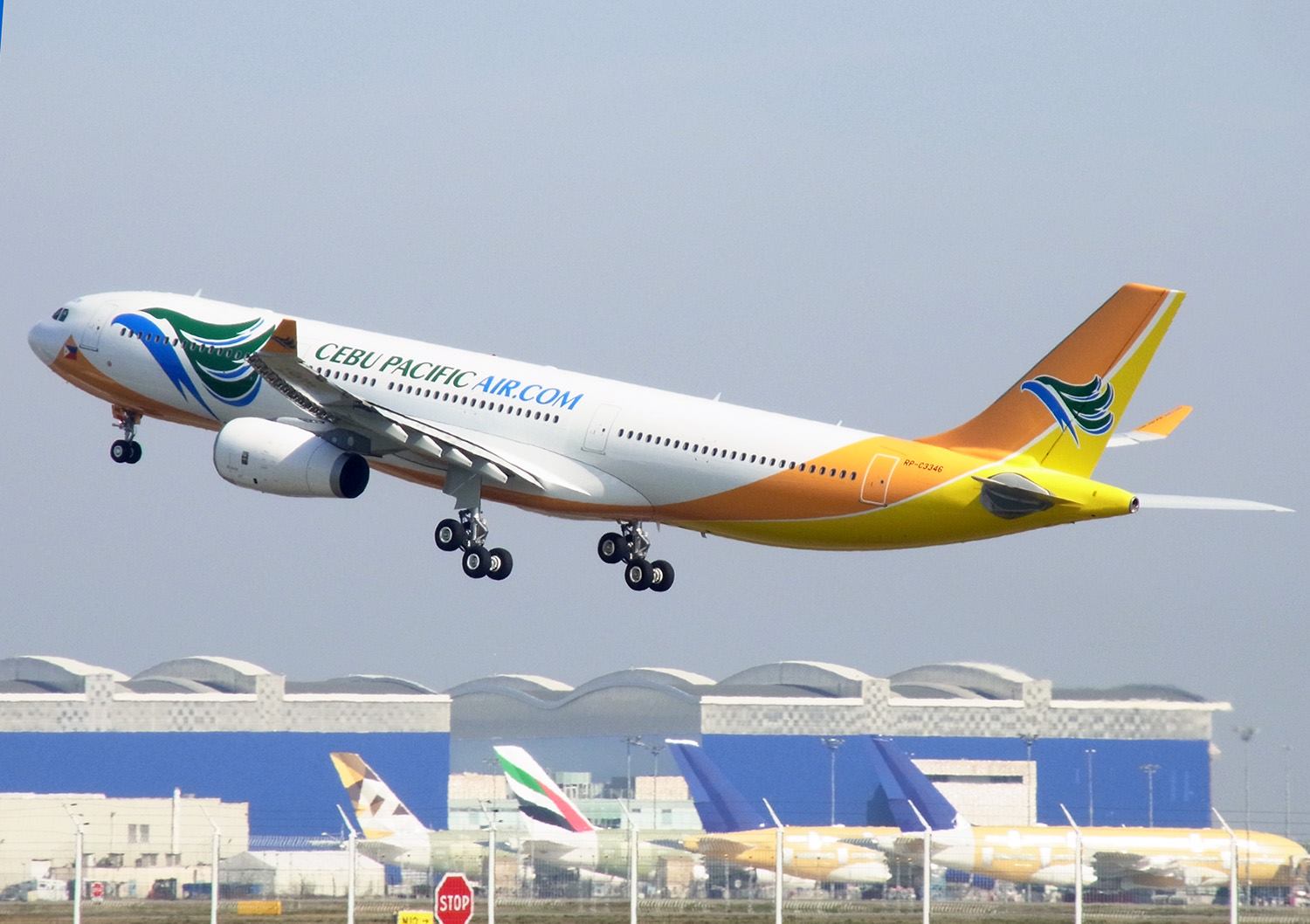
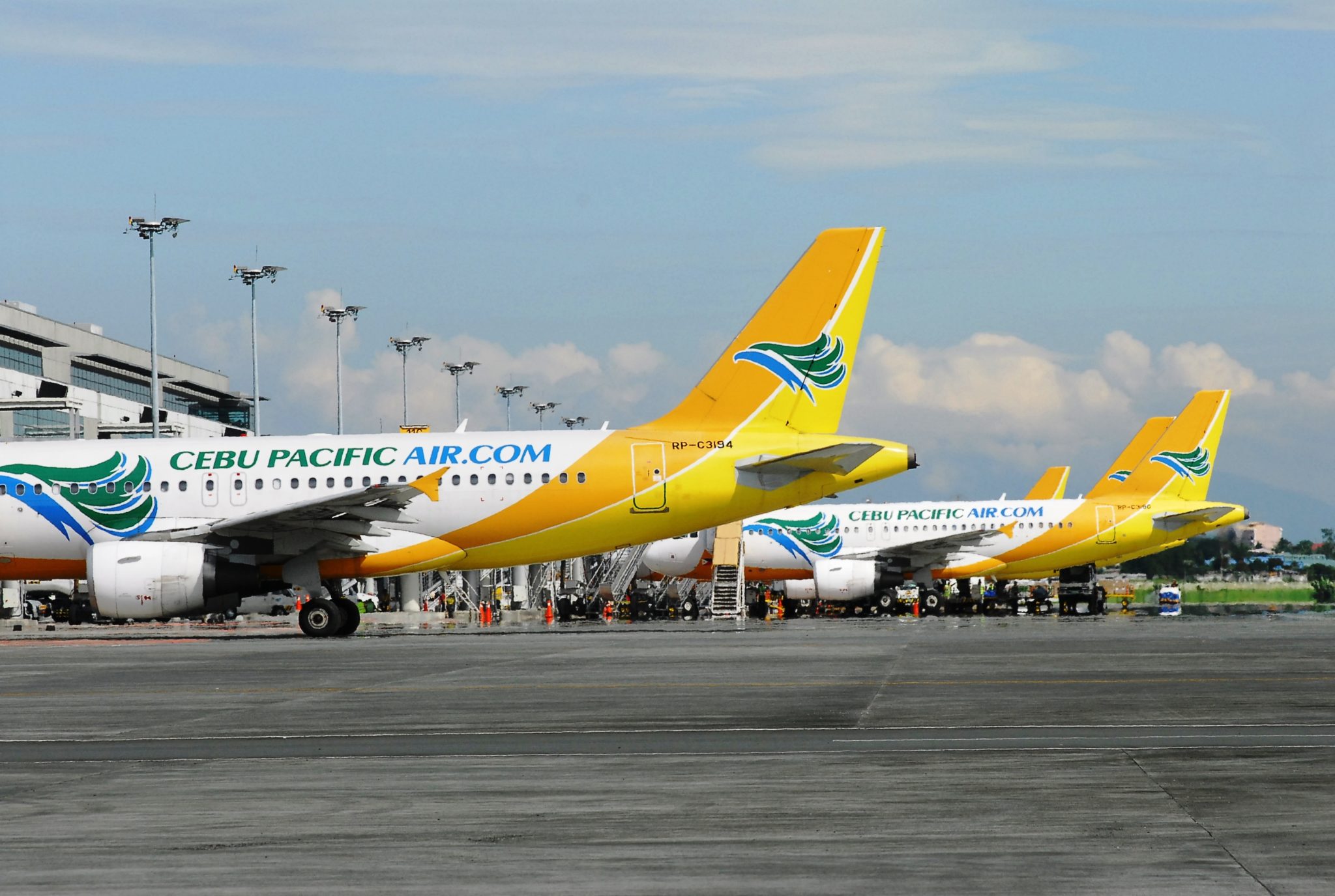
    Budget carrier Cebu Pacific on Thursday announced the one-week sale of its Super Pass, which allows passengers to book local flights at one-way base fares of P99 without a fixed date and destination.

    In an advisory, Cebu Pacific said the sale of the Super Pass started 10 a.m. Thursday, September 9, and will last until next Thursday, September 16.

    The vouchers can be redeemed from September 9, 2021 to September 23, 2022, with a travel period of September 16, 2021 to September 30, 2022.

    The Super Pass will serve as a travel voucher that passengers can use to book 30 days before the flight’s departure until seven days before the intended flight, depending on seat availability.

    Guests can avail of 10 vouchers per transaction, but there is no limit on the number of total vouchers passengers can avail until September 16.

  • Philippines AirAsia to resume international flights by 1Q22

    Philippines AirAsia to resume international flights by 1Q22

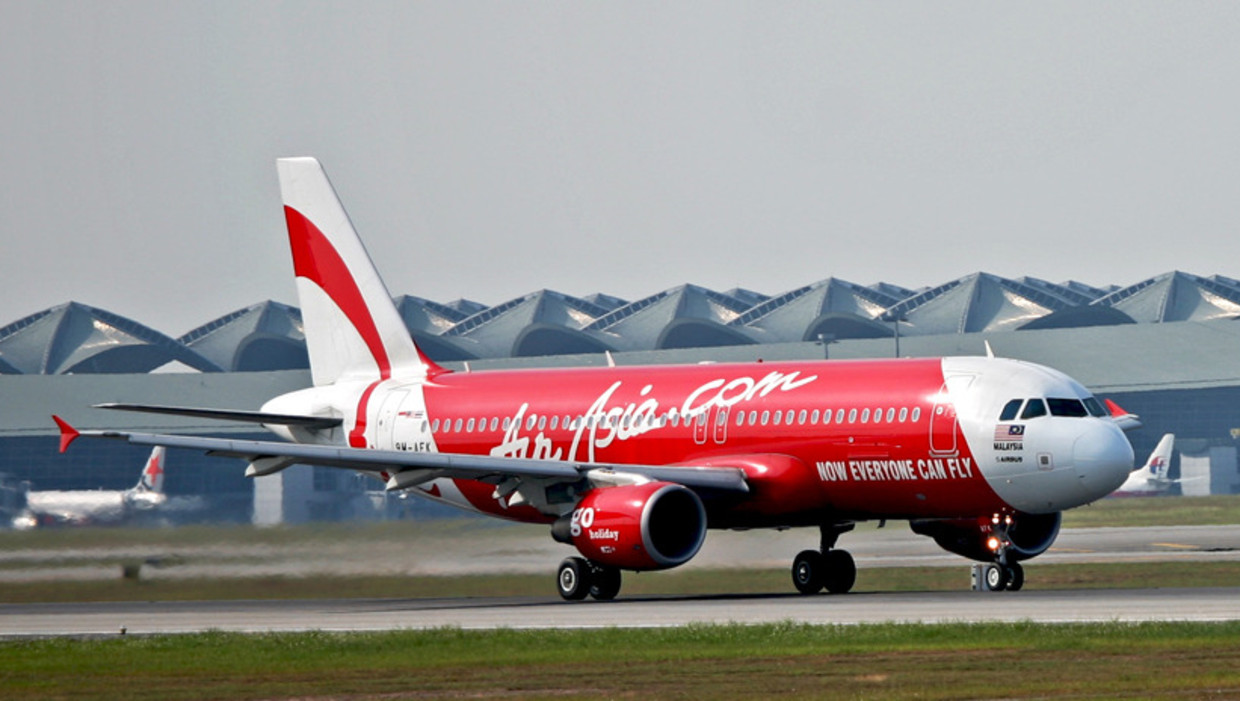
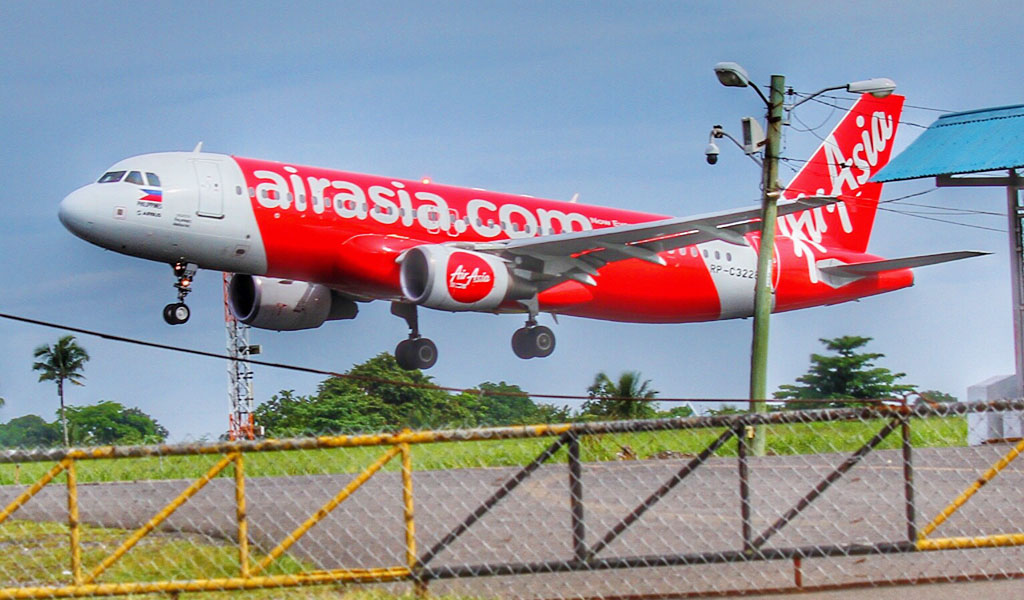
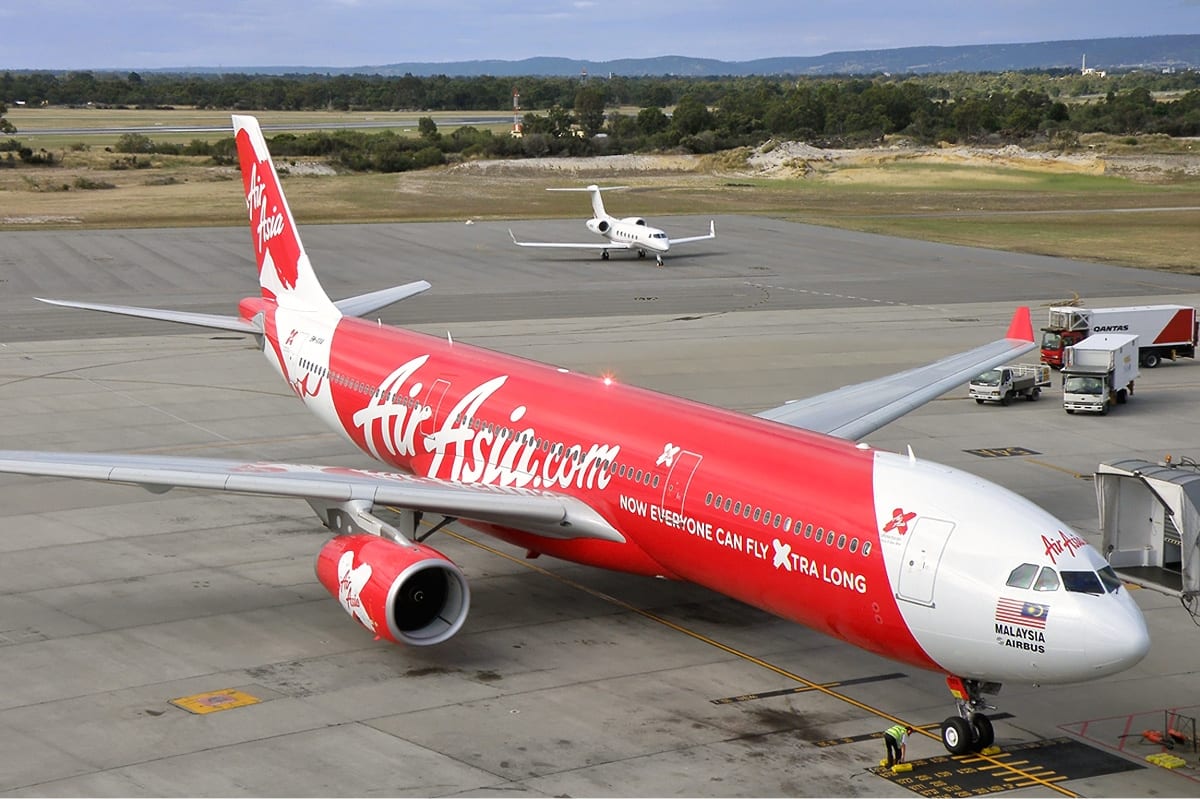
    Philippines AirAsia intends to restart international flights by the first quarter of 2022 after resuming domestic services in the fourth quarter of 2021, says chief executive officer Ricky Isla.

    He told The Philippine Star newspaper that the airline’s priority is to rebuild its domestic network from Manila Ninoy Aquino Int’l, manage capacity, and control costs. “What is important is (that) we have to maintain our cost of operations. That’s the reason why we’re concentrating right now mostly on our Metro Manila hub.”

    The airline will look to restart flights from its hub at Clark in mid-to late 4Q21. “We will most likely reopen with our Clark trips towards the peak season of November and December,” he told The Philippine Star. “The best time is when there is already what you call a good herd immunity in Manila and Central Luzon like Clark. Then we will be confident that we will be extending also our Clark hub as our point of destination,” he said.

    The AirAsia Group unit has been conducting only essential flights recently in light of the government’s directive to place the capital Manila, officially called the National Capital Region (NCR), under quarantine with heightened restrictions from July 30, 2021, to August 5, 2021, and enhanced quarantine from August 6 to 20, 2021. This has meant that only people authorized to be outside their residences were allowed to travel into and out of the NCR, including Cavite, Bulacan, Laguna, and Rizal. Inbound travel to Iloilo City, Iloilo Province, and Cagayan de Oro City was also suspended from August 1 to 7, 2021, to manage the spread of the Delta variant of COVID-19.

    From August 21, 2021, the airline is scheduled to resume domestic services from Manila to 12 domestic cities, namely Bacolod, Cagayan de Oro Laguindingan, Caticlan, Cebu, Davao, General Santos, Iloilo, Kalibo, Puerto Princesa, Panglao, Tacloban, and Zamboanga, the ch-aviation schedules module shows.

    From October 1, it is scheduled to resume services to seven domestic points from Clark, including Cagayan de Oro Laguindingan, Caticlan, Cebu, Davao, Iloilo, Puerto Princesa, and Tacloban, according to ch-aviation data.

    Isla said the company also sought to strengthen its cargo business. “Cargo also has to expand its customer experience. Before, it was just airport to airport, now you have airport to your point-of-destination, and airport up-to-the-household,” he said.

    Before the latest lockdown, AirAsia had carried 171,543 passengers between April and June 2021, an increase from 168,527 passengers carried in the first quarter of 2021. Year on year, this represented a 489% jump from the 29,111 passengers carried in the second quarter of 2020. The carrier has operated more than 600 chartered repatriation flights since last year.

    Philippines AirAsia reported that 92% of its flight operations team, including pilots and cabin crew, plus 86% of its ground staff, have been vaccinated against COVID-19.

  • Cebu Pacific flight cancellations from August 6 to 20

    Cebu Pacific flight cancellations from August 6 to 20

    Budget carrier Cebu Pacific on Saturday released the schedule of its flight cancellations from August 6 to 20, amid the enhanced community quarantine (ECQ) in Metro Manila.

    Flight cancellations have been made after the government allowed only essential travel during the two-week strict lockdown period in the National Capital Region.

    Cebu Pacific earlier released the schedule of its canceled flights from July 31 to August 5, during the general community quarantine “with heightened restrictions” in NCR.

    The following Cebu Pacific and Cebgo flights are cancelled:

    “Affected passengers have been informed via contact details provided in the booking. They may select their preferred option through the Manage Booking portal on the Cebu Pacific website until 30 days from date of departure,” Cebu Pacific said.

    Likewise, the airline said affected passengers may opt to do the following:

    • Rebook for travel within 60 days no additional cost, following CEB’s permanent removal of change fees. Fare difference waived.
    • Store the amount in a virtual CEB wallet valid for two years and use this to either book a new flight or pay for add-ons (e.g. baggage allowance, seat selection, etc.)
    • Refund: the process may take up to two months from the date of request.

    “CEB will continue to operate other domestic and international flights as scheduled,” it said.

    “This is a developing situation. Some flight changes may take place in the coming days,” it said.

    “Before going to the airport, passengers are advised to check?the travel requirements, safety protocols,?and frequently asked questions (FAQs)?on the CEB website,” it added.

  • Airasia Philippines sees better performance in Q2

    Airasia Philippines sees better performance in Q2

    AirAsia Group Berhad announced on Wednesday that its Philippine unit, Philippines AirAsia, Inc., saw a 2% increase in passengers carried in the second quarter of the year.

    “AirAsia Philippines’ strong rebound seen in 1Q2021 (first quarter) further increased in 2Q2021 (second quarter), posting a 2% higher number of passengers carried quarter-on-quarter and 4 percentage points higher load factor to record a solid 78%,” AirAsia Group Berhad said in an e-mailed statement.

    “Monthly breakdown showed that load factor was as high as 83% in June 2021, boosted by active capacity management,” the airline group noted.

    “This was despite running a limited number of charter and passenger flights due to community quarantine restrictions and despite flying only from its Manila hub,” it added.

    AirAsia also said that expectation of high vaccination rates in Southeast Asian countries by the end of 2021 is lending confidence on upcoming recovery, supported by its “robust short-haul model in addition to leaner and more stabilized operations.”

    The group has said it expects domestic operations in the Philippines to be below 25% of pre-pandemic levels until at least September while the population awaits widespread vaccination against the coronavirus disease 2019 (COVID-19).

    Philippines AirAsia announced last week its plan to restore its hub in Clark by the fourth quarter of the year.

    AirAsia said it started its Philippine operations in Clark in March 2012.

    “Pre-pandemic, Philippines AirAsia flew to 10 domestic and three international destinations from Clark namely, Cagayan de Oro, Caticlan, Cebu, Davao, Iloilo, Puerto Princesa, Tacloban, Incheon, Kaohsiung, and Taipei,” it said.

  • Cebu Pacific to operate special flight from Dubai to Manila on July 30

    Cebu Pacific to operate special flight from Dubai to Manila on July 30

    Philippine budget carrier Cebu Pacific (CEB) will have a special commercial flight on Friday, July 30, “in response to the government’s call for assistance to repatriate Filipino workers in Dubai”, the airline confirmed to Gulf News on Monday.

    CEB earlier announced that it had cancelled all its commercial flights to and from Dubai until August 1, following the decision by the Philippine government to “extend the ban on travellers from India, Pakistan, Nepal, Bangladesh, Sri Lanka, Oman and the UAE” until July 30. New passengers and those affected by previous flight cancellations who would like to take the 5J27 Dubai-Manila special flight on July 30, dubbed as Bayanihan flight, may book their tickets on Cebu Pacific website, though seats are subject to availability.

    CEB noted: “Pursuant to current Philippine health protocols, a passenger who would like to take the Bayanihan flight must present a negative COVID-19 RT-PCR result, taken within 48 hours before departure.” Face masks and face shields should always be worn (except during meals) while onboard the aircraft, as an added precaution against the spread of the COVID-19 virus.

    “Pursuant to government’s health protocols, all passengers will be subjected to a 14-day, facility-based quarantine upon arrival in the Philippines. For this purpose, passengers are advised to have pre-booked quarantine hotels for 15 days/14 nights,” CEB added.

    The cost of quarantine hotels for OFWs (overseas Filipino workers) will be paid for by the Overseas Workers Welfare Administration (OWWA); while tourist and returning overseas Filipinos will have to shoulder the cost of hotel quarantine. All the passengers of Bayanihan flights will undergo COVID-19 RT-PCR test after seven days of quarantine. The cost of the test for land-based OFWs will be shouldered by OWWA; while the Philippine Port Authority will cover the cost for sea-based OFWs. Non-OFWs will have to pay for their own RT-PCR test.

    The Philippine government had first imposed restrictions on inbound travel from India, Pakistan, Nepal, Bangladesh, Sri Lanka, Oman and the UAE from May 15 until May 31, in view of the prevailing COVID-19 pandemic and to prevent the spread of the highly transmissible Delta coronavirus variant that first emerged in India. The travel ban was first extended until June 15, then stretched until June 30 before prolonging it further until July 30.

    Thousands of stranded Filipinos in the UAE have signed an online petition seeking to immediately lift the travel restrictions imposed by the Philippine government. The online petition titled ‘Lift the UAE ban! It’s our right to go home’, has garnered over 4,000 virtual signatures.

  • Top 5 Locations to Live in the Philippines

    Top 5 Locations to Live in the Philippines

    The Philippines is an Asian country in the Pacific Ocean. It is made up of around 7400 islands and is categorized into three geographical divisions known as Luzon, Visayas, and Mindanao. The country covers an area of 300,000 square kilometers and has a population of approximately 109,000,000. The landscape of the Philippines is diverse: from the green mountain villages to white sandy beaches to busy, crowded cities such as the capital city, Manila. If you would like to visit the beautiful islands and experience the fascinating culture of this country, here is a guide to the Top 5 Places to Live in the Philippines.

    Mandaluyong

    If you like shopping, you will love Mandaluyong – a city directly east of Manila. The city is well developed and is home to the Ortigas Centre, which is a huge business and commercial building. The number of shopping centers is vast, and you can pick up some real bargains in malls such as SM Megamall, The Podium, and SM Light Mall.

    Those who love a good pampering will love this city as it has many luxury spas and salons where you can receive anything from a pedicure to eyelash extensions. Lovers of music can sing their hearts out at one of the many karaoke bars or dance the night away in a nightclub such as Z Roof Deck.

    If you plan to visit the Philippines soon, you may want to consider looking for long term accommodation in various locations that appeal to you and that way you can try before you buy. For example, if Mandaluyong sounds like a great place to live you could look for a place to rent and see how you enjoy living there before you invest in a property. Try to find an apartment for rent in Mandaluyong which will allow you to get to know the city better and decide which districts would make the perfect location for your permanent abode.

    Tagaytay City

    Tagaytay is around 60 kilometers from Manila and is a beautiful city with lots of parks and greenery. The most popular attraction in Tagaytay is Taal Volcano. This relatively small volcano is the most active of several volcanos in the Philippines.

    If you like a cooler climate, Tagaytay is a great place to live as it isn’t as hot as other parts of the Philippines due to its high altitude.

    During the Christmas season and Holy Week, hundreds of tourists flock to the beautiful churches and shrines in this city.

    Boracay

    If you are a beach lover, you must visit the beach capital of the Philippines – Boracay. This beautiful island has over 12 beaches, including White Beach, which, as its name suggests, is a lovely beach with pale white sand, edged with clean, azure water. Some of the luxury beach resorts along the coast are well worth a visit if you want some pampering in luxurious surroundings.

    Bohol

    Bohol is situated in the central geographical belt of the Philippines, known as Visayas, and is known for its natural beauty. It is an excellent place for nature lovers to visit and Bohol island is home to unique natural wonders known as the Chocolate Hills. These are a collection of 1200 grassy hills which turn brown during the dry season on the island and look like lumps of chocolate formed from the landscape.

    A tiny primate called the Philippine Tarsier is native to the country, and a sanctuary dedicated to caring for these cuddly critters with enormous eyes can be found in Bohol. Visitors can enjoy a night walk through the shelter where they may catch a glimpse of this nocturnal creature.

  • Philippines AirAsia to revive Clark hub end this year

    Philippines AirAsia to revive Clark hub end this year

    Philippines AirAsia plans to strategically restore its hub at Clark International Airport, northwest of the capital Manila, in October 2021, pending the easing of travel restrictions and an increase in travel demand, says Chief Executive Officer Ricky Isla.

    “Once travel restrictions ease and demand picks up soon, we are eyeing to strategically restore AirAsia’s Clark hub hopefully by Q4 of 2021,” he said in a statement, after joining Philippines President Rodrigo Roa-Duterte and other government and industry representatives in witnessing the inspection and dry-run of the airport’s new second passenger terminal (Terminal 2) building on July 19, 2021. Isla said the new terminal would boost the airline’s drive towards a stronger rebound post-COVID-19. Government representatives echoed his sentiment saying they hoped AirAsia Philippines would make a strong come-back in 4Q21.

    According to the ch-aviation schedules module, the AirAsia Group unit will restore flights from Clark on October 1, 2021, to the following domestic destinations:

    • 4x weekly to Cagayan de Oro Laguindingan;
    • daily to Caticlan;
    • daily to Cebu;
    • 4x weekly to Davao, increasing to daily frequencies by January 1, 2022;
    • 4x weekly to Iloilo (from October 2);
    • 4x weekly to Puerto Princesa; and
    • 4x weekly to Tacloban.

    AirAsia began its Philippines operations at Clark in March 2012, a move that helped push connectivity in northern and central parts of Luzon, the country’s largest and most populous island that also includes Manila. Before the pandemic, AirAsia Philippines flew to 10 destinations from Clark, including the domestic points being restored, and internationally to Seoul Incheon (South Korea), Kaohsiung and Taipei Taoyuan (Taiwan).

    Punted as Asia’s next premier gateway for North and Central Luzon, the new terminal is expected to relieve congestions at Manila Ninoy Aquino Int’l (NAIA), which has an annual capacity of eight million passengers. The new terminal will increase capacity at Clark to 12 million passengers annually and boost air transport capacity for the Greater Capital Region, including the cities of Angeles and Mabalacat within the Clark Freeport Zone in the province of Pampanga.

    Operated by the Luzon International Premier Airport Development (LIPAD) Corporation, the second terminal has been constructed at a cost of PHP12.55 billion peso (USD243 million). It forms part of the so-called “Build, Build, Build (BBB)” program of the Philippines government. Under the model, the infrastructure was built by the government using its own funds, while the operations and maintenance are handed over to the private sector.

    Spread across 110,000 sqm, the new terminal features 18 passenger boarding bridges, 3,881 parking spaces, and 20 bus parking bays. It also facilitates an end-to-end contactless passenger experience from the bus ride, check-in, bag drop, and even when ordering meals.

    Clark International Airport currently serves 27 destinations in 10 countries, involving six airlines, according to ch-aviation data. The airport has two runways (02R/20L and 02L/20R) both measuring 3,200 x 60 metres at an elevation of 148 metres MSL.

  • Cos launches its first Philippine store

    Cos launches its first Philippine store

    London-based fashion favorite COS opened its first Philippine store on Friday, June 25, at SM Aura Premier in Taguig City.

    The store, located close to the main entrance of the Bonifacio Global City mall, houses both womenswear and menswear and features the brand’s Spring-Summer 2021 collection.

    At its core, COS cares about sustainability. Its collections are dominated by wardrobe essentials that are designed to last beyond a season.

    Part of its commitments includes shifting to 100% sustainably sourced or recycled materials in its pieces and even its packaging. As of 2021, nearly 86% of its collection are sustainably sourced, according to the brand.

    Most clothing pieces start at P2,000, with accessories costing upwards of P2,000 as well. The store also has in-house consultants to help you shop and plan your outfits.

    COS is located on the first floor of SM Aura Premiere in Taguig City. Customers must follow COVID-19 safety protocols, including the wearing of masks and face shields, as well as social distancing.

  • Cebu Pacific cautiously optimistic on 2022 recovery

    Cebu Pacific cautiously optimistic on 2022 recovery

    Budget carrier Cebu Pacific, operated by Cebu Air, Inc., is sticking to its forecast of returning to pre-pandemic levels next year, saying it is “cautiously optimistic” given the current pace of vaccine rollout in the country.

    “To be honest, initially, when it started rolling out and we were monitoring the inoculation rate, we were pleasantly surprised with the 130,000 a day. Now, with the A4 (priority) and private vaccinations, we’re cautiously optimistic,” Candice A. Iyog, Cebu Pacific vice-president for marketing and customer service, said at an online briefing on Thursday.

    “We’d like to stick to what we’ve said before, 2022, but again so many things can still happen,” she added.

    Cebu Pacific currently operates flights to 32 domestic destinations.

    To recall, the number of flights Cebu Pacific had in 2020 was 71% lower at 41,804. The number of passengers it carried last year also dropped 78% to five million.

    Ms. Iyog said flights from Manila to Boracay will be five times daily starting June 21, while flights to Bohol will also operate daily.

    As of June, it operates flights to Dubai, Hong Kong, Seoul, Tokyo, and Singapore.

    “When demand comes back, there will be higher expectation from us to be more digital and to provide more contactless options for our passengers because we understand that ‘contactless’ is somehow part of safety,” Ms. Iyog noted.

    “Yesterday (June 16), we successfully launched our new website and our iOS and Android booking channels,” she added.

    The airline has partnered with GCash, GrabPay, and PayMaya for cashless payment options for new bookings.

    The budget carrier will be implementing starting July this year a new policy for passengers who want to make voluntary changes to their flights.

    “Starting July 1, the travel fund option for voluntary flight changes will only be available for passengers who pre-purchased the CEB Flexi add-on during initial booking as this new and improved product allows passengers to cancel their flights for free, up to two hours before departure, and store the value of the booking in a Travel Fund for as low as P499,” Cebu Pacific said in a statement on Wednesday.

    “The amount in this virtual wallet is valid for two years and may be used to book new flights or purchase other add-ons such as seat selection, additional baggage allowance, or travel insurance,” it added.

    As for passengers who want to change their bookings voluntarily without purchasing CEB Flexi, the budget carrier said: “They can make use of the Unlimited Rebooking option of CEB and rebook as many times as they want up to two hours before their scheduled time of departure.”

    The low-cost carrier said it permanently removed change fees since March.

  • Cebu Pacific increases flights to Boracay, Bohol ‘to support recovery’

    Cebu Pacific increases flights to Boracay, Bohol ‘to support recovery’

    Budget carrier Cebu Pacific said Monday its flights between Manila and Boracay will now be five times daily, while flights to Bohol will also operate daily.

    The additional flights to Boracay and Bohol, which started on Monday, should “support recovery efforts,” the budget carrier said in an e-mailed statement.

    In a statement on Tuesday, the airline said: “We gradually increased our flights to Boracay weekly — from only two times daily on June 4, three times daily on June 7, four times daily on June 11, and now five times daily beginning yesterday, June 21.”

    “Bohol was at four times weekly in the second week of June and now it’s already one time daily,” it added.

    Cebu Pacific said it currently operates the “widest network” in the country covering 32 destinations, on top of its six international destinations.

    Candice A. Iyog, Cebu Pacific vice-president for marketing and customer service, said: “With the arrival of more vaccines and the pace at which vaccines are being rolled out, we are hopeful that in due time, our networks will recover to pre-pandemic levels.”

    “We remain cautiously optimistic as we prepare for the bounce back and will do everything that is within our control to support and aid that,” she added.

    The International Air Transport Association (IATA) said recently that “over the last months, the recovery of air passenger demand has been mainly driven by domestic markets that have mostly remained unaffected by travel restrictions.”

    “In the meantime, international travel was restricted by most countries and governments are only starting to relax those restrictions as they vaccinate their populations and stabilize the epidemiological situation,” it added.

    Cebu Pacific, operated by Cebu Air, Inc., said it had flown six million coronavirus vaccine doses from China as of June 17, “on top of more than 1.4 million doses carried to 15 Philippine provinces.”

    The number of flights Cebu Pacific had in 2020 was 71% lower at 41,804. The number of passengers it carried last year also dropped 78% to five million.

  • Cebu hoteliers ink pact with AirAsia

    Cebu hoteliers ink pact with AirAsia

    Philippines AirAsia inked a partnership with the Hotel, Resort and Restaurant Association of Cebu (HRRAC) to help boost tourism and economic recovery in Cebu at a ceremony hosted last Friday.

    Under the Memorandum of Agreement, the Malaysian carrier will become the official airline partner of HRRAC’s hotel members to revitalize the tourism sector and economy of the island province.

    “Tourism stakeholders including AirAsia are united with stakeholders such as the HRRAC, the Department of Tourism and the local government unit in rebooting the tourism industry in Cebu, a vital industry that contributes to the Philippine economy,” said the airline’s CEO Ricky Isla during the signing ceremony.

    “But to succeed, we must offer travelers not just sights but also added value to their money. It is through partnerships that we provide exciting options and promos for our guests who are excited to be rediscovering Cebu as the global health situation is improving,” Isla told the Philippines News Agency.

    AirAsia will come to the table with partnership opportunities for HRRAC member companies to tap the sales potential of the airline’s a-Access, an incentive card that of holiday experiences and discounts.

    “The Covid-19 pandemic has demonstrated to the tourism industry that trust, partnership, and solidarity are essential for revitalizing travel as we anticipate the reopening of borders,” HRRAC president Alfred Reyes, who is also general manager of bai Hotel Cebu.

    Isla noted the long-term objective was to revive the meetings, incentives, conventions, and exhibitions (MICE) industry in Cebu, especially to encourage regional events to meet in Cebu once the pandemic is under control. Cebu was a top choice for MICE events, many of them Asia-wide conventions and exhibitions.

    “We aim to bring back the strong image of the Philippines as a MICE destination,” Isla concluded.

  • Vietnamese rice faces competition from India in Philippines

    Vietnamese rice faces competition from India in Philippines

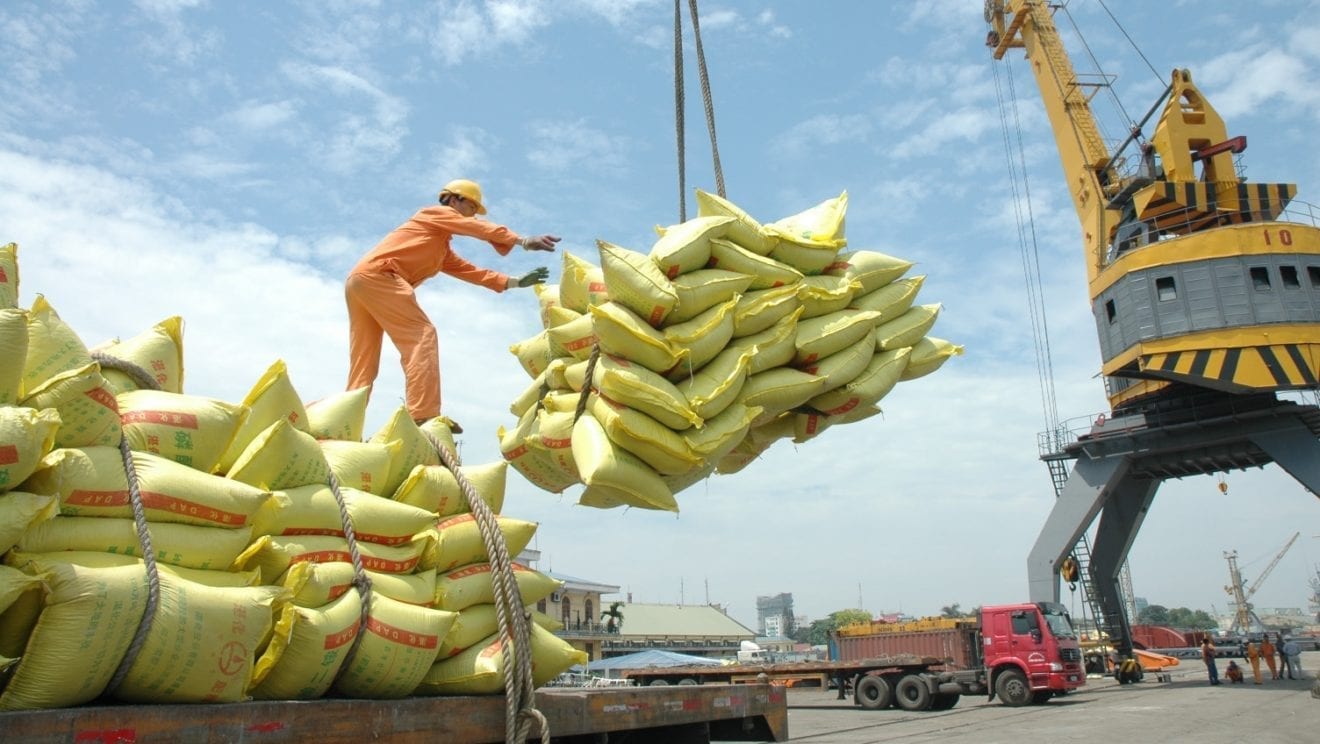
    The Philippines is set to import a lot of rice from India at $100 cheaper per ton than Vietnamese rice as it diversifies its supply sources.

    A report by the Agricultural Products Processing and Development Department (Agrotrade) shows that in the first five months of this year, Vietnamese rice exports reached 2.7 million tons at $1.48 billion, down 11.3 percent in volume and 5 percent in value over the same period last year.

    There’s no significant demand by foreign traders as they wait for the summer-autumn harvest season, the report said.

    On the other hand, the price of Vietnamese rice is much higher than that of India and Thailand. A ton of Vietnamese rice is $20 higher than that of Thai rice and over $100 per ton over Indian rice.

    On average, Vietnam’s rice export price in the first four months of this year reached $543 per ton, up 15.4 percent year-on-year. The Philippines is Vietnam’s largest rice-consuming market, accounting for 35.6 percent, but export to this market decreased 20.7 percent in volume and 4.9 percent in value over the same period last year. Similarly, rice exports to Indonesia also decreased sharply by 71.1 percent year on year.

    According to Agrotrade, market demand in the coming time will be high, but Vietnamese rice will face competition in the international market when the prices of Thai and Indian rice are more attractive to buyers.

    Recently, the Philippines eliminated import duties for ASEAN, non-ASEAN, and “Most Favored Nation” (MFN) nations with the goal of increasing imports of cheaper rice from India and Pakistan.

    Specifically, the Philippines has lowered import duties for MFN on rice to a single rate of 35 percent. It had previously imposed a 40 percent in-quota tariff rate and 50 percent out-of-quota tariff rate.

    On June 7, Philippines Finance Minister Carlos Dominguez announced that the country would seek more rice from countries outside Southeast Asia with the goal of diversifying supplies and keeping import prices at a reasonable price. Accordingly, India is a country with cheaper rice that can become a main supplier.

    Vietnam has been the main rice supplier to the Philippines so far. In addition, the Philippines also buys rice from Thailand and India, apart from other countries outside Southeast Asia.

    Vietnam is set to produce 43 million tons of paddy and export 6.5 million tons of rice this year, according to the Ministry of Agriculture and Rural Development.

    The nation was the world’s second-largest rice exporter last year at 6.25 million tons.