Unobank will be entirely regulated under the Digital Banking License framework in the Philippines.
DigibankAsia, a Singapore-headquartered fintech, has become the first fintech to receive a license to operate a digital bank in the Philippines, it announced in a statement on Tuesday.
Uno, which is operated by Singapore-based DigibankAsia, has been working with digital services and consulting firm Xebia, fintech software provider Backbase, cloud banking provider Mambu and Amazon Web Services, for its rollout in the Philippines, which has among the lowest banking penetration in Southeast Asia.
The Bangko Sentral ng Pilipinas’ vision and foresight to digitize the local banking industry is future-forward and apt, because ultimately it will help align the Philippines as a modern banking center for the region, Manish Bhai, Unobank CEO, said in the announcement.
According to Uno, it aims to bridge the financial inclusion gap to help pave the way for all Filipinos to have access to basic financial services, and hopes to extend its services to the rest of Southeast Asia and South Asia.
Around 70 percent of the population of the Philippines is considered unbanked, while the country has very high mobile penetration, with 60 percent owning a smartphone and 67 percent of the population using the internet.
The country’s banking regulator previously issued two digital banking licenses, which are conversions from previous bank licenses.
The Wirecard scandal continues to unravel as authorities in the Philippines file criminal complaints against its former chief operating officers and others.
The Philippine’s National Bureau of Investigation (NBI) filed criminal complaints against individuals involved in the Wirecard scandal over accused violation of banking, cybercrime and e-commerce laws, according to a report citing a text message from Justice Minister Menardo Guevarra.
NBI recommended charge against ex-Wirecard COO Jan Marsalek, Manila-based lawyer Mark Tolentino, Joey Dela Cruz Arellano, Judith Singayan Pe, and other unnamed individuals, according to a separate statement from the prosecutor general’s office.
If found guilty, the charged individual could face up to 12 years of imprisonment and a maximum fine of around $42,000.
Wirecard continues to face the aftermath of a scandal involving 1.9 billion euros ($2.3 billion) of missing funds despite documents that allege its previous existence and witness by auditor EY.
Tolentino’s law firm was used by Wirecard to open foreign currency bank accounts with BDO Unibank and Bank of the Philippine Islands (BPI) – the two banks that the German firm claimed held the now missing funds.
Arellano is being accused of issuing forged documents confirming that Wirecard held cash at BPI and receiving payments for the task by Pe and other unnamed individuals.
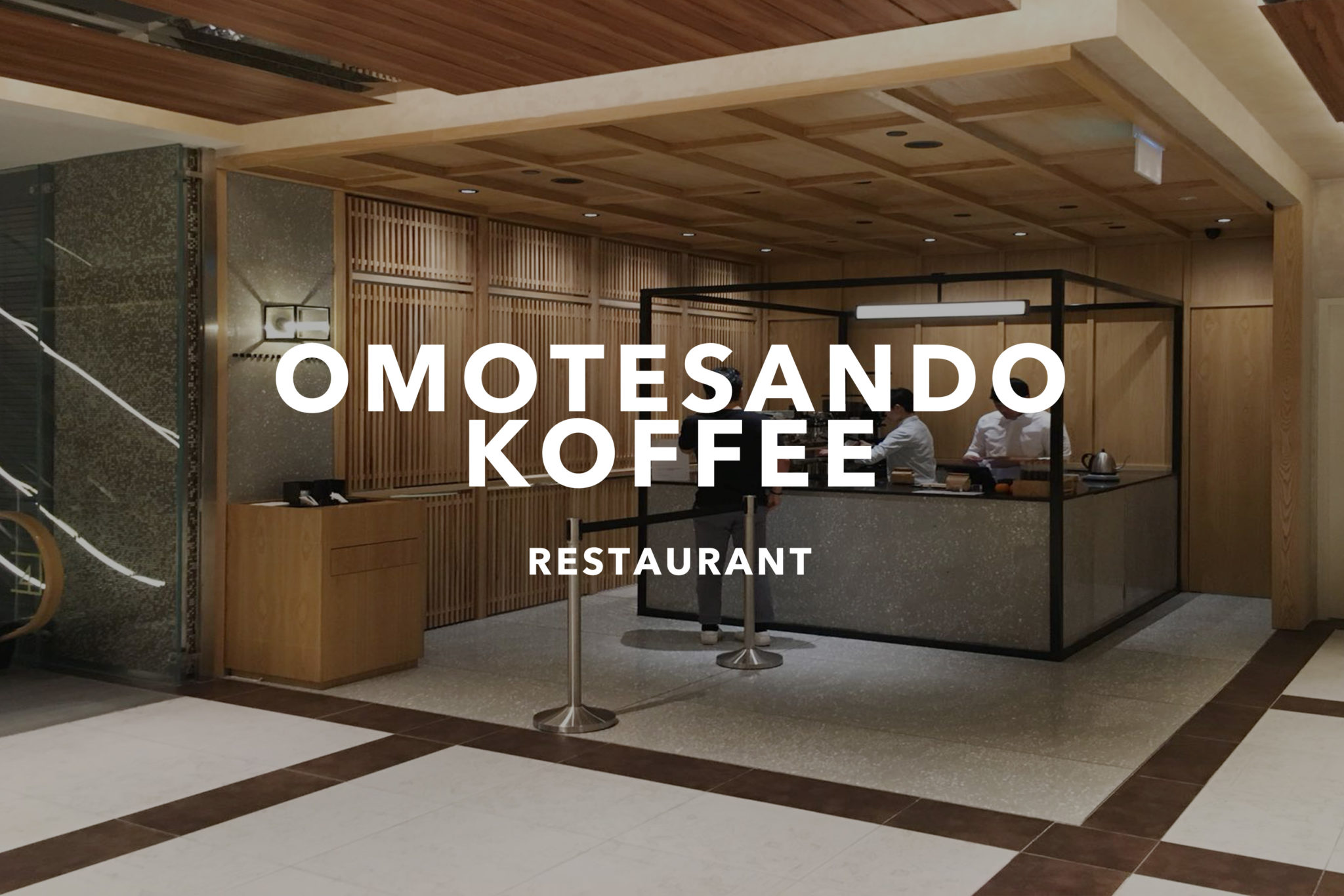
Japanese coffee shop Omotesando Koffee is officially opening its first Metro Manila branch in Power Plant Mall, Makati City, tentatively slated for an August 2021 launch.
The famous Zen-style, minimalist coffee shop from Tokyo will be brought into the Philippines by H&F Retail Concepts, the group behind luxury fashion brands Univers, Homme et Femme, Balenciaga, Comme des Garcons, and Fred Perry.
David Ong, owner and head barista of The Curator and EDSA Beverage Design Group, will be helping out.
“Well, the cat’s been out of the bag for a while now. This is just formalizing it further. The opening of the first branch is fast approaching, and we’re helping out a little bit,” Ong wrote on Instagram on Tuesday, June 1, posting a call-out for interested baristas to apply.
According to Ong, two more Omotesando Manila locations will be opening this year, but the hiring process will be for this branch initially.
News that Omotesando Koffee would open in Metro Manila first circulated late 2020, when the original brand’s Instagram page added “Manila” to a list of locations on their Instagram bio, alongside Tokyo, Hong Kong, Singapore, Bangkok, and London.
Omotesando Koffee first opened as a humble pop-up shop in Omotesando Hills, Tokyo in 2011, growing in popularity for 5 years until it closed in December 2015 due to the “aging building” it was located in.
They opened their first Hong Kong branch a year later, and expanded to cities around the world, including a re-opening in Shibuya, Tokyo as Koffee Mameya.
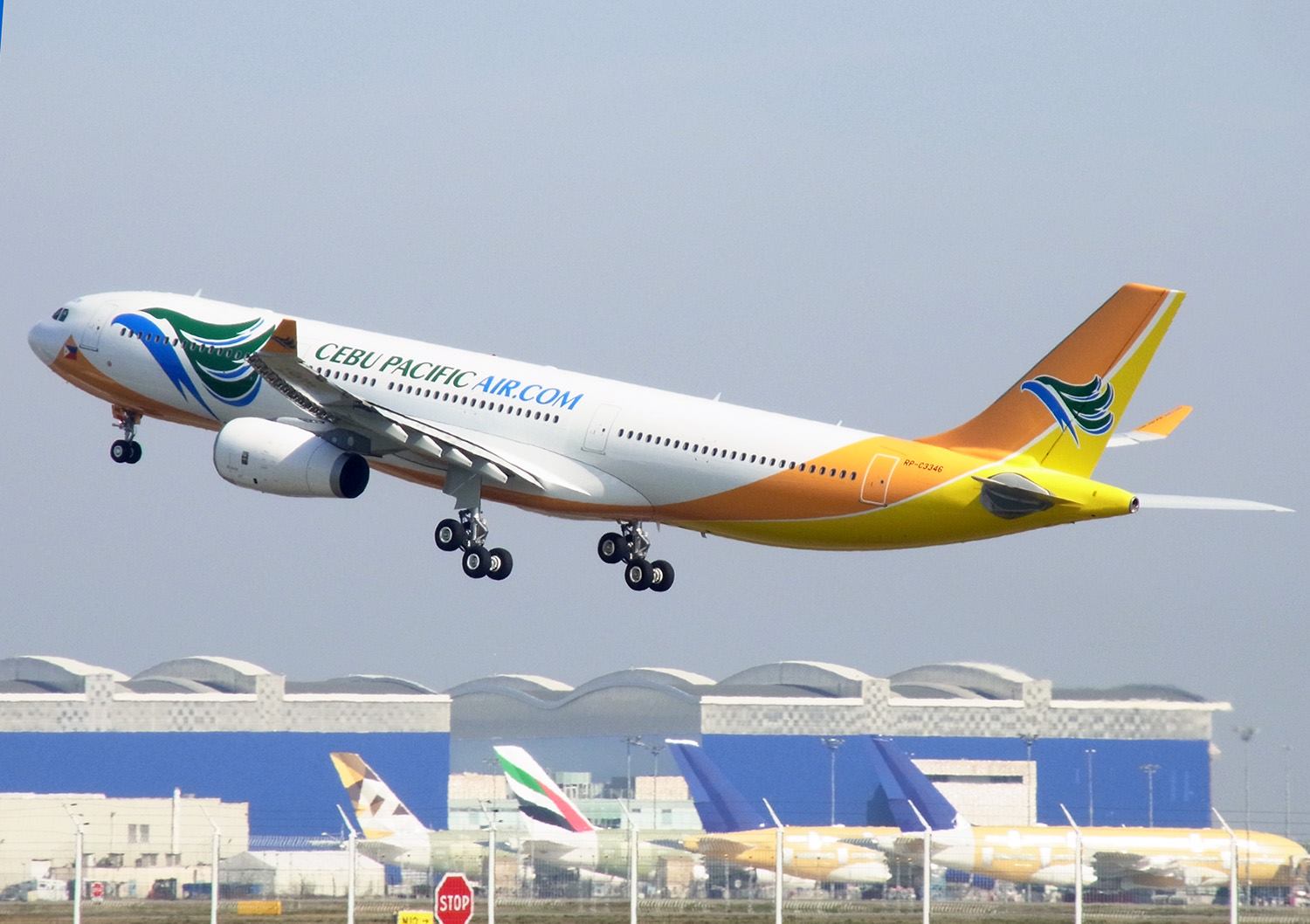
Clifford Chance has advised the investors involved in the placement. International Finance Corporation, IFC Emerging Asia Fund, LP and Indigo Philippines LLC, an affiliate of private equity firm Indigo Partners LLC, were the investors inolved in the private placement of US$250 million convertible bonds due 2027 by low-cost carrier Cebu Air, Inc. (Cebu Pacific) listed on the Philippines Stock Exchange. The bonds are convertible into common shares of Cebu Pacific. The shares issued as a result of the conversion of the convertible bonds will be listed on the Philippines Stock Exchange.
The private placement was part of a broader business transformation exercise that was launched by Cebu Pacific in response to the Covid-19 pandemic. The proceeds will be used to fund working capital requirements, repayment of debt and lease obligations, and critical capital expenditures of Cebu Pacific and its subsidiaries.
The project involved a cross-border team of Clifford Chance experts in international corporate, debt, and capital markets transactions, led by partners Johannes Juette (Picture – Singapore), Virginia Lee (Hong Kong) and Gareth Deiner (Singapore), senior associates Claire Neo (Singapore) and Ryan Wong (Hong Kong) and associate Anson Wong (Hong Kong), with specialist advice provided by partner Fergus Evans (Singapore) and senior associate Nattawat Vilasdechanon (Singapore) for their expertise in aircraft financing.
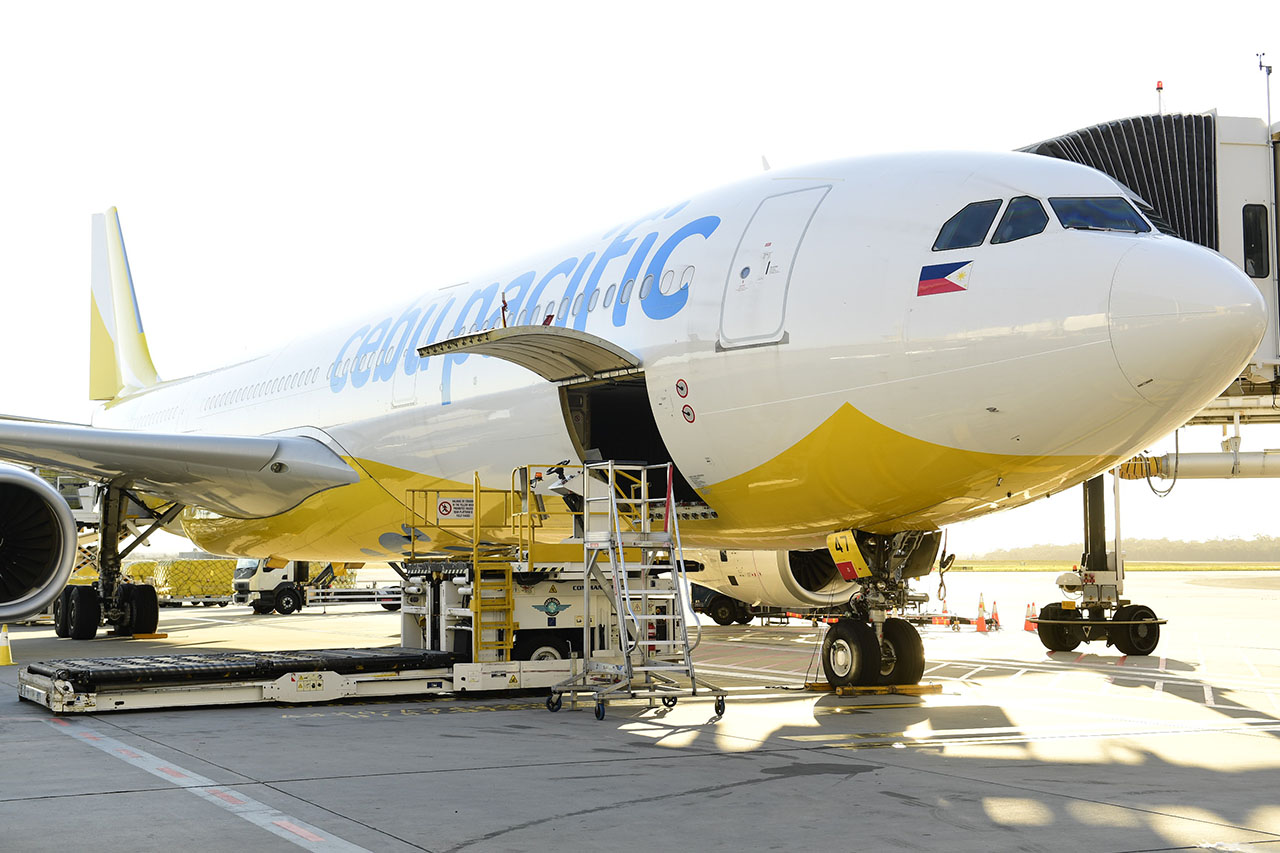
The Philippines’ leading carrier Cebu Pacific safely delivered some 1.5 million doses of vaccines against coronavirus disease 2019 (COVID-19) in coordination with the Department of Health (DOH).
The China-made doses recently arrived at the Ninoy Aquino International Airport (NAIA) via 5J 671.
CEB is in full support of the nation’s vaccination program as it helps ensure these life-saving COVID-19 vaccines are flown safely to the Philippines, and distributed across the rest of the archipelago.
“This large shipment of COVID vaccines with Cebu Pacific brings us closer to our goal of protecting every Filipino as fast as possible,” said Sec. Carlito Galvez, Jr., chief implementer of the National Task Force against COVID-19. “We are grateful to Cebu Pacific for joining forces with the government to support us in ensuring the success of this vaccine roll-out.”
“We are thankful for the continued trust of the Philippine government and the DOH, and restate our intention to support our country’s fight against COVID-19 in any way we can. We look forward to picking up more vaccines from across the globe and aid in distributing across our widest domestic network,” Alexander Lao, Cebu Pacific Chief Strategy Officer.
Upon unloading from CEB’s A330 aircraft, all vaccines were thoroughly inspected by the authorities prior to uplifting to refrigerated trucks via electric forklifts.
On May 4, Cebu Pacific transported 6,200 COVID-19 vaccines from Manila to Puerto Princesa. Apart from Palawan, the carrier has delivered more than half a million doses of vaccines to six other cities in the country namely Bacolod, Cotabato, Legazpi, Tacloban, Tuguegarao, and Zamboanga.
Following last week’s shipment of 500,000 Sinovac vaccines from Beijing to Manila, CEB has already transported more than 2.5 million COVID-19 doses since March 2021.
CEB operates the widest domestic network in the Philippines covering 32 destinations, on top of its six international destinations. Its 74-strong fleet, one of the youngest in the world, includes two dedicated ATR freighters and one A330 freighter.
Woolworths has partnered with the Philippines retail group Robinsons to launch a range of more than 150 products in the Southeast Asian country.
Filipinos now can buy products from popular Australian brands, including milk, wine, honey, cereals, and baby food at Shopwise, The Marketplace, and selected Robinsons Supermarket branches.
“It has always been our thrust to continue offering new products that will excite our shoppers every time they visit our stores,” said Jody Gadia, MD of supermarket segment at Robinsons Retail.
“Woolworths’ values are consistent with the Robinsons Supermarket Group’s focus on health and wellness.”
According to Gadia, Philippines consumers can find Australian products at Robinsons physical stores about 10 to 15 percent cheaper than other imported goods sold in the Philippines.
International sales head at Woolworths, Brian Newton, the group’s expansion in the Philippines results from the growing demand for healthier options during the pandemic.
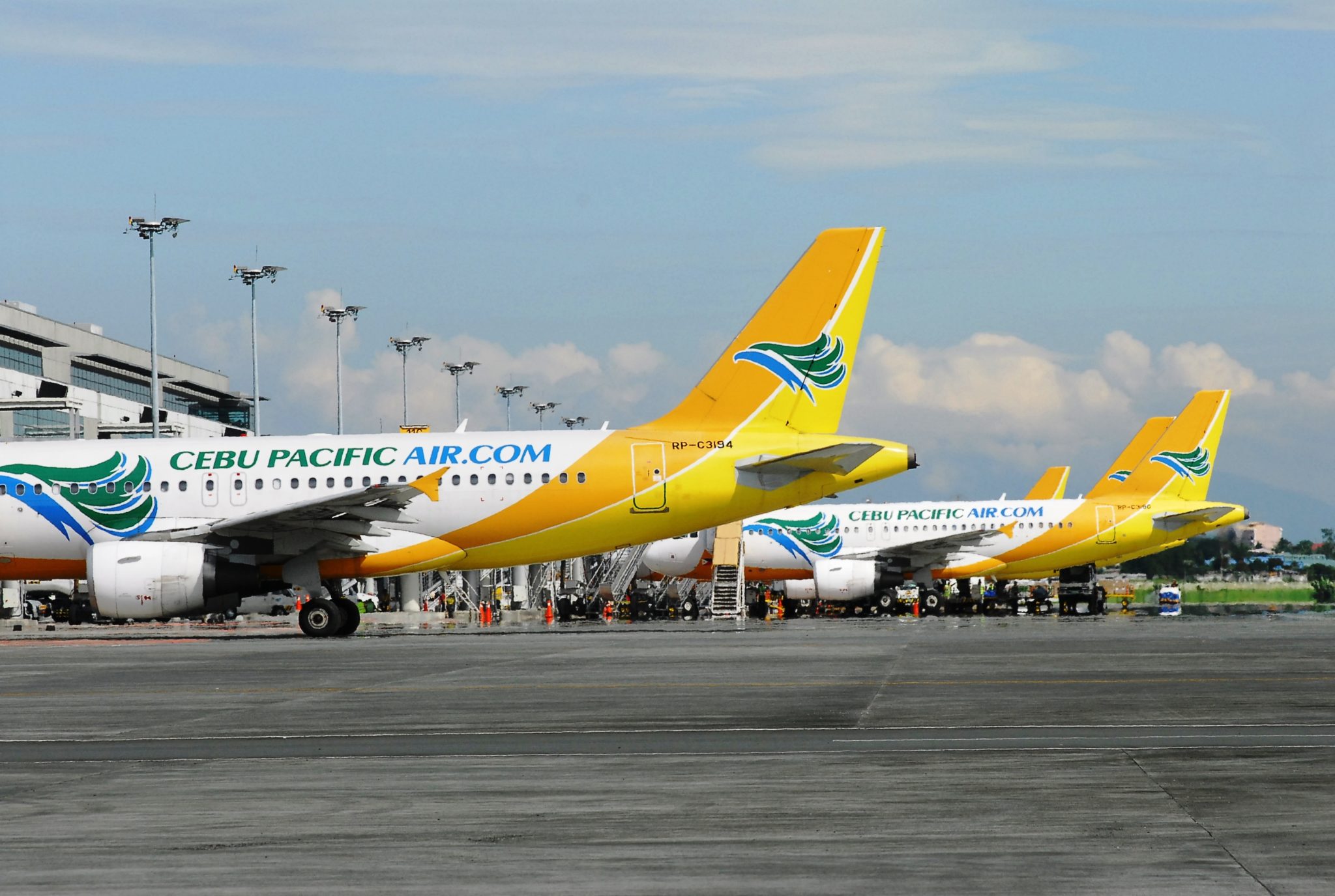
Cebu Pacific Air, the low-cost airline controlled by Philippine tycoon Lance Gokongwei and his siblings as part of JG Summit Holdings, said it has raised $250 million through the sale of convertible bonds to the International Finance Corp. and U.S. private equity firm Indigo Partners.
The bonds can be converted into 318.75 million common Cebu Pacific shares at 68 pesos a piece, according to a filing with the Philippine Stock Exchange. The company didn’t disclose the specific investments made by IFC through its IFC Emerging Markets Fund and by Indigo partners through its Philippine subsidiary.
The funds will provide the carrier some much-needed capital. Cebu Pacific, just like most travel-related businesses, suffered a net loss of 22.2 billion pesos ($459.4 million) last year as passenger traffic dropped 78% to 5 million. Both international and domestic travel came to an abrupt halt as the Philippines grappled with the Covid-19 pandemic. The country is among the hardest hit by the deadly virus in Southeast Asia.
“At Cebu Pacific Air, our focus has been on bringing the vaccine into the country and getting back to regular travel,” Gokongwei told attendees to the 2021 Forbes Asia CEO Webinar late last month.
The funds raised from the convertible bond issue form part of the the $500 million the airline aims to raise as it restructures operations in preparation for a vaccine-led recovery in the travel industry.
Cebu Air the listed operator of budget carrier Cebu Pacific, announced on Monday that 328.95 million of its convertible preferred shares with a par value of P1 per share are now ready to be traded on the main board of the Philippine Stock Exchange (PSE).
“Despite the numerous challenges that airlines are currently facing, Cebu Pacific was able to raise approximately P12.49 billion ($256 million) from existing shareholders,” Cebu Air said in a disclosure to the stock exchange on Monday.
The listed company added that the success of its fund-raising activity is “reflective of the belief that shareholders have, not only in the long-term prospects of Cebu Pacific, but also its vital role in the economic recovery of the Philippines.”
The company has said the amount raised would help it address financial liabilities, including repayment of an advance by JG Summit Philippines Ltd., aircraft operating lease payments, principal debt repayments, and passenger refunds, among others.
Cebu Air recently announced that its board approved a P16-billion, 10-year loan from local banks.
The loan would be used to fund its capital expenditures and other general corporate purposes.
The loan should also provide a cushion against “unexpected working capital requirements that may stem from fuel price and foreign exchange rate volatility,” Cebu Air said in an announcement.
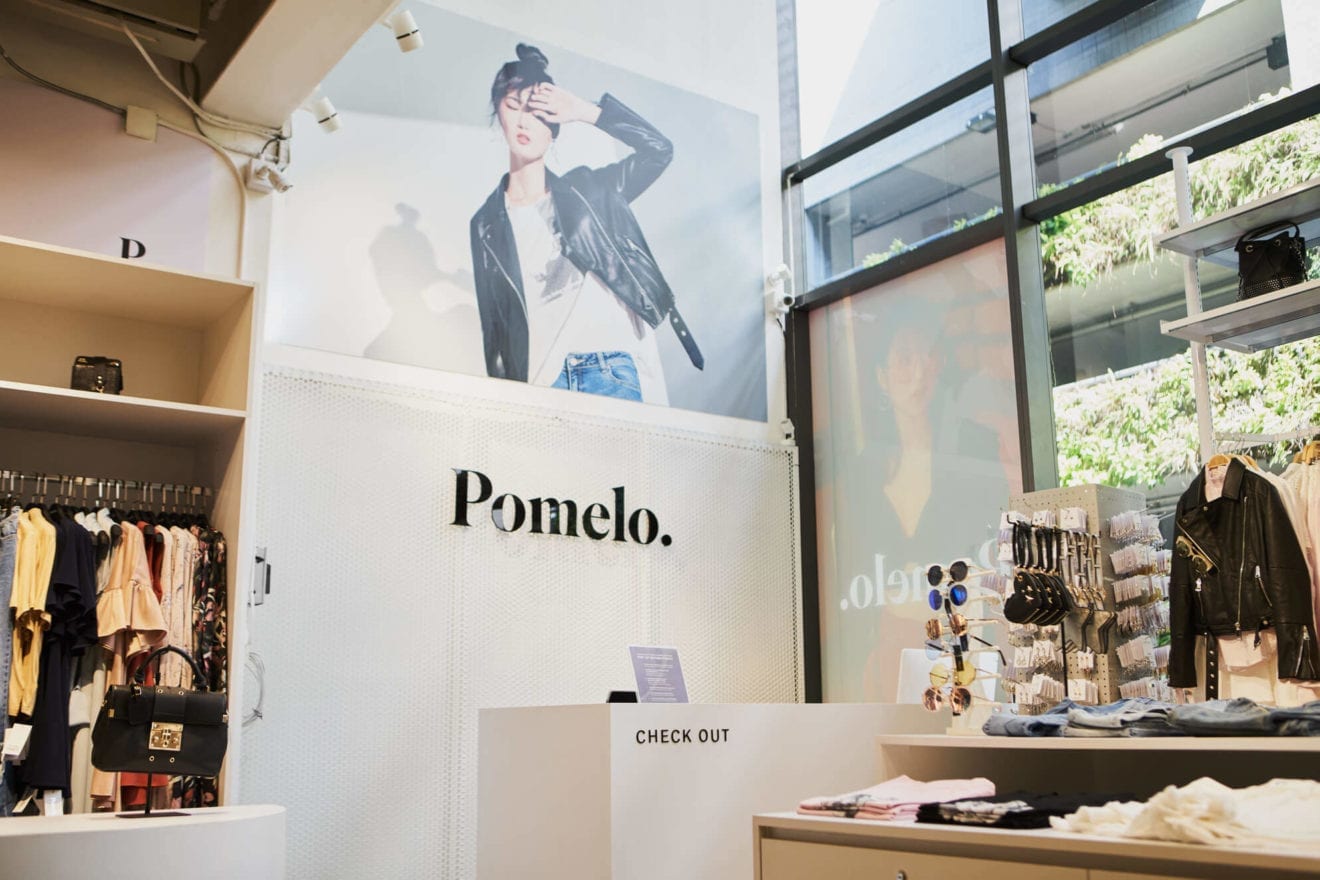
The omnichannel fashion platform has launched a localized online store in the Philippines as part of its digital expansion across Southeast Asia.
According to Pomelo, monthly orders from the Philippines currently account for around 10 percent of Pomelo’s total orders. Coinciding with the brand’s eight-year anniversary, the launch will help the brand strengthen their presence in Southeast Asia and increase its market share in the Philippines. Currently, the brand’s listing on Zalora Philippines has amassed more than 100,000 unique orders from locals.
The Philippines’ online store will house Pomelo’s exclusive collaborations and fashion-forward apparel, including the brand’s new Spring/Summer 2021 Collection. The store will also feature the brand’s cashback reward and loyalty program, ‘Pomelo Perks.’
This year in particular has seen the brand’s efforts to expand across the region increase with new stores launched in Singapore and Indonesia. The brand will also launch a flagship store in Malaysia this May.
The opportunity is ripe for the digital-only bank in the country, which has a population of over 100 million – 70 percent of whom is currently unbanked – spread across a vast territory of 7,600 islands.
Tonik has rolled out its long-awaited deposit, payment, and card products to consumers in the Philippines, where it hopes to disrupt the traditional retail banking sector.
The digital-only bank intends to boost financial inclusion, as previously unbanked customers can have accounts set up within five minutes through its mobile app, which come with a virtual MasterCard debit card. Accounts can be topped up via interbank transfer, debit card, or in cash at close to 10,000 retail agents across the country.
Tonik said its use of technology will dramatically cut operating costs, and allows it to offer «game-changing» interest rates and not to charge unfair fees to customers. It plans to expand its offer to include a physical debit card and to allow customers to take out an all-digital consumer loan.
We expect our proposition for the #NeoNormal to resonate particularly strongly with the “digital natives” in the Philippines, who constitute most of the population,» Long Pineda, president of Tonik Digital Bank, said in an announcement on Friday.
Tonik is headquartered in Singapore, and is backed by venture capital funds including Sequoia India and Point72.
Under the terms of the agreement, Nokia will provide equipment and services from its comprehensive 5G AirScale portfolio to build out the Radio Access Network (RAN), including base stations and other radio access products. Globe Telecom will also use Nokia’s high-capacity AirScale massive MIMO Adaptive Antenna solution, which utilizes the latest 64TR radios, to boost coverage and performance.
Utilizing the new 3.5GHz spectrum band for dense urban coverage, Globe Telecom will be able to provide end-users with high peak speeds typical on 5G network. The deal will also see the expansion of the existing FDD/TDD LTE network infrastructure. These solutions will enable Globe Telecom to roll out 5G services across the two major islands of the Philippines and offer customers superior speeds, capacity, and lower latencies while reducing complexity.
Nokia will provide its NetAct solution for network management and seamless daily network operations as well as deliver digital design and deployment and optimization and technical support services.
Nokia is an existing partner of Globe Telecom and provides a wide range of solutions including wireless, IP, optical, and fixed network products, and services.
Ernest Cu, President and CEO, Globe Telecom, said:“We’re pleased to continue our partnership with Nokia to deliver compelling 5G experiences to our customers. We are going full steam ahead in delivering 5G in more areas, as this technology brings us closer to our goal of providing #1stWorldNetwork in the Philippines.”
Tommi Uitto, President of Mobile Networks, Nokia, commented: “It’s exciting to be part of this project to deliver 5G services to citizens across the Philippines and see our industry-leading 5G RAN solutions underpin the network. The expanded and upgraded 5G network will deliver exciting new solutions to even more people and businesses and our technology will play a fundamental role in delivering these compelling connectivity experiences.”
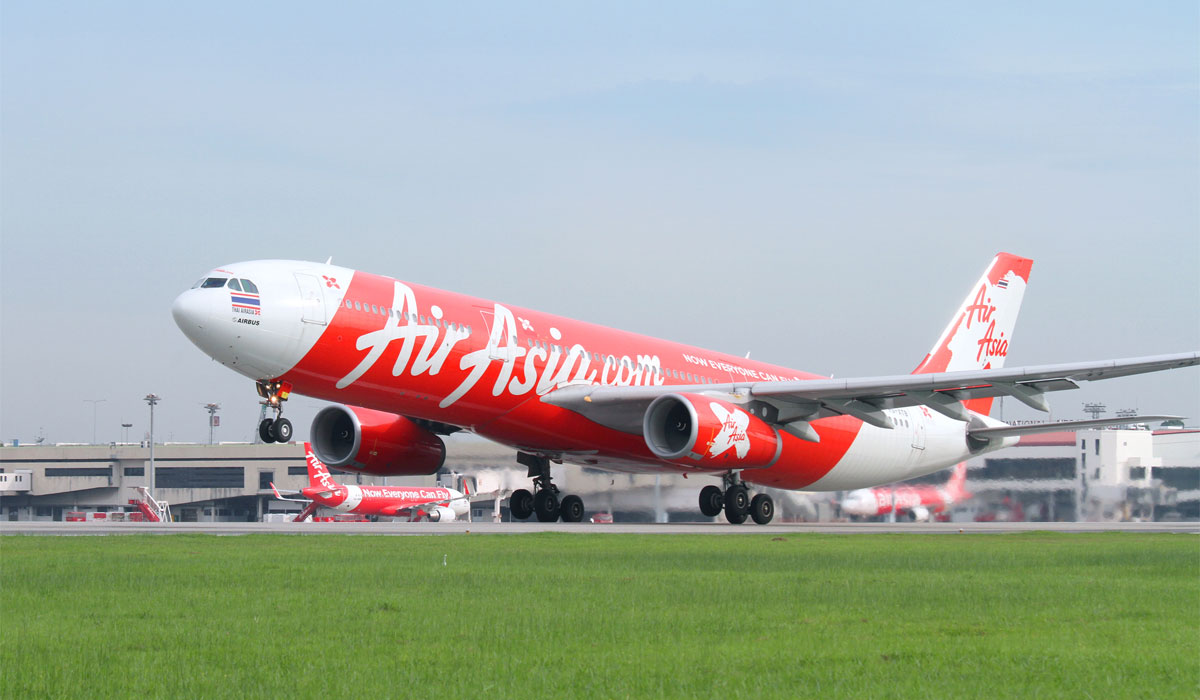
AirAsia Group has disclosed that it extended approximately $40 million in advances and corporate guarantees to Philippines AirAsia in November-December.
The low-cost airline group on 19 November provided a $19.1 million corporate guarantee to Filipino bank BDO Unibank. This was in relation to the restructuring of a three-year, $35 million loan to Philippines AirAsia, the group says in a 26 February disclosure to Bursa Malaysia.
On 29 December, AirAsia Group through AirAsia Berhad provided AirAsia with a corporate guarantee and cash advances amounting to Ps991 million ($20.4 million), with Citibank Philippines as the beneficiary. In support of that move, AirAsia Group pledged one of AirAsia Berhad’s spare engines for an uncommitted short-term revolving credit facility applied for by Philippines AirAsia.
AirAsia Group’s latest annual report for 2019 indicates that AirAsia Berhad is the legal name for the Malaysia-based LCC AirAsia, and AirAsia Inc refers to the AirAsia Philippines airline. The same report states that AirAsia Group’s effective equity interest in the Filipino carrier stood at 40%.
The group says in its latest disclosure that the financial assistance was provided “in the ordinary course of business and to facilitate the running of the operations and financial affairs” of AirAsia Philippines.
It adds that these do not have any material effect on its earnings per share, net assets per share and gearing of the company and its subsidiaries.
The Philippine Amusement and Gaming Corporation, or shortly PAGCOR reports nearly 33 million USD profit from casino operations in 2020. The revenues of PAGCOR fell to a great extent due to the COVID-19 pandemic and the restrictions that came with it.
PAGCOR operates numerous state-owned casinos and slot machine clubs throughout the Philippines. It has its own casino brand, the Casino Filipino, and the corporation is responsible for the regulation of other private gambling venues as well.
2020 Has Been a Tough Year
Andrea D. Domingo, the chairman and CEO of PAGCOR, claims that the offshore gaming operations and the revenues of the government-owned corporation declined mainly because of the pandemic.
“The local gaming industry employs about 132,000 direct hires. It also generates many other economic activities and businesses like restaurants, hotels, malls in Integrated Resorts (IRs), services, transport and real estate. There will be more economic employment opportunities when other gaming stations and casinos open,” Andrea Domingo said in her keynote address during the kickoff of ICE-Sigma Asia Digital on June 8 2020.
In March 2020, PAGCOR had to suspend the gaming operations in the Philippines to help the government fight against the COVID-19 and avoid the further spread of the virus amongst the citizens. This measure forced Filipinos to look for other ways to fulfill their passion and be able to gamble. For example, they started to play in online casinos. This report about online casinos shows those casinos which are legal to play in the Philippines.
Finally, traditional casinos had to wait to be reopened until the end of August. However, they could operate only with a 30% capacity limit.
Huge Decrease in Revenues
According to the statement of comprehensive income, PAGCOR was able to close 2020 with a total revenue of 624 million USD (Php30 billion) from gaming operations. This number is the lowest seen in the last seven years, so the corporation had some struggles last year. Compared to the previous year, PAGCOR revenues declined by 60.41%. In 2019, PAGCOR’s total revenues stood at 1.57 billion USD (Php75.76 billion). In 2020, over 148 million USD (Php7.14 billion) was the income from casino customers, and more than 562 million USD (Php27.05 billion) came from junket operations, non-casino customers, and other income.
While PAGCOR’s income from junket gaming operations (nearly 8.3 million USD – Php398 million) was halved compared to last year, the income from licensed casinos also fell largely, to more than 239 million USD (Php11.52 billion). The income from the Philippine Offshore Gambling Operators (POGOs) was the least affected by the decrease, it went down by more than 18% to nearly 97 million USD (Php4.66 billion).
Reduced Expenses
As the corporation had less income in 2020 than it had in the previous year, less money was deducted from the income in the form of gaming taxes and contributions towards the government. The amount of taxes and contributions dropped by 60.41% from 827 million USD (Php39.77 billion) to 328 million USD (Php15.75 billion).
Although PAGCOR had to suffer a huge decline in revenues, the corporation’s expenses also dropped by more than 42%. The total expenses decreased to 388.55 million USD (Php18.68 billion) from the previous 670.61 million USD (Php32.24 billion). PAGCOR cut costs mainly by making fewer payments to corporate social responsibility projects, although these did not stop altogether. Also, PAGCOR had reduced costs (for example, maintenance and other operating expenses) as a consequence of the casinos being closed for several months in 2020.
PAGCOR’s Profit Fell by 83.75%
After all, PAGCOR reported almost 33 million USD profit (Php1.57 billion) from casino operations in 2020. It is 83.75% less than in 2019 when it was 201.14 million USD (Php9.67 billion).
Future Expectations
When it comes to the expectations for 2021 and the upcoming years, it is hard to say if PAGCOR will be able to produce the same amount of revenues as it had back in 2019, before the whole COVID-19 crisis has hit the gaming industry, or not. Everything will depend on the fact whether the casinos can be reopened fully, and how successfully PAGCOR can expand online gambling in the Philippines.
Currently, because of the pandemic, there are still some special restrictions in place in the country that have to be also applied in the casinos. For example, only every second slot machine can operate, and there is a maximum limit regarding the number of players at the table. Only three players are allowed to play at the same time per table. Moreover, at the entry, it is obligatory to measure the temperature of everyone who wants to enter the casino, and every player has to wear a mask inside the building.
Although the number of new COVID-19 cases seems to be stabilized now between 1500 and 2000 per day, it is not sure how long these restrictions will remain in place. Also, we can’t rule out the possibility of having more strict measures in the future that can come again with the closure of the casinos.
Online Gambling Expansion May Be the Solution
To increase the revenues from casino operations and mitigate the financial loss caused by the pandemic recently, PAGCOR’s main focus is on the expansion of online gambling. It has permitted certain land-based casino resorts (for example, City of Dreams, Solaire, and Okada in Manila) to provide online gambling activities in December. Those casinos that hold a Philippine Inland Gaming Operator (PIGO) license can expand their activities to offer online gambling for verified high rollers. So those gamblers who want to play online must be frequent visitors of the casino resort in question, and they must be already registered in the casino’s player database.
While PAGCOR permitted legal online gambling only for high rollers, it is still not sure if the corporation will potentially extend these online casino games to non-high rollers in the future.
According to CEO Andrea D. Domingo, the Philippine Inland Gaming Operator licenses are beneficial to everyone. Firstly, PIGOs are a great way to collect revenues. The incomes from PIGO operations are taxed at a quite high rate, 30%. Secondly, these licenses can effectively help to stop illegal online gambling in the Philippines.
All things considered, hopefully, 2021 and the years after can be more profitable for PAGCOR than 2020 was. Even if the land-based casinos are not operating at full capacity now, there is a chance that higher revenues may be expected due to the newly introduced PIGO licenses and the increasing income from off-shore gaming operations.
It’s all systems go for the upcoming P12.5-billion stock rights offer of Cebu Air Inc. next month.
In a disclosure to the local bourse on Wednesday, the operator of loss-making budget carrier Cebu Pacific released the final terms for the fundraising activity meant to keep the airline afloat while lingering coronavirus fears prevent a full take-off to recovery.
The mega stock rights offer is part of a larger recovery plan worth $500 million that the airline announced last October, which also included a private investor placement of an equal amount. It was unclear whether the balance had been raised already.
Under the offer, existing common shareholders may buy convertible preferred shares at a conversion price of P38 apiece. Preferred shareholders are entitled to receive fixed dividends with a yield of 6% per year, but they will not have voting rights that common stockholders enjoy.
Shares will be sold from March 3 to 9, while a tentative listing date was set on March 29. Cebu Air will sell a total of 328.9 million convertible preferred shares to investors for this crucial fundraising activity.
A chunk of the proceeds worth P4.8 billion will serve as repayment to advances by JG Summit Philippines Ltd., its parent firm. A smaller P3.9 billion would go to aircraft operating lease payments due this year, while P3.3 billion would settle old debts.
The balance of P384 million would be spent on “general corporate purposes,” primarily for passenger refunds in case cash generated from lackluster operations are insufficient for settlement.
Unlike regional counterparts that handed bailouts to their cash-strapped carriers like Malaysia and Thailand, the Philippines has been reluctant in spending taxpayers’ money to rescue local airlines on the brink of financial collapse.
Although Cebu Air is yet to release its full-year financial results, the airline has expected losses to amount to “almost P25 billion” in 2020 that, if realized, will be a reversal of the P9.12 billion in profits in 2019.
Apart from raising new funds, Cebu Air was also forced to downsize its workforce by 75% last year due to tepid flight operations.