Tag: Philippines

  • Owndays Philippines opens flagship store in Manila

    Owndays Philippines opens flagship store in Manila

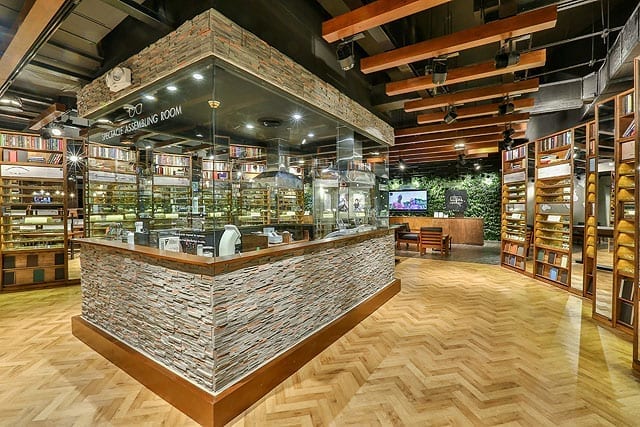
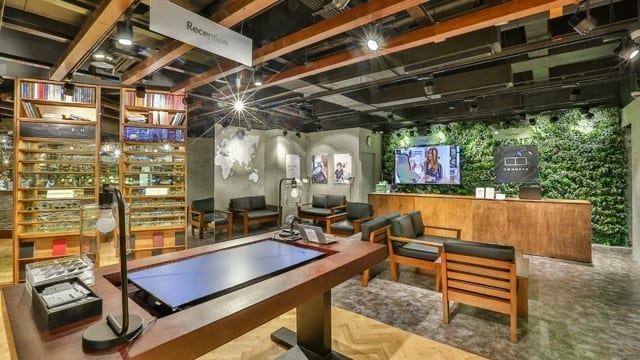
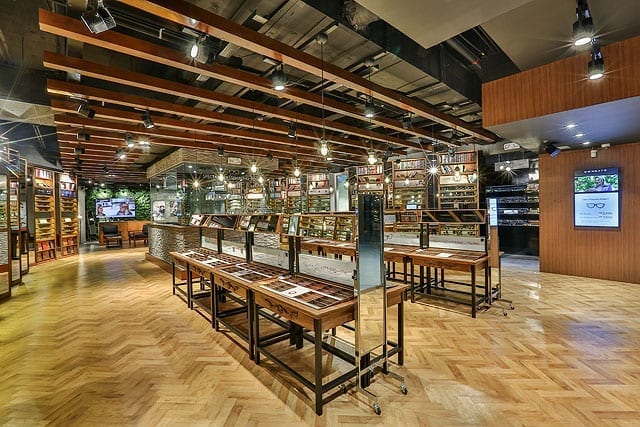
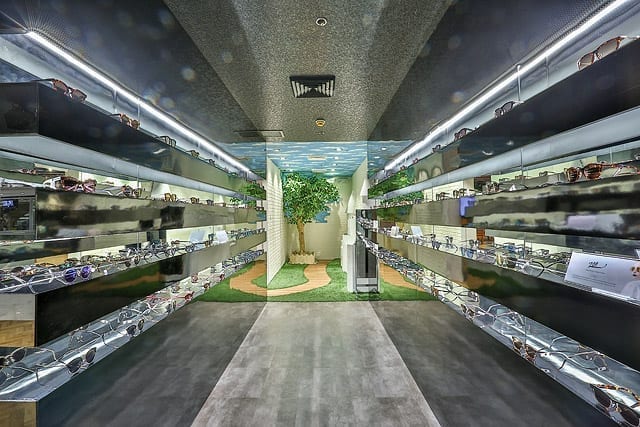
    Owndays Philippines has opened its largest optical shop yet, at SM Megamall in Manila.

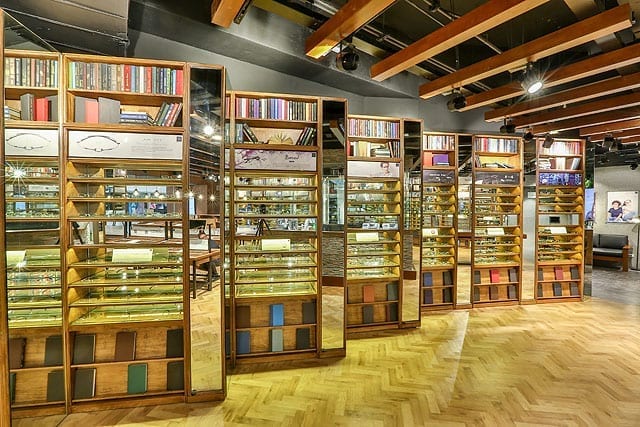
    With 1500 frames to choose from, the Japanese eyewear retailer can provide prescription glasses in 20 minutes.

    Its 280sqm flagship has a children’s department featuring the Junni brand. With its open module system, it is easier to try on glasses. Its pricing model is simplified, being inclusive of frames, ultra-thin multi-coated lenses and the eye examination. All products come with a warranty and lifetime cleaning and maintenance services.

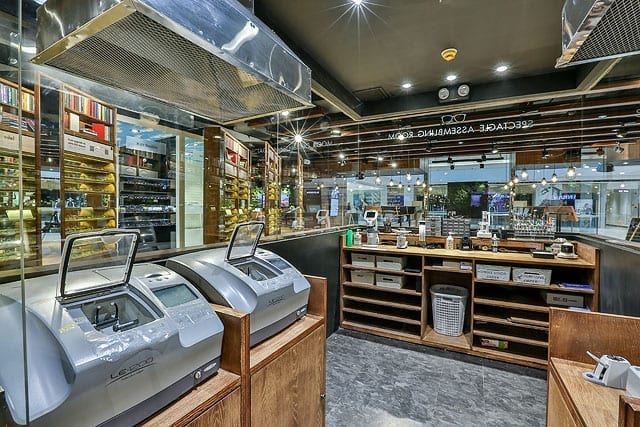
    Owndays SM Megamall also has three refraction rooms for eye tests (there are usually two), and as well as the spacious shopping area offers a lounge. At the shop’s centre is the space where spectacles are assembled.

    Owndays has 21 outlets in the Philippines, with six scheduled to open soon.

  • Dairy Farm sales stagnate

    Dairy Farm sales stagnate

    Dairy Farm sales were described as “flat” in the third quarter to September 30.

    The Hong Kong-headquartered company said improved performances in health and beauty, Ikea, restaurants and Yonghui were offset by lower sales in the food and grocery division.

    “The lower food division sales, together with new store pre-opening costs in home furnishings, (Ikea) led to underlying profits being marginally below the same period in the prior year,” the company said in a statement issued in London, where it has a secondary listing. “Similar trading conditions are expected to continue for the remainder of the year.”

    Dairy Farm said the weakness seen in food and grocery sales was principally driven by difficult trading for the hypermarket and supermarket operations in Southeast Asia, where it operates Giant hypermarkets and Cold Storage supermarkets. It says reviews of “a number of the businesses” are being undertaken.

    The results from greater China (including its Hong Kong Wellcome supermarkets) showed improvement over the same period last year. Convenience store operations (including 7-Eleven stores in Hong Kong and Singapore) produced improved sales and profitability.

    Yonghui reported a strong 20 per cent  growth in revenue and 131 per cent increase in profit in the quarter.

    Improved sales in the health and beauty division (Manning’s, Guardian and Rose Pharmacy) were driven principally by a strong performance in Hong Kong and Macau. Home Furnishings (Dairy Farm has the Ikea franchises in Hong Kong and Taiwan) traded well, although profitability was reduced due to pre-opening expenses for the new store in Hong Kong.

    Maxim’s (which also includes Starbucks operations in Hong Kong, Vietnam and Cambodia) had a seasonally strong quarter in both sales and profit, benefiting from record mooncake sales during the Mid-Autumn Festival period. In September, Maxim’s acquired the existing business and exclusive rights to operate and develop Starbucks franchise stores in Singapore.

    In August, the group completed the acquisition of the remaining 34 per cent interest in Rustan’s in the Philippines from its joint venture partner.

  • Robinsons Retail grows in net profit

    Robinsons Retail grows in net profit

    With its expanding store network, Robinsons Retail Holdings (RRHI) has grown its net profit for the first nine months by 5.8 per cent year-on-year to PHP3.49 billion (US$68.2 million).

    Excluding one-off items and earnings from its 40 per cent stake in Robinsons Bank, RRHI’s core retailing net profit increased by 12.9 per cent to PHP3.12 billion.

    Consolidated net sales reached PHP81.18 billion, up by 10 per cent on steady same-store sales and the contribution of the new stores. Excluding the new stores, same-store sales growth was 2.8 per cent. In various segments the growth was: supermarkets, 2.1 per cent; convenience stores, 2.6 per cent; DIY hardware, 7.2 per cent; drugstores, 2 per cent; and specialty stores, 8.4 per cent.

    Blended gross margins expanded by 80 points to 22.4 per cent for the period, attributed to increasing scale and improvement in category mix.

    Operating income rose by 16 per cent to PHP4.22 billion, and EBITDA went up by 13.2 per cent to PHP5.74 billion, the margin expanding by 20 points 7.1 per cent.

    Supermarkets continued to account for the largest share of the group’s consolidated net sales, contributing 46 per cent to total business in the nine months.

  • Cebu Pacific looks to grow further in Australia in 2018 with Melbourne

    Cebu Pacific looks to grow further in Australia in 2018 with Melbourne

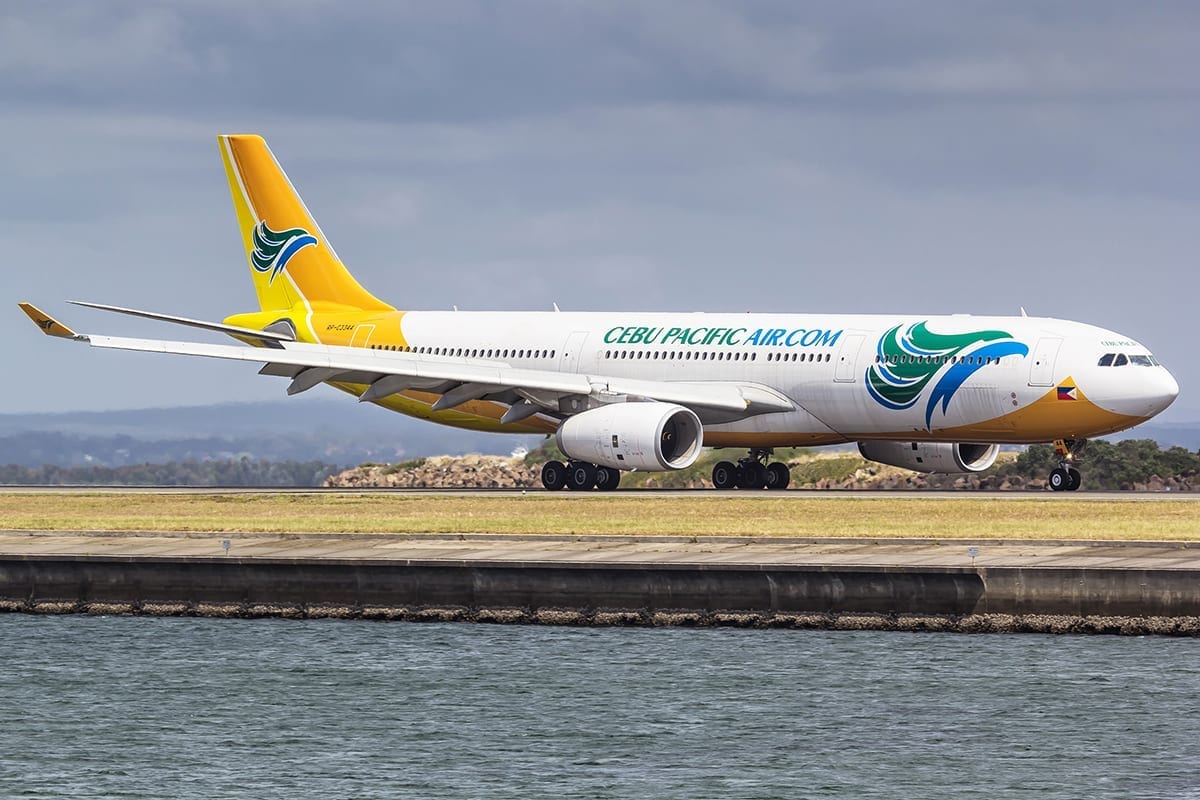
    Cebu Pacific is looking at launching services to Melbourne in 2018, further strengthening the Philippine low cost carrier’s position in Australia following the upcoming upgrade of Sydney to daily.

    Cebu Pacific has served Sydney for three years and has talked about the possibility of adding service to Melbourne since launching Sydney in late 2014. Talk about Melbourne has escalated over the last year as the performance on Manila-Sydney has improved, prompting the decision to upgrade Sydney to daily for the peak summer season. Sydney has until now been served with four to five weekly frequencies depending on the time of year.

    Cebu Pacific will operate seven weekly frequencies to Sydney in Dec-2017 and Jan-2018, compared to five weekly frequencies for the same period last year. Cebu Pacific for now has loaded a schedule of five weekly frequencies on Manila-Sydney from early Feb-2018. Cebu Pacific CEO Advisor Mike Szucs told CAPA on the sidelines of the 8-Nov-2017 CAPA Asia Aviation Summit that the airline plans to initially operate five or six frequencies during the non-peak and shoulder months but aims to eventually serve Sydney with a daily year-round schedule.

    “Australia is working well because it is selling well on both ends,” Cebu Pacific CEO Advisor Mike Szucs said. “Australia is a very good market for us.”

    Mr Szucs also said Cebu Pacific is now looking at launching services to Melbourne in 2018. “Australia is doing really well for us. We’ve grown the Manila-Sydney market phenomenally. We are the number one player in terms of passenger traffic on Manila-Sydney. We are increasing Sydney to daily frequencies from this December,” he said. “Melbourne is on the agenda for some time next year. We are not there yet – we need to go and finalise the numbers but Melbourne is looking interesting.”

    Philippine Airlines (PAL) is currently the only airline operating the Manila-Melbourne route, while Manila-Sydney has three nonstop competitors including PAL, Qantas and Cebu Pacific. PAL serves Sydney daily and Melbourne with three weekly flights, while Qantas has five to six frequencies on Sydney-Manila (depending on the time of year).

    Cebu Pacific has a fleet of eight A330-300s but has been using its widebody fleet mainly on short haul routes since suspending three Middle East services in mid-2017. Sydney and Dubai, which is served daily most of the year, are the only remaining long haul routes in Cebu Pacific’s network and use the equivalent of two aircraft.

    Mr Szucs said Cebu Pacific will have the opportunity to resume long haul growth in 2018 as A321s enter the fleet. Cebu Pacific mainly plans to use the new A321 fleet to up-gauge short haul routes from A320s but has the flexibility to use some of the A321s to replace A330s on short haul routes, freeing up A330s for new long haul routes. “As the A321s come in next year we will be able to start redeploying A330s again into some targeted long haul markets,” Mr Szucs explained.

    Under this scenario, Melbourne is on the top of the list as Cebu Pacific is not interested for now in resuming expansion in the Middle East, due to what it considers irrational competition in the Philippines-Middle East market. Cebu Pacific is also not interested, for now, in launching Manila-Honolulu, which originally was in its long haul network plan, as this market is highly competitive and unbalanced, consisting mainly of ethnic or VFR traffic.

    Manila-Melbourne is a less competitive route and the Australia-Philippines is a more balanced market. In the Sydney market, Cebu Pacific has been able to generate a relatively even mix of outbound and inbound traffic, covering the leisure, ethnic or VFR and business segments. For the latter, Cebu Pacific mainly targets SMEs as it does not have a premium product.

    “Australia is working well because it is selling well on both ends,” Mr Szucs said. “Australia is a very good market for us.”

  • Clark development eyed by AirAsia Philippines

    Clark development eyed by AirAsia Philippines

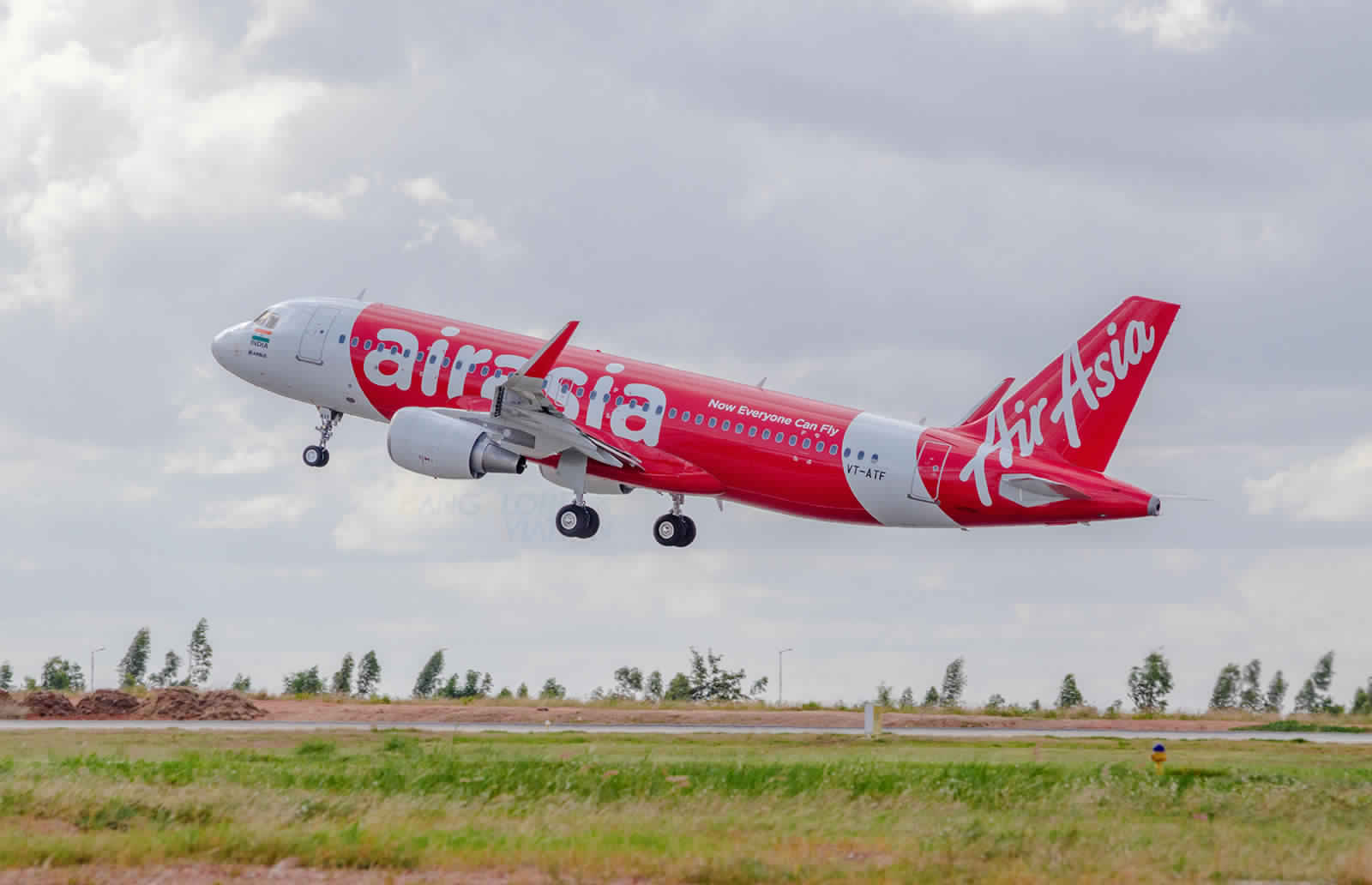
    Airasia Group CEO Tony Fernandes is hoping for the full development of infrastructure at the Clark international airport to boost Asean travel. “The answer is Clark for the Philippines but while waiting for that to happen we will begin a line of smaller infrastructure with the tertiary airports we have in the country,” said Fernandes.

    Fernandes said the Philippines is the best kept secret of the ASEAN and described the year as a turning point for the airline in the country. On Tuesday, Fernandes graced the celebration of the 50th anniversary of the founding of AirAsia with the launch of the “I Love Asean” aircraft at the Villamor Airbase with Asean ministers led by His Excellency Dr. AKP Mochtan, and AirAsia Philippines CEO Captain Dexter Comendador.

    “We are an Asean airline, this is a tribute to the Asean. We congratulate Asean for 50 years of peace and now look forward to 50 years of economic growth,” Fernandes said the success of AirAsia. AirAsia aircrafts showcase designs inspired by textiles of the 10 Asean nations: the Batik Cetak from Malaysia, Poom Khao Bin from Thailand, Ulos Batak from Indonesia, Tapis from the Philippines, Tong Dong from Vietnam, Kbach Chan from Cambodia, Lao Phouthai from Laos, Chate from Myanmar, the Jongsarat of Brunei and Vanda Miss Joaquim from Singapore. The Malaysian airline also launched the AirAsia loves Asean, a series of initiatives focused on education, talent development and the economy to celebrate 50 years of the Asean.

    Initiatives comprise the AirAsia Asean university partnership, Asean entrepreneurs day, Asean journalists camp and all stars exchange program. AirAsia launched commercial flights from Clark in March 2012 before transferring its hub to Metro Manila following a strategic partnership with a local carrier in 2013. AirAsia has since been operating on a much larger scale with additional fleet of aircraft from Metro Manila and has expanded its domestic and international network with flights from hubs in Manila, Cebu, and Kalibo. Clark International Airport is batting to become the gateway to the north in the next five years with massive infrastucture plan to catapult the area into the next major hub for travel.

    The Master Development Plan includes the building of a new passenger terminal with an eight million-passenger capacity being implemented by the Department of Transportation.

  • Kiss the Tiramisu expansion to Philippines

    Kiss the Tiramisu expansion to Philippines

    South Korean dessert cafe Kiss the Tiramisu has opened its first store in the Philippines.

    In Salcedo Village, Makati City, it joins the roster of Kiss the Tiramisu branches in such countries as Hong Kong, Malaysia, Singapore and Thailand.

    Shirley Vy of local franchisee Foodeology says that as an ice-cream lover, she likes to try something new and different. “So when I was walking the streets of Hong Dae in Seoul, I saw a booth with a long queue. It was Kiss the Tiramisu … My first bite was totally magical – my unforgettable first ‘kiss’. At that moment, I knew I wanted to bring this brand to the Philippines.”

    Kiss the Tiramisu founder Jiro Kim says he wondered what would happen if tiramisu ice cream was made using mascarpone cheese. His curiosity paid off, with queues forming for the resulting product.

    His ice cream is delivered in a gold-rimmed acrylic glass. A cup is assembled with a smear of mascarpone cheese first, followed by soft-serve ice cream with layers of cookies, syrups or cakes. For the Philippines, there are four variants…

    Original Tiramisu: Mascarpone soft-serve with layers of coffee-soaked cake, coffee sauce and a sprinkling of cocoa powder.

    Matcha Ice Cream: Matcha sauce is added to the coffee-soaked cake and mascarpone ice cream, with a sprinkling of matcha powder to finish.

    Injeolmi: This features a Korean cake and a sprinkling of soybean powder.

    Midas Touch: Kiss the Tiramisu creates a special flavour for every country it has outlets, and for the Philippines it is a soft-serve cup with ube (purple yam) cake, caramel custard and layers of crushed barquillo biscuits drizzled with caramel sauce. For the “Midas” element, there is some edible gold leaf.

    More Kiss the Tiramisu branches will follow soon in the Philippines.

  • SM Prime revenue going up

    SM Prime revenue going up

    Rental revenues from mall expansions and consistent improvement in same-mall sales have helped boost income for integrated property company SM Prime Holdings.

    For its third quarter, the company had 16 per cent year-on-year net income growth to PHP5.6 billion (US$110.5 million). This led to a 15 per cent increase in net income in the first nine months to PHP20 billion.

    Consolidated revenue was up 12 per cent to PHP64.6 billion, while overall operating income grew by 16 per cent to PHP30.1 billion.

    “Our performance in the third quarter is a testament to the buoyant overall economy that benefits the whole property market,” says SM Prime president Jeffrey Lim.

    Mall revenues for the first nine months showed 10 per cent growth to PHP38.5 billion, with the malls contributing 60 per cent of consolidated revenues. Mall rentals went up by the same percentage to PHP32.8 billion, primarily because of expansions and openings over the past two years. Same-mall sales were steady with 7 per cent growth.

    Cinema and event ticket sales eased by 3 per cent to PHP3.3 billion, whereas revenues from amusement and merchandise sales surged by 26 per cent to PHP2.4 billion.

    Consolidated mall operating income improved by 12 per cent to PHP21.3 billion, with the operating margin maintained at 55 per cent.

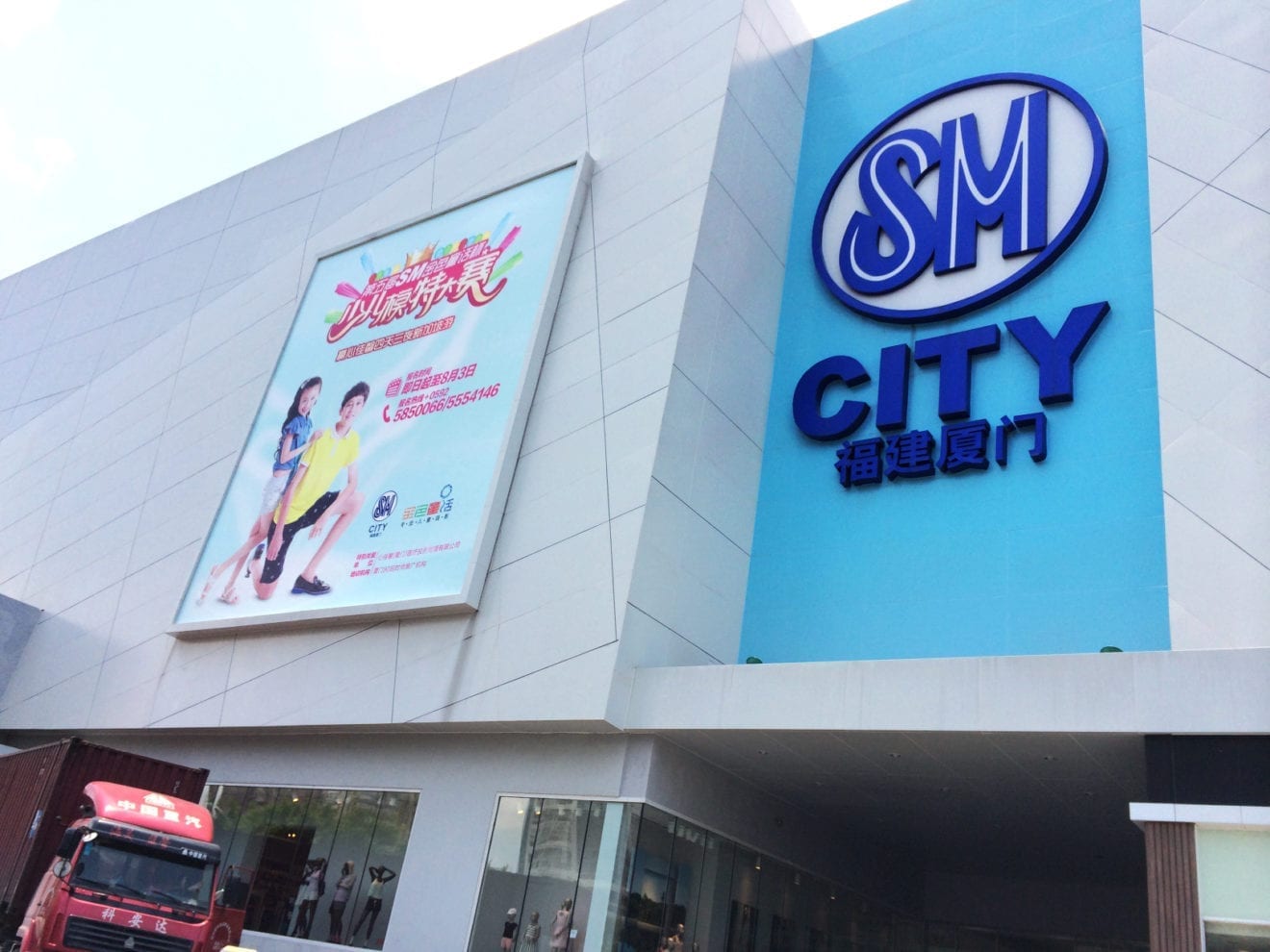
    SM Prime has 65 shopping malls in the Philippines and seven in China, and will open two more malls this year, SM Center Lemery in Batangas and SM Center Pulilan in Bulacan, taking its provincial property count to 44 from 38 a year ago.

  • Jollibee closes 12 Hotpot Resturants in China

    Jollibee closes 12 Hotpot Resturants in China

    Jollibee Foods Corp (JFC) has closed its restaurant chain 12 Hotpot in Mainland China.

    The 16 Shanghai-area stores were shut down by its subsidiary, 12 Hotpot (Shanghai) Food and Beverage Management, a 48 per cent-owned JV with WJ Investments.

    It was formed in August 2012 when JFC’s wholly owned subsidiaries Jollibee Worldwide and Golden Plate entered into an agreement with Hoppime, a subsidiary of Wowprime Corp of Taiwan and some of its key executives. The idea was to establish WJ Investments to own and run 12 Hotpot in China, Hong Kong and Macau.

    With the discontinuation of the mainland business, 12 Hotpot (Shanghai) then the JV will be liquidated.

    “JFC will focus on building its larger and fast-growing businesses in China and other parts of the world,” says the company.

    At the end of September, JFC had 3644 stores in its worldwide network. It also has a 40 per cent interest in Smashburger with 355 outlets, mostly in the US. In China its businesses include Yonghe King (305 stores), Hong Zhuang Yuan (44) and Dunkin’ Donuts (18).

    The company has also been running Happy Bee Foods Processing to supply products to its restaurants.

    In the Philippines, JFC has the largest foodservice network with 2756 restaurant, namely Jollibee (1023 outlets), Chowking (510), Mang Inasal (471), Red Ribbon (411), Greenwich (262) and Burger King (seven).

    JFC’s overseas stores include Highlands Coffee (219 including 193 in Vietnam and 26 in the Philippines), Jollibee (186 including 93 in Vietnam, five in Singapore and four in Hong Kong), Pho 24 (31 including 15 in Vietnam, 14 in Indonesia and one in Korea), and Hard Rock Cafe (8 with three each in Hong Kong and Macau, and two in Vietnam).

  • Takeover bid for FamilyMart in Philippines

    Takeover bid for FamilyMart in Philippines

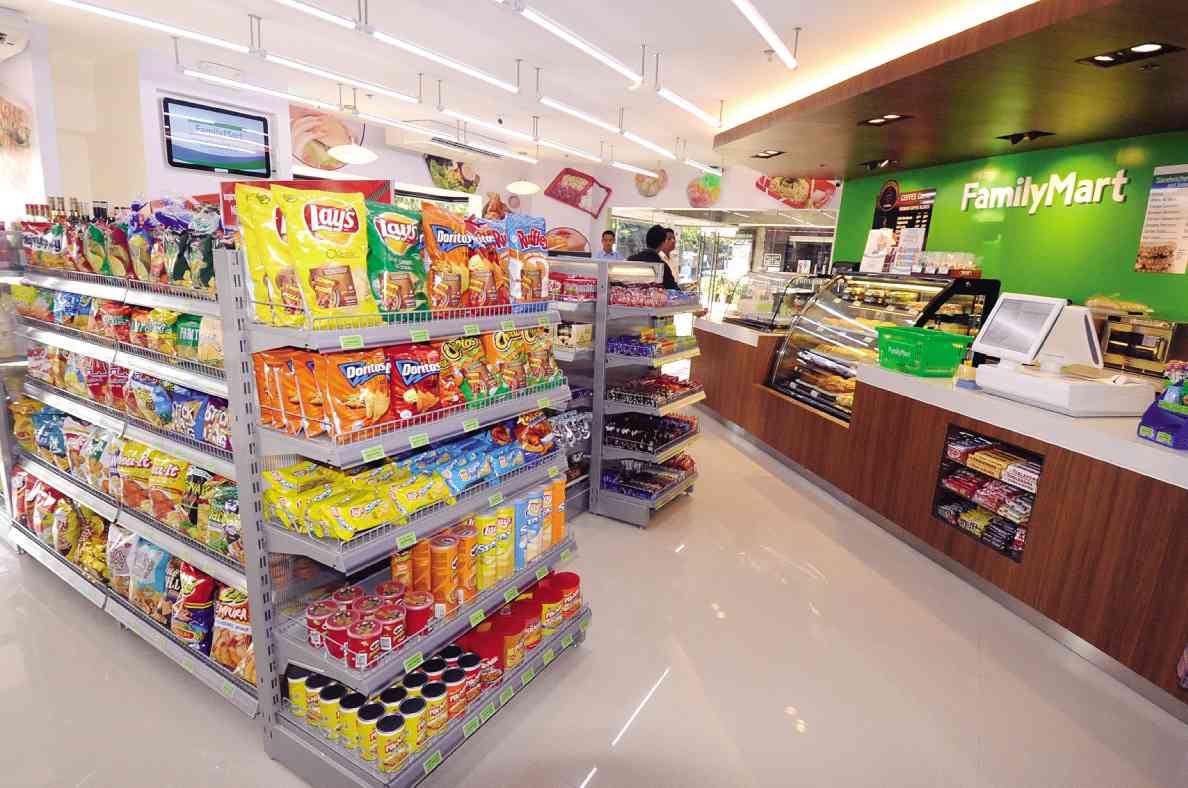
    Philippine FamilyMart (PFM) may be taken over by Phoenix Petroleum as part of diversification move.

    In a disclosure to the stock exchange, Phoenix says it has signed a memorandum of understanding with SIAL CVS Retailers and its Japanese partners for a planned 100 per cent acquisition of PFM, which runs convenience stores under the FamilyMart trademark in the Philippines. The sale is subject to the approval of the Philippine Competition Commission.

    A joint venture of Ali Capital of Ayala Land and SSI Group, SIAL owns 60 per cent of PFM while Japanese companies FamilyMart and Itochu own 37.6 and 2.4 per cent respectively.

    FamilyMart Philippines went up for auction early this month, attracting potential buyers such as businessman Jerry Liu who owns Angel’s Pizza and Figaro Coffee, businessman Lowell Yu who owns Kuya J Restaurant and Landers membership shopping.

    Phoenix Petroleum says the potential acquisition will complement its retail fuel business, with 518 stations nationwide, and marks its entry into the domestic convenience retail market. The value of the transaction has not been disclosed.

    President/CEO Dennis Uy this year finalised a deal to acquire a 177ha logistics hub, Global Gateway Logistics City, in Clark City.

    Ayala Land and SSI Group teamed up with two Japanese firms in 2012 to bring FamilyMart to the Philippines. With 67 stores in Luzon, PFM offers ready-to-eat and fast-food items, convenience products, auto-loading, bills payment and ATM services.

  • Lacoste Philippines boutique upgraded

    Lacoste Philippines boutique upgraded

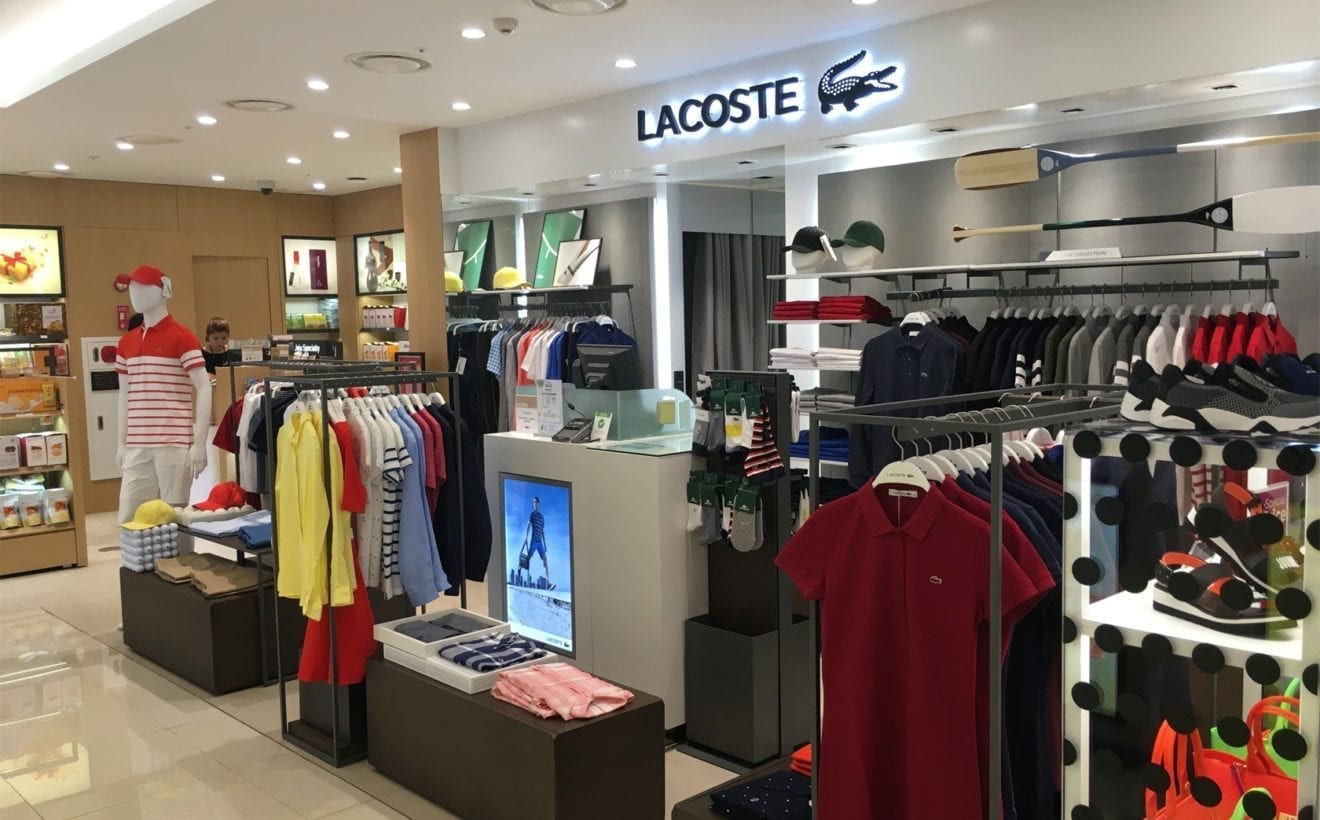
    A Lacoste boutique store in TriNoma mall, Quezon City, has been transformed to become the brand’s first “standard premium” concept store in the Philippines.

    The new concept displays items against a backdrop of dark wood, steel furniture, stone-finished walls and clean architectural lines, reports the Manila Standard.

    Occupying more than 200sqm of retail space, the store opened in 2007. It offers apparel, leather goods, fragrances, footwear, eyewear, watches and underwear.

    The brand has more than 20 stores in the Philippines, including Lacoste Accessories at Gateway Mall and Glorietta 4.

  • Cebu Pacific launches program to train future Filipino pilots in Australia

    Cebu Pacific launches program to train future Filipino pilots in Australia

    Gokongwei-led budget carrier Cebu Pacific Air launched a new program to train would-be pilots in Australia.

    Dubbed the Cebu Pacific Cadet Pilot Program, it seeks to address the airline’s expansion requirements over the next 5 years. The training will be conducted in partnership with Australia’s Flight Training Adelaide (FTA).

    The aim is to train 250 Filipinos who will subsequently join the corps of pilots of Cebu Pacific.

    “Over the next 5 years, Cebu Pacific will be investing $25 million to train 250 cadet pilots to become full-fledged First Officers and eventually Captains. The program will allow us to train homegrown Filipino pilots with best-in-class international standards,” Cebu Pacific chief executive officer Lance Gokongwei said during the launch of the program on Tuesday, October 24.

    Cadet pilots will undergo a 56-week program that features integrated flying training, flight theory, and education courses.

    After completion of the program, the cadet pilots will become First Officers at Cebu Pacific, flying both domestic and international routes.

    The airline will initially shoulder the cost of the training, with payments amortized through salary deductions over a maximum period of 10 years.

    Changing the pilots’ game

    One major reason for the program is to address the need of Cebu Pacific, and the overall aviation industry, for more trained pilots.

    Cebu Pacific vice president for flight operations Sam Avila noted that there are around 290,000 commercial pilots globally this year, while around 440,000 will be needed in 2027.

    Of the estimated 440,000, around 180,000 need to be captains, and some 220,000 expected to be flying have not yet begun training due to prohibitive costs.

    “It’s expensive to become a pilot and there’s no timeline for a return on investment because employment is not guaranteed, which limits the pool of pilots available,” Avila explained.

    He estimated the cost to be around P2 million to P3.8 million for a 12-month course which does not yet include license and certification expenses.

    “This program changes the game in that it is company-sponsored so it broadens the selection pool to provide equal opportunities to qualified Filipinos of all financial means,” Avila added.

    Cebu Pacific said 16 candidates will be chosen per batch, with 3 batches of cadet pilots to be sent to Australia per year.

    The application process begins with an online screening, followed by an on-site screening for core skills and pilot aptitude tests, among other examinations, where a fee of AU$425 or around P17,000 will be charged. Cebu Pacific and FTA will jointly select the final candidates.

    The program is open to all Filipinos who are college graduates, proficient in English, and hold passports valid for at least two years prior to the start of the program.

    The program will start by the beginning of 2018, with the first batch of 16 cadet pilots aimed to be selected by December this year.

  • Metro Retail Stores not hurrying with e-commerce

    Metro Retail Stores not hurrying with e-commerce

    Metro Retail Stores Group in the Philippines is planning to open more stores while it continues to mull e-commerce.

    Saying brick-and-mortar stores are still more profitable than online counterparts, chairman/CEO Frank Gaisano reveals that the company plans to open two more stores this year with up to eight more next year.

    He says the department stores and hypermarkets company is seeking to build a synergy between its physical stores and a future foray into e-commerce, citing US e-commerce giant Amazon as also betting on physical retail with its acquisition of Whole Foods.

    “It’s a good mix to have, online at the same time as a physical store. That’s what we are doing right now,” he says. “We’re still getting ready at this point. We’re not there yet.”

    Metro Retail ensures its stores are stocked based on the demands of the location. While Luzon and Visayas stores may both sell jeans, the brands may be different brands, says Gaisano.

    “Millennials want a ‘curated’ selection with not too many choices,” he says.

  • Myer ‘disappointed but unsurprised’ by Premier Investments

    Myer ‘disappointed but unsurprised’ by Premier Investments

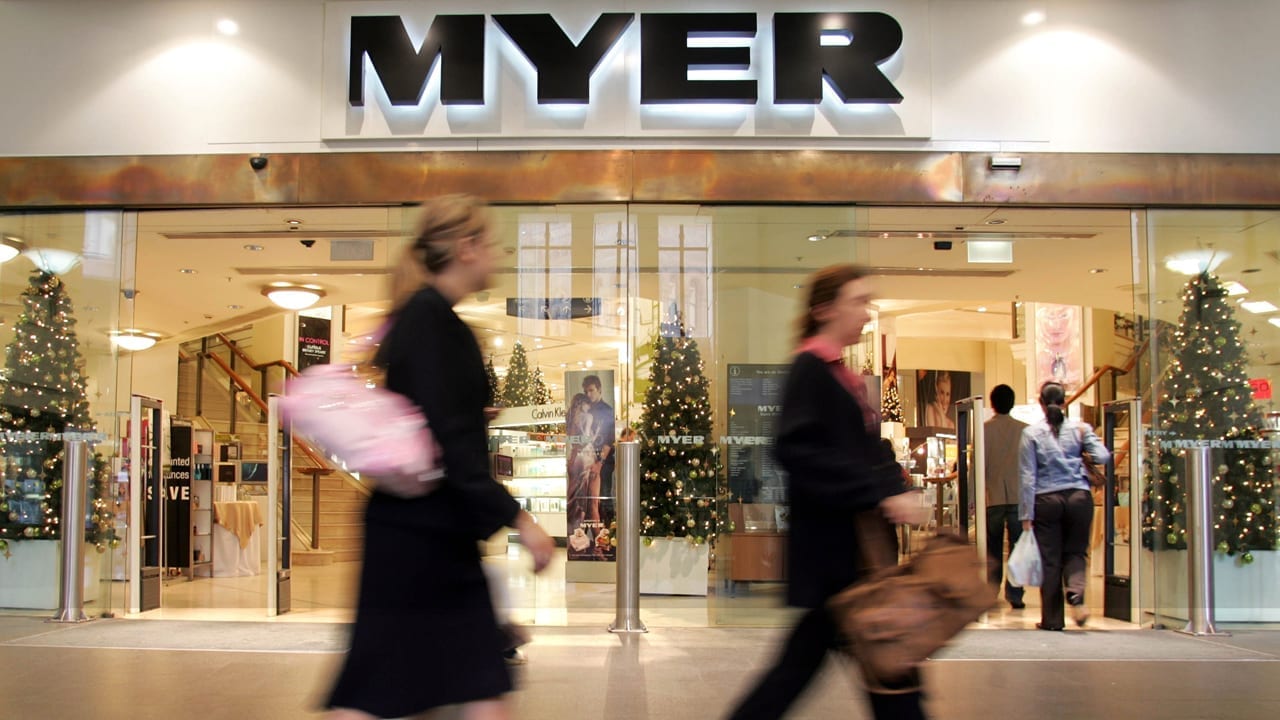
    Department store retailer Myer has responded to the broadside delivered by veteran and chairman of Premier Investments yesterday, asserting its “disappointment”.

    Yesterday, Premier released a statement which ruled out making a takeover offer for Myer and again reiterated that it will be monitoring the Myer “strategy day” on November 1 “very closely”. Premier again called upon the company to announce its current sales and profits for the Q1 period “so the market is fully informed when assessing the strategy.”

    Myer chairman Paul McClintock said the annoucement was “disappointing, but unsurprising”.

    “We have attempted to engage in constructive dialogue with Premier for many months, but regrettably this has not been possible,” he said.

    McClintock said Myer’s board had considered Premier’s “informal proposal” to appoint three nominee directors, but rejected it on the basis of a potential conflict of interest, “given Premier and its associates’ status as one our largest suppliers and competitors.”

    “The Myer board continues to support the new Myer strategy and recommends that shareholders vote in favour of all resolutions, including the election of three directors put forward by the board,” he said.

    Incoming Myer chairman Garry Hounsell and former Qantas director will step into the new role when McClintock retires next month.

    Myer has also announced the appointment of JoAnne Stephenson to its board as a non-executive director.

    Premier said it will vote against the appointment of all directors proposed in Myer’s Notice of Meeting, including Hounsell.

  • Cebu Pacific flies 150 millionth passenger

    Cebu Pacific flies 150 millionth passenger

    The Philippines’ leading airline, Cebu Pacific marked another milestone as it reached a total of 150 million passengers flown since starting operations in 1996. The 150 millionth passenger who checked-in and flew with CEB, identified as Alfredo Cruz, boarded Cebu Pacific flight 5J 397 from Manila to Cagayan de Oro on October 20, 2017. Cruz received 150,000 points from GetGo, the lifestyle rewards program by Cebu Pacific.

    The points are equivalent to between 20 to 25 round trip flights on CEB. The points and free flights can be shared with family and friends. “It’s our job to create a lot of memories and experience for our wonderful guests, it’s like we’ve created 150 million life experiences since we started in our very humble way 20 years ago. We’ve celebrated many milestones and today is one of our proudest milestones,” said Lance Gokongwei, President and CEO of Cebu Pacific.

    From January to June 2017, Cebu Pacific has flown 10.09 million passengers, and aims to carry a total of 20 million passengers for the whole year. The Cebu Pacific route network now has 25 international and 37 domestic destinations. Its fleet of aircraft includes one Airbus A319, 35 Airbus A320 and eight Airbus A330s; while the Cebgofleet is composed of eight ATR 72-500 and seven ATR 72-600aircraft. Between 2017 and 2022, CEB expects delivery of 7 more brand-new Airbus A321ceo and 32 Airbus A321neo aircraft.

  • PayMaya, Smart boost rollout of QR code payments

    PayMaya, Smart boost rollout of QR code payments

    After it introduced the first Quick Response (QR) code payments via app in the Philippines last May, PayMaya Philippines has announced that the scan-to-pay technology is now available across the country, with Smart Stores and select merchants in key cities allowing consumers to conveniently pay by simply scanning QR codes through their PayMaya app.

    Smart subscribers have a new means to transact with their accounts as Smart Stores all over the country are equipped with PayMaya QR technology. PayMaya is also enabling merchants in communities starting with canteens in partner schools like STI and commercial establishments in cashless cities such as Muntinlupa and Malabon. Similarly, PayMaya is also tapping popular merchants in SmartSpots already enabled by WiFi connectivity in key cities such as Baguio, Cebu and Davao.

    In the near future, payments enabled by PayMaya will also be accepted online and in-store in popular food chains, supermarkets and malls such as McDonald’s, Army Navy, Domino’s Pizza and Gaisano Supermarkets, among others.

    To further bring the technology to more users, Smart and PayMaya are also set to equip Smart retail partners down to the sari-sari store level with the payment technology.

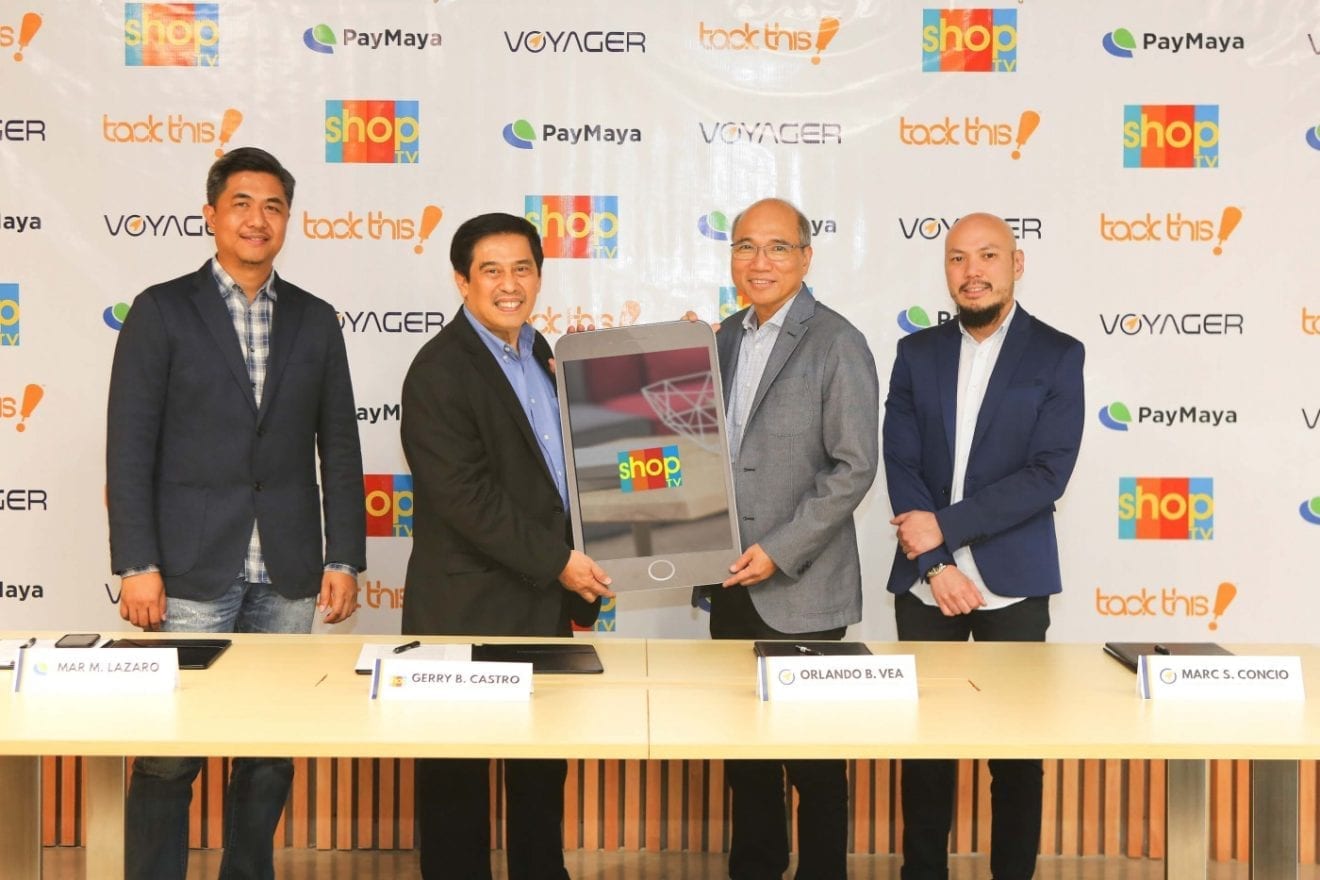
    “As PayMaya continues to grow nationwide, we take a giant step for our customers by making QR code payments available to all kinds of merchants. PayMaya is the leading digital payments wallet and on the merchant side, this will reinforce our position as the top mobile payments acquirer in the country,” said Orlando Vea, president and CEO, PayMaya Philippines and Voyager Innovations.

    “Convenient and secure cashless transactions complete the digital life experience of people and communities. Equipping our Smart Stores, partner merchants and retailers with PayMaya’s innovative platforms is a step in making our vision a reality,” said Eric Alberto, chief revenue officer, PLDT and Smart.

    Existing technology, new use cases, right conditions

    QR code technology has been in use for quite some time with many applications already in the market. However, wide adoption for payments had been previously hampered by various factors, such as lower smartphone and internet usage.

    The technology has now taken off around the world, with payment providers in various countries introducing use cases for adoption. Globally, Tencent’s WeChat app is the leader with close to a billion active users, most of them residing in China. Similar to PayMaya, every time their app is downloaded, so too is a QR code reader as the feature has already been integrated.

    In the Philippines, the growing smartphone and internet penetration is now being complemented by digital payments adoption, pioneered by PayMaya. It has made payments integration capability via QR codes available and is now accelerating consumer acceptance, as it further builds up and reinforces the payment ecosystem and infrastructure across the country.

    It takes a village to make ‘cashless’ work

    “For any kind of digital payments technology to be widely adopted, it is important to foster the right conditions and build the ecosystem. PayMaya is already leading the market toward this direction. Along with the strongest network of PLDT and Smart, we are seeing digital financial inclusion in action,” said Manuel V. Pangilinan, chairman of PLDT, Smart, Voyager Innovations and PayMaya Philippines.

    PayMaya Philippines is the digital financial services arm of PLDT and Smart’s Voyager Innovations. Its PayMaya wallet, accessible via mobile app and Facebook Messenger (@PayMayaOfficial) that comes with a virtual and physical Visa or MasterCard, is now the preferred prepaid payment by the millennial market.

    Any mobile subscriber can simply download the PayMaya app from the Play Store or the App Store and load up their wallet at any of the more than 15,000 reloading stations nationwide, which include SM Business Centers, Robinsons Department Stores Business Centers and 7-Eleven, Petron stations along NLEX and Ministop outlets with Touchpay Kiosks, UnionBank ATMs, Shopwise, Wellcome, 2Go outlets, Smart Padala centers, Palawan Pawnshop and online banking via BDO and UnionBank.

    PayMaya is also the platform of choice of local governments, enterprises and schools for disbursements and ID-plus payments cards.

    PayMaya-enabled ID-plus payment cards are being used by Balanga City, Malabon City, Malolos City, Muntinlupa City, Catbalogan City and Tacloban City, as well as by schools such as STI.

    Meanwhile, PayMaya Business, the company’s system solutions provider that allows businesses to receive online and card payments anytime, anywhere, is now the top mobile payments acquirer powering companies such as Cebu Pacific, Lazada, Meralco, Metro Pacific Tollways, Philippine Airlines, Smart, and Zalora, as well as numerous other merchants.

    Completing the cashless ecosystem is Smart Padala’s largest money-in/money-out remittance network.