Retail News CRM

Tag: pizza hut

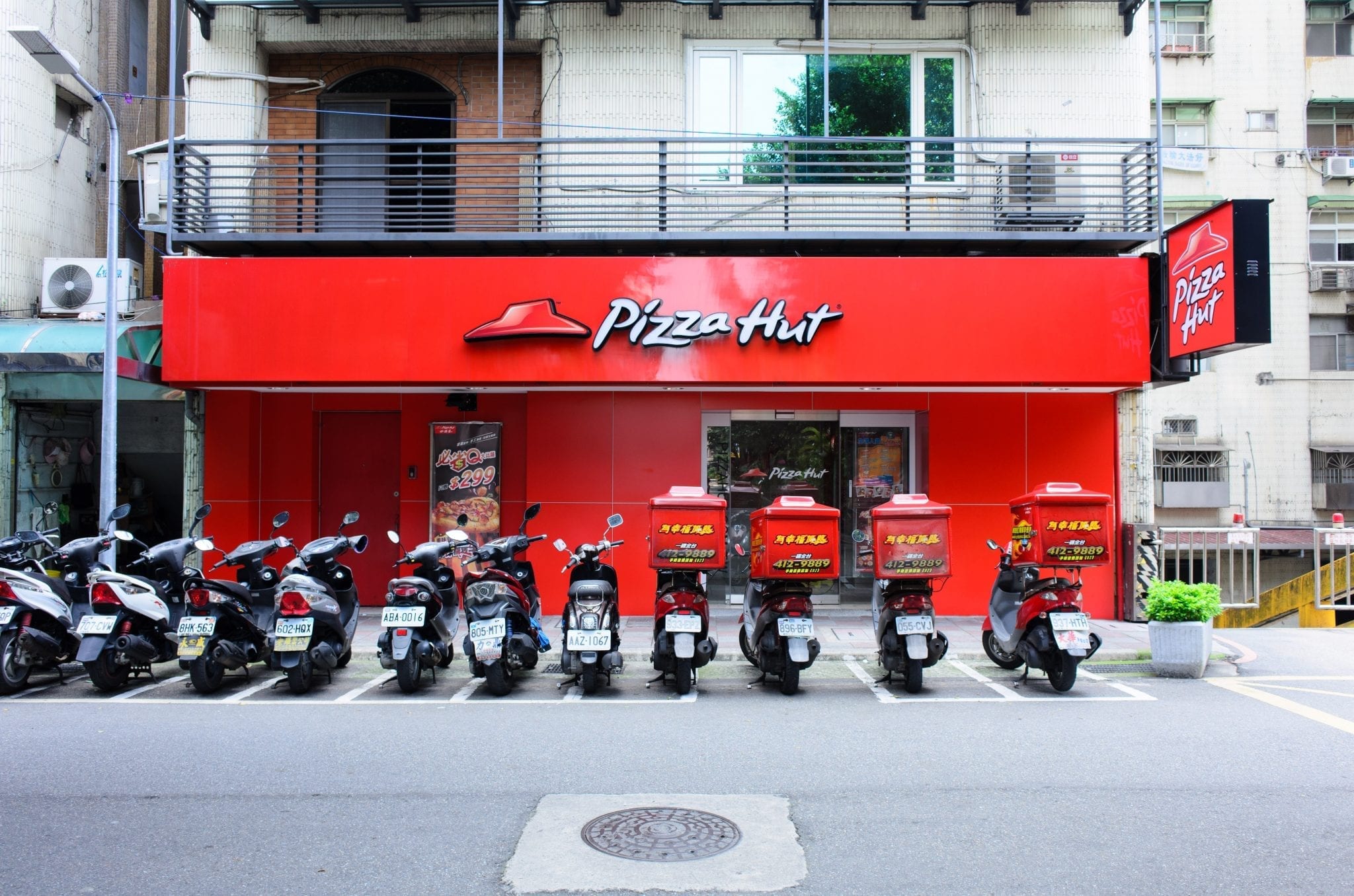
  • Pizza Hut Malaysia 400th store opens soon

    Pizza Hut Malaysia 400th store opens soon

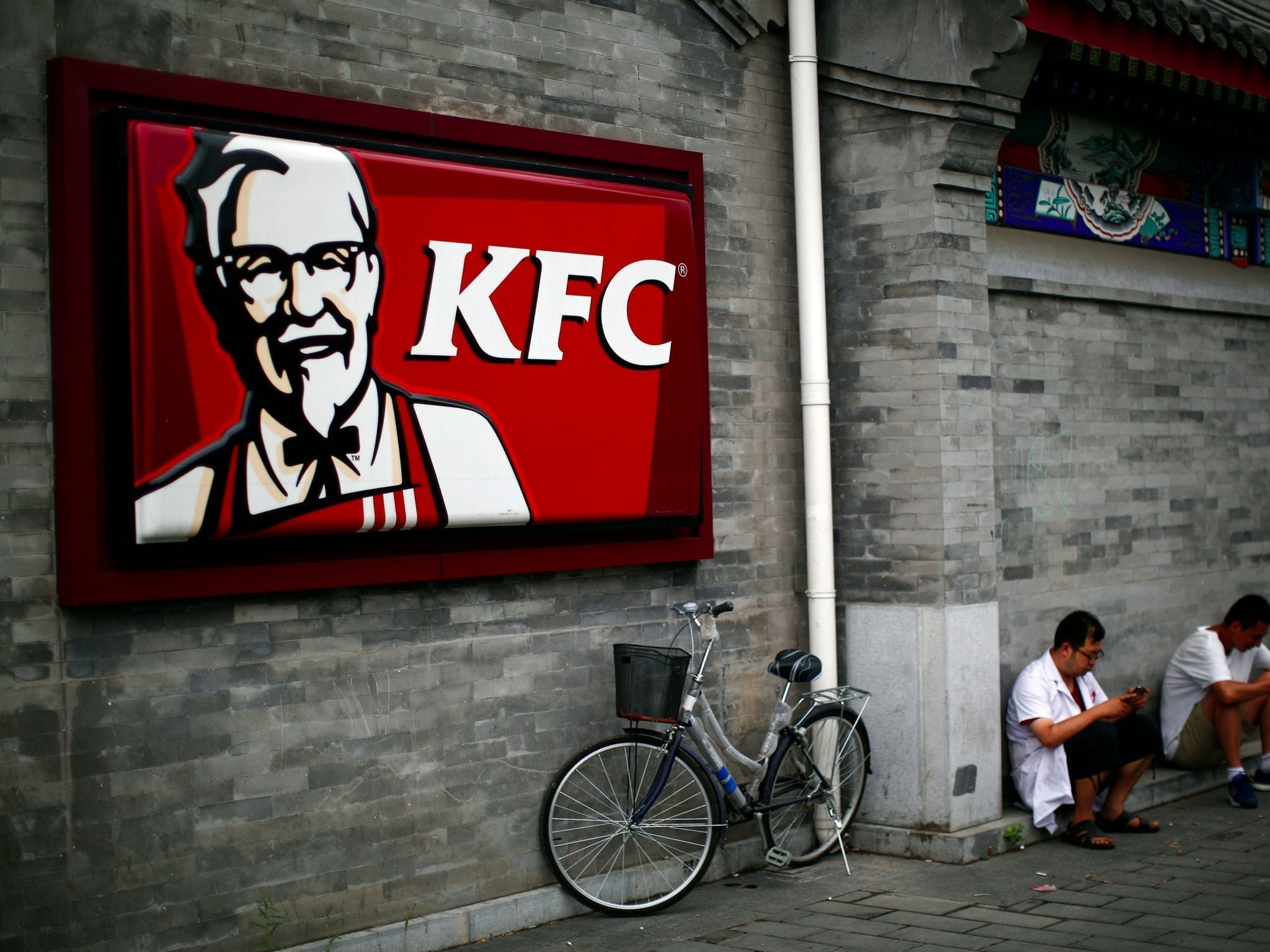
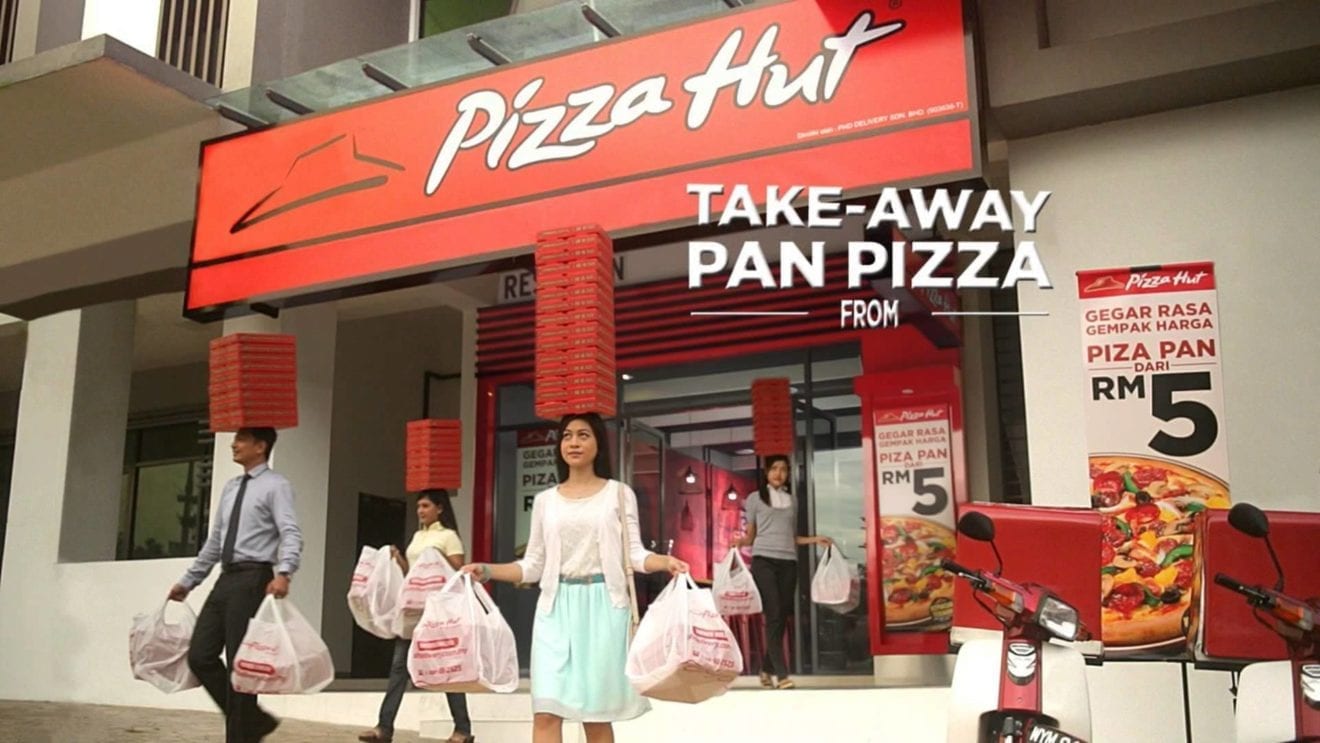
    Pizza Hut Malaysia will open its 400th store in within the next three months. The company says it plans 15 new stores this calendar year, part of the 67 it announced last year within three years. Parent QSR Brands operates 810 KFC locations in its territory of Malaysia, Singapore, Brunei and Cambodia, drawing 25 million customers per month. It has another 393 Pizza Huts in Malaysia and 80 in Singapore, attracting 6 million diners per month.

    QSR Brands restaurants division CEO Merrill Pereyra said Pizza Hut anticipates a strong year as it heads towards a planned IPO in the next quarter, partly aimed to raise capital for network expansion.

  • Yum! appointed new leader for Pizza Hut Asia Pacific

    Yum! appointed new leader for Pizza Hut Asia Pacific

    Pizza Hut International on Tuesday announced that Unnat Varma, Managing Director, Pizza Hut India Subcontinent has been elevated to the position of Managing Director, Pizza Hut Asia Pacific effective 1 January 2019. In his new role, he will be responsible for steering Pizza Hut to the next phase of growth across the Asia Pacific region. Varma will be based in Pizza Hut APAC headquarters at Singapore and will report to Vipul Chawla, President, Pizza Hut International. As part of the APAC growth strategy, Pizza Hut India-Subcontinent will now be inducted under the Asia Pacific Business Unit. In total, Varma will oversee over 5500 stores across 22 countries.

    With Varma at the helm since 2015, Pizza Hut India-subcontinent has achieved strong business results with 10 successive quarters of positive Same Store Sales Growth. The brand has also expanded its physical store footprint – having recently launched its 500th physical store in the Indian Subcontinent.

    Under his stewardship, Pizza Hut has also pioneered the Fast-Casual Delco (FCD) concept in India, which offers a seamless integration of dine-in, takeaway and delivery channels, all under one roof and also upgraded all its digi-tech assets including the website, m-site and mobile app.

    These initiatives have enabled Pizza Hut to deliver on the promise of providing the Easiest, Fastest and the Tastiest pizza experience to consumers in India. As a result, Pizza Hut has been voted the most trusted brand in India for the 12th time in a row (as per a reputed media house) and was awarded the prestigious EFFIE Gold in the Foods and Confectionery category in 2018 for its outstanding consumer-centric performance.

    Varma is a respected and credible leader with over 24 years of industry experience. He joined Yum! in February 2006 and was elevated to Director Marketing, KFC, India Subcontinent in 2008. In February 2011, he took over the role of General Manager – Taco Bell and was responsible for launching the brand as the next growth engine for Yum! in India.

    After successfully establishing a strong foundation for KFC and Taco Bell, Varma was appointed as General Manager – Pizza Hut, India Subcontinent in December 2015and thereafter promoted as Managing Director – Pizza Hut, India Subcontinent in February 2016.

    Varma is also the Chairman of FICCI Task Force on Food Service Retail. Prior to joining Yum!, he worked with Gillette in India for 12 years across sales and marketing functions.

  • How Pizza Hut is mixing technology with pizza

    How Pizza Hut is mixing technology with pizza

    Yum! Restaurants-led Pizza Hut is betting big on technology. The brand is investing technology at each every step from taking orders to delivery of the pizza. Elaborating more on the same, Managing Director, Pizza Hut (India Subcontinent), Yum! Restaurants, Unnat Varma said, “We are using technology in sorting out our kitchens. So kitchens are becoming better in terms of layout, efficiency, optimising labour. Apart from this, we are also using technology to schedule riders to make sure that pizzas reach hot and fresh to the consumers.”

    “To ensure a seemless experience to the customers we have again using technology. We have a new online experience for customers, it is one of the best friction-less experience. From getting customer’s location to ordering the pizza, the entire process has been reduced to a four-step journey,” he added.

    The brand is also not shying away from using drones to deliver the pizzas in the near future.

    “We are closely watching the drone delivery space. However, there is no current successful model. There has to be regulation, approval from the Government that drones can fly in the air space and to understand that how does it work for food as food is very atypical, it cannot loose temperature and it has to be accurate, it has to reach in a certain stipulated time and it has be delivered straight. We will host the space, we are very open, we are transforming ourselves digitally and technologically, if this space helps us unlock some future possibilities, we will definitely go ahead with it,” Varma revealed.

    Enhancing Customer Experience

    To add to the overall consumer experience, the brand has been constantly improving its products.

    According to Varma, “These days the customer experience is always around product and product excellence and there we have been making a continuos effort to make our product more delicious, fresh and hot but in addition to that it is about the entire experience – how fast customer can place the order, how fast cusotmer can locate our store, can we give cusotmers a great value deal, can we understand their requirements, can we customise, can we help them earn and let them use some loyalty points in the future.”

    Expansion Plans

    Pizza Hut India plans to open over 200 more outlets in India by 2022 to expand its retail footprint. Currently, it operates 422 stores in the country.

    “‘Pizza Hut is a very democratic brand, it is used by segments of the consumers in the market, so our attempt is to go to as close to consumer as possible, it could be going after the shoppers in the shopping mall or it could be going close to residential areas, or going to captive locations where we have people working, so we are open to all kind of opportunities that exist. We are even open to open our outlets at airports and railway stations too,” asserted Varma.

    The pizza chain runs a franchise model in the country, where investments for opening new outlets mainly comes from franchise partner.

  • Taco Bell to open store in Bangkok

    Taco Bell to open store in Bangkok

    Taco Bell Thailand is scheduled to launch in Bangkok early next year. Thoresen Thai Agencies, which also holds the Thailand franchise for Taco Bell’s sister brand Pizza Hut, is planning to open the restaurant in Mercury Ville mall on the BTS Chidlom stop. The firm has already begun scouting for employees for the outlet.

    Taco Bell’s International president Liz Williams is leading the franchise on a broad expansion campaign, with progress currently being made in India, Brazil, and Spain among others where the brand has strong franchisees.

    Thoresen Thai’s CEO Chalermchai Mahagitsiri said that Taco Bell Thailand should do well in the territory as “the strong flavours meet the palate of Asian people.”

    Taco Bell’s owner Yum Brands operates around 7000 restaurants worldwide, predominantly based in the US, bringing in US$10 billion sales per year.

  • Baemin robot gets job at Pizza Hut

    Baemin robot gets job at Pizza Hut

    Another day, another Dilly – or so the saying probably goes in Baedal Minjok’s head office.

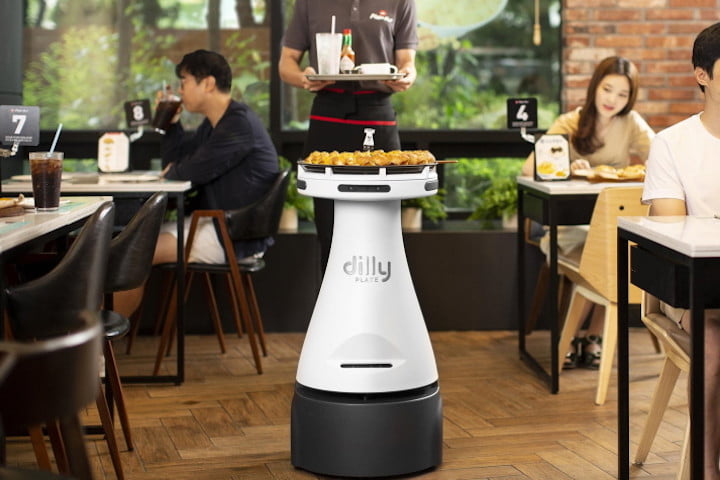
    The food-delivery app’s Dilly Plate robot has started serving up slices at a Pizza Hut restaurant in Mok-dong, western Seoul, according to both companies on Wednesday. Dilly Plate, the new serving robot, is not to be confused with plain old Dilly, the delivery robot that the company has been working on since last year.

    Dilly Plate is a self-driving robot specifically designed for restaurants. Having first started working at the Pizza Hut restaurant on Monday, it will assist human employees in serving pizza for two weeks until Aug. 19.

    Dilly Plate can safely carry up to 22 kilograms (48.5 pounds) at once – a limit that is unlikely to be tested in Pizza Hut – and lasts eight hours on a single charge. The robot uses a 3-D camera and sensors to control its movement. It automatically stops and avoids obstacles and people.

    A spokesman for Baedal Minjok, or Baemin, explained that Dilly Plate can move quickly, but in Pizza Hut, the speed has been limited to a human walking speed for the safety of both customers and pizzas.

    “The store will have people walking around, and there may be emergency situations like collisions if Dilly moves too fast,” he said.

    Dilly Plate was developed by Bear Robotics, a U.S. start-up co-founded last year by John Ha, a former Google engineer originally from Korea. In April, Baemin invested $2 million in the venture in exchange for convertible bonds.

    Dilly Plate is modeled after Penny, a robot that found employment at Ha’s restaurant in California.

    Dilly Plate will be the first server robot introduced in Korea. Before it could begin work in Pizza Hut’s Mok-dong restaurant, Baemin had to map out the store and install it in the robot’s software.

    “We’re looking forward to Dilly’s performance [and hoping it will] unburden human staff from having to carry pizzas,” said Cho Yoon-sang, a senior marketing executive at Pizza Hut Korea. “This way, human servers will be able to focus on providing quality service to our customers. We decided [to hire] Dilly with hopes of enhancing work efficiency and improving customer service.”

    Baemin is hoping that the two-week trial will give more actual data regarding Dilly Plate’s operation, with the goal of introducing the server robot at more restaurants in the future.

    “In terms of the technology, Dilly Plate is already available for mass production,” said a Baemin spokesman. “But mass production is expensive, and we need to know whether Dilly is truly marketable. So the trial is to see whether Dilly Plate offers a real-life benefit to restaurants and their staff.”

    Baemin has been investing in robots since last year, aiming to develop robots that deliver food to consumers’ doors. The original Dilly had its first successful test run at a food court in Cheonan, South Chungcheong, in May. The plan is to gradually expand original Dilly’s boundaries from indoors to outdoors until it is able to fully run on its own on the streets.

  • Yum China sales performs growth from expansion

    Yum China sales performs growth from expansion

    Yum China sales rose 12 per cent in the quarter to June 30, boosted by more stores and currency gains.

    But same-store sales declined across both of its brands and margins contracted.

    The company reported total sales of US$2.1 billion which on a currency-neutral basis was 5 per cent better than for the same quarter last year. KFC sales rose 5 per cent, partially offset by a 1 per cent decline by Pizza Hut.

    However, same-store sales declined 1 per cent year-on-year, with flat same-store sales at KFC and a 4 per cent decrease at Pizza Hut.

    During the period, Yum China opened 164 stores, taking its network to 8198 across more than 1200 cities.

    Operating profit rose 13 per cent to $193 million (or by 5 per cent excluding foreign exchange effects).

    Joey Wat, CEO at Yum China, said the growth was driven by “solid business fundamentals and accelerated new store development”.

    “We are on track to add 600-650 new stores, led by KFC, by the end of the year. This strategy will set us up for long-term growth in both profitability and market share,” she said.

    While Pizza Hut continued to face challenges in China’s competitive casual dining space, Yum China added new talent to its team and is working on repositioning the brand with its target customers.

    “We remain dedicated to revitalising the brand and strongly believe that our initiatives including delivering more innovative products and introducing new store formats will restore the brand to the level of consistent growth that our shareholders expect,” said Wat.

    Jacky Lo, CFO at Yum China, said the company stepped up food investment and promotional activities during the quarter, which inevitably had some impact on its margins.

    “This reflects our strategic decision to invest in our brands for long-term market share gain.”

  • Pizza Hut Exmployee fined for exploiting driver

    Pizza Hut Exmployee fined for exploiting driver

    A Gold Coast Pizza Hut operator has been hit with a $216,000 fine for exploiting an Indian delivery driver and trying to cover it up.

    The Fair Work Ombudsman took action against against Dong Zhao after one of his drivers complained he’d suffered anxiety and anguish from being underpaid, and had to borrow money from his family to support his student wife.

    Zhao, who operates an Upper Coomera Pizza Hut franchise, was fined $36,700 and his company $180,000 after admitting breaking sham contracting laws, designed to stop employers from misrepresenting workers as independent contractors.

  • QSR Brands considering IPO

    QSR Brands considering IPO

    Malaysian fast-food group QSR Brands is mulling an IPO to raise around MR2 billion (US$509.6 million).

    QSR Brands operates the KFC and Pizza Hut restaurant franchises in Malaysia and is part owned by private equity firm CVC Capital Partners, which is looking to exit the business.

    Shareholder Johor Corp president/CEO Kamaruzzaman Abu Kassim says it would like to see this happen no later than November. Johor Corp is the investment arm of Malaysia’s Johor state.

    The listing would be the largest IPO in Malaysia since integrated petrochemical producer Lotte Chemical Titan Holding raised $878 million last July. The move has been planned since 2016, reports Reuters, with the company hiring Citigroup, Credit Suisse and another bank to lead the exercise.

    The estimated market capitalisation of QSR would be about MR6 billion after listing, Kamaruzzaman says. “Further details will have to be worked out with various parties.”

    The  QSR Brands IPO was part of an “exit plan” for CVC and fellow investor the Employees Provident Fund when QSR was privatised in 2013.

  • Pizza Hut Indonesia plans IPO

    Pizza Hut Indonesia plans IPO

    Pizza Hut Indonesia operator Sarimelati Kencana is planning an IPO to raise US$58.7 million.

    Sarimelati Kencana runs 237 Pizza Hut Restaurants and 156 delivery outlets across 76 centres in Indonesia.

    The company said, it will offer up to 604.375 million new shares each priced between Rp 1100-1350 (US 8-10 cents).

    Sarimelati Kencana director Jeo Sasanto says two-thirds of the funds raised will be used to expand the Pizza Hut Indonesia network and to renovate existing stores.

    The company has already commenced a book-building period which is scheduled to close on May 3, with the shares to start trading on May 23.

  • Pizza Hut Singapore to hire Pepper to take order

    Pizza Hut Singapore to hire Pepper to take order

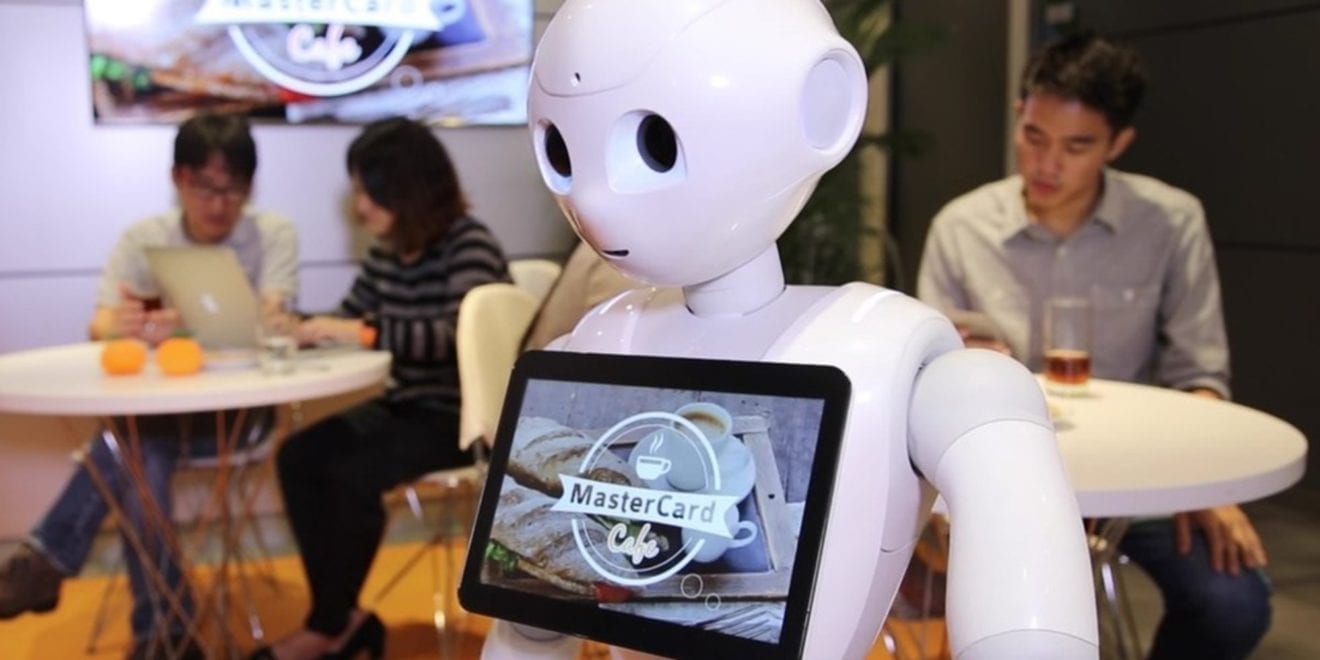
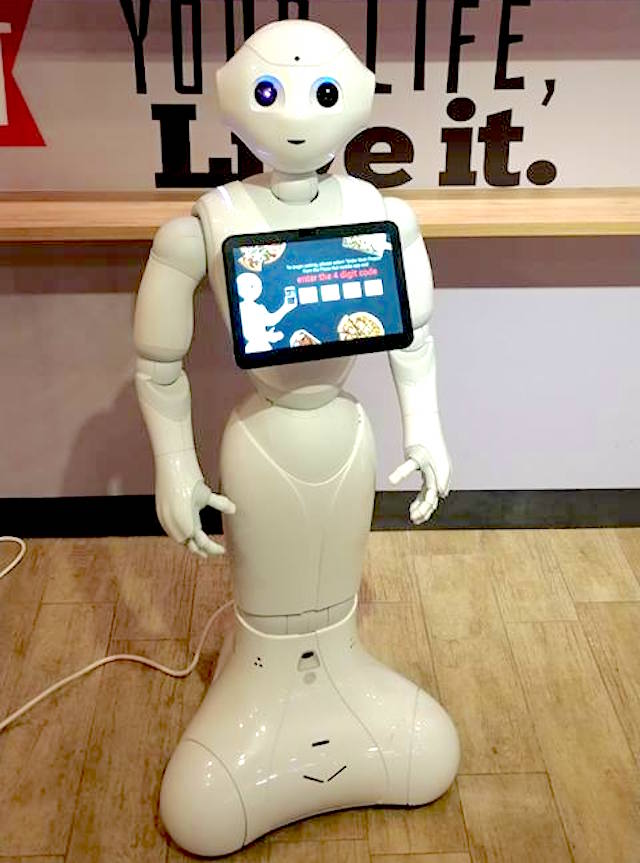
    In a five-day trial ending on Sunday, diners at the Safra Punggol Pizza Hut outlet will be the first in Southeast Asia to be able to try out the new technology. After the trial, Pizza Hut will consider customer feedback before deciding if the robot will stay.

    Patrons are greeted with “Hello” in a female voice from the robot, and to place an order first must greet the robot and pair their Mastercard Masterpass account embedded in the Pizza Hut Singapore mobile app.

    They can then tell the robot their orders and show a QR code that will provide their table information. The robot is not exposed to payment instruments or customer credentials, which minimises the chance of sensitive information being compromised.

    “This initiative gives people more choices without ever compromising security, and provides more reasons for people to go cashless,” says Labs at Mastercard Asia Pacific VP Tobias Puehse.

    The robot was developed by Japan’s SoftBank Robotics, which makes the Pepper robot used in customer service and retail. “We are focusing on how robots can help how people live,” says SoftBank marketing director Kan Kiyota. “The humanoid robot is an add-on to the value provided.”

  • Yum China Reports A Strong Quarter

    Yum China Reports A Strong Quarter

    A strong fourth quarter has been recorded by Yum China Holdings, which runs KFC and Pizza Hut restaurants on the mainland.

    Its unaudited results for the quarter to the end of December show 5 per cent growth in same-store sales, up 7 per cent at KFC and 1 per cent at Pizza Hut.

    Total system sales grew 9 per cent, including growth of 11 per cent at KFC and 6 per cent at Pizza Hut, and excluding foreign currency conversion (F/X).

    Total revenues were US$2.2 billion, an increase of 13 per cent (9 per cent excluding F/X).

    The group opened 339 restaurants during the quarter.

    Operating profit rose 23 per cent to $71 million, but excluding special items and F/X, there was a 9 per cent decrease in adjusted operating profit because of product upgrades at Pizza Hut during the quarter, partially offset by strong sales at KFC.

    There was an estimated one-time tax charge of $164 million related to tax reform in the US. This resulted in a net loss of $90 million. Excluding this impact, adjusted net income was $74 million, up 12 per cent (18 per cent, excluding F/X).

    For the full year, same-store sales were up 4 per cent – an increase of 5 per cent at KFC and 1 per cent at Pizza Hut.

    Total system sales grew 8 per cent, including growth of 9 per cent at KFC and 7 per cent at Pizza Hut, excluding F/X.

    Total revenues were $7.1 billion, an increase of 6 per cent (8 per cent, excluding F/X).

    During the year, 691 restaurants were opened, taking the total store count to 7983 across more than 1200 cities.

    Restaurant margin improved 1.5 points to 16.8 per cent, primarily driven by same-store sales and helped by retail tax structure reform.

    Operating profit rose 23 per cent to $785 million. Excluding special items, the adjusted operating profit was $782 million, an increase of 20 per cent (23 per cent excluding F/X) driven by strong sales and margin expansion.

    Net income dropped 20 per cent to $403 million. Excluding special items, adjusted net income was $564 million, up 20 per cent (24 per cent excluding F/X).

    Loyalty program membership grew to more than 110 million for KFC and more than 35 million for Pizza Hut at year end.

    Mobile payments accounted for about 53 per cent of company sales during the fourth quarter, while delivery contributed to 14 per cent of company sales for the year.

    It was the first full year of Yum China as an independently listed company. CEO Micky Pant will hand over the reins to Joey Wat, currently president and COO, from March.
  • Ogilvy & Mather wins Pizza Hut in Singapore

    Ogilvy & Mather wins Pizza Hut in Singapore

    Ogilvy & Mather Singapore has won the local creative account for Pizza Hut following a pitch.

    The agency-of-record account marks an extension of Ogilvy’s regional creative brief with the restaurant chain’s parent company Yum! Brands.

    Ogilvy did not specify a contract period and instead said the account would be with them until  “discontinued”.

    Although sister WPP agency J. Walter Thompson previously held the AOR role for Pizza Hut in Singapore from 2012, the agency has said it was not the incumbent on the account and did not pitch.

    In a press statement, Ogilvy said it will be tasked with “localising Pizza Hut’s global brand positioning and driving integrated marketing communications”.

    This includes creative strategy, campaign execution, and social media programs aimed at “rekindling brand love from Singaporeans”.

    “Ogilvy has demonstrated a strategic understanding of the nuances of the Singapore market, the Pizza Hut brand and audience, and delivered creative that embodies our new global brand positioning and how we can clearly differentiate from the competition,” said Merrill Pereyra, chief executive officer of QSR Brands (M) Holdings – the local operator of Yum!

    “Having already enjoyed working with KFC in Singapore for three years, we couldn’t be more thrilled to grow our remit with Yum! Brands and to now embark on this creative journey with Pizza Hut as a result of winning the recent pitch. Iconic brands are built across channels, touchpoints and over time – days, months, years,” said Chris Riley, group chairman, Ogilvy Singapore.

    “It is this type of multifaceted, integrated work that really excites our team and we believe will give us the opportunity to make the Pizza Hut brand matter even more with consumers.”

  • QSR Brands to open 30 more KFC outlets nationwide this year

    QSR Brands to open 30 more KFC outlets nationwide this year

    QSR Brands Malaysia Holdings is investing more than RM100 million (US$25.6 million) into opening at least 35 KFC outlets this year.

    MD Datuk Mohamed Azahari Mohamed Kamil says the company will spend between RM3 million and RM4 million for each outlet, and also plans to enhance 200 restaurants.

    “We see the economic fundamentals growing well this year,” he said at the launch of the KFC Golden Egg Crunch product in Kuala Lumpur.

    “We believe there is a lot of potential in KFC and Pizza Hut, and that this will be a good year for us to capitalise on our growth for both chains.”

    QSR Brands restaurant division CEO Merrill Pereyra says that over the past five years the company has invested nearly RM1 billion for both KFC and Pizza Hut, with a focus on the Malaysian market. The company is the franchisee of more than 750 KFC restaurants in Brunei, Cambodia, Malaysia and Singapore, and also runs Pizza Hut in Malaysia (370 restaurants) and Singapore (75).

  • Indonesian Pizza Hut Operator Plans $150 Million IPO

    Indonesian Pizza Hut Operator Plans $150 Million IPO

    The company that runs Pizza Hut Indonesia plans an IPO that could raise as much as US$150 million.

    Sriboga Raturaya has taken on advisers for a listing of its foodservice and restaurant franchising unit, which also runs the Japanese noodle chain Marugame Udon.

    Shares could go on sale in Jakarta in the first half of next year, insiders say.

    Indonesia’s pizza market is forecast to expand to IDR8.81 trillion ($650 million) by 2021, up from IDR5.76 trillion last year, according to Euromonitor International. Pizza Hut had more than 70 per cent of the market last year, followed by Domino’s with 6.1 per cent.

    First-time stock sales in Southeast Asia’s largest economy raised $683 million this year, down from $1.03 billion for the same period last year, according to Bloomberg.

    Sriboga Raturaya, which started as a producer of wheat flour in 1995, also has interests in education, logistics and making food ingredients.

  • More refresh design for Pizza Hut Australia

    More refresh design for Pizza Hut Australia

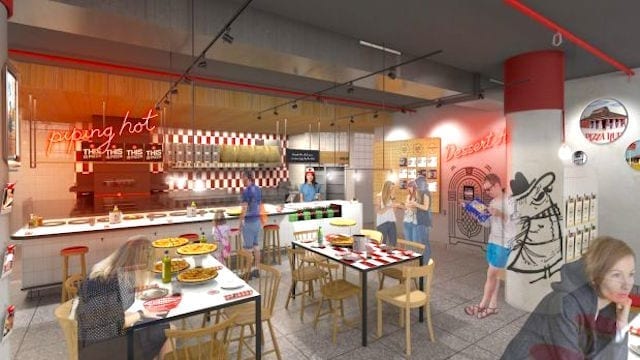
    Pizza Hut Australia has taken its next big step back into the fore, unveiling a new brand image and concept store in a bid to redefine its position in Australia’s highly competitive pizza market.

    The new store, launched yesterday in Sydney has been designed as a fresh take on contemporary Australia with ties to the brand’s US heritage and will inform a broader store refresh program, which began earlier this year.

    Its original brand icon Pizza Pete has also been reintroduced into signage and internal designs alongside several menu innovations, such as localised flavours, designed to cement its point-of-difference as a dine-in pizza option – juxtaposed to market leader Domino’s delivery-focused offer.

    The move is a sign that the chain’s owner, private equity firm Allegro Funds, is looking to bolster the consumer-side competitiveness of the chain, after it purchased the master-franchise license for Pizza Hut from American owner Yum! Brands in 2016.

    Under Yum! Pizza Hut began falling behind rival Domino’s technologically enabled fast-delivery model, prompting management to spend the last year undertaking a broad-based improvement plan within the business that included the acquisition of Eagle Boys outlets late last year.

    Allegro has also been busy bringing new talent into the business to reposition its future under the stewardship of former McDonald’s executives Peter Rodwell, Lisa Ransom and Chris Leslie. The chain’s new director of innovation, Matthew Sawyer, who was brought over from McDonald’s in December last year, said that the re-brand would deliver a local spin on a well-known brand with global credentials.

    “Pizza Hut in previous years had lost its direction and when we took over the business we clearly identified that there was a lot of love for the brand – in particular the old dine-in restaurants with the all you can eat buffets and the self-service desserts,” he said. “We knew we had to do something around that to reconnect with the Australian community.”

    Sawyer said dine in will be a point-of-difference for Pizza Hut’s new look, with franchisees given autonomy within a flavour toolkit to localise parts of the menu. He calls it ‘glocal’ – a play on the words local and global – a philosophy that will be rolled out through the 300+ store network.

    “Over the next few years you’ll see significant change in the brand, how fast we roll this out will depend on how fast we learn about how well certain items work in different communities,” he said. “That’s the thing about global, it’s going to be different everywhere.”

    In many ways the dine-in focus doubles down on Pizza Hut’s pre-existing market position, but made-to-order rather than pre-prepared pizzas as well as new delivery methods, such as electric bikes, will round out the new offer.

    Allegro has previously said it has no intention of contesting Domino’s market leading position, but does want to cement itself as the number-two in the Australian market, making Retail Food Group (RFG)’s Pizza Capers and Crust brands relevant competitors.

    RFG has been embarking on its own repositioning since last year, revamping its QSR division to focus more heavily on lunchtime business with new products and mobile food trucks. IBISWorld data from 2016 placed Pizza Hut’s share of the local market at just over 15 per cent after the Eagle Boys acquisition, compared to Domino’s 25 per cent share and RFG’s 4 per cent share.