Retail News CRM

Tag: pizza hut

  • Pizza Hut Philippines serves up fresh concept

    Pizza Hut Philippines serves up fresh concept

    A fresh concept has been introduced by Pizza Hut Philippines with its new 175-seater flagship store in SM Mall of Asia in Manila.

    As well as offering more space for fast casual dining, the upgrade introduces an open kitchen plus decor with a rustic flavour. New services include a coffee and dessert bar plus a merchandising section offering limited-edition shirts and caps.

    Pizza Hut arrived in the Philippines in 1984, serving Metro Manila and provinces outside Luzon, as well as in Mindanao and Visayas.

    Its Manila flagship signals a move away from its formal dining concept. “We’re offering a more immediate and less tedious dining concept,” says Philippine Pizza chief marketing officer Lorent Adrias.

    The store’s ribbon-cutting was attended by Pizza Hut executives and its brand ambassadors – Binibining Pilipinas winners led by Rachel Peters.

  • How Pizza Hut and payments are fueling China’s retail revolution

    How Pizza Hut and payments are fueling China’s retail revolution

    Part of the huge shadow Ant Financial casts is its appetite for global investment, but at the same time it’s making moves that are kicking off major changes to how payments are handled in its local market in China.

    While the world waits to see how the company’s attempt to acquire U.S.-based MoneyGram will play out, one of Ant’s existing stakes in Yum China — a 2016 spinoff of Yum Brands, which owns Pizza Hut, Taco Bell and KFC — has drawn the attention of an investor who sees the potential to reshape quick serve restaurants, mobile technology and even the middle class in emerging economies.

  • Upgrade for Pizza Hut Malaysia’s restaurants

    Upgrade for Pizza Hut Malaysia’s restaurants

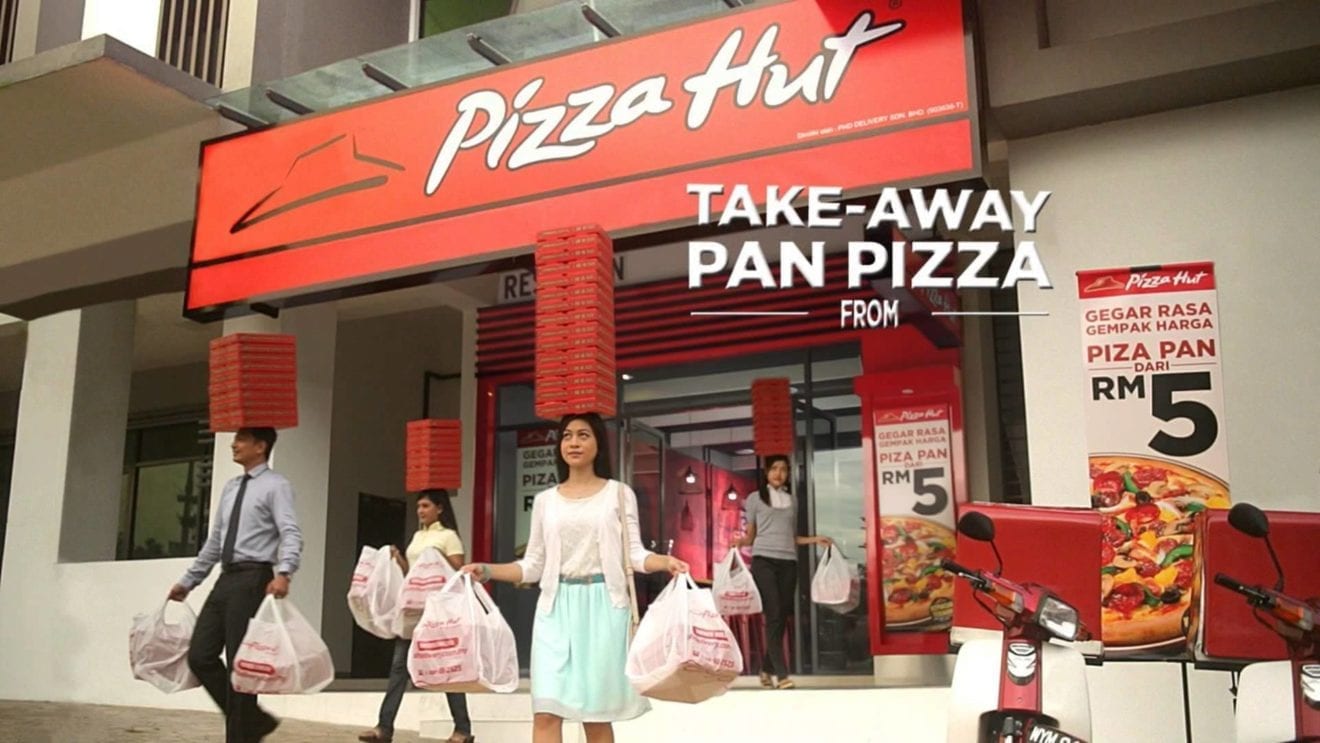
    The operator of Pizza Hut, QSR Brands (M) Holdings Bhd, plans to upgrade its 221 dine-in restaurants over the next two years, as part of its re-branding activity in conjunction with Pizza Hut’s 35th anniversary.

    QSR Brands chief executive officer Merrill Pereyra said Pizza Hut currently had close to 400 outlets, nationwide.

    “So far, we have upgraded more than 50 restaurants and we will also conduct 100 per cent asset enhancement in all 221 restaurants,” he told a press conference after Pizza Hut’s 35th anniversary celebrations in Kuala Lumpur on Thursday.

    Pereyra said the company planned to enhance dining experience at its restaurants as the segment was not only its core business but also made Pizza Hut stand out from its competitors.

    He, however, declined to elaborate on the capital expenditure for the upgrading exercise but said the company had allocated enough for the purpose.

    When asked on possibilities of new openings for this year, Pereyra said the company planned to spend the next couple of years to re-brand Pizza Hut and the exercise would include a new logo, website and also a new mobile application.

    The website was launched on May 5 and we are already seeing nearly 100 per cent increase in visits and 150% increase in new users.

    Order placement with the newly developed website and mobile application would reflect Pizza Hut’s refreshed brand mission of “easy and better”, he added.

    Pereyra said the mobile application will be launched in three months.

    Pizza Hut, in conjunction with its anniversary celebrations, on Thursday launched the 35 Bites Challenge where consumers can attempt to finish a large pizza in 35 bites, within five minutes.

  • Pizza Hut CMO Pankaj Batra moves on to new role after 11 years in Asia

    Pizza Hut CMO Pankaj Batra moves on to new role after 11 years in Asia

    Pankaj Batra, chief marketing officer at Pizza Hut Asia Pacific, has taken on a new role as chief brand officer at Pizza Hut, Middle East, Turkey and Africa (META). This was confirmed by him to Marketing.

    According to his LinkedIn, he will be responsible for sales and brand metrics, digital marketing and food innovation for the region. Prior to the appointment he held the CMO role since 2014, where he was responsible for brand equity and sales growth of Pizza Hut across over 2,600 restaurants in 13 countries.

    He was also responsible for marketing and sales for Home Service and Express channels. He also partnered with seasoned franchisees and a team of over 50 marketing professionals to develop regional and local programs to achieve targets and grow market share.

    Before that he was director of marketing and PR in Asia, where he handled brand marketing and sales leader for Pizza Hut Delivery across nine countries in Asia, including Japan, Hong Kong, Taiwan, Indonesia, Philippines, Malaysia, Singapore, Vietnam & Brunei.

    Last year, Pizza Hut Singapore appointed See Seow Ying as senior marketing director, who was previously head of marketing at Burger King Singapore since 2013. She replaced Michelle Lee, who moved on to take on the role as head of marketing for SEA and Korea at Subway Systems Singapore.

    During her tenure, Lee was responsible for overall brand direction, brand sales, P&L and marketing strategies. She also drove product and service innovations along with menu development with food innovation, operations and supply chains.

  • Strong first quarter for Yum China

    Strong first quarter for Yum China

    Sales, profits and margins all grew, along with store expansion, for Yum China Holdings in its unaudited results for its first quarter to the end of February.

    Same-store sales grew 1 per cent, including growth of 1 per cent at KFC and 2 per cent at Pizza Hut Casual Dining. Total system sales grew 4 per cent (3 per cent at KFC and 9 per cent at Pizza Hut).

    The group opened 133 restaurants during the quarter.

    Total restaurant margin increased 3.7 points to 23 per cent, mainly helped by retail tax structure reform implemented on May 1.

    Operating profit grew 22 per cent and 27 per cent excluding foreign exchange, which negatively impacted operating profit by $12 million.

    Net income increased 21 per cent to $175 million, while adjusted pre-tax earnings rose 14 per cent to $320 million.
    Yum China has more than 7600 restaurants, with a two-to-one lead over the nearest Western quick-service restaurant competitor and an approximate six-to-one lead over the nearest Western casual-dining restaurant competitor in China, says CEO Micky Pant.

    “We are especially gratified with the progress made on two key drivers of growth – digital and delivery,” he says. “More than 4400 restaurants in our system offer deliveries, and we believe we have established an infrastructure for continued growth.

    “In the first quarter, delivery represented about 12 per cent of our company sales. With about 93 million loyalty program members between KFC and Pizza Hut Casual Dining, we believe we have unprecedented insights into consumer behaviour and have been engaging with them across the digital eco-system: from pre-order to payment.

    “We remain confident in our ability to deliver 550 to 600 new builds while delivering double-digit growth in operating profit, excluding foreign exchange, this year.”

    Members in the loyalty programs increased to about 70 million for KFC and 23 million for Pizza Hut.
    Mobile payments reached about 30 per cent of company sales, with more than $500 million in sales paid via cashless payment methods.

  • Pizza Hut’s new “Pie Tops” shoes can order pizza for you

    Pizza Hut’s new “Pie Tops” shoes can order pizza for you

    Ordering a pizza has stepped up a notch with new “Pie Tops” sneakers being launched by fast-food chain Pizza Hut.

    It is just a matter of the wearer pressing a special button on the tongue of the shoe. This makes a connection with a Pie Topps app, which then arranges to have a pizza delivered to the wearer wherever they are via geolocation technology.

    Dreamed up by advertising agency Droga5, the limited-edition shoes were made by US customised sneaker expert Dominic Chambrone, known as “The Shoe Surgeon”. Alas, they are unlikely to find their way to Hong Kong any time soon.

    Pie tops = pizza hut

    “This is one of those ideas that as soon as we saw it, we wanted to buy it,” says Pizza Hut VP of media and advertising David Daniels.

    The shoes are part of a two-month online ordering promotion for Pizza Hut, and tie in with the March Madness national basketball event in the US. As there are 64 teams in the field for the event, only 64 pairs of the shoes have been made.

    These are being given out to media members and influencers mainly, reports industry magazine Adweek, which says only a few Pizza Hut regulars are likely to score a pair.

    There is no word on who foots the bill for the pizza deliveries.

  • Pizza Hut Thailand moves ownership

    Pizza Hut Thailand moves ownership

    PH Capital, a subsidiary of Thoresen Thai Agencies (TTA), has signed an agreement to acquire the Pizza Hut business in Thailand from Yum Restaurants International (Thailand) for an undisclosed amount.

    PH Capital is a 70:30 JV firm established by TTA and PM Capital, a company run by the Mahagitsiri family that manages global F&B brands.

    “We see food business as a fast-growing, low-volatility business. We make decisions to invest based on the target businesses’ management vision and reputation,” says TTA CEO/president Chalermchai Mahagitsiri.

    PH Capital will run all 92 Pizza Hut restaurants in Thailand under the supervision of Pizza Hut by the end of the second quarter of this year, says the company. Director Ausana Mahagitsiri says it will modernise the outlets, add seats and revamp its home-delivery service – and open more than 100 new restaurants.

    Pizza Hut Thailand is an affiliate of restaurant firm Yum! Brands, which also manages KFC, Pizza Hut and Taco Bell with 43,500-plus restaurants in more than 135 countries.

  • Profits rises for Yum China Holdings

    Profits rises for Yum China Holdings

    Yum China’s full-year operating profit of US$640 million was up 31 per cent led by margin expansion and restaurant openings.

    Its CEO describes it as a “momentous” year for the group, licensee of Yum! Brands in Mainland China. It has exclusive rights on the mainland to KFC, Pizza Hut and Taco Bell, which opened its first restaurant in China at the end of the year. Yum China also owns the East Dawning and Little Sheep concepts outright.

    Total system sales for the year grew 5 per cent, including growth of 6 per cent at KFC and 3 per cent at Pizza Hut Casual Dining, excluding foreign currency translation (F/X).

    Same-store sales were flat, with an increase of 3 per cent at KFC offset by a decline of 7 per cent at Pizza Hut.

    Yum China opened 575 restaurants during the year, representing 5 per cent growth, taking its total to more than 7500 outlets.

    Currency impact

    While retail tax structure reform helped profit growth, this was negatively impacted to the tune of $36 million by foreign currency translation. Excluding F/X and special items, operating profit grew 37 per cent.

    For its fourth quarter, Yum China’s total system sales grew 4 per cent, including growth of 4 per cent at KFC and 6 per cent at Pizza Hut, excluding F/X.

    Same-store sales were flat, rising 1 per cent at KFC and offset by a 3 per cent decline at Pizza Hut.
    The group opened 302 restaurants during the quarter.

    Foreign currency translation negatively impacted operating profit by $5 million.

    CEO Micky Pant says Yum China became an independent, publicly traded company while simultaneously improving its business performance and investing for future growth.

    “We continue to focus on our long-term growth formula: new unit development, same-store sales growth, and continued restaurant margin improvement. Right now, our top priority is consistently delivering positive same-store sales growth.”

    Digital engagement

    There was a focus on product innovation during the year, as well as restaurant refurbishing and digital engagement with customers.
    Pant says it was a groundbreaking year in digital and delivery.

    “Our loyalty programs have more than 80 million members –  ranked number one in the restaurant industry worldwide in terms of number of members.

    “Total delivery sales reached about $700 million, and we were number one among restaurant operators in terms of online sales in China. Cashless payment accounted for about 30 per cent of our company sales.”
    Pant says this year marks the 30th anniversary of the launch of KFC in China, and he believes most the company’s restaurants in China are yet to be built.

    Members in the loyalty programs grew to more than 60 million for KFC and more than 20 million for Pizza Hut.

    Mobile payments reached about 17 per cent of company sales for the year, while cashless payment methods were used for more than $2 billion in company sales.

  • Taco Bell China launches in Shanghai

    Taco Bell China launches in Shanghai

    Mexican-inspired restaurant chain Taco Bell has opened its first outlet in China, near Shanghai’s landmark Oriental Pearl Tower in the Lujiazui business district.

    The restaurant has opened in conjunction with Yum China Holdings, which is the licensee of Yum! Brands in Mainland China.

    “Leveraging our deep insights into Chinese consumer preferences, developed from close to 30 years working in this market, we researched and fine-tuned the Taco Bell menu for China, and the initial response from customers is very encouraging,” says Yum China CEO Micky Pant.

    Favourite items on the brand’s menu have been adapted to local tastes, plus sauces have been developed. Items such as the Shrimp and Avocado Burrito will be offered only in China Taco Bells, and the Crunchy Taco Supreme now has Taco Bell’s signature nacho cheese sauce while the Volcano Chicken Burrito features spicy Sriracha sauce.

    Customers can order shared plates featuring seasoned nacho chips, spicy fried chicken and Mexican fries. Drinks available include cold draft beer and specialty cocktails such as the Margarita and the Mojito.

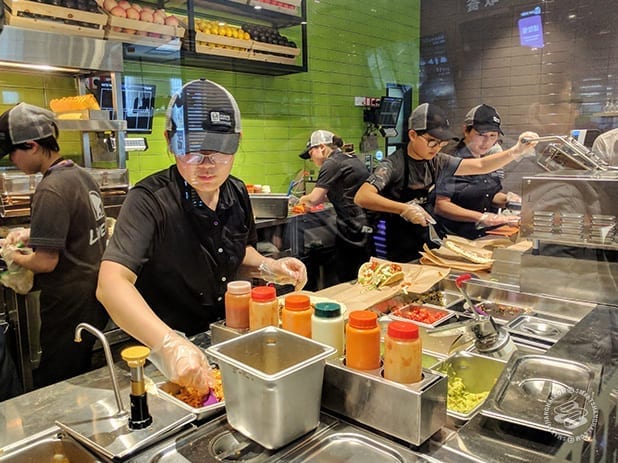
    There is an open kitchen so customers can see their food being made to order. There are also self-order kiosks.

    The restaurant has been officially launched following a soft opening during which customers have been sharing their experience of the brand through social-media posts, blogs and videos. More than 1000 people took part in a selfie soft-opening promotion.

    taco-bell-shanghai-inside

    California inspiration

    “Built around the concept of ‘Live Mas’, which literally means ‘Live More’, Taco Bell encourages its customers to try new things,” says Pant. “I look forward to creating experiences that surprise and delight people as we expand the Taco Bell brand in China.”

    The Shanghai restaurant showcases Taco Bell’s classic California-inspired look and design. It features surfboards hanging from the ceiling as well as guitars and graffiti art. It also integrates advanced technology throughout, including free Wi-Fi, digital ordering kiosks, digital menu boards and a range of payment options.

    “Building restaurants in new international markets is a key component to the overall growth and evolution of Taco Bell, and we’ve just scratched the surface of our global unit expansion potential,” says CEO Brian Niccol. “The opening of this restaurant in China is an exciting milestone for the brand, as this market holds tremendous growth potential.”

    Taco Bell has more than 7000 restaurants, more than 300 of them in 26 countries outside of the US. It aims to reach 1000 restaurants internationally by 2022.

    Yum China Holdings, with executive offices in Shanghai, has exclusive rights in mainland China to KFC and Pizza Hut as well as Taco Bell. Yum China also owns the East Dawning and Little Sheep concepts. With more than 7300 restaurants and 400,000-plus employees in more than 1100 cities, Yum China generated more than $8 billion in system sales in 2015.

    Taco Bell, a subsidiary of Yum! Brands, was the first quick-service restaurant to offer American Vegetarian Association (AVA) certified menu items. Taco Bell’s 350-plus franchise organisations serve more than 42 million customers each week through 7000 restaurants across the US, as well as through its mobile, desktop and delivery ordering services.

    Based in Louisville, Kentucky, Yum! Brands has nearly 43,000 restaurants in 135 countries and territories. Worldwide, it opens more than six new restaurants a day on average.

  • Former Petronas regional marketing head to Pizza Hut as CMO

    Former Petronas regional marketing head to Pizza Hut as CMO

    QSR Brands, one of the largest quick service restaurants operator in Malaysia as well as a leading brand in the Southeast Asia region, is promoting Merrill Pereyra to chief executive officer.   Along with Pereyra’s promotion, it is also appointing Jean Ler as chief marketing officer for Pizza Hut Malaysia.

    Ler will head up marketing, including brand management, innovations and consumer insights to rejuvenate the Pizza Hut brand in Malaysia. She will look to strengthen the relevance and connection to consumers by bringing them delicious products, renewed marketing communications and exciting enhanced experiences.

    Ler has a marketing career that spans 20 years across various reputable local and multinational food & beverage companies. She was most recently regional head of Marketing for Petronas Lubricants AsiaPac following various positions of increased responsibility at Dutch Lady and KraftFoods/Mondelez where she successfully regained market leadership position for the Dairy and Biscuits portfolio of the respective brands.

    Meanwhile, CEO Pereyra joined QSR Brands in June 2016 as COO to further shape the company’s growth story in the region. His current CEO role includes leadership of KFC and Pizza Hut in Malaysia, Singapore, Brunei, and Cambodia. His promotion follows the departure of Rohan St. George who helmed QSR Brands from 2013 to 2016.

    With over 25 years of years of innovative and energetic leadership in the Middle East, South Pacific, Australia and Asia, Pereyra is renowned for leveraging global resources, capabilities, and relationships to promote growth of brands in new markets. He has a successful track record in setting up new businesses in six countries, in developing and implementing strategic business plans as well as fast tracking high potential employees to leadership positions.

    Over the last 30 years, Pereyra has assumed senior leadership, sales and marketing positions at various leading quick service restaurants such as Domino’s, Healthy Habits and McDonald’s. In his last two roles, he was CEO of Domino’s and managing director of Healthy Habits in Australia. Prior to that, he spent 23 years at McDonald’s in four different countries.

    Eric Leong has also been appointed as GM for Pizza Hut and will oversee the planning, coordinating, and managing field activities including restaurant and delivery management, quality assurance, and implementing special projects. This is in line with Pizza Hut’s drive for superior customer service and operational efficiencies to cement a solid foundation for ambitious business growth.

    He brings more than 27 years of experience in the food and beverage industry, with extensive experience in sales and retail. Prior to joining Pizza Hut Malaysia, he was the managing director at Minor Food Group Singapore, which is part of Minor International, one of the largest leisure, F&B and retail companies in the Asia Pacific.

    He was also supervising director and general manager at Berjaya Corporation Berhad in 2012, holding both portfolios comprising Papa John’s Pizza Malaysia and Philippines, as well as Wendy’s Malaysia.

    Both Ler and Leong witll report to  Pereyra in his new role as CEO.

    Pereyra said, “At the heart of everything we do at QSR Brands, is our consumers. This is something Eric and Jean truly understand and embody. They both bring a wealth of experience and a fresh perspective to Pizza Hut.” “I look forward to working closely with them to deliver our plans for 2017 and beyond to improve our brand value and provide Malaysians with new and exciting dining experiences that appeal to their tastes and hearts.”

    This year Pizza Hut celebrates its 35th anniversary in Malaysia

  • 7-Eleven plans in Vietnam

    7-Eleven plans in Vietnam

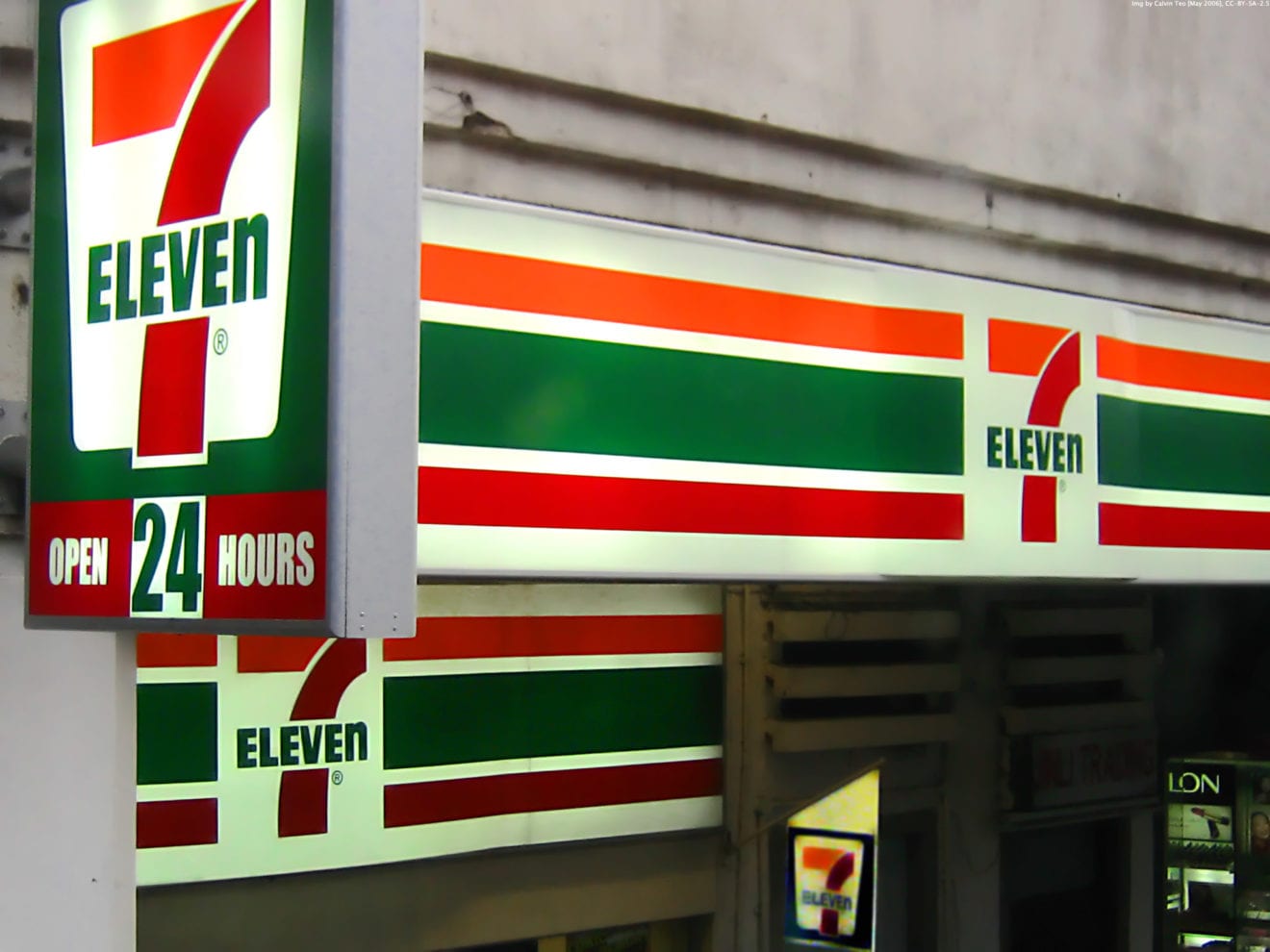
    Convenience-store giant 7-Eleven plans to enter Vietnam by taking over VinGroup’s VinMart+ chain, marketplace sources say.

    In a statement from the US last year, 7-Eleven said it would build stores as well as convert “existing locations”. Now industry insiders are saying the group will swallow VinMart+, but there has been silence from both brands.

    The 7-Eleven Vietnam franchise is a partnership between IFB Vietnam, which owns Pizza Hut Vietnam, and Seven System Vietnam. The chain has announced plans to establish 100 stores in its first three years, with 1000 outlets within a decade. Its initial store will be in Ho Chi Minh City, scheduled for early next year.

    VinMart+ is Vietnam’s largest c-store chain with more than 700 outlets. It has plans to expand to 10,000 stores in next 10 years.

    Vietnam is 7-Eleven’s second Pacific Rim market after Indonesia, where it launched in 2009. It also has stores in Australia, China, Japan, Malaysia, Singapore, South Korea, Taiwan, Thailand and the Philippines.

  • Myanmar retail will get investment boost

    Myanmar retail will get investment boost

    Myanmar retail will get a boost from the lifting of US sanctions, opening the way for foreign investment.

    The official end of the restrictions was formalised on October 7 and confirmed by the US Treasury, unblocking sanctioned properties, removing various banking restrictions and reporting requirements for investment. Exporters and manufacturers are expected to be the main beneficiaries, but the retail sector is also expected to see Western brands seeking local partners.

    With the easing of restrictions, local partners will find it easier to find international firms looking to enter the country, but due diligence will be needed as per industry analysts.

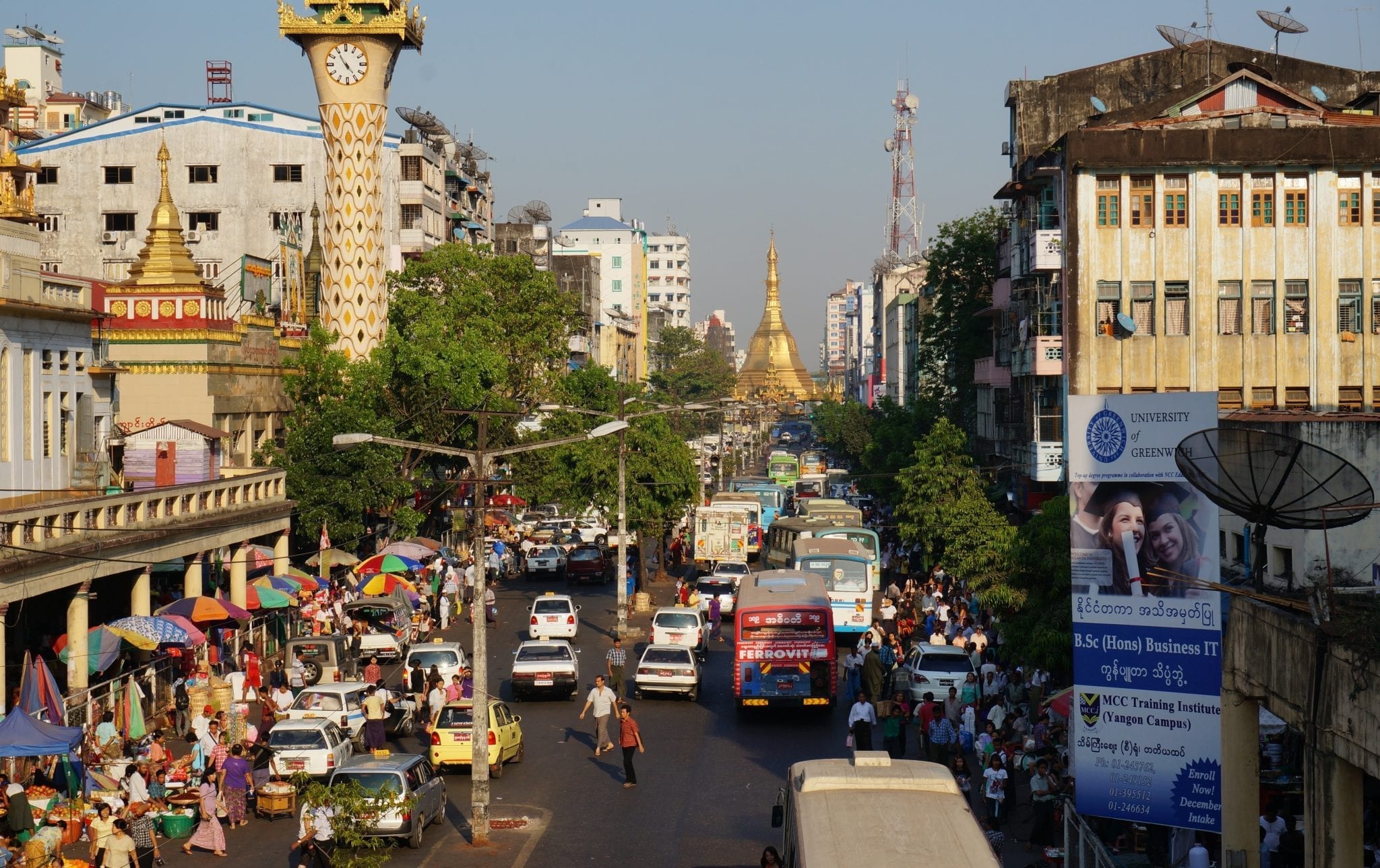
    Several brands have already entered the market in recent years including KFC, Pizza Hut and Gloria Jean’s Coffees. Japanese retail company Aeon was the first foreign retail chain to gain access to the market this year. It partnered with Creation (Myanmar) Group to open stores in Yangon and Mandalay.

    In addition, demand for retail space, which is in shortage, is expected to go up following Aeon’s lead. While the trend of shifting from local stores to large retail centers will take time, the pattern is already changing in major urban centers. The wider range of products, particularly foreign brands is expected to further quicken the process.


  • Pizza Hut China debuts robot waiters

    Pizza Hut China debuts robot waiters

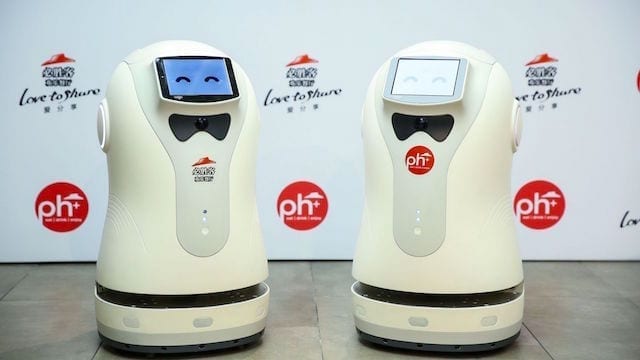
    Pizza Hut China has jumped on the robot restaurant bandwagon with its latest Shanghai outlet featuring two robot waiters.

    On the basement floor of the new Shanghai Tower, which as yet only has its observatory open, it is Pizza Hut’s first concept store, PH+.

    Guests are greeted by the two 80cm robots (both named Casper) at the door. The guest’s table number appears on their screen and one of them will lead the diner to their seat.


    Diners can place their orders via a display screen. Signature dishes include steaks and soft-shell crab pizza, and there are also special cocktails.

    In May, KFC introduced a high-tech outlet at Shanghai’s National Exhibition and Convention Center, where robots take the orders.


  • Mobile marketing cuts printing cost for Pizza Hut

    Mobile marketing cuts printing cost for Pizza Hut

    With over 70 restaurants in the city, half of Pizza Hut’s business in Hong Kong is dine-in. This gives the diner a great incentive, but at the same time, huge pressure to improve its customer experience.

    In 2014, Pizza Hut started its mobile marketing campaign project. The primary objective was to better serve its customers. Additionally, it wanted to cut out a huge portion of its printing costs on direct marketing materials.

    Pizza Hut has been a customer of Salesforce. “When we started the mobile marketing campaign project in 2014, however, we didn’t know that Salesforce Marketing Cloud could help us to manage marketing campaigns,” said Ravel Lai, group IT director at Jardine Restaurant Group Hong Kong and Macau, in an interview with Computerworld Hong Kong. Jardine Restaurant Group operates Pizza Hut and the KFC restaurants throughout the city.

    Lai’s team studied different marketing solutions and decided to adopt Salesforce Marketing Cloud. “We considered other marketing tools such as those from Oracle and Adobe. We had even approached IBM, but they didn’t have a marketing solution,” he recalled.

    Evaluating a marketing solution was different from that of an IT solution. “This was not a traditional ERP solution, but something new to the IT team. We invited the marketing people and bosses at Pizza Hut and KFC to view the solution demo, and then we let everybody vote,” Lai said.

    Extra 7-10% revenue

    “We were not trying to solve a particular technology problem, but to improve on our marketing campaign management,” said Lai.

    In the past, Pizza Hut used to mail cash coupons to its customers. This involved different stages of production, which were all time-consuming, such as graphic design and printing, before it can finally distribute and mail out the coupons.

    With the new solution, conducting mobile marketing campaigns has become much easier. Now, Pizza Hut would only need to involve an in-house graphic designer to design the digital marketing material, which could be ready for distribution in just two hours.

    “Last year on one rainy morning, I asked my team to send a mobile message along with a coupon to our customers. After preparing the customer segmentation, we decided to send the message to 15,000 housewives and office workers at around 11:00 am to catch up with lunchtime at noon,” said Lai. “The results were good, as we generated an extra 7-10% in revenue for the day.”

    90% printing cost savings

    In the past, Pizza Hut used to distribute paper coupons to customers. The printing and mailing costs involved had been 10 times higher than if the marketing campaigns were conducted on Salesforce Marketing Cloud.

    “This is a very good tool for us to do the job. Instead of sending physical leaflets, we now use the mobile marketing platform, which incurs just 10% of the original printing cost,” said Lai.

    “Besides, the replacement of physical leaflets with mobile marketing messages makes Pizza Hut more environmentally friendly, too.”

    Express ticket

    According to Lai, many restaurant groups have developed their own mobile applications, but their primary function is largely limited to remote ticketing. “When everybody does the same thing, we ask ourselves, ‘How should we do it differently?’”

    To distinguish its restaurant mobile app from the competition, Lai borrowed the idea of “Fast Pass” from Disneyland theme park. A Disneyland Fast Pass allows a visitor to shorten his or her waiting time by getting a pass in advance for selected attractions, and return within specific timeframes.

    Using Pizza Hut HK’s mobile app, a user can obtain a queue number before they even reach the restaurant. This cut down the time and money required for us to issue queue numbers.

    By doing proper customer segmentation on Salesforce Marketing Cloud, Pizza Hut can send messages to customers whose last visit was over one month. The typical message would read: “Dear customer, you visited us one month ago and purchased a meal in our restaurant. We are so sorry that you had to wait for 15 mins. Here is an express ticket for you so you can jump queue upon your next visit. The express ticket is good for two weeks,” Lai suggested.

    Loyalty points reward system

    Pizza Hut HK’s mobile app also provides a points rewarding system. With every HK$5 of purchase at the restaurant, a customer gets one point. “With 50 points, our customers can redeem four pieces of chicken wings,” Lai said.

    Pizza Hut’s loyalty points are transferrable. “When you come to the restaurant with your friends, you and your friends can combine the points together to redeem the reward, for example, 50 points for a pizza,” said Lai.

    Social CRM

    With Salesforce Marketing Cloud, Pizza Hut’s mobile marketing campaign platform has enabled the restaurant group to tap on social CRM. “When I sold the idea of social CRM to the management, I emphasized not just on the benefits, but the improvement on the customer journey,” Lai said.

    Regarding Pizza Hut’s implementation of mobile marketing campaign project, Lai summed up, “If I do it now, I am the pioneer. If I do it later, I would just be a follower.”

  • Internet Retailing Expo Indonesia Gears Up to Connect Indonesia’s Stakeholders

    Internet Retailing Expo Indonesia Gears Up to Connect Indonesia’s Stakeholders

    The Internet Retailing Expo (IRX) Indonesia, is gearing up to return with a loud bang. The 2ndedition of IRX Indonesia, to be held from 18 to 19 January next year at the Pullman Jakarta Central Park, will once again become the meeting place for marketplaces, multi-channel retailers and online retailers to meet their key suppliers and learn through peer knowledge sharing and best practice implementation case studies.

    IRX Indonesia was launched due to the huge potential of the internet retailing market, as it has started to grow significantly within Indonesia in the recent years.

    In 2017, IRX Indonesia is expected to attract 2000 visitors to an even more diverse exhibition with plenty of value-packed on-floor sessions and 75 leading solution providers in the areas of digital infrastructure and innovation, digital payments, last mile fulfilment and many others. More than 80 multichannel and ecommerce retailers will be sharing knowledge and experience during the six conferences sessions, workshops and clinics at IRX Indonesia 2017. All these under the themes of Connected Store of the Future, Payments & Security, Insight & Experience, Digital Sales & Marketing, Digital Merchandising, Multichannel Operations & Fulfilment.

    “IRX is the leading multichannel event in the retail calendar and takes place every March at the NEC Birmingham, United Kingdom. The UK is the most sophisticated internet retailing market globally. With over 200 exhibitors and 5000 visitors to the show, IRX welcomes retailers and technology providers from across the multichannel landscape,” said Richard Ireland, Managing Director, Asia, Clarion Events Pte Ltd. “Following its great success in 2016, IRX will be running its second show in Jakarta, Indonesia in January 2017 and plans to bring some of the expertise gained from the UK to Indonesia. Our event plans to help retailers looking to establish, along their journey to grow their online retail strategies.”

    Visitors to the event can expect industry tracks featuring a distinguished speaker panel of local and international industry who’s who, including, among others, Roy N. Mandey, Chairman, APRINDO; Ravi Kumar, COO, PT. MAP; Catherine Sutjahyo, CEO, Alfacart.com; Adrian Suherman, CEO, Lippo Digital Group; Aruni Therese Abeyesundere, Chief Marketing Officer, Pizza Hut;; Simon Torring, Regional Head of Merchandising (Digital), Sephora Digital SEA, Ankit Porwal, Business Director, L’Oreal Paris Indonesia; Ashley Amanna, Head of ECommerce, L’Oreal Indonesia; Pankaj Khushani, Head of Media Technology Solutions – SEA, India & Korea, Google; Rizkie Maulana Putra, Head of ECommerce Development, Samsung Electronics Indonesia; Tabah Yudhananto, Marketing Technologist, Digital Marketing, CRM Senior Manager, Blibli.com; and Cam Walker, CEO Indonesia, iflix.

    The conference will feature 6 streams alongside e-Commerce clinics and workshops on the exhibition floor. Special highlights for the event include SME Forum: “Building capabilities in a digital age”; CMO Forum: “The way marketers engage customers”; CEO Panel Discussion: “Omni Channel retailing: Digital Transformation, Customer First”; E-Commerce University; E-Commerce Clinics; Start-up & Innovation Zone: “Enabling Business value with Digital Transformation”; Indonesia – China Cross-Border Ecommerce Pavilion; and 3D VR Shopping Experience.

    IRX Indonesia will feature 50+ exhibitors including 8Commerce, Asian Delker Logistics, ATEX, Cashlez, Detrack, E2Pay, Egentic, ICUBE, Innovecto, Midtrans, MooCommerce, PaketID, Priceza, PT Kam and Kam, PT Kioson Komersial Indonesia, and SAP, and sponsors including BCA, Accenture, Telkom Indonesia, PT Pos Logistics Indonesia, Akamai, Anchanto, Go-Jek, Magento, Manhattan Associates, At Internet, aCommerce, Alto, FedEx, Gift Card Indonesia, Intramega Global, netCORE, Sprooki, and JNE.