Tag: platform

  • Apple takes on Netflix and cable with TV+ streaming service

    Apple takes on Netflix and cable with TV+ streaming service

    Hours before the “It’s show time” event, Apple began streaming a Car Play footage of someone driving from Los Angeles to Cupertino, in a not-so-subtle hint that we are about to see a lot of Hollywood honchos arriving for the announcement of its new Apple TV+ video service against formidable competition. Existing cable packs plus original content – it marks the first time Apple is jumping into a new and established industry in, well, forever. –

    The Apple-goes-Hollywood move is just the next in a long line of reorientations of Apple as a service company, concocted a few years back when CEO Tim Cook started to prepare for the inevitable commoditization of the bread-and-butter iPhone product. Apple’s CEO Tim Cook loves to brag at conference calls with investors that the revenue and profits from its “services” business is growing leaps and bounds, far outstripping the revenue growth in the iPhone department. The App Store alone is now a Fortune 100 company by itself, raking in more than, say, the whole McDonalds franchise.

    On the hook for billions of losses, however, after streaming services like Netflix or Spotify balked or circumvented the 15%-30% cut Apple takes from subscriptions sold via the App Store, the team from Cupertino decided to futureproof its revenue stream from services by taking the fight directly to the competition. Last year, streaming subscriptions outpaced cable, and Apple just went in, announcing its own TV+ video service.

    Apple TV+ streaming and Channels service price, features, markets, and platforms

    Instead of outing an actual TV set, Apple now aims to become an alternative to cable by mixing shows from renowned names like HBO or Showtime with dozens of its own TV+ original series, all from the comfort of the new Apple TV app, online or offline. With the new Channels service there, Apple will bundle your existing subscriptions, and personalize and curate the shows you might like, gleaning from the subscriptions or preferences you already have shown by renting iTunes movies and TV shows. Those will now also be folded into the new Apple TV app, coming in May.
    The Apple TV channels will sport such juggernauts like HBO, Starz, SHOWTIME, CBS All Access, Smithsonian Channel, EPIX, Tastemade, Noggin and some new ones as MTV Hits, with more down the pipe. All of this can be accessed within one app – Apple TV – no separate logins any more.
    The service would be reaching 100+ global markets and will be available not only on Apple iOS devices but also coming to the Mac, Roku streamers, and even Samsung, LG, Sony or Vizio smart TVs. How much? Well, separate subscriptions for HBO or Showtime will run you $9.99/month each, and you can subscribe with a single click. The Apple TV+ release date is scheduled for some time in the fall, with an “ad-free” price yet to be announced.

    With an installed base of more than a billion potential viewers who are used to paying for media, Apple could immediately become the next big thing on the trendy “what to watch” block. Unlike Netflix, however, whose stratospheric rise is fueled by copious amounts of debt, Apple reportedly took a more measured approach, earmarking “just” a billion for testing the original content streaming waters. Eddy Cue, Apple’s senior vice president of Internet Software and Services, piled on today:

    That’s not to say that the team from Cupertino is not ambitious, though – Eddy Cue is on record saying that they want to acquire or produce shows on the level of Game of Thrones, and, knowing Apple’s money, they could very well do so. For comparison, HBO spends two billion on original programming, and Apple could easily double or triple the amount invested if the shoe fits.

    Netflix is way ahead with $11 billion earmarked for spending on own shows and content this year, though there is a lot of fluff in it, while Apple usually takes a more targeted approach when it comes to quality, regardless of what one might think about shows like Planet of the Apps. In any case, it will have way fewer movies and TV shows than the rest of the competition at launch, though, as you can see from the stats below, having the most content doesn’t make for the most popular such service.

    Apple TV+ new original shows list at launch

    Apple has already poached plenty of entertainment industry names, too, so it finally seems bent on building a proper media empire. Here are all the shows Apple said its streaming service will be launching with:
  • Coles scores exclusive deal with the world leader

    Coles scores exclusive deal with the world leader

    Supermarket giant Coles has entered into an exclusive services agreement with the world’s leading online grocery platform, Ocado, to double its home delivery capacity in Australia by the end of the 2023 financial year.

    Over the next four years, the supermarket will spend $130 million to $150 million on the construction and development of the project, which will give the retailer access to Ocado’s online grocery website, automated single-pick fulfilment technology and home delivery solution.

    As part of the deal Ocado will install and maintain equipment for Coles in new automated customer fulfilment centres outside Sydney and Melbourne, which are expected to be operational by the 2023 financial year.

    Each centre has an estimated sales capacity of between approximately $500 million and $750 million per annum.

    The new deal is expected to offer customers a seamless digital customer experience, greater range, improved product availability and freshness, as well as more regular delivery windows. The partnership means increased network capacity at a lower cost to serve and is expected to double Coles’ current home delivery capacity.

    “Ocado is singularly focused on online grocery shopping, and as a result, has become the leading solution provider in the world. We are delighted to be partnering with them to make life easier for Coles’ customers here in Australia. Ocado’s ongoing investment and retail partnerships around the world will help us continue to improve our offer into the future,” Coles CEO Steven Cain said.

    Customers outside of metropolitan Melbourne and Sydney will have access to Ocado’s website, whereby orders will continue to be fulfilled by the existing store-based network, which will continue to evolve over the coming years.

    “We are delighted to partner with Coles,” Luke Jensen, CEO of Ocado Solutions, said. “Already a leading player in online grocery retailing in Australia, we are proud that they have chosen the Ocado Smart Platform to take them to the next level. Our flexible, scalable and modular solution will help them bring new levels of convenience, choice and value to Australian consumers. The Australian market is changing as consumer needs evolve and our platform will enable Coles to lead this transformation in a profitable and sustainable way.”

    Ocado CEO Tim Steiner said he is delighted to be working with Coles “to reshape the food retail landscape in Australia”.

    Ocado has over 15 years’ experience in grocery market innovation and recently signed a deal with British retailer Marks and Spencer to boost its online grocery experience.

  • Grab launches ‘Buy Now, Pay Later’ option

    Grab launches ‘Buy Now, Pay Later’ option

    Grab has expanded its fintech offer with “Buy Now Pay Later” facility and an online store check-out plugin.

    Through its joint venture with Credit Saison, the ride-hailing platform offers a post-paid payment facility which allows customers to pay for Grab services at the end of the month, without additional fees.

    This is geared towards consumers who face exceptional expenses, but are keen to avoid being hit with high credit card or personal loan interest payments.

    The platform will also launch another pay-later product, which will allow consumers to shop online immediately, but pay for their purchases in installments.

    Only Grab’s most creditworthy customers can use these two products. Credit risk is based on their tenure on the Grab platform, frequency of use and spending patterns.

    Grab has been boosting its financial services in Southeast Asia in recent years. Its GrabPay service has teamed with e-commerce platforms such as Qoo10 and 11Street.

    It has recently signed with Adyen, Boku, iPay88, Dragonpay, Cathay Cineplexes, and SM Cinema in the Philippines.

  • Furla Exceeds 500 Million

    Furla Exceeds 500 Million

    Turnover of the storied Italian leather goods brand increased to 513 million euros. Over the course of the fiscal year, the company made significant investments to strengthen its supply chain and technology – and began 2019 with the launch of its new sneaker collection

    Furla Group continues to grow: over the past four fiscal years, it has doubled its turnover, hitting 513 million euros in 2018, a 5.2% increase at constant exchange over 2017 (or a 2.8% increase at current exchange).

    Analyzing sales by geographic area and at constant exchange, the Asia Pacific region shines, with an 18.2% year-on-year increase in 2018; it now accounts for 26% of total turnover. The United States, meanwhile, saw an increase of 13.2%, and now accounts for 8% of total turnover. Japan remains the brand’s leading market (22% of total sales), and sales there were up 3.6% compared to 2017. The EMEA region, which represents 44% of global turnover, maintains its market position.

    Furla Group continues to seek direct control of its brand distribution through a strengthening of its mono-brand stores, which produced 70% of turnover in 2018. Direct distribution, combined with multi-brand sales points and franchising, allows Furla to have a far-reaching presence in 98 countries worldwide: its 490 mono-brands (285 directly owned, 163 franchisees and 42 travel retail doors) are in the most prestigious international shopping locations. Over 1,200 select multi-brands and department store corners complete the company’s distribution network.

    Of particular note is the travel retail sector, which is in continuous evolution and in 2018 registered a 16.2% increase over 2017, accounting for 7.3% of the Group’s turnover through its sales at 293 doors, from boutiques, corners, shop-in-shops, aircraft and cruise ships, across 64 countries.

    The company paid special attention to its direct e-commerce platform, where, thanks to repeated investments, there was a substantial turnover increase in 2018: 45.7% over the previous year, at constant exchange.

    Furla Group is focused on solidifying the wild growth it has experienced over the past several years. The company has directed major resources toward strengthening the supply chain, as well as systemically integrating countries with direct and indirect distribution networks into Furla’s corporate culture and technology.

    The supply chain, which is key to guaranteeing the quality and timeliness of manufacturing, has recently benefited from the company’s adoption of a more evolved and high-performing computer system, as well as financial tools that free up resources so that suppliers can invest in bettering the manufacturing cycle.

    After years of geographic expansion across the globe, the Group is now focused on a more selective development and on categories of merchandise that are complementary to its core business: in February of this year, during Milan fashion week, Furla introduced its new sneaker collection, supported by a series of important 360° marketing activities.

    Furla has further strengthened investment in its marketing operations, underlining its particular attention to digital communication and social channels, which have shown an important increase of followers (+64% versus 2017 on Instagram and WeChat), while maintaining one of the highest engagement rates (1,59%) within the fashion luxury category.

    Furla Group’s continuing investments in human resources have long allowed it not only to add jobs, but also to provide a better quality work life at the company and incentivize employees through its corporate welfare system “Furla for You.” This initiative has been recognized two years in a row for its excellence, with Furla listed among Italy’s Top Employers.

    “We are highly satisfied with these financial results, which we achieved at a challenging time for the international market,” said Alberto Camerlengo, Chief Executive Officer of Furla Group.  “We’ve invested significant financial resources in managing the unrestrained growth the company has experienced over the last several years, from acquiring total control of our retail distribution network in China, Hong Kong,Macau and Singapore, to strengthening our supply chain. Our single, fundamental goal has always been to guarantee continuity and excellence in all of Furla’s creations.”

  • Snapchat will integrate a cool new feature early next month

    Snapchat will integrate a cool new feature early next month

    As a result of Instagram’s dominance, Snapchat is no longer growing – the platform has actually started losing daily active users. Parent company Snap is aware of this and, in order to boost interest in the platform, will soon introduce a big new feature.

    According to a report by Cheddar, Snap will announce a new mobile gaming platform – codenamed “Project Cognac” – on April 4 at a Los Angeles summit for content and developer partners. The new platform will be integrated seamlessly into Snapchat and should feature a number of third-party games designed to work specifically within the app.

    In terms of what games can be expected, no titles have been confirmed yet. However, the company does appear to be developing some in-house offerings. Snap is said to be working with gaming giant Tencent on some exclusive titles and it also acquired gaming studio Prettygreat last year – an employee at this studio is behind both “Fruit Ninja” and “Jetpack Joyride.”

    The new games will provide an extra revenue stream for Snap, something that should please investors. At the moment, though, it’s unclear how the company will choose to monetize the games. Snap could either implement a variety of in-app purchases or rely solely on advertising. Alternatively, the social media giant could choose a combination of both.

  • TikTok partners Malaysian handicraft organisations to promote local art

    TikTok partners Malaysian handicraft organisations to promote local art

    TikTok has paired up with the Malaysian Handicraft Development Corporation (Kraftangan Malaysia) and the National Craft Institute (NCI) to launch its #ilovearts campaign, in conjunction with National Craft Day 2019.

    The campaign is in line with the 17th annual National Craft Day event organised by Kraftangan Malaysia under the theme “Culturising Craft in Lifestyle”, and aims to encourage the usage of local craft products in today’s lifestyle. The campaign also invites crafters to share their artistic talent and craftwork on TikTok, to further promote Malaysia’s unique craftsmanship to a global audience online.

    The partnership also saw TikTok conducting a recent workshop at NCI on ways to leverage its platform for students to amplify their talent. The workshop focused on short video-creations and encouraged digital adoption to amplify Malaysian arts. The #ilovearts campaign runs until 11 March and participants stand a chance to win prizes worth RM6,500.

    Donny Eryastha, TikTok’s head of public policy, Indonesia, Malaysia and the Philippines, said that the campaign resonates with its mission of capturing and presenting the world’s creativity, knowledge, and moments that matter by enabling everyone to be a creator.

    “We are honoured to be collaborating with NCI and Kraftangan Malaysia through this initiative that aims to bring Malaysian art, heritage and tradition to the rest of the world,” Eryastha added.

    NCI senior director Zainal Abidin Bin Che Pa said the industry recognises the role of technology in its effort to promote Malaysian’s unique craftsmanship globally.

    “By partnering with a digital platform like TikTok, our crafters are able to share their expertise and talent with others from all over the world. We are hopeful that partnerships like this would open new opportunities for our crafters to go beyond our shores and obtain international exposure, resulting in a greater appreciation for Malaysian arts,” he added.

    Recently, TikTok agreed to pay US$5.7 million to settle US Federal Trade Commission allegations that it illegally collected personal information from children. The violations were committed by the newly defunct Musical.ly app, which was folded under TikTok after it was was acquired by Chinese media firm ByteDance for around US$1 billion in 2017.

  • VMware announces 5G-ready Telco Cloud platform

    VMware announces 5G-ready Telco Cloud platform

    VMware has announced the launch of its 5G-ready Telco Cloud platform, as well as new solutions aimed at helping ease operators’ migration to 5G.

    Announced at Mobile World Congress in Barcelona, the new Telco Cloud platform is optimized for both 4G and 5G using a single architecture that supports both networks.

    “5G is at a massive inflection point, and planning decisions made today will have far reaching financial and operational ramifications for CSPs going forward,” VMware EVP for strategy and corporate development and GM for Telco NFV Group Shekar Ayyar said.

    “By moving away from the inflexible, hardware-defined architectures of the past, and rolling out 5G as a fully-virtualized architecture right out of the gate, telcos will be able to beat competitors to market with new value-added services and improve the performance and operational efficiencies of their networks. VMware today provides the best foundation for the 5G-ready telco cloud.”

    The company also announced new and upgraded solutions in its telco portfolio aimed at helping operators prepare their networks for 5G.

    These include VMware Smart Assurance 10, that will provide full integration with VMware vCloud NFV, the new VMware NSX-T 2.4 Data Center release, and an expanded VMware Ready for NFV Certification Program.

    The upgraded portfolio also includes Vmware HCX – which is designed to help operators build hybrid highways interconnecting heritage infrastructure and 5G environments on which commercial OpenStack ecosystem workloads can be migrated to a distributed, multi-cloud architecture.

  • Juniper Networks to buy Mist Systems for $405m

    Juniper Networks to buy Mist Systems for $405m

    Juniper Networks has arranged to acquire Mist Systems, a provider of cloud-managed wireless network solutions powered by artificial intelligence, for $405 million. Juniper Networks plans to use the acquisition to fill wireless gaps in its enterprise networking portfolio through the addition of Mist’s WLAN platform.

    Mist’s AI-driven wireless platform is designed to enhance the reliability of Wi-Fi networks. The company has also developed an AI-driven virtual assistant to simplify wireless troubleshooting.

    The company also uses virtual Bluetooth low energy technology, combined with Wi-Fi and IoT connectivity, to provide location-based wireless services to customers, including indoor wayfinding, proximity notifications, traffic analytics and asset tracking.

    Juniper Networks CEO Rami Rahim said he expects the acquisition to enhance the company’s presence in the cloud-managed segment of the wireless networking market, and to allow it to expand AI-driven network management capabilities across the end-to-end enterprise network.

    “Mist Systems is a great fit for Juniper and for our enterprise customers,” explained Rami Rahim, CEO of Juniper Networks,” he said.

    “Juniper and Mist share a common strategic goal. We believe in the Software-Defined Enterprise and Mist’s focus on bringing AI to IT is consistent with our core belief that we need to simplify operations and improve customer experience while lowering costs.”

    The acquisition still requires regulatory approvals and is expected to close by the end of the second quarter.

  • Walmart kicks off with redesigned e-commerce platform

    Walmart kicks off with redesigned e-commerce platform

    The world’s largest retailer Walmart has unveiled a complete redesign of its North American e-commerce platform to deliver a more local and personalised experience for shoppers.

    The new website, which is now live, sports a completely redesigned look and feel, as well as several new features, including specialty shopping experiences.

    The move comes after Walmart disappointed the market in February with a slowdown in its e-commerce growth to 23 per cent in the fourth quarter, down from 50 per cent in the prior quarter.

    The retail giant is forecasting a further 40 per cent increase in its e-commerce sales in fiscal 19.

    Walmart’s president and chief executive of US e-commerce Marc Lore oversaw the changes and said that personalisation was a key focus for the retail giant, with new sections introduced that showcase top-selling items based on a customer’s location.

    “The majority of the homepage will be personalised in some way,” Lore said in a post about the new site.

    There will be an area of the site dedicated to customers’ local store profiles, which will provide product availability information.

    Specialty shopping experiences have also been introduced, an area of the site dedicated to a specific category, designed to emulate a specialty retail shopping experience.

    “Customers shopping for groceries and household essentials want to quickly re-buy what they always purchase, while those looking for a new couch want to be inspired while browsing the different options,” Lore said.

    “We want each category to feel like you are shopping a specialty store and we plan to build out these specialty experiences for other categories starting later this year.”

    A home specialty experience has already been launched, while a destination for fashion is on the way.

    Advertising has also changed, providing Walmart’s suppliers with the ability to “better tell their stories” on the website within “seamlessly integrated” ads.

  • Facebook defends itself against critics of social media

    Facebook defends itself against critics of social media

    Facebook Inc on Friday struck back against scientific researchers and tech industry insiders who have criticized the world’s biggest social media network and its competitors for transforming how people behave and express emotion.

    Facebook, in a corporate blog post, said that social media can be good for people’s well-being if they use the technology in a way that is active, such as messaging with friends, rather than passive, such as scrolling through a feed of other people’s posts.

    It was the second time this week that Facebook had published such a rebuttal, signaling a new willingness to defend a business model that translates users’ attention into advertising revenue.

    On Tuesday, the company released a statement saying that former executive Chamath Palihapitiya, who at a conference publicly blamed Facebook for “destroying how society works,” had been gone for six years and was unfamiliar with the company’s recent efforts to improve.

    Palihapitiya on Thursday revised his view, writing in a Facebook post that the service “is a force for good in the world.”

    Online services such as Facebook and its Instagram unit, Twitter Inc, Snap Inc’s Snapchat and Alphabet Inc’s YouTube are under attack for their seemingly addictive nature and perceived promotion of anti-social behaviors.

    A study in March by U.S. researchers found that using such services at least two hours daily was correlated with reporting feelings of social isolation.

    A nonprofit organization called Time Well Spent, led by a former Google design ethicist, is pressuring tech companies to move away from products that try to hook people’s attention.

    In its blog post, Facebook acknowledged what it called “compelling research” on the negative effects of social media and cited two such academic studies.

    The company said, though, that those studies are “not the whole story.” It went on to cite other studies suggesting that the dangers of social media may be exaggerated, and that it has potential benefits if used correctly.

    “We employ social psychologists, social scientists and sociologists, and we collaborate with top scholars to better understand well-being and work to make Facebook a place that contributes in a positive way,” said the blog post, written by Facebook Research Director David Ginsberg and Research Scientist Moira Burke.

    Fundamental change would require turning away from “where the money is,” said Roger McNamee, a venture capitalist and early Facebook investor who recently has criticized the social network.

    “Facebook’s business model depends on monopolizing consumer attention, and content that appeals to fear and anger is the most profitable way to do that,” McNamee said in an email on Friday.

    A Facebook representative declined to comment beyond the blog post.

    Facebook is spending $1 million on research into the relationship among technology, youth development and well-being, the blog post said.

  • Tellscore launches brands-meet-influencers platform in Thailand

    Tellscore launches brands-meet-influencers platform in Thailand

    Thailand’s first automated and one-stop micro-influencers-meet-brands platform, Tellscore, announces its official debut online today The powerful digital tool enhances business reach and conversion through social media channels. Tellscore enables micro-influencers to earn and brands to benefit by expressing genuine opinions and authentic branded content online.

    Tellscore utilizes micro-targeting technology, allowing brands to customize the number of micro-influencers they work with based on their areas of expertise, size of followers, and most importantly engagement rates that works as an automated system connecting brands and micro-influencers directly. The incorporation of algorithms creates a Tellscore scoring system that is not only effective but also measurable, projecting a preview of the exposure brands are likely to receive from the budget of their choice, with a wide yet precise digital targeting.

    Tellscore is designed with the insider’s knowledge and understanding that reach or visibilities can be mere quantitative figures in marketing performance but does not provoke shifts toward desired purchasing behavior. In truth, the key to a successful marketing campaign is heavily relying on the level of engagements, which is proven to be only garnered by micro-influencers.

    The brains behind the game-changing platform Tellscore are Suvita Charanwong and Amornthep Chimpleenapanont, the Co-Founders of Redlab Co., Ltd., a leading digital agency in Thailand, specializing in digital marketing. With over 20 years of industry experience, Suvita believes that the Asian market is ready to unlock the marketing potential of micro-influencers.

    “Micro-influencers relate and communicate directly with consumers because they are consumers and they speak from their perspective rather than being corporate mouthpieces. This is their real power. Compared to bigger marketing heavyweights there are many diverse and niche micro-influencers; offering a direct line of communication straight to markets that may be difficult to reach without the Tellscore system.

    “Micro-influencers are vital because of the extent of social-media engagement. In Asia, Thailand is leading the way with 47 million Facebook users which accounts for nearly 70% of the population. According to Facebook, in Southeast Asia, that figure is around 241 million users. In just over a year, Instagram users in Thailand have risen from 3.2 million to 9 million. Southeast Asia is gathering pace at an impressive speed when it comes to online and mobile connectivity.”

    Anyone with social media followers and an opinion can become a Tellscore micro-influencer and be notified of incoming campaigns from brands that are relevant to them, which they are then able to create and share meaningful stories that resonate amongst their followers, while they benefit from paid work. Micro-influencers add credibility to brands through their role of trusted friend that can earn them anywhere between THB 100 – 50,000 for a content share or product review depending on their level of engagement and number of followers.

    Tellscore’s campaign management tool assists both brands and influencers in managing their busy schedules when it comes to launching a campaign. The platform helps reduce campaign setup time for brands and provides influencers with a scheduled timeline to share their content. Both Thai and English language micro-influencers are being actively sought prior to the Thailand launch.

    Tellscore expects to reach up to 30 million reachable consumers by connecting micro-influencers with top brands via the platform. Tellscore’s widening their digital reach in Thailand and potentially beyond by the end of 2017.  Tellscore has invested THB 50 million towards this platform, which includes design and development, licensing costs, and other technology fees.

    Marketers signing up to Tellscore can start a campaign and collaborate with any number of micro-influencers of their choice immediately, with no tie-in obligations or locked-in contracts; ideal for product launches, marketing campaigns, breaking news and any campaign that seek to reach out to real audience instead of a temporary digital buzz. The Tellscore automated platform ensures that micro-influencer content is relevant and trusted so consumers listen rather than activating consumers’ default setting of ignoring branded content, loud advertisements and traditional advertorials. 

    Current brands marketing through Tellscore’s platform include Thai Wacoal and Dutchmill, with many other businesses getting online too. Meanwhile, micro-influencers range from individuals and bloggers with 500-10,000 followers and A-lists such as Nang-Prod-Kong-Kha-Prajao, movie review page (1,085,415 followers), Job-Khao, news synopsis page (563,750 followers), Sapai-Pae, travel page (500,324 followers), Tem-Khor, soccer fans page (263,045 followers), Pai-Donnnn, eat and travel page (112,251 followers), Cocopsyche, beauty blogger page (104,765 followers) and many more.  

    With micro-influencers reaching out to consumers in an engaging way, their opinion and content can prove to be invaluable, especially to those budget conscious brands or that looking for new ways to effectively influence their target markets.


     

  • Giv Giv: Singapore’s first Build-It-Yourself Gifting Platform

    Giv Giv: Singapore’s first Build-It-Yourself Gifting Platform

    Officially launching this month, Giv Giv specializes in its simple yet fun and thoughtful gifting process via its unique web platform (www.givgiv.co). With over 300 gift items and 50 partnering brands across diverse gift categories, it is the ideal destination to customise an exclusive bundle (Giv) of mixed brand gift items or shop from pre-curated Givs for an upcoming celebration-or even, just because.

    The website, soft-launched on 28 April 2017, allows gift shoppers to create personalized Givs for scheduled dates in advance. Based on their gifting needs and shopping preferences, they can simply bui Id a Giv from the wide selection of gift items curated by the Giv Giv team . “Each and every gift item is chosen by the sender and that is certainly meaningful, if not more thoughtful than the usual gift voucher or hampers with an item or two they might not like,” shares co-founder Estee Lua. In addition to the exciting customizable options, Giv Giv is also releasing a new collection of pre-curated Givs every month to provide their shoppers with additional gift varieties.

    The pre-curated collections are hand picked to commemorate life’s various milestones and to celebrate the little moments. There are also exclusive releases of pre-curated Giv bundles with seasonal gifts and exciting looks for one-click gift shoppers. From birthday bundles to congratulatory Giv sets, these options are all about the details and provide gift inspiration for shoppers to build their own.

    Giv Giv is also using the brand as a platform to promote gift items from local and regional lifestyle and indie brands. Gift shoppers can shop their favourite and popular gift items from over 1 O featured categories; be it a pampering session of candles and blooms, or a bundle of thoughtful lifestyle goods to send your best wishes, gift shoppers are spoilt for choice. Recipients of the special gifting experience will receive a selection of gift items and a personalized gift card accompanied by the signature orange Giv packaging and door-to-door courier service that elevates the surprise. For the exciting month of June, Giv Giv will be launching new Giv bundles for Father’s Day and other seasonal editions. For all new gift shoppers, use the promo code [ FIRST10] to get 10% off your orders!

  • SK Telecom to build O2O platform with Bluebell

    SK Telecom to build O2O platform with Bluebell

    SK Telecom has signed a memorandum of understanding (MOU) with Bluebell Korea to cooperate on bringing cutting-edge ICT to the luxury retail industry.

    Bluebell Group is a leading operator of luxury brands in Asia, which also specializes in consulting, and has eight branches in Asia distributing products from over 100 brands. Bluebell Korea is in charge of distributing luxury goods to duty free shops and shopping malls in Asia.

    Under the MOU, SK Telecom and Bluebell Korea will work together to build an O2O (offline to online) platform to enhance travelers’ shopping convenience; bring innovative changes to luxury goods stores and distribution channels; and develop luxury goods based on ICT.

    SK Telecom plans to apply its industry-leading ICT – including its cloud-based digital signage platform “Smart Signage” and IoT-based location tracking solution – to luxury brand stores and goods so as to increase customer loyalty and sales of luxury brands.

    The luxury industry has so far strictly adhered to the craftsmanship of products and traditional sales channels – that is, offline stores. However, a slowdown in market growth coupled with the rise of young, tech-savvy consumers who are taking up a growing share of luxury spending is driving new changes in the conservative industry.

    “Through the MOU with Bluebell Korea, SK Telecom expects to bring innovative changes to the luxury market through the application of its state-of-the-art ICT including IoT technologies,” said Cha In-hyok, EVP and head of IoT business division at SK Telecom.

    “The convergence between ICT and the luxury retail industry will not only create new business opportunities for both parties but also deliver enhanced value and experience for customers.”

  • Kudo to Grab in battle for Indonesian market

    Kudo to Grab in battle for Indonesian market

    South-east Asia’s largest ride-hailing company Grab has bought Indonesian online payment start-up, Kudo, as the company kicks off a battle with rivals Uber and Go-Jek for market share with the first investment of a US$700 million (S$978 million) pledge in its largest market over the next four years.

    Grab did not disclose the value of the deal announced yesterday, but Reuters put the figure at over US$100 million.

    In a statement, Grab said the acquisition “solidifies (its) leadership in digital payments” with Kudo’s team and platform being integrated with its online mobile payment service, GrabPay.

    Founded in 2014, Kudo allows less tech-savvy consumers and those without bank accounts to shop online and pay for bills such as utilities and phone credits through its network of “agents”, who help to make those payments to merchants and suppliers on their behalf.

    It currently has 400,000 “agents” in 500 towns and cities across Indonesia.

    Combining Kudo’s presence in smaller cities and rural areas through these agents, GrabPay’s customer base will provide “millions of people across Indonesia with increased access to convenient cashless payments and new income opportunities, while also unlocking compelling new ways to boost online spending”, Grab’s president Ming Maa said.

    Grab said it plans to support and accelerate the expansion of Kudo’s network of agents while leveraging on its reach to bring in more riders, drivers and GrabPay users onto the Grab platform.

    Kudo also plans to explore opportunities to grow its financial services offering, including insurance and consumer loans. Its chief executive, Mr Albert Lucius, a former analyst at Goldman Sachs and product engineer at Apple, said in the same statement that the acquisition “creates immediate synergies with our existing business”.

    “We are excited to work together to bring the ease and convenience of cashless payments to more Indonesians than ever before,” he added.

    SPH Media Fund, the corporate venture capital arm of Singapore Press Holdings, was among the investors who sold their stake in Kudo. SPH Media Fund first invested in the Indonesia-based e-commerce platform in April 2015 and participated in another funding round in December 2015.

    Singapore-based Grab offers car and motorcycle ride-hailing services in South-east Asian countries such as Singapore, Indonesia, the Philippines, Malaysia, Thailand and Vietnam. Go-Jek is a market leader in motorbike taxi services in Indonesia. Uber remains a small player, introducing motorcycle-taxi services only in April last year.

    Transport analysts in Jakarta told The Straits Times the acquisition illustrates how ride-hailing providers were extending their businesses beyond transportation.

    The rivalry has been particularly intense between Go-Jek and Grab.

    Since its launch in 2015, Go-Jek has been setting itself apart from its two other rivals by diversifying into various services, allowing its customers to buy food and groceries, hire beauticians and masseusses, and book cleaners.

    Mr Yoga Adiwinarto, a director at the Institute of Transportation and Development Policy, said: “Grab doesn’t want to lose out. But since building an e-payment system takes time, the easiest way is to buy a company that has already established itself in this area.”

    “After this, I’m sure there will be huge innovations and Grab will expand into service sectors such as mini-markets and the selling of train tickets and flights too,” he added.

    Dr Ellen Tangkudung, lecturer at the University of Indonesia, noted that customers would only stand to gain from the competition.

  • KKday Launches E-commerce Travel Platform in Thailand

    KKday Launches E-commerce Travel Platform in Thailand

    KKday, a leading E-commerce travel platform in Asia offering localized travel across the globe officially launched in Thailand today, bringing unique and authentic tour experiences abroad to Thai tourists looking to travel independently and explore other cities around the world through organized excursions.

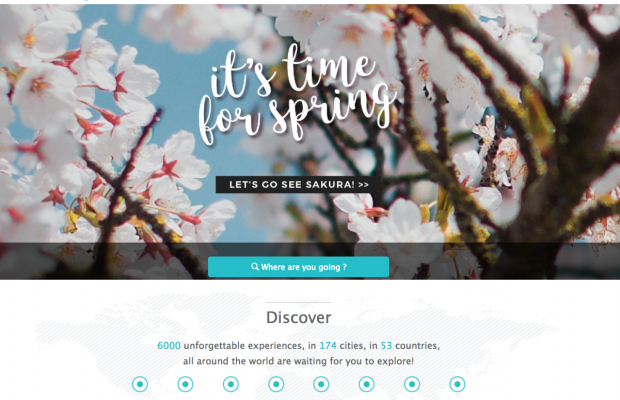
    Established in 2014, KKday is a Taiwan-headquartered company offering over 6,000 experiences, in 25 different categories, in 174 cities and 54 countries worldwide.

    After recently launching in Singapore, the Thai branch of KKday will appeal to the growing number of FITs (Free Independent Travelers) in Thailand in search of fun activities and memorable sightseeing trips on holiday. Whilst FITs book their own flight and accommodation, they look to online travel experts with local knowledge to book unforgettable travel experiences that give them genuine insights into a destination; discovering local culture and heritage, hidden gems and off-the-beaten-track adventures and sampling incredible food and activities along the way.

    Ming Chen, CEO of KKday, who was at the launch in Bangkok, believes city break tours will appeal to the Thai market. “Thais are renowned for their warm welcome to tourists visiting their country and this openness extends to a genuine interest in other cultures and a love of travel. Asia is home to some spectacular cities and I envisage that KKday members in Thailand will want to soak up the atmosphere and truly experience city breaks in Taiwan, Korea and Japan which are all popular vacation destinations for Thais; exciting cities like Taipei, Seoul and Tokyo. I am pleased to be launching KKday in Thailand and with the huge growth of E-commerce within the country, an online travel experience platform fits perfectly with what the market wants and how consumers behave here.”

    Hassle-free and competitively priced, KKday is easy to browse, read reviews and book online; the ideal travel companion for the digital Y Generation of under 35s who are primarily booking with KKday. In 2017, the travel trend for Gen Y tourists is all about experiential vacations and immersive getaways rather than finding some far-flung undiscovered destination or simply ‘being’ a tourist abroad.

    Today’s travelers want get a more organically native feel for a place that is less ‘touristy’ and is far more interactive and experienced-based. KKday taps into this quest for localized, customized travel.

    The launch of KKday in Thailand is aimed at expanding the platform which already has a presence in Taiwan, Hong Kong, Malaysia, Korea and Singapore. A branch in Thailand will build on KKday’s already 7 million plus page views per month, Facebook fan base of over 600,000 and membership that exceeds 300,000. Promotions are also on the horizon with relationships being established with some big-name brands in Thailand too.

    Expansion is part of the future strategy of KKday with two rounds of funding in 2015 and 2016 totaling $11.5 million led by Singapore-based venture capitalists, Monk’s Hill Ventures and AppWorks, the largest start-up accelerator in Asia.

    In Thailand, KKday has partnered with DTAC Rewards, Eatigo, Tourkrub, Show DC (Lotte) and Nokscoot.

    Celebrating its debut in Thailand with an exciting campaign, #KKvacay rewards one lucky winner and a friend will win a holiday in either Japan, Hong Kong, Korea, Singapore or Taiwan!