Tag: platform

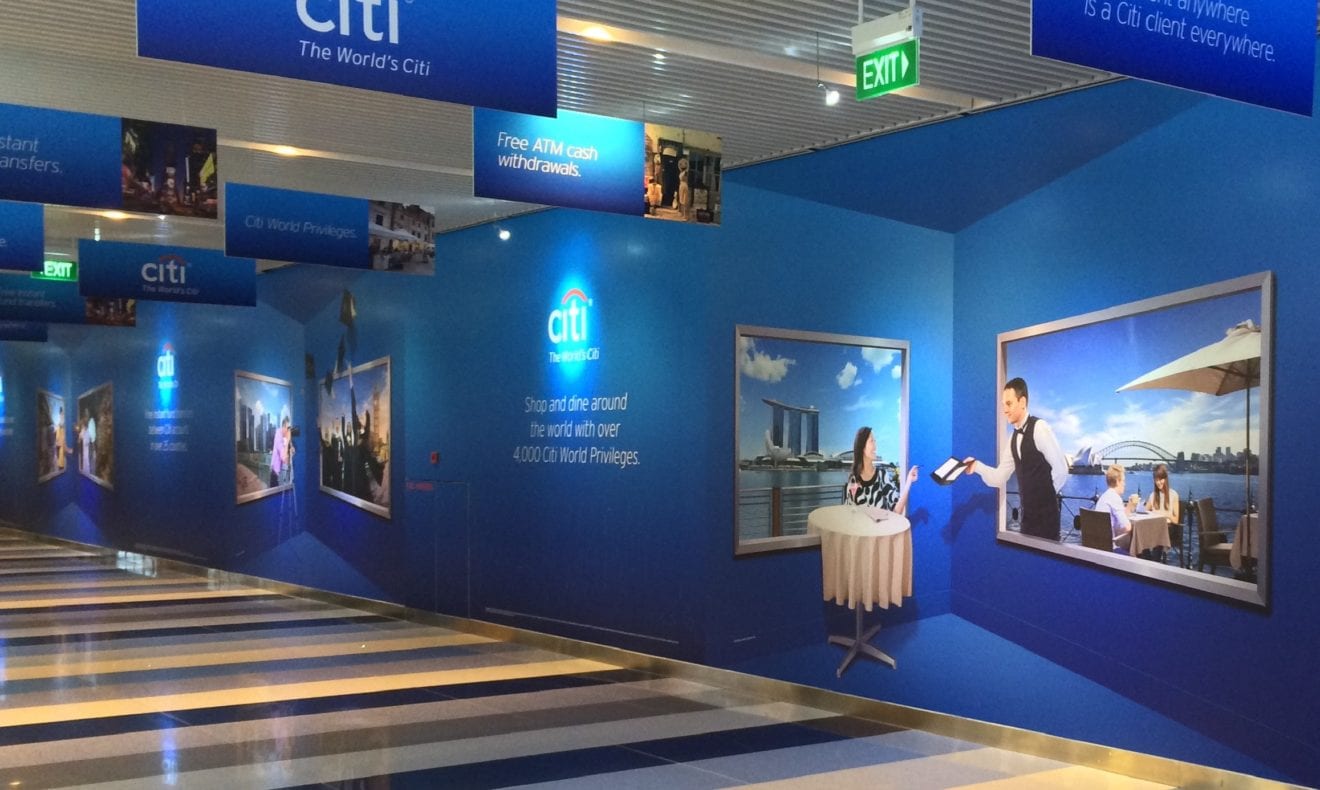
  • Citi, Visa Launch eProcurement Platform In Singapore

    Citi, Visa Launch eProcurement Platform In Singapore

    Reports Friday said the companies are rolling out an eProcurement platform, Renepay, based on a reverse auction business model. The network will include B2B suppliers across the country within various industries, including financial services, marketing, real estate, telecom, beverages and more.

    Customers of Citi’s Visa Commercial Card will have access to the Renepay platform and can take advantage of extended payment periods without interest when making purchases on the network. The platform also digitizes paperwork typically involved in procurement processes, reports said, and aims to reduce contract negotiation time.

    The platform processes electronic purchase orders, invoices and payments, Citi and Visa noted.

    “We recognize that corporate buying is very specialized, and we wanted to provide buyers a platform where they can interact with leading suppliers online and arrive at the best price through the online negotiation center,” said Visa’s Vikram Kshettry, head of B2B partnerships in Asia-Pacific.

    “At every step of the procurement cycle, we allow corporates to decide on what best works for them including what to purchase, which suppliers to transact with and the payment process which they would like to adopt,” added Renepay founder Firdaus Morgul in another statement.

  • Online Furniture Retailer Castlery Builds Scalable E-commerce Fulfilment Platform

    Online Furniture Retailer Castlery Builds Scalable E-commerce Fulfilment Platform

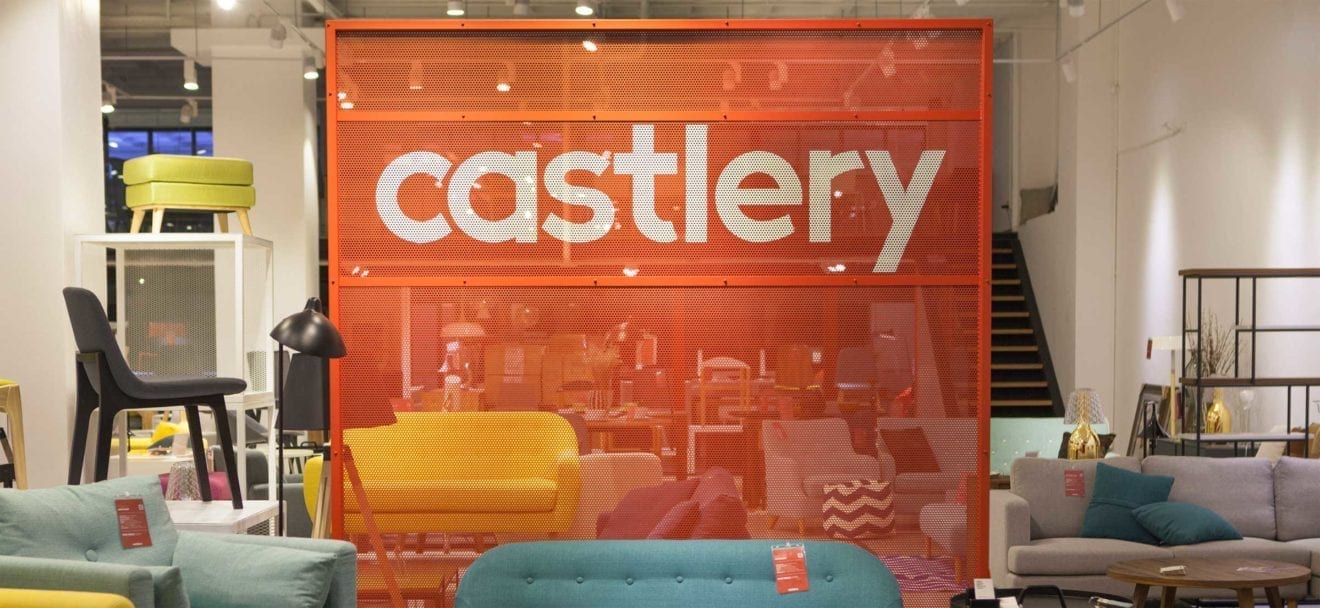
    Manhattan Associates today announced that Castlery, the Singapore-based online furniture retailer, has selected Manhattan SCALE as a key component of a business transformation programme to build a world-class order fulfilment capability that will ensure a seamless service experience for customers and drive ongoing business growth.

    Launched in 2013 with a mission to make designer furniture accessible to everyone, Castlery has quickly established itself as a leading furniture and homewares designer in Southeast Asia. In order to meet its target of over 100 percent year-on-year growth, Castlery recognised it needed to invest in an order fulfilment technology that would scale in line with its business growth, ensure service level improvements for customers and drive future sales and margin expansion.

    Castlery selected Manhattan SCALE for its ability to handle the unique logistical challenges associated with furniture retailing and distribution and its proven track record supporting ecommerce and omni-channel operations around the world. With a pressing need to be set up before the peak sales season, Castlery needed the Manhattan fulfilment platform to be live and ready for one of its busiest times of the year. Working closely with the Manhattan team, Castlery successfully completed the solution deployment at its Mapletree Logistics Hub in Toh Guan, Singapore, in under three months, remarkably fast for a first implementation.

    Zhou Zhiwei, Chief Technology Officer at Castlery, commented: “As the leader in the Gartner Magic Quadrant for Warehouse Management Systems (WMS) and with many companies we admire already using SCALE, Manhattan ticked many boxes. Their experience with solving problems like ours, high calibre teams, and flexible solutions made picking Manhattan as our partner an easy decision.”

    Travers Tan, Chief Operating Officer at Castlery, added: “Since the solution has been deployed, process execution has improved across our entire distribution operation. We’ve hit 99.99 percent inventory accuracy and seen a 23 percent month-on-month increase in order transactions. We now have a complete view of inventory across the distribution network whilst our order-to-delivery cycle times are compressed significantly. Also, the solution is fully integrated with our ERP system, giving us a “live” picture of available inventory for sale and enabling accurate lead-times to be reflected on our website. Because the system can support multiple DCs, it is perfectly suited to our future plans for expansion into overseas markets. The Manhattan solution’s capabilities support our vision to become the leading furniture e-retailer globally.”

    Richard Wright, Managing Director, Southeast Asia, at Manhattan Associates, commented, “Manhattan provides the expertise and technology to help clients deliver on their brand promise. We’re delighted to see Manhattan SCALE already driving order volume growth for Castlery and are confident that Castlery will continue reaping the rewards from our constantly evolving solutions for many years to come.”


  • Huawei launches GigaHome smart home platform

    Huawei launches GigaHome smart home platform

    Huawei launched its new GigaHome solution at the FTTH Conference 2017 in Marseilles, France last week, to help operators build smart and high-performance home networks for customers.

    The GigaHome platform is designed to support multiple digital home applications to deliver smart home services that are efficient, secure and accessible.

    The E2E solution focuses on home gateways and supports flexible Wi-Fi extension through media including CAT5 lines, power lines and wireless repeaters.

    Huawei said the solution can provide smart home coverage with a Wi-Fi speed rate of up to 300Mbps. Under the solution, home gateways adopt dual cores and enable gigabit Wi-Fi access by using technologies including Wi-Fi hardware forwarding, dual-band, 802.11ac and 4×4 MIMO.

    Ultimately the solution is designed to help operators shift focus from providing traditional home broadband to smart home services capable of generating a higher ARPU.

    Huawei Access Network president Jeff Wang said the vendor plans to continue to focus on helping operators accelerate their digital transformation by supporting them in offering video and smart home services.

    “Focus on customer demand is the driving force for Huawei’s continued development and continuous innovation,” he said.

    “Huawei’s home network solution provides a full Wi-Fi coverage, and a good performance home network infrastructure, operable and manageable cloud-based management platform and open ecological system to enhance the home network experience, operational efficiency and bring new value-added services to operators.”

  • AXA Financial Indonesia seeks new customers from digital platform

    AXA Financial Indonesia seeks new customers from digital platform

    Life insurer AXA Financial Indonesia, part of the AXA Indonesia Group, launched a digital tool to expand its customer base on Monday.

    The tool provides easy access to information for several purposes, namely creating a children’s education fund, retirement fund, business capital and tourism or pilgrimage fund.

    AXA Financial Indonesia chief agency officer Nina Ong said the tool and products were directed at modern dynamic citizens, ages 25 to 45 years old.

    The company expects the tool to help attract 20 percent to 30 percent of such citizens as its new clients and expand its customer base, which is now served by about 14,000 agents.

    AXA Financial Indonesia’s move is part of an overall strategy by the insurance industry, which has continued to report low insurance penetration despite Indonesia’s status as the largest economy in Southeast Asia.

    Data from the Financial Services Authority (OJK) shows that the insurance penetration ratio stood at 2.63 percent only, as of September, below the ratios in Malaysia, Singapore and Thailand at over 5 percent.

    AXA Financial Indonesia booked Rp 1.44 trillion (US$108.03 million) in total revenue in the first nine months of 2016, a more than sixfold increase compared to the same period in 2015, supported by positive results in its investments.

  • Qualcomm unveils Gigabit-class connected vehicle platform

    Qualcomm unveils Gigabit-class connected vehicle platform

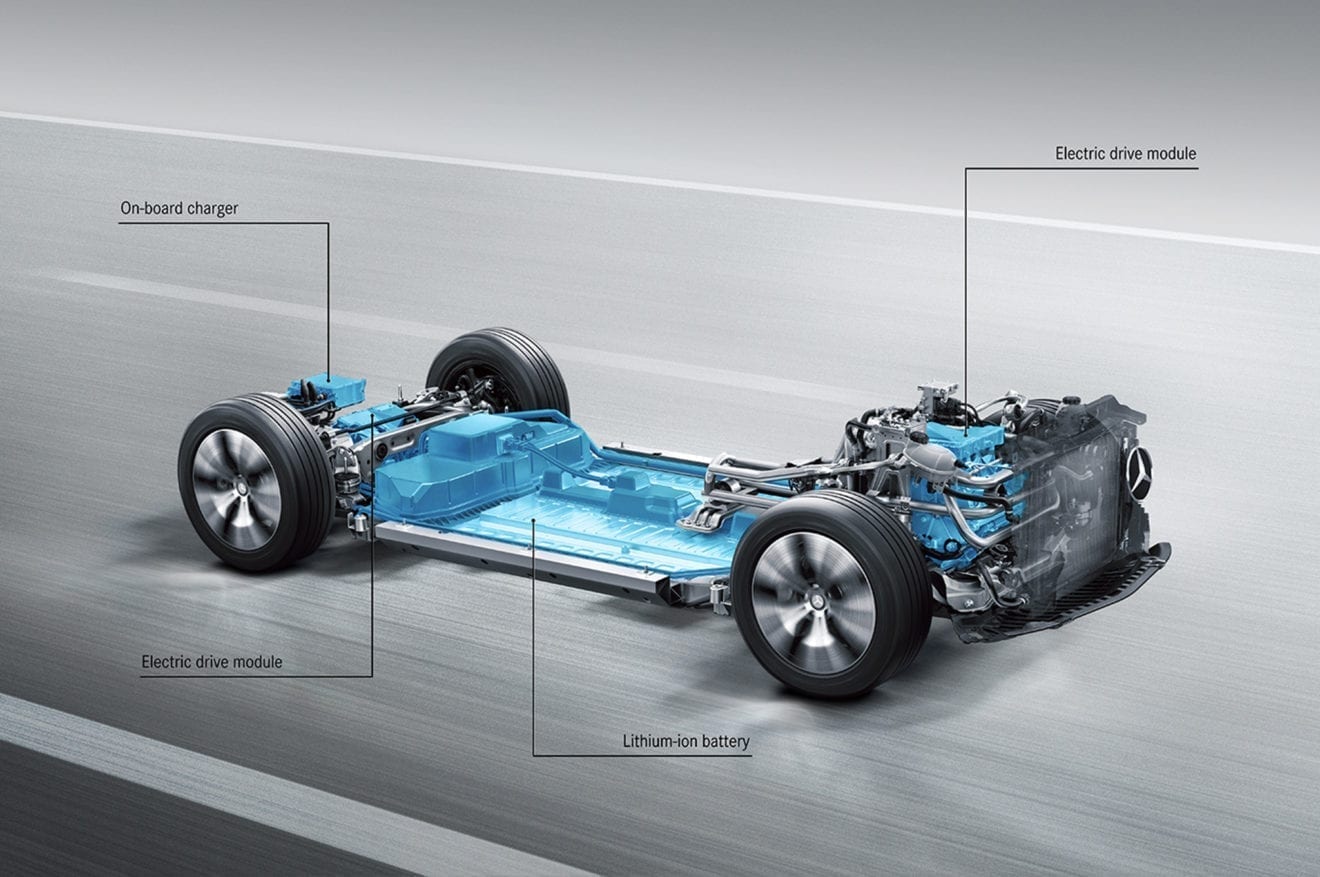
    Chipmaker Qualcomm has announced the launch of a new version of its connected car reference platform that incorporates a a Gigabit-class LTE modem.

    The new reference platform is designed to allow carmakers to easily integrate new wireless and networking technologies into their vehicles, including Wi-Fi, Bluetooth, BLE and global navigation satellite system (GNSS).

    Qualcomm has also developed a reference hardware module in two band configurations, one for North America and one for the rest of the world.

    The module design can support up to four antennas to take advantage of the 4×4 MIMO capabilities of the integrated modem.

    “Connected cars are becoming intelligent sensors on the road, not only using data for consumer use cases such as Wi-Fi hotspots and video streaming, but also collecting and transmitting critical, rich real-time information about road conditions, map updates and driver status,” Qualcomm SVP and GM for automative Patrick Little said.

    “As a leader in car connectivity, Qualcomm Technologies is well positioned to address the tremendous data demand, helping automakers integrate the broad set of technologies required by a new generation of connected vehicles.”

    Qualcomm separately announced it has established a new consortium with SWARCO Traffic Systems and the University of Kaiserslautern to carry out the first Cellular-V2X (Vehicle to Everything) trial based on the 3GPP Release 14.

    The trial will focus on Vehicle-to-Vehicle (V2V), Vehicle-to-Infrastructure (V2I) and Vehicle-to-Pedestrian (V2P) direct communication, as well as Vehicle-to-Network (V2N) wide area communications.

    The new Connected Vehicle to Everything of Tomorrow (ConVeX) consortium will conduct the trial with funding from the participating organizations as well as the German Federal Ministry of Transportation and Digital Infrastructure.

  • Big appetite for online platform to trade funds

    Big appetite for online platform to trade funds

    Most local and mainland retail investors will trade funds on an online platform if the Hong Kong Exchanges and Clearing sets up and operates one, according to a Hong Kong Investment Funds Association survey.

    The poll showed that 81 percent of mainlanders would like to use such a scheme – where funds can be bought and sold like stocks – and 51 percent of Hongkongers would opt for it.

    HKIFA surveyed 950 mainland and local retail investors in October. Some 70 percent of respondents were Hongkongers.

    It said setting up such a trading platform will enable fund managers to offer diversified wealth-management services to investors, most of whom are currently investing only in stocks.

    At the moment, about 70 to 80 percent of investments in funds are done through banks, which determine the service fees and commissions for their services.

    HKIFA chief executive Sally Wong Chi-ming said introducing competition via a new channel for selling funds will help bring down service fees, benefiting retail investors.

    She noted that though foreign experience suggests that having a new sales channel will not necessarily wean fund investors from banks, it’s the new investors who may be lured to try out funds.

    Wong said HKIFA has been in talks in the past two years with HKEx and local brokerages for the establishment of a fund-trading platform. Many markets in the region – including Taiwan, Korea, Thailand and Australia – have set up such a platform.

    She said talks with HKEx are focused on operations, with the bourse operator looking at prospects of setting up one.

    HKEx needs to update its fund- trading system, which is more diversified than the one used in trading standardized equity products, said Wong.

    HKIFA will also work with the Securities and Futures Commission, the local securities regulator, to formulate related regulations to help set up the platform.

    The SFC has to clarify numerous issues, including the online fund transaction process, the boundary between recommendation and solicitation, and the circumstances that will trigger suitability testing, said Wong.

    The SFC will soon issue a circular relating to suitability.

  • Keppel Logistics aims to stay relevant with e-commerce

    Keppel Logistics aims to stay relevant with e-commerce

    Staying relevant in a fast-changing sector is a key strategy for Keppel Logistics, said chief executive Desmond Gay.

    This is why the company – a wholly-owned unit of Keppel Telecommunications & Transportation – embarked on a $4.6 million acquisition of a majority stake in e-commerce logistics company Courex in October.

    Mr Gay told us recently: “We are constantly striving to innovate and evolve, and the Courex acquisition has allowed us to structure ourselves in a way that we become more relevant to the market and the new economy. It is just the first step of things to come.”

    Courex is a third-party logistics service provider that supports the needs of retailers, from last-mile delivery to international shipping and warehousing. It counts Singapore Airlines and Hachi.Tech among its clients.

    Keppel Logistics holds a 59.6 per cent stake in Courex, while the remaining 40.4 per cent is held by founder Joe Chua, who continues to lead the company.

    Mr Gay noted that the acquisition came as a “natural progression” for Keppel Logistics, as it moved to expand from its traditional B2B (business to business) business into the B2C (business to consumer) space, or the e-commerce market.

    “As companies, including our customers, begin to re-look and evolve their supply chains against the backdrop of an e-commerce dominated landscape, we likewise have to adapt and grow new muscle, and develop new capabilities and competencies,” he said, noting that doing so will ensure the company remains competitive.

    Incorporating Courex’s capabilities into Keppel Logistics’ business also allows the firm to better cater to its customers, he said. This is key as more brick-and-mortar retailers turn to online platforms to complement their sales channels.

    The growth prospects for e-commerce in South-east Asia are significant, Mr Gay noted.

    He cited a recent study by Google and Temasek Holdings, which says e-commerce in the region is expected to soar from US$5.5 billion (S$7.8 billion) last year to about US$88 billion over the next decade, and possibly up to US$128 billion even. Singapore’s e-commerce market is forecast to grow from US$1 billion to US$5.4 billion over the same period.

    “Being in the middle of a region like South-east Asia, with more than 600 million people – there we have a huge market opportunity,” said Mr Gay. “With the acquisition, we’re only just starting, and we’re ready to have a bite of the e-commerce pie.”

    Mr Gay expects Keppel Logistics, which has a presence in Australia, China, Indonesia, Malaysia, Singapore and Vietnam, to grow its e-commerce logistics business by at least 15 per cent in annual revenue over the next few years.

    He singled out Indonesia and Vietnam as “bright spots”, noting that Indonesia, in particular, is expected to make up over half the South-east Asian e-commerce market by 2025. The firm will explore opportunities to enter new markets such as Thailand, the Philippines and Myanmar.

    Amid a hyper-competitive market – reports last month said the US-based Amazon is set to enter South-east Asia next year – Mr Gay is positive Keppel Logistics will be able to maintain its edge.

    “A market that is US$88 billion and possibly US$128 billion is big enough, I think, for the various players,” Mr Gay, said.

    “If you look at South-east Asia, it’s still very fragmented. This means you have specialists that provide only last-mile services, for example, or parts of the supply chain, but not quite the entire supply chain.”

    He added: “Our synergies with Courex will also help us move towards being an omni-channel logistics service provider, while retaining our core strengths in providing best-in-class third-party logistics solutions.”
  • DHL introduces fully customized digital Freight platform CILLOX

    DHL introduces fully customized digital Freight platform CILLOX

    DHL Freight introduces CILLOX, a virtual marketplace for enterprises with transportation needs. The fast and seamless solution helps companies to match their full truck load, part truck load and less than truck load offerings with transport providers’ capacities and find the appropriate provider according to their needs. With CILLOX, shippers no longer need to deal with challenges such as lengthy price inquiries and comparisons or unreliable providers – they enjoy end-to-end control of their shipment processes within a single platform. Transport providers profit from guaranteed fast payment with streamlined invoicing and payment processes that improves accuracy.

    “Both companies and carriers benefit from this new business model,” explains Amadou Diallo, CEO, DHL Freight. “With CILLOX, DHL offers a solution to promote the digitalization of the logistics industry and disrupt the traditional road freight business. The launch of the platform is a result of our strategy 2020 and promotes further growth due to its innovative and agile business model.”

    Early user testing during the pilot period was implemented successfully in September and showed high customer satisfaction. As of January 2017, the platform shall be fully operational for all market participants.  Fast and easy processing of transport procedures CILLOX enables companies to find a suitable transport service provider at the touch of a button.

    The platform seeks to address common problems while searching for an appropriate and reliable transport service provider, such as lengthy price inquiries and comparisons, or delays in the Proof of Delivery process, by offering instant access to a large number of DHL pre-qualified and peer-rated providers for fast quotes and easy transport booking. Shippers can pay, manage and track their shipments using a convenient dashboard.

    At the same time, CILLOX offers carriers of all sizes a platform to market their company’s assets and capabilities to expand their customer base and locate suitable loads to further optimize their vehicles’ capacity. CILLOX also facilitates accurate invoicing, payment and electronic Proof of Delivery submission processes, so carriers can profit from guaranteed fast payment. Truck drivers using the CILLOX mobile app receive jobs directly on their smartphone, and automatic status alerts throughout the transportation journey. The extensive range of services provided by CILLOX increases not only DHL’s own, but also its customers’ efficiency and competitiveness.

    Customer experience at the core of CILLOX User needs and requirements are at the core of CILLOX and actual users have been involved from the start of the design and development of the platform. The iterative product development allows the software design to evolve in response to users’ needs and feedback. After the initial launch, further functionalities will be added gradually, including a real-time chat option and mobile document scanning via the mobile app.

  • Nomura Goes Live with BDO Unibank Trading Platform

    Nomura Goes Live with BDO Unibank Trading Platform

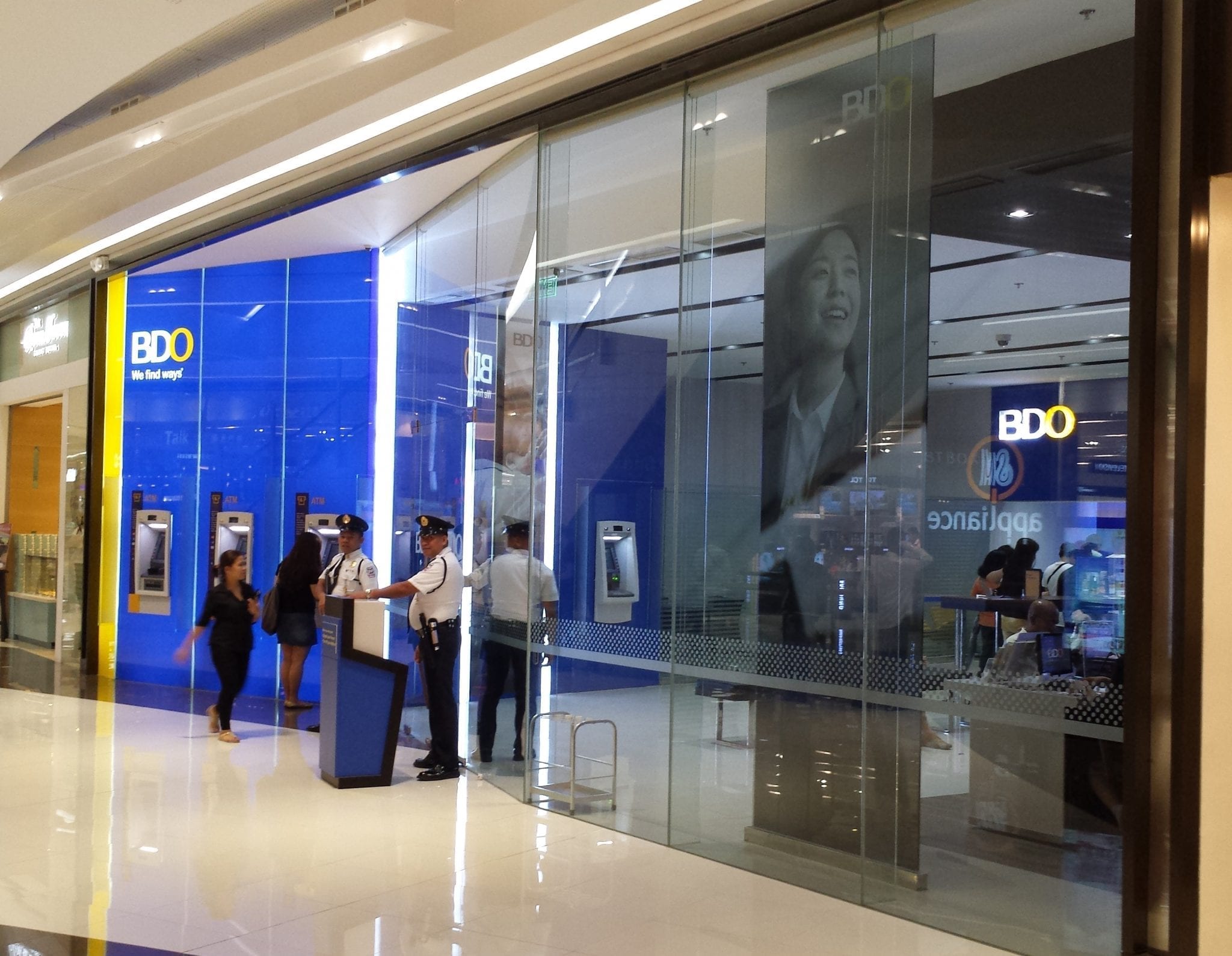
    Nomura Holdings and Philippine bank BDO Unibank, the country’s largest bank, have announced that their joint venture, BDO Nomura Securities, has officially commenced operations.

    Offering online trading services for stocks listed on the Philippine Stock Exchange (PSE), BDO Nomura has been set up to provide investors in-depth market research, quick execution time and competitive rates. Additionally, the platform offers ease of use through simple and paperless online application and fund transfers through the customer’s BDO Deposit Accounts.

    The joint venture with BDO is Nomura’s second retail operation in the region, following a successful one in Thailand, and is in line with Nomura’s strategy to develop local retail brokerage businesses in Southeast Asia. BDO owns 51 percent of the joint venture company, while Nomura holds 49 percent.

    Philippines Richest

    BDO is a full-service universal bank which provides a wide range of corporate and retail banking services and has one of the largest distribution networks, with more than 1,000 operating branches nationwide.

    The bank is owned by retail and banking magnate Henry Sy, who according to Forbes is the richest man in the Philippines.

    The securities dealer and broker with a seat in the PSE is headed by Koichi Katakawa.

  • Taiwan’s TBC rolls out new digitized TV platform

    Taiwan’s TBC rolls out new digitized TV platform

    Taiwan Broadband Communications (TBC), a multi-system cable operator in Taiwan, has rolled out a newly digitized platform powered by OpenTV 5.

    NAGRA has been a key partner in TBC’s ongoing digitization efforts providing the operator with both OpenTV 5 advanced set-top box software and system integration services required to support a rapid transition to an all-digital platform and the fulfillment of regulatory requirements.

    As part of this effort, TBC shipped close to one million set-top boxes powered by the OpenTV 5 operating system, marking the largest deployment of OpenTV 5 in Asia.

    “We look forward to continued growth and maximizing customer satisfaction by delivering a new generation of high-quality services to our subscribers,” said Jimmy Chen, TBC’s CEO.

    “We congratulate TBC on their successful transition to an all-digital platform and for reaching a significant milestone in the delivery of advanced digital TV services in Taiwan,” said Jean-Luc Jezouin, SVP for sales in Asia Pacific at NAGRA. “We look forward to supporting TBC as they continue to grow in a very dynamic market.”

    TBC deployed OpenTV 5 with minimal configuration and customization enabling the operator to transition existing services onto a new hybrid TV platform blending both linear and Internet TV services.

    OpenTV 5 is part of NAGRA’s MediaLive Suite, a set of innovative digital television solutions that provides secure, engaging and intuitive user experiences via a back-end that supports an all-screen connected home scenario. TBC selected NAGRA’s OpenTV 5 operating system in 2015.

  • T-Hub, Uber launch T-Bridge startup platform

    T-Hub, Uber launch T-Bridge startup platform

    Indian startup incubator T-Hub has joined hands with ride sharing pioneer Uber and TiE Silicon Valley to launch a program that will connect Indian startups with global market opportunities and help bring global new-age companies to the country.

    A press release issued by the startup incubator T-Bridge said that the program will enable startup communities in India and globally to cross-pollinate ideas, innovate and create channels for knowledge transfer. It will also create a network of mentors, VCs, incubators and accelerators that will support the Indian startup ecosystem.

    K T Rama Rao, Telangana Minister for IT on Saturday inaugurated T-Bridge at Uber’s headquarters in San Francisco.

    T-Bridge will provide a platform for such fast-track tech companies looking to tap into India’s huge consumer market for technology and help startups access UberExchange-Uber’s flagship startup mentorship program and TiE Silicon Valley’s mentor network.

    “We have a strong vision to make Hyderabad one of the top 10 startup cities in the world. T-Bridge is one such move towards opening a channel of investment from the world to the state of Telangana. I am proud to open our first outpost in the US in association with Uber and TiE Silicon Valley and believe that this association will forge new partnerships and spur investment and innovation between the two countries,” Rama Rao said at the launch.

    Rachel Whetstone, Uber’s senior vice president for policy and communications, said, Telangana is one of the most progressive states in India; and it has set up a culture of ‘regulatory incubation’ – allowing new ideas and business models to thrive.

    “Today more and more people around the world want to build something themselves. Through initiatives like UberExchange, our mentorship program for Indian startups, we hope to spur entrepreneurship. Creative partnerships like T-Bridge will continue to strengthen ties between India and the global startup scene,” Whetstone said.

  • U-Freight welcomes call for global e-trading platform

    U-Freight welcomes call for global e-trading platform

    The U-Freight Group has welcomed the call for the establishment of an electronic world trade platform (eWTP) whose objective would be to reduce barriers to make it easier for small and medium-sized enterprises to expand their trading capabilities worldwide.

    The call was made recently by Jack Ma, executive chairman of e-commerce giant Alibaba Group, who believes that such a platform is going to be very fundamental for the next 20 or 30 years for the world economy, and for this century.

    U-Freight agrees that e-commerce can significantly reduce costs for SMEs and also ease access to customers. It believes that such an eWTP will provide SMEs with a transparent and open platform to sell their goods and services globally, thus facilitating their inclusion in cross-border e-trade.

    In Ma’s vision, businesses would create hubs for e-commerce and governments would create virtual free trade zones for small businesses. The eHubs would allow small businesses in one country to sell to consumers in another, with low or no import duties, speedy customs clearances and better access to logistics. When connected, this would create a global network that becomes the eWTP.

    U-Freight Group ceo, Simon Wong says that his company has been showing its commitment to developing e-commerce logistics and in respect of cross-border e-commerce in China, U-Freight has already been qualified by China Customs and CIQ as a licensed Cross-border E-Commerce Enterprise, as well as a Cross-border E-Commerce Logistics Service Provider.

    “We are now concentrating on leveraging the experience that we have already gained in Chinese cross-border trade to make sure that our other strategic hubs in Asia, Europe and North America are equipped to handle the boom in business that will be associated with ever-growing global e-commerce.

    “What Mr Ma is proposing is a platform that can lower the threshold and enable more people around the world to conduct trade by reducing barriers and making it easier for SMEs to expand their trading capabilities.

    “U-Freight believes that such an eWTP would provide SMEs a transparent and open platform to sell their goods and services globally, thus facilitating their inclusion in cross-border e-commerce and leading to a massive growth in cross-border shipments.

    “That’s why we are making significant investments to make sure that we are ready to deliver the logistics services that will be required.”

  • Grab adopts Adyen for payment platform

    Grab adopts Adyen for payment platform

    Ride hailing platform Grab has adopted Adyen to extend the capabilities of its payment platform in Indonesia, Philippines, Thailand and Vietnam.

    The two companies aim to deliver a consistent, frictionless payment experience for customers traveling across markets regardless of device or payment method.

    Grab customers will be offered both traditional cards and, over time, country-specific payment methods, using Adyen’s expertise and data to expand payment options. Adyen supports around 250 payment methods globally.

    “As part of Grab’s drive to make ride-hailing even safer, easier and more accessible to everyone in Southeast Asia, providing trusted, seamless mobile payments is crucial for the overall customer experience. Grab wanted a partner who could support a variety of traditional and alternative payment methods to support our growth across the region,” Grab head of payments and commerce Joel Yarbrough said.

    Business travelers who work within the region can also easily tabulate their business ride spending with Grab through the Grab for Work portal, and companies can automatically pay for their employees’ rides through the use of corporate cards.

    “Southeast Asia is a diverse and highly fragmented region and there is no one preferred method of payment. However, mobile penetration in the region remains high and drives several key trends including the rise of mobile payments and platforms as a service,” Adyen president Warren Hayashi said.

    “Partnering with a fellow innovator and disruptor such as Grab, we are eager to empower commuters in Southeast Asia with the same convenience of hailing a ride seamlessly as paying for their Grab ride with equal ease.”

  • Tri Indonesia partners with mCarbon to deploy next-gen CLM platform in Indonesia

    Tri Indonesia partners with mCarbon to deploy next-gen CLM platform in Indonesia

    South Asia’s leading technology solution provider, mCarbon announced new partnership agreement with Hutchison 3 Indonesia (H3I) the holder of 3 (Tri) GSM Provider. Combining the compelling digital experiences driven by Tri and mCarbon’s analytics powered solution I-CLM, will enable Tri to augment customer experience through contextually relevant messaging across the entire customer journey.

    ICLM is a comprehensive customer lifecycle management platform that provides acumen to the operators through mechanisms such as big data analytics and fulfillment. The platform has omni-channel interaction capabilities, which are directed towards increasing customer affinity. This end-to-end solution tailors engagement based on individual preferences that vary through the entire customer journey.

    Announcing the launch of next gen CLM, Rajesh Razdan, Founder and CEO, mCarbon said “I am delighted that Tri has chosen mCarbon for this important initiative. The deployment of our solution will provide Tri, ways to establish a new level of customer loyalty through consistent customer experience across channels while maximizing monetization of digital channels. Through our partnership, we are confident to be able to provide a significant economic impact and bring a positive synergy to the brand’s further growth in Indonesia”

    “We believe in this age of digital contiguity, it is imperative for us as service providers to deliver unmatched customer experiences,”said Randeep Singh Sekhon, President DirectorTri Indonesia “Our association with mCarbon is a step towards our endeavor to enhance overall engagement with our customers with relevant and real time offerings based on personalised usage and have a step up towards overall customer experience”

    mCarbon introduced Interactive Customer Lifecycle management platform for telcos to digitally personalize experience and generate revenue through multiple streams. The product is designed keeping in mind the enormity of the data generated as well as its dynamism. It is capable of providing a competitive advantage to the operators by profiling subscriber and evaluating the strategic insights that are aimed towards improving customer value.

  • Airtel adopts BI platform from Cloudera

    Airtel adopts BI platform from Cloudera

    India’s Bharti Airtel has adopted Cloudera Enterprise as part of efforts to build a 360-degree view of its customers in India.

    The deployment aims to help the operator better leverage customer data to execute successful omni-channel campaigns and influence buyers in India’s highly competitive market.

    Airtel’s product offerings in India include wireless and fixed services, mobile commerce, high speed DSL broadband, IPTV, DTH, and national and international long distance services to carriers.

    With over 265 million customers across its India operations, Airtel needs to make sense of and leverage the huge volumes of customer and network data it collects on a daily basis from its multiple channels, which was previously stored in multiple traditional systems built over a period of time.

    With Cloudera Enterprise now at the core of Airtel’s information architecture, the massive volumes of data are in a centralized location, and available to all business users and groups.

    “As part of our digital journey at Airtel, our main focus is on providing the best customer experience with our new business intelligence (BI) and analytics platform, powered by Cloudera,” Airtel group CEIO Harmeen Mehta said.

    “Now, we are able to gain an even greater technical edge, empowering our marketers with intelligent data and analytics to make better decisions and improve the entire customer lifecycle with customized offerings.”