Tag: prices

  • Vietnams Gold Prices Take a Hit, Nears January Low as Global Rates Tumble

    Vietnams Gold Prices Take a Hit, Nears January Low as Global Rates Tumble

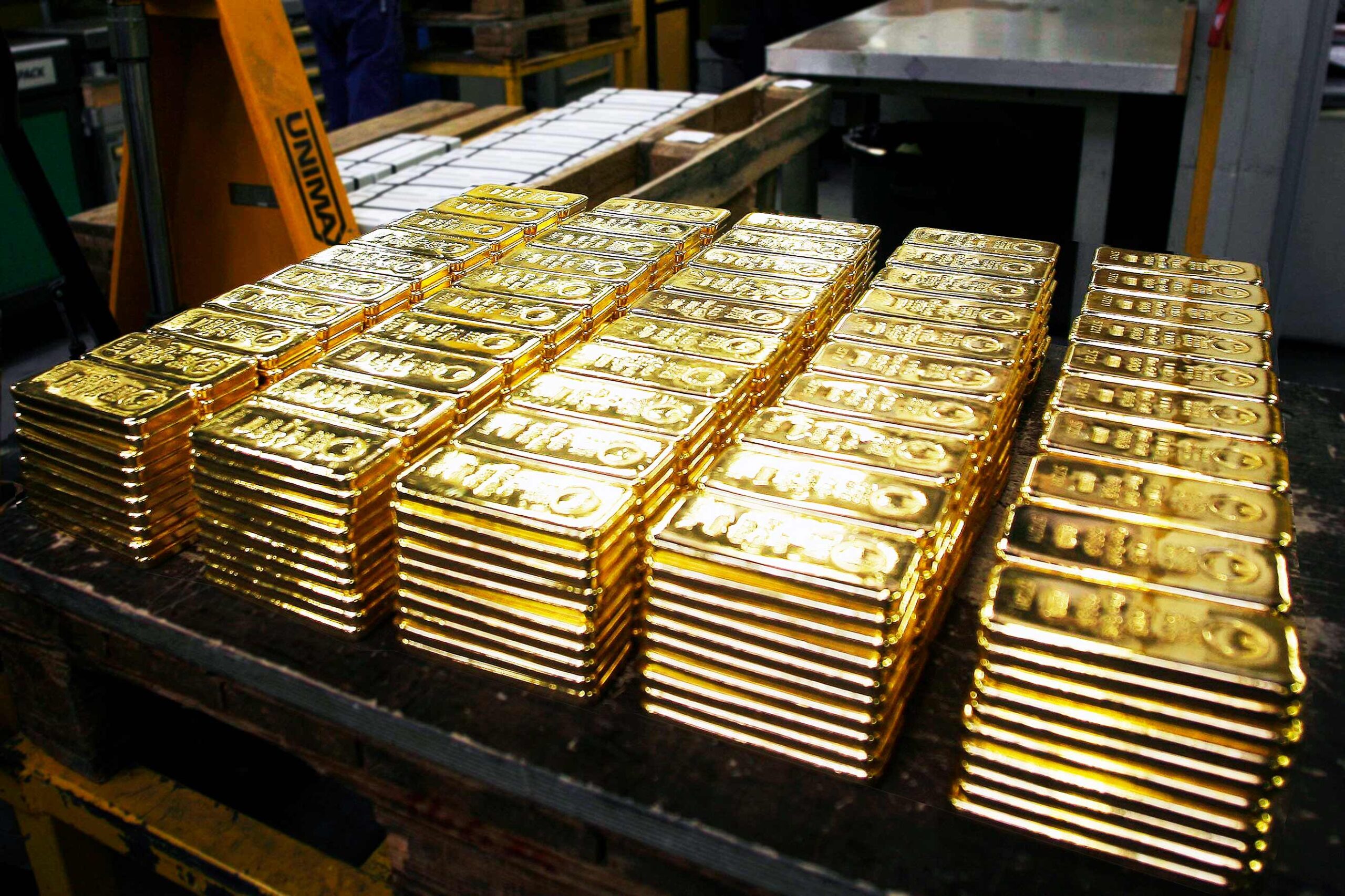
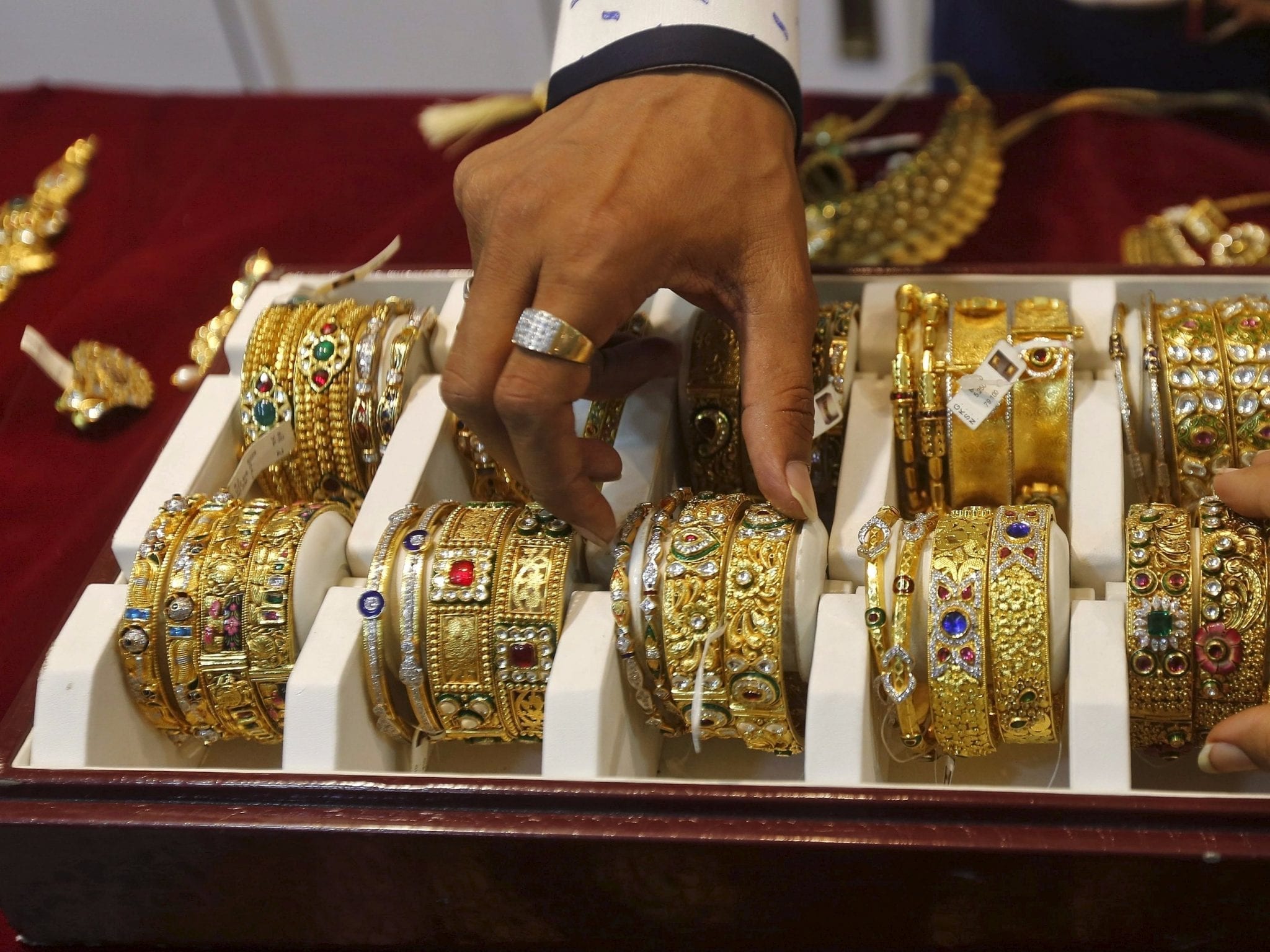
    Gold prices in Vietnam witnessed a significant fall on Thursday, reflecting the global trend in the precious metal’s value. This drop extended the morning’s losses, with the gold bar from Saigon Jewelry Company registering a decline of 0.94% from its morning value, settling at VND157.5 million (US$5,982.68) per tael by 3:28 pm. For reference, a tael is equivalent to 37.5 grams or 1.2 ounces.

    Notable Changes in Gold Value

    This decrease marks a considerable plunge of 1.99% compared to the preceding day. Concurrently, the value of gold rings also dipped by 1.62% within the same 24-hour span. Despite the sharp fall on Thursday, gold prices in Vietnam have experienced an overall increase of 3% since the beginning of the year. However, the current values are hovering around the lowest since the onset of 2020.

    Global Gold Price Trends

    On a global scale, gold prices hit a two-month low on Thursday. This drop was attributed to several factors, including the strengthening of the U.S. dollar following recent attacks on Iran, and the resultant surge in oil prices. These developments sparked concerns about potential inflation, hence casting a shadow on the interest rate outlook.

    At one point, spot gold fell by 1.5%, reaching a value of $4,388.76 per ounce, representing its lowest value since late March. Similarly, U.S. gold futures for June delivery also saw a decline of 1.4%, settling at $4,386.

    Recent military strikes in Iran, carried out by the U.S. military, targeted a military site believed to pose a threat to U.S. forces and commercial shipping in the Strait of Hormuz. These actions took place just hours after President Donald Trump dismissed an Iranian report concerning a deal to restore traffic through the strategic waterway.

    Questions & Answers

    What impact did recent global events have on gold prices in Vietnam?
    Recent global events, including U.S. military strikes in Iran, led to a strengthening of the U.S. dollar and an increase in oil prices. These factors contributed to a significant drop in gold prices, both in Vietnam and globally.

    By how much did gold prices in Vietnam fall on Thursday?
    The value of gold in Vietnam decreased significantly on Thursday, with a notable drop of 1.99% from the previous day.

    What is the current trend in gold prices in Vietnam this year?
    Despite the recent dip, gold prices in Vietnam have seen a net increase of 3% since the start of the year. However, current prices are near the lowest recorded in early January.

  • Singapore Cruise Operators Navigate Rising Fuel Prices with Speed Cuts and Route Adjustments

    Singapore Cruise Operators Navigate Rising Fuel Prices with Speed Cuts and Route Adjustments

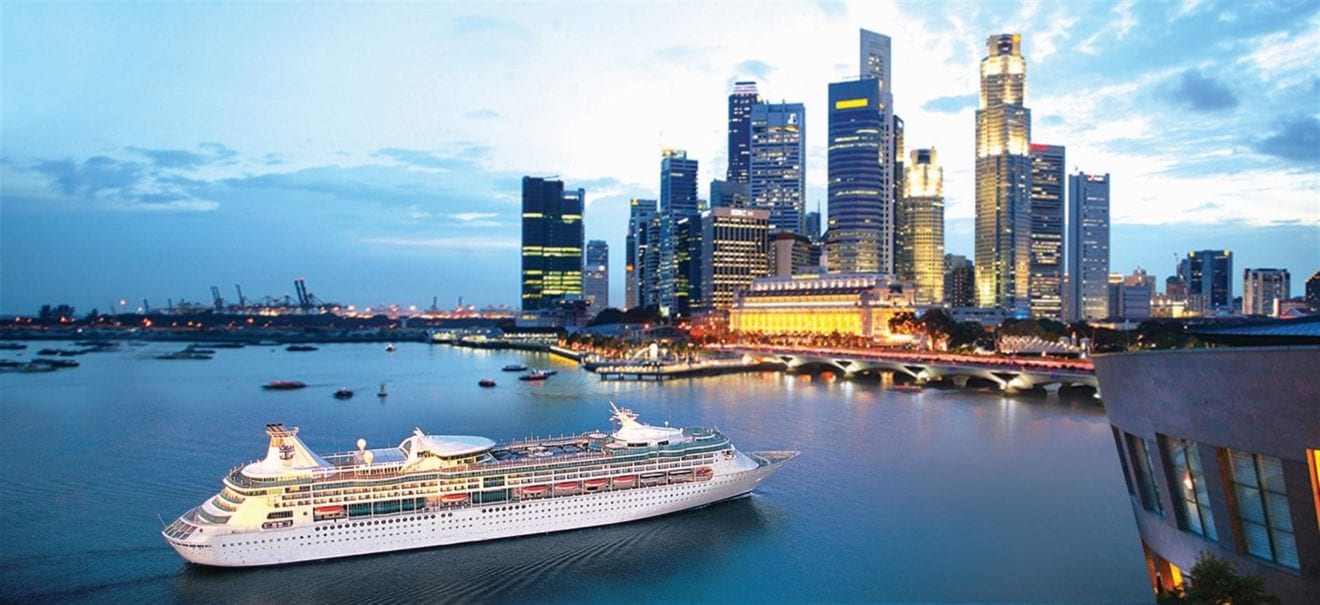
    Cruise operators in Singapore are taking measures such as reducing sailing speeds, modifying routes, and discontinuing promotional offers in an effort to mitigate the effects of surging fuel prices triggered by the ongoing conflict in the Middle East. StarDream Cruises, which operates three vessels, disclosed that its operational expenses have increased primarily due to the global surge in fuel prices.

    The company’s president, Michael Goh, noted that while there have been minor adjustments made in certain areas of their network, the Asia itineraries, including those stopping in Singapore, have generally remained steady. These changes, made as part of regular operational optimization, have been managed carefully to ensure that the overall guest experience remains unaffected.

    In response to the escalating costs related to the Middle East conflict, StarDream Cruises announced a fuel surcharge of SGD15 (US$11.82) per person in March. The company has also implemented measures such as itinerary and route adjustments, speed management, and energy efficiency initiatives across its fleet.

    Cruise Industry Resilience Amidst Rising Costs

    Despite the rising fuel costs, international cruise arrivals to Singapore saw a 10% year-on-year increase in March, as stated by the Singapore Tourism Board. The board’s director of cruises, Chitra Rajesh Kumar, highlighted Indonesia, mainland China, and Malaysia as the top three source markets, with passenger numbers from these markets also seeing an increase.

    The primary marine fuel used by cruise ships experienced a global price surge from approximately $550 per tonne in February to around $1,060 per tonne in March. As of May 5, the price stood at $975 per tonne. This has prompted some operators to revise their routes in response to the geopolitical situation and the energy crunch.

    Several cruise operators have made similar moves, revising their schedules and routes to avoid areas of conflict and minimize exposure. For instance, Oceania Cruises has rerouted its ship Oceania Vista, originally set to transit the Suez Canal on a voyage from Singapore to Southampton in the United Kingdom, to now sail via Cape Town, South Africa, and up the continent’s west coast.

    Despite the challenges, the demand for cruise holidays has proven resilient. The Singapore Tourism Board noted that the cruise industry has demonstrated resilience with steady bookings for future months. This continues to be supported by sustained global interest in cruising, the strength of regional source markets, and excellent air connectivity.

    Questions & Answers

    What measures have Singapore’s cruise operators taken to manage rising fuel costs?
    Singapore’s cruise operators are reducing sailing speeds, modifying routes, and discontinuing promotional offers to manage the impact of rising fuel costs. They are also implementing energy efficiency initiatives across their fleets.

    How has the increased fuel price affected the cruise industry?
    While the price of marine fuel has significantly increased, the cruise industry has demonstrated resilience, maintaining steady bookings for future months. Cruise operators have adjusted their operations, such as rerouting ships and adding fuel surcharges, to manage these costs without significantly impacting the guests’ experience.

    How is the demand for cruise holidays in the current climate?
    The demand for cruise holidays remains strong, as indicated by steady advance bookings. The strength of regional source markets, sustained global interest in cruises, and excellent air connectivity contribute to this resilience. Despite the challenges, more travellers are exploring cruising as a convenient and value-driven option.

  • Gasoline Prices Skyrocket Amid Ongoing Middle East Conflict and Peace Talks Uncertainty

    Gasoline Prices Skyrocket Amid Ongoing Middle East Conflict and Peace Talks Uncertainty

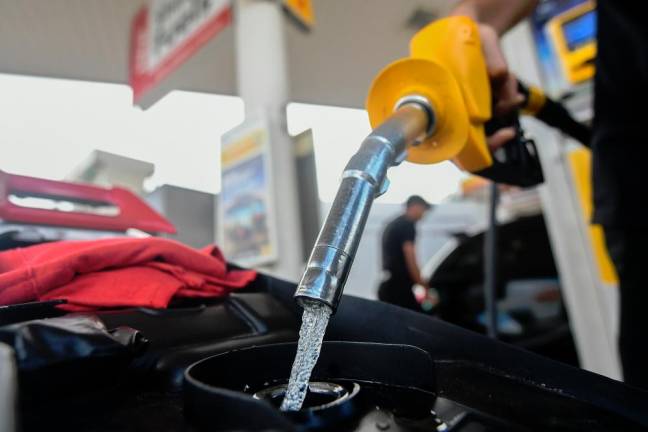
    Biofuel E5 RON92 has experienced an upsurge of 5.17%, setting its current price at VND23,790. On the contrary, the cost of Diesel has seen a decrease, falling by 2.42% to VND27,490.

    Global Oil Market Trends

    Shifting focus to the global oil market, it continues to be influenced by several geopolitical factors. Foremost is the ongoing conflict in the Middle East, which has dramatically impacted oil prices. Additionally, the continued peace negotiations between U.S. and Iran, coupled with the tensions in the Strait of Hormuz, are also consequential.

    A positive shift was observed on Thursday when oil prices surged by over $1, bouncing back from the considerable losses experienced the day prior. This rise was due to the market’s contemplation over the potential success of a Middle East peace deal. Brent crude futures experienced an increase of 54 cents, or 0.5%, reaching $101.81 per barrel. Similarly, U.S. West Texas Intermediate saw a 45 cent gain, or 0.5%, bringing it up to $95.53 per barrel.

    Future Speculations

    Hiroyuki Kikukawa, the chief strategist at Nissan Securities Investment, indicated that peace negotiations will likely persist until at least the upcoming U.S.-China summit. However, he expressed that the outlook beyond this event remains uncertain. Kikukawa’s primary prediction is that oil prices will continue to stay at a heightened level for the foreseeable future.

    Questions & Answers

    How much has the price of Biofuel E5 RON92 increased?
    The price of Biofuel E5 RON92 has increased by 5.17%.

    What factors are currently influencing the global oil market?
    The global oil market is primarily influenced by the ongoing Middle East conflict, peace negotiations between the U.S. and Iran, and tensions in the Strait of Hormuz.

    What predictions have been made for future oil prices?
    The prevailing expectation, as per Hiroyuki Kikukawa of Nissan Securities Investment, is that oil prices will remain elevated in the foreseeable future.

  • Skyrocketing Lychee Prices: A Sweet Yet Sour Tale Amid Plummeting Yields

    Skyrocketing Lychee Prices: A Sweet Yet Sour Tale Amid Plummeting Yields

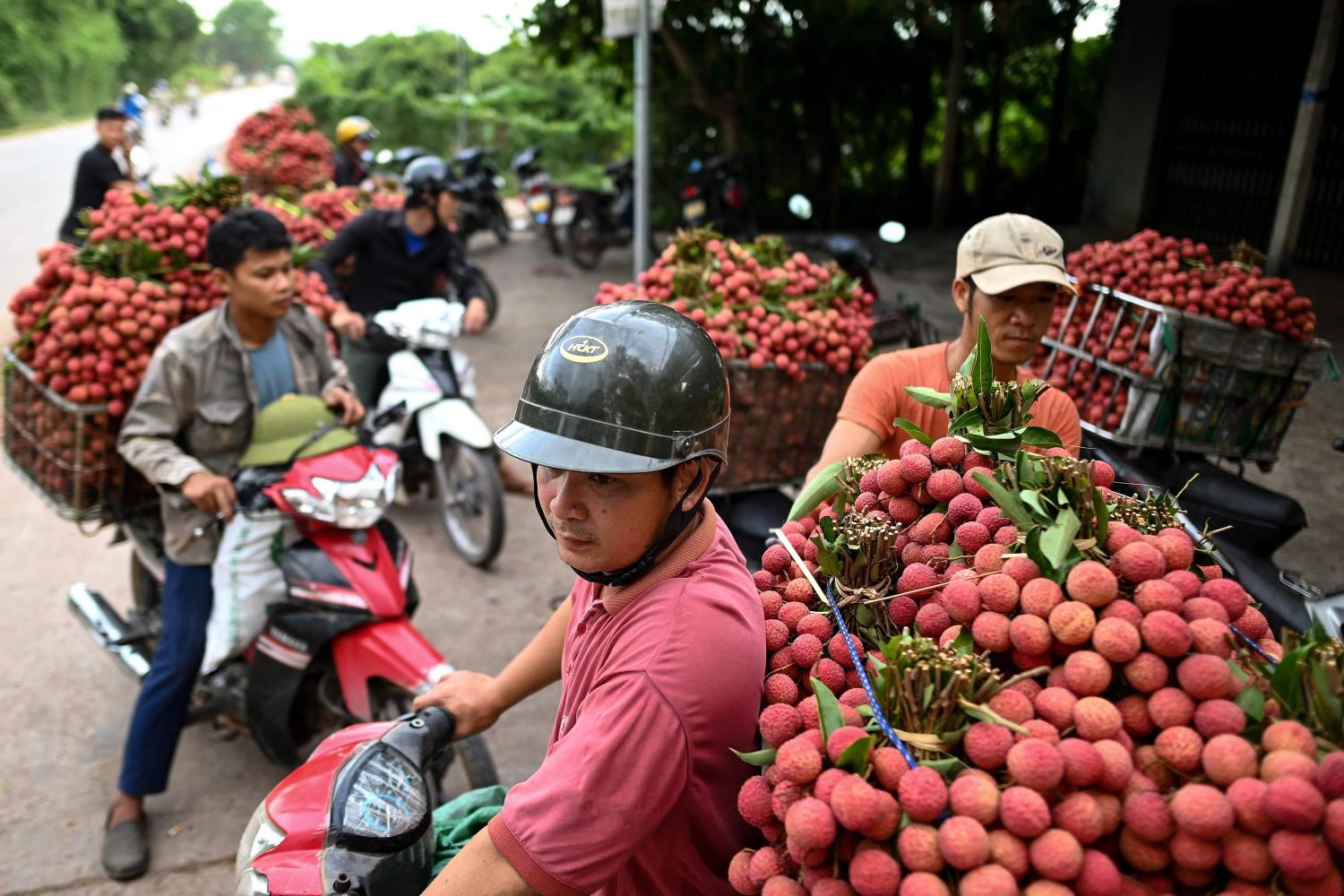
    The cost of lychees has increased by 20% compared to last year due to a decline in production brought about by unfavorable weather conditions. This information comes from Manh, a lychee orchard owner in the Thanh Ha Commune, Hai Phong City, who has seen his yield decrease by 30%, even though he recently sold a ton of the fruit for VND95,000 (US$3.61) per kilogram.

    Harvest Decline

    Pham Thi Van, a fellow farmer in the region, has reported a similar experience. She has only been able to harvest a ton of fruit so far this season, which is only half of last year’s yield.

    Although prices have dropped slightly since mid-April before the harvest, they remain at their highest in years, according to Van.

    Rising Profits

    In the Central Highlands province of Dak Lak, lychees are selling between VND60,000-80,000 per kilogram at the farm gate, which is considerably higher than in previous years. An orchard owner in the province confirmed that profits have increased as traders are proactively sourcing supply and placing advance orders.

    In Ho Chi Minh City, lychees from Dak Lak are selling for VND140,000-150,000 per kilogram, while specialty egg-shaped lychees from Thanh Ha are selling for VND150,000-180,000 per kilogram. Some stores that transport lychees by air to preserve freshness are charging as much as VND210,000.

    Weather Impact

    The Hai Phong Department of Crop Production and Plant Protection has said that the city has approximately 9,350 hectares of lychee trees, with 35% currently bearing fruit. According to them, a milder winter combined with a lack of cold weather has affected the flowering and fruit set rates of the lychee trees.

    Local authorities have advised farmers to improve crop care procedures and are urging businesses to collaborate with farmers to ensure a stable supply.

    Questions & Answers

    What has caused the increase in lychee prices?
    Poor weather conditions have resulted in a decrease in lychee production, leading to a 20% increase in the cost of the fruit.

    What measures are being taken to ensure a stable supply of lychees?
    Local authorities are encouraging better crop care techniques and pushing for partnerships between farmers and businesses to maintain a steady supply.

    How has the weather impacted the yield of lychee trees?
    A milder winter and a lack of cold weather have negatively impacted the flowering and fruit set rates of the lychee trees, leading to lower yields.

  • Global Gold Prices Hold Steady Amid Vietnam’s Market Dip: Awaiting Federal Impact

    Global Gold Prices Hold Steady Amid Vietnam’s Market Dip: Awaiting Federal Impact

    On Wednesday, gold prices in Vietnam experienced a slight downturn, while globally, gold rates maintained relative stability. Saigon Jewelry Company observed a 0.9% decrement in its gold bar prices, settling at VND166 million, or approximately US$6,298.97, per tael. Similarly, the cost per tael for gold rings decreased, dropping to VND165.5 million. To contextualize this, a tael of gold weighs either 37.5 grams or 1.2 ounces.

    Global Gold Market Movement

    Internationally, the gold market displayed a largely static trend during fluctuating trade on Wednesday. Investors keenly awaited comments from Jerome Powell, Chair of the U.S. Federal Reserve, to understand the potential economic impact of the ongoing conflict in Iran, especially given the current stalemate in peace negotiations.

    Spot gold experienced a minor increase of 0.1%, reaching $4,597.07 per ounce, despite hitting its lowest point since April 2 in the preceding trading session. Meanwhile, U.S. gold futures set for June delivery held steady at $4,610.20.

    Fuel Market Influences

    In the fuel market, Brent crude oil maintained a price point above $110 a barrel, following reports predicting the U.S. would continue its blockade of Iranian ports. This elevation in crude prices may contribute to inflationary pressures, thereby potentially leading to increased interest rates.

    Traditionally, gold is viewed as a safeguard against inflation. However, high interest rates can decrease its attractiveness as a non-yielding asset.

    Market Speculations

    Ilya Spivak, leader of global macro at Tastylive, stated that the gold market is currently stable as traders anticipate the upcoming Federal Open Market Committee (FOMC) meeting. He explained that the market’s resilience since the tariff-induced panic in April has relied largely on the belief that the Federal Reserve is prepared to intervene should conditions worsen. If the Fed indicates a high threshold for such action, gold prices could potentially drop further.

    Questions & Answers

    What caused the drop in gold prices in Vietnam?
    The article does not specify a reason, however, gold prices can fluctuate due to a variety of factors, including changes in supply and demand, market speculation, or shifts in currency values.

    How do crude oil prices affect gold rates?
    Higher crude prices can lead to inflationary pressures, making gold an attractive investment as a traditional hedge against inflation. However, if crude prices cause interest rates to rise, gold may lose its appeal as a non-yielding asset.

    What are the potential implications of the U.S. Federal Reserve’s actions on the gold market?
    If the Federal Reserve signals its readiness to intervene in worsening market conditions, this could bolster gold’s position. However, if the Fed indicates hesitancy to act, gold prices may see a downward trend.

  • Kimberly-Clark Braces for $170M Blow from Rising Oil Prices Amid Robust Personal Care Product Demand

    Kimberly-Clark Braces for $170M Blow from Rising Oil Prices Amid Robust Personal Care Product Demand

    Kimberly-Clark, the multinational personal care corporation, announced on Tuesday that sustained high oil prices could tally an additional US$170 million in expenses for the second half of the year. Despite the warning, the company maintained its annual forecast, citing steady demand for personal care products.

    Higher Oil Prices to Impact Input Costs

    Concerns about escalating oil prices have been reverberating throughout the consumer goods industry, particularly among Kimberly-Clark’s competitors such as Procter & Gamble. The ongoing conflict in the Middle East continues to push up the price of oil. The company’s CFO, Nelson Urdaneta, asserted that if oil prices remain at $100-per-barrel for the remainder of the year, the company could witness a surge in gross input cost inflation of between $150 million and $170 million. Urdaneta clarified that the forecasted potential impact is not yet included in the company’s current outlook. However, management is reportedly exploring ways to mitigate these potential losses.

    Additional Risks and Challenges

    The manufacturer of Huggies diapers also anticipates a $50 million loss in the second quarter due to a recent fire at one of their distribution centers in California. This is in addition to the already mounting costs related to the Middle East conflict.

    Despite facing a slowdown in demand and stringent competition, Kimberly-Clark has managed to stay on course to complete its $40 billion acquisition of Kenvue, the maker of Tylenol, in the latter half of 2026. Rising product sales and a wider array of affordable options have helped the company weather these challenges.

    Company Outlook

    Chief Marketing Strategist at Zacks Investment ​Management, Brian Mulberry, noted that Kimberly-Clark’s transformation, with its focus on value across its product tiers, places the company in a better position compared to its counterparts.

    The company anticipates its organic sales growth for fiscal 2026 to be in line with or slightly ahead of the average growth in the categories and markets it competes. In the past 12 months, these markets have grown at a rate of approximately 2.5 per cent. The company’s annual adjusted profit forecast remains unchanged.

    Following the announcement that Kimberly-Clark surpassed first-quarter sales estimates, its shares rose about 1 per cent. The corporation reported sales of $4.16 billion, exceeding the average analyst estimate of $4.09 billion. However, the quarterly adjusted profit declined to $1.60 per share from $1.62 a year ago, affected by price reductions and investments in product innovation.

    Questions & Answers

    What is the projected impact of sustained high oil prices on Kimberly-Clark’s expenses?
    The company estimates an additional $150 million to $170 million in costs for the second half of the year if oil prices remain at $100 per barrel.

    What other challenges is the company facing aside from high oil prices?
    Kimberly-Clark is dealing with a slowdown in demand, intense competition, and a $50 million loss due to a fire at a distribution center in California.

    What is the state of Kimberly-Clark’s sales growth and forecast?
    Kimberly-Clark expects its 2026 organic sales growth to align with or surpass the average growth in its competitive markets. The company’s annual adjusted profit forecast remains consistent.

  • Thai AirAsia Trims Seat Capacity by 30% Amid Soaring Fuel Prices and Slowing Travel Demand

    Thai AirAsia Trims Seat Capacity by 30% Amid Soaring Fuel Prices and Slowing Travel Demand

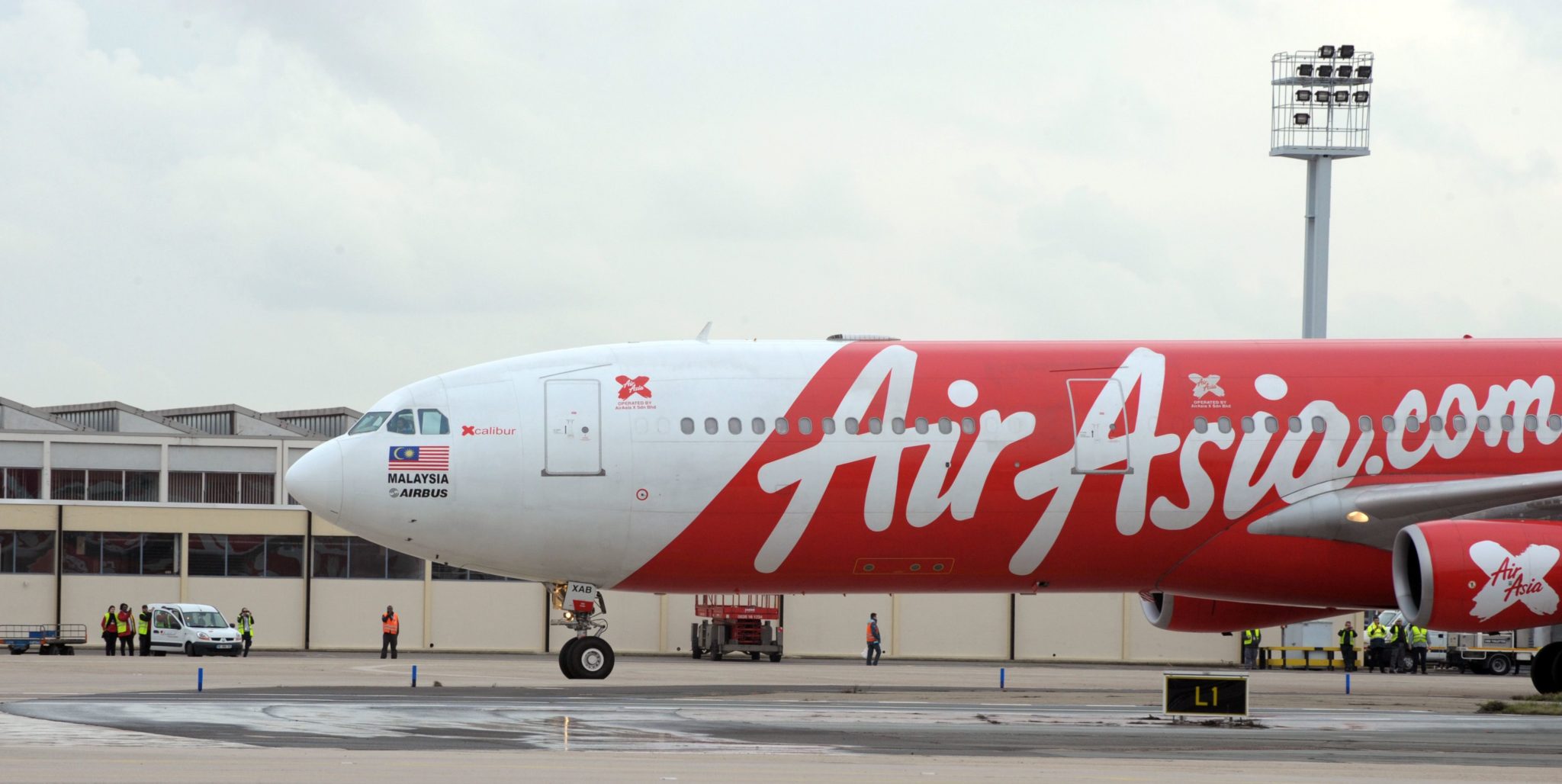
    In response to escalating aviation fuel costs and a decrease in mid-year travel demand, Thai AirAsia is set to curtail its overall seat capacity by about 30% for the months of May and June.

    Adapting to Market Changes

    The airline stated on Tuesday that it would meticulously adjust flight frequencies for domestic routes. Internationally, the airline has temporarily suspended and decreased frequencies, primarily on Indian routes, due to elevated operating costs.

    Phairat Pornpathananangoon, the CEO of the budget airline, reported that they are actively working on cost management strategies to counterbalance the sustained surge in aviation fuel prices and the expected mid-year travel downturn.

    Managing Seat Capacity and Flight Frequencies

    The airline is also focusing on effectively managing seat capacity to aptly meet the travel demand. Simultaneously, it is maintaining a balance by ensuring the fares reflect actual costs while remaining affordable for its customers.

    In the case of Thailand’s domestic network, the airline plans to reduce its flight schedules at Suvarnabhumi Airport. During May and June, it will only maintain direct services from Suvarnabhumi to Chiang Mai and Phuket.

    Meanwhile, for Don Mueang Airport, the airline intends to persist with its complete network across all destinations. The flight frequencies will be strategically adjusted to mirror actual passenger demand.

    Questions & Answers

    What measures is Thai AirAsia taking in response to the increase in aviation fuel prices and decreased mid-year travel demand?
    Thai AirAsia is reducing its overall seat capacity by approximately 30% for May and June. It is also adjusting flight frequencies for domestic routes and has temporarily suspended and decreased frequencies on certain international routes.

    How is Thai AirAsia managing its fares amid these changes?
    The airline is working to ensure that fares remain reflective of actual costs while still being reasonable for its customers.

    What changes will be made to Thai AirAsia’s domestic network?
    The airline plans to scale back its flight schedules at Suvarnabhumi Airport, retaining only direct services from Suvarnabhumi to Chiang Mai and Phuket during May and June. However, it will continue to operate its full network at Don Mueang Airport, adjusting flight frequencies to match passenger demand.

  • Vietnam’s Gold Market Gleams: Prices Surge Amid Global Market Uncertainty

    Vietnam’s Gold Market Gleams: Prices Surge Amid Global Market Uncertainty

    As the week concluded, the price of gold in Vietnam exhibited an upward trend on Saturday morning, even though the precious metal ended the week with a 2% drop in value. The price of gold bars from Saigon Jewelry Company increased by 0.48%, reaching a new price of VND168.8 million, which is equivalent to US$6,403.65, for every tael. A tael, in weight measurement, is equal to 37.5 grams or 1.2 ounces.

    The Price of Gold Rings

    Similarly, the price of gold rings also witnessed a 0.48% price hike, reaching VND168.3 million per tael. This year has seen an impressive 10.5% surge in gold prices in Vietnam.

    Global Gold Prices

    Internationally, the price of gold showed a rise on Friday. However, it still seemed headed for its inaugural weekly loss in the past five weeks. The looming worries over inflation and the unclear condition of the U.S.-Iran conflict kept the markets in a state of unease.

    The price of spot gold saw an increase of 0.6% and stood at $4,721.15 per ounce. Despite having risen over 1% earlier during the session, it has witnessed a decline of more than 2% for this week.

    Giovanni Staunovo, a UBS analyst, explained that gold experienced a decrease this week due to the rise in oil prices. This led to an expectation of higher rates, which influenced the dollar and yields, all of which are interconnected.

    Questions & Answers

    What led to the price hike of gold in Vietnam?
    The price of gold in Vietnam increased due to various global factors, including concerns over inflation and geopolitical tension, among others.

    What has been the trend of gold prices in Vietnam this year?
    Gold prices in Vietnam have seen a notable rise, with a 10.5% increase reported so far this year.

    Why did gold prices experience a decrease globally this week?
    The global decrease in gold prices this week can be attributed to the rise in oil prices, which led to expectations of higher rates. This also influenced the dollar and yields, indicating a correlation among these factors.

  • Global Condom Shortage Looms as Leading Manufacturer Karex Bhd Raises Prices Amid Iran War Supply Chain Disruptions

    Global Condom Shortage Looms as Leading Manufacturer Karex Bhd Raises Prices Amid Iran War Supply Chain Disruptions

    Karex Bhd, the globally recognized top producer of condoms and supplier to major brands like Durex, has recently announced plans to increase prices by 20% to 30%. This price hike is a possible response to the ongoing supply chain disruptions, which could extend further depending on the duration of the Iran conflict.

    Increasing Demand and Costs

    The Malaysia-based company’s CEO, Goh Miah Kiat, shared that the current situation is precarious, with high prices being a significant concern. Goh stated that the company has no choice but to pass on these additional costs to the customers. An unexpected surge in demand for condoms, exacerbated by increased freight costs and shipping delays, has left many clients with unusually low stockpiles.

    Karex, the producer of over 5 billion condoms a year, supplies to leading brands like Trojan and Durex, as well as state health systems such as the NHS in Britain and the United Nations’ global aid programs.

    Supply Chain Bottlenecks

    The condom manufacturer is just one amongst numerous other companies, including medical glove makers, that are bracing themselves for supply chain bottlenecks. The ongoing conflict in Iran is straining energy and petrochemical flows from the Middle East, leading to procurement disruptions of raw materials.

    Since the commencement of the conflict in late February, Karex has witnessed cost increases for a variety of materials. These include synthetic rubber and nitrile used in condom manufacturing, packaging supplies, and lubricants such as aluminium foils and silicone oil.

    Boosting Output in Response to Rising Demand

    Despite these challenges, Karex has assured that it has sufficient supplies for the coming months. The company is also planning to increase output in response to the growing demand. The global stockpiles of condoms have witnessed a significant decrease following substantial spending cuts in foreign aid, particularly from the U.S. Agency for International Development in the previous year.

    Goh noted that demand for condoms has risen approximately 30% this year, with shipping disruptions further straining the supply. Shipments to areas like Europe and the United States now take almost two months to arrive, as compared to a month previously.

    Goh expressed concern over the high demand for condoms in developing countries where the local stock is insufficient due to extended product delivery times.

    Questions & Answers

    How much is Karex planning to raise its prices by?
    Karex has plans to increase its prices by 20% to 30% due to ongoing supply chain disruptions and rising operational costs.

    What has caused the rise in demand for condoms?
    The demand for condoms has surged due to rising freight costs and shipping delays which have resulted in lower stockpiles for many of Karex’s customers.

    How is the Iran conflict affecting Karex’s operations?
    The Iran conflict has strained the procurement of raw materials, leading to supply chain disruptions. This has caused a significant increase in the cost of materials like synthetic rubber, nitrile, packaging supplies, and lubricants which are essential in condom manufacturing.

  • Unprecedented Dip in Vietnam’s Gasoline Prices: Lowest Rate Since March Amid Falling Global Petroleum Market

    Unprecedented Dip in Vietnam’s Gasoline Prices: Lowest Rate Since March Amid Falling Global Petroleum Market

    On Thursday afternoon, gasoline prices in Vietnam plunged to their lowest levels since March 5, marking the fifth consecutive session of declines. The most commonly used fuel, RON95, dipped 0.69% to VND22,880 (US$0.87) per liter.

    Fuel Price Drops

    Biofuel E5 RON92 experienced a decline of 0.45%, bringing its price down to VND21,830 per liter. Diesel prices also fell significantly, with a decrease of 4.17% to VND26,690.

    Global Factors Influencing Prices

    The international petroleum market has been impacted by ongoing conflicts in the Middle East over the past two days. The peace negotiations between the United States and Iran have made little headway, and tensions have risen in the Strait of Hormuz, leading to global fluctuations in fuel prices. Globally, the price of RON95 has increased by 0.5%, while diesel prices have dropped by 3.8%.

    Government Interventions

    In an effort to control prices, the Vietnamese government has eliminated several taxes on gasoline, including the environmental protection tax, special consumption tax, and value-added tax.

    Presently, import tariffs on petroleum and blending materials are set at 0%. However, this measure is slated to expire on April 30. The Ministry of Finance is currently proposing an extension of this tax reduction until June 30.

    Questions & Answers

    What is the current price of the most commonly used fuel, RON95, in Vietnam?
    The current price of RON95 in Vietnam is VND22,880 (US$0.87) per liter, following a decline of 0.69%.

    What global factors are currently affecting petroleum prices?
    Ongoing conflicts in the Middle East and the escalating tensions in the Strait of Hormuz following stalled peace negotiations between the United States and Iran are currently impacting petroleum prices.

    What measures has the Vietnamese government taken to control gasoline prices?
    To control gasoline prices, the government has abolished several taxes, including the environmental protection tax, special consumption tax, and value-added tax. Additionally, the Ministry of Finance is proposing an extension of the 0% import tariff on petroleum and blending materials until June 30.

  • Cathay Pacific Reduces Flight Frequency Amid Surging Jet Fuel Prices: Is Global Aviation at Risk?

    Cathay Pacific Reduces Flight Frequency Amid Surging Jet Fuel Prices: Is Global Aviation at Risk?

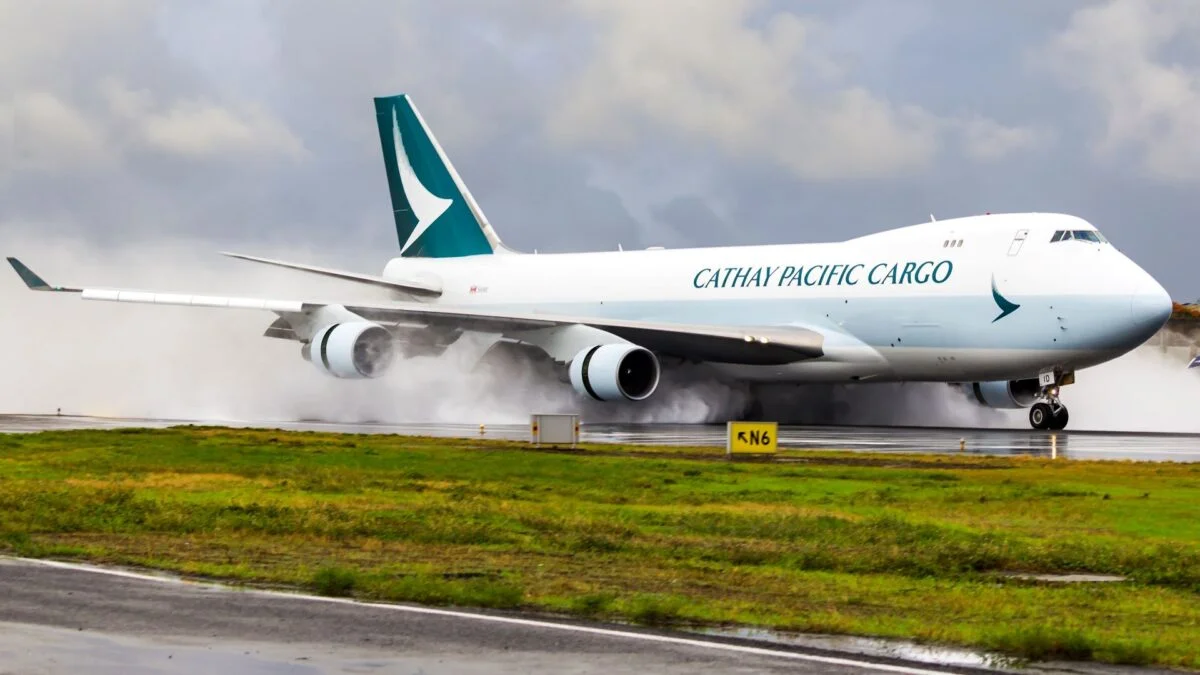
    Cathay Pacific Airways has announced that it will reduce several flights from mid-May until the end of June due to escalating jet fuel prices, influenced by the ongoing crisis in the Middle East. The company plans to eliminate approximately 2% of its scheduled passenger services from May 16 to June 30, 2026. In correlation, its budget division, HK Express, will also reduce about 6% of its flights from May 11, as stated in a recent press release.

    Expansion Plans Remain Unchanged

    Despite the current challenges, the CEO of Cathay Pacific, Ronald Lam, confirmed last month that the Hong Kong-based airline would continue with its strategies to boost passenger capacity by 10% this year. The decision was spurred by the robust demand for long-haul flights to North America, Europe and Australia, following the decrease in traffic through the Middle East after the Iran war.

    Post-June Operations

    After June, Cathay Pacific and HK Express anticipate resuming all their scheduled passenger services, as per the recent announcement.

    Despite a temporary ceasefire between U.S. President Donald Trump and Iran, industry executives have expressed that the global aviation industry is unlikely to experience immediate relief.

    Aviation industry officials have cautioned that jet fuel supplies will continue to be limited and expensive for several months, even if Iran decides to reopen the Strait of Hormuz.

    Questions & Answers

    What is the reason for Cathay Pacific Airways cutting some flights from mid-May to the end of June?
    The airline is reducing flights due to the increasing costs of jet fuel, which are being driven up by the ongoing conflict in the Middle East.

    What plans does Cathay’s CEO Ronald Lam have for this year despite the rise in fuel costs?
    Despite the increase in fuel prices, Ronald Lam said that the airline would push forward with its plans to increase passenger capacity by 10% this year. He cited strong demand for long-haul flights to North America, Europe, and Australia.

    What effect will the ceasefire between U.S. President Donald Trump and Iran have on the aviation industry?
    According to industry executives, the temporary ceasefire is unlikely to bring immediate relief to the global aviation industry. They warn that jet fuel supplies will continue to be limited and costly for several months, even if Iran decides to reopen the Strait of Hormuz.

  • Hong Kong Housing Market Shows Signs of Recovery as Developers Boost Prices Amid Geopolitical Uncertainties

    Hong Kong Housing Market Shows Signs of Recovery as Developers Boost Prices Amid Geopolitical Uncertainties

    Hong Kong real estate developers are elevating their prices for newly built homes, following a pattern of successful sales. This trend is occurring amidst growing economic and political instability, as well as uncertainty revolving around interest rates.

    Increased Prices and Demand

    Henderson Land Development, on Monday, added an extra 39 units to its Chester project located in Hung Hom. Out of the 39, 25 units were sold, indicating a steady demand. A property agent reported that these units had an average reduced price of HKD22,198 (US$2,831) per square foot. This is a 4.6% increase in comparison to the price of the 123 units that were sold at the project’s initial launch last month.

    According to Derek Chan Hoi-chiu, head of research at real estate agency Ricacorp Properties, the steady demand has led developers to cautiously raise prices in new sales launches rather than revert to deep discounting. He described this as a typical recovery-phase strategy: assessing price elasticity while ensuring the momentum continues to build.

    Continued Developments

    Elsewhere, the developers of the La Mirabelle I project in Tseung Kwan O are planning to release 254 additional units on Tuesday. The discounted prices for these flats range from HKD5.93 million to HKD8.99 million, marking a 1% increase from the previous batch released a week ago. The earlier release of 254 units was completely sold out within hours.

    Uncertain Market Conditions

    Such moves by developers indicate an attempt to test the market demand despite the current uncertainties. The Hong Kong Monetary Authority has cautioned borrowers about the unpredictable outlook for interest rates after the U.S. Federal Reserve maintained its benchmark rate at between 3.5% and 3.75% last month.

    The recent disruptions in the oil supply due to geopolitical tensions have led to a significant increase in crude oil prices. This has raised concerns that a stricter monetary policy could follow in the world’s largest economy. Any rise in interest rates could potentially reduce both transaction volumes and residential property prices.

    Despite these uncertainties, the market seems to be signaling positivity. Official data from March shows that Hong Kong’s home sales value increased by 42.2% year-on-year to HKD55.2 billion. The number of residential property sale and purchase agreements registered last month also rose by 17.7% to 6,316 according to Land Registry figures.

    Questions & Answers

    What has been the trend in Hong Kong’s real estate market?
    Hong Kong’s real estate market has seen increased prices for new homes due to steady demand, despite political and economic uncertainties.

    What strategy are developers using in the current recovery phase?
    Developers are cautiously increasing prices for new sale launches, as opposed to resorting to deep discounts, to test price elasticity without slowing down the momentum.

    How have recent geopolitical events affected the real estate market?
    The uncertainties stemming from geopolitical events and fluctuating oil prices have led to apprehensions about stricter monetary policies, which could potentially affect transaction volumes and residential property prices. However, Hong Kong’s home sales have shown a positive trend, indicating a resilient market despite these uncertainties.

  • FairPrice Freezes Prices on 100 Essential Items to Mitigate Cost-of-Living Impact Amid Middle East Conflict

    FairPrice Freezes Prices on 100 Essential Items to Mitigate Cost-of-Living Impact Amid Middle East Conflict

    In an effort to alleviate the burden of rising living costs due to the ongoing Middle East conflict, FairPrice Group, a leading supermarket operator, has announced a price freeze on 100 of its most frequently purchased daily necessities. This freeze, set to begin on Thursday and lasting until May 31, will apply to various household items, including rice, cooking oil, eggs, fresh and frozen pork and chicken, milk, and detergent.

    Price Freeze: A Commitment to Accessibility

    FairPrice Group’s decision to implement a price freeze is reflective of their broader commitment to maintain the affordability of everyday necessities for all individuals, particularly during periods of economic and geopolitical instability. The effects of such instability are becoming increasingly prominent in the daily lives of Singaporeans, and FairPrice Group hopes to provide some degree of relief through this initiative.

    Special considerations have been made for customers from vulnerable groups and citizens who qualify for subsidies. These individuals will enjoy double the usual discounts, increasing from 3% to 6%, throughout the duration of the price freeze.

    Reflecting Founding Principles

    According to FairPrice Group’s CEO, Vipul Chawla, these actions are consistent with the company’s original mission to preserve the affordability of essential items. This mission was established during the 1970s oil crisis and continues to guide their policies today.

    “Food and groceries account for over 20% of the average household budget, and even more for families with lower incomes,” Chawla explained. In light of this, the group’s initiatives aim to assist Singaporeans in managing the current uncertainties.

    Continuing Discounts on Housebrand Products

    Alongside the price freeze, FairPrice will maintain discounts on its own-brand products as part of its ‘Best Sellers for Less’ campaign. The campaign, which began on March 19 and will run for 12 weeks ending on June 10, offers shoppers savings of up to 36% on selected FairPrice Own Brands products. This includes items such as rice, facial tissues, and frozen processed food.

    Questions & Answers

    What items does the price freeze cover?
    The price freeze covers 100 of the most popular household essentials, including rice, cooking oil, eggs, fresh and frozen pork and chicken, milk, and detergent.

    Who will benefit from increased discounts during the price freeze period?
    Customers from vulnerable groups and citizens eligible for subsidies will enjoy double the usual discounts, from 3% to 6%, during the price freeze period.

    What are some of the FairPrice Own Brands products that will be discounted as part of the ‘Best Sellers for Less’ campaign?
    The discounts apply to a range of FairPrice Own Brands products such as rice, facial tissues, and frozen processed food.

  • Gold Prices in Vietnam Nudge Down After Early Rise: Exploring the Impact of Global Politics on Bullion Rates

    Gold Prices in Vietnam Nudge Down After Early Rise: Exploring the Impact of Global Politics on Bullion Rates

    After witnessing a 1.74% surge earlier in the session, the gold prices in Vietnam experienced a slight downturn on Wednesday afternoon. The price of the gold bar from the Saigon Jewelry Company decreased by 0.28% from its morning value, settling at VND175 million (US$6,646.04) per tael. Despite this dip, the daily gains were retained at 1.45%. Consequently, the difference between global and national gold rates diminished to VND22 million per tael.

    Gold Rings and Gold Bars

    Alongside the gold bars, gold ring prices also noted a slight reduction of 0.29%, closing at VND174.5 million per tael. However, this price still reflected a 1.45% increase from the previous day’s valuation. In Vietnam, a tael is a unit of weight measuring approximately 37.5 grams or 1.2 ounces.

    Global Gold Rates

    On an international scale, gold prices experienced an upturn on Monday due to the recent agreement between the U.S. President and Iran on a two-week truce. This ceasefire is geared towards concluding negotiations to end the prevalent war, which has caused significant disruption in global markets.

    As a result of this development, oil prices dipped below $100 a barrel, and the value of the dollar also declined. Such changes favor gold, which is priced in U.S. currency. Spot gold experienced a 2.5% increase, reaching $4,819.52 per ounce. During the session, the value of gold rose by over 3%, marking its highest level since March 19. Similarly, the U.S. gold futures for June delivery witnessed a 3.4% rise, reaching $4,845.30.

    The Appeal of Gold

    The announcement of the two-week truce disrupted expectations of escalation, which was a positive development for gold, according to Nicholas Frappell, Global Head of Institutional Markets at ABC Refinery. However, gold has seen an approximately 8% decrease since the conflict began in late February. This is because the allure of the non-yielding metal typically decreases in a high-interest-rate environment.

    Nonetheless, prices have shown signs of recovery in recent days. This rebound is backed by optimism surrounding the ceasefire and the anticipation that slower global economic growth could offset predictions of stable or higher borrowing costs.

    Questions & Answers

    What caused the dip in Vietnam’s gold prices?
    The gold prices in Vietnam dipped slightly due to a reduction in global gold prices.

    What effect did the announcement of the U.S.-Iran truce have on gold prices?
    The truce sparked optimism, causing gold prices to increase on a global scale as investors sought safe-haven assets.

    How does the interest rate environment affect the appeal of gold?
    In a high-interest-rate environment, the appeal of the non-yielding metal, such as gold, typically decreases as investors turn to assets with higher yields.

  • Vietnam Gold Prices Succumb to Global Decline Amid Strong Dollar and Stout Job Reports

    Vietnam Gold Prices Succumb to Global Decline Amid Strong Dollar and Stout Job Reports

    On Monday, the price of gold in Vietnam experienced a decline, mirroring a drop in global bullion rates. This downward trend was seen when the Saigon Jewelry Company lowered the price of its gold bars by 0.8%, or to VND173.1 million (US$6,571.64) per tael. This adjustment has prompted other sellers to revise their rates in alignment. Currently, local bullion prices are approximately VND25 million per tael higher than international rates.

    Decline in Gold Ring Prices

    The price of gold rings also decreased, sliding to VND172.9 million per tael. It should be noted that a tael is approximately 37.5 grams or 1.2 ounces.

    Global Gold Price Trends

    On a global scale, gold prices also fell on Monday. This decrease was influenced by a stronger dollar, the continued impact of the Iran war on oil prices, and stronger-than-expected U.S. jobs data. These factors lowered expectations for interest rate cuts by the Federal Reserve.

    Spot gold reduced by 0.9%, falling to $4,631.69 per ounce. Additionally, U.S. gold futures for April delivery saw a loss of 0.5%, dropping to $4,657.50 per ounce. This trading activity took place in thin liquidity conditions, with many markets in Asia and Europe closed for a holiday.

    “The latest robust NFP (nonfarm payrolls) print has reinforced hawkish central bank nerves. In addition, the ongoing fear of inflation driven by high oil prices continues to overshadow gold’s traditional role as a safe haven,” stated Tim Waterer, chief market analyst at KCM Trade.

    Historically, gold has been considered a protection against inflation. However, increased interest rates tend to reduce demand for this non-yielding asset.

    Questions & Answers

    What factors contributed to the fall in gold prices?
    The decline in gold prices was influenced by a stronger dollar, the ongoing Iran war’s effect on oil prices, and stronger-than-expected U.S. jobs data. These factors reduced expectations for interest rate cuts by the Federal Reserve.

    How did the price change affect the trading of gold?
    The decrease in gold prices led to a reduction in the trading of spot gold and U.S. gold futures for April delivery. Both saw declines in their respective rates.

    What is the traditional role of gold in the economy?
    Traditionally, gold is seen as a hedge against inflation. However, in situations of elevated interest rates, the demand for this non-yielding asset tends to decrease.