Tag: prices

  • Malaysia’s Food Prices Set to Skyrocket by 50% in Wake of Fuel Crisis, Trade Associations Warn

    Malaysia’s Food Prices Set to Skyrocket by 50% in Wake of Fuel Crisis, Trade Associations Warn

    Trade associations in Malaysia are warning that the country’s food prices could potentially surge by up to 50% due to the escalating energy crisis linked to the conflict in Iran. This crisis has led to an increase in fuel costs, which in turn is inflating the prices of raw materials. These materials are vital in the preparation of daily staples like nasi lemak, a popular dish of rice and meat served on a pandan leaf with spicy chili paste. The prices of these ingredients have already witnessed a significant rise, leaving traders little choice but to pass on the increases to consumers.

    Impact on Traders

    Rosli Sulaiman, president of the Federation of Malaysian Hawkers and Traders Associations, noted that even before the spike in fuel prices, costs had already risen by around 20% to 30%. He warned that when costs are high and return profits are non-existent, traders are compelled to raise their selling prices, albeit at a small margin. The impact of this situation is most deeply felt by small traders, hawkers, and the general public.

    The Malaysian Muslim Restaurant Owners Association (Presma), representing the Indian-Muslim community’s 24-hour eateries, already reported a cost increase of up to 30% within the past year. These cost upticks are affecting raw ingredients like chicken and vegetables, as well as cooking gas and plastic packaging.

    Pressures on the Food and Beverage Industry

    Government data reveals that Malaysians’ expenditure on dining out surpassed MYR870 (US$216) per month in 2024, denoting a 17% rise from the previous year. This trend indicates a growing affinity towards eating out as opposed to cooking at home and accounts for over 12% of the median monthly household income of MYR7,017.

    However, experts caution that the country’s MYR60 billion food and beverage industry could struggle to maintain growth if global crude oil prices – which peaked at $115 per barrel recently – stay high for an extended period. Fertilizer shortages impacting agriculture, as well as increasing shipping and logistics costs, could also contribute to imported inflation, thus affecting the sector beyond higher energy and transport costs.

    Potential Impacts on the Economy

    Doris Liew, an economist specializing in Southeast Asian development, warns that these secondary effects are likely to be more persistent in a trade-dependent economy like Malaysia than the initial energy shock. Despite Malaysia’s targeted fuel subsidies potentially buffering households from immediate price shocks, they are unlikely to offset the rising input costs for businesses. These costs are anticipated to trickle down to consumers, which could dampen business sentiment and consumer confidence, leading both companies and households to curtail spending amidst uncertainty.

    Questions & Answers

    What impact is the energy crisis having on Malaysia?
    The energy crisis associated with the conflict in Iran is driving up Malaysia’s food prices, with potential surges of up to 50%. The cost increase is affecting raw materials essential for daily living, and these costs are being passed on to consumers.

    What impact could the surge in prices have on the wider economy?
    The surge in prices could dampen both business sentiment and consumer confidence, causing companies and households to reduce spending due to uncertainty. This has the potential to slow economic growth amidst increasing inflation.

    What are potential solutions to offset the rising costs?
    While Malaysia’s targeted fuel subsidies may buffer households from immediate price shocks, these measures are unlikely to mitigate the rising input costs for businesses. It is crucial for the government to assure citizens of sufficient fuel and food supplies, backing up these claims with data to regain public confidence.
  • Vietnam Gold Prices Leap Amid Global Gold Slump: Largest Monthly Drop in Nearly Two Decades

    Vietnam Gold Prices Leap Amid Global Gold Slump: Largest Monthly Drop in Nearly Two Decades

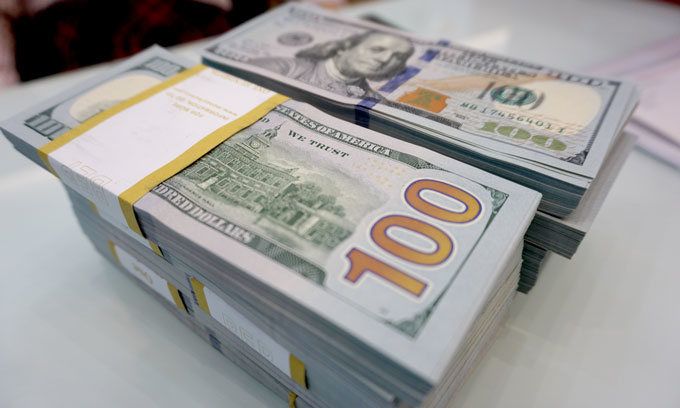
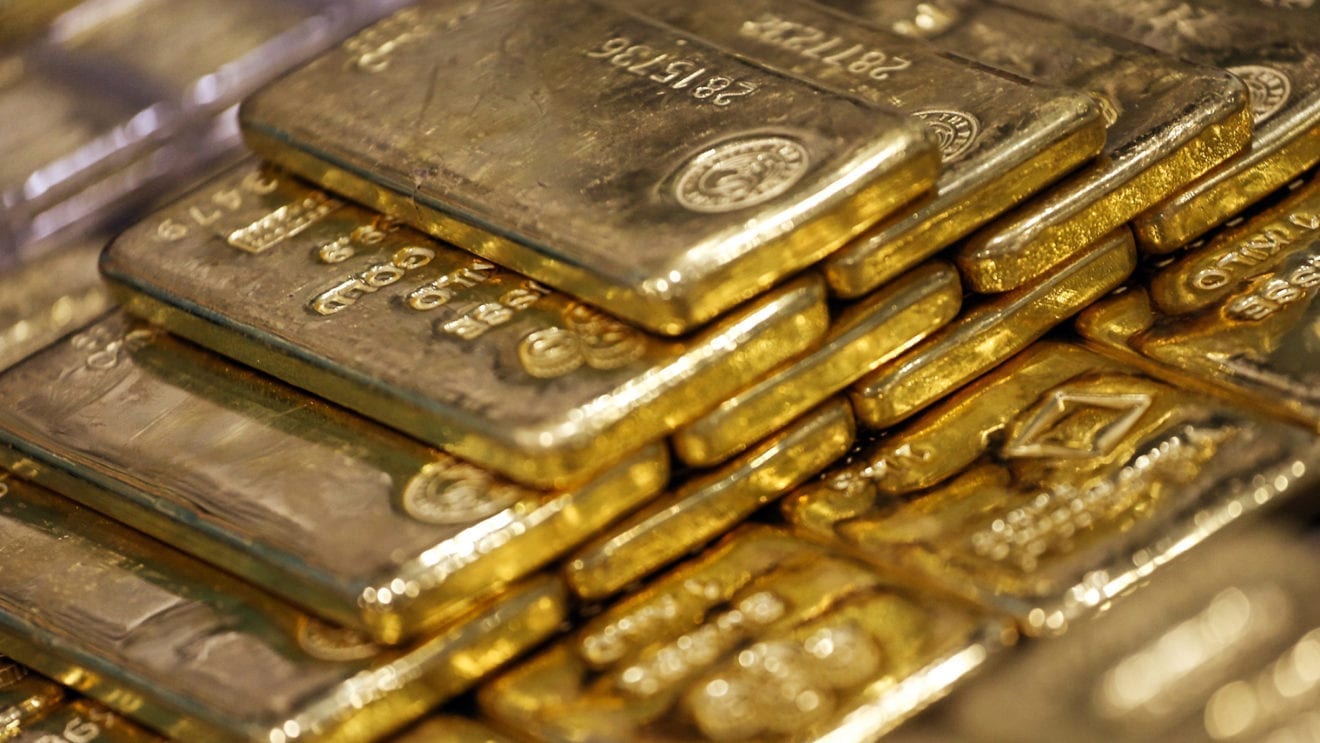
    On Tuesday morning, gold prices in Vietnam experienced an increase, despite global bullion rates experiencing their sharpest monthly fall in nearly two decades. The Saigon Jewelry Company reflected this trend with its gold bar prices ascending 0.63% to VND174.9 million (US$6,640.34) per tael. This price adjustment was echoed by other sellers in the local market.

    Despite a 6.47% decrease this month, local bullion rates have still gained an impressive 14.5% since the beginning of the year.

    The price of gold rings also experienced a similar surge, reaching a price of VND174.7 million per tael. It’s important to note that a tael is equivalent to 37.5 grams or 1.2 ounces.

    Global Bullion Trends

    On the global stage, gold prices experienced an increase on Tuesday. This rise was fueled by the optimism of a de-escalation in the Middle East conflict. However, gold is also facing its worst month in over 17 years due to increased energy prices. These circumstances have diminished hopes for a U.S. interest rate cut within this year.

    Spot gold saw an increase of 1.5%, reaching $4,578.89 per ounce. Similarly, U.S. gold futures for April delivery experienced a 1.2% rise, leveling at $4,611.30.

    Despite these positive changes, bullion has experienced a 13% decrease this month. This puts it on track for its most significant drop since October 2008, largely due to a stronger dollar and dwindling expectations of a U.S. interest rate cut within this year. Despite these challenges, prices remain up by approximately 5% for the quarter.

    The dollar experienced a drop, making commodities priced in the greenback more affordable for holders of other currencies.

    A notable factor influencing gold prices was an announcement from the U.S. President, Donald Trump, stating his willingness to end the U.S. military campaign against Iran. This news triggered a positive response from the financial markets and saw gold prices bounce in the early Asia-Pacific trade, according to Ilya Spivak, the head of global macro at Tastylive.

    Questions & Answers

    What sparked the increase in gold prices in Vietnam?
    The rise in gold prices in Vietnam was primarily due to optimism about a de-escalation in the Middle East conflict and an announcement from the U.S. President about his willingness to end the military campaign against Iran.

    What factors have contributed to the global drop in bullion rates this month?
    The steep drop in global bullion rates has been largely due to a stronger dollar and diminished expectations of a U.S. interest rate cut within this year.

    How has the dollar’s decrease impacted the commodities market?
    As the dollar has fallen, commodities priced in the greenback have become more affordable for holders of other currencies, which can stimulate demand.

  • Malaysia Slashes Subsidized Fuel Quota Amidst Escalating Global Oil Prices

    Malaysia Slashes Subsidized Fuel Quota Amidst Escalating Global Oil Prices

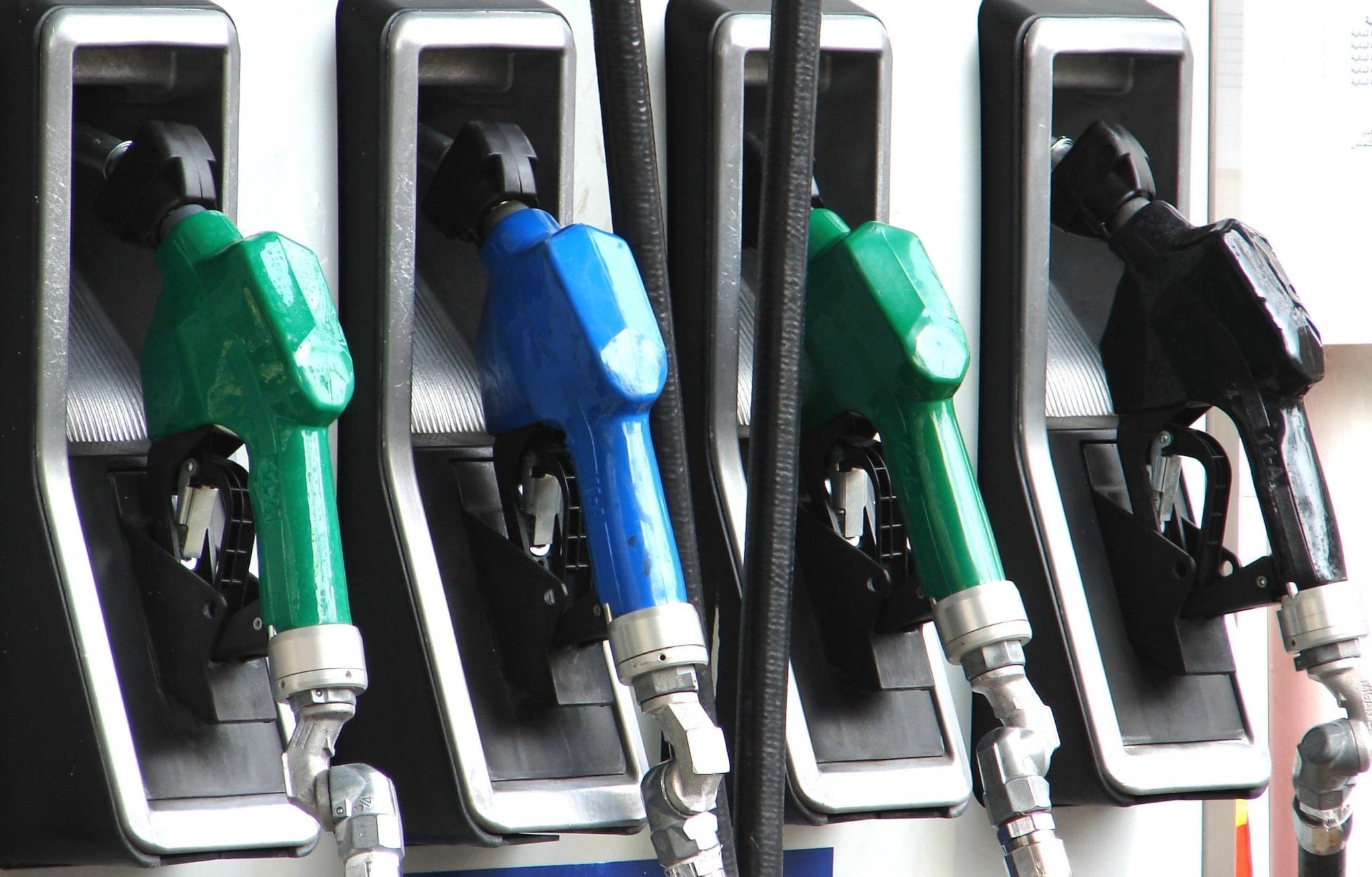
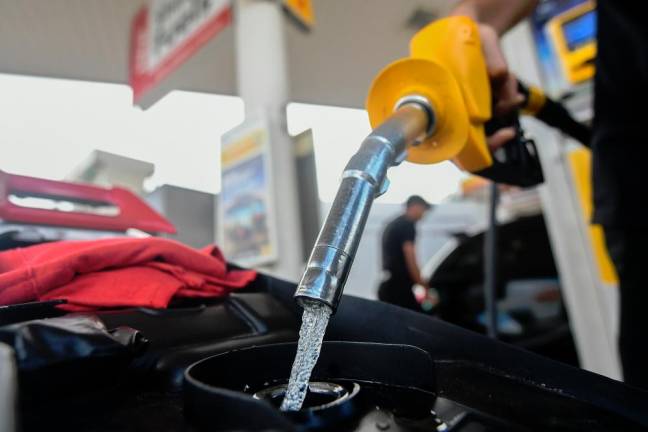
    In response to the recent spike in global oil prices, the Malaysian government has made the decision to decrease the monthly quota for subsidized RON95 fuel from 300 liters to 200 liters, with the policy effective from April.

    Reasons for the Reduction

    This reduction has been deemed necessary due to increases in the government’s subsidy bill. Malaysian Prime Minister Anwar Ibrahim has warned that, if global crude prices continue to remain above $110 per barrel, the subsidy bill could escalate to RM24 billion (US$6 billion) this year.

    Subsidized by the government, RON95 fuel is sold at a fixed price of RM1.99 per liter in Malaysia to ensure affordability for lower-income groups. Currently, eligible individuals can purchase up to 300 liters per month, after which they are charged at market rates. These rates have recently seen an increase from RM3.27 to RM3.87 per liter for the week of March 26 to April 1.

    The unsubsidized price of this fuel has also seen two increases since March 11, resulting in a combined increase of 45%. The latest weekly adjustment has also seen an increase in the pump price for RON97 to RM5.15 per liter, marking an overall increase of 58.46% since March 11, while diesel has seen an increase to RM5.52 per liter, up 76.92% over the same period.

    Global Oil Supply Disruptions

    This decision comes at a time when the global oil supply has been disrupted due to conflicts in the Middle East, specifically in the Strait of Hormuz, a crucial route that typically carries around 20% of the world’s oil flows.

    Brent crude has experienced a drop to $94.49 per barrel after peaking at nearly $120 earlier this month. However, it still remains more than 33% higher than before the conflict began in late February. Despite being an oil producer, Malaysia isn’t exempt from these shifts in the oil market, as it imports a significant proportion of its oil, nearly half of which comes via the affected route.

    In a recent social media post, Anwar noted that Malaysia exported approximately $5.5 billion in crude oil last year but imported nearly $12.6 billion. Furthermore, the country’s monthly subsidy bill for petrol and diesel has seen a significant surge from RM700 million to RM4 billion.

    Possible Implications

    While higher global prices may increase government income and benefit the national oil firm Petroliam Nasional, sustained volatility could lead to inflationary pressures and add to the fiscal burden of fuel subsidies. Announcing the weekly price adjustments, Malaysia’s Ministry of Finance declared the government’s ongoing commitment to protecting the public from rising costs and maintaining the subsidized RON95 prices at RM1.99 per liter.

    Analysts have suggested that tightening the subsidy quota could be a practical option to alleviate pressure on government funds, along with another possibility of increasing the subsidized fuel price to RM2.05 per liter.

    Questions & Answers

    What are some of the reasons for the reduction in subsidized RON95 fuel?
    This reduction has been deemed necessary due to increases in the government’s subsidy bill. If global crude prices continue to remain above $110 per barrel, the subsidy bill could escalate to RM24 billion (US$6 billion) this year.

    How has the global oil supply been disrupted?
    The global oil supply has been disrupted due to conflicts in the Middle East, specifically in the Strait of Hormuz, a crucial route that typically carries around 20% of the world’s oil flows.

    What could be some potential implications of this situation?
    While higher global prices may increase government income and benefit the national oil firm Petroliam Nasional, sustained volatility could lead to inflationary pressures and add to the fiscal burden of fuel subsidies.

  • Gold Prices Soar in Vietnam Amid Global Bullion Boom and Middle East De-Escalation Hopes

    Gold Prices Soar in Vietnam Amid Global Bullion Boom and Middle East De-Escalation Hopes

    Gold prices in Vietnam saw a significant increase on Wednesday morning, corresponding with a rise in global bullion rates. The price of a gold bar from the Saigon Jewelry Company witnessed a 2.82% increase, reaching VND175 million (US$6,642.88) per tael. Other vendors adjusted their prices similarly in line with this increase.

    Vietnam’s Gold Market

    In Vietnam, local gold prices are approximately VND29 million per tael higher than global rates, highlighting the uniqueness of the Vietnamese market. The price of gold rings has also risen by approximately the same rate, reaching VND174.8 million per tael. It should be noted that a tael is equivalent to 37.5 grams or 1.2 ounces.

    Global Gold Market

    On Wednesday, the global gold market also saw an increase of over 2%. This increase was driven by a softer dollar value and a decrease in oil prices, which alleviated concerns surrounding high inflation and increased global interest rates. Spot gold experienced a 2.5% increase to $4,587.09 per ounce, while U.S. gold futures for April delivery saw a 4.2% gain to $4,586.10.

    The easing of the dollar has made gold priced in greenbacks cheaper for those holding other currencies. Christopher Wong, a strategist at OCBC, stated that the easing of the dollar strength has allowed for the reassertion of safe-haven demand. He further emphasized that gold has not lost its appeal as a secure investment, contrary to what some may believe.

    The Future of Gold

    Wong also suggested that the value of gold will likely remain sensitive to the Federal Reserve’s policy path expectations, the value of the USD, and geopolitical developments in the near term. However, he also postulates that the recent rebound suggests that any declines in the value of gold may continue to find support unless real yields shift significantly higher.

    Questions & Answers

    What caused the rise in gold prices in Vietnam?
    The rise in gold prices in Vietnam is primarily due to the surge in global bullion rates.

    How does the value of the USD affect gold prices?
    The value of the USD has a significant impact on gold prices. When the USD weakens, gold prices often increase as gold becomes more affordable for those holding other currencies.

    Is gold still considered a safe investment?
    Yes, according to Christopher Wong, a strategist at OCBC, gold has not lost its safe-haven appeal and remains a secure investment option.

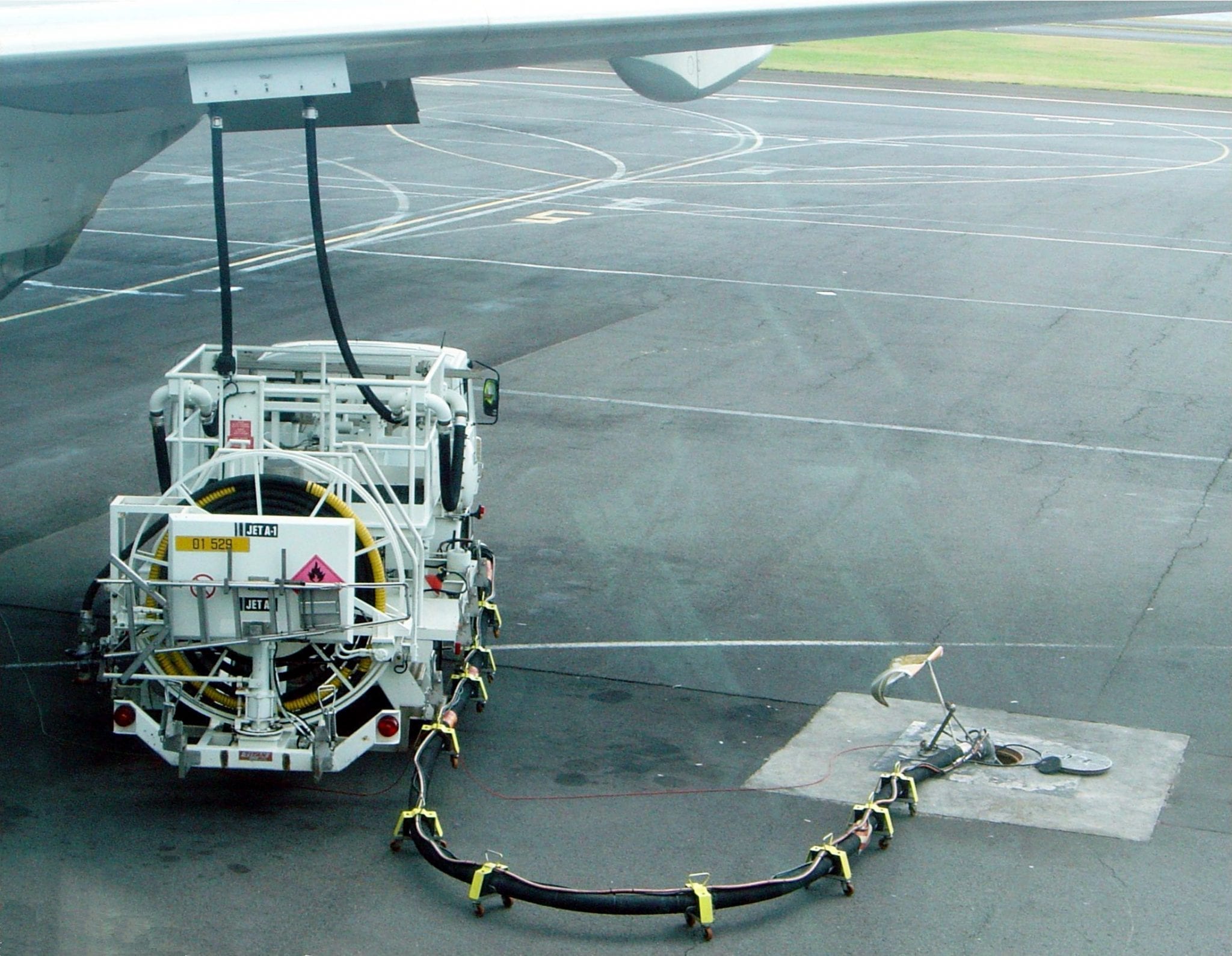
  • Skyrocketing Fuel Prices Push Global Airlines into Fare Hike: Vietnam’s Aviation Sector Braces for Impact

    Skyrocketing Fuel Prices Push Global Airlines into Fare Hike: Vietnam’s Aviation Sector Braces for Impact

    As global aviation fuel costs rise due to increased geopolitical instability, more than 60% of international airlines have already increased their fares or are planning to do so from mid-March, according to the Civil Aviation Authority of Vietnam (CAAV). The soaring fuel prices have resulted in mounting operational costs, leading many international carriers to utilize fuel surcharges to balance their expenses and maintain consistent service levels.

    The Impact of Rising Fuel Prices

    The CAAV conducted a swift survey on March 20, covering nearly 40 international and regional airlines operating routes to Vietnam. The survey revealed that over 60% of these airlines have already implemented, are in the process of implementing, or are planning to introduce fare adjustments or fuel surcharges, starting from mid-March.

    This trend is notable in significant aviation markets across Asia, Europe, and North America, highlighting the extensive financial pressure experienced by airlines globally. In Northeast Asia, which includes Taiwan, China, Japan, and the Republic of Korea, ticket prices have significantly increased, with hikes ranging from $11.5 to nearly $115 per ticket.

    Regional Variations in Fare Hikes

    In contrast, fare increases in Southeast and South Asia have been more moderate, typically fluctuating around $5 to approximately $70 per ticket. For long-haul flights to Europe and North America, fuel surcharges are considerably higher, generally ranging from around $43 to over $215 per ticket, with even greater increases for business-class passengers.

    The air cargo sector is also feeling the impact, with some airlines introducing fuel surcharges calculated on a per-kilogram basis. Despite these adjustments being seen as a short-term response to fluctuating fuel prices, they are expected to elevate both passenger airfares and cargo costs in the upcoming months.

    Questions & Answers

    What is driving the increase in global aviation fuel prices?
    Geopolitical instability is the primary factor contributing to the rise in global aviation fuel prices.

    How are airlines offsetting the rising operational costs?
    Many international airlines are introducing fuel surcharges or adjusting their fares to counterbalance the increased operational costs.

    What impact will these adjustments have on the aviation industry?
    These adjustments are expected to increase both passenger airfares and cargo costs in the near future.

  • Vietnam Gasoline Prices Skyrocket Amid Middle East Conflicts: Highest Surge since 2022 Crisis

    Vietnam Gasoline Prices Skyrocket Amid Middle East Conflicts: Highest Surge since 2022 Crisis

    Last Thursday, Vietnam experienced a significant surge in gasoline prices, which increased by 20% to reach their highest level since July 2022. This sharp rise is linked to ongoing conflicts in the Middle East, which have prompted a double-digit escalation in global prices. The most commonly used fuel in the country, RON95, saw a 20% boost, pricing it at VND30,690.

    Other Fuels See Increase

    In addition to RON95, the price of Biofuel E5 RON92 also saw a substantial rise of 20.7%, elevating it to VND22,170. Diesel prices also spiked, with a 23.7% increase bringing the cost to VND33,420. Compared to prices at the end of February, just before the onset of the Middle East conflict, RON95 and diesel are now 52% and 73% more expensive, respectively.

    Global Petroleum Market Impact

    The global petroleum market has been heavily influenced recently by factors such as proliferating tensions resulting from the military clashes involving the U.S., Iran and Israel. This situation is made more problematic by Iran’s control over the Strait of Hormuz. Around the world, RON95 gasoline has risen by 16.4% to $150.4 per barrel. Other fuels have also seen increases, with diesel up by 18.6%, kerosene by 28.8%, and fuel oil by 13.1%.

    Government Subsidies and Global Comparisons

    In response to these skyrocketing prices, the Vietnamese government has stepped in to subsidize diesel by VND4,000 per liter and gasoline and other fuels by VND3,000. This marks the sixth consecutive time subsidies have been employed to combat rising fuel costs. The cost of RON95 in Vietnam is now at its highest since a global fuel crisis sparked by the Russia-Ukraine conflict in July 2022. However, it remains lower than the peak level of VND32,870 established in June 2022. Concurrently, kerosene and fuel oil prices have reached their highest point since 2019.

    Petroleum Imports and Government Response

    From the start of the year to March 15, Vietnam imported nearly 2.71 million tonnes of petroleum products, valued at over $1.94 billion, representing a year-on-year increase of 42–43%. In the first half of March alone, import volumes surged by 41.4%, pushing import value up by 89.2% compared to the same period last year. In order to secure energy security, Prime Minister Pham Minh Chinh has been in contact with multiple countries’ leaders and met with ambassadors in Vietnam to appeal for oil supply support. Simultaneously, the Ministry of Industry and Trade and the Ministry of Finance have extensively used the petroleum price stabilization fund and reduced the preferential MFN import tariff to 0% as a strategy to ease fuel prices.

    Energy Security Measures

    During a meeting with the Energy Security Task Force on March 17, PM Chinh assured that despite the price hikes, fuel and energy supplies remain adequate to support production and consumption. Furthermore, he emphasized that the negative impacts on the public and businesses have been minimized as much as possible.

    Questions & Answers

    What was the impact of the Middle East conflict on fuel prices in Vietnam?
    The conflict in the Middle East led to a 20% surge in gasoline prices in Vietnam, with popular fuel RON95 rising to VND30,690.

    What measures has the Vietnamese government taken to curb rising fuel costs?
    The government has provided subsidies for diesel and gasoline and other fuels to help keep prices manageable for consumers. This marks the sixth time in a row that the government has stepped in with subsidies.

    How have Vietnam’s fuel imports been affected this year?
    From the start of the year to mid-March, Vietnam imported nearly 2.71 million tonnes of petroleum products, representing a year-on-year increase of 42–43%. The value of imports also rose significantly, particularly in the first half of March.

  • Vietnam Gold Prices Plunge Amid Record Global Bullion Weekly Losses

    Vietnam Gold Prices Plunge Amid Record Global Bullion Weekly Losses

    In Vietnam, the price of gold witnessed a decline on Friday morning, following the global trend where bullion rates are experiencing the steepest weekly fall in six years. The price of a gold bar from Saigon Jewelry Company fell by 0.34%, coming down to VND174.9 million ($6,645.9) per tael. This rate was echoed by other sellers in the market.

    Locally, bullion prices have seen a 9% decrease from the peak of VND191.3 million per tael, which was recorded in January. Despite the recent slip, the prices are still 10% higher on a year-on-year basis. Currently, the local rates are approximately VND26.5 million per tael more than the global rates.

    The price of gold rings followed a similar pattern, slipping to VND174 million per tael. It is important to note that a tael is equivalent to 37.5 grams or 1.2 ounces.

    On a global scale, spot gold rose by 0.8% to $4,686.97 an ounce on Friday. However, cumulatively for the week, it has fallen close to 7%, marking the largest weekly loss since March 2020. This trend has been attributed to the escalating conflict in the Middle East, which has increased energy prices and subsequently led to dampening expectations for rate cuts.

    Historically viewed as a safe haven, the precious metal has seen a decline every week since the conflict broke out last month. Factors contributing to this trend include strengthening Treasury yields and the U.S. dollar, investors selling bullion to offset losses elsewhere, and outflows from gold-backed exchange-traded funds.

    Daniel Ghali, a commodity strategist at TD Securities, commented on the situation. He noted that gold, a popular choice for institutional investors, has seen its position waver due to the ongoing debasement trade. Ghali further added that there is a significant potential for gold to experience further selling off, even while maintaining its bull market era trend support.

    Questions & Answers

    What is the current trend in global gold prices?
    Answer: Global gold prices are experiencing a significant fall, marking the largest weekly loss since March 2020.

    How has the conflict in the Middle East impacted gold prices?
    Answer: The escalating conflict in the Middle East has led to increased energy prices and dampened expectations for rate cuts, contributing to a decline in gold prices.

    What factors have contributed to the decline in gold prices?
    Answer: Several factors have contributed to this decline, including strengthening Treasury yields and the U.S. dollar, investors selling bullion to offset losses elsewhere, and outflows from gold-backed exchange-traded funds.

  • Vietnamese Fruit Market Takes a Hit: Prices Plummet Amid Weak Demand and Strict Chinese Import Controls

    Vietnamese Fruit Market Takes a Hit: Prices Plummet Amid Weak Demand and Strict Chinese Import Controls

    Fruit prices in Vietnam, including watermelon and orange, have drastically dropped to VND1,000–5,000 (3.8-19 U.S. cents) per kilogram. This decrease is attributed to a slump in domestic demand coupled with strict quality control enforced by China, a major importer.

    Farming Woes in Gia Lai

    In Gia Lai, a province located in the central region of Vietnam, watermelons are currently fetching VND1,000-VND5,000 per kilogram. Only high-quality fruits are attracting significant prices as traders are exercising selectivity in their purchases. This situation has led to considerable financial losses for local farmers. One farmer noted a seasonal loss exceeding VND50 million, while another reported losses of VND500 million from her eight-hectare watermelon farm.

    Farmers have pointed to a significant decrease in domestic demand this year, alongside slow exports to China, unlike in previous years where sales often surged post-Lunar New Year holidays. If prices continue to dip, the situation in Gia Lai could worsen, given that over 90% of watermelon farms spanning 2,733 hectares are due for harvesting in the coming months.

    Plight of Other Fruits

    Similarly, the price of oranges in the southern province of Vinh Long has slumped to VND1,000-3,000 per kilogram. This has resulted in farmers experiencing losses of VND100-200 million per hectare. One farmer, who cultivates nearly a hectare of oranges, is considering switching crops after incurring severe losses this year.

    This price drop has pushed traders to sell their goods at heavily discounted rates on the streets of Ho Chi Minh City. Here, piles of oranges and watermelons are stacked up for sale at VND5,000 per kilogram and VND10,000 respectively. Prices of other produce such as tomatoes, green beans, and okra have also halved within a month, with tomatoes trading between VND10,000-25,000.

    Export Challenges

    Dang Phuc Nguyen, the general secretary of the Vietnam Fruit and Vegetable Association, attributes the drastic price drop to China imposing stricter quarantine controls and quality standards. As Vietnam’s largest agriculture produce buyer, these new measures have a significant impact on the local market.

    Furthermore, local testing laboratories in Vietnam are overwhelmed, leading to longer inspection times and an increase in risks for traders. The ongoing conflict in the Middle East has also led to a 50-66% surge in logistics costs. Consequently, exporters who cannot bear these costs are opting to sell their products domestically, causing a supply glut.

    The Binh Thuan Province Dragon Fruit Association reported a significant increase in air freight costs to Europe, which has jumped from $1.5 per kilogram to $7-8. This price surge has forced many traders to sell domestically at discounted prices. Exporters are looking into new Asian markets such as Japan and South Korea, but they acknowledge that these markets cannot immediately compensate for the loss of traditional markets.

    Questions & Answers

    What has led to the drastic drop in fruit prices in Vietnam?
    The fall in prices can be attributed to decreased domestic demand and China’s stricter quality control measures, which have slowed exports.

    What is the impact of the falling fruit prices on local farmers and traders?
    Falling prices have led to significant financial losses for farmers and forced traders to sell their goods at heavily discounted prices.

    What steps are Vietnamese exporters taking in response to the current situation?
    Exporters are seeking new markets in Asia, such as Japan and South Korea, and selling their produce domestically due to increased logistics costs and extended inspection times.

  • Vietnamese Dong Bolsters Against US Dollar Amid Easing Global Crude Oil Prices

    Vietnamese Dong Bolsters Against US Dollar Amid Easing Global Crude Oil Prices

    On Wednesday morning, the U.S. dollar saw a slight decrease against the Vietnamese dong, while maintaining a steady position against other major currencies. Vietcombank reported a 0.004% drop in the greenback’s value, selling it at VND26,320. Concurrently, the currency experienced a 0.44% decline to approximately VND26,993 in the informal currency market.

    Global Currency Developments

    Worldwide, the dollar paused for breath as a reduction in crude oil prices ignited a glimmer of risk appetite in markets prior to several crucial central bank decisions. The dollar index, which provides a measure of the U.S. currency’s strength against a selection of global currencies, experienced a slight increase of 0.06%, rising to 99.61 following a two-day decrease. Meanwhile, the euro experienced a slight decrease of 0.05%, trading at $1.1532.

    The Japanese yen also saw a minor weakening of 0.01% against the U.S. dollar, trading at 159.00 per dollar. In contrast, the British sterling maintained its value at $1.3355.

    Upswing for Antipodean Currencies

    Antipodean currencies, the Australian and New Zealand dollars, saw a slight increase in value against the greenback. The Australian dollar strengthened by 0.1%, trading at $0.7109. Similarly, New Zealand’s kiwi saw a 0.05% rise, trading at $0.586 against the U.S. dollar.

    Last week, the U.S dollar reached a 10-month high as conflicts in the Middle East and escalating oil prices pushed investors to seek the relative safety of U.S. assets.

    According to Hirofumi Suzuki, Chief FX Strategist at Sumitomo Mitsui Banking Corporation, although the rise in crude oil prices seems to have momentarily paused, the overall situation has not improved significantly. Nevertheless, markets appear to be demonstrating some recovery.

    Questions & Answers

    What was the exchange rate of the US dollar to the Vietnamese dong on Wednesday?
    The US dollar was sold at VND26,320 by Vietcombank on Wednesday.

    How did the US dollar perform against the Euro and the yen?
    The US dollar experienced a slight increase against the Euro, which traded at $1.1532, and against the yen, with the latter trading at 159.00 per dollar.

    What event last week caused the US dollar to reach a 10-month high?
    The conflicts in the Middle East and escalating oil prices prompted investors to seek the relative safety of U.S. assets, causing the US dollar to reach a 10-month high.

  • Gold Prices in Vietnam Bounce Back: An Afternoon Recovery Amidst Global Economic Uncertainty

    Gold Prices in Vietnam Bounce Back: An Afternoon Recovery Amidst Global Economic Uncertainty

    On Monday afternoon, gold prices in Vietnam witnessed a minor recovery following a more than 1% decline earlier in the session. After a challenging morning period, the Saigon Jewelry Company reported a 0.55% rise in their gold bar price, bringing it to VND184.1 million (US$6,965.01) per tael and reducing the day’s losses to 0.49%. For reference, a tael is equivalent to 37.5 grams or 1.2 ounces.

    Despite the global price for gold, the cost of the precious metal in Vietnam remains significantly higher. In particular, local bullion prices exceed the global rates by more than VND21 million per tael.

    The price of gold rings also rebounded on Monday, returning to VND183.8 million per tael, marking a 0.49% decrease for the day.

    Global Gold Market Conditions

    Internationally, spot gold fell 1.3% to $5,104 per ounce after a more than 2% decrease earlier in the session. This shift comes as geopolitical tensions in Iran escalate, resulting in a squeeze on world energy supplies. These circumstances also caused a boost in the dollar and a dampening in expectations for interest-rate cuts.

    The dollar is currently near a three-month high, which makes bullion more expensive for those dealing in other currencies. Inflation fears fueled by oil prices and expectations of delayed rate cuts likely strengthened U.S. yields and the dollar. This scenario outweighed the demand for safe-haven assets, pushing the price of gold downwards.

    However, gold prices have still risen approximately 18% this year, despite choppy trading conditions and stalled upward momentum.

    Christopher Wong, an OCBC strategist, commented on the situation. He noted that during periods of high geopolitical market stress, investors often sell assets like gold to raise cash. However, once this phase passes, the uncertainty usually continues to underpin demand for safe havens such as gold.

    Questions & Answers

    What was the gold price situation in Vietnam on Monday?
    On Monday, gold prices in Vietnam partially recovered following a more than 1% decrease earlier in the day. By the afternoon, the Saigon Jewelry Company’s gold bar price had risen 0.55%, taking it to VND184.1 million (US$6,965.01) per tael and reducing the day’s losses to 0.49%.

    What is the difference between local bullion prices and global rates in Vietnam?
    Despite global prices for gold, the cost in Vietnam remains significantly higher. More specifically, local bullion prices are more than VND21 million per tael higher than the global rates.

    What factors contributed to the global decrease in gold prices?
    The global decrease in gold prices was largely due to escalating geopolitical tensions in Iran, which resulted in a squeeze on world energy supplies, a stronger dollar, and lessened expectations for interest-rate cuts. This shift pushed the price of gold downwards, despite it being a safe-haven asset.

  • Mekong Delta Mango Prices Soar by 33% as Tet Celebrations Approach Amid Low Supply

    Mekong Delta Mango Prices Soar by 33% as Tet Celebrations Approach Amid Low Supply

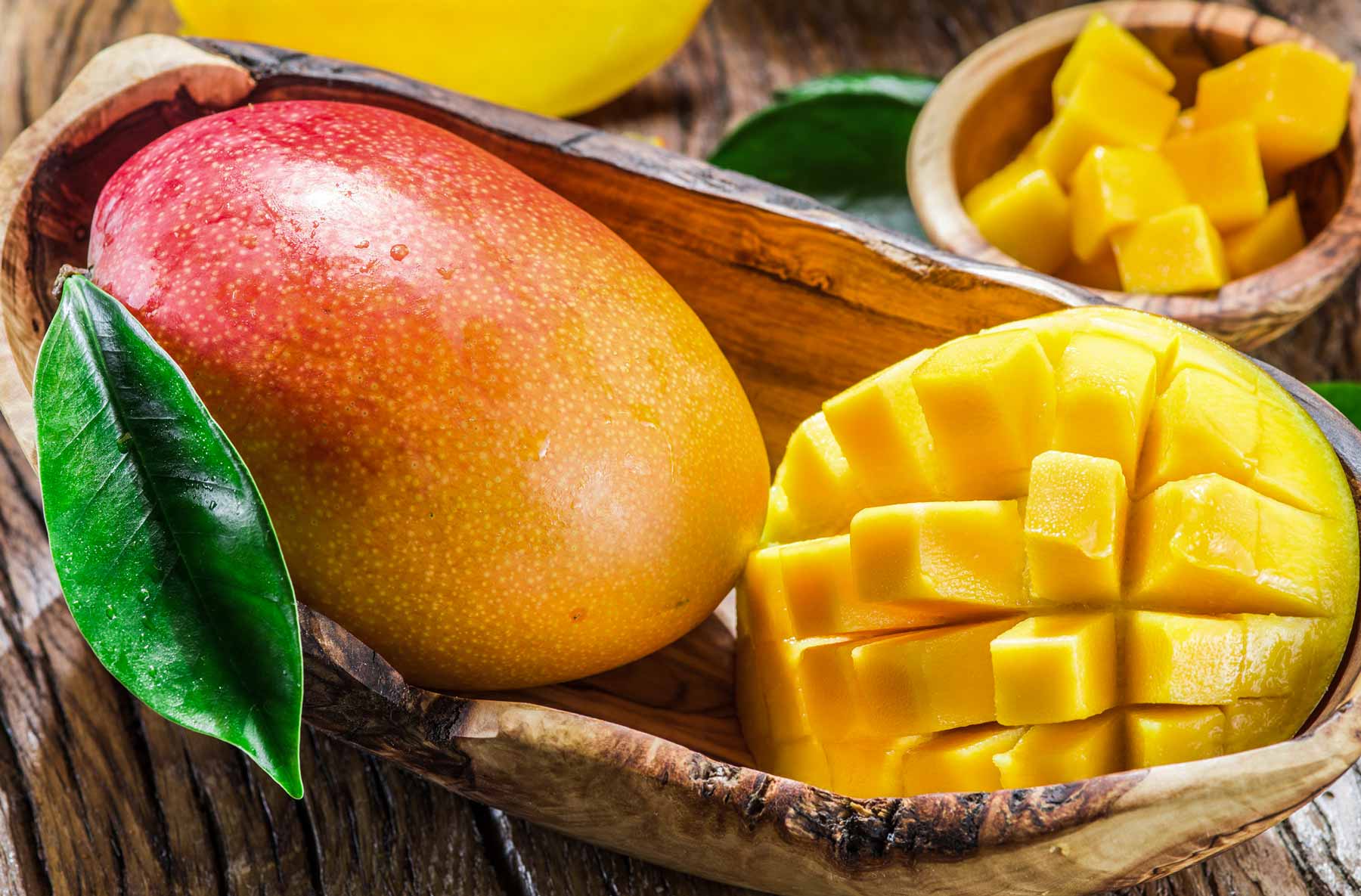
    The Mekong Delta’s renowned Hoa Loc mangoes are currently being sold at a retail price of VND200,000 (US$7.70) per kilogram, reflecting a surge of 33% compared to the previous year, primarily due to a supply shortage.

    Market Dynamics

    Several retail stores in Ho Chi Minh City (HCMC) have reported difficulties in procuring sufficient quantities of this fruit, which is a traditional component of the Tet (Lunar New Year) fruit tray. As the New Year approaches, larger and more attractive fruits are being sold out rapidly, despite their steep prices.

    Nguyen Thi Loan, a fruit store owner located in the An Hoi Dong Ward of the city, revealed that her daily sales have dropped to approximately 150 kilograms compared to last year’s 200 kilograms during the same period. The availability of other mango varieties has also decreased, subsequently pushing their prices upwards.

    Weather Impact and Export Priorities

    Unfavorable weather conditions have hampered timely fruit-bearing in many large orchards, contributing to the supply-demand imbalance. Nguyen Thi Hong, a mango grower with over a hectare of land in the Mekong Delta province of Dong Thap, claimed that Hoa Loc yields have declined by 20-30% compared to the previous year.

    This reduction in output has inflated both farm-gate and wholesale prices. For instance, at the Thu Duc agricultural wholesale market in HCMC, mango prices have skyrocketed by over 60% since the last Tet, reaching VND130,000 per kilogram.

    A manager at the market also indicated that certain businesses are prioritizing their export orders, thereby intensifying the local supply crunch.

    Questions & Answers

    Why have the retail prices of Hoa Loc mangoes increased significantly?
    The prices have escalated due to a supply shortage, which has resulted from unfavorable weather conditions and lower yields.

    What other factors are contributing to the rise in the prices of these mangoes?
    In addition to the supply-demand imbalance, some businesses are prioritizing their export orders over local supply, leading to a further increase in prices.

    How has this affected the traditional Tet fruit tray?
    The scarcity of Hoa Loc mangoes and their high prices have led to a reduction in sales, impacting the traditional Tet fruit tray which typically includes these mangoes.

  • Vietnam Gold Prices Defy Asian Trend with a Robust 18% Surge This Year

    Vietnam Gold Prices Defy Asian Trend with a Robust 18% Surge This Year

    On Saturday morning, gold prices in Vietnam experienced an increase, in contrast to the general slump observed across Asia. This increase occurred in spite of a lack of enthusiasm for jewelry in the market.

    Gold Prices in Vietnam

    Saigon Jewelry Company noted a rise of 1.12% in the value of their gold bars, bringing the price up to VND180 million (US$6,931.10) per tael. It’s worth noting that a tael is equivalent to 37.5 grams, or around 1.2 ounces.

    In addition, the price of gold rings increased by 0.56%, reaching a value of VND180.5 million per tael. Thus far in the year, gold prices in Vietnam have consistently been on an upward trend, rising by 18%.

    Asian Market Trends

    Across the broader Asian market, gold was trading at lower rates late Friday. For the first time in almost a month, gold began trading at a discount in India due to the volatility of its prices, deterring potential buyers. On the contrary, demand for gold was strong in China in the buildup to the Lunar New Year holiday.

    Last week Indian bullion dealers offered a discount of up to $12 per ounce on official domestic gold prices. These prices include a 6% import fee and a 3% sales levy, a decrease from last week’s premium of up to $70.

    One jeweler based in Hyderabad observed, “Jewelry demand has not recovered despite jewelers offering discounts on making charges. Retail buyers are not comfortable making purchases at current price levels.”

    Meanwhile, in China, bullion traded at a discount of $8 to premiums of up to $10 an ounce above the global benchmark spot price. This price shift happened in light of the nine-day Lunar New Year holiday starting on February 15.

    Questions & Answers

    What has been the trend for gold prices in Vietnam?
    Gold prices in Vietnam have been steadily rising this year, with an 18% increase noted so far.

    Why did gold start trading at a discount in India?
    The volatility of gold prices has been deterring potential buyers, resulting in gold trading at a discount for the first time in almost a month.

    How has the demand for gold been in China?
    There has been a robust demand for gold in China, especially with the approach of the Lunar New Year holiday.

  • Tet Holiday Sees Durian Prices Skyrocket Amid Mekong Delta Supply Crisis

    Tet Holiday Sees Durian Prices Skyrocket Amid Mekong Delta Supply Crisis

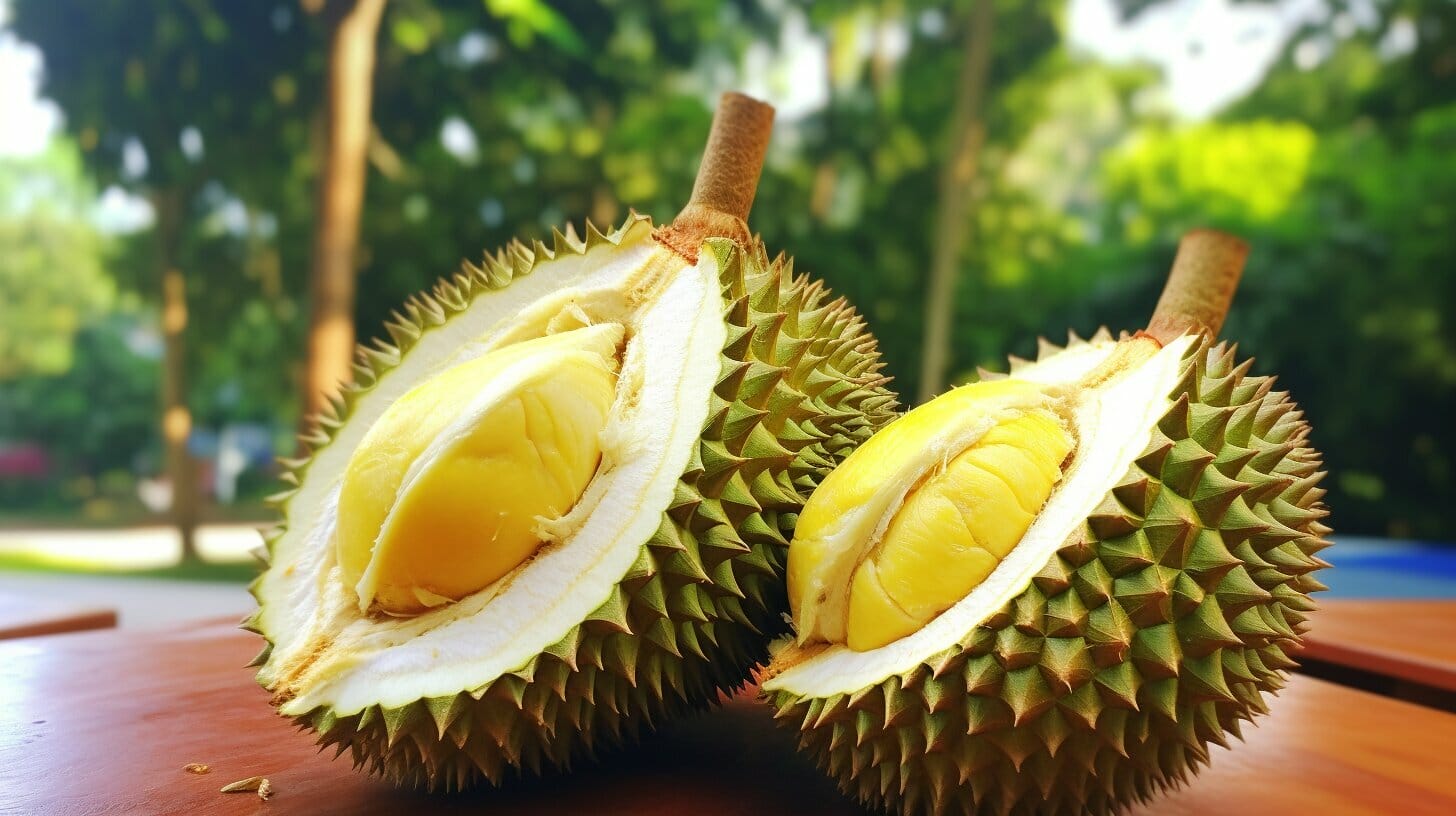
    As the Lunar New Year, or Tet, approaches, the cost of durians has seen a significant spike due to the dwindling supply in the Mekong Delta region. Traders are currently buying the highest quality, or grade A, Monthong durians for a rate of VND140,000 (US$5.4) per kilogram, marking the highest price point in two years.

    Price Increases Across Durian Varieties

    The Grade A Ri6 durian is also witnessing a price surge, selling at VND80,000, which is an increase of 30 to 50 percent from prices recorded in November, marking the end of the main harvest period.

    Nguyen Thanh, a trader based in the Dong Thap Province of the Mekong Delta region, has reported challenges in obtaining a sizable quantity of durians, despite repeated offers of higher prices.

    Lower Harvests Impacting Supply

    The country’s primary durian supply comes from the off-season crop harvested in the Mekong Delta from November to March. However, farmers have reported lower harvests this year, which is impacting supply.

    A farmer by the name of Cuong, who owns a durian orchard in Can Tho City, decided to forego the harvest this year after experiencing a drastic dip in prices during last year’s Tet preparation. He is instead nurturing his trees for the main harvest season in April.

    Dien, a farmer from Dong Thap Province, expressed that many growers have opted out of the off-season crop this year due to unpredictable weather patterns, which have increased costs while simultaneously reducing yields. Despite a 30% decrease in output compared to last year, Dien managed to sell around 200 kilograms of fruit at VND130,000 per kilogram.

    Floods and Export Demands Affect Durian Supply

    According to the Vietnam Fruit and Vegetable Association, several delta orchards were severely affected by floods a few months ago and are still in recovery. High export demand is also contributing to the strain on supply.

    Last year, durian exports were valued at $3.86 billion, marking a 20% increase from the previous year, as per customs data.

    Questions & Answers

    Why have durian prices increased?
    Durian prices have increased due to a reduced supply caused by lower harvests, the damaging effects of recent floods, and high export demand.

    How are farmers responding to the increase in durian prices?
    Some farmers, despite the high prices, have decided to skip the off-season harvest this year due to reduced yields and increased costs caused by unpredictable weather.

    What factors affected the durian supply?
    The durian supply was negatively affected by disruptive weather patterns, floods that damaged several orchards, and high export demand, which strained the already limited supply.

  • Vietnam Gold Prices Soar to Record High, Outpacing Global Bullion Rates

    Vietnam Gold Prices Soar to Record High, Outpacing Global Bullion Rates

    The price of gold has seen a notable increase in Vietnam, with a jump recorded on Monday morning. This rise further extends the difference between the local and global bullion rates, establishing a new record.

    Increase in Gold Prices in Vietnam

    Saigon Jewelry Company’s gold bars have seen a 1.06% increase in price, reaching VND181.2 million (US$6,985.08) per tael, equivalent to 37.5 grams or 1.2 ounces. Similar price adjustments have been mirrored by other sellers in the industry.

    At present, the price of local bullion is VND24 million per tael higher than the global prices, marking the most significant difference on record. Notably, the price of gold rings increased at the same rate, reaching VND180.7 million per tael.

    Global Gold and Silver Market Trends

    Internationally, gold and silver have continued to make gains. This comes as the U.S. dollar weakens, making metals priced in the greenback more affordable for international buyers.

    Spot gold increased by 1.4% to $5,029.09 per ounce, following an almost 4% rise on Friday. Concurrently, U.S. gold futures for April experienced a 1.4% gain, reaching $5,051.0 per ounce.

    The U.S. dollar is currently at its lowest level since the 4th of February. In the near future, investors predict at least two 25-basis-point rate cuts in 2026, with the initial cut expected in June. Notably, non-yielding bullion performs well in low-interest-rate environments.

    Questions & Answers

    What percentage increase have gold prices seen in Vietnam?
    Gold prices in Vietnam have seen an increase of 1.06%.

    What is the current price of gold bars from Saigon Jewelry Company?
    The price of gold bars from Saigon Jewelry Company is currently at VND181.2 million (US$6,985.08) per tael.

    How has the U.S. dollar’s performance affected the global gold and silver markets?
    The weakening of the U.S. dollar has made metals priced in the greenback more affordable for international buyers, leading to an increase in the global prices of gold and silver.

  • Vietnam’s Gold Prices Take a Dip Amid Global Bullion Rise: Market Watch

    Vietnam’s Gold Prices Take a Dip Amid Global Bullion Rise: Market Watch

    On Friday, gold prices in Vietnam experienced a dip while global bullion prices noted a hike. The price of a gold bar from the Saigon Jewelry Company witnessed a decrease of 1.01%, bringing its value down to VND175.4 million (US$6,757.33) per tael. Each tael weighs 37.5 grams or 1.2 ounces. This price adjustment was reflected among other sellers in the market.

    In the past two days, local bullion prices have seen a decline of 2.66%, standing at VND20 million more per tael than their international equivalents. However, the price of gold rings increased by 0.23%, bringing its cost to VND174.9 million per tael.

    Global Gold Market Dynamics

    Globally, the gold market managed to recover from its early losses on Friday. However, it is expected to report a consecutive weekly decrease as a result of the global tech equity rout and a strengthened U.S. dollar, which have overshadowed the gains the metal experienced during an initial recovery earlier this week.

    Spot gold experienced a 0.4% increase, reaching $4,790.80 per ounce. Despite this, it recorded a 1.4% decrease for the week. Meanwhile, U.S. gold futures set for April delivery witnessed a 1.7% decline, dropping to $4,806.50 per ounce.

    According to Ilya Spivak, head of global macro at Tastylive, “Risk appetite appears to be diminished as stocks are down, and we’re noticing a significant breakdown in Bitcoin. These factors indicate a general weakening of risk sentiment. In such a scenario, while gold is proving resilient, silver is succumbing to the risk-off environment.”

    The US Dollar Performance

    The U.S. dollar remained steady near a two-week high and is expected to record its strongest weekly performance since November. A stronger dollar elevates the cost of greenback-priced assets for holders of other currencies.

    Questions & Answers

    What was the decline in the price of gold in Vietnam?
    The price of a gold bar from the Saigon Jewelry Company decreased by 1.01%, reducing its value to VND175.4 million per tael.

    How did global gold prices perform?
    Despite recovering from early losses and rising by 0.4%, spot gold was down by 1.4% for the week.

    What effect does a stronger U.S. dollar have on greenback-priced assets?
    A stronger U.S. dollar makes greenback-priced assets more expensive for holders of other currencies.