Retail News CRM

Tag: Production

  • China’s Midea Doubles AC Production to Quench Heatwave-Driven Demand in Europe

    China’s Midea Doubles AC Production to Quench Heatwave-Driven Demand in Europe

    Midea, the Chinese home appliance heavyweight, recently revealed that it accelerated its production operations to deliver 20,000 air conditioning units to France in a span of seven days. This was in response to the escalating demand spurred by the severe heatwave that is engulfing Europe.

    In 2020, Midea led China’s air conditioning sector in terms of market share. It was able to double its production capacity to 6,000 portable units each day by initiating a fresh production line on July 7. As a result, the company managed to finish manufacturing all 20,000 units in just three and a half days. Midea prioritized the French order by designating additional labor and production capacity, even while its factories were operating at full tilt to satisfy local demand.

    Increased Demand for Chinese Home Appliances in Europe

    The ongoing heatwave in Europe has sparked a significant surge in demand for Chinese-made home appliances. Midea Group reported that sales of a portable split air conditioner, specifically designed for the European market, have exceeded 200,000 units this year, marking a twofold increase from the previous year. Furthermore, this particular model has sold out in Germany, France, the Netherlands, and the United Kingdom.

    Official data disclosed that more than 10,000 extra deaths were reported in European countries during the extraordinary heatwave that swarmed the western part of the continent in late June. The majority of these, over 9,000, were among individuals aged 65 and above.

    Surge in Online Sales of Air Conditioners and Fans

    Alibaba, the e-commerce juggernaut, has reported three-figure growth in sales of air conditioners and fans on its overseas platforms. On AliExpress, Alibaba’s international retail platform, warehouse inventory of a 2.35-kilowatt Midea air conditioner, which was released in Germany in June, was entirely sold out by Thursday.

    The trend was significantly evident in southern Europe as well. In Spain, fan sales skyrocketed by 94% between June 17 and 23 compared to the same period in May. Meanwhile, Italy witnessed a 100% month-on-month surge in sales of cooling appliances and sun-protection apparel in June.

    The rush by European consumers was also mirrored on Alibaba.com, the company’s business-to-business platform, displaying urgent procurement by local merchants. In June, air conditioner orders in Spain almost doubled from a year earlier. Simultaneously, wholesale fan orders saw a staggering increase of 378% in Sweden and 114% in Belgium.

    Questions & Answers

    What has been Midea’s response to the increased demand for air conditioners in Europe?
    Midea has ramped up production and shipped 20,000 air conditioners to France in just seven days to meet the increased demand due to the intense heatwave.

    What is the sales trend of the portable split air conditioner designed for Europe?
    Sales of the portable split air conditioner, specifically designed for the European market, have exceeded 200,000 units this year, marking a twofold increase from the previous year.

    How has the demand for cooling appliances and sun-protection apparel changed in Italy?
    In Italy, there has been a 100% month-on-month increase in sales of cooling appliances and sun-protection apparel in June due to the heatwave.
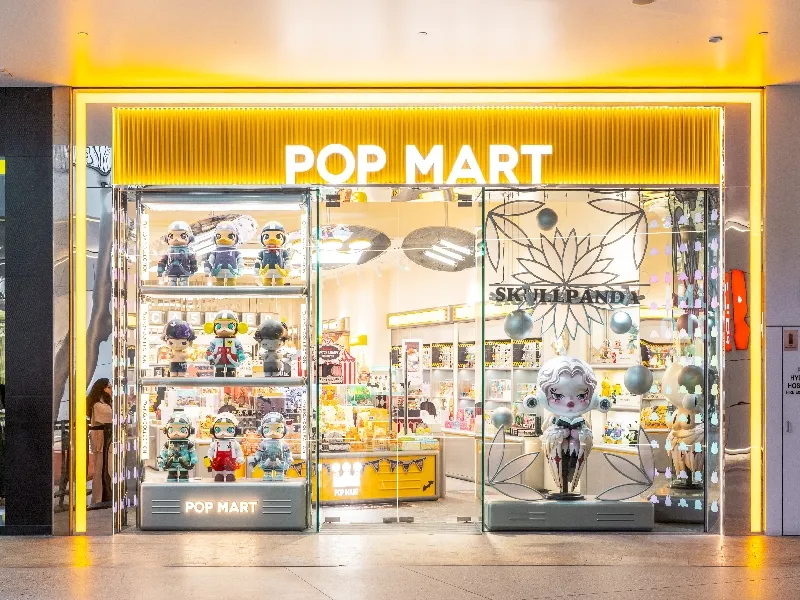

  • Pop Mart Warns of Shrinking Margins Amid Rising Production Costs and Market Uncertainties

    Pop Mart Warns of Shrinking Margins Amid Rising Production Costs and Market Uncertainties

    Pop Mart, a Beijing-based producer of ‘blind box’ collectible toys, recently announced that their imminent profit margins are expected to be impacted by escalating production costs. The increase in production costs is the result of surging raw material prices, which have been significantly influenced by the unforeseen energy price fluctuations due to circumstances in Iran.

    Despite the global popularity of their viral Labubu toys beginning to stabilize, Pop Mart has begun implementing standardization processes across its international retail and operations. The company is also establishing itself in the entertainment and culture sectors, with a Labubu film project underway and an extension to their Beijing theme park, Pop Land, that opened in the previous month.

    Performance in the Stock Market

    On Wednesday afternoon, Pop Mart’s shares declined by approximately 2%, settling at HK$159.50. In spite of this, the toy company announced an impressive 75% to 80% surge in revenue for the first quarter on Tuesday after the market closed. This substantial increase in revenue surpassed the growth projections for China, even though international growth experienced a slow-down.

    The company also acknowledged the potential impact of rising fuel prices on the gross profit of their international business. Furthermore, it was reported that earnings from regions with higher profit margins have also seen a decline.

    Challenges and Opportunities

    Pop Mart is currently tackling concerns in the market about the durability of its principal intellectual properties. Despite these concerns, recent collaborations, including the highly demanded Labubu x FIFA World Cup 2026 series, have performed exceptionally well. However, market experts have observed a decline in interest in the secondary market for some of their new releases.

    Questions & Answers

    What potential challenges is Pop Mart currently facing?
    Pop Mart is dealing with higher production costs caused by rising raw material prices, along with concerns about the longevity of its core intellectual properties.

    What strategic steps is Pop Mart taking to expand its brand?
    Pop Mart is working on standardizing its global retail and operations. Additionally, the company is venturing into the entertainment and culture sectors, with a movie project and theme park extensions in the pipeline.

    How has Pop Mart’s recent performance in the stock market been?
    Although shares declined by about 2% on Wednesday afternoon, the company reported a robust increase in first-quarter revenue, outperforming growth expectations in China.

  • On Pioneers Rapid Shoe Production with Robot-Powered Factory Launch in South Korea

    On Pioneers Rapid Shoe Production with Robot-Powered Factory Launch in South Korea

    On Running, a sportswear brand, has recently launched an automated factory in Busan, South Korea where robots are used to manufacture running shoes. The company expresses its intent to establish more such factories in the United States and Europe to accelerate its production and delivery timelines.

    Embracing Nearshoring

    Due to rising tariffs, supply chain disruptions, and geopolitical risks, several retailers and brands are considering ‘nearshoring’. This involves shifting the manufacturing process closer to the final consumer. On Running aims to expedite shoe production, decrease its environmental footprint, and bring manufacturing closer to its main markets by embracing automation. This approach contrasts with the traditional footwear manufacturing model, which typically involves shipping finished products from factories in Southeast Asia and China to customers in the US and Europe.

    Caspar Coppetti, co-founder of On, believes that automation and nearshoring are the way forward. He cites the increasing speed to market, sustainability efforts, and the growing scarcity of regions with cheap labor as reasons to pursue this direction. At present, On sources 90% of its shoes from third-party manufacturers in Vietnam and the remaining 10% from Indonesia, as per their most recent annual report.

    Automated Manufacturing Expansion

    On Running first revealed its LightSpray marathon running shoe at the 2024 Paris Olympics. This innovative shoe is created by robot arms spraying material onto a mold to generate a sock-like upper. The company’s factory in Busan, equipped with 32 robots, marks a significant expansion from its initial automated factory in Zurich, which only has four robots and commenced production in July of the previous year.

    This new factory can manufacture approximately 1,000 pairs of shoes daily. The spray-on method simplifies the traditional upper manufacturing process, reducing a complex 200-step procedure across multiple factories to a single automated operation.

    On Running, established in Switzerland in 2010, plans to develop robot factories in the US in a bid to mitigate its tariff expenses. Steep tariffs introduced by the US on sportswear manufacturing hubs such as Vietnam and China have escalated costs and affected the industry significantly over the past year. The recent Supreme Court ruling against tariffs has added further uncertainty for retailers and importers.

    Competing with Industry Giants

    In the intense competition to produce the fastest marathon shoe, not just for elite athletes but also for amateur runners eager to beat their personal bests, On Running has promoted the LightSpray as a game-changer due to its light weight. Hellen Obiri, an On-sponsored athlete, wore the LightSpray when she triumphed in the New York Marathon last November.

    Questions & Answers

    What is the importance of ‘nearshoring’ for On Running?
    Nearshoring allows the company to speed up its manufacturing process, reduce its environmental impact, and bring production closer to its main markets.

    What is the LightSpray marathon running shoe?
    The LightSpray is an innovative shoe made with a robot arm spraying material onto a mold to create a sock-like upper. It is lauded for its light weight.

    Where are On Running’s automated factories located?
    On Running currently has automated factories in Busan, South Korea and Zurich, Switzerland. They plan to establish more such factories in the United States and Europe.

  • Iphone Air: A Revolutionary Design With Unmet Sales Expectations

    Iphone Air: A Revolutionary Design With Unmet Sales Expectations

    Apple had high hopes for this year, setting its sights on capturing the admiration of customers with its ultra-thin iPhone, named the iPhone Air. This model was primed to break away from the pack and shine amongst Apple’s other releases. Interestingly, you don’t necessarily have to be a die-hard iPhone aficionado to appreciate the revolutionary design of the iPhone Air.

    The Thinnest iPhone Ever

    Breaking down the specifics, the iPhone Air comes in at a mere 5.6mm in thickness, making it about 19% thinner than the iPhone 6, which at 6.9mm was previously the thinnest iPhone model. Launched alongside the iPhone 6 Plus in 2014, the iPhone 6 had set a benchmark for slim design. However, the iPhone Air pushes the boundary even further. The device is powered by a 3149 mAh battery for eSIM-only models, and a 3036 mAh battery for models with a physical eSIM, providing an all-day battery life as claimed by Apple.

    Revamped Camera and Pricing

    Apple has also included a cutting-edge 48MP Fusion camera in the iPhone Air. However, unlike the iPhone Pro models, it doesn’t come with separate Ultra Wide or Telephoto lenses. This means the device doesn’t offer ultra wide-angle shots and telephoto pictures are limited to a 2x optical zoom. As for the pricing, the iPhone Air starts at $999. Alternatively, Apple offers a financing option allowing customers to pay off the phone over 24 months at a rate of $41.62 per month.

    Production Cut Due to Lower Demand

    Despite the innovative design and features, the iPhone Air has faced lower than anticipated demand, prompting Apple to reportedly reduce its production. This cutback might result in the production of one million fewer iPhone Air units. Although this model hasn’t quite hit the mark in sales, Apple’s three other models have garnered considerable attention from consumers.

    Rise in Production of Other Models

    On the other hand, Apple is said to be ramping up the production of the iPhone 17 by an additional two million units. Similarly, the iPhone 17 Pro and iPhone 17 Pro Max are expected to see production increases of one million and four million units, respectively. Industry observers speculate that iPhone customers are more inclined towards familiar models, rather than the new iPhone Air.

    The iPhone Air’s Silver Lining

    Interestingly, what has been a drawback for the iPhone Air in sales, has actually been an advantage in terms of engineering. Apple’s base iPhone 17 model has seen significant improvements this year, including the addition of the ProMotion display which provides a variable refresh rate from 1-120Hz. The iPhone 17 also boasts a battery life of up to 30 hours for video playback, a substantial increase from the 22 hours offered by the iPhone 16.

    While the iPhone Air may not have met Apple’s sales expectations, its importance should not be undermined. The device could be a significant stepping stone for Apple, serving as a proof of concept for the upcoming foldable iPhone, often referred to as the iPhone Fold. The foldable iPhone is rumored to resemble two iPhone Air units placed side-by-side. Although initially anticipated for release next year, reports suggest a potential 2027 launch, as Apple is yet to finalize the design of the foldable’s hinge and other components.

    Questions & Answers

    What is unique about the iPhone Air?

    The iPhone Air stands out as the thinnest iPhone ever created, with a thickness of only 5.6mm, which is almost 19% thinner than the previous thinnest model, the iPhone 6.

    What is the starting price for the iPhone Air?

    The iPhone Air is priced at $999. However, Apple offers a finance option allowing customers to pay off the phone over 24 months at $41.62 per month.

    Why might the iPhone Air be considered a significant development for Apple, despite lower sales?

    While the iPhone Air may not have met sales expectations, it may serve as a proof of concept for future developments, specifically in relation to the rumored foldable iPhone, referred to as the iPhone Fold.

  • Apple’s First Foldable Iphone: Predicted Lower Hinge Costs May Impact Retail Price

    Apple’s First Foldable Iphone: Predicted Lower Hinge Costs May Impact Retail Price

    Apple is reportedly developing its first foldable iPhone, a topic that has been garnering significant interest in recent months. The latest inside information comes from industry analyst Ming-Chi Kuo, who has offered some insight into the potential cost of the phone’s integral component, the hinge.

    Predictions on Hinge Cost for the Foldable iPhone

    Ming-Chi Kuo suggests that the hinge for Apple’s foldable iPhone might be more cost-effective than currently expected, potentially by $20 to $40. The hinge is a crucial component in a foldable phone as it supports the flexible display, enabling it to open and close.

    Creating the ideal hinge for such devices can be challenging, often leading to high production costs. However, Kuo proposes that Apple’s choice of hinge design could reduce these costs significantly.

    Kuo predicts that when the hinge enters mass production, the average cost could be around $70 to $80 per piece. This estimation is considerably lower than the current market expectation of $100 to $120 or even more.

    Partnership for Hinge Production

    It is reported that the task of producing the hinge will be shared between two companies. Foxconn, a long-standing partner in Apple’s supply chain, and Shin Zu Shing are expected to jointly undertake the manufacturing process.

    This partnership is believed to have secured a significant portion of hinge orders from Apple, accounting for around 65% of the total. The remaining orders are anticipated to be fulfilled by Amphenol.

    There are rumors of a potential third manufacturer, Luxshare, joining the production chain. However, this is contingent on the success of the initial foldable iPhone and may not occur until after 2027.

    Expectations for the Foldable iPhone

    Earlier speculations suggested that the foldable iPhone might feature a frame composed of titanium and aluminum, enabling the phone to be both thin and robust. This contradicts Kuo’s previous assertions that stainless steel might be used.

    The launch of the first foldable iPhone is currently projected for late 2026. It remains uncertain whether the potential lower cost of hinge production might lead to a reduction in the retail price of the foldable iPhone. Apple considers various factors when pricing its products, and this approach will likely apply to the new foldable iPhone as well. Current estimates suggest the foldable iPhone could cost around $2,000 to $2,500.

    Questions & Answers

    What is the estimated cost for the hinge of the foldable iPhone?
    The estimated cost of the hinge, when it enters mass production, is around $70 to $80 per piece. This is considerably lower than the current market expectation of $100 to $120 or more.

    Which companies are rumored to produce the hinge for the foldable iPhone?
    Foxconn and Shin Zu Shing are expected to jointly produce the hinge, securing about 65% of the total orders from Apple. The remaining orders are likely to be fulfilled by Amphenol. There is also speculation about a third manufacturer, Luxshare, joining the production later.

    When is the foldable iPhone expected to be launched?
    The launch of the first foldable iPhone is currently projected for late 2026.

  • Cyberattack Paralyzes Production At Asahi Group: Operations And Timeline In Question

    Cyberattack Paralyzes Production At Asahi Group: Operations And Timeline In Question

    Asahi Group Holdings, a prominent Japanese beer and beverage corporation, has been unable to restart production at its domestic factories following a cyberattack, according to a company spokesperson. The timeline for resuming operations remains uncertain.

    Production Halted

    The company has a network of 30 manufacturing facilities throughout Japan, all engaged in the production of beer, beverages, and food products. Currently, the company is conducting a thorough investigation to determine if all of its plants have ceased production, the spokesperson revealed.

    Operations Suspended

    Asahi Group Holdings, the company behind popular brands such as Asahi Super Dry Beer, Nikka Whisky, and Mitsuya Cider, announced that due to a system outage caused by a cyberattack, its Japanese group companies have temporarily suspended operations. This includes tasks like order processing, shipping, and call centre functions. Fortunately, the company has confirmed that there has been no leakage of personal information as a result of the cyberattack.

    Questions & Answers

    What impact has the cyberattack had on Asahi Group?
    The cyberattack has forced Asahi Group to halt production at its domestic factories, suspend order processing, shipping, and call centre operations. The company is currently unable to predict when normal operations can be resumed.

    Has all production been stopped at Asahi Group’s plants?
    The company is investigating to establish whether all its 30 factories in Japan have suspended production in the aftermath of the cyberattack.

    Was any personal information leaked as a result of the attack?
    According to the company’s spokesperson, no personal information has been leaked due to the cyberattack.

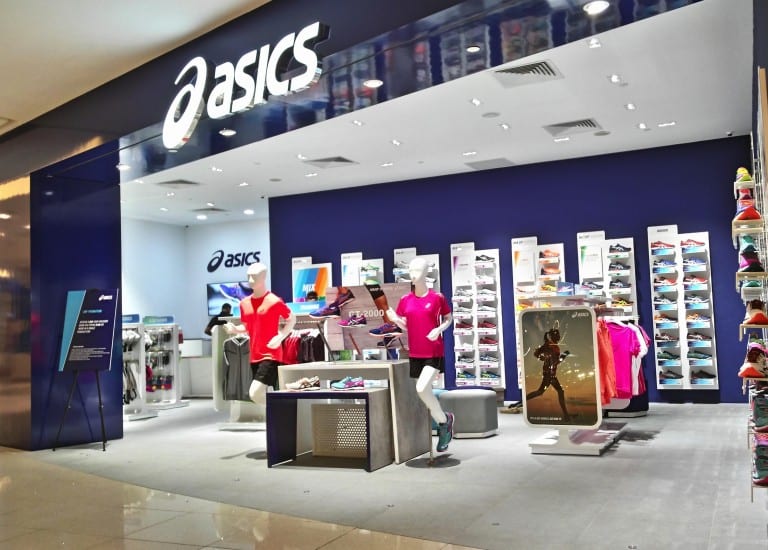
  • Asics Boosts Indian Manufacturing Amid Regulatory Changes, Plans For Brand-owned Stores

    Asics Boosts Indian Manufacturing Amid Regulatory Changes, Plans For Brand-owned Stores

    Asics, the Japanese sportswear giant, has announced plans to increase its manufacturing operations in India from 30% to 40% over the coming years. This move is aimed at maintaining a stable supply chain, following changes in the country’s regulations that have led to a halt in footwear imports.

    The Indian government has recently introduced a set of standards for different footwear types. These regulations demand that both local and international manufacturers secure quality certifications. In response to these rules, Asics has paused its footwear imports, citing the impracticality of importing without the required government certification.

    Local Production Strategy

    In order to navigate this challenging situation, Asics is working towards enhancing its local production capabilities. “We are strategically developing local production capabilities,” stated Rajat Khurana, Managing Director of Asics India.

    During the 2024-25 fiscal year, Asics achieved 30% local production. This achievement meets the government’s required threshold, which permits foreign brands to run their own single-brand stores in India.

    Expansion Plans

    With approximately 125 stores currently being operated via franchise partners, Asics is now planning to open its first brand-owned store within the year. The company is actively exploring potential locations in and around major cities such as Delhi and Mumbai, with plans to establish a few more outlets in the years to come.

    In addition to directly owned stores, Asics also intends to open three new franchise stores every month until the end of the year. The brand, which competes with internationally recognized names such as Nike, Adidas, and Skechers USA in the Indian market, is set to capitalize on the country’s growing fitness culture.

    Financial Outlook

    Asics is optimistic about its financial prospects in India, predicting a revenue growth of between 35% and 37% for the fiscal year 2024-25. This projection follows a 26% increase in revenue during the previous fiscal year, which saw its earnings rise to 4.28 billion rupees (US$49.7 million).

    The company, which is particularly known for its running shoes, is benefitting from the rising interest in fitness, tennis, and pickleball among India’s affluent urban dwellers. The local market for sporting goods and apparel is anticipated to double by 2030, reaching US$58 billion, up from the 2023 levels, as per a 2024 report by Deloitte.

    Questions & Answers

    What is the reason behind Asics’ decision to increase manufacturing in India?
    Asics is boosting its manufacturing in India in response to new regulations that have halted footwear imports.

    What are Asics’ expansion plans in India?
    Asics plans to open its first brand-owned store in India this year and aims to establish more in the coming years. The company is also looking to open three new franchise stores every month until the end of the year.

    What is Asics’ projected revenue growth in India for 2024-25?
    Asics is expecting to see a revenue growth of between 35% and 37% in India for the fiscal year 2024-25.

  • Lychee Production Set to Soar by 30% This Year: A Sweet Harvest Ahead!

    Lychee Production Set to Soar by 30% This Year: A Sweet Harvest Ahead!

    Favorable weather conditions and effective disease management have significantly boosted lychee production in Vietnam, a fact that’s exciting for enthusiasts and exporters alike. The total yield is expected to reach impressive figures, with the northern province of Bac Giang leading the way at around 165,000 tonnes. Other contributors include Hai Duong with 60,000 tonnes, Hung Yen and Lang Son each producing 22,000 tonnes, and Dak Lak in the Central Highlands offering another 21,000 tonnes.

    Timing is Everything

    Harvest time is a brief but crucial window, divided into two phases: the early harvest from May 20 to June 10, followed by the main crop from June 10 to July 25. Those looking to capitalize on the lychee’s short harvest must prepare adequately to ensure smooth processing and consumption, according to local agricultural authorities.

    Aiming for Quality Control

    Production management is being taken seriously, with 469 production unit codes issued across nearly 19,400 hectares and 55 packaging facilities approved for exports to markets like China, Australia, Thailand, Japan, and the U.S. These facilities are under constant oversight, having successfully registered for the upcoming 2025 crop year.

    Global Readiness

    The Department of Plant Production and Protection has engaged proactively with international plant quarantine agencies since early April. Their efforts focus on ensuring that all documentation is in order while also inspecting lychee processing facilities, which include three irradiation and three fumigation plants. These establishments have received the green light from foreign authorities for the 2025 crop, positioning them to facilitate export.

    In a particularly noteworthy development, Japan has decided to allow Vietnam to supervise the processing of lychee shipments starting with the 2025 crop, eliminating the need for Japanese experts to oversee the entire farming process. This new approach promises to save time and costs for both growers and exporters—a win-win scenario!

    In readiness for the upcoming season, quarantine units and food safety testing laboratories are gearing up to collect and examine samples, ensuring that all regulations are met. Quarantine officers are expected to be active in local areas from June 1 through the end of the harvest season.

    Domestic vs. Export Market

    About 60% of lychee production is anticipated to be consumed domestically, while the remaining 40% will be earmarked for export. Despite Vietnam’s lychees reaching over 20 countries worldwide, a staggering 90% of the export volume still heads to the Chinese market.

    As the excitement builds for this year’s harvest, one can’t help but wonder: what unique lychee recipes will emerge from this abundance?

    Questions & Answers

    What are the major provinces producing lychee in Vietnam?
    The major producing provinces include Bac Giang, Hai Duong, Hung Yen, Lang Son, and Dak Lak.

    When does the lychee harvest season occur?
    The harvest is split into two phases: early fruits are harvested from May 20 to June 10, and the main crop follows from June 10 to July 25.

    How much of the lychee production is expected to be exported?
    Approximately 40% of the lychee output is planned for export, while the remaining 60% will be consumed domestically.

  • Nokia to produce 5G equipment in northern Vietnam

    Nokia to produce 5G equipment in northern Vietnam

    Finish telecom giant Nokia has selected Foxconn Bac Giang in northern Vietnam as the producer of its new 5G equipment to serve both domestic and international needs.

    Taiwanese contract manufacturer Foxconn starting next month will begin producing Nokia’s AirScale products, which were launched last year, Nokia said in a statement Tuesday.

    AirScale equipment are said to provide extended 5G coverage with high efficiency.

    Production is set to be scaled up to increase volume starting September.

    Part of the products will be sold in Vietnam, where Nokia has already partnered with local companies in developing 5G technology.

    Local manufacturing will enable Vietnamese service providers to fast-track 5G rollouts, the company said.

    Nokia Global CEO Pekka Lundmark, during his visit to Vietnam in March, said that this company supports the government’s policy on producing equipment locally.

    Many of Nokia’s network equipment products have been made in Vietnam.

    Vietnam is expected to commercialize 5G this year. Two state-owned telecom firms Viettel and VNPT have won bids for 5G frequency licenses.

    Another frequency will be auctioned in June.

    Regulations require a winning bidder to deploy 5G services within 12 months of receiving licenses and to have at least 3,000 5G stations after two years.

  • Vietnamese durian and coffee farmers see unprecedented profits in 2023

    Vietnamese durian and coffee farmers see unprecedented profits in 2023

    The record prices of durian, coffee, and rice in 2023 brought significant profits to farmers in the Central Highlands and the Mekong Delta.

    Thoai, a garden owner in the Mekong Delta province of Can Tho, stated that durian farmers had never had a bumper harvest like last year.

    The price of this fruit remained high during the peak season, reaching up to VND140,000 (US$5.73) per kilogram at times. For the first time in over a decade, he earned a profit of several billion dong from selling durians.

    The high demand is continuing through 2024. In the days leading up to this year’s Lunar New Year holiday, which lasts from Feb. 8-14, many gardens in the Mekong Delta were busy harvesting off-season durians for export to China, where many people use durians as gifts for the holiday.

    Each five-kilogram durian could be sold for nearly VND1 million ($41), equivalent to about VND200,000 per kilogram.Not only in the Mekong Delta, but durian farmers in the Central Highlands also made a large profits last year due to the continuously peaking prices of this fruit.

    Cuong, a garden owner in the region’s Dak Lak province, reported earning VND120 billion after harvesting 40 hectares of durians.

    2023 was a bumper year for the key agricultural crops of Dak Lak Province, according to Vu Duc Con, deputy director of the Dak Lak Department of Agriculture & Rural Development.

    Specifically, thanks to good prices of durians, the province earned about VND12,000 billion after harvesting 200,000 tons.

    Another agricultural product that brought in huge revenue and helped farmers “change their lives” last year was coffee.

    Hoa, from the Central Highlands province of Kon Tum, said her family harvested seven tons of coffee beans in 2023.

    With a highest-ever selling price of VND76 million per ton, her family earned more than VND530 million last year. After deducting costs, she made a profit of over VND200 million, she said.

    Thoai, Cuong, and Hoa are not the only farmers who had a year with “never-seen-before profit.”

    “2023 was the brightest year for the export picture of the agricultural sector,” said Dang Phuc Nguyen, Secretary-General of the Vietnam Fruit and Vegetable Association.

    According to him, agriculture continued to affirm its position as a pillar of Vietnam’s economy, with the export value of agriculture, forestry, and fisheries exceeding US$53 billion.

    Some agricultural products set historic peaks, including fruits and vegetables exports, which surged 70% year-on-year, bringing in more than $5.6 billion, with durians, bananas, jackfruits, longans, and watermelons recording an increase of up to four times compared to the same period.

    Rice exports also increased by more than 36% in value.

    “Vietnamese agricultural products broke through in export turnover and price, even as the domestic and global economy declined,” said Nguyen.

    The high global demand for food, along with many fruits being officially exported to the vast market of China, helped Vietnamese agricultural products increase in value and quality, he said.

    China is also the largest import market for many Vietnamese agricultural products, at $11.5 billion last year, of which durians alone accounted for more than $2 billion.

    Besides durians, 13 other agricultural products have been officially exported to this market, such as bird’s nests and their products, sweet potatoes, dragon fruits, longans, rambutans, mangoes, jackfruits, and watermelons.

    Similarly, rice also brought a bumper harvest to farmers.

    In previous years, countries like Indonesia, Chile, Ghana bought Vietnamese rice in dribs and drabs, but increased their purchases several times over in 2023. Indonesia moved from the eighth- to the second-largest buyer of Vietnamese rice, after the Philippines last year.

    The Ministry of Agriculture & Rural Development’s 2024 forecast suggests that Vietnamese agricultural products will continue to achieve many successes since the U.S., China, and many Middle Eastern countries favor Vietnamese agricultural products.

    The impact of El Nino is expected to reduce the global food supply, presenting an opportunity for Vietnamese agricultural products like rice, durian, and coffee.

    For instance, China continued to purchase Vietnamese durians at high prices as Vietnam is the only country with off-season fruits. For rice, seven Vietnamese enterprises won bids to supply 300,000 tons of rice, accounting for 60% of the amount of rice Indonesia wants to import in early-2024, earlier this month.

    However, the export of agricultural products also poses many challenges that require solutions from authorities.

    “Agriculture is still developing sporadically, small-scale, and spontaneously in Vietnam,” said Minister of Agriculture & Rural Development Le Minh Hoan.

    “So, authorities, associations, and businesses need to engage with farmers from the beginning to provide them with enough information, so that they can adjust production.”

    Minister Hoan also mentioned that the implementation of planting area codes has only been at a promotional level currently. The ministry will make it mandatory for farmers to comply soon.

    “Everything must meet standards and regulations to avoid the situation of spontaneous agricultural development,” he said.

  • Apple reportedly cuts iPhone 14 Plus production

    Apple reportedly cuts iPhone 14 Plus production

    Last year Apple announced that it was doing away with the iPhone mini. The model with the 5.4-inch display twice (with the iPhone 12 mini and iPhone 13 mini) failed to gain any traction with the phone-buying public. So the crew in Cupertino had an epiphany; if going small doesn’t work, we will go LARGE. Apple decided to replace the iPhone 13 mini this year with a 6.7-inch non-Pro model that Apple named the iPhone 14 Plus.
    The 6.7-inch panel gives the iPhone 14 Plus the same screen size as the iPhone 14 Pro Max although the quality of the display is better on the pricier model. The iPhone 14 Plus also features the boring and static notch instead of the shape-shifting and entertaining Dynamic Island. It also doesn’t have the spectacular camera setup found in the iPhone 14 Pro Max, nor does it offer the 120Hz refresh rate of the ProMotion display.
    You might think that the outstanding battery life of the iPhone 14 Plus (it has a 4325mAh battery which is slightly larger than the 4323mAh battery powering the iPhone 14 Pro Max) and the lower price ($899 and up compared to the starting price of $1,099 for the iPhone 14 Pro Max) would have helped to generate some big time sales of the phone. But Apple had some manufacturing issues with the device which forced a delay in the handset’s release to October 7th. The rest of the line was in stores on September 16th.
    Apple has decided to cut production of the iPhone 14 Plus. The report alleges that Apple has already told one supplier in China to halt production of the components they make for the iPhone 14 Plus. In late September, another report indicated that demand for the entire iPhone 14 series was less than what Apple expected.
    That report also said that the iPhone 14 Pro and iPhone Pro Max have been outselling the non-Pro phones and that Apple has decided to shift some production to the more expensive models. In late September, those familiar with Apple’s plans said that the company had changed its production target for the second half of the year to 90 million units which would be flat with the number of iPhone 13 models that were produced during the second half of 2021.

    Some of the problems that Apple is seeing has to do with softening demand for smartphones in general. Research firm Canalys says that the smartphone market declined 9% during the third quarter on a year-over-year basis. The firm also says to expect weak smartphone demand over the next six to nine months.

    Some critics will point out that almost every year Apple is rumored to cut iPhone production for one reason or another. Within a few weeks afterward, another story comes out denying that Apple sliced production. The timing of this story is interesting considering that Apple is expected to report its fiscal fourth-quarter earnings on October 27th. This is a very volatile time for the stock as professional traders are taking positions on Apple’s shares based on what they believe the fiscal fourth quarter results will be.
    The possibility of Apple cutting production along with a weak general market has pushed the company’s shares down slightly this afternoon. Some traders will fade stories like this and buy the stock or call options paying a cheaper price because of the decline in the stock generated by this news.
    Some Apple investors (more like gamblers to be honest with you) consider reports like today’s to be created as a way to manipulate the price of Apple’s shares. However, considering that we have been seeing a slowdown in smartphone demand in general due to economic conditions worldwide.
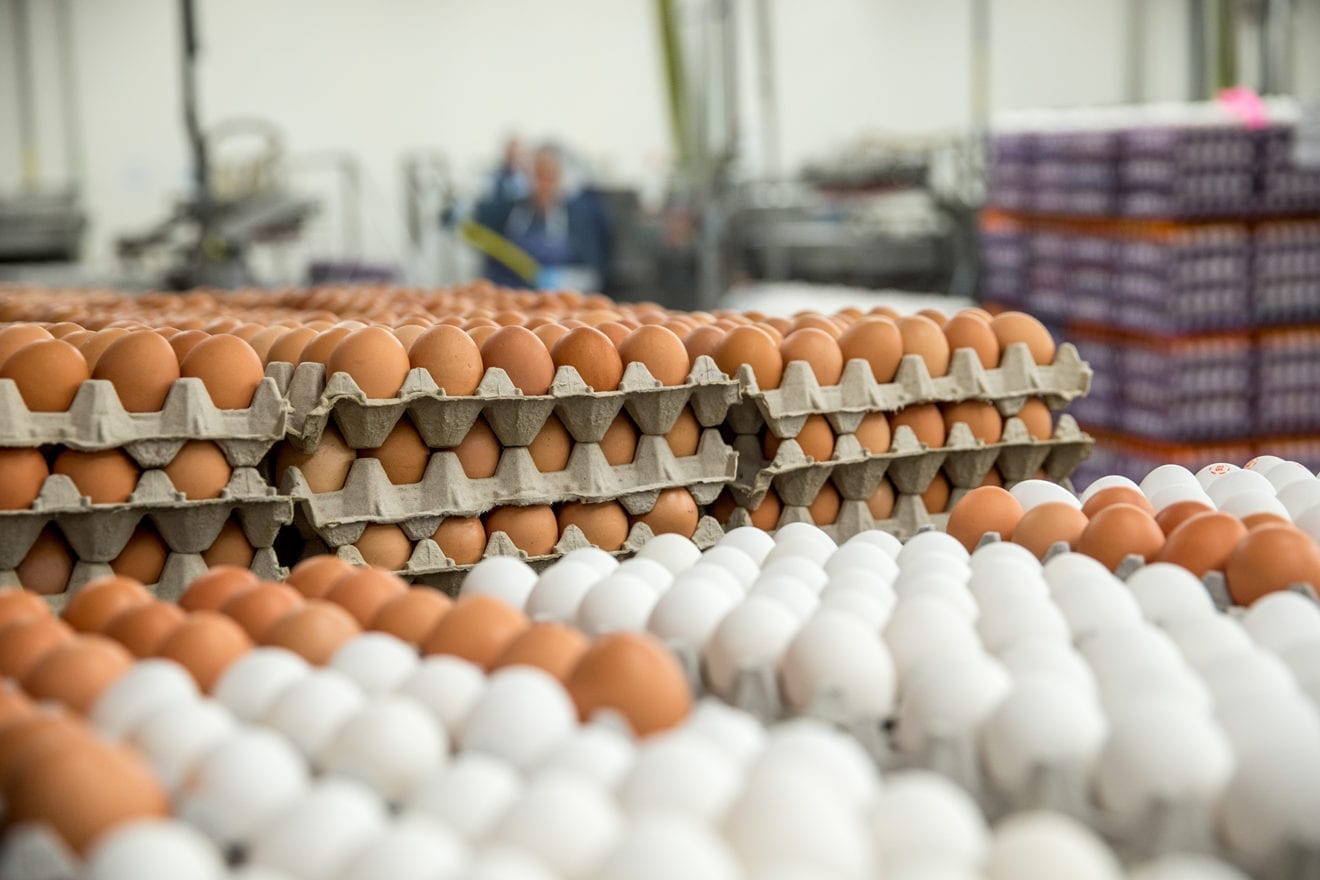
  • Egg producers claim 14 years is not long enough to phase out battery cages

    Egg producers claim 14 years is not long enough to phase out battery cages

    Australia will phase out battery eggs by 2036, after a lengthy battle between the egg industry and animal welfare groups that the latter says will finally bring the country into line with Europe and New Zealand.

    The reform was quietly announced on Thursday with the publication of the Australian Animal Welfare Standards and Guidelines for Poultry, a framework that has been in negotiations between governments and industry for seven years.

    The new guidelines state that egg producers will phase out the use of conventional layer hen cages over the next 10 to 15 years, and by 2036 at the latest, depending on the age of their current infrastructure.

    From that point, all caged laying hens must have 750cm sq of usable space for each bird, if kept in a cage with two or more others. If the hen is caged alone, the cage must allow for 1m sq of usable space.

    While animal welfare groups say the 14-year timeline is too long, industry group Egg Farmers of Australia released a statement that said it was “dissatisfied” the guidelines “fail to allow the option for conventional cage egg production to continue for a further 24 years”.

    CEO Melinda Hashimoto said the guidelines were a “slap in the face” to egg farmers and “totally ignored evidence on why conventional cage eggs should continue to 2046”. Farmers rely on 30-year loans to pay for cages and other infrastructure, she said, and a 2036 deadline “could derive many family egg farmers to the wall”.

    The new guidelines also require that ducks be provided with access to water to bathe in, and that chickens that are used in the meat industry be provided with “environmental enrichment” such as perches, hay or straw to scratch in, objects to peck and “dust-bathing materials”.

    There is currently no regulatory requirement that ducks be provided with water other than drinking water.

    RSPCA Australia’s chief executive, Richard Mussell, said it was a significant win for animal welfare.

    “But most importantly, it will eventually be a win for the millions of layer hens confined to battery cages,” he said.

    According to the Australian Bureau of Statistics, 5.36 million layer hens, or 32% of the national flock, was caged in 2020-2021. In egg production alone, 50% of birds are caged.

    Mussell said that he hoped state and territory governments would act to enforce the new guidelines long before 2036. The Australian Capital Territory banned the use of battery hen cages and sow stalls in 2014 but no other Australian jurisdiction has begun the legislative process to ban cage eggs.

    New Zealand ended the use of battery cages this year after announcing a 10-year phase-out process in 2012. Most of Europe, including the UK, banned the use of battery cages in 2012; Mexico, Israel, and Canada have also banned battery cages.

    Mussell said the slow pace of the reform – which included a public consultation process that received more than 160,000 submissions – was frustrating.

    “These poultry standards and guidelines were under review for nearly seven years,” he said. “The phase out is the right result, and it should have been put in place six years ago. Millions more layer hens have had to endure barren battery cages as a result of these delays.”

    The Humane Society of Australia, Animals Australia, and the Australian Alliance for Animals all welcomed the announcements that battery cages would be banned, but criticised the 14-year phase-out period.

  • Bosch To Invest Additional 250 Million Euros In Chip Production Capacity

    Bosch To Invest Additional 250 Million Euros In Chip Production Capacity

    Bosch is investing an additional 250 million euros ($282.50 million) in extending chip production facilities at its Reutlingen plant in Germany, the company said on Tuesday.

    The Reutlingen site had previously been earmarked for 50 million euros of a total of 400 million that the supplier set aside last year for spending on chip production in 2022 across Reutlingen, Dresden and a testing facility in Penang, Malaysia.

    The largest part of that budget was allocated to expanding its 1-billion-euro Dresden factory producing 300-millimeter wafers, which the group inaugurated in June.

    The extra capacity at Reutlingen will come into force in 2025, Bosch said in a statement.

  • Czech Car Production Falls 11% In January As Chip Shortage Weighs

    Czech Car Production Falls 11% In January As Chip Shortage Weighs

    Czech passenger car production fell by 11.4% year-on-year to 92,657 vehicles in January, posting its lowest result for that month since 2010 as the chip shortage continued to weigh, the Czech Automotive Industry Association (AutoSAP) said on its website on Thursday.

    AutoSAP said, though, it expected the situation to stabilize in 2022 and show a rebound in full-year figures.

  • Toshiba To Invest $1 Billion To Double Power Chip Production

    Toshiba To Invest $1 Billion To Double Power Chip Production

    Toshiba Corp said on Friday it will invest about 125 billion yen ($1.09 billion) to more than double the production of power management semiconductors, aiming to catch up with power chip giants such as Infineon Technologies AG.

    The Japanese industrial conglomerate will build a cutting-edge 300-millimeter fabrication plant in central Japan for power management chips, which efficiently control electric power in cars, electronic devices, and industrial equipment.

    Toshiba will invest around 100 billion yen in the new plant, on top of a 25 billion yen investment in a 300-millimeter fabrication line it is building at an existing chip plant, a Toshiba spokesperson said.

    The new plant is set to start operating by March 2025. When the first phase is complete, Toshiba’s power chip output capacity would be 2.5 times its current level. Depending on demand, the new plant could further expand with additional investment, the spokesperson said.