Tag: Production

  • Volkswagen & Bosch Form JV For European Battery Production

    Volkswagen & Bosch Form JV For European Battery Production

    Volkswagen and Bosch have signed a memorandum of understanding to explore a joint venture dedicated to providing the European market with battery equipment solutions. The two, together, plan on selling integrated battery solutions with on-site ramp-up and maintenance support for battery cell and system manufacturers. This joint venture has also been designed with the goal of enabling Volkswagen to achieve its goal of building six battery cell factories by 2030 which will also be available to third-party customers.

    The idea for both Bosch and Volkswagen is to be self-sustaining for electric cars in terms of the supply chain. Volkswagen is building on top of its JV with NorthVolt with which it has planned its first facility in Salzgitter in Germany.

    “Europe has the unique chance to become a global battery powerhouse in the years to come,” said Thomas Schmall, a VW board member responsible for the automaker’s battery plans, in a statement.

    “There is a strong and growing demand for all aspects of battery production, including the equipment of new gigafactories. Volkswagen and Bosch will explore opportunities to develop and shape this novel, multi-billion-euro industry in Europe,” he added.

    “Our decision to actively engage in the vertical integration of the battery-making value chain will tap considerable new profit pools. Setting out to establish a fully localized European supply chain for e-mobility made in Europe certainly marks a rare opportunity in business history,” Schmall explained.

    The European battery alliance has already said that a third of the global batteries need to be manufactured in Europe by the end of the decade to cut dependence on South Korean and Chinese suppliers.
  • Intel, Samsung to resume full production next month

    Intel, Samsung to resume full production next month

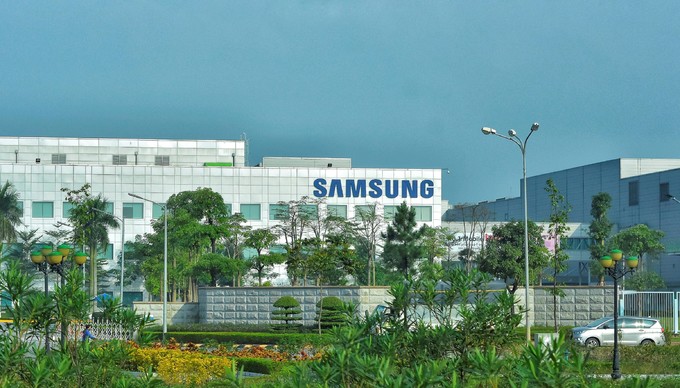
    Units of electronics manufacturing giants Intel and Samsung are set to fully resume operations by the end of November after months of social distancing-triggered production disruption.

    Saigon Hi-Tech Park is helping its tenants, many of which are currently running at about 70 percent capacity, to resume full operations next month, the park’s deputy manager Le Bich Loan said in an interview.

    The park is home to Samsung, Intel, and Nidec Sankyo Corp, a maker of magnetic card readers and micromotors.

    Nidec is also looking to resume full capacity by the end of next month, according to Saigon Giai Phong.

    Many companies operating in Saigon Hi-Tech Park lost about 20 percent of their export orders in July and August, Loan said.

    In the last several months HCMC has been imposing various levels of social distancing, which restricted the operation of factories.

    The city started resuming activities on Oct. 1.

  • Tesla Vehicle Deliveries Hit Another Record In Q3

    Tesla Vehicle Deliveries Hit Another Record In Q3

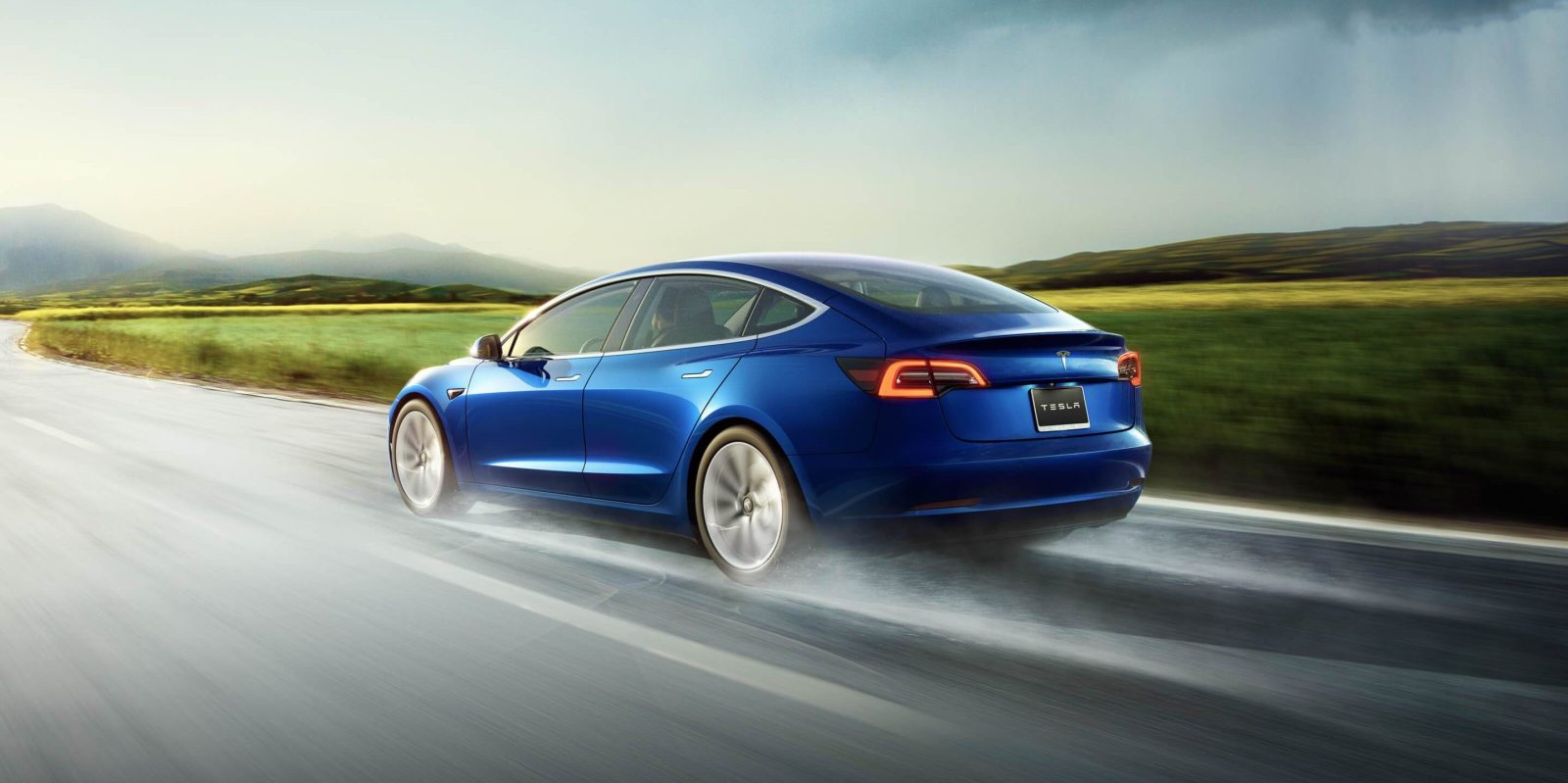
    Tesla Inc said on Saturday it had delivered a record electric cars in the third quarter, beating Wall Street estimates after Chief Executive Elon Musk asked staff to “go super hardcore” to make a quarter-end delivery push.

    Tesla has weathered the chip crisis better than rivals, with its overall deliveries surging 20% in the July to September period from its previous record in the second quarter, marking the sixth consecutive quarter-on-quarter gains.

    In China, rising exports to Europe and the introduction of a cheaper Model Y helped boost Tesla’s production, analysts said.

    Musk said Tesla suffered an extremely severe parts shortage earlier in the third quarter and had urged employees to make quarter-end delivery push, Reuters reported last month, citing an internal company email.

    “The end-of-quarter delivery wave is unusually high this time,” he said in the email.

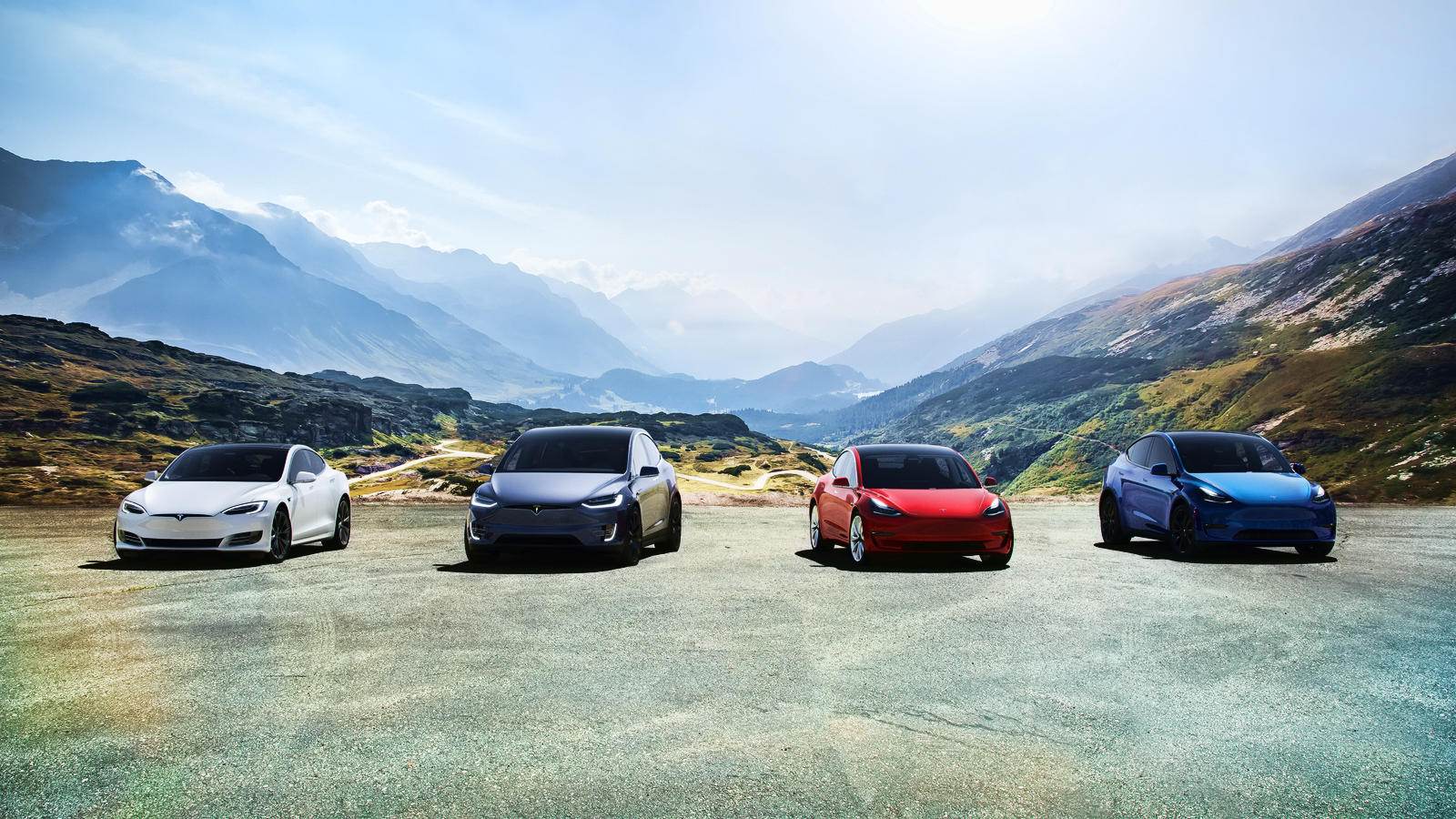
    Tesla delivered 241,300 vehicles globally in the July to September quarter, up 73% from a year earlier. Analysts had expected the electric-car maker to deliver 229,242 vehicles, according to Refinitiv data.

    General Motors, Honda and some of its bigger rivals posted declines in U.S. sales in the third quarter, hit by a prolonged chip shortage. GM’s third-quarter U.S. sales fell nearly 33% to its lowest level in more than a decade.

    Tesla said it delivered 232,025 of its Model 3 compact cars and Model Y sport-utility vehicles and 9,275 of its flagship Model S and Model X cars to customers in the quarter.

    Total production in the third quarter rose over 15% to 237,823 vehicles from the prior quarter.

    Gary Black, portfolio manager at the Future Fund and a Tesla bull, said that Tesla’s deliveries were driven by record deliveries in China, which was “putting to rest any notion China demand is slowing.”

    Tesla faces scrutiny from both regulators and the public and growing competition from local rivals.

    Tesla has not released its September China sales yet, and in August, its Shanghai factory exported more than two thirds of its vehicles to Europe and Asian countries.

  • iPhone 13 module production to pick up in October

    iPhone 13 module production to pick up in October

    The delay in iPhone 13 parts manufacturing in Vietnam is set to improve in mid-October as one key facility could resume production after months of Covid-19 disruption.

    The facility in southern Vietnam, a key iPhone camera module manufacturing facility in the country, has gradually resumed production in recent days, an executive familiar with the situation said.

    The delay in making the new sensor-shift optical image stabilization module is causing buyers of iPhone 13 to face longer delivery times, it said.

    “There’s nothing we can do but to monitor the situation in Vietnam every day and wait for them to ramp up the output,” one of the executives with direct knowledge told the news outlet.

    The module is used on all four new iPhone 13 models. Previously, it was only in the premium iPhone 12 Pro Max.

    Vietnam has suffered severe Covid-19 impacts in the fourth wave, resulting in strict restrictions being imposed on factories and transportation in many localities, especially in HCMC and neighboring Binh Duong Province.

  • Vietnam to reduce thermal power production

    Vietnam to reduce thermal power production

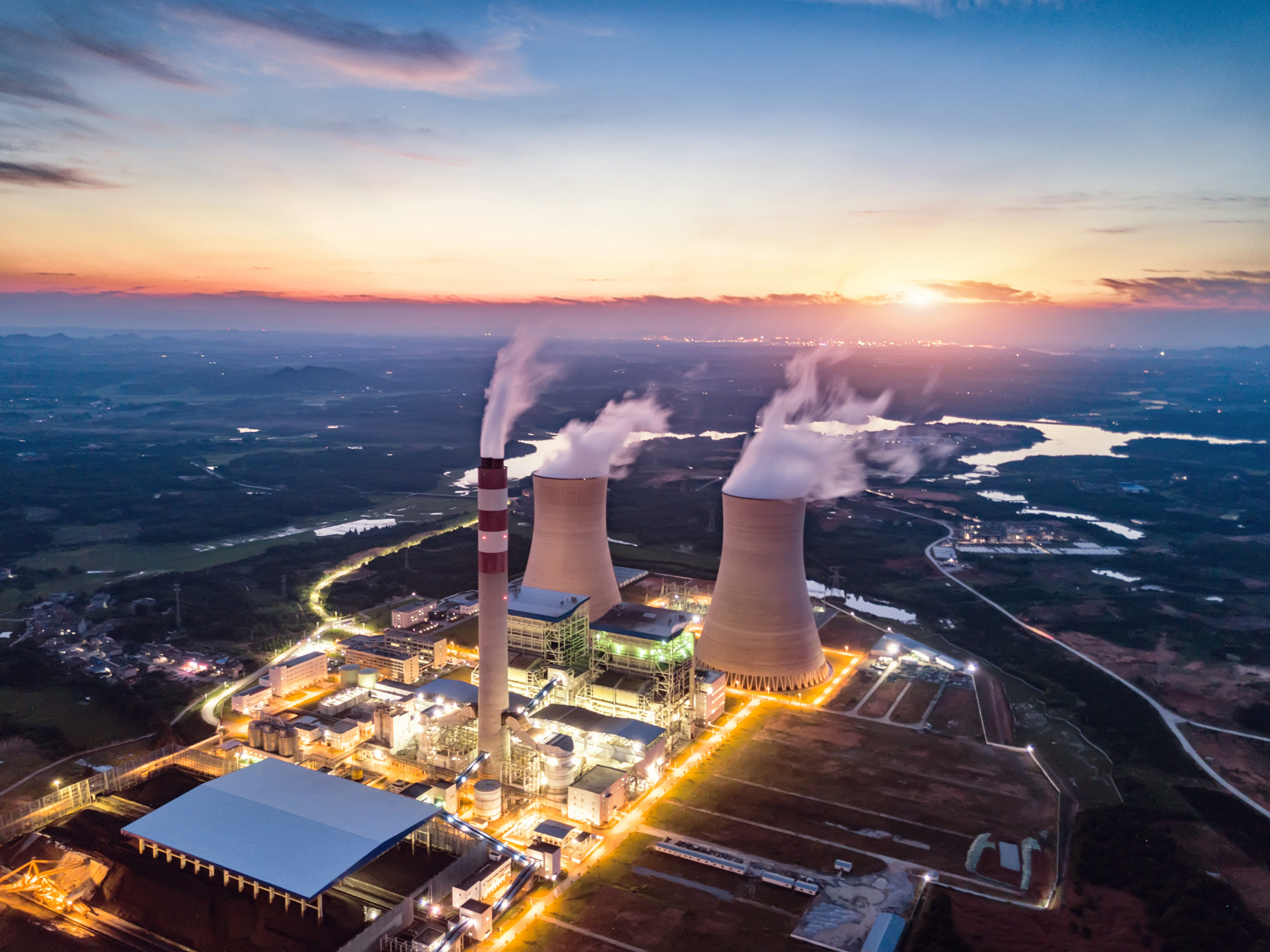
    Vietnam targets reducing coal-fired power production by 6 percent this year to prioritize solar and wind energy even as it grapples with limited transmission capacity.

    This means a cut of 8 billion kilowatt-hours from a projected 126 billion kilowatt-hours of coal-fired power this year. National utility Vietnam Electricity (EVN) estimates total production from all sources at 260 billion kilowatt-hours.

    EVN has also suspended around 8,000 megawatts of hydropower plant capacity from 11 a.m. to 12 p.m. every day in the first four months of this year to prioritize solar power intake, which peaks at noon.

    However, reducing the intake from coal-fired and hydropower plants comes with consequences, with the rising frequency of turbine restarts increasing the risk of system failures.

    The number of restarts due to oversupply last year surged 2.6 times over 2019 to 192. In the first four months this year alone, there were 334 restarts.

    With these cuts, EVN seeks to prioritize solar and wind power intake and also wants to double their production from last year to 32 kilowatt-hours this year.

    Solar and wind power capacity is set to hit 20,000 megawatts this year, accounting for 30 percent of the total supply.

    But due to the limited capacity of the transmission lines, renewable energy only accounts for 12 percent of total production. The figure is set to rise to 17 percent in the next five years.

    The rest of the production comes from traditional sources like thermal power and hydropower.

    EVN has earlier said it will also cut 15-20 percent of solar and wind power capacity to reduce pressure on the national grid.

    “Cutting down renewable energy is something EVN does not desire because it hurts developers,” Nguyen Duc Ninh, director of the National Load Dispatch Center under EVN, said at a meeting Tuesday.

    The dilemma that Vietnam faces now, having an oversupply of renewable energy but limited transmission capacity, has happened because of poor management and planning, experts say.

    Tran Dinh Long, deputy chairman of the Vietnam Electrical Engineering Association (VEEA), said that the boom in solar power in recent years shows a lack of anticipation of the burden they would place on the national grid.

  • Apple is moving up to 10% of iPhone 12 5G production to India

    Apple is moving up to 10% of iPhone 12 5G production to India

    Apple and its partners have already moved some iPhone 11 and iPhone XR production to India, and the iPhone 12 could too be manufactured in the region as the company looks to further reduce its dependence on China.

    iPhone 12 production is soon going to start in India, where devices for both the domestic market and export will be manufactured.

    The move means Apple will be able to avoid India’s hefty smartphone import tariffs. It might be able to lower the starting price of its flagship iPhone 12 in India as well, in turn providing a much-needed boost to its business.

    Apple doubled the size of its Indian business in the final quarter of 2020, but Tim Cook himself admitted that the company’s presence in the market is still very small considering its overall size.

    Apple’s initial goal is to shift between 7-10% of total iPhone 12 production to India from China. The Silicon Valley-based giant has discussed moving iPhone 12 mini production to India too, but a final decision is yet to be made.

    Foxconn is leading these local efforts and is planning an expansion to its factory in Tamil Nadu, where two of the best cheap iPhones — iPhone 11 and iPhone XR — are assembled, to accommodate for Apple’s iPhone 12.

    Later in 2021, Pegatron is expected to start manufacturing the iPhone 12 in India too. However, partner Wistron doesn’t seem to be involved at this stage, likely due to recent riots at an Indian factory that led to it being put on probation by Apple.

  • Samsung denies moving part of Vietnam smartphone production to India

    Samsung denies moving part of Vietnam smartphone production to India

    Samsung has rebutted reports it plans to shift part of its smartphone production in Vietnam to India, saying the former will continue to be the group’s major manufacturing base.

    Samsung Vietnam said in a statement that its smartphone manufacturing factories in the northern provinces of Bac Ninh and Thai Nguyen are operating as usual.

    Vietnam will always be Samsung’s important production base in the world, it stated on Tuesday, adding that reports on the shift to India are “unfounded.”

    The statement came after India’s Economic Times on August 17 reported that Samsung “may shift a major part of its smartphone production to India from Vietnam and other countries,” citing sources.

    The report said the South Korean conglomerate had submitted estimates of making smartphones worth over $40 billion in the next five years to the Indian government.

    “Samsung is likely to diversify its production lines for making smartphones to India under the PLI (Production Linked Incentive) scheme and this will have an impact in its existing capabilities across various countries like Vietnam,” the English-language daily quoted a source “familiar with the matter” as saying.

    About half of Samsung’s smartphones are produced in Vietnam, where it has invested over $17 billion so far. Its first plant in the country was built in 2008.

  • Mask exports fall as global demand declines

    Mask exports fall as global demand declines

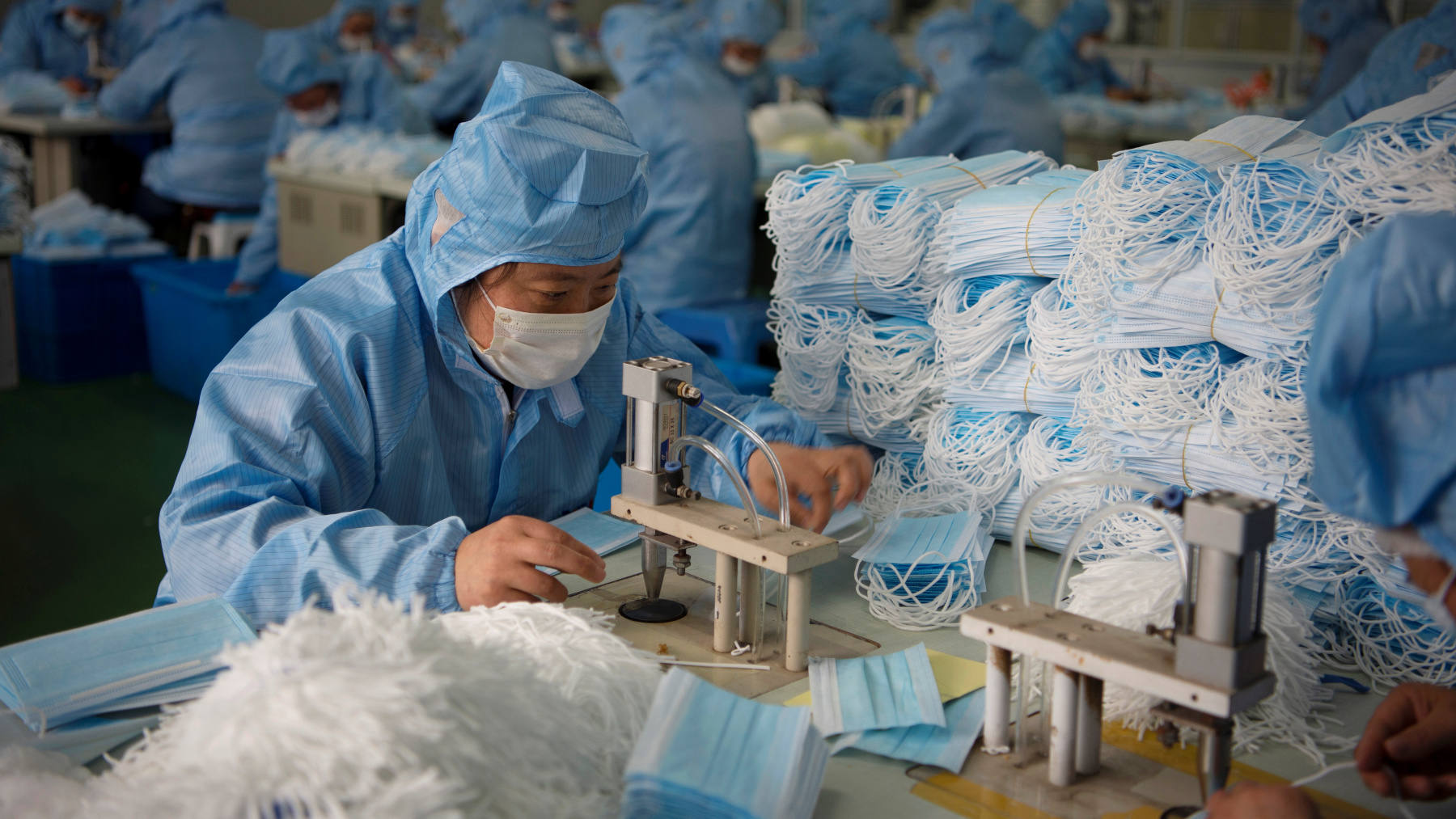
    Vietnam’s mask exports fell by nearly 35 percent in July to 154 million units as global demand dwindled.

    By the end of the month, the country had exported 711 million masks to the U.S., Europe, Singapore, South Korea, and other markets since the Covid-19 pandemic began early this year.

    The government started allowing unlimited exports of masks since the end of April to help businesses take advantage of the high demand for them as the disease spread rapidly.

    Industry insiders now say demand is falling since many countries have been able to contain the pandemic.

    Nguyen Van Thoi, chairman of garment company TNG in the northern province of Thai Nguyen, said last month his company had ceased production of masks. Other garment producers have also done so and gone back to their normal products.

  • Toyota recalls cars over loose bolts

    Toyota recalls cars over loose bolts

    Toyota Vietnam has called back 721 vehicles to fix a bolt issue that could stall operation. The recall, starting Monday, involves 183 Innovas and 538 Fortuners, manufactured between January 21 and May 11.

    The affected vehicles were equipped with automatic transmissions, in which the steering wheel is connected to the torque converter by six bolts. Automaker Toyota Vietnam said due to errors in the assembly process, these bolts may not be tightened as usual and might come loose when the vehicle is operating.

    Loose bolts create abnormal noise in the engine compartment when the driver applies the brake pedal, or when shifting gears. In special cases, the vehicle cannot move.

    Car owners can take their vehicles to a Toyota dealership for tightening the bolts which would take between 20-30 minutes.

    Last year, Toyota was the best-selling car brand in Vietnam with 78,795 units sold, followed by TC Motor with 69,916 Hyundai cars.

  • Tesla Hiring In Shanghai As Production Ramps Up

    Tesla Hiring In Shanghai As Production Ramps Up

    Tesla has launched a hiring spree in Shanghai with plans to bring on designers at its China studio and about 1,000 factory workers, job posts show, as the U.S. electric vehicle maker ramps up production in the world’s biggest auto market.

    The posts on the Tesla human resources department’s official WeChat account mark the first time the California-based automaker has looked to hire designers in China. Tesla said in January it planned to open a design and research centre in China to make “Chinese-style” cars.

    The posts did not reveal how many designers Tesla planned to hire.

    The company also planned to hire 600 workers at stamping, bodywork, painting and assembly workshops in Shanghai, according to a separate job post by the Lingang local government. Another 150 workers were needed for quality checks, 200 for logistics work and 20 for security, it added.

    Two sources familiar with the matter said the recruitment drive was partly for the preparation of Model Y sport-utility vehicles at the Shanghai plant. Tesla is building manufacturing facilities for Model Ys in Shanghai from next year.

    Tesla did not immediately respond to a request for comment.

    The company delivered over 30,000 units in China in the past quarter, most of them locally made Model 3 sedans.

    In March it advertised for solar and energy storage project managers in China, as it moves to expand its energy business into the country.

  • Apple is assembling a top-of-the-line iPhone in India for the first time

    Apple is assembling a top-of-the-line iPhone in India for the first time

    Two weeks ago we told you that Apple’s largest manufacturing partner Foxconn plans to invest the princely sum of $1 billion to increase the production of the iPhone in India. The latter is the second-largest smartphone market in the world after China, although it does remain a developing country. As a result, lower-priced phones sell the best including Xiaomi’s value for money handsets and Samsung’s Galaxy A series. The iPhone? It’s considered a luxury item in the country.

    By producing the iPhone in India, Apple avoids paying a hefty 22% import tax on units shipped into the country from China. And locally made iPhones fit in with Prime Minister Narendra Modi’s Make in India initiative that favors products made in, well, India. In the country, contract manufacturer Wistron assembles 2016’s iPhone 7 in Bengaluru while in Chennai, Foxconn makes the iPhone XR. By sticking with older models, Apple is able to sell iPhones to Indian consumers at a more affordable price.

    For some years there has been talk about Apple producing some of its higher-priced current models in India and India.com notes that on Friday, India’s Commerce and Industry Minister Piyush Goyal said that the tech giant has started to make the iPhone 11 at a Foxconn facility in India. While the phone is the lowest priced among Apple’s current flagship phones, Goyal proudly said in a tweet, “Significant boost to Make in India! Apple has started manufacturing iPhone 11 in India, bringing a top-of-the-line model for the first time in the country”

    In India, some iPhone 11 units that were produced in the country are available in retail stores. The lockdown that was ordered due to the coronavirus delayed these units from reaching store shelves but they are now slowly making their way there. However, the locally made iPhone 11 still has the same prohibitive (for Indians) manufacturer’s retail price listed as found on the units imported from China. Anonymous sources say that Apple has asked its supply chain in China to ship components to India for the iPhone SE (2020). The most affordable phone in the iPhone lineup, the device is tailor-made for Indian consumers who cannot afford any model in the iPhone 11 line.

    An import tax and the Phase One agreement signed by both countries saved Chinese manufacturers (and companies that assemble their phones in China-like Apple) from having to eat a tax or pass it on to their customers in the form of higher prices. While moving some production out of China was a subject that Apple reportedly had on the table for some time, last year there were some reports stating that the tech giant was looking to move 20% of handset production out of China. India would be the obvious choice although there are questions about whether Apple can put together a supply chain that can provide it with parts in the quantity and quality that Apple needs. The second-largest iPhone assembler, Pegatron, will join Foxconn and Wistron in India according to the latest rumors.

    There are over half-a-billion smartphone users in India, but the country had a Gross National Income per capita of $7,680 as of 2018 according to the World Bank; which compares to over $63,000 in the U.S. Thus, premium handset sales are far fewer in India. Apple is the leader in that category while Xiaomi is the top smartphone manufacturer in the country. During the second quarter, the top five smartphone vendors in India were Xiaomi, Vivo, Samsung, Oppo, and Realme. Because of the COVID-19 pandemic, the number of handsets delivered to the country declined almost in half from 33 million in the second quarter of 2019 to 17.3 million during this year’s quarter.

  • Toyota Sees Further Recovery In Global Car Production In August

    Toyota Sees Further Recovery In Global Car Production In August

    Toyota Motor will make 2% fewer vehicles globally in August than originally planned, the Japanese automaker said on Tuesday, as output recovers gradually from a steep drop because of the coronavirus pandemic.

    The company said it aimed to make 15,000 fewer vehicles than its initial plan, which was around 750,000, according to Reuters’ calculations. August’s reduction is smaller than the cut of 10% seen in July, and June’s 40% reduction.

    As Japan fears a second wave of infections spreading from the capital, one Toyota employee working at its headquarters has tested positive for coronavirus since developing symptoms earlier this month, the company said on Tuesday. Toyota added it disinfected the affected work sites on July 17 and restarted operation shortly afterward.

    Toyota Motor, Japan’s biggest automaker, said on Tuesday it expects its lowest annual operating profit in nine years, down over 4 billion US dollars, or 80%, from the previous year.

    In the midst of the pandemic, the company also plans to skip media briefings for its fiscal first and third quarterly results, but only release filings, a company spokeswoman told Reuters.

    Global automakers are slowly getting vehicle production back on track after the closure this year of many plants to curb the spread of the virus, although many still anticipate that output and sales will be lower than last year.

    The updated production plan represents an output cut of 9% from a year ago.

    Toyota said it would produce 6,000 fewer vehicles at home, and 9,000 less overseas.

  • Ferrari Restarts Production At Maranello & Modena Plants In Full Capacity

    Ferrari Restarts Production At Maranello & Modena Plants In Full Capacity

    Ferrari, on Friday, officially announced the resumption of operations at its Maranello and Modena plants at full capacity, which in-line with its ‘Back on Track’ program. The first car to roll out from the Special Series lines was Ferrari Monza SP2 with a black and grey livery. The operations at the facility were suspended just a few hours before its completion due to the Coronavirus outbreak. Over the next few days, the company successfully rolled out the 812 GTS spider in Grigio GTS and an F8 Tributo in Rosso Corsa from the 12 and 8 cylinder lines. The new cars are ready to be delivered to the customers in Australia, Germany & USA.

    The sports car manufacturer introduced a new ‘Back on Track’ program, which majorly focuses on several practices and preventive guidelines aimed at the safety and wellbeing of the employees. The facilities in Maranello and Modena are subjected to follow these new rules and guidelines very strictly. These measures are taken specifically for common areas. The company has also reorganized the work area in order to ensure social distancing is maintained at the workplace.

    Additionally, Ferrari has also carried out a new training session for its staff wherein demonstrating the new guidelines and steps needs to be taken as precautionary measures while at work. Last month, the company came forward in support of health workers treating coronavirus patients wherein it started producing respirator valves and fittings for protective masks at its Maranello plant as one of its initiatives undertaken by Ferrari.

    The company can commence the manufacturing of the F8 Tribute and Spider, Roma, Portofino, GTC4Lusso, and GTC4Lusso T, SF90 Stradale, and the flagship hybrid hypercar along with the limited edition sports cars at the Maranello and Modena plants.

  • Daimler Says China Business Picks Up Again

    Daimler Says China Business Picks Up Again

    Mercedes-Benz maker Daimler has seen business stabilize in China after the country ended coronavirus lockdowns, a senior manager at the German carmaker told a newspaper on Sunday. Mercedes-Benz delivered a total of approximately 477,400 passenger cars worldwide between January and March. The report did not say how many of those went to customers in China, who bought 694,200 Mercedes-Benz cars last year, 29% of total sales. China is the largest market for the S-Class built in Sindelfingen. Normally several hundred vehicles roll off the assembly line in Sindelfingen every day.

    Mercedes-Benz maker Daimler has seen business stabilize in China after the country ended coronavirus lockdown

    “In China alone, we sold around 50,000 vehicles again in March. That makes us confident,”, said Markus Schaefer, a managing board member for production, told Bild am Sonntag newspaper. Starting Monday, cars are set to roll off Daimler’s assembly line again in Germany. The Sindelfingen and Bremen passenger-car plants will start production of E- and S-Class vehicles.”We won’t reach this number right away when production starts next week,” said Schaefer.

    Daimler reported a plunge of nearly 70% in first-quarter operating profit on Thursday due to the pandemic and warned that the cash flow it uses to pay dividends would fall this year.

  • Honda, Fiat Chrysler Aim To Restart production in  U.S.

    Honda, Fiat Chrysler Aim To Restart production in U.S.

    Honda Motor Co and Fiat Chrysler Automobiles NV said on Monday they hope to restart U.S. and Canadian auto production in May amid the ongoing coronavirus pandemic.

    The Japanese automaker halted production on March 23 and said it will extend the halt through May 1.

    Fiat Chrysler said Monday it “intends to progressively restart its U.S. and Canadian manufacturing facilities beginning May 4.”

    U.S. President Donald Trump last week extended the guidelines aimed at slowing the spread of the coronavirus to April 30.

    US auto industry executives say it will be nearly impossible for companies to resume production before the end of the month

    Several U.S. auto industry executives told Reuters on Monday it will be nearly impossible for companies to resume production before the end of the month — and there is no assurance automakers will be able to resume production in early May. Other automakers plan to extend current production halts later this week, automakers told Reuters.

    It will also take auto suppliers time to resume production. In an internal estimate, Ford Motor Co said last week it believed 600,000 U.S. industry auto sales may have been lost in March because of the coronavirus outbreak.

    The threat from the coronavirus crisis closed in on the global auto industry on Thursday, as Fiat Chrysler Automobiles NV warned that a European plant could shut down within two to four weeks if Chinese parts suppliers cannot get back to work.

    Honda noted many consumers are unable to purchase vehicles and said it “must continue to suspend production in order to align product supply with a lack of market demand.” Some states have barred car dealers from selling new cars while “stay at home” order are in place.

    Last week, Nissan Motor Co said it would extend its U.S. production halt into late April. Toyota Motor Corp has halted U.S. and Canadian production through April 17.

    Ford said last week it was postponing its plan to restart production at its North America. Ford had been aiming to resume production at several key U.S. plants on April 14, but then said it would now do so at dates to be announced later. Ford said Monday it is “continuing to assess public health conditions, government guidelines and supplier readiness to determine when the time is right to resume production in our North American plants.”

    General Motors Co has shuttered its plants indefinitely and has not provided a date for vehicle production to restart.

    Automakers are working on additional employee protections to add when they restart, including new personal protective gear, staggering shift starts, more frequent cleanings and new social distancing rules.

    Fiat Chrysler said it will redesign “work stations to maintain proper social distancing and expanding the already extensive cleaning protocols at all locations.”