Tag: Production

  • Vietnam’s new oil refineries to quadruple capacity by 2023

    Vietnam’s new oil refineries to quadruple capacity by 2023

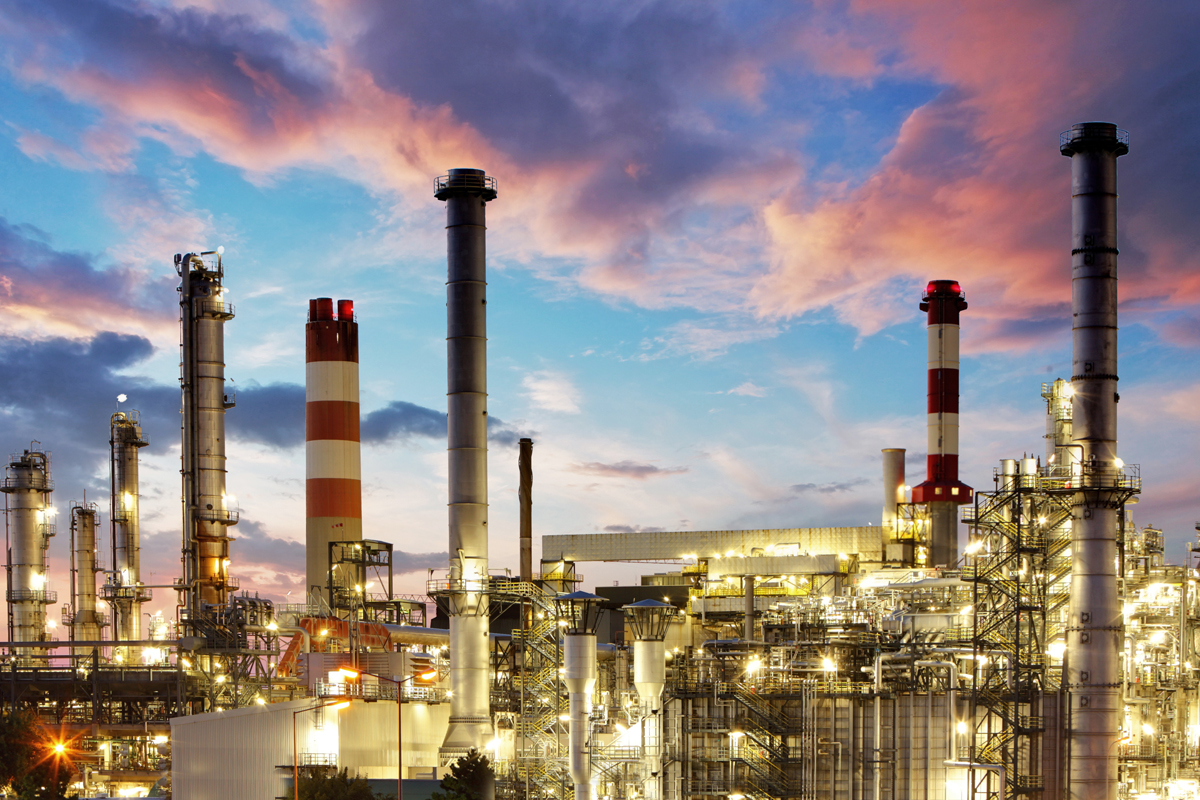
    Vietnam’s total oil refining capacity will nearly quadruple by 2023 as two new refineries go on stream, market data provider Fitch Solutions reports. The Dung Quat refinery in the central province of Quang Ngai operated by the state-owned PetroVietnam’s subsidiary Binh Son Refinery Limited (BSR) remains the sole facility now, with a crude oil processing capacity of 148,000 barrels per day (b/d).

    Dung Quat will soon be joined by Nghi Son refinery in the central Thanh Hoa Province. Nghi Son is currently testing at full capacity and is scheduled to start commercial operations this month.

    The $9 billion Nghi Son project is owned by the Nghi Son Refinery and Petrochemical LLC (NSRP), a joint venture between PetroVietnam, Kuwait Petroleum, Japan’s Idemitsu Kosan and Mitsui Chemical. It will have a designed capacity of 200,000 b/d of crude oil.

    Meanwhile, the long-delayed construction of the Long Son refining and petrochemical complex in the southern province of Ba Ria-Vung Tau resumed in February this year, putting it on track to go on stream by the first half of 2023.

    Licensed in 2008 and initially slated to begin operations in 2014, Long Son hit a roadblock due to site clearance issues and disagreements over the development strategy between the project partners.

    This caused Qatar Petroleum to withdraw from the project in 2015. Thailand’s Siam Cement Group (SCG) increased its stake to 71 percent after it bought the 25 percent stake owned by Qatar Petroleum, while PetroVietnam held the remaining 29 percent.

    In May this year SCG agreed to acquire PetroVietnam’s 29 percent. The refinery is expected to cost $5-6 billion. Once completed it will be able to process 200,000 b/d of crude oil and produce 1.6 million tons of olefins annually.

    “The two new refineries would increase competition in the domestic fuel market, which could require refiners to upgrade, cut costs and move up the value chain to win market share,” Fitch Solutions said in a report released Monday.

    This also spells an end to Dung Quat’s status as the country’s sole refiner, which it has enjoyed since 2010.

    New oil refineries to quadruple Vietnam capacity 2023

    Competition from Nghi Son will be stiff as the government has granted a host of incentives to successfully commission its second standalone refinery, including tax concessions, tariff exemption on crude imports from primary feedstock provider Kuwait and an offtake guarantee from PetroVietnam for the first 15 years of operation.

    The Quang Ngai provincial government in early November sought the same incentives for the Dung Quat refinery to ensure “fair competition”.

    BSR is also planning to invest $1.8 billion over the next three years to expand Dung Quat’s capacity by 23,000 b/d and upgrade the quality of its fuels to Euro 5 from the current Euro 2.

    Fitch Solutions said the upgrade would enable Dung Quat to process higher-sulphur crudes, helping reduce its dependence on Vietnamese light, sweet crudes, mostly from the Bach Ho field, which is depleting and thus becoming more expensive.

    Besides the competition between themselves, the refineries also face significant pressure from imports, mostly from South Korea and Southeast Asian countries, which are of higher quality and priced competitively due to free trade agreements, the report noted.

    “Competition is likely to peak in 2024, when tariffs on fuel imports from ASEAN and South Korea are scheduled to be cut to zero. Concerns about mounting competition have also led both Dung Quat and Nghi Son to consider exports to countries like Laos, Cambodia and Indonesia.

    “Vietnam’s improving self-sufficiency in refined fuels would reduce its need for imports, reorienting trade flows from some of its major fuel suppliers to alternative markets.”

    While insufficient to entirely meet domestic demand, this nevertheless would weigh on the market positions of Singapore, Malaysia, South Korea, Thailand and China, which account for nearly 95 percent of Vietnam’s fuel imports, according to Fitch Solutions.

    Malaysia and Thailand have the highest exposure to Vietnam’s fuel market — 11 percent and 16 percent of imports.

    Major international fuel suppliers are also likely to find room for growth in the Vietnamese market increasingly hard to come by as their quality advantage over locally produced fuels dissipates with the ongoing upgrades, the firm added.
  • Asia rice: Indian rates up on firmer rupee; Thai harvest to shore up stocks

    Asia rice: Indian rates up on firmer rupee; Thai harvest to shore up stocks

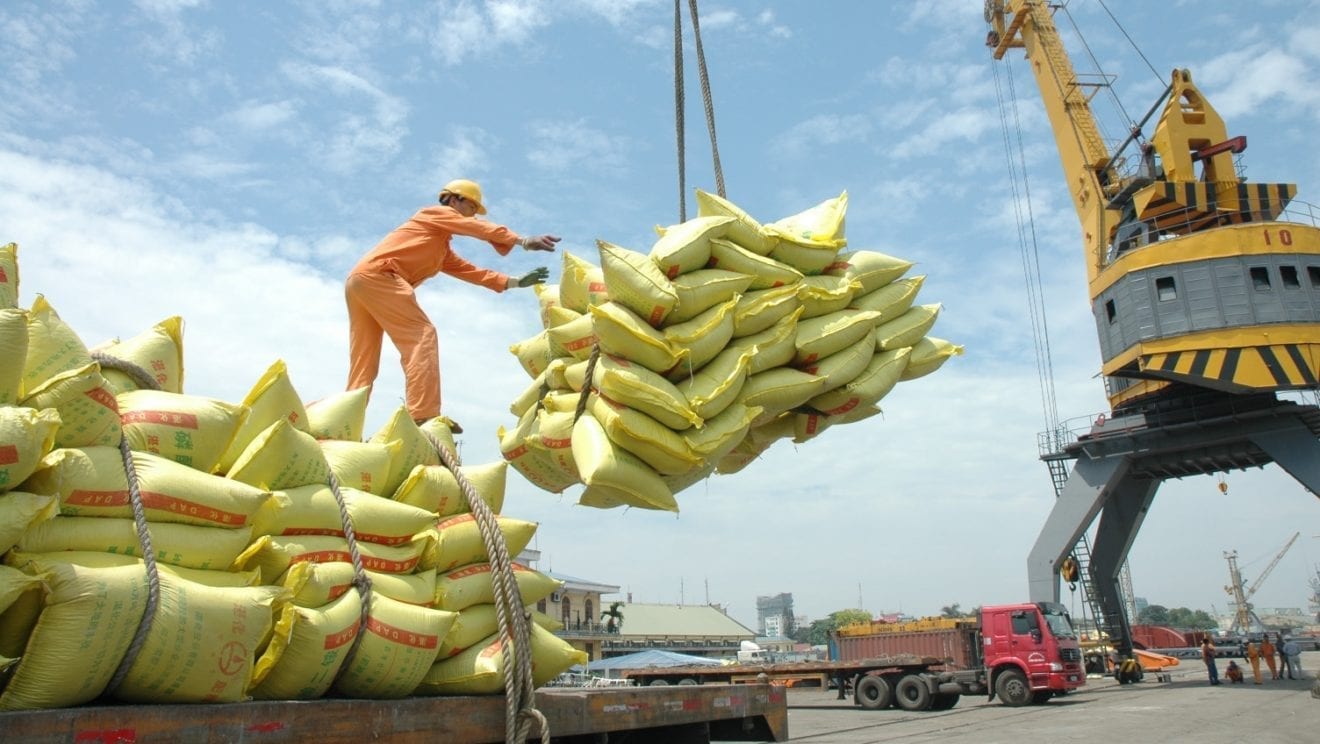
    Rice prices in India nudged higher this week as the rupee firmed, while Thai exporters eyed fresh demand from the Philippines. India’s 5 percent broken parboiled variety was quoted around $363-$371 per tonne this week, versus $362-$369 last week.

    “As the rupee has started to appreciate, we have to adjust export prices,” said an exporter based at Kakinada in the southern state of Andhra Pradesh.

    The Indian rupee rose 0.4 percent on Thursday to its highest level in nearly 8 weeks, trimming exporters’ margins from overseas sales.

    In southern and eastern states, supplies have started to arrive from the new season crop but they are expensive due to higher fixed government buying prices, said a Mumbai-based exporter.

    India’s rice exports dropped 9.6 percent to 5.8 million tonnes between April and September from a year earlier, as leading buyer Bangladesh trimmed purchases due to a bumper local harvest, a government body said earlier this week.

    Meanwhile in Thailand, benchmark 5 percent broken rice prices were quoted at $380 – $398 per tonne, free on board (FOB) Bangkok, unchanged from last week.

    “There have been some minor deals with markets like Japan but they have had no impact on prices,” a Bangkok-based trader said.

    “Thai rice exporters are now watching the Philippines closely because their government will open the bidding process next week.”

    The Philippines’ National Food Authority has issued an international tender to import up to 500,000 tonnes of rice with offers to be opened on Nov. 20.

    “We see this as a major deal ahead of December,” another trader in Bangkok said, pointing out that during the mid-November to early-December period, the market expects an increase in supply due to the seasonal harvest.

    In Vietnam, rates for 5 percent broken rice remained in the $415-$420 a tonne range seen last week.

    “We haven’t signed any new export deals over the past month as domestic supplies are scarce,” a trader in Ho Chi Minh City said. “We wouldn’t be able to secure sufficient rice if we got any new contracts now.”

    Egypt received offers for more than 500,000 tonnes earlier this week, including 50,000 tonnes from Vietnam, the trader said, adding that they were not sure if they will bid in the Philippines’ state grains agency tender.

  • Low Production Hurting South Korea Economy

    Low Production Hurting South Korea Economy

    The recovery pace of the South Korean economy has remained feeble for months as an upturn in exports and private consumption was offset by weak industrial output, a government report said Tuesday.

    “The South Korean economy saw its exports and investment continue to rise and private consumption make a slight rebound, but its recovery pace remained lackluster due to a slowdown in the production of mining and manufacturing,” the finance ministry said in its monthly economy assessment report called the “Green Book”, Yonhap reported. The report is based on the latest economic indicators of such key factors as output, exports, consumption and corporate investment, which could provide clues as to how the economy has been fairing in recent months.

    Exports extended its winning streak to nine months, which started in November last year, thanks to stellar overseas sales of chips and petrochemical products. Facility investment rose 5.3% in June from a month earlier on increased demand for semiconductor equipment and machinery, spearheading the recent economic recovery along with exports. Retail sales moved up 1.1% on-month in June on rising demand for clothes and cosmetics, turning around from a 1.1% drop from the previous month.

    However, such gains were offset by the 0.2% on-month fall in industrial output and a 2.4% drop in construction-related investment. The finance ministry said that external downside pressures, including geopolitical risks centered on North Korea and trade issues, will weigh on the South Korean economy in the coming months.

  • Vietnam beats China in product reputation ranking, but scores below most ASEAN peers

    Vietnam beats China in product reputation ranking, but scores below most ASEAN peers

    Made in Vietnam products score low in almost all product attribute categories. Vietnam has been ranked 46th on the Made in Country Index 2017 released by Germany’s Statista Market Research Co, which asked more than 43,000 people in 52 countries and territories to look at goods produced in 49 countries and the European Union as a group.

    Vietnam hit an index score of 34, while China took the 49th position with a score of 28, said the survey.

    However, it stood behind most Southeast Asian countries in the survey, except for the Philippines, which ranked 47th.

    The index features 10 categories: high quality, high security standards, very good value for money, uniqueness, excellent design, advanced technology, authenticity, sustainability/eco-friendliness, fair production and status symbol.

    Vietnam scored low in all categories but “very good value for money”, where it made it to the top 10, standing in eighth place. “Made in China” products claimed the top spot as voted by over a third of respondents.

    Even “in Vietnam itself, ‘Made in Vietnam’ does not have a good reputation”, the survey said.

    Vietnamese consumers like products from Japan the most. Other products most preferred in Vietnam come from Denmark, Australia, the Netherlands and South Korea.

    “Made in Vietnam” products are found popular in Ecuador and the United Arab Emirates, where they rank 10th and 20th, respectively.

    Germany tops the Made-In-Country Index, scoring 100 points, while Switzerland and the EU are runners-up, scoring 98 and 92, respectively. Iran sits at the bottom of the pile.

    In most countries, products from Germany, the U.S. or Japan are the most favored.

    Specifically, in 13 of the 52 responding countries, Germany has the best image as a manufacturing country. The U.S. holds this status in eight countries, while Japan claims seven.

  • Nisshin Oillio to Begin Chocolate Production in Indonesia

    Nisshin Oillio to Begin Chocolate Production in Indonesia

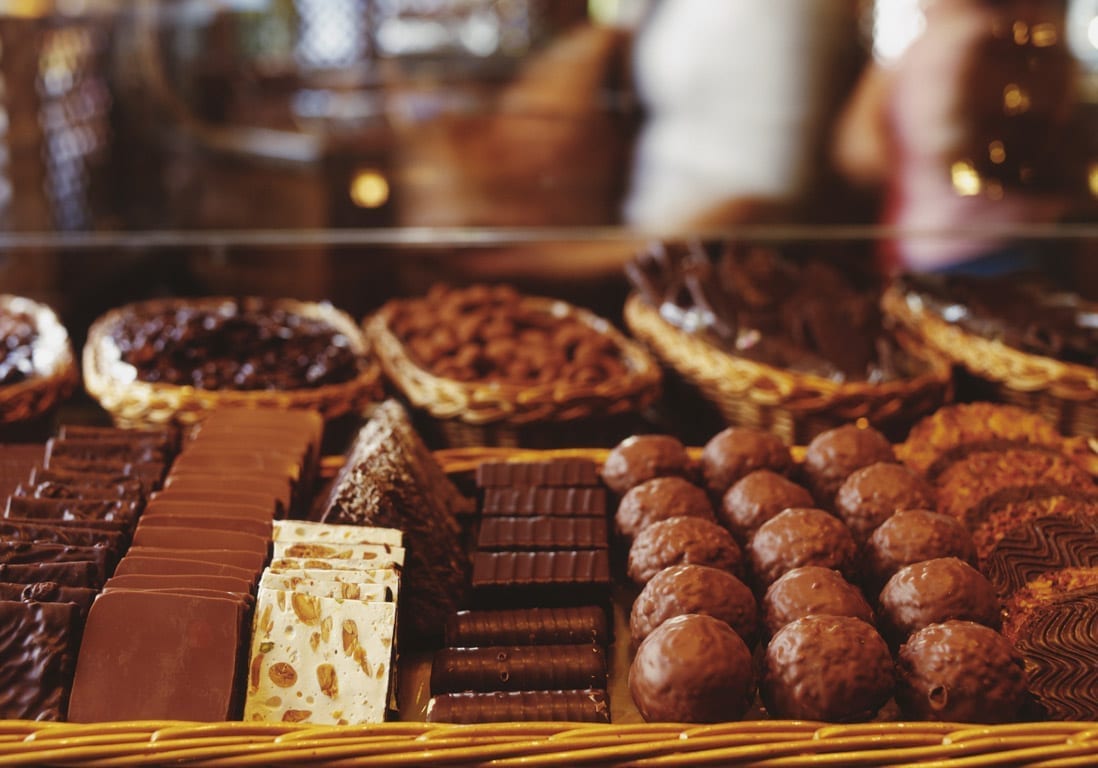
    Indonesia’s growing middle class and its fondness for Western food has prompted Japanese food company Nisshin Oillio Group to start producing chocolate in the country.

    Daito Cacao, a unit of Nisshin Oillio, embarked on a joint venture in February with Salim Ivomas Pratama, a cacao plantation unit of Indonesian conglomerate Salim Group. Daito Cacao will put 51% of the $32 million total investment.

    The joint company will build a plant on a roughly 20,000-sq.-meter plot in Purwakarta, about 65km from Jakarta. Construction is set to begin as early as this autumn. The plant will start operating by 2019 with an initial annual output of 4,000 to 5,000 tons, which the company hopes to raise to 10,000 tons in the future.

    Daito Cacao hopes to leverage its strengths — which include heat-resistant chocolate production technology — to boost sales in tropical Southeast Asia.

    According to British market research company Euromonitor International, Indonesia’s chocolate consumption reached about 70,000 tons in 2015. This is expected to increase to 83,000 tons by 2020 — much faster growth than in Japan, Europe or the U.S.

    Many in this former Dutch colony make chocolate at home. With a growing population of 250 million and a burgeoning middle class, demand is expected to increase even further.

    Daito Cacao will dip into Nisshin Oillio Group’s supply chain in Southeast Asia for ingredients. Sugar and dairy products will come from T&C Manufacturing, Daito Cacao’s Singapore unit, and fats from Intercontinental Specialty Fats, Nisshin Oillio’s Malaysian unit.

    Initially, the finished chocolate will be sold to food producers owned by Salim Group. “We want to export our products to Thailand, the Philippines and other Southeast Asian countries,” said Daito Cacao President Shigeyuki Takeuchi.

    That said, Indonesia’s small retailers are mainly food stalls and movable kiosks that are not sufficiently refrigerated. To further expand the chocolate market, improving refrigerated delivery systems will be necessary.

  • Japan’s Toyota to look at Saudi production as the countries seek closer ties

    Japan’s Toyota to look at Saudi production as the countries seek closer ties

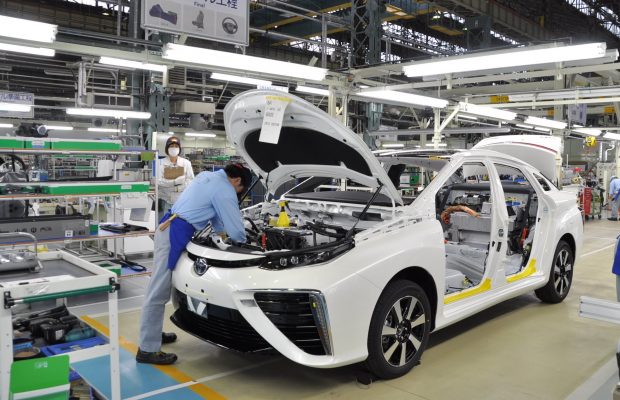
    Toyota Motor signed a memorandum of understanding (MOU) on Tuesday with a Saudi Arabian government agency to conduct a feasibility study into producing vehicles and parts in the Middle Eastern nation.

    The move, if firmed up, would be a big step for the Saudi economy as the government tries to diversify beyond oil exports and create jobs as part of the kingdom’s 2030 Vision.

    So far, Saudi Arabia and other Gulf oil exporters have failed to significantly develop industries such as automaking because they lack broad industrial bases and a skilled local workforce.

    “The study would take into account the evaluation of development of a local supply base using materials produced by major Saudi companies like Sabic, Maaden, Petro Rabigh, and other major industrial companies in the kingdom,” the official Saudi state news agency reported.

    The MOU is with Saudi Arabia’s National Industrial Clusters Development Program (NICDP).

    Meanwhile, state-run Saudi Aramco has signed MOUs with five Japanese entities during a business forum that both nations hosted on Tuesday, coinciding with a visit by Saudi Arabia’s King Salman this week.

    Saudi Aramco and Japan’s biggest oil refiner JX Nippon Oil & Energy (5020.T) agreed to consider a refinery joint venture in a third country and cooperation in trading and technology of oil and petrochemical products.

    Aramco also agreed to consider a possible future cooperation in crude oil supply and downstream business with Idemitsu Kosan Co (5019.T).

    In addition, Aramco and state-run Japan Oil, Gas and Metals National Corp (JOGMEC) formally agreed to expand crude storage capacity in Japan by 300,000 kilolitres (about 1.9 million barrels) from the current 6.3 million barrels from April 1.

    Japan treats crude oil stored by Aramco as quasi-government oil reserves, counting half of the barrels stored by Aramco as national crude reserves.

    Companies and government organizations in both nations signed a total of 20 MOUs on Tuesday, including cooperation between the Saudi Arabian General Investment Authority (SAGIA) and Japan’s three megabanks – Mitsubishi UFJ Financial Group (8306.T), Sumitomo Mitsui Financial Group (8316.T) and Mizuho Financial Group (8411.T) – on increasing investments in the kingdom.

    The MOUs also included cooperation in seawater desalination.

  • Bus-assembly line fire inflicts $11m loss

    Bus-assembly line fire inflicts $11m loss

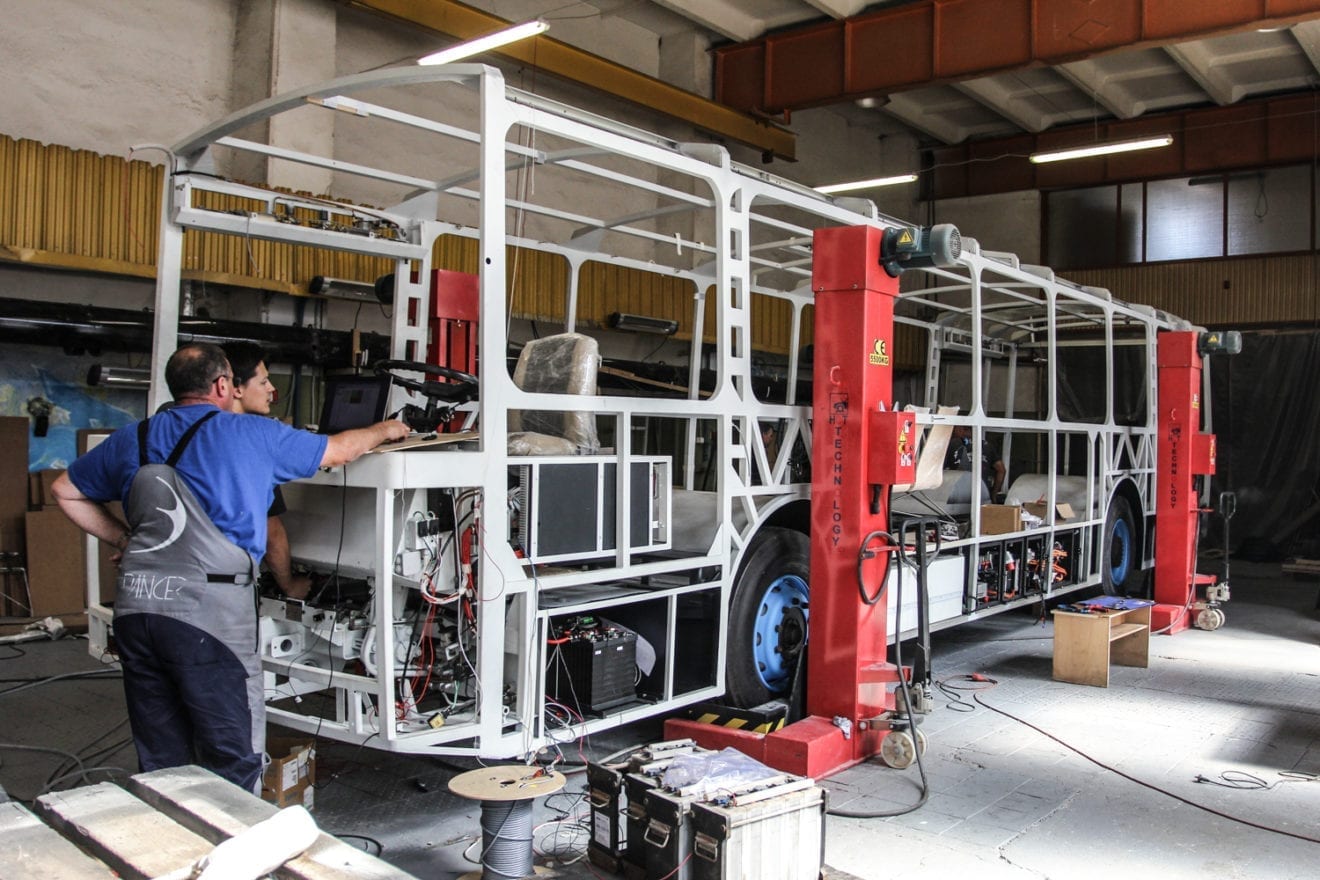
    A fire that broke out at two sites of a bus assembly plant early this month destroyed spare parts and components worth VND250 billion (US$11 million). A bus is assembled at its plant by the Truong Hai Automobile joint stock company (Thaco) in Quang Nam Province. Production was resumed nine days after a fire broke out at the plant on February 2.

    The assessment was revealed by Chairman of the Truong Hai Automobile Joint Stock company (Thaco), Tran Ba Duong, at a press conference on Sunday in central Quang Nam Province, where the plant is located.

    He said initial investigations point to the fire being caused by short-circuits.

    The fire broke out on February 2 after working hours at around 6pm at the Chu Lai-Truong Hai Auto Manufacture and Assembly Complex and blazed for around three hours.

    Components and accessories stored in the 5,400sq.m assembly workshop were burnt, Duong said.

    He said over 1,000 workers in the complex and firemen from Quang Nam, Quang Ngai, Da Nang, soldiers and staff of the Chu Lai Airport joined hands to stamp out the fire and remove components out the workshop.

    The plant resumed operations on Sunday after an initial investigation and recovery, he added.

    “The fire was out of reach of the plant’s automatic extinguishing system. It took four hours to mobilise a large fire-fighting force and extinguish the blaze,” Duong said.

    ‘Our fault’

    “It’s our fault that we collected components and accessories to service big orders while a new production line was under construction,” he said.

    Duong said Thaco had an insurance deal with the HCM City-based Bank of Investment and Development Bank (BIC) and Da Nang-based PVI for a total of VND638 billion ($28.2 million).

    He said BIC had asked an independent unit, Viet Nam International Adjuster (VIA) to assess the damage.

    The accident is still under investigation and final results will be announced after the probe is completed, he said.

    Also present at the conference was Dinh Van Thu, Chairman of the provincial People’s Committee. He said the fire was a lesson in fire prevention not only for Thaco, but other companies in the province’s industrial zones.

    Thu said Prime Minister Nguyen Xuan Phuc had asked the province to speed up the investigation and help the business resume production soon.

    The Thaco chief said the fire had delayed delivery of buses by three days to seven days.

    Thaco has invested US$400 million in constructing the Chu Lai-Truong Hai Industrial Complex, which has a logistics centre, car production factories, a vocational training college, a seaport, storage facilities and shipping services.

    Last year, Thaco earned total revenues of VND65 trillion ($2.8 billion), a 40 per cent growth, contributing VND18 trillion ($796 million) to the State budget.

    The nation’s biggest automaker plans to build three more plants with the total annual capacity of 215,000 trucks, vans, commercial cars, and achieve a localisation ratio of 16 per to 46 per cent.

    It currently manufactures and distributes Korea’s Kia model, Japan’s Mazda and France’s Peugeot. It has exported its cars to Laos, Cambodia, Myanmar and Columbia.

    Thaco plans to earn revenues of VND71 trillion ($3.1 billion) this year, equivalent to two per cent of the country’s Gross Domestic Product.

  • Indonesia`s Rice Production Experiences Surplus after 9 Years

    Indonesia`s Rice Production Experiences Surplus after 9 Years

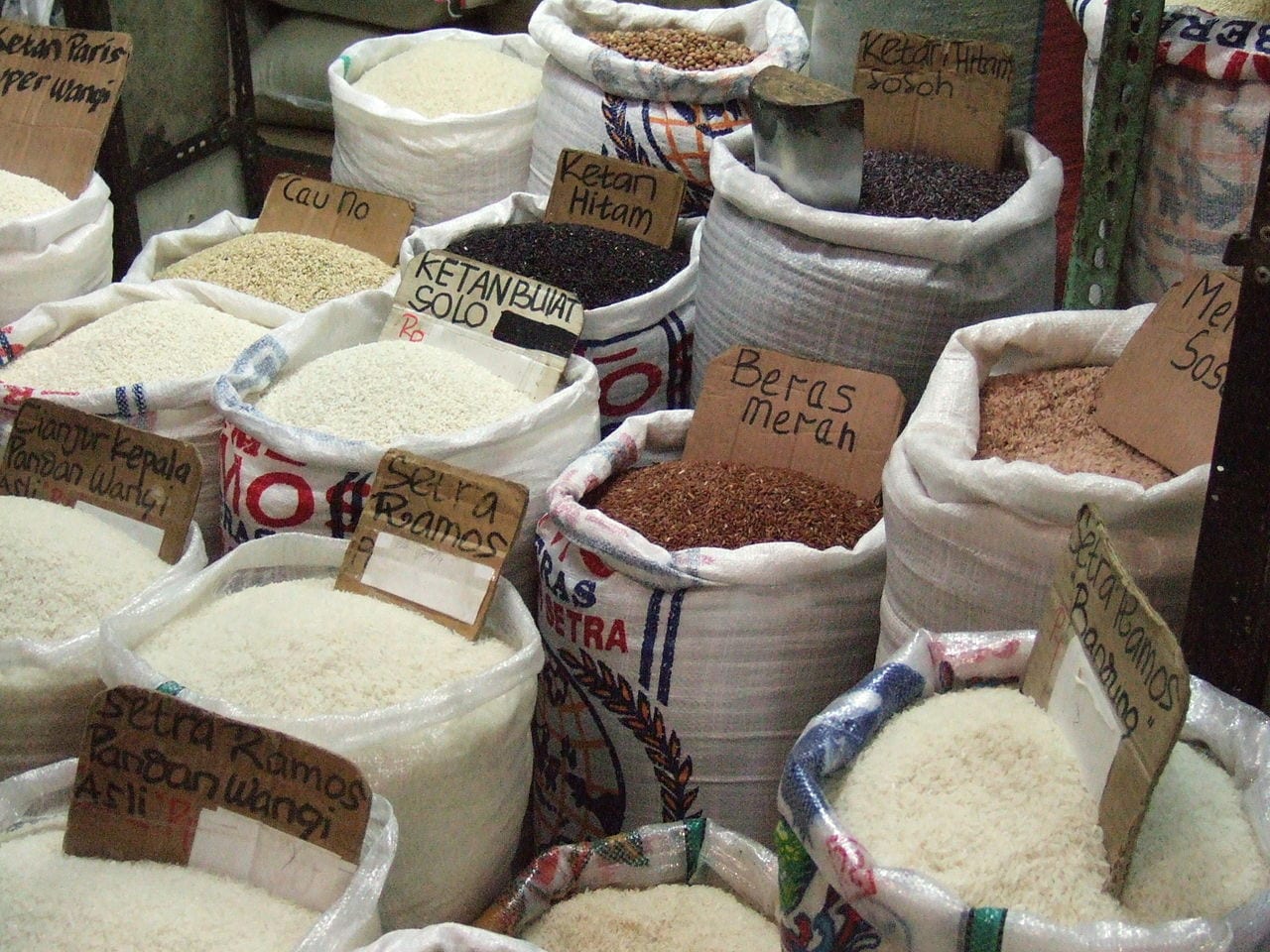
    Agriculture Minister, Andi Amran Sulaiman, claims that Indonesia has experienced a rice production surplus in 2016 after nine years past. “After nine years, 2016 was the moment when Central Java, East Java, and West Java, sent rice supplies to Kalimantan,” he said on Thursday, February 2, 2017.

    Minister Amran explained that rice supply warehouses in Central Java and West Java are currently in full-stock. “Warehouses in Central Java and West Java are full. The supplies keep increasing while the warehouses are full, last year it was empty. This is great progress,” he said.

    Other than rice supplies, according to Amran, garlic prices have also declined due to over stock. Therefore, the government plans to export garlic. “We’ll prepare the export earlier.”

    Based on the report from farmer’s association dubbed Kelompok Kontak Tani Nelayan Andalan, prices of rice in seven districts are below Rp3,700 per kilogram. “We had a coordination meeting until late at night, we’ll move quicker for the farmers. We won’t let them experience a loss,” the Minister said.

    In May, the Agriculture Ministry will hold a National Week (Penas) for Farmers and Fishermen in Aceh for six days; on May 6-11, 2017. President Joko “Jokowi” Widodo will inaugurate the event and it will be participated by 35,000 participants consisting of farmers, researchers, instructors representatives, and other stakeholders.

    A number of events will enliven the National Week which opens the opportunity to develop partnerships and open an agricultural product trade among ASEAN farmers.

  • Vietnam sugar production down 13%

    Vietnam sugar production down 13%

    Sugar output in the 2015-16 crop was 1.23 million tonnes, a year-on-year drop of 12.7 percent, said Phạm Quốc Doanh, Chairman of the Việt Nam Sugarcane and Sugar Association, at a seminar in HCM City last week of sugar producers, distributors and consumers.

    Together with 185,000 tonnes of imports, this fully met the domestic demand forecast by the Ministry of Industry and Trade, he said.

    Prices would not fluctuate much from now through the Lunar New Year on January 28, he said.

    Many sugar mills had signed long-term contracts with beverage production companies and fulfilled them.

    Sugar prices depend much on sugarcane prices and global sugar prices, but with production of six months supplying demand for the whole year, output and prices are often volatile, he said. Sugar traders and food and beverage producers dislike this volatility, he added.

    Representatives of Coca-Cola Vietnam and Tân Hiệp Phát said steady prices should be ensured. They also said the sugar producers should invest more in packaging that is bigger than the current 50kg-bags to reduce loading and unloading costs.

    A representative of Tây Ninh-based Thành Thành Công Trading JSC said sugar quality has improved significantly.

    “Our RE (refined extra) already met quality standards, the newly produced RS (refined standards) sugar is very good, but by the end of the season, the latter’s colour and moisture change much. Sugar producers must work to improve this,” she said.

    Many suggested that the Government should keep a close eye on sugar imported ostensibly for re-export since it is sold surreptitiously in the domestic market, and prevent smuggling to protect the domestic industry.

    Chairman Doanh said the association has suggested to the Government that it should organise auctions for sugar import quotas in the first quarter instead of the third quarter, and only allow import of raw sugar to safeguard local jobs.

    The association said enterprises that fail to utilise their import permits should not be allowed to use them later.

    Doanh quoted the International Sugar Organisation as saying that in 2016-17 the global sugar market would face a shortage of 6.2 million tonnes, and inventories would shrink to their lowest levels since 2010-11. Therefore, global sugar prices would remain high, he said.

  • Toyota says production of C-HR model begins in Turkey

    Toyota says production of C-HR model begins in Turkey

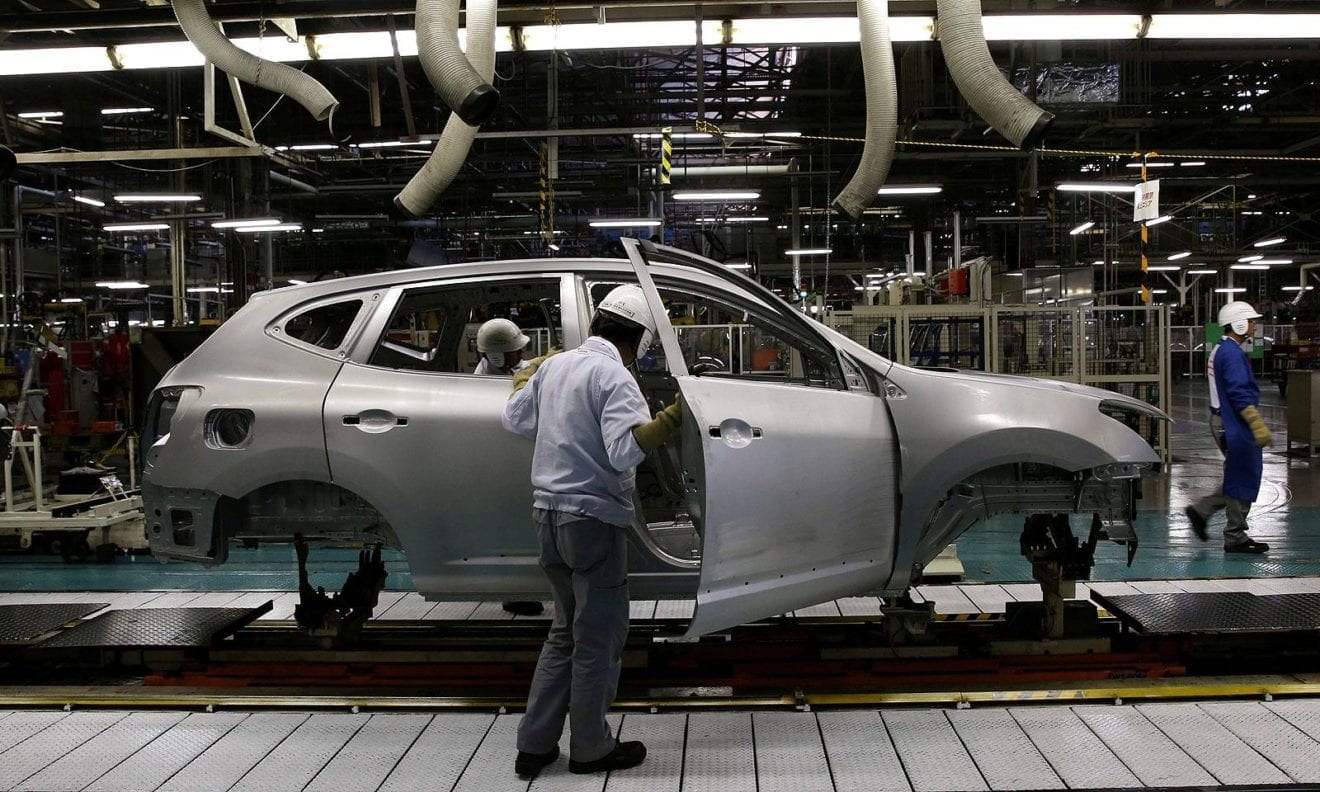
    Toyota Motor Corp launched production in Turkey on Wednesday of its C-HR compact SUV crossover and said the model would be exported to all global markets including North America.

    In a statement, Toyota said production was beginning with an initial investment in Turkey of 350 million euros ($390 mln).

  • Domestic white pepper prices sink

    Domestic white pepper prices sink

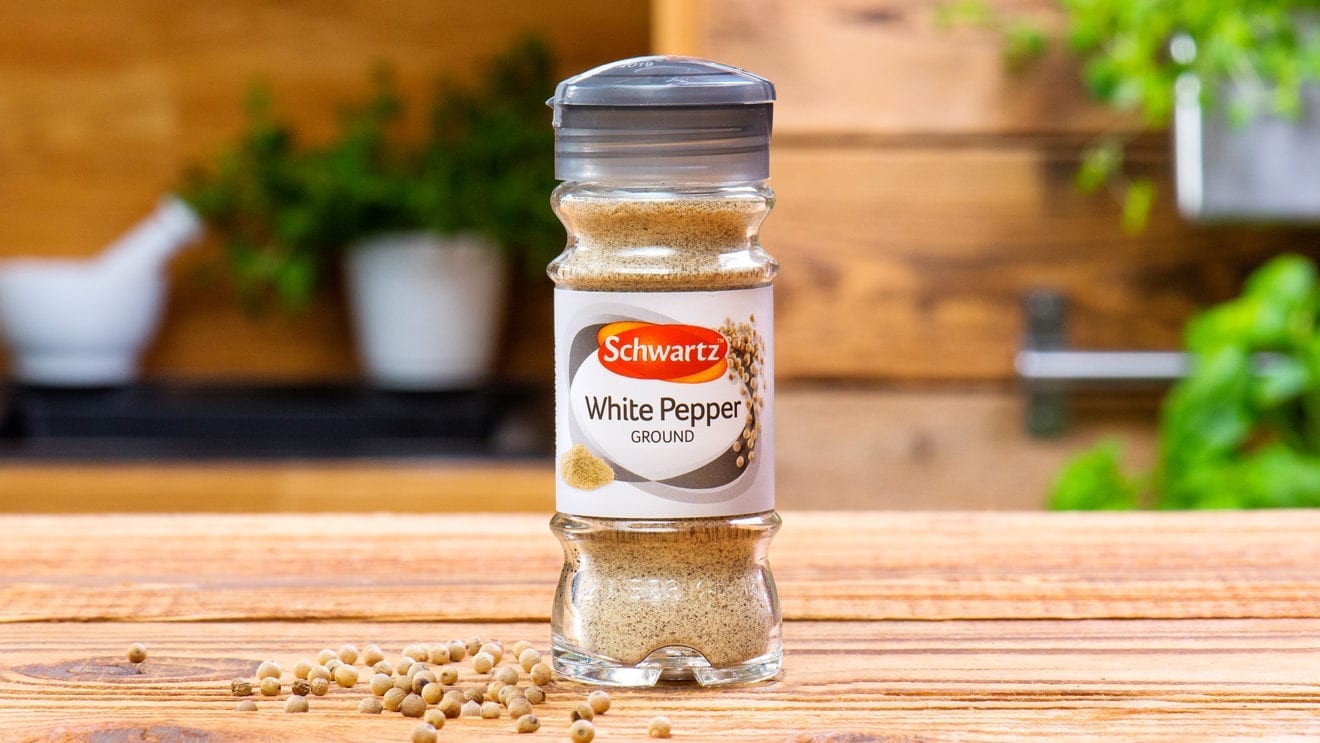
    Domestic white pepper prices have fallen sharply in recent weeks, losing a hefty RM12,000 per tonne or 24% year-to-date after sustaining at an all-time high level of RM50,000 per tonne for months.

    Kuching Grade 1 white pepper dropped to RM38,000 per tonne on Friday (Sept 2) based on Malaysian Pepper Board (MPB) published price. The slide was particularly steep in the past two months, from RM48,500 per tonne in early July.

    For Kuching Grade 1 black pepper,its price has retreated to RM25,000 per tonne from a record high of RM30,000 per tonne or a drop of nearly 17%.

    The white and black pepper soared to RM50,000 and RM30,000 per tonne respectively in September, last year in a spectacular six-year rally, the longest in history, riding on the growing global demand for the spice that outpace supply. The run-up began in 2009 when the white and black pepper were hovering around RM11,300 and RM6,500 per tonne levels respectively.

    And what has caused the recent pullback in the prices?

    The correction in domestic pepper prices, according to a MPB senior official, comes ahead of the harvesting of new crop in Indonesia,the world’s second largest producer.

    “Indonesia has begun to harvest the new crop which will enter the market soon. Indonesia is a key producer of white pepper,” the official told.

    Last year,Indonesia produced some 71,500 tonnes of the golden crop against Vietnam’s (world’s No 1 producer) 130,000 tonnes. Other key producing countries,which are International Pepper Community (IPC) members, are India (65,000 tonnes), Brazil (41,500 tonnes) and Malaysia (28,000 tonnes).

    Due to the recent El Nino weather phenomenon,the market has anticipated Indonesia’s new crop output to be affected.

    The official said another reason for the drop in domestic white pepper prices was due to an anticipated increase in white pepper output during the traditional September-October period. Sarawak, which contributes some 95% of the country’s pepper production, is currently into the tail-end of harvesting the new crop,which normally begins in May.

    (Black and white pepper are processed differently. Pepper berries are harvested when ripe and after sun-dried,the outer layer will turn black and become black pepper. White pepper is the result of the outer layer being removed, normally after soaking in clean water in the river and then dried, leaving only the inner seed.)

    Due to the tedious processing procedures for white pepper,most farmers prefer to produce black pepper. Only some 20% of Malaysia’s pepper production are in white pepper.

    The official said despite the softening of pepper prices of late,there is no cause for alarm.

    According to IPC weekly price bulletin (August 22-26),with the exception of Malaysia,pepper prices at source markets remained stable,even increased in Sri Lanka. In India,local price of Malabar black increased almost daily during the week.

    The bulletin said a marginal decrease of local price in dollar terms seen in Bangka and Lampung Indonesia was due to the weakening of local currency against the US dollar.

    “The domestic white and black pepper prices are still firm at current levels even though they have come down quite a bit. The drop is temporarily and the prices will recover,” added the official,whose reason is that global supply remains tight and is unlikely to increase significantly in the near future.

    Based on IPC’s 2016 projections,global consumption for the year is about 463,000 tonnes against production of 414,000 tonnes,resulting in a supply deficit of 49,000 tonnes. Of the forecast production,only 312,000 tonnes are available for export against the export market’s requirement of 320,000 tonnes.

    In 2015,,global consumption was estimated at 439,282 tonnes against production of 407,158 tonnes. World demand for the spice grows at around 4% per annum against production increase of merely 0.7% per annum.

  • Toyota resumes production in all Japan plants after quakes

    Toyota resumes production in all Japan plants after quakes

    Japanese carmaker Toyota Motors on Friday resumed production at all assembly lines in the country after operations were halted at most facilities due to powerful quakes that struck the nation in April.

    A company spokesperson told EFE news that the last five production lines that had remained closed due to the quakes were back online.

    The carmaker was forced to halt production in 26 of its 30 plants in Japan due to shortages of components manufactured by suppliers near the Kumamoto and Oita prefectures, which were the worst affected in the quakes.

    The temporary halt in operations in those assembly lines had affected the production of around 80,000 units, according to Japanese daily Nikkei.

    Transport and communications in several parts of Kumamoto and Oita are still experiencing disruption after the tremors, the worst since the March 2011 earthquake that caused a devastating tsunami.

    The recent quakes have also led to the temporary closure of factories owned by Japanese and foreign firms.

    Automotive manufacturers Mitsubishi and Honda Motors, and electronics giant Sony, also halted production at their Japan factories.

    The first 6.5-magnitude earthquake hit the area on April 14, followed on April 16 by a powerful 7.3-magnitude earthquake that caused building collapses and landslides.

  • Coca-Cola Amatil plans to add two new production lines at its Indonesian facility

    Coca-Cola Amatil plans to add two new production lines at its Indonesian facility

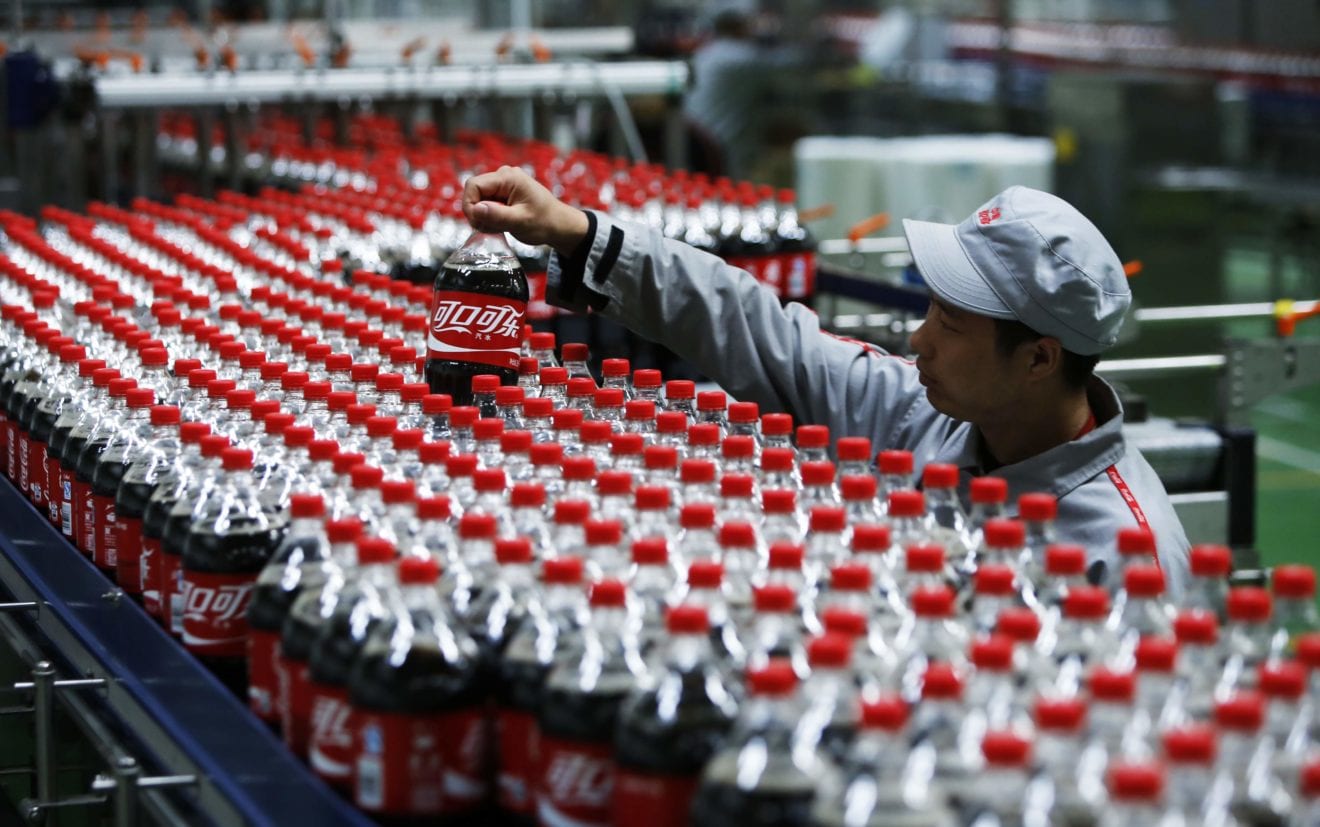
    Coca-Cola Amatil is planning to deploy two new production lines at its Cikekodan Plant in Bekasi, West Java in Indonesia. The expansion of the Cikekodan plant marks the first of the major investments being made by the company in Indonesia.

    Coca-Cola plans to invest around $500m in the country to accelerate growth in the next three to four years.

    Coca-Cola is also planning to invest $63m in the construction of a new distribution center in Surabaya, Indonesia, making it the fourth mega distribution center operated by the subsidiary of Australian-based Coca-Cola Amatil.

    Coca-Cola Company chairman and CEO Muhtar Kent said: “We consider Indonesia a dynamic and promising market and one of the growth engines to achieve our long-term vision.

    “Our company’s US $500 million investment reaffirms our belief in Indonesia and will help us capture the growth opportunity in one of the largest and most dynamic countries in the world as we enable our system to be even more responsive to consumer and customer needs.

    “We believe by creating more jobs and where possible sourcing locally, we can promote the local economy and contribute to economic growth in Indonesia.”

    This latest investment is expected to have give a huge boost to local jobs, taking the Coca-Cola’s total direct and indirect employment in Indonesia from around 60,000 to a total of 135,000 within a span of three to four years.

    However, the investment is yet to receive Indonesian regulatory approval and also subject to CCA non-associated shareholder approval.

    In last October, Coca-Cola announced plans to set up a joint venture with Coca-Cola Amatil’s local Indonesia subsidiary to invest $500m for an equity ownership interest of 29.4%.

    The funding was invested into Coca-Cola Amatil Indonesia (CCAI) operations in Indonesia to expand production, warehousing and cold-drink infrastructure.

    In the past three years, CCAI has commissioned 18 new production lines, installed 150,000 coolers and built three distribution centers to increase production capacity and build local capability with total investments of more than $300m.

    CCA group chairman David Gonski said: “These two new production lines commissioned today are an excellent example of how the US $500 million cash injection is being invested. Coca-Cola Amatil is committed to building a future hand-in-hand with our partners, customers and consumers in Indonesia.

    “The upcoming joint venture is an important step for us in accelerating our efforts to create a strong future for our communities and businesses in the areas in which we operate.”

  • Sugarcane production feared to shrink on unfavorable climate

    Sugarcane production feared to shrink on unfavorable climate

    The Association of Indonesian Sugarcane Farmers (APTRI) said that the countrys production of sugarcane might decline on unfavorable climate.

    The year 2016 would be a difficult period for sugarcane growers in the country, the General Chairman of APTRI Arum Sabil said.

    Lengthy drought in 2015 affected vegetation and fertilization was not maximum that sugarcane production could decline in 2016, Arum said here on Monday.

    “It is beyond human power. We could only hope that the dry season and rainy season would not too lengthy,” he said.

    The natural condition is one of the factors causing sugar fields to shrink in 2015, he said.

    “The sugarcane plantations decreased 20 percent in size to 475,000 hectares and the productivity shrank 10-15 percent in 2015,” he said.

    One of the causes was lack of attention of the government to the condition faced by sugarcane farmers, he said.

    “At that time fertilizers were not easily available for farmers that the crop could not grow well,” he added.

    Therefore, if the government wanted success in achieving the target of self sufficiency in sugar supply in 2018, it must improve distribution of fertilizers and revitalize sugar factories, he said.

    He suggested that fund should be set aside for the revitalization of sugar factories in the state budget instead of relying only on state companies.

    However, state-owned plantation company, PT Perkebunan Nusantara (PTPN) X predicted a better year in 2016 setting a higher production target for sugar.

    The largest sugar producer among state companies has set its sugar production target at 475,000 tons in 2016 or a 10 percent growth from production of 431,020 tons in 2015.

    “Sugar content is also expected to increase to 8.5 percent from 8.3 percent in 2015,” Subiyono , the president director of the company, was quoted as saying earlier this week.

    With the production target, PTPN X would continue to be the largest sugar producer among state plantation companies in Indonesia, Subiyono said.

    He said he was optimistic the production target could be achieved despite fear of the impact of weather anomaly.

    The company would carry out revitalization both on farm and off farm (factory).

    Revitalization on farm would be carried out by using high yield seed variety and off farm revitalization would improve efficiency, he said.

    Efficiency of factory would be made through electrification reducing the use of coal for fuel , efficiency of grinding machines to reduce losses in the process of production and improving efficiency in supply of sugarcane.

    “The entire processes are important to be more competitive, which is determined by success in cutting production cost,” he said.

  • Tesla Motors Wants Local Production in China

    Tesla Motors Wants Local Production in China

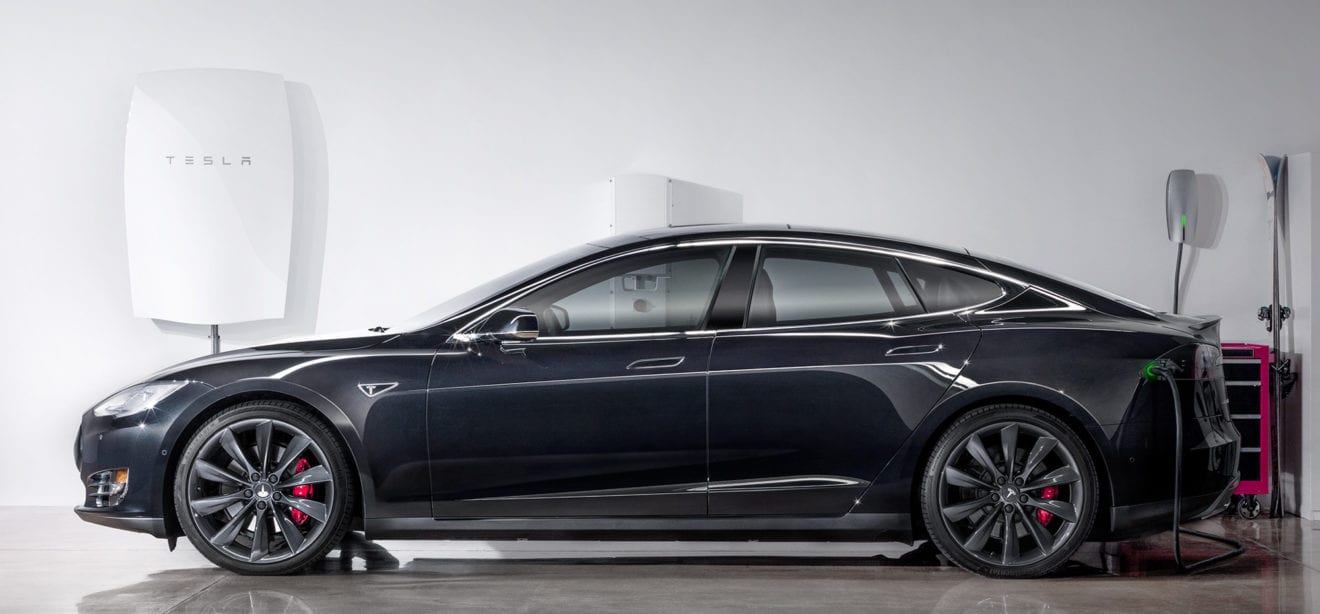
    It’s no secret that electric-car maker Tesla Motors is ramping up its efforts in China. Despite some initial challenges in the country when the company launched in the market in 2014, it still believes China could be one of its largest vehicle markets “within a few years,” according to its most recent 10-Q filing. And an update from Musk this week on Tesla’s plans in China, as well as a look at sales in Hong Kong, suggests it is as eager as ever to serve these important Asian markets.

    Tesla China

    Aiming to secure a factory location this year Tesla “aims to lock down manufacturing plans finding a local partner and a location for the plant — for the local market by the middle of this year,” wrote Engadget’s Richard Lai on Monday.

    The company plans to launch a factory in China “as soon as a year after” the Model 3 launch, which is set for late 2017, Musk said on Twitter last October. Securing a local partner and a location for its plant by the middle of this year would give Tesla plenty of time to meet this time frame.

    Musk hopes China will nix its “prohibitively high” auto import duties for the Model 3, making “a special category for EVs,” he explained last year on Twitter. Musk explained that these are natural moves for the company in order for it to “improve in-market affordability.”

    A China factory will be built to serve local Chinese demand and the company will continue to make cars and batteries in California and Nevada.

    Rising investments and rising demand
    Following its poor start in China in 2014, there was quite a bit of uncertainty about Tesla’s potential in the country last year. But a look at Tesla’s commentary on the market throughout 2015 suggests it experienced considerable growth in the market in terms of sales, demand, and investments.

    On a quarter-to-quarter basis, orders in Q2 “doubled” and orders in Q3 “increased substantially,” the company noted in its second- and third-quarter shareholder letters. Going forward, Tesla said in its third-quarter shareholder letter that it expected “order growth in China to remain strong.”

    Along with this rising demand, there are now over 340 Superchargers and 1,600 Destination Chargers in the country.

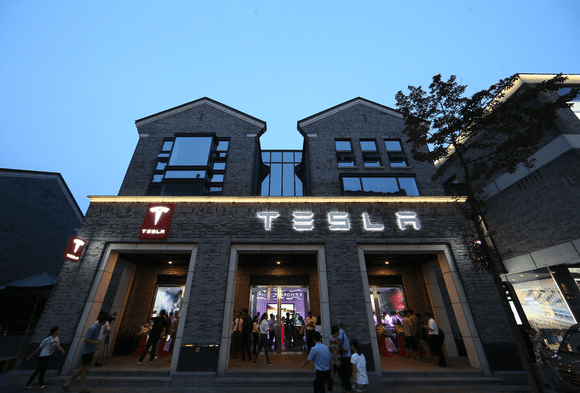
    One area of investment for the company in China has been with its retail stores. In August 2015, Tesla had just one retail store located in a high foot traffic area in the market and said it planned to have five by the end of the year. With 15 stores in the country now, the company appears to be exceeding its plans for a retail expansion there.

    Hong Kong First Tesla

    Tesla’s investments in Hong Kong, where it currently has three retail stores, are also surprising. Lai provides a glimpse of the company’s robust charging network in the market, along with a rare breakdown of sales for the region:

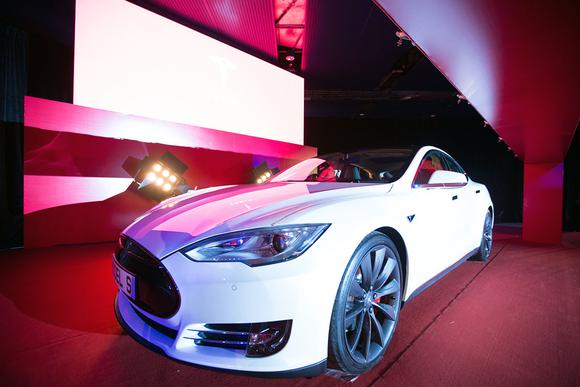
    Hong Kong in particular has 42 Superchargers, making it the city with the highest density of Tesla’s rapid charging stations; this is on top of the 75 destination chargers there. It’s no wonder that last year the company managed to sell 2,221 Model S in Hong Kong alone, which made up over 80 percent of the local electric vehicles that year. To put things into perspective, that’s also 4.39 percent of Tesla’s total global shipment in the same period.

    This is considerable progress considering the company didn’t launch in Hong Kong until the second half of 2014.

    China and Hong Kong both look poised to represent key catalysts for Tesla in 2016.

    The next billion-dollar iSecret
    The world’s biggest tech company forgot to show you something at its recent event, but a few Wall Street analysts and the Fool didn’t miss a beat: There’s a small company that’s powering their brand-new gadgets and the coming revolution in technology. And we think its stock price has nearly unlimited room to run for early in-the-know investors! To be one of them, just click here.

    Daniel Sparks owns shares of Tesla Motors. The Motley Fool owns shares of and recommends Tesla Motors. Try any of our Foolish newsletter services free for 30 days. We Fools may not all hold the same opinions, but we all believe that considering a diverse range of insights makes us better investors. The Motley Fool has a disclosure policy.