Tag: Products

  • Comedian Andy Lee Champions Australian Made Products in 40th Anniversary Campaign

    Comedian Andy Lee Champions Australian Made Products in 40th Anniversary Campaign

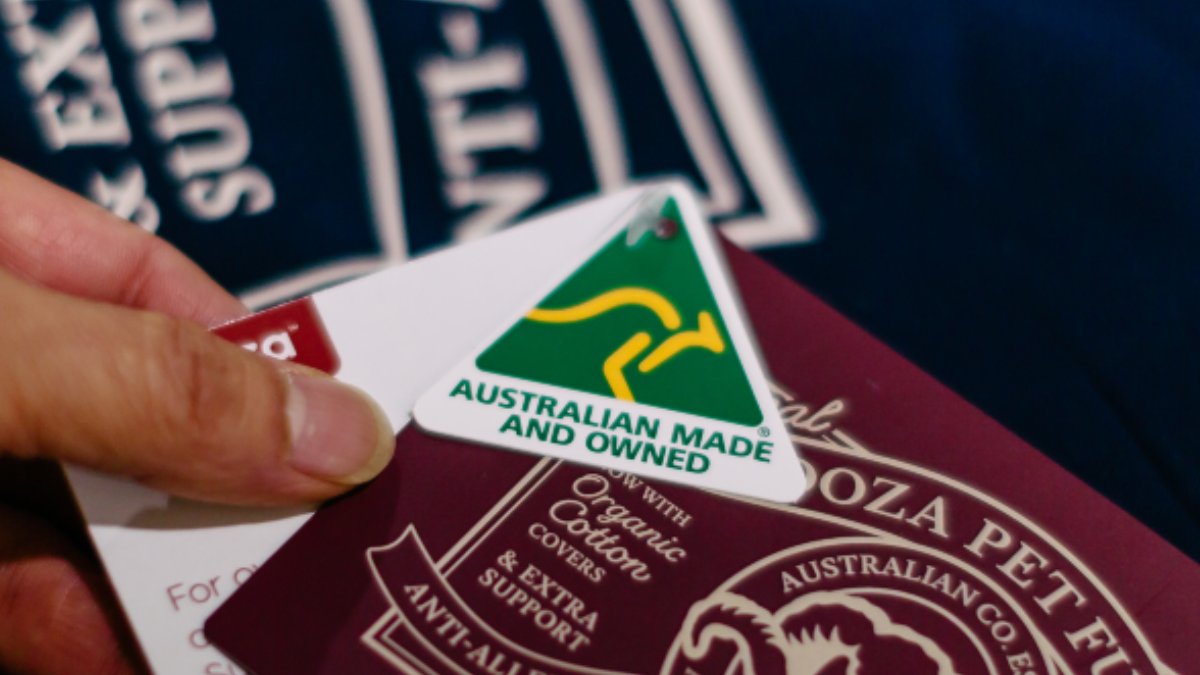
    Australian Made, an organization renowned for promoting and certifying Australian-made products, has recently announced the appointment of Andy Lee as its ambassador for the upcoming Australian Made Week. Scheduled for the week of the 18th to the 24th of May, Australian Made Week aims to encourage consumers to prioritize purchasing products adorned with the Australian Made logo.

    Andy Lee is a comedian, children’s book author, and a member of the renowned comedy duo Hamish & Andy. As an ambassador, Lee’s main role will be to spearhead a campaign promoting the economic benefits of choosing products made within Australia. To emphasize this, he will don the national colours of green and gold throughout the campaign. This year also marks a significant milestone for Australian Made as they celebrate 40 years since the Australian Made logo was first introduced as a national symbol of origin.

    Ben Lazzaro, CEO of Australian Made, revealed that Lee was chosen as the ambassador due to his unwavering support for local manufacturing throughout his career as a business owner and investor.

    Lee expressed his belief that choosing Australian-made products can have far-reaching economic impacts, including supporting local employment and supply chains. He hopes his role will inspire consumers both locally and internationally to support Australian producers.

    Lee said, “Nothing would make me happier than knowing my involvement in Australian Made Week had encouraged people to support our wonderful country and the incredible things our local makers create.”

    Interestingly, a recent survey conducted by Roy Morgan Research indicates a high level of support for domestic production among consumers. According to the survey, 87% of respondents believe buying Australian-made products is important, with 56% stating they ‘often’ or ‘always’ opt for them. Furthermore, an impressive 99% of those surveyed were able to recognize the Australian Made logo.

    Australian Made encourages consumers to prioritize Australian-made products in all their daily purchases. They stress that domestically produced options are available across a wide range of categories, including health and beauty products, industrial materials, furniture, and mattresses.

    In addition to promoting local products, Australian Made Week will also include a host of community activities and a programme recognizing businesses in the certification system used by more than 4500 companies.

    Questions & Answers

    Who has been appointed as the ambassador for Australian Made Week?
    Andy Lee, a comedian and children’s book author, has been appointed as the ambassador for Australian Made Week.

    Why was Andy Lee selected as the ambassador for Australian Made Week?
    Andy Lee was chosen for his long-standing support for local manufacturing and his work as a business owner and investor.

    What are the main objectives of Australian Made Week?
    Australian Made Week aims to promote the economic benefits of choosing domestically produced goods and to encourage consumers to prioritize products bearing the Australian Made logo.

  • Pharma Leaders At Flypharma Highlight Air Cargo’s Role In Global Health

    Pharma Leaders At Flypharma Highlight Air Cargo’s Role In Global Health

    At the FlyPharma Amsterdam 2025 conference, leaders from the worldwide pharmaceutical industry gathered to highlight the importance of collaboration for the steady global transportation of essential healthcare items and life-saving medicines. The conference took place amidst the backdrop of rapidly changing regulations, shifting trade flows, and an uncertain geopolitical landscape.

    Growth in Pharma Sector Increases Demand for Specialised Air Cargo

    The global healthcare and pharmaceutical industry is projected to achieve a total worth of USD 1.77 trillion by 2025. This growth is primarily attributed to advances in biologics, digital health, and personalized medicine, along with increased patient access on a global scale.

    The industry’s momentum is directly reflected in increased demand for airfreight capacity, especially for temperature-sensitive, high-value shipments. The pharma airfreight segment alone is predicted to witness over 6 percent annual growth, as manufacturers and logistics providers prioritize speed, dependability, and adherence to Good Distribution Practice (GDP) standards.

    Air cargo carriers and airports are making significant investments in IoT tracking, cold-chain infrastructure, and digital visibility tools to cater to this growing vertical. The fastest growth is anticipated in corridors linking Asia, Europe, and North America. The pharma and healthcare logistics sector is emerging as a strong and premium segment within the global air cargo market.

    Schiphol: A Global Centre for Pharma Logistics

    Amsterdam Airport Schiphol is a crucial global hub for pharmaceutical logistics. With its central European location, advanced infrastructure, and robust network of logistics partners, the airport is essential for global pharmaceutical supply chains. Schiphol contributes significantly to the worldwide distribution of vaccines and medicines and enhances the Dutch economy, further establishing the Netherlands as a hub for international trade and innovation in life sciences.

    The pharmaceutical logistics ecosystem at Schiphol has considerable implications not only for global public health but also for the Dutch economy. In 2024, the Netherlands exported pharmaceutical products worth USD 38.49 billion, highlighting the sector’s role in driving trade, innovation, and high-value employment. Schiphol’s success as a pharma logistics hub encourages companies to invest, expand, and drive innovation in the Netherlands, making the country more competitive and appealing to life sciences entities.

    Schiphol’s importance as a global logistics hub was further underscored during the COVID-19 pandemic, during which it served as one of Europe’s primary gateways for vaccine transportation and temperature-sensitive pharmaceuticals.

    The Role of Air France KLM Martinair Cargo in Pharma Logistics

    Air France-KLM Martinair Cargo (AFKLMP Cargo) has positioned itself as a leading player and innovator in pharmaceutical logistics, being among the first airlines to receive IATA CEIV Pharma certification. The airline’s dual-hub structure in Amsterdam Schiphol and Paris Charles de Gaulle, situated in Europe’s “pharma belt,” provides unique resilience and adaptability in a fluctuating market.

    According to GertJan Roelands, SVP Commercial, AFKLMP Cargo, the company’s growth in the pharmaceutical and healthcare segment has been a strategic priority over the past five years. The airline has made considerable investments in infrastructure and introduced new digital solutions while optimizing processes to enhance resilience and transport quality. The airline’s commitment to this strategy is reflected in its record-breaking performance in the pharmaceutical and healthcare segment and its increasing market share.

    Innovation, Sustainability, and Excellence in Cool Chain

    AFKLMP Cargo continues to expand cool-room capacity, develop digital monitoring dashboards for operational visibility, and pioneer sustainable temperature-control solutions such as CO₂-based refrigerant technology at Paris CDG. As personalized medicine and advanced therapies gain traction, the airline collaborates closely with shippers, forwarders, and life science clusters, providing time-critical solutions that are fully compliant with GDP and CEIV.

    Despite market volatility and geopolitical pressures, AFKLMP Cargo remains steadfast in its focus on on-time delivery and maintaining the integrity of the cool chain supply. The resilience demonstrated during the pandemic continues to shape the airline’s long-term strategy.

    In the words of GertJan Roelands, “Pharmaceutical logistics is not just about transportation — it’s about trust, responsibility, and resilience. Our mission is to deliver healthcare products safely and reliably, adapting to new challenges while ensuring patients around the world receive the medicines they need.”

    Questions & Answers

    What are the main factors driving the growth of the global pharmaceutical industry?
    The main factors driving this growth include advances in biologics, digital health, and personalized medicine, along with increased patient access globally.

    What is the projected growth for the pharma airfreight segment?
    The pharma airfreight segment is predicted to grow more than 6 percent annually.

    What role has Schiphol played in global pharmaceutical logistics?
    Schiphol serves as a crucial global hub for pharmaceutical logistics, contributing significantly to the worldwide distribution of vaccines and medicines, and enhancing the Dutch economy.

  • Gold’s Gym Partners With Img Licensing To Launch Branded Consumer Products Globally

    Gold’s Gym Partners With Img Licensing To Launch Branded Consumer Products Globally

    Gold’s Gym, a long-standing name in the fitness industry, is expanding its horizons beyond its health centers. The company has entered into an exclusive multi-year agreement with IMG Licensing, marking a significant move towards the introduction of branded consumer products on a global scale.

    Sven Thierhoff, Vice President at IMG Licensing, expressed his excitement about the venture. He referred to Gold’s Gym as a legacy fitness brand, and together, they have ambitious plans to deliver high-quality, sustainable products and experiences that will further consolidate Gold’s Gym’s reputation as a trusted pioneer in serious training and fitness culture.

    This strategic move will propel the 60-year-old fitness brand into new markets, such as nutrition and supplements, footwear, travel gear, and sports and leisure goods. This will also lead to an expansion of their existing range of apparel and fashion items.

    Danny Waggoner, CEO of Gold’s Gym, commented on the partnership with IMG. He emphasized that the collaboration allowed them to extend their philosophy from the confines of the physical fitness center into products and experiences. The goal is to inspire people to lead healthier and stronger lives every day.

    Questions & Answers

    What is the primary aim of Gold’s Gym’s partnership with IMG Licensing?
    The primary aim of the partnership is to roll out branded consumer products worldwide.

    What new markets will Gold’s Gym enter with this expansion?
    With this expansion, Gold’s Gym will be entering new markets, including nutrition and supplements, footwear, travel gear, and sports and leisure goods, while also broadening their existing apparel and fashion lines.

    How does the CEO of Gold’s Gym, Danny Waggoner, view this partnership?
    Danny Waggoner views this partnership as an opportunity to extend their philosophy beyond the physical gym, inspiring people to live healthier and stronger lives every day through their products and experiences.

  • Aldi Revamps Us Private Labels: Unveils Namesake Branding To Enhance Customer Experience

    Aldi Revamps Us Private Labels: Unveils Namesake Branding To Enhance Customer Experience

    Aldi has recently introduced its inaugural namesake brand, featuring new packaging showcasing the Aldi name on its own private labels in the United States. This strategic move is designed to increase the visibility and recognizability of the supermarket chain’s private brands by providing them with packaging that either displays the Aldi logo or bears the endorsement “Aldi Original”.

    A Modern Shopping Experience

    According to Aldi’s CEO, Atty McGrath, the update to the products’ aesthetic is a significant step in their ongoing mission to modernize and streamline the shopping experience. “Our new product design gives consumers another compelling reason to choose our products first after nearly five decades of leading the standard in private branding,” McGrath explained.

    The vast majority of Aldi’s product range, over 90%, consists of private labels. Many of these brands will be rebranded with the Aldi name. Meanwhile, other well-known brands like Clancy’s, Simply Nature, and Specially Selected will undergo a brand refresh and be endorsed as “Aldi Original” products.

    Incorporating Customer Feedback

    Some items will also take on customer-coined nicknames, such as “red bag chicken”, in a tribute to the company’s loyal consumer base. Aldi’s Chief Customer Officer (CCO), Scott Patton, noted that the company found immense inspiration from its customers during this branding refresh process. “Our customers already refer to our private labels as ‘Aldi brands’, so we’re thrilled to formally acknowledge them with a visible and trustworthy name,” Patton said.

    The rollout of the new branding has already commenced, and Aldi anticipates that every product will feature either the Aldi name or updated packaging in the near future.

    However, an Aldi spokesperson clarified that this rebranding initiative is exclusive to Aldi in the United States, and there are currently no plans for Aldi Australia to implement the same branding across its product line.

    Questions & Answers

    What is the main goal of Aldi’s rebranding strategy?
    Aldi’s rebranding strategy aims to increase the visibility and recognizability of the supermarket chain’s private brands by featuring the Aldi name or “Aldi Original” endorsement on their packaging.

    How will Aldi’s product range be affected by this rebranding?
    The majority of Aldi’s product range, which is made up of over 90% private labels, will see many of these brands rebranded with the Aldi name. Other well-known brands will undergo a refresh and be endorsed as “Aldi Original” products.

    Is this rebranding initiative applicable to all Aldi stores worldwide?
    No, this rebranding initiative is currently exclusive to Aldi in the United States. Aldi Australia has confirmed that it has no plans to implement the same branding across its product line.

  • Vietnamese Processed Foods Struggle to Secure Shelf Space in U.S. Supermarkets

    Vietnamese Processed Foods Struggle to Secure Shelf Space in U.S. Supermarkets

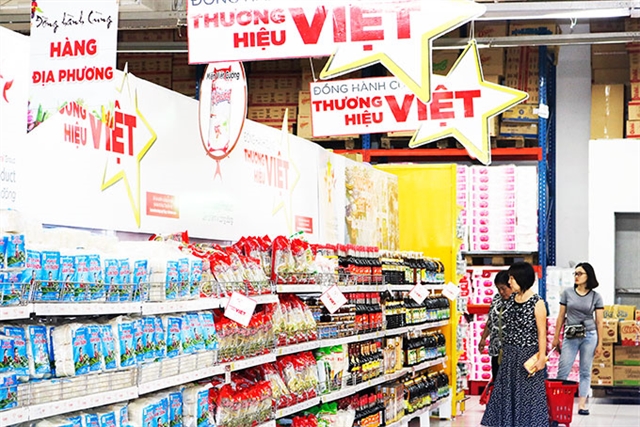
    Tina Murphy, CEO of MMTT Professional Services and a seasoned shopper from her years in the U.S., expressed her surprise at the glaring absence of Vietnamese products in American retail. While exploring vast supermarket aisles, it struck her that these essential goods are mostly confined to niche Asian markets.

    “As a Vietnamese person, I find this concerning,” she remarked during a recent forum that spotlighted Vietnam’s export capabilities. Recent data indicates that in the first half of this year, Vietnam’s agricultural and aquatic exports to the U.S. soared impressively, with coffee and fruits boasting staggering year-on-year growth rates of 76.4% and 65.5%, respectively, according to the General Department of Customs. Other sectors, including aquatic products and rice, also reported double-digit increases.

    However, retail analysts caution that the majority of Vietnam’s agricultural exports are still raw materials, with only a tiny fraction transformed into processed, branded products. Chris Nguyen, CEO of Ocean Marketing USA, emphasized that Vietnamese goods in the U.S. often lack a cohesive national brand identity, making it tough to break into established markets compared to competitors from South Korea and Thailand.

    Nguyen pointed to the industry’s structural limitations, citing manufacturers’ constraints in resources and branding investment, which leaves them heavily reliant on importers. “Many countries have dedicated agents or teams on the ground to navigate market nuances, which Vietnamese businesses often do without,” he noted.

    Quality assurance remains another hurdle. Tony Luu, director of GPLUS – FDA, revealed that an alarming average of two shipments of Vietnamese food products are rejected daily. The chief culprit? Insufficient compliance with U.S. Food Safety Modernization Act standards, combined with common packaging errors such as missing allergen information or improperly formatted nutritional facts.

    To tackle access barriers to American supermarkets, Jolie Nguyen, chairwoman of LNS International, urged Vietnamese food exporters to standardize their production and meticulously adhere to international trade regulations. Nguyen stressed the importance of avoiding a short-sighted approach to sales and instead fostering a reputation built on quality.

    “The focus should be on long-term relationships and formal trade,” she advised, suggesting that Vietnamese businesses take advantage of existing export ecosystems for better compliance, market research, and logistics planning.

    But the horizon isn’t limited to the U.S. market. Alejandro Gutierrez, growth director at Guval Foods, shared insights from his experience introducing Vietnamese foods to Mexico. Retail giants like Walmart and Costco, he said, are eager for popular items such as rice paper and instant noodles.

    Some Vietnamese companies are stepping up their game. Ca Men, known for its traditional frozen packaged foods, has embarked on an ambitious export expansion, targeting over 50 supermarkets in Toronto and already supplying products to California, Texas, Australia, and the U.K. in the past.

    In a clever move, Ca Men revamped its packaging from flat packs to eye-catching upright boxes, better suiting the display needs of major supermarkets in the U.S. and beyond. Sunrise Ins has similarly diversified its footprint, sending over 10 shipments of ST25 rice, rice paper, and pho to New Zealand and Mexico every few months.

    As Kim Hyo Gil, the director of AFC & Foodil Global, pointed out, Vietnamese products offer competitive quality and pricing, creating a ripe opportunity for expansion beyond their home market. On August 5, Foodil launched an online wholesale food export platform in Vietnam, partnering with LNS Group and Asian Food Connect to facilitate access to over 30 new markets. A spokesperson noted that while entering a new market typically costs around $120,000 and takes a year, the platform’s AI-driven logistics can potentially streamline this process dramatically.

    As the world grows smaller and consumers become more adventurous, the call for Vietnamese culinary delights is louder than ever. But with challenges still ahead, the future could be a delicious journey for Vietnamese brands on the international stage.

    Questions & Answers

    What challenges do Vietnamese companies face in the U.S. retail market?
    Vietnamese companies struggle with branding and market penetration, as their products are often exported in raw form and lack a cohesive national brand identity. Compliance with U.S. food safety standards and packaging errors also pose significant obstacles.

    How does the export strategy of Vietnamese food companies differ?
    While some companies like Ca Men have actively expanded their markets by adapting packaging and targeting supermarkets, others rely heavily on importers without establishing a local presence or understanding the market dynamics.

    What opportunities exist beyond the U.S. for Vietnamese exports?
    Vietnamese products are gaining traction in markets like Mexico, with major retailers seeking popular items. There’s also potential for expansion into the Middle East, Africa, and South America as demand grows for high-quality, competitively priced agricultural goods.

  • Vietnamese Shoppers Tackle the Challenge of Identifying Fake Products in a Complex Retail Landscape

    Vietnamese Shoppers Tackle the Challenge of Identifying Fake Products in a Complex Retail Landscape

    In early April, a 60-year-old woman in Hanoi visited the doctor, troubled by persistent joint pain that refused to ebb even under a regimen of various supplements. The diagnosis was disheartening: joint degeneration, osteoporosis, and herniated discs. Even more startling was the revelation that one of her supplements contained corticosteroids, potent anti-inflammatory medications known to weaken bones and contribute to adrenal insufficiency.

    In her quest for answers, Thuy turned to her child for help with research, only to uncover the troubling truth—many of her daily supplements had been flagged as counterfeits by local authorities. “I thought expensive medicines were good, but it turns out I have been buying fakes,” she lamented. A month later, her suspicion grew when she learned that another supplement, touted as a safeguard against osteoporosis, was part of a notorious counterfeit milk powder operation. “At this point, I suspect everything I have bought over the last five years is fake,” she confessed.

    Unmasking Counterfeit Operations

    Since early April, Vietnamese authorities have intensified their crackdown on counterfeit goods, unveiling a number of significant operations, including a fake medicine manufacturing ring in Thanh Hoa Province and a warehouse in Hanoi with counterfeit electronics valued at VND22 billion (US$842,270). A notorious milk powder scheme reportedly raked in nearly VND500 billion before authorities intervened.

    On June 7, officials dismantled a network producing counterfeit motor oils from reputable brands like Castrol, Motul, and Honda in Ho Chi Minh City. Two days later, a company in Phu Yen Province was implicated in selling 17 tons of fake coffee. The scale of the discovery is staggering: in the first quarter of 2025 alone, market management authorities conducted 6,192 raids, uncovering over 5,600 cases of counterfeit, smuggled, or substandard products.

    A Dismaying Discovery

    Thanh Truc, 29, visiting her parents in Nghe An Province, was shocked to find her hometown “full of fake products.” From toothpaste that tasted odd to body wash and shampoo that wouldn’t lather, each discovery felt like a betrayal. She even noted a shampoo labeled “Clean,” crafted to mislead consumers into thinking they were purchasing the reputable “Clear” brand.

    “These counterfeit products might not harm immediately, but over time, I cannot imagine the consequences,” she said, echoing a sentiment shared by many as counterfeit goods flood the market.

    E-commerce: A Hotbed for Counterfeit Goods

    Vu Van Trung, vice president of the Vietnam Consumer Protection Association, warns that online platforms have become a haven for counterfeiters. “The tactics employed are becoming increasingly sophisticated, taking advantage of e-commerce loopholes, especially through live-streamed sales on social media,” he explained. These platforms are easy to create, hard to monitor, and even simpler to erase once the counterfeit goods have been sold.

    The allure of counterfeit goods is further driven by significant profit margins. Nguyen Truong Son, president of the Vietnam Advertising Association, pointed out that while the fines for selling counterfeit products range between VND20-80 million, profits can soar into the billions, presenting a tempting risk for criminals.

    Consumers Take Control

    A survey conducted in 2021 by the Market Surveillance Agency revealed that 80% of consumers knowingly purchase fake goods due to their low price or a desire to have branded items that are otherwise unaffordable. April brought a particularly alarming account when Hai Long, 45, from Hai Phong, experienced seizures after taking what he believed were imported stroke prevention pills priced at VND1 million for ten. The discovery that these pills were counterfeit left his family in shock.

    In the wake of such incidents, Hai Long’s wife, Minh Ha, has become an activist for product integrity in her home, eschewing foreign drugs in favor of traditional remedies and devoting her supermarket trips to scrutinizing labels and scanning QR codes. “Living in a maze of real and fake goods, from vegetables to fish sauce and pills, I can no longer tell them apart. Now I have to protect my family on my own,” she stated, highlighting a growing trend towards self-advocacy among consumers.

    After discovering her counterfeit supplements, Thuy discarded everything and now faces daily pain while awaiting treatment. In response, her daughter Do Quyen, 25, has become proactive, committed to researching product authenticity and teaching her family to navigate the complexities of a market riddled with deception. This collective push for awareness is mirrored on social media, where posts offering advice on recognizing real versus fake products garner significant engagement.

    Experts suggest a proactive approach for consumers. Professor Nguyen Duy Thinh, a former lecturer at the Hanoi University of Science and Technology, recommends purchasing from authorized stores, supermarkets, and reputable pharmacies while remaining wary of unusually cheap products and dubious online tips. “Each individual’s action not only protects themselves but also helps protect the community,” Trung added, emphasizing the ripple effect of consumer vigilance in combating counterfeits.

    Questions & Answers

    What sparked Thuy’s realization about counterfeit products?
    Thuy’s diagnosis of serious health issues led her to research her supplements, revealing many were counterfeit.

    How are online platforms contributing to the counterfeiting problem in Vietnam?
    Counterfeiters exploit e-commerce loopholes, particularly through social media live-streaming, making it easier to sell fake goods.

    What proactive measures can consumers take to protect themselves?
    Experts advise purchasing from authorized outlets, scrutinizing labels and QR codes, and reporting suspected counterfeit goods to authorities.

  • AI in Retail: Revolutionizing the Customer Experience Across Asia

    AI in Retail: Revolutionizing the Customer Experience Across Asia

    Retailers are gearing up for a game-changing era as they embrace the power of artificial intelligence (AI). With technology rapidly evolving, retailers across Asia are discovering AI’s potential to personalize experiences, streamline operations, and redefine customer engagement. From analytics to chatbots, AI is not just a trend; it’s becoming an essential element in staying competitive in today’s market.

    Transforming Customer Journeys

    The integration of AI in retail is revolutionizing how brands interact with consumers. Imagine walking into a store and receiving personalized product recommendations right on your smartphone—sounds like magic, right? It’s actually AI at play. Retailers are utilizing AI to analyze consumer data, allowing them to tailor recommendations based on preferences, past purchases, and even browsing histories. This hyper-personalization goes beyond simple marketing; it cultivates a shopping experience that feels genuinely curated for each individual.

    Streamlining Operations

    Operational efficiency is another area where AI is making waves. From inventory management to supply chain logistics, AI-powered tools are helping retailers predict demand, optimize stock levels, and reduce waste. By employing machine learning algorithms, businesses can make data-driven decisions that enhance productivity and minimize costs. In a world where every dollar counts, these advancements are not just nice to have—they’re crucial for survival.

    Enhancing the Shopping Experience

    AI-enhanced customer service tools, like chatbots, have changed the way retailers communicate with consumers. These digital assistants offer 24/7 support, answering questions and resolving issues at lightning speed. This not only boosts customer satisfaction but also allows human staff to focus on more complex tasks that require a personal touch. The result? A seamless shopping experience that keeps customers coming back for more.

    Amid these technological advances, it’s interesting to note that some retailers are also looking back. Nostalgia marketing is proving to be a surprising ally as brands blend AI’s cutting-edge approach with classic consumer sentiments—who wouldn’t want to reminisce about their favorite childhood snacks while shopping?

    Questions & Answers

    What role does AI play in personalizing customer experiences?
    AI analyzes customer data to provide tailored product recommendations, creating a unique shopping experience for each individual.

    How does AI improve operational efficiency in retail?
    AI tools help retailers optimize inventory and supply chain logistics by predicting demand and making data-driven decisions, which leads to reduced waste and increased productivity.

    What impact do chatbots have on customer service?
    Chatbots provide instant support around the clock, improving customer satisfaction and freeing up human employees for more complex interactions.

    As the retail landscape continues to evolve, one thing is clear: the future is not just automated; it’s personal.

  • Hanoi Authorities Seize Thousands of Counterfeit Marshall Speakers and Smartwatches in Facebook Scam Bust

    Hanoi Authorities Seize Thousands of Counterfeit Marshall Speakers and Smartwatches in Facebook Scam Bust

    The streets of Hanoi have witnessed a significant crackdown on counterfeit products as local authorities recently dismantled a network that expertly peddled fake goods via Facebook. Among the impressive haul are 25,500 fraudulent items, including well-known products such as counterfeit Marshall speakers, smartwatches, and vacuum cleaners, all of which have led to a staggering seizure valued at around VND22 billion (approximately US$844,000).

    Operating under the leadership of 30-year-old Le Huu Minh, the group ingeniously set up a social media presence to promote their goods, mostly highlighting audio equipment falsely attributed to the renowned U.K. brand Marshall. Their marketing tactics included elaborate fake promotional campaigns celebrating the fictitious “10 years of establishment” of the Marshall brand, with eye-catching discounts reaching a jaw-dropping 70% on speakers, headphones, and amplifiers.

    To further deceive unsuspecting customers, the group launched a counterfeit website, marshall-store.com, designed to mirror the official Marshall site closely. Once the orders were placed, buyers received their goods through various delivery services, a strategy that morphologically shifted as the sellers often changed logistics companies to evade authorities.

    The prices of these knock-off items were irresistibly low, generally under VND1 million (around $38), making them an enticing option compared to their authentic counterparts. In addition to the impressive volume of fake technology, the police discovered a treasure trove of fashion products and accessories lacking valid proof of authenticity, inclusion in the grand sweep of the counterfeit operation.

    As this crackdown brings to light the extent of brand infringement, it also leaves us to wonder: just how savvy can counterfeiters get? Will online shoppers become more vigilant in their purchasing behaviors? And could this be the beginning of a larger wave of actions against online fraud in the retail sector?

    Questions & Answers

    What prompted the police raid on this counterfeit operation?
    The police acted on reports of a network selling counterfeit products on Facebook, leading to the discovery of a massive inventory of fake goods in Hanoi.

    Who was leading the counterfeiting group?
    The group was led by 30-year-old Le Huu Minh, who is currently under investigation alongside four other members.

    What types of products were seized during the operation?
    The police confiscated a wide array of items, including 12,200 smartwatches, 6,000 fake Marshall earbuds, 1,700 Marshall Emberton speakers, and 2,550 Fujisu vacuum cleaners, among other counterfeit fashion products.

  • Industry-First Marketplace Research Reveals only 7% of Australian Shoppers Trust Temu on Product Quality, while Amazon leads for Convenience, Range, and Returns

    Industry-First Marketplace Research Reveals only 7% of Australian Shoppers Trust Temu on Product Quality, while Amazon leads for Convenience, Range, and Returns

    An industry-first study by global ecommerce accelerator, Pattern, has shown that despite their surging popularity, Australian consumers hold negative views on the quality of the products sold on emerging marketplaces Temu and Shein.

    The major Australian marketplace shopper study uncovered Australian consumers’ perceptions of the seven largest marketplace platforms: Amazon, eBay, Catch, Kogan, Temu, MyDeal, and Shein.

    Temu was ranked as the lowest marketplace in perceived product quality at only 7%, followed by Shein, with just 8% of shoppers expressing trust in its product quality. This contrasts with a majority of shoppers saying that they trusted the quality of the products sold on Amazon.

    “Temu and Shein have burst onto the Australian ecommerce landscape, attracting large numbers of younger shoppers. However, these platforms still have to play a lot of catch-up to win over Australian consumers, who didn’t rate them highly for product quality, returns, and convenience,” said Merline McGregor, General Manager of Pattern Australia.

    “With a transparent product rating and review system built into its platform that educates and builds shopper trust, Amazon has become the most trusted marketplace in Australia in relation to the quality of products it sells. This is an area where Amazon leads the sector at 58%, with eBay trailing at 39%, followed by Catch (25%), Kogan (19%) and MyDeal (11%).”

    Marketplaces attract shoppers as cost-of-living pressures bite

    As cost-of-living pressures rise, Australian consumers are increasingly turning to marketplaces to research, compare, and purchase. A large majority of Australians shopped on a marketplace in 2023, with a staggering 94% planning to buy from platforms like Amazon, Catch, and eBay over the coming year.

    “With strained household budgets, marketplaces are attracting an increasing number of shoppers with their easy-to-use price comparison functionalities and sales events. With its globally recognised Prime Day event gaining popularity in Australia, Amazon has become the leading marketplace for value-for-money purchases, attracting 48% shoppers, followed by eBay at 41% and Catch at 27%,” said McGregor.

    Not only are marketplaces attracting higher volumes of shoppers, but they are more likely to secure high income shoppers in 2024. Today, over 80% of $200K earning households shop on Amazon. Even newer marketplaces like Shein attract high income consumers, with 34% of those in the $160-$199k household income bracket buying from the platform in the past 12 months.

    Amazon wins for convenience and returns

    Amazon outperforms all other marketplaces in relation to ease-of-use shopping, with 56% of consumers highlighting it was the most convenient platform to buy from, compared with eBay (46%) and Catch (23%).

    This can be attributed to Amazon’s Prime membership benefits, where shoppers get free, fast shipping and the platform’s advanced search and recommendation algorithms that personalise the shopping experience.

    Given the sophisticated supply chain infrastructure it has established in Australia, 49% of shoppers also said Amazon has the most reliable returns process – significantly more compared to any other single marketplace.

    Brands need to be present on platforms with biggest product ranges

    Just over 60% of Australian shoppers believe Amazon has the widest product range, followed by eBay at 52%. All other platforms lagged – Catch, 20%, Temu, 17%, Kogan 14%, Shein, 11% and MyDeal 8%. Offering the most product variety and options also buys marketplaces the highest web clicks, with Amazon averaging 75.2 million monthly site visits and eBay 50.9 million.

    “It’s no surprise there’s a direct correlation between marketplaces perceived to have the best product ranges and those platforms, like Amazon, that attract the highest volumes of web traffic. Brands need to be present where their shoppers are. While the larger marketplaces may have more competition, they also have the biggest audiences of potential shoppers to target,” concluded McGregor.

    For more information and to download the full report please click here: Australian Marketplace Consumer Trends Report – 2024 

    Research Methodology

    Pattern worked with OnePoll to survey 1,000 Australian consumers. Responses were collected online, and the survey was restricted to adults who had shopped online in the previous 12 months ensuring there was a representative sample of age, gender and location achieved.

    About Pattern Inc

    Pattern is the category leader in global ecommerce and marketplace acceleration. Since 2013, Pattern has profitably grown to more than 1,100 employees operating from 22 global locations – including Melbourne, Sydney and the Gold Coast – to help leading brands achieve accelerated growth on D2C websites and global marketplaces. As well as being one of the largest Amazon sellers in the world, we are also present on Tmall, JD.com, eBay and other marketplaces. ​​We act as the authorised Amazon seller to more than ​2​00 brands​ globally​, buying their stock to sell on the marketplace and taking care of every aspect of their Amazon presence. In 2018, Pattern acquired Practicology, a global digital consultancy and agency with a presence and strong client base in Australia. For more information, visit https://au.pattern.com/ .

    Media Contact

    Corinne Nolte

    Mulberry Marketing Communications

    [email protected]

  • Italian products thriving in the Australian market

    Italian products thriving in the Australian market

    The Australian market has seen a great surge in Italian imports in recent years, indicating broad consumer taste for all things “Made in Italy”, with special emphasis on authentic Italian-made food products.

    Whilst there remains a shortage of official data on Italian product consumption in Australia, import records reveal a compelling story – a diverse range of products, from processed tomatoes to fine wines, pasta to chocolate, have garnered substantial attention from Australian consumers.

    According to data from the Australian Bureau of Statistics, F&B imports from Italy to Australia have reached a value of $1.13 billion in the year ending December 2022, a year-on-year increase of 15.6 percent.

    “Across the past 10 years, we have seen the value of all Australian F&B imports double,” says Simona Bernardini, director of the Italian Trade Agency’s Sydney office, “with Italy maintaining fifth position in the world rank as one of the major trade partners for Australia in front of other European countries.”

    Italy has emerged as Australia’s top trade partner for processed tomatoes, securing a substantial 71 percent market share valued at $123 million. It is also Australia’s primary supplier of pasta – the quintessential Italian food product for most Australian consumers – with a 19 percent share at $90 million. Italy is also at the front of the pack in multiple F&B categories, including wine ($131 million), chocolate and products containing cocoa ($89.5 million), cheese ($80.5 million), baked products ($50.6 million), sauces and mix condiments ($65 million) and olive oil ($32 million).

    “Major Italian players such as Lavazza, Barilla, Ferrero, and Campari have successfully navigated the Australian market by strategically focusing on marketing and communication”, observes Bernardini.

    Despite these achievements, she maintains that there is a vast untapped potential beyond pasta, citing the diversity of Italian culinary delights: “Italy has a huge variety and number of food products to offer, still unknown to Australian consumers,” she emphasizes. “The food processing industry plays a vital role in the economy of our country.

    “Over the years, manufacturing processes have become more advanced, and many companies continue to invest in cutting-edge technologies. We also offer an extensive range of organic and ‘free-from’ products designed for people with food intolerance and allergies.”

    Italy’s dedication to sustainability aligns well with Australian consumer preferences. However, Bernardini acknowledges the need for more transparent regulations in Australia, saying: “Clear regulations are needed, firstly in product labelling and to limit greenwashing practices.” Scrutiny from the Australian Competition and Consumer Commission – which has clamped down on claims of sustainability – underscores the importance of authentic communication in this area.

    Italy’s agricultural sector is considered amongst the greenest in Europe, with the least number of agri-food products containing irregular chemical residues. It is the second country in the EU for agricultural land dedicated to organic farming, and the second country in the world for the export of organic products. Italy features about 840 geographical indications certified as “protected designations of origins” (PDO) and “protected geographical indications” (PGI) also recognised by EU regulations, and which guarantee high-quality standards of a wide variety of food products, wines, and spirits.

    E-commerce remains a pivotal avenue for Italian businesses to broaden their reach in the Australian market. Whilst in other countries Italian food companies have been working actively on digital platforms and marketplaces, accessing the Australian online market involves long-term planning due to transport, food perishability, standards, quotas, and import duties’ impact on imported products.

    “We hope that in the future there will be further development in the Australian market,” says Bernardini, “with an expansion of marketplaces and digital platforms more focused on the F&B segment that could become the springboard for more gourmet food available through online channels.”

    As far as Bernardini sees, there lies significant potential ahead for the Italian/Australian trade relationship, especially in the F&B category. The Australian demographic features a good number of dual-income households, with poor time for cooking and a steady demand for ready-to-eat foods. At the same time, Australians are becoming more oriented to freshness, wholesomeness, and healthy lifestyles – to a large extent, they are willing to pay a “premium price” for food with those characteristics. For these reasons, many Australian importers visit Italy at least once a year to see what’s new, and to place orders if they find products that fit the demand.

    “As educated and affluent consumers, Australians are willing to try new products,” she says. “Furthermore, the country receives a growing number of immigrants from all over the world, bringing with them different food tastes and boosting the diversity of the culinary scene in Australia. In addition, Australians love to travel, and often they take time to visit Europe and Italy, bringing back memories of the food and flavours they enjoyed abroad.”

  • Contractors fret as Vietnam steel prices scale new peak

    Contractors fret as Vietnam steel prices scale new peak

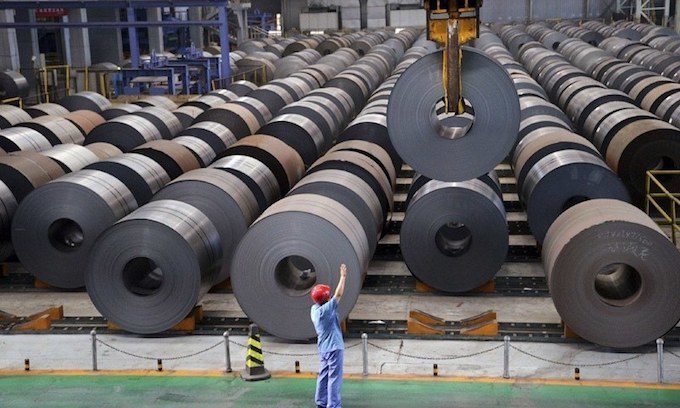
    With domestic steel prices up nearly 8 percent in 10 days, contractors are caught in a dilemma: continue work and suffer losses or suspend work and suffer fines. The Vietnam Steel Corporation (VNSTEEL) has upped its prices by 7.6 percent for both rolled and bar products.

    Its rolled steel prices reached VND18.57 million ($807) per ton, which is higher than the historic peak of VND18.3 million reached last year.

    Prices have been rising on the back of global price rises. Steelmaker Hoa Phat Group has increased its D10 bar prices to VND18.43 million per ton Mar. 11 from Mar. 1’s VND17.42 million.

    Friday’s was the third hike within over a week without a downward adjustment in between.

    The Vietnam Association of Construction Contractors (VACC) has warned that high construction steel prices will drag the industry down.

    It estimates that steel makes up 18-20 percent of the costs of building high-rise apartments, and the proportion is even higher for bridges and roads.

    Prices of other construction materials have also gone up. The association has asked the authorities to take price stabilization measures, but this has not happened yet.

    “The construction industry makes up for 8-9 percent of Vietnam’s GDP, thus any disruption can affect Vietnam’s growth target,” Nguyen Quoc Hiep, VACC chairman said.

    Many contractors are in a dilemma of whether to keep construction going at losses because of high material prices, or stop working and be penalized for slow progress, he said.

  • Asia underpins stable and strong Estee Lauder result

    Asia underpins stable and strong Estee Lauder result

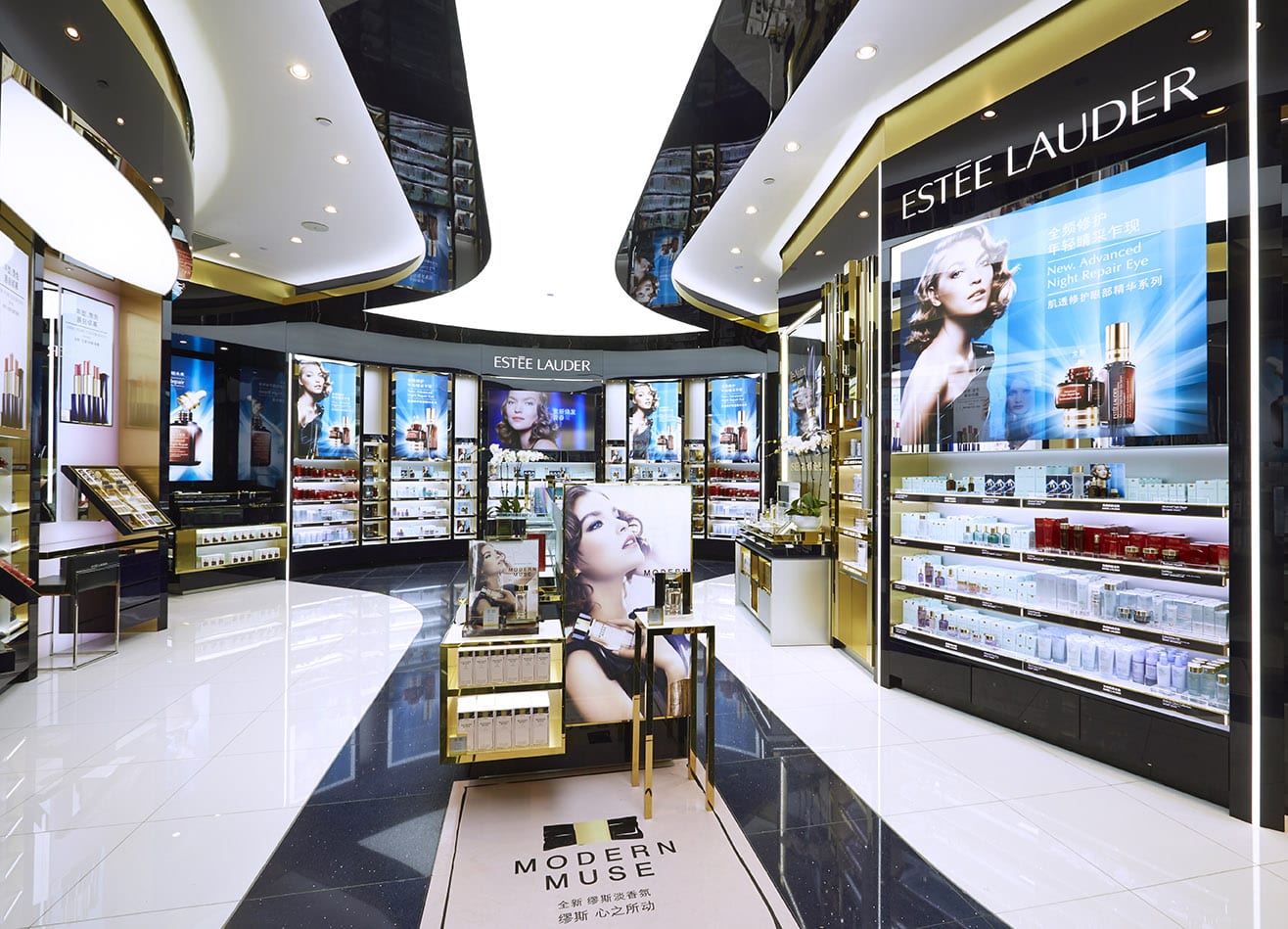
    Estee Lauder Cos reported better-than-expected quarterly results on Monday, as people confined to their homes bought more of its skincare products online and sales improved in its Asian markets. The M.A.C brand owner has ramped up investments in its online business and seen growth in demand for its skincare products as customers opted for serums and moisturizers instead of make-up items during the Covid-19 pandemic.

    “Before, online was mainly the destination of younger people. Now it’s for everyone. Everyone is online,” CEO Fabrizio Freda told analysts on a call.

    The company’s shares rose as much as 8.3 percent to a record high on Monday as online sales soared 40 percent in the first quarter.

    Its sales in the Asia-Pacific market rose 9 percent on the back of strong growth in South Korea, with demand at the company’s duty-free shops in China getting a boost from the government’s move to raise the annual tax-free shopping limit for tourists in the southern province of Hainan.

    Total sales at the company’s duty-free shops were flat year over year, after dropping roughly 30 percent in the previous quarter due to widespread restrictions on air travel.

    Total net sales fell 9 percent to $3.56 billion but exceeded analysts’ expectations of $3.46 billion, Refinitiv data showed.

    Estee forecast net sales to decline between 3 and 5 percent in the second quarter, compared with estimates of a near 5 percent decline.

  • Coca-Cola North America pilots subscription service to test new products

    Coca-Cola North America pilots subscription service to test new products

    Soft drinks giant Coca-Cola has launched a new subscription service in North America to test out over 20 new drinks.

    The Coca-Cola Insiders Club invites subscribers to sign up for a monthly shipment of three category-spanning beverages to be released in early 2020. A thousand memberships sold out in three hours following the announcement.

    “We’re absolutely thrilled to see how quickly the spots went, which shows just how passionate consumers are about our brands and innovations. It proves there is an opportunity to scale the concept and allow more people to participate,” said Alex Powell, a digital experiences manager, Coca-Cola North America.

    The soft drinks giant said the move was prompted by the phenomenal growth in the e-commerce subscription market which has doubled annually over the last five years.

    Subscribers can choose from two payment options for the six-month membership, US$10 per month or US$50 prepaid (one month free).

    “As a total beverage company, we’re constantly looking for ways to innovate not only in our products – but also in the consumer-centric experiences we offer,” said McCrea O’Haire, digital experiences manager, Coca-Cola North America.

    “People want choice, convenience and customization. The Insiders Club will allow us to showcase the diversity of the drinks we offer and get some of our newest innovations into the hands of fans who want to be among the first to enjoy them.”

    The launch of the limited-edition Coke Cinnamon in the region prompted a big response from consumers and provided valuable insights to the beverage giant.

    Coca-Cola North America said it will monitor sales, feedback and social media buzz and may consider expanding beyond the six-month trial period.

  • Grab Rolling Out Low-Cost Wealth Products

    Grab Rolling Out Low-Cost Wealth Products

    Grab is looking to tap the trillion-dollar wealth market across South-east Asia by offering low-cost investment products.

    Armed with a huge ambition of seizing South-east Asia’s wealth management market, Grab will first offer simple cash products offering a yield above the small interest derived from cash sitting in banks, said Reuben Lai, senior managing director of Grab Financial Group.

    What we don’t want to do is what typical financial institutions do where they charge 3 percent to 5 percent upfront – it’s a huge put-off. We are going to do away with all these upfront fees and have a pay-as-you-go model in a very transparent way,” said Lai, who was quoted.

    Grab will work with various asset managers and banks to offer cash products by the first half of next year, followed by more complex products later. It will study whether the products are relevant for mass consumers in both pricing and liquidity, he added.

    The firm could also partner or invest in a platform, which could be a regional or global player. As local banks have not been aggressive in pushing exchange-traded funds (ETFs) despite their low-cost nature, Lai believes therein lies opportunities for Grab Financial.

    I don’t think fees (out there) are low, said Lai, even though some banks here have savings plans tied to investments such as ETFs.

    DBS has recently launched ETF products with a flat annual management fee of 0.75 percent without a further sales charge, platform fees and lock-in period.

    To boost the team in its next phase, Grab recently hired Philip Chew, an investment veteran from powerhouse BlackRock, to run Grab’s investment and new business unit.

    It has also hired Leslie Teo, former GIC chief economist, to head up its data science team, with the aim of looking at how to better price financial products, Lai said.

    Grab’s pay-as-you-use models for its consumer finance push gained traction as 70 percent of its drivers in Malaysia have signed on the usage-based insurance sold by Grab’s partner Zhong An Insurance that offers per-day coverage for a daily payment.

    Given the bigger push into wealth and insurance, GrabPay will look to engage the mass affluent in the coming months as well, having become the dominant e-wallet in Singapore, Malaysia and Vietnam, said Ooi Huey Tyng, who manages the GrabPay business in most of Southeast Asia.

    In about 18 months, GrabPay secured e-money licenses in six countries, and now commands the largest total payment value (TPV) in three, she said, while declining to disclose the absolute figures. With the rapid build-out of the GrabPay wallet, the TPV has also more than doubled in the last six months.

    Many people will say: ‘Are you trying to do an Ant Financial?’ And my answer is: ‘China is one country, we are 10 countries’. It’s very, very different. With the one time the partners plug into us, they get access to our 170 million subscriber base in South-east Asia… and the licenses that we’ve acquired,»said Lai.

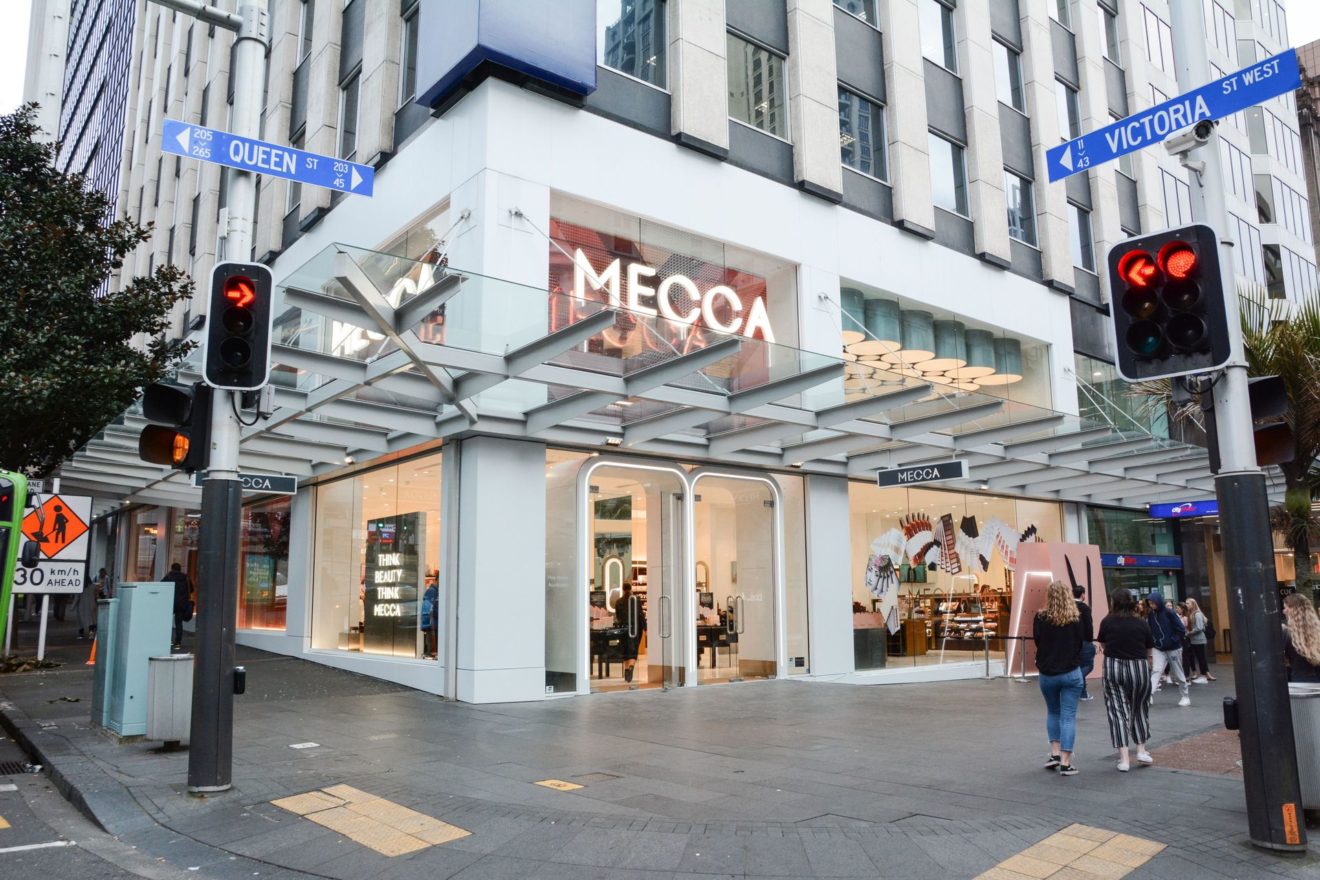
  • Mecca opens newest cross-concept store in Christchurch CBD

    Mecca opens newest cross-concept store in Christchurch CBD

    Beauty retailer Mecca has opened its newest cross-concept store, combining its Mecca Cosmetica and Mecca Maxima offerings, in the heart of Christchurch’s CBD.

    The new 224sqm store houses more than 75 of the world’s most sought-after brands of makeup, fragrance and skincare products.

    It also features a Perfumeria, housing brands such as Le Labo and Frederic Malle, and three ‘Play Bars’ which will provide customers with space to experiment with the latest beauty buys and learn new techniques.

    Eight additional makeup stations have been made available for applications, consultations and beauty treatments.

    According to the retailer, the Garden City store is the first of its kind on the South Island.

    Carly Emery, Mecca’s New Zealand country manager, said it was a natural next step was to bring a bigger, brighter Mecca to Cantabrians, following
    the success of its Auckland and Wellington stores.

    “Our Mecca Auckland and Mecca Wellington stores have been so well received and given the great development happening in Christchurch lately, we didn’t think twice about bringing our latest concept to the city,” Emery said.

    The brand made its initial foray into Christchurch in 2009 with the launch of Mecca Cosmetica Ballantynes, just weeks before the devastating earthquake. Mecca supported its staff throughout the extensive rebuild period, including providing alternative employment opportunities within other regions where possible.

    The retailer said it had to close its Mecca Maxima ANZ Centre, which opened its doors in 2016 and was the first of its kind in the country, to make way for the concept store. Its 17 employees carried over into the new store and an additional five staff members have been added to the team.