Tag: Products

  • Ikea focused to smart home products

    Ikea focused to smart home products

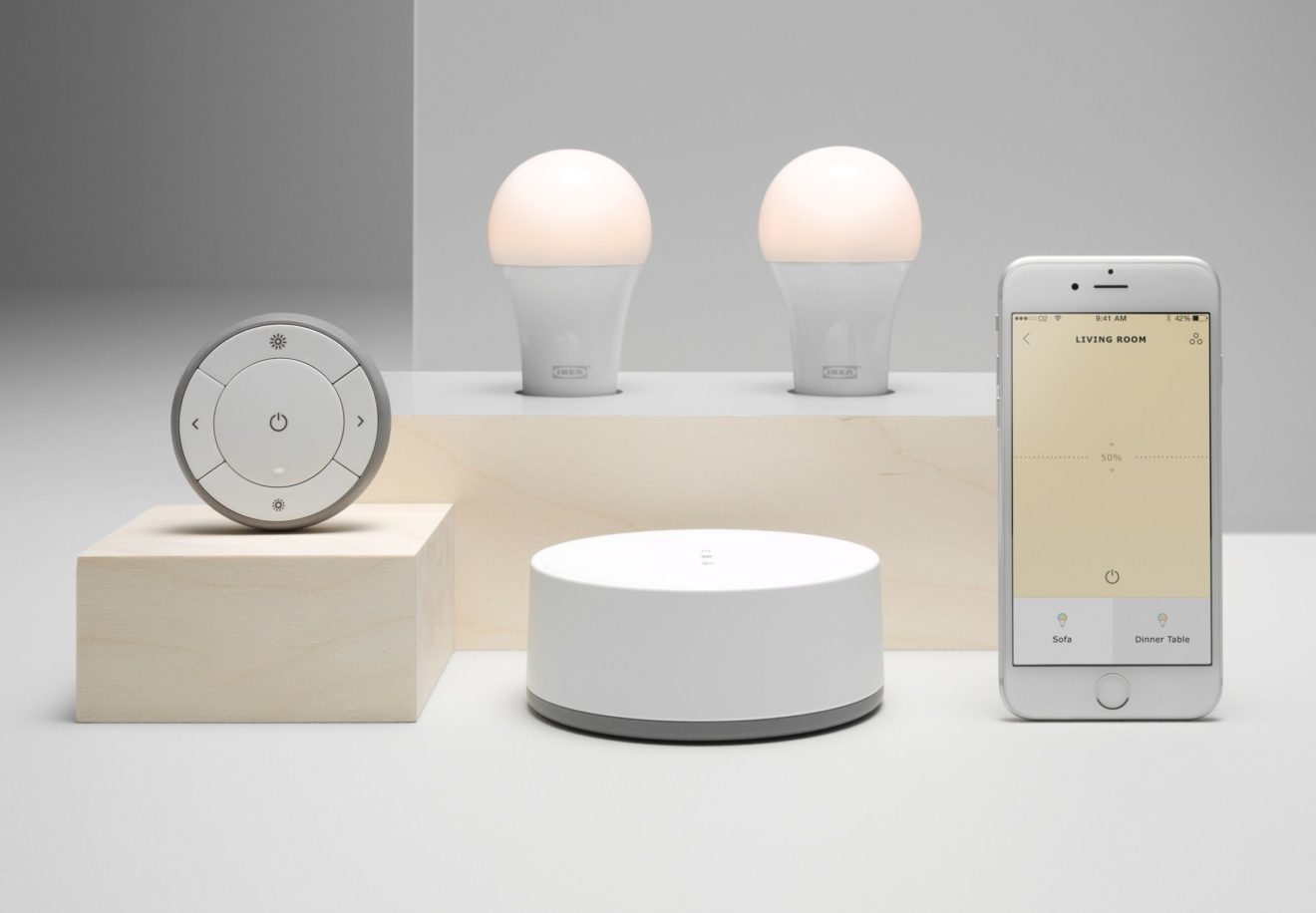
    Swedish furniture business Ikea has committed to invest further into smart home products and has spun off the Ikea Home smart project team into a dedicated business unit within Ikea Sweden.

    Ikea Home Smart was initially conceived in 2012 in order to integrate new, smart technologies into Ikea products, such as wireless charging, smart lighting, as well as smart speakers made in collaboration with Sonos.

    “At Ikea we want to continue to offer products for a better life at home for the many people going forward. In order to do so we need to explore products and solutions beyond conventional home furnishing,” said Björn Block, head of the new Ikea Home smart business unit.

    “By working together will all other departments within Ikea, the business unit of Ikea Home smart will drive the digital transformation of the Ikea range, improving and transforming existing businesses and developing new businesses to bring more diverse smart products to the many people.

    “We are just getting started.”

    According to Ikea’s range and supply manager Peter van der Poel, this is the biggest new business the brand has established since the introduction of Children’s Ikea.

    In June, Ikea renamed its smart eco-system control app TRÅDFRI to Ikea Home Smart app, saying the name change signaled a shift in direction for the business.

    “We started out our journey within the smart home with our smart lighting range TRÅDFRI where we also named the steering app with the same name,” Black said.

    “Now, moving into the next step we want to simplify [the eco-system]. We want to make it possible for you to steer all your smart products in the same app, also making it possible for you to steer all your smart products in the same app.”

  • South Korean Beauty chains stop selling DHC products after Youtube commercial

    South Korean Beauty chains stop selling DHC products after Youtube commercial

    South Korean health-and-beauty stores have suspended sales of products from Japanese beauty firm DHC Corp, after the company made offensive remarks about Koreans.

    The products are being withdrawn from shelves of retailers in yet another chapter of a growing diplomatic row between the two countries.

    Since entering South Korea in 2002, DHC has gained popularity with cleansing oils and other products and has entered local H&B stores and online malls.

    However, DHC has been embroiled in controversy after saying on its television network subsidiary that “South Korea is a hot-tempered country, and the boycott will not last long”’, and using the word ‘Joseonjing’, a disparaging expression for Korean people, saying that South Koreans were not able to text Chinese characters.

    Olive Young, a leading health-and-beauty chain, said it stopped selling DHC Corp products at its online store on Monday morning.

    Olive Young also ordered its 1200 brick-and-mortar branches to move the display locations of DHC products, following guidelines to minimize consumer exposure to the Japanese company’s wares.

    As DHC’s subsidiary, “DHC Television,” was found to have aired YouTube content with hateful comments on South Korea, the move is attributed to worsening public sentiment, including a boycott among Korean consumers.

    “Because of realistic problems such as contract relations with partners, we are first giving guidelines such as changing the location of displays in the store and temporarily suspending sales at online malls and reviewing various measures,” an official at Olive Young said.

    Lalavla, South Korea’s second-largest health-and-beauty chain, operated by GS Retail Co, has also decided to stop selling some 20 DHC products at online malls and 150 offline stores.

    The location of the remaining stock will be relocated to a less visible location.

    LOHB’s, run by retail giant Lotte Group, also suspended sales of DHC products at its online mall on Monday and stopped stocking DHC products at about 130 offline stores nationwide.

  • Lady Gaga launches beauty brand Haus Laboratories

    Lady Gaga launches beauty brand Haus Laboratories

    Lady Gaga’s makeup brand “Haus Laboratories” will be available for pre-order on July 15.

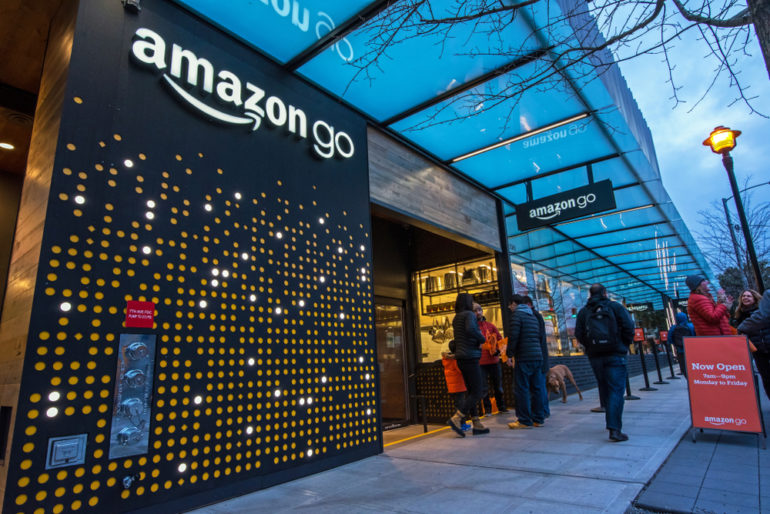
    The beauty brand is also the first to be sold exclusively on Amazon, according to Business of Fashion.

    Lip gloss will retail for US$16, and makeup kits for US$49.

    Haus Laboratories was unveiled in a video released this week, narrated by Lady Gaga, and featuring her and other models seemingly wearing makeup from the brand.

    The singer said she “never felt beautiful” when she was younger, and “struggled to find a sense of both inner and outer beauty”. However, she eventually “discovered the power of makeup.”

    “I remember watching my mother put her makeup on every morning, basking in the glow of her power to put on her bravest face as the hard working woman she was,” Gaga wrote on Instagram.

    “I then began to experiment with makeup as a way to make my dreams of being as strong as my mother become true.”

    “Sometimes beauty doesn’t come naturally from within. But I’m so grateful that makeup inspired a bravery in me I didn’t know I had.” she wrote.

    “They say beauty is in the eye of the beholder, but at Haus Laboratories, we say beauty is how you see yourself,” she continued.

  • Amazon Starts to sell fresh produce online in Japan

    Amazon Starts to sell fresh produce online in Japan

    Amazon Japan is partnering with local supermarket operator Life Corp to sell fresh foods online.

    The project will commence in parts of Tokyo later this year and provide a range of produce to Amazon’s Prime Now subscribers in Japan, offering order times as prompt as two hours for delivery. It is the first time the internet giant’s Japanese unit has partnered with a supermarket chain.

    Amazon Japan will handle all deliveries and process payments under the new venture, which targets those who face challenges leaving home to go shopping, such as the elderly or busy working professionals. The firm is hoping to use the service to meet a broader demographic for its Prime Now subscriptions.

    The arrangement is an opportunity for Life to extend its current online reach, which currently covers just over half of the Tokyo metropolitan zone. Profitability remains a limiting factor for supermarkets investing in online order infrastructure in Japan.

  • Sephora confirms Auckland Flagship Opening This Year

    Sephora confirms Auckland Flagship Opening This Year

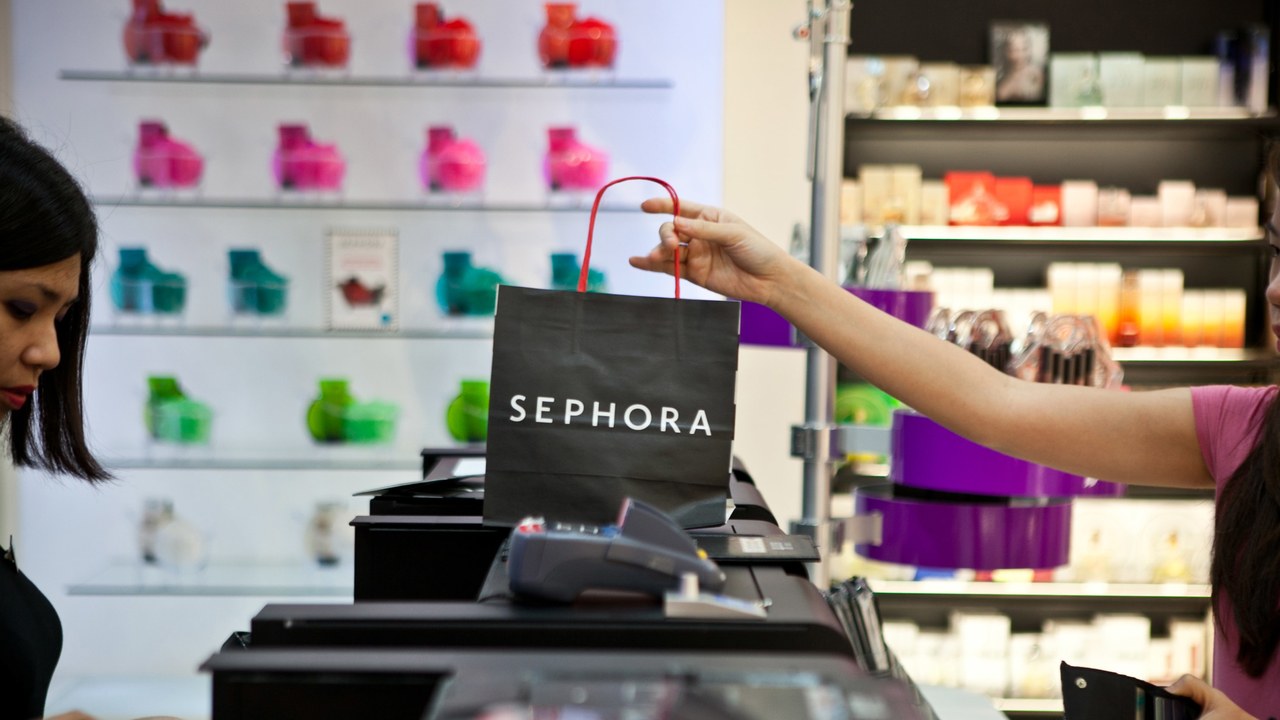
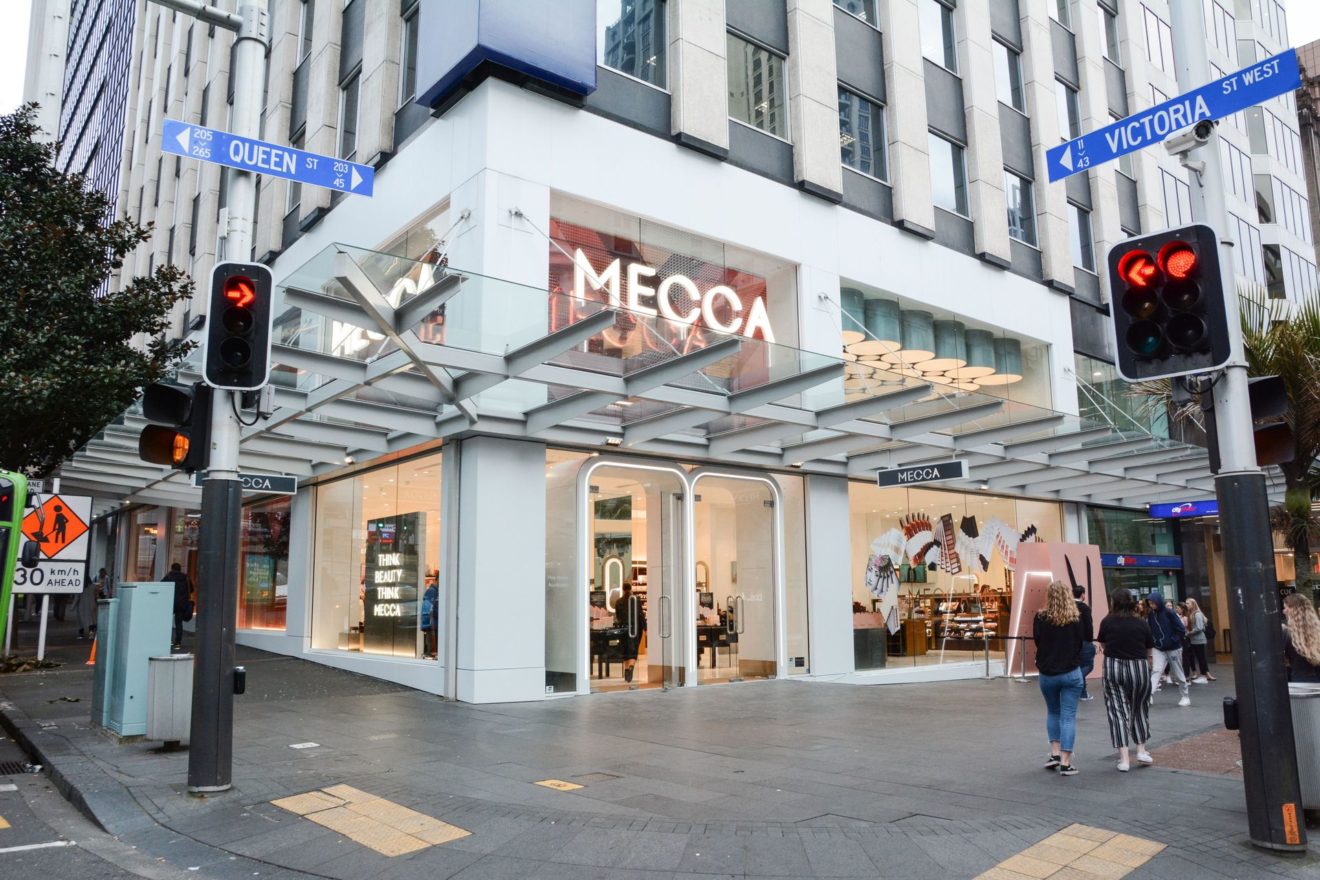
    Beauty retailer Sephora has confirmed long-standing rumors of an Auckland flagship set to open on Queen Street in 2019. While the retailer launched a local online offering in 2015, the bricks-and-mortar location will be Sephora’s first in New Zealand and is part of a larger push into Asia that will see Hong Kong and Korea added to the brand’s retail locations.

    “We believe that New Zealand will be a key market in building Sephora as the most loved beauty community in Asia, and the world,” said the president of Sephora Asia Benjamin Vuchot.

    “This expansion to a new market will allow Sephora to continue to amplify global beauty trends locally, elevate what our clients expect of the in-store experience and bring fresh, digital touch points to the retail environment to create a virtual, client-centric cycle.”

    Prior to its official announcement earlier this week, Sephora posted a series of job ads on Seek in April, looking for assistant store managers, category coordinators, stockroom managers and supervisors to fill out the Auckland flagship.

    The positions all indicated that prospective employees would need to be available for a recruitment event between May 7 and 8, pointing to an opening in the near future.

    Sephora interim general manager of Australia and New Zealand Pedro Coutinho said the store would be a beauty destination “like no other.”

    “We are so excited to introduce our renowned service offering, a suite of the most sought after beauty brands from around the world and a fun place for our clients to experience and explore their own beauty journey,” Coutinho said.

    “The Sephora client is the future – our customers are ahead of the trends, up to date with the latest brands and they want new products, now. We’ve listened to what our online clients want from Sephora, and this new Auckland location will help us deliver it.”

  • Asean countries fight against Counterfeit Goods

    Asean countries fight against Counterfeit Goods

    Enforcement officials, investigators, and prosecutors from across the Asean region discussed best practices for addressing the trade in counterfeit goods at a workshop on the enforcement of intellectual property rights held in Manila last week.

    The talks covered online business models used for the infringement of IP rights, investigative techniques and intelligence gathering, as well as measures to combat infringement, particularly in the online environment.

    According to a statement released by the workshop, the trade in counterfeit products diverts revenue from legitimate businesses, depletes innovation and development, and underpins organised crime networks. In addition, counterfeits are generally of low quality and are potentially harmful to consumers.

    A wide range of products are affected, including footwear, clothing, electrical machinery, pharmaceuticals, cosmetics, and toys.

    A report released this year by the European Union Intellectual Property Office and the OECD estimates that counterfeit and pirated goods represented up to 3.3 per cent of world trade in 2016. This share has grown significantly, from up to 2.5 per cent estimated in 2013.

    “Strong IP enforcement legislation in the EU provides police and customs agencies with the powers they need to successfully intercept counterfeit goods,” said IP enforcement expert Erling Vestergaard, highlighting a number of EU initiatives that address the issue.

    World Intellectual Property Day is held annually on April 26 to highlight the importance of IP in encouraging innovation and creativity. The global theme for this year is IP and Sports.

  • Sogo opens at Shah Alam’s Central I-City

    Sogo opens at Shah Alam’s Central I-City

    A second Sogo Malaysia department store has launched at Central I-City shopping centre in Shah Alam, Selangor.
    The new four-storey store, designed according to a distinctive Japanese aesthetic, features 18,581sqm of retail space and more than 400 brands in a wide variety of product categories.

    “Aside from purchasing beauty products on the ground floor, shoppers can get their manicure, pedicure and waxing done at the Smooch Waxing Studio,” said Sogo Malaysia group COO Raymond Teo. “There is also the Prinz Classic Barbershop on the second level, while the shoe and bag spa is at the ladies’ shoes section on the first floor. We also have cafes for those who want to chill out without having to leave the department store.”

    A range of promotions, redemptions and activities are being held to celebrate the launch.

    “This year marks our 25th anniversary and the opening of this store is an important milestone for us,” said Sogo Malaysia CEO Toh Peng Koon. “Opening Sogo in Central I-City is not only to cater to the needs of the Shah Alam community and beyond but also to be nearer and engage more with them.”
    “We are opening two new stores this month,” he added. “After Sogo Central I-City, it will be Sogo The Mall in Mid Valley Southkey, Johor Baru, on April 23.”

    By 2022, Sogo should have expanded its total network to six stores with a total retail space of 222,967sqm, which includes Prai Megamall in Penang, Selayang, Terengganu, and the first Seibu department store at the Tun Razak Exchange (TRX) Lifestyle Precinct in Kuala Lumpur.

  • Amazon Products Now Available in Australia

    Amazon Products Now Available in Australia

    Amazon has launched another key part of its business in the Australian market – it’s advertising products.

    Amazon Advertising, the part of the company that offers display and video ads and an online tool to programmatically buy ads, launched in Australia on Friday, according to a company blog post.

    This gives businesses a way to reach the millions of unique visitors who land on Amazon’s local website each month, according to figures the company cited from SimilarWeb.

    “With Amazon Advertising, agencies and advertisers – regardless of whether or not they sell on Amazon – can deliver relevant messages to customers on and off Amazon, throughout their customer journey,” the blog post reads.

    The launch comes amid a recent revamp of the US e-commerce giant’s advertising business. In 2017, the company added a new office and 2000 jobs, mostly in advertising, in New York City. It has also introduced self-service buying tools, among other new products, and started providing deeper insights into its enormous customer database.

    These efforts seem to be paying off. Advertising was part of Amazon’s fastest growing business segment last year. Revenue from the company’s “other” category, which includes advertising, grew 115 per cent in 2018, to US$10.1 billion. Research firm Magna estimated that advertising accounted for US$6 billion of that figure.

    Most of this growth has come at the expense of rival digital advertising giant, Google, according to a report last week

    The report stated that WPP PLC, the world’s largest ad buyer, spent about US$300 million on Amazon search ads in 2018, and about 75 per cent of that money came from Google search. This was up from the US$100 million to US$150 million it spent on Amazon search ads in 2017, according to sources familiar with the matter.

    Advertising at the point of purchase

    One reason Amazon may be attracting more advertising dollars is that it enables businesses to reach customers much closer to the point of purchase than Google or Facebook, although both tech giants – particularly Facebook, which owns Instagram – have been working to close the gap between the discovery and purchase stages of the customer journey for some time.

    But before retailers completely upend their advertising budgets, they may want to consider the metrics they’re using to allocate budget to begin with. New research from Monash University has revealed that ‘last touchpoint attribution’, a key metric most advertisers use to measure ad effectiveness and allocate budget, is not accurate.

    “At the moment, if a consumer buys a new toy online, Google can look at the search patterns that person has had over the past few days, or whether they’ve received any emails from a department store such as Kmart,” Peter Danaher, head of the department of marketing at Monash Business School, said.

    “They use a method called ‘last touchpoint attribution’. So, if the consumer last opened an email about toys, the email gets the credit. It they last did a Google search on toys before making the purchase, Google gets the credit.

    “The advertising industry has used this method for the past five years because it’s simple and effective. The problem is, this method ignores how long consumers remember an advertisement.”

    According to Danaher, last touchpoint attribution doesn’t take into account the cumulative effect of seeing ads in different places, and allocating budget based on this metric is less effective than allocating budget to maximise profit.

  • Fortnum & Mason To Open in Hong Kong

    Fortnum & Mason To Open in Hong Kong

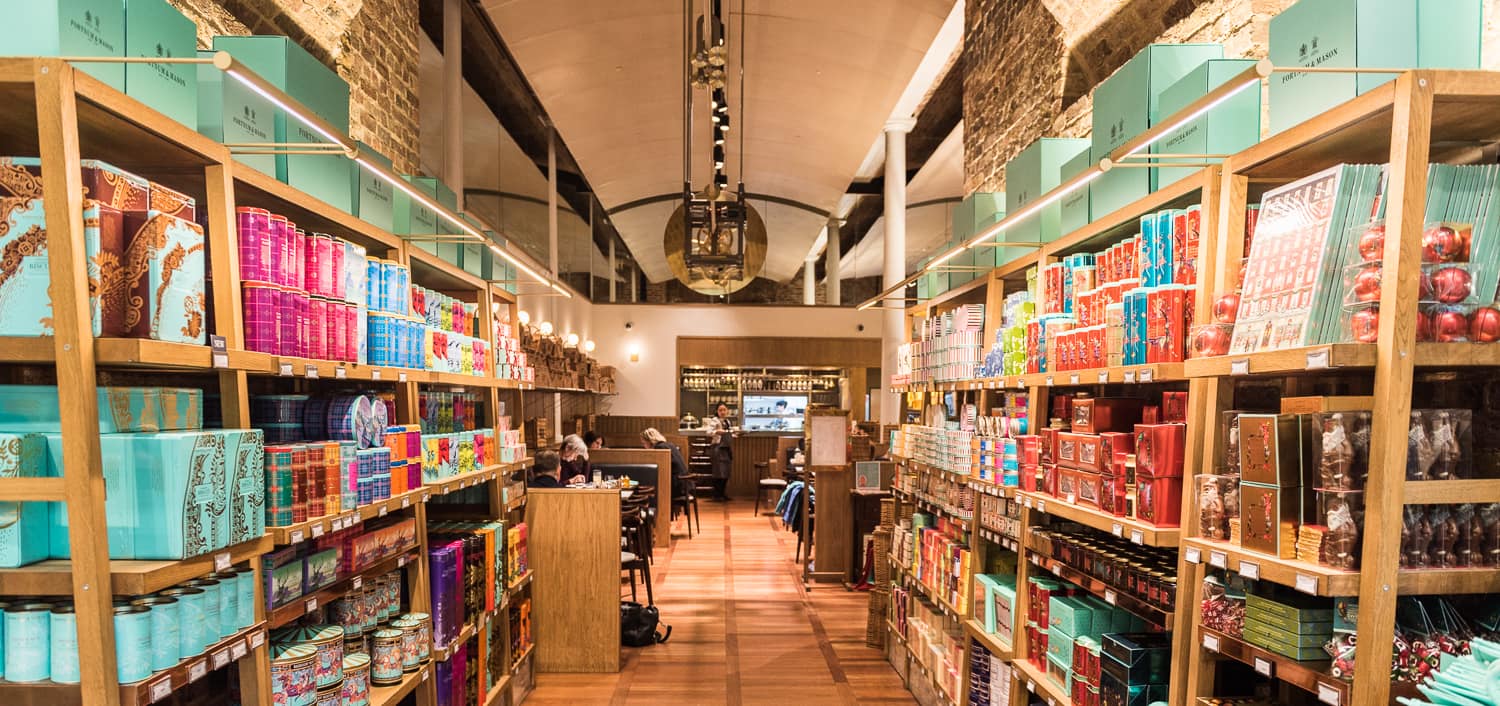
    Upmarket British food store Fortnum & Mason will launch its first international standalone location in Hong Kong this September.

    Driven by a strong international demand, the first Fortnum & Mason Hong Kong store will open along with a restaurant in the K11 Musea development at Victoria Dockside, serving Hong Kong residents and mainland Chinese visitors.

    The retailer runs concessions in South Korea with Shinsegae, Mitsukoshi in Japan and Lane Crawford in Hong Kong.

    “Building on our 47 years of experience in Japan, South Korea and Hong Kong, our latest expansion in Asia is an important next step for us, as we extend our reach further across the world ” said Kate Hobhouse, chairman of Fortnum & Mason.

    “We have seen significant appetite for the Fortnum’s brand and products in the region, with impressive year-on-year sales growth. We are therefore incredibly proud to continue our record of investment and growth by expanding our business into new markets, and reinforcing our support for amazing producers and suppliers  and creating new job opportunities.”

    The 7000 sqft Fortnum & Mason Hong Kong space will feature an edit of Fortnum’s most popular products, including tea, biscuits and wine, and gifts such as Champagne and teaware. A restaurant space will afford views across Victoria Harbour.

    British food is popular in Hong Kong, at one time a British colony. Marks & Spencer has a chain of food stores in the territory, operated by Al-Futtaim Group, and own-brand products from supermarket giants Tesco and Morrisons are readily available in retail stores and online.

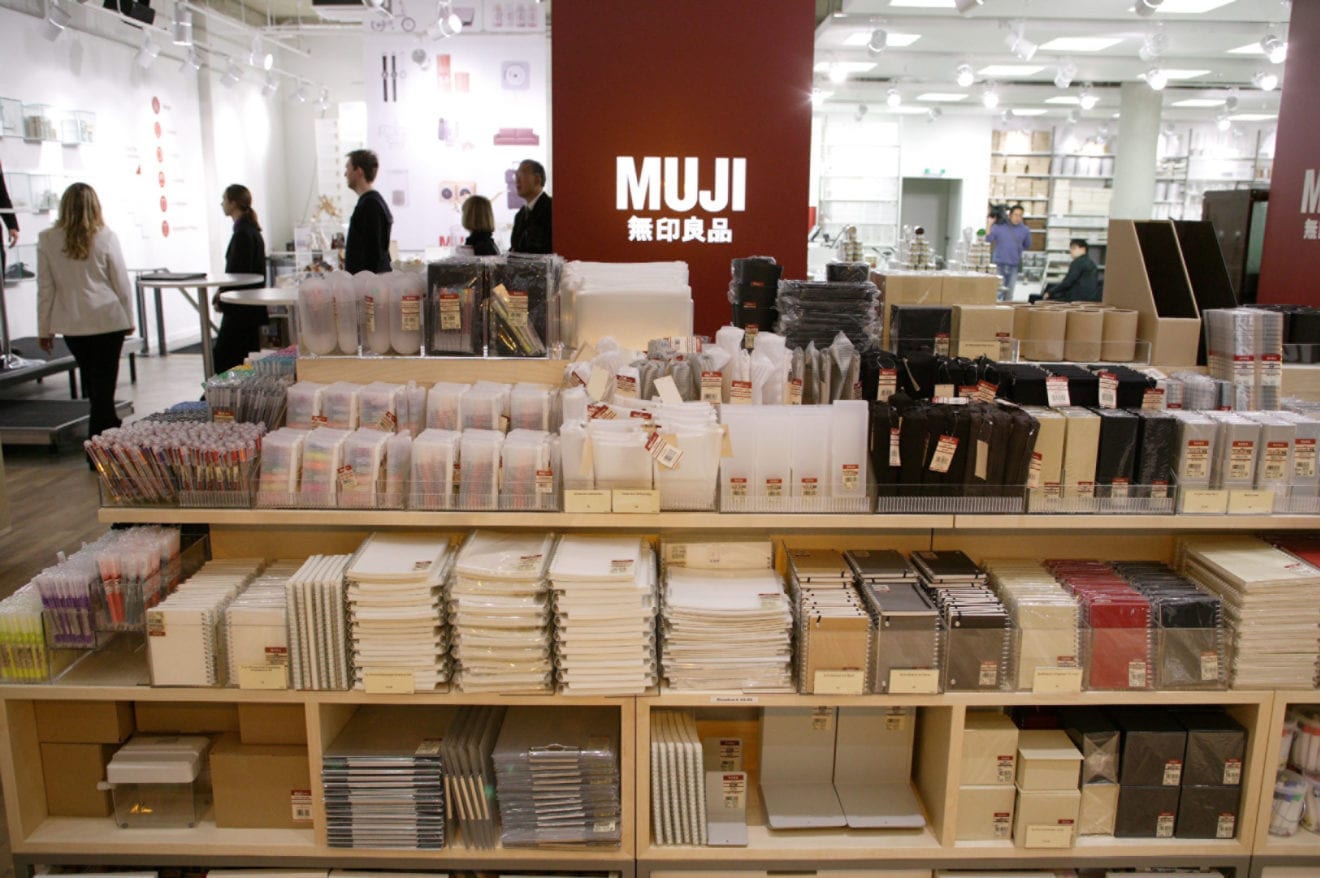
  • Muji Singapore to offer home renovation products

    Muji Singapore to offer home renovation products

    Muji Singapore is set to expand its offer to include the new Muji Renovation concept. By 2025, Muji Singapore customers might be able to go to the Japanese retailer for a complete home transformation, said Satoru Matsuzaki, president and representative director of Muji owner Ryohin Keikaku.

    “I always want to bring new formats to Singapore first, develop it here, then [take] it out to the region,” Matsuzaki added.

    “Coming soon for Singapore shoppers is the expansion of the Muji Walker active wear range, launched in the 2018 Spring/Summer season and meant for light exercise.

    “This is really a good match for Singapore,” said Matsuzaki, pointing to the island’s year-long warm weather and ageing, health-conscious population.

    It also aims to expand its product range, narrowing the gap between the 7000 items sold in Japan and the 4000 here.

    Store sizes will expand as well, from an average of 6000sqft to some 18,000sqft.

    Strong sales have fuelled the brand’s confidence and the plans to expand store footprints. Despite the local retail sector supposedly being on the downtrend, Muji Singapore’s sales are rising steadily each year.

    Meanwhile, Muji is seeking a court order for Singapore retailer Iuiga to stop its use of the Muji mark and the retailer is launching first store in Vietnam next year.

    Muji Singapore opened first store in 2003, and now has 11 local outlets.

  • Apple CE promises new products will ‘blow you away’ soon

    Apple CE promises new products will ‘blow you away’ soon

    Apple CEO Tim Cook has promised investors the firm remains on track to double its 2016 revenues of almost US$25 billion next year, prompting a rise of more than 1 per cent in Apple stock on Friday.

    Speaking at the firm’s annual meeting in Cupertino, Cook claimed Apple is “planting seeds” and “rolling the dice” on new products set to “blow you away”.

    Cook indicated a range of new products under development for the Apple Watch and AirPods, and has previously stoked ongoing expectations for an AR glasses product. He also signalled an eventual drop in price for the MacBook Air laptop, currently retailing at US$1200, despite upgrading to a higher-resolution screen.

    The shareholder meeting saw the entire Apple board re-elected, including former US VP Al Gore, and included a political discussion that emphasised a variance in political ideology with that of the current US administration, despite an acknowledgement that the firm has worked successfully with the US government.

    It also implied criticism of other big tech firms who maintain data profiles of its users, such as Facebook.

    Cook said the company was also continuing to evaluate new businesses to buy to build its technology capabilities.

  • 6 Tips and Tricks to Boost your eCommerce Business

    6 Tips and Tricks to Boost your eCommerce Business

    We have heard it all before, eCommerce is the future of retail sales. In 2018 the worldwide online retail sales amounted to 2.84 trillion US dollars. By 2021, the market will evolve to 4.88 trillion US dollars in worldwide online retail sales. This is a growth rate of 72% in just three years!

    The big question now is, how can you be a part of this exponential growth and enjoy a piece of the cake? There are many different alternatives to exploit eCommerce sales. One is to sell through established marketplaces like Amazon, eBay and Walmart; the other option is to build your own eCommerce store. It is even possible to do both at the same time, thereby creating a truly omnichannel experience.

    Whatever online sales channels you pursue, one thing is clear – the eCommerce industry is marked by growth, also in terms of buyers. In 2017, 21.8% of the world’s population made an online purchase. By 2021 this figure is projected to increase to 28.2%. As more people buy online, there will be more businesses that will move their retail stores online. This will foster a competitive environment, where only the best will survive.

    To boost your eCommerce business and maintain a strong market position, there are a range of tips and tricks that can be applied. These will pave the way for success!

    Source the RIGHT products

    As you might assume, the specific products you sell have an effect on your sales. But how do you know which products to source in the first place?

    Well, products that are high in demand, low in competition and sell at a profitable margin. Of course, this is easier said than done. In fact, such analyses require in-depth product market research. However, manual estimations of product sales data are subject to human error and will require extensive effort.

    However, there is a solution to this problem! Product market research BI platforms like Algopix provide actionable data that sellers can leverage to identify the RIGHT products to sell. Algopix shows product specific profit analyses, demand levels, sales performances, average seller ratings, number of competitive offerings, keyword insights and product details.

    The platform services 16 international Amazon, eBay and Walmart marketplaces. This data can be exploited to either develop smart sales strategies in established marketplaces or get insights needed to build your own eCommerce store.

    The success of your eCommerce business starts with sourcing the RIGHT products: They are the foundation of your business and should be selected with careful consideration. Making use of BI platforms like Algopix will significantly improve your ability to source high demand and margin products that are low in competition. Naturally, your products will sell better.

    Generate high-quality traffic

    It is a number one priority to generate traffic! If there is no traffic to your online store, nobody will look at your products and your sales will be low or even close to zero.

    However, increased traffic is not enough! If the traffic to your website is not relevant to the offered product or service, customers will likely not engage on the website (i.e. sign-up, subscribe, etc.). The quality of the traffic also plays a critical role and companies should aim to concentrate their marketing efforts on targeted customer groups.

    So, how do you stimulate traffic and get buyers to your online store? The best ways to do this is to exploit a range of different marketing channels and improve SEO.

    The list of different marketing channels is long. Companies can make use of paid advertising, email campaigns, social media coverage, affiliate programs, influencer marketing and content creation (e.g. guest blogs). By harnessing these channels, online store owners can target specific audiences and draw them to their website. Of course, the importance of these channels depends on unique business needs.

    Marketing channels are not the only ways to attract buyers. In fact, 70%-80% of Google users are solely focused on organic search results. This shows that SEO is the most important factor in generating traffic. To position your company perfectly and allow your target audience to navigate to your online store easily, SEO is critical but not easy to master. In fact, SEO should be handled by professionals to promote an online store through effective channels, thereby organically navigating buyers to the online store.

    Content is king

    The content of an online store plays a fundamental role in customer acquisition and retention. The most important factor is that the content is targeted to the right audience and is relevant to them. Next to the written content, visual content is nearly as important and of course, should also be in high resolutions. Why should anybody buy a product that is not clearly described or displayed?

    To create exceptional content on your website, there are a couple of tips and tricks that can be applied. First, it is vital to have convincing landing pages! The first impression of a customer on your online store often determines if you are able to convert him or not. Also, good landing pages will lower your bounce rate and keep customers engaged, moving them down the sales funnel. It is also important to note that convincing landing pages will need to have effective Call to Action (CTA) buttons. Especially the UI and UX are critical for driving conversions.

    Another tip is to make use of videos to explain a complex service to customers. They don’t want to read long texts and be bothered by minor details. Instead, make a short video explaining the value of your product or service that can be accessed fast and understood easily.

    Businesses or online stores that have a blog are more likely to generate traffic towards their website. In fact, these companies will have improved SEO because Blog posts on selected topics will likely have high rankings in search results. It is also an excellent way to engage readers and inform them about news, developments or any other topic of interest.

    Foster trust among your customers

    Trust is one of the biggest hurdles in eCommerce. Due to the fact that online retail businesses find it hard to replicate an in-store customer experience, they have to convince their buyers in different ways.

    One such way is through customer reviews and testimonials: Inside knowledge on a product or service is valuable and a key decision maker in online purchases. According to a study, 77% of shoppers take the time to read product reviews before they make any purchases online. This shows that reviews and testimonials will make or break your online business. To avoid any negative reviews, make sure to offer exceptional customer service.

    This includes being available on phone, email and chat for any inquiries, no matter how superficial they are. Customers want immediate service as well. The longer you keep them waiting, the more likely they will feel irrelevant. In contrast, if you reply fast, customers will remember the outstanding experience they had and the capable company they were buying from.

    Good customer service can also be expressed by offering a free return policy and free shipping. These are like unspoken rules of eCommerce. In fact, 9 out of 10 customers say that free shipping is the top incentive to shop online. Return policies have a similar effect because it reduces the risk for the buyer. If the product does not fit or is broken, it can simply be returned at the expense of the seller.

    There are also other ways to signal trust to your customer base. One of them is to work with established brands and integrate them. For example, offering payment services such as PayPal signals to the buyer that there is a secure payment channel. This will improve your brand reputation because you have trusted companies in your ecosystem which customers probably have already had contact with. Similarly, quality badges or rewards from reputable institutions or organizations will signal trust.

    Drive conversions

    The average conversion rate for eCommerce websites is 2.86%, which is close to nothing! To get a different view, 97.14% of the customers visiting your landing page do not subscribe to the newsletter, do not sign-up and will not make a purchase. This shows how hard it is to move customers through the sales funnel and convert them. There are some tips and tricks though…

    Discounts are a great way to incentivize conversions. Everybody likes to shop at reduced prices and customers are willing to search for the best deal that they can find out there. 88% of online buyers compare different marketplaces and online stores to find the offer with the best price. Hence, discounts attract buyers and drive sales.

    Another effective way to drive conversions is to create a sense of urgency on your landing pages and website. A good example would be a discount that is restricted in time (e.g. get 30% discounts if you buy in the next hour). Subconsciously, this influences buyers to engage and convert quickly.

    The UX and UI of a landing page or website are also important to encourage conversions. Customers should not have to search for CTA buttons and the whole experience should be effortless. This will allow customers to navigate your online store intuitively and keep engaged until conversion. UX and UI are also not tasks that can be delivered in perfection. It is important to objectively evaluate the performance of different landing pages, CTA buttons and illustrations based on A/B testing. Only this will reliably show how effective they are and what preferences your customers have.

    Frictionless checkout process

    The checkout process or shopping cart on your website is the last step before completing a purchase. Buyers have come all the way through the sales funnel and are now finally ready to make a purchase! Or are they…? A study by the Baymard Institute shows that 27% of customers leave the customer checkout process because it is too long and complex.

    You, as an online seller, do not want to lose those sales! To avoid this, make your checkout process as smooth as possible. Most important is reducing the number of stages in the checkout process to the bare minimum. Get rid of anything that seems unnecessary, as it only annoys customers.

    To make this possible, online businesses will have to include the option to checkout without signing-up. Just enable them to make a purchase as a guest user. It will likely take customers 2-3 minutes to sign-up and they will feel unnecessary commitment. Therefore, enable the option to checkout directly and fast as a guest.

    Lastly, a progress bar in the checkout can be extremely helpful because it shows the buyer progress. It comes naturally that he will be less likely to abandon the shopping cart if he has already completed 80% of it. These are small details that can make a big difference in purchasing decisions.

    eCommerce success is not a piece of cake

    These six tips and tricks will boost your eCommerce business and empower your success. Of course, there are also other recommendations, but these are the most valuable ones along the sourcing and buying process. They often intersect and are dependent on each other, because online sellers need to create a completely integrated and fluid sales process that runs smoothly. To achieve this, sellers will most likely have to facilitate technology and BI as well. It is a journey and there is competition, but don’t forget: The market is huge and the opportunities are endless. Therefore, your effort will be rewarded!

    Company Description:

    Algopix is a comprehensive product market research platform that provides essential data to analyze market demand, possible margins and shipping costs for current and future inventory.

    By providing rapid actionable product insights, Algopix helps sellers save time on manual research, increase sales volume and reduce risks of buying low-demand or low margin inventory.

  • Macau Customs raids two stores selling counterfeit products

    Macau Customs raids two stores selling counterfeit products

    Macau Customs officers have arrested five local residents after busting a luxury counterfeit-goods retailing business in the territory.

    Nearly 500 fake items of clothing, handbags, belts shoes and watches carrying brand names including Prada, Gucci, Louis Vuitton, Cartier, Chanel and Hermes were seized in raids. Officers suspect the goods had a street value of MOP3.65 million (US$451,445).

    The Customs action followed complaints by the brand owners. Two retail stores located in the NAPE and Central districts of Macau were raided, Customs announced this week.

    The goods were brought in from the mainland and were being sold in shops at retail prices matching those of genuine products on sale in the city.

    People caught selling counterfeit goods in Macau face jail terms of up to six months.

  • The Garnered comes to ground at Landmark Hong Kong

    The Garnered comes to ground at Landmark Hong Kong

    Online retailer The Garnered, which offers mainly handmade fashion, craft and design products, is showcasing its wares at a pop-up in Landmark in Central.

    In a first for Hong Kong, the London-based venture will have its creations on show until November 12.

    Former Selfridges head of fashion Anna Gardner launched the e-commerce site last year to offer designers a more flexible, supportive platform through which to express their vision and highlight their creative processes.

    Garner started in the fashion industry at the Paris office of American Vogue and Vanity Fair, as an assistant to André Leon Talley. It was the springboard for an international career that has encompassed being head of communications for London retailer Joseph Ettedgui, and fashion director for Henri Bendel.

  • Chinese market no longer land of opportunity for Korean products

    Chinese market no longer land of opportunity for Korean products

    China’s consumer market that once offered vast opportunities for South Korean exporters has become less penetrable as Chinese firms make goods that compete with imports, industry data showed on July 14th.

    Samsung Electronics, which in 2012 ousted Apple Inc. to hold the top market share for smartphones in China, fell to eighth place in the first quarter of this year. Samsung’s market share in handsets hit 17.7 percent in 2012. It dropped to 4.9 percent in 2016. In the first quarter this year, its market share was a marginal 3.1 percent.

    China’s own brand Huawei raised its market portion from 9.9 percent to 18.9 percent over the past five years. Another local firm OPPO, who had no presence in 2012, soared to grab 18.7 percent during the period. Together with Vivo, the three are dominating the Chinese smartphone market.

    Industry officials say that data indicates THAAD may not be the only cause of falling South Korean exports to China as firms there are quickly catching up in technology and no longer relying on foreign products.

    South Korea’s auto exporters have also been nudged out by Chinese companies, data showed. Hyundai Motor and its sister firm Kia Motors reported their market share in China had been cut in half compared with five years ago.

    The carmakers said their numbers fell from 8.6 percent to 3.8 percent. They were routed by Chinese local labels, which claimed 46.1 percent of the market, followed by European (21.4 percent) and Japanese (17.6 percent) automakers.