Retail News CRM

Tag: Ralph Lauren

  • More brands join anti-fur movement

    More brands join anti-fur movement

    Among the investors who snapped up shares in luxury e-commerce marketplace Farfetch after its September IPO was one buyer with little interest in operating profits or projected revenue. People for the Ethical Treatment of Animals pounced on shares in the newly public company so it could make its case directly to ban fur sales on the platform. They needn’t have bothered.

    Farfetch quietly committed to going fur free in May, inserting a promise in the terms and conditions section of its website to stop selling items made with fur by the end of next year.

    Farfetch joins a growing list of luxury brands and retailers turning their backs on animal fur.

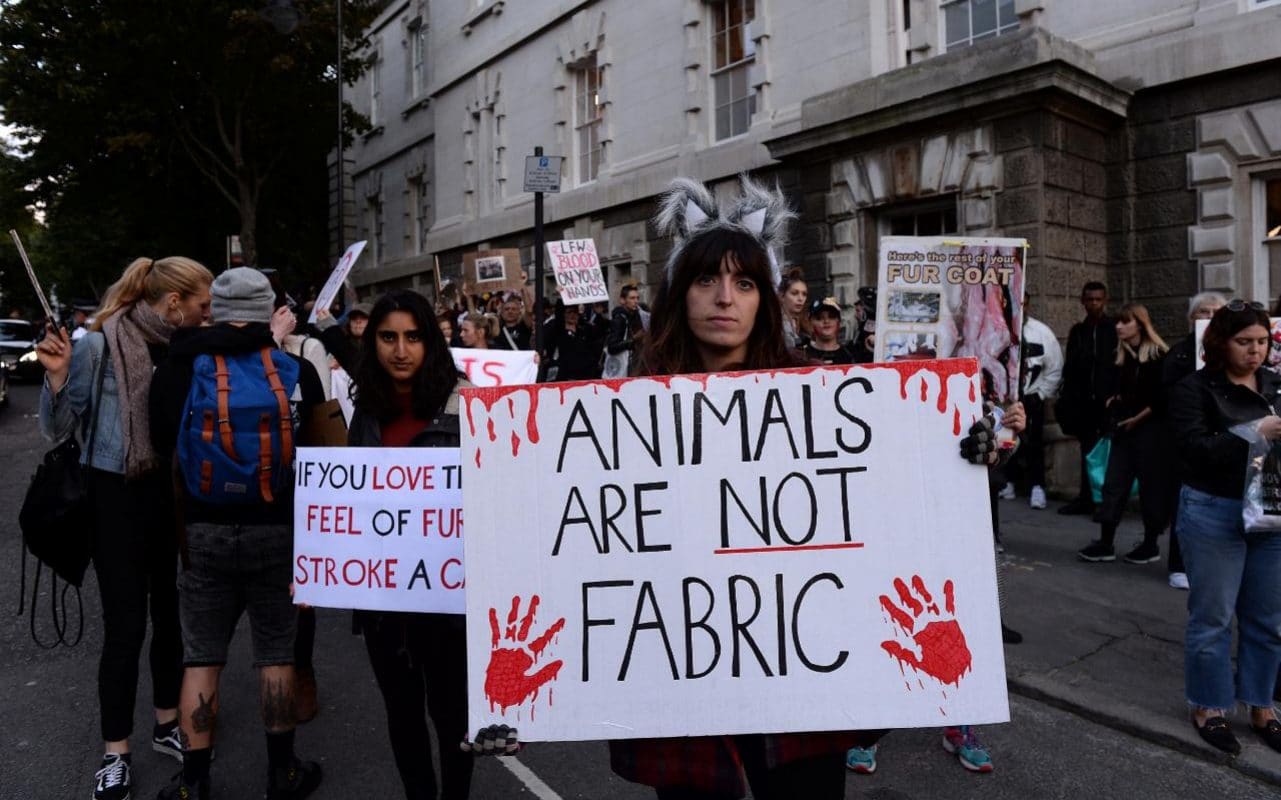
    Within the past 18 months, Yoox Net-a-Porter, GucciMichael Kors, Versace, Furla, Burberry and DVF have all announced anti-fur policies, while this year’s September London Fashion Week became the first of the major fashion weeks not to show any fur on the catwalk.

    Within the luxury space, the balance has tilted against fur.

    In the 1980s, fur was synonymous with luxury, representing a status symbol for many women.

    The global fur trade is valued at $40 billion, but today fur is central to the image — and revenue — of only a handful of major brands.

    Meanwhile, anti-fur messaging is being amplified by social media and a millennial customer base that is paying closer attention to the values represented by the products they buy.

    For brands like Gucci, the goodwill generated by banning fur outweighs the sacrifice of a few million dollars in sales of fur-trimmed loafers.

    “[It’s about] being more modern in our thinking and our approach to business and how we talk and engage with our consumer and our community of women,” Sandra Campos, chief executive at DVF, said of the decision earlier this month to stop using fur, exotic skins, mohair and angora in upcoming collections.

    “No one really wanted to associate the brand with [fur]. We don’t need real fur to have a status symbol anymore.”

    The anti-fur movement has ebbed and flowed for decades.

    Calvin Klein stopped using fur in 1994, the same year Peta ran a campaign featuring supermodels including Naomi Campbell and Christy Turlington, who claimed they would “rather go naked than wear fur.”

    Ralph LaurenTommy Hilfiger and Selfridges barred fur in the mid-2000s.

    More recently, Hugo Boss joined the no-fur list in 2015, followed by Armani the following year.

    Gucci kicked off the latest wave of brands announcing fur bans in October 2017.

    Winning over luxury’s hottest brand was a coup for animal-rights activists who had been targeting specific companies for almost a decade via a mix of behind-the-scenes talk and public protest.

    In July 2017, more than 20 animal rights activists heckled Michael Kors during a speech, while in September 2017, Burberry’s London Fashion Week show was disrupted by about 250 anti-fur protesters.

    Michael Kors agreed to ban fur in December, Burberry last month.

    The rise of social media has provided the general public with a direct line of communication to companies and a platform for opinions and protest, making it harder for brands to ignore targeted activism.

    It’s also given animal rights organisations a platform for mobilising consumers into action.

    The global fur industry is fighting back, launching its own campaign making the case for fur as a natural, sustainable product that is better for the environment than alternatives, which are often made from plastic.

    One recent campaign featured Fendi and Oscar de la Renta, among other brands.

    “Brands are under huge pressure to respond to social media and avoid any controversy,” says Mark Oaten, chief executive of the IFF.

    “Even in a five year period that has changed … the fear of reputational damage is increased at the moment.”

    Studies show activism is impacting purchasing decisions.

    Prior to announcing its fur-free policy last June, Yoox Net-a-Porter surveyed 24,000 customers: 72 percent said social or environmental considerations drove their purchasing decisions at least some of the time, while 58 percent said having more information about the ethics and sustainability of a product would influence their shopping choices.

    Indeed, the idea of what luxury means to consumers today has evolved.

    “It’s become synonymous with social responsibility and innovation,” said PJ Smith, fashion director at the Humane Society US.

    “Companies that want to position themselves as corporate social responsibility leaders are seeing the marketing potential of going fur free, especially with new luxury consumers.”

    For a brand like Michael Kors or Burberry, going fur free won’t have much impact on the bottom line, while providing a marketing boost.

    For DVF, fur was “a very minimal percentage” of the overall business, said Campos.

    “It wasn’t something we relied on heavily at all,” she said. “It made sense for us to walk away from it in total.”

    Similarly, Gucci’s decision to bet on animal rights activism wasn’t much of a trade-off, as the brand sold only €10 million ($12 million) in fur products last year, less than 0.2 percent of revenue.

    Gucci’s Instagram post announcing the news was among the brand’s top performing posts at the time of the announcement, amassing 179,524 likes.

    Even brands that still use fur are acknowledging shifting attitudes.

    Fendi, which started as a furrier in 1925, rebranded its Couture Week show this past July as haute couture, rather than the haute fourrure description it used in recent seasons.

    And while fur was still present in the label’s Spring 2019 collection, it was less prominent than in past seasons.

    Prada, too, has been decreasing its use of fur.

    Recently the brand has come under pressure as a result of a targeted campaign spearheaded by the Fur Free Alliance, a coalition of 40 animal rights groups.

    According to the company, thousands of e-mails demanding it bans animal fur have been sent to the Prada Group and personal addresses of employees.

    However, the company has not announced plans to stop using fur.

    “We believe it is important to stress that all the advertising campaigns of the Group’s brands, together with the fashion shows and displays in the shop windows, have not been presenting these products for some time, in order to discourage demand from consumers,” the Italian house said in a statement.
  • Ralph Lauren introduces the Polo Bear Watches collection

    Ralph Lauren introduces the Polo Bear Watches collection

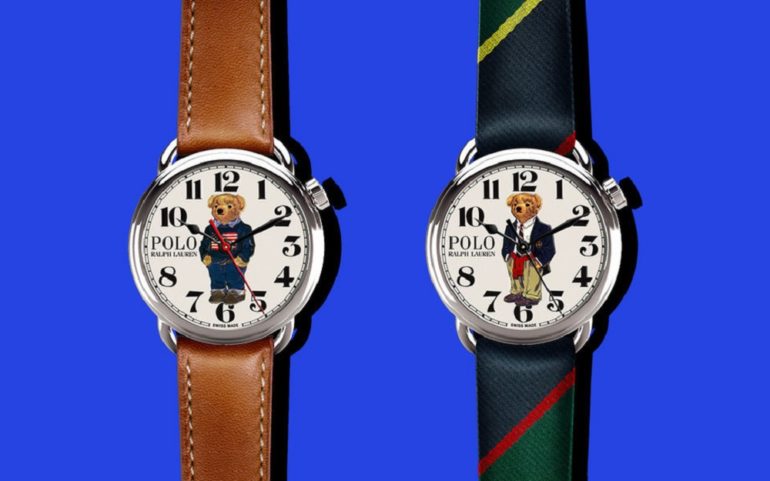
    Continuing his 50th anniversary celebration, Ralph Lauren is launching the Polo Bear Collection, which combines Swiss watchmaking with the Polo Bear — a favorite icon in the designer’s world. The collection represents the first time Lauren has created timepieces specifically for the Polo brand. The four bears that are featured are Flag Bear, Martini Bear, Preppy Bear, and Spectator Bear, each inspired by his personal style and retailing for $2,000 a piece.

    In an interview at his Manhattan office last week, Lauren said the idea of the watches was just for fun. They’re not smart watches, nor are they rife with complications such as minute repeaters, chronograph, time zones or moon phase.

    “It’s purely a fun project. It was not about who’s out there and what are they doing” said Lauren, chairman and chief creative officer of the $6.2 billion Ralph Lauren Corp.

    Asked why he chose now to launch Polo Bear watches, Lauren said there was a lot of activity around the 50th anniversary, and it seemed like an appropriate time.

    The Polo Bear has been a constant theme at the company for over 25 years.

    In 1991, the Polo Bear was introduced with 200 limited-edition bears produced by Steiff, the German toy manufacturer, and dressed in miniaturized Polo Ralph Lauren apparel. Since then, the stylish bear has appeared as embroidery, prints and patches on a variety of items, from neckties to sweaters.

    Lauren anticipates that these four unisex watches will evolve into other bears, as well as other designs under the Polo banner.

    Taking a page from the first piece Lauren designed, the necktie, each watch can be customized with interchangeable straps crafted from necktie silk twill patterns as well as options in French calfskin or exotic alligator.

    The buckles on all the watches are a stainless-steel pink buckle, engraved with Polo while the case includes a commemorative 50th anniversary plaque set over the rotary.

    Manufactured in Switzerland in partnership with Compagnie Financière Richemont, the watches will be distributed exclusively to select Ralph Lauren stores and the Ralph Lauren web site, beginning next month.

    A collection for kids could be a possibility down the road. “I’d like kids to have it. That might be next,” he said.

    Lauren said they made the decision to put the Polo Bear watches into the new Polo watch division, rather than the Ralph Lauren watch division for a specific reason. “There is a charm to Polo watches and a price difference. The Polo Bear is a younger, more sporty, fun watch, and it felt more like Polo,” he said.

    The price range of Ralph Lauren Watches is from $1,500 to $99,500.

    With all the interest with Polo Bears, Lauren said he would consider doing stuffed animal bears as a category. “We might. It could be the beginning of something. You might see them on television,” said Lauren, but quickly added he has no plans to do a TV show with the Polo Bears.

    Speaking of television, the conversation turned to a Lauren documentary that will appear on HBO early next year directed by Susan Lacy.

    Having spent the last few months celebrating 50 years of the Ralph Lauren brand, the designer was asked what’s on deck for the next 50 years.

    “I think I accomplished 99 percent or more that I ever dreamt of.” he said.

  • Ralph Lauren sales decline, and Asia saves it

    Ralph Lauren sales decline, and Asia saves it

    Fashion label Ralph Lauren sales reached US$1.4 billion for the first quarter of this fiscal year, driven by sales in Asia and Europe.

    Ralph Lauren sales in Asia increased 19 per cent to US$248 million on a reported basis and by 16 per cent in constant currency, driven by strength in both retail and wholesale channels. Samee-store sales in Asia increased 6 per cent in constant currency, reflecting growth in both the brick-and-mortar and digital-commerce operations.

    By comparison, European revenue in the first quarter increased 8 per cent, while North America declined by 2 per cent.

    Ralph Lauren, executive chairman and chief creative officer for the company said, “I continue to be inspired and energised by the passion our teams have for our brand and our company. This passion, along with Patrice’s [Louvet, president and CEO] partnership over the last year, the clear plan he and the team laid out in June, and the initial progress in this quarter, gives me confidence in our future as we celebrate 50 years in business.”

    Louvet added: “We are off to an encouraging start to the new fiscal year on both the top and the bottom line… we are on track to return the company to long-term, sustainable growth and value creation.”

  • Ralph Lauren shines bright in Asia, only

    Ralph Lauren has reported another decline in net sales, but the overall results confirm the company is headed in the right direction, albeit slowly.

    The company says its fourth-quarter sales decreased by 2.3 per cent to US$1.5 billion on a reported basis and were down 7 per cent in constant currency, driven by initiatives to increase quality of sales, reduce promotional activity, and elevate our distribution, as well as brand exits and lower consumer demand.

    But that is an improvement on the full-year Ralph Lauren sales figures of a 7 per cent decline to $6.2 billion on a reported basis and 8 per cent in constant currency.

    Fourth-quarter sales in Asia rose by 17 per cent to $257 million on a reported basis and by 11 per cent in constant currency, driven by strength in both retail and wholesale channels. Same-store sales were up 4 per cent.

    That’s significantly better than the full-year figure of 6 per cent on both a reported and constant currency basis to $934 million.

    Ralph Lauren’s big problem is the North American market, where sales continue to fall – in the last quarter, by 13.9 per cent, a greater rate than the 11.4 per cent of the same period a year ago.

    Some of this decline was deliberately engineered as Ralph Lauren reduced sales through wholesale channels that it believes damage its brand.

    “We applaud this corrective effort, though we think there is still much further to go.

    Stores like Macy’s still stock and sell Ralph Lauren product, and merchandising and general retail standards fall short of what the brand should be aiming for. While we do not think it is necessary for Ralph Lauren to withdraw from a retailer like Macy’s, we do think that it should work more closely with the buying and store teams there to create an elevated in-store experience. Until it does, the inconsistency between what Ralph Lauren wants its brand to be and the reality on the ground will remain.”

    Ralph Lauren is now more operationally stable. The partnership between Ralph Lauren himself and Patrice Louvet appears to be working well, and there is a sense that the company is serious about resolving its various issues. We are also encouraged by the appointment of Angela Ahrendts (former CEO of Burberry and current head of Apple’s retail business) and Mike George to the board.

    George’s expertise in e-commerce will be valuable as this is an area where Ralph Lauren seriously underperforms. and Ahrendts’ experience in luxury and her ability to create coherent retail brands and propositions will be extremely beneficial to Ralph Lauren.

    Overall, while we believe Ralph Lauren is a long way from full health, it is most certainly recovering nicely.

  • Ralph Lauren sales mix figures

    Ralph Lauren sales mix figures

    The latest Ralph Lauren sales figures come with a mixed dose of both optimism and pessimism.

    The pessimism is from the continued slide in sales, which tumbled on both a total and comparable basis. More optimistically, the drop in sales is now flattening out, with some of the decline deliberately engineered as the company looks to rebuild its brand.

    According to the apparel brand, US sales fell 10 per cent in the last quarter of last year, although this was mitigated a little by a 28 per cent increase in Mainland China. The company reported a net loss of $81.8 million, largely due to a taxation issue.

    Starting on the bright side, it is clear that the long run decline in sales is easing. Admittedly there are some factors – such as very soft prior year comparatives – that have aided this trend, but even so, performance is improving. It is particularly encouraging that much of the decline is now deliberately engineered rather than just a function of Ralph Lauren being out of step with consumer demand. The pullback from department stores and a reduction in shipments to off-price channels have both taken their toll on the revenue line, but they are essential steps on the path to rebuilding brand equity.

    A reduction in discounting is also to be applauded, even if this dampened sales numbers over the holiday period. The impact on margins has been good, and we believe that a reduction in promotional activity is helping to strengthen Ralph Lauren’s brand image. That said, as has been seen from other luxury brands that have pulled back from the discounting drug, there is pain before recovery. In our view, Ralph Lauren remains in the painful phase, and it is unlikely to see improvements until well into this calendar year.

    The margin gains, along with some action on costs, has resulted in a much better bottom line performance. At operating level, profits rose by 47.5 per cent this quarter. Its net loss for the period was down to increased tax provisions rather than operational issues, we are not unduly alarmed by the slip.

    For all the good news, Ralph Lauren still has much more work to do before it is back to full health. Our data shows that while there has been a moderate improvement in brand perception, Ralph Lauren has not regained all of the ground it lost over the past ten years and is a long way from where a luxury brand of its kind should be.

    The main brand issues are still clarity and relevance. Many consumers are unclear about what Ralph Lauren stands for or what it has to offer; therefore, they do not see the brand as being entirely relevant to them. In a sense, Ralph Lauren has simply slipped off the radar of many shoppers. Much of this is down to the lack of coherence across the various parts of Ralph Lauren’s business. There are still too many parts to the offer, and they are disjointed and confusing. Steps are being taken to correct this, but it is clear that much more work needs to be done.

    North America challenge

    The problem is most acute in North America, where the brand is arguably at its most ubiquitous. With comparables in the region down by 10 per cent, the scale of the problem is evident. Of particular concern is the 27 per cent slide in retail e-commerce sales. Given the strength of the channel over the holiday period, this is a terrible result and underlines the fact that Ralph Lauren has a great deal more work to do in streamlining and strengthening this part of the operation.

    We note that it has recently taken on new hires in this area, including talent from Burberry.

    However, the lack of progress on e-commerce is as much a function of brand issues as it is to do with online execution. Both need to be corrected before growth can come.

    Overall, we are encouraged that Ralph Lauren is now on the right path. However, we are also cognisant that the road to recovery is long, and winding.

  • Ralph Lauren : from fashion to coffee

    Ralph Lauren : from fashion to coffee

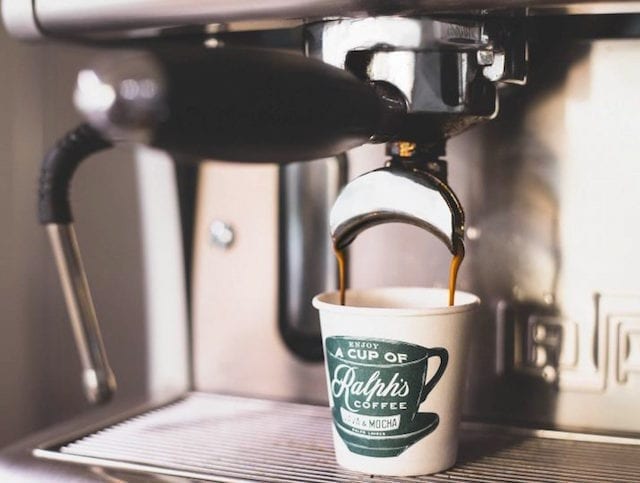
    US fashion label Ralph Lauren is bringing its new F&B venture, Ralph’s Coffee, to Hong Kong.

    It opens next month beside Ralph Lauren’s Ocean Terminal store in Tsim Sha Tsui.

    It will be the Asian debut for Ralph’s Coffee, which is already established in New York City, Chicago, London and Paris. As well as serving American coffee, it will offer cookies and cakes, including a five-layer chocolate cake, and light delicatessen fare to take away.

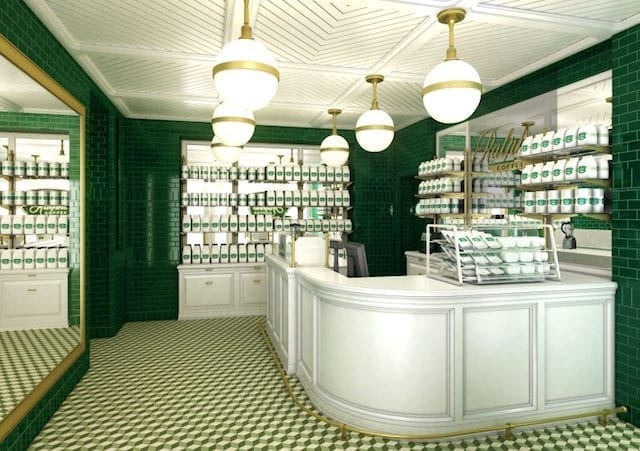
    With a neon sign outside, the coffee shop will feature Ralph’s signature green ceramic tiling and white marble-top counters. The baristas will wear striped shirts, knit ties, classic jeans and butcher’s aprons.

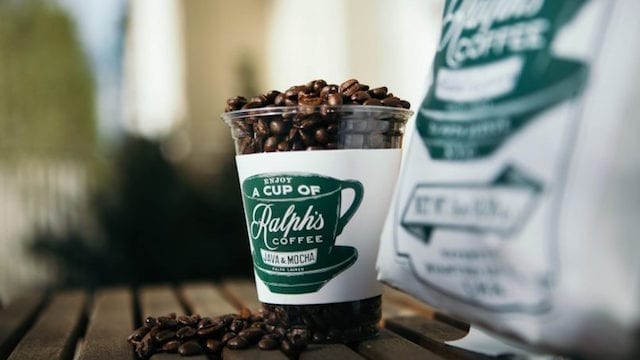
    Ralph’s will offer two roasts from organic coffee beans by La Colombe, which can also be bought by the tin. Special offerings include cortado (one shot of espresso/one shot of milk) and nitro cold brew.

    Also on sale will be artisan chocolate bars from Brooklyn gourmet chocolatier Fine & Raw, as well as Ralph’s Coffee merchandise including casual apparel, totes and mugs.

    The store will be open 12 hours a day from 8am all week.

  • Rise in sales for Ralph Lauren Asia

    Rise in sales for Ralph Lauren Asia

    Ralph Lauren Asia sales rose marginally in the second quarter as the company continued with its turnaround strategy.

    Group-wide global sales, however, fell 9 per cent to US$1.7 billion, as the troubled brand pursued initiatives aimed at increasing the quality of sales, reduced promotional activity and improved distribution. North American revenue fell 16 per cent to $877 million.

    However, on the positive side, the average unit sale across Ralph Lauren’s direct-to-consumer network was up 5 per cent year-on-year.

    Ralph Lauren Asia sales reached $217 million, up 4 per cent on a constant-currency basis, driven by strength in both retail and wholesale channels. Same-store sales rose 3 per cent driven by improved store footfall and conversion of browsers into shoppers.

    “I am pleased with the progress we are making as we continue to strengthen the foundations of our business and elevate the expression of our iconic brand,” said Ralph Lauren, executive chairman and chief creative officer. He said incoming CEO Patrice Louvet has “already proven to be an invaluable partner who is embracing our core values, bringing unique expertise and uniting and empowering our capable teams”.

    Louvet said that while there remains a lot of work to be done to restore the company to its previous level of success, he is encouraged by the early progress being made in strengthening the brand and better connecting with consumers.

    “Faint light at end of long tunnel”

    Neil Saunders, MD of GlobalData Retail, said that while the results again showed declining sales, there is “finally a faint light at the end of Ralph Lauren’s long tunnel of reinvention”. Net profit rose 215 per cent, largely due to the streamlining of the business reducing costs, favourable exchange rates and reduced product discounting, improving gross margin.

    “While the turnaround plan is delivering a bottom line improvement, the impact on the top line is less obvious,” observed Saunders.

    He also believes there is more work to do in consolidating the company’s ranges and choice.

    “The company still has too many sub-brands, capsule collections and labels. In theory, these are supposed to cater to different constituents of the market. In practice, there is no real delineation between many of the elements, and the result is a confused mass of product that is vaguely referred to as ‘Ralph Lauren.’ Trimming back here is necessary if the brand is to have any chance of cutting through in a very crowded and competitive marketplace,” he said.

    “One of the positives we take from both this and the previous set of results is that Ralph Lauren and his new CEO, Patrice Louvet, seem to be working well together. The dynamic between the two gentlemen is crucial as it will ultimately determine whether the turnaround plan succeeds or fails. As the founder and iconic head of the brand, Ralph Lauren’s input and vision are vital, but it remains important that he allows a CEO to steer the business towards more fruitful waters. After some false starts, this now seems to be happening,” Saunders concluded.

  • Ralph Lauren Asia sales rise extremely

    Ralph Lauren Asia sales rise extremely

    Ralph Lauren Asia sales rose marginally in the second quarter as the company continued with its turnaround strategy.

    Group-wide global sales, however, fell 9 per cent to US$1.7 billion, as the troubled brand pursued initiatives aimed at increasing the quality of sales, reduced promotional activity and improved distribution. North American revenue fell 16 per cent to $877 million.

    However, on the positive side, the average unit sale across Ralph Lauren’s direct-to-consumer network was up 5 per cent year-on-year.

    Ralph Lauren Asia sales reached $217 million, up 4 per cent on a constant-currency basis, driven by strength in both retail and wholesale channels. Same-store sales rose 3 per cent driven by improved store footfall and conversion of browsers into shoppers.

    “I am pleased with the progress we are making as we continue to strengthen the foundations of our business and elevate the expression of our iconic brand,” said Ralph Lauren, executive chairman and chief creative officer. He said incoming CEO Patrice Louvet has “already proven to be an invaluable partner who is embracing our core values, bringing unique expertise and uniting and empowering our capable teams”.

    Louvet said that while there remains a lot of work to be done to restore the company to its previous level of success, he is encouraged by the early progress being made in strengthening the brand and better connecting with consumers.

    “Faint light at end of long tunnel”

    Neil Saunders, MD of GlobalData Retail, said that while the results again showed declining sales, there is “finally a faint light at the end of Ralph Lauren’s long tunnel of reinvention”. Net profit rose 215 per cent, largely due to the streamlining of the business reducing costs, favourable exchange rates and reduced product discounting, improving gross margin.

    “While the turnaround plan is delivering a bottom line improvement, the impact on the top line is less obvious,” observed Saunders.

    He also believes there is more work to do in consolidating the company’s ranges and choice.

    “The company still has too many sub-brands, capsule collections and labels. In theory, these are supposed to cater to different constituents of the market. In practice, there is no real delineation between many of the elements, and the result is a confused mass of product that is vaguely referred to as ‘Ralph Lauren.’ Trimming back here is necessary if the brand is to have any chance of cutting through in a very crowded and competitive marketplace,” he said.

    “One of the positives we take from both this and the previous set of results is that Ralph Lauren and his new CEO, Patrice Louvet, seem to be working well together. The dynamic between the two gentlemen is crucial as it will ultimately determine whether the turnaround plan succeeds or fails. As the founder and iconic head of the brand, Ralph Lauren’s input and vision are vital, but it remains important that he allows a CEO to steer the business towards more fruitful waters. After some false starts, this now seems to be happening,” Saunders concluded.

  • Central Embassy Open House opens

    Central Embassy Open House opens

    Bangkok luxury mall Central Embassy has unveiled a new space, Open House, where customers can eat, work, study or just relax – even take a nap.

    Central Embassy Open House 1

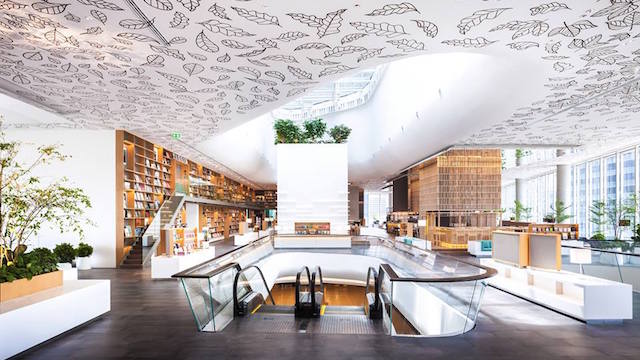
    Covering the entire top floor, Central Embassy Open House offers 7000 sqm of open-concept “co-living space” beneath high ceilings, with glass panels all around offering city views.

    Central Embassy Open House 6

    As well as a “co-working space”, Open House offers a restaurant, lounge, bar, bookshop, art gallery, design shop and children’s playground, nestled against the Embassy Diplomat Screens cinema.

    Central Embassy Open House 5

    “It took almost two years to complete this project,” says Central Embassy MD Barom Bhicharnchitr. “Accessible luxury is the key, but luxury is not about price – it’s mostly about quality of life.”

    Central Embassy Open House 2

    Central Group launched the THB18-billion (US$523.1 million) Embassy in 2014 on part of the former British Embassy site and Wireless and Ploenchit Roads. Its curving 200m facade advertises such brands as Gucci, Prada and Ralph Lauren, while ticket prices in its VIP cinema top THB1000.

    Central Embassy Open House 3

  • Ralph Lauren Indian debut on table

    Ralph Lauren Indian debut on table

    Ralph Lauren may launch into India through a franchising agreement.

    The premium US lifestyle products company is reportedly negotiating a Ralph Lauren India debut along these lines with Aditya Birla Fashion and Retail.

    Insiders say the first Ralph Lauren store in India will open in the Emporio mall at Chanakyapuri, in New Delhi’s diplomatic enclave, reports The Economic Times. The mall is owned by major commercial real estate developer DLF (Delhi Land & Finance).

    Discussions are at an advanced stage and the store should be launched in the next seven to eight months, an insider says.

    Founded 50 years ago, the New York-­based fashion giant designs, markets and distributes apparel, accessories, fragrances and home furnishings under a wide range of brands.

    According to a report by Indian industry body Assocham last year, the luxury goods market in the nation of 1.2 billion people is likely to grow 25 per cent year ­on ­year.

  • CEO quits after ‘dire’ Ralph Lauren results

    Ralph Lauren is in worsening trouble after posting a set of holiday season sales figures which one analyst termed “dire” and the loss of its CEO.

    A day after Ralph Lauren results were released showing a 12 per cent decline in sales the company announced its CEO Stefan Larsson will step down on May 1 following disagreements with chairman and founder Ralph Lauren over the direction of the company. The company’s share price fell more than 10 per cent this week.

    “There is no getting around the fact that this is a dire set of results from Ralph Lauren,” observed Neil Saunders, MD of GlobalData Retail. “Not only is the 12 per cent revenue decline a significant step down from the prior quarter, it comes off the back of a very soft comparative from 2016 when overall sales dipped by just over 4 per cent, partly thanks to very unfavorable weather.”

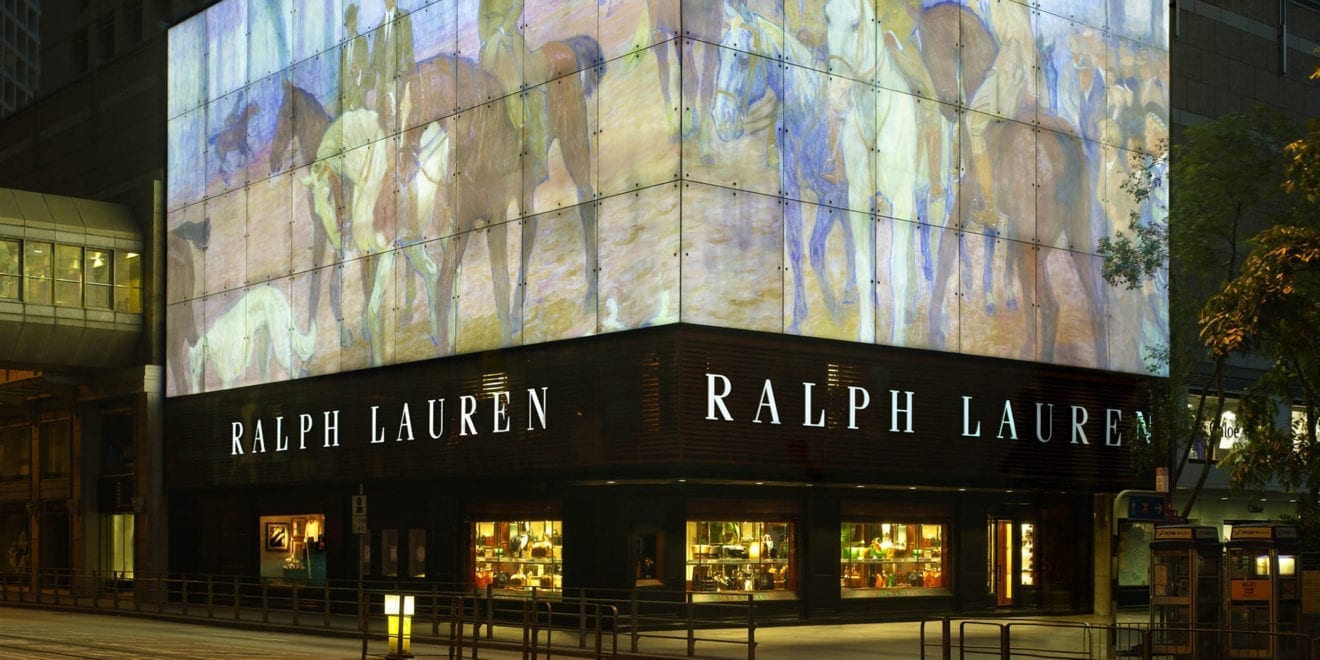
    Ralph Lauren closed its Hong Kong flagship store in Lee Gardens in the last quarter of 2016, part of a global move to streamline its retail channels as it tries to revive sales and profitability.

    But the main reason for the decline, says Saunders is the company’s wholesale vision which he described as “in freefall”. Retail sales were also down.

    “Both things, along with some costs from the transformation plan, have resulted in a sharp net income decline of 37 per cent.”

    He said the departure of Larsson after just over one year in the role in which he was charged with turning the company around gives the impression of a brand in crisis.

    “We believe it signals significant internal wrangling over the future direction of the firm. It also demonstrates the founder’s continued dominance over the business. As much as Ralph Lauren should be respected for his significant achievements, and his undeniable design talent, we are concerned by the orthodoxy of his leadership, under which questioning and fresh thinking are relatively rare. This, in our view, is not the way to reinvent a brand that has clearly lost its way.”

    Ralph Lauren has “lost some of its cachet”

    Analysis of GlobalData Retail’s research shows that over the past two years, there has been a steady decline in the number of shoppers considering buying from Ralph Lauren.

    “The same data also show that the brand has lost some of its cachet, especially with younger shoppers,” says Saunders.

    “There are several reasons behind this slide in popularity. The first is a change in consumer tastes and sensibilities. For a long time, Ralph Lauren, through its various brands, was the undoubted king of preppy cool. That aesthetic is no longer as popular as it once was: and for many consumers it stands for old world, old money exclusivity. Such concepts are an anathema to today’s younger shoppers. To be fair, designs have changed and the latest fall/winter collections are a step away from the preppy vibe and incorporate more ‘democratic’ aesthetics like western and street wear. Unfortunately, because Ralph Lauren is such a strong and distinctive brand, it is hard to shed its historic image.

    “The second issue is that the Ralph Lauren brand has become too ubiquitous and diffused. At the higher end, the brand is carefully controlled and curated, but as it filters down through retail channels, that control is lost. The Ralph Lauren flagship in New York’s Upper East Side is a world away from the selection of random Polo sweaters thrown onto a fixture at Macy’s, and it is becoming increasingly difficult for the two to coexist without causing brand confusion.”

    While Saunders acknowledges the brand is taking steps to remedy the problem of ubiquity, with Ralph Lauren becoming more selective about the channels it sells through, to work economically it must be counterbalanced with a step up in the retail side of the business.

    “Those uplifts are not yet coming through, and we see few signs that they will do so any time soon. There is a lot more work to do before retail is back on track.”

    For the sake of balance, it is important to recognise that a strong dollar has affected the Ralph Lauren results, depleting foreign earnings and reducing tourist spend at flagships within the US, he said. “However, this simply does not explain away all the declines; even on a constant currency basis, Ralph Lauren’s sales and profits are tumbling.

    “Ralph Lauren has made some progress, and does have a general sense of the direction it wants to move in – a direction that we believe is broadly sensible. However, execution has been extremely poor, and will not be improved by management squabbling or the absence of key executives. As such, the year ahead is likely to be another one of treading water rather than of significant progress.”


  • More stores closing the door in Hong Kong

    More stores closing the door in Hong Kong

    A “new wave” of Hong Kong store closures lies ahead, because many retailers have over-extended their footprints, says OC&C Strategy’s Pascal Martin.

    Commenting on the sudden closure of the Ralph Lauren flagship store in Causeway Bay this week, Martin said there will be a continuing wave of closures for the next one to two years because the lease contracts attached to each location have different terms, and in most cases tenants wait until the right time in which they can exit without incurring high penalties. The market will probably return to ‘normal’ in 2018, he said.

    “There is a common thread between the closing of Forever 21, Abercrombie & Fitch and Ralph Lauren. These three brands are experiencing challenges in terms of their overall performance. Therefore we think that they probably need to adjust their cost structure.”

    OC&C predicts that luxury and premium brands are more likely to adjust their store networks, the closures ahead “maybe not as spectacular” as the closures of those three flagships.

    More regular size stores will close because many brands over-extended their footprint in Hong Kong when there was a strong stream of Chinese tourists who were hungry for foreign brands.

    “Many of these brands had, and some continue, to have more stores in Hong Kong than in their home city. Now, they are investing more in their home city flagship stores including examples such as Louis Vuitton on the Champs-Elysees in Paris and Burberry on Regent Street in London, putting more emphasis on their roots and history, serving Chinese tourists who have upgraded their travel destinations to such global capital cities. At the same time, they have been closing a number of stores to adjust to a lower but more sustainable business in Hong Kong.”

    Martin said the exorbitant rent levels of flagship stores in Hong Kong can have significant impact on global brands’ overall bottom line. For example, Forever 21 took a big gamble opening in Causeway Bay because it takes exceptional levels of productivity to stay profitable given the level of rent they had to pay for such a large space there.

    “That being said, the Hong Kong retail context is creating opportunities for new players to take over spaces that are freed-up by store closures such as the above. And, new tenants can probably do that with better rent conditions than their predecessors in the same spaces.”

    OC&C predicts that brands that have upward momentum in their home markets and want to accelerate their momentum in Asia are the best candidates to take over large flagship space in Hong Kong, as long as these spaces are in good locations, like Victoria’s Secret taking over the Forever 21 location in Causeway Bay. Brands with on-going strong momentum like Zara and H&M may also be interested in taking up these vacant spaces.

    “Until recently, Hong Kong was often a key part of a brand’s strategy to build brand equity with Chinese tourists in view of entering China. This is still true to some extent, but now brands rely more on building brand equity directly with Chinese visitors in their flagships in Europe and the US, as well as online, rather than in Hong Kong. Therefore they rely less on opening flagships in Hong Kong as they once did. Hence, brands are more rigorous in their pursuit to achieve self-sustaining economics even in their flagship brand-building stores.”

    Martin said landlords will target the ‘up-momentum brands’ first in order to maximise rent.

    “If they are not successful with such brands, they will have to downgrade their expectations to less known but newer brands in smaller spaces, or to more experiential offerings, i.e. gyms, restaurants, who need large spaces but cannot afford apparel-brand level of rents.”

  • Closure of Ralph Lauren Hong Kong flagship store

    Closure of Ralph Lauren Hong Kong flagship store

    “We are in the midst of transforming our presence in China, a region that we believe will become an important driver of growth for us over the long term,” Ralph Lauren said in 2012 after the fashion conglomerate of which he was then chief executive announced plans to open 60 stores in greater China by 2015.

    A year later, Ralph Lauren launched its first men’s flagship store in Asia in the Landmark Prince’s in Hong Kong’s Central district, and in October 2014 it opened an enormous “mansion” store at the Lee Gardens complex, presenting accessories, watches and jewellery as well as men’s and women’s fashions.

    Fast forward two years, and the 20,000 sq ft store in Causeway Bay is no more, having closed overnight late last week.

    Contacted for comment about its abandonment of the doubtless expensive space in the Lee Gardens, a representative of the brand said the closure was “part of our strategic and financial plan”, adding: “We are redeploying assets to focus on new concept stores and transition away from unprofitable formats and locations.”

    We are redeploying assets to focus on new concept stores and transition away from unprofitable formats and locations

    Ralph Lauren spokeswoman

    Ralph Lauren is “combining men’s and women’s flagships in the recently renovated Prince’s Building location, as well as remaining focused on providing our customers with the authentic style and luxury shopping experience they expect from us,” the spokeswoman said.

    The move is part of a new strategy from Stefan Larsson, who worked for Swedish fast-fashion retailer H&M for 15 years and who replaced Lauren as chief executive in late 2015 (Lauren remains executive chairman and chief creative officer). The restructuring will, according to reports, cut over 50 stores and 1,000 jobs worldwide and save the publicly traded company between US$180 million and US$220 million a year. Its share price has been under pressure in the past 12 months, twice falling below US$85. Ralph Lauren shares closed at US$108.19 on Monday, down more than 9 per cent on their US$119.59 close on December 7, 2015.

    Ralph Lauren’s sudden exit from its Causeway Bay flagship store is the latest high-profile fashion closure to have occurred or been flagged in 2016. American fast-fashion label Forever 21 has announced it will close its multi-storey Causeway Bay flagship store. British label Paul Smith closed its Times Square store and Abercrombie & Fitch is set to leave its prime location in the Pedder Building in Pedder Street, Central – although, with a flailing brand reputation, poor sales and that famous HK$7 million monthly rent to pay, the move by Abercrombie & Fitch came as no surprise. Italian luxury clothing and accessories label Tonino Lamborghini also shut down more than 10 stores and in-store counters in the city earlier this year.

    Abercrombie’s Pedder Street closure will leave it with no stand-alone stores in Hong Kong, an effective withdrawal from the market, following on the closure of some 50 stores in the US in 2016.

    Although the “umbrella revolution” protests in 2014 that were a factor in a downturn in Hong Kong’s retail sales have long ended, political turmoil continues and visitor numbers, having dropped, have not fully recovered. Competition for high-spending Chinese consumers has been stiff, with destinations such as Japan, South Korea, Milan and London stealing some of the traffic from Hong Kong.

    The city’s retail sales dropped 10.5 per cent in the first half of 2016, their worst performance since 1999.

    Still, for all the negative news there are nuggets of hope. Italian brand Versace is opening a huge flagship store opposite the Landmark in Central next year, and mega brand Louis Vuitton is revamping its Hong Kong stores and continuing to invest in the city. Louis Vuitton chief executive and chairman Michael Burke told me a few months ago that “the leader in the market still believes in Hong Kong”.

    However, Louis Vuitton and Versace are definitely in the minority.

    With little sign of major recovery, Hong Kong’s economic outlook uncertain and retail sales continuing to fall, the fashion industry is on tenterhooks and braced for tougher times ahead. Since I wrote about Gucci’s rent dispute with its landlord Hongkong Land in 2015, there have been a spate of big-brand store closures, and threats by more prestige brands to shut up shop if rents aren’t adjusted.

    A few agile, smaller brands may exploit their departure, and subsequent rent drops, but times continue to be tough for the majority. Ralph Lauren probably won’t be the last big brand to close an expensive Hong Kong flagship store. Swire Properties chief executive Guy Bradley said in August he saw no signs of a retail turnaround.

  • Ralph Lauren sales tumble

    After a slight uptick in performance at the close of last year, Ralph Lauren sales have tumbled.

    Compared to 2015 – when total revenues declined by 5 per cent, wholesale by 9 per cent, and retail by 3 per cent – the latest sales figures are decidedly weak.

    In the first quarter of the new fiscal year, net revenues fell for a fifth straight quarter, dropping 4 per cent to US$1.6 billion

    The wholesale numbers are wholly understandable and are thanks, in large part, to the car-crash that is the American department store channel. While Ralph Lauren has representation in stores like Macy’s the fact that its sales areas look like a flea-market do nothing to help the brand or its revenues. This is further exacerbated by the generally weak customer traffic at department stores across the past few months.

    The retail numbers are much more of a disappointment, and a concern given that this division delivers the largest chunk of revenue. Ralph Lauren has been keen to emphasise its Way Forward Plan, which it says is changing the operational structure of the business so that it can deliver growth. As much as many of the actions are prudent, it feels like the company has been turning itself around in perpetuity. At some point, these actions need to deliver growth – something they are currently failing to do at either the sales level, or on the bottom line where the company posted a $31 million operating loss for the quarter.

    Decisive action is needed to put the brand on the right track. This includes withdrawing from department stores like Macy’s which are now actively damaging the Ralph Lauren brand, and focusing only on more upscale department stores like Nordstrom and Neiman Marcus as sales channels.

    A proper brand review is also needed as Ralph Lauren has become muddled and confused and is simply not competing effectively against brands like Vineyard Vines, which have good traction with younger, high spending consumers. Some action has already been taken to simplify the brand structure but much more clarity is needed in communicating the various parts of the offer to consumers. At present the various parts of Ralph Lauren are too hit and miss.

    Reconnecting with younger consumers is also a priority. Rather like Tiffany, Ralph Lauren is seen as an older, established brand that, while not actively disliked, is less relevant than it was a generation ago. Spin-offs like Club Monaco and RRL have helped to remedy this, but the company needs to put more energy and effort around extending and expanding their reach.

    That said, current plans should deliver some cost savings over the course of this fiscal as operations are streamlined. However, expect the plan’s impact on revenue to be negative across at least the next quarter.

    • Håkon Helgesen is a retail analyst at Conlumino.
  • Zara Vietnam flagship nearly ready

    Zara Vietnam flagship nearly ready

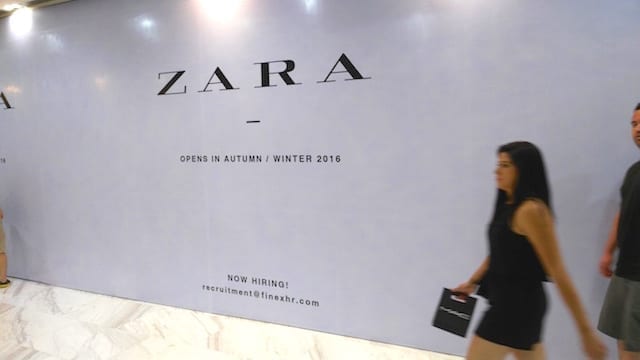
    Zara Vietnam’s flagship store is taking shape at Vincom shopping mall in Ho Chi Minh City, and is expected to open soon.

    The Spanish fast-fashion brand announced in May that it would expand to Vietnam this summer, setting its debut store’s opening date for this month. However, posters in the city say the store opening is next month. It is expected the store will have two storeys.

    Zara-Vietnam

    Fast-fashion brands are popular in Vietnam, and Zara has a huge customer base there. After ordering online and having items brought in from overseas, Vietnamese customers have been eagerly anticipating the arrival of its stores.

    However, the brand would need to look at its pricing. Vietnamese consumers have found that while some brands are considered economical in the West, once they enter Vietnam their prices double or even triple, with Mango and Topshop typical examples.

    Mango Mega store VN

    Zara is aiming to open up to 360 stores globally this year, and in Vietnam is sharing the market with other international fashion like Gap, Nine West and Ralph Lauren.

    Meanwhile, Mango is planning to open a men’s store in Vietnam, and H&M is said to be considering expansion in Vietnam.