Tag: record

  • Hong Kong Sees Record $2.2B Surge in Bulk Property Investments Amid Rising Rental Demand

    Hong Kong Sees Record $2.2B Surge in Bulk Property Investments Amid Rising Rental Demand

    In the wake of a record-breaking first half of the year, bulk homebuyers are anticipated to continue to be a significant influence in Hong Kong’s primary residential market throughout the second half of the year. The strong rental demand, particularly from mainland Chinese students and migrant workers, is bolstering this trend.

    Record Figures Demonstrate Investor Confidence

    From the beginning of the year to June, 654 buyers purchased two or more residences in the primary market. They bought a total of 1,794 flats with an estimated value of approximately HKD17.4 billion (US$2.2 billion). These numbers represent a significant increase from the previous year, effectively doubling and setting new records for buyer amounts, units sold, and the overall transaction value.

    Bulk buyers were responsible for about 14% of all primary home sales during this period. This means that approximately one in seven new flats was bought by purchasers acquiring a minimum of two units.

    A surge in purchases indicates a growing investor interest in rental properties. Hong Kong’s rental index reached a new high in June, making smaller apartments near educational institutions and transport hubs an attractive choice for investors.

    Increasing Appeal of Specific Developments

    The majority of bulk purchases were made in developments that were particularly well-suited to the rental market. Sun Hung Kai Properties’ Lime Spark in Tsuen Wan, which is a favored rental district with excellent transport links, had the most bulk transactions in June, with 29 deals covering 95 flats worth HKD669 million.

    Furthermore, Henderson Land Development’s Highwood in To Kwa Wan and One Victoria Cove in Hung Hom, both of which are near university campuses, recorded 16 and 13 bulk transactions, respectively. Together, these three developments accounted for approximately three-quarters of June’s bulk transactions.

    While most investors bought two units, 65 buyers purchased at least five homes and seven procured 10 or more. The most substantial single transaction in the first half of the year comprised an investor acquiring 16 flats in Highwood for over HKD111 million.

    In June, bulk-buying activity decreased as fewer projects were launched by developers. Nevertheless, bulk purchases are expected to pick up again in the third quarter as new projects are introduced and investor attention refocuses on the property market following global events such as the World Cup.

    Questions & Answers

    Why was there a surge in bulk home purchases in the first half of the year?
    The spike in purchases is primarily due to increased investor interest in rental properties, driven by robust demand from mainland Chinese students and migrant workers.

    What factors make certain properties more attractive to bulk buyers?
    Properties that are attractive to bulk buyers are typically smaller apartments near universities and transport hubs. Developments in popular rental districts with strong transport connections are especially appealing.

    What are the predictions for the third quarter of the year?
    Bulk purchases are expected to rise again in the third quarter as developers introduce new projects and investor attention shifts back to the property market. A boost in the stock market is also expected to support buying sentiment.

  • EU Slaps AliExpress with Record $629 Million Fine Over Counterfeit Goods Crackdown Failure

    EU Slaps AliExpress with Record $629 Million Fine Over Counterfeit Goods Crackdown Failure

    On Monday, AliExpress, Alibaba’s subsidiary, was slapped with a record-breaking €550 million (US$629 million) fine by the European Union for its failure to address sales of illegal, dangerous and counterfeit items on its platform. This penalty is considered to be the largest to date, issued by the European Commission in line with the EU’s Digital Services Act, a prominent law that mandates online platforms of substantial size to augment their efforts in combating harmful and illicit content.

    This penalty is the third of its kind issued by the European Commission, following charges placed on AliExpress in June of the previous year for non-compliance with a Digital Services Act stipulation. This regulation requires platforms to evaluate and reduce the risk of distributing illegal products. AliExpress was given until October 20 to suggest corrective actions. Should the regulatory body determine in December that the company has failed to meet the requirements of the Digital Services Act, further sanctions may be levied.

    The EU’s tech chief, Henna Virkkunen, expressed concern over this issue, describing it as highly risky for consumers and unfair to companies that abide by the rules. She highlighted the vast user base of AliExpress in Europe, standing at 193 million last year, compared to Shein’s 156 million and Temu’s 130 million. Temu has also been subject to fines under the Digital Services Act, and Shein is currently under investigation.

    AliExpress has voiced its intention to contest the fine, deeming it as excessive. “Today’s decision and disproportionate fine disregards our robust risk management structure and the substantial, proactive improvements we’ve implemented,” AliExpress stated via email. The company also indicated its active collaboration with the Commission to satisfy its evolving expectations.

    Assessment and Criticism of AliExpress’s Risk Management Practices

    The Commission criticized AliExpress for not adequately assessing whether it had sufficient personnel to manage risks and for overestimating the efficacy of its system in identifying and removing illicit products. Furthermore, the Commission took issue with the company’s ineffective penalty policy, which allowed penalized businesses to continue selling illegal products on its platform.

    The regulator also noted that AliExpress’s “brand authorisation” system, designed to deter counterfeit sales, was insufficient and easily bypassed by traders selling fraudulent items. There was also criticism of the company’s advertising and recommender systems for contributing to the spread of illicit products and relying on one quantitative indicator to assess the moderation system’s effectiveness in preventing the appearance or re-emergence of illegal products in similar forms.

    However, the regulator did consider the novelty of the Digital Services Act as a mitigating factor when determining the fine, which could have been even larger. This penalty far surpasses the €120 million fine imposed on Elon Musk’s social media platform X and the €200 million fine on Temu, both for Digital Services Act violations.

    Questions & Answers

    What is the significance of the fine imposed on AliExpress by the European Union?

    This penalty, amounting to €550 million (US$629 million), is a record-breaking fine issued by the European Commission under the EU’s Digital Services Act. It highlights the EU’s stance on ensuring large online platforms take more responsibility in preventing the distribution of illegal and harmful content.

    How has AliExpress responded to the fine?

    AliExpress has expressed its intention to appeal the fine, deeming it as excessive. The company asserts that this penalty neglects the robust risk management framework they have established and the proactive enhancements they’ve implemented in their operations.

    What criticisms has the European Commission voiced regarding AliExpress’s operations?

    The Commission has criticized AliExpress for inadequately assessing risks and overestimating its system’s effectiveness in identifying and removing illicit products. Other criticisms include the company’s ineffective penalty policy, its “brand authorisation” system’s shortcomings, and its advertising and recommender systems’ role in spreading illegal products.

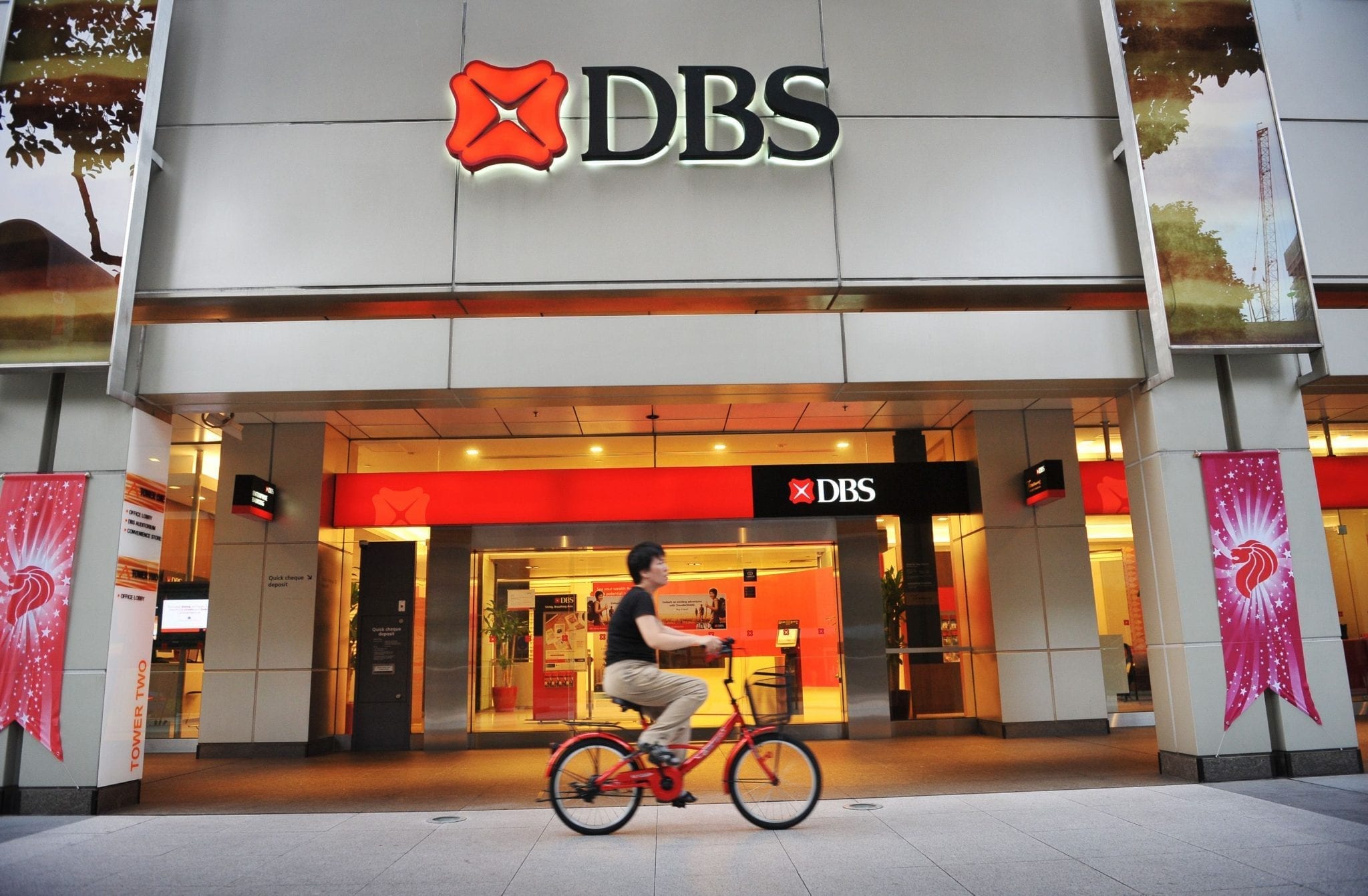
  • DBS, Singapores Largest Lender, Hits Record Market Value of $155B – A Milestone for Citys Stock Market

    DBS, Singapores Largest Lender, Hits Record Market Value of $155B – A Milestone for Citys Stock Market

    DBS Group, Singapore’s dominant bank, has reached a new milestone with its market value surpassing SGD200 billion (US$154.8 billion) as of Monday. This achievement marks a key moment for DBS, known for being the largest bank in Singapore in terms of asset size, and underscores the strength of the city-state’s stock market. The bank’s shares climbed almost 0.5%, closing at SGD70.79, following their peak at SGD70.80 in the session. To date, the bank’s gains this year total approximately 26%.

    Anticipation of Q2 Results Fuels Rally

    DBS’ increase in market valuation comes ahead of its second-quarter results announcement, scheduled for August 6th. The bank’s net profit for the first quarter had seen a 1% increase to reach SGD2.93 billion, largely driven by record income and robust wealth management fees. Experts believe that the share price surge is likely due to the improving clarity of earnings and a more favorable interest rate outlook. Future growth is anticipated if the banks present an optimistic outlook during their results release.

    Analyst Jayden Vantarakis, the head of Asean equity research at Macquarie Capital, stated, “We are entering an environment where we believe Singdollar rates will be supportive of improving net interest income alongside continued strength in non-interest income.”

    Singapore Banks Propel Straits Times Index

    The collective rally of DBS, OCBC, and UOB, the top three Singapore banks by market value, has boosted the Straits Times Index to all-time highs. Together, these banks make up over half of the index’s total weight.

    According to Vantarakis, the strengthening of the U.S. dollar, due to high U.S. interest rates, will have a positive influence on Singapore dollar rates. Moderate rate increases, he suggests, will encourage wealth inflows and improved asset quality.

    Vantarakis also anticipates a possible further re-rating of the sector, supported by growth in both net interest and non-interest income. He maintains that the Singapore dollar will remain a preferred currency due to the broad strength of the U.S. dollar.

    Lastly, Thilan Wickramasinghe, head of Singapore research and regional head of financials at Maybank Securities, added that the banks are well-positioned to gain from robust credit growth and wealth management fees. He also indicated that ongoing uncertainty in certain regional markets and conflicts in the Middle East, have likely directed safe-haven liquidity towards Singapore banks over the past week.

    Questions & Answers

    What factors have contributed to DBS’ market value surge?
    The bank’s rising market value has been attributed to a combination of an upcoming second-quarter results announcement, improving clarity of earnings, and a more favorable interest rate outlook.

    How have the top three Singapore banks impacted the Straits Times Index?
    The collective rally of DBS, OCBC, and UOB, which constitute over half of the Straits Times Index’s total weight, has propelled the index to all-time highs.

    What is the potential future outlook for the sector?
    There is a potential for further re-rating of the sector supported by growth in both net interest income and non-interest income. Moreover, the Singapore dollar is expected to remain a preferred currency due to the broad strength of the U.S. dollar.

  • Singapore’s Top Banks Hit Record Highs as DBS, OCBC and UOB Ascend Together

    Singapore’s Top Banks Hit Record Highs as DBS, OCBC and UOB Ascend Together

    In the latest trading session, Singapore’s three major banks, DBS, OCBC, and UOB, all witnessed record high closures. Spearheading gains on the Straits Times Index, OCBC saw a 3.3% rise, closing at S$26.34 (US$20.39). UOB climbed 2.9% to S$41.69, and DBS increased by 2.6%, closing at S$68.64.

    Bank Ratings Solidify Their Stance

    DBS was singled out as a preferred local bank in a recent research note by Citi. The choice was based on the bank’s strong dividend per share visibility and its position as a distinguished Asia wealth proxy. OCBC received a “buy” rating, with Citi concurring that the bank should continue its growth and lessen the return on equity gap with DBS.

    Contrarily, UOB maintained a “neutral” rating. The bank’s wealth and loan-growth trajectories reportedly trail those of its peers, while its earnings forecasts align strictly with market expectations.

    The Straits Times Index ended Tuesday with a 1.57% increase, closing at 5,342.240.

    Record Highs Continue to Rise

    On Wednesday, UOB reached a fifth consecutive record intraday high, increasing by 4.65% to S$43.63 by midday, after touching S$43.79 earlier in the session. DBS and OCBC also experienced growth, with DBS rising 1.5% to S$69.67 and OCBC climbing 2.9% to S$27.10.

    Investment bank Macquarie Capital upgraded DBS and UOB from “neutral” to “outperform.” The target price for DBS was raised from S$52.38 to S$70.86, and UOB’s target price increased from S$36.78 to S$45.16. Macquarie Capital also retained its “outperform” rating on OCBC, boosting its target price from S$24.25 to S$27.76.

    Jayden Vantarakis, head of Asean equity research at Macquarie Capital, suggested that further re-rating is still possible, supported by an improved sector outlook where both net interest income and non-interest income can grow simultaneously, whilst the Singapore dollar remains a preferred currency amidst broad U.S. dollar strength.

    Questions & Answers

    What led to the record high closures of Singapore’s three major banks?
    Dividend per share visibility and Asia wealth proxy positioning were among the reasons for the banks’ record high closures. Also, they are expected to maintain growth, and the Singapore dollar remains strong amidst broad U.S. dollar strength.

    How did Citi rate the three major banks?
    Citi gave DBS a preferred local bank pick with a “buy” rating. OCBC also received a “buy” rating, while UOB retained a “neutral” rating.

    What is the potential for further re-rating according to Macquarie Capital?
    Macquarie Capital suggests that further re-rating is still possible, supported by an improved sector outlook where net interest income and non-interest income are expected to grow simultaneously.

  • Grab Powers Through 2026 with Record Q1 Results and Bold Expansion Beyond Southeast Asia

    Grab Powers Through 2026 with Record Q1 Results and Bold Expansion Beyond Southeast Asia

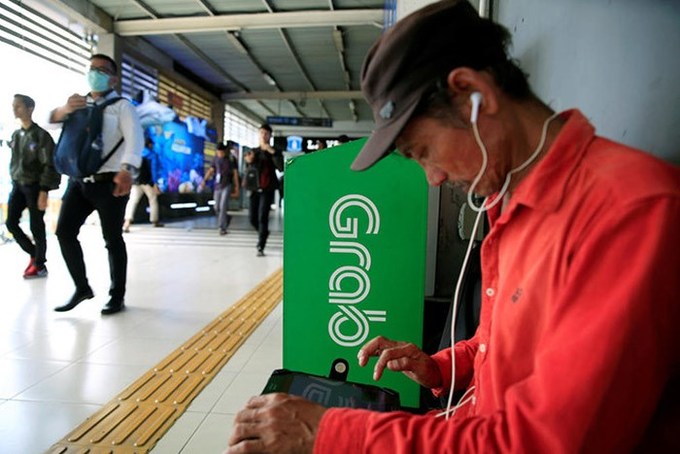
    Southeast Asian superapp, Grab, has reported its strongest first quarter to date, with plans to expand beyond its home market for the first time. It plans to do so with an investment of $600 million.

    Grab’s CEO and co-founder, Anthony Tan, expressed his satisfaction with the results, stating that the company achieved its objective of starting 2026 robustly. Grab recorded a revenue of US$955 million for the first quarter, which ended on March 31, representing a year-on-year increase of 24%. Its adjusted EBITDA reached US$154 million, up by 46% from the same period in the previous year, marking the company’s seventeenth consecutive quarter of EBITDA growth.

    Despite the period being typically quiet due to the Ramadan fasting month and Lunar New Year celebrations, the company managed to increase its number of monthly transacting users by 16% to 51.6 million.

    Growth Across Segments

    The overall gross merchandise value of Grab’s deliveries and mobility segments rose to US$6.1 billion in the quarter, with the delivery sector growing by 25% and mobility by 23%, year-on-year. The company’s financial services also observed a 43% leap in revenue to US$107 million.

    However, the company faces operational challenges due to the regional surge in fuel prices—an issue with no straightforward solution for a business model that depends on daily refuelling by millions of driver-partners. To navigate this issue, Grab launched various initiatives in March, including multi-partner fuel discount programs and restructuring incentive models to maximize driver earnings. Grab also collaborated with governments to ensure driver-partners could access available transport-worker fuel subsidies.

    Recently, Grab became the first platform to offer point-to-point cross-border taxi services between Singapore and Malaysia, one of the world’s busiest international land border crossings.

    Expansion Plans

    During the quarter, Grab agreed to acquire Delivery Hero’s foodpanda delivery business in Taiwan for US$600 million in cash. This represents Grab’s first expansion beyond Southeast Asia in its 14-year history. The acquisition is expected to be finalised in the second half of the year, expanding Grab’s presence across 21 cities. Upon completion, Grab would hold a market share of just over 50%, positioning it as a formidable competitor to Uber Eats.

    Moving forward, Grab’s full-year guidance remains unchanged, with predictions of 20% to 22% growth in revenue and 40% to 44% growth in adjusted EBITDA. The company expects in-demand GMV growth in each remaining quarter of this year.

    Questions & Answers

    What is Grab’s first quarter revenue for 2026?
    Grab reported a revenue of US$955 million for the first quarter of 2026.

    What operational challenges is Grab facing?
    Grab is facing operational challenges due to the regional surge in fuel prices affecting millions of its driver-partners.

    What is Grab’s expansion plan?
    Grab plans to acquire Delivery Hero’s foodpanda delivery business in Taiwan, marking its first expansion beyond Southeast Asia.

  • Grab Defies Fuel Crisis with Double-Digit Growth: Record Earnings and Soaring Demand in Q1

    Grab Defies Fuel Crisis with Double-Digit Growth: Record Earnings and Soaring Demand in Q1

    Singapore-based Grab Holdings kicked off the new financial year on a high note, reporting double-digit growth in its first-quarter revenue and earnings, reflecting the company’s robust resilience in the face of market fluctuations.

    Impressive First-Quarter Results

    Grab’s revenue for the first quarter, ending March 31, climbed by 24%, amounting to US$955 million. This represents a 19% increase when considered on a constant currency basis.

    The gross value of the company’s on-demand merchandise, a key indicator of transactions from Grab’s mobility and delivery branches, also witnessed a significant jump. It surged by 24% according to reported figures and 21% on a constant currency basis.

    The firm recorded a striking 46% increase in its Adjusted EBITDA, reaching a record-setting figure of $154 million. Profits also displayed an upward trend, going from $10 million in the previous year to $120 million.

    Grab’s Group CEO and Co-founder, Anthony Tan, attributed these strong outcomes to the resilience of the company’s platform, particularly in the face of Southeast Asia’s unpredictable macroeconomic climate, which is currently grappling with a fuel crisis.

    Supporting Driver-Partners Amid Rising Fuel Prices

    Grab acknowledged an increase in its on-demand incentives during the quarter. This move was taken to bolster the earnings of driver-partners as fuel costs across the region spiral upwards. It also aimed to cater to the increased demand during the festive season.

    Segment-Wise Performance

    Looking at the performance of different sectors, the delivery revenue witnessed a 23% surge, totaling $510 million. The mobility revenue increased by 19%, amounting to $337 million. The financial services sector also saw a boost in revenue, with a 43% rise that led to $107 million.

    Outlook for the Full Year

    For the upcoming year, Grab maintains its revenue forecast, predicting a figure between $4.04 billion and $4.10 billion, indicating a 20-22% rise. The Adjusted EBITDA is also expected to grow by 40-44%.

    As the company moves forward, it reaffirms its commitment to ensuring durable, profitable growth while standing in solidarity with its communities. According to Tan, the company plans to leverage AI to deliver hyper-personalized experiences for users while creating more sustainable earning opportunities for ecosystem partners.

    Expansion Beyond Southeast Asia

    Earlier this year, Grab made its debut outside Southeast Asia by acquiring Delivery Hero’s Foodpanda business in Taiwan for $600 million.

    Questions & Answers

    What was Grab’s first-quarter revenue?
    Grab’s revenue for the first quarter was US$955 million, representing a 24% increase.

    What steps has Grab taken to support its driver-partners amid the fuel crisis?
    Grab has increased its on-demand incentives to bolster the earnings of driver-partners affected by rising fuel costs.

    What are Grab’s revenue predictions for the upcoming year?
    Grab estimates its revenue to be between $4.04 billion and $4.10 billion, indicating a 20-22% rise.

  • Yum China’s Monumental Growth: Q1 Results Skyrocket with Record 636 New Stores

    Yum China’s Monumental Growth: Q1 Results Skyrocket with Record 636 New Stores

    Yum China, a leading retail company, has announced the launch of an ambitious expansion plan, following a highly successful first quarter for FY26. The company reported 636 net new store openings, setting a record-high figure.

    Impressive Financial Performance

    The retail behemoth recorded an impressive 10% increase in total revenue, reaching a staggering US$3.3 billion. Operating profit also followed this upward trajectory, registering a 12% growth to a record-breaking $447 million. Consumer behavior in China is undergoing significant changes, with delivery services now accounting for an impressive 55% of total sales. This is a substantial increase from the 43% reported in the same quarter of the previous year.

    CEO of Yum China, Joey Wat, applauded the company’s growth efforts, saying, “In Q1, our accelerated store openings reached a record level, capitalizing on considerable market opportunities.”

    He continued, elaborating on the company’s consistent growth, “Concurrently, we have maintained our system sales growth, operating profit growth, and operating profit margin expansion for the eighth quarter in a row, a testament to the hard work and dedication of our teams.”

    Adaption of ‘Side-by-side’ Store Strategy

    Yum China’s ‘side-by-side’ store strategy is gaining momentum, especially for the KPRO brand. With 280 outlets now in operation, this health-conscious concept is quickly scaling up, with ambitious goals to reach 600 locations by the end of the year.

    In a parallel development, Pizza Hut is also undergoing a strategic change. The ‘Pizza Hut Wow’ format concentrates on simplified menus and affordable prices and is currently being introduced in 100 additional cities. This strategic move is designed to attract value-conscious consumers in Tier 2 and Tier 3 markets.

    Future Expansion Plans

    Looking forward, Yum China is aiming to build a total store network exceeding 20,000, facilitated by more than 1900 net new store openings this year. Additionally, the company is considering a 40-50% franchise mix for net new stores across both the KFC and Pizza Hut portfolios.

    CEO Joey Wat expressed confidence in the company’s future, stating, “Considering our robust foundation, dual focus on innovation and operational efficiency, and a more judicious delivery platform competition, we are optimistic about meeting our full-year targets and generating sustainable long-term value for our shareholders.”

    These promising results follow a strong fourth quarter for the company in the previous year.

    Questions & Answers

    What is Yum China’s expansion strategy?
    Yum China’s expansion strategy includes accelerated store openings and the introduction of the ‘side-by-side’ store strategy, especially for the KPRO brand.

    How is Pizza Hut adapting to market changes?
    Pizza Hut is implementing the ‘Pizza Hut Wow’ format, focusing on streamlined menus and affordable prices to attract value-conscious consumers in Tier 2 and 3 markets.

    What are Yum China’s future plans?
    Yum China plans to build a total store network exceeding 20,000, facilitated by more than 1,900 net new store openings this year. The company is also considering a 40-50% franchise mix for net new stores across both the KFC and Pizza Hut portfolios.

  • Uniqlo Parent Company, Fast Retailing, Predicts Record Earnings Amid Global Expansion and Strong Quarter

    Uniqlo Parent Company, Fast Retailing, Predicts Record Earnings Amid Global Expansion and Strong Quarter

    Fast Retailing, the Japanese company that owns global clothing brand Uniqlo, has revised its full-year forecast, indicating yet another year of record growth. This comes on the back of a stronger-than-expected surge in quarterly earnings, attributed to international expansion.

    Surpassing Expectations

    Fast Retailing reported a 29.4 per cent increase in its operating profit for the quarter ending February, reaching 189.8 billion yen (US$1.19 billion). This impressive figure outperformed the average estimate of 161.6 billion yen. As a result, the company has revised its full-year operating profit forecast upwards to 700 billion yen. This puts the retailer in line for a fifth consecutive year of record earnings.

    Anticipated Impact of Middle East Crisis

    Fast Retailing stated that it does not anticipate any significant repercussions from the Middle East crisis on its production and logistics for its fiscal 2026 year. The company’s second quarter had ended just before the commencement of US-Israeli airstrikes on Iran. This conflict has been instrumental in causing a rise in oil prices and disrupting supply chains. Investment and trading circles are currently on high alert due to uncertainties regarding a potential permanent peace agreement.

    How Uniqlo Could be Affected

    Investors will be closely monitoring how the Iran crisis may influence the expense for Uniqlo, a brand renowned for its affordable clothing basics, including many items made with polyester. Fast Retailing’s shares in Tokyo closed down by 0.5 per cent before these results, but have escalated by more than 18 per cent in 2026.

    Teijin Frontier, a supplier to the company based in Japan, announced recently that it will increase its polyester fiber prices by 20 per cent due to rising oil costs. This echoes warnings from European retailers that a drawn-out Middle East conflict could inflate prices and impact consumer demand.

    Global Expansion and Performance

    Fast Retailing, with its nearly 900 stores in Japan and mainland China, serves as a benchmark for consumer expenditure in these areas. From its origin as a single store in Japan’s Hiroshima city in 1984, Uniqlo now has a presence in over 2500 global locations. The brand has been aggressively expanding in Europe and North America, aiming to diversify its reach beyond China, its largest overseas market.

    Corporate Outlook

    The company’s North American and European operations have seen an annual sales growth of 30-50 per cent since fiscal 2022. Anticipated annual revenue from these regions is projected to reach 3 trillion yen each over the medium term. Meanwhile, a tourism surge driven by a weak yen has bolstered the company’s domestic sales in Japan. However, growth in China has decelerated due to weak consumer sentiment, leading to store closures and restructuring.

    On China, Fast Retailing’s CFO Takeshi Okazaki commented: “We’re pushing forward with structural reforms … I think it’s fair to interpret that the results are now beginning to show in our performance.”

    Questions & Answers

    What is Fast Retailing’s revised full-year operating profit forecast?
    Fast Retailing has increased its full-year operating profit forecast to 700 billion yen.

    How might the Middle East crisis influence costs for Uniqlo?
    If the Middle East crisis leads to sustained high oil prices, the cost of polyester and air freight could increase, potentially impacting Uniqlo’s production costs.

    What are Fast Retailing’s plans for structural reforms in China?
    CFO Takeshi Okazaki did not detail specific reforms but expressed optimism about the positive impact of ongoing changes on the company’s performance.

  • Domino’s China Ignites Growth with Aggressive Store Expansion: A Story of Record Revenues and National Penetration

    Domino’s China Ignites Growth with Aggressive Store Expansion: A Story of Record Revenues and National Penetration

    DPC Dash, the franchisee responsible for operating Domino’s outlets across China, has announced significant revenue growth and an ambitious store expansion campaign throughout the country in 2025.

    Impressive Revenue Growth

    DPC Dash declared a 24.8% rise in revenue on a year-over-year basis, amounting to RMB 5.38 billion, equivalent to approximately US$778 million. This robust growth is a testament to the company’s thriving operations and successful market strategies.

    ‘Go Deeper, Go Broader’

    In terms of expansion, the company has continued to adopt a disciplined strategy titled ‘Go Deeper, Go Broader’. This strategy involves penetrating deeper into existing cities while also stretching out to new locations. Aileen Wang, CEO of DPC Dash, confirmed this during the earnings call, stating that the company had effectively extended its infiltration in existing cities and extended its footprint to new areas.

    Strong performance was observed in the newly opened stores within these growth markets. These outlets have recorded average daily sales that surpass the historical averages, thereby illustrating the appealing unit economics and capital efficiency of the franchise’s development model.

    Aggressive Expansion and Store Performance

    DPC Dash launched 307 additional stores in 2025, thereby entering 21 new cities and expanding its network to a total of 1315 stores across 60 cities. The franchise’s Tier 1 city markets witnessed positive same-store sales growth throughout the year. Furthermore, the first 30-day sales records of new stores held all top spots globally within Domino’s records as of the end of January.

    Helen Wu, CFO of DPC Dash, highlighted the company’s gains in efficiency and the benefits of scale, stating that these elements have enhanced profitability and laid a robust foundation for long-lasting, sustainable success.

    Loyalty Program and Future Plans

    DPC Dash also reported a surge in engagement in its loyalty program, which grew by 45.3% in 2025, up from 24.5 million members in 2024 to 35.6 million members.

    Looking forward, DPC Dash plans to inaugurate approximately 350 new stores in the fiscal year 2026. As of March 20, the company has already opened 140 new stores, with 14 under construction and 65 signed for future development.

    Questions & Answers

    What is DPC Dash’s ‘Go Deeper, Go Broader’ strategy?
    This is a disciplined expansion plan that focuses on deepening the penetration into existing cities and extending reach into new markets.

    What is the overall growth of DPC Dash’s loyalty program?
    The company’s loyalty program grew by 45.3% in 2025, reaching a total of 35.6 million members.

    What are the future expansion plans of DPC Dash?
    DPC Dash plans to open approximately 350 new stores in the fiscal year 2026, with a significant number already opened, under construction or assigned for future development.

  • Vietnam Gold Prices Plunge Amid Record Global Bullion Weekly Losses

    Vietnam Gold Prices Plunge Amid Record Global Bullion Weekly Losses

    In Vietnam, the price of gold witnessed a decline on Friday morning, following the global trend where bullion rates are experiencing the steepest weekly fall in six years. The price of a gold bar from Saigon Jewelry Company fell by 0.34%, coming down to VND174.9 million ($6,645.9) per tael. This rate was echoed by other sellers in the market.

    Locally, bullion prices have seen a 9% decrease from the peak of VND191.3 million per tael, which was recorded in January. Despite the recent slip, the prices are still 10% higher on a year-on-year basis. Currently, the local rates are approximately VND26.5 million per tael more than the global rates.

    The price of gold rings followed a similar pattern, slipping to VND174 million per tael. It is important to note that a tael is equivalent to 37.5 grams or 1.2 ounces.

    On a global scale, spot gold rose by 0.8% to $4,686.97 an ounce on Friday. However, cumulatively for the week, it has fallen close to 7%, marking the largest weekly loss since March 2020. This trend has been attributed to the escalating conflict in the Middle East, which has increased energy prices and subsequently led to dampening expectations for rate cuts.

    Historically viewed as a safe haven, the precious metal has seen a decline every week since the conflict broke out last month. Factors contributing to this trend include strengthening Treasury yields and the U.S. dollar, investors selling bullion to offset losses elsewhere, and outflows from gold-backed exchange-traded funds.

    Daniel Ghali, a commodity strategist at TD Securities, commented on the situation. He noted that gold, a popular choice for institutional investors, has seen its position waver due to the ongoing debasement trade. Ghali further added that there is a significant potential for gold to experience further selling off, even while maintaining its bull market era trend support.

    Questions & Answers

    What is the current trend in global gold prices?
    Answer: Global gold prices are experiencing a significant fall, marking the largest weekly loss since March 2020.

    How has the conflict in the Middle East impacted gold prices?
    Answer: The escalating conflict in the Middle East has led to increased energy prices and dampened expectations for rate cuts, contributing to a decline in gold prices.

    What factors have contributed to the decline in gold prices?
    Answer: Several factors have contributed to this decline, including strengthening Treasury yields and the U.S. dollar, investors selling bullion to offset losses elsewhere, and outflows from gold-backed exchange-traded funds.

  • Grab Sees Stellar Rebound with First Full-Year Profit, Propelled by Record Q4 Earnings

    Grab Sees Stellar Rebound with First Full-Year Profit, Propelled by Record Q4 Earnings

    Grab Holdings, a Singapore-based technology firm specializing in transportation, food, and e-commerce solutions, has reported a prosperous full-year profit. This marks a significant recovery from the financial deficit experienced in the previous year.

    Strong Financial Performance in 2025

    In the fiscal year of 2025, Grab Holdings generated revenues to the tune of US$3.3 billion and secured profits amounting to $200 million. This powerful comeback effectively eclipsed the previous year’s losses, which stood at $158 million.

    In particular, the fourth quarter of 2025 proved to be a strong period for the company, with earnings totaling $906 million. This figure represents a 19% year-on-year increase.

    Group CEO and co-founder, Anthony Tan, expressed pride in the company’s performance. “We concluded 2025 on a high note, posting our first full year of net profit and surpassing 50 million monthly transacting users,” he said.

    Looking ahead, Tan affirmed plans to maintain this positive trajectory. “Our strategy for the coming years revolves around expanding our market reach through increased affordability and reliability. We also intend to leverage product-led innovations to enhance ecosystem engagement and boost user lifetime values.”

    Growth Across Various Segments

    The company’s robust financial performance was driven by growth across several business segments. Revenues from deliveries increased by 18% year-on-year, while mobility revenues witnessed a 15% growth.

    Peter Oey, CFO of Grab, voiced optimism about the company’s long-term financial prospects, citing the strong foundation built thus far. “We forecast generating $1.5 billion in Adjusted EBITDA with an Adjusted Free Cash Flow conversion of 80% by 2028. This positions us well to accelerate our platform ambitions while maximizing shareholder value,” he stated.

    $500 Million Share Buyback Program

    Reaffirming its commitment to shareholders, Grab Holdings has unveiled a $500 million share buyback program.

    Questions & Answers

    What was Grab Holdings’ financial performance in 2025?
    Grab Holdings reported revenues of US$3.3 billion and a profit of $200 million in 2025.

    What strategies does Grab Holdings plan to implement moving forward?
    Grab intends to expand its market reach through increased affordability and reliability and plans to leverage product-led innovations to enhance ecosystem engagement and boost user lifetime values.

    What does Grab Holdings’ share buyback program entail?
    Grab Holdings has announced a $500 million share buyback program as part of its commitment to providing shareholder value.

  • Singapore Retail Sales Momentum Cooldown in December after November’s Record Highs

    Singapore Retail Sales Momentum Cooldown in December after November’s Record Highs

    The rate of retail sales growth in Singapore experienced a significant deceleration in December, following an impressive surge in November.

    As per the data provided by the Department of Statistics, retail sales, excluding motor vehicles, saw an increase of 1.7 per cent in December. This figure shows a sharp contrast to the revised growth of 5.7 per cent reported in November, the most robust monthly gain of the year.

    The projected total retail sales value for December was approximately SG$4.1 billion (US$3.2 billion), with online sales contributing to 17 per cent of this figure.

    On a seasonally adjusted basis, December’s retail sales experienced a 6.7 per cent decline when compared to November.

    Sector-specific Performance

    In terms of year-on-year sales growth, the majority of sectors demonstrated an upward trend in the final month of the year. Leading the pack were recreational goods (13.4 per cent), computer and telecommunications equipment (12.8 per cent), and watches and jewellery (7.1 per cent).

    However, some other sectors such as supermarkets, convenience stores, cosmetics, and optical goods and books reported modest increases of less than 5 per cent.

    In contrast, petrol service stations faced a harsh 9.1 per cent drop in sales, followed by the food and alcohol sector, which saw a 7.1 per cent dip in sales.

    Food and Beverage Services

    Despite the overall dip in retail sales, the food and beverage services sector saw a marginal rise of 0.7 per cent in December. This, however, was a downslide from the 2.5 per cent growth the sector had witnessed in November.

    Questions & Answers

    What was the total projected value for retail sales in Singapore in December?
    The total projected retail sales value in Singapore for December was approximately SG$4.1 billion (US$3.2 billion).

    Which sectors experienced the most significant growth in December?
    The sectors that saw the most significant growth in December were recreational goods, computer and telecommunications equipment, and watches and jewellery.

    How did food and beverage services perform in December compared to November?
    The food and beverage services sector experienced a slight increase of 0.7 per cent in December, a decrease from the 2.5 per cent growth seen in November.

  • Vietnam’s Gold Rates Skyrocket as Global Bullion Hits Record $5,000 Per Ounce

    Vietnam’s Gold Rates Skyrocket as Global Bullion Hits Record $5,000 Per Ounce

    Gold prices in Vietnam experienced a significant boost on Monday as international bullion rates soared to a new record high of over US$5,000 per ounce. Saigon Jewelry Company’s gold bar price increased by 1.26% to VND176.5 million (US$6,735.35) per tael, a rate echoed by other sellers in the area.

    Local and Global Rates

    Within Vietnam, the price of bullion is now VND14 million per tael higher than the worldwide standard. This surge in price is not limited to bars of gold, as the cost of gold rings also saw an increase of 1.45% to VND175.5 million per tael. Just to clarify, a tael is a unit of weight, equivalent to 37.5 grams or 1.2 ounces.

    Global Gold Price Surge

    Internationally, gold has set a new record high. The escalation in the price of gold is attributed to investors seeking a ‘safe-haven’ asset in light of increasing political uncertainties around the globe. The spot gold price rose by 1.98% to $5,081.18 per ounce, after initially reaching $5,092.71. The precious metal has seen its value increase by over 17% this year alone. Similarly, U.S. gold futures for February delivery saw a 2.01% increase to $5,079.30 per ounce.

    Market analyst Fawad Razaqzada explains the recent trend in gold prices as typical ‘safe-haven’ behaviour. He suggests that underlying demands for secure investments continue to be present, as confidence in the dollar and bonds appear to be somewhat unsteady.

    Questions & Answers

    What caused the surge in gold prices?
    The increase in gold prices is primarily driven by investors seeking a ‘safe-haven’ asset due to the rise in geopolitical uncertainties.

    How much has the value of gold increased this year?
    The price of gold has risen by more than 17% this year.

    What is the current price of gold per tael in Vietnam?
    The price of gold per tael in Vietnam is currently VND176.5 million.

  • Vietnam’s Aquatic Exports Soar to Historic Heights, Anticipating $11.3B Record Despite Global Challenges

    Vietnam’s Aquatic Exports Soar to Historic Heights, Anticipating $11.3B Record Despite Global Challenges

    Vietnam’s seafood exports have consistently shown strong growth, and they are on track to reach an unprecedented high this year, despite certain obstacles. In the initial 11 months of 2025, the total revenue from seafood shipments was over US$10.5 billion, marking an increase of 14.6% compared to the same period in the previous year, as reported by the Vietnam Association of Seafood Exporters and Producers.

    Breakdown of Seafood Exports

    Among the various types of seafood, shrimp was a significant contributor to the overall growth, generating $4.31 billion, representing a 21.2% increase year-on-year. Pangasius, a type of catfish, brought in over $2 billion, a rise of 9%, and tuna accounted for $855.7 million. Furthermore, molluscs, marine fish, and value-added products all experienced growth in the double digits.

    Major Export Markets

    Countries that are part of the Comprehensive and Progressive Agreement for Trans-Pacific Partnership (CPTPP) were the primary recipients of Vietnam’s seafood exports, accounting for 27.2% of total shipments. The volume of exports to these nations grew by 24.3% year-on-year.

    China and the EU also saw significant increases in shipments, with growth of 30.6% and 11.9% respectively. Additionally, exports to the U.S. increased by 8.1%, reaching $1.78 billion.

    Le Hang, the deputy general secretary of the association, observed that the success of Vietnam’s seafood exports, in spite of an unpredictable global market, is a testament to the strategies adopted by its exporters, which are both proactive and adaptable.

    Outlook for December and the Future

    The exports are expected to experience a minor decline in December due to seasonal impacts and a cautious approach from exporters dealing with the U.S., as several businesses have chosen to temporarily limit new orders from the U.S. due to the impending guidance on its Marine Mammal Protection Act. However, shrimp shipments may not be significantly affected due to steady demand from Japan, the EU, and CPTPP nations.

    Looking at the current data and end-of-year projections, it is anticipated that the annual revenue from seafood exports will reach somewhere between $11.2 and $11.3 billion, which would be the highest figure to date. Shrimp exports are projected to exceed $4.6 billion, thereby setting a new record, and it is forecasted that the shipments of pangasius will surpass $2.1 billion due to the recovering demand in Asia. Tuna exports are also estimated to surpass $900 million.

    Questions & Answers

    What factor contributed the most to the growth in Vietnam’s seafood exports?
    The largest contributing factor to the growth in Vietnam’s seafood exports was shrimp, which generated $4.31 billion and saw a 21.2% increase compared to the previous year.

    How have Vietnam’s seafood exports fared in the global market?
    Despite uncertainties in the global market, Vietnam’s seafood exports have shown consistent growth due to the proactive and adaptable strategies of its exporters.

    What is the projected revenue from Vietnam’s seafood exports this year?
    Based on current data and end-of-year predictions, the annual revenue from seafood exports will likely reach between $11.2 and $11.3 billion, which would be the highest figure to date.

  • OMG Group Shatters Sales Record: Stellar November Performance Bolsters Year of Phenomenal Growth

    OMG Group Shatters Sales Record: Stellar November Performance Bolsters Year of Phenomenal Growth

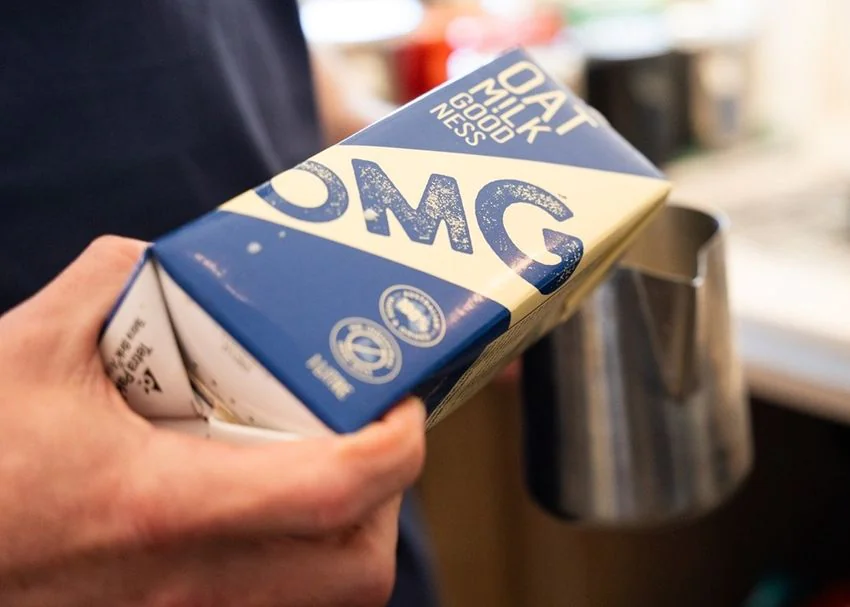
    In November, Australian health and wellness firm OMG Group reported its highest sales ever, surpassing the previous monthly revenue record by 20% with $720,000 in sales. This figure represents a 40% increase in sales compared to the same period in the previous year. According to OMG Group, this growth can be attributed to the expansion of their physical distribution networks and e-commerce channels. Blue Dinosaur and Oat Milk Goodness are among the company’s portfolio brands.

    Financial Year Sales

    In the financial year which ended on June 30, OMG Group achieved sales of $2.65 million, marking a 68% increase from the same period the previous year. On Black Friday, sales from Blue Dinosaur, one of the company’s brands, surpassed $318,000. This is the second-highest e-commerce total in the brand’s history and represents a 56% increase year-on-year.

    Future Growth Projections

    OMG Group is optimistic that this growth momentum will carry on through the Christmas period, following its ‘Summer of Cricket’ marketing campaign. The company believes this campaign presents a unique opportunity to leverage its market position. Furthermore, following the rise in sales across Woolworths stores, OMG Group is actively exploring opportunities to extend its physical stocking agreements to petrol and convenience stores across Australia.

    CEO’s Statement

    Alex Aleksic, the CEO of OMG Group, expressed his enthusiasm about the company’s performance. He said, “Announcing another record monthly sales result ahead of a potentially high-demand summer period is a clear demonstration of the robustness of our multi-channel brand portfolio.” Aleksic added that alongside the increasing momentum with major Australian retail partners, the company’s e-commerce business is generating over $2 million of annual turnover and is consistently on a growth path.

    Questions & Answers

    What were OMG Group’s sales in November?
    OMG Group’s November sales were its highest ever, with $720,000 in sales, surpassing its previous monthly revenue record by 20%.

    What is the projected growth for OMG Group?
    The Company expects to maintain its positive growth momentum through the Christmas period and beyond. This optimism is fueled by the success of its ‘Summer of Cricket’ marketing campaign and plans to expand its physical distribution networks.

    What is the status of OMG Group’s e-commerce business?
    OMG Group’s e-commerce business is generating over $2 million of annual turnover and continues to grow consistently. This growth is driven by the success of portfolio brands such as Blue Dinosaur.