Retail News CRM

Tag: record

  • OMG Group Shatters Sales Record: Stellar November Performance Bolsters Year of Phenomenal Growth

    OMG Group Shatters Sales Record: Stellar November Performance Bolsters Year of Phenomenal Growth

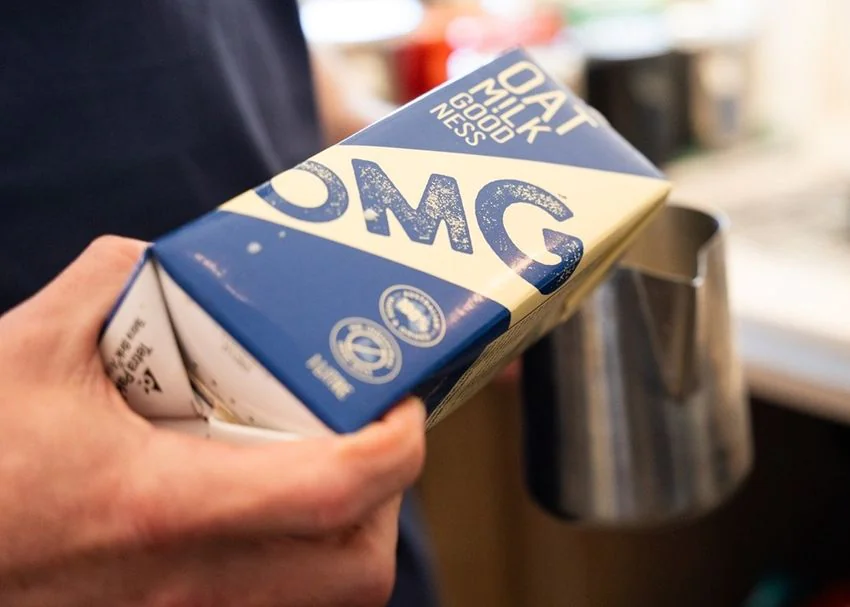
    In November, Australian health and wellness firm OMG Group reported its highest sales ever, surpassing the previous monthly revenue record by 20% with $720,000 in sales. This figure represents a 40% increase in sales compared to the same period in the previous year. According to OMG Group, this growth can be attributed to the expansion of their physical distribution networks and e-commerce channels. Blue Dinosaur and Oat Milk Goodness are among the company’s portfolio brands.

    Financial Year Sales

    In the financial year which ended on June 30, OMG Group achieved sales of $2.65 million, marking a 68% increase from the same period the previous year. On Black Friday, sales from Blue Dinosaur, one of the company’s brands, surpassed $318,000. This is the second-highest e-commerce total in the brand’s history and represents a 56% increase year-on-year.

    Future Growth Projections

    OMG Group is optimistic that this growth momentum will carry on through the Christmas period, following its ‘Summer of Cricket’ marketing campaign. The company believes this campaign presents a unique opportunity to leverage its market position. Furthermore, following the rise in sales across Woolworths stores, OMG Group is actively exploring opportunities to extend its physical stocking agreements to petrol and convenience stores across Australia.

    CEO’s Statement

    Alex Aleksic, the CEO of OMG Group, expressed his enthusiasm about the company’s performance. He said, “Announcing another record monthly sales result ahead of a potentially high-demand summer period is a clear demonstration of the robustness of our multi-channel brand portfolio.” Aleksic added that alongside the increasing momentum with major Australian retail partners, the company’s e-commerce business is generating over $2 million of annual turnover and is consistently on a growth path.

    Questions & Answers

    What were OMG Group’s sales in November?
    OMG Group’s November sales were its highest ever, with $720,000 in sales, surpassing its previous monthly revenue record by 20%.

    What is the projected growth for OMG Group?
    The Company expects to maintain its positive growth momentum through the Christmas period and beyond. This optimism is fueled by the success of its ‘Summer of Cricket’ marketing campaign and plans to expand its physical distribution networks.

    What is the status of OMG Group’s e-commerce business?
    OMG Group’s e-commerce business is generating over $2 million of annual turnover and continues to grow consistently. This growth is driven by the success of portfolio brands such as Blue Dinosaur.

  • Singapore’s Changi Airport Shatters Record with 58 Million Passengers in 2025: A Post-Pandemic Travel Triumph!

    Singapore’s Changi Airport Shatters Record with 58 Million Passengers in 2025: A Post-Pandemic Travel Triumph!

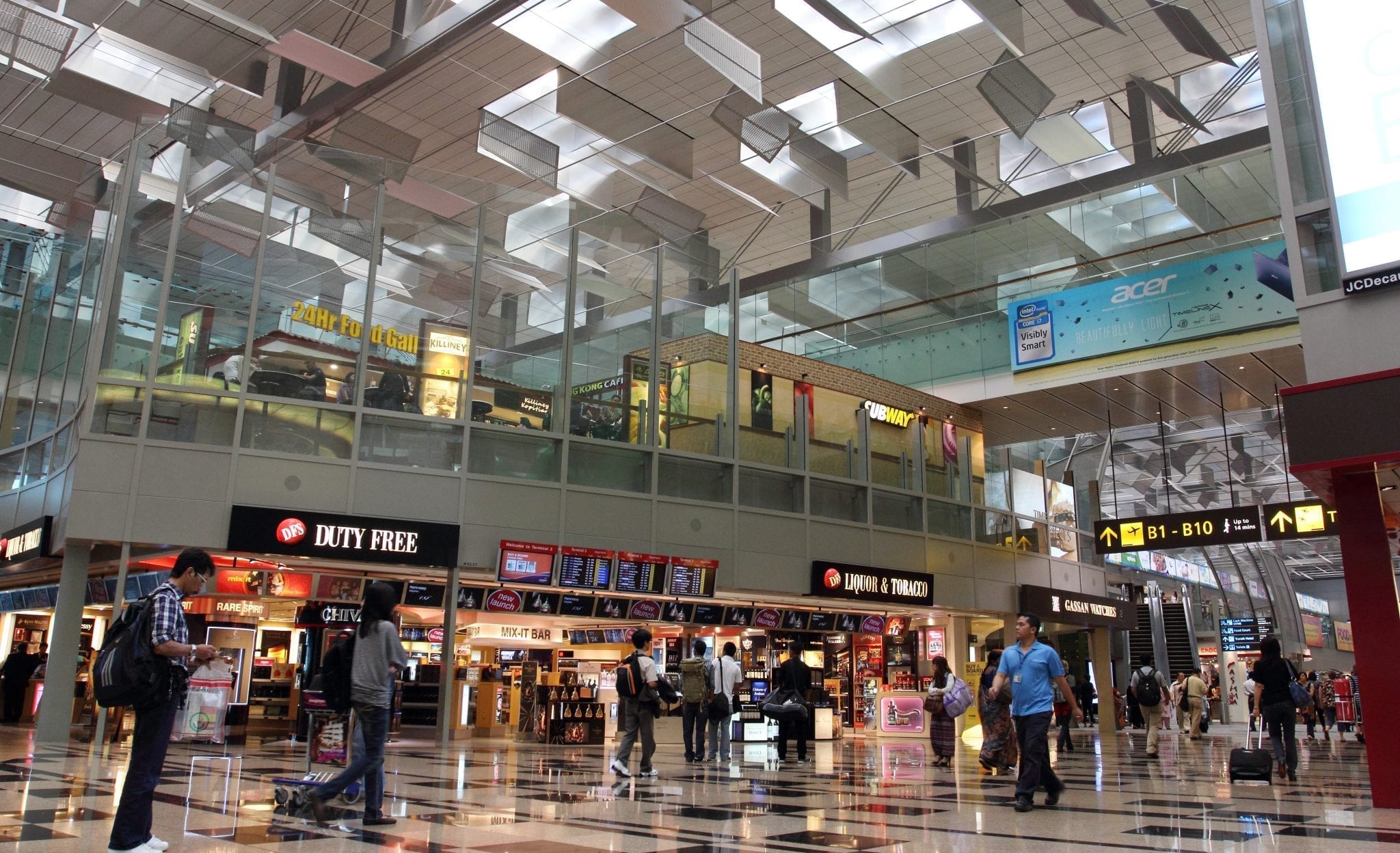
    Changi Airport has continued to demonstrate its resilience and recovery from the pandemic-era downturn, with a recorded 5.8 million passengers in October. This figure represents an increase of 3.4% compared with the same period in the previous year and is one of the airport’s most successful months since the full resumption of global travel.

    Robust Passenger Numbers

    Data released by the Changi Airport Group (CAG) on November 21 revealed that the airport successfully handled 57.9 million passengers in the first ten months of 2025. This record surpasses the 56.2 million and 55.5 million passengers recorded over the same period in 2019 and last year, respectively.

    Predictions that passenger traffic in 2025 would surpass pre-pandemic levels have been validated by these statistics.

    Consistent Aircraft Movements

    Aircraft movements have also shown consistent resilience. In October alone, there were 31,200 takeoffs and landings, mirroring figures from the previous year. Cumulatively, the first ten months of this year have seen a total of 310,000 aircraft movements, outpacing the 302,000 recorded in 2024.

    Rapid Network Expansion

    Changi’s success is bolstered by its rapid network expansion. On October 9, Chinese airline, Loong Air, initiated a thrice-weekly service to Zhangjiajie, increasing the number of Chinese cities Changi services to 35. From December 8, Batik Air Malaysia will start offering daily flights to Ipoh, Penang, and Subang. To cater to the growing demand, Batik Air Indonesia and Thai Lion Air will shift operations to Terminal 4.

    Budget airline company, Scoot, will also contribute to Changi’s growth, with new flights to Labuan Bajo, Medan, Palembang, and Semarang set to launch from December through February.

    Currently, around 100 airlines operate approximately 7,000 weekly flights at Changi, connecting Singapore to over 160 cities globally. With the completion of the massive Terminal 5 project in the mid-2030s, the airport aims to extend its connections to over 200 cities.

    Solid Cargo Volumes

    Cargo volumes at Changi have been consistent, with 182,000 tonnes of air freight handled in October, showing an increase from the 178,000 tonnes recorded a year earlier.

    Questions & Answers

    What are the recorded passenger numbers at Changi Airport for October?
    Changi Airport recorded 5.8 million passengers in October.

    What is the significant addition to Changi’s network in October?
    Chinese airline, Loong Air, launched a thrice-weekly service to Zhangjiajie in October, raising the number of Chinese cities served to 35.

    What are Changi Airport’s plans for the near future?
    Changi Airport plans to expand its network, aiming to connect to over 200 cities globally by the mid-2030s with the completion of Terminal 5.

  • China’s Economic Troubles Deepen: Factory Output, Retail Sales Experience Record Lows

    China’s Economic Troubles Deepen: Factory Output, Retail Sales Experience Record Lows

    In October, China’s factory output and retail sales experienced their slowest growth in over a year, which is placing increasing pressure on policy makers to overhaul the $19 trillion export-driven economy. This comes as the country faces growing supply and demand challenges that threaten to further hamper growth.

    China’s Economy Dilemma

    For several decades, the officials responsible for maintaining China’s bustling economy, the world’s second largest, have had the option to stimulate its extensive industrial sector to increase exports if domestic consumer spending slackens. Alternatively, they could dip into public funds to finance infrastructure projects to boost the country’s GDP.

    However, the ongoing tariff war initiated by former U.S President Donald Trump has underscored China’s dependence on the world’s largest consumer market. It emphasizes that even an economy as large as China’s can only derive limited growth from developing more industrial parks, power substations, and dams.

    Recent economic indicators offer little promise of a swift recovery. The more the economic data deteriorates month by month, the more urgent the need for reform becomes.

    Slowing Industrial Output and Retail Sales

    According to data from the National Bureau of Statistics (NBS), industrial output in October grew by only 4.9% year-on-year, marking the slowest annual pace since August 2024. This is lower than the 6.5% growth seen in September and falls short of the 5.5% increase forecasted by economists.

    Retail sales, an indicator of consumption, rose by a mere 2.9% last month, also marking their slowest pace since August of the previous year. This is a decrease from the 3.0% growth in September, although it surpassed the forecasted growth of 2.8%.

    Challenges and Potential Reforms

    Policy makers are acknowledging the need for changes to rectify historical supply-demand imbalances, enhance household consumption and address the massive local government debt. This debt is preventing provinces, many of which have economies as large as those of nations, from becoming self-sufficient.

    However, they also understand that structural reform will be painful and politically risky, particularly at a time when trade tensions have increased pressure on the economy.

    Another surprise was China’s auto sales, which despite expectations of a surge ahead of the phase-out of various tax breaks and government incentives, ended an eight-month growth streak.

    Economy Undermined by Structural Issues

    Fixed asset investment contracted by 1.7% in the first 10 months of the year compared to the same period in the previous year. This decrease was far more significant than the anticipated 0.8% drop.

    Furthermore, a prolonged downturn in the country’s vital property sector, a significant repository of household wealth, showed no signs of letting up, with new home prices falling at their most rapid monthly rate in a year.

    Despite these challenges, the ruling Communist Party of China has pledged to considerably increase household consumption’s share of GDP, while also emphasizing the need to strengthen its vast industrial base.

    Questions & Answers

    What is the status of China’s factory output and retail sales?
    In October, China experienced the slowest growth in factory output and retail sales in more than a year, which is placing increased pressure on the economy.

    Has China’s dependence on the world’s largest consumer market been highlighted recently?
    Yes, the ongoing tariff war initiated by former U.S. President Donald Trump has underscored China’s dependence on the world’s largest consumer market.

    What challenges is China’s economy currently facing?
    China’s economy is facing numerous challenges, including a slowdown in industrial output and retail sales, a prolonged downturn in the property sector, and the need for structural reform to rectify historical supply-demand imbalances.

  • Apple’s iPhone Sales Skyrocket, Setting Record Revenues for Q4 2025 and Optimistic Outlook for 2026

    Apple’s iPhone Sales Skyrocket, Setting Record Revenues for Q4 2025 and Optimistic Outlook for 2026

    Apple has unveiled its fiscal results for the fourth quarter of 2025, alongside its complete annual figures for the same year. The primary focus of interest is the iPhone’s performance during this period. From July to September, iPhone sales raked in a revenue of $49.03 billion, marking a 6.1% increase from the $46.22 billion generated in the fiscal fourth quarter of the preceding year. Although this figure fell short of Wall Street’s projections for the quarter, it established a new record for iPhone revenue in the company’s fiscal Q4.

    Expectations for Record iPhone Revenue

    Apple CEO, Tim Cook, announced that the company anticipates the iPhone to generate record revenue for the current quarter (fiscal Q1 2026) as well. In the fiscal year of 2025, iPhone sales reached $209.59 billion, a 4.2% jump from the $201.18 billion generated in 2024.

    The iPhone 17 range has been off to a positive start. Despite a reduction in production of the iPhone Air, the remaining three models—iPhone 17, iPhone 17 Pro, and iPhone 17 Pro Max—are reportedly outperforming their iPhone 16 counterparts in terms of sales.

    Performance of Other Products and Services

    The iPad demonstrated a stable fiscal Q4, generating $6.95 billion in revenue. Throughout the fiscal year 2025, the iPad’s revenue amounted to $28.02 billion, reflecting a modest year-on-year growth of 5%. Apple’s second-largest business segment after the iPhone is its Services division, which saw a robust fiscal Q4 with revenue amounting to $28.75 billion, an impressive annual growth of 15.1%. The Services unit generated revenue of $109.16 billion for Apple during the fiscal year 2025, marking a 13.5% increase year-over-year.

    The Services unit holds significant value for Apple as its success is not solely dependent on new iPhone sales. With 1.56 billion active iPhone units globally, the Services unit remains a critical component of the company’s operations.

    The company’s Wearables, Home, and Accessories division, which includes products like the Apple Watch, AirPods, and HomePods, reported Q4 sales of $9.01 billion. Despite a slight dip from last year’s Q4 revenue of $9.04 billion, the division generated $35.69 billion in revenue during fiscal 2025, down 3.6% from the previous year’s figures.

    Regional Performance and Earnings Per Share

    Apple saw increased revenue in nearly every region during the fiscal year 2025, with growth in the Americas, Europe, Japan, and the rest of Asia Pacific. However, sales in Greater China were slightly lower during the fiscal Q4.

    In the fiscal Q4, Apple reported a record $102.47 billion in revenue, a 7.9% increase from the previous year’s Q4 revenue of $94.93 billion. Throughout fiscal 2025, revenue reached a record $416.16 billion, a 6.4% increase compared to the $391.04 billion accumulated in fiscal 2024. The net earnings for fiscal Q4 were $27.47 billion, or $1.85 per share, a significant 90.7% increase from the previous year’s $14.74 billion or 97 cents per share.

    For the entire fiscal year 2025, net earnings amounted to $112.01 billion, or $7.49 per diluted share, compared to fiscal 2024’s $93.74 billion, or $6.08 per diluted share. This indicates a year-over-year net profit increase of 23.2% for Apple in fiscal 2025.

    Questions & Answers

    How did the iPhone perform in terms of revenue during the fiscal fourth quarter of 2025?
    The iPhone generated a revenue of $49.03 billion in the fiscal fourth quarter of 2025, a 6.1% increase from the $46.22 billion generated during the same quarter of the previous year.

    What are the expectations for iPhone revenue in the fiscal Q1 of 2026?
    Apple CEO, Tim Cook, expects the iPhone to generate record-breaking revenue in the fiscal first quarter of 2026.

    How did Apple’s other products and services perform in the fiscal year 2025?
    Apple’s iPad generated a stable fiscal fourth quarter revenue of $6.95 billion and $28.02 billion for the entire fiscal year, marking a 5% year-on-year increase. The Services unit showed a robust fiscal Q4 with revenue of $28.75 billion, a 15.1% year-on-year increase, and $109.16 billion for the entire fiscal year, a 13.5% increase year-over-year. The Wearables, Home, and Accessories division reported Q4 sales of $9.01 billion, and $35.69 billion for the fiscal year 2025, down 3.6% from the previous year.

  • Unprecedented Gold Rush: Global Demand Hits Record High Amid Surging Investment

    Unprecedented Gold Rush: Global Demand Hits Record High Amid Surging Investment

    In the third quarter, global gold demand experienced a 3% annual increase, amounting to 1,313 metric tons. This marked the highest level of demand ever recorded, primarily driven by a surge in investment demand, reported the World Gold Council.

    Spot Gold Prices Rise

    Spot gold prices have seen a remarkable increase of 50% in the year to date, culminating in a record high of $4,381 per troy ounce on October 20th. This surge can be attributed to safe-haven demand triggered by geopolitical instability, uncertainty surrounding U.S. tariffs, and a recent wave of ‘fear-of-missing-out’ or ‘FOMO’ buying.

    Senior markets analyst at the World Gold Council, Louise Street, expressed optimism regarding the future of gold. She pointed to factors such as ongoing weakness in the U.S. dollar, predictions of lower interest rates, and the potential threat of stagflation, that could further stimulate investment demand. Street also noted that their research suggests the market is not yet saturated.

    Gold Bar and Coin Demand Increase

    The demand for gold bars and coins witnessed a rise of 17% in the third quarter, with India and China leading the way. Inflows into physically backed gold exchange-traded funds soared by 134%, according to the industry body whose members comprise global gold miners.

    These categories combined managed to counterbalance the continuing steep decline in gold jewellery fabrication, which is the largest category of physical demand. The latter saw a 23% drop to 419.2 tons as high prices deterred buyers worldwide.

    Central Banks Boost Gold Demand

    Central banks, another significant source of gold demand, ramped up their purchases by 10% to 219.9 tons in the third quarter. This estimate was based on reported purchases and the World Gold Council’s assessment of unreported buying.

    From January to September, central banks have acquired 634 tons, which although lesser than the unusually high amounts of the last three years, is still significantly higher than the levels recorded before 2022.

    Gold Supply Reaches Record High

    On the supply side, a 6% contribution from recycling and a 2% increase in mine production in the third quarter led to the gold supply reaching an all-time high.

    Questions & Answers

    What factors are contributing to the increased demand for gold?
    Economic factors such as continued U.S. dollar weakness, lower interest rates, and the threat of stagflation are driving increased investment demand for gold.

    Which countries are leading in the demand for gold bars and coins?
    India and China are currently leading in the demand for gold bars and coins.

    How have central banks influenced gold demand?
    Central banks have increased their purchases by 10% to 219.9 tons in the third quarter, thereby significantly influencing gold demand.

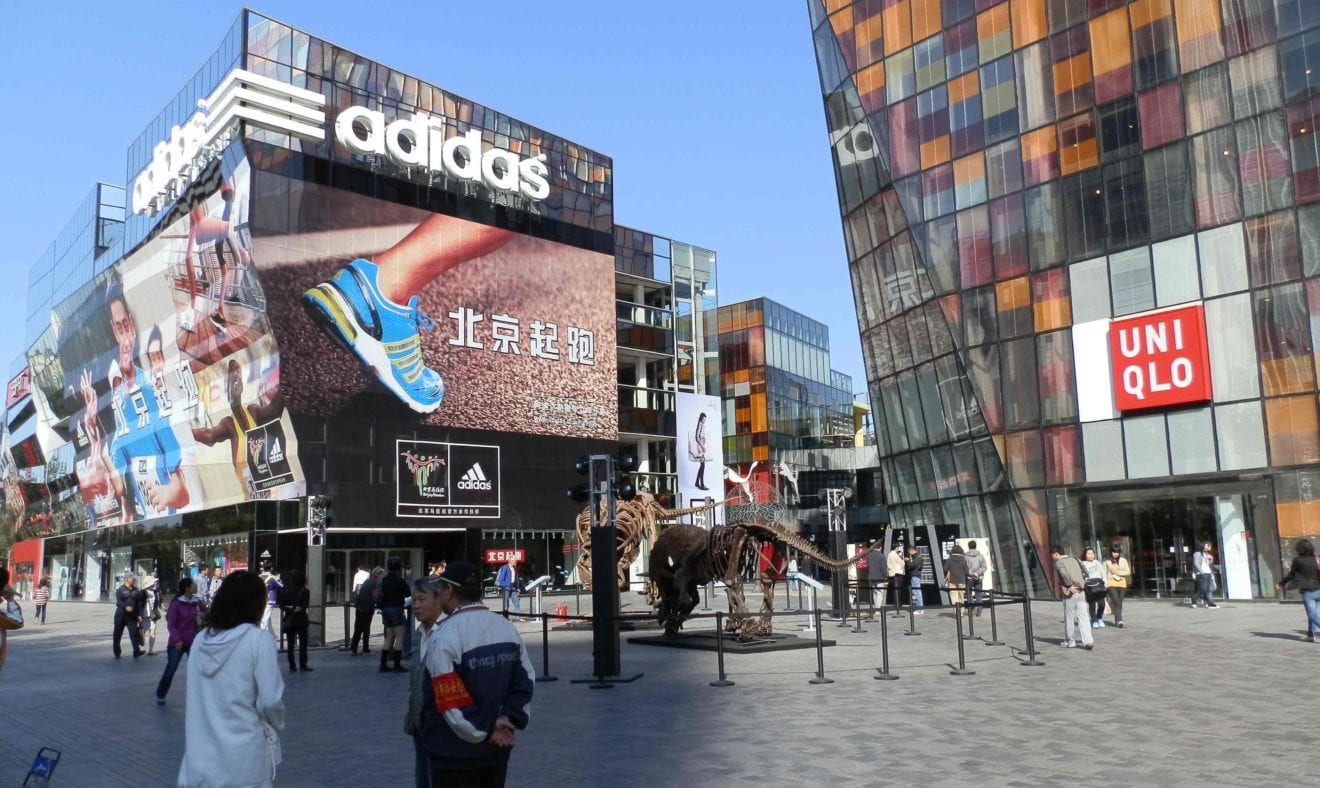
  • Adidas Announces Record-breaking Third Quarter Revenue And Upgraded Full-year Profit Projection

    Adidas Announces Record-breaking Third Quarter Revenue And Upgraded Full-year Profit Projection

    Adidas, the renowned sportswear brand, recently announced a significant increase in their revenue for the third quarter. This surge was widespread, affecting all markets, categories, and channels.

    For the third quarter, the company’s total revenue skyrocketed to approximately €6.63 billion (US$7.7 billion), marking the highest third-quarter revenue ever for the company. This was primarily due to a 12% growth in the Adidas brand.

    The company pointed out that the impressive third-quarter results did not include revenue from Yeezy. This is because Adidas had successfully sold off the remainder of their Yeezy inventory at the end of the previous year.

    The gross margin for Adidas saw a slight but notable increase, improving by 0.5 percentage points to 51.8%. Additionally, the operating profit rose to €736 million, marking an increase from the €598 million recorded during the same period the previous year.

    Adidas’ CEO, Bjørn Gulden, expressed his pride in the company’s accomplishments during the third quarter. He mentioned, “Our teams delivered record revenues during a period of global volatility marked by tariff hikes in the US and widespread uncertainty among retailers and consumers. Despite these challenges, our brand and products continue to resonate well with consumers.”

    In light of these positive developments in the third quarter, Adidas has revised its full-year operating profit forecast. The company now expects its operating profit to increase to approximately €2 billion. This is a significant upgrade from their previous projection, which ranged between €1.7 billion and €1.8 billion.

    The improved forecast is a testament to the continuing momentum of the Adidas brand. It also acknowledges the company’s better-than-anticipated business performance and its successful efforts to partially offset the additional costs incurred due to increased US tariffs.

    As far as revenue is concerned, Adidas maintains its expectation of achieving double-digit currency-neutral growth for the year.

    Questions & Answers

    What was Adidas’ total revenue for the third quarter?
    Adidas reported a total third-quarter revenue of approximately €6.63 billion (US$7.7 billion), marking its highest ever for the quarter.

    What are the factors attributed to Adidas’ improved full-year operating profit outlook?
    The revised outlook reflects the continuous momentum of the Adidas brand, better-than-expected business performance, and the company’s successful efforts to partially offset additional costs due to increased US tariffs.

    What is Adidas’ expectation for revenue growth for the year?
    Adidas continues to expect double-digit currency-neutral growth for the year’s revenue.

  • Fast Retailing Marks Historic Milestone: First Japanese Retailer To Hit 1 Trillion Yen In Domestic Sales

    Fast Retailing Marks Historic Milestone: First Japanese Retailer To Hit 1 Trillion Yen In Domestic Sales

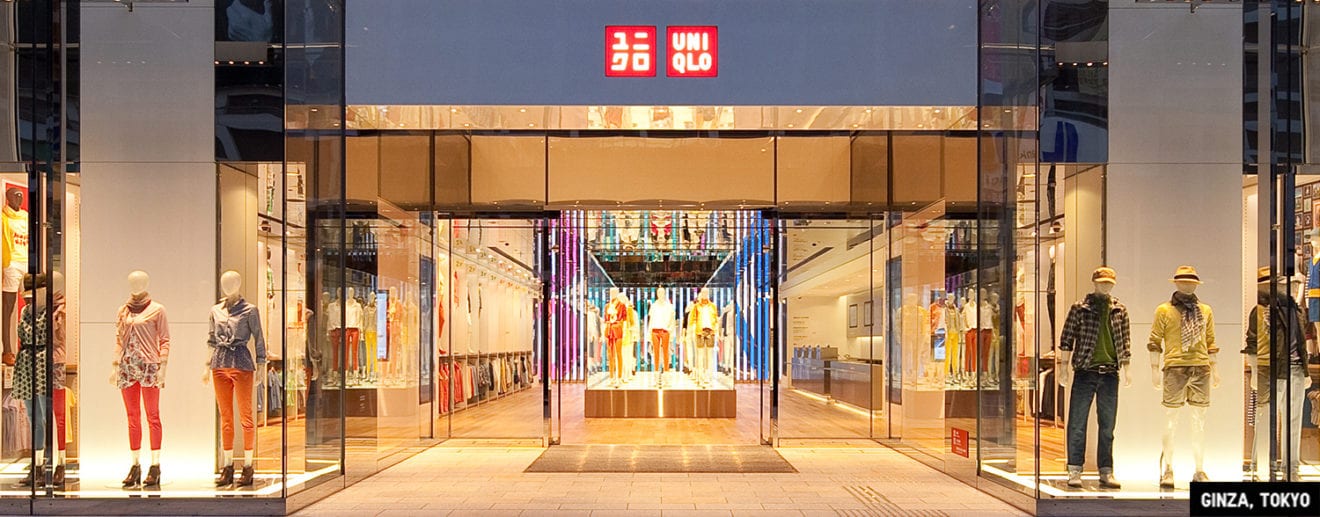
    Fast Retailing, the parent company of Uniqlo, has made history as the first Japanese clothing company to achieve domestic sales of 1 trillion yen. In the fiscal year ending in August, Uniqlo’s domestic sales increased by 10% to approximately 1.03 trillion yen, equivalent to $6.98 billion. By the end of August, Uniqlo had 784 stores in Japan, the first of which opened its doors in Hiroshima 41 years ago. These impressive domestic sales figures encompass revenue from physical stores, online sales from the brand’s e-commerce site, and 10 franchise locations.

    Fast Retailing’s sales have seen a marked uptick since the fiscal year of 2022, thanks to a series of store and product overhauls. Over the past five years, the company has shuttered 30 stores across Japan. At the same time, the average sales floor space per store has been expanded by 10%, allowing for a broader product display and stirring up customer demand. This strategy resulted in a 13% rise in average sales per store.

    Innovative Business Approach

    Among the company’s operational triumphs was the launch of the ‘Management Cockpit’ platform. This platform gathers product reviews from the online store and customer feedback from the support center. This data is then leveraged to enhance existing products, create new merchandise, and generate demand forecasts.

    The introduction of the platform has allowed Fast Retailing to swiftly manufacture in-demand products, consequently reducing the time from production to sale. Additionally, the platform helps to prevent an oversupply of items by cutting production of those with low demand.

    Future Projections

    Looking at the broader picture, Fast Retailing’s consolidated sales revenue is projected to grow by 10% to 3.4 trillion yen by fiscal year 2025. Net profit is also expected to rise by 10%, setting a new record at 410 billion yen.

    Currently, Fast Retailing holds the third position in the global apparel industry in terms of sales, trailing behind H&M in second place and Inditex, the parent company of Zara, in the top spot.

    Questions & Answers

    What sales milestone has Fast Retailing recently achieved?
    Fast Retailing has become the first clothing company in Japan to reach 1 trillion yen in domestic sales.

    What strategies has Fast Retailing used to boost their sales?
    Fast Retailing has increased the average sales floor space in their stores by 10% and introduced the ‘Management Cockpit’ platform to gather data and improve their product offering.

    What are Fast Retailing’s projections for future sales and profits?
    Fast Retailing anticipates its consolidated sales revenue will grow by 10% to 3.4 trillion yen in FY25, with a net profit increase of 10% to a record 410 billion yen.

  • Singapore’s Retail Sector Sees Robust Growth In July, Led By Tech Industry

    Singapore’s Retail Sector Sees Robust Growth In July, Led By Tech Industry

    In July, the retail sector in Singapore displayed promising growth, with most categories reporting an uptick in sales.

    July’s Retail Sales Growth

    Singapore’s retail industry experienced an impressive 4.1% increase in July, a significant improvement over June’s modest 0.5% rise, when motor vehicle sales are excluded from the total. The total estimated retail sales value for the month was SG$3.6 billion (US$2.8 billion), with online sales accounting for 15.5% of this figure.

    On a seasonally adjusted basis, July’s retail sales figures represented a 3.8% increase from the previous month.

    Industries Contributing to Retail Growth

    The majority of industries within the retail trade sector contributed to July’s growth. The most substantial improvement was observed in the computer and telecommunications equipment industry, which reported a year-on-year increase in sales of 11.1%.

    Sales in the watches and jewellery sector, as well as supermarkets and hypermarkets, rose by 9.6%. Department stores, cosmetics, recreational goods, along with optical goods and books, also experienced sales uplifts, ranging between 4.1% and 8.6%.

    However, not all industries enjoyed a rise in sales. Food and alcohol, apparel and footwear, and petrol service stations saw declines in sales of between 2% and 5.6%.

    Growth in Food and Beverage Services

    The food and beverage services sector also registered growth in July. This sector saw a rise of 1.7% in sales, an improvement over the flat growth reported in June. The total sales value of F&B services was approximately SG$1 billion, with online sales representing 25.9% of this figure.

    Questions & Answers

    Which retail sector experienced the most substantial growth in July?
    The computer and telecommunications equipment industry reported the most significant growth, with sales up 11.1% year-on-year.

    Did all retail sectors in Singapore experience growth in July?
    No, the food and alcohol, apparel and footwear, and petrol service stations sectors saw a decline in sales.

    How did the food and beverage services sector perform in July?
    The food and beverage services sector saw a 1.7% rise in sales, compared to flat growth in June. Online sales made up 25.9% of the total sales in this sector.

  • Lego Reports Record Revenues In 2025: Strong Global Demand, Innovative Products, And Sustainability Efforts Drive Growth

    Lego Reports Record Revenues In 2025: Strong Global Demand, Innovative Products, And Sustainability Efforts Drive Growth

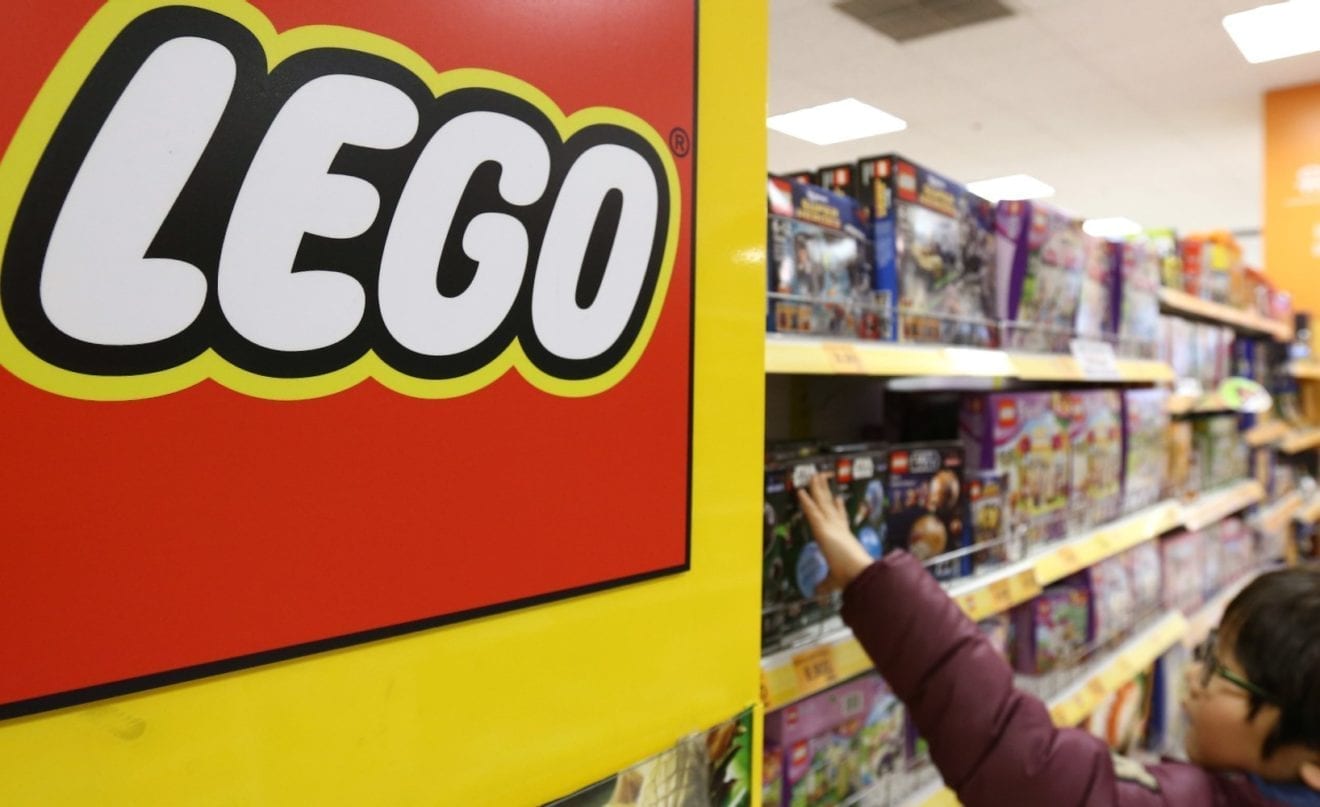
    The Lego Group marked the commencement of 2025 with a significant increase in revenue and profit, buoyed by worldwide demand, strategic partnerships, and the introduction of new products.

    The company’s financial results reveal a 12% annual increase in revenue, reaching a total of US$5.3 billion. Concurrently, net profit experienced a 10% boost, amounting to $1.01 billion. The operating profit mirrored this trend with a 10% rise, culminating at $1.4 billion. These figures reflect the company’s impressive performance, outstripping the global toy market’s estimated growth of 7% over the same timeframe.

    Driving Forces of Growth

    CEO Niels B Christiansen attributes the company’s upward trajectory to its vast and innovative product range, which retains relevance across various age groups and interests. He also emphasized the company’s solid financial foundation built over several years, underpinning its continued investment in capacity growth and strategic initiatives.

    Consumer sales saw approximately a 13% increase, propelled by bestselling items. These bestsellers encompass a combination of original and licensed themes, such as Lego City, Lego Technic, Lego Botanicals, Lego Icons and Lego Star Wars. The group is also looking forward to launching a collaboration with Pokémon in the coming year.

    Lego set a new record within the first half of its 2025 fiscal year by releasing 314 new sets. This achievement underscores its focus on product innovation and its intent to broaden its appeal to diverse age groups and interests.

    Global Expansion and Sustainability Efforts

    The company’s growth is largely credited to robust consumer demand, particularly in the United States and various regions of Europe, the Middle East, and Africa. Lego further bolstered its global presence by opening 24 new stores, including its inaugural store in New Delhi. This expansion brings its total store count to 1079 across 54 markets.

    Despite the challenges posed by inflation and global trade tensions, Lego managed to maintain stable supply chains through its manufacturing network spread across Denmark, Mexico, Hungary, China, and Vietnam. The construction of a new factory in Virginia is progressing as planned, with operations expected to commence in 2027.

    On the sustainability front, Lego reported a considerable increase in its use of materials from sustainable sources. The company is on track to achieve its 2025 goal of sourcing 60% of materials from sustainable sources, with 53% sourced from mass balance materials and 7% sourced from segregated content.

    Christiansen reasserted the company’s commitment to inspiring and nurturing children worldwide, which includes ensuring a healthy planet for future generations. He noted the company’s strong position to invest significantly in sustainable growth both presently and in the future.

    Questions & Answers

    What are some of the key factors contributing to Lego’s growth?
    The company attributes its growth to its wide and innovative product range, strong global demand, particularly in the U.S. and parts of Europe, the Middle East, and Africa, and its continued investment in capacity expansions and strategic initiatives.

    How is Lego responding to inflation and global trade tensions?
    Through its extensive manufacturing network in Denmark, Mexico, Hungary, China, and Vietnam, Lego has managed to maintain stable supply chains despite these challenges.

    What is Lego’s stance on sustainability?
    Lego has significantly increased its use of materials from sustainable sources and aims to source 60% of its materials from such sources by 2025. The company remains committed to ensuring future generations inherit a healthy planet.

  • Abercrombie & Fitch Q2 Earnings Soar, But Tariffs Threaten Future Profits

    Abercrombie & Fitch Q2 Earnings Soar, But Tariffs Threaten Future Profits

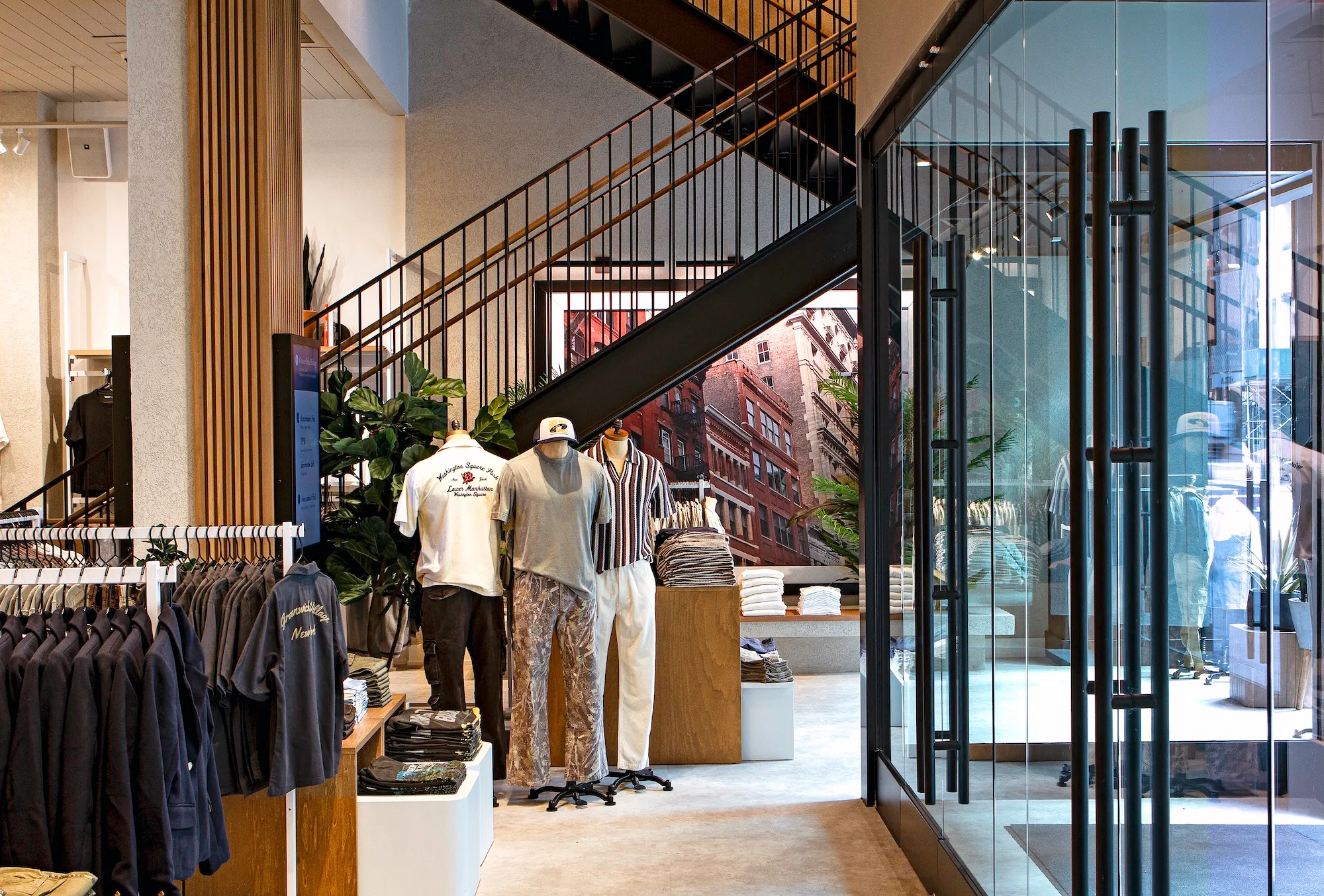
    Abercrombie & Fitch reported a record-breaking performance for Q2, driven in large part by a 19% sales increase from its subsidiary, Hollister. This performance prompted the company to revise its full-year sales forecast upward. However, not all was rosy, as the Abercrombie brand itself recorded a 5% fall in sales, following a 26% increase in the previous year.

    Detailed Business Performance

    Net sales for the quarter that ended on August 2nd soared by 7% year on year to reach US$1.2 billion, with comparable sales increasing by 3%. Operating income rose to $207 million, a significant jump from the $176 million recorded during the same period the previous year.

    The performance varied by region, with the Americas posting an 8% growth, and the Asia-Pacific region registering a 12% increase. However, the Europe, Middle East, and Africa (EMEA) region saw a slight decrease of 1%.

    During the announcement of the results, CEO Fran Horowitz lauded the resilience demonstrated by the company. She stated that the company outpaced its expectations by achieving a growth of 7% from the previous year and exceeding profitability expectations. The company also returned a considerable portion of its profits, $50 million, to its shareholders.

    Horowitz expressed optimism about the future, stating the company is entering the second half of the year with a proactive approach, backed by an upbeat sales outlook that builds on the previous year’s record results.

    Challenges and Opportunities

    Despite the positive outlook, the company issued a warning about potential challenges. It stated that tariffs on imports from Vietnam, Indonesia, Cambodia, and India are projected to add $90 million in costs this year. This is a significant increase from the company’s May forecast of $50 million in tariff expenses, despite mitigation efforts.

    However, industry experts have recognized Abercrombie & Fitch’s momentum. Neil Saunders, MD at GlobalData, pointed out that the company’s consistent execution has been pivotal to its growth. He praised the company’s strategies, citing the successful store and merchandising efforts, the rate of product refresh, strong seasonal marketing, and responsiveness to trends.

    Saunders also commended Abercrombie Kids’ strategic move into the wholesale market as a smart growth strategy. He highlighted that the US kids’ wear market was valued at $82.1 billion in the previous year, and Abercrombie & Fitch only has a small share of this market. Therefore, expanding through wholesale could provide fast access to new customers and require less capital than opening additional stores.

    Questions & Answers

    What drove Abercrombie & Fitch’s record Q2 performance?
    The main driver was a 19% sales increase from Hollister, a subsidiary of Abercrombie & Fitch.

    How did Abercrombie & Fitch’s performance vary by region?
    Sales in the Americas and Asia-Pacific regions grew by 8% and 12% respectively, while the Europe, Middle East, and Africa region recorded a 1% decrease.

    What challenges does Abercrombie & Fitch anticipate for the future?
    The company expects tariffs on imports from Vietnam, Indonesia, Cambodia, and India to add $90 million to its costs this year.

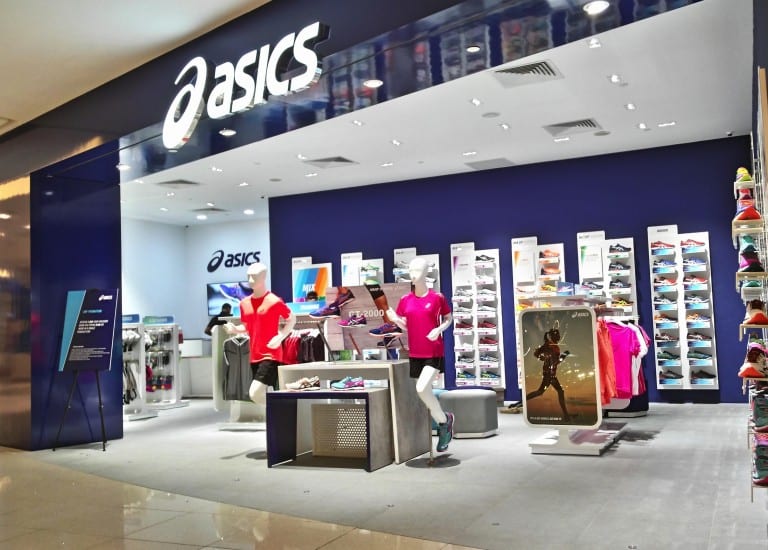
  • Asics Raises Annual Forecast Following Impressive Half-year Performance Across All Product Lines

    Asics Raises Annual Forecast Following Impressive Half-year Performance Across All Product Lines

    Leading sportswear brand Asics has adjusted its annual forecast upwards, following an impressive performance in the first half of the year. The company’s exceptional sales growth was seen across all product categories and global regions.

    Asics witnessed a robust 17.7% year-over-year increase in net sales, amounting to $2.74 billion. The operating profit also experienced a significant rise, reaching $551.48 million, with the profit ascribed to owners standing at $364.48 million.

    Segment-Wise Growth

    The company’s performance running segment reported an 8.2% rise in sales, equal to $1.26 billion, with profit experiencing a 13.3% boost. Core performance sports also showed a positive trend, increasing 4.8% to reach $300.02 million, while its profit rose 16.5%.

    Asics’ apparel and equipment segment experienced a 6.9% sales increase, hitting the $136 million mark, while recording a remarkable 45.1% profit surge.

    In terms of lifestyle-oriented segments, SportStyle demonstrated significant growth, with sales skyrocketing by 46.4% to reach $457.71 million, and profit rising by 60.9%. Similarly, the Onitsuka Tiger brand experienced a 50.1% sales increase, reaching $447.98 million, with profit rising by 54.5%.

    Regional Sales Growth

    Asics experienced growth in all its regional markets. Japan’s sales increased by 24.3%, reaching $674.97 million, while North America saw a 9.1% rise, amounting to $502.59 million. Europe’s sales growth stood at 24.2%, reaching $773.64 million, while Greater China reported a 16.9% increase, amounting to $421.76 million.

    In addition to these, substantial gains were reported from Southeast and South Asia, with a growth rate of 33.4%, and Oceania, which increased by 3.8%.

    Leadership Commentary

    Koichiro Kodama, who serves as the President and CEO of Asics North America, expressed confidence in the company’s global performance. He underlined the steady demand for Asics products across various regions as an indicator of the brand’s strong market presence.

    Kodama emphasized the company’s unceasing efforts to develop technologically advanced performance running products. At the same time, he stressed the importance of staying informed about broader cultural and lifestyle trends to support the sportstyle category.

    Questions & Answers

    What were the net sales of Asics for the first half of the year?
    Asics reported net sales of $2.74 billion for the first half of the year.

    Which product segment reported the highest sales growth?
    The SportStyle segment reported the highest sales growth, with a surge of 46.4%.

    Which regions experienced the most significant sales growth?
    Europe and Japan were the regions with the most significant sales growth, reporting increases of 24.2% and 24.3% respectively.

  • Record Q2 Revenue For Luckin Coffee Amid Global Expansion And Increased Customer Engagement

    Record Q2 Revenue For Luckin Coffee Amid Global Expansion And Increased Customer Engagement

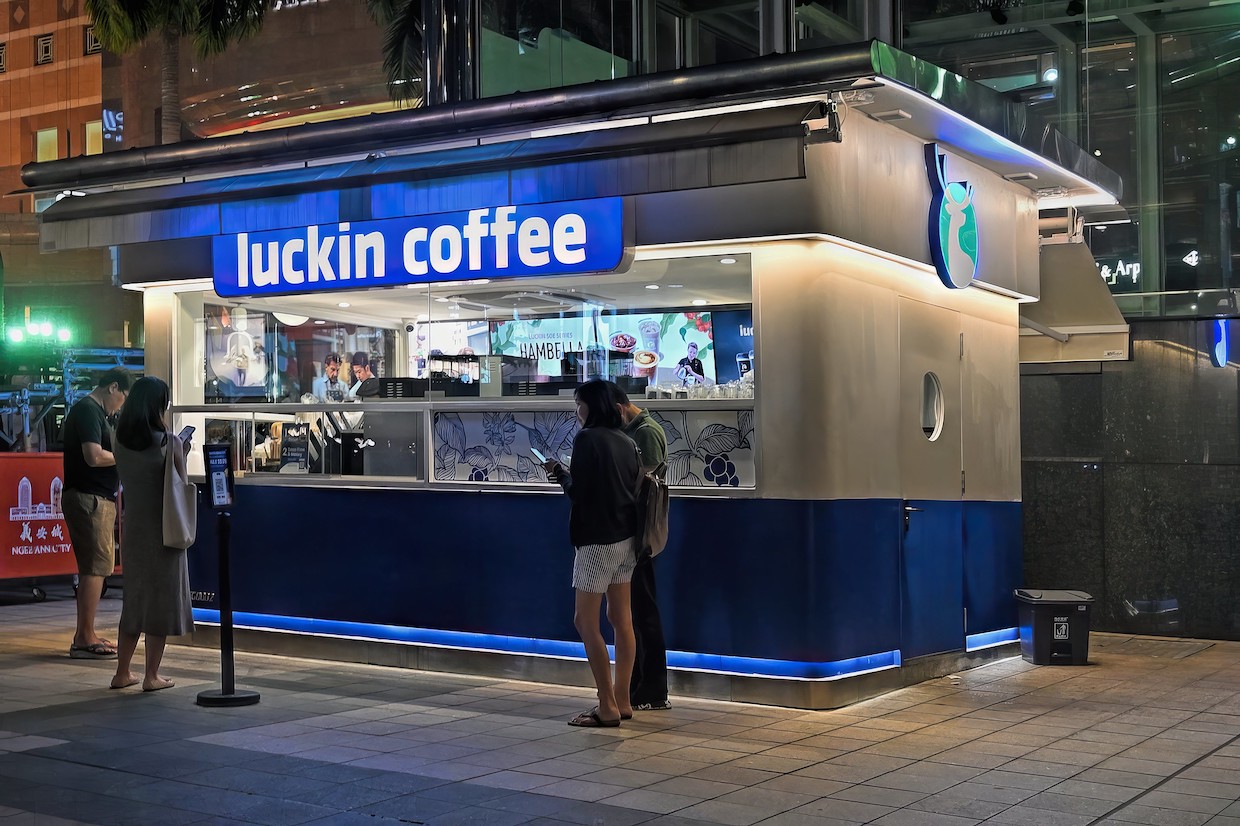
    Luckin Coffee reported an unprecedented revenue of $1.72 billion in the second quarter, representing a 47 percent year-on-year increase. This performance coincides with the expansion of the Chinese coffee chain’s global footprint to 26,206 outlets, including more than 2100 new store openings.

    Global Expansion and Growth in Numbers

    Luckin Coffee expanded its network by adding 2085 stores in mainland China and Hong Kong during the second quarter. Additionally, the company opened six new stores in Singapore, 16 in Malaysia, and two in the United States. Of the total number of stores, 16,968 are directly operated by Luckin Coffee, while 9,238 outlets are run in partnership with other entities.

    The company saw a notable surge in customer engagement, with monthly transaction numbers reaching an all-time high of 91.7 million customers during the quarter, marking a 31.6 percent increase compared to the corresponding period last year.

    Financial Performance and Business Prospects

    Revenue generated from directly operated stores shot up by 45.6 percent to $1.27 billion, propelled by a same-store sales growth of 13.4 percent. This indicates a notable improvement from the 8.1 percent growth recorded in the preceding quarter, and a significant rebound from a 20.9 percent decline experienced a year ago.

    Luckin Coffee’s operating profits at store level surged by 42.3 percent to reach $268 million. Revenue from partnership stores also saw a substantial increase, reaching $399.8 million, which translates to a 55 percent year-on-year increase.

    Jinyi Guo, co-founder and CEO of Luckin Coffee, attributed the robust financial performance to the company’s strategic focus on scalability. He emphasized that by capitalizing on the company’s strengths in areas such as operational efficiency, fulfillment, and supply chain, Luckin Coffee has managed to achieve double-digit same-store sales growth in its directly operated stores.

    As for the future, Guo reaffirms that the company remains resolute in its commitment to expanding its market share.

    Questions & Answers

    What was Luckin Coffee’s recorded revenue for the second quarter?
    The company recorded a revenue of $1.72 billion for the second quarter.

    How many new stores did Luckin Coffee open in the second quarter?
    The coffee chain opened more than 2100 new stores globally in the second quarter.

    What was the growth rate in Luckin Coffee’s same-store sales?
    The company reported a same-store sales growth of 13.4% during the quarter.

  • Cafe Amazon Drives Record-breaking Quarter For Thailand’s Ptt Oil And Retail Business

    Cafe Amazon Drives Record-breaking Quarter For Thailand’s Ptt Oil And Retail Business

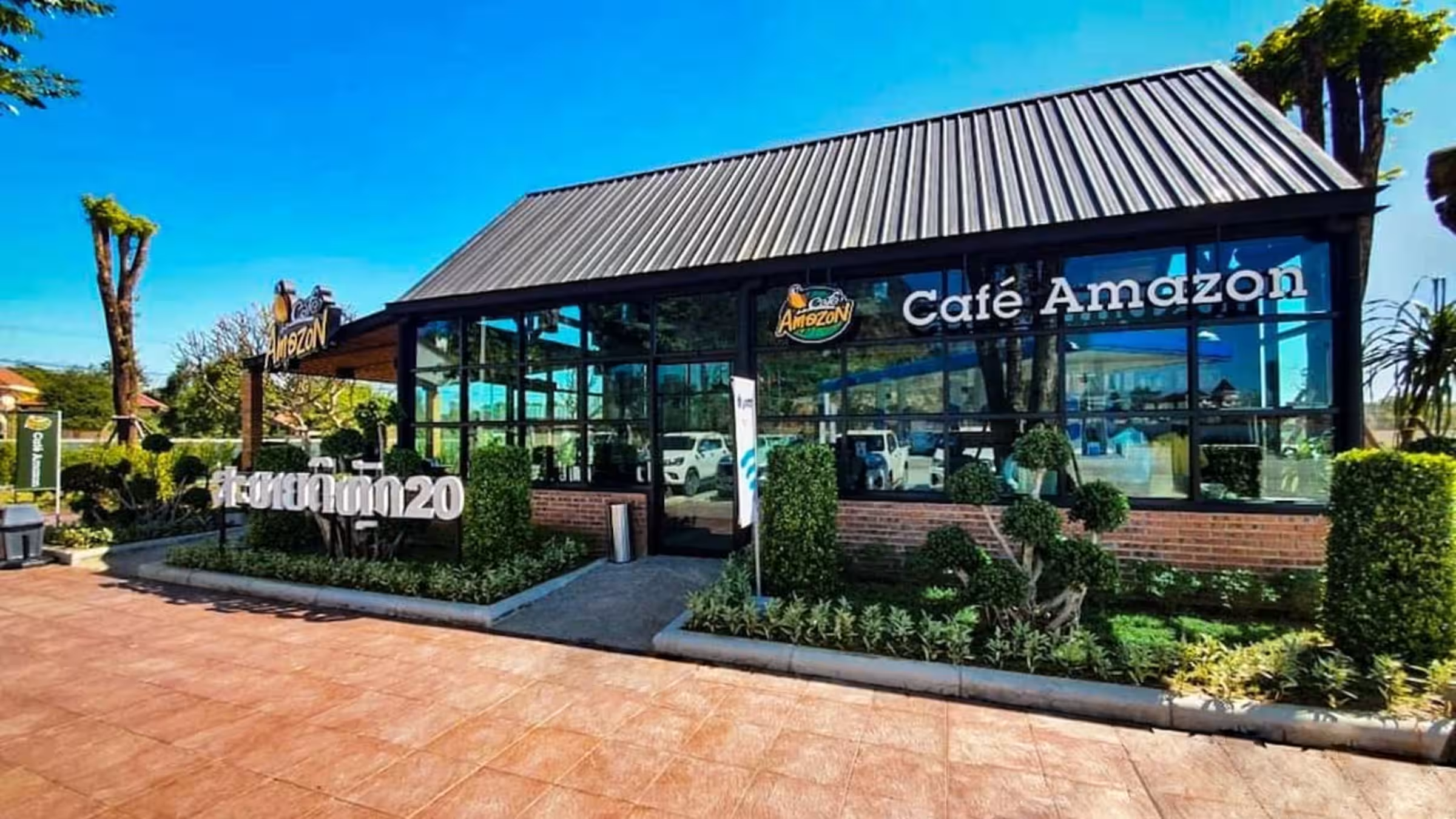
    PTT Oil and Retail Business (OR), the lifestyle and retail subsidiary of Thailand’s PTT Group, has announced a record-breaking financial performance for the first quarter of this year. This success is largely attributable to its leading brand Cafe Amazon, which experienced a period of significant expansion throughout Southeast Asia.

    Noteworthy Performance

    Cafe Amazon sold over 112 million cups of coffee during the first quarter, emphasizing the strength of the brand. With 391 stores now in operation outside of Thailand, the cafe chain has become a key driver of OR’s earnings growth. The company’s total revenue hit an impressive US$5.6 billion, with net profits increasing by 46 per cent from the last quarter to approximately $134 million. This represents a 17.6 per cent growth year-on-year.

    ML Peekthong Thongyai, CEO of OR, credited the robust performance to the resilience of the business model. “Our strong performance this quarter underscores our long-term strategic direction. We are expanding with a clear purpose, delivering value for individuals, contributing to community prosperity and demonstrating our commitment to environmental responsibility.”

    Global Expansion

    Cafe Amazon’s reach extends to nine markets. These include Cambodia, Laos, Vietnam, the Philippines, Malaysia, Oman, Saudi Arabia, Bahrain, and Japan.

    The cafe chain is part of OR’s wider Global Business segment. This segment reported a 30.8 per cent year-on-year increase in sales volume together with an 81.5 per cent rise in EBITDA.

    Peekthong reiterated the company’s mission beyond monetary profit. “We’re not just about selling fuel or coffee. Our goal is to build platforms that strengthen local economies, encourage entrepreneurship, and facilitate long-term, sustainable growth.”

    OR oversees 415 PTT Stations and 391 Cafe Amazon outlets across Asia and the Middle East.

    Questions & Answers

    What factors contributed to OR’s record-breaking financial performance?
    The company attributes its success to the significant expansion of Cafe Amazon, which sold over 112 million cups of coffee in the first quarter.

    What markets does Cafe Amazon currently operate in?
    The cafe chain operates in nine markets, including Cambodia, Laos, Vietnam, the Philippines, Malaysia, Oman, Saudi Arabia, Bahrain, and Japan.

    What is OR’s greater mission beyond selling products?
    OR aims to build platforms that strengthen local economies, promote entrepreneurship, and facilitate sustainable, long-term growth.

  • JK Tyre Enters Limca Book Of Records With India’s Largest Off-Road Tyre

    JK Tyre Enters Limca Book Of Records With India’s Largest Off-Road Tyre

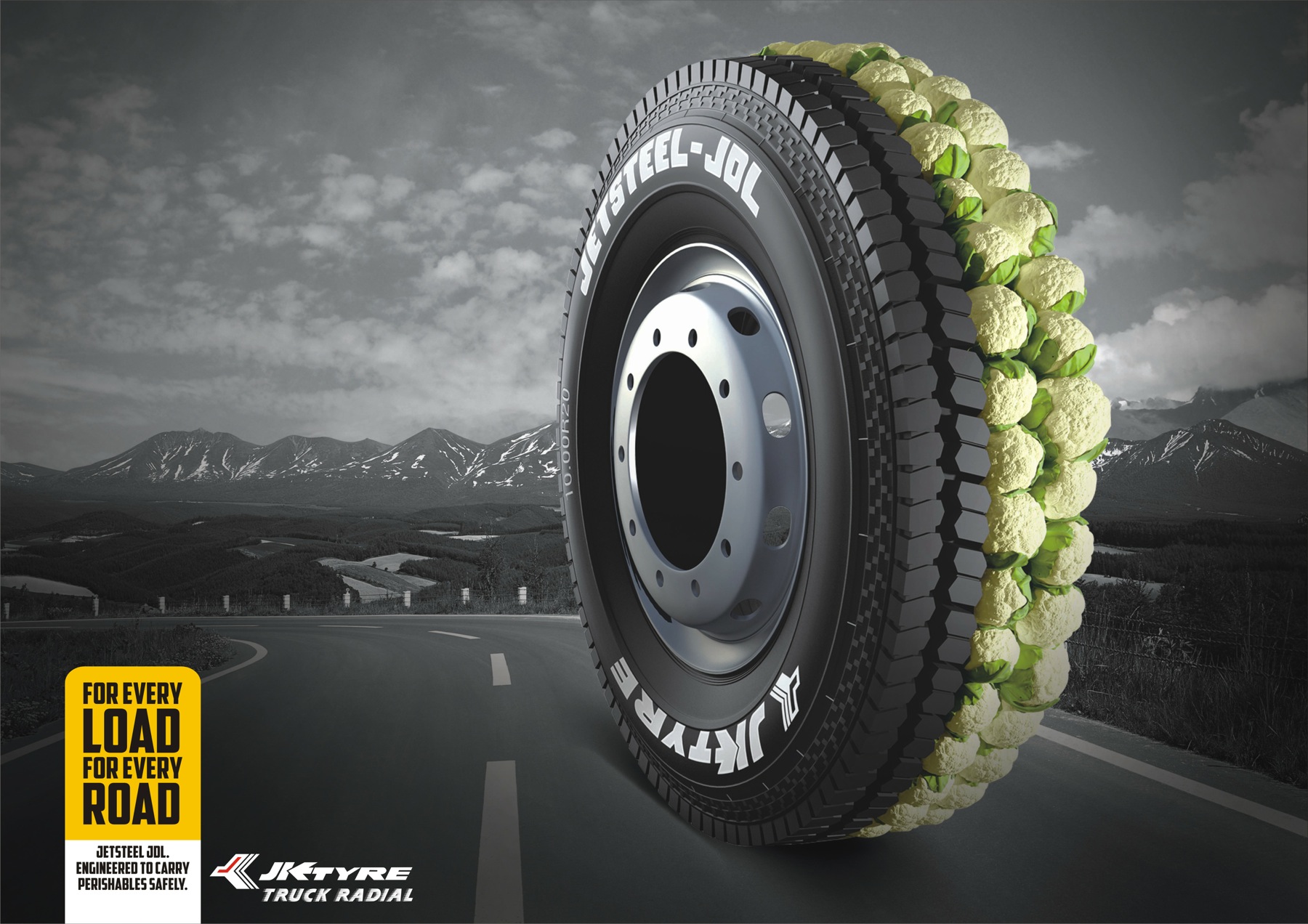
    Defining upsizing in an all new way, tyre maker JK Tyre has entered the Limca Book of Records with India’s largest off-road tyre. The 40.00-57 VEM 045 was launched in 2014 and stands at 12 feet tall while weighing around 3.4 tonnes. Before off-roaders get their hopes up about upsizing their SUVs, the VEM 045 has been specifically developed for the country’s biggest rigid dump truck that has a payload capacity of up to 240 tonnes.

    Commenting on the occasion, JK Tyre and Industries Ltd – Marketing Director, Vikram Malhotra said, “JK Tyre has been at the forefront of driving innovation in the Indian tyre industry and recognition from the Limca Book of Records is clearly reflective of our unwavering efforts in that direction. The VEM 045 has been widely appreciated for its sturdiness and functionality over these years. We are thrilled and further encouraged to introduce more such category-defining products and solutions in the future.”

    The JK Tyre VEM 045 is sold alongside a range of tyre options from the tyre maker. The company has been the pioneer of developing radial tyres in India and last year inaugurated a new and massive research and development centre in Mysore, Karnataka, which will be consolidating all of the company’s efforts globally to develop new products. JK Tyre’s range comprises passenger vehicles as well as industrial and mining segments.

  • CU convenience stores parent records sales leap

    CU convenience stores parent records sales leap

    The operator of South Korea’s CU convenience stores, BGF Retail, has achieved KRW189.5 billion (US$168.9 million) in operating profit last year, a leap of more than 600 per cent over last year. The company said on Tuesday its sales had risen by 515.3 per cent to KRW5.77 trillion ($5.14 billion). The results confirmed market predictions of a major upswing for the firm following demerging into separate holding and operating entities in November 2017.

    However, despite the improved trading figures, net profit dropped 98.1 per cent to KRW47.2 billion ($42.06 million). A statement by the firm explained that profits from some business activities made after the demerger had been attributed to the previous year’s statements.