Retail News CRM

Tag: Renault

  • Fiat Chrysler Confirms Merger Talks With Renault

    Fiat Chrysler Confirms Merger Talks With Renault

    Fiat Chrysler has made a “transformative merger” proposal to French peer Renault, the Italian carmaker said on Monday, in a deal which would create a world leader and help address some of the weaknesses in both Renault and Fiat.

    Fiat said the combined business would be 50 percent owned by FCA shareholders and 50 percent owned by those of Renault.

    Pressure for consolidation among carmakers has grown with the challenges posed by electrification, tightening emissions regulations and expensive new technologies being developed for connected and autonomous vehicles.

  • Renault Clio Based On The CMF-B Platform Bags Five-Star Ratings In Euro NCAP

    Renault Clio Based On The CMF-B Platform Bags Five-Star Ratings In Euro NCAP

    The all-new Renault Clio which is spawned by the CMF-B platform has bagged five-star ratings in the global NCAP crash test and this news stands even more crucial for the India market given the onset of the Bharat New Vehicle Safety Assessment Program  (BNVSAP) which is set to roll out next year. The CMF-B platform is an advanced and elongated version of the CMF-A platform which spawns the Renault Kwid and Datsun Go range. The CMF-B platform has been developed in alliance with Mitsubishi to underpin a slew of compact and mid-size models from both the carmakers globally.

    We know that Renault and Nissan are also in an agreement and share a range of cross badged models in India. The MO platform underpins all the compact models of both carmakers like the Duster, Terrano, Captur and Kicks among others. The platform was developed by Renault and both carmakers have been using it for long. The CMF-B platform is more rigid and lighter and can spawn next-generation models of these models other models like the next-gen Nissan Sunny which will help the brands to comply with the upcoming crash test and fuel efficiency norms. Renault is also gearing up to launch the seven-seater version based of the Kwid which has been developed on an advanced version of the CMF-A platform and is expected to meet the safety standards.

    Moreover, the CMF-B platform is also a silver lining for the India business of both carmakers. It may help them fill white spaces and introduce the next-generation of some previous models which were discontinued, like the Renault Scala. Uncertainty also hovers over the Renault Kwid which future depends on it clearing the crash test norms. The company can also use the learning to develop a high-tensile CMF-A platform which can underpin the next-generation Kwid or it can be entirely shifted to the CMF-B platform which is scalable and can be moderated for the model. However, the Kwid will likely witness a price hike in any of the cases.

  • India To Be Lead Market For Third Generation Renault Duster

    India To Be Lead Market For Third Generation Renault Duster

    The second generation of the Renault Duster will not be coming to India. After months of speculation, we can now confirm this news. But its not curtains for the popular brand in the country. After all the Renault Duster has sold almost 200,000 units in India since it debuted in 2012. Sources close to the development at the company’s global headquarters in France have told carandbike that India is likely to be the lead market for the development of the third generation Duster.

    So far it is Eastern Europe that has played as the led market since the Duster is a Dacia product – Renault’s Romanian subsidiary. But given the regulatory changes and electrification that most European markets will switch to, the Duster’s next generation is likely to be more relevant to India and Latin America. Given India’s frugal cost base, and Renault’s investments in R&D in India, the 3rd generation Renault Duster will therefore be designed and engineered primarily in India.

    So in the meanwhile, Renault will be giving the current Duster another massive update and facelift. This will cover styling and equipment. After all the Duster remains a very powerful nameplate and popular car in India. It has won several accolades, including our 2013 Car of the Year award too. It takes on the likes of the Hyundai Creta and Mahindra Scorpio. It will now need the aforementioned updates even more urgently, since the segment will get even more competition with the Kia SP /Trazor and MG Hector also entering the space. Expect the facelift to launch before Diwali this year.

  • Renault Captur 2019 Launched With More Safety Features

    Renault Captur 2019 Launched With More Safety Features

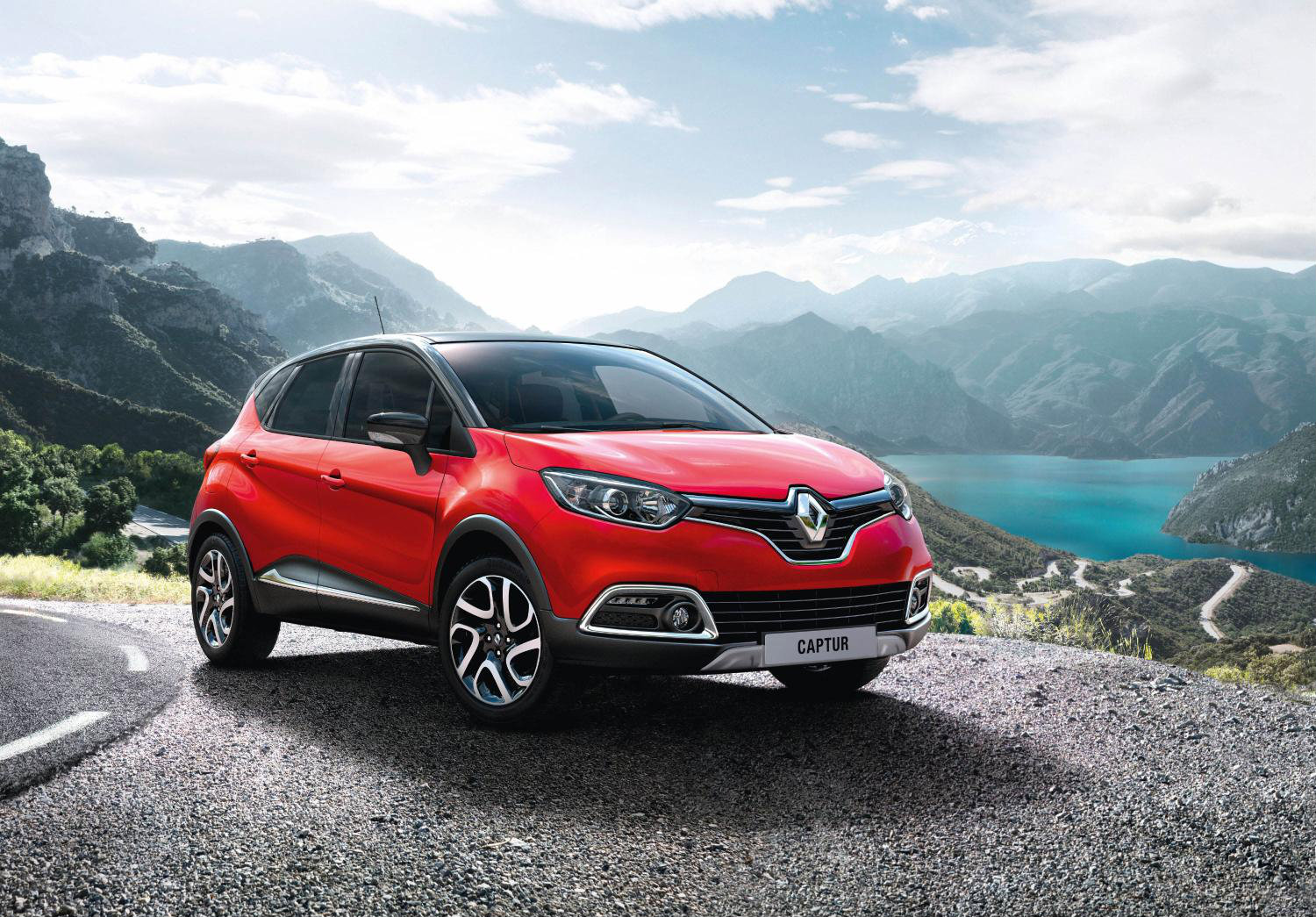
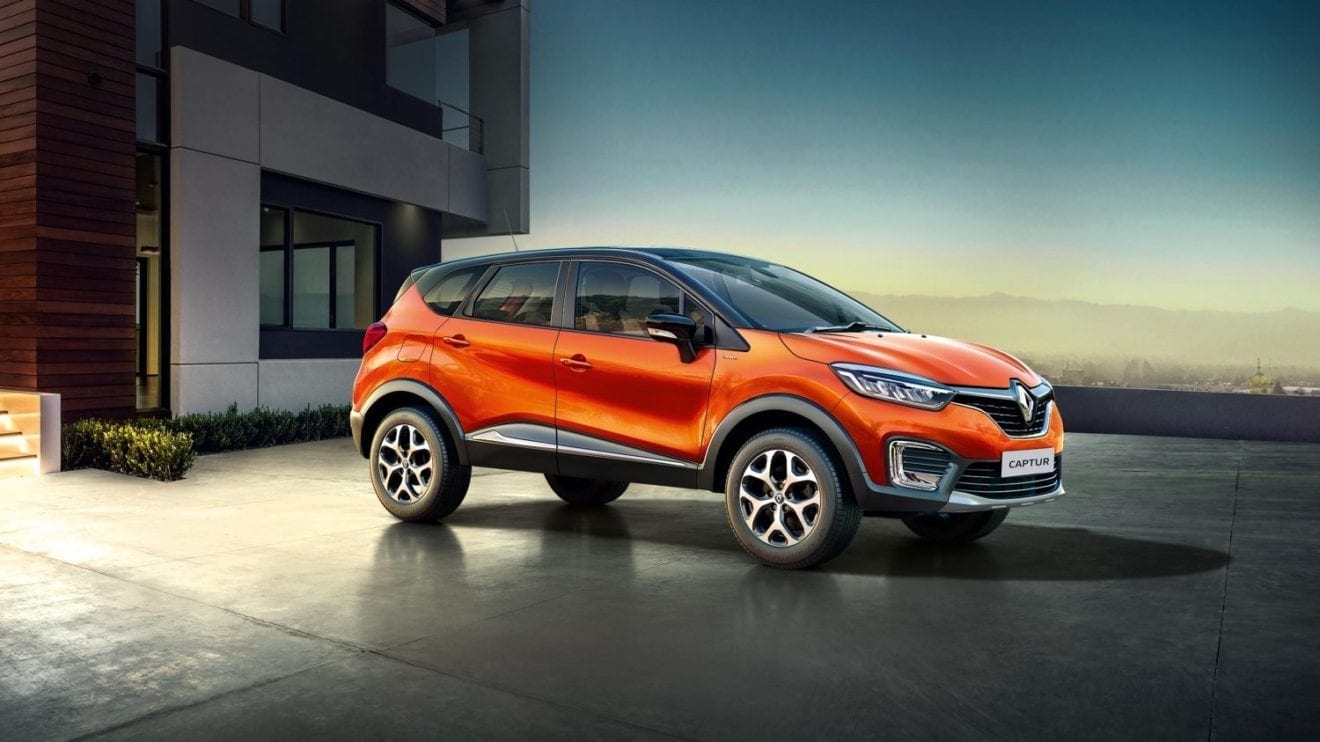
    Renault India has introduced the updated Captur in India with more safety features with prices starting at ₹ 9.50 lakh (ex-showroom, Delhi). The compact SUV now meets the upcoming safety regulations, and as a result, gets a number of new active and passive tech on board as standard. In addition, the RXL and the RXT trims have been discontinued on the 2019 Renault Captur. The SUV is now offered in two variants – RXE and the range-topping Platine – available with both petrol and diesel engine options.

    All variants now come with a rear parking sensor, driver and passenger seatbelt and a speed alert system to meet the new safety norms. Renault India says the model is certified to “exceed frontal, lateral and pedestrian safety and is compliant with safety features stipulated by the Indian authorities.” The new norms will be implemented across all vehicles from October 2019. The car uses a reinforced body shell that increases torsional rigidity to ensure occupant safety. Othe safety systems on include ABS with EBD, Brake Assist, height adjustable seatbelts, ISOFIX child seat anchor, and more.

    In terms of features, the Renault Captur continues to come diamond-cut alloy wheels, LED headlamps, 7-inch touchscreen infotainment system that supports Apple CarPlay and Android Auto, as well as voice recognition. The cabin also comes with newly upholstered seats, cruise control, multi-function steering wheel, and more.

    In terms of power, the Renault Captur uses the 1.5-litre petrol engine that churns out 104 bhp and 142 Nm of peak torque, while paired with a 5-speed manual gearbox. The petrol motor returns an ARAI certified fuel efficiency of 13.87 kmpl. The diesel version uses a 1.5-litre CRDi engine as well that develops 108 bhp and 240 Nm of peak torque, while paired with a 6-speed manual transmission. The diesel returns a fuel economy of 20.37 kmpl.
  • Nissan India To Increase Prices Of The Datsun GO And GO+

    Nissan India To Increase Prices Of The Datsun GO And GO+

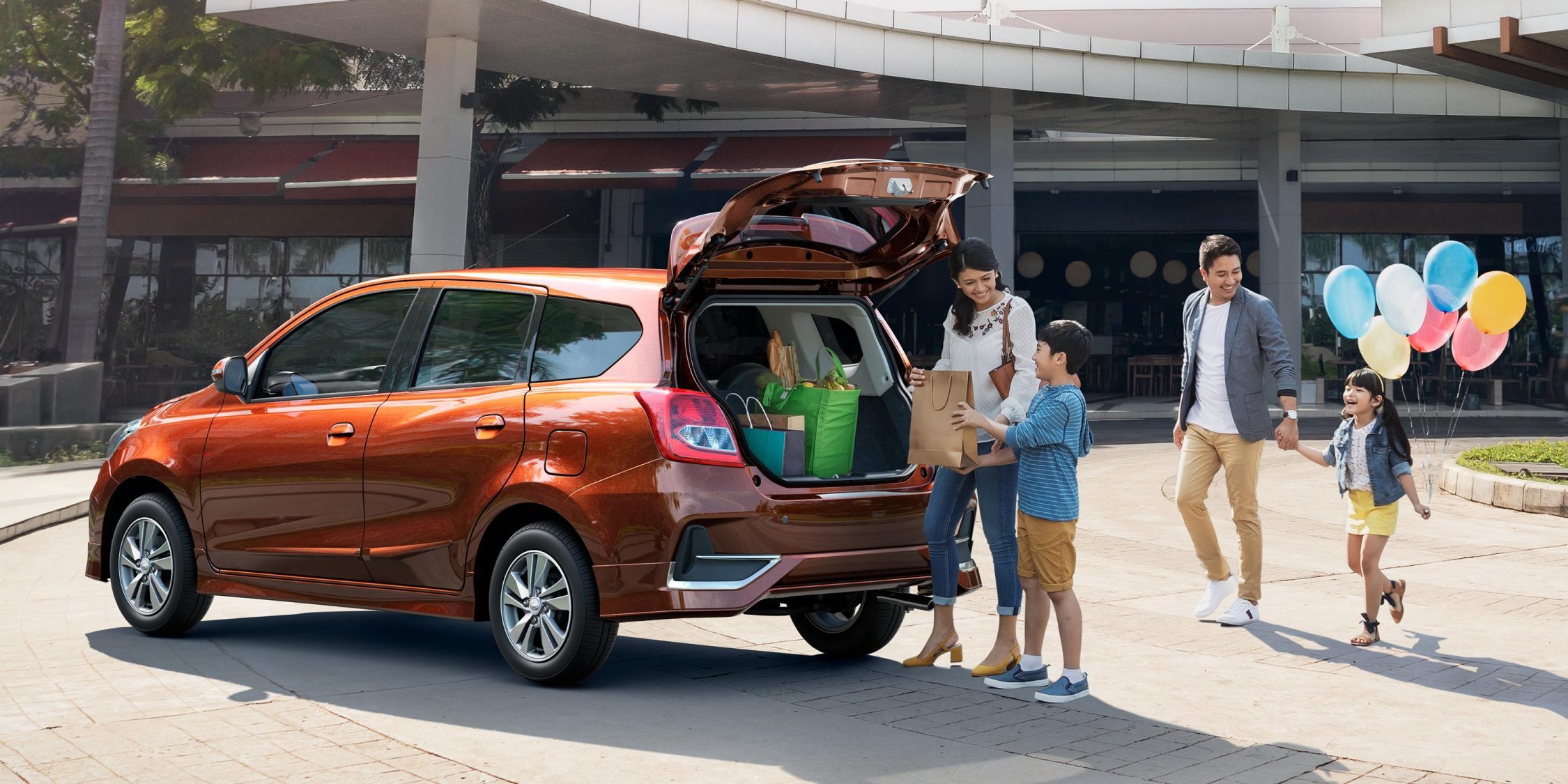
    The 2018 Datsun GO and GO+ will be getting more expensive from April. Nissan India has announced to increase the prices of both the models by up to 4 per cent which will be effective from next month i.e. April 1. Nissan has decided to increase the prices after a series of price hike announcements made by other carmakers such as Mahindra, Tata Motors and Renault. Similar to other carmakers, even Nissan has cited rising input costs as the primary reason for the price hike.

    Hardeep Singh Brar, Director Sales and commercial, Nissan Motor India said, “Datsun believes in offering accessible and value-for-money products powered by Japanese engineering. With the rise in input costs and several economic factors, we are making a nominal price adjustment to our Datsun GO and GO+ models.”

    Nissan had launched the facelifted Datsun GO and GO+ last year after giving both the models an extensive update. The top-end variants of the 2018 Datsun GO and GO+ come equipped with a touchscreen infotainment system and get some segment first features like Daytime Running Lights and Vehicle Dynamic Control. Both the cars are powered by a 1.2-litre, three-cylinder petrol engine which produces 67 bhp and 104 Nm of peak torque.

  • Renault Samsung XM3 Unveiled At The Seoul Motor Show

    Renault Samsung XM3 Unveiled At The Seoul Motor Show

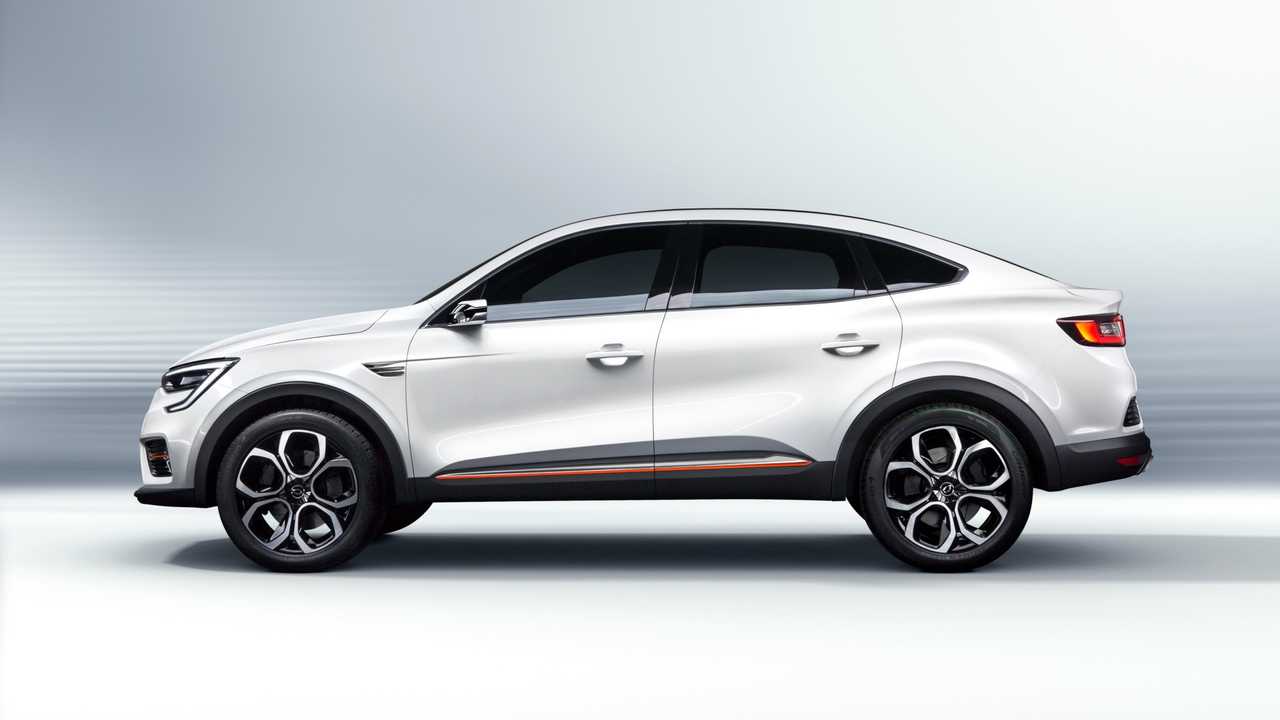
    Renault and Samsung who operate in a joint venture in the South Korean market have unveiled a new C-segment coupe SUV at the 2019 Seoul Motor Show. The Renault Samsung XM3 Inspire concept was first showcased at the Arkana concept last year at the Moscow Auto Show and has been rebadged for the South Korean market. To be specific, the second party in the JV- Samsung Motor is different from Samsung electronics which manufacture electronic goods and smartphones. The company was commissioned in 1994 and started market operations in 1998.

    The key difference between both the show cars is limited to the grille which has been tweaked and sports the Renault-Samsung logo instead of Renault’s diamond logo and is finished in white paint shade. The Renault Samsung XM3 Inspire being a coupe concept sits high up the ground wearing the top hat of a sedan. It gets a tapering roofline and a panoramic glass roof along with massive wheel arches that cover the 19-inch alloy wheels. It is also equipped with LED headlights with C-Shaped daytime running lights.

    The XM3 Inspire concept is a part of Renault Samsung Motor’s future product line up. The production model of the Renault Samsung XM3 Inspire will be launched in the South Korean Market in 2020.

  • Renault Kwid To Cost More From April Onwards

    Renault Kwid To Cost More From April Onwards

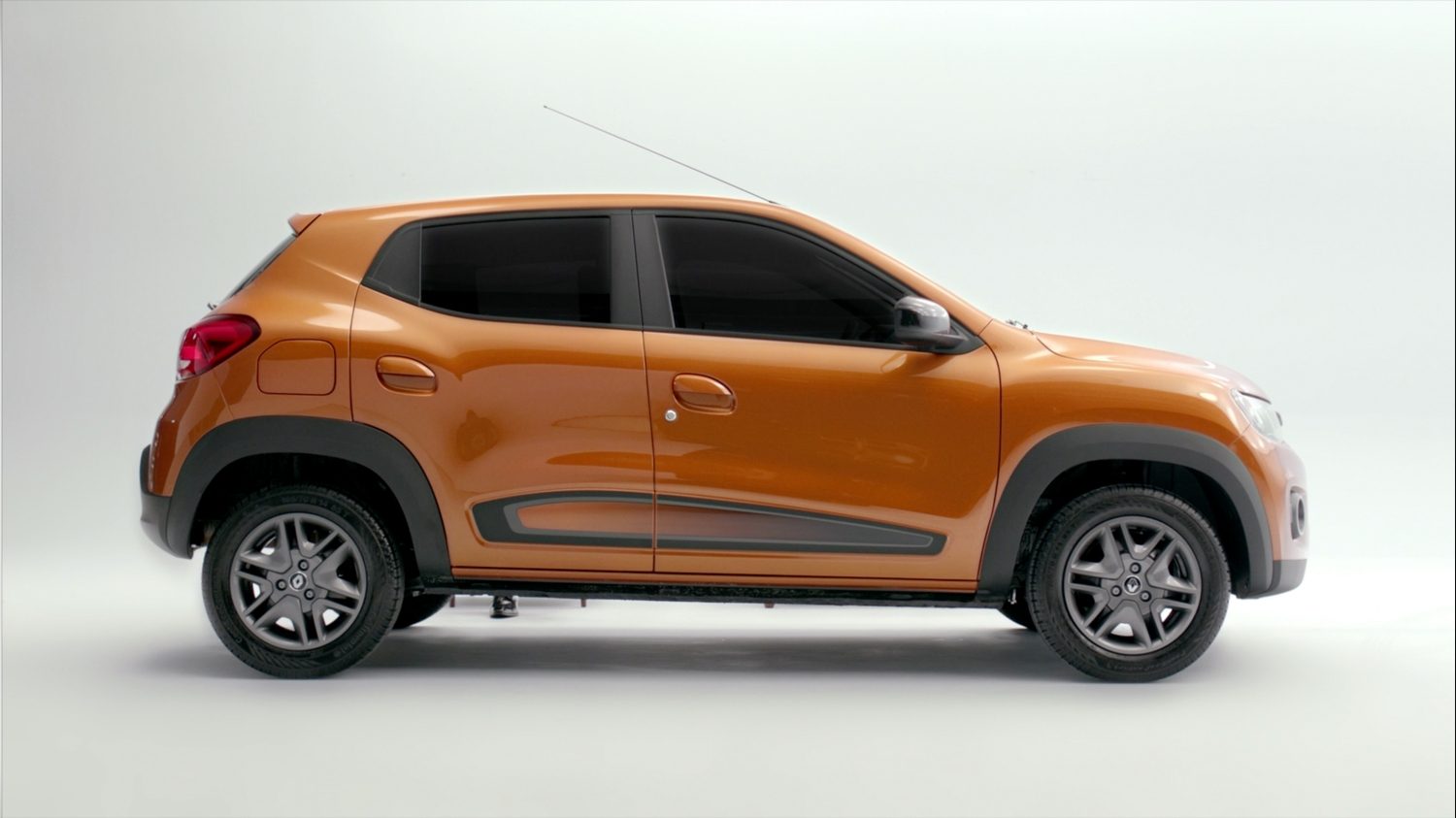
    Renault announced a price increase on the Kwid range by upto 3 per cent. The revised prices will be effective April 2019. The company has said that the price increase is on the account of rising input costs. The rest of the range remains unaffected as far the price hike is concerned. The Kwid range starts at ₹ 2.67 lakh going all the way up to ₹ 4.63 lakh  and come April 1, 2019, we’ll see a hike in these prices.

    The 2019 range Kwid continues to get the 7-inch touchscreen infotainment system which is available only on the RXT(O) and Climber variants of the car, but it now gets new connectivity options in the form of Android and Apple Carplay. It also has a ‘Push to talk’ button allowing for ease in operations and better accessibility to all applications like music, videos, navigation all of which can be seamlessly used through your smart phone.

    One can also enjoy videos on the MediaNAV display through the new video playback option, just by connecting any USB device. The other segment-first equipment that the updated Kwid offers is a Rear view camera assist through sound warning with colour guidelines which is standard across all variants. The rear view camera does make it easier to park the car in tight parking spots. Renault has also introduced a rear arm rest only on the Climber edition for extra comfort and convenience. In addition, the AMT variants of the new Kwid come equipped with Traffic assist which helps the vehicle to crawl forward in slow moving traffic and also prevents it from rolling back on slopes.

    As far as safety equipment goes, the 2019 Kwid features Anti-Lock Braking System with Electronic Brakeforce Distribution (ABS with EBD), Driver airbag and Driver & Co Driver Seat belt reminder, speed alert; all of which are standard across variants.

  • Renault Korea still at odds with union

    Renault Korea still at odds with union

    Renault Samsung Motors and its labor union once again failed to reach a consensus on 2018 wages after negotiations fell through for a 14th time on Tuesday. Renault Samsung is the only domestic automaker that has still not clinched a wage deal for last year. A source from the automaker said the Tuesday talks lasted for about an hour and a half after the meeting began at 2 p.m. at Renault Samsung’s Busan factory, but ended in vain.

    The major issue of disagreement is over whether to raise the base pay.

    The labor union has been requesting a 100,667 won ($89.51) raise in base pay. The company has refused, citing bad timing, and offered incentives if the base pay is maintained instead.

    The wage deal is very important for both the company and the labor union, as it comes at a crucial time.

    While Renault Samsung’s Busan factory has been producing Nissan’s Rogue compact crossover on consignment, the contract ends in September.

    The Korean unit of Renault needs to negotiate with the French headquarters to win follow-up models to produce in Busan. As Rogue production accounts for nearly half the workload at the Busan factory, it could be seriously harmed if the deal falls through and may even end up following in the footsteps of GM Korea’s Gunsan factory in North Jeolla, which closed last year.

    The company claims raising the base pay at this time would negatively affect negotiations with the headquarters.

    The labor union, however, responded to the company with partial strikes. From October last year through last month, the labor union has gone on strike 28 times at the Busan factory. The labor union claims it deserves a base pay raise considering its wage is about 85 percent that of workers at Hyundai Motor factories and its productivity has been high.

    In response to the strikes, Jose Vicente de Los Mozos Obispo, Deputy Alliance Executive Vice President, Manufacturing & Supply Chain at Renault, sent a video message to employees at the Korean unit earlier this month, warning the Renault-Nissan-Mitsubishi Alliance cannot assign new models to the factory if the strikes continue. Renault considers labor cost, production cost and supply stability when allocating new models to factories.

    The two parties have yet to hammer out their differences in the negotiations that began in June last year.

    The company and the labor union will have another round of negotiations soon, though the exact date was not released Tuesday.

    Renault Samsung is in a hurry to finalize the deal as it is running out of time to win new models for the Busan factory before September. The factory needs several months of preparation to adjust production lines to produce a new model.

  • Renault to start making Twizy cars in Korea from next year

    Renault to start making Twizy cars in Korea from next year

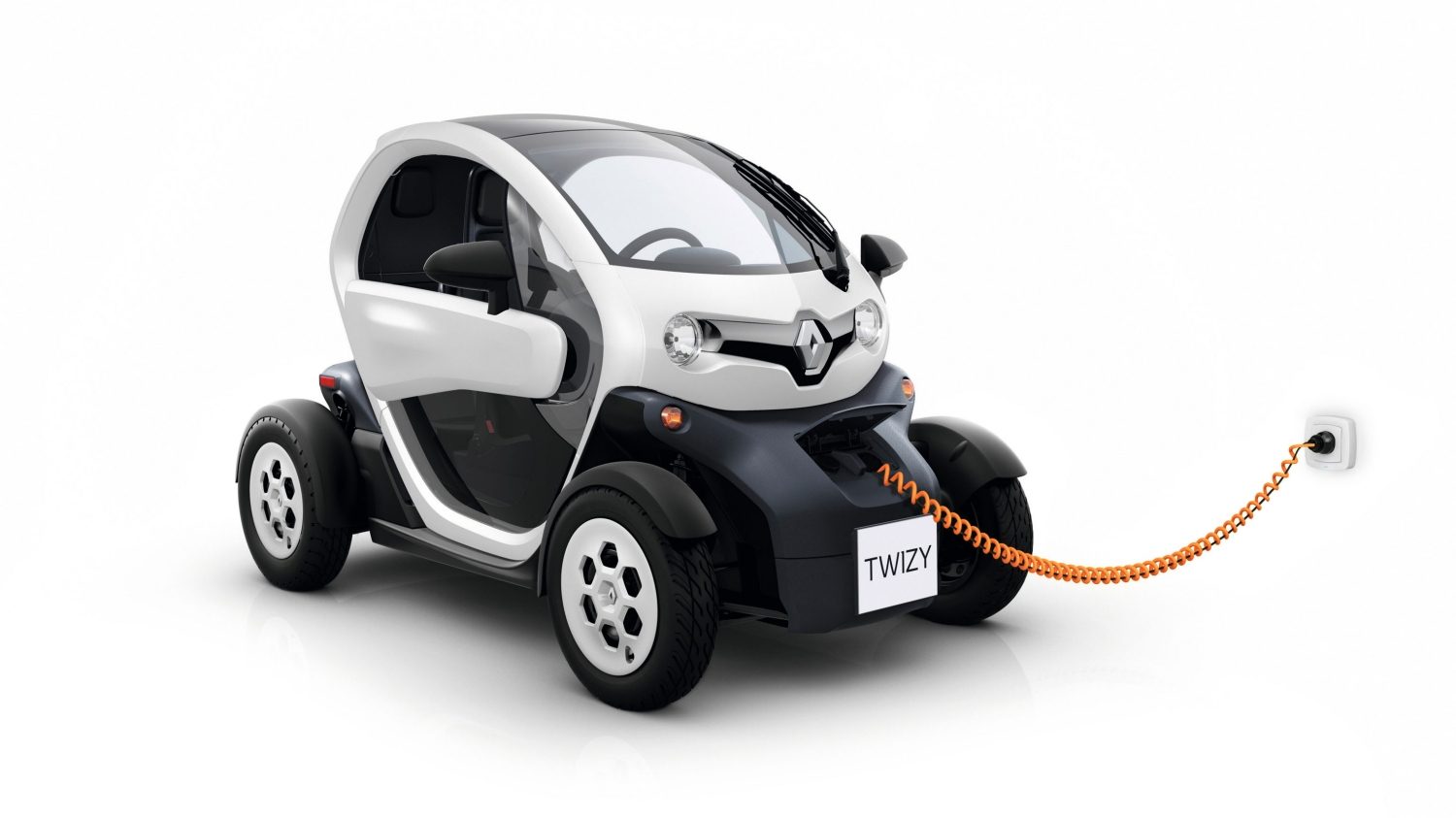
    Renault Samsung Motors, the Korean unit of French carmaker Renault S.A., is planning to start producing the Twizy ultra-small electric car in its sole domestic plant next year, industry sources said Monday. Renault Samsung, Busan Metropolitan City, and the Ministry of Trade, Industry and Energy are expected to sign an initial agreement this month to begin manufacturing Twizys, which are classified as heavy quadricycles in some countries, a person with direct knowledge of the matter said.

    He said assembly will begin “sometime during the 2019” at the carmaker’s plant in Busan, some 453 kilometers (281.5 miles) southeast of Seoul.

    This year, Renault Samsung has sold most of the 1,000 Twizys that were produced in its parent Renault’s plant in Valladolid, Spain, and shipped to Korea, a company spokesman said.

    The company plans to roll out up to 15,000 Twizys annually for domestic sales and exports to Asian markets, another person familiar with the matter said.

    Renault Samsung didn’t confirm the plan.

  • Renault wants Posco auto steel in Morocco

    Renault wants Posco auto steel in Morocco

    French carmaker Renault has asked Korean steelmaker Posco to enter the Moroccan market and supply automotive steel, a person familiar with the issue said last Thursday. Renault approached the world’s fifth-largest steelmaker by output in early 2017 as part of its strategy to diversify its supply of steel, the source said, who asked not to be identified because he was not authorized to speak on the record about internal discussions.

    Renault relies on ArcelorMittal, the world’s largest steelmaker, for automotive steel.

    Posco has told Renault that the two sides will delay formal discussions on the issue, noting that it has no immediate plan to enter the North African country, said the person, who is in a position to know about the situation.

    “Posco could use Morocco as a gateway for exporting its steel products to Europe without tariffs as Morocco has a free trade agreement with the EU,” the person said.

    Last year Maghreb Steel, a Moroccan maker of flat steel products, asked Posco to invest in it and provide necessary technology.

    A Posco spokesman confirmed that Renault made the request and Posco reviewed it, but said Posco has not moved forward, citing market conditions.

    The official said he had no knowledge on Maghreb Steel’s request for Posco investment, and asked not to be named, citing policy.

    Officials of Renault and Maghreb Steel were not immediately available for comment.

    In July, the EU said it would impose tariffs of 25 percent on 23 categories of steel products if imports exceed a three-year average.

    The provisional safeguard measures – which can remain in place for a maximum of 200 days – are meant to protect the EU steel industry against a surge of imports following the U.S. imposition of tariffs on imports of steel and aluminum.

    The European Commission plans to make a final decision by early 2019, at the latest, and said definitive safeguard measures may be imposed if all conditions are met.

    Posco declined to give any details on its steel exports to the EU.

    Renault is the third-largest customer of Posco’s automotive steel, according to the person.

    Renault Samsung Motors – whose 79.9 percent stake is held by the French carmaker – uses Posco’s automotive steel for 99 percent of auto production at its plant in Korea’s southeastern port city of Busan.

  • Nissan Leaf approved for vehicle-to-grid use in Germany

    Nissan Leaf approved for vehicle-to-grid use in Germany

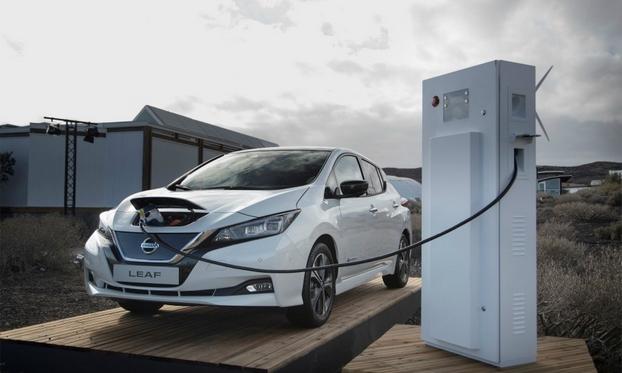
    Nissan’s Leaf is the first electric vehicle to secure regulatory approval as an energy backstop for Germany’s electricity grid. So-called vehicle-to-grid (V2G) technology is a connection between the EV and the grid through which power can flow from the grid to the vehicle and vice-versa, potentially enabling car owners to sell energy to the network. This would allow utilities to use EVs as a backstop if demand rises.

    Nissan said it would initially target corporate clients with fleets of more than 60 electric vehicles, adding that services based on V2G technology would be offered in Germany starting next year.

    “We strongly believe in an emission-free future,” said Guillaume Pelletreau, Vice President and Managing Director, Nissan Center Europe. “Leaf batteries could make an important contribution to energy transition in Germany and a sustainable future.”

    The initiative was also supported by Daimler-backed The Mobility House, local utility Enervie and German transmission system operator Amprion, which is co-owned by RWE and infrastructure investors including Munich Re, Swiss Life and Talanx.

    Nissan is relying on the CHAdeMO charging standard, which has been jointly developed by several Japanese companies as a competitor to Tesla’s supercharger system and the European-backed Combined Charging System (CCS).

    That puts Nissan at odds with European automakers, including BMW and Volkswagen, who are pushing to have the CCS, which is also capable of V2G services, established.

    “Nissan is ahead for now but other technologies, including Tesla’s supercharger can theoretically do the same thing,” said Thomas Raffeiner, chief executive and founder of The Mobility House.

    Nissan has so far sold about 370,000 electric vehicles and, along with top shareholder Renault, has been very active in exploring how car batteries can be integrated into the wider power system.

    While a mass uptake of EVs is expected to put a major strain on the power grid and require billions of euros in infrastructure investments, car batteries have already proven that they can become part of the network.

  • Renault-Brilliance count on e-vans

    Renault-Brilliance count on e-vans

    Renault and Chinese partner Brilliance plan to launch three electric delivery vans in two years, seeking to capitalize on robust growth in China’s commercial vehicle market and city center driving curbs on vehicles with combustion engines. The battery-powered vans will be part of a seven-model product offensive announced on Tuesday for the Renault-Brilliance joint venture that was created last December.

    The first two electric vans are to be introduced as commercial and passenger versions under Brilliance’s Jinbei brand. The first will be a full-electric update of Jinbei’s F50 model. A battery-powered Renault vehicle will follow in 2020.

    “Now with the expertise of Renault in electrified technology we will get it into the zero-emissions (zones) for last-mile deliveries,” Ashwani Gupta, commercial vehicles chief for the Renault-Nissan-Mitsubishi alliance, told reporters on a call.

    The overall Chinese auto market shrank for the third consecutive month in September, recording its biggest year-on-year decline in seven years.

    But Renault’s Gupta expects commercial vehicle sales growth to stay resilient, with an 11 percent expansion to 3.2 million vehicles this year and a further 8 percent to 9 percent in 2019.

  • Auto sales pick up but GM, Renault struggle

    Auto sales pick up but GM, Renault struggle

    The outlook for Korea’s top automobile manufacturers has started to look up as overseas sales increase.

    It wasn’t all rosy, however, as GM Korea, which has been struggling to stay afloat since the beginning of the year, saw sales continue to fall.

    Hyundai Motor, Korea’s top automaker, said Friday its May sales rose 5.7 percent from a year earlier on recovering demand for its vehicles.

    Hyundai Motor sold 387,017 vehicles in May, up from 366,256 units a year earlier, helped by increased overseas sales, the company said in a statement.

    “The monthly results were helped by increased shipments of the Kona SUV to overseas markets, recovering sales in China and robust sales in emerging economies, such as Brazil and Russia,” the statement said.

    Domestic sales climbed 2.1 percent to 61,896 units last month from 60,607 a year ago, and overseas sales were up 6.4 percent to 325,121 from 305,649 during the same period, it said.

    In the January-May period, sales gained 2.4 percent to 1.83 million units from 1.79 million units a year earlier, the statement said.

    Kia Motors said its car sales rose 9 percent in May from a year earlier on recovering demand for its vehicles.

    Kia Motors sold 247,176 vehicles last month, up from 226,826 units a year earlier, the company said in a statement.

    The monthly sales were buoyed by increased domestic and overseas sales of new and upgraded models, such as the Stonic subcompact SUV, the Stinger sports car, the Rio subcompact and the Sportage SUV, it said.

    Domestic sales climbed 8.1 percent on-year to 47,046 units in May from 43,522. Overseas sales were up 9.2 percent to 200,130 from 183,304 over the same period, the statement said.

    In the January-May period, Kia’s sales grew 3.9 percent to 1.13 million autos from 1.09 million units in the year-ago period, it said.

    Renault Samsung Motors saw its May sales fall 22 percent from a year earlier due to weaker demand for its vehicles.

    Renault Samsung sold 16,101 vehicles last month, down from 20,517 units a year earlier, the company said in a statement.

    Domestic sales dropped 20 percent on-year to 7,342 units last month from 9,222 units. Exports also declined 23 percent to 8,759 from 11,295 during the same period, the statement said.

    In the January-May period, overall sales fell 4.6 percent on-year to 104,097 autos from 109,080, it said. The company’s current lineup includes the SM3 compact, the all-electric SM3 Z.E. sedan, the QM3 subcompact SUV and the SM5, SM6 and SM7 sedans.

    Renault SA owns an 80 percent stake in Renault Samsung.

    SsangYong Motor sales rose 4.6 percent last month from a year earlier, helped by increased exports.

    SsangYong Motor sold 12,920 vehicles in May, up from 12,349 units a year earlier, the company said in a statement.

    Domestic sales fell 5.2 percent to 9,709 units last month from 10,238 a year earlier. But exports jumped 53 percent to 3,229 units from 2,111 during the same period, it said.

    In the January-May period, the maker of the Rexton and Tivoli sport utility vehicles sold a combined 54,514 vehicles, down 5.4 percent from 57,648 a year earlier, the company said.

    Indian carmaker Mahindra & Mahindra Ltd. owns a 72.85 percent stake in SsangYong Motor.

    GM Korea saw sales fall 5.1 percent from a year earlier due to weaker domestic demand.

    GM Korea sold 40,879 vehicles last month, down from 43,085 units a year earlier, mainly because of a sharp decline in domestic sales, the company said in a statement.

    Domestic sales plunged 35 percent to 7,670 units last month from 11,854 a year ago. Exports rose 6.3 percent to 33,209 units from 31,231 during the same period, it said.

    The sales slump was mainly affected by weaker local demand for the Cruze subcompact and midsize Malibu sedans, the statement said.

  • Renault partners with Chinese online retail giant

    Renault partners with Chinese online retail giant

    China, a strategic market for Groupe Renault, is the top priority in the company’s new mid-term plan, “Drive the Future.” The Chinese joint venture, Dongfeng Renault Automotive Company, has set a target of 400,000 passenger cars sales by 2022 based on nine local models.

    “One of the key objectives of returning to Formula 1 was to leverage its global platform for Groupe Renault,” said Cyril Abiteboul. “China has been identified as a market of strategic importance and partnering with high-profile companies like Alibaba’s Tmall will provide opportunities to significantly improve Renault brand awareness and opinion in China, with a strong presence over the Chinese Grand Prix in April, but also throughout the year.”

    “We are excited to partner with the Renault Sport Formula One Team to make our activity around the Chinese Grand Prix a success and to be working closely together to bring one-of-a-kind experiences with the Renault Sport Formula One Team to our customers,” added Wei Yu, General Manager of Tmall Auto.”

    Alibaba Group’s mission is to make it easy to do business anywhere. The company aims to build the future infrastructure of commerce. It envisions that its customers will meet, work and live at Alibaba, and that it will be a company that lasts at least 102 years.

    Launched in 2008, Tmall caters to consumers looking for branded products and a premium shopping experience. A large number of international and Chinese brands and retailers have established storefronts on Tmall. According to iResearch, Tmall was China’s largest third-party platform for brands and retailers in terms of gross merchandise value in 2016. Tmall is a business of Alibaba Group.

  • Morocco announces auto industry deals worth $1.45 bln

    Morocco announces auto industry deals worth $1.45 bln

    Morocco said on Monday it had signed deals for 26 auto industry projects worth a total of 1.23 billion euros ($1.45 billion) as it seeks to build its position as an international hub for the sector.

    The deals include six agreements with French company Renault to expand an “industry ecosystem” allowing the firm to increase local sourcing of car components to 55 percent, according to a government statement.

    Renault has a large factory in the northern Moroccan city of Tangiers that opened in 2012, and an older assembly plant in Casablanca.

    Another 13 of the new projects are planned as part of a manufacturing hub linked to a PSA Peugeot Citroen factory under construction in Kenitra, north of the capital, Rabat.

    That plant is due to open in 2019 and initially produce 90,000 vehicles a year.

    The projects announced on Monday are with companies from France, Spain, Italy, China, South Korea, Japan and the United States, and are expected to create more than 11,500 jobs, the government statement said.

    Eleven of the companies will be operating in Morocco for the first time, Abdel Wahid Rahal, a senior official at the ministry for industry, investment, trade and digital economy, said.

    On Saturday, officials announced a memorandum of understanding with Chinese automaker BYD to build an electric car plant near Tangier that is expected to create 2,500 jobs. They gave no details on the value of the deal.

    Unlike many countries in the region, Morocco has avoided a big drop in foreign investment following the global financial crisis and the Arab Spring uprisings of 2011, partly by marketing itself as an export base for Europe, the Middle East and Africa.

    The kingdom has attracted a number of big auto and aerospace investors in recent years.