Tag: rent

  • Hong Kong Office Market Revival: Downtown Vacancy Rates Hit 2-Year Low

    Hong Kong Office Market Revival: Downtown Vacancy Rates Hit 2-Year Low

    The prime office space vacancy rates in Hong Kong’s central business district have once again dipped into single figures for the first time in over two years, marking a resurgence in demand within the previously struggling office market.

    A Turnaround in Demand

    The primary business district, situated on the northern coast of the island, saw the vacancy rate for Grade A offices drop to 9.9% in February, a slight decrease from January’s 10.1%. The district last recorded a single-digit vacancy rate in December 2023, standing at the same figure of 9.9%.

    This trend isn’t limited to the central business district. Across Hong Kong, the overall prime office vacancy rate also fell slightly, dropping to 13.4% in February from the 13.5% recorded in the previous month.

    Rising Rents

    In line with the declining vacancy rates, rental costs for Grade A offices in the central district also experienced a rise. The first two months of the year saw rent prices increase by 3.5%.

    Banking remains the main driver for leasing activity, with the demand focusing on newer office buildings within the central business districts. Two districts have begun to show early signs of improvement, a trend that is expected to continue throughout the year. However, non-core districts, such as Kowloon East, are anticipated to remain under strain.

    Increased Optimism

    CK Asset Holdings, a property development company owned by billionaire Li Ka-shing’s family, has also expressed positive expectations for leasing demand this year. The company saw leasing remain under pressure during the previous year, but recent renewals have started to show small increases in rental costs.

    Both rent and sales are projected to see a surge. The overall non-residential property market is expected to continue adjusting and seeking support levels. However, rental and sales prices for offices located in the core districts may stabilize first.

    Uneven Recovery

    According to a report, the recovery within the office market varies across Hong Kong. The premium Grade A buildings in the central district, such as Two IFC, Chater House, and The Henderson, have maintained occupancy rates above 88%. In contrast, older properties within the same district have recorded occupancy rates below 75%. This uneven recovery rate highlights the growing preference for modern, high-specification buildings, reinforcing the “flight-to-quality” trend within Hong Kong’s office sector.

    Questions & Answers

    What is the current vacancy rate for prime office space in Hong Kong’s central business district?
    The vacancy rate for prime office space in Hong Kong’s central business district is currently 9.9%.

    What trends are emerging in Hong Kong’s office sector?
    There is a growing preference for modern, high-specification buildings, and non-core districts like Kowloon East are likely to continue facing pressure.

    What is the forecast for rental and sales prices in the near future?
    Rental and sales prices for overall non-residential properties are expected to continue adjusting, with prices for offices in the core district possibly stabilizing first.

  • Bangkok Tops List as World’s Most Expensive City for Renters, Reveals DWS Housing Affordability Review 2025

    Bangkok Tops List as World’s Most Expensive City for Renters, Reveals DWS Housing Affordability Review 2025

    Bangkok, Thailand’s capital city, has distinguished itself as the least affordable city in the world for renters, as per the Housing Affordability Review 2025. The report, compiled by Germany’s DWS, indicates that the average middle-class family in Bangkok spends nearly 79% of their disposable income on renting a two-bedroom apartment.

    The Root of High Rental Rates

    The city’s inflated rental prices are primarily due to a scarcity of condominiums. The second quarter saw condo availability drop to a 16-year low, a situation exacerbated by climbing construction costs and high-interest rates.

    Global Ranking of Affordability

    Following Bangkok, Mumbai and Mexico City were ranked second and third as the least affordable cities, with renters spending 66% of their disposable income on rent. Hong Kong came in fourth at just over 60%, and Johannesburg, South Africa, was in fifth place at approximately 58%. These cities are part of a group of 24 global cities with the most challenging rental markets. Other Asian cities on this list include Manila, Beijing, Hanoi, and Singapore.

    The study analyzed the rent to median disposable income ratio in 80 cities. A lower ratio signifies more affordable rent, with the worldwide average ratio standing at 38%.

    Cities with More Affordability

    On the other end of the spectrum, Salt Lake City was deemed the most affordable city, with a ratio of 20%. Leipzig and Austin followed closely, both featuring a ratio of 23%.

    Cities that ranked lower in affordability experienced a more significant decrease in affordability ratios compared to those ranking higher. Additionally, these cities saw their remaining spending power increase at a slower rate compared to cities demonstrating more economic resilience.

    Disposable Income After Rent

    The report also calculated the disposable income households have left after paying their monthly rent. Singapore topped the list globally with approximately $8,000 of leftover income, which is twice the global average. San Francisco followed with $7,650, and Abu Dhabi was third with $7,000.

    According to the report, wealthier cities typically benefit from high-income levels and balanced housing costs, which allows residents to retain robust purchasing power even after paying rent.

    Questions & Answers

    What factors contribute to Bangkok’s high rental rates?
    A lack of available condos, heightened construction costs, and high-interest rates are all factors that contribute to Bangkok’s high rental rates.

    Which city has the most affordable rental market?
    Salt Lake City is considered the most affordable city for renters, with a rent to disposable income ratio of 20%.

    Which cities have the highest disposable income after rent payments?
    Singapore, San Francisco, and Abu Dhabi lead the world in terms of disposable income after rent, with Singapore households having an average of $8,000 left over.

  • Hanoi Landlords Raise Housing Rents Amid Rising Inflation Pressures

    Hanoi Landlords Raise Housing Rents Amid Rising Inflation Pressures

    In the bustling Khuong Dinh Ward of Hanoi, Thuy Ngan recently faced a tough decision: stay put or move. Her landlord had decided to raise the rent on her 20-square-meter apartment from VND3.8 million (US$144) to VND4.2 million, a 10% increase starting this September. “With inflation soaring, all prices are on the rise. Rent cannot remain untouched,” the landlord explained, echoing a sentiment felt by many in Vietnam’s rental market.

    For Ngan, the struggles of rising living costs meant her total monthly expenses, including utilities, surged to nearly VND5 million, consuming a hefty third of her income. After weighing her options, she opted for a new apartment five kilometers away, where the rent was 10% lower, albeit with a longer commute.

    A Shocked Tenant in Cau Giay

    Quang Huy and his wife found themselves in a similar predicament in Cau Giay Ward. With their lease set to expire, they were blindsided when their rent shot up by 15% to VND9 million for a two-bedroom unit. “The landlord said the property had been freshly painted and renovated, which justified the hike,” Huy noted. The couple was bluntly informed that with students flocking to the area, any disagreement over rent would be met with indifference. After two weeks of searching for more affordable housing, they now contemplate a move to an older unit further from their current home.

    Rising Rents Across the Board

    Nguyen Tuan Anh, who operates a rental company managing 50 units in Hanoi, reveals that many landlords are raising rents by 10% to 15%. Inflation, increasing property prices, and bumps in furnishing costs are common justifications. According to the General Statistics Office, the consumer price index surged by 3.24% year-on-year last month, with household electricity prices climbing 10.8% and water costs up 3.9%.

    Meanwhile, data from property portal Batdongsan indicates that rental demand in Hanoi rose by 11% in July alone. Since March, rents have been on a steady ascent, up 10% overall, with smaller units seeing hikes of up to 15%. Pham Duc Toan, CEO of property developer EZ Property, acknowledged that urban migration is contributing to robust rental demand in cities like Hanoi and Ho Chi Minh City, with 22% of respondents in a recent index citing better job opportunities as their reason for relocating.

    Struggling to Keep Up

    As rents continue to climb, landlords and investors are anticipating even higher returns, driven by the rise in property prices and general inflation. Toan emphasized, “When living costs and prices of goods and services increase, landlords are inclined to raise rents as well.” The September arrival of a new school year typically spurs a 20% to 30% increase in rental demand, coinciding with lease expirations, said Nguyen Chi Thanh, vice chairman of the Vietnam Association of Realtors.

    However, as economic strains persist and salaries stagnate, many residents are forced to compromise. They are increasingly opting for smaller, less central, and more affordable living spaces to make ends meet. A survey conducted by VnExpress reveals that nearly 14% of respondents plan to leave Hanoi and return to their hometowns due to soaring housing costs.

    Seeking Solutions

    Experts suggest that enhancing social housing options could alleviate some of the rental pressures. Toan recommends increasing the supply of social housing through interest rate and tax incentives, alongside improved access to land for developers. After all, in a city where the rent is always too darn high, every little bit helps.

    Questions & Answers

    What factors are driving the increase in rental prices in Hanoi?
    Factors contributing to rising rents include inflation, increased property costs, and a high demand for rental units, especially during the school season.

    Why are some tenants opting to move to less central locations?
    Many tenants are compelled to move further from the city center to find more affordable housing options in response to climbing rents and overall living costs.

    What solutions do experts propose to tackle rising rents in Vietnam?
    Experts advocate for the expansion of social housing availability, which could ease the pressure on the rental market, supplemented by tax incentives and improved land access for developers.

  • Jakarta Mall Rental Rates Rise 0.5% in Q2: A Sign of Optimism in Retail Space Market

    Jakarta Mall Rental Rates Rise 0.5% in Q2: A Sign of Optimism in Retail Space Market

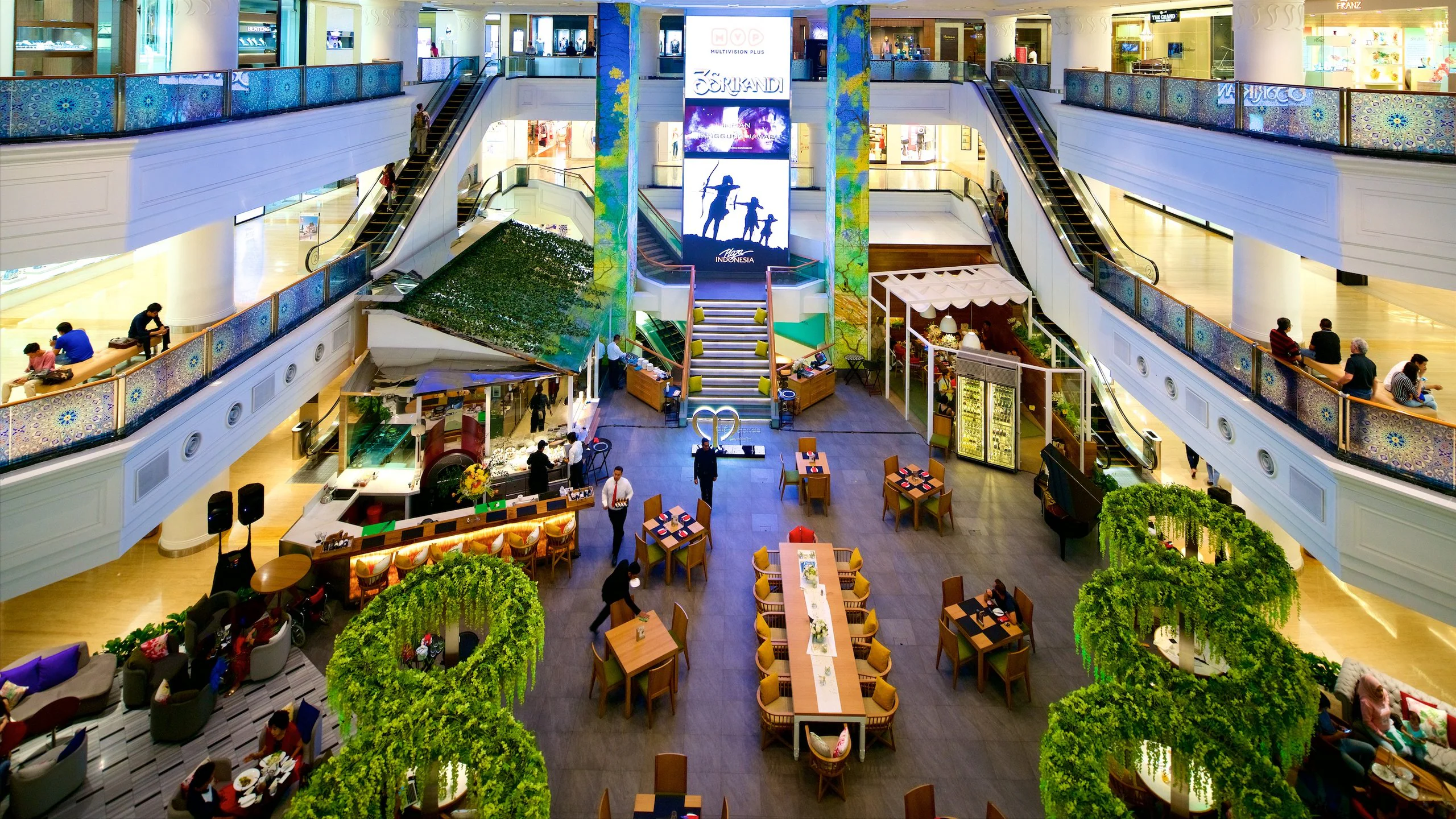
    Rental prices in Jakarta’s vibrant retail landscape are holding strong despite a lull in new supply. According to a recent report from JLL, mall rents in the bustling Indonesian capital have risen approximately 0.5% in the second quarter of 2025. This increase is particularly pronounced in popular shopping centers where occupancy levels run high, suggesting that premium real estate continues to be a hot commodity. Analysts predict that rental rates will remain in the single digits for the remainder of the year.

    International Brands Drive Retail Expansion

    The retail scene is buzzing with activity, notably due to international brands that represented around 55% of new store openings during this period. Among the notable entrants are a slew of Chinese tea companies, making their debut in the thriving Jakarta market. This influx highlights Jakarta’s appeal as a burgeoning marketplace while underscoring the strategic partnerships that many retailers forge with influential retail groups. These relationships offer substantial bargaining power, enabling tenants to negotiate favorable lease terms and achieve reasonable rent increases.

    Active Lifestyles Fuel Sports Retail Growth

    As Jakarta residents increasingly embrace active lifestyles, the demand for sports retail has soared. Both local and international brands are capitalizing on this trend by opening flagship stores designed to attract health-conscious shoppers. However, the search for retail space has become competitive, prompting brands to explore alternative locations, both within and outside traditional shopping malls.

    Prime Retail Space Constraints

    This quarter marked a significant milestone with no new prime shopping malls making their debut. Consequently, vacancy rates have stabilized around 4%, despite the shrinking pool of available retail space. Some tenants are now opting for creative solutions such as island or booth locations to ensure they maintain visibility among consumers. With no immediate plans for new premium malls, expanding brands—particularly in the food and beverage sector—are increasingly targeting busy areas with outdoor options that resonate with today’s health-oriented lifestyle.

    Innovative Approaches Among Developers

    The outlook for Jakarta’s retail scene suggests a shift in development strategies as opportunities for new premium shopping malls diminish. Developers are now focused on crafting retail environments that reflect evolving market trends, with an emphasis on lifestyle malls and compound spaces. Although limited availability of prime locations may benefit developers, any decisions regarding rent adjustments are likely to be made with caution, as they must navigate the complexities of economic fluctuations and consumer foot traffic.

    Questions & Answers

    What factors are contributing to the rise in rental prices in Jakarta?
    An increase in occupancy rates at popular shopping centers and a surge in international brand openings are key factors driving rental prices upward in Jakarta.

    How are retailers adapting to the lack of new retail space?
    Many retailers are exploring alternative locations, including smaller islands or booths, to maintain visibility amidst a competitive environment where traditional mall space is becoming scarce.

    What types of retail developments are expected in the near future?
    Developers are anticipated to pivot toward creating lifestyle malls and compound spaces, aligning with contemporary consumer trends, as new premium malls are unlikely to be constructed in the next year.

  • Osaka Sees Strong 5.5% Surge in Investment-Grade Office Rents in First Half of 2025

    Osaka Sees Strong 5.5% Surge in Investment-Grade Office Rents in First Half of 2025

    Rents for investment-grade offices in Osaka surged by 5.5% in the first half of 2025, hitting JPY24,000 per tsubo, according to a recent report from Savills. This spike underscores the robust demand for premium office space, particularly in newly constructed properties where rental figures have leapt from above JPY30,000 to even exceed JPY40,000 per tsubo, with the pinnacle reaching a remarkable JPY43,000 per tsubo.

    All-Grade Rents on the Rise

    Overall, all-grade rents increased by 0.8% quarter-on-quarter, settling at JPY12,200 per tsubo. The Umeda submarket stood out with the most considerable growth, climbing by 1.7% quarter-on-quarter, while Minami-Mori experienced a modest decline of 0.7%. The remaining submarkets, however, continued to show promising upward trends in rental rates.

    Vacancy Rates Tighten as Demand Peaks

    The office market absorbed significant new supply in 2024, leading to tighter investment-grade vacancy rates, which dropped by 1.3 percentage points to 2.6% in the first half of 2025. Notably, Yodoyabashi-Honmachi is likely to encounter temporary disruptions due to an influx of substantial new office developments slated for 2025. Yet, experts anticipate this submarket will become a hotbed for tenants in search of high-quality spaces, as it prepares to welcome premium office developments that will help maintain robust leasing activities well into 2026.

    The all-grade office vacancy rates also saw improvement, decreasing by 0.5 percentage points to 3.8%. The Shin-Osaka submarket recorded the most significant enhancement, with vacancy tightening by 1.5 percentage points to an enticing 2.7%, the lowest level seen since just before the pandemic, propelled by strong leasing activity.

    Questions & Answers

    What factors are driving the increase in rental rates for investment-grade offices in Osaka?
    The increase is primarily driven by strong demand for high-grade office spaces, particularly in newly constructed properties where rental prices are rapidly rising.

    How did the new office supply in 2024 affect the vacancy rates in Osaka?
    The new office supply was absorbed well by the market, leading to tighter vacancy rates, especially for investment-grade offices which saw a decrease.

    Which submarket in Osaka recorded the most notable rental growth?
    The Umeda submarket experienced the most significant rental increase, climbing by 1.7% quarter-on-quarter, showcasing its attractiveness in the current market.

  • Tokyo’s Average Asking Rents Experience a 0.5% Decline: What It Means for Renters and Landlords

    Tokyo’s Average Asking Rents Experience a 0.5% Decline: What It Means for Renters and Landlords

    The latest findings from Savills, based on a semi-annual survey by the Japan Real Estate Institute (JREI) and BAC Urban Projects, paint a promising picture for retail in Tokyo. Average asking rents for first-floor (1F) units have increased by 3.0% quarter-on-quarter, despite a slight decline of 0.5% year-on-year. Meanwhile, non-1F units have seen a more significant rise, with rents up 4.3% on a quarterly basis and 2.8% on an annual one. This overall performance highlights the resilience of Tokyo’s prime retail markets, fueled by robust growth in inbound tourism, which has tightened the availability of sought-after retail spaces in tourist-heavy areas.

    A Surge in Sales Fueled by Tourists

    The Japan Department Stores Association recently reported staggering figures for 2024, indicating that nationwide department store sales soared to JPY5.8 trillion—an increase of 6.8% year-on-year. Duty-free sales also experienced a remarkable upswing, climbing 85.9% year-on-year to a hefty JPY648.7 billion, largely driven by tourists splurging on luxury goods. As Japan continues to solidify its status as a favored travel destination, the number of inbound visitors reached nearly 37 million in 2024, with projections suggesting this will exceed 40 million in 2025. Talk about a shopping spree!

    Tourist Spending Hits New Heights

    Expenditure per inbound tourist has been on the rise as well, reaching an impressive JPY227,000 per traveler in 2024—a staggering 43% increase compared to pre-pandemic levels in 2019. The total spending by foreign tourists hit a remarkable JPY8.1 trillion, reflecting a 53% growth over 2023, albeit still hovering around just 1.5% of Japan’s GDP, according to the Japan Tourism Agency (JTA).

    A Notable Return of Chinese Tourists

    The numbers indicate a promising trend for the industry, with inbound tourists already surpassing 10 million in the first quarter of 2025—up about 23% from the same period in 2024. The resurgence of Chinese visitors is particularly striking, with 2.4 million arrivals recorded in Q1/2025, marking a 78% increase year-on-year. This rebound can be partly attributed to the recently relaxed visa application process for Chinese nationals, opening the floodgates for eager shoppers.

    Expo 2025 to Amplify Tourist Interest

    The successful launch of the Expo 2025 in Osaka is set to draw an estimated 28 million attendees, further bolstering inbound tourism. Meanwhile, domestic spending remains robust, buoyed by ongoing strong wage growth, creating a favorable environment for retail. As shoppers eye both domestic and luxury items, the future of Japan’s retail market promises to sparkle with potential.

    Questions & Answers

    What factors are contributing to the growth of rental prices for retail spaces in Tokyo?
    The increase in rental prices is primarily driven by strong inbound tourism, which boosts demand for retail spaces in prime locations, as well as a sense of scarcity in high-traffic areas.

    How has spending by inbound tourists changed in recent years?
    Inbound tourist expenditure has skyrocketed, reaching nearly JPY227,000 per traveler in 2024, marking a 43% increase compared to 2019, with total spending reaching JPY8.1 trillion, a 53% rise from 2023.

    What impact is Expo 2025 expected to have on Japan’s retail market?
    Expo 2025 in Osaka is projected to attract 28 million attendees, further enhancing inbound tourism and, consequently, retail spending, creating a positive outlook for the market.

  • Grab no longer buying Trans-cab, Singapore watchdog says

    Grab no longer buying Trans-cab, Singapore watchdog says

    Grab, Southeast Asia’s biggest ride-hailing and food delivery firm, has called off its proposed acquisition of Singapore’s third-largest taxi operator, Trans-cab, according to a statement from Singapore’s competition watchdog.

    The Competition and Consumer Commission of Singapore (CCCS) said in the statement on Thursday evening that both Grab and Trans-cab had notified it on July 22 that they would no longer be proceeding with the proposed acquisition.

    “With the termination of the proposed acquisition, the parties have withdrawn their application to CCCS for a decision, and CCCS has accordingly ended its assessment of the proposed acquisition,” CCCS said in the statement.

    Trans-cab did not immediately respond to a request for comment after working hours.

    “(The) ruling does not change our determination to do everything that we can to offer affordable, reliable transport options to passengers in Singapore,” Yee Wee Tang, managing director at Grab Singapore.

    The commission added that it encourages businesses with acquisition plans to engage CCCS at an early stage if they think there are likely to be competition concerns.

    The commission first raised concerns about the taxi deal in October 2023 before asking Grab and Trans-cab for solutions to address competition concerns earlier this month.

    Grab is one of the city-state’s top ride-hailing companies, with the deal for Trans-cab reported to be worth around S$100 million ($74.55 million).

  • HCMC high-end office rents jump in Q1

    HCMC high-end office rents jump in Q1

    Grade A office rents in HCMC rose by 5.1 percent quarter-on-quarter to US$44.9 per square meter per month last quarter. The average rent was 5.3 percent up from a year earlier, according to real estate consultancy CBRE Vietnam.

    Grade B rents averaged $25.9, up 1.7 percent and 3.1 percent. Similar surveys by other consultancies Colliers and Savills showed grade A rents increasing by 1-3.8 percent.

    Net absorption during the quarter was 16,500 square meters compared to 15,000 in the last quarter of 2021, according to Savills.

    Two sectors that achieved growth during the pandemic, information technology and logistics, accounted for nearly 60 percent of all transactions and are likely to lead demand in the next two years.

    Office relocation accounted for 55 percent of transactions.

    Demand for office space would keep rising, especially in sectors that would see growth such as e-commerce, real estate, electronics, IT, and communications, deputy director of Colliers Vietnam, Nhung Vu, said.

    Savills added that HCMC would need around 140,000 square meters of office space for new workers this year, based on an estimate that each needs eight square meters.

  • Rents for Hanoi serviced apartments plunge to three-year low

    Rents for Hanoi serviced apartments plunge to three-year low

    Hanoi serviced apartment rents fell by 3 percent to a three-year low of VND547,000 (US$24.16) per square meter per month last quarter, according to Savills Vietnam.

    Compared to a year earlier the average rents for grades A-C apartments decreased by 4 percent to VND705,000, and 11 percent to VND233,000.

    The average occupancy remained unchanged from the third quarter at 69 percent but increased by 2 percent year-on-year.

    Nam Tu Liem District saw the highest rate of 83 percent, followed by Hai Ba Trung with 79 percent and Long Bien with 78 percent.

    Ten grade A and B projects has an occupancy of more than 90 percent.

    Post-Covid-19 tenants have higher requirements of the place they live in, prioritizing a good healthcare system, air quality and green space, according to a global survey done last year. Branded serviced apartments that collaborate with epidemiologists to improve their healthcare and safety quality are thus favored by tenants now.

    Savills said investors are opting to build serviced apartments on a smaller scale, and studio and one-bedroom apartments account for 49 percent of the market now.

    Apartments with two and three bedrooms account for 35 percent and 14 percent.

    The four projects that came into the market last year have small units with an area of 15-56 square meters accounting for some 65 percent.

    The revenue per square meter from small apartments is 4-15 percent higher than from larger ones.

    Studio and one-bedroom serviced apartments are becoming flexible, offering dual keys and both long-term and short-term lease.

    Savills said thanks to having double the space (kitchen, living room and office), dual-key apartments serve tenants’ demand for working remotely.

  • Hong Kong Home Posts Record-High Rent

    Hong Kong Home Posts Record-High Rent

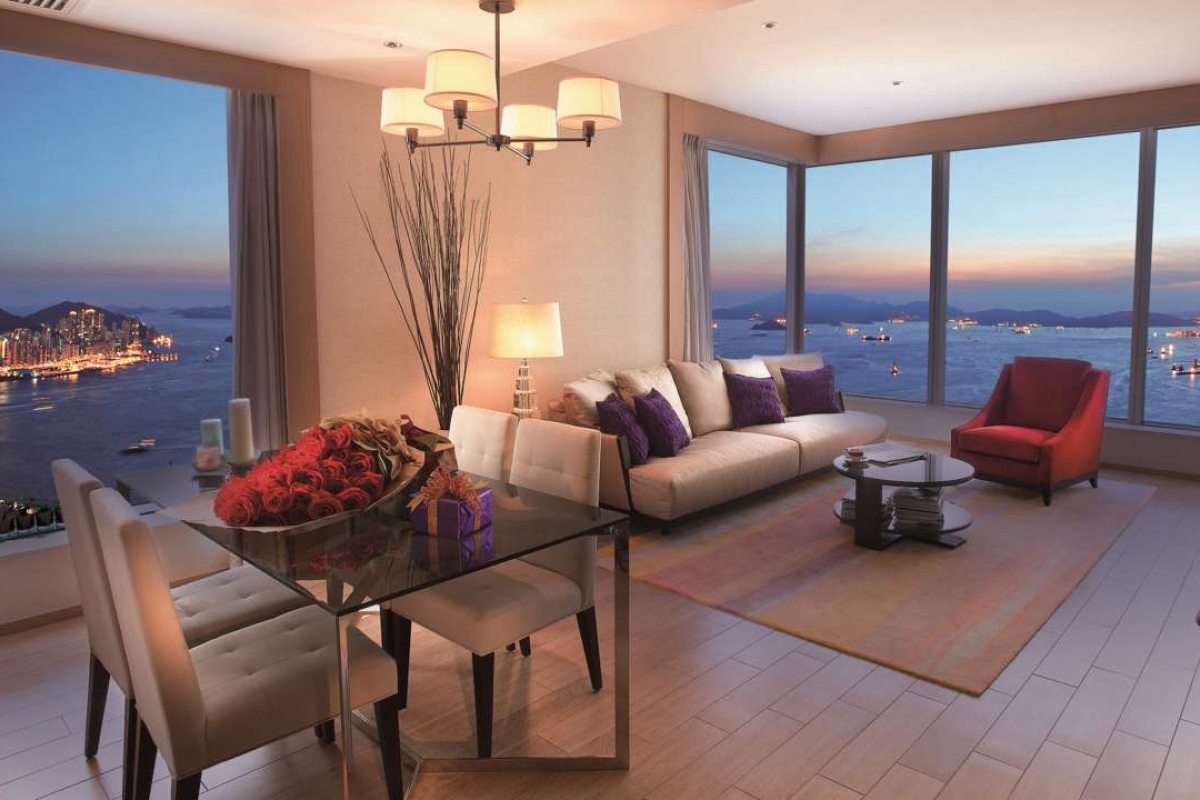
    Hong Kong’s luxury property market continues to post record numbers with the latest leasing contract.

    A 10,804 square foot home in the city’s wealthiest district was rented out for HK$1.35 million per month, according to a statement from local developer Wharf Holdings.

    This is a record figure, according to a Bloomberg report citing real estate agency Centaline.

    The house overlooks the Victoria Harbor and comes with a private garage, garden and internal elevator. Wharf has seven of these units in the area with plans to sell four and lease the rest.

    The unnamed tenant marks the second anonymous record-setter in weeks for Hong Kong’s property market.

    Last month, a 3,378 square foot home in the same district sold for a record figure of nearly $60 million.

    Despite political uncertainty and an ongoing pandemic, Hong Kong continues to top rankings as the most expensive property market. According to a recent think tank report, the city’s homes were the least affordable worldwide for the 11th consecutive year.

  • Bossini warns Hong Kong landlords over Rents

    Bossini warns Hong Kong landlords over Rents

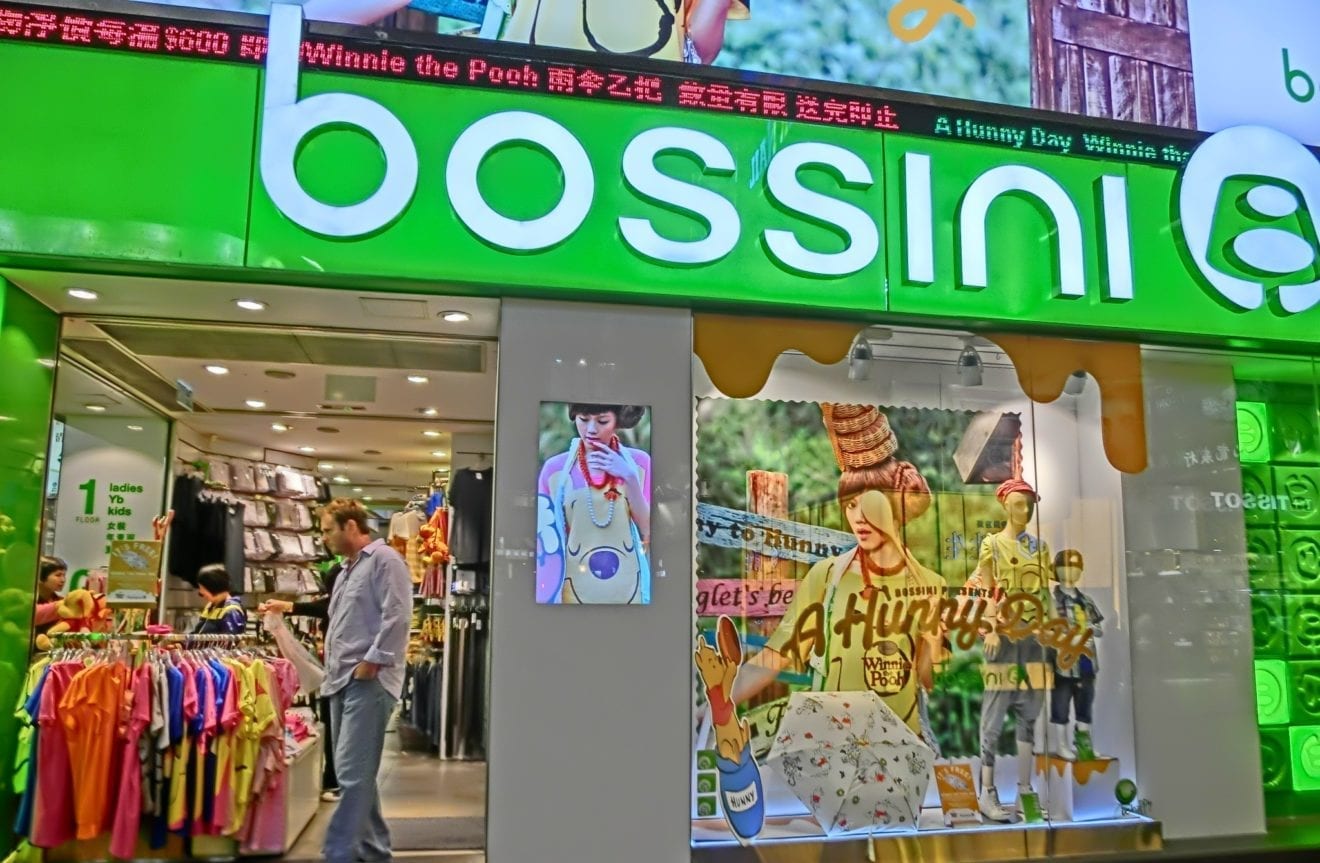
    Casual apparel retailer Bossini says it will close more stores in Hong Kong as many landlords remain unwilling to convert leases to turnover-based rents.

    The company has reported a loss of US$11.2 million for the December half after sales fell 25 percent.

    With Hong Kong and Macau accounting for 66 percent of sales in 2019, cross-border travel restrictions to both territories meant that share fell to 55 percent last year. Revenue in Hong Kong and Macau fell by 38 percent year on year.

    “The overall shop rental expenses remained at a very unreasonable level with several landlords still unwilling to provide rent concessions, despite some landlords had already switched to pure turnover-rent arrangement,” said chairman Victor Herrero in a stock exchange filing.

    “This will inevitably involve the closure of certain loss-making retail shops… We will continue to renegotiate with landlords to seek rent relief and reduction. Where landlords are reluctant to respond reasonably to our requests, we will close those shops.”

    Group revenue reached $60.3 million. Outside Hong Kong and Macau, sales rose by 2 per cent in Mainland China, but fell 9 per cent in Singapore. This was the first complete trading period not to include Taiwan, which the company exited by the end of last June.

    Looking forward, the company expects the pandemic to continue to impact its business.

    “The group’s performance is expected to remain under significant pressure for the remaining financial year with travel restrictions and social-distancing measures still largely in place,” said Herrero.

    But the company is upbeat about its ability to withstand the ongoing pressure caused by the pandemic.

    “Overall, the group is formulating and implementing strategies ranging from brand re-positioning, product segmentation and pricing, distribution channels, production and supply chain management, marketing and promotion to IT infrastructure,” he said.

    “We believe all of these would collaboratively equip us with a solid foundation and pave the way for our expansion and tap into market opportunities in the mid- to long-term.”

  • Hanoi short of premium office space

    Hanoi short of premium office space

    Companies in Hanoi are struggling to find Grade A office space in the downtown area because of limited supply.

    Major Grade A office buildings in the downtown district of Hoan Kiem are recording 95-100 percent absorption rates due to high demand in the capital city, according to a recent report by real estate consultancy Savills.

    These buildings include the BIDV Tower with an occupancy rate of 100 percent, ConerStone Building, 99 percent, Hanoi Towers, 97 percent and Pacific Place, 96 percent.

    The Covid-19 pandemic has not caused major impacts on office demand in the capital city, with the absorption rate in the third quarter falling just 1 percentage point to 90 percent, the report said.

    Demand for office from foreign direct investment companies is set to rise in the future, Savills expects. Hanoi posted the highest GDP growth in the country in the first nine months at 3.3 percent, said Le Tuan Binh, head of Hanoi commercial leasing at Savills.

    The real estate consultancy said it has received many requests for new office space in the city, especially from foreign companies with deep pockets that are expanding or establishing their factories in the country.

    Hanoi’s overall office supply rose 4 percent year-on-year to 1.9 million square meters in the third quarter, and Savills forecasts that addition of over 60,000 square meters will enter the market in the last quarter.

  • HCMC serviced apartment rents hit five-year-low

    HCMC serviced apartment rents hit five-year-low

    The average rent for serviced apartments in HCMC has fallen to a five-year low as the Covid-19 pandemic stifles demand. The $23 per square meter per month price tag in the third quarter marks a 10 percent year-on-year fall, according to data compiled by real estate consultancy Savills.

    Occupancy fell 19 percentage points to 65 percent as there were few international flights entering the country. Foreign businesspeople and experts are the main tenants of serviced apartments.

    In the first nine months, registered foreign direct investment capital in HCMC dropped 28 percent year-on-year to over $3 billion.

    Owners of over 20 percent of Grade B projects are offering discounts of up to 30 percent for long-term tenants or other perks like free utilities.

    The supply of serviced apartments fell 7 percent year-on-year to 6,200 units, with one Grade B project withdrawing 164 units for renovation and a 31-unit Grade C project being converted into office space.

    Eleven projects are expected to boost supply by another 1,300 units in the next four years.

  • HCMC real estate business group wants Airbnb-like services legalized

    HCMC real estate business group wants Airbnb-like services legalized

    The Ho Chi Minh City Real Estate Association has called for regulating accommodation-sharing services like Airbnb for better management and taxation.

    Such services have become popular in Vietnam in recent years as they help meet the large demand for low-cost accommodation from tourists and fetch homeowners an income from spare apartments and rooms, it said in a report

    HoREA pointed out that since this kind of business is still not regulated authorities are losing an opportunity to collect taxes and having difficulty managing it.

    There have even been cases of people using accommodation provided by such websites for criminal activities, it said.

    It called for modifying the law to allow homeowners to rent them as long as they register the business and pay taxes.

    There were 40,000 Airbnb listings in the country in January this year compared to 1,000 in 2015, according to tourism development consulting firm Outbox Consulting.

    HoREA also wanted restrictions on the number of days homeowners could rent out in a year and apartment management fees to be increased since it increases management work.

    The number of Airbnb units in Ho Chi Minh City as of the last quarter was 13,200, down 37 percent year-on-year due to the Covid-19 pandemic, according to data from market research firm AirDNA.

    In Hanoi, the figure was down 27 percent to 10,600.

  • Hong Kong retail rents slip

    Hong Kong retail rents slip

    The world’s most expensive retail strip is likely to endure another six months of industry slump as shop owners struggle to replace premium tenants amid Hong Kong’s deepening recession.

    Global brands from Prada to Rolex and Victoria’s Secret have in the past year vacated their space near or along Russell Street in Causeway Bay – whose rents exceeded those in New York, London, or Paris at the peak of the cycle – as the economy suffered from political upheavals and public health crisis.

    “The market has not seen the bottom yet. I think the worst will only come at year-end,” said Edwin Lee, founder, and chief executive of Bridgeway Prime Shop Fund Management, which owns 18 street shops across the city. “People expect the Covid-19 vaccine to be ready and available by early or the middle of next year when confidence is expected to recover.”

    Those vacant shops could end up being absorbed by mass-market fashion stores or supermarket chains, potentially devaluing rent premiums, he added. The pandemic and dwindling tourist arrivals have been a major blow and local consumers alone could no longer support big brands, he added.

    Hong Kong’s economy has contracted in the past four straight quarters, marking its worst recession on record. The Covid-19 pandemic since January, as well as months of social unrest last year, have choked tourism and undermined the government’s efforts to revive activity.

    Without the power of tourist dollars, Hong Kong has recorded steep declines in retail sales for 18 straight months, according to official statistics. They amounted to HK$187 billion (US$24 billion) this year through July, or HK$26.7 billion a month, compared with an average of HK$36 billion a month in 2019.”>“Now that the big brands have left the scene, it is quite difficult to find new tenants,” said Tony Lo, director of shops at Midland IC&I. They are unlikely to be leased out this year as the pandemic has not been resolved, he added. “I’m not very optimistic. Many of the shops in Causeway Bay cater to individual travelers mostly from mainland China.”

    Hong Kong retailers should create experiences for local shoppers to survive with ‘zero tourists’

    Emperor International, one of the bigger landlords on Russell Street, said some of its units “are for lease now,” according to WhatsApp reply to questions from the Post. The firm has “been in touch with different tenants,” it added.

    Shop vacancy rate in Causeway Bay has risen to 11.6 percent in August, according to data compiled by Centaline Commercial, more than triple the level in January. The rate in Central has surged to 20.4 percent from 8.1 percent over the same period, and to 16.5 percent from 10.5 percent in Tsim Sha Tsui.

    “Causeway Bay has almost zero tourists and people are reducing their outings,” said Raiky Wong, director of shops at Centaline Commercial. “The streets seem deserted these days.”

    Hong Kong is not alone in bearing the brunt of the Covid-19 pandemic. Twenty out of 22 Asia-Pacific cities tracked by Knight Frank reported a drop in valuations and forecasts of prime retail property in the first half of this year.

    The bleak outlook suggests rents will weaken in the coming months, said Lee of Bridgeway Prime Shop Fund Management, who regularly buys and sells shop lots in the city.

    Rents along Russell Street have fallen by two-thirds from around HK$3,000 (US$387) per sq ft in 2013 to HK$1,000 currently, Lee said. They could bottom out at HK$500 per sq ft by year-end before some signs of recovery after the Lunar New Year in February, he added.

    Shop owners may be pressured to accept offers even if the rents are lower to generate cash flow, according to Lo of Midland. Some have offered to take up short-term leases this year as many businesses have low visibility on the recovery prospects.

    New tenants that decide to take over the vacant space will be banking on neighborhood spending to survive, said Lee of Bridgeway. These would include mass-market fashion retailers or high-end supermarkets selling imported foods like Japanese wagyu beef, he added.

    For Russell Street’s big brands, retailers can no longer sustain their businesses without tourist spending power. “They definitely cannot sustain by just relying on local consumption,” Lee said.