Tag: rent

  • Many Hong Kong retail landlords rally to rent reduction call

    Many Hong Kong retail landlords rally to rent reduction call

    Landlords in premium Hong Kong retail areas are proving flexible on rents as retailers experience an unprecedented drop in sales of between 50–80 percent during the first financial quarter this year.

    Figures from real estate firm Savills show multiple mall landlords are offering temporary rent relief of 30 to 60 percent to beleaguered tenants who have faced numerous crises over the past year, of which the coronavirus outbreak is the latest. However, some shopping-center landlords are proving reluctant to relieve rents despite growing tenant vacancies.

    Retail rents in the region fell 14 percent quarter on quarter and by an average 43 percent year on year.

    “A hardening local situation combined with a lack of visibility is giving rise to a wide range of reactions to the current crisis from landlords and tenants,” said Savills research & consultancy senior director Simon Smith. “But on a more positive note, the lower rental costs will attract newcomers to the Hong Kong market, which for too long has changed the world’s highest occupational costs.”

    “As far as we can see, vacancies are expected to rise over the next six to 12 months,” said Savills MD Nick Bradstreet, “which will put more pressure on rents over the rest of the year.”

  • Singapore retail rents up as vacancy rate tightens

    Singapore retail rents up as vacancy rate tightens

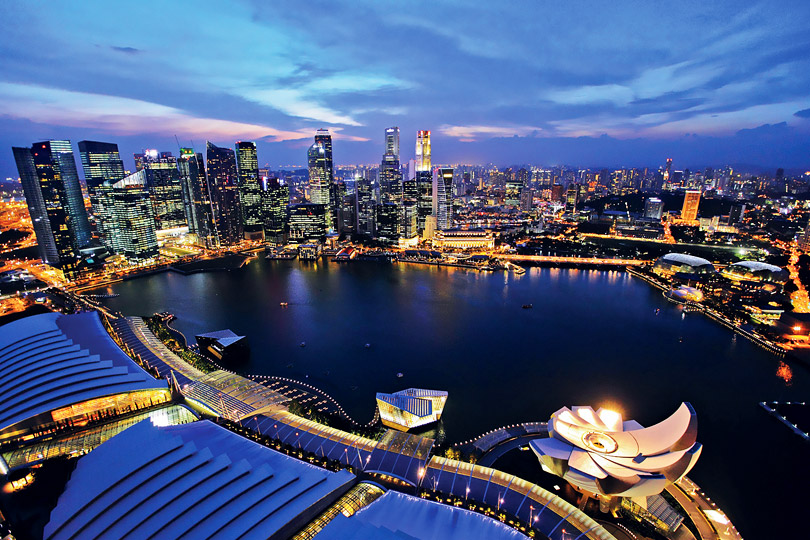
    Singapore retail rents increased in the third quarter of this year, according to Urban Redevelopment Authority.

    Figures published by The Straits Times show the rental rates increased by 2.3 percent, overturning a fall of 1.5 percent during the previous quarter.

    According to the URA, the total supply of retail space available in ongoing projects within the territory stood at 288,000sqm, a reduction from 320,000sqm previously. Occupied retail space went up by 29,000sqm, as opposed to 74,000sqm in the second quarter.

    This is what drove the turnaround in Singapore retail rents in the three months to September 30, says the URA.

    Vacant retail space across the island now stands at 7.5 percent. This despite the opening of major shopping destinations Funan mall in downtown Singapore and Jewel Changi at the airport this year.

  • Saigon retail rents rise

    Saigon retail rents rise

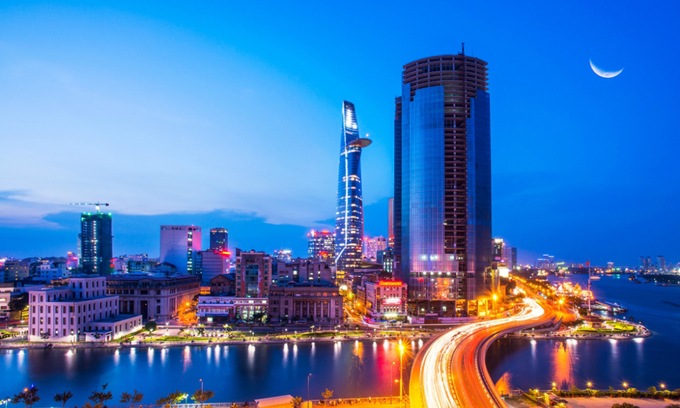
    Saigon retail rents are rising with space in the CBD hitting an average of US$135.50 per square meter in the third quarter, up by 5.8 percent year-on-year.

    According to a report by real-estate company CBRE, the average monthly rents outside the CBD were only US$35.80 per square meter, down 3.7 percent quarter on quarter.

    Saigon is commonly used to refer to the CBD, or District 1, of Ho Chi Minh City, Vietnam’s largest population center.

    As several shopping centers have witnessed renovation and tenant mix revision, abandoned retail space rates increase by 2.5 percent and 8 percent in CBD and non-CBD areas, respectively.

    Ho Chi Minh City has become attractive to many investors and developers as a growing number of international retailers have chosen the city for their Vietnam debut.

    The nation’s retail industry has also been drawing investment from offshore, with recent deals including Japanese apparel company Stripe International buying Vietnamese fashion brand Vascara, and a franchise agreement which will see South Korea’s CU convenience stores open next year. With the evolution of the industry, retail rents in Ho Chi Minh City are expected to continue to increase in the near future.

    The city is predicted to add a further 237,000sqm of new retail space next year, including a new Vincom Megamall project in District 9 but it has yet to be seen how the new supply will impact on Saigon retail rents.

  • Sa Sa in rent discussions with landlords

    Sa Sa in rent discussions with landlords

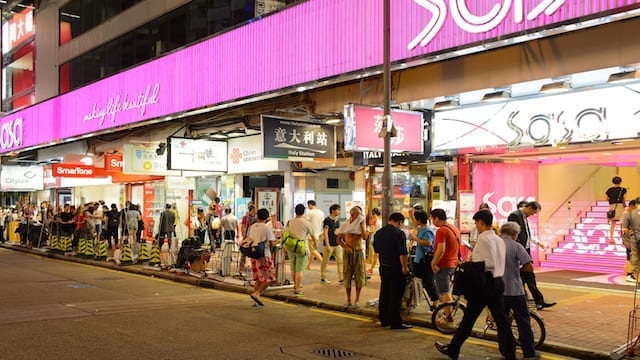
    Hong Kong beauty retailer Sa Sa is in discussion with landlords over rent reductions and will reduce staff as it tries to address falling sales.

    In a profit warning, Sa Sa chairman and CEO Simon Kwok said August was its weakest month, with sales down by 32 per cent in Hong Kong and Macau. That was the month when more than 1000 flights were cancelled after protestors crowded Hong Kong International Airport. Subsequent international publicity led to many inbound travellers cancelling their flights, resulting in 851,000 fewer passengers passing through the airport during August.

    Kwok said the group’s sales performance remained “very weak” in September with turnover from September 1 to 15 down by about 14 per cent month on month, and by 29 per cent on a year-on-year basis.

    Sales in Hong Kong for the five months to August 31 declined by about 15 per cent and in Macau by 17 per cent.

    Kwok said that while the group has sufficient cash on hand to meet current business needs at this point, it was adopting a prudent finance management approach with proactive implementation of a number of cost-control initiatives, including negotiating for rental reduction with landlords.

    Other measures include reducing operational expenses such as staffing and general administration overheads.

    “The group has also been launching more promotional campaigns with attractive discounts to boost sales and lower the inventory level to reduce holding costs and preserve cash,” he said in the profit warning.

    “At the same time, the group continues to review market conditions and close down low-efficiency stores to optimise the store network and adjust product mix and promotion strategies to stimulate sales.”

    The group is preparing to launch a WeChat mini-program to enable frontline salespersons to continuously interact with customers and sell products via the online platform without the need for the customers to visit physical stores.

    In the six months to September last year, Sa Sa reported a profit of HK$202.9 million. This year’s interim results will be released on November 30.

    “The group believes that its agility will retain its core competency, lead the group through this difficult time and lay a solid foundation for the development of new retail model in the future,” Kwok said.

    The protests, now into the 16th week, did not get all the blame for the declining sales.

    “The main reason for the group’s performance decline is the weak sales performance in its core markets in Hong Kong,” he said. “The sales performance was hit by the decline of visitor arrivals from Mainland China to Hong Kong, as well as weaker consumer sentiment, caused by continuous social incidents in Hong Kong, increasing tension of Sino-US trade war and the Renminbi depreciation.”

  • Hong Kong’s retail leasing market easing

    Hong Kong’s retail leasing market easing

    Hong Kong’s retail leasing market is showing signs of slowing in tandem with easing retail sales.

    According to real estate advisor Savills says shopping-mall rents changed little in the second quarter, while prime streetfront retail rents fell by 1.9 per cent.

    Savills does not expect any “big headline deals” in retail rentals during the second half of this year.

    “The market lacks the momentum for active growth with unstable external factors having a powerful effect,” said Nick Bradstreet, MD and head of leasing.

    Hong Kong retail sales are down 1.8 per cent during the first five months of this year. Over a similar time frame, prime shopping street rents fell by 1.2 per cent quarter on quarter, with Central district dropping the most, by 3.8 per cent.

    In the major shopping-mall segment, base rents remained generally steady. This was helped by deals with major food-and-beverage tenancies at the newly opened OP Mall in Tsuen Wan:  Ruby Tuesday taking 5000sqft of space and Hadilao Hotpot 8000sqft at HK$400,000 per month.

    The lull in Hong Kong’s retail leasing market comes at a time shopping-centre landlords and retailers are reviewing their offer to shoppers.

    Savills says new market trends are emerging rapidly in Hong Kong and Southeast Asia: brands are turning to augmented reality (AR) to enhance the customer experience and retailers are thinking of new green initiatives with consumers responding positively.

    “Despite the slowdown in retail figures, we see that new technologies are being adapted to upgrade the customer experience, changing the retail landscape,” said Bradstreet.

    AR examples include an Ikea app which allows users to ‘place’ 3D furniture in their homes to scale, Benefit Cosmetics is encouraging customers to try on different eyebrow shapes before they shape their real ones; and MAC has launched an AR Beauty Try-On campaign.

    On the green front, the use of banana leaves for packaging vegetables and other fresh produce was initiated by Rimping Supermarket in Thailand, and then adapted by major supermarkets in Vietnam and Indonesia (including Big C, Lotte Mart and Bintang). Although still in its testing phase, the idea is being well received by shoppers and retailers have reported a boost in sales for products packaged this way.

    Simon Smith, senior director, research & consultancy at Savills, said trade tensions are hitting businesses across southern China and consumers are spending less on big ticket items as a result.

    “Landlords today seem to be more flexible when renewing existing tenants and are open to reducing rents if necessary.”

  • Indian mall space to grow by 65 million sqft by 2022

    Indian mall space to grow by 65 million sqft by 2022

    India will take on more than 65 million sqft of new mall space by the end of 2022, according to a new report from real estate services firm Anarock.

    The report shows the region’s top seven cities will account for 72 percent of the new mall space, while tier 2 and tier 3 cities will see 18.2 million sqft of new supply. Nearly two-thirds of the planned space (40 million sqft) will hit the market by next year.

    “This new supply is also driven by the increasing interest of institutional investors – including private-equity players – who invested almost US$1.9 billion into Indian retail between 2015 and the first quarter of this year,” said Anarock Retail MD & CEO Anuj Kejriwal. “In fact, more than 60 percent of this investment was infused in the last two years alone, making these the best years for the Indian mall sector in recent times.

    Notwithstanding the decline in deal activity in the second half of last year following the liquidity crisis, the retail segment attracted investments of almost $115 million in just the first quarter of this year.”

    The report also maintains that real estate investment trusts (REITs) can be a viable tool for mall developers to raise funds, but this fund-raising instrument still needs to mature sufficiently. Also, the retail REIT structure and performance may not be directly comparable with the commercial office sector.

    The report also showed the Indian retail industry has moved from long-term leasing to short-term leasing tenures (three to five years) to enable constant updating of the brand mix within the mall. Globally, the standard lease term is still above five years.

  • Luxury restaurant Lawry’s wins significant Rent Reduction

    Luxury restaurant Lawry’s wins significant Rent Reduction

    High-end US restaurant Lawry’s The Prime Rib, will pay 80 per cent less rent for its new location than the previous tenant who vacated the premises three years ago.

    The leased 6500sqft venue is located on the third floor of The Galleria in Central on the corner of Queen’s Road and Ice House Street, with a HK$150,000 (US$19,155) per month rental, or HK$23/sqft.

    News of the rent deal was broken by a local Chinese-language news media outlet and has not been verified. However it appears to suggest the reduction reflects an overpricing of the previous tenant’s deal rather than a true reflection of the decline in retail rents in premium Hong Kong retail strips, especially given the site has been empty for three years.

    The restaurant Lawry’s is considered a heritage dining brand with premium locations in several US cities, as well as a presence via franchisees in Singapore, South Korea, Taiwan and Japan. A point of difference is that food is taken to diners’ tables on silver carts as part of a theatre experience.

  • Peer-to-peer rental marketplace MyRent launched in Singapore

    Peer-to-peer rental marketplace MyRent launched in Singapore

    Singapore’s first peer-to-peer on-demand rental marketplace MyRent has launched.

    The site allows Singaporeans to rent items including photographic and sporting equipment, seasonal apparel and video games. After a beta trial, it already has more than 2000 registered users with 800 active listings.

    “The idea behind MyRent is to allow users to own experiences instead of things,” said

    Ishwar Dhanuka, MyRent co-founder and CEO.

    “We want to decentralize ownership, and create a win-win for both listers and renters — where the former can earn money by renting what they own and rarely use, while the latter can rent a product without actually having to pay the full amount to use it.”

    With MyRent, customers can rent a piece of equipment without any deposit.

    The platform has built its own app, available for both iOS and Android users.

    According to a study jointly published by Google and Temasek, Singapore’s e-commerce market is valued at more than US$1 billion but is projected to soar to $5.4 billion by 2025.

    Peer-to-peer retail platforms have gained popularity in the industry, with platforms such as MyRent shifting focus towards providing consumers with experience versus the traditional ownership of goods.

    After Singapore, MyRent is eyeing expansion into Malaysia by the end of this year. It is also exploring merchant partnerships to help stores rent out unused inventory and ecosystem partnerships – such as in insurance and logistics.

  • Singapore’s First On-Demand Rental Marketplace ‘MyRent’ Launches

    Singapore’s First On-Demand Rental Marketplace ‘MyRent’ Launches

    MyRent, Singapore’s first peer-to-peer on-demand rental marketplace, has formally launched. MyRent allows Singaporeans to rent items including photography and sporting equipment to seasonal apparel and video games. For Singaporean consumers, you can now, for the first time, rent a Canon EOS 550D for as low as S$5 / day; a DJI Spark Drone for S$6 / day; a Nintendo Switch for S$8 / day and Ski Jackets for as low as $5 / day — these are just some of the current listings on MyRent. Meanwhile, Singaporeans can now avail of a safe rental platform and build up a community of sharing with the security of Lender Protection Guarantee.

    MyRent has been developed to address a shift in consumer behaviour, with an increasing number of people opting to rent items and engage in a sharing economy — rather than purchasing products for their own use. Since its soft launch in December 2018, MyRent now has more than 2,000 registered users in Singapore alone, with over 800 active listings.

    Ishwar Dhanuka, CEO and Co-founder of MyRent said: “The idea behind MyRent is to primarily allow users to own experiences instead of things. We want to decentralize ownership, and create a win-win for both listers and renters — where the former can earn money by renting what they own and rarely use, while the latter can rent a product without actually having to pay the full amount to use it. Simply put, why buy something when you can rent it?”

    According to a study jointly published by Google and Temasek, Singapore’s e-commerce market is valued at over US$1 billion. Of this, online shopping comprised 2.1 percent of all retail sales in 2015, but is projected to soar to US$5.4 billion by 2025. Meanwhile, peer-to-peer retail platforms have gained popularity in the industry, with platforms like MyRent shifting focus towards providing consumers with experience versus the traditional ownership of goods. With evolving consumer spending habits and increasing awareness of sustainability, Singaporeans are less likely to purchase seasonal one-off items for a quick getaway or a new hobby. MyRent has a good opportunity to capitalize on the Singapore market, with over 4 million people using e-commerce to purchase products.

    “Imagine being able to get the latest GoPro for all your vacations without being dragged down by huge upfront costs,” said Ishwar. “By purchasing an item, you’re essentially signing a long-term contract for using it. With short-term rentals, you get the flexibility of using the latest technologies and paying only per use!”

    “MyRent is currently the most affordable and efficient platform for me. Before I joined, customers would only come across my website by using search engines, so partnering with this rental platform has afforded me increased exposure,” said Maureen Knight, who rents out winter wear on MyRent.

    Sean Eng, a merchant who uses the rental platform, said: “Before our partnership with MyRent, customers had to pay a deposit to rent one of our GoPros for their holidays — which they were hesitant to do. With MyRent, we’ve now been able to get rid of the deposit requirement, so customers are happier and more than willing to rent with us via this platform.”

    “Tennis rackets usually retail for more than $200, so I worry about losing these items when I rent them out,” said Wayne Ko, who used to rent his items from a consumer marketplace. “I’m glad I switched to MyRent, because with their Lender Protection Guarantee, I know that I’m covered in case something happens to one of my rackets.”

    To be a mobile-first marketplace that gives both listers and renters convenience and on-the-go accessibility, MyRent is focused on being accessible everywhere — either via their web portal, or through a dedicated app that is available for both iOS and Android users. To further add to a seamless experience, MyRent is working on reducing the time it takes to list items on their platform, to less than a minute. It is the brainchild of three co-founders, each with their own experiences of growing and working in a variety of startups, including companies such as Funding Societies, and PropertyGuru.

    MyRent plans to make its peer-to-peer rental platform available in more markets, with a Malaysian release date slated for end-2019. It is also exploring merchant partnerships to help stores rent out unused inventory, and ecosystem partnerships (insurance, logistics sector), and is looking into the possibility of adding a delivery option in the future.



  • Korean GS25 launches shared-bike charging service

    Korean GS25 launches shared-bike charging service

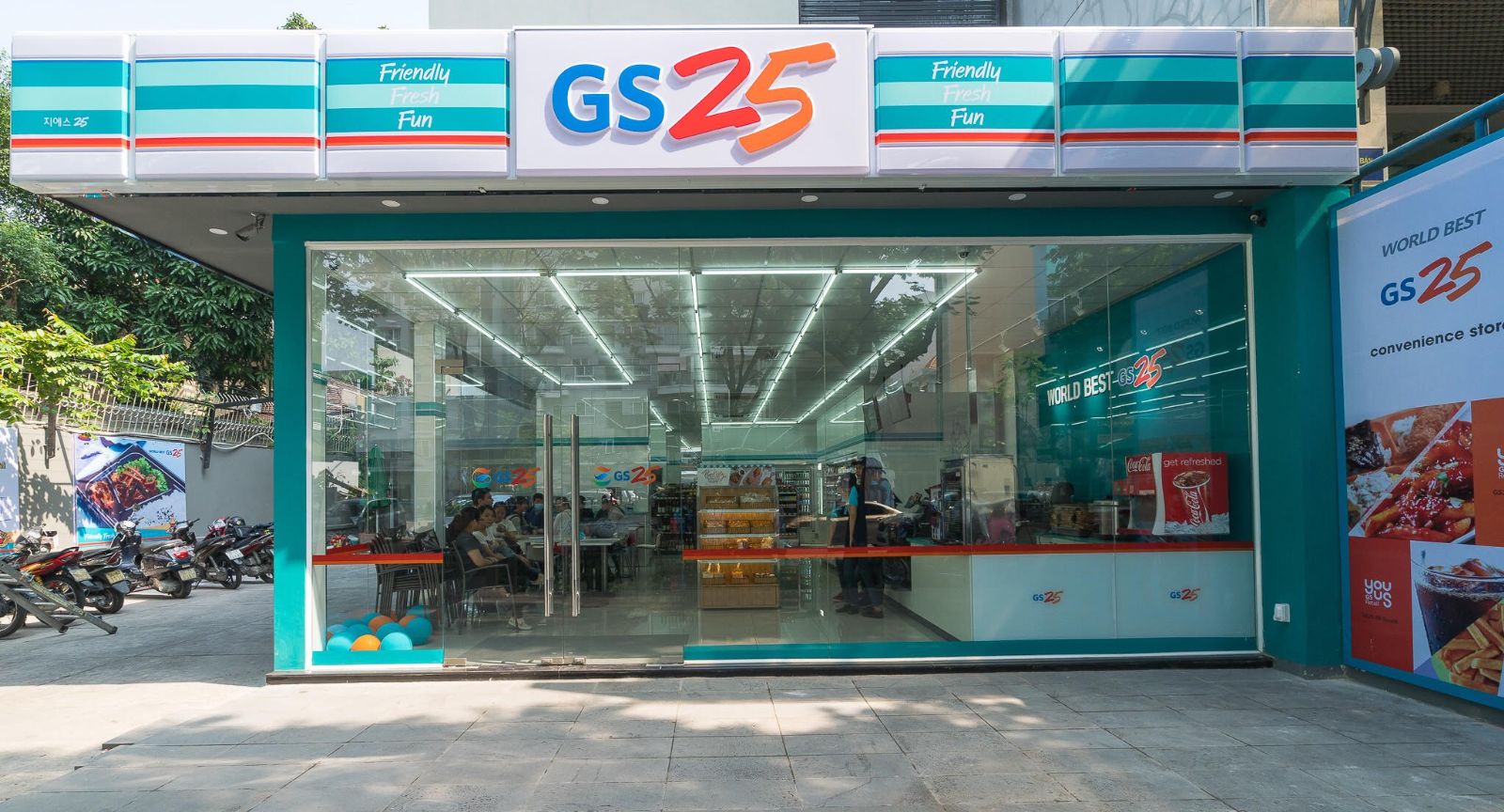
    Starting June, customers of South Korean GS25 convenience stores will be able to charge shared electric bicycles or kickboards.

    GS25 announced on Wednesday that it will set up an electric bicycle and kickboard charging service facility at its stores in partnership with the shared micro-mobility integrated platform “GoGoSing.”

    Under the terms of the deal, GoGoSing will operate 800 shared electric kickboards and shared electric bikes in Gangnam District in Seoul and Pangyo in Gyeonggi Province, while GS25 will set up charging facilities at stores in nearby areas.

    Customers will be able to use an electric kickboard and return it to a nearby GS25 store, and if they need to charge their device, they will also be able to exchange or charge batteries at the stores.

    GS25 expects that this will help convenience stores to move away from their focus on simply selling products and serve as a hub for charging various shared devices, as well as attracting new customers.

    GS Retail has introduced charging facilities for electric vehicles at 45 locales at present, and will offer delivery services for convenience store products since starting from April, in tandem with the delivery application Yogiyo.

  • Rent reductions causes Bonjour Holdings a big loss

    Rent reductions causes Bonjour Holdings a big loss

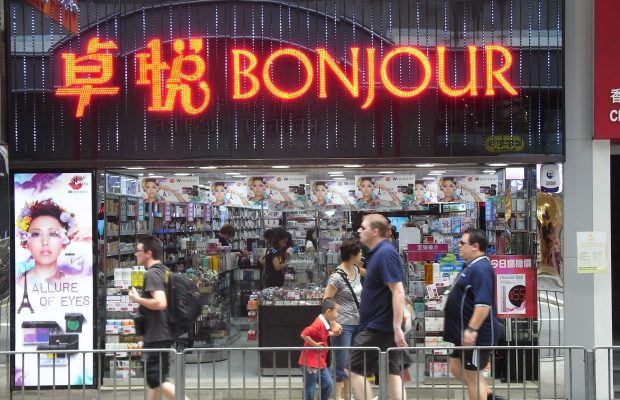
    Bonjour Holdings sales fell 7.3 per cent last year as the health and beauty products retailer reorganised its store network.

    The company reported a loss attributable to shareholders of HK$39.6 million (US$5 million), which was a significant improvement on the previous year’s loss of $202.3 million.

    Same-store sales crept up 0.8 per cent, albeit that is a slower rate than the 2.3 per cent of 2017.

    The Hong Kong-listed group finished the year with 39 stores in Hong Kong, Macau and Guangzhou, a reduction of just one. But during the year it relocated some stores and negotiated more favourable rental deals from its landlords on others. That strategy saw rent, as a proportion of turnover, fall from 19.1 per cent in 2017 to 15.5 per cent last year, the total rent bill down from $368.8 million to $277.6 million.

    “Although the high-street shop rents started to raise slightly last year due to the recovery of the retail sector in the first half, the group has adopted an optimistic cautious strategic planning in its store network in response to the market changes,” the company said in its results announcement.

    “Stores were deliberately chosen at both tourists shopping hotspots and community districts or residential areas with high population density to cater to both tourists and local communities’ needs which also helped the group to increase the market penetration.”

    Tourist demographics change

    The structural change to the mix of mainland tourists during the last few years has impacted on the average ticket size at Bonjour Holdings’ stores. An increasing number of arrivals are now coming from lower-tier cities with less spending power. In addition, the weak RMB and uncertain economic environment dampened the attractiveness of Hong Kong goods to mainland shoppers that they became more cautious in their spending, the company said.

    Bonjour Holdings said pressure on profitability remained last year, despite the group increasing its profit margin by 0.3 per cent.

    E-commerce expansion

    One bright point in Bonjour Holdings’ results was the increase in online sales, up 9 per cent year on year.

    As well as upgrading its own online store, Bonjour has opened flagships on e-commerce platforms Tmall Global, Kaola and Xiahongshu to increase brand visibility, provide customers with more information on products, and launch timely promotions.

    “E-commerce keeps growing and social media continues to play a bigger role,” the company said in its results filing.

    “The group put more effort into digital media by distributing promotional videos on Facebook and Weibo pages and regularly launched online promotional activities and special events, including “Double Eleven”.

  • Google offers Android users one 99-cent movie rental service

    Google offers Android users one 99-cent movie rental service

    Haven’t seen Lady Gaga and Bradley Cooper yet in A Star is Born? Google will let you rent it for only 99 cents from the Google Play Store. Android users are receiving a notification today about a special offer allowing them to pick one movie to rent from the Google Play Store library for 99 cents (+ Tax). The offer expires on April 21st. Once an Android user takes Google up on the deal, he or she will have 30 days to finish viewing the film selected. The video rented will play in the highest quality for the device being used to view it (4K, HD or SD).

    Typically, a movie like A Star is Born will cost $5.99 to rent in 4K, so Google is offering a good deal here, even though it is limited to one rental. Most likely Google is trying to get Android users to rent a film in the hope that the experience is so enjoyable, they decide to repeat it a number of times, paying full price, of course.

    There are plenty of movies available to rent for 99 cents (+ Tax). You might want to consider one of these:

    • Mary Poppins Returns
    • Aquaman
    • Fantastic Beasts: The Crimes of Grindelwald
    • Bohemian Rhapsody
    • Get Out
    • Ralph Breaks the Internet

    Remember, you only get one shot at a 99 cent rental, so choose wisely. Watch for the notification on your Android phone, or open the Google Play Store app on your device and tap on the Movies & TV heading.

  • Canon Australia launches Renting Service for cameras

    Canon Australia launches Renting Service for cameras

    A picture may be worth a thousand words, but in terms of actual dollars, it could be worth many times that, once you consider the cost of all but the most entry-level DSLR cameras, lenses and other accessories. But now, a hefty price tag need not be an obstacle for budding photographers, thanks to a new sharing platform launched by Canon Australia on Tuesday. The platform, called Kyōyū, the Japanese word for “share”, aims to be the Airbnb for Canon cameras and accessories. Camera owners can use it to rent out their gear and get a return on their investment, and would-be owners can use it to borrow or try out items without needing to buy them outright.

    “At Canon, we believe in constantly innovating to create the ultimate user experience,” Jason McLean, Canon Australia’s director of consumer imaging, said in a statement.

    “We don’t want ownership to be the only reason to experience our goods and services,” he said.

    The platform was created in partnership with design agency, The Diner, and has been in the works for over a year.

    According to McLean, Kyōyū is an extension of the brand’s long-held goal of building a community of passionate photographers, which saw it launch the Canon Collective in 2013 to bring like-minded people together for workshops and other events, and open its first experience centre in Melbourne in 2018.

    “For years, we’ve been looking at our brand and how can we do more with the products people buy. We created Canon Collective and opened the experience centre for that reason, and this is the next evolution of that,” he said. 

    The concept is currently exclusive to Australia, but McLean said it could be rolled out in other markets if it proves successful.

    More than 230 members have already signed up to the platform, primarily across Sydney, Melbourne and Brisbane, and the company aims to have 1500 registered users by the end of 2019.

    Canon charges a small fee on each transaction to cover the cost of managing the platform and providing up to $15,000 of insurance on every rental.

    “One of the greatest concerns we heard through our early research was what happens if something goes wrong, if something accidentally gets damaged, or stolen,” McLean said.

    Canon has taken this same “test and learn” approach to its other offerings, such as the experience centre that opened in Melbourne last year.

    “It’s hitting the mark,” McLean said about the store, a 320sqm space where customers can touch and feel Canon’s product range without having to ask store staff to take them out of a locked cabinet.

    “Customers love the staff, they love that staff are not pushy. What we’re working on now is building awareness. It’s the best kept secret in Melbourne,” he said.

    Canon Australia will continue testing the offering in Melbourne for another six or so months before deciding whether to launch experience centres in other capital cities around Australia.

    Meanwhile, the Canon Collective has taken on a life of its own. According to McLean, nearly 50,000 people are part of a closed Facebook group, where they share advice and support one another, without needing much moderation or guidance from Canon itself.

  • Hanoi office rental yield highest globally

    Hanoi office rental yield highest globally

    Hanoi offered the highest grade A office rental yield in the world last year — 8.57 percent, a Savills report said. This was the third straight year the Vietnamese capital ranked top, according to the British property consultancy, which used data from the second half of 2018.

    Hanoi recorded a 3 percent year-on-year increase in average gross rent in the last quarter of 2018 and a steady occupancy rate of 95 percent.

    Philippine capital Manila, Australia’s Adelaide, Vietnam’s Ho Chi Minh City, and Australia’s Perth round out the global top five.

    HCMC, the previous runner-up, dropped to fourth place with a yield of 7.36 percent.

    HCMC has been performing outstandingly in the last five years, with average rents growing at 8 percent a year and a very high occupancy rate of 97 percent.

    “The fact that Hanoi and HCMC are among markets that offer the highest yields globally shows healthy rent and occupancy prospects for the two cities,” Hoang Nguyet Minh, investment manager at Savills Hanoi, said.

    The two Vietnamese cities have been enormous interest from international investors, particularly Singaporeans, Japanese and Koreans, Minh said.

    In the 12 months since the second half of 2017, office space attracted the largest global investment — $340 billion, according to Savills.

  • The most expensive place to rent an office in the world

    The most expensive place to rent an office in the world

    Central, Hong Kong’s frenetic business and retail heart, crammed with skyscrapers, swanky malls and luxury hotels, is the most expensive district for renting office around the world. Although the office rent in Hong Kong’s Central district is already the world’s most expensive, and there are more and more companies moving out of the city centre to cheaper locations, prices are likely to remain sky high, or even higher.

    Hong Kong is the key financial centre in Asia, and Central is still the most important financial district in the city. Thus, the office rent in Central district is predicted to increase continuously.

    According to Raymond Chow, the Executive Director for Commercial Property at Hongkong Land, Central’s largest office landlord, “Central is still the home to the city’s most influential institutions, such as the Securities and Futures Commission, The Stock Exchange of Hong Kong and Hong Kong Monetary Authority, the connectivity of Central remains a magnet for leading players” he added,  “It is in a way that other districts cannot compare.”

    In June 2018, Central was ranked the most expensive office location in the world for the third year by global commercial real estate firm CBRE, thanks to the strong demand from mainland tenants, who would like to expand their business outside China and seeking Grade A office space.

    Office space in Central now costs USD $306 per square foot, 30 per cent higher than the second highest area, London’s West End, at US$235 per square foot.

    Of the top 10 most expensive premium rental locations, six were in Asia, including Shenzhen, Beijing, Tokyo, and Delhi.