Tag: Restaurant

  • Pezzo Pizza debuts in Brunei

    Pezzo Pizza debuts in Brunei

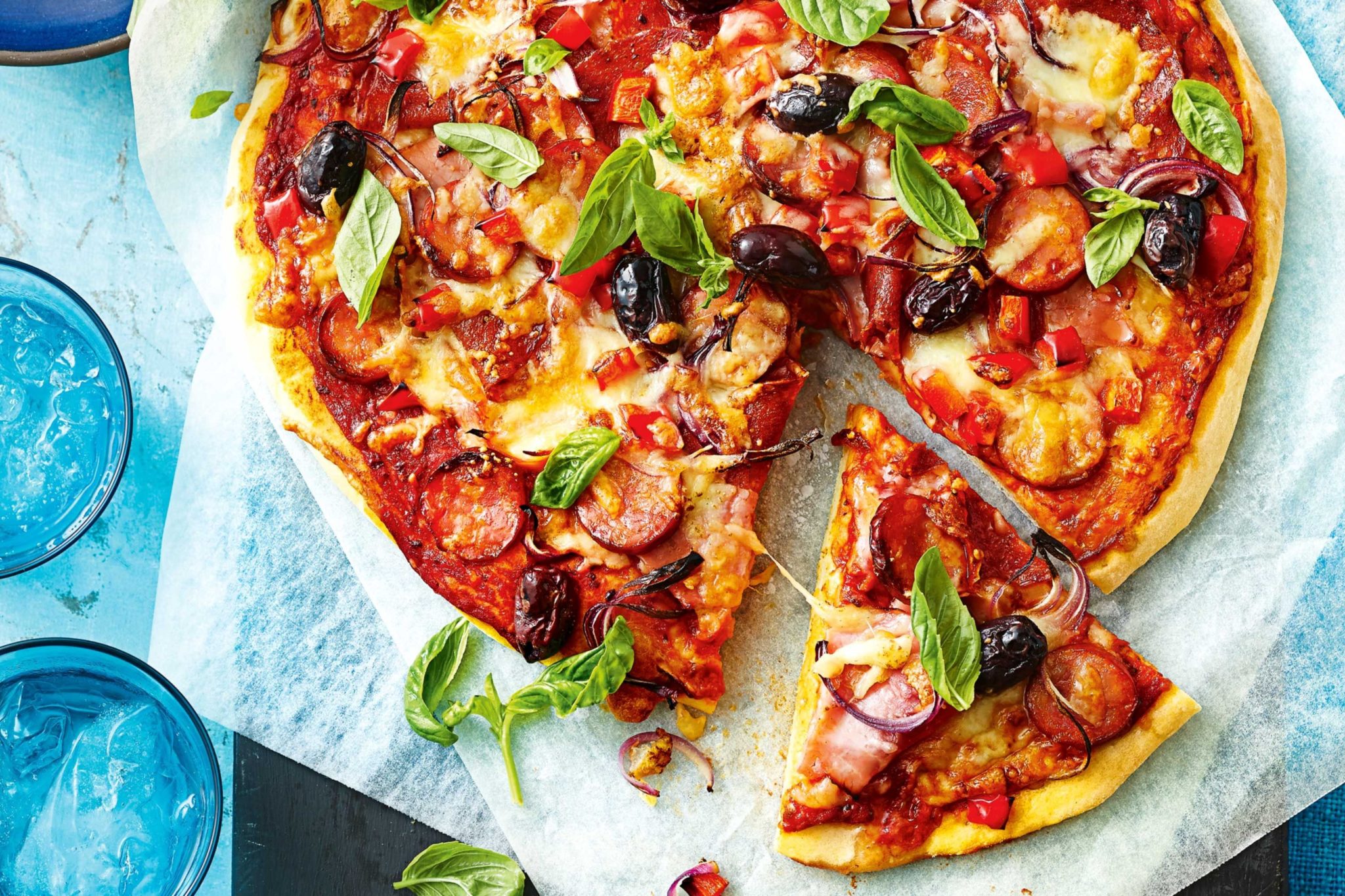
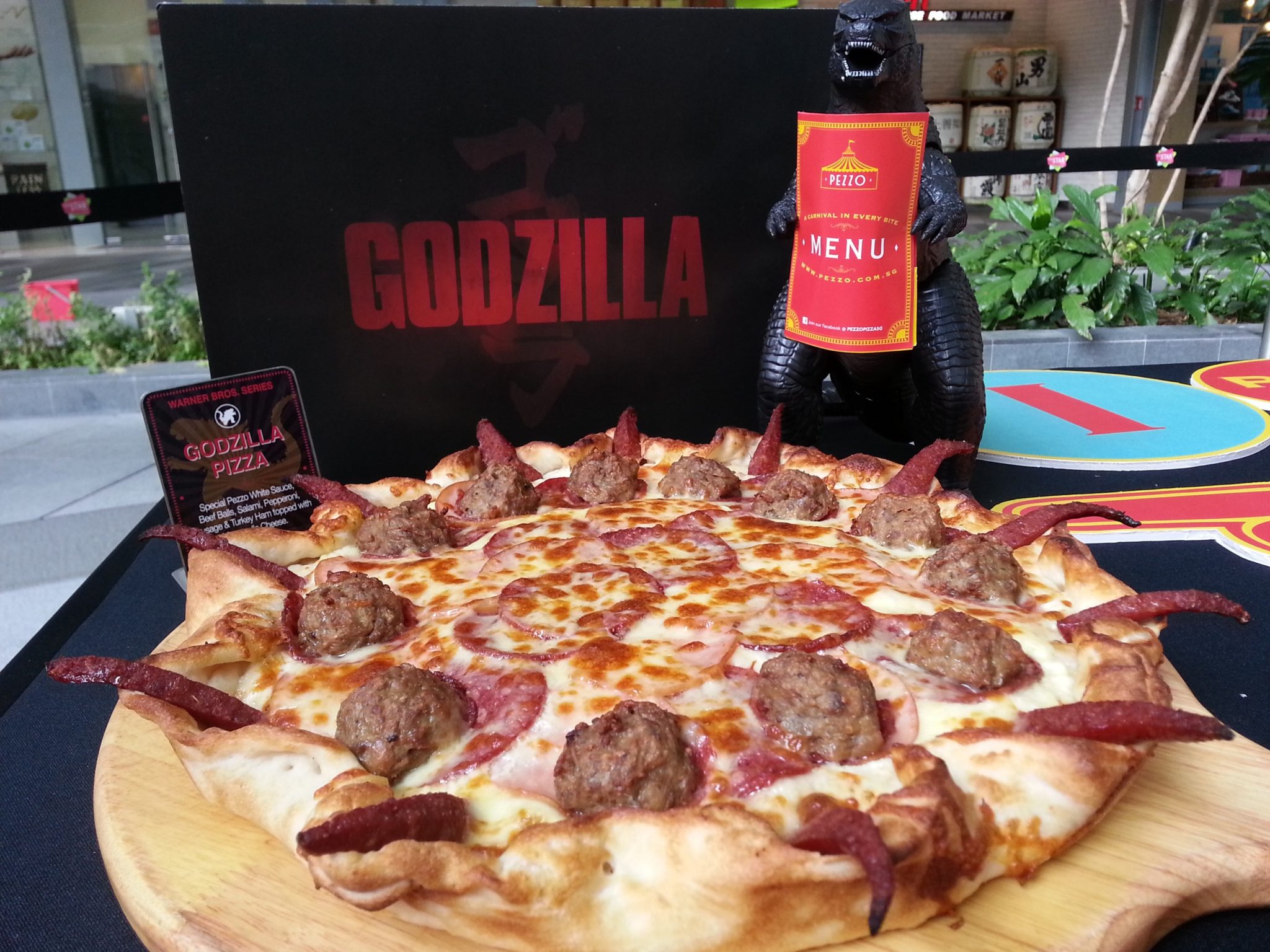
    International pizza franchise Pezzo has launched in Brunei Darussalam. The brand, operating under Satami Group of Companies, features a “Grab & Go” kiosk serving pizza by the slice for immediate purchase, and a “mix and match” pizza purchase option, whereby customers can collate their own pizza out of 12 different flavours. The brand stakes its reputation on generous toppings with shredded mozzarella cheese.

    Pezzo, best-known for its circus-themed design, is exclusively using ingredients certified under the Brunei Halal procedure in the store.

    In May of this year, Pezzo launched in Cambodia. The company now boasts more than 120 kiosk outlets, mainly in China, Indonesia, Malaysia, Myanmar, Philippines, Singapore and Thailand.

  • BreadTalk to open 1st Din Tai Fung restaurant in London by end-2018

    BreadTalk to open 1st Din Tai Fung restaurant in London by end-2018

    Taiwanese dumpling chain Din Tai Fung has opened in Covent Garden, London. The new 8000sqft Din Tai Fung London eatery is the franchise’s 153rd globally, and is the first of at least two outlets planned for the city. A second store is planned for Centre Point next year.

    The Din Tai Fung London store has been launched by Taster Food UK in partnership with Singapore-based BreadTalk Group.

    BreadTalk Group CEO Henry Chu said: “The group will leverage on our experience of operating Din Tai Fung in Singapore and Thailand, and the strength of our overseas partners to continue the tradition of delivering an authentic Taiwanese dining experience to Londoners.”

    Brand founder and chairman George Quek commented that there is potential to open 20 Din Tai Fung outlets in Britain, serving as a starting point for further expansion into Europe.

    Din Tai Fung has already opened in Australia, China, Hong Kong, Indonesia, Japan, Malaysia, Philippines, South Korea, the US and the UAE. It was recognised by the New York Times in 1993 as one of the world’s top 10 restaurants.

  • Japan Foods in regional tie-up with Minor Singapore

    Japan Foods in regional tie-up with Minor Singapore

    Japan Foods has entered a joint venture with Minor Singapore to support each other’s operations in Japan, Thailand and China. Japan Foods is to operate the partners’ Thai restaurants in Japan and support Japanese cuisine operations. Minor Singapore will meanwhile run Japanese outlets in Thailand and China, supporting the preparation of Thai cuisine.
    The JV is being funded by a combined shareholder loan of $2.3 million to be disbursed equally for working capital. Japan Foods will fund its half of the loan with internal cash resources.

    Japan Foods executive chairman and CEO Takahashi Kenichi said he believes the expanded network will “make us more attractive as a franchise partner to Japanese brand owners who may be looking to expand beyond their local market”.

    Minor Singapore executive chairman and CEO Dellen Soh said the partnering firms “share many synergies, including strong brand portfolios and good operating track records”.

  • 4FINGERS takes full ownership of Mex Out

    4FINGERS takes full ownership of Mex Out

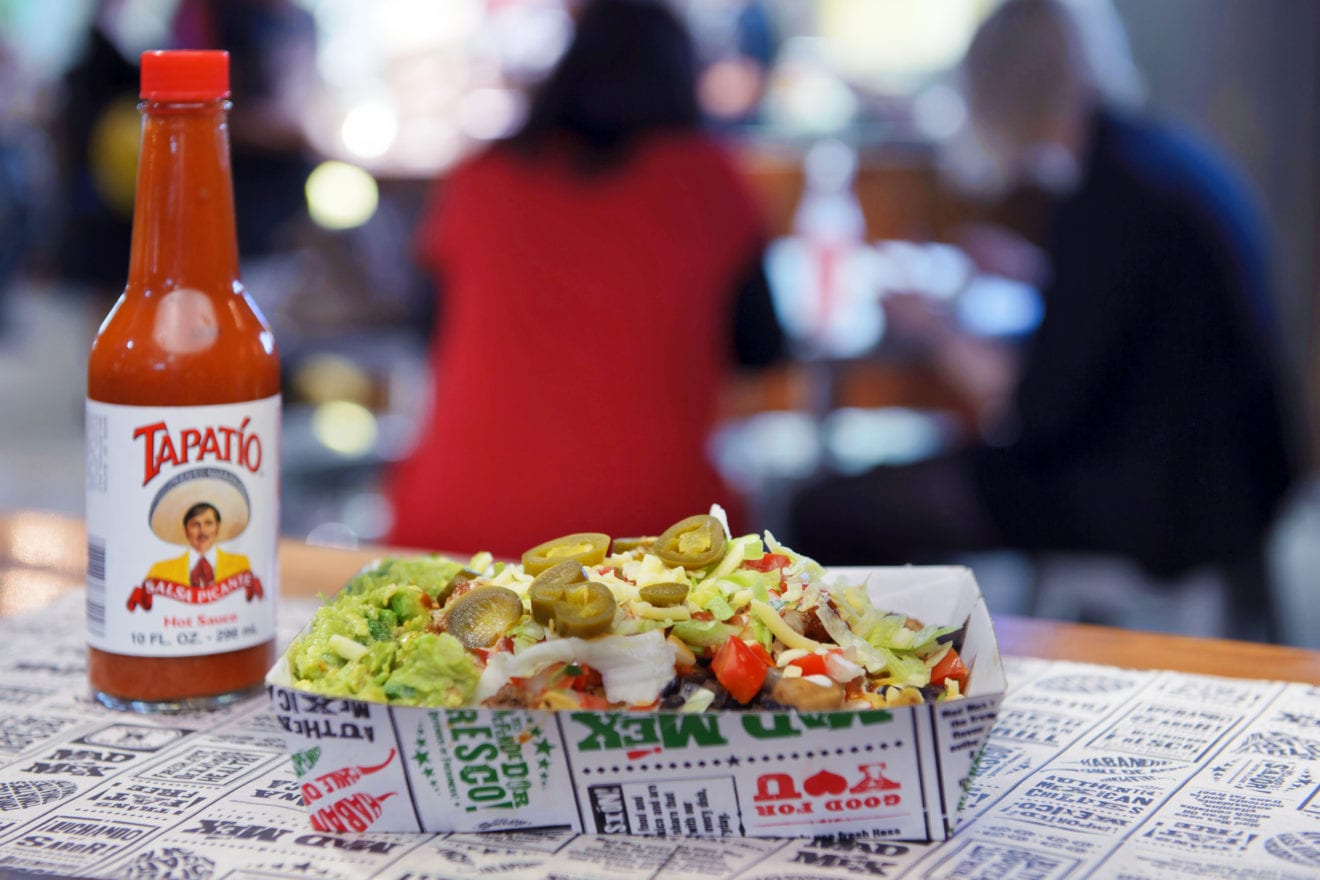
    4FINGERS Group, the group behind innovative fast-casual dining brand 4FINGERS,  announced its acquisition of Mex Out, one of Singapore’s leading Mexican food concepts. This acquisition is part of the group’s plan to accelerate Mad Mex’s roll out in Singapore, following its recent acquisition of a 50% stake in the leading Australian Mexican quick-service restaurant (QSR) brand.

    4FINGERS Group intends to re-brand the four Mex Out outlets into Mad Mex establishments from the first quarter of 2019, making Mad Mex one of the largest Mexican food and beverage concepts in Singapore by revenue.

    Until then, Mex Out will continue regular operations.

    This buyout continues the Group’s push into the growing fresh and healthy segment in the F&B industry and its commitment to bring Mad Mex to Southeast Asia.

    “We are excited to be able to so quickly establish Mad Mex’s presence in Singapore, and are entering an exciting new phase. With Mad Mex’s strong brand and proven track record, we are very confident of its growth in the region,” said Vijay Sethu, Director of 4FINGERS.

    This acquisition also enables the Group to further capitalise on menu innovation, shared services and other economies of scale.

    4FINGERS continues to grow their flagship brand, and with the current focus on growth outside of Singapore, the brand looks to close the year with 14 4FINGERS outlets in Malaysia.

    The brand is also continuing to spread its wings beyond Asia, with their maiden U.S. outlet set to open in Los Angeles in 2019, as well as three new outlets in Australia.

  • The Healthy Chef partners with Quantium Solutions to expand into APAC

    The Healthy Chef partners with Quantium Solutions to expand into APAC

    Quantium Solutions, a leading end-to-end logistics service provider in Australia, has announced a partnership with The Healthy Chef, a company founded by internationally lauded chef, nutritionist and award-winning cookbook author Teresa Cutter. The partnership will help the Australian business expand its eCommerce presence in the Asia Pacific, and it is also the first in the Australian food industry for Quantium Solutions.

    Owned by Singapore Post, Quantium Solutions is an established eCommerce logistics solutions provider in the Asia Pacific, operating in 19 markets, and handling every touch point of their partners’ supply chain process, from delivery to fulfilment. It enables major eCommerce companies – including some of the world’s largest fashion and beauty brands, and now, the Australian food industry – to expand their footprint globally.

    Founder of The Healthy Chef, Teresa Cutter is one of Australia’s leading authorities on healthy cooking. She is also known internationally, having designed menus and recipes around the world for InterContinental Hotels Group, and publishing a weekly column for Time Magazine in the USA. Dedicated to improving the health of individuals, Teresa launched The Healthy Chef eCommerce site in 2012 to sell organic, wholefood nutritional products and her bestselling cookbooks to Australians and overseas customers. Since its launch, the eCommerce store has seen consistent year-on-year growth in its online orders.

    The Healthy Chef enlisted Quantium Solutions to help the business take its popular products, such as Whey Protein Isolate and Organic Pea Protein, to more customers overseas. Quantium Solutions will handle its warehousing, packaging and delivery of orders across Australia, New Zealand and around the world.

    Teresa Cutter, Founder of The Healthy Chef, said: “Our customers are our priority, so it’s important that they receive their order quickly and effectively. With Quantium Solutions an order can now take two to three days to reach our customers in the Asia Pacific. If there are any issues with deliveries, we can count on someone there to rectify the situation immediately. Having Quantium Solutions as part of our team is reassuring and enables us to expand with outstanding service.”

    Per Gustafsson, Australia and New Zealand General Manager at Quantium Solutions, said: “We are very excited to have The Healthy Chef onboard as they are our first customer from the food industry. Having worked with major hotels around the world, Teresa has insights to the demands and buying power of overseas destinations. Also, Australia’s proximity to leading eCommerce markets like China, Singapore, and Southeast Asia, makes it ideal for Australian brands to take their products to larger and more lucrative markets. With a well-established network across the Asia Pacific, Quantium Solutions is able to help brands like The Healthy Chef expand overseas.”

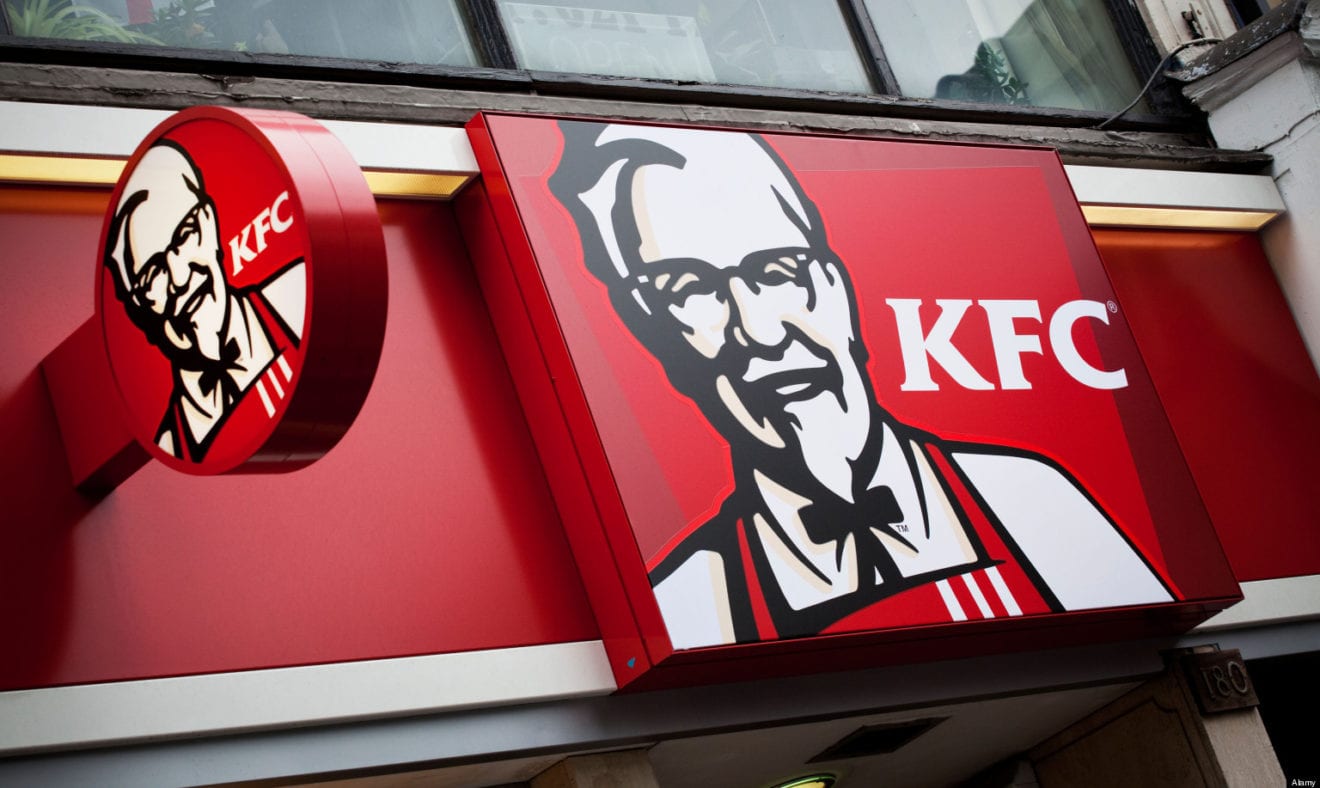
  • KFC Thailand benefits from transforming franchise model

    KFC Thailand benefits from transforming franchise model

    Fast-food restaurant chain KFC Thailand is on track to achieve double digit year-end sales growth since transforming itself into a 100-per-cent franchised model, exceeding business expectations.The largest restaurant chain in Thailand is also set to accomplish a record high of 75 new outlet openings this year, 39 per cent above target and pushing the total number of outlets in Thailand past 700, including 65 drive-through branches.

    GM for KFC, Yum Restaurants International (Thailand) Waewkanee Assoratgoon said Yum Thailand has successfully transformed itself into a 100-per cent franchisor business in only one year.

    “Our organisation is now in a good shape with an effective structure so that we can expect the most efficiency within the entire business operation.”

    KFC Thailand franchise operator Yrit secured the No 1 position and top-of-mind QSR brand as surveyed by Thai business magazinesMarketeer and Brandage, as well as picking up awards for social media penetration.

    Thailand is KFC’s eighth largest international market.

  • Troubled Mr. Pizza heads for Kosdaq delisting

    Troubled Mr. Pizza heads for Kosdaq delisting

    Troubled pizza company MP Group may soon be delisted from the Kosdaq after nine years on the exchange. Korea Exchange announced Monday that a committee on corporate evaluation agreed to delist the company, which operates pizza franchise Mr. Pizza, from the secondary board. Another committee, which is specifically responsible for Kosdaq listings, will reach a final decision by Dec. 24 on whether to delist MP Group or grant it time to its improve performance.

    Chances are high that the MP Group will face delisting by the end of this month. The company had already been given 12 months last October to address issues of concern, but was unable to turn its finances around.

    MP Group recorded 11.14 billion won ($10.07 million) in net losses last year, according to the Financial Supervisory Service (FSS). The situation only improved somewhat this year, with the company reporting 1.04 billion won of net losses in the first three quarters of 2018.

    At the height of its popularity, Mr. Pizza was Korea’s largest pizza chain, with around 433 franchisees in 2014. Though the Mr. Pizza brand started off in Japan, it was in Korea where it became a huge success, riding a wave in the domestic pizza market.

    Jung Woo-hyun, a former chairman, introduced the first Mr. Pizza store in Korea in 1990 and eventually bought the Japanese parent in 1996. By August 2009, MP Group was listed on the Kosdaq.

    The pizza company’s affairs took a dramatic turn for the worse in 2016 when Jung made headlines for a series of alleged offenses, ranging from the physical assault of a security guard to fair-trade violations.

    As accusations continued to surface of Jung and the MP Group’s gapjil, or abuse of power, consumers turned their backs on the franchise. The reaction took a toll on MP Group’s profits, and the number of Mr. Pizza stores quickly dropped.

    The biggest blow came last July when Jung was arrested for embezzlement and breach of trust.

  • October retail sales tide in Hong Kong turns up

    October retail sales tide in Hong Kong turns up

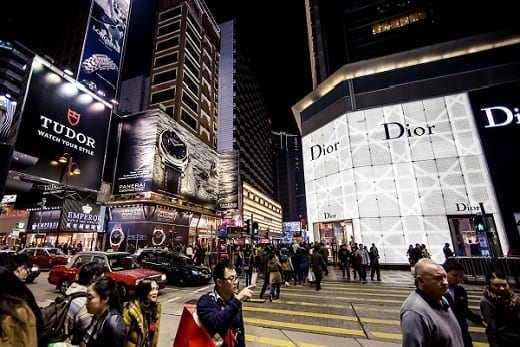
    October retail sales in Hong Kong rose by 5.9 per cent year on year, more than double the pace of September, which was affected by Typhoon Mangkhut. A government spokesman indicated that growth in retail sales picked up somewhat in October after a deceleration in the preceding month, supported by the faster increase in visitor arrivals and continued income growth.

    The Census and Statistics Department (C&SD) estimated the total value of October Hong Kong retail sales at HK$39.7 billion.

    After netting out the effect of price changes over the same period, the volume of October retail sales in Hong Kong increased by 5.2 per cent.

    C&SD’s revised estimate of the growth in the value of retail sales in September was unchanged at 2.4 per cent, the lowest figure year to date.

    For the first 10 months of this year retail sales rose by 10.6 per cent year on year, while the volume (netting out inflation) rose by 9.1 per cent.

    The spokesman strong inbound tourism and favourable job and income conditions should continue to support the retail sector in the near term.

    “Yet, consumer sentiment could increasingly be affected by the external uncertainties and weaker asset markets.”

    By broad type of retail outlet (in descending order of the category’s impact on the overall figure) sales of jewellery, watches and valuable gifts increased by 3.3 per cent in October. This was followed by electrical goods and other consumer durable goods, not elsewhere classified (up 16.1 per cent); commodities in department stores (up 3.5 per cent); apparel (up 2.3 per cent); medicines and cosmetics (up14.9 per cent); other consumer goods, not elsewhere classified (up 12.7 per cent); motor vehicles and parts (up 13.6 per cent); fuels (up 10.3per cent); footwear and accessories (up 9.3 per cent); books, newspapers, stationery and gifts (up 5.8 per cent); furniture (up 0.8 per cent); Chinese drugs and herbs (up 0.6 per cent); and optical shops (up 3.2per cent).

    The only categories to record a decline in sales were commodities in supermarkets, down 0.9 per cent, and food, alcoholic drinks and tobacco, down 2 per cent.

  • Rivalry heats up in Vietnam’s food delivery market

    Rivalry heats up in Vietnam’s food delivery market

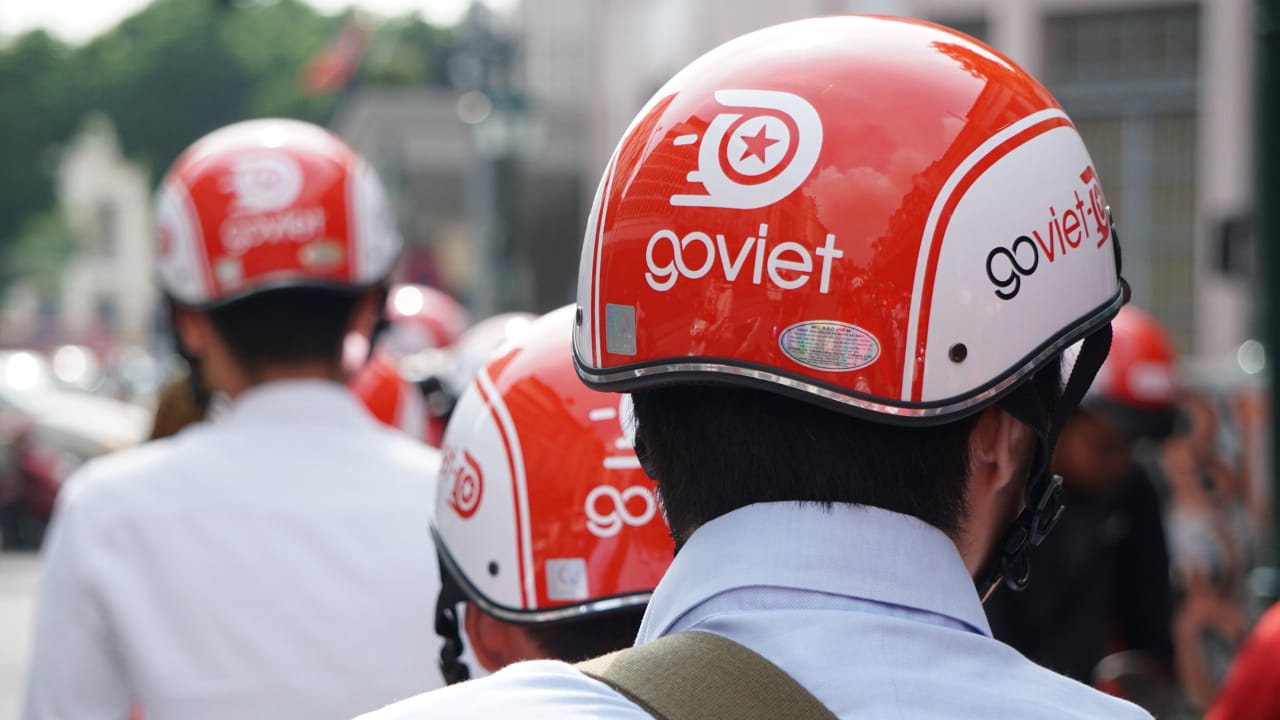
    Last week, a sea of red filled the inside of a milk tea shop in Ho Chi Minh City instead of regular young customers usually found in such places. GoViet drivers were queuing up to purchase food ordered by customers over its online delivery app Go Food, which was running a 50-percent discount program along with free delivery within 5 kilometers.

    The very next morning, the shop was filled with green shirts of Grab drivers. Grab had launched a free delivery promotion for the first 999 cups of milk tea ordered.

    Gradually, the green shirt – red shirt war is becoming visible on the streets.

    Despite being new entrants in the online food delivery market, both Go Viet and Grab are using various measures to attract and capture customer habits. Everyday, these two tech companies spend big on promotions across a wide range of food and drinks.

    They are also recruiting stars from the entertainment industry to endorse their service.

    From the get go, Go Viet had announced a partnership with singer Son Tung M-TP, who broke the record of Asia’s most viewed music video in 24 hours last May, as the company’s brand ambassador.

    Similarly, Grab’s start-studded ads feature diva My Tam, goalkeeper Bui Tien Dung and striker Nguyen Quang Hai of the national football team.

    While having large financial and technological capabilities, both Grab and Go Viet face many challenges after entering the market later than competitors like Delivery Now by Foody, Vietnammm, and Lala, which are apps well known to many customers.

    Delivery Now offers a wider range of food on its menu than Grab and Go Viet, had has a dense network of partners from large restaurants to small pavement stalls, industry insiders say.

    Delivery Now is a product of Foody Corporation, a Vietnamese food service startup that was acquired by Singapore-based internet firm Sea LTD last year; Vietnammm.com is a subsidiary of Takeaway.com, one of the world’s largest online food ordering websites based in the Netherlands; and Lala is invested by Ho Chi Minh City-based Scommerce Group, an information technology and services firm.

    Many experts believe that the race for market share between Go Viet and Grab will resemble that of Grab and Uber when they first entered Vietnam.

    Both Grab and Go Viet are aspiring to become super apps, for which food delivery is an indispensable keystone. In addition to attracting users with incentives and advertising, the two companies are spending a lot of money on reward policies to incentive drivers and expand their network of partner restaurants.

    Grab Vietnam CEO Jerry Lim claimed GrabFood’s growth has been very impressive, with the number of its contractors increasing eight-fold in just a month of testing in Hanoi. GrabFood was released in the city early last month, after a period of testing.

    In Vietnam, Grab is reaching delivery speeds of under 25 minutes and aims for a further reduction to 20 minutes per order, the fastest in regional markets.

    Grab Food is available in both Hanoi and Ho Chi Minh City, while Go Food is only present in the latter.

    Go Viet, however, remains confident that it will meet the needs of customers, aiming to partner up with thousands more restaurants nationwide in casual dining, fast food or luxury dining.

    “Food delivery and e-wallets are promising market segments,” GO Viet CEO Nguyen Vu Duc said after a few months of competing against Grab.

    However, these delivery apps also have certain limitations. For some items on their menu, drivers have to pay up front when ordering for customers in non-partner restaurants.

    Not all drivers are happy to buy food this way as waiting is time consuming, they have to make advance payments and risk the customer not accepting delivery.

    Do Xuan Quang, deputy head of Vietnam Logistics Business Association, said Vietnam was the fastest growing e-commerce market in Southeast Asia, and along with the strong growth of the logistics industry at 15-20 percent, a similar movement in the delivery market was not surprising.

    In 5-10 years, the delivery market in Vietnam will be valued at around $10 billion, he said.

    U.K.-based market research firm EuroMonitor International values the food delivery market in Vietnam at around $33 million this year and at more than $38 million in 2020. It also puts the annual growth rate of the market at 11 percent.
  • BBQ, hotpot dining blooms in Vietnam

    BBQ, hotpot dining blooms in Vietnam

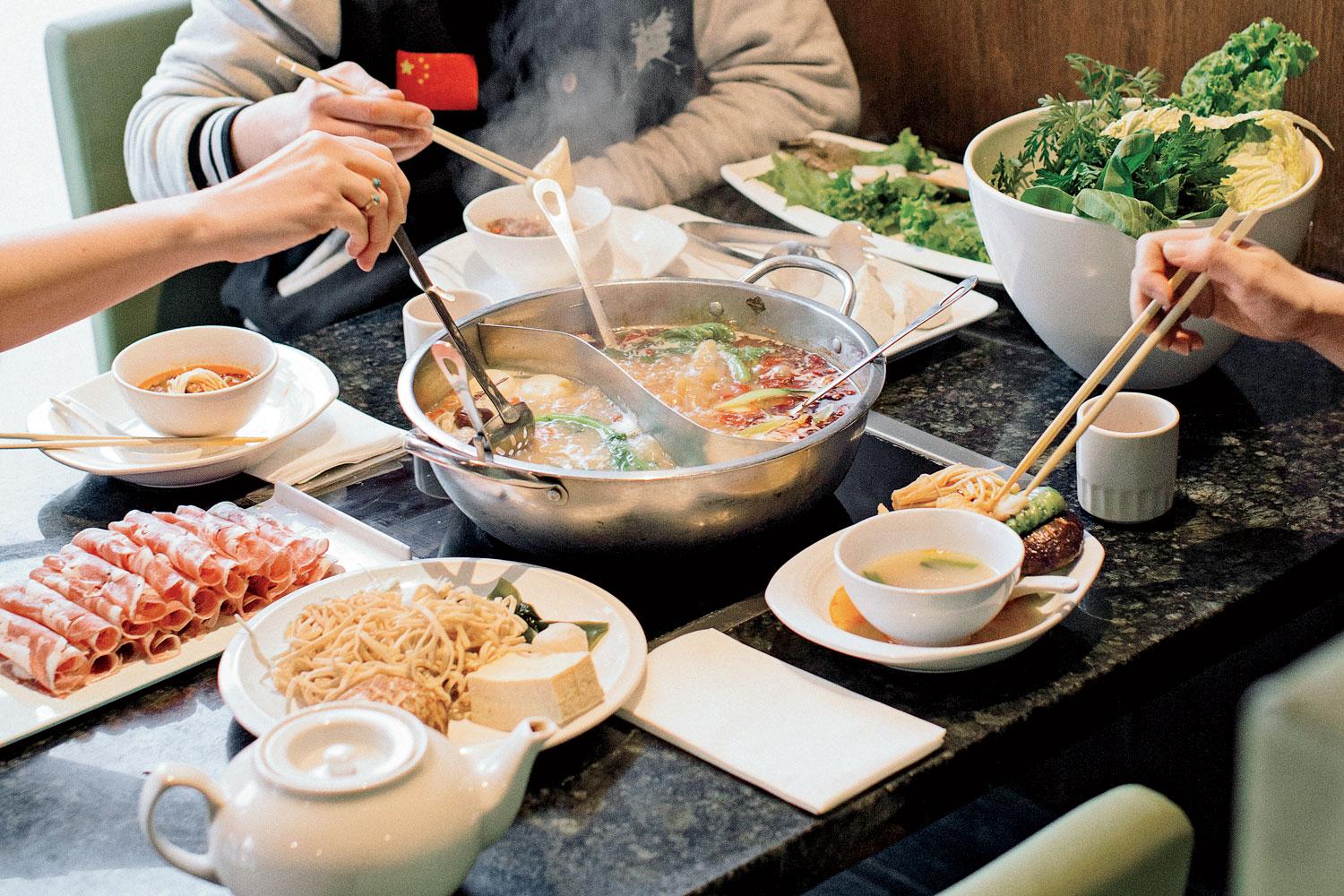
    Among non-Vietnamese cuisine channels, BBQ and hotpot are leading eating out options, and establishments offering these are growing bigger. From last year’s fourth quarter to this year’s third quarter, these two segments have posted the strongest growth in terms of diners’ visits – 46 percent for BBQ and 37 percent for hotpot, according to data compiled by HCMC-based market research firm Decision Lab.

    In terms of international cuisines, Japanese food and other Asian food grew the strongest in terms of diners’ visits – 49 percent and 23 percent respectively.

    The firm tracked all food and drink consumed out of home on a daily basis with an annual sample size of 15,000 completed interviews, and respondents were Vietnamese consumers aged above 15, who also reported on consumption by children (under 15 years) present when eating out.

    According to the survey, which covered the out-of-home eating and drinking market in Hanoi, Ho Chi Minh City and Da Nang, Vietnam’s three biggest cities since April 2016, the drivers of consumer choice for these cuisines may differ, but all hint at Vietnamese’s underlying expectations toward a dining destination.

    They choose BBQ places for celebration, quality of food and friendly service, and prefer hotpots because it is good for socializing, is suitable for celebrating special occasions, and provides a clean environment.

    Such customer preference has helped these service providers to register robust growth.

    For Vietnamese dining out in big cities, especially Hanoi and HCMC, Kichi-kichi, Gogihouse, SumoBBQ, ThaiExpress, Seoul Garden, KingBBQ and Hotpot Story are no strange names.

    Run by two Vietnamese operators Golden Gate Restaurant Group and Red Sun ITI Corporation, these are among most popular grill and hotpot restaurant brands in the country.

    Le Vu Minh, vice president of franchising, research and development and international relations for Redsun ITI said back in September that the company has maintained annual growth rates between 40 and 60 percent since 2015.

    The company increased its charter capital to VND150 billion ($6.6 million) from VND70 billion ($3.1 million) early this year.

    Redsun aims at setting up 400 restaurants in the next three years, half of them franchisees.

    Golden Gate’s revenues hit topped VND3.3 trillion ($142 million) last year, up 30 percent over 2016 and seven times that of 2013.

    Its pre-tax profit stayed at over VND250 billion ($10.75 million), while the company has a charter capital of VND64 billion ($2.73 million) last year.

    This year, it has targeted VND4.4 trillion ($190 billion) in revenue and VND326 billion ($13.93 million) in pre-tax profits and raising the number of outlets from 227 to 316.

    Vietnamese spend more than a third of their income on food and beverages, topping education and utilities, according to market research firm Vietnam Report.

  • Plum food delivery to cut entire staff

    Plum food delivery to cut entire staff

    Food delivery startup Plum has laid off its entire staff, casting doubt on its continued operations in Singapore and its home market of Hong Kong. According to a report, Plum co-founder Desmond Clinton Cheung, who is also the company’s GM, said full-time contracts for all 110 workers, including his own, had been terminated. The company is creating a new structure which would give staff who wish to remain with the company an equity ownership.

    “In the past, they were salaried staff and they would become shareholders,” he said.

    Plum was founded in Hong Kong a year ago and Cheung said it may have grown “a bit fast”.

    Efforts to reduce losses, including laying off 40 staff several months ago, had not worked and Cheung said he believed the new company structure offered an opportunity for the company to continue trading on a more sustainable basis.

  • Brewhouse Ice Tea secures US$ 2 mn loan

    Brewhouse Ice Tea secures US$ 2 mn loan

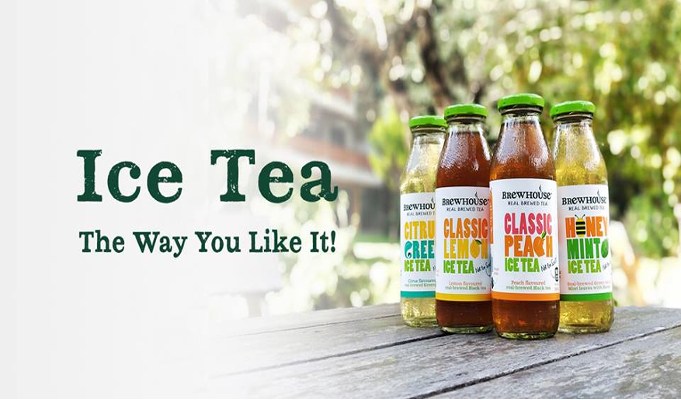
    Bottled ice tea brand Brewhouse Ice Tea Monday said it has secured US$ 2 million loan from Singapore-based FMCG firm Food Empire Group to expand its footprint and product offerings. Food Empire Group had previously invested US$ 6,00,000 in Positive Food Ventures in November 2017. Positive Food Venture Pvt Ltd, maker of bottled ice tea brand Brewhouse, has secured a loan of US$ 2 million from Food Empire Holdings, the company said in a statement.

    “Currently, we are present at over 2,000 points of sale in major cities and are expanding our operation pan India. We plan to invest the loan amount from Food Empire Group towards expanding our reach to 10,000 points of sale in 2020 and to introduce newer and interesting variants,” Siddharth Jain, Founder, Brewhouse Ice Tea said.

    The brand started operations in Delhi in May 2017 and at present has presence in over 10 cities, including Delhi, Chennai, Bangalore, Mumbai, Pune, Kolkata, Hyderabad, Jaipur, Chandigarh, Lucknow and are retailing with over 300 restaurant and cafe partners.

  • Jumbo Seafood sales boosted by Thailand, China

    Jumbo Seafood sales boosted by Thailand, China

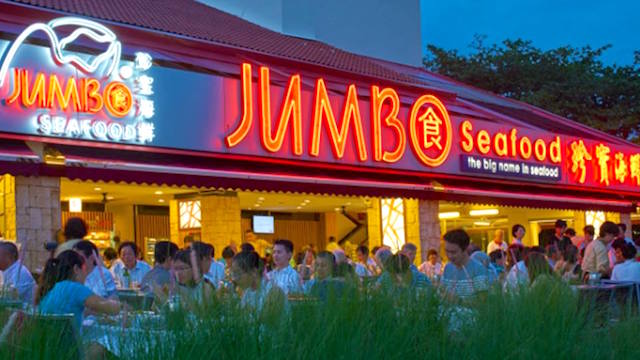
    Singapore-headquartered multi-dining concept food and beverage operator Jumbo Seafood has opened its first franchised seafood restaurant in Bangkok. The 9500sqft venue is the group’s fifth franchised location worldwide, with other outlets established in Fuzhou, Ho Chi Minh City, Taipei and Taichung. There are now 16 Jumbo seafood restaurants across Asia. The new Bangkok restaurant is operated by C J Seafood Co under a 10 year term at the IconSiam mega-development complex.

    Jumbo’s CEO and executive director Ang Kiam Meng said: “Having a presence in Bangkok allows us to bring our signature Singapore heritage cuisine to yet another Asian destination.”

    Jumbo released its unaudited end-of-year financial report at the end of September, showing an increase in revenue by 5.5 per cent compared to last year’s results. Revenue from operations in Singapore increased by SG$2.1 million (US$1.53 million) over the period, a figure dwarfed by the group’s $5.8 million ($4.2 million) increase out of Mainland China.

    Jumbo’s reported gross profit hit $96 million ($69.9 million) this financial year, up 4.4 per cent from $91.9 million ($66.9 million) in last year. Profit attributable to owners of the company, however, decreased by 23.8 per cent ($3.5 million/$2.55 million) to $11 million ($8 million) this year.

  • Five Guys and Shake Shack go head to head in Central HK

    Five Guys and Shake Shack go head to head in Central HK

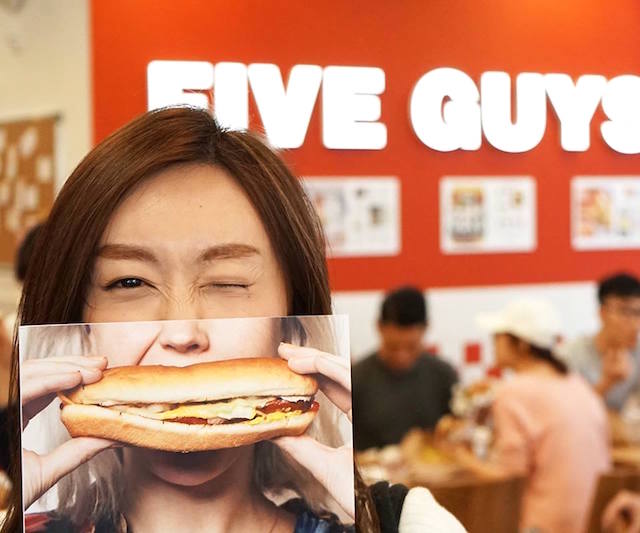
    American burger franchises Five Guys and Shake Shack have opened new stores in Hong Kong this week. Launching on Johnston Road in Wan Chai this week, in premises formerly home to Tommy Bahama, Five Guys is known for its made-to-order beef burgers, creamy shakes and thick-cut Cajun fries.

    The move is part of an aggressive global expansion plan for the US fast-food chain. Founded in 1986 in Virginia, Five Guys first expanded outside the US in 2003 and now has almost 1500 outlets worldwide, in the US, Canada, UK, Europe and the Middle East.

    The company says it has another 1500 outlets under development as the brand has built “a cult-like following around the world”.

    New York’s Shake Shack opened at the Pacific Place Admiralty yesterday to queues of more than 200 fans and local residents. The first 200 people in line were awarded Shake Shack tote bags in celebration of the launch. It’s the chain’s second store, the first located at IFC mall.

    Shake Shack is a modern day “roadside” burger stand known for its Angus beef burgers, chicken sandwiches and flat-top Vienna beef dogs. The franchise also serves craft beer and wine. It was brought to Hong Kong by Maxim’s Group.

    Shake Shack originally opened in 2004 in Madison Square Park, and has since expanded to more than 180 locations in the US and more than 70 international locations.

  • Uno Chicago Bar & Grill to opens stores in India

    Uno Chicago Bar & Grill to opens stores in India

    Ambuja Neotia Group’s hospitality vertical has recently introduced globally recognized American casual dining chain, Uno Chicago Bar & Grill in India through franchise route. The first outlet has opened at Gardens Galleria Mall, Noida.

    Harshavardhan Neotia, Chairman of the Ambuja Neotia Group says, “We feel that the Indian consumer is a well-travelled consumer who has an acquired taste to world cuisine. The Indian market is yet untapped with immense potential and it is an exciting time to enter India.”

    “As an authentic American Bar & Grill concept, the brand is positioned to be a smart casual dining restaurant in India, where people can enjoy a truly American cuisine paired with crafted drinks and entertainment with live performances. Anchored by vibrant culinary heritage, strong craft culture in food and beverages and deeply mindful of wellness, Uno is bringing Deep Dish and New Americana to India. As an ‘Eat-ertainment’ driven casual dining space, it is inclusive and welcoming for all generations – millennial, the young-at-heart and kid. The restaurants will operate as a family style full service restaurant,” he adds.

    Each restaurant in India, which will spread across 2,500-3,000 square feet with the interiors same as of any other Uno Pizzeria & Grill restaurant in the US, will be opened with an approximate capex of Rs 4-5 crore.

    “This year, the brand is opening outlets in region of NCR, Kolkata and Bengaluru. The group has signed a franchise agreement with the food chain to open about 70 outlets across the country over the next seven years spreading across Tier I and II cities,” states Neotia.

    The brand is planning to open 12-15 outlets in the next 3 years with estimated investments upwards of Rs 60 crore.

    Tracing Brands’ History

    Uno Chicago Bar & Grill’s entry in India also coincides with its 75 years of successful global operations. Globally, the brand is recognized for its fun and welcoming Chicago inspired environment. The dining experience is relaxed, casual and family friendly as the brand places great emphasis on hospitality and service. The brand is synonymous with pizza but the menu extends to pastas, grills, salads, burgers, sandwiches and special curated menus. The chain also gives special emphasis to bar and alcohol offerings.

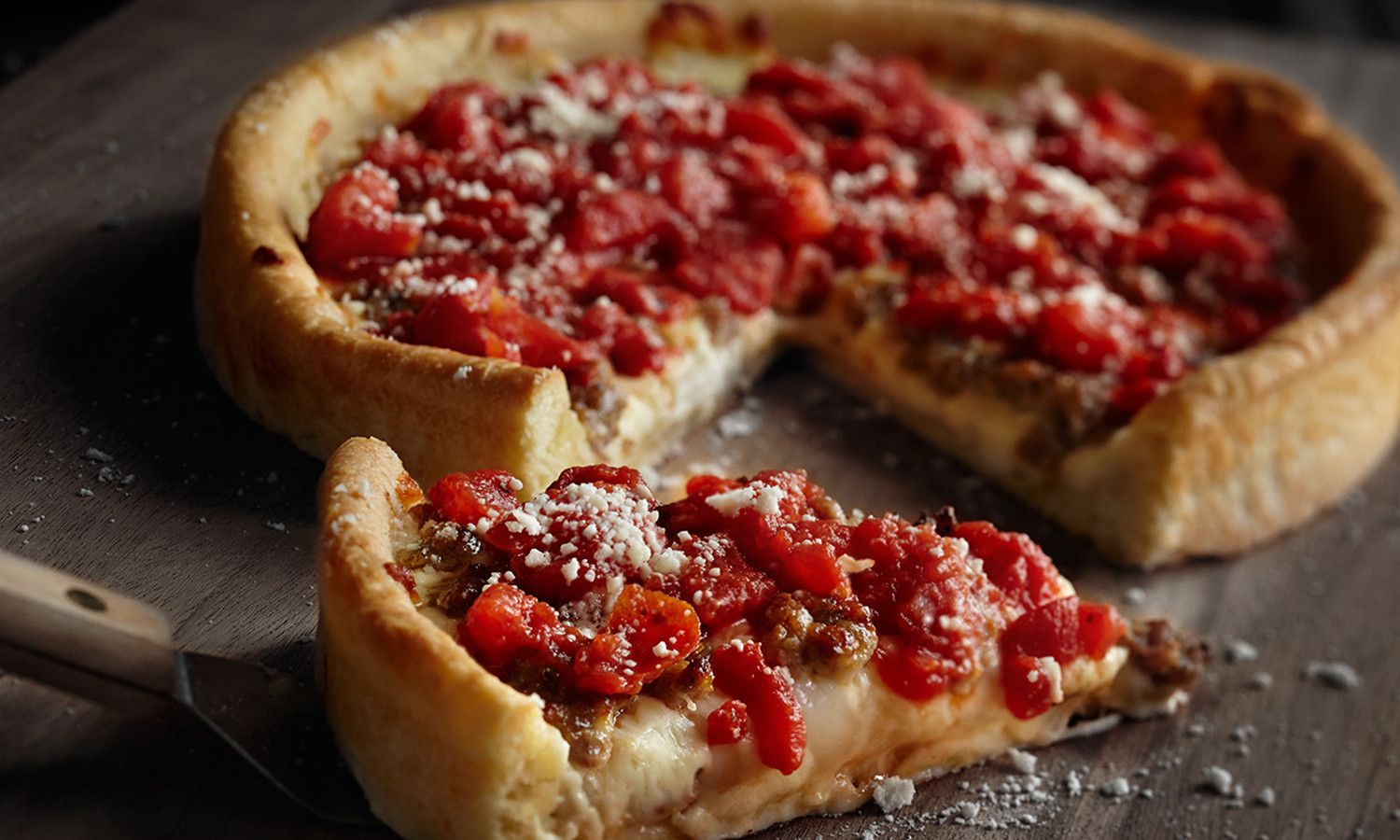
    Famous for inventing Deep Dish Pizza in 1943, Uno’s mission is to deliver big, bold flavors, rich, rewarding experiences and unbelievably delicious pizza and a range of other delectable menu creations.

    According to Neotia, “The UNO story began in Chicago in 1943 when Ike Sewell developed deep-dish pizza and opened a new type of restaurant at the corner of Ohio and Wabash. It was here that Ike served a pizza unlike any that had been served before. He figured that if some of Italy’s old, authentic recipes with impressive quantities of the finest meats, fresh cheeses, ripe vegetables and flavourful spices is combined with pizza, it could become a hearty meal. That was the start of an American tradition – the Chicago Deep Dish Pizza. Today, 75 years later, UNO continues to be undisputed creators of original Deep Dish Pizza, bringing its legacy to India.”

    The Boston, Massachusetts-based brand has 110 company-owned and franchised restaurants located in 21 states of the US. Apart from this, the brand has international presence through franchise outlets in the District of Columbia, the United Arab Emirates, Honduras and Saudi Arabia.