Tag: Restaurant

  • Robots start serving Korea’s customers

    Robots start serving Korea’s customers

    On the 31st floor of Lotte World Tower in Jamsil, southern Seoul, a polar bear-shaped robot is reading customers’ palms instead of their credit cards to take their payments.

    The robot can also answer simple questions and make different 3D faces, depending on the conversation topic. If a customer complains about stress, Veny offers up a helpful suggestion: “There’s nothing like spicy food to beat stress. Why don’t you try the Hot Chicken Flavor Ramen and sprinkle cheese on top?” It throws out jokes, too, though they aren’t always winners: “A king that parks? Park-ing.”

    Veny is one of many robots introduced at local brick-and-mortar retailers in August. Companies have recently been trying to add new automated technologies, like expanded electronic kiosks, to their stores. Several major retailers upped their game last month by introducing humanoid robots in hopes of building closer connections with customers than other machines could provide.

    On Wednesday, the second-generation humanoid Pepper robot starting working at discount chain Emart’s Seongsu branch in eastern Seoul. It works three times a day for one and a half hours each shift at the store’s imported food section.

    Developed by Japan’s SoftBank Robotics, Pepper is equipped with software from Emart to help it serve consumers at the discount store. This was the second launch after the discount chain introduced an early version of Pepper in May. Although identical in appearance, the new Pepper can move by itself and is more outgoing.

    With its sensors and camera, the humanoid robot is on the lookout for consumers to offer assistance. “Sir, I can help you. Wait for me,” it says after spotting a customer. Pepper uses its screen to show items, escorts consumers to them, suggests the best sauce for dinner and waves goodbye.

    Emart explained in a statement that it chose the imported food section as the test-bed for Pepper because it has many products that local shoppers are unfamiliar with. Unlike the mobile Pepper, Veny sits still on top of the cashier desk. The robot has a monitor on its belly through which consumers can pay at 7-Eleven.

    Veny accepts credit cards, but its real trick is reading palms with its electronic paw. After registering your credit card information and doing a palm scan at a kiosk in front of the store, Veny will automatically retrieve payments from your account after you place your hand on his left paw. The service is currently limited to Lotte Card holders.

    Veny’s cashier function is not very different from what existed before at the two 7-Eleven Signature branches, which were the first unmanned convenience stores in Korea when they opened in May last year. A major point the company focused on with Veny was charm.

    The robot can recognize the face of past customers if they permit it to and can also talk about over 1,000 scenarios, including the fictional story of how he traveled to Korea all the way from the North Pole.

    A pioneer in the restaurant business is delivery app Baedal Minjok’s Dilly Plate robot, which was developed by Bear Robotics. For two weeks starting from Aug. 6, the server robot had its first local test-run at a Pizza Hut restaurant in Mok-dong, western Seoul. Dilly Plate looks like a high stool with a round top just about the right size to hold a pizza pan. It can safely carry up to 22 kilograms (49 pounds) at once.

    “The response was better than we expected,” said a Baedal Minjok spokesman who visited the branch several times during the test period. “One thing I noticed was that people got used to seeing Dilly running on the floor quite quickly. After one or two trials, servers seemed more comfortable working efficiently with the robot. Consumers were interested at first, and they quickly got accustomed to Dilly serving plates.”

    Another robot experiment in the food sector is local coffee franchise Dal.Komm Coffee’s b;eat – an unmanned take-out coffee stand. A robot serves drinks behind glass windows.

    B;eat has around 20 branches across Seoul. It takes orders through a mobile app or a kiosk beside the machine from seven iced or hot menu options, ranging from Americanos to cappuccinos. A coffee machine from the Swiss company Thermoplan makes the espresso-based beverages. B;eat’s robot arm moves plastic cups around to pour ice and coffee and delivers drinks to customers. It takes around three or four minutes to receive a drink after ordering it.

    “B:eat runs 24 hours a day, so it works best at places like airports, terminals or public spaces like libraries and universities,” said Dal.Komm Coffee in a statement. After its launch in January, B;eat has also proved to be popular at office buildings.

    While some people are intrigued seeing robots do human tasks, many also fear that this may be the start of robots pushing out the human workforce. Some local media outlets reported that the increased interest in robots in the retail industry is in line with the increased burden on companies due to the minimum wage hike.

    Retail companies say otherwise. They say their ongoing automation efforts are aimed at enhancing service while leaving tedious, repetitive work to robots and offer an entertainment factor get customers into brick-and-mortar stores.

    “An internal survey we did on store staff a few years ago showed that more than 60 percent of their work was taking care of payments,” said a 7-Eleven spokesman. “There are many more tasks that if done properly can lead to increased profits, such as placing orders, cleaning, arranging the shelves and stock management, and these can only be done by people, not robots … even for our unmanned stores, we need people to offer help on the new systems. It’s unlikely that technology will ever completely replace people at brick-and-mortar stores.”

    The global market for reception robots was estimated at $1.4 billion last year. This is expected to reach $11.8 billion by 2025. Robot experts point out that Korea is still in its infancy in terms of service robots.

    “The local robot industry is centered on industrial robots,” said a 2017 report from the Institute for Information and Communications Technology Promotion. “There are a few companies that develop robots for education or cleaning, but it is hard to find any in other service sectors.”

    “Regarding reception and emotional robots, in particular, Korea has very few companies that have technology in the sector comparable to Japan and China, whose governments are supporting the market’s growth.”
  • Fully automated restaurant boom in China

    Fully automated restaurant boom in China

    A Japanese Twitter user has sparked an online debate over video footage of a fully-automated Chinese restaurant.

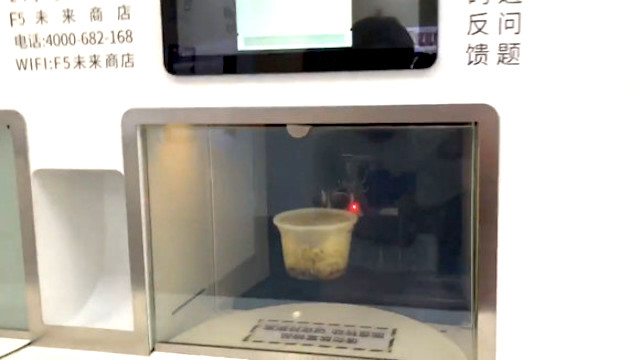
    The coverage of the unnamed (and apparently unstaffed) venue in Chinese Shenzhen showed a diner choosing a noodle dish from a touch-screen menu, paying for the meal electronically, receiving it from a robot arm, and dining on a table that automatically retracts to receive waste.

    Japanese netizens were quick to express concerns at the concept of dining over a hidden trash can – not only in terms of hygiene and smell, but also for the potential of losing keys or a mobile phone, and as to whether the trash would be properly separated for recycling.

    A report called the restaurant a sign of the impending robot apocalypse, and wondered if the restaurant bill was a contribution to an electronic uprising to usurp humanity.

  • Fatburger and Buffalo’s Express expanding Restaurants in Indonesia

    Fatburger and Buffalo’s Express expanding Restaurants in Indonesia

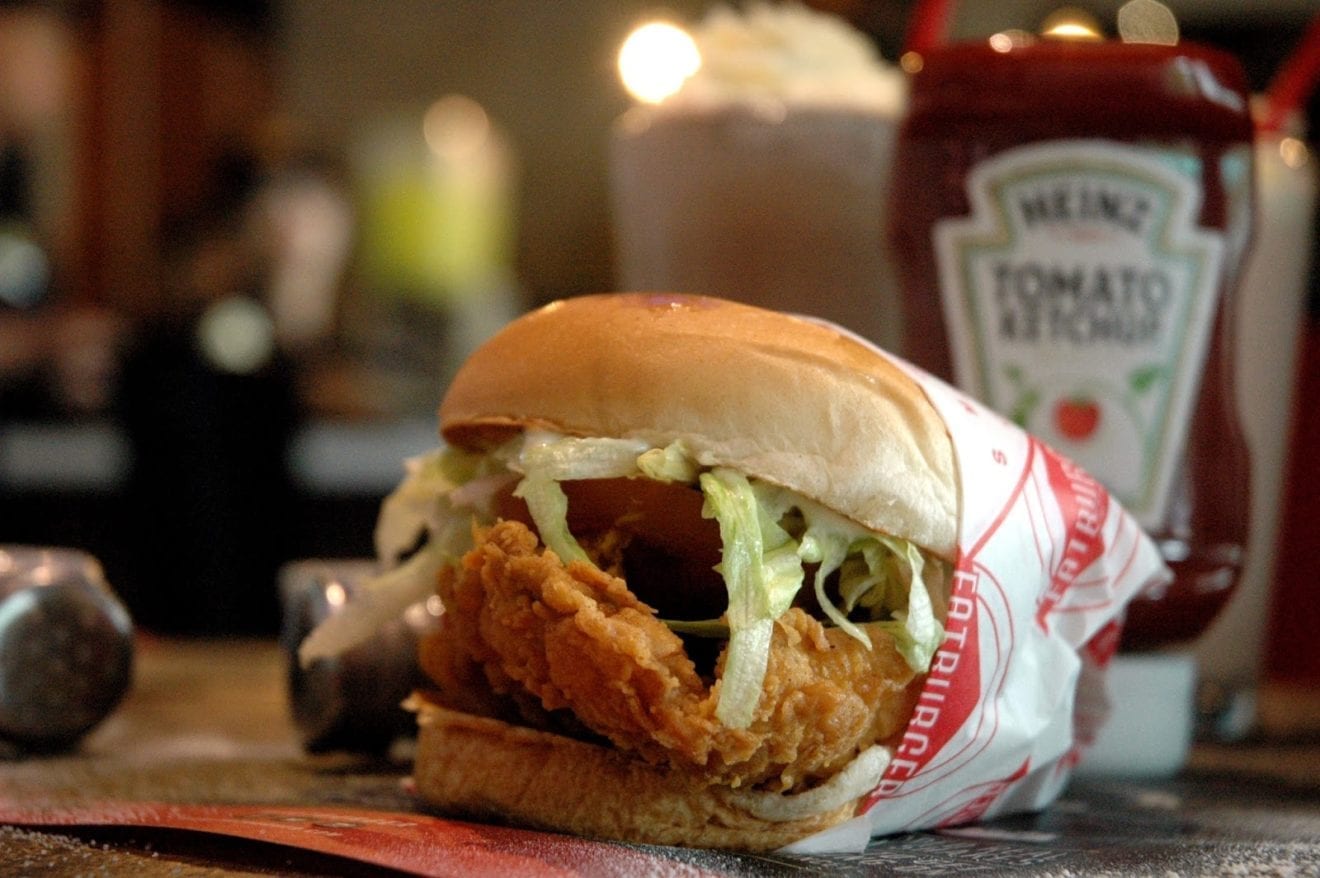
    Fat Brands will open five more outlets of co-branded restaurant chain Fatburger and Buffalo’s Express in Indonesia.

    Set to open in Bali and Jakarta, the co-branded chain will be operated by Fat Brands’ local partner Global Food Indonesia.

    “We’ve loved every aspect of growing in the Indonesia marketplace. Fatburger and Buffalo’s Express are thriving members of their respective communities, and we can only continue to grow on this strong foundation,” said Andy Wiederhorn, CEO of Fat Brands.

    The Hollywood burger chain and sister wing brand are best known for their juicy, made-to-order burgers and wings.

    The brands have more than 200 locations in 32 different countries with recent openings in Southern California, Canada, and Japan.

    More restaurants will open in the near future.

  • KFC Singapore finally Drops Plastic Straws in Restaurants

    KFC Singapore finally Drops Plastic Straws in Restaurants

    KFC Singapore is jettisoning plastic straws and drink-cup lids in its restaurants in a sustainability initiative it says will cut 17.9 tonnes of single-use plastic waste in a year.

    Dine-in guests of its 84 restaurants in Singapore will not be served lids and straws from June 20, but they will be supplied with takeaway orders.

    “We acknowledge the strain that single-use plastics put on our environment and are taking steps to do our part in endeavouring a change,” said KFC Singapore GM Lynette Lee in a statement.

    “We recognise that every little bit counts and are proud to be the first fast-food restaurant in Singapore to champion this movement, one straw at a time.”

    Lee says the company will also investigate more biodegradable packaging for its products.

    KFC Singapore’s move comes at the same time as Starbucks in Hong Kong starts to phase out disposable plastic items, although the items will be available on request.

    And McDonald’s has confirmed it is looking at more environmentally friendly disposable items in its stores.

  • Pezzo Pizza is selling by the slice in Cambodia

    Pezzo Pizza is selling by the slice in Cambodia

    Singaporean pizza chain Pezzo Pizza will officially open its first-ever by-the-slice kiosk in the upcoming Aeon Mall 2 in Phnom Penh on May 30.

    Run by Star Food Enterprise, Pezzo Pizza Cambodia will be offering pizza made with dough prepared using blended flour from Europe. Pezzo Pizza uses American mozzarella cheese from Leprino Food.

    Star Food Enterprise MD Tech Sombo says the store will showcase an open kitchen, and local chefs will devise Khmer toppings. The company also runs Big Apple Donuts & Coffee Cambodia.

    Pezzo Pizza has more than 120 kiosk outlets, mainly in China, Indonesia, Malaysia, Myanmar, Philippines, Singapore and Thailand.

  • McDonald’s Malaysia denies any connection to Israel

    McDonald’s Malaysia denies any connection to Israel

    The Malaysian franchise of McDonald’s Corp said it was “disappointed” with calls on social media to boycott the fast-food restaurant chain in apparent retaliation against the US’ recognition of Jerusalem as the capital of Israel.

    Social media users in the Muslim-majority country have called on people to boycott various American companies following United States President Donald Trump’s decision to relocate the US Embassy in Israel to Jerusalem.

    One Twitter user, who goes by the name, TheUsopIbrahim, stated without citing sources that US-headquartered McDonald’s “channelled funds to Israel”.

    McDonald’s Malaysia said in a statement on Facebook on Saturday that the chain does not support or engage in any political or religious conflicts.

    Mr Azmir Jaafar, managing director and operating partner of franchisee Gerbang Alaf Restaurants, said: “The claim that McDonald’s channels funds to Israel is a false accusation, a lie, fake and slanderous.”

    He added that Gerbang’s largest shareholder is Muslim.

    The Malaysian and Singaporean franchise rights were bought by Saudi Arabia’s Lionhorn a year ago, as part of the US parent’s strategy of moving away from direct ownership in Asia.

  • Jollibee net profits rises in Q1

    Jollibee net profits rises in Q1

    Jollibee Foods Corp. said Friday net income rose 17.3 percent in the first 3 months of the year, as higher expenses offset growth in revenues, according to a stock exchange filing.

    Net income attributable to shareholders grew to P1.8 billion in the first quarter from P1.5 billion during the same period in 2017, the country’s largest fast food operator said.

    Gross revenues rose 19.4 percent to P35 billion while gross expenses rose 19.7 percent to nearly P32 billion, Jollibee said.

    Jollibee shares were up 2 percent at noon, compared to a 2.47-percent increase in the main index.

    Casual restaurant operator Max’s Group said Thursday net income fell 30 percent in the first quarter due to higher costs of raw materials and labor.

    Inflation reached a 5-year peak in April and on Thursday, the Bangko Sentral ng Pilipinas raised the benchmark borrowing rate for the first time since September 2014.

  • Data privacy of Jollibee customers at risk

    Data privacy of Jollibee customers at risk

    The National Privacy Commission (NPC) gave popular fast-food chain Jollibee Foods Corp. (JFC) 10 days to come up with a plan to rehabilitate the vulnerabilities in its website, which, if exploited, could expose the data of millions of patrons.

    About 18 million people are at “high risk” of having their data exposed to harm, given that they are currently under Jollibee’s vulnerable online delivery database.

    In response to this, NPC ordered a handful of measures to be implemented by the company, including the suspension of JFC’s online delivery system until the site’s vulnerabilities are addressed.

    According to an NPC media advisory, the commission already sent JFC the official order on Tuesday afternoon, launching the 10-day countdown.

    NPC told the popular fast-food chain to come up with a security plan within 10 days, which would “ensure the integrity and retention of the database and its content.”

    On top of this, NPC also ordered JFC to “employ privacy by design” in reengineering JFC Group’s data infrastructure. Jollibee should also conduct a new privacy assessment, while filing a monthly progress report until the issues in the system are addressed.

    When asked what kinds of personal information were accessed, Francis Euston Acero, who leads NPC’s Complaints and Investigations Division (CID), said that the government hid which data were at risk on purpose.

    Nevertheless, he said it was the same as Wendy’s Philippines, another fast-food chain that faced similar privacy concern. The difference, however, is that Wendy’s had been breached, while JFC only has the potential to be hacked given the vulnerabilities.

    “We withheld that information deliberately because giving that information would give potential attackers avenues in,” he said in a previous phone interview with the Inquirer.

    JFC data protection officer J’Mabelard M. Gustilo first notified NPC about the risk in December last year, when then-unknown people were able to gain access to its delivery website.

    Upon investigation, NPC’s Complaints and Investigation Division (CID) found out that this was a result of a proof-of-concept initiative by a marketing public relations team “who made representations to a domestic cybersecurity firm.”

    CID later invited the cybersecurity firm, who said they noticed a “security gap” within the system.

  • Fast Food Giant Jollibee To Acquire Tim Ho Wan Franchises In APAC

    Fast Food Giant Jollibee To Acquire Tim Ho Wan Franchises In APAC

    Jollibee Foods (JFC) announced yesterday that it would invest US$33.4 million (S$45 million or Php 1.74 billion) in a private equity fund that is set to acquire the master franchise of Tim Ho Wan in the Asia Pacific.

    In a disclosure to the Philippine Stock Exchange, Jollibee said that it would account for 45 per cent of the total committed investments in Titan Dining LP, which is worth S$100 million.

    According to Jollibee, Titan has a binding agreement to acquire 100 per cent of the Asia Pacific master franchise holder of the Tim Ho Wan brand, Tim Ho Wan Pte Ltd (THWPL) and its affiliate Dim Sum Pte Ltd, which owns and operates Tim Ho Wan stores in Singapore.

    “Titan may eventually add other brands in the food service sector to its portfolio, with the objective to grow strong Asia-Pacific food service brands across multiple geographies and markets, and to bring strong global food service brands to Asia Pacific,” according to JFC.

    JFC chairman Tony Tan Caktiong trusts that this investment will bring “very healthy financial returns” to Jollibee.

    “Our long-term investment in Tim Ho Wan is in line with JFC’s mission to serve great-tasting food and spread the joy of eating to everyone,” he said.

    The deal will combine Tim Ho Wan’s Michellin-starred barbecue pork buns with Jollibee’s stable of Chinese restaurants: Chowking in the Philippines, and Yonghe King and Hong Zhuang Yuan in China.

    The trio of Chinese restaurants accounted for 23 percent of system-wide sales last year, said Jollibee.

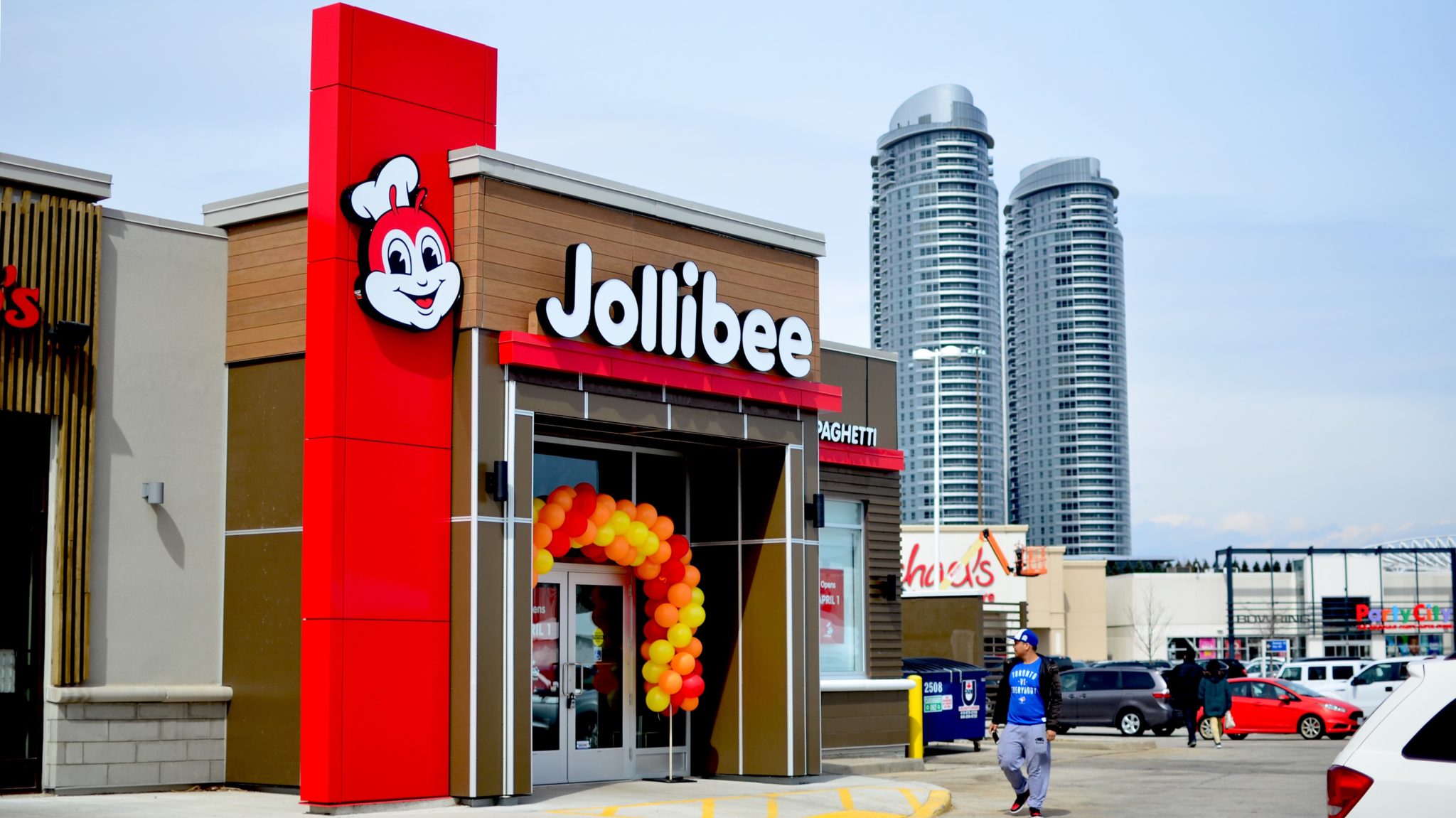
    Jollibee, the largest fast food company in the Philippines, has been on an acquisition and expansion spree overseas.

    It recently secured US government’s approval for its acquisition of more shares in Colorado-based burger joint Smashburger.

    It also opened its first European store in March, and a third outlet in Canada in April.

    Due to aggressive store openings, Jollibee said that its net income rose 17.3% to 1.8 billion pesos (US$3.47 million) in the first quarter from a year ago as total sales rose 19.3% to 46 billion pesos.

    Now, Jollibee has the option to acquire “substantial ownership” of the Tim Ho Wan master franchise in the Asia Pacific after the term of Titan Dining ends in 7 years.

    It also said that it would operate as a Tim Ho Wan franchisee in Shanghai to prepare for that possibility.

    Tim Ho Wan currently has franchisee in Cambodia, Indonesia, Japan, Macau, Taiwan, Thailand, Vietnam, Australia, and the Philippines; with an expansion development in the works in the Asia Pacific region.

    Together, Tim Ho Wan and Dim Sum operate 40 restaurants in total, both company-owned and franchised stores.

  • Eataly eyes joint venture for further China expansion

    Eataly eyes joint venture for further China expansion

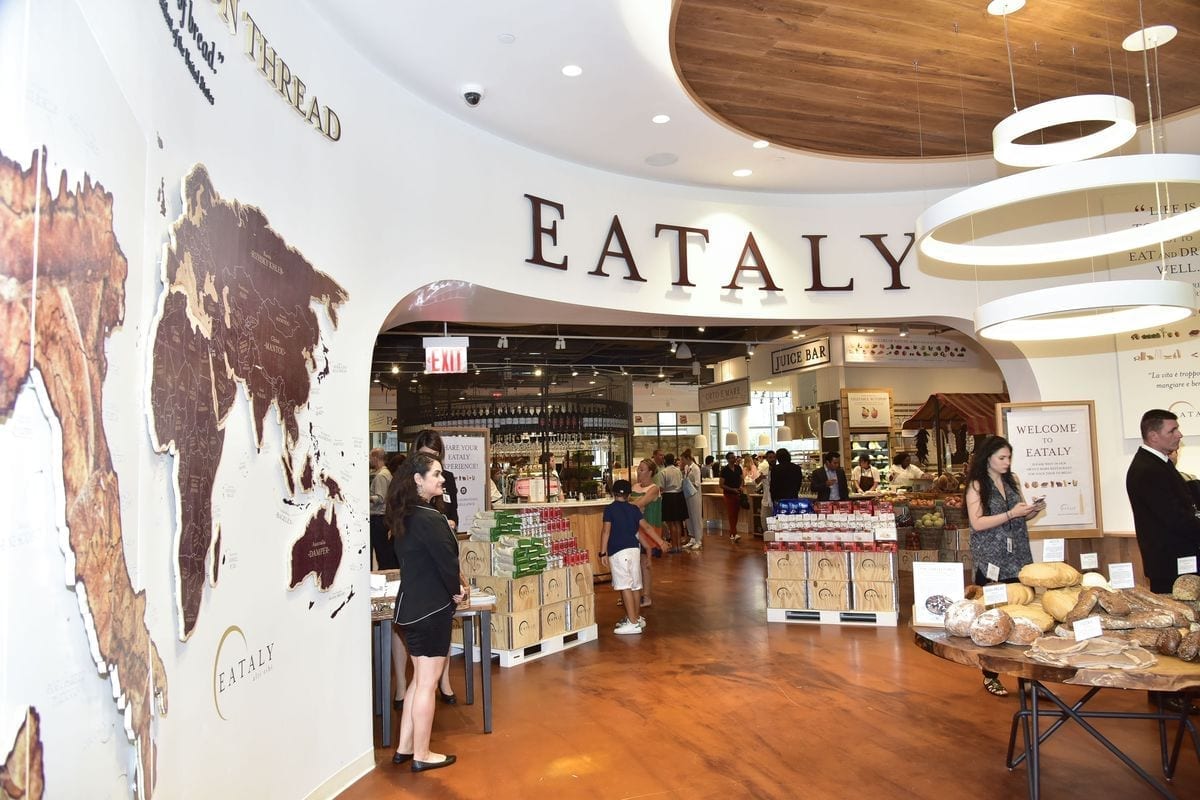
    Italy’s Eataly may form a JV with a Chinese partner, says chairman Andrea Guerra, but also plans to list about 30 per cent of its capital next year.

    It also plans to expand with outlets in Las Vegas, Toronto, Europe and the UAE. “In the long term, we aspire to reach 100 stores… and go beyond €1 billion in sales,” says Guerra.

    Eataly is an upmarket deli-cum-foodcourt concept with a focus on fresh, artisan foods.

    The company plans to increase revenue to €690-720 million in 2020 from €465 million last year. It is also targeting adjusted core profits of €60 to €65 million in 2020, from €25 million last year.

    Revenue of €50 million is expected this year, says Guerra.

  • Stars launched a third Milky & Sunny Restaurant

    Stars launched a third Milky & Sunny Restaurant

    Celebrity siblings Maxene and Elmo Magalona have opened a Milky & Sunny restaurant near their home network ABS-CBN in Quezon City.

    “This is actually our third branch,” says Elmo. “The first one was in Kapitolyo and the other in Pangalawa near Greenbelt.”

    Maxene says it was their mother’s idea that they invest in something worthwhile they love. “We love going out to eat as a family.”

    A breakfast and brunch restaurant, Milky & Sunny is on the ground floor of The Ignacia Place in Mother Ignacia. It also serves lunches, dinners and coffee.

  • Don Chicken Vietnam adding more restaurants

    Don Chicken Vietnam adding more restaurants

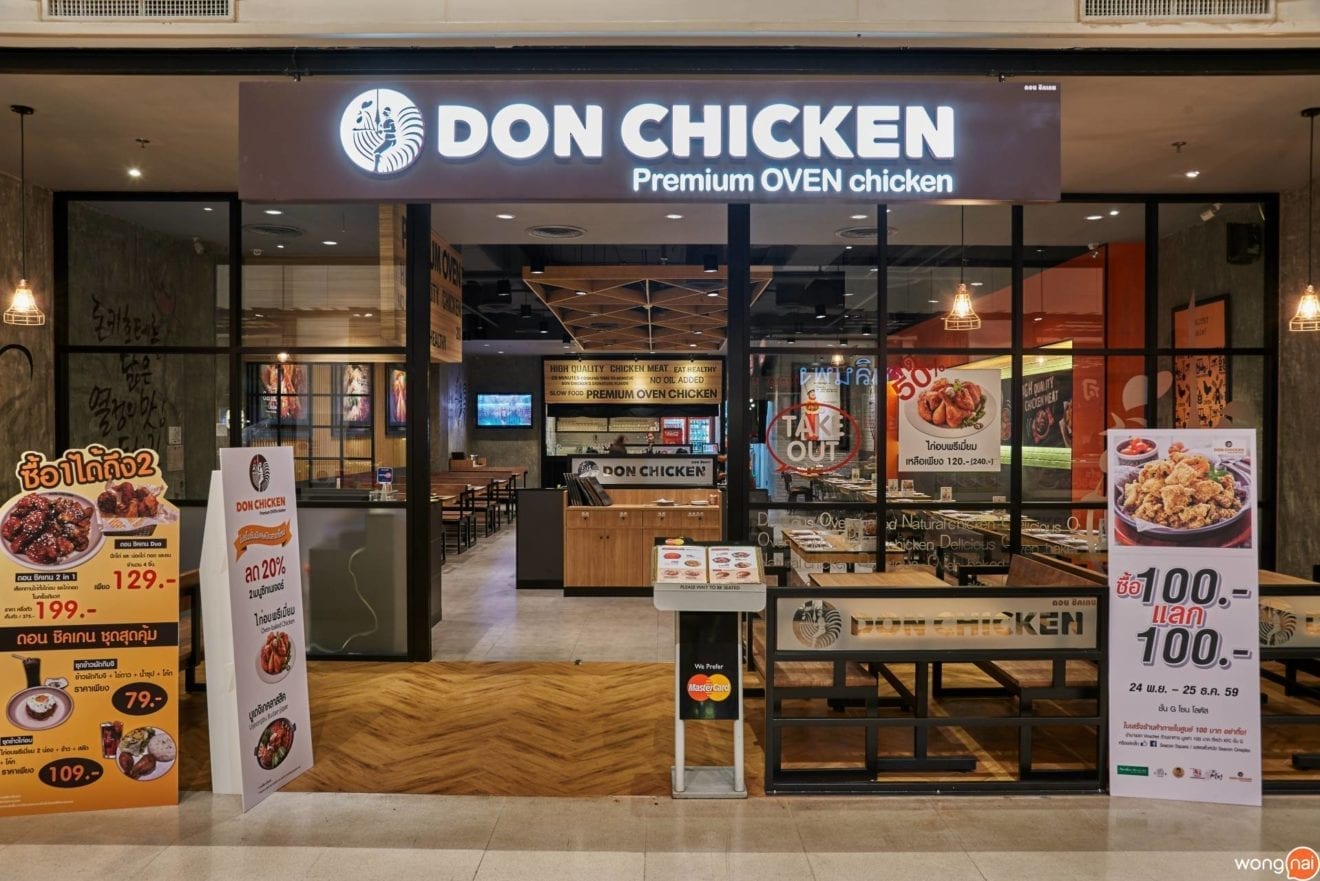
    Don Chicken Vietnam is planning to expand its Hanoi portfolio through franchising.

    There are two branches of the Korean fast-food chain in the capital, one in Vincom Royal City.

    As a first move for its expansion in Hanoi and the north, Don Chicken has launched an event to find partners experienced in the dining sector, and will offer franchisees training and marketing support.

    Founded by Apgujeong Group in 2007, Don Chicken has 400 stores across Korea and has also expanded into China and Thailand.

    Don Chicken opened its first store in Vietnam in 2015, in Ho Chi Minh City. It started franchising from 2016 and now has 13 stores nationwide.

  • China boost for McDonald’s appetite

    China boost for McDonald’s appetite

    A strong performance in China, partly offset by continued challenges in South Korea, helped build first-quarter momentum for McDonald’s Corporation.

    President/CEO Steve Easterbrook says the restaurant group has had 11 consecutive quarters of positive comparable sales and a fifth consecutive quarter of positive guest counts.

    Highlights for the first quarter, to the end of March, included a 5.5 per cent rise in global comparable sales and 0.8 per cent in global comparable guest counts.

    A strategic refranchising initiative resulted in consolidated revenues dropping 9 per cent (15 per cent in constant currencies).

    Systemwide sales increased 7 per cent in constant currencies, while consolidated operating income increased 5 per cent (flat in constant currencies) because of growth in franchised margin dollars, offset by the impact of the refranchising initiative

    Comparable sales for the international lead segment increased 7.8 per cent for the quarter, reflecting positive results across all markets. The segment’s operating income grew 21 per cent (9 per cent in constant currencies), fuelled by sales-driven improvements in franchised margin dollars.

  • Fatburger Buffalo’s Express opens Tokyo burger restaurant

    Fatburger Buffalo’s Express opens Tokyo burger restaurant

    A co-branded Fatburger Buffalo’s Express is opening its first Tokyo location tomorrow. Located at the Magnet by Shibuya109 building in Shibuya Crossing, the US fast-food brands’ outlet will feature all-American fare from Buffalo’s Express and Fatburger, as well as alcoholic offerings from bar concept, FatBar.

    “We’ve been waiting for the perfect opportunity to enter Japan and it’s finally here. As a team, we couldn’t be more pleased with how this flagship location has developed,” said Andy Wiederhorn, CEO of Fat Brands.

    “Our recipes, ambiance and service have exceeded expectations in other locations across Asia and I expect nothing less in Tokyo.”

    The Japanese outlet is operated by Green Micro Factory, subsidiary of G Three Holdings.

    Fatburger parent company Fat Brands has recently announced openings and development deals in Canada, the Philippines, Scotland, Singapore and Southern California.

  • Shake Shack opens next week in Hong Kong

    Shake Shack opens next week in Hong Kong

    Shake Shack Hong Kong makes its debut on Tuesday at IFC mall in Central. With panoramic views of Victoria Harbour, the eatery will be able to seat more than 46 guests. As a modern “roadside” burger stand that began as a hot-dog cart in New York’s Madison Square Park, Shake Shack has gained a global following for its Flat-top Dogs with all-natural beef and no hormones and antibiotics, served on a non-GMO Martin’s Potato Roll.

    As well as the New York City brand’s classics of burgers, hot dogs and fries, Hong Kong Shack will serve localised menu items like milk tea shake (vanilla custard blended with black tea), French toast (with vanilla custard, peanut-butter sauce and banana, topped with maple sugar), the Heart & Tart of Central (vanilla custard, egg tart and strawberry puree) and That’s My Jam (vanilla custard, mango/passion fruit jam, raspberries and crumbled shortbread).

    Its crinkle-cut fries can be served plain or with a special blend of American and cheddar cheese sauce.

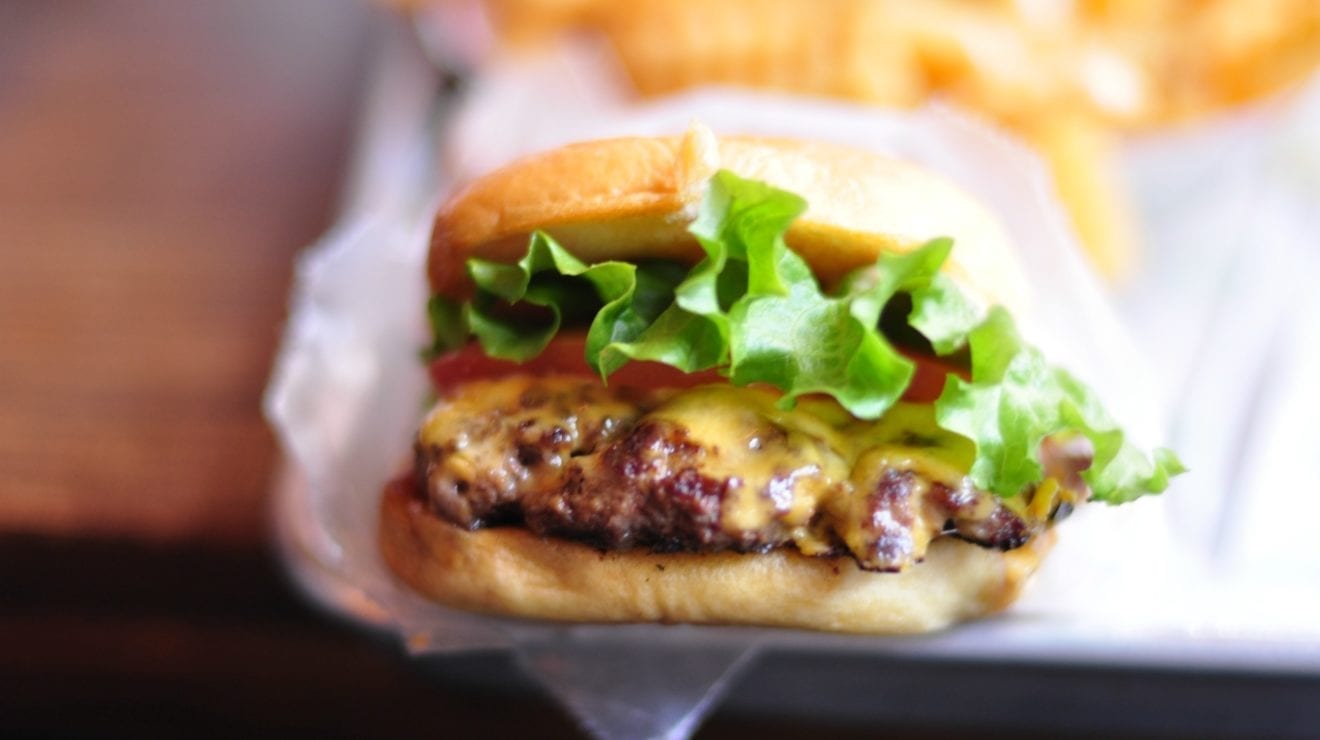
    Hong Kong Shack customers will also be offered the classic ShackBurger, a cheeseburger made from premium whole-muscle cuts of Angus beef, topped with lettuce, tomato and house-made ShackSauce. A meat-free option is the ’Shroom Burger, a crisp-fried portobello mushroom filled with melted muenster and cheddar cheese, topped with lettuce, tomato and ShackSauce.

    Brooklyn Brewery makes an exclusive ShackMeister Ale for Shake Shack, and as well as this the Hong Kong outlet will include beers by Gweilo, Heroes, HK Yau, Moonzen and Young Master. Wine is served by the glass, including Shack Red and Shack White from Gotham Project Winery in the US.

    To mark the eatery’s opening in Hong Kong, the first 100 people in line when doors open on Tuesday will be given a pair of Shake Shack sunglasses. And as part of Shake Shack’s mission to Stand for Something Good, the outlet will donate 5 per cent of sales to ChickenSoup Foundation, a non-profit that seeks to empower at-risk children in Hong Kong.

    Shake Shack has more than 90 locations in 19 US states and more than 50 international locations including Dubai, Istanbul, London, Moscow, Seoul and Tokyo.