Tag: Restaurant

  • 3 new restaurants for Impossible Foods

    3 new restaurants for Impossible Foods

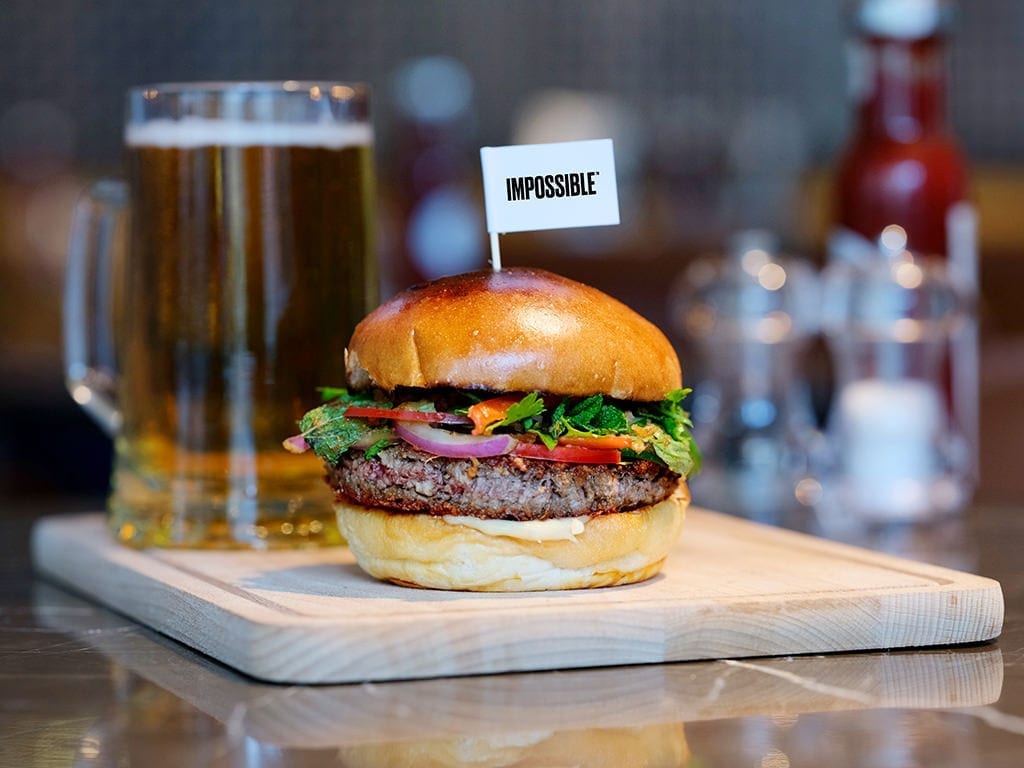
    Impossible Foods launches its plant-based meat at three Hong Kong restaurants today: Beef & Liberty, Happy Paradise and Little Bao. They’re the first eateries outside the US to feature the artificial meet on their menus.

    Introduced in 2011 by Stanford biochemistry professor and former pediatrician Dr Patrick Brown, Impossible Foods makes meat, fish and dairy products directly from plants. It uses science and technology to create wholesome food with the aim of restoring natural ecosystems while sustainably feeding a growing global population.

    Hong Kong is the first place outside the US to have the Impossible Burger, which cooks, smells and tastes like ground beef but is made entirely from plants. It is served in more than 1400 outlets in the US from award-winning restaurants to diners to the nation’s original fast-food chain White Castle. In Hong Kong, diners can try the product as a traditional burger or as the central filling of savoury streetfood.

    “We’re confident that Hong Kong – Asia’s crossroads of ideas and influences both modern and traditional – will be home to the most innovative Impossible recipes yet,” says Impossible Foods CEO/founder Brown.

    Twist on tradition

    Named Asia’s top female chef last year, chef May Chow heads Happy Paradise and Little Bao, which both present a 21st-century approach to traditional Cantonese dining. A Toronto native who trained and worked in Bangkok, Los Angeles and Boston, Chow gained fame in Hong Kong’s streetfood markets.

    From today at Little Bao, Chow and her team are serving the Impossible Bao, a traditional sandwich made with Impossible meat, black-pepper teriyaki sauce, salted-lemon kombu salad, and fermented tofu sauce, between two house-made steamed buns. The Impossible XinJiang Hot Pocket, another Chinese street snack debuts at Happy Paradise, served with pickled daikon and XinJiang spices.

    Another award-winning chef in Hong Kong, Uwe Opocensky, who worked in Spain’s El Bulli when it was voted best restaurant in the world, spent a decade as executive chef at Hong Kong’s Mandarin Oriental before joining Beef & Liberty as group executive chef in 2016. Beef & Liberty is serving the Impossible Thai Burger with chili, coriander, mint, basil, spring onion, soya mayonnaise, crispy shallots and garlic. The restaurant group is also featuring Impossible Chili Cheese Fries.

    “We are obsessed, in a good way, with burgers and doing what we can for the environment,” says Opocensky. “We love the way the Impossible Burger has created new excitement in the global burger scene and opportunities to be more sustainable.”

    Impossible products have been made available in Hong Kong on a limited and exclusive basis through importer/distributor Classic Fine Foods.

    Ingredients of the Impossible Burger include water, wheat protein, potato protein and coconut oil, with special ingredient heme contributing the characteristic taste of meat. Heme is a molecule that is especially abundant in animal tissue. The burger is produced without abattoirs, hormones, antibiotics, cholesterol or artificial flavours. Its production uses about 75 per cent less water, generates about 87 per cent fewer greenhouse gases, and needs about 95 per cent less land than conventional ground beef.

    Investors in Impossible Foods include Bill Gates, Google Ventures, Temasek, UBS and Open Philanthropy Project.
  • Singapore first overseas restaurant for Unagiya Ichinoji

    Singapore first overseas restaurant for Unagiya Ichinoji

    Japanese restaurant chain Miyagawa Honten has opened its first overseas outlet with Unagiya Ichinoji at Singapore’s Robertson Quay.

    Its Japanese head chef trained for three months in a Miyagawa Honten outlet to master the skills needed for creating unagi. The chain first steams the unagi before grilling it. All cuts are marinated with sansho (the Japanese equivalent of Sichuan peppercorn) and kuro shichimi (a traditional blend of seven black spices) before being basted with tare sauce while being charcoal grilled.

    The signature Hitsumabushi is offered in three sizes, and options are unagi over rice with nori, wasabi, green onion or dashi. Side dishes include unagi chawanmushi, unagi bone cracker, unagi sushi roll, unagi omelette, unagi salad and unagi simmered boiled liver.

    The 34-seater restaurant does not accept reservations.

    Miyagawa Honten launched 125 years ago in the Tsukiji district of Tokyo.

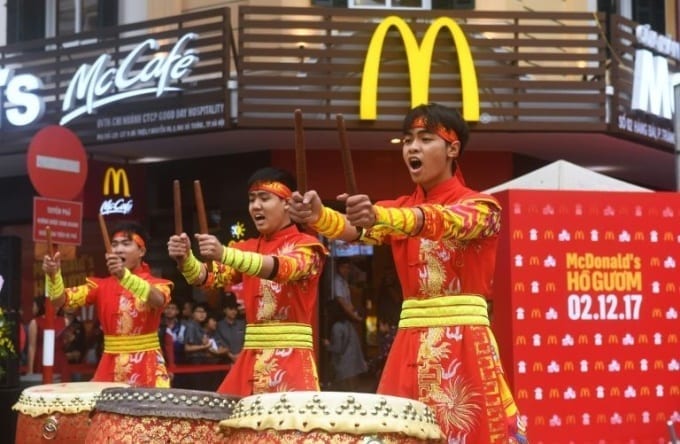
  • McDonald’s Hong Kong uses Elton John classic to celebrate ‘Little Big Moments’

    McDonald’s Hong Kong uses Elton John classic to celebrate ‘Little Big Moments’

    Scenarios portrayed include a friends’ rooftop dinner, an expectant mother with her partner and a young man visiting his ailing relative.

    Created by DDB Group Hong Kong, the #LittleBigMoments video has been viewed more than a million times on YouTube, and another million elsewhere on social media, since its release last week.

    “As a brand, we understand that life is not just one big thing, but the accumulation of a million little things, a million little moments. And in the end, it is these little moments that make life big,” said Randy Lai, chief executive officer of McDonald’s Hong Kong.

    The use of pop classics is not an unfamiliar tactic used by DDB’s for McDonald’s in Hong Kong. In 2014, American fast food brand used the Billy Joel song ‘Just the way you are’ to promote its cheaper prices.

    In addition to the 60-second TVC, DDB also created three 15 second stories – each focusing a specific McDonald’s product with ‘You Song’ playing in the background.

  • MUJI Moves Into Hospitality With New MUJI Hotel and Restaurant

    MUJI Moves Into Hospitality With New MUJI Hotel and Restaurant

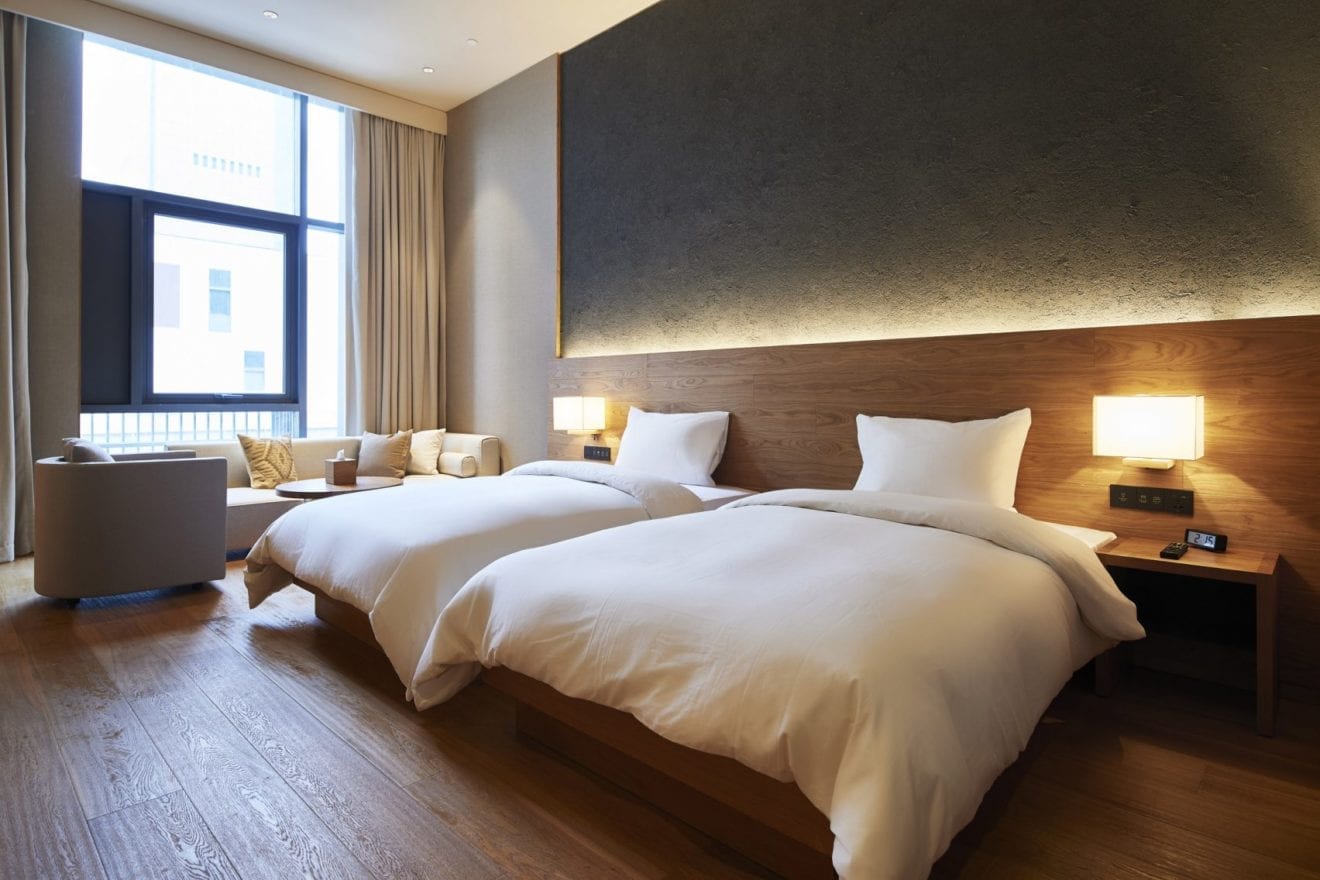
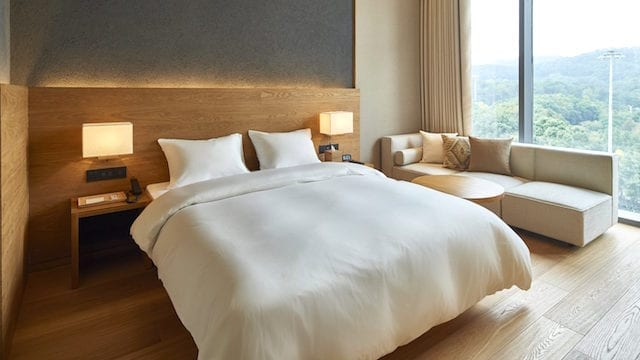
    Wood-lined bedrooms, a minimal diner, a library and a shop feature in the Muji Hotel in Shenzhen, which opens next week.

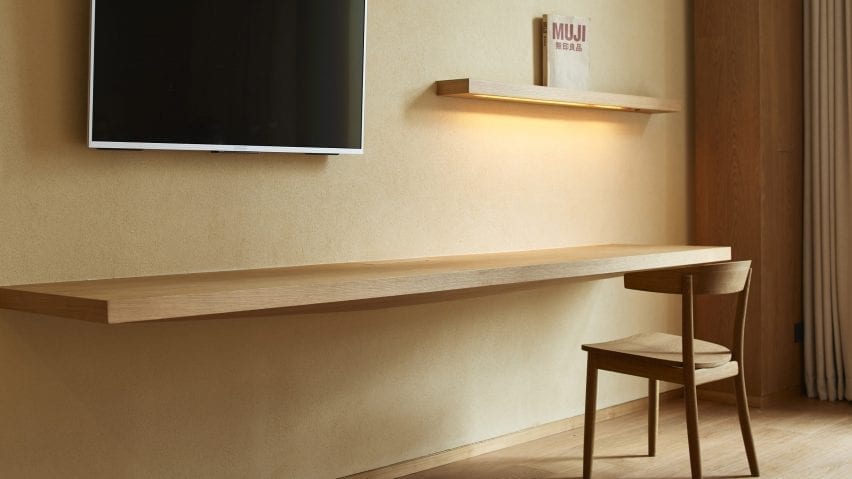
    In the Futian district, it is the first hospitality project initiated by the Japanese retailer, known for its minimalist homeware products. These feature in the hotel to reflect Muji’s simple aesthetic – described by the brand as an “anti-gorgeous, anti-cheap” concept.

    As well as 79 guest rooms, the hotel will offer a gym, a diner, three meeting rooms, a library and a shop, as reported.

    In the bedrooms, Muji products will range from toothbrushes to electric kettles and wall-mounted CD players.


    Muji Diner, the third-floor restaurant, will serve local food inspired by international home cooking, all served on Muji dinnerware.

    On the same floor and to be open 24 hours a day to the public as well as guests, the library will have a selection of more than 650 books.

    A small gym is equipped with running machines, aero-bikes and workout equipment, while a shop allows guests to buy the products they have been using inside the hotel.

    A second Muji hotel will follow in Tokyo’s Chuo City next year.

    The hotels are the latest architectural project to be initiated by the Muji, following on from a 9sqm prefabricated house and a trio of huts designed by Konstantin Grcic, Jasper Morrison and Naoto Fukasawa.

    Established in 1979, Muji is commonly referred to as a “brandless” company as its products bear no logos.

  • Saigon cafés, restaurants facing the heat for accepting Bitcoin payments

    Saigon cafés, restaurants facing the heat for accepting Bitcoin payments

    Authorities in Ho Chi Minh City will be working with the country’s central bank to “handle violations” at several restaurants and coffee shops in the city that have been accepting Bitcoin as payment, an official from the bank said on Tuesday.

    Nguyen Hoang Minh, deputy director of the State Bank of Vietnam’s Ho Chi Minh City branch, maintained that virtual currencies such as Bitcoin are illegal, and the issuance, provision and use of Bitcoin violates the rules.

    Several coffee shops and restaurants in the city have been accepting Bitcoin as payment so the municipal administration has agreed to cooperate with the central bank to deal with these violations, Minh told a meeting with the central bank’s deputy governor Dao Minh Tu.

    “We have also asked the city’s police department to work with us.”

    The heaviest punishment for using cryptocurrencies in Vietnam is a fine of VND200 million ($8,800).

    However, we found a restaurant in District 1 that allows customers to pay for their drinks and pizzas using Bitcoin.

    A staff there said customers only need a Bitcoin code to pay for their meals, adding that this method is more beneficial for the restaurant because Bitcoin payments do not appear on tax declarations.

    Prices at the restaurant follow the current value of Bitcoin on the world market, which was $16,500 on Wednesday.

    The value of the cryptocurrency has been rising rapidly this year, reaching an all-time high of $19,783 on Sunday, an increase of 20 times compared to January.

    The heat that Bitcoin has created globally has been felt in Vietnam, and 1,478 pieces of hardware were imported into the country to “mine” for the currency in the first ten months of this year, according to official government data.

    As explained by Business Insider and Investopedia, the process of mining Bitcoins involves miners solving complex mathematical problems, and the reward is more Bitcoins generated and awarded to them.

    The participant who solves the puzzle first gets to place the next block on the block chain, a public ledger that records all Bitcoin transactions, eliminating the need for a third party to process payments, and claim the rewards.

    Miners verify transactions and prevent fraud, so more miners equals faster, more reliable and more secure transactions. According to current Bitcoin protocol, 21 million coins is the cap and no more will be mined after that number has been reached.

    Yet as currently regulated, the hardware imported into Vietnam for Bitcoin mining is not prohibited.

    In October, the central bank issued a statement saying that “from January 1, 2018, the act of issuing, supplying or using illegal means of payment may be subject to prosecution in accordance with the provisions of Article 206 of the Penal Code 2015.”

    The only payment methods allowed in the country are issued or controlled by the State Bank.

    The central bank has warned organizations and individuals in Vietnam not to invest in Bitcoins or conduct transactions in the currency, saying they would be taking a huge risk with no legal protection.

    “Bitcoin transactions are anonymous and can be used for money laundering, drug trafficking, tax evasion and illegal payments,” the bank said.

    Also in October, Vietnam’s top technology university FPT said it was looking at ways to let its students pay their tuition fees using Bitcoin.

  • Burger King sales grow even as industry stagnates

    Burger King sales grow even as industry stagnates

    American fast-food chain Burger King, in the second year of its India operations, grew 69% to post sales of Rs 237 crore during FY17 when most quick-service restaurants were struggling with stagnant sales. In the 2016-17 fiscal, the company generated average sales of Rs 2.7 crore from each of its 88 outlets opened till March, while its rival Westlife Development, that runs McDonald’s in the south and west, posted average sales of Rs 3.6 crore from each outlet. Burger King, however, notched up higher numbers than Jubilant FoodWorksBSE, where average sales per outlet were at Rs 2.1 crore from both brands, Domino’s Pizza and Dunkin’ Donuts.

    Burger King’s losses rose to Rs 62 crore during last fiscal, compared with Rs 38 crore a year ago, as the company doubled its store count. Burger King, that now runs more than 100 stores in India, claims it is now profitable at both the store and company level. “Our restaurant EBIDTA (earnings before interest, taxes, depreciation and amortisation) has been positive since last July,” said Rajeev Varman, CEO, Burger King India. “Sales grew mainly due to three reasons — all our burgers are grilled similar to an Indian-stye tandoor which is healthy, our focus on entrylevel pricing, and we offer the largest vegetarian menu within QSR.”

    Burger King, that is popular for its Whopper burger, entered India in November 2014 when most quick-service restaurants were struggling with falling sales. There was a slight revival last fiscal but the overall market continued to face challenges, compounded further by demonetisation announced in November last year which saw consumers reduce discretionary spending. The 65-year-old burger chain partnered Everstone Capital in India, which holds a majority stake in the company through subsidiary F&B Asia Ventures.

    It has lined up $100 million for expansion over the next few years and expects to open at least 40-45 restaurants in India in the next few years. “There’s a significant room to grow as the potential in each of the 28 cities where we are present remains high,” said Varman. Leading quick-service restaurants have seen low same-store sales growth (SSG) since the past two years with consumers cutting back on discretionary spending.

  • Deliveroo Singapore plans its own restaurant

    Deliveroo Singapore plans its own restaurant


    Food-delivery service Deliveroo Singapore may soon run its own table-service restaurant, a potential first for a delivery app.

    The London-based startup, which launched into Singapore in late 2015, will open remote kitchens across the island next year, one of which could evolve into a fast-casual eatery, The Business Times reports.

    Known as Deliveroo Editions, these remote kitchens produce food for delivery only. They house multiple restaurant brands under one roof and can quickly make meals on order and access zones where particular restaurants do not have a presence.

    Deliveroo unsuccessfully applied for a dine-in permit at its Katong Editions site, its first kitchen, with the concept of a casual-dining food court with an alfresco area where customers could have dishes from any onsite restaurant. Now the company will explore the dine-in concept at its new Editions sites. It will also consider offering pick-up services, allowing customers to place orders through the app then collect their meals from one of the sites.

    GM Siddharth Shanker says the new Editions sites are likely to be in the heartlands. “It’s a data-driven bet. The first decision is usually where to open, which depends on restaurants and cuisines already in the area. The second is what restaurants to take on to the site, which will depend on food trends in the area.”

    He says that because Editions are designed for delivery only, the average time taken for food to reach customers is 23 minutes, shaving about 10 minutes off Deliveroo’s citywide average delivery time.

    The Katong Editions site is home to five restaurants. Each has its own kitchen and pays zero rent or utility fees. Instead, they pay a cut of their revenues to Deliveroo in exchange for using the space.

    Singapore is the first market outside London to have the Deliveroo Editions concept.

  • Jollibee closes 12 Hotpot Resturants in China

    Jollibee closes 12 Hotpot Resturants in China

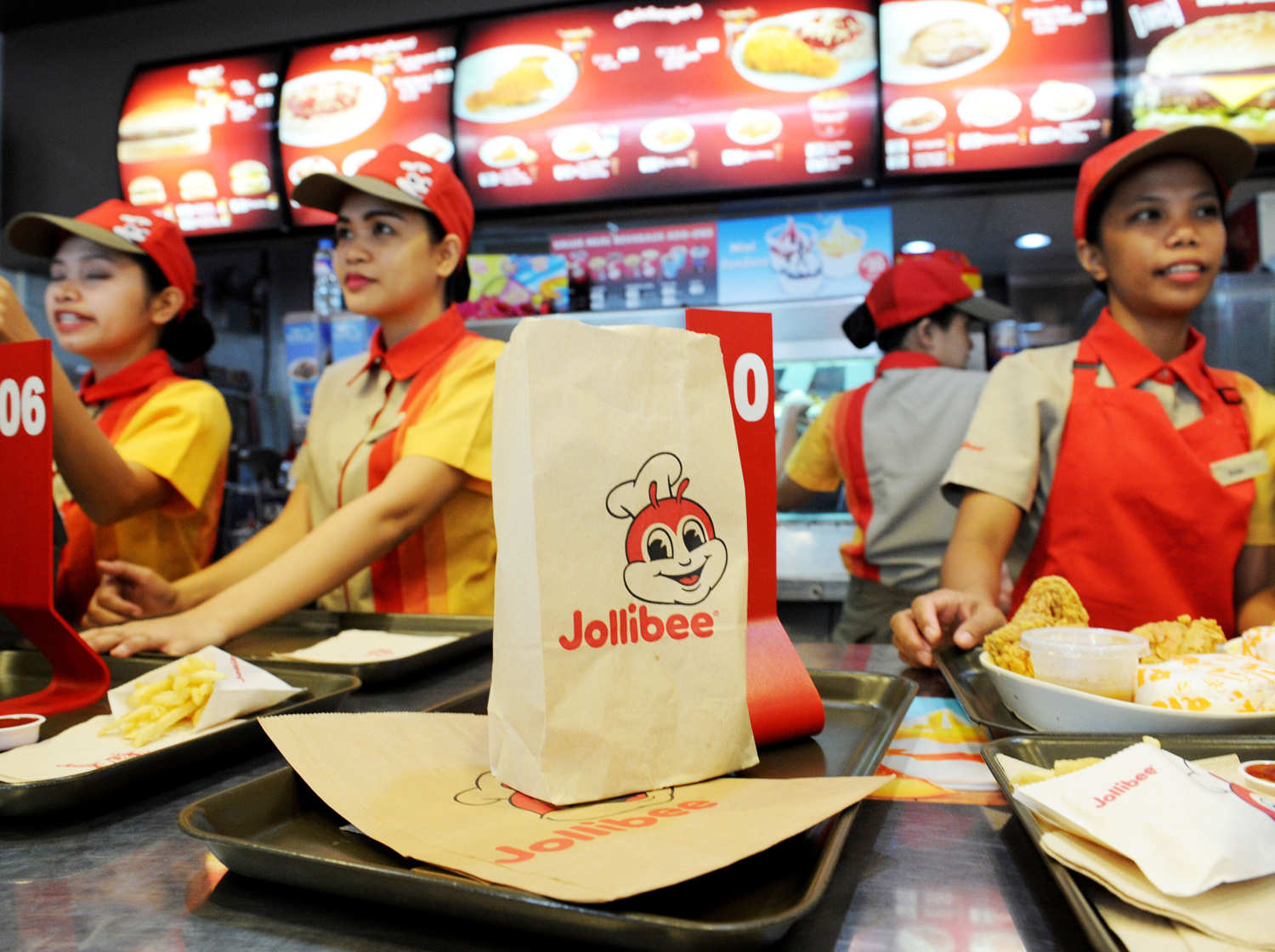
    Jollibee Foods Corp (JFC) has closed its restaurant chain 12 Hotpot in Mainland China.

    The 16 Shanghai-area stores were shut down by its subsidiary, 12 Hotpot (Shanghai) Food and Beverage Management, a 48 per cent-owned JV with WJ Investments.

    It was formed in August 2012 when JFC’s wholly owned subsidiaries Jollibee Worldwide and Golden Plate entered into an agreement with Hoppime, a subsidiary of Wowprime Corp of Taiwan and some of its key executives. The idea was to establish WJ Investments to own and run 12 Hotpot in China, Hong Kong and Macau.

    With the discontinuation of the mainland business, 12 Hotpot (Shanghai) then the JV will be liquidated.

    “JFC will focus on building its larger and fast-growing businesses in China and other parts of the world,” says the company.

    At the end of September, JFC had 3644 stores in its worldwide network. It also has a 40 per cent interest in Smashburger with 355 outlets, mostly in the US. In China its businesses include Yonghe King (305 stores), Hong Zhuang Yuan (44) and Dunkin’ Donuts (18).

    The company has also been running Happy Bee Foods Processing to supply products to its restaurants.

    In the Philippines, JFC has the largest foodservice network with 2756 restaurant, namely Jollibee (1023 outlets), Chowking (510), Mang Inasal (471), Red Ribbon (411), Greenwich (262) and Burger King (seven).

    JFC’s overseas stores include Highlands Coffee (219 including 193 in Vietnam and 26 in the Philippines), Jollibee (186 including 93 in Vietnam, five in Singapore and four in Hong Kong), Pho 24 (31 including 15 in Vietnam, 14 in Indonesia and one in Korea), and Hard Rock Cafe (8 with three each in Hong Kong and Macau, and two in Vietnam).

  • Chope funding round secures $18 million

    Chope funding round secures $18 million

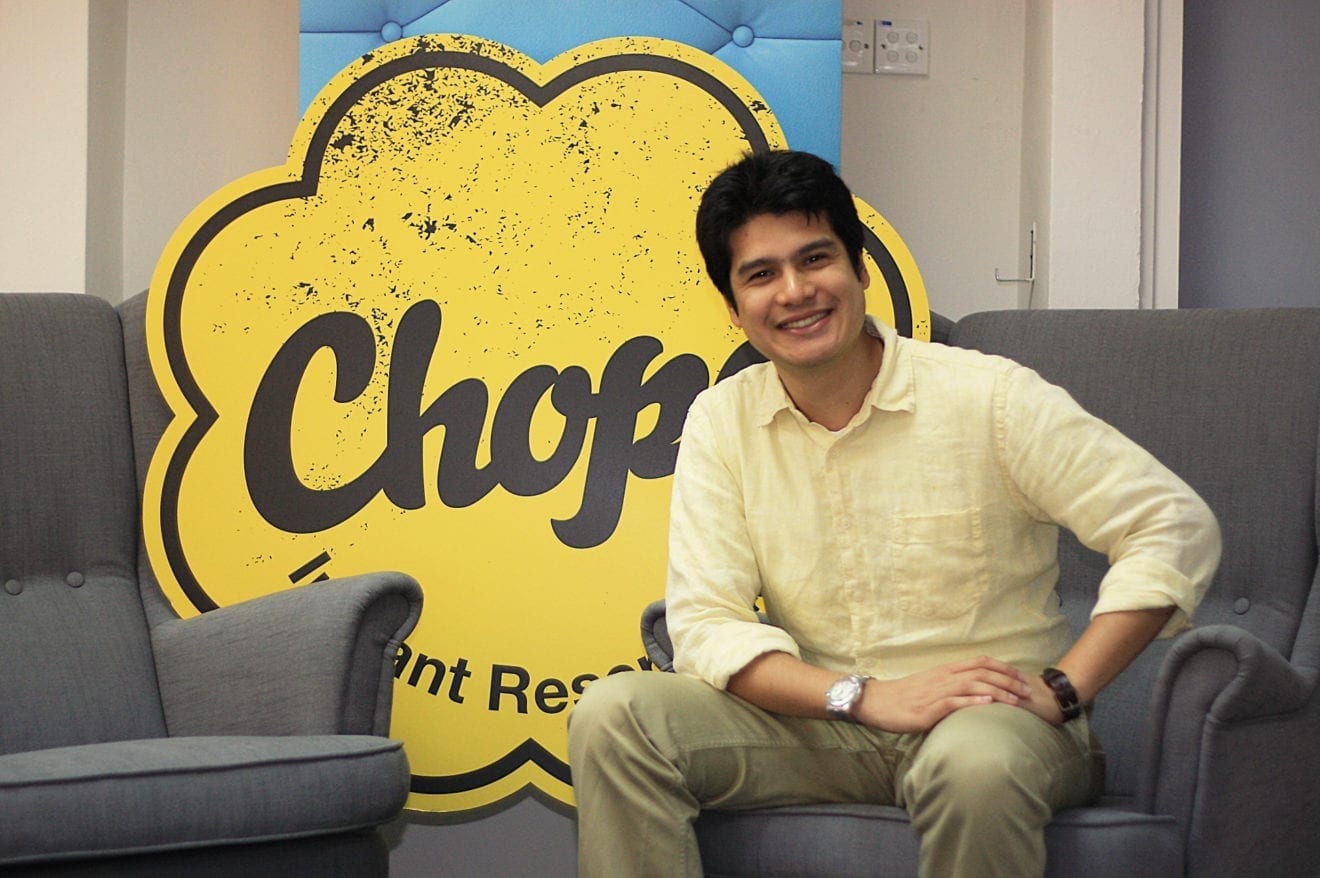
    Restaurant-booking app Chope has secured S$18 million from multiple investors.

    Led by venture capital firm Square Peg Capital, the investors in the funding round include Moelis Australia, NSI Ventures and SPH Ventures.

    Chope CEO Arrif Ziaudeen says the funds will be used to improve product, increase staff numbers and enhance customer support. The Singapore-based company will also “invest heavily in further innovations” while deepening its reach into its markets across Asia.

    “Chope offers a compelling service to both restaurants and diners,” says Square Peg partner Tushar Roy.

  • Japanese operator plans 50 Myanmar noodle restaurants

    Japanese operator plans 50 Myanmar noodle restaurants

    Japanese noodle restaurant operator Toridoll Holdings plans to open 50 outlets in Myanmar with a local joint venture partner.

    The Myanmar noodle restaurants, in partnership with YKKO, will target the nation’s growing middle class.

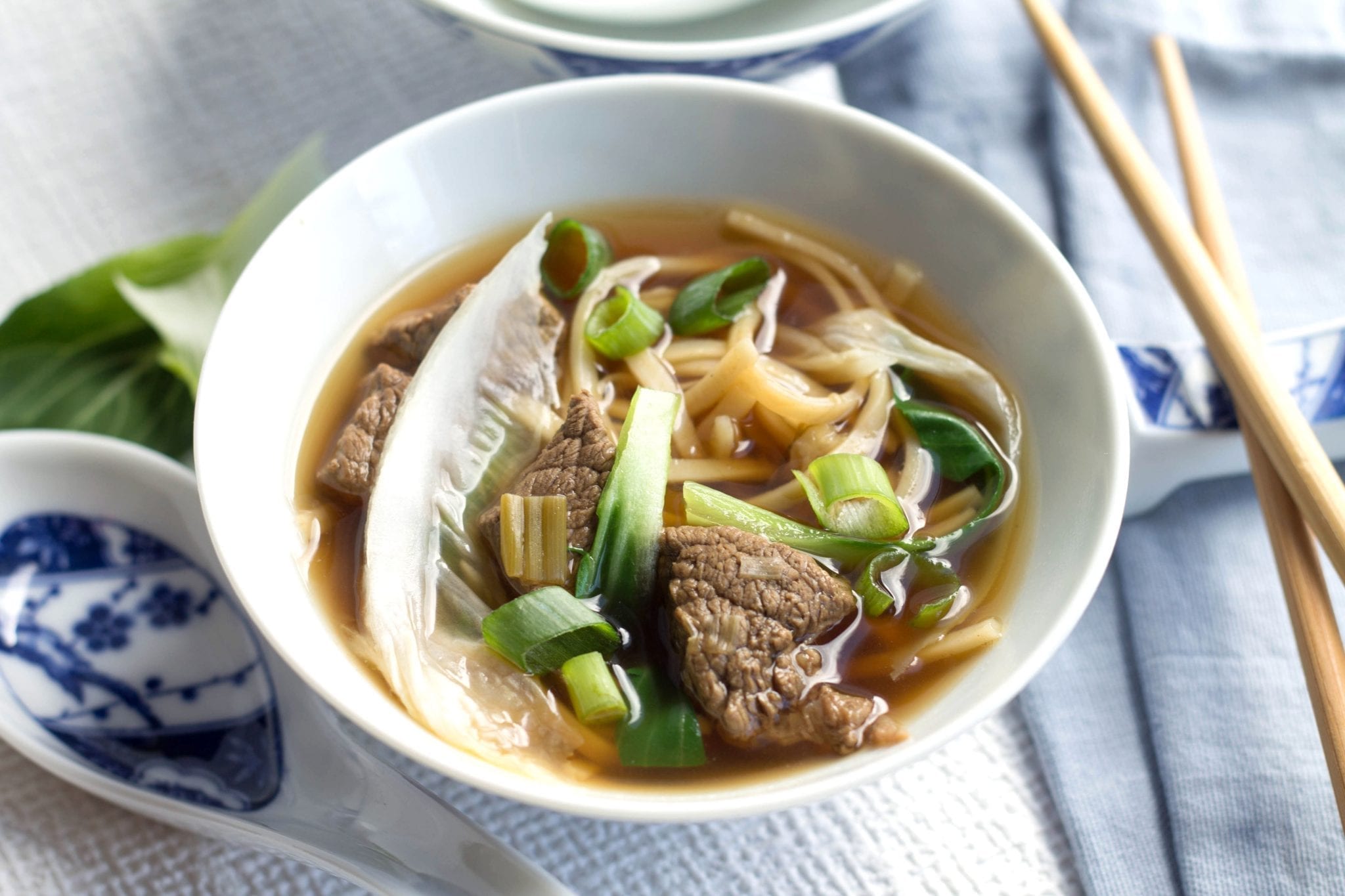
    The first has already opened in Yangon, selling bowls of noodles for as little as US48 cents, with serving sizes to suit budgets and appetites. Ingredients are sourced locally and from neighbouring Thailand to minimise overheads.

    Toridoll, based in Kobe, already operates about 900 eateries in Japan and another 380 across 30 offshore markets, including Vietnam, the Philippines, China, Cambodia and Indonesia. Japan’s perpetually shrinking population has prompted the company to look abroad for growth – it has ambitious plans to operate 4000 restaurants abroad in 2025.

    Meanwhile,

    YKKO is an abbreviation of its the name of its first restaurant, Kyay-Oh, which opened in Yankin.

  • Le Buffet restaurant wins interior design award

    Le Buffet restaurant wins interior design award

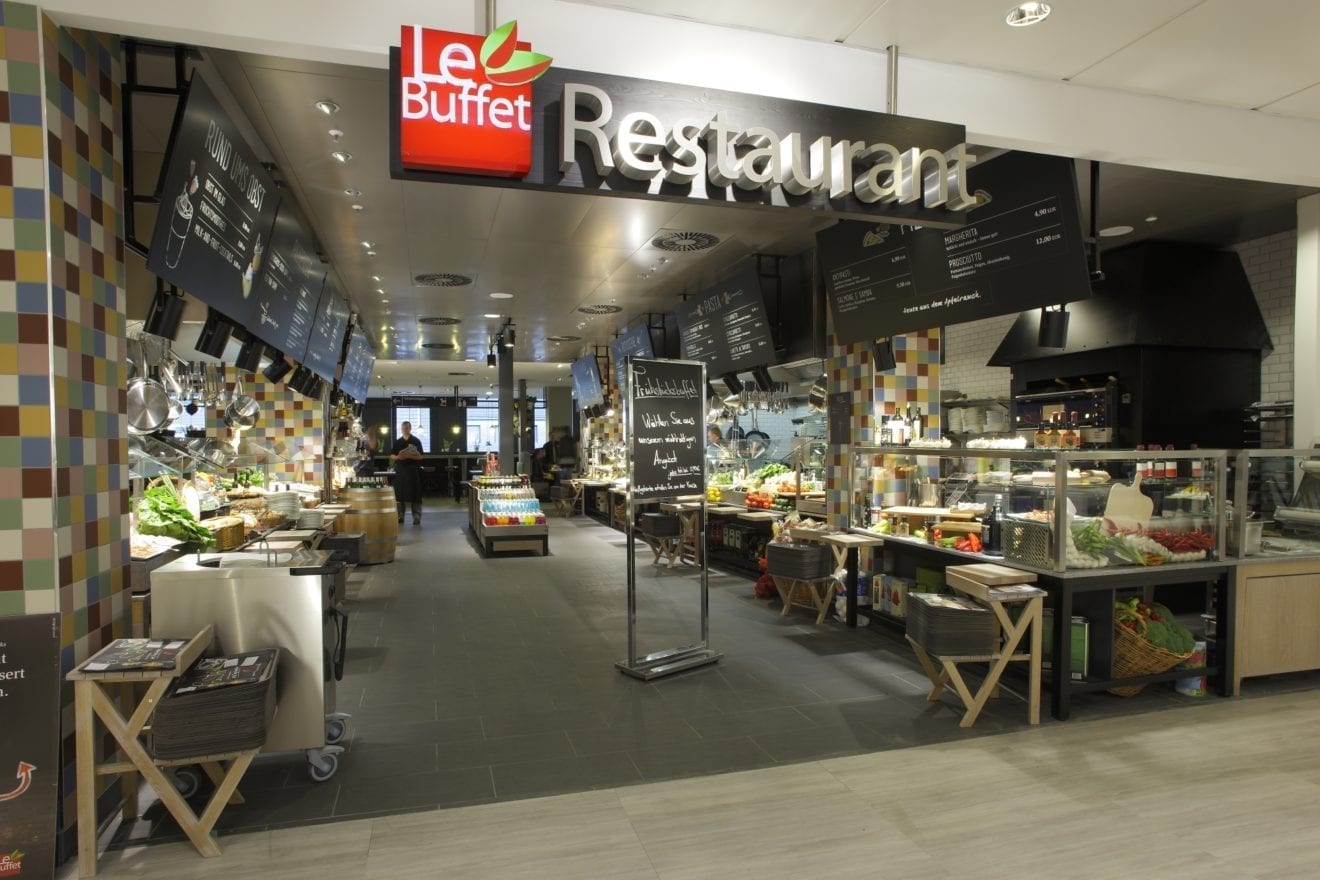
    Le Buffet restaurant at The Parisian Macao has won an award for its interior design.

    It took the title of best Macau casual-dining restaurant at the Hong Kong Restaurant Interior Design Awards 2017(HKRIDA).

    The awards were part of the fine-dining and bar exhibition Restaurant & Bar Hong Kong, with a judging panel comprising hospitality designers, F&B managers and specialist trade media. Chef de cuisine Guillaume Gully accepted the award on behalf of The Parisian Macao.

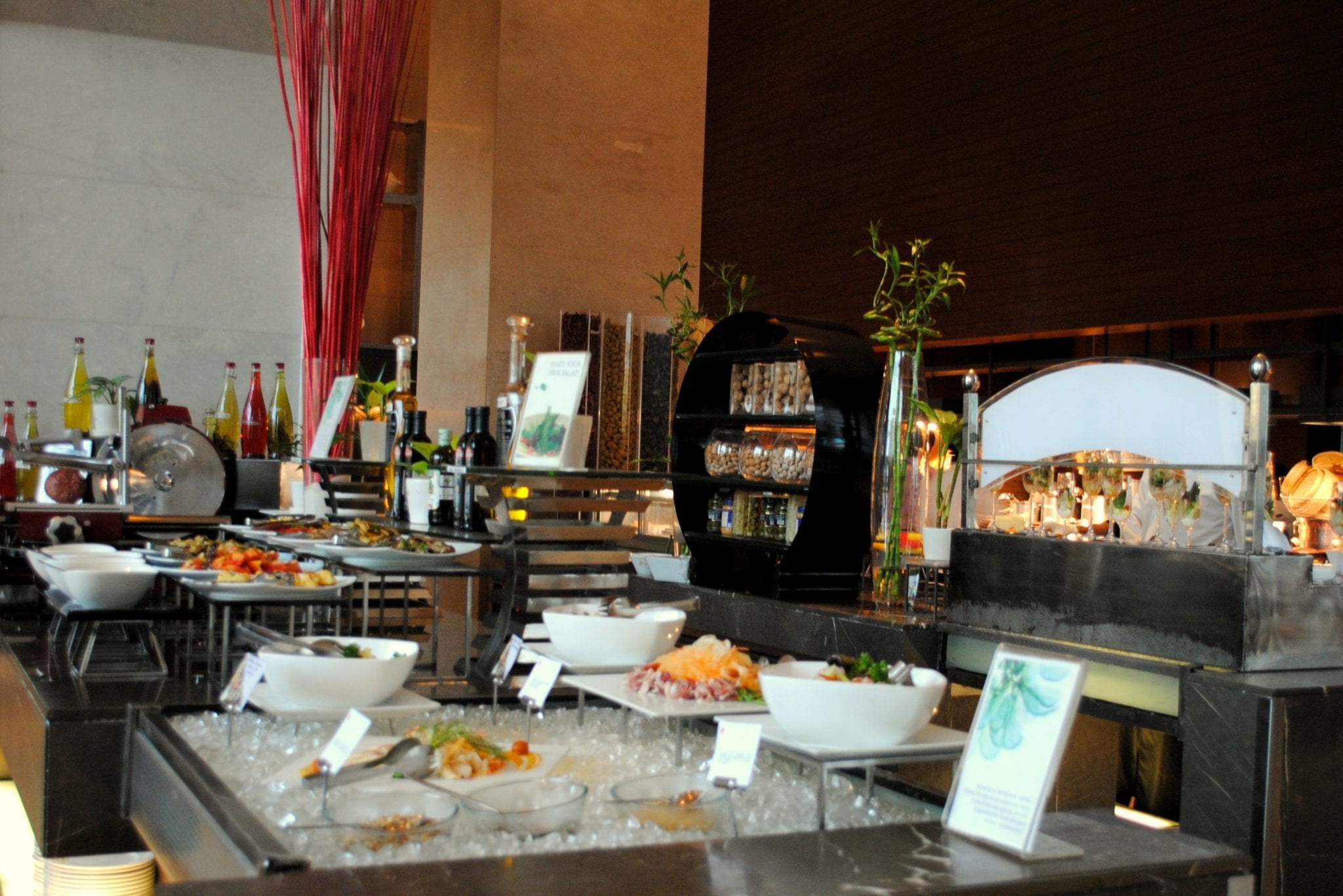
    Designed by San Francisco-based Puccini Group, Le Buffet is a 450-seat buffet restaurant that features Art Deco detailing with an upscale French market/food-hall vibe. It has a front dining area with a Parisian cafe ambiance that has views into the main dining and buffet room with its buffet stations and live cooking areas. A design feature is an intricate 5m atrium that offers a sense of natural light.

    The Parisian Macao is Sands Resorts Macao’s newest property, which opened 12 months ago. It features a half-size replica of the Eiffel Tower at the hotel’s entrance.

    One of the primary goals of the awards is to highlight and promote the importance of a restaurant’s interior design in overall business growth.

  • DaTang restaurant goes “Italian”

    DaTang restaurant goes “Italian”

    DaTang restaurant has opened its second branch at the Italian-inspired Venice Grand Canal Mall in Bonifacio Global City in Taguig City.

    Presenting Chinese fusion, the restaurant combines traditional and modern cooking techniques and ingredients. Its name combines the words “Da”, which means great, and “Tang” to signify the Tang dynasty, considered one of the most prosperous Chinese eras, especially in literature and food.

    DaTang’s modern interior in black, brown and gray, with traditional touches such as red lamps, classic paintings and jars of spices and herbs. The dinnerware is marble.

    Its Taiwanese chefs draw on styles and flavours from the eight great Chinese cuisine traditions – Anhui, Cantonese, Fujian, Hunan, Jiangsu, Shandong, Sichuan and Zhejiang – fusing them with modern techniques.

    “Our brand is trying to do something different from traditional Chinese food,” says DaTang F&B director Tani Lu. “We combine a lot of elements, like Chinese, Japanese and Western styles and mix them together to create new Chinese fusion food.”

    While there are no stir-fried noodles, beef with broccoli, or sweet-and-sour fish, there are such standards as steamed fish. The signature chicken dish is fried chicken wings coated with a sweet garlic sauce glaze.

    There are borders and private spaces in the restaurant, as well as a bar for wine and cocktails.

    DaTang first outlet is nearby in Forbes Town Center, Metro Manila.

  • Jing Ting restaurant offers northern Chinese cuisine

    Jing Ting restaurant offers northern Chinese cuisine

    Just opened in City of Dreams Manila, Jing Ting is a casual-dining restaurant serving northern Chinese cuisine.

    Its speciality is Xi’an cuisine from the ancient Chinese capital which is the starting point of the Silk Road. It is Chinese-style food with different cultural influences including Middle Eastern. Jing Ting holds back on the more spicy dishes for which Xi’an cuisine is known to adapt to the Filipino palate.

    Chef Yang Chen Fei was trained by the chef of former Chinese president Hu Jintao and has had 15 years of experience in five-star hotels and restaurants in China.

    Jing Ting has an open kitchen and most of its dishes are served family style.

  • Shake Shack to open Hong Kong location

    Shake Shack to open Hong Kong location

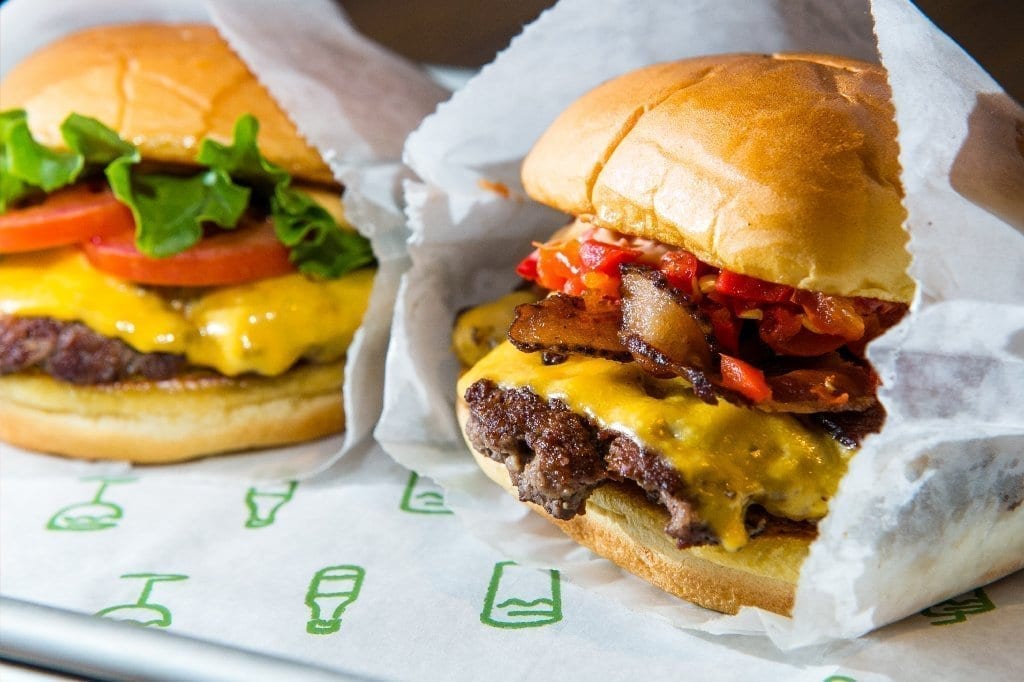
    Shake Shack, the burger-and-fries chain founded in New York, will open its first location in Hong Kong next year, setting the stage for a push into the fast-food hotbed of mainland China.

    The restaurant will be opened with licensee Maxim’s Caterers Ltd. and a total of 14 locations are planned in Hong Kong and Macau through 2027, Shake Shack said Wednesday.

    The chain’s upscale burgers and fries will appeal to the population there, and the restaurants will provide a base for eventually going into China, according to Chief Executive Officer Randy Garutti.

    “You’re seeing changing preferences for what was traditional fast food,” he said in an interview. “There’s a continued thirst for great brands and a premium level of food at an approachable price.”

    While about 90 percent to 95 percent of the menu will be the same as in the U.S., there may be more chicken items, said Garutti, who sees opportunities in mainland China, where Maxim’s operates other dining brands including Cheesecake Factory Inc.

    Shake Shack may look to grow overseas as the U.S. market becomes increasingly saturated with restaurants offering fast-food burgers. The company’s same-store sales fell 2.5 percent in the latest quarter, missing analysts’ projections, as cold weather hurt some locations.

    A recent report also found that the chain is suffering from a lack of customer loyalty in the U.S. despite its more upscale image.

    Shares of the company have declined 3 percent this year through Tuesday’s close, while the Standard & Poor’s 500 Restaurants Index has jumped 17 percent.

    China Challenges

    Expanding into China comes with challenges as other fast-food companies have faced supply-chain scandals and anti-Western sentiment there. Last year, Yum! Brands Inc. spun off its China unit to focus on turning around its U.S. business. The owner of KFC and Pizza Hut had struggled to boost sales in China as local competitors offer discounted prices and gain market share.

    Shake Shack already has some locations in Asian countries, including Japan and South Korea, among its 135 restaurants. Still, Garutti said the U.S. is its main avenue for growth.

    Domestic sales will be the “lion’s share” of the business going forward, he said. “We have massive growth ahead here in the states.”

  • Restaurant industry starts 2017 on sour note

    Restaurant industry starts 2017 on sour note

    The restaurant industry in the three largest cities of Vietnam struggled with weak sales and traffic throughout the first quarter of 2017, according to a report by Decision Lab, a marketing research company based out of Ho Chi Minh City.

    The number of customer visits to restaurants in Hanoi, Ho Chi Minh City and Danang for the three month period dropped 9% with average spending per visit plummeting 12% when compared against the previous quarter’s figures, said Decision Lab.

    The quarter closed with 20% lower total sales for the three cities than reported for the fourth quarter of 2016.

    The data collected from the Decision Lab Foodservice Monitor indicates that both full-service restaurants and quick service restaurants experienced a decline in sales and visits in the three month period.

    Meanwhile, street food and convenience store sales managed to maintain their market size.

    Decision Lab didn’t have a solid explanation as to what caused the substantial drop. However, the company rationalized that it was due to a variety of seasonal factors, mostly involving the Lunar New Year holiday.

    During the Lunar New Year, said Decision Lab, consumers have a higher tendency to travel out of the cities to their homeland.  They also spend more time with family and eating at home during the country’s biggest holiday.

    As Vietnamese consumers began saving for the biggest celebration of the year, they cut down on going to restaurants for Breakfast, Lunch, and Dinner, both in terms of visits and spending.

    As the quarterly Foodservice Monitor report from Decision Lab shows, Delivery is the only type of consumption that enjoys stability in its market size in quarter 1. Vietnamese still highly value the convenience of placing a delivery order, having their meal cooked by professional chefs and delivered to their doorstep. Especially before, during and after Lunar New Year when everyone is swamped with work, holiday preparation, and traditional rituals, the comfort a delivery can bring is even more appreciated.

    Although not cutting down on delivery per se, consumers did spend less per order as they stayed committed to their saving plan. To tackle this lower spending per order, restaurants can offer promotions that encourage more frequent orders from consumers. Operators should also consider offering snacks/drinks at lower price point, and cooperate with third party order platforms that take care of the delivery to save themselves on delivery cost.