Tag: retail news asia

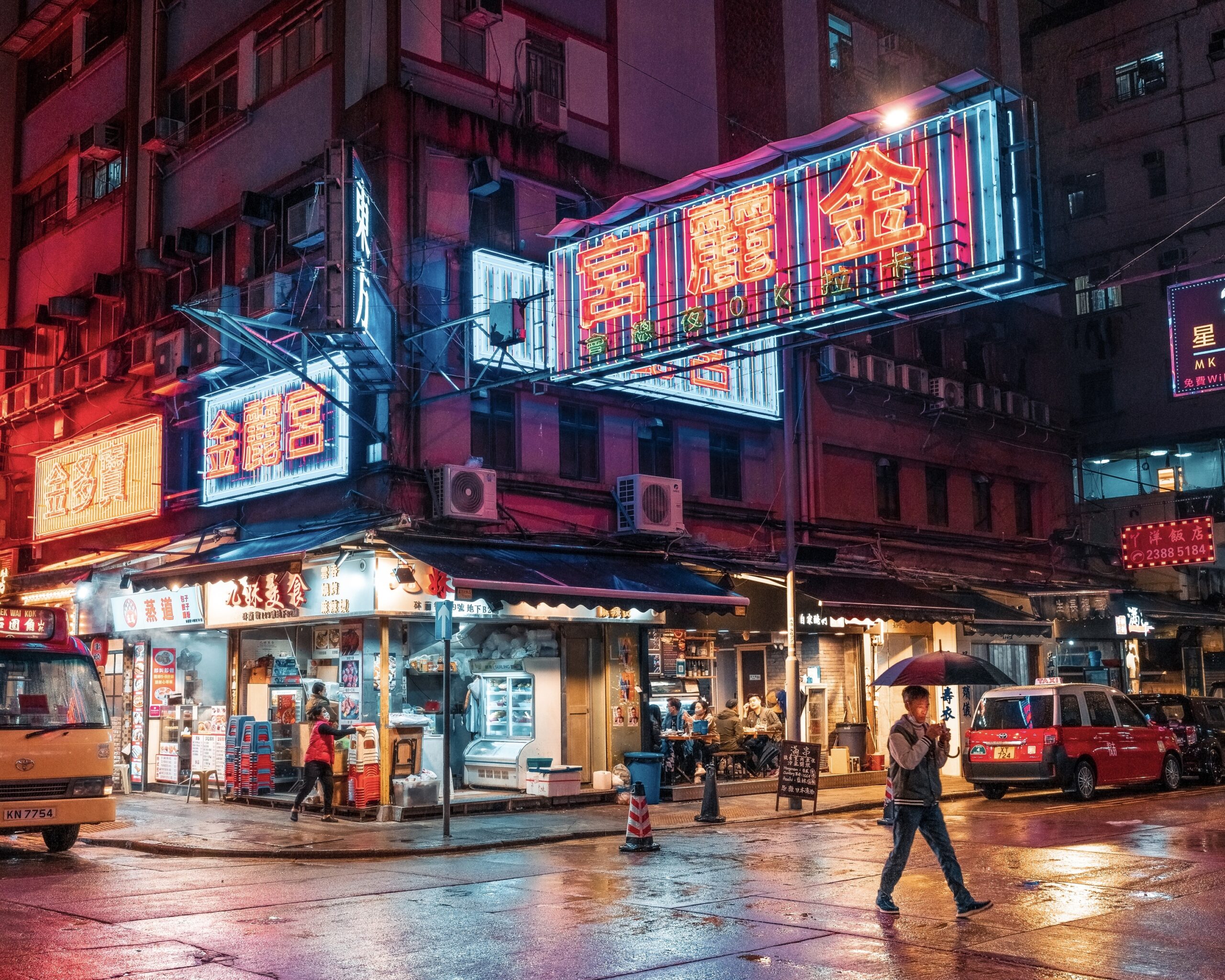
  • Hong Kong Retail Sales Enjoy 7-Month Winning Streak with 6.5% Rise in November

    Hong Kong Retail Sales Enjoy 7-Month Winning Streak with 6.5% Rise in November

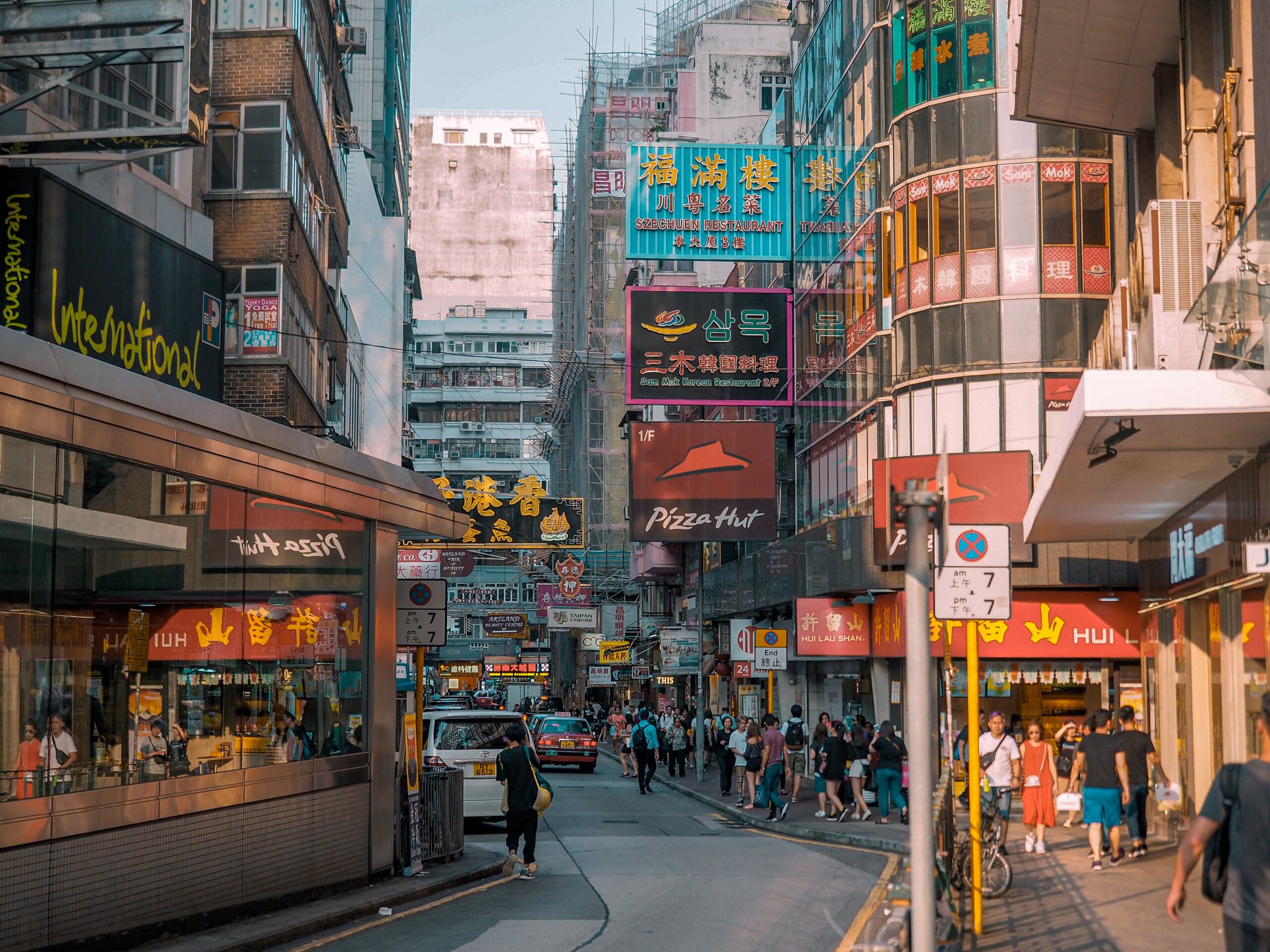
    Hong Kong’s retail sector has seen a seventh consecutive month of increased sales, with a 6.5% rise in value during November, according to government reports. The retail sales for the month totalled HK$33.7 billion (US$4.33 billion), demonstrating a steady incline when compared to the 6.9% increase recorded in October of the same year.

    Volume and Value

    Notably, the volume of retail sales in November saw a 4.4% increase compared to the same month in the previous year. This was slightly less than the 5.3% growth experienced in October. However, despite the ongoing monthly gains, the total retail sales for the first 11 months of 2025 only experienced a slight 0.4% increase in value when compared to the previous year. Furthermore, the volume of retail sales actually decreased by 0.9% over this period.

    Sustained Economic Growth

    A government spokesperson has expressed optimism towards the ongoing retail recovery, stating, “The gradual improvement in local consumption sentiment amid sustained economic growth, combined with the vibrant growth in inbound visitors, will continue to benefit retail businesses.”

    The number of visitors to Hong Kong in November was reported as 4.19 million, marking a 17.4% increase from the previous year. Mainland China contributed significantly to these figures, accounting for 3.04 million visitors – an 18.9% increase year-on-year.

    Sales across Different Sectors

    Different sectors within the retail industry have seen varied degrees of growth. Sales of high-value items such as jewellery, watches, clocks, and valuable gifts saw a smaller increase of 3.6% in November, compared to the revised 9.4% growth in October. Similarly, the sales of clothing, footwear and related products increased by 2% year-on-year in November, following a slight 0.9% rise in October.

    Questions & Answers

    What is the overall trend of Hong Kong’s retail sales?
    The overall trend shows a steady increase, with November marking the seventh consecutive month of growth.

    Which sectors experienced the most growth?
    High-value items such as jewellery, watches, clocks, and valuable gifts, as well as clothing, footwear, and related products experienced growth.

    What factors contributed to the growth of Hong Kong’s retail sector?
    The government spokesperson attributed the growth to improved local consumption sentiment, sustained economic growth, and an increase in inbound visitors, particularly from mainland China.

  • KK Group Revives Indonesian Market with Tri-Brand Blast: X11, KKV, and The Colorist

    KK Group Revives Indonesian Market with Tri-Brand Blast: X11, KKV, and The Colorist

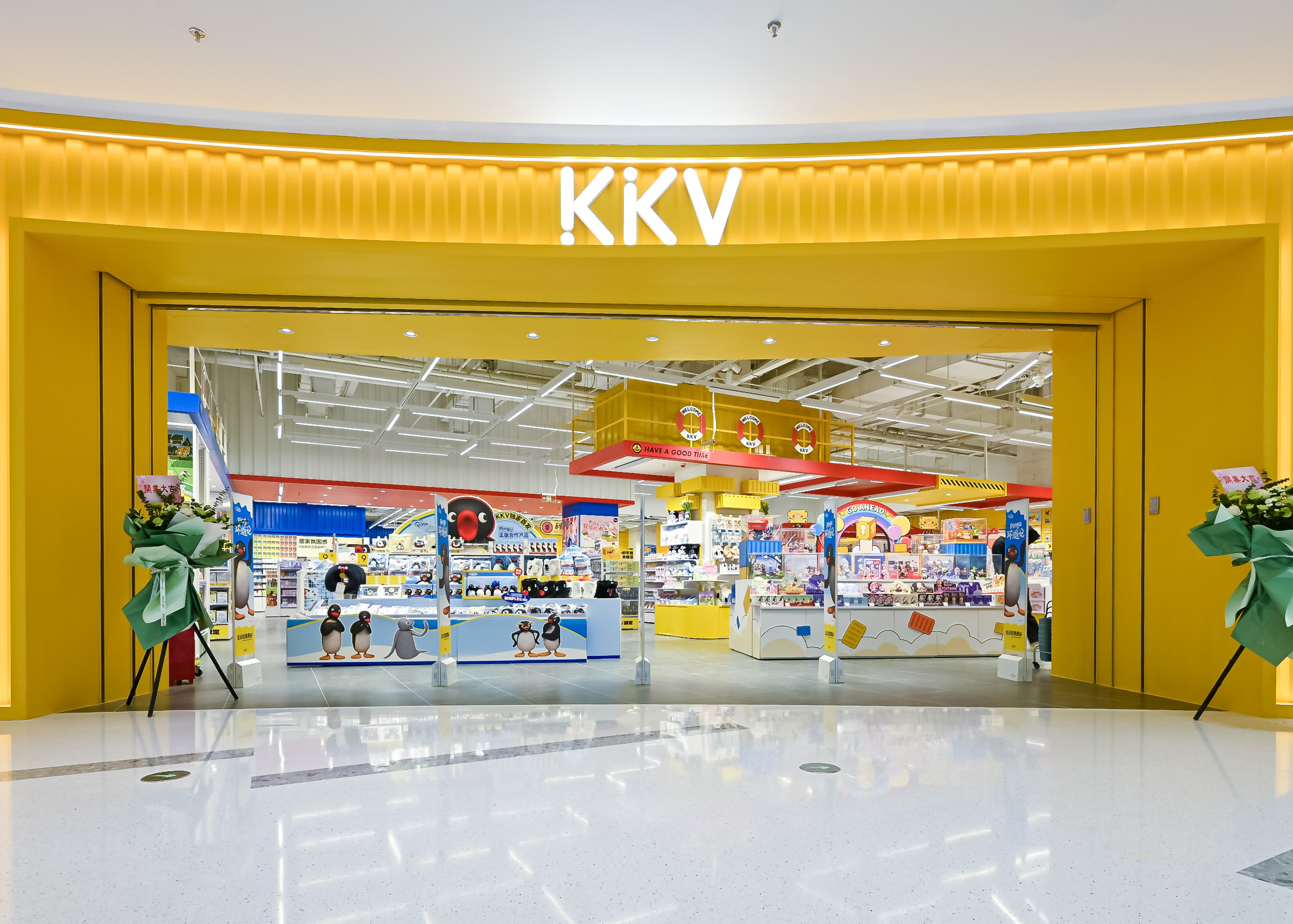
    KK Group, a Chinese lifestyle retailer, is making a strategic return to the Indonesian market. The company plans to reintroduce three of its brands: X11, KKV, and The Colorist.

    The Return of X11, KKV, and The Colorist

    The reintroduction begins with X11, KK Group’s trend and culture emblem, which targets youthful consumers with art toys, anime paraphernalia, and pop culture merchandise. The first stores are set to open in Greater Jakarta and other major cities throughout Java, Bali, and several regional centers.

    Following closely behind is KKV, KK Group’s primary lifestyle brand, scheduled to launch the following year. KKV boasts a remarkable range of over 20,000 Stock Keeping Units (SKUs) that include home goods, stationery, beauty products, snacks, and fashion items. Alongside KKV, The Colorist, a mass-premium beauty brand focused on Generation Z and young millennials, is also set to launch.

    Rojen Wu, COO of KK Group’s international business, expressed the company’s firm commitment to Indonesia. “Indonesia has consistently been a priority for us in Southeast Asia,” Wu said. “With KKV, The Colorist, and X11, we aim to cultivate a comprehensive lifestyle retail ecosystem while offering redefined retail experiences to Indonesian consumers.”

    KK Group’s Ambitious Expansion Plans

    KK Group’s multi-brand strategy includes the development of a network of over 500 stores across these three core brands. The company is also considering introducing Pet Tribes, a pet-centered concept recently launched in China, as part of its broader multi-brand strategy for Indonesia. In the long term, KK Group projects running over 1,000 stores under its enlarged brand portfolio.

    This Indonesian re-entry comes on the heels of KK Group’s aggressive Southeast Asian expansion, which has seen them breaking into new markets in Malaysia, Singapore, Thailand, Vietnam, and the Philippines. At present, KK Group operates over 1,000 stores in China and more than 150 stores across various regions.

    Questions & Answers

    What is KK Group’s re-entry strategy into the Indonesian market?

    KK Group plans to reintroduce three of its brands: X11, KKV, and The Colorist. The company also intends to develop a network of over 500 stores across these core brands.

    What are the three brands that KK Group is reintroducing into Indonesia?

    The three brands are X11, a trend and culture brand aimed at younger consumers; KKV, the company’s flagship lifestyle brand; and The Colorist, a mass-premium beauty brand targeted at Generation Z and young millennials.

    What is KK Group’s long-term vision for its multi-brand strategy in Indonesia?

    In the long term, KK Group plans to operate over 1,000 stores under its expanded brand portfolio. The company is also considering the introduction of Pet Tribes, a pet-focused concept recently launched in China.

  • Hong Kong Retail Market Sizzles: Six Months of Consecutive Growth Capped by a Strong October

    Hong Kong Retail Market Sizzles: Six Months of Consecutive Growth Capped by a Strong October

    Hong Kong’s retail sector has seen a significant upswing, with October marking the sixth consecutive month of sales increase. As per data from the Census and Statistics Department, there was a year-on-year increase of 6.9% in retail sales, provisionally estimated at HK$35.2 billion (US$4.5 billion) for the month. This represents the highest monthly increase witnessed over the past half year. Despite this, the retail sales over the first ten months remained largely on par with the same period the previous year.

    Noteworthy Sector Performances

    Specific sectors within the retail industry reported varying degrees of performance. Sales of electrical goods and other consumer durable goods took the lead with a significant increase of 24.6% in October. This was closely followed by jewellery, watches, clocks, and valuable gifts, which saw an increase of 9.5%. Alcoholic drinks and tobacco reported an increase of 6%, while department store commodities saw a 5.8% increase in sales.

    On the other hand, several sectors reported a decline in sales. Motor vehicle and parts sales saw the most significant drop, falling by 20%. This was followed by fuel sales, which decreased by 8.7%, and Chinese drugs and herbs, which fell 6.6%. Furniture and fixtures also saw a slight decrease in sales, falling by 2.3%.

    Government Statement

    The government has also weighed in on the positive trend in retail sales, with a spokesperson attributing the increase to an ongoing improvement in consumer sentiment. They noted that the retail sales recovery gathered momentum in October, indicating a forward progression from the sales increase in the previous month. The spokesperson expressed confidence in the continued improvement in local consumer sentiment and the sustained growth in visitor arrivals. These factors are expected to provide further support for retail businesses in the coming months.

    Questions & Answers

    What was the year-on-year increase in Hong Kong’s retail sales in October?
    The year-on-year increase in Hong Kong’s retail sales in October was 6.9%, according to the Census and Statistics Department.

    Which sectors reported the highest increase in sales?
    Electrical goods and other consumer durable goods reported the highest increase in sales, with a growth of 24.6%. They were closely followed by jewellery, watches, clocks, and valuable gifts, which saw a 9.5% increase.

    Which sectors saw a decrease in sales?
    Motor vehicle and parts experienced the most significant drop, falling by 20%. Fuels also decreased by 8.7%, with Chinese drugs and herbs falling 6.6%, and furniture and fixtures by 2.3%.

  • Riding the Retail Wave: SM Investments Sees Profit Surge Despite Weather Challenges

    Riding the Retail Wave: SM Investments Sees Profit Surge Despite Weather Challenges

    SM Investments, a conglomerate with operations in retail, banking, and property, experienced solid retail sales during the first three quarters of the year. These robust sales contributed to a consolidated net income of US$1.09 billion, a 6% rise compared to the same period in the previous year.

    The Impact of Weather Disruptions

    Despite significant weather disturbances in the Philippines, the company maintained steady performance. Frederic DyBuncio, President, and CEO of SM Investments remarked on the resilience of the company. He said, “In the face of adversities such as severe weather and flooding, our businesses have demonstrated sustained financial performance.”

    Income Breakdown

    Banking was the predominant contributor to SM Investments’ net income, accounting for 50% of the total. This was followed by property at 28%, retail at 15%, and portfolio investments at 7%.

    SM Retail’s Performance

    SM Retail disclosed a net income of $206.78 million, marginally lower than the $216.95 million recorded last year. Despite this slight dip, revenues grew by 5% to reach $5.39 billion. As a result, consolidated revenues climbed 4% to $8.17 billion.

    Consumer Behavior Shifts

    DyBuncio highlighted changes in consumer expenditure patterns as a factor impacting quarter-to-quarter comparisons. He explained that the earlier start of the school year in June shifted some expenditures from the third quarter to the second. Despite this shift, there was growth in niche retail spending, particularly in health and beauty, fashion, and kids categories. Essential spending also continued to bolster growth in food retail.

    Category Performance

    In terms of categories, department stores recorded a 3% revenue growth in fashion and children’s items. Food retail saw a 7% surge, largely attributable to store expansions. Specialty retail grew by 4%, driven mainly by increased demand in children’s and home categories.

    DyBuncio expressed confidence in the company’s outlook despite external challenges, declaring, “While external factors may impact the overall economic growth, we remain positive as we head into the fourth quarter.”

    Questions & Answers

    What was the significant factor contributing to SM Investments’ net income?
    Banking was the main contributor, accounting for 50% of the total net income.

    What consumer behavior change affected SM Investments’ quarterly comparison?
    The shift in school opening from the third to the second quarter caused some changes in consumer spending patterns.

    Which categories demonstrated notable growth in SM Investments’ retail sector?
    There was notable growth in specialty retail spending, particularly in health and beauty, fashion, and kids categories, as well as in food retail due to store expansions.

  • Gap Inc. Partners With Google Cloud, Leveraging Ai To Revolutionize Retail And Customer Experience

    Gap Inc. Partners With Google Cloud, Leveraging Ai To Revolutionize Retail And Customer Experience

    Gap Inc. has joined forces with Google Cloud in a multi-year partnership aimed at fast-tracking the company’s tech strategy through the application of artificial intelligence (AI). The overarching objective is to bolster operations and improve consumer interactions throughout its various brands.

    Harnessing the Power of AI

    According to Sven Gerjets, Gap Inc’s Chief Technology Officer, the company is embracing AI as a transformative tool in retail, building its future tech roadmap around it.

    He stated, “This partnership offers us the proficiency and speed to integrate AI throughout our operations, enabling our teams, igniting creativity, and delivering to our customers more swiftly and with a higher degree of personalisation than ever before.”

    The collaboration with Google Cloud will equip Gap with a cohesive, AI-powered platform devised to enhance product development, planning, and pricing processes. This will spark creativity and efficiency across all its brands, which include Old Navy, Gap, Banana Republic, and Athleta.

    To facilitate product design, customer experience, and employee enablement, Gap will utilize Google Cloud technologies such as Gemini, Vertex AI, and BigQuery.

    Reinventing Retail with AI

    Thomas Kurian, CEO of Google Cloud, expressed his enthusiasm about the partnership, saying it’s about revolutionising the retail landscape with AI and supporting Gap in leading the industry in terms of speed, personalisation, and game-changing customer experiences.

    With AI, Gap envisages creating a hyper-personalised shopping experience for consumers, enabling stronger storytelling and relevance to engage a wider audience. Furthermore, Google AI will assist Gap in optimizing ad placements and fortifying omnichannel marketing through Google Ads.

    Gap has already begun leveraging AI tools to aid employees in decision-making and execution, thereby enhancing efficiency.

    Sven Gerjets stated, “By re-engineering our workflows and empowering every employee with AI, we are allowing Gap Inc teams to concentrate on creativity, culture, and customer connection, while preserving the company’s human-centric DNA at the heart of innovation.”

    Questions & Answers

    What is the aim of the partnership between Gap Inc and Google Cloud?
    The partnership aims to accelerate Gap Inc’s tech strategy through AI, thereby improving operations and customer experiences across all of its brands.

    How will Gap Inc implement Google Cloud technologies?
    Gap Inc will utilize Google Cloud technologies to enhance product development, planning, and pricing procedures, and streamline product design, customer experience, and employee enablement.

    How will AI effect the shopping experience for Gap Inc’s customers?
    With AI, Gap Inc aims to create a hyper-personalised shopping experience for customers, enabling stronger storytelling and reach to a wider audience.

  • Hong Kong Retail Sales Rise In June, Slower Pace Indicates Stabilization

    Hong Kong Retail Sales Rise In June, Slower Pace Indicates Stabilization

    In June, Hong Kong experienced an increase in retail sales, albeit at a slower pace than the previous month of May. The total retail sales for the special administrative region came in at HK$30.1 billion (US$3.8 billion), marking a 0.7 per cent year-on-year growth. This rise, however, was less than the 2.4 per cent increase witnessed in May, which was the first surge in retail sales observed in over a year.

    The Impact of Price Changes

    When considering the impact of price changes during this period, the provisional estimate of retail sales for June revealed a 0.3 per cent year-on-year decrease. This is in comparison to a 1.9 per cent uptick seen in May.

    Industry-Specific Performance

    Breaking down the increase in retail sales by industry, the sectors of jewellery, watches and clocks, and valuable gifts led the pack, enjoying a 6.8 per cent upswing in June. The following industries also saw notable growth: medicines and cosmetics, with a 6 per cent increase; commodities in department stores, with a 5.7 per cent rise; and optical shops, which saw a 1 per cent surge in sales.

    On the other hand, some sectors witnessed a decline in sales. Sales of wearing apparel dipped by 4.3 per cent, while food, alcoholic drinks and tobacco dropped by 1.5 per cent. Additionally, sales in furniture and fixtures saw a significant decrease of 16.3 per cent, with books, newspapers, stationery and gifts experiencing a 4.7 per cent fall.

    First-Half Overview

    Looking at the bigger picture, retail sales in Hong Kong for the first half of the year showed a downward trend, dropping by 3.3 per cent when compared to the same period last year.

    However, a government spokesperson conveyed optimism, noting that the retail sector has been exhibiting signs of stabilization in recent months. The spokesperson cited several favourable factors contributing to this trend, including the steady rise in employment earnings, a robust stock market, and concerted efforts from the government and businesses to promote tourism. These factors are anticipated to augment consumer sentiment and provide a strong support for the retail sector.

    Questions & Answers

    What was the value of retail sales in June in Hong Kong?
    The value of retail sales in Hong Kong in June was HK$30.1 billion (US$3.8 billion), representing a 0.7 per cent year-on-year increase.

    Which sectors led the growth in Hong Kong’s retail sales in June?
    The sectors of jewellery, watches and clocks, and valuable gifts led the growth in June with a 6.8 per cent increase. Other sectors experiencing growth included medicines and cosmetics, commodities in department stores, and optical shops.

    What are the factors contributing to the stabilization of Hong Kong’s retail sector?
    The stabilization of Hong Kong’s retail sector can be attributed to the continuous increase in employment earnings, a solid stock market performance, and government and business efforts to boost tourism.

  • Taiwan’s Retail Sales Slump For Third Consecutive Month Amid Tariff Negotiations

    Taiwan’s Retail Sales Slump For Third Consecutive Month Amid Tariff Negotiations

    Retail sales in Taiwan experienced a decline of 2.9 percent in June, falling to a total of NT$390 billion (US$13.3 billion). This downward trend marks the third consecutive month of sales decreasing.

    Decline in Retail Sales

    The drop in sales fell within the anticipated range of 0.4 to 3.4 percent. The sectors most affected were those of cars, motorcycles, auto parts, and accessories, which faced a significant decrease of 17.3 percent in year-on-year sales. The slump in demand for these industries was largely due to customers waiting for the results of tariff negotiations between Taiwan and the United States.

    The fabric and clothing sector also felt the impact, with sales falling 6.3 percent. This was attributed to fewer holidays in the period. Additionally, department stores recorded a 3.6 percent decrease in sales.

    Food and Beverage Industry

    The food and beverage sector, after experiencing growth for three consecutive months, also reported a decline of 2 percent. The primary factor contributing to this downturn was a reduction in restaurant sales.

    Overall Retail Sales

    For the second quarter, overall retail sales in Taiwan slid by 1.6 percent, and by 0.4 percent for the first half of the year. Looking ahead, the Ministry of Economic Affairs predicts retail sales growth for July to vary between a 2 percent drop and a 1 percent rise.

    Questions & Answers

    What was the overall decline in retail sales for Taiwan in June?
    The overall decline in retail sales for Taiwan in June was 2.9 percent.

    Which sector experienced the most significant decrease in sales?
    The sector of cars, motorcycles, auto parts, and accessories experienced the most significant decrease in sales, with a drop of 17.3 percent year-on-year.

    What projections have been made for retail sales growth in July?
    The Ministry of Economic Affairs predicts that retail sales growth for July will range between a 2 percent drop and a 1 percent rise.

  • Walmart Unveils Four Cutting-Edge AI ‘Super Agents’ with Strategic Tech Recruitment Boost

    Walmart Unveils Four Cutting-Edge AI ‘Super Agents’ with Strategic Tech Recruitment Boost

    The retail landscape in Asia has been buzzing with activity as major players adapt to the evolving market dynamics. With the ongoing embrace of e-commerce and a resurgence of physical shopping, businesses are honing their strategies to capture the attention of an increasingly discerning consumer base.

    Asia’s Digital Retail Rise

    Digital retail in Asia has witnessed unprecedented growth, fueled by a blend of technological advancements and changing consumer behavior. According to recent reports, the region is on track to surpass a staggering $2 trillion in online sales this year. Beyond mere numbers, this seismic shift reflects a cultural transformation — imagine purchasing a new outfit with a few swipes on your smartphone while sipping bubble tea. It’s convenience served with a splash of personality.

    Bricks and Mortar Make a Comeback

    While e-commerce continues to thrive, the allure of physical retail stores has not dimmed. Many brands are rethinking their brick-and-mortar strategies, merging the tactile experience of shopping with digital savviness. Retailers are increasingly investing in immersive experiences that engage shoppers beyond traditional transactions, sparking excitement for customers keen to explore the latest trends in person.

    Adaptation in the Face of Challenges

    Retailers in Asia are not just riding the wave of digital sales; they are also navigating significant challenges like supply chain disruptions and inflationary pressures. Industry leaders are finding innovative ways to address these hurdles, from streamlining operations to diversifying their supply chains. The savvy among them are even leveraging local artisans and manufacturers to reduce lead times and foster closer community ties.

    Eco-Conscious Consumers Drive Sustainability Efforts

    An emerging trend is the demand for sustainability — consumers are increasingly making purchasing decisions based on a brand’s environmental impact. This rising awareness has prompted retailers to embrace more sustainable practices, integrating eco-friendly products into their offerings and emphasizing transparency in their supply chains. For many brands, being green is not just a marketing gimmick; it’s a commitment to the planet that resonates with their audience.

    Looking Ahead: The Future of Retail in Asia

    The future of retail in Asia looks bright and dynamic. As companies continue to innovate and adapt, the sales strategies of tomorrow will be shaped by technology, sustainability, and a deeper understanding of consumer needs. Expect to see more personalized shopping experiences, AI-driven recommendations, and, possibly, a few unexpected trends that could take the market by storm — like that grassroots coffee shop that becomes a nationwide sensation overnight.

    Questions & Answers

    How is e-commerce changing the retail landscape in Asia?
    E-commerce is revolutionizing retail in Asia by driving online sales to unprecedented levels, with projections exceeding $2 trillion this year, transforming consumer shopping habits along the way.

    What trends are influencing brick-and-mortar stores?
    Bricks-and-mortar stores are evolving to enhance customer engagement, blending physical allure with digital conveniences to attract shoppers who enjoy the tangible shopping experience.

    Why is sustainability becoming a key factor for consumers?
    Sustainability is rising in importance as more consumers are considering a brand’s environmental impact in their purchasing decisions, leading retailers to adopt eco-friendly practices and increased transparency.

  • China Implements Ban on Excessive Discounting Practices by Online Retailers to Promote Fair Competition

    China Implements Ban on Excessive Discounting Practices by Online Retailers to Promote Fair Competition

    In a decisive move signaling a shift in China’s retail landscape, authorities are gearing up to impose stricter regulations on online retail platforms that have been compelling third-party merchants into a relentless price-cutting frenzy. This comes as part of an updated unfair competition law, set to take effect on October 15.

    Under the revised legislation, online retailers will face prohibitions against pressuring vendors to sell products and services at prices below their cost. Moreover, any actions that “disrupt market order” will also come under scrutiny. This change aims to protect smaller merchants from the aggressive tactics employed by larger platforms that have historically prioritized profit margins over fair competition.

    This announcement reflects growing concerns about the sustainability of the retail environment in an era where price wars can lead to significant losses for vendors and a decrease in the overall quality of products available to consumers. As the race to the bottom intensifies, many are left wondering: who really wins? Perhaps it’s time for a check-up on the retail pulse, as the law attempts to balance the scales in favor of fair trading practices.

    With the clock ticking down to the law’s implementation, the retail sector is buzzing with anticipation. Will this reform change the game for how business is conducted online? Only time will tell, but one thing is clear: the days of reckless discounting might just be numbered.

    Questions & Answers

    What does the amended unfair competition law entail?
    The law prohibits online retailers from forcing third-party merchants to price their products below cost and engaging in practices that disrupt market order, effective October 15.

    What is the aim of these new regulations?
    These regulations aim to create a fairer retail environment, protecting smaller merchants from aggressive pricing strategies employed by larger platforms.

    How might this law impact consumers?
    While consumers may see some initial price increases as vendors adjust, the law could ultimately lead to a more stable market with improved product quality and service levels.

  • Surprising Leader: Southeast Asia’s Smallest Nation Outshines 500 Major Companies in Revenue Rankings!

    Surprising Leader: Southeast Asia’s Smallest Nation Outshines 500 Major Companies in Revenue Rankings!

    While the city-state claimed the fourth spot in the rankings, Singapore’s 81 companies amassed an impressive US$637 billion in revenue last year, according to a recent report by a prominent U.S. business magazine. This staggering sum represents a third of the total revenue of $1.8 trillion collected by all firms listed and is nearly double that of Thailand, which came in second with revenues of $352 billion.

    Leading the Charge

    At the helm of this economic powerhouse is Trafigura Group, Southeast Asia’s largest company, specializing in commodities such as oil, gas, metals, and minerals. For the second consecutive year, Trafigura secured the top position with a remarkable revenue of $243.2 billion, nearly quadrupling the revenue of Singapore’s second-largest firm, agribusiness giant Wilmar.

    Profitable Banks Shine

    Despite not holding the highest revenue figures, three major Singaporean banks—DBS, OCBC, and UOB—emerged as the most profitable firms in the region, as reported by Singapore Business Review. It’s a fascinating twist that highlights profitability can sometimes outshine sheer revenue.

    An Evolving Landscape

    The Southeast Asia 500, now in its second year following its launch in 2024, spotlights a diverse array of businesses from Cambodia, Indonesia, Malaysia, the Philippines, Singapore, Thailand, and Vietnam. The total revenue generated by this year’s top 500 firms saw a modest increase of 1.7%, trailing the more robust 4.1% GDP growth witnessed across the economies represented in the ranking.

    Clay Chandler, Executive Editor for Asia at Fortune, noted the magazine’s increasing interest in the region. He explained that Southeast Asia is becoming a pivotal engine for global growth. “The region has become a crucial manufacturing and export hub, which is drawing significant capital flows,” he stated, adding that Trump-era tariffs have reshaped global trade dynamics and spurred a pivot towards Southeast Asia.

    Singapore’s strategic positioning as a regional hub enhances its appeal for businesses looking to expand into neighboring markets like Malaysia and Indonesia. Amidst this dynamic backdrop, it’s clear that the Lion City continues to roar as a key player in the Asian economy.

    Questions & Answers

    Which company topped the revenue rankings in Singapore?
    Trafigura Group led the charge, generating an impressive $243.2 billion in revenue.

    How do Singapore’s banks compare in terms of profitability?
    Despite not having the highest revenue, DBS, OCBC, and UOB were noted as the most profitable companies in the region.

    What is the significance of the Southeast Asia 500 ranking?
    This ranking highlights the growing importance of Southeast Asia as a critical manufacturing and export hub and showcases a mix of various types of businesses from across the region.

  • Vietnam Celebrates Impressive $4.7B Trade Surplus in Just Five Months

    Vietnam Celebrates Impressive $4.7B Trade Surplus in Just Five Months

    The vibrant tapestry of Vietnam’s economy continues to weave success as new trade data emerges, revealing a noteworthy trade surplus of US$4.67 billion for the first five months of 2025. According to the Department of Customs under the Ministry of Finance, the country’s total foreign trade surged to an impressive US$355.79 billion—a remarkable 15.7% increase compared to the same period last year.

    Dynamic Export Growth and Import Trends

    In those five months, Vietnam’s export earnings climbed by 14%, while imports saw a steeper rise at 17.5%. The month of May alone contributed significantly to this upward trend, with trade revenue soaring to US$39.6 billion—an increase of 5.7% from April and 17% year-on-year.

    As we dive deeper into the numbers, the export value reached US$180.23 billion from January to May, reflecting a robust 14% increase year-on-year. Breaking it down, domestic businesses accounted for US$49.62 billion, marking a 12.5% rise, while foreign-invested firms contributed a substantial US$130.61 billion—including crude oil—with a growth rate of 14.5%. A noteworthy feat is that 25 commodities each surpassed the US$1 billion export mark, collectively making up 90% of total shipments. Among these, seven commodities even soared past the US$5 billion threshold, showcasing a hefty 67.3% of the total exports.

    On the import side, Vietnam’s spending reached US$175.56 billion over the same period, marking a significant 17.5% year-on-year increase. Domestic sectors imported goods valued at US$62.04 billion (up 12.9%), while the foreign-invested sector ramped up its purchases to US$113.52 billion (up 20.2%). Notably, 29 items crossed the US$1 billion mark in import value, constituting 86.9% of total imports, with four of these exceeding US$5 billion, capturing 51.6% of the overall import share.

    Key Trading Partners and Market Dynamics

    The statistics tell a compelling story about Vietnam’s trade relationships. The United States firmly held its position as Vietnam’s largest export market, with turnover hitting US$57.2 billion during the quarter. Conversely, China remained Vietnam’s primary supplier of goods, with imports valued at US$69.4 billion.

    In a positive twist, Vietnam experienced a staggering trade surplus of US$49.9 billion with the U.S., which is up 28.5% year-on-year. Surpluses were also recorded with the EU (US$16.3 billion, up 16%) and Japan (US$0.9 billion, an astonishing increase of 74.8%).

    As the economic landscape continues to shift, one has to wonder: could Vietnam soon be the next Asian lion in the making?

    Questions & Answers

    What was Vietnam’s trade surplus for the first five months of 2025?
    Vietnam posted an impressive trade surplus of US$4.67 billion during this period.

    How much did Vietnam’s total foreign trade increase compared to last year?
    The total foreign trade surged to US$355.79 billion, reflecting a remarkable 15.7% year-on-year rise.

    Which countries were Vietnam’s key trading partners during this period?
    The United States was Vietnam’s largest export market, while China continued to be the biggest supplier of goods.

  • Vietnamese Retailers Sprint to Enhance In-Store Experience Amid Growing Competition

    Vietnamese Retailers Sprint to Enhance In-Store Experience Amid Growing Competition

    Vietnam’s retail landscape is flourishing, driven by a burgeoning middle class and a spirited demand for both online and in-store shopping experiences. As e-commerce is projected to soar to an impressive US$50 billion by 2025, it’s clear that physical retail remains at the heart of the consumer experience—and retailers are eagerly adapting to capitalize on this trend.

    Retail Expansion: A Booming Landscape

    Last year, Vietnam’s total retail sales reached around US$260 billion, buoyed by rising incomes and a rapidly growing middle and affluent class, according to Luan Nguyen, Principal at Boston Consulting Group (BCG). He noted, “By 2030, the middle and affluent classes are expected to account for 50% of Vietnam’s population, a figure 1.5 times greater than today.” This rising consumer base is prompting both domestic and international retailers to ramp up their presence throughout the country.

    A Wave of New Retail Formats

    Nguyen points out the sprawl of new supermarkets, convenience stores, and shopping malls emerging from urban centres to rural locales. He highlights, “With urbanization and enhanced retail infrastructure, we have a perfect recipe for robust offline retail growth.”

    Smart Pricing Strategies in a Competitive Market

    In this highly price-sensitive environment, Vietnam’s retailers are honing their pricing and promotional strategies. Reflecting on consumer habits, Nguyen remarked, “Vietnamese shoppers are price-conscious and always on the hunt for promotions.” A recent BCG survey revealed that an impressive 44% of customers actively seek promotions when contemplating major purchases.

    “It’s not just about low prices everywhere,” he elaborated. “With AI, we can simulate demand, which ultimately enhances our return on investment.”

    Elevating the In-Store Experience

    As competition heats up, the emphasis on in-store experience is becoming paramount. Nguyen asserted, “Retailers need to create an engaging in-store environment to entice customers back.” He mentioned the rise of in-store amenities like cozy mini coffee shops offering free Wi-Fi and ready-to-eat meals integrated into the shopping experience.

    Moreover, large retailers are investing in child-friendly play zones and hosting regular community events. “These added elements foster a community feeling that online shopping simply can’t replicate,” he noted.

    In an age where online shopping is just a click away, could the tactile pleasures of in-person shopping spark a revival in brick-and-mortar retail? Who knows, maybe the return of the shopping mall could become the next big trend in retail tourism!

    Questions & Answers

    What is driving the growth of Vietnam’s retail market? The growth is largely fueled by a young, affluent population and increasing demand for both online and offline shopping experiences.

    How significant is the role of promotions in Vietnamese retail? Promotions play a crucial role, with 44% of consumers actively seeking them before making significant purchases.

    What differentiates the in-store experience in Vietnam’s retail landscape? An enhanced in-store experience, including amenities like coffee shops, free Wi-Fi, and community events, creates a welcoming atmosphere that online platforms struggle to replicate.

  • Exploring the Impact of Retail News Asia: A Historical Perspective

    Exploring the Impact of Retail News Asia: A Historical Perspective

    Retail News Asia has been a key source of retail industry news in Asia for 13 years. This online platform provides valuable information, market trends, and breaking news to businesses and consumers navigating the ever-changing retail landscape in Asia.

    Whether it’s about local market developments or international brand expansions, Retail News Asia has played a significant role in shaping the understanding of retail dynamics in the region. Its extensive coverage helps industry professionals make informed decisions while keeping consumers updated on the latest retail innovations and trends.

    In this article, we will explore the history and impact of Retail News Asia, looking at how this news platform has influenced and documented the growth of Asian retail markets since it started.

    The Founding and Evolution of Retail News Asia

    Retail News Asia was founded in 2010 during a time of significant change in the retail industry in Asia. The founders saw that there was a lack of specialized news coverage for the retail sector in the region, and they wanted to fill that gap. Their goal was to create a platform where retail professionals could find information about market trends, industry developments, and important news stories.

    Initial Focus on Traditional Retail

    When Retail News Asia first started, it primarily targeted:

    • Retail executives: High-level decision-makers in the retail industry
    • Business owners: Individuals who own and operate retail businesses
    • Decision-makers: People in positions of authority who make choices about business strategies

    The early content on the platform focused mainly on traditional retail formats such as physical stores and shopping centers. It also covered developments in major Asian economies like China, India, and Japan.

    Adapting to Digital Transformation

    As technology began to reshape the retail landscape in Asia, Retail News Asia recognized the need to adapt its coverage accordingly. The platform expanded its reporting to include:

    1. E-commerce reporting: Analyzing trends in online shopping and digital marketplaces
    2. Digital innovation: Covering technological advancements that are transforming the way products are sold
    3. Cross-border retail: Providing updates on international brands entering or expanding within Asian markets
    4. Consumer behavior: Exploring shifts in consumer preferences and buying habits

    This evolution reflects the dynamic nature of Asia’s retail industry, where both traditional and digital channels coexist.

    Serving a Broader Audience

    Over time, Retail News Asia has broadened its audience beyond just executives and decision-makers. It now caters to various stakeholders within the retail ecosystem, including:

    • Small business owners looking for insights into industry trends
    • Corporate executives seeking strategic information about competitors or partners
    • Professionals working in related fields such as marketing, logistics, or finance who want to stay informed about retail developments

    By being flexible and responsive to changes in the market, Retail News Asia has established itself as an indispensable resource for anyone interested in understanding Asia’s complex and ever-evolving world of commerce.

    Comprehensive Coverage of Diverse Asian Retail Markets

    Retail News Asia stands as a vital information hub, delivering in-depth coverage across Asia’s diverse retail landscape. The platform’s reporting spans multiple retail segments:

    Local Market Coverage

    • Traditional brick-and-mortar stores
    • Family-owned businesses
    • Regional retail chains
    • Pop-up retail concepts

    Digital Commerce Focus

    • E-commerce platforms
    • Mobile commerce innovations
    • Social commerce trends
    • Digital payment solutions

    The platform’s geographic footprint extends throughout key Asian markets:

    • Southeast Asia: Singapore, Thailand, Malaysia, Indonesia, Vietnam
    • East Asia: China, Japan, South Korea, Hong Kong
    • South Asia: India, Bangladesh, Sri Lanka

    Retail News Asia’s sector coverage reflects the region’s retail diversity:

    • Fashion and apparel
    • Consumer electronics
    • Fast-moving consumer goods (FMCG)
    • Luxury brands
    • Food and beverage
    • Beauty and cosmetics
    • Home and lifestyle

    This comprehensive approach ensures readers stay informed about market developments across different retail categories. The platform’s reporting captures both established retail giants and emerging local players, providing valuable insights into market dynamics and consumer behavior patterns across Asia’s varied retail environments.

    Timely Updates Through a Strategic Content Approach

    Retail News Asia’s content strategy demonstrates its commitment to delivering real-time retail intelligence. The platform’s dedicated team curates and publishes 50+ fresh stories weekly, ensuring readers stay ahead of market developments and emerging trends.

    The platform’s strategic approach includes:

    • 24/7 News Monitoring: A dedicated editorial team tracks retail developments across time zones
    • Multi-source Verification: Cross-referencing information from industry experts, company announcements, and market analysts
    • Rapid Response Publishing: Quick turnaround time from news break to publication
    • Digital-first Distribution: Optimized content delivery through web, mobile, and social platforms

    Retail News Asia maintains high journalistic standards while meeting the demands of fast-paced digital publishing. Each story undergoes thorough fact-checking without compromising the urgency of breaking news. The platform’s content mix includes:

    • Breaking news updates
    • In-depth market analysis
    • Expert interviews
    • Company profiles
    • Industry reports

    The platform leverages advanced digital tools to streamline content distribution. Its mobile-responsive website, automated newsletters, and social media integration ensure readers receive updates through their preferred channels. This multi-channel approach has proven effective in reaching busy retail professionals who require instant access to market intelligence.

    Impactful Reach and Influence on Asian Retail Stakeholders

    Retail News Asia’s influence extends far beyond simple news reporting, reaching an impressive 13.6 million readers across the Asia-Pacific region and globally. This substantial readership base includes:

    • Industry decision-makers
    • Retail entrepreneurs
    • Market analysts
    • Investment professionals
    • Retail technology innovators

    The platform’s impact on the Asian retail landscape manifests through its role as a trusted information source shaping critical business decisions. Small shop owners utilize market insights to adapt their business strategies, while large corporations rely on the platform’s comprehensive analysis for regional expansion plans.

    The platform’s influence is evident in several key areas:

    1. Market Entry Strategies: Companies use Retail News Asia’s insights to evaluate potential markets
    2. Technology Adoption: Retailers stay informed about emerging retail technologies
    3. Consumer Trend Analysis: Businesses track shifting consumer preferences
    4. Competitive Intelligence: Organizations monitor industry movements and competitor activities

    Retail News Asia’s reporting has become instrumental in identifying emerging retail trends, from the rise of social commerce to the adoption of contactless payment systems. The platform’s analysis helps businesses anticipate market shifts and adapt their strategies accordingly, creating a ripple effect across the Asian retail ecosystem.

    Looking Ahead: The Future of Retail News Asia

    The next chapter in Retail News Asia’s journey promises exciting developments as technological advancements reshape the media landscape. The platform is poised to embrace innovative content formats, including:

    • Interactive Data Visualization – transforming complex market trends into engaging, easy-to-understand visual stories
    • AI-Powered Personalization – delivering tailored content based on individual reader preferences and behavior patterns
    • Immersive Multimedia Experiences – incorporating virtual reality tours of retail spaces and augmented reality product demonstrations

    The platform’s role as a specialized regional news source remains crucial for Asia’s retail ecosystem. Its targeted focus on local markets, combined with global retail insights, positions it uniquely to:

    • Guide retailers through digital transformation
    • Spotlight emerging market opportunities
    • Connect businesses across borders
    • Foster innovation in retail practices

    As retail continues to evolve in Asia, Retail News Asia stands ready to adapt its coverage while maintaining its core mission: delivering valuable, actionable insights to the region’s retail community.

  • Singapore retail sales remain subdued, but show signs of recovery

    Singapore retail sales remain subdued, but show signs of recovery

    Singapore retail sales – excluding motor vehicles – continued to decrease in August, but at a slower pace compared to the previous months.

    The city-state saw a 1.5 percent drop in retail sales for the month, a slight improvement from the 2.3 percent reduction in July and 3.1 percent decline in June.

    According to the Department of Statistics, the total value of retail sales was about SG$3.5 billion (US$2.7 billion), of which 14.1 percent were from online retail sales.

    Within the retail trade sector, wearing apparel & footwear reported the biggest drop in sales – at 6.7 per cent, followed by department stores with a 6.2 per cent decrease. The remaining majority also saw poorer results, such as petrol service stations, optical goods & books, and recreational goods.

    The food and alcohol sector swung against the trend with an 8.1 percent increase. Retailers of cosmetics, toiletries, and medical goods and supermarkets and hypermarkets also enjoyed improvements of 3.1 percent and 2.2 percent, respectively.

  • Alibaba to double investment in Vietnam

    Alibaba to double investment in Vietnam

    Alibaba.com, the global business-to-business e-commerce platform of Chinese tech giant Alibaba, will double its investment in emerging manufacturing centers in Vietnam and additionally hire hundreds of employees.

    In the next three years, Alibaba.com will complete the establishment of specialized teams to operate in Vietnam’s emerging manufacturing hubs, including Binh Duong, Bac Ninh, Long An, Da Nang and Hai Phong, in addition to the teams already operating in Hanoi and Ho Chi Minh City, Roger Luo, director of Alibaba in Asia-Pacific, announced recently in Ho Chi Minh City.

    “Vietnam is a very important part of our e-commerce development map,” Luo said, pointing out three advantages of this market.

    First, Vietnam has favorable foreign trade policies with many free trade agreements being signs. “Compared to China, Vietnamese-made goods have an advantage. Moreover, the U.S.-China trade war has big influence on Chinese goods, while Vietnamese goods are not affected,” he said.

    Second, labor costs are still low. Third, there are many Vietnamese specialty products.

    “Vietnamese suppliers on our platform are gradually building a reputation with a large number of global buyers, especially in such areas as agricultural products, food, fashion and home garden products,” he said.

    The number of Vietnamese sellers on Alibaba’s e-commerce platform has increased to thousands.

    The number of Vietnamese products available on this platform in March surged by 24% against the same period last year.

    In the first half of this year, Vietnam’s export turnovers stood at US$164 billion, down 12% against the same period last year.

    The situation would be better in the second half of the year because inventory in the U.S. is decreasing.

    “Small and medium-sized businesses need to quickly seize this opportunity by reviving their human resources and strengthening their digital capabilities,” he recommended.