Retail News CRM

Tag: retail news asia

  • City Chain sales down as store network shrinks

    City Chain sales down as store network shrinks

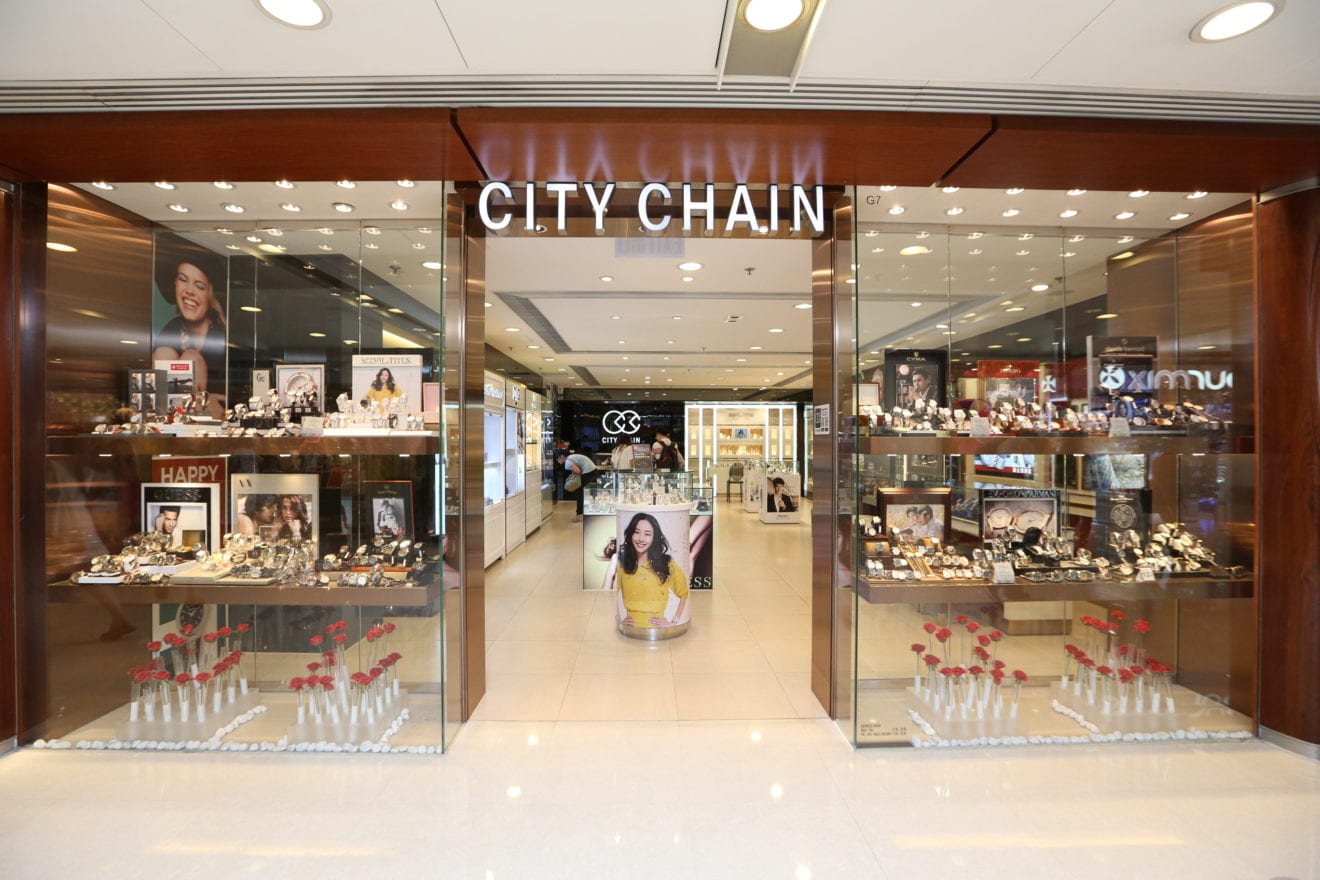
    City Chain sales plunged 20 percent across Greater China in the three months to June.

    Hong Kong-headquartered parent Stelux International – which spun off its eyewear business last year – said the watch-retailing chain’s poor performance was due to a 14.8-per-cent contraction of its store network and “softened consumer demand”.

    Group-wide turnover fell 18.8 percent to HK$235.3 million for the June quarter.

    City Chain sales in Greater China reached $167.1 million in the quarter, down 20.1 percent, with the store network down from 135 at the end of June last year to just 102.

    Sales in Southeast Asia fell 15.3 percent to $68.2 million with the store network down 36 over a year to 208.

  • Singapore retail store rents ease in second quarter

    Singapore retail store rents ease in second quarter

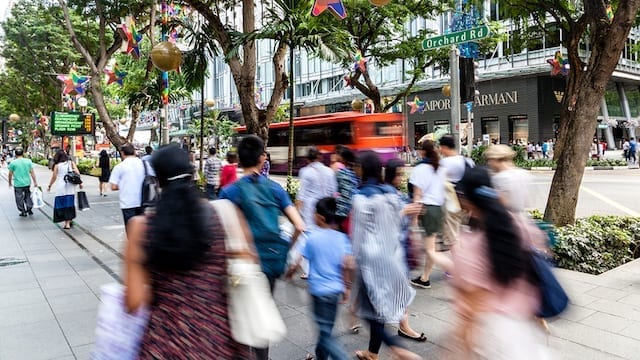
    Central Singapore retail rents eased by 1.5 percent in the second quarter of this year, according to data from the Urban Redevelopment Authority.

    That followed a smaller quarter-on-quarter decline of 0.2 percent in the three months to March 31.

    At the end of the June quarter, there were 320,000sqm of space in the pipeline, down from 364,000sqm three months earlier.

    Singapore retail space occupied by tenants rose by 74,000sqm in the quarter, more than reversing a 14,000sqm decline in the prior period.

    That contributed to a fall in the vacancy rate across the city from 8.7 percent to 7.7 percent.

    Singapore retail rents ease in second quarter

  • Alibaba targets 30 million US SMEs

    Alibaba targets 30 million US SMEs

    Alibaba has opened its platform to enable US businesses to sell their products to millions of Alibaba.com buyers in the US and around the globe.

    The nearly 30 million small and medium-sized businesses in the US – especially manufacturers, wholesalers, and distributors – can now better access the US$23.9 trillion global B2B e-commerce market, an opportunity that is six times larger than the global B2C e-commerce market.

    Alibaba is also co-producing a series of “Build Up” workshops and webinars with local chambers of commerce and B2B organizations across the country – including Score, one of the nation’s largest non-profit networks of volunteer, expert business mentors.

    “Alibaba aims to empower entrepreneurs and help them succeed on their own terms,” said Alibaba Group’s head of North America B2B John Caplan. “With 10 million active business buyers in over 190 countries and regions, we are reshaping B2B commerce by providing the tools and services needed for US SMB companies to compete and succeed in today’s global marketplace.”

    “Alibaba’s announcement to welcome US sellers onto its B2B marketplace shows the Chinese retail giant’s desire to diversify its product offering,” said Emarketer principal analyst Jillian Ryan.

    “Currently, about 90 percent of the goods sold on the marketplace are from factories in China that are often manufacturing custom goods-to-order for buyers across the globe. Buyers on the platform are from developed nations like the US, Canada, India, Australia, Brazil, and the UK, and these buyers want to be able to source goods from the US.”

    As part of its extended services, Alibaba has streamlined the ability to build and manage a single digital store on the global Alibaba.com platform; added valuable transaction capabilities, including online payment; built CRM and communications tools to facilitate the direct ownership of customer relationships; enhanced digital marketing tools to target any appropriate B2B demand; and provided an option to work with Alibaba.com’s US-based Seller Success team.

  • Positive outlook for Singapore retail leasing sector

    Positive outlook for Singapore retail leasing sector

    Ongoing investment-sale activity for malls suggests a positive outlook for the Singapore retail leasing sector, reports Edmund Tie & Company – especially for properties well connected to public transport and offering experiential and activity-based retail options.

    In a report Q2 2019 Real Estate Times for the Singapore market, the property company projects islandwide rental growth will be mixed, ranging from a 2 per cent decline to a 2 per cent increase this year. The low supply pipeline from next year onwards is likely to provide some underlying support to occupancy rates and rental levels.

    Investment market 

    For the second consecutive quarter, investment transaction value (of properties valued above S$100 million) jumped more than 52 per cent quarter on quarter with two transactions totalling $961 million. The largest sale was Chinatown Point for $520 million to a foreign institutional investor.

    The net supply of space fell by about 78 per cent as fewer projects were completed. As such, islandwide occupancy declined slightly by 0.4 percentage points to 90.1 per cent in the first quarter, however, the opening of Funan mall with 325,000sqft net lettable area – with 95 per cent of space pre-leased – is not expected to significantly impact occupancy rates in the second quarter.

    Rental rates 

    Singapore retail leasing rates across the different market segments remained largely flat, as occupancy rates remained high for malls located in prime positions. Upper-storey retail in the Orchard Road/Scotts Road area likely fell slightly due to weakened tourist spending, while the prime malls in the suburban areas continue to attract major brand retailers and new-to-market brands.

    The net demand and supply for retail spaces in suburban areas slowed in the first quarter, with the occupancy rate down marginally.  Prime-located malls with easy transportation access and a diverse and well-managed tenant mix continued to perform relatively well.

    New openings included Cafe Amazon outlets at Jewel Changi and Jurong Point Shopping Centre, and Xing Fu Tang (a Taiwanese bubble tea chain) opened a permanent store at Century Square in the second quarter.

    New space supply pipeline 

    From the third quarter of this year through to 2022, some 1.1 million sqft of retail space is expected to come onstream, with the majority of that to be completed in the second half of this year. The largest will be the Paya Lebar Quarter mall of about 313,000sqft.

    The average annual pipeline of known projects from next year through to 2022 is less than 150,000sqft, which is substantially below the three- and five-year average.

  • Macau retail sales continue to climb

    Macau retail sales continue to climb

    Macau retail sales are on the rise with businesses reporting increased turnover year-on-year. Data from the Statistics and Census Service (DSEC) shows 68 per cent of interviewed restaurants and similar establishments registered a year-on-year rise in receipts or a stable business performance in October, a six percentage point rise from September.

    And the proportion of interviewed retailers reporting a year-on-year sales increase in October rose by eight percentage points from September to 59 per cent.

    The best performing retail categories were cosmetics, with 78 per cent of retailers reporting an improvement, leather goods, (80 per cent), and apparel, (60 per cent).

    Some 21 per cent of interviewed retailers registered a year-on-year sales decline, down by three percentage points over September. Of department stores, 11 per cent reported a decline and 22 per cent of watch and jewellery vendors.

    Generally, retailers expected their sales to be stable in November, with 77 per cent predicting a year-on-year sales increase or a steady business performance, the same proportion as in October.

    Dining out data

    The proportion of western restaurants (25 per cent) reporting a year-on-year growth in receipts went up by nine percentage points, while that of Japanese & Korean Restaurants (44 per cent) was down by 13 percentage points. On the other hand, the share of establishments recording a year-on-year decline in receipts decreased by six percentage points over September to 32 per cent.

    Restaurants and similar establishments interviewed were cautious about their business prospects, with 68 per cent expecting a year-on-year rise in receipts or a steady performance in November, up by four percentage points from October. Among the various types of establishments, 50 per cent of the western restaurants and 73 per cent of the Chinese restaurants predicted their receipts to increase or to remain stable in November, up by 10 and three percentage points respectively from October.

    The DSEC says the sample of the Business Climate Survey on Restaurants & Similar Establishments and Retail Trade was selected based on the value of receipts of the establishments, comprising 167 restaurants and similar establishments (accounting for 53 per cent of the industry’s receipts) and 135 retailers (accounting for 70 per cent of the industry’s receipts).