Retail News CRM

Tag: retail news asia

  • Vietnam auto sales decline drags it down to 5th place in Southeast Asia

    Vietnam auto sales decline drags it down to 5th place in Southeast Asia

    A slump in auto sales last quarter pushed Vietnam from fourth to fifth place in Southeast Asia.

    Vietnam has for years been the fourth largest auto market in the region after Indonesia, Thailand and Malaysia, but suffered a 25% drop in sales in the first three months this year.

    Only 86,817 units were sold, according to data from the Vietnam Automobile Manufacturers Association, VinFast and Hyundai Thanh Cong.

    Due to the global recession, inflation and gloomy real estate and securities markets, people are more hesitant to buy big-ticket items like cars, and promotions and discounts by manufacturers and dealers have failed to persuade them.

    Vietnam and Myanmar saw the biggest declines in Q1, according to the ASEAN Automotive Federation. Myanmar suffered a steep drop of 84.8% year-on-year from 3,411 vehicles in Q1 2022 to 519 this year.

    The Thai market also declined by a more modest 6.1%, with sales being 210,000 units.

    According to automotive magazine Just Auto, the Thai automobile industry has seen slow growth since April last year because of rising bank interest rates and other factors such as floods and component shortages.

    But Indonesia and Malaysia have witnessed steady growth.

    In Indonesia, quarterly sales grew at 7% to 280,000 units, which kept it the top market in the region.

    Malaysia remained in third place with 190,000 units, a 20.4% increase.

    The Philippines took over fourth place with a 30.1% increase to 97,000 cars.

    The Singapore market also declined, with sales falling by 4.3% to 10,000.

    Thailand and Indonesia exchange places in auto production, while Malaysia remains in third place.

  • President calls for sustainable Vietnamese business in Laos

    President calls for sustainable Vietnamese business in Laos

    President Vo Van Thuong has asked the Vietnamese community in Laos to set its sights on long-term sustainable business growth even though weathering current short-term difficulties will be complicated.

    During Tuesday’s meeting with the Vietnamese community in Laos, Thuong praised the patriotism and contributions made by Vietnamese people and enterprises in Laos.

    For their part, Vietnamese enterprises in Laos proposed that more measures should be taken to support investment, especially capital, to improve competitiveness and expand operations.

    The President said he had asked relevant agencies to provide appropriate solutions.

    About 100,000 Vietnamese live, work, or study in Laos, with nearly 40,000 located in the capital of Vientiane, according to Vietnamese Ambassador to Laos Nguyen Ba Hung.

    After his meetings in Vientiane, Thuong wrapped up his two-day visit to Laos and returned home from his first foreign trip since taking office last month.

    Vietnam and Laos established diplomatic relations in September 1962, and raised the label of their “traditional friendship” to “great friendship” in February 2019.

    Vietnam has currently invested some $4.7 billion in 219 projects in Laos, making it Laos’ third largest foreign investor after China and Thailand.

    Bilateral trade last year increased 25% to around $1.7 billion.

  • Singapore leads foreign investment in Vietnam

    Singapore leads foreign investment in Vietnam

    Singapore remained the biggest foreign investor in Vietnam in the first two months of 2023, with investment of $978.4 million, down 42.7% year-on-year, the Ministry of Planning and Investment reported.

    Taiwan ranked second with nearly $407.1 million, 3.85 times higher than that in the same period last year. The Netherlands came third with nearly $369 million.

    The ministry said the total newly-registered capital, adjusted capital, and capital contribution and share purchase of foreign investors neared $3.1 billion, down 38% year-on-year.

    Bac Giang led the localities in FDI attraction with $824.3 million, making up 26.6% of the total, up 8.4 times over the same period in 2022. Ho Chi Minh City ranked second with 103 new projects worth $369.1 million, accounting for 11.9% of the total.

    As of February 20, as many as $2.55 billion of foreign investment capital had been disbursed, a decrease of 4.9% compared to the same period last year.

    Foreign firms have poured capital into 17 out of Vietnam’s 21 sectors, with the processing and manufacturing industry taking the lead with more than $2.17 billion, making up 70.1% of the total. It is followed by real estate with 396.9 million USD, accounting for over 12.8%.

  • JD Sports to quit South Korean after five years

    JD Sports to quit South Korean after five years

    UK activewear label JD Sports is set to withdraw from South Korea after five years of operation, according to Edaily.

    The retailer was reported to have experienced a deepening deficit since the Covid-19 pandemic, which led to the decision. The source said JD Sports Korea had notified all employees of the exit plan.

    JD Sports entered South Korea in 2017 through a joint venture deal with South Korean footwear company Shoemarker. The first JD Sports store was opened in April 2018. Currently, the company operates 14 directly managed stores nationwide, including at Lotte World Tower in Jamsil, Seoul and Starfield Goyang.

    Meanwhile, the UK retailer has recently been the target of a cyber attack that resulted in unauthorised access to a system containing customer data relating to online orders between November 2018 and October 2020. The affected JD Sports group brands are JD, Size?, Millets, Blacks, Scotts and MilletSport.

    Earlier this year, British retailer Frasers Group bought shares in JD Sports for about US$57.7 million, as the Mike Ashley-owned company continues its drive into a more premium market.

  • Hyundai distributor reports revenue of $5B

    Hyundai distributor reports revenue of $5B

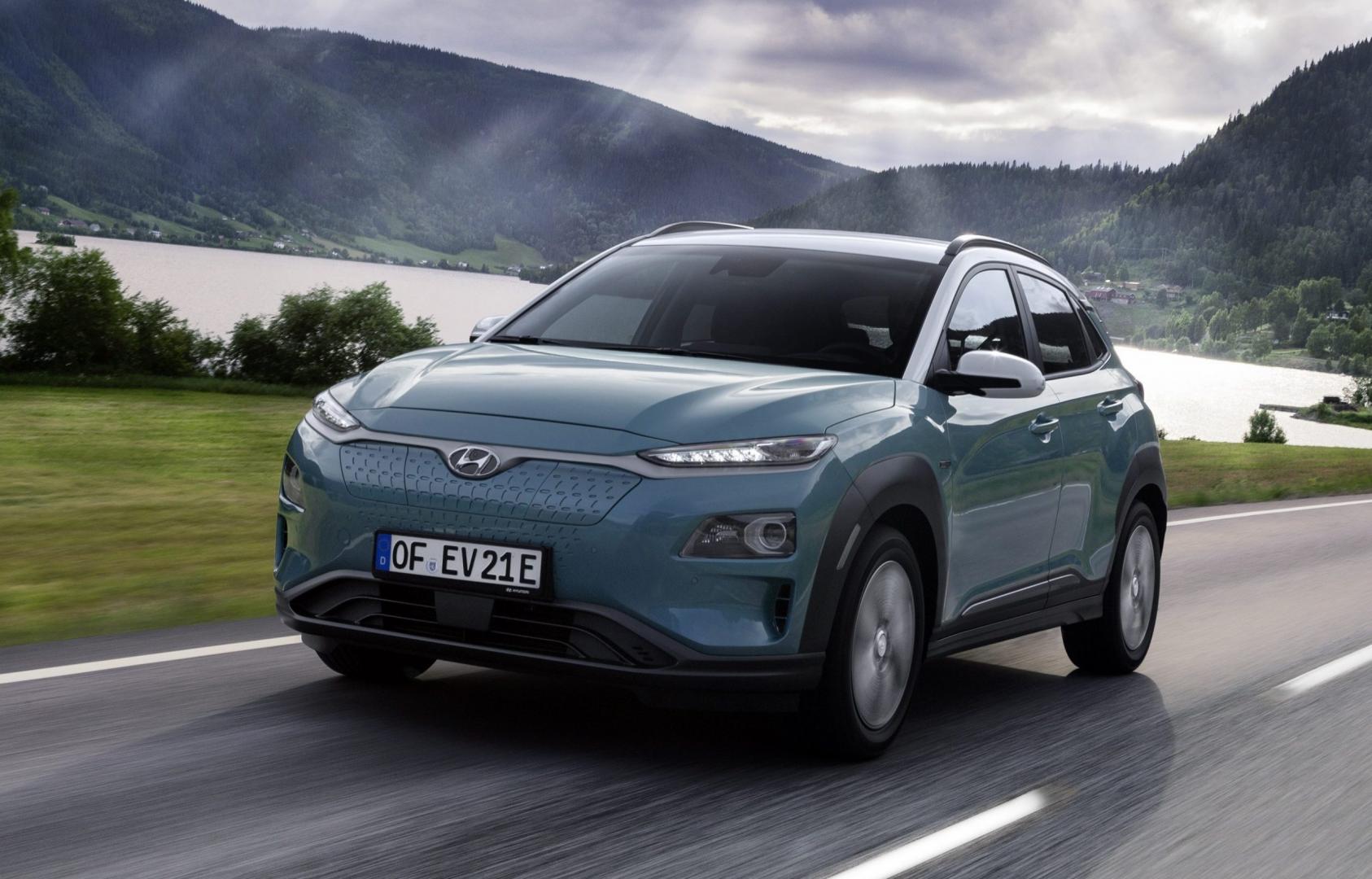
    Thanh Cong, distributor of South Korea’s Hyundai automobiles in Vietnam, recorded a revenue of VND118 trillion ($5 billion) last year, an increase of 15.6% over 2021.

    The Thanh Cong Group sold more than 81,500 Hyundai automobiles of all kinds during the year, accounting for some 16% of the country’s total automobile sales in 2022.

    Late last year Thanh Cong inaugurated its second Hyundai automobile plant in Vietnam in the northern province of Ninh Binh, with a designed capacity of 100,000 vehicles per year. It is expected to only assemble the Hyundai Ionic 5 electric vehicle at the plant this year.

    Established in 1999 as a manufacturer, Thanh Cong has now become a multi-industry firm, mainly operating in the spheres of automobiles, services and real estate.

    Other automobile distributors in Vietnam also reported big revenues or profits last year.

    Selling some 130,000 vehicles of all kinds, Truong Hai Auto Corporation (THACO), the local assembler and distributor of brands such as Kia, Mazda and Peugeot achieved a consolidated revenue of more than VND100 trillion, nearly doubling its revenues for 2021.

    Haxaco, the distributor of Mercedes cars, posted a record after-tax profit of some VND245 billion, up 1.5 times over 2021.

  • Dr Martens shuts all stores in the Philippines

    Dr Martens shuts all stores in the Philippines

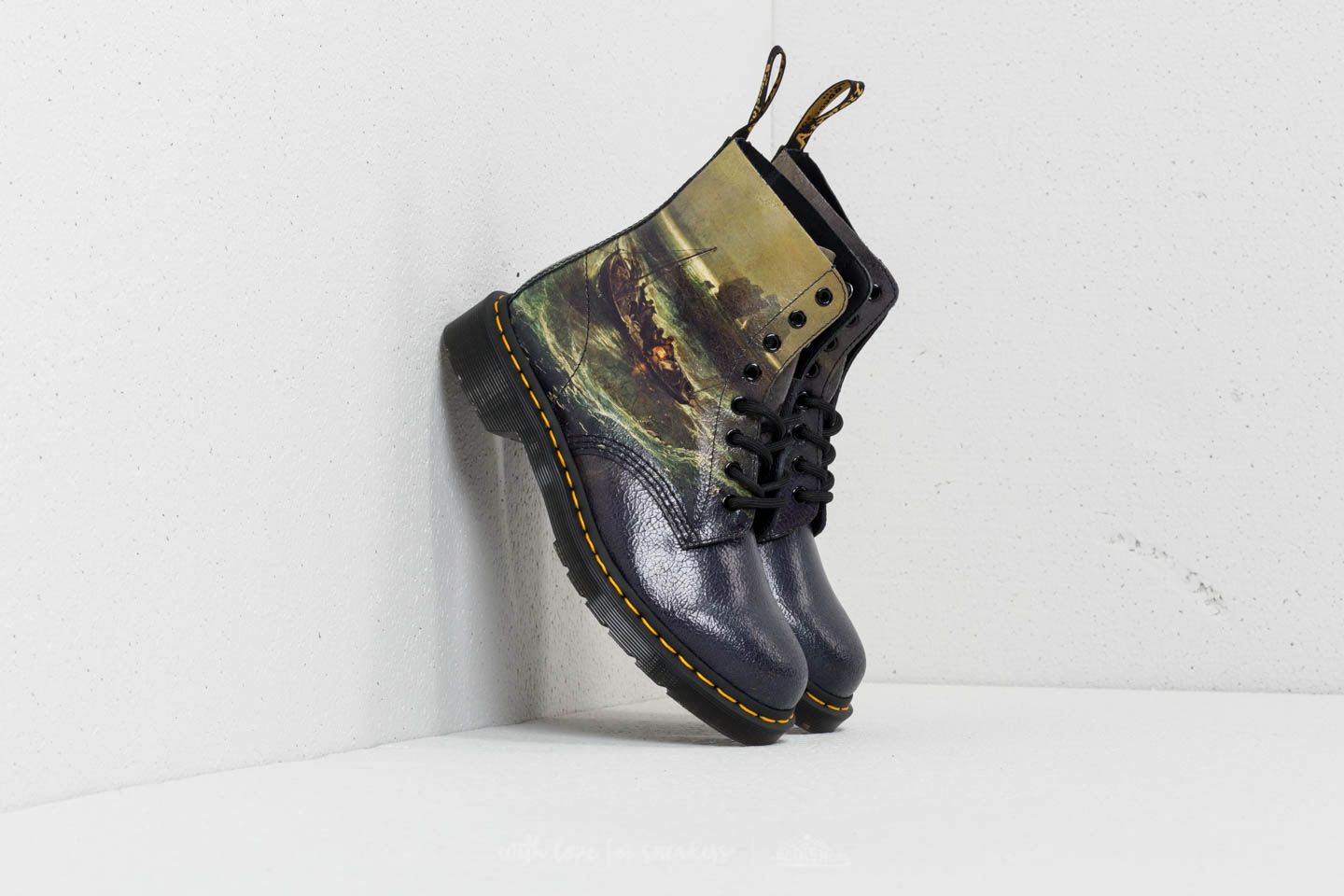
    German-founded British footwear and apparel brand, Dr Martens, has closed all of its physical stores in the Philippines.

    The brand announced on social media that it closed all of its remaining four stores in Glorietta 4, SM Mall of Asia, SM Megamall, and Manila Bay by the end of last month. However, Dr Martens did not disclose the reason behind its physical withdrawal from the market.

    Local sources said Dr Martens started shutting its stores in the country last February, including its flagship store in Two Parkade BGC.

    UK-based footwear retail reported a 13 percent year-on-year increase in revenue, reaching US$507 million in turnover for the first half of the fiscal year 2023. The brand opened 21 new stores and closed five stores during the period.

    “Although there are economic challenges ahead, we are well positioned for future growth,” said Kenny Wilson, CEO of Dr Martens.

    Dr Martens’ store closure in the Philippines occurred despite the market having seen growth in sportswear spending. Last month, US sneaker chain Foot Locker expanded into the country with the first store opened inside Manila’s Glorietta shopping mall under the partnership with Indonesian retailer MAP Aktif Adiperkasa.

  • Grocery chain Bach Hoa Xanh revenues drop on store closures

    Grocery chain Bach Hoa Xanh revenues drop on store closures

    Grocery chain Bach Hoa Xanh suffered an 8 percent fall in sales year-on-year in the second quarter to VND6.76 trillion (US$289.47 million) following its closure of hundreds of outlets.

    The subsidiary of electronics retailer Mobile World closed 251 unprofitable outlets in May and June as it restructured and also changed the layout of the remaining stores.

    It has so far renovated nearly 1,500 outlets and it plans to close down more this quarter, keeping only 1,700-1,800 stores open.

    Nguyen Duc Tai, its chairman, has said there will be no expansion this year to focus on improving efficiency and customer service.

    The company is preparing for nationwide expansion in 2023 from its current predominant presence in the south.

    Bach Hoa Xanh reported revenues of VND12.8 trillion for the first half, accounting for 18 percent of Mobile World’s revenue.

    Mobile World’s revenues rose 13 percent to VND70.8 trillion, while profits were up 1 percent at VND2.68 trillion.

  • Understanding Modern Retail Through the Gen Z Filter

    Understanding Modern Retail Through the Gen Z Filter

    Over the past decade retailers faced the challenge of managing their own digital transformation, while simultaneously scrambling to serve the needs of a younger and increasingly online-savvy audience – generally accepted as being digitally native. Today, brands are additionally tested to plan and accommodate for the increasing buying power of the emerging 11-24 age group of shoppers, colloquially known as ‘Gen Z’ or ‘Zoomers’.

    Generation Omnichannel

    Perhaps a more fitting nickname for Gen Z or Zoomers, would be ‘Generation Omnichannel’, as this is the first truly omnichannel generation to both physical and online stores and social media platforms in equal measure. This group are prepared to shop wherever suits them best, and in a more impulsive and immediate way.

    According to a recent article in Vogue, Zoomers are 56% more likely to have shopped for fashion in-store over the last three months and 38% more likely to have shopped online in the same timeframe. They are willing to shop across all channels and have an appetite for higher-quality items in an effort to stay on trend with cultural developments.

    This awareness of cultural trends is leading to some key generational spending indicators too; not to mention the fact that Gen Z consumers are more conscious about the planet and the future. They believe that the generations before them represented overconsumption, capitalism, and materialism, meaning they are more likely to associate themselves (and their wallets) with brands that match their own core values, such as sustainability, environmentalism, and equality.

    At the same time, Gen Z has been called the most critical consumer group of all, with a fundamentally different view of shopping and consumption to previous generations. They are the latest to enter the workforce and will have strong purchasing power over the next decade, meaning brands have to earn their loyalty before they become loyal shoppers.

    Furthermore, Zoomers’ frequency of shopping for new items is being disrupted by the second-hand, preloved, vintage market – a market that Zoomers are 27% more likely to shop. In Australia, preloved and vintage platforms, such as Depop & Vinted, are arguably slowing the cycle of new purchases and redefining the concept of the customer journey and what it really means to be ‘new’.

    Embracing New & All Forms of Payments

    According to PayPal, 22% of Zoomers have used buy-now, pay-later (BNPL) solutions such as Klarna and Afterpay since the start of the pandemic to buy more expensive, higher-quality products.

    Since the beginning of the pandemic, 123% more Zoomers have used BNPL than previously, representing the strongest uptake of any generation – and during April 2021, 33% of Gen Z respondents said they were likely to use BNPL solutions in the future too.

    Furthermore, Gen Z has continued to embrace mobile payment options such as mobile apps and e-wallets, including Apple and Android Pay, faster than any other consumer spending group. This expectation to be able to pay now, or later, with a device or platform is something that permeates Gen Z spending habits enormously, meaning traditional payment and Point-of-Sale (POS) technologies need to be modernised in order to offer these different payment options.

    A Window to the Future

    The pandemic and the associate rise in online activity grew usage and acceptance of eCommerce amongst consumers, regardless of generational status. If we glance into the future, beyond the Gen Z age group, Generation Alpha and subsequent cohorts will likely prove to be even more digitally-savvy – thus, the cycle of retail reinvention will likely have to start anew in another 20 years or so.

    The key to success for brands confronted by this continual sequence of progressiveness is to be agile and nimble enough to not only introduce different digital and in-store commerce options but have the capabilities to support these with the native omnichannel capabilities needed to deliver against the demanding expectations of these new generational groups.

    Gen Z is the emerging cultural and economic powerhouse in today’s retail landscape and it will continue to drive cultural change and retail spending habits on so many levels over the next two decades.

    While the full force of their dollars may not have hit retailers just yet, the race to meet the future expectations of Gen Z consumers is very much underway. The success of brands over the next two decades will not only be established by understanding what, how and from who Zoomers are likely to buy, but also on a retailer’s abilities to execute frictionless omnichannel experiences by having the right technology in place at within stores and supply chains.

    Written by Richard Wright, Managing Director, SEA, at Manhattan Associates

    For more information on how your brand can better serve customers in an omnichannel environment, please visit: www.manh.com/en-sg



  • Shopee culls staff across SE Asia, Europe

    Shopee culls staff across SE Asia, Europe

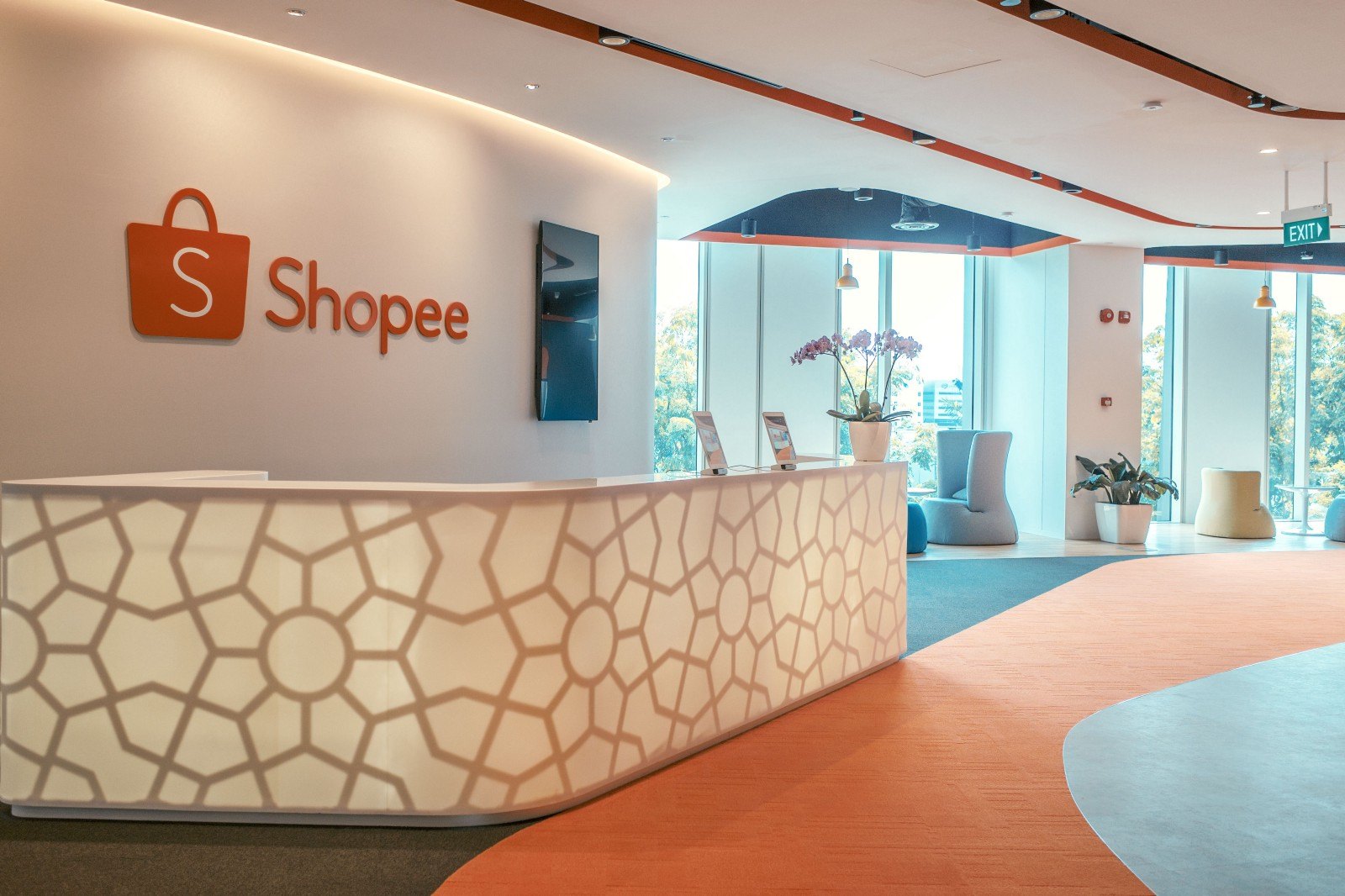
    Sea Group’s e-commerce arm Shopee is laying off staff across multiple markets as it seeks to rationalize its e-commerce business, DealStreetAsia has learned.

    The layoffs have affected employees across several of the company’s Southeast Asian markets including Indonesia, Thailand and Vietnam, sources told DealStreetAsia. The company is said to have emailed employees affected by the layoffs, the sources added.

    Shopee’s payments arm ShopeePay and food delivery business ShopeeFood are also said to be facing cuts. A general meeting was also reportedly held on Monday to address the job cuts with Shopee employees.

    The extent of the job cuts and the number of employees affected could not be confirmed at the time of publishing. DealStreetAsia has reached out to Shopee for comment.

    Two sources aware of the matter said nearly half of Shopee Thailand’s payment and food delivery teams have been affected by the downsizing. One of the sources noted that the email was said to have been managed in an off-handed manner, with the company asking staff members to return home and await further notice of termination.

    A separate source told DealStreetAsia that Shopee has stopped hiring, with several job offers for regional roles rescinded.

    While Sea Group’s business continues to show signs of improvement in overall profitability, most of its revenue continues to come from its gaming arm Garena.

    Sea Group’s first-quarter 2022 financials reflected a 64.4% year-on-year increase in Generally Accepted Accounting Principles revenue at $2.9 billion, with gross profits soaring 81.3% to $1.2 billion over the same period.

    Shopee’s business, while still losing money, has also reflected improvements, with a 71.3% year-on-year increase in orders to $1.9 billion in the first quarter of 2022 while gross merchandise value rose 38.7% to $17.4 billion. Importantly, Shopee’s gross profit margin for e-commerce increased year on year, with faster growth in transaction-based fees and advertising income generating higher margins versus other value-added services.

    Shopee, however, continues to face several macro headwinds, including rising inflation and interest rates, that may dampen retail and consumption sectors.

    The company also appears to be facing setbacks on some of its ambitious internationalization plans, including its forays into Europe and Latin America. Shopee, which has operations in Poland and Spain, decided to pull out of France after only five months as it was not meeting expectations.

  • Understaffed businesses need 300,000 plus workers in HCMC

    Understaffed businesses need 300,000 plus workers in HCMC

    Facing labor shortages, businesses and factories in HCMC need around 310,000 workers this year should Covid be controlled.

    According to a recent survey by the HCMC Center of Forecasting Manpower Needs and Labor Market Information (Falmi), the city’s labor market faces two scenarios depending on future Covid development.

    If Covid-19 is brought under control, businesses need to recruit 280,000-310,000 workers. The demand for human resources in the first quarter would be nearly 87,000, second quarter over 72,000, third quarter 74,000, and fourth quarter, 77,000.

    Should the pandemic situation remain complex, the city’s labor demand would be about 255,000-280,000 staff. The highest would be in the first three months of the year at over 78,000.

    The trade and service sector has shown the sharpest increase in recruitment demand this year, accounting for nearly 66 percent and including commerce, transportation and warehousing, accommodation, catering and others.

    Recruitment demand for the industry and construction group accounts for over 33 percent, including mechanical engineering, electronics production, food processing, beverage, and pharmaceuticals.

    The report found up to 86 percent of recruitment demand does not require workers to have a college degree.

    Regarding market response, Falmi stated that on average, the city produces about 500,000 students and graduates each year, including from university, college, intermediate, elementary and vocational training levels.

    Therefore, it is expected the city’s labor force would meet recruitment demand among enterprises this year.

    The agency noted that this year the city’s labor force would reach nearly 5 million employees, of which more than 3 million work in enterprises and factories.

    Last year, according to a Falmi survey, nearly 65,000 businesses across HCMC had to recruit more than 174,000 workers, though the number of job seekers was only around 135,000.

  • The Retail News Team wishes you a Merry Christmas and Happy Holidays!

    The Retail News Team wishes you a Merry Christmas and Happy Holidays!

    The Retail News Asia team wishes you peace, joy and successes throughout the coming year. Thank you for your continued support and involvement. We look forward to hearing from you in the years to come.

  • B2B shopping app taps Vietnam’s e-commerce potential

    B2B shopping app taps Vietnam’s e-commerce potential

    The ranking of businesses in Vietnam’s map of e-commerce changed in the second quarter of 2021, with the volume of Google searches for essential online stores skyrocketing, according to an iPrice Group study.

    The study showed online groceries were the only category to maintain steady and consistent growth since the beginning of the pandemic. Google searches related to online grocery stores in the second quarter of this year increased by 223 percent against the first quarter. The number of searches increased 11 times in July compared to May, and 3.6 times compared to June when the social distancing order under Directive 16 was implemented in some provinces and cities.

    People pay more attention to fresh food, beverages, pre-packaged items, fruits, and veggies as the searches of these items surge by 99 percent, 51 percent, 30 percent, and 11 percent, respectively, compared to the previous quarter. Thus, social distancing could be one of the factors driving the surge in demand for online supermarkets. With the growing necessity of purchasing essentials online, retailers are more likely to adapt to the digital platform.

    Buy2Sell, a B2B platform for imported goods, launched a new application in December to compete in the e-commerce race in Vietnam. Buy2Sell’s application focuses on high-end products, especially imported organic food, genuine cosmetics, and other lifestyle items.

    From 2022, Buy2Sell will expand to allow domestic sellers on its platform instead of only international vendors as previously. It would still enable any buyer matching a seller’s MOQ (order minimum) to purchase goods at wholesale prices.

    Buy2Sell has established a flexible delivery policy between sellers and buyers on its platform and application, where sellers can deliver the goods themselves to buyers instead of waiting for a long period of time. This helps buyers receive the goods quicker.

    All goods displayed on Buy2Sell will be authenticated from their origin. The quality of origin guarantees no imitations, fake goods, low-quality goods to be distributed through this platform. Buy2Sell established a consumer protection policy on selling prices and warranties, under the commitment for all sellers.

    Through its elaborate distribution system (both wholesale and retail) since 2015, and with a completely different market segment from other e-commerce players, Buy2Sell will become a known name. In the coming years, the company intends to strongly contribute to the development of Vietnamese technologies and bring changes to the consumer landscape.

  • Moleskine opens its first retail store in SEA

    Moleskine opens its first retail store in SEA

    It’s been a big year for Brioni. The fashion house has marked its 65th year by collaborating with us on our ’Wallpaper* Handmade… in Italy’ exhibition, opening several new stores and – of course – throwing a large party. And now it is celebrating the milestone with a commemorative Moleskine notebook, which it’s giving to friends of the brand, illustrated by the whimsical hand of the artist, Carlo Stanga.

    Eschewing fashion’s customary glossy images, Stanga has created a series of playful and informal vignettes depicting the tailoring brand’s history and identity. On one page, a team of tiny characters spills from the pockets of a giant suit jacket as they carry out its finishing touches. And on another, there are a series of Brioni-clad Oscars, with a caption that reads: ’Brioni conquers Hollywood.’

    ’We were attracted to Carlo’s work by his fresh and modern stroke,’ says Brioni. The brand has a large archive of illustrations. From its inception in 1945, up until the 1970s, it collaborated with artist, Luigi Tarquini. ’We feel that illustration is a warmer art form than photography,’ the fashion house explains.

    Next up for Brioni is the opening of its new stores in China and Düsseldorf, plus September will see its first fashion show with Alessandro Dell’Acqua at the creative team’s helm.

  • Uniqlo clothes plans to produce from recycled materials by 2030

    Uniqlo clothes plans to produce from recycled materials by 2030

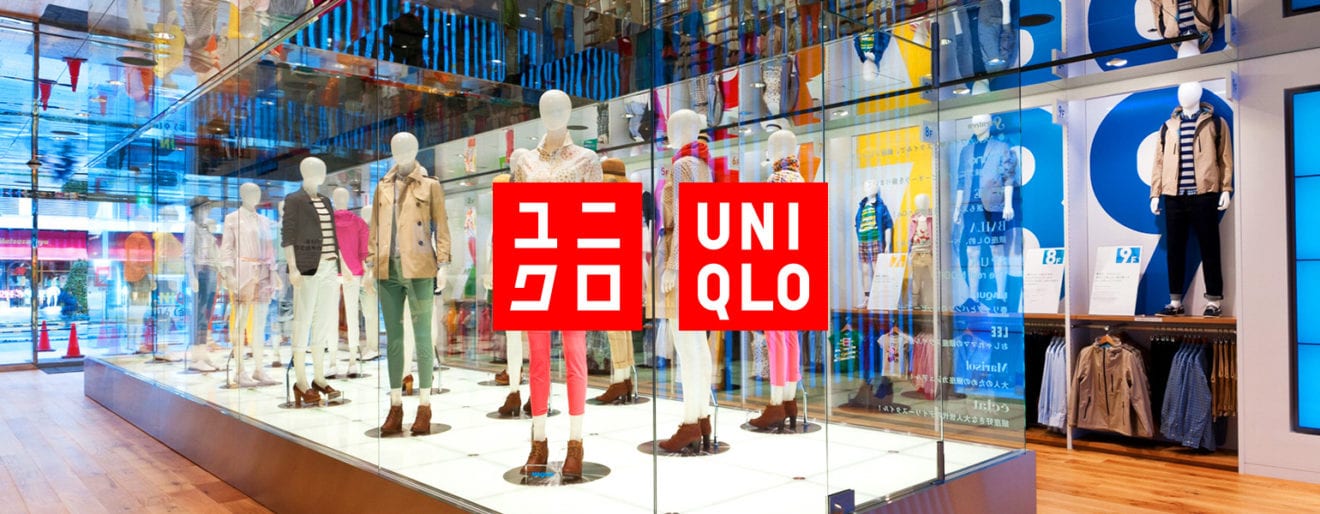
    Uniqlo owner Fast Retailing says its clothes will be made of 50% recycled materials by 2030 as it works toward its goal of carbon neutrality by 2050.

    The goal was announced on Thursday along with other sustainability targets and follows an announcement in February that Fast Retailing is shooting for carbon neutrality by 2050.

    Currently, about 15% of the polyester the apparel maker uses comes from recycled PET bottles. The company says it will start with synthetic fibers such as rayon and nylon as it begins to raise its garments’ recycled materials ratio.

    Fast also articulated its carbon emissions reduction plan toward 2030. In its own operations, the company intends to reduce these emissions by 90% from 2019 levels.

    Improving energy efficiency at its stores will be key as the stores account for the majority of the company’s total emissions. Fast aims to emit 40% less from its roadside stores and 20% less from its stores inside malls.

    It will accelerate its stores’ switch from electricity to renewable energy sources. Currently, 64 Uniqlo stores in nine European countries run on renewable energy. All stores in North America and some in Southeast Asia will follow suit and complete the switch by the end of this fiscal year ending next August, the company said.

    Fast also aims to encourage companies along its supply chain to reduce their emissions. Among its raw material providers and sewing factories, it is shooting for a 20% cut in emissions by 2030, based on 2019 levels.

    It will consider granting financial support to help factories invest in facilities.

    The fashion industry is widely considered the world’s second most polluting industry.

    Fast Retailing Director Koji Yanai told reporters that the company will reduce waste by improving the accuracy of its production volume forecasts and by reforming its logistics operations. It expects these steps to help it sell out of what it makes.

    The casual apparel maker will also collect more used clothes. Yanai said the company hopes to launch a collection service that utilizes the delivery personnel involved in bringing orders to customers’ doors. In Yanai’s vision, when a new jacket is delivered, the customer will be able to hand the driver an old jacket.

    Fast also plans to collaborate more with manufacturers in other industries, including carmakers and building material producers. It and material maker Toray will set up a research facility in 2022 that will specialize in the circulation of apparel and new material development.

    Other apparel brands are moving in the same direction. Patagonia, a U.S.-based maker of outdoor clothing, intends to make its garments with all recycled materials by 2025. Swedish fast-fashion giant Hennes & Mauritz has a 2030 goal for all of its clothing to be made of either recycled or sustainably sourced materials.

    Compared with other brands, Fast’s target is relatively lackluster. “We’re putting our customers first and presenting this as the maximum number our brand can commit to,” Yanai said. “We do not consider our target low.

    “From now on, people will evaluate what kind of responsibility each brand is trying to fulfill after selling clothes.”

  • Japanese retailers expand Vietnam presence

    Japanese retailers expand Vietnam presence

    Japanese retailers have started to expand their business in Vietnam as localities loosen social distancing restrictions and accelerate vaccination against Covid-19.

    Coffee chain %Arabica, which currently has over 100 outlets in 18 countries, has announced it will open its first shop in Vietnam on walking street Nguyen Hue in District 1, HCMC.

    Late last month, casual wear producer and retailer Uniqlo opened a new store in Hanoi’s Ha Dong District, its 10th outlet in Vietnam. In early November, it had inaugurated an online store in the country.

    Beauty brand ReFa has announced it will open three stores in HCMC late this year before expanding to Hanoi by mid-2022.

    Retail group Aeon, which has invested $1.18 billion in Vietnam, plans to double the number of shopping malls across the country in the coming time. It also plans to list shares on the Vietnamese stock market, and facilitate export of Vietnamese seafood, garments and other products to Japan.

    According to the Ministry of Industry and Trade, Vietnam’s total goods retail sales and service revenues in October rose 18.5 percent over the previous month.

    Some Vietnamese securities companies, including VCSC and VNDirect, have predicted that the retail sector would grow late this year, when vaccination is stepped up, more economic activities resume and many festivals take place. The sector’s profit would increase over 20 percent this year.