Tag: retail problems

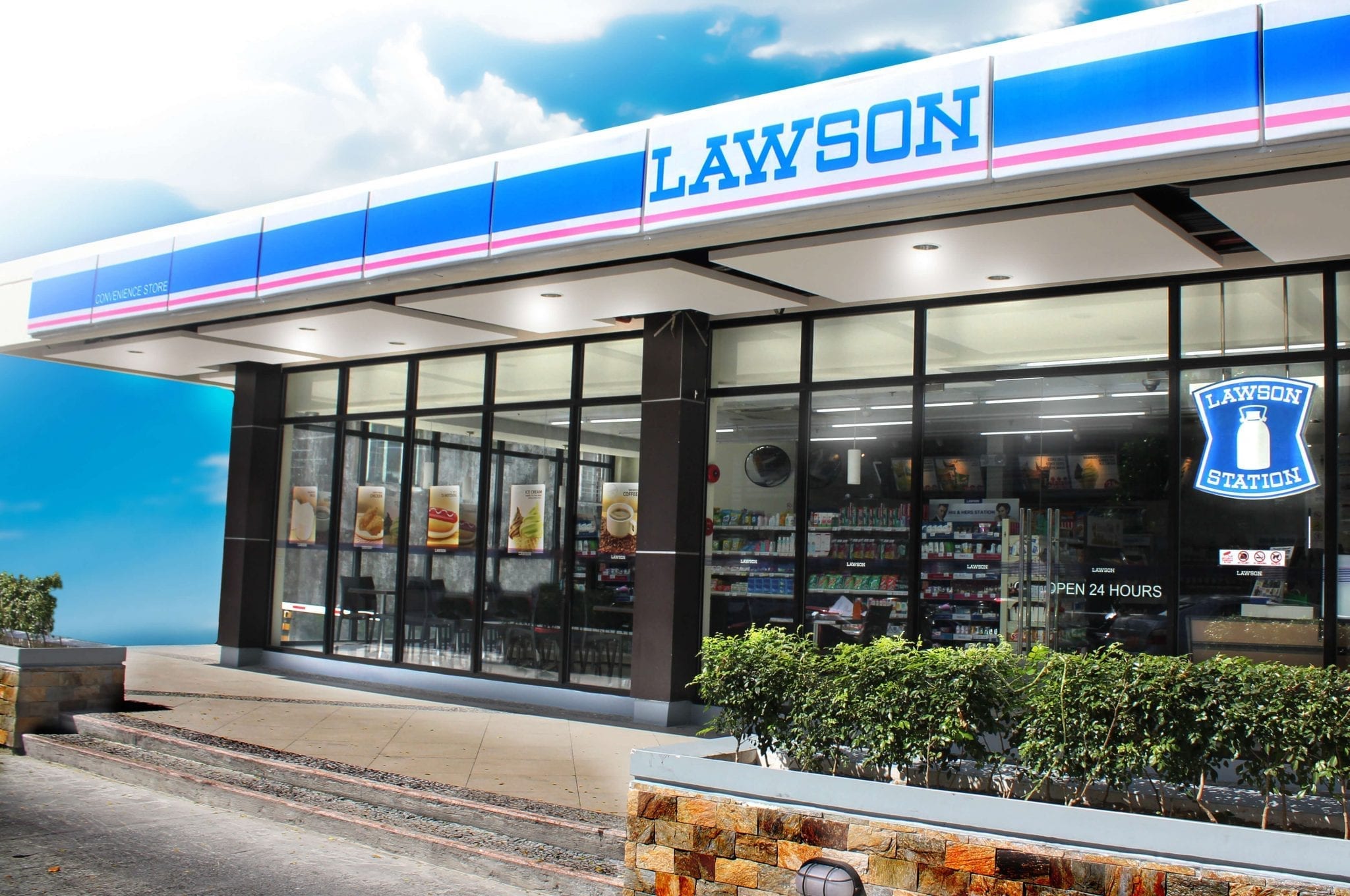
  • Lawson reveals ambitious Southeast Asian expansion plan

    Lawson reveals ambitious Southeast Asian expansion plan

    Japanese convenience store chain Lawson plans to raise its store count in overseas markets and accelerate growth in Southeast Asia over the coming years.

    The chain is targeting 14,000 overseas stores over the next six years. Its international network currently includes 7400 locations in China, Thailand, the Philippines, Indonesia and the US state of Hawaii.

    The retailer also plans to boost growth in Southeast Asia by entering franchise agreements with local retail partners and opening directly managed stores. However, it did not reveal the new markets under evaluation.

    In addition, the company will look into the possibility of expanding to additional countries.

    Founded in 1975, Lawson has about 14,600 domestic stores. As of the end of last year, Japan had approximately 55,736 convenience stores, according to local statistics.

    While the top three convenience chains – Lawson, 7-Eleven and FamilyMart – are projected to achieve a net increase of up to about 400 stores this fiscal year, the industry faces fierce competition from drugstores and online retailers.

    Last August, Lawson shifted to a joint management system involving trading house Mitsubishi Corp and telecommunications operator KDDI to develop products that fit customer tastes and introduce tech-driven services.

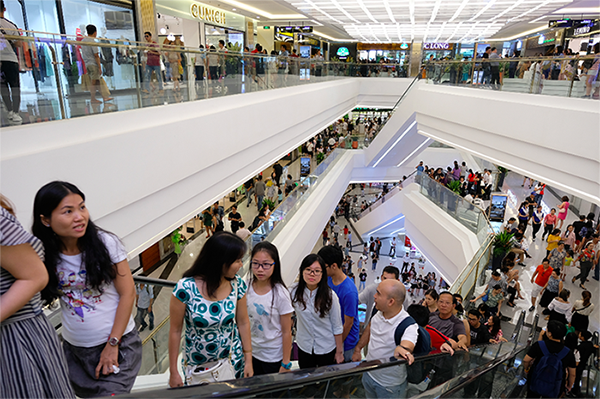
  • Hong Kong’s long run of retail sales decline continued in September

    Hong Kong’s long run of retail sales decline continued in September

    Hong Kong’s September retail sales fell 6.9 percent year on year, reflecting the continued impact of a change in consumption patterns, government data showed.

    Sales fell to HK$29.57 billion ($3.8 billion) in a seventh consecutive month of decline after a revised 10 percent decline in August, an 11.7 percent fall in July, a 9.7 percent fall in June, an 11.5 percent drop in May, a 14.7 percent drop in April and a 7 percent decline in March.

    A government spokesman said the near-term performance of the retail sector would continue to be affected by the change in consumption patterns of residents and visitors.

    “Nevertheless, an improved outlook for the Mainland economy following the recent introduction of a wide range of stimulus measures, and a possible easing of the Hong Kong dollar alongside the US dollar with the commencement of the US interest rate cut, would be conducive to boosting sentiment and supporting spending.”

    The largest rate of decline in Hong Kong retail sales in September was in the jewellery, watches, and valuable gifts category, where turnover fell by 17.9 percent.

    In volume terms, retail sales fell 8.7 percent year-on-year in September, compared with a revised 11.7 percent in August.

  • How Seamless Shopping Journeys Are Reviving Physical Retail Stores

    How Seamless Shopping Journeys Are Reviving Physical Retail Stores

    With ecommerce projected to capture 41% of global retail sales by 2027, it might seem counterintuitive for retailers to continue investing in new and existing physical stores. Yet, retailers like Fujifilm, Sketchers, and North Face are not only maintaining their brick-and-mortar presence but actively innovating with new store concepts to better serve modern shoppers and stand out in a competitive market.

    Rather than signalling the decline of physical stores, the rise of ecommerce is actually fuelling the revival of retail spaces, where fresh, exciting store concepts are drawing in consumers. This trend highlights the evolving behaviours and preferences of today’s shoppers. Retailers recognise that modern consumers engage with multiple sales channels during their buying journey, and in fact, 73% of shoppers prefer to combine online and in-store experiences. This omnichannel approach underscores the enduring importance of physical stores in a digitally driven retail landscape.

    Flexible Payments

    In today’s omnichannel digital age, offering flexible payment solutions is essential. According to Manhattan’s Unified Commerce Benchmark Singapore, 31% of ecommerce consumers will not retry if they must re-enter their payment details at checkout. Modern shoppers expect to pay using their preferred method, whether it’s a credit card, digital wallet, contactless payment, cash, or pay-by-link—regardless of the shopping channel they choose.

    By providing a range of payment options, physical stores can better meet the flexibility and convenience expectations of modern shoppers. Offering popular alternative payment methods not only increases the likelihood of attracting new customers but also encourages repeat visits from those who find their preferred payment options available. Satisfying these preferences is key to fostering customer loyalty.

    Omnichannel Promotions

    Retailers plan and execute promotions to boost sales, attract new customers, and enhance brand awareness. However, without the right technology in place, promotions can negatively impact already narrow margins. It’s essential for retailers to focus on promotional effectiveness, ensuring these initiatives deliver the desired financial results and customer satisfaction.

    Seamless integration across all sales channels is critical, as promotions should be defined once and shared consistently with unified targeting, qualification, and calculation logic. If a customer is eligible for a promotion online, that same offer should be available in stores and at the contact centre, unless it is an exclusive online deal. Yet, executing promotions consistently in-store remains a significant challenge due to the fast-paced environment.

    An omnichannel promotions engine can address this challenge by providing a single source of truth for promotion logic, ensuring consistency across all sales channels. Effective omnichannel promotions are well-planned, targeted to the right customers, and executed consistently, playing a crucial role in the modern retail brand experience.

    Clienteling

    Modern shoppers highly value personalised shopping experiences, especially in retail segments like high-end luxury goods, where personalisation is expected. According to McKinsey, companies that excel in personalisation can potentially generate 40% more revenue, highlighting its significant impact.

    For brick-and-mortar retailers, personalised one-on-one shopping experiences provide a unique advantage over digital-only competitors. By incorporating clienteling capabilities, such as Mobile Clienteling, stores can seamlessly connect all sales and service functions, empowering store associates with rich customer data to enhance interactions throughout the store.

    Virtual clienteling is also emerging as a powerful tool, allowing store associates to maintain customer engagement beyond the store. Whether it’s responding to product inquiries via phone, text, or email, or providing additional information to assist with purchase decisions, virtual clienteling extends the personalised shopping experience beyond the store’s physical boundaries.

    In 2024, the key to effective clienteling lies in enabling store associates to quickly access and utilise customer purchase history, engagement history, and preferences. This allows for personalised interactions and tailored recommendations that resonate with customers, whether in-store or through virtual channels.

    Store Order Fulfilment

    Modern shoppers appreciate the convenience, immediacy, and cost savings of buying online and picking up in-store (BOPIS), driving increased demand for this fulfilment service. Simultaneously, retailers are increasingly leveraging their stores to ship orders, reducing shipping costs and speeding up delivery times.

    To meet customer expectations while maintaining profitability, modern stores must excel in fulfilment efficiency, scalability, and accuracy. BOPIS not only caters to shoppers’ desire for convenience but also drives additional foot traffic and sales in stores. According to a survey by the International Council of Shopping Centres, 67% of BOPIS users buy additional items when picking up their orders.

    Physical stores have evolved into multifunctional hubs within the omnichannel retail ecosystem, offering retailers a strategic way to meet growing shopper demands for speed and convenience. When optimised to handle increasing volumes and rising customer expectations, store fulfilment can significantly boost sales and enhance customer satisfaction.

    Unified Returns and Exchanges

    In 2022, returns cost retailers a staggering $817 billion, with 78% of shoppers finding the returns and exchanges process inconvenient, and 41% considering it time-consuming. Beyond the financial impact, returns significantly contribute to CO2 emissions and landfill waste. A March 2023 report by the British Fashion Council’s Institute of Positive Fashion, Solving Fashion’s Product Returns, revealed that in the UK, 3% of returned items are not resold—50% of which end up in landfills, 25% are incinerated, and only 25% are recycled, underscoring the environmental toll.

    Unified returns and exchanges enable modern shoppers to return or exchange any item at a store, regardless of the original sales channel, including online purchases. This approach offers customers the convenience of a straightforward return or exchange process, with the immediate satisfaction of an instant refund or a new item.

    By implementing unified returns and exchanges, retailers not only meet the needs of today’s shoppers in this crucial area of customer service but also reduce both business and environmental costs by minimising the need to ship returns.

    By Richard Wright, Managing Director, SEA, Manhattan Associates
     

  • Singapore retail sales see softer decline in July

    Singapore retail sales see softer decline in July

    Singapore retail sales dropped 2.3 percent in July after motor vehicles were excluded from the data, compared with the 3.1 percent decline in June.

    According to the Department of Statistics, the estimated total retail sales value in July was SG$3.4 billion (US$2.6 billion), of which 14 per cent came from online.

    On a seasonally adjusted basis, retail sales increased 0.5 percent month on month.

    The department stores and wearing apparel and footwear industries led the decline, with sales down 11.2 percent and 10.3 percent, respectively. Sales of optical goods and books fell 8.7 percent, mainly due to lower book demand.

    Meanwhile, the petrol service stations, food and alcohol, supermarkets and hypermarkets, and watches and jewelry industries recorded sales growths of between 0.8 percent and 4.7 percent.

    Sales of food and beverage services edged up 0.2 percent in July following a 1.9 percent increase in June.

    The total sales value of F&B services in July was SG$989 million, of which 23.8 per cent were from online.

  • Industry-First Marketplace Research Reveals only 7% of Australian Shoppers Trust Temu on Product Quality, while Amazon leads for Convenience, Range, and Returns

    Industry-First Marketplace Research Reveals only 7% of Australian Shoppers Trust Temu on Product Quality, while Amazon leads for Convenience, Range, and Returns

    An industry-first study by global ecommerce accelerator, Pattern, has shown that despite their surging popularity, Australian consumers hold negative views on the quality of the products sold on emerging marketplaces Temu and Shein.

    The major Australian marketplace shopper study uncovered Australian consumers’ perceptions of the seven largest marketplace platforms: Amazon, eBay, Catch, Kogan, Temu, MyDeal, and Shein.

    Temu was ranked as the lowest marketplace in perceived product quality at only 7%, followed by Shein, with just 8% of shoppers expressing trust in its product quality. This contrasts with a majority of shoppers saying that they trusted the quality of the products sold on Amazon.

    “Temu and Shein have burst onto the Australian ecommerce landscape, attracting large numbers of younger shoppers. However, these platforms still have to play a lot of catch-up to win over Australian consumers, who didn’t rate them highly for product quality, returns, and convenience,” said Merline McGregor, General Manager of Pattern Australia.

    “With a transparent product rating and review system built into its platform that educates and builds shopper trust, Amazon has become the most trusted marketplace in Australia in relation to the quality of products it sells. This is an area where Amazon leads the sector at 58%, with eBay trailing at 39%, followed by Catch (25%), Kogan (19%) and MyDeal (11%).”

    Marketplaces attract shoppers as cost-of-living pressures bite

    As cost-of-living pressures rise, Australian consumers are increasingly turning to marketplaces to research, compare, and purchase. A large majority of Australians shopped on a marketplace in 2023, with a staggering 94% planning to buy from platforms like Amazon, Catch, and eBay over the coming year.

    “With strained household budgets, marketplaces are attracting an increasing number of shoppers with their easy-to-use price comparison functionalities and sales events. With its globally recognised Prime Day event gaining popularity in Australia, Amazon has become the leading marketplace for value-for-money purchases, attracting 48% shoppers, followed by eBay at 41% and Catch at 27%,” said McGregor.

    Not only are marketplaces attracting higher volumes of shoppers, but they are more likely to secure high income shoppers in 2024. Today, over 80% of $200K earning households shop on Amazon. Even newer marketplaces like Shein attract high income consumers, with 34% of those in the $160-$199k household income bracket buying from the platform in the past 12 months.

    Amazon wins for convenience and returns

    Amazon outperforms all other marketplaces in relation to ease-of-use shopping, with 56% of consumers highlighting it was the most convenient platform to buy from, compared with eBay (46%) and Catch (23%).

    This can be attributed to Amazon’s Prime membership benefits, where shoppers get free, fast shipping and the platform’s advanced search and recommendation algorithms that personalise the shopping experience.

    Given the sophisticated supply chain infrastructure it has established in Australia, 49% of shoppers also said Amazon has the most reliable returns process – significantly more compared to any other single marketplace.

    Brands need to be present on platforms with biggest product ranges

    Just over 60% of Australian shoppers believe Amazon has the widest product range, followed by eBay at 52%. All other platforms lagged – Catch, 20%, Temu, 17%, Kogan 14%, Shein, 11% and MyDeal 8%. Offering the most product variety and options also buys marketplaces the highest web clicks, with Amazon averaging 75.2 million monthly site visits and eBay 50.9 million.

    “It’s no surprise there’s a direct correlation between marketplaces perceived to have the best product ranges and those platforms, like Amazon, that attract the highest volumes of web traffic. Brands need to be present where their shoppers are. While the larger marketplaces may have more competition, they also have the biggest audiences of potential shoppers to target,” concluded McGregor.

    For more information and to download the full report please click here: ‘Australian Marketplace Consumer Trends Report – 2024’ 

    Research Methodology

    Pattern worked with OnePoll to survey 1,000 Australian consumers. Responses were collected online, and the survey was restricted to adults who had shopped online in the previous 12 months ensuring there was a representative sample of age, gender and location achieved.

    About Pattern Inc

    Pattern is the category leader in global ecommerce and marketplace acceleration. Since 2013, Pattern has profitably grown to more than 1,100 employees operating from 22 global locations – including Melbourne, Sydney and the Gold Coast – to help leading brands achieve accelerated growth on D2C websites and global marketplaces. As well as being one of the largest Amazon sellers in the world, we are also present on Tmall, JD.com, eBay and other marketplaces. ​​We act as the authorised Amazon seller to more than ​2​00 brands​ globally​, buying their stock to sell on the marketplace and taking care of every aspect of their Amazon presence. In 2018, Pattern acquired Practicology, a global digital consultancy and agency with a presence and strong client base in Australia. For more information, visit https://au.pattern.com/ .

    Media Contact

    Corinne Nolte

    Mulberry Marketing Communications

    cnolte@mulberrymc.com

  • Hong Kong retail surges

    Hong Kong retail surges

    Continued revival of inbound tourism and private consumption helped Hong Kong’s retail sales notch a 10th consecutive month of growth in September, though it was slower than in previous months, official data showed on Wednesday.

    Sales increased 13 percent year-on-year to $4.06 billion in September, the city government said, but the growth was the slowest pace since January, when it was at 6.9 percent.

    Retail sales rose by 13.7 percent in August and 16.7 percent in July.

    “Continued improvement in household income and the government’s various support initiatives, including the Night Vibes Hong Kong Campaign, should also provide support,” a government spokesman said, adding further recovery of visitor arrivals should benefit the retail sector.

    In volume terms, September retail sales increased 10.1 percent year-on-year. That compared with an 11 percent growth in August and a 14.2 percent rise in July.

    For the first nine months, retail sales value rose 18.6 percent year-on-year while volume grew 16.5 percent.

    Hong Kong’s economy grew 4.1 percent from a year earlier in the third quarter, data showed on Tuesday, accelerating from the 1.5 percent expansion in the second quarter and the 2.9 percent in the first, but missing the 5.2 percent median forecast of economists polled by Reuters.

    In August, the government revised up its economic growth forecast for 2023 to between 4.0 percent and 5.0 percent.

    Visitor arrivals for September were 2.77 million, bringing the total for the first nine months of 2023 to 23.32 million, according to Hong Kong Tourism Board preliminary data. That compared with last year’s 66,037 and 249,699, respectively, when China was still in the grip of Covid restrictions.

    The number of mainland Chinese visitors decreased to 2.16 million in September from 3.43 million in August, the data showed. That compared with 51,282 in September 2022.

    Sales of jewellery, watches, clocks and valuable gifts, which before the pandemic were mostly bought by mainland tourists, rose 27.3 percent year-on-year in September after a 57.2 percent
    jump in August, data showed.

    Sales of clothing, footwear and accessories grew 36.4 percent on the year in September after a 37.4 percent increase in August.

  • Vietnam eyes stronger cooperation with US

    Vietnam eyes stronger cooperation with US

    Vietnam and the U.S. should further promote the Comprehensive Strategic Partnership more effectively and substantively, focusing on economic cooperation, said Prime Minister Pham Minh Chinh.

    The PM made the statement at a reception in Hanoi on Wednesday for Chief Economist at the U.S. Department of State Emily Blanchard, who is on a working visit to Vietnam.

    The two sides reviewed outstanding achievements in the bilateral ties, agreeing that the Vietnam – U.S. relationship has witnessed comprehensive, stable and substantive developments, bringing practical benefits to both countries and contributing to peace, stability, cooperation and development in the region and the world.

    They emphasized the significance of the upgrading of the Vietnam – U.S. relationship to a comprehensive strategic partnership in September, saying that this will bring opportunities and practical benefits to both countries.

    PM Chinh suggested the U.S. side continue cooperation with Vietnam in energy transition, climate change response, tourism and people-to-people exchange, handling of post-war consequences, and enhancement of national governance capacity, and increase scholarships to Vietnamese students.

    He highly valued the U.S. government’s decision to consider recognizing Vietnam’s market economy status, urging the U.S. side to complete this process soon.

    The two sides need to continue efforts to promote connection between their economies, promote harmonious and sustainable trade exchange, and facilitate investment cooperation between the two sides’ businesses, he said.

    The PM proposed the U.S. continue to open the market to Vietnamese goods such as textiles, footwear, and electronics, and limit anti-dumping and anti-subsidy tax measures and other unnecessary measures on Vietnamese exports, especially farm produce, wooden products and items that directly impact jobs and livelihoods of people.

    He affirmed that the Vietnamese Government will always accompany, support, and create an open, transparent, safe, and healthy business and investment climate for U.S. businesses to operate effectively in the country.

    Blanchard agreed with the PM’s proposal on the need to concretize and effectively implement the new relationship framework between the two countries, especially promoting the above-mentioned key areas.

    She highly valued of Vietnam’s outstanding achievements in economic growth, macroeconomic management, and inflation control, expressing her belief that with the increasingly improved investment and business environment in Vietnam, the country will attract more U.S. investors in the time to come.

    There remains room for the two sides to expand cooperation further, she said, promising to continue to contribute to promoting and deepening the Vietnam-U.S. relations.

    The U.S. is willing to share its experience in economic policy as well as how to coordinate to respond to fluctuations in the global economy effectively, she stated.

  • Hong Kong retail sales rose for the eighth month in a row in July

    Hong Kong retail sales rose for the eighth month in a row in July

    Hong Kong’s July retail sales rose 16.5 percent from a year earlier helped by an increase in visitor arrivals and positive consumption sentiment, government data showed on Thursday.

    Sales increased to HK$33 billion, marking an eighth consecutive month of growth. That compared with a revised 19.5 percent rise in June.

    In volume terms, retail sales increased 14 percent year-on-year in July, compared with a revised 17.4 percent of growth in June.

  • Central Retail posts growth in revenue, profit

    Central Retail posts growth in revenue, profit

    Its net profit stood at THB2.31b during the quarter.

    Central Retail Corporation (CRC) reported its net profit grew by more than 75% year-on-year to THB2.31b in the first quarter.

    Over the same period, the company’s total revenue went up by 12% to THB63.2b.

    “The company achieved a 30% sales growth in the fashion category, 9% growth in the food category. Sales in the hardline category in the Thai market also continue to grow at 9% despite the downward trend in the industry,” Yol Phokasub, CEO, Central Retail Corporation (CRC), said.

    “These results are positive signals, which are indicative of Central Retail’s further growth prospect in 2023, reaching its growth targets and driving up revenue by 12-15%.”

    The company noted Central and Robinson Department Stores continued to grow and develop as a result of its mission to deliver next-level shopping experiences to its customers.

    Moreover, Central and Robinson Department Stores continue to grow and develop as a result of its mission.

  • Singapore records minor retail sales growth in June

    Singapore records minor retail sales growth in June

    Singapore retail sales (excluding motor vehicles) grew by 2.5 per cent to SG$3.4 billion (US$2.5 billion) in June, following May’s 1.7 per cent increase.

    The country’s seasonally adjusted retail sales were up 0.2 per cent month over month, data from the Department of Statistics Singapore shows.

    Online retail sales accounted for 14.3 per cent of the total sales, it added.

    The food and alcohol sector reported a 30.7 per cent jump in sales year over year, attributed to higher demand for alcoholic beverages, including those in duty-free shops.

    While most of the remaining sectors posted a year-on-year increase in sales, petrol service stations saw a 24.2 per cent dip. Sales of motor vehicles also declined by 8.4 per cent in June.

    The sales increase of food and beverages services continued to slow down for the month, up 7.2 per cent compared to the 8.7 per cent growth in May and 15.3 per cent in April.

    The sales value of food and beverages services was $956 million, with 23.4 per cent coming from online transactions.

  • Alibaba aims to expand local business in Europe

    Alibaba aims to expand local business in Europe

    Alibaba Group will make Europe top priority as it focuses on building local businesses and online platforms outside China, the president of the e-commerce giant said on Thursday.

    “What we will focus more for the future is to build local businesses, so you will see something called TMall which we have in China become TMall in Europe, which means we will serve local brands and local customers in local markets,” J. Michael Evans told a technology conference in Paris.

    “We have started with a pilot project in Spain which we will expand across Europe,” he said.

    Alibaba announced in March it would split into six units and explore fundraising or listings for most of them, following a two-year regulatory crackdown on China’s tech sector.

    Its e-commerce business is to be split, with one side covering Alibaba’s domestic-facing e-commerce marketplaces and the other its overseas e-commerce marketplaces such as Lazada, which serves Southeast Asia, and AliExpress.

    Taobao and TMall are China’s dominant e-commerce marketplaces in China.

    Asked about Alibaba founder Jack Ma, China’s best known entrepreneur who withdrew from public view in late 2020 after giving a speech criticising China’s regulatory system, he said Ma remained Alibaba’s biggest shareholder and still cared very much about the company.

    Ma left mainland China in late 2021 for stints in Japan, Spain, Australia and Thailand, according to photographs, but returned in March a day before Alibaba announced its restructuring. He has not made any public comments during that period.

    “Jack is alive, he is well, he is happy. He is teaching at a university in Tokyo and spending more time in China,” Evans said.

    “He is the largest shareholder at Alibaba. This is his company, he cares as much about this company today as he did when he started it and I expect this to continue for as long as Alibaba and Jack Ma are here.”

  • Vincom Retail profits nearly triple in Q1

    Vincom Retail profits nearly triple in Q1

    Mall operator Vincom Retail has reported after-tax profits of VND1.02 trillion (US$43.4 million) for the first quarter, a 2.7-fold rise year-on-year, amid a recovery in consumption.

    It was 23% up quarter-on-quarter, the company’s consolidated financial statements showed.

    Vincom Retail reported revenues of VND1.94 trillion in the first quarter, an increase of 42%, with its mall business accounting for VND1.9 trillion.

    The company targets profits of VND4.68 trillion on revenues of VND10.35 trillion for this year, up 69% and 41% from 2022.

    Vincom Retail, a subsidiary of conglomerate Vingroup, plans to open a mall each in Ho Chi Minh City and the northern province of Ha Giang, increasing its total number to 85 in 45 cities and provinces.

  • Landmark Unified Commerce Benchmark for Specialty Retail Released

    Landmark Unified Commerce Benchmark for Specialty Retail Released

    Manhattan Associates Inc., in partnership with Google Cloud and Zebra Technologies, has released the findings of the industry’s first real-world analysis of Unified Commerce in specialty retail. The Unified Commerce Benchmark for Specialty Retail, conducted by Incisiv, assessed 124 retailers across 11 specialty retail segments on the implementation of 286 key attributes of Unified Commerce.

    Based on insight from real purchases, returns, and customer journeys across digital and physical channels, the benchmark reveals the common attributes of successful retailers and the opportunities for others to improve their customer value and modernize operations. Of the 124 retailers benchmarked, 15 emerged as leaders. These brands are Academy Sports + Outdoors, American Eagle Outfitters, Belk Inc., Crate & Barrel, Levi’s, Macy’s, MAC Cosmetics, Neiman Marcus, Nordstrom, Pandora, REI Co-op, Saks Fifth Avenue, Sephora, UGG and Zales.

    In today’s rapidly evolving ecosystem, retailers need complete visibility on and insight into every aspect of their business, from back-end to customer-facing. Unified Commerce solutions combine a retailer’s front- and back-end systems to establish a single view of the business. That single view informs better decision-making and enhanced customer experiences, while enabling brands to identify and respond to trends quickly, ultimately driving stronger revenue growth by up to 6X. However, consolidating systems and building a cohesive Unified Commerce solution can be quite challenging. The benchmark identified the following common challenges in retailers’ efforts to adopt this new model:

    • Personalisation – Retailers must be able to identify shopper intent and curate a personalized experience that meets their expectations. However, only 38% of the retailers studied give their store associates access to shopper purchase history and wish lists across all channels. Only 20% of the retailers studied provided personalized product recommendations and offers. As a category, digitally-native vertical brands (DNVBs) outperformed the broader retail cohort in this area, with 42% offering advanced personalisation capabilities – 16 points ahead of the overall group examined.
    • Real-Time Inventory Visibility – Visibility into allocatable and saleable inventory and rich findability are critical for retailers wanting to provide a seamless omnichannel experience. Only 29% of the retailers studied provide real-time inventory statistics on their product detail pages.
    • Convenience and Flexibility – Today, convenience is about more than just speed of delivery. Convenience encompasses providing multiple payment and delivery options and the ability to make changes to an order after the sale. Only 15% of the retailers studied provided the option to change fulfillment method post order confirmation. On an average, only 27% of the retailers provided the ability to return store purchases online.

    “Shoppers don’t see channels the way retailers do. Unified Commerce can only provide the highly customized shopping experience expected by today’s consumers if there is true visibility of inventory availability, and flexibility during and after the sale,” said Manhattan Associates president and CEO, Eddie Capel. “Embracing a Unified Commerce model can drive strong business growth, high revenue opportunity, lead to competitive advantage and heightened customer loyalty that every retailer covets. With the right technology and solutions, they can outperform their peers by as much as 6X.”

    “Zebra Technologies is helping retailers globally optimize their inventory and engage their associates to improve productivity and deliver an elevated customer experience,” said Bill Burns, Chief Executive Officer, Zebra Technologies. “This new benchmark highlights the important role that real-time inventory visibility, front-line worker enablement, and fulfilment flexibility play in driving Unified Commerce, and we have the right solutions to deliver these benefits.”

    “In order to deliver on the promise of Unified Commerce, retailers must connect digital and in-person experiences, and all of the data and systems that enable them,” said Carrie Tharp, VP of Retail and Consumer at Google Cloud. “Manhattan Associates’ partnership with Google Cloud on this benchmark shows how retailers can make it easy for customers and store associates to find the right products online and instore by implementing a unified commerce strategy backed by data and AI.”

    Giri Agarwal, Chief Strategy Officer at Incisiv commented: “Unified Commerce is the new battleground for retailers to differentiate themselves. Our 2023 Unified Commerce Benchmark shows that leaders who have adopted unified commerce deliver highly nuanced, seamless customer experiences across channels, leveraging technology and data to drive revenue growth. The insights from this benchmark won’t just help retailers keep up, it will help them stand out.”

    Click HERE to view the complete 2023 Unified Commerce Benchmark for Specialty Retail. 

  • Alibaba group net income soars over 130% in December quarter

    Alibaba group net income soars over 130% in December quarter

    This is despite softer demand as well as supply chain and logistics disruptions.

    Alibaba Group Holdings reported its net income attributable to ordinary shareholders grew by 138% to US$6.78b in the quarter ending in December 2022.

    The company attributed this to the decrease in impairment of goodwill linked to Digital media and entertainment segment.

    “During the past quarter, we continued to improve operating efficiency and cost optimization that resulted in robust profit growth,” Toby Xu, Chief Financial Officer of Alibaba Group, said. “Our net cash position remains strong and we continue to generate healthy cash flow. During the quarter ended December 31, 2022, we repurchased 45.4 million ADSs for approximately US$3.3b under our share repurchase program as part of our ongoing commitment to improve our shareholder return.”

    Over the same period, Alibaba noted its revenue rose by 2% year-on-year to US$35.92b.

    “We delivered a solid quarter despite softer demand, supply chain and logistics disruptions due to impact of changes in COVID-19 measures,” Daniel Zhang, Chairman and Chief Executive Officer of Alibaba Group, said.

    “Looking ahead, we expect continued recovery in consumer sentiment and economic activity. We are focused on driving growth for our customers amid the competitive landscape, and creating sustainable, longterm value for our shareholders.”

  • Hanoi’s first metro line gets $38M capital hike

    Hanoi’s first metro line gets $38M capital hike

    The Cat Linh – Ha Dong Metro Line in Hanoi has received an additional VND911 billion ($38.6 million) capital increase.

    The money will come from state coffers, with 24.4% of it from domestic funds and the rest foreign funds, according to a decision signed by Deputy Prime Minister Le Minh Khai.

    The Ministry of Planning and Investment and the Ministry of Finance are responsible for reporting the disbursement of this capital to the Prime Minister’s Office.

    The 13-kilometer Cat Linh – Ha Dong Metro Line earlier saw its cost increase from VND8.77 trillion in 2008 to VND18 trillion in 2017.

    It is one of five metro lines nationwide that has seen cost increases.

    The Cat Linh – Ha Dong Metro Line started operating commercially at the end of last year and so far it has served 7.3 million passengers, among them 10,000 monthly subscribers.

    The line has recorded a revenue of around $53 billion so far with a monthly growth of 20%.