Tag: retail sales

  • China’s 2Q economic growth steady at 7 percent

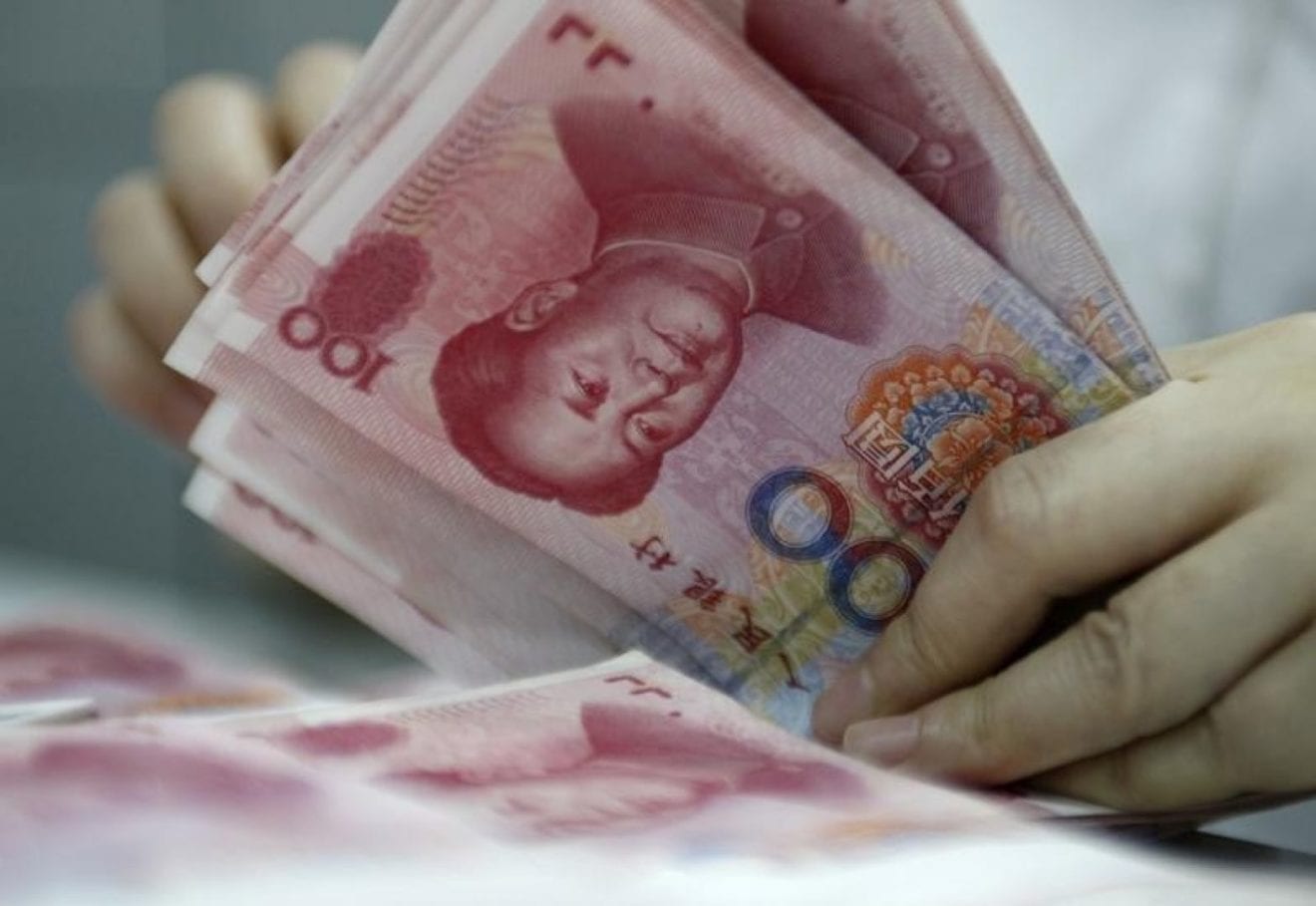
    China has released figures of its economic growth for the second quarter showing the country’s economy has grown at a steady seven percent, its weakest performance since the global crisis but slightly better than expected. Citibank said recently that it believes China’s actual growth rate could be closer to 5%.

    The Chinese economy has posted a 7-per cent growth in the second quarter compared to a year ago quarter, beating market predictions of a 6.8-per cent expansion and demonstrating that the world’s second-largest economy is on a stable path. They suggested the Chinese government would need to continue implementing a “proactive fiscal policy”, including further interest rate cuts, in the second half of the year, in order to hit its investment targets.

    Suan Teck Kin, an economist at UOB, took the data at face value, raising his full-year growth forecast to 7.1 percent from 6.8 percent. Late last month, the People’s Bank of China (PBOC) cut interest rates and the reserve requirement ratio (RRR) for some lenders in a bigger-than-expected easing package.

    Slowing growth in trade, investment and domestic demand has been compounded by a cooling property sector, deflationary pressure, and the recent equity market panic, so signs of improvement may help buttress faltering investor confidence in the effectiveness of Beijing’s management.

    China’s total trade declined in the first half of this year, official data showed Monday, falling well short of the government’s targets.

    The National Bureau of Statistics data showed that growth in the June quarter was 1.7 per cent, up from an upwardly revised 1.4 per cent in the previous quarter.

    Retail sales quickened to 10.6 per cent, compared with expectations for a 10.2 per cent gain.

    In light of the figures Nomura lifted its annual GDP forecast from 6.8 percent to 6.9 percent.

    Retail investors have sent $3.4 billion to China-focused mutual funds and ETFs for the year to date, the largest amount since 2009, according to Lipper data.

    It is not only the government reporting a warmer second quarter; the recent independent China Beige Book survey also reported signs of a broad-based recovery for the period, which it said was largely driven by growth in the interior provinces.

    It is higher than the growth rate of the industrial sector, or the secondary industry, that expanded by 6.1 percent.


  • Understanding is key to cracking Asia

    Understanding is key to cracking Asia

    It’s important for investors to be aware of the subtle differences between key Asian countries, according to a survey by BNY Mellon and analytics and advisory firm Oxford Metrica.

    The study looked at trends across Singapore, Taiwan, Hong Kong and South Korea, and noted that the differences between the markets also applies to distribution channels, and other factors that have an impact on the market.

    For example, Hong Kong retailers showed a preference for low-cost fund complexes that could meet all of their needs, while Taiwanese retailers appeared to be more inclined towards appointing specialist managers for each category.

    The report also highlighted the comparatively high costs faced by retail investors in South Korea, compared to institutional investors, and noted that in Singapore and Taiwan, more importance is placed on investment performance, while in Hong Kong, the security of a well-known brand takes prevalence.

    There were also differences in price sensitivity. While retail investors in Singapore, Hong Kong and South Korea that invest cross-border are sensitive to pricing by investment firms, this is not such a concern in Taiwan.

    South Korean institutional investors enjoy the lowest fund prices and, at the same time, regulatory developments in South Korea are geared towards attracting more international assets.

    Product range preferences also vary – a one-stop shopping solution is popular among retail investors in Hong Kong, and they tend to favour firms that can provide funds suitable throughout different market cycles. Hong Kong institutions, however, generally favour niche providers that can provide specialist expertise.

    Retail investors in Taiwan and South Korea were more inclined towards funds offered by specialist providers, and the retail market in Taiwan has even greater product diversity than Hong Kong.

    For retail and institutional investors in Singapore and Taiwan, and, to some extent, South Korea, the report suggested that a fund’s relative performance to the index as important. In Hong Kong, however, brand security tends to hold more weight.

    In Hong Kong, brand security appeared to hold greater weight than outperforming the benchmark in the long-term, however cumulative returns over one-year, three-year and five-year periods were shown to be a strong driver of sales for retail investors across all four markets.

    Singapore, Hong Kong, Taiwan and South Korea are all markets where the European UCITS structure is widely accepted, and so represent accessible entry-points for non-Asian investment managers looking to sell funds.

    Daron Pearce, global investment manager segment head for investment services at BNY Mellon, said: “Sales success in Asia’s major cross-border funds markets requires a deep understanding of the different factors that inform retail and institutional demand.”

    He added: “As one might expect, retail investors are generally more price sensitive than institutional investors. However the interplay between price, product range and performance is finely balanced across all markets analysed and, as such, close attention to the realities of individual markets is required by fund promoters.”

  • China retail sales stabilise

    China retail sales stabilise

    China retail sales growth is stabilising.

    Figures from the National Bureau of Statistics show a 10.4 per cent year on year growth rate in the first half of 2015, to US$2.32 trillion.

    That rate is a negligible 0.2 percentage points lower than the rate seen in the first quarter.

    In the latest month, June, retail sales rose by 10.6 per cent, half a percentage point ahead of May.

    The biggest mover was the catering sector, which recorded an 11.5 per cent year on year rise in the first six months of 2015. ‘Other consumer products’ was the next best performing category with growth of 10.3 per cent.

    Online retail sales soared 39.1 per cent.

  • Tourists spend up at Great Singapore Sale

    Tourists spend up at Great Singapore Sale

    While this week’s retail sales figures data may have subdued expectations of Singapore’s retail sector, another set of figures just out will do little to change the mood.

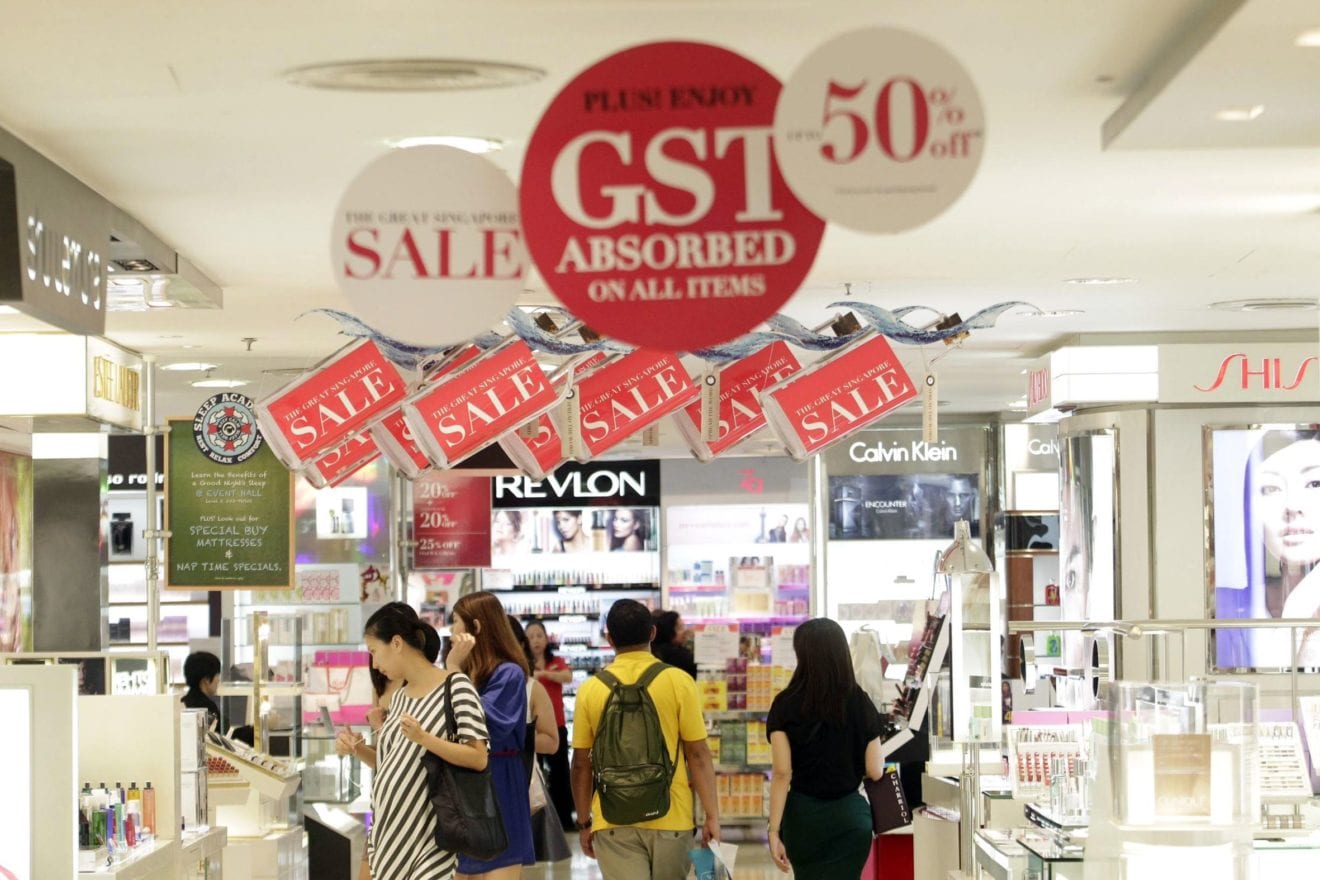
    Spending data from MasterCard suggests the Great Singapore Sale has delivered a significant increase in retail spending by tourists, especially in the food and beverage sector.

    According to MasterCard, the value of goods and services spent by tourists using its cards rose 9.9 per cent year on year, to S$350.6 million during the first month of the promotion.

    The number of transactions rose 17.8 per cent to 2.01 million, compared with 1.7 million last year.

    But Singaporeans failed to respond. Spending by locals fell 12.7 per cent in 5.1 million transactions, about 7.2 per cent less than last year. Spending on Singapore-issued MasterCards represented about double the amount of tourists, or $684.9 million.

    By card origin, Australia was the biggest source of spending during the Great Singapore Sale period from May 29 to June 28, with $39.5 million splurged, mainly at restaurants.

    Malaysians were next, spending mainly on electronics, followed by Chinese in speciality retail stores and Japanese – up from sixth in 2014 – mostly on restaurant meals.

    So while local spending was disappointing the increased cashflow from offshore shows Singapore is retaining its regional appeal as a tourist destination.

  • Burberry Hong Kong sales still falling

    Burberry Hong Kong sales still falling

    Burberry Hong Kong was the only apparent dampener on a solid quarter for the British luxury fashion retailer.

    Global retail revenue reached £407 million in the three months to June 30, representing an eight per cent increase, or 10 per cent at reported foreign exchange rates.

    But Hong Kong, where sales fell at a double-digit percentage rate, dragged the broader Asia-Pacific market down by the “low single-digit percentage”.

    “Mainland China comparable sales grew by a low single-digit percentage and Japan saw exceptional growth, albeit off a small base,” said Burberry in its sales statement issued Wednesday.

    Christopher Bailey, CEO and chief creative officer said Burberry was pleased with its underlying six per cent same store sales growth.

    “While mindful that the external environment remains challenging, we will continue to focus on growth opportunities across channels, regions and products, with exciting plans for the year ahead.”

    Bailey said the sales growth – outside Hong Kong – reflected the company’s ongoing emphasis on serving customers more effectively on and offline, and continued innovation in design and marketing – “particularly around the iconic, British-made products that performed so well in the period”.

    By region, there was double-digit percentage comparable sales growth in EMEIA, with strength from the travelling luxury customer in France, Italy and Spain in particular. The Americas delivered high single-digit percentage comparable growth, with footfall recovering through the quarter after a soft start.

    By product, heritage trench coats and cashmere scarves drove growth, as well as ponchos, an emerging key category for the brand.

    During the first quarter, Burberry opened five mainline stores and closed three. Openings included a new store in Brookfield Place, New York and relocations in the Mall of the Emirates, Dubai and Westfield White City, London. It also expanded its Regent Street flagship, adding an area dedicated to gifting.

  • Real Singapore retail sales stagnant

    Real Singapore retail sales stagnant

    Don’t be fooled by mainstream media headlines reporting a rebound in Singapore retail sales.

    The 6.1 per cent increase headline year on year increase is almost entirely driven by a near 50 per cent surge in motor vehicle sales.

    Core retail sales rose a modest 0.9 per cent in May compared with May 2014, and 1.8 per cent over a lacklustre April.

    Singapore retail sales

    Sales of food and beverage services decreased marginally by 0.3 per cent month on month and by a whole three per cent year on year.

    After seasonal adjustment, retail sales of petrol service stations, cars, medical goods and toiletries, food and beverages, mini-marts and convenience stores, wearing apparel and footwear, watches and jewellery, recreational goods and supermarkets all increased by between one per cent and 8.9 per cent month on month.

    Sales of telecommunications devices and computers decreased 10.9 per cent; optical goods and books, furniture and household equipment declined 0.3 to 0.4 per cent.

    Department store sales remained steady.

    Year on year, medical goods and toiletries sales rose the most at 10.3 per cent.

    Department store sales, supermarkets, mini-marts and convenience stores and watches and jewellery posted increases of between 1.3 per cent and 4.9 per cent.

    Singapore retail sales Index

    Recreational goods sales declined 16.2 per cent and 11.9 per cent year on year, optical goods and books, telecommunications apparatus and computers, food and beverages, furniture and household equipment and wearing apparel and footwear all declined between 1.1 per cent and 8.3 per cent.

    After seasonal adjustment, turnover of fast food outlets and other eating places (such as cafes) decreased 3.6 per cent and 0.1 per cent in May over April. Restaurant turnover was stable.

    Compared to May 2014, turnover at restaurants, other eating places and fast food outlets decreased between 0.8 per cent and 5.9 per cent.

  • Optical 88 reports strong Hong Kong sales

    Optical 88 reports strong Hong Kong sales

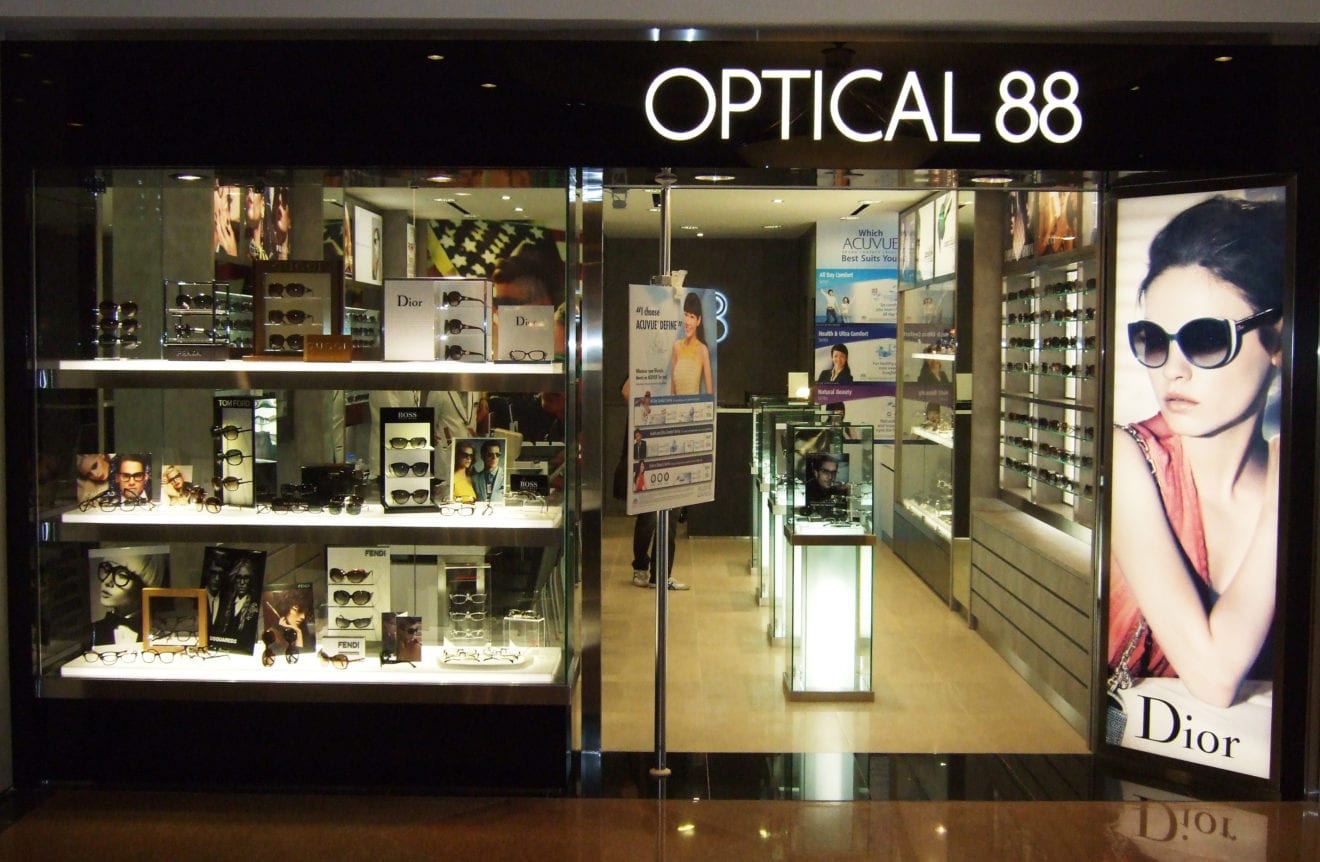
    Eyewear chain Optical 88 is narrowing its Mainland China losses as its sales improve.

    A subsidiary of Hong Kong-listed Stelux Holdings, Optical 88 has 227 stores in Hong Kong, Macau, Mainland China, Singapore, Malaysia and Thailand.

    Group sales rose just one per cent in the year to March 31, and its store network shrank by seven.

    Trading was mixed across the markets, with China and Malaysia standouts.

    China sales rose 4.7 per cent and the loss narrowed by 10 per cent to HK$27.5 million.

    “In line with our Greater China strategy, resources have been strengthened to accelerate shop opening in Southern and Southwestern China as we have relocated out from expensive cities, like Shanghai,” parent Stelux said in a stock exchange filing.

    “In addition, as we increasingly cater for the ageing demography and children, sales in progressive and functional lenses have improved whilst myopia control lenses have also been introduced.”

    In its home market of Hong Kong and Macau, the soft economy in Macau together with the accelerated slowdown in Hong Kong in the second half after a strong first six months, saw sales rise 3.9 per cent for the full year to $835.6 million.

    Profit rose 19.5 per cent to HK$95.4 million and gross margin improved to 64.2 per cent.

    “Though less affected by the decline in Mainland tourist spending, a cautious approach has nonetheless been adopted to review our store portfolio in key tourist locations.”

    Optical 88 recorded a loss for its Southeast Asian stores, but there were mixed results by market.

    Overall, Optical 88 lost $6.7 million in the three markets but on an exchange neutral basis, the loss was reduced to $1.4 million. Operating costs declined 2.2 per cent, with shop rentals falling 3.8 per cent.

    “In the second half of the year, a Hong Kong team was parachuted in to strengthen operational management and to improve operational efficiencies in all three regions. Initiatives were introduced to increase store productivity, improve gross margin and tighten procurement control. We will continue to see progressive improvements as a result of the above measures in the next year,” Stelux said.

    Singapore stores reported improved sales per shop as the brand focused on strengthening its customer base. Malaysian reported earnings of around $1.8 million, but excluding an

    exchange loss the profit would equate to $4.8 million.

    “In the medium term, we will be opening new stores to increase market coverage and to grow business scale.”

    The profit from Thai stores fell from $13.8 million to $8.6 million.

    “Given the poor economy and the unstable political situation, a cautious approach will be adopted towards shop leasing,” said Stalex.

    Optical 88’s total profit for the year rose 12.8 per cent to HK$61.2 million due to Hong Kong and Mainland China operations.

  • Indonesia retail sales continue to soar

    Indonesia retail sales continue to soar

    Indonesia retail sales soared 19.8 per cent May on May, according to bank of Indonesia data.

    While that is slower than the revised rate of 23.1 per cent in April (the bank had earlier estimated 22.4 per cent), it remains a figure developed economies can but dream about.

    Sales rose a healthy 19.7 per cent in March.

    The figure is based on data collected from 650 retailers in 10 major cities who are also quizzed on sentiment in the months ahead.

    Despite the healthy rates of April and May retailers expressed sales growth will slow in June and soften further in August after the end of the Ramadan fasting month, largely over July.

    They also expect inclement weather to disrupt distribution of stock during the next six months.

    But consider this: Last month, the retailers surveyed said they expected sales growth to slow in May, weakened by the vehicle fuel, spare parts and accessories categories. They said they expect inflationary pressure in July to soften due to retail discount programs linked to Ramadan.

  • Hong Kong retail gross sales stabilise

    Hong Kong retail gross sales stabilise

    Authorities figures for Hong Kong retail gross sales in Might recommend the worst of the tumult seems to be over.

    The whole worth of retail gross sales in Might 2015, provisionally estimated at HK$39 billion, edged down by zero.1 per cent in contrast with the identical month in 2014. The revised estimate of the worth of complete retail gross sales in April 2015 decreased by 2.1 per cent in contrast with a yr earlier.

    For the primary 5 months of 2015, the worth of complete retail gross sales decreased by 1.eight per cent in contrast with the identical interval in 2014. As earlier reported, complete gross sales for the primary three months fell 2.three per cent.

    Higher but: After netting out the impact of worth modifications over the identical interval, the quantity of complete retail gross sales in Might 2015 elevated by four.6 per cent over a yr earlier. And for the primary 5 months of 2015, complete retail gross sales elevated by 1.three per cent.

    As anticipated, gross sales of jewelry, watches and clocks fell – by 14.9 per cent. Attire gross sales have been down simply 1.9 per cent.

    Division retailer gross sales rose 7.6 per cent and electrical items and photographic gear by 14.6 per cent.

    A authorities spokesman stated the figures confirmed relative enchancment in Might.

    “However, the drag from the slowdown in vacationer spending remained notable, because the gross sales of jewelry, watches and clocks, and helpful presents continued to register a double-digit yr on yr decline.

    “The near-term outlook for retail gross sales will nonetheless rely a lot on the efficiency of inbound tourism. But, the secure job and revenue circumstances ought to render some help to native shopper sentiment.”

  • Japan retail gross sales proceed to strengthen

    Japan retail gross sales proceed to strengthen

    Japan retail gross sales rose a wholesome three per cent in Might – marking the second consecutive month-to-month achieve after a yr of stagnancy or decline.

    Knowledge from the Ministry of Financial system, Commerce and Business, exhibits shoppers are enjoyable their purse strings with gross sales at giant retailers rising 5.three per cent yr on yr ona  similar shops foundation.

    Retail gross sales have been depressed following the implementation of a gross sales tax improve on April 1 final yr.

    Meals, clothes and residential electronics have been the main performers in Might.

    In March, retail gross sales fell 9 per cent, though that was largely as a result of an irregular March 2014 when shoppers introduced ahead spending previous to a gross sales tax improve on April 1.

    The Financial institution of Japan says the retail figures present shoppers are extra assured, easing the strain on the financial institution to extend a stimulus program.

  • Korean division retailer gross sales rise

    Korean division retailer gross sales rise

    Korean division retailer gross sales are on the rise.

    Figures launched by the Ministry of Commerce, Business and Power at this time (June 29) present a second consecutive month-to-month improve in Might, boosted by meals and attire.

    However the figures ought to be taken with warning: the impression of the MERS outbreak in Korea gained’t be mirrored within the figures till June, when shoppers began staying house to scale back the danger of an infection.

    Gross sales Development of Korea’s Main Retail Channels for Might reviews a three.1 per cent improve in division retailer gross sales by the main gamers and a extra modest zero.5 per cent improve from low cost department shops.

    In April, gross sales rose 1.three per cent and zero.02 per cent respectively.

    Analysts attribute Might’s will increase to gross sales of luxurious branded items, womens informal attire, childrenswear and golfing gear.

    Meals drove low cost retailer gross sales, fuelled by discounting promotions, however childrenswear and tv gross sales subsided.

    Comfort shops continued to thrive, posting a 31.5 per cent progress, largely because of cigarette worth will increase and greater than regular gross sales of prompt and recent meals.

  • HK retail sales up 0.2pc in first 11 months last year; 2015 to be challenging for retailers

    HK retail sales up 0.2pc in first 11 months last year; 2015 to be challenging for retailers

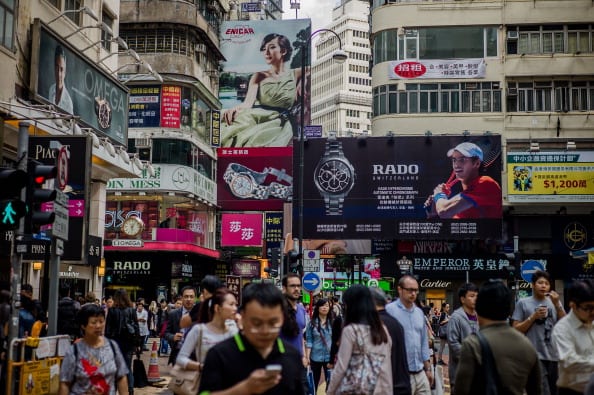
    “The overall sentiment in the retail market has improved after the political protests, and retail sales have seen a mild increase in the last quarter. However, retailers need to be cautious of the gradual decrease in luxury consumption from mainland Chinese shoppers. This, coupled with expensive rents in first tier streets, may result in overall prime street shop rents falling up to 5 percent with premises in the second tier locations likely to experience a more significant decline,” said Joe Lin, Executive Director, Retail Services, CBRE Hong Kong.

    The “Occupy Central” protests have had no material impact on tourist arrival growth and overall retail leasing demand in the fourth quarter of 2014, according to the report. Retailers were initially cautious when the protests began to develop but confident was soon restored in the second half of the quarter as the protests in the core retail areas of the city prompted many shoppers to visit non-core retail districts where traffic and pedestrian flow was less affected.

    “Mainland Chinese tourists’ increasing preference for mid-range products instead of luxury goods also helped to route some shopper flow to non-core retail areas, a trend which mitigated the impact of the protests on overall retail sales during the quarter,” noted the report.

    Overall Hong Kong retail sales recorded mild growth of 2.8 percent year-on-year (y-o-y) in October and November combined – mainly driven by consumer durable goods – bringing growth for the first 11 months of 2014 to 0.2 percent. The sales of consumer durable goods grew 19.5 percent y-o-y in October and November combined, boosted by the strong sales of new smartphones released during the period.

    Watch and jewellery retailers continued to lead demand for the first tier street shops in core locations although sales dropped 6.7 percent y-o-y in October and November combined.

    “Weaker retail sales growth, greater economic and political uncertainty and the increased availability of space in fringe areas all combined to exert pressure on retail rents. Overall rents for prime streets shops remained largely stable during the fourth quarter with a slight drop of 0.2 percent q-o-q, with the exception of Central witnessing a modest fall of rents by 0.8 percent q-o-q due to softer demand from luxury brands,” says the report.

    The increasing trend for Chinese tourists to shop for luxury goods in other markets will continue to prevent high-margin luxury brands from expanding aggressively in Hong Kong. CBRE predicts that the leasing market will be driven by mid-tier brands which appeal to both locals and tourists.