Tag: retail sales

  • China retail sales surprise

    China retail sales surprise

    October figures for China retail sales show a surprise 11 per cent leap year on year.

    It seems that while the commentators were talking about how China’s economy was nodding off, consumers were out spending.

    Total retail sales of consumer goods during the month reached 2,827.9 billion yuan, or US$442.939 billion.

    From January to October, the total retail sales of consumer goods reached 24,435.9 billion yuan, up by 10.6 percent year-on-year.

    October retail sales in urban areas rose 10.8 per cent and in rural areas by 12.2 per cent.

    From January to October, retail sales in urban areas rose 10.4 per cent and in rural areas by 11.8 per cent.

    Online sales for the first nine months of this year totalled 2,948.4 billion yuan, an increase of 34.6 per cent year-on-year. Sales of  food and clothing rose 41.2 per cent and 24.4 per cent respectively.

  • Real Singapore retail sales slump 4.5 per cent

    Real Singapore retail sales slump 4.5 per cent

    Real Singapore retail sales – the data which excludes motor vehicles – slumped 4.5 per cent from August to September according to government data.

    Year on year sales fell 1.4 per cent, recorded Statistics Singapore.

    The total retail sales value in September 2015 was estimated at $3.4 billion, higher than the $3.2 billion in September 2014 (including motor vehicles).

    Singapore retail sales September 2015

    Sales of food & beverage services (seasonally adjusted) decreased 1.6 per cent in September over August and by 2.7 per cent year on year.

    The total sales value of food & beverage services in September 2015 was estimated at $629 million, lower than the $647 million in September 2014.

    Adding to the concern is that September was the month the city hosted the annual Formula One Grand Prix, traditionally a high driver of inbound tourists.

    The greatest impact on retail sales was a 12.3 per cent decline in sales of watches and jewellery and a 10.2 per cent fall in sales of recreational goods, month on month.

    Sales of clothing, footwear, medical goods, toiletries, optical goods, books, furniture, household equipment; and sales at mini-marts, convenience stores and department stores declined between 2.3 per cent and 8.8 per cent.

    On the upside, retail food and beverage sales, phones, computers and sales at supermarkets rose between 0.8 per cent and 1.7 per cent.

    Singapore F&B September sales 2015

    Year on year, sales at supermarkets, department stores and of medical goods and toiletries grew between 2.8 per cent and 3.9 per cent.

    Sales of optical goods, books, recreational goods, clothing, footwear, phones, computers, watches, jewellery, food, furniture and household equipment; and at mini-marts and convenience stores, declined between 0.4 per cent and 9.9 per cent year on year.

    In the restaurant and hospitality data, fast food sales rose 6.3 per cent year on year, while restaurants declined 7.2 per cent.

  • Singapore’s retail sales rose 4.6% year-over-year

    Singapore’s retail sales rose 4.6% year-over-year

    The Oct results suggested a slowdown developing as far as consumer spending is concerned which may temper expectations of strong pickups in the economic growth of the 4th quarter. Core prices had been expected to inch up by 0.1%.

    The Commerce Department said retail sales edged up 0.1 per cent last month after being unchanged in both September and August.

    Economists watch the retail sales report closely because it provides the first indication each month of the willingness of Americans to spend. Nonstore retailers were up 7.1% from October 2014 and motor vehicle and parts dealers were up 6.2% from a year ago.

    Personal income, reflecting Americans’ pretax earnings from salaries and investments, climbed 0.1% in September.

    Substantial weakness was also visible among networking stocks, as reflected by the 2.2 percent loss posted by the NYSE Arca Networking Index.

    Holiday spending is projected to jump 3.7 percent this year to $630.5 billion, a gain that would be above the 10-year average in holiday sales growth of 2.5 percent, according to the National Retail Federation. Friday’s report showed gas station sales declined 20.1 per cent from a year earlier in October.

    But that is not necessarily a surprise, as consumers typically pare back other types of discretionary spending after a big-ticket purchase like an automobile, said Joshua Shapiro, chief USA economist for MFR Inc.

    Estimates for retail sales in the survey ranged from little change to a 0.8 per cent increase.

    Receipts at sporting goods and hobby stores gained 0.4 percent and sales at restaurants and bars rose 0.5 percent.

    Other measures have sent mixed signals about consumer spending.

    US businesses boosted their stockpiles in September by the largest amount in three months, while sales were flat.

    Sales at auto dealerships fell 0.5 percent last month after rising 1.4 percent in September.

    Federal Reserve is expected to increase interest rates next month as the jobs data has been strong and economy has shown strength. Friday’s report could be a key factor as the Fed scrutinizes economic data ahead of its decision at a December 15-16 meeting.

  • South Korea retail sales rise

    South Korea retail sales rise

    Preliminary data from leading department and discount stores in October reveals South Korean retail sales are recovering post-Mers.

    Combined sales last month at department stores run by Hyundai Department Store, Lotte Shopping and Shinsegae Co jumped 17.4 per cent year on year.

    That’s a huge improvement on the 2.8 per cent department stores achieved in September and the seven per cent rise in discount department stores.

    The preliminary data from the Finance Ministry shows clearly a bounce back following the Middle East Respiratory Syndrome (Mers) scare which caused tourists to travel elsewhere and locals to stay at home in fear of catching the viral epidemic.

    Figures released by Statistics Korea last week show South Korea retail sales rose to their highest level in four months in September, up 4.1 per cent on September 2014.

    Department store and discount store sales started to slide in June when the Mers crisis peaked.

  • South Korea retail sales surge

    South Korea retail sales surge

    South Korea retail sales rose to their highest level in four months in September, as Koreans put the Mers scare behind them and ventured back into stores.

    Data from Statistics Korea show retail sales totalled 31.13 trillion won (US$27.32 billion) during the month, a 4.1 per cent increase on September 2014.

    Department store and discount store sales started to slide in June when the Middle East Respiratory Syndrome (Mers) crisis peaked. From spending of 31.43 trillion won in May, sales fell to 29.35 trillion won in June and 29.45 trillion won in August.

    Rising sales of food, cosmetics and apparel led the rebound in September. Food and beverage sales rose 14.5 per cent, cosmetic sales rose 3.9 per cent and clothing by 0.6 per cent year on year.

    Furniture sales, too, rebounded – up 3.7 per cent.

    Spending at convenience stores soared 32.8 per cent, at discount department stores by 10.4 per cent and in department stores by 5.7 per cent.

    Online shopping spending rose by 18.3 per cent to 4.32 trillion won, accounting for 13.9 per cent of the nation’s total retail spend.

  • Online Sales Boosted Chinese Retail in September

    Online Sales Boosted Chinese Retail in September

    According to the National Bureau of Statistics of China, retail sales reached 2,527.1 billion yuan, up by 10.9% in September as against 10.8% in August 2015. The iShares China Large-Cap ETF was up 2.6% from a year ago as of October 19. China Xiniya Fashion Limited lost 43.1%, whereas China Mobile Limited gained 4.5% over the same period.

    Retail sales jumped in rural areas more than in urban areas

    Retail sales in rural areas rose 380.3 billion yuan, up by 12.1% year-over-year. In contrast, retail sales in rural areas rose by 2,146.8 billion yuan in September, up 10.7% year-over-year. In terms of different consumption patterns, catering services saw a 12.1% jump in September, increasing 272.1 billion yuan from a year ago. Retail sales of goods rose 2,254.9 billion yuan, up by 10.7%.

    Online retail sales are picking up in China

    Online retail sales of goods and services were up 2,591.4 billion yuan, increasing 36.2% year-over-year. Of that, the online retail sales of physical goods totaled 2,151.0 billion yuan. Online retail sales jumped 34.7%, accounting for 10.0% of the total retail sales of consumer goods. The online retail sales of non-physical goods were 440.4 billion yuan, a rise 43.6%. Of the total online retail sales of physical goods, food, clothing, and other commodities went up by 42.7%, 26.3%, and 37.7%, respectively.

    Internet retailers Alibaba, 500.com, and China Dangdang have lost 20.1%, 32.7%, and 42.2%, respectively, over the past year as of October 19. An uptick in Chinese retail sales is a positive sign, as it implies that domestic demand is rising with better consumer sentiment and may boost growth in the struggling economy.

    For more information, read China’s Growth Rate Fell below 7% in September. For the latest updates on the economic front, refer to our Global ETF Analysis page.

  • Beijing retail sales rise

    Beijing has reported a rise in retail sales during the week-long National Day holiday that began last Thursday.

    Chinese government news agency Xinhua reports both locals and tourists have “spent heavily” on consumer goods.

    During the first six days of October, Beijing’s 100 leading retailers reported a total sales revenue of 5.3 billion yuan (about US$833.7 million), up 6.2 per cent on the same period of last year, according to figures released by Beijing Municipal Commission of Commerce.

    The figures were collected from Beijing’s major retail outlets including shops, supermarkets and restaurants, it said in a press release.

    Many avid shoppers took advantage of the National Day promotions offered by most retailers to buy winter clothing and the latest models of smartphones and other digital products.

    While housewives flooded supermarkets to buy food for their family feasts, many others chose to dine at some of the city’s most famous restaurants.

    A surge of customers from locals and sightseers has brought an average 10 percent increase in revenue at these restaurants, according to the municipal commission of commerce.

    It said the Golden Week has witnessed a 20 per cent surge in gold and jewellery sales, as the holiday week is also a prime time for weddings.

  • Hong Kong retail sales reflect tourism downturn

    Hong Kong retail sales reflect tourism downturn

    The devil is in the detail in the August Hong Kong retail sales data.

    Census and Statistics Department (C&SD) figures show a 5.4 per cent drop year on year in the total value of retail sales in August, provisionally estimated at $37.9 billion.

    After netting out the effect of price changes over the same period, the volume of total retail sales in August 2015 decreased by 0.2 per cent.

    The root cause of Hong Kong retail industry’s challenge is very clear from the breakdown of the data by category. It’s the reduced volume of inbound tourists from the mainland – and their reduced spending. And, to a degree, a shift in the timing of the Mid-Autumn festival, although early indications from retailers say this year’s trade is one of the worst on record.

    A government spokesman observed the fall “was in part due to the slowdown in inbound tourism, while the stock market gyrations of late might also have dented consumer sentiment”.

    Here’s where the detail comes in:

    • Sales of Chinese drugs and herbs fell 17.4 per cent.
    • Apparel fell 13.5 per cent.
    • Jewellery, watches and clocks and valuable gifts by 8.8 per cent.
    • Department store sales by 8.6 per cent.

    These are all categories which in the past were supported heavily by inbound tourists. Those tourists – lured by the prospect of their cash stretching further, are now heading to Japan, South Korea (now the Mers crisis is over) and Europe. Especially those who can afford the higher air fares to such destinations.

    In other categories, medicines and cosmetics fell 5.1 per cent, food, alcoholic drinks and tobacco by 10.2 per cent, books, newspapers, stationery and gifts by 4.4 per cent; footwear and accessories by 4.4 per cent; furniture and fixtures by 5.9 per cent and optical shops by 8.1 per cent.

    The only bright spots for the month were “miscellaneous consumer durable goods” up 50.2 per cent (it’s a small category) and photographic equipment up 3.9 per cent. Supermarket sales rose a meagre 0.4 per cent.

    Seasonally adjusted, the value of total retail sales decreased by 0.2 per cent in the three months to August compared with the preceding three months, while the volume of total retail sales remained virtually unchanged.

    The government spokesman concluded: “The near-term outlook for retail sales is still subject to uncertainties, depending on the performance of inbound tourism and on whether there would be further negative impact from the recent heightened stock market volatility.”

  • Asia luxury goods market still growing

    The Asia luxury goods market is still growing rapidly despite negative press about Hong Kong, Macau and deteriorating China spending.

    Luxury goods retail sales in Asia-Pacific are expected to reach US$134.9 billion by 2019, growing at a CAGR of seven per cent during 2014-2019, according to the report Luxury Goods Retailing Market in Asia-Pacific, 2014-2019 Market and Category Expenditure and Forecasts, Trends, and Competitive Landscape.

    Japan will remain the largest Asia Pacific luxury goods market amid a slowdown in China and India’s luxury goods market is the fastest growing in Asia-Pacific, driven by rising disposable income, growing fascination towards luxury brands, and the desire of high earners to differentiate themselves from others.

    The report says jewellery, watches and accessories is the largest and fastest growing category in the region, driven by higher spending on jewellery and watches by Chinese, Japanese, and Korean consumers.

    The Hong Kong luxury goods market is struggling due to political unrest and reduced Chinese spending. A luxury tax exemption is expected to boost luxury goods consumption in Indonesia.

    Social messaging apps is a trending marketing channel for luxury brands, as the digital channel is influencing the purchasing decisions and pattern of consumers.

  • Hong Kong retail sales slump by widest margin since January

    Hong Kong retail sales slump by widest margin since January

    Retail sales in Hong Kong declined for a sixth straight month in August due to a slowdown in inbound tourism and sluggish economic conditions.

    The value of total retail sales in August declined 5.4 per cent year on year to HK$37.9 billion, following a 2.8 per cent drop in July, according to the latest figures from the Census and Statistics Department.

    The fall was the biggest since January’s year-on-year decline of 14.5 per cent.

    The government said on Friday that the tourism downturn and recent stock market gyrations might have dented consumer sentiment.

    The total number of visitors dropped 6.6 per cent to 5.6 million in August, while the largest source of visitors -from the mainland – declined by 7.1 per cent.

    The spokesman also said the different timing of the MidAutumn Festival, which fell in late September this year but early September last year, pushed back some sales and added weakness to the performance in August.

    Sales of Chinese drugs and herbs recorded the biggest drop of 17.4 per cent among the various sectors.

    Apparel and department store sales suffered further retreats of 13.5 per cent and 8.6 per cent respectively, after dropping 13.1 per cent and 7.3 per cent in July. The value of jewellery, watches and clocks and valuable gifts dropped for an eleventh month, with a decline of 8.8 per cent in August.

    Bank of Communications economist and strategist Kelvin Lau Gin-yip said the continued fall in retail sales was expected, and warned that the worst was yet to come.

    “It is just the beginning,” Lau said.

    “The tourism downturn results in downsizing for the retail sector, which further dents local consumer sentiment. This is reflected in the decline in apparel and department store sales.”

    Lau also said the near-term outlook for retail sales remained subject to uncertainties, and he could not see any prospect for recovery in the short run because of the strong US dollar to which the local currency is pegged.

    However, there was some positive news. Sales of miscellaneous consumer durable goods surged 50.2 per cent in August. No explanation was given.

    Commerce minister Greg So Kam-leung said yesterday that the spending pattern of tourists, especially mainlanders, had changed.

    He added that the government noted weakening Asian currencies had prompted tourists to visit alternative destinations, and economic uncertainties had dented tourist sentiment, which had led to slumping retail sales. He said the government would closely monitor the situation and consider possible strategies to help tourism.

  • Japan retail sales cause concern

    Japan retail sales cause concern

    Japan retail sales in August rose 0.8 per cent according to official data released on Wednesday.

    That was a full 0.4 per cent – or one third – below market expectations, fuelling concerns about the state of the nation’s fragile economy.

    The figure from the Ministry of Economy, Trade and Industry followed a healthier 1.8 per cent increase in July.

    Once seasonally adjusted, retail sales were flat in August – worse than the anticipated 0.5 per cent increase, and well down on the 1.4 per cent rise of July.

    ‘Large retailers’ reported sales were up 1.8 per cent year on year, near the 2.1 per cent of July and ahead of the forecast 1.3 per cent.

    The only bright news on Japan’s retail sales front in recent month has been the increased spending by Mainland Chinese tourists, opting to take vacations there or Europe instead of their more traditional destination, Hong Kong.

  • Vietnam retail sales strengthen

    Vietnam retail sales strengthen

    Vietnam retail sales rose 9.8 per cent in the first nine months of this calendar year, underpinning a raft of healthy economic data for the nation released this week.

    Inflation reached zero in August, for the first time ever, which encouraged retail sales growth.

    Gross domestic product rose 6.81 per cent in the third quarter, slightly higher than the second quarter’s revised figure of 6.47 per cent, according to data released by the General Statistics Office in Hanoi.

    Analysts say the both sets of data show signs the overall economy is generally picking up.

    “Vietnam is the only country with strong export growth amid contracting exports among its regional peers,” according to an ANZ Bank research note published this week.

    The nation’s economic growth rate hit 6.5 per cent in the first nine months. Exports rose 9.6 per cent, imports climbed 15.9 per cent and there was a trade deficit of $100 million in September compared with a surplus of $347 million in August.

    The Asian Development Bank forecasts Vietnam’s growth to accelerate during the second half of this year due to rising private consumption, export-oriented manufacturing, and Foreign Direct Investment.

    However, it’s not entirely good news. Huynh The Du, a lecturer at the Fulbright Economics Teaching Program in Ho Chi Minh City warned of the dangers of zero inflation: “It’ll become a challenge for economic expansion later if inflation continues to stay at this slow pace,” he said.

  • Myanmar retail sector ringing up sales

    Myanmar retail sector ringing up sales

    Rising incomes, an expanding economy and changing consumer patterns are attracting a growing number of international brands to Myanmar. By fuelling competition amongst existing players, their presence is expected to trigger an improvement in the range and quality of products and services on offer.

    International attention has been driven by bullish retail growth, which has expanded by an average rate of 7-15% per annum since 2011.

    Daw Win Win Tint, managing director of leading retailer City Mart Group and president of the Myanmar Retailers Association, told OBG international bands are attracted to Myanmar’s strong economic growth and increasing consumer purchasing power.

    “The average basket of goods continues to grow by around 10% per year mainly due to increasing spending power in urban cities, especially Yangon, where salaries have risen significantly,” she said.

    Fast moving

    Several international brands have made forays elsewhere the retail supply chain, making strategic greenfield investments in local processing. In the fast-moving consumer goods (FMCG) segment, Carlsberg and Heineken both opened brewing factories in Myanmar earlier this year through joint ventures with local partners, and Japan’s Kirin acquired a 55% stake in market leader Myanmar Beer for $560m in August.

    While modern retail currently accounts for just 10% of the FMCG segment, Daw Win Win Tint expects restrictions on foreign retail chains entering the Myanmar market to be lifted sometime in the future. As local purchasing power grows and Myanmar consumers have greater exposure to foreign brands via the internet and international travel, demand in the FMCG segment in particular is expected to rise.

    “There needs to be more awareness of the potential of the FMCG sector, as Myanmar has a population of approximately 51m and the prospects of becoming a manufacturing hub for South Asia,” she told OBG.

    Rising tide of consumerism

    Industry observers forecast a surge in consumer activity in the coming years, with the McKinsey Global Institute predicting in mid-2013 that Myanmar’s GDP would expand by more than four-fold by 2030, from around $45bn to $200bn. The group also predicted that rising incomes would fuel expansion of the country’s consumer class, jumping from 2.5m to 19m over the period, with consumer spending to triple to $100bn per year.

    As the country liberalises its retail market, the division of consumer spending between domestic and international retailers could see a shift. Local consumption habits continue to favour local products, though this is largely due to availability. In the beer segment for example, Myanmar Brewery accounts for more than 80% of sales.

    Though Myanmar consumers may welcome the entry of new brands and chains, such a transformation is likely to be a strain on current operators, who will have to contend with high-profile rivals with international experience and economies of scale. This will force local retailers to adapt to the changing market, which should bolster the portfolio products on offer and promote market efficiency.

    Consumer spending

    In addition to the prospect of greater competition, a decline in consumer confidence has the potential to cool sales in the shorter term. Though consumer sentiment in Myanmar remains among the most positive in the region, according to the most recent MasterCard survey, there has been a recent dip in the outlook of shoppers.

    Myanmar’s rating on the latest consumer confidence index, issued at the end of July, slipped from a regional high of 97.2 in mid-2014 to 81.6. Although still ahead of the South-east Asian average of 71 – second only to Vietnam – the 15.6-point drop was one of the sharpest recorded over the period. Although Myanmar’s position on the MasterCard index may have eased somewhat, any rating above 50 suggests that consumers remain optimistic.

    Weaker sentiment could be due in part to upcoming elections, scheduled for November, though increasing inflation is also likely to be a factor. According to the IMF, inflation reached 8% at the end of May. While low compared to an average of 23% between 2001 and 2010, this represents an increase from the 5% and 6.1% registered in FY 2011/12 and FY 2012/13, respectively.

    The ongoing depreciation of the kyat and crackdown on dollarisation could also be impacting consumer confidence, with the currency falling some 25% year-to-date against the US dollar in August. In addition to affecting the price of foreign goods, this downward movement has also increased the cost of local goods that rely on imported components.
     

  • China luxury spend offshore will double

    China luxury spend offshore will double

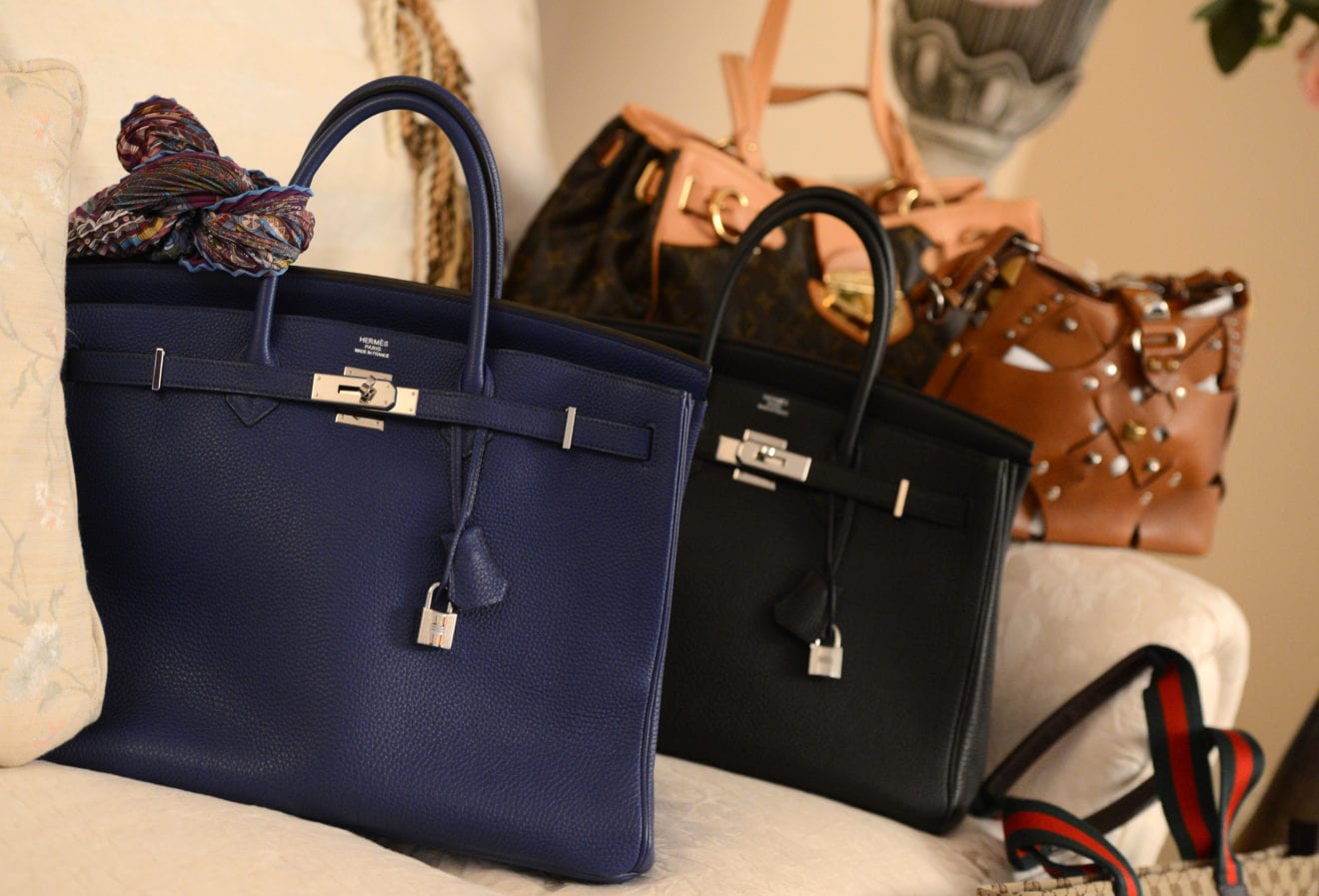
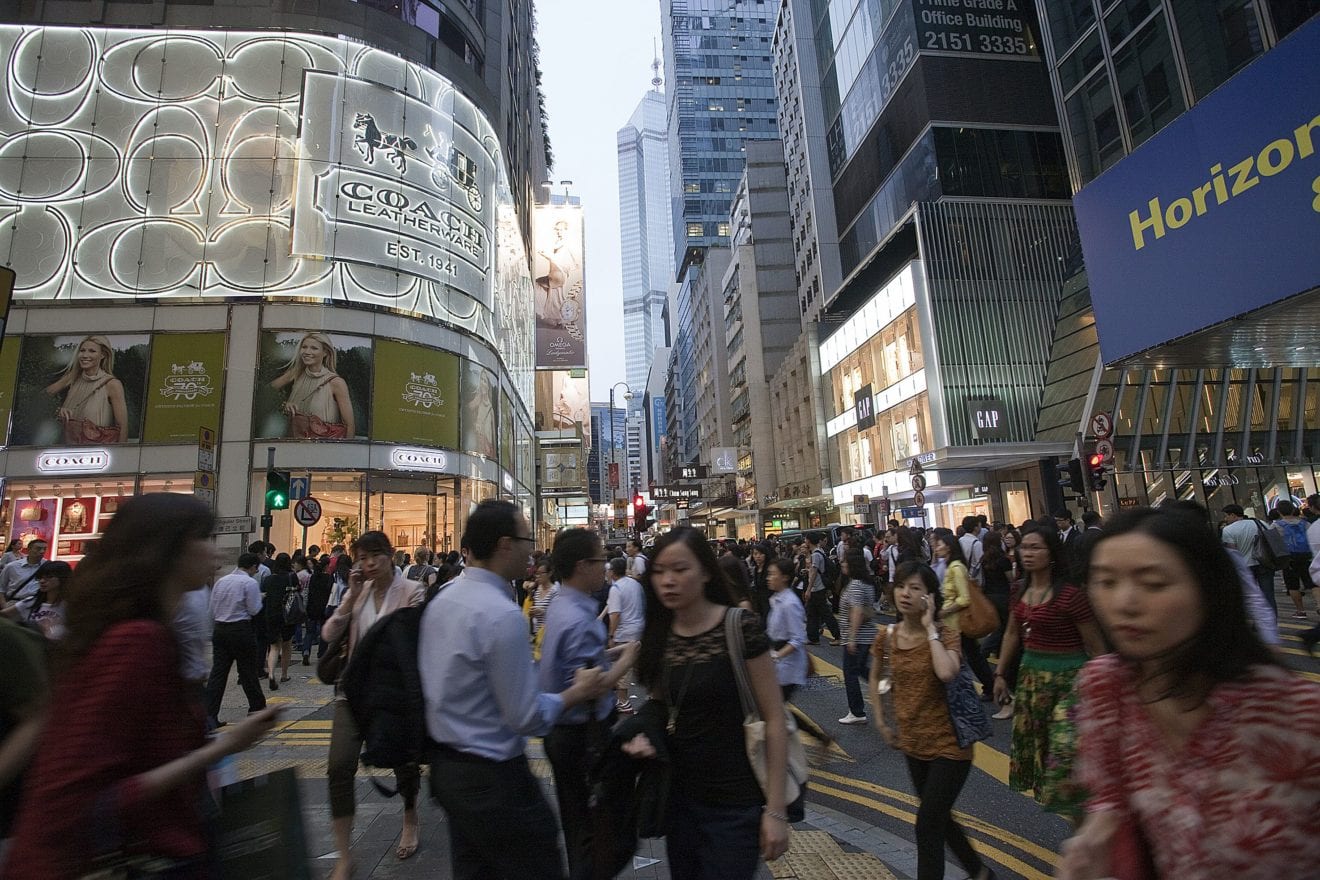
    The Chinese already account for 27 per cent of the world’s total luxury spending – and a staggering 80 per cent of that is spent outside the Mainland.

    China luxury spending outside China will double by 202 according to a report by China Luxury Advisors, presented to last week’s Luxury Retail Summit: Holiday Focus 2015.

    “What we’re really seeing is that [the Chinese slowdown is] just really not changing the amount of travel, it’s just changing the nature of it,” said Avery Booker, partner at China Luxury Advisors in a presentation reported in detail here by Luxury Daily.

    “We’re seeing fewer long haul trips among the middle class, and more people going to places like Japan and Korea to do shopping,” he said. “The purse shopper spending will remain strong even though average spend is going to decrease, and of course that’s just a volume issue.”

    Booker said the devaluation of the Chinese currency was so far having no perceptible effect.

    Chinese shoppers spend US$229 billion a year outside the mainland – which China Luxury Advisors predicts will double by 2020, based on the theory the $8000 per year per capita GDP is “the tipping point” at which outbound tourism booms. China has just reached that level.

    The Luxury Retail Summit was organised by Luxury Daily.

    In reaching its estimates China Luxury Advisors surveyed 1000 Chinese consumers 18 years and older, with a variety of incomes.

    Their most common destination outside the mainland is still Hong Kong, mainly due to its nearness and visa-free travel.

    China Luxury Advisors urged retailers to make their stores “Chinese consumer-friendly” to make the most of the booming trend. Mandarin speaking associates, Chinese dining options and accepting Alipay, Tencent or China Union Pay can make them feel at ease.

  • Singapore Retail Sales Growth Eases Less Than Expected In July

    Singapore Retail Sales Growth Eases Less Than Expected In July

    Retail sales rose 0.2 percent in August, slightly below analysts’ consensus estimate.

    “Along with a 0.3% m/m rise in core sales and an expected increase in restaurant sales, these components imply a 0.2% gain in total retail sales for August”.

    In August, spending at gasoline stations slid 1.8 percent in August. Excluding volatile autos and gasoline, sales advanced 0.3%.

    People “have chosen to spend some of their gas price windfall on services – leisure, recreation, travel, etc. – which aren’t included in the retail sales numbers”, he said in a client note.

    On a seasonally-adjusted basis, retail sales decreased 2.2 per cent in July over the previous month. Sales at clothing stores rose 0.4 percent.

    Consumer spending has picked up in recent months after a choppy showing early in the year – gains that some economists attribute to milder weather after a harsh winter and Americans’ growing belief that low pump prices will be around for a while. The hiring – 2.9 million additional jobs over the past 12 months – has translated into a surge of spending at auto dealers and restaurants. The USA economy has become increasingly reliant on consumer spending to maintain growth as Europe and China have struggled to expand at a faster pace.

    “Retail sales showed solid gains in August, despite financial market volatility and a deflationary pricing environment in retail”, said NRF Chief Economist Jack Kleinhenz in a blog posting.

    Consumers came back to life in the first two months of the third quarter after lying low in June, wrote IHS Global Insight Director of U.S. Consumer Economics Chris Christopher in a research note. Overall, however, the numbers suggest consumers have been upping their spending in the spring and summer as they begin to feel more confident about their circumstances. The strong labor market has also helped.

    The index for mining fell 0.6% in August, while the index for utilities rose 0.6%.

    “With the Fed eagerly awaiting a sign or signs the economy is strong enough to withstand a rising rate environment, the data suggests the Fed will continue to wait for some time”, Piegza said.

    Americans spent less on gas in August as prices fell and used some of the savings to buy new cars or go out to eat.