Tag: Retail

  • America’s bebe stores to enter Greater China

    America’s bebe stores to enter Greater China

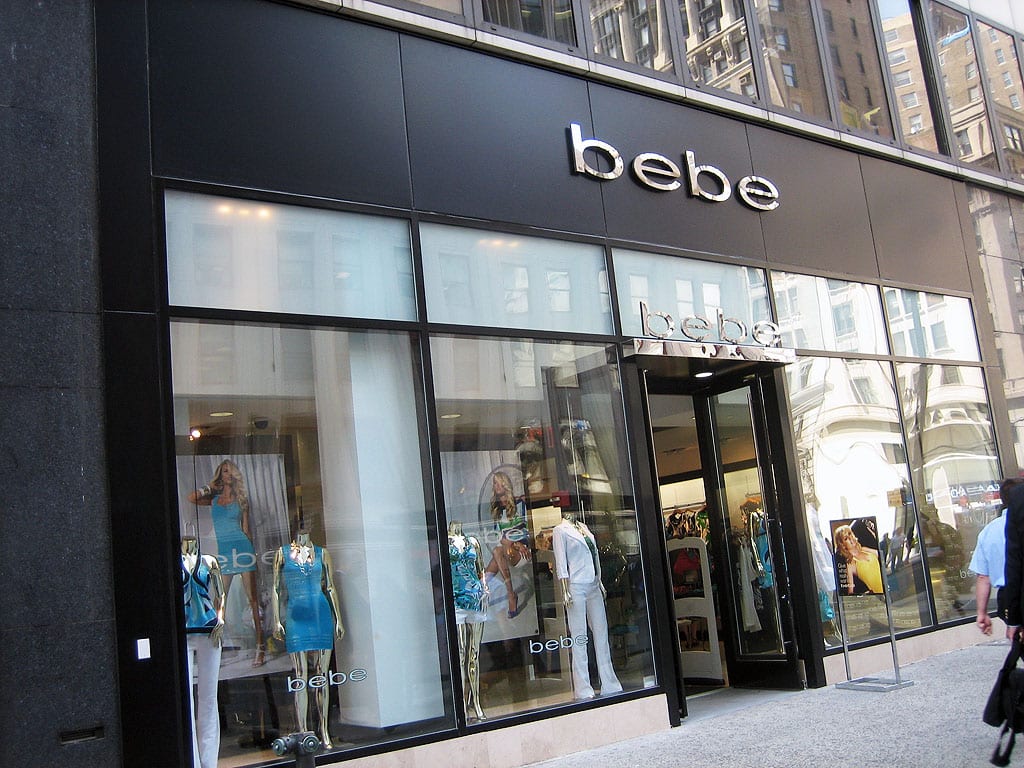
    US-based global specialty retailer of contemporary women’s apparel and accessories – bebe stores, inc. has announced that it has signed a strategic cooperation agreement with Longgoal LLC, a leading Shanghai-based agency of international high-end brands.

    In a press statement, it said the agreement includes a five-year exclusive license to open between 60 and 150 retail and wholesale bebe points of distribution in Greater China, Hong Kong, Macau and Taiwan. The first boutique is expected to open in the summer of 2016.

    “As we continue to expand our international footprint, our entrance into Greater China is a significant opportunity to accelerate that growth and reinforce bebe as a global lifestyle brand for women. We look forward to working closely with the Longgoal team, who have a proven track record of success and operational experience in introducing high profile retail brands to this key market,” said Jim Wiggett, CEO of bebe stores, inc.

    As a part of the agreement, Longgoal will open a minimum of 60 points of sale in Mainland China, including free standing boutiques and bebe shop-in-shops and identify third party retailers in certain provinces of China to sublicense the brand for retail operations. Longgoal is currently identifying potential locations in Shanghai and Beijing, including flagship boutiques. After the five-year exclusive term, Longgoal retains an option for an additional 10 year partnership with bebe based on performance.

    “bebe is truly an iconic affordable luxury brand and one that we are honored to have the opportunity to introduce to women across Greater China in a variety of ways. As style and design are among the top priorities for sophisticated woman in China, we are confident that bebe’s bold design and contemporary fashion will appeal to the ever-changing lifestyle of the confident and sexy modern Chinese woman,” said Madam Celine Chen, Chairwoman of Longgoal LLC.

    bebe plans to locally design and develop up to 30 per cent of the product for China to create trendy fashion styles to reflect the local fashion and suit the bebe woman’s lifestyle in China. In addition, the company anticipates expanding further into licensing agreements for handbags, shoes and intimates in the initial partnership phase.

    bebe complements Longgoal’s current portfolio of retail brands, including GANT, the original American Sportswear brand launched in China nearly a decade ago, and Thomas Pink, the luxury British shirt brand under the LVMH Group.

  • Starbucks to open first store in Cambodia

    Starbucks to open first store in Cambodia

    Starbucks Coffee Company is set to open its first location in Cambodia by the end of 2015, making the country its 16th market in the fast-growing China/Asia-Pacific (CAP) region.

    The store opening is made possible through its licensing agreement with Coffee Concepts (Cambodia) Limited, which is part of Hong Kong Maxim’s Group.

    The first location will open at the newly expanded Phnom Penh International Airport and will be followed by the second store opening in early 2016 in downtown Phnom Penh.

    “Cambodia is a vibrant country with a rich cultural heritage, and we are proud to bring the  Starbucks Experience to this market,” said John Culver, group president, China/Asia Pacific, Channel Development and Emerging Brands, Starbucks Coffee Company.

    Starbucks currently operates more than 5,200 stores and employs more than 80,000 employees in the CAP region. It operates more than 150 stores in Hong Kong and Macau and 15 stores in Vietnam through Viet Idea Food and Beverages Limited, a sub-licensee of Coffee Concepts (Vietnam) Limited, also a subsidiary of Hong Kong Maxim’s Group.

    “We look forward to becoming a part of Cambodia’s local coffee culture, embracing its traditions and sharing our deep passion and knowledge of the best coffees from around the world,” Culver added.

  • F J Benjamin narrows FY15 loss

    F J Benjamin narrows FY15 loss

    Retail group F J Benjamin’s net loss for the financial year ended 30 June narrowed from S$22.1 million to S$16.99 million.

    Revenue slid 20 per cent year on year to S$293.41 million amid a challenging year on the back of reduced business in North Asia, currency volatility as well as lower tourist arrivals. The group rationalised its store portfolio, which caused it to incur impairment charges for store closures, early termination of leases, stock provisions and redundancies.

    “While this has impacted turnover, it has yielded significant improvements in the productivity of its stores across the region,” the group said.

    Loss per share came to 2.99 Singapore cents, versus a loss per share of 3.89 cents a year ago.

     No dividend was declared for the current year. In the corresponding period a year ago, a first and final dividend of 0.25 cents per share was announced.

    It said: “The group will complete its rationalisation and planned closure of two remaining stores by end December 2015. To address the shift in consumer trend and structural change in retail environment, it has also undertaken a restructuring of its in-house brand, Raoul, to improve performance on a reduced cost base.”

    It expects consumer sentiment to remain muted given global economic and political uncertainty. Meanwhile, it is striving to further improve inventory management and cost efficiencies.

  • Carrefour online store + Carrefour easy store

    Carrefour online store + Carrefour easy store

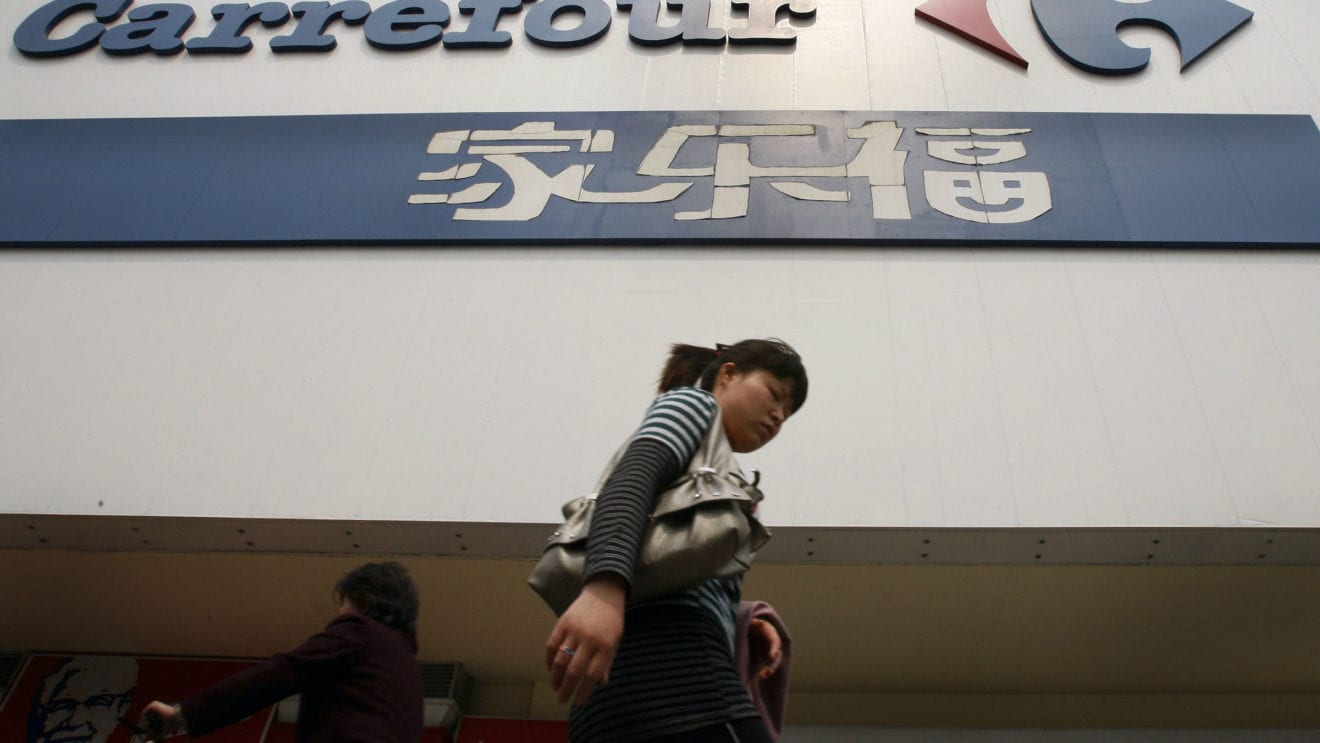
    French retailer Carrefour is embracing advanced technology to bring shoppers closer to its services in the fast-changing retail landscape.

    In June, the company launched its second Easy Carrefour store in Xuhui District. It’s a new initiative to cater to changing consumer habits and demand for neighborhood services in locations near residential or commercial areas.

    By the end of this year, Carrefour plans to open about 10 Easy Carrefour stores in Shanghai, Olivier Tollet, new format projects director of Carrefour China, told Shanghai Daily.

    “We have a much bigger plan but currently we’re still in the pilot phase,” he said.

    Regarding its e-commerce operations, Carrefour also launched its online shopping store www.carrefour.cn for its Shanghai customers in mid June and Tollet said he is pleased to see it working smoothly during the trial period.

    Shopping online

    “The basic idea of our website is to bring Carrefour products closer to consumers and all the products will be available for online shoppers,” he said.

    “Our intention is to duplicate the service wherever there’s a Carrefour presence in China, but we’ll go step by step for both formats,” he added.

    Easy Carrefour is offering products in three categories — immediate consumption, take-away, and groceries.

    By covering these categories, Easy Carrefour hopes consumers can find the right products and services when they need them.

    The Easy Carrefour store on Chaling Road N. also provides mobile top-up and credit card reimbursement in an effort to link consumers with online-to-offline services.

    Carrefour is looking for new locations for its Easy stores, and Tollet said they are targeting a combination of residential areas, transportation hubs and office areas.

    People living around or people passing by are basically the key customers Easy Carrefour aims to serve. Easy Carrefour is a new format adapted for people who value their time and convenience while shopping. It’s also adjusting the operations of the Easy Carrefour store step by step, with more services likely in the future.

    Commenting on Carrefour China’s e-commerce operations, Tollet said logistics is one of its key strengths as the chain can rely on its existing stores in more than 70 cities all over China.

    Merchandise ordered by consumers will be delivered from stores to their doorsteps, while packages ordered from e-commerce websites have to go through several dispatch hubs before delivery.

    Pick-up stations

    Currently, three out of Carrefour’s 29 outlets in Shanghai act as pick-up stops or stations for return of goods.

    Earlier this year, Carrefour China restructured its merchandise department and set up six territory merchandise centers to streamline supply chain management and leverage the advantages of a centralized procurement model.

    “The restructuring of the merchandise team is aimed at having new logistics capability to support the development of new formats such as our Easy stores and online shopping website,” Tollet added.

    Carrefour’s e-commerce operation is expected to launch in Beijing at the end of this year and eventually will be available all over the country.

  • Chinese shoppers keep Japan’s tills ringing

    Chinese shoppers keep Japan’s tills ringing

    According to the English-language Japan news site RocketNews 24, a few weeks ago two families got into a fight at a large retail outlet in Kobe over disposable diapers. Both families had come to the store when it opened in order to buy as many diapers as they could, only to discover that the store had already sold out. Apparently these two families knew each other from previous diaper-buying binges and harbored mutual resentments that turned physical. A store employee called the police, who broke up the fight. Neither party filed a complaint or disclosed what the argument was about.

    RocketNews speculates that the two families resell the diapers in China, since both have members who are Chinese nationals. Japanese diapers are particularly popular in China, and, in fact, this particular brand — Merries, made by Kao — is sold in China. Nevertheless, there’s obviously enough demand to support a lucrative resale market.

    It’s not as if the Chinese don’t make and sell their own disposable diapers, but when it comes to their children, consumers will pay a premium for Japanese products because they don’t trust domestic makers. This sensibility has been growing since 2008, when locally made baby formula caused the deaths of six children and sent thousands to the hospital after somebody adulterated it with melamine to make it seem as if the protein content was higher.

    It is illegal to import Japanese formula made in certain prefectures because of radiation fears, but apparently there’s substantial black-market trade in the product. Last month, 425 kg of smuggled formula made in Gunma Prefecture was discovered by authorities in Hunan province with an estimated retail value of ¥800,000.

    It’s often said that despite the diplomatic frictions that exist between Japan and China, they are dependent on each other economically and, as far as Japan’s dependence goes, it is very much influenced by Chinese consumers’ trust of Japanese products, which runs pretty deep.

    Some economists thought that China’s stock market plunge and the resulting government-approved devaluation of the yuan would hurt sales of Japanese goods both in China and in Japan, where Chinese tourists seem to be supporting the Japanese economy. But according to Luo Yiwen, the president of home electronics retailer Laox, speaking at an Aug. 13 news conference, the stock and currency issues aren’t having any negative effect on sales at his store’s duty-free shop, which caters mainly to Chinese visitors. As it stands, sales for January to June at the shop have more than doubled since the same period in 2014 to ¥45 billion, with profits increasing nearly eightyfold to ¥4.6 billion. Laox received 1.49 million Chinese customers last year, four times the number for the previous year, and “much more than we expected,” he said. He predicts not only that the devaluation of the yuan will not hurt sales, but that they’ll go up even more. He projects a net profit this year of ¥8.3 billion on sales of ¥90 billion.

    The two reasons for the strong Chinese tourist market are the lower yen and fewer visa restrictions for Chinese tourists. The Nihon Keizai Shimbun cites a third reason: more cheap flights between China and Japan thanks to the proliferation of low-cost carriers. The economic value of Chinese tourism in Japan bottomed out in 2011 at ¥813 billion due to the March 11 disaster, but rebounded to ¥1.8 trillion the next year. In 2014 the economic value was ¥2.3 trillion.

    In that year, 2.4 million Chinese came to Japan, which is actually less than the number of visitors from Taiwan, which was 2.8 million. The difference is that per person, the Chinese spent more: ¥231,000 compared to ¥125,000 for the Taiwanese and ¥147,000 for visitors from Hong Kong, who are counted separately from mainlanders.

    In fact, Chinese account for one-third of all the tourist money spent in Japan, and this figure is rising. The amount of money Chinese visitors spent increased by 83 percent from 2013 to 2014. More to the point, 55 percent of the money Chinese spend in Japan is for shopping. For all tourists, the average spent on shopping is 35 percent. In contrast, Chinese spend less on accommodation than visitors from other countries, which suggests they are more concerned with buying stuff than sightseeing.

    Also, according to a Tourism Agency survey cited in the Nikkei, it isn’t just rich Chinese who are spending. More middle-class Chinese are coming and buying things. Broken down by category, the agency says that 76 percent of Chinese buy “confections,” 63 percent cosmetics and perfume, 55 percent food, liquor and cigarettes, and 52 percent drugs and toiletries. Only 37 percent buy appliances, but when they buy them, they buy a lot. The average spent by all foreign tourists on electronics is ¥65,000. Chinese on average spend ¥88,000.

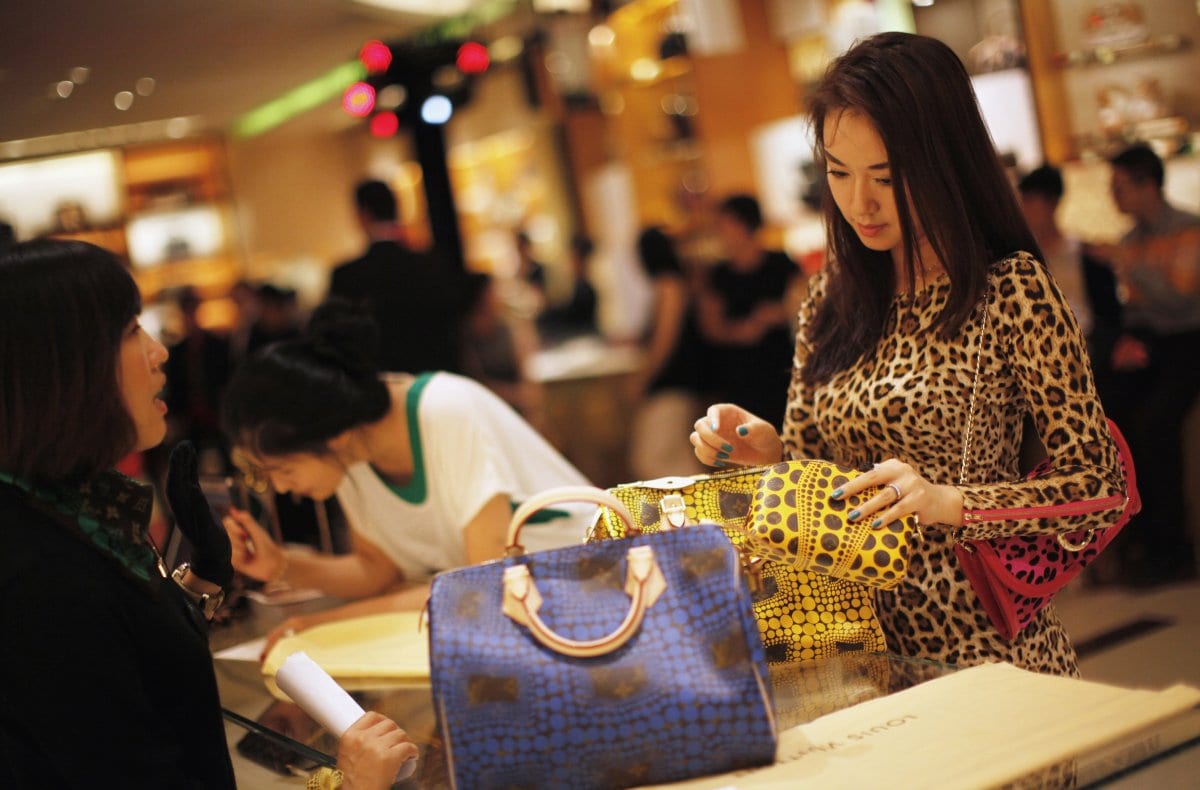
    Chinese tourists, in fact, seem to be single-handedly keeping Japanese department stores in business. Although airport duty-free shops are the main venue for Chinese purchases followed by “shopping centers,” department stores that offer tariff-free sales to foreigners are a strong third and, according to the Nikkei, the reason is that they know the designer brands they buy in department stores are “authentic,” meaning not knock-offs. (For what it’s worth, both real designer goods and their fake counterparts tend to be made in China.) And if it seems unwise to purchase such goods in department stores, which tend to charge more, they’re likely still cheaper than those bought in China, which may be subject to tariffs.
  • Parkson’s shares hit 9 ½-year low after sinking into red

    Parkson’s shares hit 9 ½-year low after sinking into red

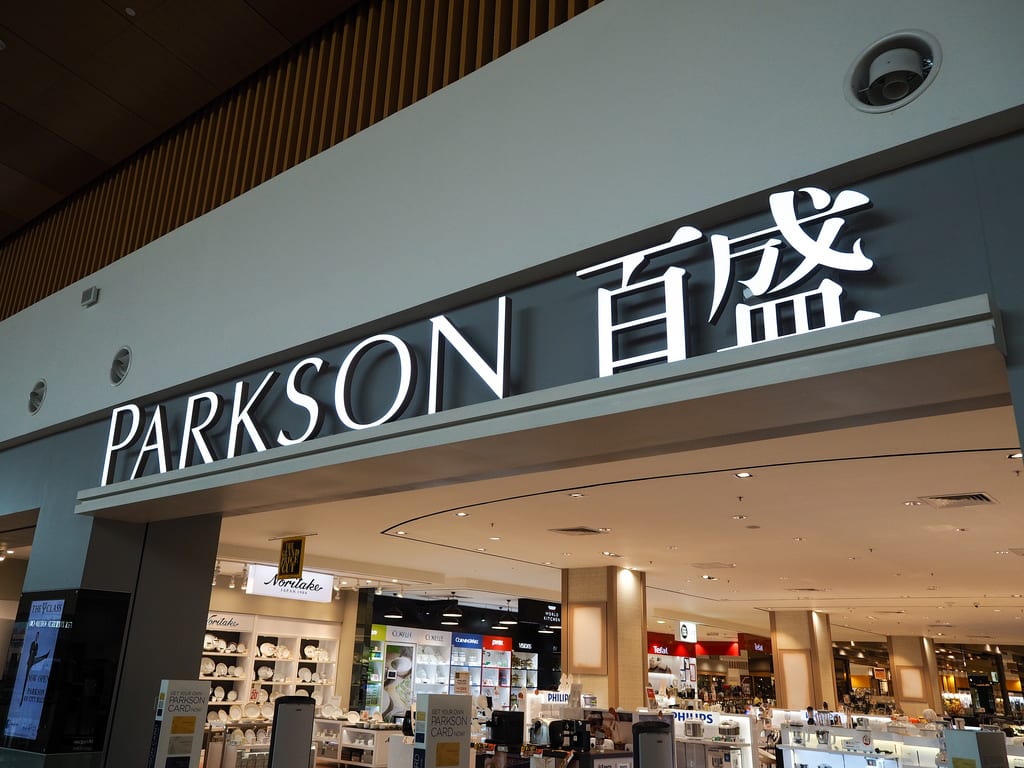
    Parkson Holdings Bhd’s share price contracted as much as 7.14% to its nine-and-half-year low in the morning trade, making it one of the top losers across the bourse, after the department store operator sank into losses in its latest quarterly results.

    At 2.41pm, Parkson rebounded a little from its intra-day low (RM1.04) to trade at RM1.06, still down six sen or 5.36%, after some 571,800 shares changed hands.

    The current price gives Parkson a market capitalisation of RM1.16 billion.

    In its fourth quarter ended June 30 (4QFY15), Parkson posted a net loss of RM90.95 million or 8.75 sen per share, compared with a net profit of RM26.76 million or 2.56 sen per share last year, largely on weaker retail sentiments.
    This is despite revenue for 4QFY15 rising 5.2% to RM859.04 million, from RM816.51 million last year, mainly due to slightly better figures from China, Vietnam, Myanmar and Indonesia.

    The group’s retailing division registered a weaker set of results for FY15, with revenue increasing only by 4% to RM3.64 billion; while operating profit contracted by 41% to RM190 million, compared with FY14.

    Parkson said its operation in Malaysia saw same-store sales contracting 4.5% for FY15, as consumer sentiments were affected by rising cost of living and the depreciating ringgit.

    For the full year, Parkson’s net profit plunged 69% to RM42.84 million or 4.06 sen per share, against RM138.15 million or 13 sen per share in FY14; while revenue rose 5.4% to RM3.74 billion, against RM3.55 billion last year.

    Despite the lower earnings, Public Investment Bank has upgraded Parkson to ‘outperform’, as it views its weak share price as an opportunity to accumulate, but lowered its target price to RM1.48.

    “We believe the recent slump in share price has deemed Parkson attractive, considering there is still growth in sales and profits going forward, assuming no one-offs incurred,” said the investment bank.

    “We think further weakness in Parkson’s share price is not justified, as the group’s fundamentals remain intact, with more than RM2.7 billion cash and undemanding valuation of 10.6 times and 10 times of financial year 2016 (FY16) and financial year 2017 (FY17) respectively,” it added.

    Additionally, PIVB said the recent announcement of 10 sen per share cash distribution, which will come after its internal reorganisation is completed, is fairly rewarding to shareholders, yielding 8.9% of its current share price


  • Online to offline seen as a marriage of convenience

    Online to offline seen as a marriage of convenience

    The eating habits of urban Chinese have changed dramatically since the proliferation of takeaway food delivery apps brought restaurant-quality meals to almost everyone’s front door.

    Engineer Zhao Baijun, 29, now eats in more often than he eats out.

    “Before these apps, most restaurants did not offer deliveries. I had very few choices, mostly fast food chains,” he said.

    Besides the convenience for busy people like Zhang, online to offline means extra sales for traditional food suppliers and beyond. Connecting online to offline is the new Holy Grail for the biggest players in China’s Internet shopping explosion, whether they be domestic or overseas operators.

    Recently, China’s largest e-commerce company Alibaba and electronics retailer Suning agreed a multi-billion dollar deal on platforms, logistics and payments.

    Alibaba will pay about 28 billion yuan (US$4.5 billion) for 19.99 percent of Suning, becoming its second-largest shareholder, while Suning will buy no less than 28 million new shares in Alibaba for 14 billion yuan.

    Suning owns more than 1,600 stores and 3,000 aftersales service centers which will now be “seamlessly connected” with Alibaba’s online network. A Suning online sales center on Tmall.com, part of Alibaba’s retail operation, completes the new setup. The arrangement was described as a “wedding” by Alibaba chairman Jack Ma.

    “If we do not integrate with offline, we will not have a future,” he said. The deal is set to reshuffle China’s e-commerce deck and help Alibaba in its battle against archrival JD.com.

    E-commerce companies are queueing up to find stores to align themselves with.

    In its quest for existing networks of physical stores, JD.com announced it had taken a 10 percent stake in domestic supermarket chain Yonghui Superstores for 4.31 billion yuan.

    Early last year, Alibaba became the main shareholder of Hong Kong-listed department store operator Intime. In July, after the cap on the number of shares foreign firms can hold in Chinese e-commerce platforms was lifted, Walmart took a 100 percent stake in Yhd.com.

    The local advantages of Yhd.com combined with Walmart’s global procurement resources, retail stores and supply chain will be a huge fillip to Walmart’s campaign to win over China’s consumers.

    For Zhao, the most important aspect of the rapidly evolving industry is that he can have a decent meal in the comfort of his own home.

  • Amazon lures investors back from Alibaba

    Amazon lures investors back from Alibaba

    China is no longer in vogue with e-commerce investors, as money returns to the US and Amazon.com following a brief fling with Alibaba Group Holding and its 367 million customers.

    With a market value of more than US$240 billion, Amazon is once again the world’s most valuable e-commerce company, a spot it lost after Alibaba’s record-setting US$25 billion initial public offering in September. Alibaba’s current market capitalisation is at about US$180 billion, down more than 30 per cent from its peak in November.

    Alibaba reported earnings on Wednesday showing that quarterly sales grew at their slowest pace in three years, with transaction volume falling short of estimates.

    Investors viewed Alibaba as a profitable alternative to the free-spending ways of Jeff Bezos, Amazon’s chief executive officer. Now, concerns are focused on China’s cooling economy and slower consumer spending, as well as Alibaba’s reluctance to aggressively pursue business in the US. Meanwhile, Amazon impressed investors last month when it reported a surprise second-quarter profit, thanks to its fast-growing cloud-computing business and spending discipline.

    “You can’t overlook the China slowdown,” said RJ Hottovy, an analyst at Morningstar Inc. in Chicago. “Chinese consumer spending trends are in a slowdown.”  Among investors, JPMorgan Chase & Co, Wellington Management Group and TIAA-CREF Investment Management reduced their share holdings in Alibaba by an average of 42 per cent in the past three quarters, while increasing their holdings in Amazon by 65 per cent, according to data compiled by Bloomberg.

    For now, the e-commerce giants are mostly steering clear of each other’s home turf. Amazon is focusing its overseas growth ambitions on India after investments in China failed to gain traction. Alibaba in June announced plans to sell its US website 11 Main, and is looking to Russia and Brazil to expand. Rather than sell Chinese goods in the US, Alibaba is focused on encouraging American businesses to sell into China.

    While Alibaba initially benefited from interest in a new investment opportunity at its market debut, Amazon has the advantage of being publicly traded for almost two decades, said Kirthi Kalyanam, director of the Retail Management Institute at Santa Clara University.

    “Familiarity creates a big advantage for Amazon,” Mr Kalyanam said. “This is Wall Street saying, ‘If you think Alibaba is going to come into the US and take on Amazon, think again.’”

  • FamilyMart, Uny may put off business integration accord

    FamilyMart, Uny may put off business integration accord

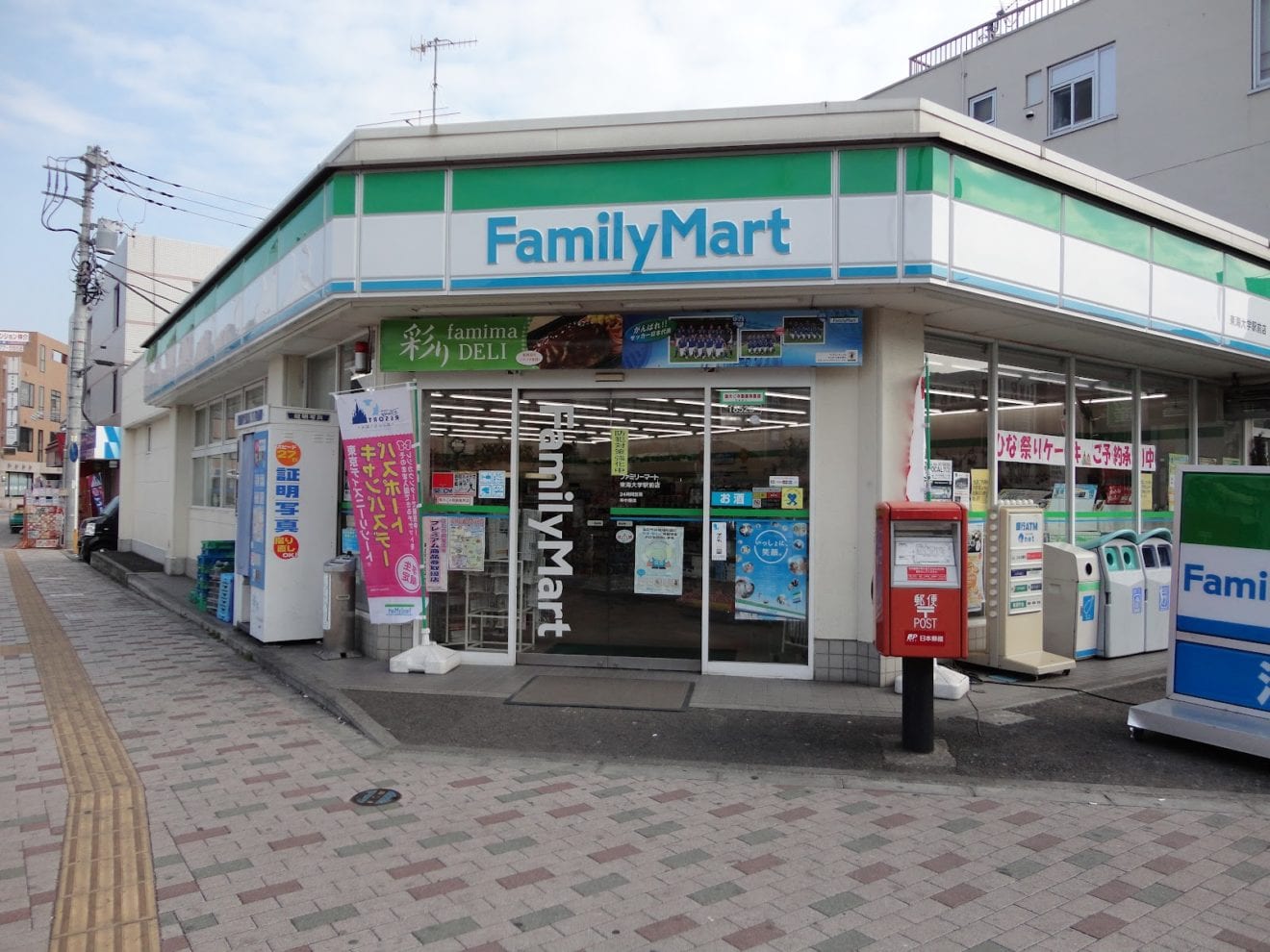
    Retailers FamilyMart Co. and Uny Group Holdings Co. are mulling putting off the conclusion of a basic accord on their planned business integration to September or later, it was learned on Thursday.

    This is because Uny’s work to draw up measures to shore up its slumping general merchandise store operations has been delayed, informed sources said. The two firms originally planned to reach a basic accord this month.

    Still, there is no change in their goal of realizing the integration in September 2016 after obtaining approval at their respective general shareholder meetings in May the same year, according to the sources.

    FamilyMart, a major convenience store operator, and Uny said in March this year that they had started negotiations on integrating their operations.

  • Pantaloons to invest Rs 125 cr this fiscal, add up to 35 stores

    Pantaloons to invest Rs 125 cr this fiscal, add up to 35 stores

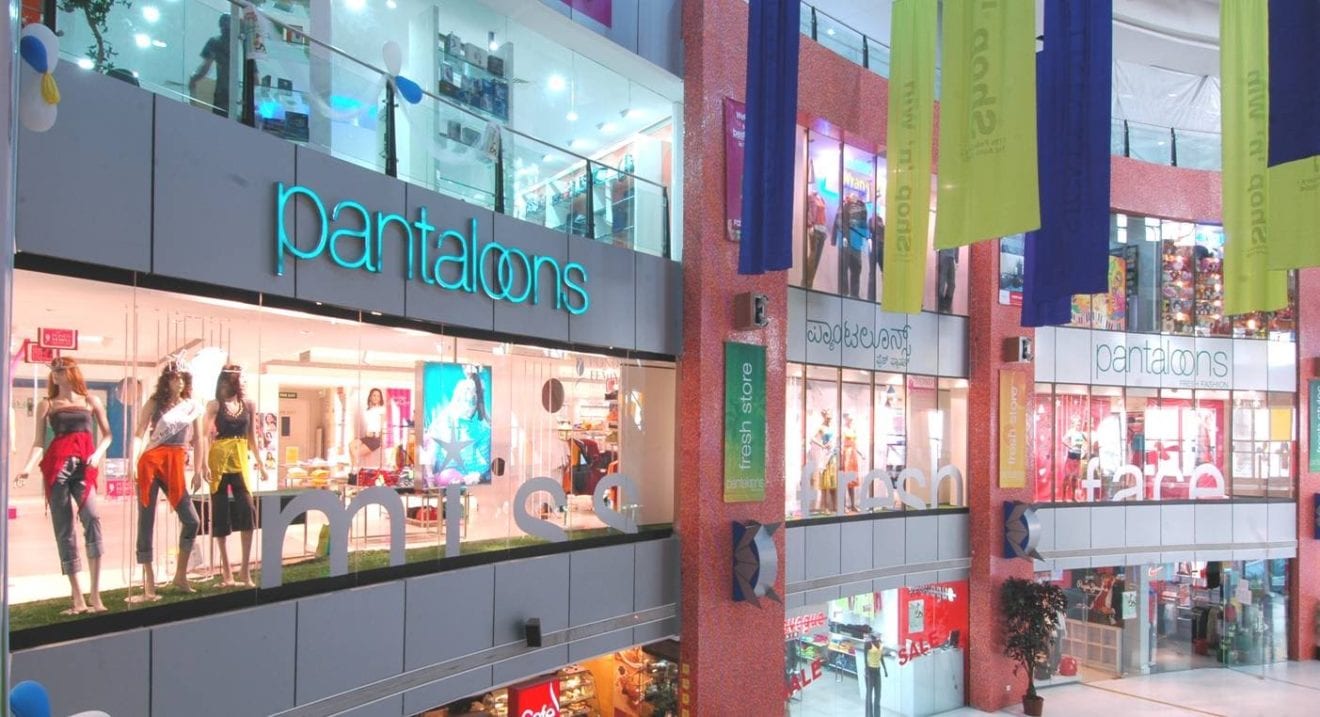
    Retail chain Pantaloons plans to invest Rs 125 crore this fiscal as it plans to add up to 35 stores across the country.

    In an investor update, Pantaloons Fashion & Retail’s parent company Aditya Birla Nuvo said: “Financial year 2015-16 capex guidance (for Pantaloons) stands at about Rs 125 crore mainly towards launch of new stores.”

    “The company is targeting to launch 30-35 stores during 2015-16 and focus will be on expanding customer reach and portfolio enrichment,” it said.

    Pantaloons, which has over 100 stores across the country, reported net sales of Rs 433.70 crore for the quarter ended June 30, 2015.

    In May, in a major restructuring exercise, Aditya Birla Group announced merger of all its branded apparel businesses into one entity, Aditya Birla Fashion and Retail Ltd.

    Under the scheme of arrangement, the apparel businesses of group holding company Aditya Birla Nuvo and of another group firm Madura Garments Lifestyle Retail would be demerged into listed firm Pantaloons Fashion & Retail Ltd (PFRL).

    Madura owns and retails brands such as Louis Philippe, Van Heusen, Allen Solly, Peter England and People and operates 1,759 stores across the country.

    In 2012, Aditya Birla Nuvo had entered into an agreement with the Future Group to infuse Rs 1,600 crore into Pantaloons and acquire a majority stake in the store chain.

  • Tesco saved 1m plastic bags Saturday

    Tesco saved 1m plastic bags Saturday

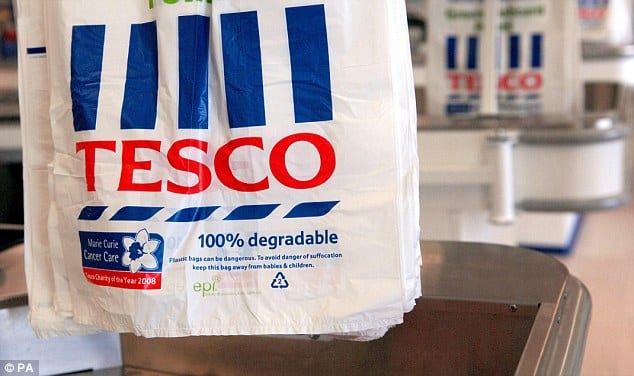
    Discount retailer Tesco Lotus said it saved a million plastic bags in the first day of a government campaign to stop use of disposable sacks on the 15th of every month.

    The Department of Environmental Quality Promotion has enrolled 15 retailers in the programme that began Saturday. Charkrit Direkwattanachai, Tesco Lotus’ head of corporate communication and sustainability, said the company has set a goal to save 40 million plastic bags in 2015 under its own “proud not to use plastic bags” campaign.

    The store began efforts to reduce plastic use in 2010 and so far has saved 50 million bags.

    According to statistics from the Pollution Control Department, the average Thai uses eight plastic bags per day; a total of 2.7 million tonnes of plastic and polystyrene foam waste or an average of 7,000 tonnes per day. Of that, 80%, or 5,300 tonnes, is plastic bags, which generally take up to 450 years to degrade.

  • Super Delivery concept launches in Japan

    Super Delivery concept launches in Japan

    An eCommerce venture relaunched in Japan this week claims to be the world’s largest wholesale website.

    Super Delivery, launched domestically by Raccoon Co back in 2002, offers apparel and general merchandise produced or developed in Japan for supply to 134 countries. This week it opened to the world.

    It has launched with some 400 manufacturers displaying more than 100,000 items for sale on the website. More than 930 shops and companies are  registered with the eCommerce marketplace as buyers.

    Among products being sold on the portal are numerous traditional Japanese handicrafts. Echizen Shikki Kyodo Kumiai (Echizen lacquerware cooperative association) in Sabae, Fukui Prefecture, which deals with lacquerware products that have a history of more than 1500 years, will sell  over 1000 items, mainly bowls and dishes.

    Those who use the Super Delivery service can confirm the wholesale prices of products after they register themselves with the website as members, and can pay for products they buy by credit card or electronic money transfer.

  • ‘Trust us’ urges Alibaba.com

    ‘Trust us’ urges Alibaba.com

    Chinese internet giant Alibaba.com has enhanced its vetting of suppliers to boost confidence with its online customers.

    The company says it is adding new features to service designed to reassure buyers – many of them retailers in North America and Europe – that they can trust the sellers offering merchandise on Alibaba.com.

    The Alibaba Trade Assurance program, introduced in January, has been limited to transactions completed via bank transfers, but will soon also cover purchases made with credit cards, Sunny Chhabra, a US-based global marketing and business development executive with Alibaba.com, told delegates to a conference in Las Vegas.

    In addition, the program, which until now will only covered Chinese suppliers selling on the business-to-business Alibaba.com platform, will be extended to other manufacturers and distributors in other countries. India will be the next country added, he said.

    Already 54,000 Chinese suppliers, or about half the number that offer to fill bulk orders on the Alibaba site, participate in Alibaba’s Trade Assurance program. An Alibaba subsidiary called OneTouch vets companies that wish to participate. If a buyer purchases from a participating supplier Alibaba will refund the buyer’s deposit, up to a specified amount, if the goods are not delivered on time or are not of the quality specified.

    “If the supplier is at fault, the buyer gets their money back, Chhabra said. “You’ll be covered by Alibaba. We’ll go after the supplier to recoup our losses.”

    To receive compensation for poor quality, he noted, the buyer will have to engage a service that inspects the goods, either at the factory or at the buyer’s warehouse.

    Buyers now can filter suppliers at Alibaba.com by those participating in Trade Assurance. When a prospective buyer hovers over a participating supplier the amount Alibaba will guarantee appears. That amount varies based on feedback from buyers. If a supplier gets good reports from customers then Alibaba gradually increases the amount it will guarantee.

    When a retailer or other buyer purchases from a participating supplier, the two parties sign a contract on Alibaba.com and the purchase is completed on the site. That’s a departure for Alibaba.com, which, since its introduction in 2003, has served as a way for retailers, wholesalers and other bulk buyers to find mainly Chinese suppliers, but has never been a transactional site. One of the advantages for Alibaba is that now that transactions are completed on the site the Chinese eCommerce giant for the first time gets accurate information about what products companies are buying and how much they are paying, Chhabra said.

    Alibaba executives also said the company has begun allowing some foreign suppliers to sell on 1688.com, a site that until now has enabled Chinese retailers and other companies to buy from Chinese suppliers.

    Alibaba reported that its revenue from international wholesale transactions, mainly Alibaba.com, totaled $201 million, six per cent of revenue and a 12 per cent year on year increase. Revenue from domestic wholesale, mainly 1688.com, was $161 million, five per cent of revenue and a 41 per cent increase over the same period a year ago.

    The bulk of Alibaba’s revenue, more than $2.5 billion, came from its huge online marketplaces in China, primarily Taobao, where some 8.5 million sellers offer products in a wide-open online bazaar, and the more brand-friendly Tmall, which features products from such major Western companies as Nike, Apple, Burberry and Juicy Couture.

    Those Chinese marketplaces, which together account for roughly 80 per cent of online retail sales in China, accounted for 78 per cent of Alibaba’s revenue in the quarter.

  • Roll Mafia plans India roll-out

    Roll Mafia plans India roll-out

    An Indian quick service restaurant concept Roll Mafia has raised $151,000 in seed funding to commence a roll out in major Indian cities.

    Parent SLS Cuisines India plans 50 restaurants in six cities by March next year after attracting investment from Singapore’s Equentia Natural Resources and a group of private investors.

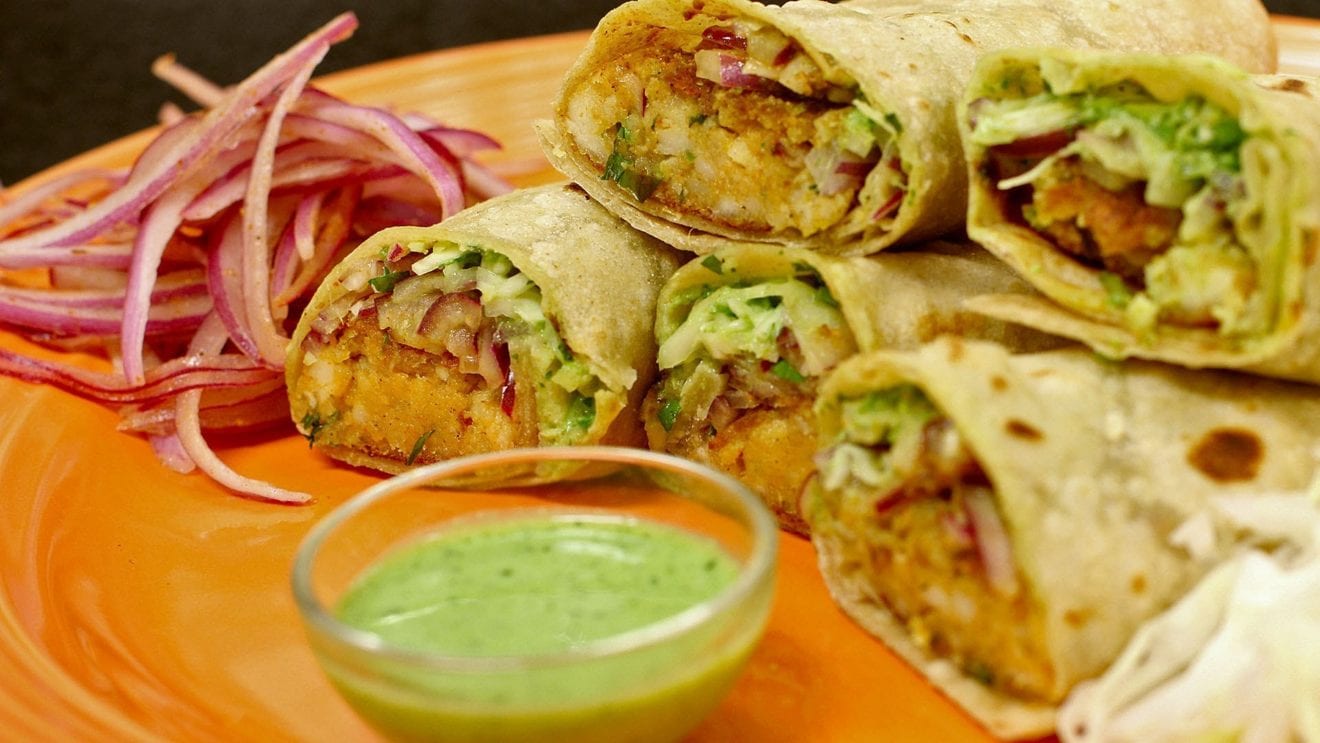
    Roll Mafia currently operates eight outlets in Pune and three in Patna, cooking and selling Indian food such as Kathi Rolls and Dum Biryani.

    “We are looking to open 50 more outlets in Mumbai, Chandigarh, Baroda, Bangalore, Delhi and Gurgaon by March 2016,” said Varun Sahay, co-founder of Roll Mafia.

    The new outlets will boost its workforce from the current 70 to around 250.

    Roll Mafia was founded in 201 by brothers Varun and Vishal Sahay. It provides delivery in some market, via an online portal, as well as takeaway and dine-in facilities.

  • Coach Singapore opens next gen store

    Coach Singapore opens next gen store

    Coach Singapore has unveiled its new generation store on Orchard Rd in the Wisma Atria shopping centre.

    The New York-headquartered brand describes the new store format as its “next generation retail concept”.

    So important is the new outlet to the brand, South Korean superstar Jay Park was flown in to preside over the launch party.

    Coach Wisma Atria Singapore

    The store, a refurbishment, features the full range of men’s and women’s lifestyle collections, and is the first by the brand to feature a counter providing complimentary personalisation services.

    “We are thrilled to unveil our modern luxury retail concept at the Coach Wisma Atria flagship store,” said Coach South East Asia and Oceania president Andrew Stanleick.

    Coach Wisma Atria 1

    “I believe the new incarnation of the Coach store that Stuart and William Sofield created will trigger a powerful change in the perception of Coach. It is sophisticated and refined, yet playful and authentic.”

    The new concept was developed by Coach executive creative director Stuart Vevers in cooperation with creative firm Studio Sofield. Coach says the design team sought to reinvent the Coach brand, drawing from a wide range of influences, placing a premium on contrasting textures and luxe materials.