Tag: Retail

  • Agri-Food and Veterinary Authority allows importers to resume sale of India-made Maggi noodles …

    Agri-Food and Veterinary Authority allows importers to resume sale of India-made Maggi noodles …

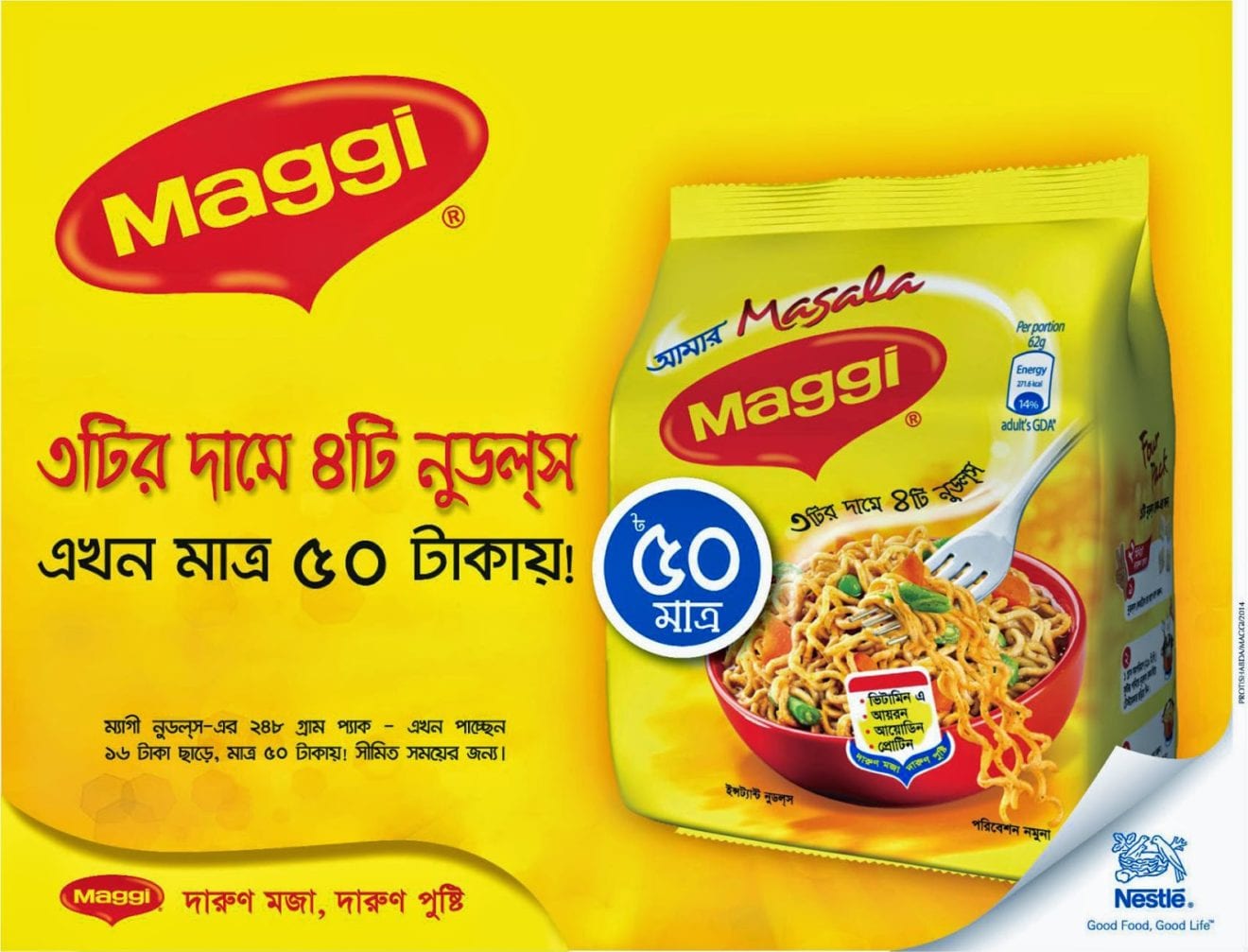
    NEW DELHI: Singapore’s food regulator declared Maggi noodles imported from India to be free from health risks, bringing some respite to Nestle. The manufacturer had been ordered to withdraw the locally made product from shelves in India because of excessive lead content and mislabeling.

    The Agri-Food and Veterinary Authority of Singapore (AVA) ordered the resumption of India-made Maggi in the citystate, which has among the most stringent rules on public hygiene. Nestle India surged on the news, ending 9.4% up on the National Stock Exchange, its biggest daily increase in five years. The share had plunged by more than 10% last week as the controversy ballooned, culminating in the nationwide withdrawal of Maggi noodles ordered by the Food Safety and Standards Authority of India.

    Singapore had asked retailers to stop selling the product last week, pending tests, after the furore in India over the product. The island-nation imports a wide variety of foods made in the country to cater to expats and locals that are sold through stores such as Mustafa Centre in the Little India area.

    Results from AVA’s laboratory tests showed that the India-made Maggi instant noodles met local food safety standards, according to a report in The Straits Times. The Maggi noodles exported to Singapore is identical to the product sold in India, said a company spokesperson. “They are manufactured at the same plants,” the person said.

    AVA also tested Maggi instant noodles produced in other countries and these too met food safety requirements, the report said. At press time, the UK’s Food Standards Agency (FSA) hadn’t reached any conclusion on India-made Maggi noodles. The FSA was checking whether the product contained excessive levels of MSG along with Nestle UK and the European Commission.

    Nestle UK only imports the masala flavour of the product from India, the FSA said on its website. It also said that the “batch of noodles originally tested by the authorities in India, which was found to contain lead, was not sold in the UK… Following the incident in India, we have taken the decision to test for levels of lead in a selection of Maggi noodles as a precaution.”

    A spokesperson from the Food Standards Agency said: “The FSA is now testing this (masala) flavour and other flavours as a precaution. As tests are currently ongoing, these results are not available at this time.

    We have requested the information on the test results and batches involved from the Indian authorities via European Commission channels.” The India and Singapore food regulators couldn’t immediately be reached for a response.

    Maggi noodles became an integral part of the Indian diet after being launched in the country in the early 1980s. Nestle’s troubles began when excessive levels of lead were found in samples tested by the Uttar Pradesh regulator. The day before FSSAI issued its order, Nestle decided to withdraw Maggi noodles from shelves in India.

    “We withdrew the product from shelves because consumers’ trust was shaken,” said Nestle global CEO Paul Bulcke in New Delhi last week. “We want Maggi noodles back on shelves as soon as possible.” The food regulator rejected Nestle’s queries regarding testing procedures in India. FSSAI said the tests had been carried out on the noodles and the seasoning or tastemaker together and separately.

    It also admonished the company for labeling the pack with the line ‘No added MSG’ (monosodium glutamate), saying this was unacceptable in markets such as the US. FSSAI has since ordered the testing of other noodle brands.

  • Alibaba chairman: No, seriously, we’re not competing in the US

    Alibaba chairman: No, seriously, we’re not competing in the US

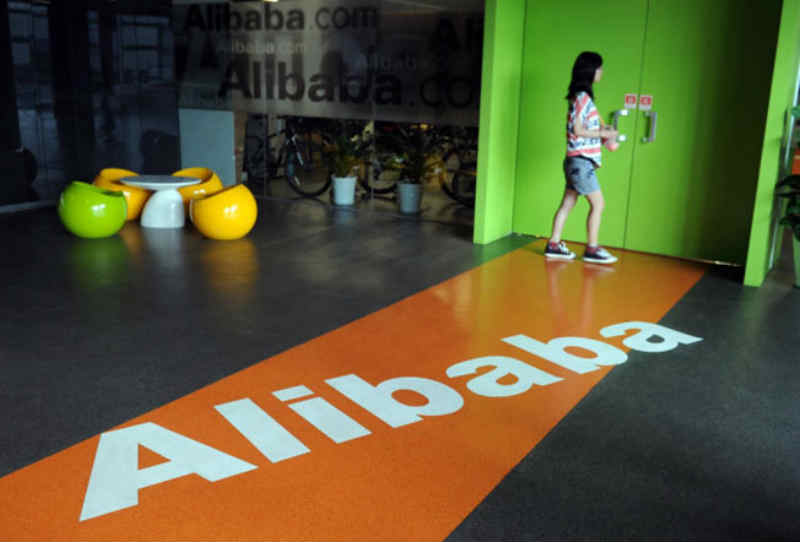
    Ever since Wall Street’s interest in Chinese e-commerce giant Alibaba reached a fever pitch last year, investors and analysts have focused on one major question: When will the company expand into the US and take on Amazon and eBay?

    Jack Ma, Alibaba’s charismatic founder and executive chairman, visited New York this week to try to dispel that notion.

    “When are you going to come to invade America?” Ma joked, during a Tuesday speech before the historic Economic Club of New York at the Waldorf Astoria’s Grand Ballroom. Instead, he countered, “The strategy for us is helping small business in America go to China, sell their products to China.”

    While that pitch to help small businesses sounds positive and uncontroversial, US onlookers and competitors could be excused for not believing Ma. The US retail market remains the largest in the world — with China coming in second — so it’s not a stretch to think Alibaba’s long-term plans could eventually include coming to America. That means Amazon, eBay and others may someday be facing a major, new competitor on their shores and US consumers will get to know the name Alibaba.

    For now, the company has been positioning itself as a partner for US businesses, hoping it can act as a bridge for them to reach the Chinese market and become a more influential global retail player along the way. To do that, though, Alibaba needs to build trust with US retailers and not appear as a rival.

    “I think a lot of this is time frames,” said Scot Wingo, executive chairman of ChannelAdvisor, which provides research and other tools for online retailers. “I think right now [China is] definitely their priority. I think two years from now I’d be shocked if they didn’t have a more direct US presence.”

    Alibaba’s focus on small US businesses makes sense in the short-term, Wingo said, since many retailers using Alibaba’s websites have told his company they don’t have enough inventory of Western goods to meet the surging demand of their Chinese customers. ChannelAdvisor is a partner with Alibaba’s Tmall Global, which helps import products to China.

    Today, Alibaba makes nearly all its revenue in China and has little exposure to the US. The company opened online retail site 11 Main in the US last year and has a handful of investments in US businesses. While that’s not nearly enough to interest most US customers, Wall Street last year swooned for Alibaba — the largest e-commerce company in China — when the firm raised $25 billion on the New York Stock Exchange, pulling off the biggest initial public offering ever.

    Ma doesn’t plan to stop there, saying his goal is to make his company bigger than Walmart and eventually generate annual gross merchandise volume — the total value of goods sold on Alibaba’s websites — of $1 trillion. To get there, though, Ma and Alibaba will likely need more partners.

    “We did not come here to compete,” Ma said Tuesday. “We come here to bring the small business.”

  • Singaporean retailers thrive on online market

    Singaporean retailers thrive on online market

    A study by eBay shows that Singapore’s tech savvy retail exporters, who use the company’s online market place, sell to an average 41 international markets.

    eBay defines retail exporters as those sellers on its site who garner US$10,000 in sales to global customers (that is buyers outside of Singapore).

    According to an eBay spokesman, Singaporean retail exporters have been experiencing solid growth on the back of a revitalised US dollar. In South-east Asia, Singapore is ranked second in terms of reach behind Thailand. Interestingly, Singapore’s ranking is five destinations higher than US retail exporters.

    Jason Lee, director, eBay South-east Asia, noted that the US is the top trade corridor for Singaporean retail exporters.

    “An exciting trend for Singapore businesses seeking new revenue streams is the speed in which entrepreneurs are able to become a retail exporter, with 22 per cent of Singaporean retail exporters on eBay hitting the US$10,000 sales mark in the past year alone,” he added.

    The top three categories that Singaporean retail exporters sell on eBay are jewellery and watches, cell phones and accessories and clothes, shoes and accessories.


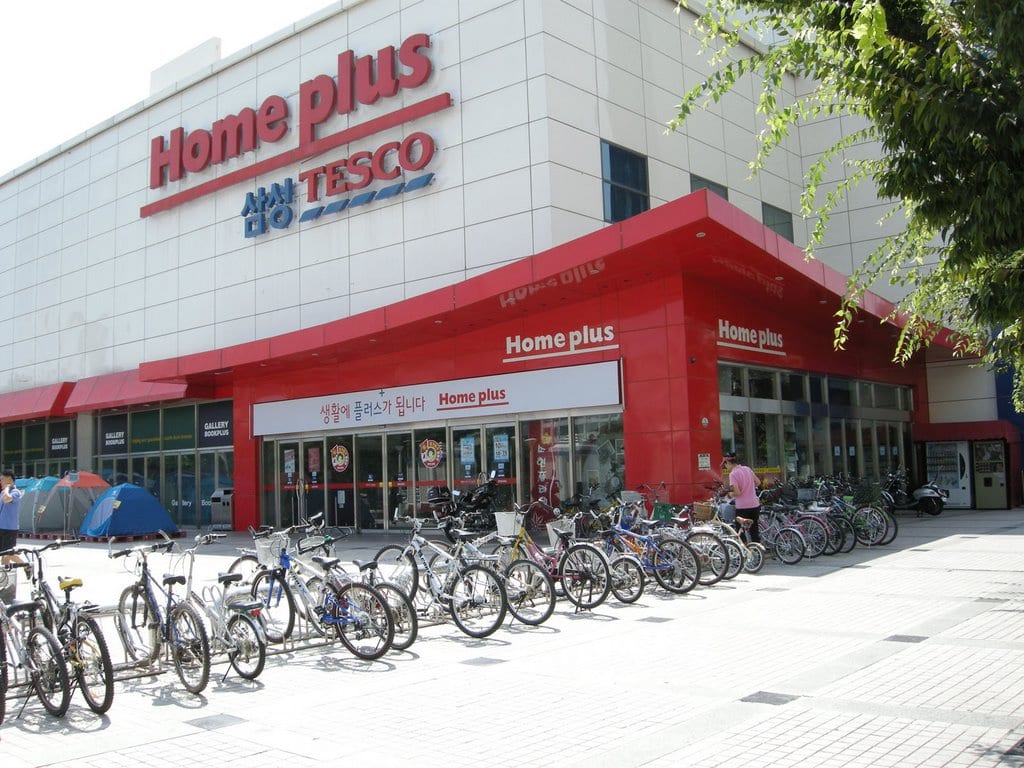
  • Tesco’s South Korea empire draws interest from private equity giants

    Tesco’s South Korea empire draws interest from private equity giants

    KKR and Carlyle, the US private equity firms, have been invited to bid for the Asian business, which trades as Homeplus, while London-based CVC Capital Partners has also been asked to bid.

    The decision to sell the South Korean stores comes as the retail giant’s chief executive Dave Lewis looks to streamline the business, to concentrate on its core UK shops and raise cash.

    After two decades of uninterrupted growth, Tesco has been struggling after it became distracted by overseas expansion and failed to spot the threat of discounters like Aldi and Lidl.

    The retailer is now looking to slash capital spending, as well as fund a vicious supermarket price war and put more people on the shop floor.

    Hong Kong-based Affinity Equity Partners and Asia-focused MBK Partners were also invited to bid, and Hyundai Department Store, which is separate from the car maker, said today that it was considering bidding.

    Tesco, advised by HSBC, has asked for indicative bids later this month.

    If the sale is achieved it would be Asia’s biggest private equity deal and the region’s second biggest consumer deal ever. Sovereign wealth funds could be involved in the financing of it, given the size of the sale.

    Homeplus is Tesco’s largest business outside Britain, with more than 400 stores, 500 franchise stores and over six million customers a week.

    But the business has been under some pressure, with falling like-for-like sales for the last two years.

    Tesco is also selling its £1 billion Dunnhumby data business, and has already sold its Blinkbox digital entertainment service and Tesco Broadband to TalkTalk for an undisclosed sum.

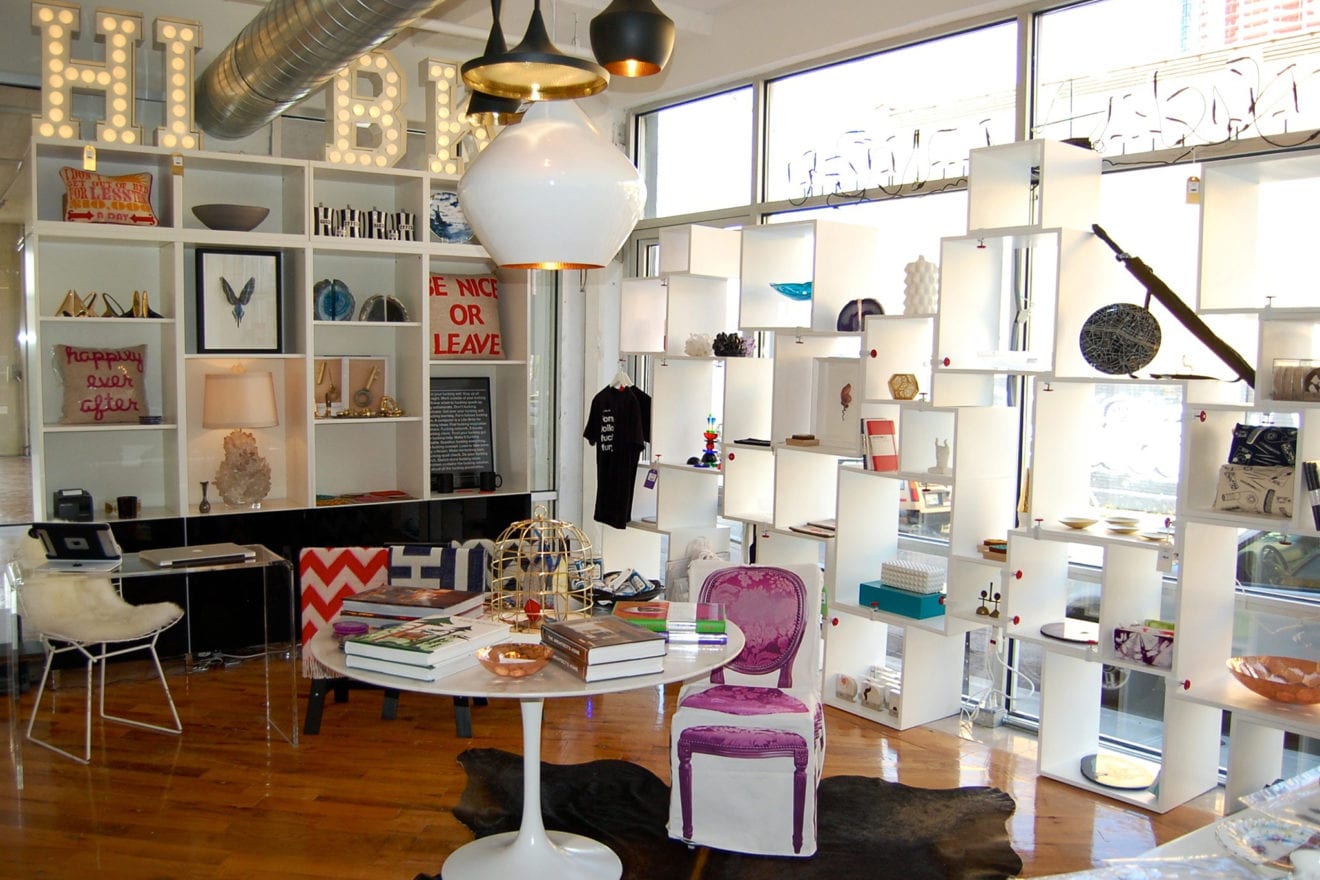
  • Jia Plus Taiwan opens in Suzhou

    Jia Plus Taiwan opens in Suzhou

    Chinese homewares company Jia has opened its first store in Taiwan.

    Jia Plus Taiwan opened this week in Shin Kong Place, Suzhou. It features a curated collection of home and kitchen wares sourced from its own portfolio, along with European brands including Italesse Italian cutlery, Denmark’s Menu, German cutlery label Mono and French wine accessories maker L’Atelier du Vin.

    The Chinese retailer says the store aims to provide “a guide to a better life”.

    “Starting off from the kitchen essentials, Jia aims to unify Hong Kong’s civilisation, Taiwan’s creativity and China’s cultures into one important Chinese [statement] to the world,” said Jia founder Christopher Lin.

    “And that nothing is greater than food – the most basic necessity for everyday people. At the same time, Jia designs splendid homeware products and successfully establishes the brand as the leading Chinese design brand in the international homeware market, showing the world the cumulative synergy that Chinese culture has to offer.”

    The new store features a garden on the ground floor designed by Taiwanese architect An Yu Qian, inspired by journeys on the Silk Rd.Jia Plus’ open space concept features intertwined metal bars and earth-toned wood. The products are grouped by category.

  • Uniqlo ‘modest wear range’ targets Muslims

    Uniqlo ‘modest wear range’ targets Muslims

    A new Uniqlo modest wear range designed in partnership with UK designer and blogger Hana Tajima has gone on sale in Malaysia and Singapore.

    The Uniqlo X Hana Tajima Collection is launched today, July 3, at Uniqlo’s 313@Somerset store on Singapore’s Orchard Rd, and online at www.uniqlo.com/sg.

    A promotional campaign is fronted by Malaysian singer Yuna and the range is expected to be launched in Asian markets with large Muslim populations, such as Malaysia and Indonesia.

    Uniqlo says in line with its ‘LifeWear concept’, the collection is designed to meet the needs of women who value comfortable and relaxed wear. This inaugural collection takes inspiration from an international approach in appreciation of diverse culture and style.

    “Although Uniqlo X Hana Tajima caters to ladies who embrace modest fashion, this collection has been carefully designed to suit contemporary tastes and is versatile to complement a fashionista’s wardrobe easily,” the company said in a statement.

    The collection features pants (SG$49.90), skirts ($49.90), rayon blouses ($49.90) and long dresses ($49.90-$59.90) with a comfortable, relaxed fit which Uniqlo says makes them appropriate for an office and perfect as casual outfits.

    “Our conservative customers will certainly delight at the variety of stylish hijab headscarves ($24.90-$29.90), as well as inner AIRism hijab headscarves ($4.90) and headbands ($14.90). AIRism is a Uniqlo patented material that is thin, light and absorbs moisture for extraordinary comfort especially in tropical climates.

    Taku Morikawa, CEO of Uniqlo Singapore, said the Hana Tajima collection illustrates Uniqlo’s ambition of making fashionable, high quality products for all to wear, while enhancing their lifestyle at the same time.

    “We worked with Hana to determine what would be internationally appealing while keeping to the concept of modest wear. We are thrilled with the results of this unique collaboration which produced a desirable collection that does not sacrifice style for utmost comfort.”

    Hana Tajima, who oversaw the design of every piece in this collection, said: “We want to create a collection that not only appeals to modern ladies who prefer to dress modestly, but also an international audience who desire clothes that fit comfortably and look contemporary. My collection is specially designed to allow effortless mix and match for the today’s women to express their own style.”

  • KFC China accepts Alipay

    KFC China accepts Alipay

    More than 700 KFC China stores have started to accept customer payments via Alipay’s smartphone-based payment technology.

    The stores, in Shanghai and Zhejiang Province are the first of some 5000 outlets across Mainland China which will adopt the payment option in coming months.

    The the partnership with Alibaba, KFC China customers can pay for their meals in local KFC restaurants by using the Alipay Wallet app on their smartphones. The cashless payment solution is expected to enhance operational efficiency of the fast food chain.

    The tie-up with KFC is the first major move of the newly established Koubei, a 50-50 joint venture between Alibaba Group and its affiliate Ant Financial that focuses on increasing the availability of local services through O2O (online-to-offline) eCommerce.

    Koubei plans to integrate Alibaba’s existing food ordering and delivery service Taodiandian and Ant Financial’s merchant services.

    KFC China, which launched in 1987, has been upgrading its restaurants for mobile commerce. Wi-Fi is now available in 2200 KFC China outlets and the company has launched a mobile application for food ordering in Shanghai and Hangzhou.

    According to iResearch, Alipay, a subsidiary of Ant Financial, accounted for 82 per cent of China’s third-party mobile payment sector in 2014. In May, 25 Walmart supermarkets and hypermarkets in Shenzhen began accepting Alipay’s mobile payments.

  • Sportsdirect.com Malaysia expands

    Sportsdirect.com Malaysia expands

    Sportsdirect.com, the leading UK sporting goods retailer, opened its 13th Malaysian store this week.

    The new outlet is in the Oceanus Waterfront Mall in Kota Kinabalu.

    Sportsdirect.com Malaysia plans a further four new stores by November. The foray marks UK-headquartered Sportsdirect.com’s first direct retail investment in Asia, a partnership with Malaysian-owned MST Golf Group of companies, an established regional golf retailer.

    “We are delighted to be opening our next superstore at the Oceanus and to bring a variety of authentic sports brands and categories to Sabah consumers at unbeatable value,” said Sportsdirect.com Malaysia MD Paul Gibbons in a statement.

    At 10,000 sqft, the new store is the largest sports store in Sabah. Sportsdirect.com is a well-known sports shopping destination in UK and Europe with over 900 stores and annual sales revenue of RM15 billion.

    Sportsdirect.com offers a wide selection of global brands in sportswear, footwear and sports equipment, including leading brands such as Nike, Adidas, Puma, Yonex, Li-Ning, Speedo and Arena, alongside its exclusive portfolio of 28 internationally recognised sport, fashion and lifestyle brands including Dunlop, Slazenger, Everlast, Lonsdale and Karrimor.

    Malaysia customers experience the same look, feel and flow of the most modern UK stores, providing the widest and most in-depth range of equipment by brand, technical innovation and value.

    The stores are zoned by key sports categories: the Boot Room for football; Sheruns Heruns for running; Fitness Zone for fitness, cross training, gym equipment, weights, boxing, martial arts and yoga; Racket Centre for badminton, squash and tennis; Swim Shop for pool, beach, water sports and activities; Field & Trek for outdoor and winter, hiking, tracking and camping; the Games Room for table games, darts, table tennis; Big Action for bikes and skates; Men Sports Lifestyle; Women Sports Lifestyle and Kids Sports Lifestyle.

  • New leadership for Foodpanda Malaysia

    New leadership for Foodpanda Malaysia

    Foodpanda, the global mobile food delivery marketplace has appointed new executives to lead the company’s Malaysian subsidiary.

    Joon Chan and Uffe Jordan have been appointed MDs of Foodpanda Malaysia.

    Chan is described as “a seasoned entrepreneur and executor” who after working in the venture capital industry, founded two regional startups and consulted for many across Southeast Asia for Foodpanda’s parent Rocket Internet.

    With Foodpanda having a virtual monopoly on home delivery food services in Malaysia, Chan says he is focused on improving the overall delivery experience of customers.

    “Our main goal is to be the best food delivery service in Malaysia and we will only strive to be the best”, he said.

    Uffe Jordan holds a Master of Science in Finance and Accounting from Copenhagen Business School. He worked more than five years for a Danish private equity firm before joining Foodpanda Malaysia.

    Uffe believes that there is still room for Foodpanda Malaysia to grow and says he will be expanding “the melting pot of restaurants” on Foodpanda, especially Malaysian favorites, with an emphasis of quality over quantity.

    Including the last funding round of US$100 million, Foodpanda globally has now raised over US$310 million since its launch in 2012. After acquiring key competitors in India, Mexico, Russia, Brazil, Eastern Europe and Southeast Asia, the company will use the recent investment to further expand its own delivery activities and improve overall customer experience across its 40 markets.

    Last-mile delivery has been part of Foodpanda’s operations since the beginning, and it says it will now accelerate its efforts to drive customer satisfaction, aiming to offer the most convenient way of ordering food – from the mobile app and online.

  • Matahari Hypermart marks 111

    Matahari Hypermart marks 111

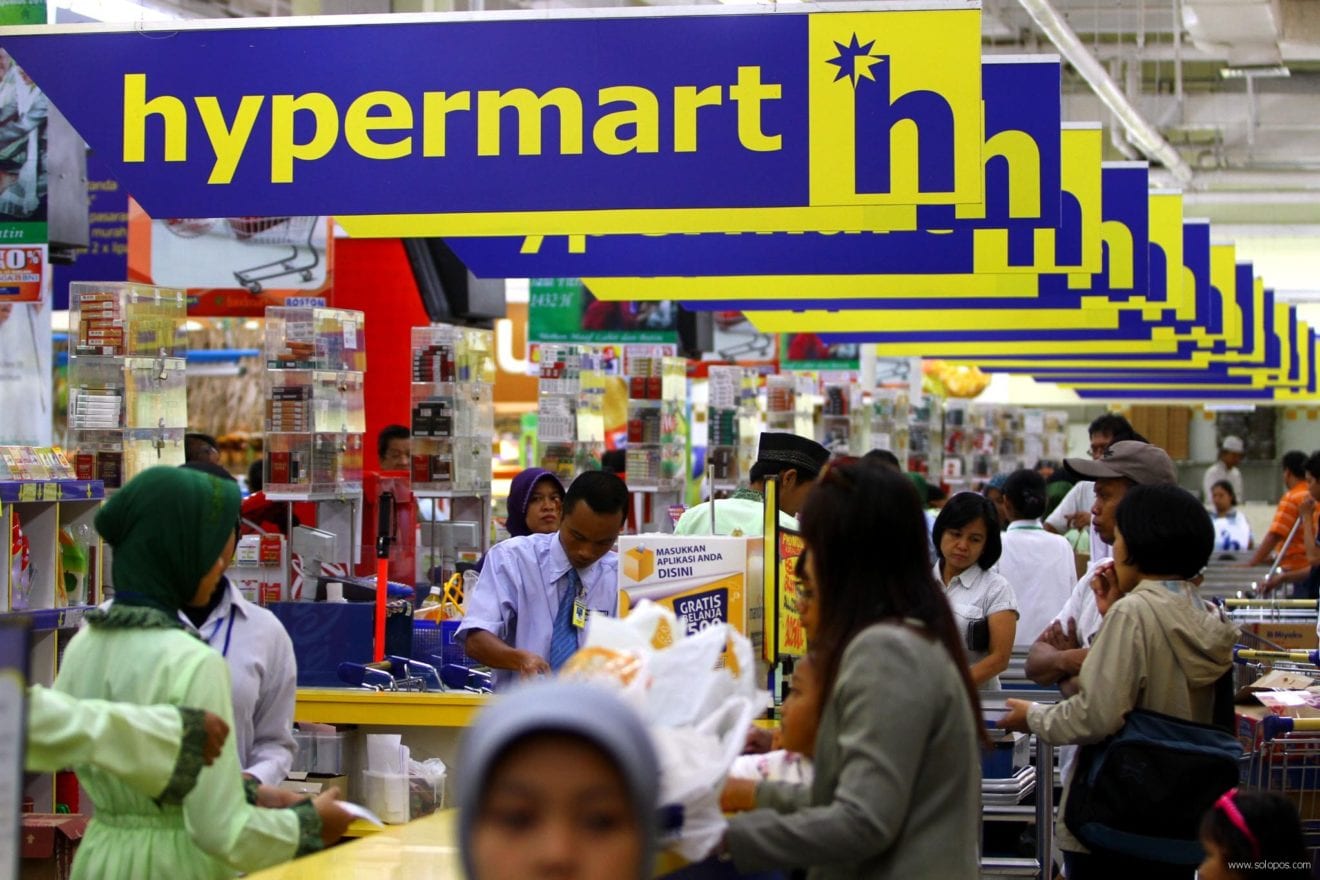
    Matahari Putra Prima has opened its 111th hypermarket, at Lombok Epicentrum Mall, Mataram

    Director of communications and PR, Danny Kojongian, says the new Matahari Hypermart features the new G7 design concept the company is rolling out across its hypermarkets in Indonesia.

    The decision to open in Lombok is due to rising consumer spending in Indonesia’s east.

    “This outlet is expected to follow the success of the previous Hypermart outlet which is also located in Mataram, Lombok,” he said in a statement.

    “With the development of tourism and infrastructure projects underway, Lombok has a huge potential to grow rapidly.

    “With the latest G7 concept, this Hypermart store expected to be a main shopping destination for daily and monthly needs that offers comfort and leading-edge services to customers.”

    Matahari is a multi-format modern retailer in Indonesia which operates Hypermart, Foodmart and Boston Health & Beauty branded stores.

    In line with the G7 concept, the new store features a new style of gondola shelving with wider aisles to allow easier navigation for customers, and a larger fresh area than previous stores. The fashion and beauty departments are upgraded and expanded to fit the evolving consumers’ lifestyles. Bakery, Ready to Eat, Fresh Food, Bulk Food, Home and Living categories are all also expanded and offer a wider range of products with modern concepts. In the operation, the outlet is engaged with the concept of environmentally friendly by using LED technology.

    Today (July 2) Matahari will also reopen its outlet in Bali Galeria. Hypermart Bali Galeria will adopt the latest concept of G7 to follow the modern lifestyle of the locals and tourists.

  • Manpower issues harm Sasa Singapore

    Manpower issues harm Sasa Singapore

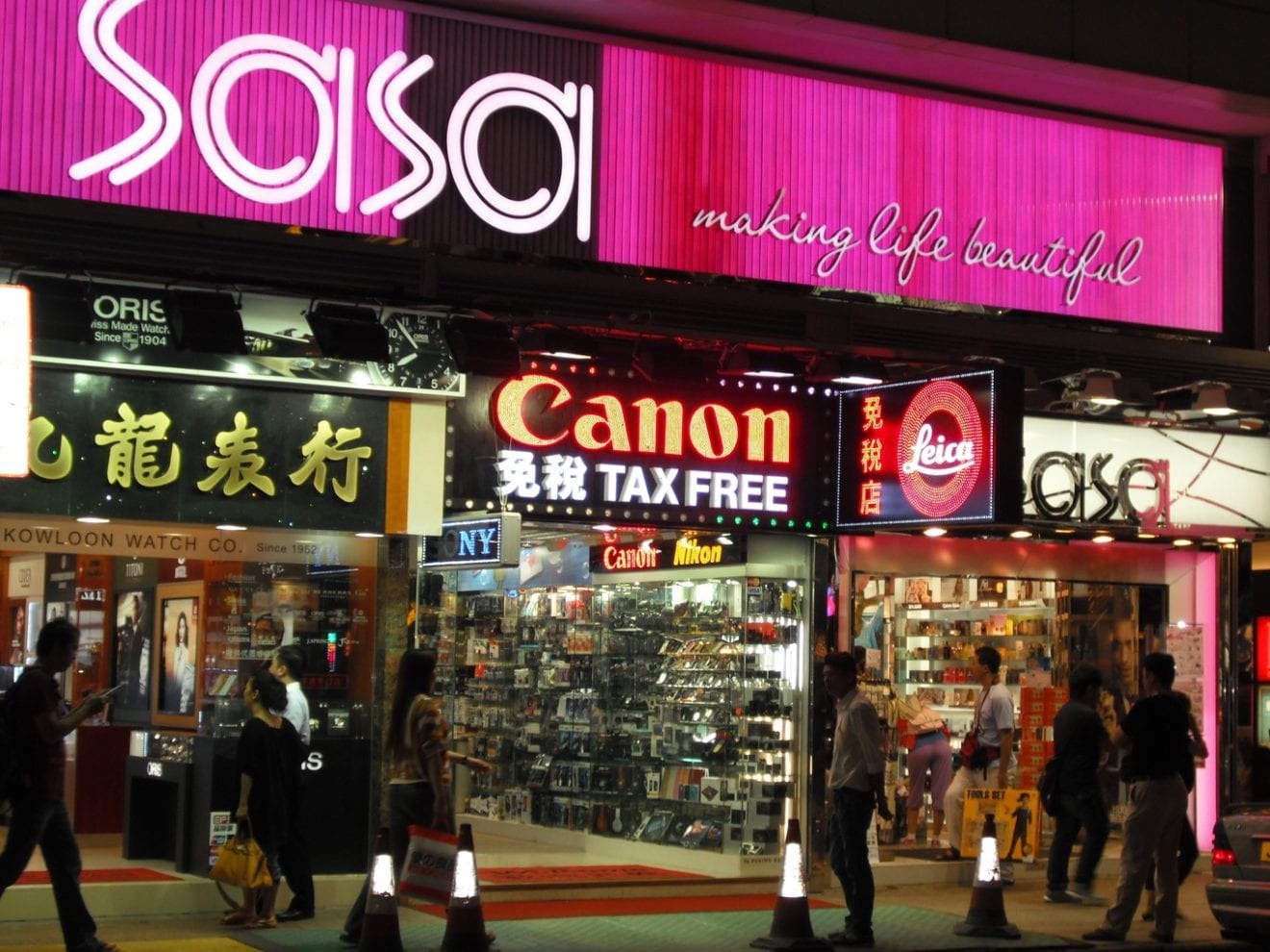
    Sasa Singapore says government restrictions on staff hiring are adversely affecting its business in the city state.

    As a result, the company plans to rationalise its store network and exit some leases early.

    The Hong Kong-headquarter retailer says that during the year to March 31, turnover in Singapore decreased by 2.6 per cent in local currency to HK$243.7 million. Same store sales dropped by 5.9 per cent in local currency.

    “The challenge of filling vacancies for frontline staff and Singapore’s acute manpower constraints adversely affected our store productivity,” the company said in its stock exchange filing in Hong Kong.

    “Moreover, persistent high rental costs and dilution of sales due to the excessive increase in overall Singapore retail space contributed to the losses.”

    In the year ahead, Sasa says it will close inefficient stores, and open stores in new malls with good potential.

    “To cope with the persistent constraints in manpower, we will enhance staff product knowledge and monitor staff productivity. The group will also work on staff retention to minimise the loss of experienced sales staff and convert more job scopes into automation so that employees can concentrate on analytical and quality enhancement.”

    Sasa says its Singapore sales decline was mainly due to slower domestic income growth, resulting in weaker retail sentiment.

    “Tourism was also affected by the tragedy of the missing Malaysian Airlines passenger plane, with the top two tourist originating countries of Indonesia and China both seeing shrinkage in arrivals during the year.”

    In Malaysia, turnover increased 6.1 per cent in local currency to HK$340.3 million. Same store sales decreased 0.2 per cent.

    “Our retail sales and profit growth were impacted by changes in the management team, which adversely affected store productivity and our performance during the transitional period,” the company said.

    Malaysia sales were also affected by the Malaysian Airlines tragedy, resulting in a drop in tourism numbers.

    “We continued to expand our store network to provide enhanced service to our customers and to increase our competitiveness.”

    In Taiwan, Sasa’s turnover grew 5.7 per cent in local currency to HK$289.2 million. Same store sales grew by 1.6 per cent.

    “Sales were boosted by the enhanced house brand product mix and introduction of lower priced products and promotions, which drove traffic and sales through cross-selling. Our strategic store expansion plan began to bear fruit and we were able to capture the growth potential of increasing numbers of Mainland Chinese visitors,” the company reported.

  • Generation Z to make big retail impact

    Generation Z to make big retail impact

    New challenges lie ahead for retailers in Asia as Generation Zers embrace technology and earn more.

    In its newly released report How We Like to Shop Online, CBRE says Generation Z is expected to have significant influence over the retail market in the coming years as their income levels are set to increase rapidly upon joining the job market.

    Generation Z refers to people born after the Millennial Generation, loosely defined as from around 2000.

    “Having spent most of their lives using the internet and other related technology, Generation Z’s demographic of consumers has distinct shopping behaviors in comparison to other demographic segments,” says Jonathan Hsu, head of occupier markets research, CBRE Asia Pacific.

    “Key aspects of their online shopping habits include stronger trust in online information; more activity on social media; and needing a sense of differentiation. These factors demonstrate the increasingly important role of technology in shaping the decision-making process of consumers,” said Hsu.

    In order to remain competitive in the digital age, retailers and landlords need to be proactive in reaching out and engaging with their consumers. Mobile shopping is most prevalent in emerging markets, and in many places, smartphones are the first – and sometimes only – point of internet access for many consumers, therefore, are playing a key role in driving the growth of online retail.

    Smartphone apps and social media can provide valuable information and insights into consumer behavior, for example, push notifications for smartphone apps or social media platforms based on consumers’ shopping history, location and preferences can help personalise their shopping experience.

    “Landlords and retailers need to be more digital-savvy, keeping pace with the latest trends in smartphone applications and social media so they can build a stronger relationship with consumers especially those from Generation Z,” said Joel Stephen, senior director, head of retailer representation, CBRE Asia.

    “These digital platforms are two essential mediums of online retailing, which should be integrated into retailers’ omni-channel strategies in order to capture Online-to-Offline (O2O) business opportunities.”

    With around 70 per cent of consumers in Asia Pacific collecting their online orders in-store – and 90 per cent of them purchasing additional items when picking up their online order – click-and- collect services are also an effective way to drive in-store sales, creating a synergy between both online and offline platforms.

    CBRE says landlords should thus collaborate with tenants to help merge their online and offline offering by providing the necessary facilities and regular renovations.

  • Sanrio Partners with Universal Parks & Resorts for New Hello Kitty® Retail Store Concept

    Sanrio Partners with Universal Parks & Resorts for New Hello Kitty® Retail Store Concept

    Sanrio, the global lifestyle brand best known for beloved pop icon Hello Kitty, and Universal Parks & Resorts have announced their partnership to develop Hello Kitty interactive retail experiences
    scheduled to open later this year at Universal Orlando Resort and in the future at Universal Studios Hollywood.

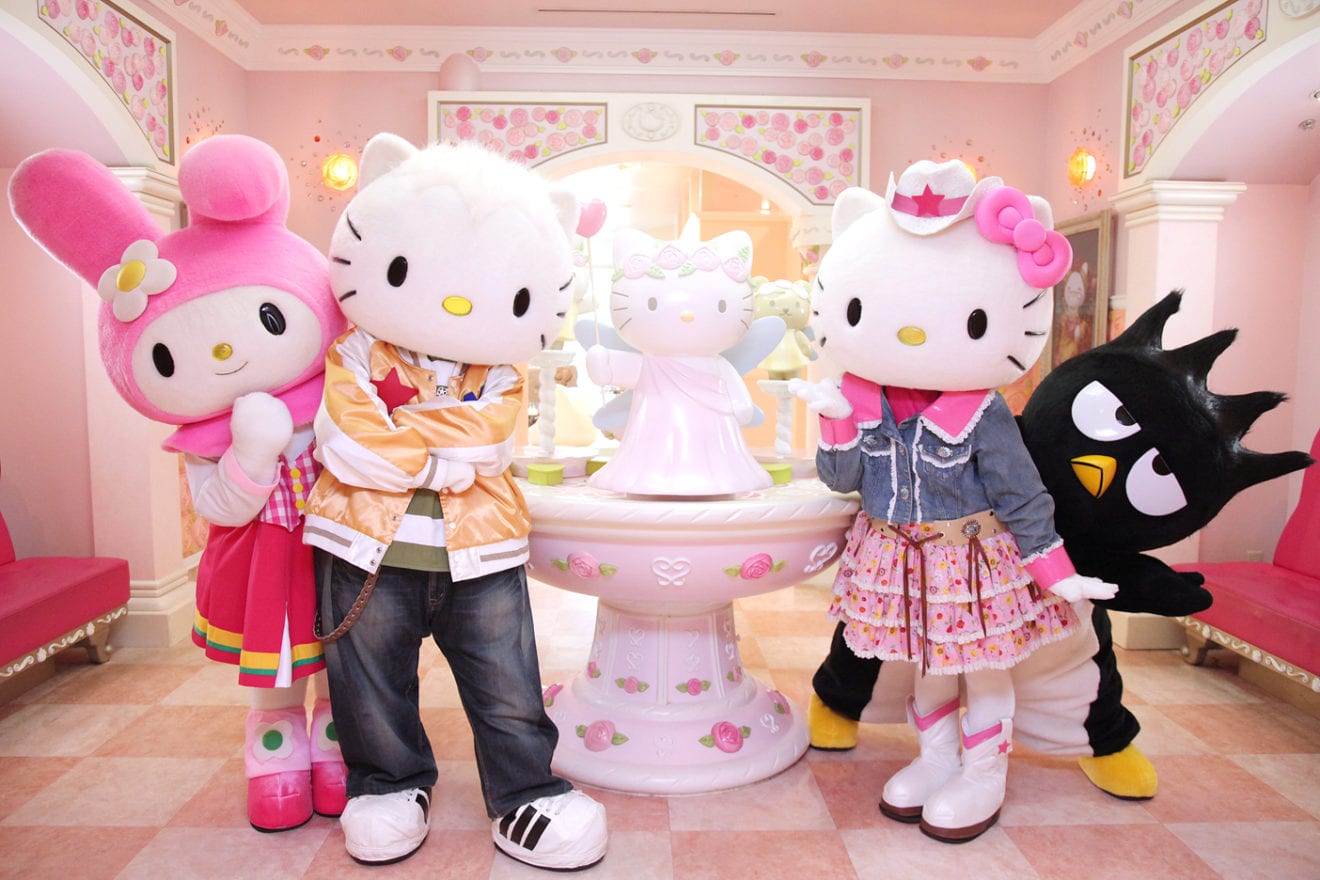
    This will mark Hello Kitty‘s official retail debut at theme parks in North America and offer specialty merchandise including stationery, home goods, apparel, accessories and collectibles. The majority of merchandise will be devoted to Hello Kitty; Sanrio properties Chococat®, My Melody®, Badtz-Maru®, Purin™ and Keroppi® will also have a presence. Hello Kitty confectionery and specialty co-branded Hello Kitty Universal park-exclusive products will also be available.

    The Hello Kitty stores at Universal Studios will also offer enhanced interactive retail experiences. Customers can shop for custom designed merchandise, enjoy photo opportunities with Sanrio properties, create souvenir versions of Hello Kitty‘s signature bow, and even meet Hello Kitty herself.

    “Our partnership with Universal brings Sanrio’s experiential entertainment presence to a new level,” said Janet Hsu, President and COO of Sanrio, Inc. “We look forward to this introduction into Universal theme parks to offer new connection points to Sanrio fans of all ages.”

    Sanrio’s partnership with Universal Parks & Resorts highlights the brand’s continued expansion into lifestyle entertainment. Recent projects include the successfully unprecedented ‘Hello Kitty Con’ fan convention and ‘Hello! Exploring the Supercute World of Hello Kitty’, a record-breaking museum exhibition at the Japanese American National Museum in Los Angeles. Hello Kitty’s Supercute Friendship Festival, a live entertainment show and interactive fan festival that has reinvented the concept of a live character show, is currently touring select cities in the U.S. and Canada. Sanrio’s unique approach to lifestyle entertainment has proven to be a highly effective way of connecting with their legions of fans of all ages across the country.

    About Sanrio
    Sanrio is the global lifestyle brand best known for pop icon Hello Kitty, who recently celebrated her 40th Anniversary.  Home to many endearing characters including Chococat, My Melody, Badtz-Maru and Keroppi, Sanrio was founded on the ‘small gift, big smile’ philosophy – that a small gift can bring happiness and friendship to people of all ages. Since 1960, this philosophy has served as the inspiration for the broad spectrum of unique products and experiences.  Today, more than 50,000 Sanrio-branded items are available in over 130 countries and upwards of 15,000 U.S. retail locations including department, specialty, national chain stores and over 80 Sanrio boutiques. For more information please visit www.sanrio.com and www.facebook.com/hellokitty.

    About Universal Parks & Resorts
    Universal Parks & Resorts, a unit of Comcast NBCUniversal, offers guests around the globe today’s most relevant and popular entertainment experiences. With three-time Academy Award winner Steven Spielberg as creative consultant, its theme parks are known for immersive experiences that feature some of the world’s most thrilling and technologically advanced film- and television-based attractions. Comcast NBCUniversal is a global media and technology company that owns and operates a valuable portfolio of news, sports and entertainment networks; Universal Pictures, a premier motion picture company; significant television production operations; a leading television stations group; and world-renowned theme parks.

    Comcast NBCUniversal wholly owns Universal Studios Hollywood, which includes Universal CityWalk Hollywood. It also owns Universal Orlando Resort, a world-class destination resort featuring two theme parks (Universal Studios Florida and Universal’s Islands of Adventure), four resort hotels, and Universal CityWalk Orlando.  Comcast NBCUniversal also has license agreements with Universal Studios Japan in Osaka, Japan and Universal Studios Singapore at Resorts World Sentosa, Singapore.  In addition, Comcast NBCUniversal has recently announced plans for a theme park in Beijing and an indoor theme park to be developed as part of the Galactica Park project in Moscow.

  • Ford’s Retail Sales in China Increase 4% in May

    Ford’s Retail Sales in China Increase 4% in May

    Ford Motor Co. F sold 91,013 vehicles in China in May 2015. This reflects a 4% year-over-year increase from 87,887 units sold in May 2014. Sales of Ford in the world’s largest automobile market totaled 459,982 units in the first five months of 2015, up 1% from 456,594 vehicles sold in the same period of 2014. It is worth noting that Ford has started reporting only retail sales from May as opposed to wholesale figures reported earlier.

    Meanwhile, Ford’s passenger car joint venture, Changan Ford Automobile (“CAF”) witnessed a 3% year-over-year rise in vehicle sales to 67,357 units in May 2015. Sales of CAF inched up 1% to 332,999 vehicles in the first five months of 2015.

    Further, Ford’s commercial vehicle investment in China, Jiangling Motors Corporation (“JMC”), sold 20,910 vehicles in May. Sales improved 7% from 19,569 vehicles sold in May 2014. Moreover, JMC’s sales in the first five months of 2015 grew 4% year over year to 114,638 vehicles.

    In order to support the demand in China, Ford inaugurated an assembly plant – Changan Ford Hangzhou Plant – in Hangzhou in March. Changan Ford Hangzhou, Ford’s sixth assembly plant in China, required an investment of $760 million. It has a production capacity of 250,000 vehicles.

    Ford currently carries a Zacks Rank #3 (Hold). Better-ranked automobile stocks include The Goodyear Tire & Rubber Company GT , PACCAR Inc. PCAR and U.S. Auto Parts Network, Inc. PRTS , all carrying a Zacks Rank #2 (Buy).


  • Strong Visitor Figures for Regional Duty Free and Travel Retail Event

    Strong Visitor Figures for Regional Duty Free and Travel Retail Event

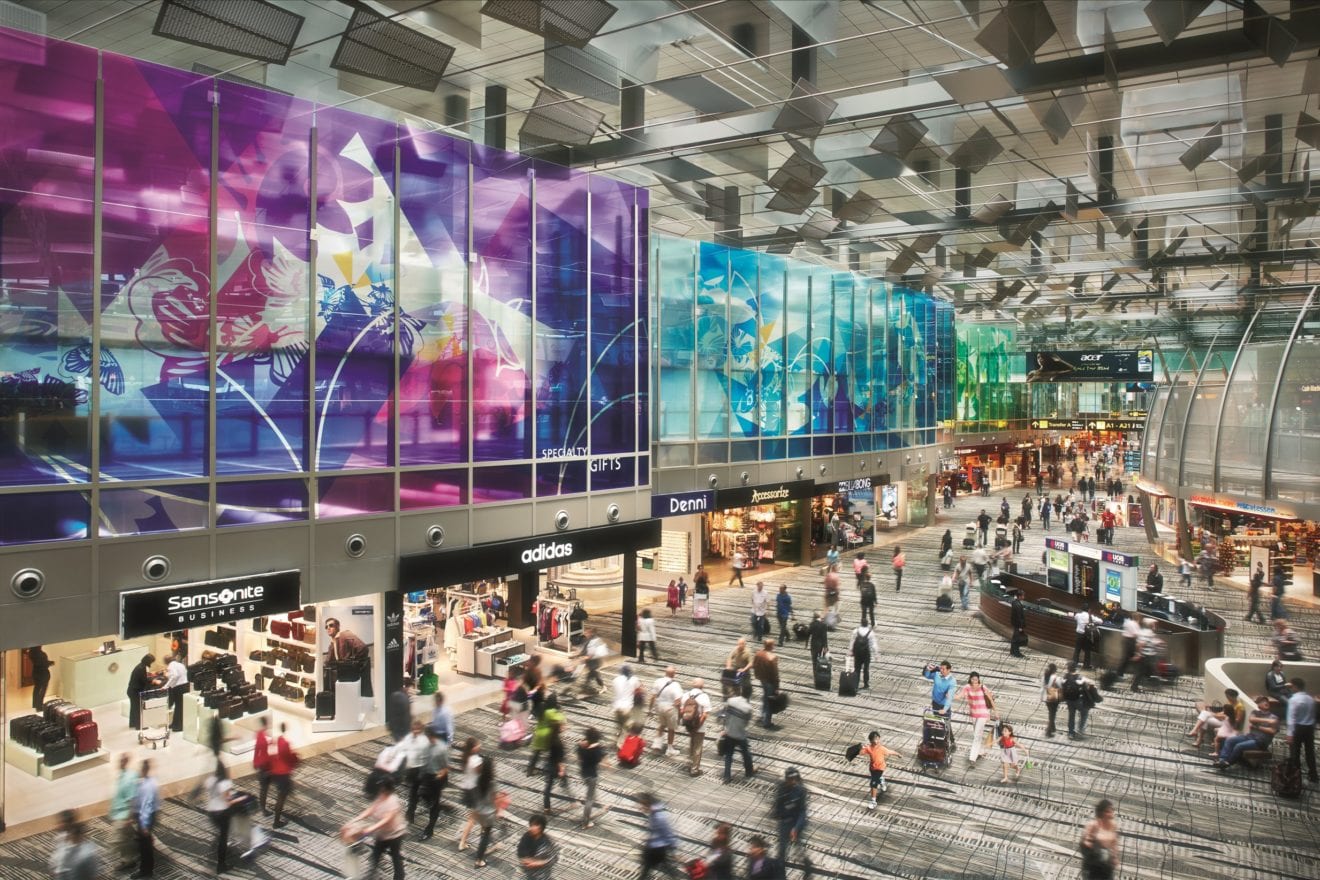
    TFWA Asia Pacific Exhibition & Conference 2015, the 20th event for the duty free & travel retail industry in Asia Pacific, closed on 14th May in Singapore after a very successful week.

    With occupied exhibition space topping previous years at 9,118 m2 – up 9% on 2014 – and 292 exhibiting companies present (+12%), of which 73 were new to the show, there was a huge variety of products on display for the benefit of visiting buyers and agents.

    Visitor numbers were considered satisfactory by organisers TFWA in a year which has been challenging for the duty free and travel retail industry, with aviation accidents, a new approach to gift giving and luxury consumption among the all-important Chinese travellers, financial instability and political tension in several countries and the resulting slowdown in the growth of air passenger traffic.

    A total of 2,655 trade visitors attended the show, equivalent to last year, from 1,053 companies (+3%) of which more than a third were “key buyers” – duty free & travel retail operators and landlords from airports, airlines, ferry and cruise companies, cross-border and downtown duty free stores.

    “I was very impressed by the quality of the stands, the assortment of products on display and the energy around the show,” said Erik Juul-Mortensen, President TFWA. “This year has not been easy for the industry in this region and, in light of that, we are really very satisfied with the number of companies present and the quality of the visitors.”

    Duty free & travel retail sales in the Asia Pacific region in 2014 totalled US$23.6 billion, up 5.5% on the previous year, according to provisional figures from independent analysts Generation Research, which ranks the region top in the global industry with 38% of total sales. The second largest region is Europe, followed by Americas, Middle East and Africa.

    Forthcoming events organised by TFWA include TFWA World Exhibition & Conference from 18th to 23rdOctober 2015 in the Palais des Festivals, Cannes and the Middle East & Africa Duty Free Association Conference from 22nd to 24thNovember 2015 at the King Hussein Bin Talal Convention Centre, Dead Sea, Jordan. Details of these events can be found at https://www.tfwa.com.