Tag: Retail

  • Pazzion Spearheads Asia-Wide Expansion Plans With Agency Appointment

    Pazzion Spearheads Asia-Wide Expansion Plans With Agency Appointment

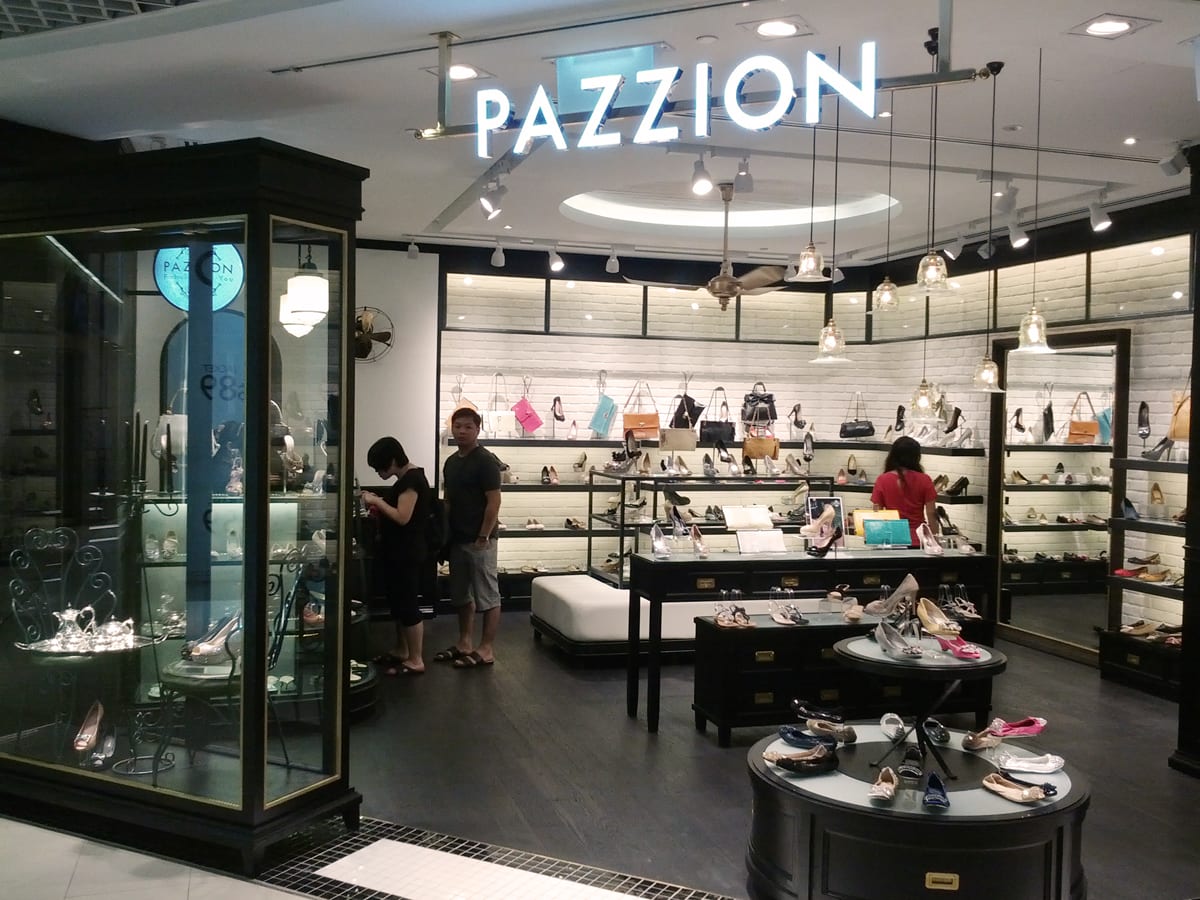
    Pazzion, home-grown shoe brand turned international sensation, has appointed award-winning PR agency, PR Communications to handle all its media relations programmes and special events.

    Since its conception in 2001, PAZZION has exploded onto the regional fashion scene. The brand has grown from a store in Wisma Atria to reach more than 10 countries, including India, Japan, and South Korea. PAZZION’s combination of keen market intelligence with an unwavering commitment to quality is the key to PAZZION’s breakout success.

    “Singapore is becoming one of the premiere fashion destinations in Asia, and local designers and brands are finally gaining the recognition they deserve. We aim to expand our brand presence here in Singapore, and we believe that this can be achieved through PR Communication’s expertise,” said Tom Ng, PAZZION’s founder.

    “We are delighted to be working with PAZZION. Consistently providing both quality and style, Pazzion prove that Singaporean brands can be just as good, if not better, than international ones. We aim to create a programme to make locals proud of the brand, as it grows from strength to strength in international markets,” said Eric Chan, Managing Director of PR Communications.

    Company Logo

    Established in 1990, PR Communications is an award-winning Singapore-based public relations consultancy that specialises in Lifestyle and Brand Marketing, Corporate Reputation, Entertainment PR and Eco-PR. The agency holds an extensive portfolio of global organizations and start-ups. Key clients of the Agency include AMK Hub, Caffé B, Chow Tai Fook, Hi-5 Productions, Konica Minolta, Samsonite, SK Jewellery and The Club.

    Born in 2001, PAZZION caters to the modern sophisticate who values both taste and craftsmanship. Each shoe, from sandal to heel, ballerina flat to bridal heel, is made from quality calf leather and lambskin, and is engineered to bring the best in style and comfort. PAZZION has stores in most major retail malls across Singapore, with its flagship outlet in Wisma Atria. Internationally, Pazzion’s presence can be found in Brunei, Cambodia, India, Indonesia, Japan, Mauritius, South Korea, Sri Lanka, Thailand, Turkey and Vietnam.

  • Mitsubishi UFJ considers buying Asian bank similar to Thai unit

    Mitsubishi UFJ considers buying Asian bank similar to Thai unit

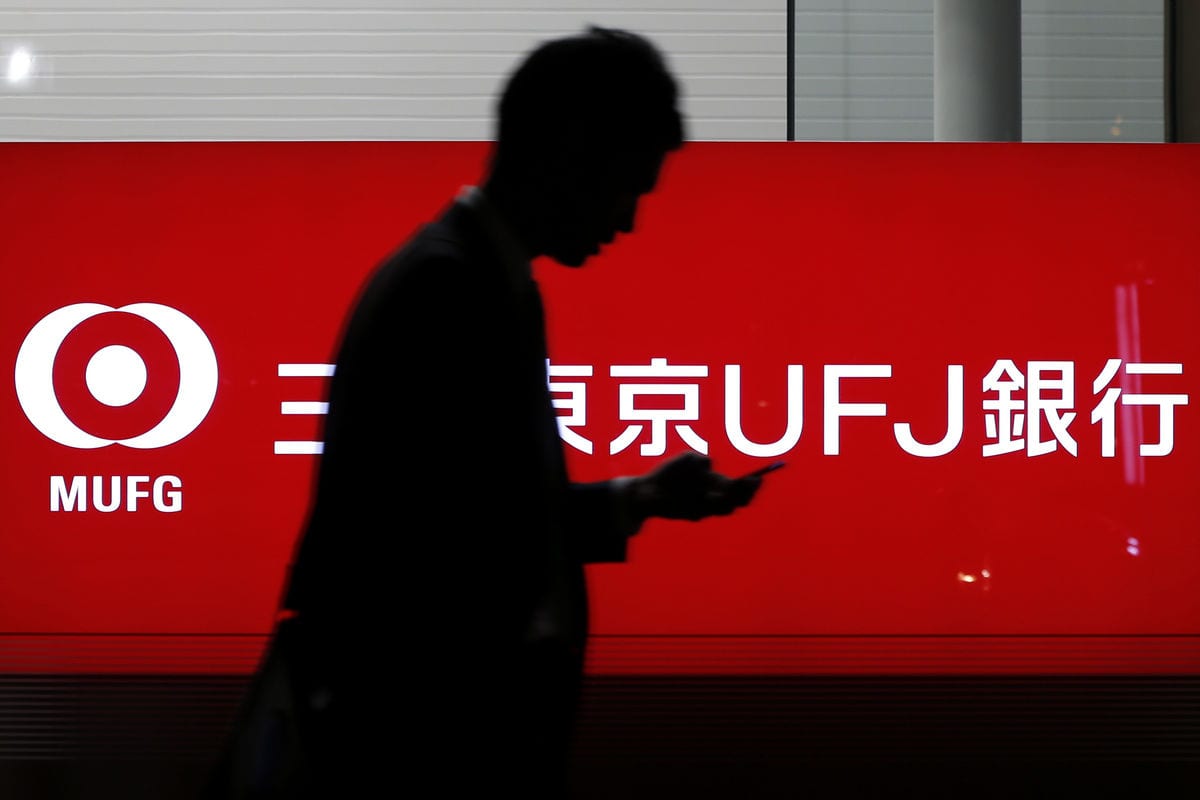
    Go Watanabe, CEO, Asia-Oceania at Mitsubishi UFJ said that we’re looking for a bank that is very strong in both corporate and retail consumer finance akin to Bangkok-based Bank of Ayudhya Pcl. Photo: Bloomberg

    Singapore: Two years after spending about $5 billion buying a Thai bank, Mitsubishi UFJ Financial Group Inc. is looking for a similar Asian investment.

    Japan’s biggest lender is considering acquiring a bank in Indonesia, the Philippines or India that has expertise in consumer banking, said Go Watanabe, chief executive officer (CEO) of the main lending unit’s Asia-Oceania arm.

    “We’re looking for a bank that is very strong in both corporate and retail consumer finance” akin to Bangkok-based Bank of Ayudhya Pcl, Watanabe, 56, said in an interview on Monday in Singapore. The company ideally wants a majority stake in a “relatively big-sized bank,” he said.

    Mitsubishi UFJ has been the most aggressive of Japan’s banks in seeking to tap Asia’s consumers as sluggish growth and shrinking loan margins hamper prospects at home. Regulators in Indonesia, the Philippines and India are at various stages of easing rules on ownership of their banks by foreign lenders.

    “Doing business with corporates isn’t enough,” Watanabe said. “Having a retail business is something we want, to capture the high growth of the Asian economy.”

    Asia excluding Japan is poised to expand 6.2% this year, compared with 0.9% in Japan, according to economist estimates compiled by Bloomberg.

    That growth is reflected in Bank of Tokyo-Mitsubishi UFJ Ltd’s loan book. Average loans outstanding in Asia to non-Japanese borrowers climbed 10% from a year earlier to ¥7.6 trillion ($62 billion) in the six months ended March, company data show. That excludes Bank of Ayudhya’s loans.

    Ownership rules

    Loosening of bank ownership restrictions may favour Watanabe’s aspirations to obtain a majority stake in one of the target countries.

    India now allows overseas holdings of as much as 74%, up from 49% previously. Indonesian regulators in June allowed South Korea’s Shinhan Bank to buy two lenders and merge them, providing an exception to a 40% foreign-ownership limit. The Philippines eased its rules last year to let international companies fully own a domestic bank.

    While Watanabe has spoken to relevant authorities, he said there is no discussion of specific targets. The acquisition plan, while part of the bank’s three-year strategy, may materialize after the period, he said.

    Mitsubishi UFJ is among 12 firms that expressed interest in buying United Coconut Planters Bank from the Philippine government, which is seeking more than $350 million for its 74% stake, people with knowledge of the matter said in June. Watanabe declined to comment on the sale.

    Long-term commitment

    The Japanese company is investing in foreign banks for the long term, Watanabe said. In Thailand, it gave up its banking license and merged its local unit into Bank of Ayudhya, the nation’s fourth-biggest bank by market value, to gain the central bank’s endorsement.

    “We are already committed,” he said. “There is no return.”

    Bank of Tokyo-Mitsubishi UFJ now owns 77% of Bank of Ayudhya, whose net income grew 19% last fiscal year to THB14.2 billion ($420 million). It bought a 20% stake in state-owned Vietnamese lender VietinBank in 2013.

    Watanabe moved to Singapore in July 2013 to take up his current role, reflecting a strategic shift at the Japanese bank, which previously ran all its Asian units from Tokyo. Singapore is now the regional headquarters for the 12 countries under Watanabe’s supervision, from Australia to India.

    Bank of Tokyo-Mitsubishi UFJ now has 1,200 employees in Singapore, 200 of whom are Japanese, Watanabe said. While the company is unlikely to add headcount in the city-state, it’s seeking to boost the number of local hires to cater for an increasingly international client base, he said.

    “The growth is now with non-Japanese companies, like European and US multinational companies that are growing in Asia,” he said. “That’s the business we’d like to expand.”

  • Pandora partners with DFS in major Hong Kong Airport promotion

    Pandora partners with DFS in major Hong Kong Airport promotion

    Danish jewellery brand Pandora has opened a dedicated 13.5sq m promotional area at Hong Kong International Airport (HKIA) in partnership with DFS Group.

    The zone is a celebration of ‘Explore, Dream & Discover’, involving a pre-launch of Pandora’s new travel charms, which will launch in other selected stores on 30 July.

    The use of a 6sq m video wall creates a multi-media experience to highlight the pre-launch.

    “We are extremely proud and excited about opening stores at prestigious locations together with DFS,” said Pandora VP Travel Retail Julian Mullins.

    “Here at DFS we aim to be the world traveller’s preferred destination for luxury shopping and developing fantastic brand partnerships is key to delivering on that promise,” said DFS Group Director of Merchandise-­‐ Sunglasses, Fashion Watches and Jewellery Jason Blejwas.DFS and Pandora have worked in partnership for just over a year, opening stores in Abu Dhabi, Honolulu, Guam, Saipan and Hainan as well as DFS Group’s downtown Hong Kong locations and the retailer’s main store in HKIA’s East Hall.

    “We’re excited to expand on our relationship with Pandora and bring their unique brand aesthetic to the traveling consumer at HKIA.”

  • Bauhaus in sales slide

    Bauhaus in sales slide

    Denim retailer Bauhaus says its same store sales have slumped in Taiwan and Hong Kong in the last quarter.

    Same store sales fell 17 per cent in Taiwan and nine per cent in Hong Kong, but remained stable in Mainland China.

    The Hong Kong-listed street fashion retailer has 211 self-managed stores – 96 in Taiwan, 86 in Hong Kong and Macau and 29 in the mainland.

    Quarter on quarter it added three in Hong Kong-Macau, one in Taiwan and closed two in the mainland.

    Bauhaus did not offer any commentary on the figures.

    The retailer sells a range of imported denim and t-shirt brands including Desigual, Evisu, Superdry, True Religion and Red Pepper.

  • Uniqlo sponsors Special Olympics LA

    Uniqlo sponsors Special Olympics LA

    Tadashi Yanai, chairman, president & CEO of Fast Retailing, said Fast Retailing Group is committed to employing people with disabilities, in the belief staff can learn from each other and grow by working together.

    “Through our support of the Special Olympics LA World Games 2015, we hope to contribute to the realisation of a society in which all people, those with disabilities and those without, support each other and grow together.”

    Uniqlo will conduct a Special Olympics LA promotional campaign in its stores during the games. To raise awareness of the event, Uniqlo will put up posters supporting Special Olympics in Uniqlo stores in 12 countries and regions, and staff at Uniqlo’s five locations in the host city of Los Angeles will wear T-shirts with the Special Olympics LA logo.

    “Uniqlo believes in the ideal of Special Olympics LA, to foster independence and social participation for persons with intellectual disabilities through sports, and has supported Special Olympics Nippon since 2002,” the company said in a statement.

    Currently, Uniqlo supports local Special Olympics organisations in 12 countries and regions by providing uniforms, and sending volunteers to help run events.

  • Samsung tests mobile payment service

    Samsung tests mobile payment service

    Samsung has launched a short, live beta test of its new mobile payment service.

    Samsung Pay, developed by Samsung Electronics, will soon be launched in its home market soon as a beta service for a 36 day trial period.

    Samsung Card says it will recruit beta testers for Samsung Pay until July 10. The testers will experience the Samsung Pay service at various major offline member stores of Samsung Card from July 15 to August 20.

    The card company will provide 10,000 points to those beta testers who spent more than 50,000 won through the payment solution. In addition, the company will hold a special event offering up to 50,000 points to active beta testers who use the service often.

    Samsung Pay, which is to be available in September, stands out from other competitors as the service supports virtually all forms of payment – near field communication (NFC), magnetic secure transmission (MST) and barcode technologies – which reaches far more point-of-sale devices than those of its rivals.

    Currently, other mobile payment services are used mainly online as they lack offline affiliates.

    Meanwhile, Samsung is planning to introduce the payment platform in the US later this year to compete with overseas mobile payment services like Apple Pay and Alipay.

  • Luxury retail plan for Hong Kong-Zhuhai-Macau link

    Luxury retail plan for Hong Kong-Zhuhai-Macau link

    Authorities are proposing a shopping centre with “flagship stores for luxury brands” on a new island, centrepiece of the new multibillion dollar Hong Kong-Zhuhai-Macau Bridge.

    A public consultation document released this week outlines plans for a 150 hectare island currently under construction near the city’s airport, which will serve as the gateway for Hong Kong and the western Pearl River Delta. It is here that travellers between Hong Kong, the Mainland city of Zhuhai and bordering Macau will be processed.

    The Hong Kong government envisions an area for warehouses, showrooms, restaurants, flagship stores for luxury brands and other stores selling antiques, artworks and high quality wines.

    The government is conducting a study to ascertain the feasibility of carrying out the proposed commercial development and other economic activities at the topside and underground space of the HKBCF Island, and to optimise their scope and scale.

    The Stage 1 Community Engagement will last for two months. Activities will include a public forum, briefings and a roving exhibition. Details of the activities and engagement documents are available at the website.

    The development, with a total planned gross floor area of 500,000 sqm, will include facilities for retail, food and beverages, entertainment, conferences, offices and business hospitality. It will have a 10 storey height limit due to its close proximity to Hong Kong International Airport.

    A spokesman with the Airport Authority Hong Kong said the proposed development will create create synergy with the planned Airport North business area.

    Members of the public have until September 7 to submit their comments through the following channels:

    • Planning Department, Cross-Boundary Infrastructure and Development

    Section, 16/F, North Point Government Offices, 333 Java Rd, North Point, Hong Kong.

    • Civil Engineering and Development Department, Hong Kong Island and Islands Development Office, 13/F, North Point Government Offices, 333 Java Rd, North Point, Hong Kong.
    • Or by email: [email protected]
  • Billabong Indonesia opens in Lombok

    Billabong Indonesia opens in Lombok

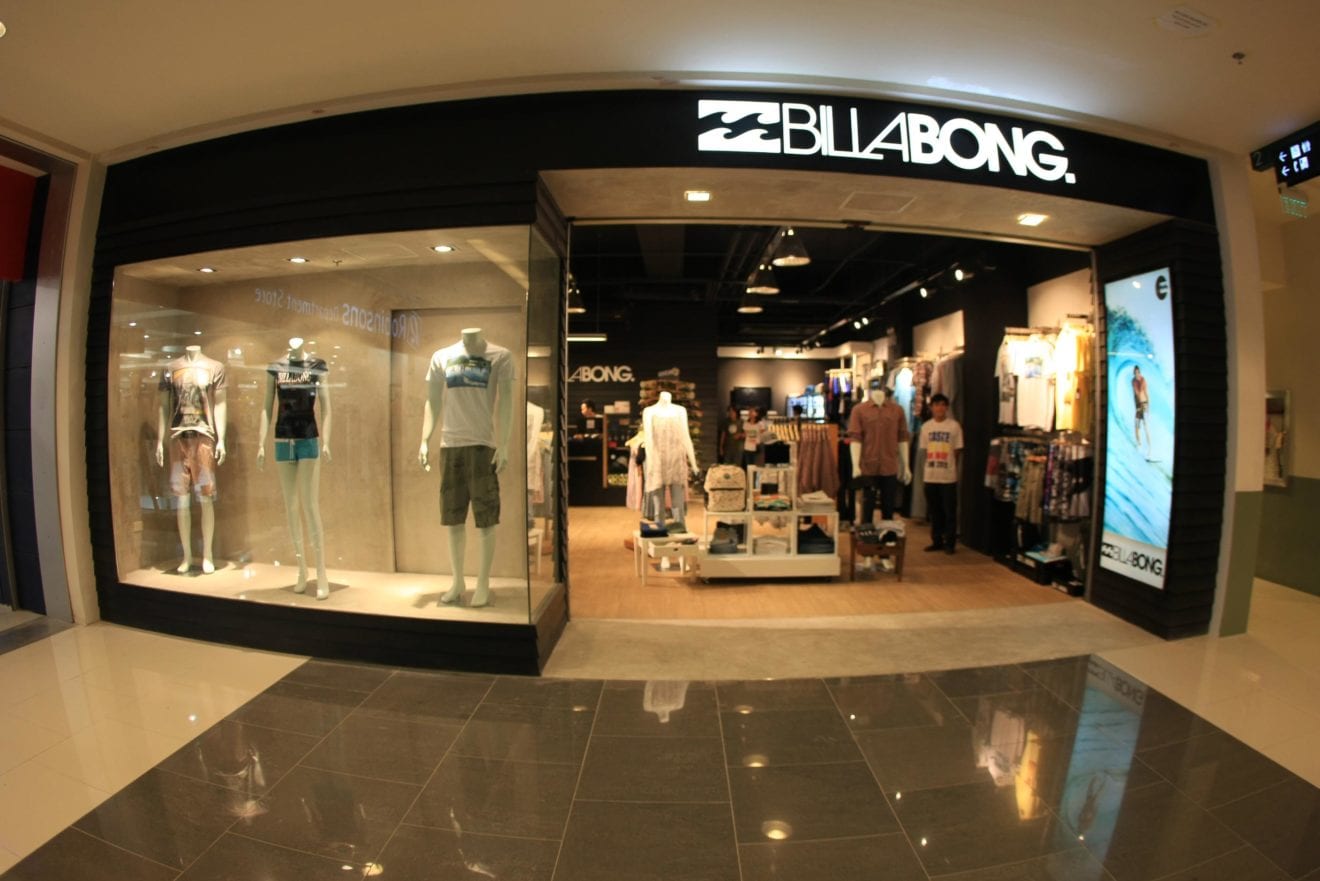
    Australian surf label Billabong has opened its newest concept store at Lombok Epicentrum Mall.

    The store is part of Billabong Indonesia brand’s extensive retail roll out planned for this year and is a partnership with Royal Surf.

    “This is the perfect time for us to strengthen our relationship with Royal Surf given the good performance the brand is achieving in its multi brand channels,” said Billabong service manager Arini Sukmawati.

    The 86 sqm Billabong Lombok store takes on the brand’s new retail identity – direct from the brand’s headquarters in Gold Coast, Australia. Similar to all new stores opened by the brand globally this year, the space features Billabong’s signature surfboard ceiling, clean white brick walls, and educational panels portraying the stories of Billabong’s award-winning products and campaigns.

    Besides being at the starting point of the island of Lombok and Sumbawa, the new store, located in the largest city in the Mataram Province, is also the epicentre of commerce and industry services.

    “Mataram is growing and developing rapidly. Along with increasing tourism rates due to the location’s very vibrant surf locations, we are very confident that our relationship with Billabong will only strengthen with the opening of this new store,” said Meylya Handoyo, director of Royal Surf.

    She said the Lombok store will be stocked with a larger assortment of the brand’s stories and product collections to fully convey the Billabong brand story.

    Billabong Lombok is located on the first floor of Lombok Epicentrum Mall Jl. Sriwijaya no. 333, Mataram, NTB. It is open from 10am – 10pm daily.

  • Marina Bay Sands launches exclusive digital offer

    Marina Bay Sands launches exclusive digital offer

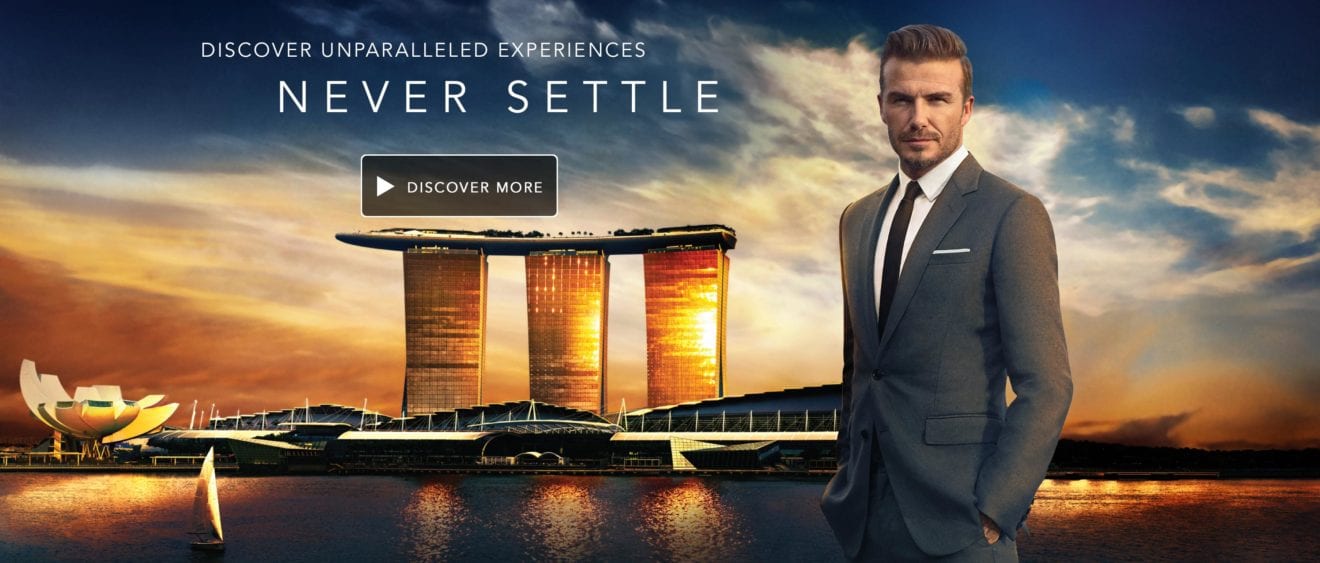
    The Shoppes at Marina Bay Sands has launched a digital platform allowing shoppers to browse and reserve online exclusive lines not available in stores outside its mall.

    The new O2O initiative not only helps the mall promote its exclusivity and premium luxury positioning, it drives foot traffic offline into the mall.

    Shoppers can reserve the Shoppes-exclusive items – like the Kwanpen Men’s Boutique Crocodile leather briefcase pictured above – for 48 hours before heading to the physical boutiques to purchase the goods.

    The Shoppes team says the online service is another initiative to showcase the mall’s unmatched collection of luxury offerings. Shoppers who use the free service are also in for treats and seasonal privileges upon purchasing in-store, including attractive shopping rewards, complimentary day parking, as well as be the first ones to receive firsthand updates on the newest limited edition products debuting at The Shoppes.

    John Postle, VP of retail with Marina Bay Sands, said: “We are always looking for ways to engage our shoppers while leveraging existing digital platforms to showcase product offerings that set us apart. Through this service, we want to bring convenience to our customers and make them feel special when they arrive at their destination, knowing that their item is waiting for them.”

    For its launch, the website will feature a selection of luxury bags from international brands including Bally, Brioni, Kwanpen Men’s Boutique, Roberto Cavalli, Salon by Surrender, Salvatore Ferragamo and Zilli.

    To celebrate the launch of the service, shoppers will receive a S$100 shopping voucher on top of complimentary parking, upon purchase of their reserved item from now until August 31.

  • Tesco Asia carve up likely

    Tesco Asia carve up likely

    A carve-up of Tesco Asia operations seems increasingly likely with credible reports in three different nations now of serious expressions of interest.

    While markets await firm news of progress of HSBC’s quest to find a buyer for the Tesco Korea business, the latest news is that Japan’s Aeon has expressed interest in buying Tesco Malaysia, reportedly valued in the region of £900 million.

    That follows an approach from Thai billionaire Dhanin Chearavanont late last year who prepared a speculative bid by his company Charoen Pokphand Group (CP) to buy back the troubled Tesco Plc’s Thai business, which he sold during the Asian financial crisis. That bid was initially rejected but if Tesco is selling its Korean and Malaysian operations it is likely to let Thailand go as well if it can gain a fair price.

    If all three sales were to proceed, it would almost certainly see the Tesco Asia operations rebranded under new owners – in Thailand, most likely under the Lotus brand, in Malaysia stores would be merged into Aeon’s existing network and in Korea – that would entirely depend on the successful bidder.

    Reuters has reported reliable sources confirming Aeon’s interest in Tesco Malaysia. Aeon is cashed up, has a heavy focus on expanding across Southeast Asia and a merger of its network with Tesco’s would give it 29 stores, making it a formidable competitor to local hypermarket operator Giant, which has a lower market positioning to Aeon’s more premium offer.

    The Japanese retail and property giant entered Malaysia by acquiring the Carrefour operation in 2012 for €250 million.

    Meanwhile, KKR has reportedly rejoined the race to buy Tesco Korea’s Homeplus network which is estimated to be worth US$6 billion, after sweetening its preliminary offer. All the prospective shortlisted buyers reported by the UK and Korean financial press are private equity companies, including Affinity Equity Partners, Goldman Sachs, Carlyle Group and MBK Partners.

    However in a market as complex as Korea, it is highly likely any of those bidders would want to partner with a local retail operator for the business connections and local market knowledge.

  • Vietnam tablet market soars

    Vietnam tablet market soars

    The rapid growth of the Vietnam tablet market is boosting the potential of eCommerce in the fast-maturing Southeast Asian nation.

    New figures from GfK this week show the growing number of lower priced entry level tablets has seen a double digit growth in sales in first five months of this year – or 149,000 extra units – to reach 582,000.

    GfK projects the media tablet market will achieve even higher sales in the third quarter of the year with the anticipated back to school promotions, with annual sales estimated to hit 1.9 million for the year.

    Yet the total amount spent on tablets has fallen by about five per cent, due to the greater contribution of those lower value media tablet models.

    “Over three in every four (76 per cent) media tablets sold so far in 2015 cost less than US$300, as compared to just one in two (50 per cent) in 2014; signifying a strong shift in market trends towards the low-end segment,” observed Tran Khoa Van, MD of GfK in Vietnam.

    “The result of more media tablets being sold at lower prices brought about a shrinkage in the total market value in spite of strong consumer demand for the gadget.”

    On the other hand, high-end media tablets priced above US$500 which accounted for 29 per cent of the total market’s sales volume had reduced by half to make up only 14 per cent share in the first five months of this year. A similar trend is seen in the US$300-500 segment, where its 22 per cent share last year was reduced to 11 per cent in 2015.

    According to GfK findings, the average price of media tablets declined by 30 per cent from US$367 last year to US$259 this year. Although the number of brands catering to the Vietnamese market reduced from 56 to 49, the remaining players have introduced 20 more new models – from 278 to 298.

    Another emerging trend is the rising popularity of smaller screen sized media tablets, specifically the 7.9” and below segment. Over seven in 10 (71 per cent) of media tablets purchased this year were of this size, up from its 62 per cent market share last year.

    On the other hand, it was the 9-10” segment which reported a dwindled market share by half – from 26 to 13 per cent.

    “Price erosion is a natural progression of a tech product’s lifecycle and the average price of media tablets will definitely be drifting down further from the low of US$250 reported in the latest tracked month of May,” said Van.

  • Marina Bay Sands delivers Scoops of Hope

    Marina Bay Sands delivers Scoops of Hope

    Marina Bay Sands’ family of celebrity chef restaurants have joined hands to craft exclusive gelato flavours for Scoops of Hope, a new addition to this year’s Sands for Singapore Charity Festival.

    From 31 July to 9 August, the public can savour eight delectable flavours at the Scoops of Hope pop-up gelato station at Marina Bay Sands, while giving back to the community at the same time. All proceeds will go towards The Straits Times School Pocket Money Fund, which lends a hand to children from low-income families.

    Marina Bay Sands CEO and president George Tanasijevich, said, as home to nine outstanding celebrity chef restaurants, Marina Bay Sands’ Scoops of Hope project is an excellent way to harness its combined culinary talent to benefit the less privileged.

    “We invite the public to join us in this.”

    The gelato flavours also play a special tribute to Singapore during this national celebratory period. Cut by Wolfgang Puck is contributing Gula Melaka gelato, an ingredient commonly used in local traditional desserts. Adrift by David Myers is creating Masala Teh Tarik gelato, a spin on the popular milk tea beverage. Waku Ghin by Tetsuya Wakuda will be rolling out Coconut with White Miso gelato, reminiscent of the famous local dessert Chendol, a personal favourite of Chef Tetsuya.

    A special flavour has also been created to commemorate the 170th anniversary of The Straits Times, Singapore’s oldest English-language daily. Created by executive chef of Marina Bay Sands, Christopher Christie, the multi-colour ST gelato comprises creamy White Chocolate with Raspberry, topped with crunchy Blue Sprinkles, incorporating the corporate colours of the newspaper as it crosses its milestone this month.

    Already, the first 170 scoops of the ST gelato have been bought by a private donor of the The Straits Times School Pocket Money Fund, which is also celebrating its 15th anniversary this year. The scoops of gelato will be redeemed by beneficiaries and their accompanying caregivers from 31 July. Another corporate donor of ST School Pocket Money Fund – Ascendas Funds Management (S) Limited – has also donated S$50,000, in support of the Scoops of Hope initiative.

    The Straits Times School Pocket Money Fund is a community project initiated by The Straits Times to provide pocket money to children from low-income families to help them through school. The Fund supports over 10,000 children and youth each year. Since the project started in 2000, the Fund has disbursed close to $42 million and helped over 128,000 cases of children and youth in providing them with monthly school pocket money.

    The Scoops of Hope project is also made possible with support from Carpigiani Gelato University and Allied Foodservice Equipment Pte Ltd. Carpigiani Gelato University, which has a mission to develop the art and science of gelato production, offered expertise and training in gelato making, while Allied provided the requisite equipment.

    From 31 July, gelato lovers can visit the pop-up store at The Shoppes Canal Level, B2 (Opposite Cold Storage) from 11am to 9pm. The gelato is priced at S$4.50 for a single scoop, S$8 for a double scoop and S$12 for a triple scoop.

  • Flipkart to use Singapore image search tech

    Flipkart to use Singapore image search tech

    Flipkart, India’s largest online marketplace, has started rolling out image searching on its mobile shopping app which it clams will revolutionise the shopping experience.

    Flipkart is using ViSenze technology developed in Singapore for visual search and image recognition.

    The image search system allows users to upload photos of fashion items and find similar products in terms of color, pattern or style inside the Flipkart merchandise database. This eliminates keywords guessing when searching for a product, thereby simplifying the search process.

    Additionally, users browsing Flipkart’s catalogue can find visually similar products with a single tap. This brings offline-like shopping experience to mobile, acting as a virtual “shop assistant” who would show products of same color or design when users see something they like.

    This simplified search experience comes handy on the online marketplace that lists over 30 million products and is accessed by 45 million registered users, 75 per cent of them via smartphones. These new features are currently in beta and are due to be released to all users in the upcoming days.

    “We are proud we have managed to offer a solution that is also capable to handle unique needs for the Indian market such as ethnic wear,” said Oliver Tan, CEO and co-founder of ViSenze.

    The tech company originates from an R&D spin-off from the National University of Singapore, and develops highly advanced visual search algorithms, combining state-of-the-art deep learning with the latest computer vision technology to solve search and recognition problems faced by businesses in the visual web space.

    The company provides its visual technology APIs through a Software-as-a-Service offering to online retailers, content owners, brands and advertisers, app developers and digital publishers, enabling their platforms to recognise products for retrieval purposes or instant purchases.

    “The partnership with Flipkart not only attests to the strength of our products, but also reinforces our mission to enable retailers to capitalise on smart innovations in visual technology to uplift conversions, while empowering shoppers with real-time ability to search without the hassle of keyword guessing. And we will continue to innovate in this area,” said Tan.

    Key clients using the company’s image search service include internet retailers and marketplaces like Caratlane, Zalora (a Rocket Internet company), Reebonz, and Rakuten Taiwan, as well as patent search engines like PatSnap.

  • ‘Team Singapore one for all’ $15m tourism spend

    ‘Team Singapore one for all’ $15m tourism spend

    Singapore Changi Airport, Singapore Airlines and the Singapore Tourism Board are to invest S$20m ($14.8m) on a coordinated effort to encourage more visitors to engage in leisure, business and MICE activities.

    All three parties have agreed a two-year partnership aimed at enriching Singapore’s appeal to more visitors through an enhanced and coordinated approach, involving the country’s national airline, its leading airport and the destination as a whole.

    The 15 ‘visitor markets’ that are initially being targeted with this new ‘one for all’ approach include Australia; China; Germany, Hong Kong; India; Indonesia; Japan; Korea; New Zealand; the Philippines; Taiwan; Thailand; Vietnam; the US; and the UK.

    In a joint statement, the trio say that they hope to refine the Singapore experience to leisure visitors coming to and through Singapore and Changi Airport, along with intensified direct marketing efforts to consumers and through trade partnerships.

    In addition, the partnership is also investing some of its money to increase marketing investment aimed at business travellers and MICE (Meetings, Incentives, Conventions and Exhibitions).

    Singapore Airlines CEO, Goh Choon Phong said: “This partnership demonstrates our commitment to further developing our home base as a travel hub and promoting Singapore as a destination of choice. We are pleased to continue working closely with STB and CAG and draw on our respective strengths, to promote sustainable growth of inbound travel to and through Singapore.”

    Lee Seow Hiang, CEO of the Changi Airport Group added: “One of the key initiatives in this collaboration is developing and enhancing joint programmes that will contribute towards strengthening the global mindshare and perceptions of both Singapore and Changi Airport.

    “We look forward to working together to leverage our collective strengths and insights and to amplify our efforts to promote the Singapore experience.”

    Adding his comments, Lionel Yeo, CEO of the Singapore Tourism Board said: “Our airline and airport are an integral part of the Singapore experience. The new product offerings demonstrate SIA, CAG and STB’s commitment to provide today’s discerning travellers with a more seamless and in-depth experience.

    “To constantly refresh and add value to the visitor experience, it is essential for the industry to rally together; STB looks forward to more partnerships with the industry.”

    The three partners says that one of the ‘key highlights’ of this new initiative is the introduction of the Stopover Premium package which is an upgraded version of the Singapore Stopover Holiday. They say this is the latest in the three partners’ ongoing efforts to create more distinctively targeted experiences for travellers with different needs to enjoy Singapore more fully as a destination.

    This is being aimed at both premium leisure and business travellers and includes stays in selected five-star hotels with breakfast and Wi-Fi, priority hotel check-in services and private transfers (for ‘Club’ room stays).

    Other exclusive ‘privileges’ include spa discounts or shopping vouchers and access to a variety of premium leisure experiences across the island (first and business class passengers only).

    The partnership is also offering a ‘refreshed’ and enhanced Free Singapore Tour, aimed at taking transit passengers on a free guided tour of Singapore’s heritage attractions and city skyline.

    The new programme now boasts longer itineraries, more iconic landmark sights, photo stops and additional tour timings. The Singapore Tour has proved hugely popular over nearly three decades, with more than one million visitors taking advantage of the offering since it was first introduced 28 years ago in 1987.

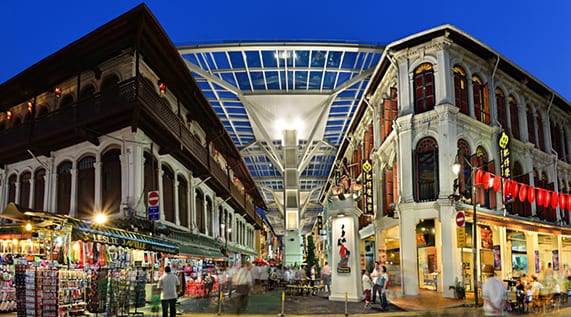
    It currently includes several attractions (see below) including Little India, Chinatown, the Colonial District, the main business district and many other attraction.

  • Alibaba’s chairman tells US businesses: ‘You can sell almost anything’ online in China

    Alibaba’s chairman tells US businesses: ‘You can sell almost anything’ online in China

    Jack Ma, chairman of China’s dominant e-commerce company, says Alibaba can help U.S. businesses sell to the more than 500 million consumers expected to make up China’s middle class by 2025.

    Alibaba Group doesn’t want to compete with Amazon.com Inc. for sales inside the United States—rather, the Chinese e-commerce giant wants to help small and medium-sized U.S. businesses sell online in China, Alibaba executive chairman Jack Ma said today in Chicago.

    “We are the e-commerce enabler,” Ma says. “We do not buy and sell like Amazon because we think that SMB’s already know how to sell easily and effectively. We help others do e-commerce, find customers, help with payment and help with logistics.”

    Ma is making a tour of the U.S., following a similar one to Europe last week, seeking to introduce a company that is mainly known in the West for its record-breaking $25 billion stock offering on the New York Stock Exchange in September.

    Ma spoke today with Kenneth Chenault, CEO of American Express, at the Chicago Millennium Knickerbocker Hotel today. No partnership between American Express and Alibaba was announced, although Ma did say “[Alibaba] should leverage and work with global companies like American Express.”

    Ma explained that Alibaba is already helping small U.S. businesses sell to China, and he emphasized the opportunity represented by China’s growing middle class, which he said will number more than 500 million by 2025, Ma said. In 2014, the value of purchases consumers and businesses made on Alibaba’s sites totaled $390 billion. And the 10 million mostly Chinese small and midsized business that sell on Alibaba’s marketplaces, particularly the Taobao and Tmall retail shopping portals, accounted for 95% of those transactions, Ma said. In the next five years, Ma predicts Alibaba’s transaction volume will reach $1 trillion. In 10 years, he hopes 40% of sales will come from businesses outside of China.

    “When you have 120 million people shopping on our site every day, you can sell almost anything,” he said.

    Because China does not have the extensive bricks-and-mortar retail infrastructure of the United States, Chinese consumers rapidly moved to shopping online, Ma said. E-commerce is expected to make up 24.2% of Chinese total consumption by 2020, Alibaba says. As an example of the opportunities open to foreign companies, Ma pointed out that Chinese consumers bought 300,000 “German lake crabs” in one day last year on Alibaba’s site. Farmers from the Pacific Northwest sold 600 tons of cherries through Alibaba last year, after selling 180 tons in 2013, Ma wrote in a column published this week in the Wall Street Journal.

    Ma said that Chinese consumers love American products, and that imports represent a big part of the continued growth of not just Alibaba but also China. His trip to the U.S. follows a recent visit to Europe, in the hopes of enticing foreign companies to sell on Alibaba sites. Ma said his goal is to and turn Alibaba into the largest import platform in the world.

    “In the next 20 years, China will grow to be the largest importer country in the world,” Ma says. “But, Chinese resources like the water, soil and air could never support such a huge demand. I think if China keeps exporting we will never see the blue sky in China. We have to leverage global resources to serve the 1.3 billion people.”

    While Ma downplayed suggestions Alibaba intends to compete with U.S. e-retailers, it has been investing in the United States. That includes taking stakes in Snapchat, a mobile image sharing app; TangoMe Inc., a video call app maker; Quixey Inc., a mobile search provider; and ride-hailing service Lyft Inc.

    Last year, the company also launched 11Main.com, a shopping portal for boutique U.S. retailers.