Tag: Retail

  • Apple iPhone’s Implodes in China Stock Crash

    Apple iPhone’s Implodes in China Stock Crash

    Apple iPhone sales appear to be in big  trouble, despite iPhone being on track to post a 40 percent year-over-year unit sales gain through the second quarter.

    Having lost the top position in U.S. smartphones sales to Samsung in May, virtually all of Apple’s positive sales momentum has been coming from the China. But after losing $3 trillion in the markets, and with their wealth frozen, a hundred million Chinese no longer need an iPhone.

    Apple is reported to be growing about five times faster than Samsung, despite excellent reviews of Samsung’s new Galaxy S6/Edge. Analysts’ positive opinion of Apple was reaffirmed when Samsung reported in May that it only achieved a 15 percent rise in profit to $6.1 billion on a 2 percent quarter-to-quarter revenue growth, to $43 billion.

    A close look at Apple’s numbers show that first quarter revenue from “Greater China” grew by 71 percent year-over-year, to $16.8 billion. The iPhone sales growth in China accounted for over 56 percent of Apple’s total revenue growth for the quarter.

    Analysts expect Apple to post another extraordinary sales report for the second quarter ending June, with over 50 million iPhone unit sales and revenue of $48 billion.

    Kantar Worldpanel Com Tel’s Carolina Milanesi published a comment last week that after losing U.S. market leadership to Apple in the three-month period through April 2015, the latest data shows that Samsung was again number one in U.S. vendor rankings in the first full month of Galaxy S6 availability.

    The iPhone 6 remained the best-selling smartphone in the U.S., and the iPhone 6 Plus was the fifth-most-popular for the period ending May 30. But Samsung’s Galaxy S5 held the second spot, and the Galaxy S6 held third place. As a result, for the three months ending May, Apple’s U.S. iPhone sales U.S. actually declined by 5 percent from the previous year.

    Kantar also exposes Apple’s Iphone poor performance in India and the three big Latin America markets of Mexico, Brazil and Argentina. Apple’s best penetration of these rapidly growing markets is Mexico, with only a 6.4 percent market share.

    Such a shocking turnabout would be a disaster.

    For the three months ending in May, China unit sales were up by 46.26 percent.The Apple’s growing dominance in the “Red Dragon” has been due to a concerted effort by Apple’s management to make iOS and Mac OS X easier for Chinese language users. Many of the upgrades at this year’s Apple Worldwide Developers Conference 2015 were optimized specifically to target Chinese users, including new tools for developers to respond to the unique challenges associated with Chinese language.

    Apple has also won praise for the effectiveness of its retail stores and “Genius Bar” help desks in China. Apple’s’ head of retail stores, Angela Ahrendts, recently announced that the company opened 5 additional stores in February and is scheduled to expand from 15 to 40 stores over the next two years. Located in premium retail space, Apple’s retail stores in China are meant to distinguish the brand as aspirational.

    But all this good news for Apple was through the month of May, when the Chinese stock market was up over 150 percent for the year. Patriotically following China President Xi Jinping’s late 2013 call for “Silk Road” domestic reforms aimed at expanding consumption by taking public hundreds of state-owned-enterprises, the number of Chinese stock brokerage accounts for small individual investors exploded from 20 million to about 100 million. The ultimate sign of status became watching live stock prices on the iPhone 6.

    But after the Chinese stock markets lost $3 trillion in just 16 days of trading, the communist government on Thursday stepped in and suspended over half of the 2800 stocks in China for up to 6 months. Large holders are not allowed to sell stock and company insiders have been told to buy immediately.

    China’s stock market boom had been a wealth machine until it shockingly bankrupted tens of millions of Chinese in just a few weeks. With their capital frozen, demand for more iPhones to check suspended stocks seems ready to plummet.

  • Jetstar Asia celebrates 2.5 mln passengers between KL to Singapore

    Jetstar Asia celebrates 2.5 mln passengers between KL to Singapore

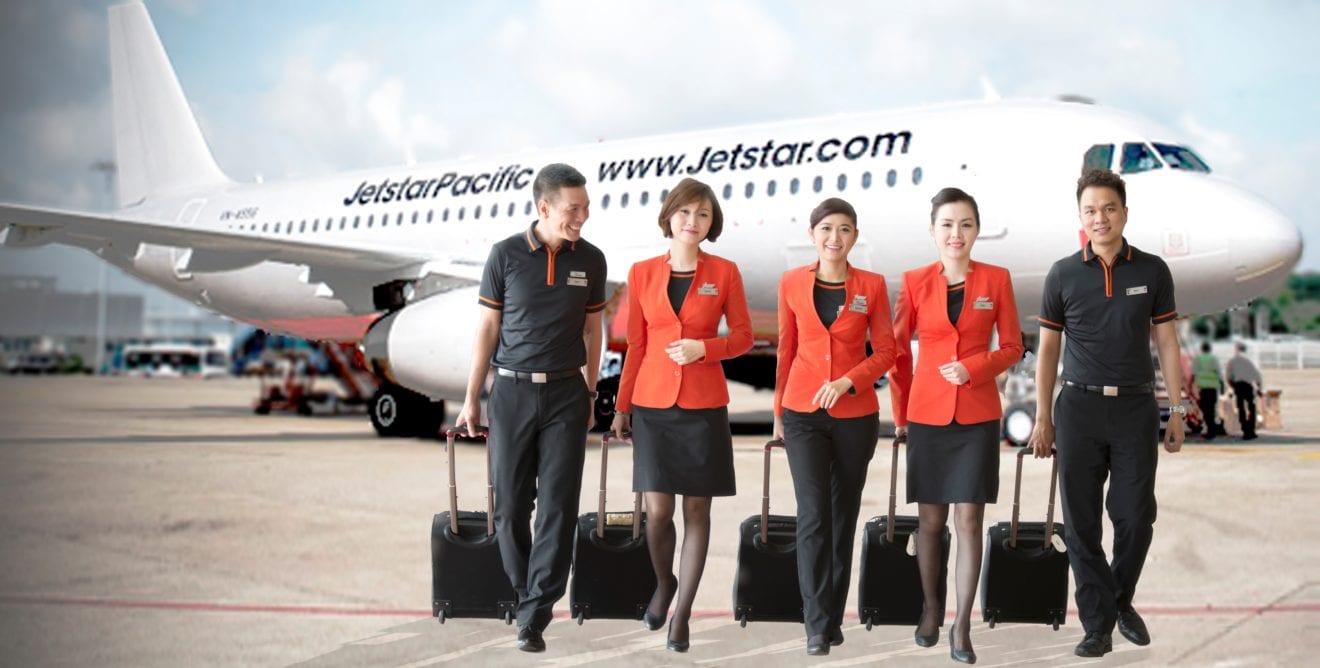
    Jetstar Asia is celebratings its two and a half millionth passenger on the Singapore and Kuala Lumpur route, one of the busiest on the airline’s network.

    In a statement, the low-cost carrier said the milestone coincides with Jetstar Asia’s move of its operations to the klia2 terminal in Kuala Lumpur on July 8.

    Chan Kim Wah, a Malaysian national who works in Singapore, has won himself a RM1,000 flight voucher for being the 2.5 millionth passenger to travel between Singapore and Kuala Lumpur.

    After launching with one daily service in 2008, Jetstar Asia now operates up to 30 weekly services and continues to enhance the travel experience for thousands of passengers who fly between Singapore and the Malaysian capital each year.

    Marking the celebration in Kuala Lumpur, Jetstar Asia Chief Eexecutive Officer Bara Pasupathi said that demand for the route has continued to grow due to the strong business and cultural ties between the two countries.

    “Singapore travellers love visiting Kuala Lumpur, and our commitment to low fares has made more frequent trips for business meetings as well as great food and shopping more affordable.

    “The recent opening of Southeast Asia’s largest factory outlet malls less than two kilometres from the klia2 terminals will serve as new attractions for shopping-savvy Singaporean travellers to visit Kuala Lumpur more often,” he said.

    The malls are part of the KLIA Aeropolis, also known as Malaysia Airports’ airport city master plan.

    Meanwhile, Malaysia Airports Senior General Manager of Operations Services, Datuk Azmi Murad, said: “Airports are no longer just transit points but a destination in their own right.

    “klia2 is a shopping destination with a total of 225 retail and FB outlets throughout the terminal and nearly 200 retail and F&B outlets at gateway@klia2, a shopping annexe to the terminal which aims to cater not only to travellers but to the surrounding community as well.

    “We are delighted to welcome Jetstar Asia to the klia2 terminal today.

    They are joining an increasing number of airlines that recognise klia2 as an exciting, vibrant and convenient terminal especially in terms of its seamless connectivity and world-class facilities.” There are no changes to Jetstar Asia’s schedule and check-in facilities and timings as a result of the move to klia2, and customers can continue to use the enhanced web check-in service straight-to-gate in Kuala Lumpur.

    “The move to klia2, a purpose-built LCC terminal, is an exciting development for Jetstar Asia as our investment in self-service options like straight-to-gate will follow our customers to the new terminal,” Pasupathi noted.

  • Can Lippo Malls Indonesia Retail Trust Turn Itself Around?

    Can Lippo Malls Indonesia Retail Trust Turn Itself Around?

    With China’s stock market turmoil and Greece’s debt issues, it’s easy to miss out the woes that are befalling Singapore’s southern neighbour, Indonesia.

    The rupiah, Indonesia’s currency, has crashed by around 50% against the Singapore dollar since the start of 2010. In fact, the rupiah has tumbled in recent times to levels that were last seen during the Asian Financial Crisis of the late 1990s, some 17 years ago.

    Indonesia’s currency issues have heaped pressure on Indonesia-based but Singapore-listed companies and investment trusts.

    One good example is Indonesian retail malls owner Lippo Malls Indonesia Retail Trust the real estate investment trust has seen its units fall by 30% in price since the start of 2010 even as the broader market, a tracker for the Straits Times Index has climbed by 12%.

    Can things ever turn around for the REIT? Here are three reasons why it may.

    Hedging in place

    Lippo Malls Indonesia Retail Trust is well aware of the risk which can come with a falling rupiah and as a result, the REIT mentioned in its 2014 annual report that it “has entered into foreign exchange hedges to hedge its estimated quarterly cash flows in Indonesian Rupiah until the end of 2016.”

    These hedges can help to cushion any negative impacts from adverse currency swings which may affect the REIT’s bottom-line and distributions.

    Growth by acquisitions

    My colleague Stanley Lim had noted only two weeks ago that Lippo Malls Indonesia Retail Trust has made two new acquisitions of the Indonesian malls Lippo Plaza Batu and Palembang Icon and the purchases are accretive to the REIT’s distributions on a per unit basis.

    The REIT may also have a healthy pipeline of assets to acquire given the reach of its sponsor, PT Lippo Karawaci Tbk, Indonesia’s largest listed company by total assets.

    Undemanding valuation and juicy yield

    At its current unit price of S$0.35, Lippo Malls Indonesia Retail Trust has a very high trailing-12-months dividend yield of 8.2%.

    In the first quarter of 2015, the REIT’s distributions per unit (DPU) for the quarter had jumped by 16% year over year from 0.68 Singapore cents to 0.79 cents. Based on the REIT’s reading of its own micro-economics, it’d appear that brighter days are ahead. Here’re the REIT’s comments from its first quarter earnings release:

    “As the shopping centre moratorium continues, the near term retail space supply in Jakarta will be limited. This will create a favourable market condition for existing shopping mall owners as retail space in Jakarta will be keenly sought after in the next few years.

    The outlook for quality retail spaces looks promising in the next 12 months as both local and foreign retail players continue to remain active. Higher disposable income, lower inflation, coupled with an emerging trend of lifestyle shopping malls are expected to drive the demand for retail space.”

    While currency woes may still plague the REIT, it’s worth noting, as I mentioned earlier, that currency hedges have already been put in place till the end of 2016.

    In the meantime, Lippo Malls Indonesia Retail Trust is also selling for just 0.8 times its latest book value. These low valuations could potentially give some downside protection for investors.

    Foolish Bottomline

    While there may be things to like about Lippo Malls Indonesia Retail Trust, it’s important to note that its history with its DPU has been less than impressive.

    The REIT’s first annual distribution was in 2008 and it had doled out a DPU of 4.96 Singapore cents. But in 2014, its annual DPU was just 2.76 cents, a fall of some 44%.

    This undesirable track record is a source of risk, in the sense that while a weak rupiah may have played a part in the REIT’s shrinking distributions (this is something not within the REIT’s control), it could also be a sign that the REIT may not be the best operators of retail malls around.

    Investors would have to weigh the risks and rewards with Lippo Malls Indonesia Retail Trust before any investing decision can be reached.

  • Nuance wins 13 awards for ‘green’ HKIA stores

    Nuance wins 13 awards for ‘green’ HKIA stores

    Thirteen Nuance Group (HK) stores have been recognised for their environmental performance and commitment out of a total 23 at Hong Kong International Airport’s Environmental Management Recognition Scheme 2014/15.

    Essentially, the Airport Authority Hong Kong-backed scheme is aimed at encouraging retailers to adopt green initiatives and take active responsibilities for the environmental management of their stores. The scheme is co-organised by the Hong Kong Productivity Council (HKPC), which conducts on-site assessments of retail F&B premises at HKIA.

    Nuance is a wholly-owned subsidiary of Basel-based Dufry AG and the 13 stores which were recognised for their efforts this year include the following: (Silver awards) Sound & Vision store reference numbers 6E102, 6E150 and 6W520; Bally 6E125; Longchamp 6W544.

    Bronze awards went to the following Nuance stores: Taste & Delights 6W572; Amazing Grace 7E192; Bags Unlimited 5P084; Best of…Stores      5P103; Fortress 7T096 & 7T097; Fortress 5P028A; Scent & Beauty 5P065; and The Peninsula Boutique 7T040.

    Commenting on the initiative, Alessandra Piovesana, Regional Managing Director of Nuance Asia and Regional COO (ad int) Asia & Middle East of Dufry Group said: “My team and I are delighted for our 13 winning stores at the latest HKIA Environmental Management Recognition Scheme, underlining our widespread corporate commitment in environmental conservation and protection across all our stores as part of our mission of ‘Enriching Travel, Enriching Life’.

    “We believe that environmental management succeeds only through continuous engagements and stewardship with a consistent attitude acted on a united front. Since we took a lead in this area to kick off our first corporate green initiative ‘Save & Preserve’ to reduce the use of plastic bags as early as in 2007, we have continuously nurtured our staff to take ‘green’ as an everyday approach, making ‘green’ practices part of their daily working lives.

    “Every year, we organize different activities to optimize ‘green’ awareness among travellers at HKIA. Our on-going environmental management programmes reflect our passion for life and our will to demonstrate that performing business and environmental actions can surely co-exist. With our concerted efforts with the Airport Authority and other stakeholders, our team is determined to leverage our presence within the airport to continue raising travellers’ consciousness of the need for a sustainable future.”

    ENVIRONMENTAL MEASURES TAKEN BY NUANCE

    The retailer adds that its continuous efforts at environmentally sensible stewardship and customer engagement include the following: minimizing the environmental impact of shopping bags by choosing certified biodegradable materials and by administrative measures; having agreements with suppliers or service providers to reuse containers or materials in goods delivery; installing energy efficient lighting; regularly maintaining air-conditioning systems; establishing ; Green Procurement Policy; using of state-of-the-art sustainable technologies, such as paperless PO system, use of Radio Data Transfer for stock logistics, Electronic Business Process Management and Digital Filing, etc.

    Most importantly, Nuance management says it provides regular training in environmental management to its employees.

    THE SIX KEY CRITERIA USED FOR JUDGING

    The judging criteria for the HKIA Environmental Management Recognition Scheme was based on six aspects, i.e. waste management, energy efficiency, waste water management, air pollution control, noise pollution control and overall environmental management.

    The judging panel consisted of representatives from the Airport Authority Hong Kong, Environmental Protection Department, Hong Kong Waste Management Association, Friends of the Earth (HK) and Academia (Professor C.S. Poon of HK Polytechnic University).

    Nuance adds that in 2012 it received five Gold Awards in the first-ever HKIA Environmental Responsible Retail Recognition Scheme held by AAHK. The retailer also received a Green Management Bronze Award from the Green Council Hong Kong in 2011.

  • Mothercare takes Peoplevox partnership into Asia

    Mothercare takes Peoplevox partnership into Asia

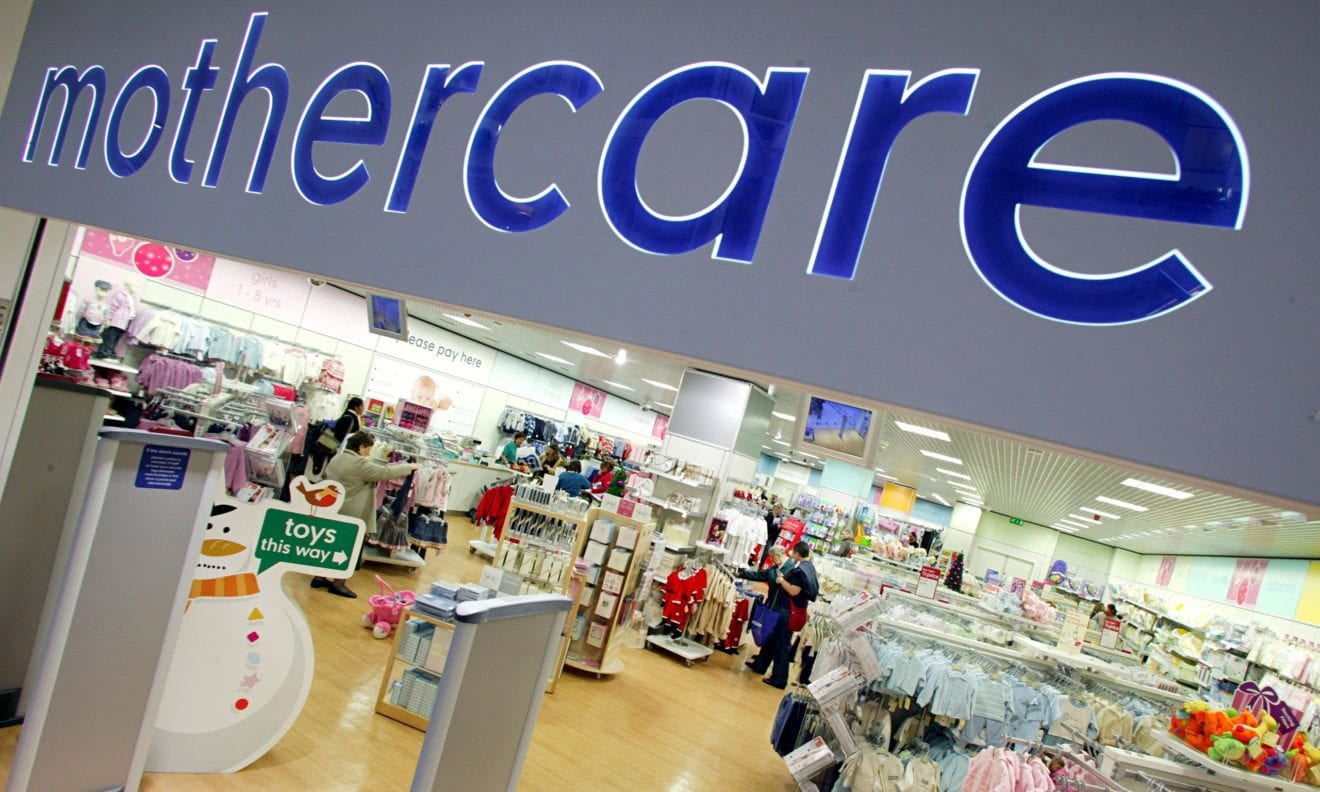
    Baby and maternity products retailer Mothercare is implementing warehouse platform Peoplevox in Asia, following initial success with the system in its Irish business.

    The vendor’s dedicated eCommerce warehouse management system is to be implemented in Mothercare’s Singapore, Hong Kong, Macau, and Malaysia operations, with the retailer hoping to benefit from the company’s “deep functional expertise” as it develops its online presence on a global scale.

    The move comes after Mothercare announced in February that it was among a number of retailers and brands, including country fashion players Barbour and Country Attire, looking to Peoplevox’s self-proclaimed Amazon-style logistics platform to help them compete with the pure-play giant on a global scale.

    Founded by Jonathan Bellwood on the understanding that traditional warehouse management systems are not necessarily the ideal fit for eCommerce operations, Peoplevox has developed a solution that optimises pick routes, eliminating mis-picks, and effectively allows retailers to outsource their stock management processes when entering new territories.

    Elaine Khoo, general manager for eCommerce at Mothercare Singapore, commented: “Peoplevox is an eCommerce warehouse specialist, with impressive pick rates and accuracy levels.

    “We chose them for the software’s capability to support multiple inventory levels and logistics providers, which is important for us operating across different countries.”

    Other Peoplevox clients include fashion retailer Blue Inc, gifts and jewellery business Oliver Bonas and eye-care products supplier Vision Direct.

  • Brutal retail market awaits buyer of Tesco South Korea business

    Brutal retail market awaits buyer of Tesco South Korea business

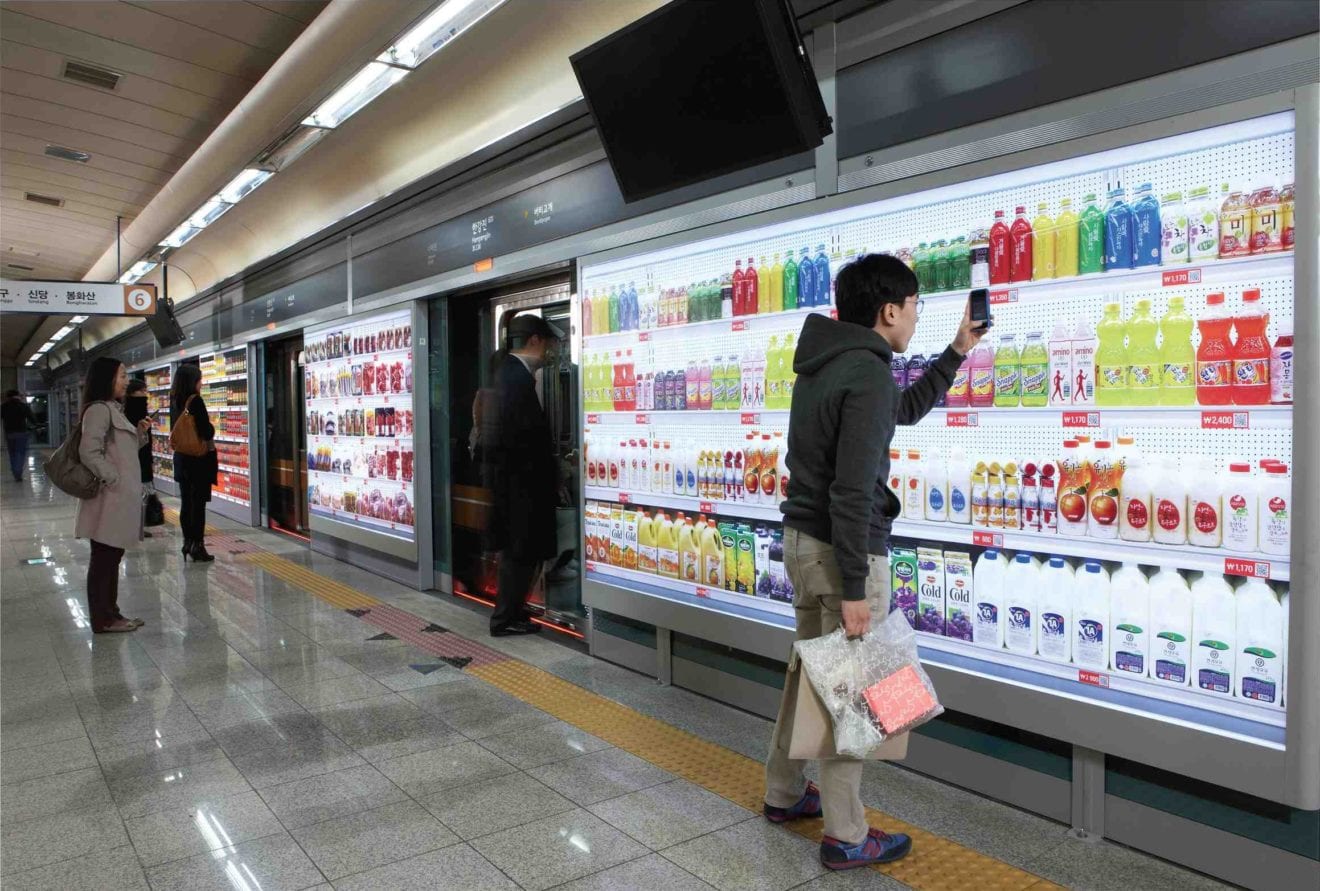
    Any buyer of Tesco’s $6 billion South Korea unit will need a strategy to boost returns in a lethargic and saturated market for traditional retailers, likely involving real estate sales and a greater focus on Internet shopping.

    Britain’s Tesco has hired HSBC to advise on a potential sale of its South Korean unit, Homeplus, Reuters reported this month, in what could be Asia-Pacific’s largest private equity deal and the No. 2 merger in the Asian consumer sector.

    Given the scarcity of big buyout targets in Asia, the sale is generating strong interest among buyout firms including KKR & Co and Carlyle Group CG.N, sources with knowledge of the sale process said. That’s despite difficulties posed by South Korea’s crowded retail sector, a sluggish and fast-aging economy, plus regulatory and labor challenges.

    “Anyone going with the view of closing unprofitable shops, cutting work force, will be in for a surprise,” a senior Hong Kong-based investment banker familiar with the process said, citing likely opposition from labor unions.

    “It’s a tough market but there are some low-hanging fruits in terms of stripping property assets,” said the banker, who declined to be identified as the discussions are confidential.

    Homeplus Co Ltd’s property holdings, consisting mainly of stores, had a book value of 3.09 trillion won ($2.77 billion) as of the end of February, according to a regulatory filing.

    With about 400 stores including 140 hypermarkets, 88 of which it owns, Homeplus has raised about 1.2 trillion won since 2012 by selling and leasing back eight of its biggest-selling stores, according to South Korean deal website Invest Chosun.

    Its prime real estate holdings include a hypermarket in densely populated Seoul suburb Euijeongbu, which frequently ranks among its top 5 stores by sales.

    But it’s a crowded field. South Korea has nearly 500 hypermarkets for a population of 50 million, or twice what the industry considers optimal. The difficulties prompted Carrefour and Wal-Mart to quit the country in 2006.

    In a nod to a fiercely competitive market, Homeplus earlier this year sacrificed an equivalent of about 100 billion won in annual profit, or almost half of last year’s earnings, by cutting prices on some 500 kinds of fresh produce.

    “Competing by undercutting price has become the norm and is expected to continue in future,” said Lee Kyoung-hee, principal researcher at Shinsegae Research Institute.

    ONLINE GROWTH

    As the population ages faster than in any other developed economy and households shrink, retail sales in South Korea grew just 1.4 percent in each of the past two years, lagging broader economic growth.

    E-commerce, however, jumped 17 percent last year to 45.2 trillion won, or 14 percent of total retail sales, and hypermarkets have been scrambling to build share in a fragmented online segment where most players lose money.

    Homeplus’ share of South Korea’s online retail market has risen steadily but was still just 645 billion won last year, according to Euromonitor data in a CLSA report, for market share of just 2 percent, in line with larger rival E-Mart.

    “Hypermarket chains like Homeplus have been bolstering online sales as a possible growth solution, among admittedly few options,” said Kim Tae-hong, analyst at Yuanta Securities Korea.

    Lower priced warehouses have been another bright spot for Korean retailers, but while both E-Mart and Lotte Shopping’s (023530.KS) third-placed Lotte Mart have warehouse brands, Homeplus does not.

    Meanwhile total revenues for existing hypermarket stores have declined since 2012 when new rules required them to close for two Sundays a month to protect traditional markets. Homeplus saw a drop in same-store sales for two straight years.

  • China’s e-Commerce market is 80 times larger than India

    China’s e-Commerce market is 80 times larger than India

    Retail e-commerce sales in India are expected to reach $17.5 billion (Rs 105,120 crore) by 2018, from $5.3 billion (Rs 31,800 crore) in 2014, according to data analysed by eMarketer, a digital-research firm, but only two of 10 internet users in India shop online.

    India’s e-commerce market is intensely competitive, with US giant Amazon establishing its presence in India in 2013 and Alibaba, the Chinese giant, planning to start selling by August this year. Flipkart, India’s largest e-commerce firm, recently raised $550 million (Rs 3,300 crore) at a valuation of $15 billion (Rs 90,000 crore).

    Despite having the third-largest internet user base in the world with 200 million users at the end of 2014, India does not feature in the top ten e-commerce markets in the world, according to an eMarketer report. The reasons centre on low Internet reach, slow internet speeds outside the metropolitan cities and poor customer services.

    India’s e-commerce sales in 2014 were $5.3 billion (Rs 31,800 crore), 1/80th the size of China’s $426.26 billion (Rs 2,557,760 crore) and 1/58th the size of the US’ $305.6 billion (Rs 1,833,900 crore).

    “If you look at Japan, China and US, e-commerce became popular as early as 2002-2003. It has taken them about 12-13 years to reach where they have reached.  E-commerce really took off in India only in 2012-13. It will take India also that much time to reach there,” Rajnish (he uses only one name), a technology expert, said.

    China: Number 1 in e-commerce with skyrocketing growth ahead

    China and the US accounted for more than 55% of global internet retail sales in 2014. China’s growth over the next five years will widen the gap between the two countries.

    China will likely exceed $1 trillion (Rs 6,000,000 crore) in retail ecommerce sales by 2018, accounting for more than 40% of the total worldwide.

    Globally, retail sales reached $22.492 trillion (Rs 134,952,000 crore) in 2014 but retail e-commerce sales stood at $1.316 trillion (Rs 7,896,000 crore, 5.9% of overall retail sales).

    E-commerce sales are expected to increase 89% to $2.489 trillion (Rs 14,934,000 crore, 8.8% of overall retail sales) in 2018.

    Digital-buyer penetration—a measure of digital reach—is a major factor in determining the success of retail e-commerce sales. India’s digital-buyer penetration was quite low at 24.4% in 2014 as compared to the global average of 41.6%.

    The UK leads the world with 88% penetration. Ironically, China with 55.2% and US with 74.4% penetration do not feature in the top five.

    Indian e-commerce has a long way to go

    “E-commerce in India still has a lot of friction,” Rajnish said. “Till that is solved, it will be hard for penetration to go beyond 30%. For example, India has very low credit-card penetration and the cash-on-delivery (COD) model is why Flipkart really took off.”

    People above 35 are not very comfortable using their debit card online. PayTm and others solve this problem but there is a lot of friction. “I use PayTm for Uber and it is still a process that has friction. In US, the return policy is very generous. I bought a coat from Amazon in the Bay area; it ended up being the wrong size. My experience of changing to the correct size was very seamless. When I bought a down jacket in Bangalore, and it ended up being the wrong size, getting the right size was really a painful experience,” said Rajnish.
    That view is echoed by Paritosh Sharma, an advisor to tech startups and an entrepreneur with PayUMoney, a digital-payment platform.

    “Digital buying has an attached expectation to it. I place the order and it should appear in front of me over the next two or three days. In many cases this does not happen. Also, in a lot of cases (especially in tier-2 and tier-3 cities) in India, if you get a product that is not of the exact quality that you ordered, returning it is a major problem. Most people, hence, prefer what’s available in a physical retail store,” Sharma said.

    There are two more reasons for low online sales, said Sharma.

    First, the internet infrastructure in India is poor. If one steps outside city limits, you automatically are shifted from 3G to an Edge (a lower-speed) connection, deterring buyers.

    Second, lack of good service and support. While most Indian e-commerce companies are sprucing up their support via phone and digital media, it’s quite haphazard. Most companies still lack processes to ensure customer satisfaction and trust.

  • ‘Sin tax’ cuts cigarette smoking in Philippines

    ‘Sin tax’ cuts cigarette smoking in Philippines

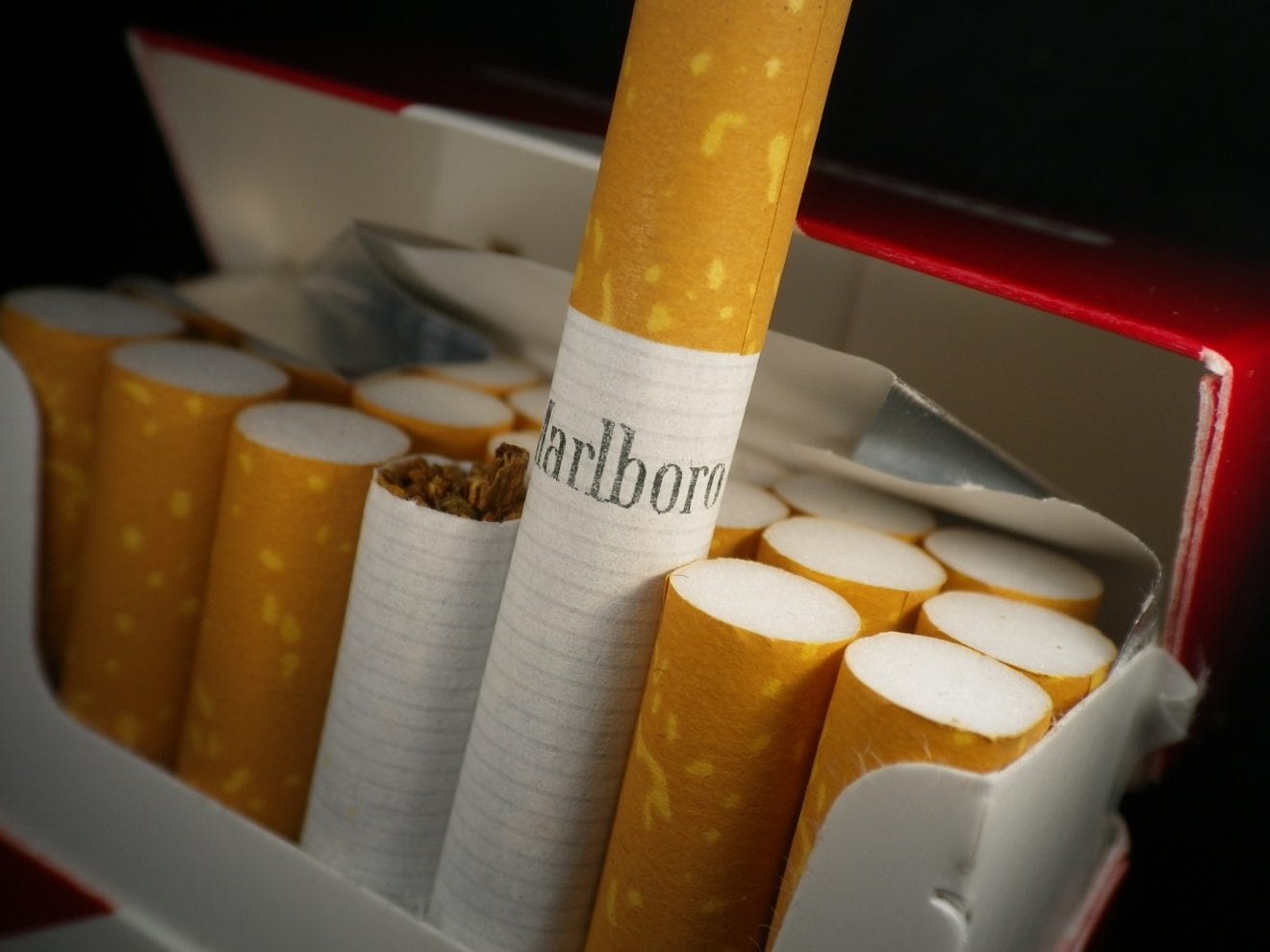
    A “sin tax” on cigarettes has sharply cut smoking in the Philippines while also boosting government revenues, the internal revenue chief claimed on Monday.

    The number of cigarette packs put on store shelves by retailers fell by nearly a third between 2012 and 2014, said revenue chief Kim Henares.

    The government raised excise taxes on tobacco and liquor products in 2012 to raise revenues and discourage smoking, which kills nearly 88,000 Filipinos each year according to World Health Organisation data.

    “We exceeded the targets,” Henares told AFP.

    The government agency’s data showed 5.764 million packs were withdrawn from storage and placed on retail shelves in 2012, compared to 4.869 billion packs in 2013.

    By 2014 the figure was down to 3.917 billion packs, said Henares.

    Taxes are levied on the number of packs placed on store shelves rather than the number subsequently sold.

    Proceeds from the taxes on cigarettes rose to P74.328 billion ($1.69 billion) last year from 32.16 billion pesos in 2012, the agency said.

    Under the law, a portion of the revenues from sin taxes are allotted to finance government health programes including anti-smoking campaigns.

    A Department of Health survey in 2009 found that more than 28 per cent of the country’s adult population were smokers.

    The government first asked parliament to raise taxes on “sin” products as early as 1997, but a strong lobby by tobacco manufacturers delayed this for years.

  • Cognizant Partners with supermarket retailer NTUC FairPrice Singapore

    Cognizant Partners with supermarket retailer NTUC FairPrice Singapore

    Cognizant  has partnered NTUC FairPrice (FairPrice), a major supermarket retailer in Singapore, to digitally transform its business and provide customers with a seamless multi-channel shopping experience.

    By bringing together its consulting, industry and technology expertise, Cognizant reengineered FairPrice’s business processes, and implemented a digital e-commerce platform for the multi-format retailer to provide integrated, consistent and personalised customer service across multiple touch points, enhancing customer satisfaction, loyalty and brand perception.

    The digital transformation programme has also enabled FairPrice to improve real-time product and inventory visibility, make retail management more efficient, and gain a better understanding of customer preferences and purchase history. As a result of cross-channel integration, FairPrice has been able to roll out innovative services for shoppers, including its “Click&Collect” online delivery service the option to buy online and pick up the purchase from a store, a first in Singapore.

    With superior insights into customer and staff behaviour, FairPrice can further strengthen its supply chain, site and store operations, marketing, and merchandising to drive growth and differentiation. Cognizant is also creating a mobile channel for FairPrice to engage better with its existing customers and attract new ones.

    “Mobile and online retail is crucial to addressing heightened expectations of today’s digitally-enabled shoppers, and digital technology has enormous potential to enhance their shopping experience,” said Seah Kian Peng, CEO, NTUC FairPrice. “This digital transformation programme underscores our commitment to our customers and represents a strategic advantage in that we can now leverage inventory across multiple locations and streamline fulfilment processes to not just delight our customers, but also increase sales and reduce operational costs. Cognizant’s experience and capabilities have complemented our digital commerce vision and helped to reinforce our reputation as a retailer with a heart.”

    “A unified multi-channel customer experience is increasingly a brand differentiator in the world of retail,” said Jayajyoti Sengupta, Vice President and Head of APAC, Cognizant. “This digital initiative is a trend-setter in the region for customer-focused transformation. A single view of the customer, sales and inventory will enable FairPrice to rise to the needs of the next generation of shoppers and define innovative models. We are pleased to have helped FairPrice execute on its digital commerce strategy and utilise multi-channel retailing to drive customer engagement, competitive advantage, market leadership, and growth.”

  • Toshiba Expands Retail Manufacturing in Singapore

    Toshiba Expands Retail Manufacturing in Singapore

    Toshiba Global Commerce Solutions today announced its continued commitment to Singapore with an expanded manufacturing presence to include the SurePOS 700 series of POS systems. Known for delivering state of the art ODM/OEM products for Fortune 500 companies worldwide and for being a key player in the retail sector, Toshiba TEC Singapore Pte Ltd (TSE) was selected to build the new SurePOS 700 systems, in addition to SurePOS 500 systems and 4610 SureMark printers.

    Toshiba’s total spend in Singapore includes nearly $200M U.S. annually, with approximately 140 combined employees from Toshiba Global Commerce Solutions and TSE based in Singapore, dedicated to retail development, engineering, manufacturing, procurement, sales and services.

    “With our #1 market leadership worldwide and heritage of over 40 years’ experience in POS systems, retailers rely on Toshiba to keep their stores relevant by providing powerful, efficient and adaptable checkout solutions,” said Thomas Buchholz, Vice President, Growth Markets Sales and Professional Services, Toshiba Global Commerce Solutions. “Our Singapore customers can take pride in the fact that we are expanding our manufacturing to include local sourcing of our newest and most powerful retail POS.”

    “As a Together Commerce Alliance partner, we distribute Toshiba’s point of sale solutions to Singapore’s leading retailers, which include gaming, specialty stores, malls, restaurants and grocers,” said Frankie Chong, Director, E-Tech IT Solution PTE Ltd. “Toshiba is committed to growing its footprint in the Singapore market through its technology innovation, working closely with us to ensure a comprehensive eco-system of solutions and services to satisfy the changing demands of today’s shoppers.”

    Toshiba Global Commerce solutions available in Singapore include SurePOS 300, 500 and 700 series, TCxWave, TCxFlight, POS printers, displays, VisualStore, 4690 Operating System, POS applications and barcode printers. To learn how Toshiba’s solutions can improve your store’s operations, request a meeting with our local Singapore team by emailing [email protected].

    About Toshiba Global Commerce Solutions

    Toshiba Global Commerce Solutions is retail’s first choice for integrated in-store solutions and is a global market share leader in retail store technology. With a global team of dedicated business partners, we deliver innovative commerce solutions that transform checkout, provide seamless consumer interactions and optimize retail operations that are changing the retail landscape. To learn more, visit toshibacommerce.com or engage on Twitter @toshibagcs

    Toshiba and related logos are trademarks of Toshiba Corporation or its affiliated companies in Japan, the United States and/or other countries, registered in many jurisdictions worldwide. Copyright (C) 2015 Toshiba TEC Corporation or its affiliated companies.

    The information in this document represents current goals and objectives and is subject to change or withdrawal without notice.

  • ICBC Singapore launches USD/SGD dual currency card

    ICBC Singapore launches USD/SGD dual currency card

    Industrial and Commercial Bank of China (ICBC) Singapore has launched a US dollar and Singapore dollar dual currency credit card as it seeks to expand its retail banking presence here.

    The ICBC Visa USD/SGD dual currency credit card will have zero administrative fees for all US dollar transactions, the bank said in a press release on Monday. This would ease “additional costs that customers tend to bear, which can be as high as 2.5 per cent”, ICBC Singapore’s general manager Zhang Weiwu added in the statement.

    It is “the first dual currency card in Singapore to combine both USD and SGD customer accounts in one credit card”.

    Credit card providers typically charge an administrative fee for currency conversions on credit card purchases made in foreign currencies. This fee is usually a percentage of the transaction cost, and depends on the rate set by the bank and by the credit card network, such as Visa or MasterCard. This fee is usually not explicitly given in the cardholder’s monthly statement.

    Banks in Singapore have rolled out a few new credit cards since the start of the year in a bid to grow their slice of the market, where growth momentum is slowing. OCBC, which has set its sights on 30 per cent growth in card spending this year, launched its Voyage air miles card in March targeted at high net worth and affluent customers. ANZ also launched in March a credit card that lets cardholders choose what rebates they get.

    ICBC Singapore, designated as the yuan clearing bank here, also came up with Singapore’s first yuan and Sing dollar dual currency credit card in 2011 – the RMB(renminbi)/SGD UnionPay dual currency credit card.

    On the launch of its latest credit card, the bank said that its promotion incentives include “cashbacks on every new application and activation, and additional rewards for online applicants”. It has retail branches in Raffles Place, Orchard, Chinatown, Paya Lebar and Jurong East.

  • Arcadia Malaysia partner rules out expansion

    Arcadia Malaysia partner rules out expansion

    Wing Tai, the corporate retailer which partners with Uniqlo and a raft of other brands, including the Arcadia Malaysia stores, says it is streamlining its retail business.

    The listed company has 85 retail stores in Malaysia’s major cities under 12 international brands – Topshop, Topman, Dorothy Perkins, Miss Selfridge, Warehouse, Karen Millen, Pumpkin Patch, Wallies, BCBG, Ben Sherman, Burton and Furla. It also has a 45 per cent stake in the joint venture with Japan’s Fast Retailing, operating 25 Uniqlo stores.

    Wing Tai GM of finance Lee Kong Beng says while the Uniqlo store network, targeting the value driven fast fashion customers, will expand into suburban markets, the Arcadia brands like Topshop and Topman have reached their limits in Malaysia.

    “We will not expand (the Arcadia brands),” he told a press briefing this week.

    He said while there were no current plans to close Arcadia stores, if any store failed to generate positive cashflow or profit it would be cut.

    “For retail, we’d just consolidate because it’s challenging. So no point being a hero, where you open outlets and the sale is not there.”

    Lee said the company was finding the current retail market in Malaysia challenging following the introduction of GST on April 1, which consumers are slowly adjusting to.

    An influx of tourists was bolstering the group’s earnings, with spending holding up in stores in high profile shopping malls.

    “We expect retail sales to pick up because of the weakening of the ringgit, so it’s cheaper to shop in Malaysia rather than in Singapore. It’s a matter of time people get used to GST. We see that (retail sales) are more stabilised now,” Lee said.

  • Prada Jakarta opens doors

    Prada Jakarta opens doors

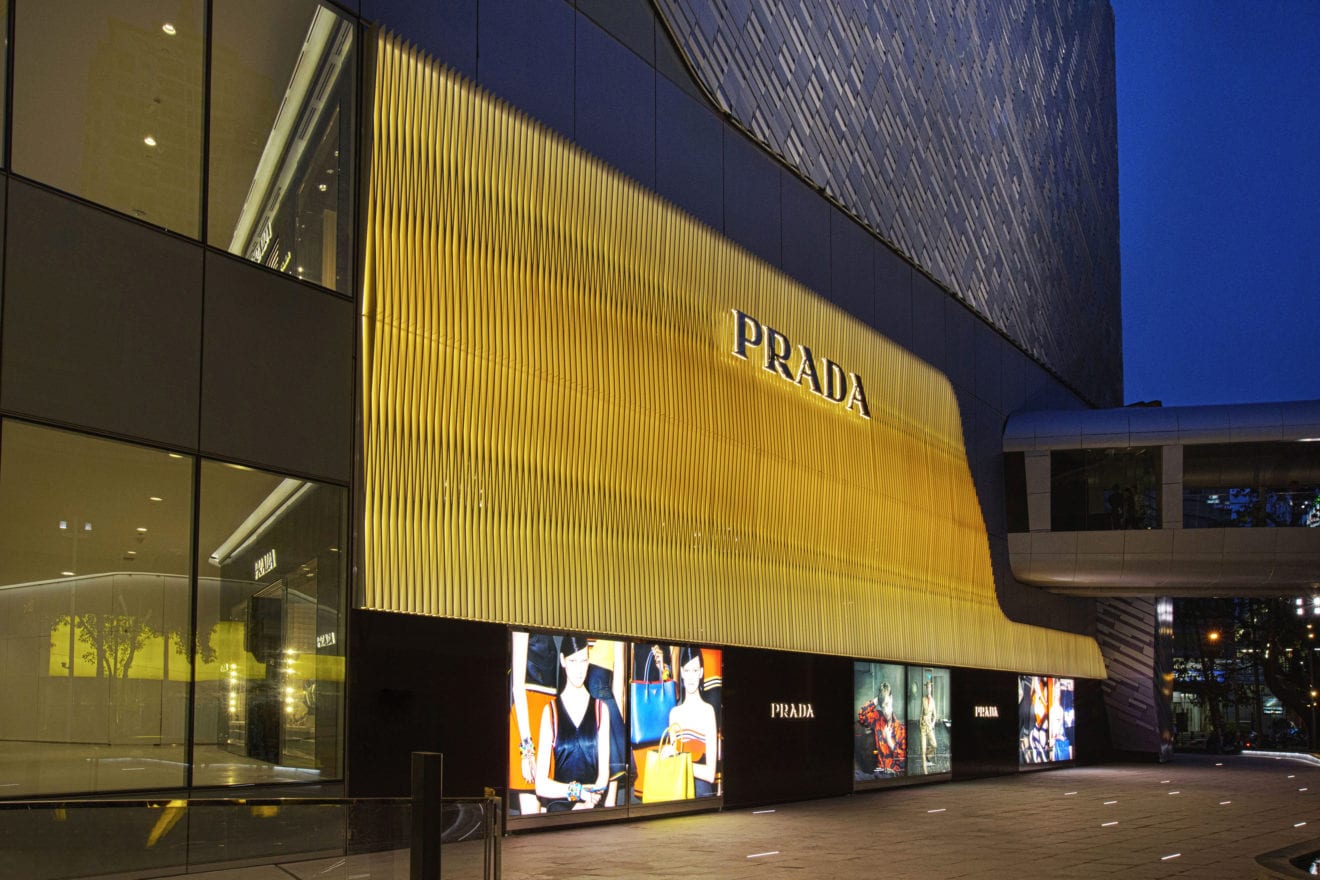
    Prada Jakarta has opened its doors, the luxury Italian fashion brand’s first store in Indonesia.

    The new 420 sqm single level store is located inside the upmarket Pacific Place shopping mall.

    The retail space, designed by architect Roberto Baciocchi, houses the women’s and men’s ready-to-wear, leather goods, accessories and footwear collections.

    The external facade is clad in black Marquinia marble, while slim polished steel profiles highlight the light boxes.

    The store has a corner location inside the mall, with slim strips of black Marquinia marble framing the entrance, display windows and large floor-to-ceiling windows that open up on the interior.

    The space is designed as a succession of rooms, each featuring a different atmosphere.

    The women’s leather goods area is defined by the signature black-and- white marble chequered flooring – a legacy of Prada’s identity worldwide – and green fabric-clad walls with alcoves housing displayed product, an original reinterpretation of Prada’s iconic display niches.

    The space housing the women’s accessories and small leather goods collections is characterised by black marble-clad walls and display counters with coloured saffiano leather detailing.

    The women’s footwear collection is showcased in an area defined by green fabric-clad walls with cut-in display niches. Beige carpeting and green velvet sofas create an elegant atmosphere.

    Green fabric-clad walls also characterise the area dedicated to the women’s ready-to-wear collection, where transparent perspex cases exalt the product display. Crystal tables and green velvet sofas complete the furnishing.

    The space devoted to men comprises an area dedicated to the leather goods and accessories collections and another room where the footwear and ready-to-wear collections are displayed. The area features masculine materials and finishes: ebony floorboards and walls, dark brown carpeting and cotto-coloured leather sofas. Polished steel display cases and counters with drawers covered in coloured saffiano leather complete the setting.

  • Asia remit for new Tiffany exec

    Asia remit for new Tiffany exec

    Tiffany & Co has appointed Philippe Galtié to the position of senior VP – international.

    Galtie, who is currently with super luxury brand Cartier, will direct all of the sales channels for Greater China, Asia-Pacific, Japan and EMEA.

    He takes up the new post on August 17.

    Frédéric Cumenal, Tiffany & Co CEO, said, Galtie brings to Tiffany & Co a seasoned understanding of the global retail landscape.

    “This knowledge will have a significant impact on the oversight and management of our store design and strategic planning teams.”

    Galtié, 54, began his career with a range of general management and global marketing roles at Moët-Hennessy, Mars Inc, Eridania Beghin Say and the Nestlé Group. For the past 15 years he has worked at Cartier, where he served as country head or other senior positions throughout Japan, Greater China and the Asia Pacific regions. Most recently, Galtié held the role of Cartier’s international retail director.

    Tiffany is the internationally-renowned jeweler founded in New York in 1837. Through its subsidiaries, Tiffany & Co. manufactures products and operates Tiffany & Co retail stores worldwide, and also engages in direct selling through Internet, catalog and business gift operations.

  • Asics India goes it alone

    Asics India goes it alone

    Japanese sports shoe brand Asics has opened its first company owned store in India.

    The 670 sqft outlet has opened in a shopping centre in south Delhi.

    It marks the end of a five year partnership with local conglomerate Reliance Retail.

    “We had a five-year agreement with Reliance Retail, and we did not want to renew the alliance,” Rajat Khurana, director of Asics India said in an interview.

    “The market has matured, and we have a much better understanding about the Indian sports shoes market, which is worth about $1 billion.”

    Now the brand will operate as a wholesaler, opening mono brand stores across India through franchise partners. It will manage the franchise business directly rather than partner with a local master franchisee.

    “Over the next 18 months, we will open exclusive outlets across the top 10 Indian cities, with one or two outlets in each city. Over the next three years, sales should treble,” said Khurana.

    Asics is the fourth largest sports goods manufacturer in the world and is currently sold in more than 150 countries.

    Asics branded products will continue to be available through multi-brand stores in India, including reliance Retail’s network.