Tag: Retail

  • Duty free mall planned for Vientiane

    Duty free mall planned for Vientiane

    A consortium of Lao and Thai investors is building a shopping and hotel complex in Laos’ largest city, Vientiane as the two nations prepare for the new Asean Economic Community.

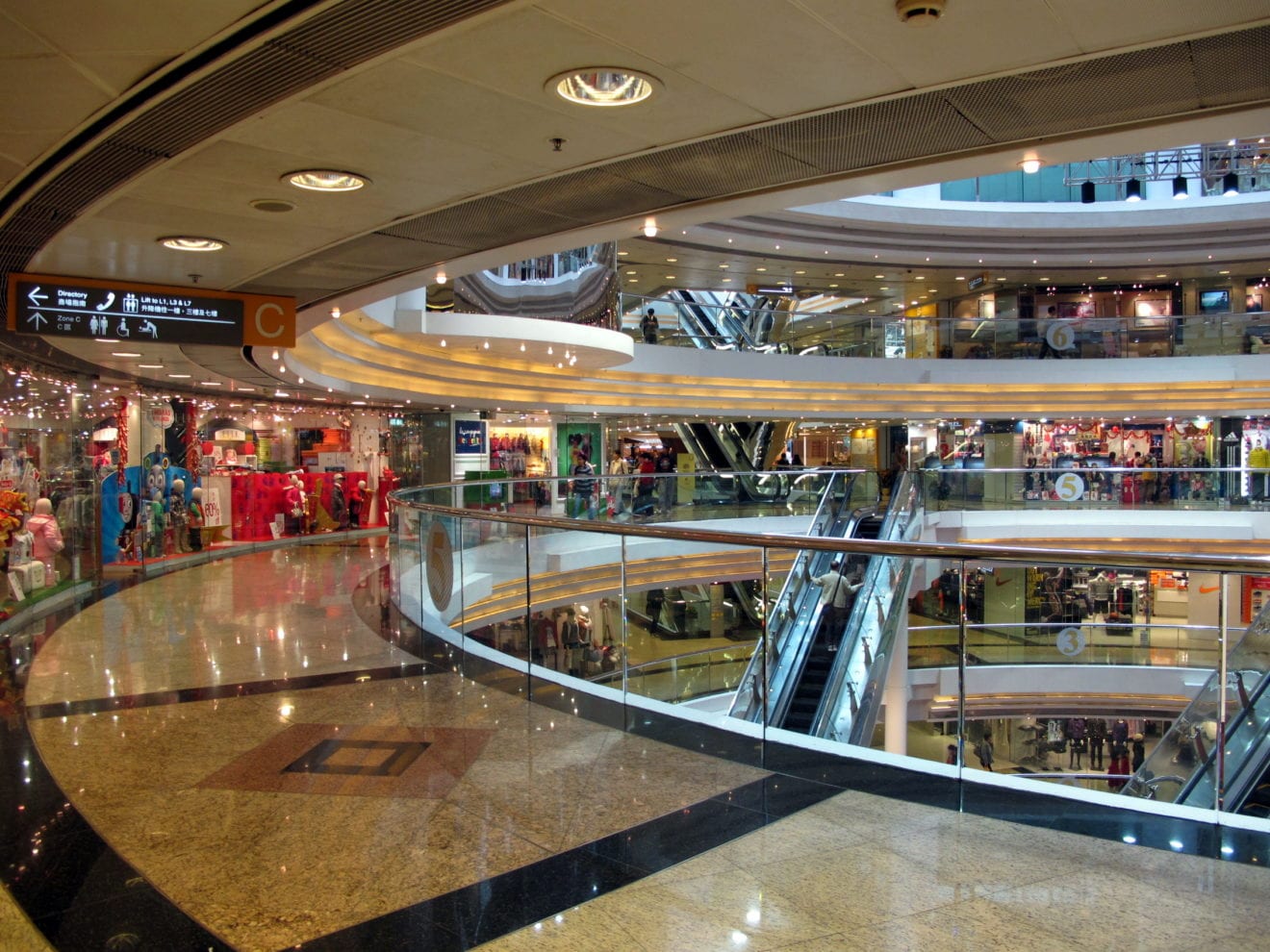
    The US$290 million project will be built on a 32 hectare site in downtown Vientiane. In the first stage a 37,000 sqm duty free mall will be built with tenancies for 200 brands.

    Stage two will include a larger shopping mall, a hotel, theme park and commercial buildings. A logistics and distribution centre is also planned.

    The first retail facility – to be called the Laos Duty Free Mall – is under construction already with an opening scheduled for February next year.

    Targeting Chinese, Thai and Lao shoppers, the centre is expected to draw about 10,000 customers a day.

    The project is being undertaken by BM Group, 51 per cent owned by Lao’s, including coffee and duty free business Dao-Heuang Group, and 49 per cent owned by Thai company Sayam International.

    BM Group is also planning four more duty free malls within four years in Laos: in Pakse, Vientiane, Savannakhet and Luang Prabang.

  • Parkson HK to take over Singapore assets

    Parkson HK to take over Singapore assets

    Malaysia’s Parkson Holdings is to sell a 67.6 per cent stake in its Singapore-listed Parkson Retail Asia Ltd to its Hong Kong listed subsidiary Parkson Retail Group Ltd.

    The rearrangement of its assets will net it US$167.2 million, according to the financial press.

    The purpose of the exercise is to consolidate the retail business of the Singapore-based business, which operates in Southeast Asia, with the Hong Kong listed business which operates in China.

    All three companies predominantly trade in the department store business with their formats becoming increasingly aligned across markets.

    The move will also allow Parkson Holdings (Malaysia) to raise cash for investment in business expansion which has not been detailed as yet.

    Parkson is a subsidiary of the Lion Group, headed by Malaysian billionaire William Cheng.

  • Cold Stone Creamery to open in India, Sri Lanka

    Cold Stone Creamery to open in India, Sri Lanka

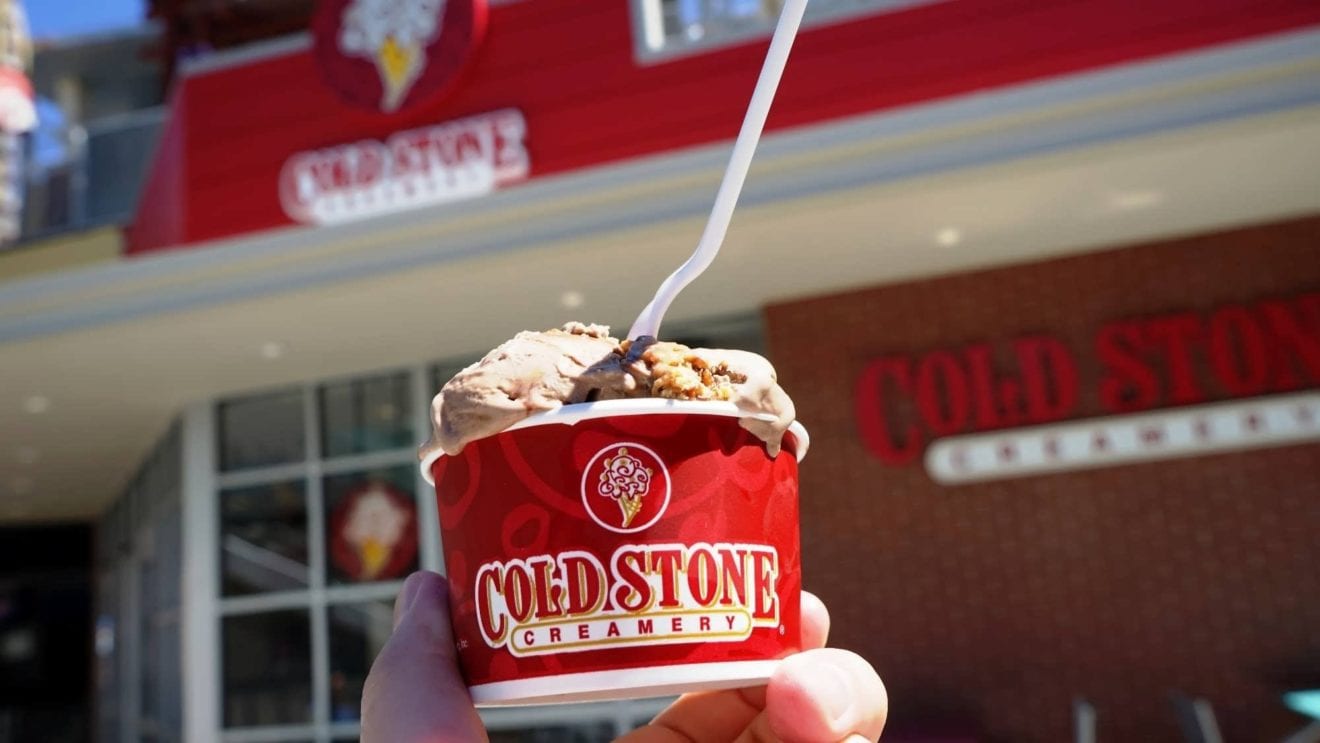
    US ice cream chain Cold Stone Creamery  is to open multiple stores in India and Sri Lanka.

    Parent Kahala Brands has partnered with Tablez Food Company, part of Lulu Group International, to open 40 locations in India over the next five years and five in Sri Lanka.

    The first Indian store will open by the end of the year at the Lulu Mall, a premier mall in Kochi and will be followed by more in Bangalore initially.

    “Tablez Food Company is a leading organisation in India and a perfect fit for the Cold Stone Creamery brand,” said Eddy Jimenez, senior VP of international operations and development at Kahala.

    “It specialises in unique, home-grown and international cuisines and has acquired the rights to many leading franchise concepts. Tablez Food Company is dedicated to seeking out concepts that bring inspiring experiences to their customers.”

    Lulu Group is diversified in retail, imports & exports, trading, shipping, IT, travel & tourism and education. Tablez currently operates multiple food and beverage brands across India, Sri Lanka and the UAE including Peppermill Indian cuisine, London Dairy, Galito’s Flamed Chicken, Famous Dave’s Barbecue and The Sugar Factory..

    “Cold Stone Creamery offers the best quality product and offers an amazing in-store experience that the international market has embraced for a number of years,” said Shafeena Yussuf Ali, Tablez Food Company chairperson.

    “We now want to bring this unique experience to the India and Sri Lanka markets where we strongly believe that people will embrace not only the quality of the product, but also the overall guest experience.

    “Over the next five years, Tablez Food Company plans to invest around $11-13 million in the Cold Stone Creamery business across India and Sri Lanka.”

    In Asia, Cold Stone Creamery has established store networks in Japan, Thailand, the Philippines and Indonesia. Last month it announced a partnership in Vietnam.

  • Burberry Hong Kong sales still falling

    Burberry Hong Kong sales still falling

    Burberry Hong Kong was the only apparent dampener on a solid quarter for the British luxury fashion retailer.

    Global retail revenue reached £407 million in the three months to June 30, representing an eight per cent increase, or 10 per cent at reported foreign exchange rates.

    But Hong Kong, where sales fell at a double-digit percentage rate, dragged the broader Asia-Pacific market down by the “low single-digit percentage”.

    “Mainland China comparable sales grew by a low single-digit percentage and Japan saw exceptional growth, albeit off a small base,” said Burberry in its sales statement issued Wednesday.

    Christopher Bailey, CEO and chief creative officer said Burberry was pleased with its underlying six per cent same store sales growth.

    “While mindful that the external environment remains challenging, we will continue to focus on growth opportunities across channels, regions and products, with exciting plans for the year ahead.”

    Bailey said the sales growth – outside Hong Kong – reflected the company’s ongoing emphasis on serving customers more effectively on and offline, and continued innovation in design and marketing – “particularly around the iconic, British-made products that performed so well in the period”.

    By region, there was double-digit percentage comparable sales growth in EMEIA, with strength from the travelling luxury customer in France, Italy and Spain in particular. The Americas delivered high single-digit percentage comparable growth, with footfall recovering through the quarter after a soft start.

    By product, heritage trench coats and cashmere scarves drove growth, as well as ponchos, an emerging key category for the brand.

    During the first quarter, Burberry opened five mainline stores and closed three. Openings included a new store in Brookfield Place, New York and relocations in the Mall of the Emirates, Dubai and Westfield White City, London. It also expanded its Regent Street flagship, adding an area dedicated to gifting.

  • Cath Kidston buys Japanese franchise

    Cath Kidston buys Japanese franchise

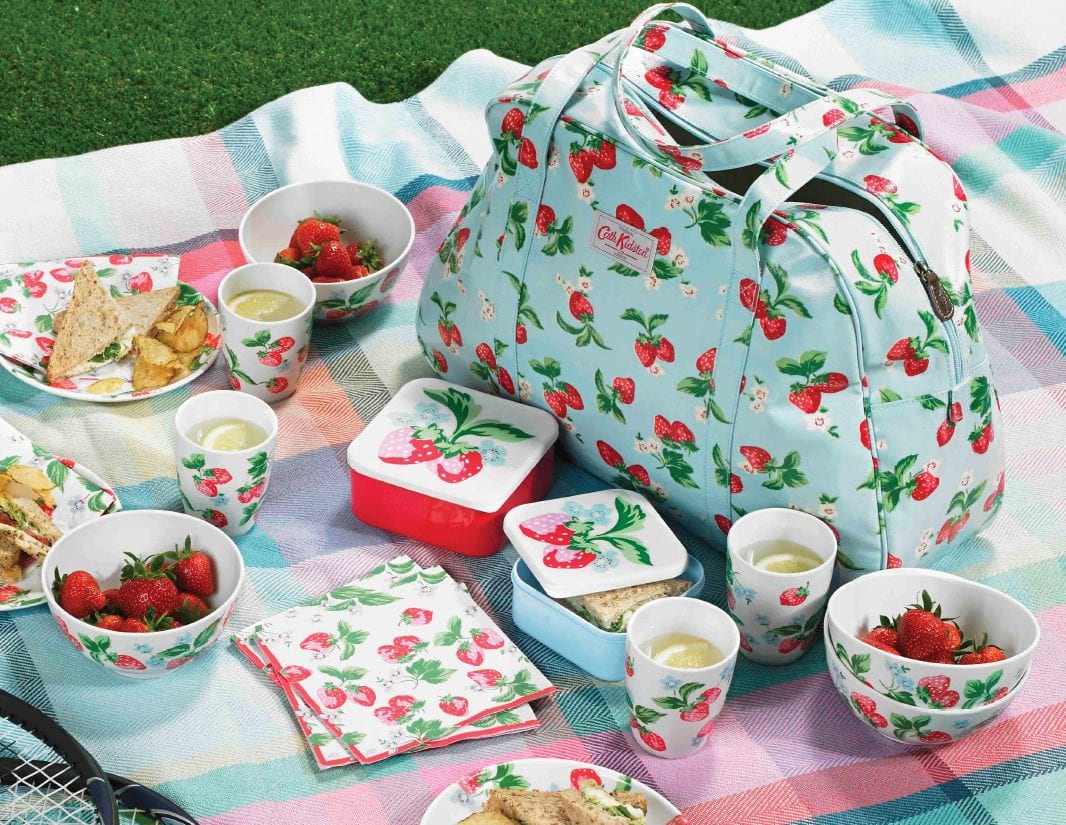
    UK-headquartered Cath Kidston says it will buy out its Japanese franchise business.

    Store leases and stock will transfer to a wholly owned subsidiary Cath Kidston Japan on September 1.

    The move brings to an end a four year partnership started in 2011 with Sanei International, a subsidiary of TSI Holdings.

    Japan accounts for 20 per cent of Cath Kidston’s global sales with four consecutive years of sales growth driven largely by the home, childrenswear and bags categories.

    Cath Kidston CEO Kenny Wilson said Japan is the brand’s biggest international market outside the UK and a key part of its business strategy to globalise the brand.

    “During 2016 we will celebrate our tenth anniversary since opening the first store in Tokyo and we see real opportunities to grow the brand even further across Asia.

    “This is a unique opportunity to take full control of the Japanese business. Sanei International has been a trusted franchise partner and we have worked successfully together, helping to grow the portfolio to over 30 stores. Our desire to buy, and Sanei’s decision to sell back the business, fitted perfectly with each other’s strategy,” said Wilson.

    “We are grateful to the Sanei management team in developing the business over the past four years. We have been delighted by the response of the Japanese staff to our decision to take full ownership of the stores.”

    Cath Kidston now has stores in 16 countries including China, Hong Kong, Indonesia, Japan, Korea, Malaysia, Singapore, Taiwan, Thailand, Spain and France.

    In April this year, Cath Kidston opened its 200th overseas store in Beijing, China.

  • Missha Hong Kong makes return

    Missha Hong Kong makes return

    Korean cosmetics retailer Missha is returning to Hong Kong.

    Some 20 Missha Hong Kong stores were shuttered around New Year’s Eve this year when the previous local retail partner collapsed.

    Now Missha has a new partner – DKSH (DiethelmKellerSiberHegner) – which will apparently help it build a new network.

    Missha entered Hong Kong in 2004, four years after its launch in Korea. But during the last two years it has faced tough competition from new rival brands, including Etude House and Nature Republic.

    Missha’s parent Able C&C said on Tuesday it had signed a contract with Swiss based DKSH Hong Kong giving it exclusive rights to promote Missha in the territory.

    The first two stores quietly opened on June 30 ahead of the formal announcement – counters in DKSH duty free stores in Causeway Bay and Tsim Sha Tsui.

    The following day a standalone store opened inside Yuen Long Plaza.

    DKSH has reached an agreement with Mannings to sell the products through 200 stores by the end of July and in 300 by the end of next year.

  • Costa Coffee Manila opens

    Costa Coffee Manila opens

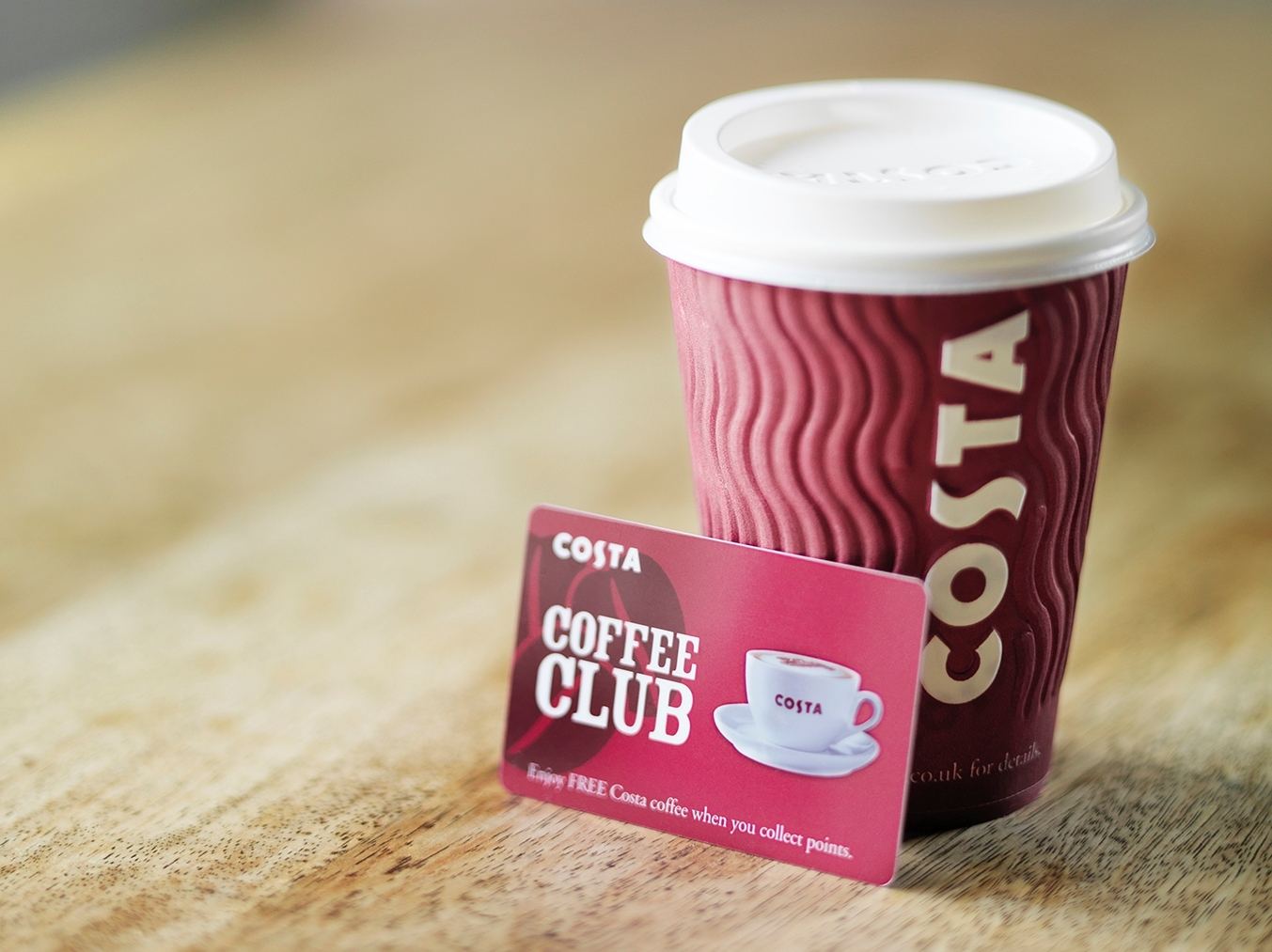
    The first of five Costa Coffee Manila cafes has opened its doors, marking the British-headquartered coffee chain’s Philippines debut.

    Costa, the world’s second largest dedicated coffee chain behind Starbucks, has opened in Eastwood City Mall in Quezon City, metropolitan Manila.

    Four more cafes are planned by the year’s end in Bonifacio Global City, Robinsons Ermita, Tera Towers and Robinsons Antipolo.

    The Eastwood City Mall cafe is spread over two floors and features distressed timber fittings, and a sofa upholstered with the Union Jack to reflect the brand’s heritage.

    For its Philippines entry, Costa has partnered with Robinsons Retail Holdings, which owns the Robinsons Department Store, supermarket, Handyman, True Value, Toys ‘R’ Us, and Daiso retail banners in the Philippines.

    Costa Coffee has over 3000 stores worldwide, including 1800 in the UK and 400 in the Middle East.

  • DFI to list in Hong Kong

    DFI to list in Hong Kong

    Singapore-based travel and duty free retailer Duty Free International (DFI) is seeking to list on the Hong Kong stock exchange.

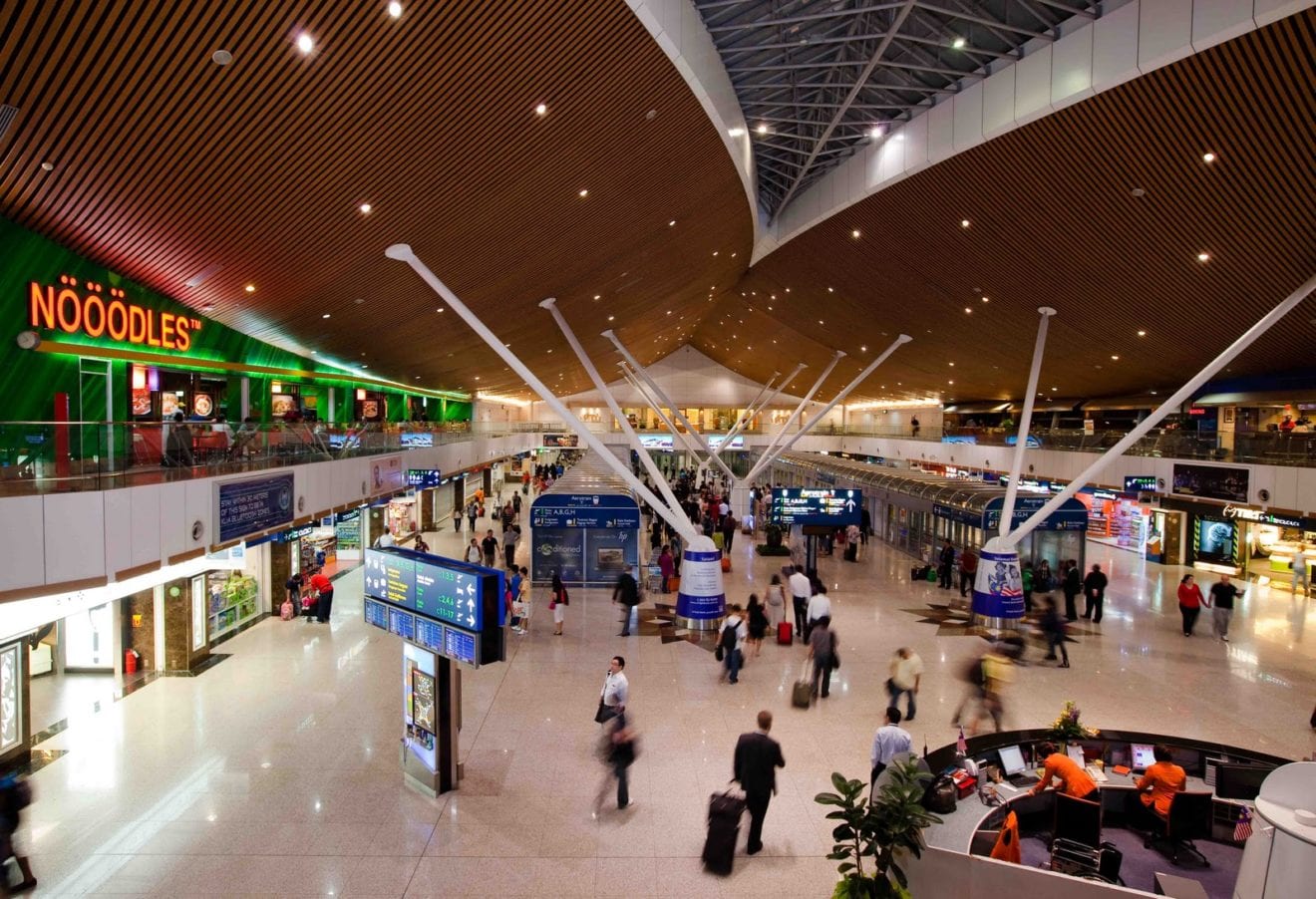
    DFI is Malaysia’s largest duty free operator, runs 36 stores, including those under the Zon Duty-free brand throughout the country, including new facilities at the recently opened KLIA2 airport outside Kuala Lumpur.

    The company has concessions selling chocolates, fragrances, liquor and tobacco products, gifts and Malaysian souvenirs.

    It has stores in Bukit Kayu Hitam, Padang Besar, Pengkalan Hulu, Langkawi, Rantau Panjang, Penang International Airport, Tioman Airport, KLIA, Melaka Airport and Johor Bahru.

    The company also owns the 18-hole Black Forest Golf & Country Club.

    Hong Kong stock exchange rules require at least 25 per cent of a company’s capital to be traded publicly, and DFI does not meet this condition currently, meaning it will have to issue more shares or existing controlling shareholders will have to divest some of their stake.

    In a statement, Atlan Holdings said the directors believe it is desirable and beneficial for the company to have dual primary listing status in both Singapore and Hong Kong so that the company can tap readily into two of Asia’s most dynamic equity markets when the opportunity arises.

    “Furthermore, the proposed Hong Kong dual listing will widen the investor base of the company so that the company may benefit from its exposure to a wider range of private and institutional investors, and is expected to increase trading liquidity of the ordinary issued shares in the capital of the company.”

  • Real Singapore retail sales stagnant

    Real Singapore retail sales stagnant

    Don’t be fooled by mainstream media headlines reporting a rebound in Singapore retail sales.

    The 6.1 per cent increase headline year on year increase is almost entirely driven by a near 50 per cent surge in motor vehicle sales.

    Core retail sales rose a modest 0.9 per cent in May compared with May 2014, and 1.8 per cent over a lacklustre April.

    Singapore retail sales

    Sales of food and beverage services decreased marginally by 0.3 per cent month on month and by a whole three per cent year on year.

    After seasonal adjustment, retail sales of petrol service stations, cars, medical goods and toiletries, food and beverages, mini-marts and convenience stores, wearing apparel and footwear, watches and jewellery, recreational goods and supermarkets all increased by between one per cent and 8.9 per cent month on month.

    Sales of telecommunications devices and computers decreased 10.9 per cent; optical goods and books, furniture and household equipment declined 0.3 to 0.4 per cent.

    Department store sales remained steady.

    Year on year, medical goods and toiletries sales rose the most at 10.3 per cent.

    Department store sales, supermarkets, mini-marts and convenience stores and watches and jewellery posted increases of between 1.3 per cent and 4.9 per cent.

    Singapore retail sales Index

    Recreational goods sales declined 16.2 per cent and 11.9 per cent year on year, optical goods and books, telecommunications apparatus and computers, food and beverages, furniture and household equipment and wearing apparel and footwear all declined between 1.1 per cent and 8.3 per cent.

    After seasonal adjustment, turnover of fast food outlets and other eating places (such as cafes) decreased 3.6 per cent and 0.1 per cent in May over April. Restaurant turnover was stable.

    Compared to May 2014, turnover at restaurants, other eating places and fast food outlets decreased between 0.8 per cent and 5.9 per cent.

  • Asia slowdown hits Burberry sales

    A decline in the number of shoppers from mainland China travelling to Hong Kong to buy luxury goods has continued to be a drag on Burberry, the British retailer best known for its trenchcoats and cashmere scarves.

    Burberry said on Wednesday that comparable sales in Hong Kong were hit by a “double digit decline” in the three months to June 30, its first quarter, as fewer Chinese mainlanders headed to the city because of political tensions or hostility from locals.

    The British group, like many other retailers, suffered during last year’s lengthy pro-democracy protests in Hong Kong but has seen no pick-up in trading as mainland Chinese take advantage of changing exchange rates to travel to other destinations such as Japan and South Korea for shopping trips.

    Burberry said sales at its stores in mainland China still rose by a “low single-digit percentage” during the first quarter, but the problems in Hong Kong pushed down sales in the Asia-Pacific region overall by a “low single-digit”. In Japan, the retailer reported “exceptional growth” during the quarter, although from a low base.

    Carol Fairweather, Burberry’s chief financial officer, said the group was trying to target local Hong Kong residents through marketing events in an attempt to stabilise sales in the city. But she insisted all stores in Hong Kong remain profitable.

    Chinese shoppers — who account for 30 to 40 per cent of Burberry’s revenues globally — are still spending during trips to other parts of the world, Ms Fairweather said, despite concerns over weakening consumer sentiment in the world’s second-biggest economy following a period of dramatic stock market upheaval.

    “We still saw growth from the Chinese consumer in China and globally,” Ms Fairweather said.

    The problems in Hong Kong weighed down overall sales growth at Burberry during the quarter. Excluding the effects of currency movements, underlying retail revenue rose 8 per cent to £407m. This was in line with analysts’ forecasts but was lower than the 14 per cent growth recorded during Burberry’s last financial year. Comparable sales for the group as a whole rose 6 per cent, again lower than for the year to March 31 but slightly higher than analysts’ forecasts.

    Burberry said foreign exchange movements were in its favour during the first quarter, pushing it to upgrade its latest forecast for full-year profit at its core retail and wholesale business by £10m. This would, however, be offset by a “more adverse geographic mix” because of the challenges in Hong Kong, resulting in no overall change to group profit forecasts.

    Christopher Bailey, Burberry’s chief executive and chief creative officer, said the first-quarter performance was pleasing in light of “challenging” conditions.

    “We are pleased with our performance in this first quarter,” he said. “While mindful that the external environment remains challenging, we will continue to focus on growth opportunities across channels, regions and products, with exciting plans for the year ahead.”

    Burberry’s trading update came ahead of its annual meeting on Thursday.

    The luxury retailer is no stranger to revolts over Mr Bailey’s pay. At the 2014 annual meeting, almost 53 per cent of votes cast were against the directors’ remuneration report in protest at Mr Bailey’s £20m package.

    There have also been rumblings of a potential rebellion at this year’s meeting. Mr Bailey, who took up the dual role of chief executive and chief creative officer on May 1, 2014, banked almost £8m in pay and benefits for the year to March 31, 2015.

  • Glenfiddich debuts Residence Cask at Changi Airport

    Glenfiddich debuts Residence Cask at Changi Airport

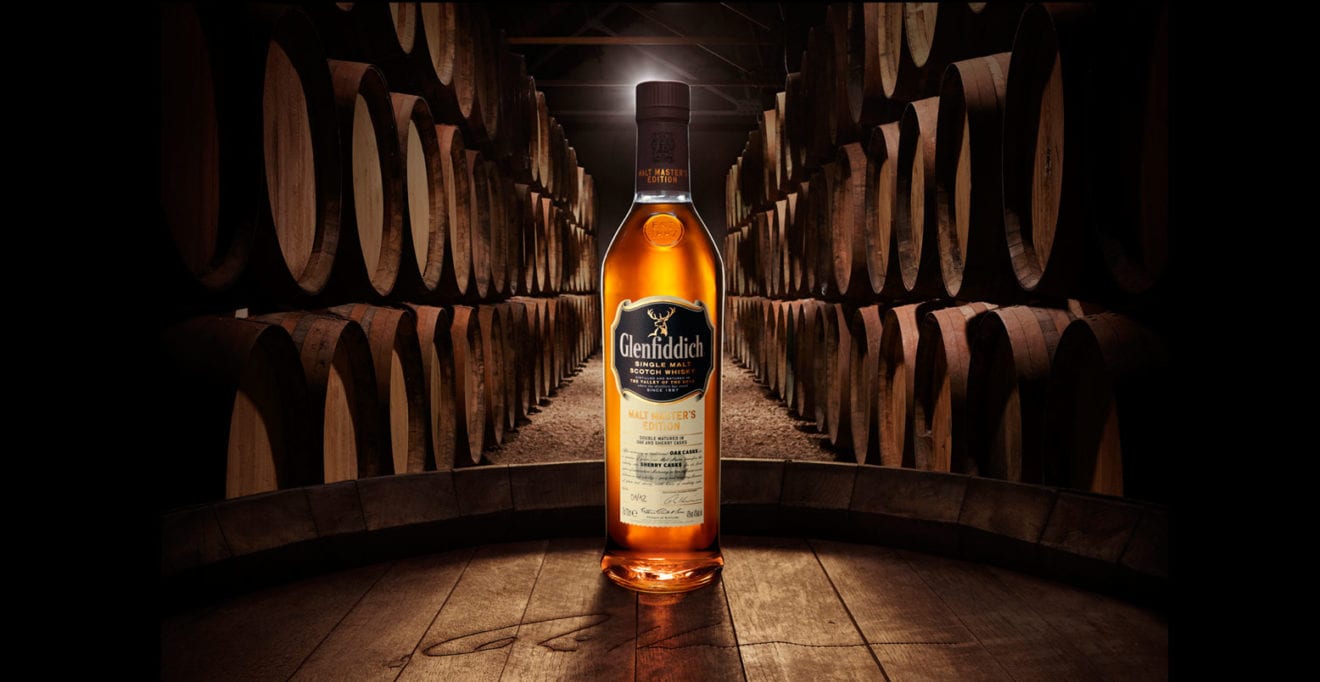
    Glenfiddich, ‘the world’s most awarded’ single malt Scotch whisky, is partnering with DFS Group, to launch the Glenfiddich Residence Cask Vintage 1992 at DFS Singapore Changi Airport.

    The Glenfiddich Residence Cask Vintage 1992 edition comprises single cask releases chosen by Malt Master, Brian Kinsman, which are said to be in line with the ‘classic taste’ profile of Glenfiddich.

    A select group of DFS VIPs were invited to ‘immerse themselves’ in a Glenfiddich ‘experience’ including exclusive tasting sessions, hosted by Kinsman, where he shared his insights into the ‘art and romance’ of whisky making.

    Scott Hamilton, APAC Travel Retail Director said: “This event is more than a launch of an exceptional whisky. It is a great example of the close and successful partnership between DFS Singapore Changi Airport and William Grant and Sons.

    “We have the opportunity to showcase our unique range of products to the right audience and for DFS, they keep their privileged customers excited, giving them more reasons to stay loyal to the DFS and Glenfiddich brands. We are thrilled to have this opportunity and I certainly look forward to the next exclusive launch with DFS.”
    Owners of these exclusive bottles can also fill out a leather-bound ledger book, which will be sent back to the distillery and put on display, becoming a part of Glenfiddich’s history.The Glenfiddich Residence Cask Vintage 1992 bottles are individually numbered and presented in hand-crafted leather boxes featuring detailed cask information. Shoppers have the option to personalise the ‘foot label’ upon purchase.

    Matured in American Oak (ex-Bourbon) cask number 8247, this 22-year-old spirit is distilled in 1992 and bottled at cask strength of 58.7%. The release is limited to only 200 bottles and exclusively available to DFS.

    This launch coincides with the opening of the Glenfiddich Residence Changi, a shop-in-shop at DFS Group’s new double-storey Wines and Spirits flagship store at Terminal 3 Changi Airport.

  • International retailers show great interest in Hong Kong market

    International retailers show great interest in Hong Kong market

    Foreign retailers catering to Hong Kong’s mass retail market are eager to secure shops in Hong Kong, which they consider as a mature market, said Maureen Fung Sau-yim, a director of Sun Hung Kai Development (China), a unit of Sun Hung Kai Properties.

    According to Fung, the company has signed leasing contracts with 20 new international tenants this year at its APM shopping centre in Kwun Tong.

    “Those brands, such as French shoe brands Bensimon and Palladium, as well as Korean fashion brand Stylenanda, have come to Hong Kong for the first time,” said Fung.

    She said recently agreed rents in APM had risen 16 per cent to 20 per cent compared to leases signed one to three years ago.

    Total retail sales growth declined 1.8 per cent year on year in the first five months of this year, against average growth of 11 per cent per year over the past 10 years, constrained by weaker inbound tourism.

    Spending on jewellery and watches continued to fall, affected by the anti-corruption campaign in mainland China and the shifting pattern of mainland Chinese shoppers away from luxury goods and towards mass market products, according to property consultant JLL.

    But a survey by consultancy Arcadis showed that Hong Kong was still an attractive place for retailers.

    In its first report “Retail Operations Index: Where in the world could your retail portfolio thrive?” on Monday, Arcadis said Hong Kong was the most attractive location for retailers globally, followed by Singapore and Japan.

    Asian countries dominated, taking three of the top five spots, the survey showed. It identified the locations that were the most and least difficult to execute, scale and flex large retail programmes based on an in-depth analysis of the global retail market in 50 countries.

    SHKP plans to spend HK$150 million to upgrade the APM mall, which was established 10 years ago.

    The programme, which is due for completion in 2017, includes an upgrade of technology, common and leisure areas and other facilities.

    This article appeared in the South China Morning Post print edition as HK is top pick for foreign retailers

  • Swiss Skin Care Product K.Diamond Now Available in China

    Swiss Skin Care Product K.Diamond Now Available in China

    K.Diamond is a revolutionary skin care product that comes from the house of Swiss Lausanne Research and Development Center, which is a world leader in cell technology research. Recently, the Switzerland based lab decided to distribute and sell its products directly through its authorized agent in China. The product has reached China and it can be found in retail stores. The creators of the breakthrough skin care product have maintained that they have reinvented fundamentals of skin care that were used during ancient times.

    Swiss Lausanne Research and Development Center bears a 53 year old legacy of manufacturing skin care products. A lot of their skin care products are used in the five-star hotels of Switzerland. However, the manufacturers have always focused on research and innovation rather than marketing and promotion. In 2010, the research lab came up with a series of micro-plastic applicators that were introduced in the Chinese market. The creators have claimed that K.Diamond is a value-for-money product which is gradually picking up in popularity across Chinese mainland. The developers have claimed that the skin care products that are now being available in China can have miraculous effects.

    One of the senior researchers from Swiss Lausanne Research and Development Center recently met the press here in Beijing and he talked about the future plans and objectives of his lab at great length. He said, “We are more of a research and innovations lab than a skin care products manufacturer. We know consumers in China have always been waiting for a truly beneficial product like K.Diamond and we must say that the huge demand in Chinese market can now be successfully met by our China based general suppliers. All products are shipped directly from our Switzerland based lab and our local supply chain managers and distributors are doing a commendable job in taking the products to the Chinese retail market.” He also indicated that the K.Diamond product distributor network would be expanded in the near future.


  • Heineken joins foreign brewers seeking to slake Myanmar’s thirst

    International brewers are trickling into Myanmar, betting that higher incomes and economic reforms will whip up a thirst for foreign beer in a market that has long been dominated by state-owned firms.

    Heineken NV, the world’s third-largest brewer, on Sunday opened a $60-million brewery joint-venture just outside Yangon, returning to one of Asia’s most promising beer markets after exiting in 1997 amid international condemnation of the human rights abuses of the military government at that time.

    Heineken’s Regal Seven beer is set to rival the Tuborg and Yoma brands by Carlsberg, which in May became the first foreign brewer to set up in Myanmar as it emerges from 49 years of military rule.

    “Myanmar is on faster trajectory of growth and its disposable income will rise for common people in coming years,” said Vijay Dhayal, senior consultant at financial advisors New Crossroads Asia.

    Myanmar’s beer industry is dominated by state-backed Myanmar Brewery, and beer consumption rates are some of the lowest in Asia at just 3.2 litres per person in 2013, according to the latest data from research firm Euromonitor International, well below the 31 litres per person in neighbouring Thailand.

    But with consumer spending expected to rise as economic reforms kick in, foreign brewers hope Burmese will want more beer, especially the branded kind. Euromonitor forecasts the value of the beer market to almost double to $675 million in three years time from an estimated $375 million this year.

    Heinken’s Myanmar brewery is a joint venture with privately owned Alliance Brewery Co Ltd (ABC), majority-owned by local spirits entrepreneur Aung Moe Kyaw.

    Analysts, however, say the dominance of Myanmar Brewery, which has an 80 percent market share, will be tough to crack.

    “This will not be an easy game for foreign firms,” said Alec Maurice, Business Development Officer at consultancy Thura Swiss. “Myanmar consumers are often very loyal to their brands, especially in the beer sector.”

  • KBank, Aeon connect in Laos

    KBank, Aeon connect in Laos

    Both parties are also ready to jointly develop payment channels and other innovative services in a bid to assist Thai investors in Laos.

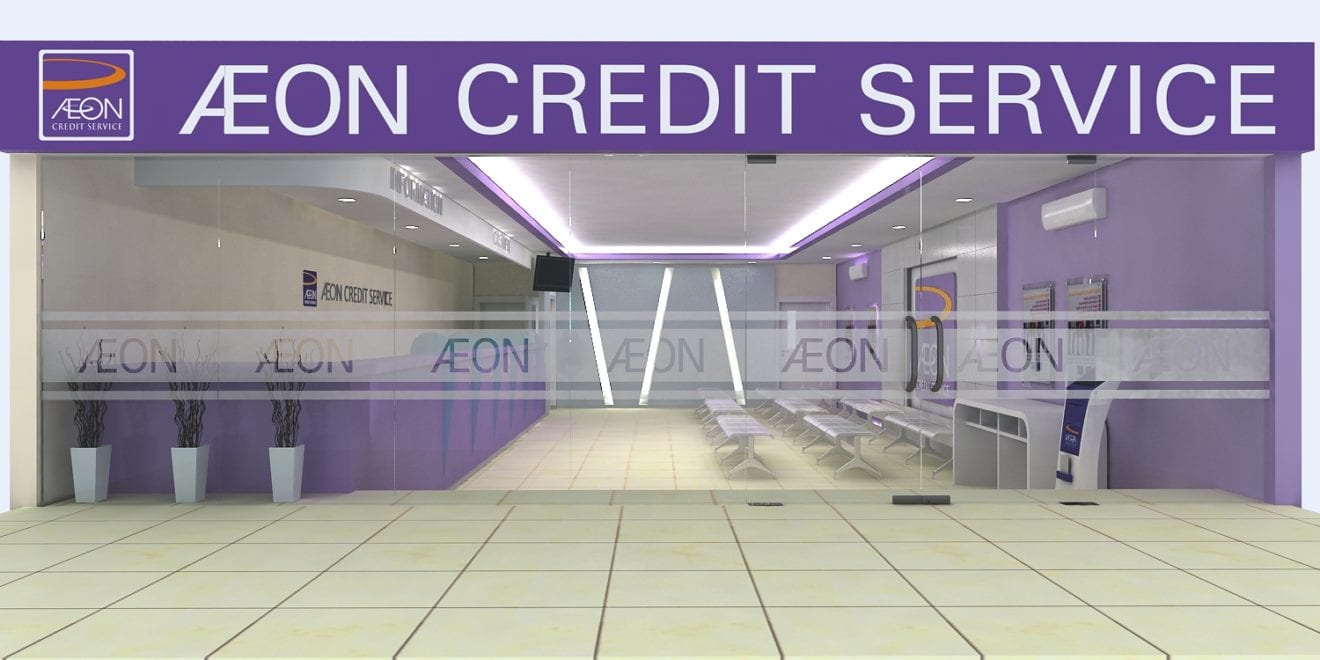
    Suwat Techawatanawana, KBank’s first senior vice president, said Aeon Leasing Service (Lao) had been granted kip-denominated loans by the bank’s Laotian unit to be used for its retail and motorcycle-loan businesses.

    Aeon Group is a successful financial conglomerate in Thailand, offering personal-loan and credit-card services. Given the promising trends in Laos, the group’s business expansion into this marketplace is expected to bring fruitful results.

    Aside from financial support, KBank will cooperate with Aeon to develop products and services such as innovative payment channels to facilitate its customers in Laos.

    Shiro Kitano, managing director of Aeon Leasing Service (Lao), said this cooperative effort with KBank would be supportive to the company’s business, making it more flexible in its operations.

    Aeon Group now centralises its business management of the Asean region in Thailand. After branching out into the Laotian market, the conglomerate may contact KBank. The one-stop service will help reduce the number of relevant procedures and time needed.

    The cooperative endeavour between the two companies to develop complete payment channels will not only provide greater convenience to customers in Laos, but also assist in modernising transactions in this market.

    Having its headquarters and first branch in Vientiane, Aeon Leasing Service (Lao) is now expanding its services in other major cities in that country.

    Amid slowing economic conditions, loans extended during the first half of 2015 accounted for 30 per cent of this year’s target of 50 billion Lao kip (Bt208 million).

    The company plans to launch more marketing activities to boost its business during the second half of the year, wherein the overall economy is expected to benefit from the advent of the Asean Economic Community.

    Suwat said KBank had operated its locally incorporated institution in Laos since last December, offering loans and financial-transaction services to both individual and corporate customers there, including Thai businesses that have invested in the country.

    Providing credit, KBank assesses their business potential in Laos, plus their company outlook in Thailand. Such risk assessment is conducted to evaluate the entire group prospect. Therefore, the bank can better underwrite credit and give other supporting services to the businesses.

    Amid Laos’ high economic-growth potential, some Thai operators may wish to cash in on growing business opportunities. KBank says it stands ready to support Thai businesses in advisory services, business matching activities and diverse financial services.