Tag: Retail

  • David Morris to open second Hong Kong boutique

    David Morris to open second Hong Kong boutique

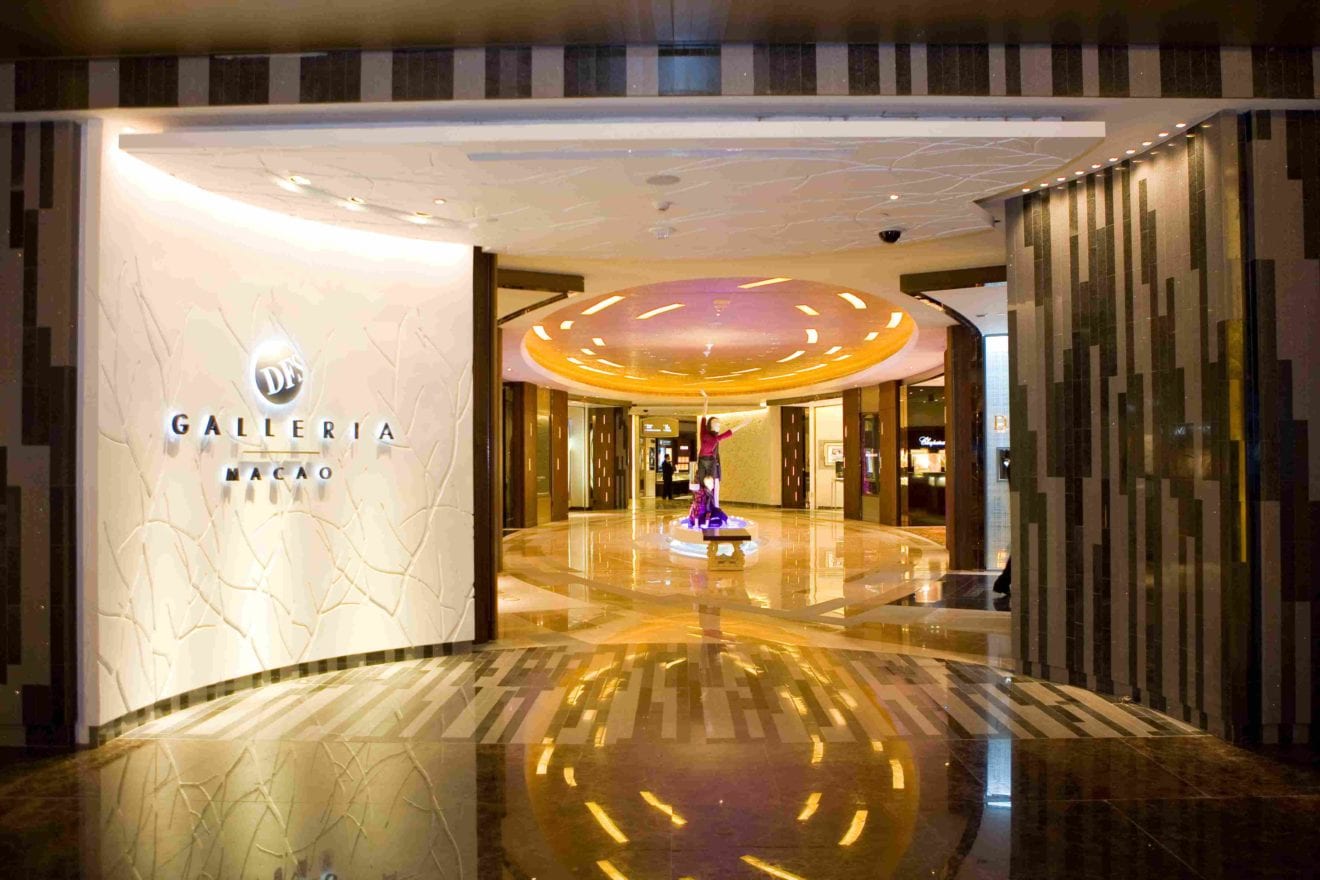
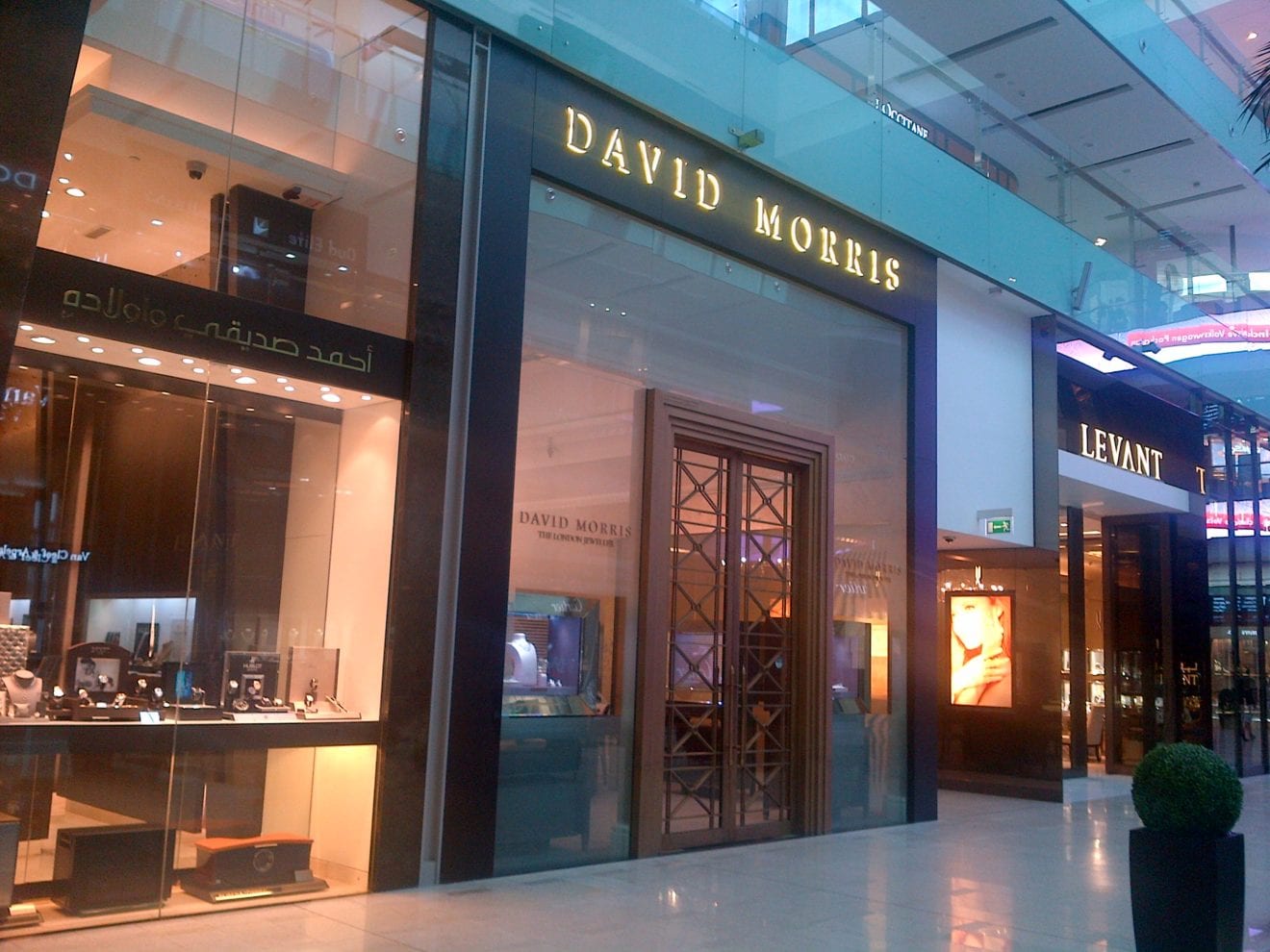
    British jewellery brand David Morris will open its second Hong King boutique at The Galleria on 9 Queen’s Road Central at the end of July.

    Jeremy Morris, son of founder David Morris and managing director of the eponymous brand, said: “Hong Kong has two markets; the local Hong Kong residents and the international market. To truly serve the local market it’s important to have a base in the Central District, where they are based.

    “Our designs are extremely sought-after by our locally based clients and our additional expansion in the area will enable us to enhance our service to our burgeoning international clientele.”

    Since Morris assumed the role of marketing director several years ago, he has expanded the brand’s presence to Dubai, Abu Dhabi, Moscow, Baku and Riyadh.

    The boutique joins the brand’s first flagship boutique, which opened at The Peninsula, Kowloon, in 2011.

    The family-run jewellers has served its clientele of royalty, including Princess Royals Margaret and Ann and the Eighth Earl Spencer and international collectors from its London flagship on Bond Street for more than 50 years.

    A further David Morris boutique is scheduled to open in Doha later this year.

  • Ikea India buys site for first store

    Ikea India buys site for first store

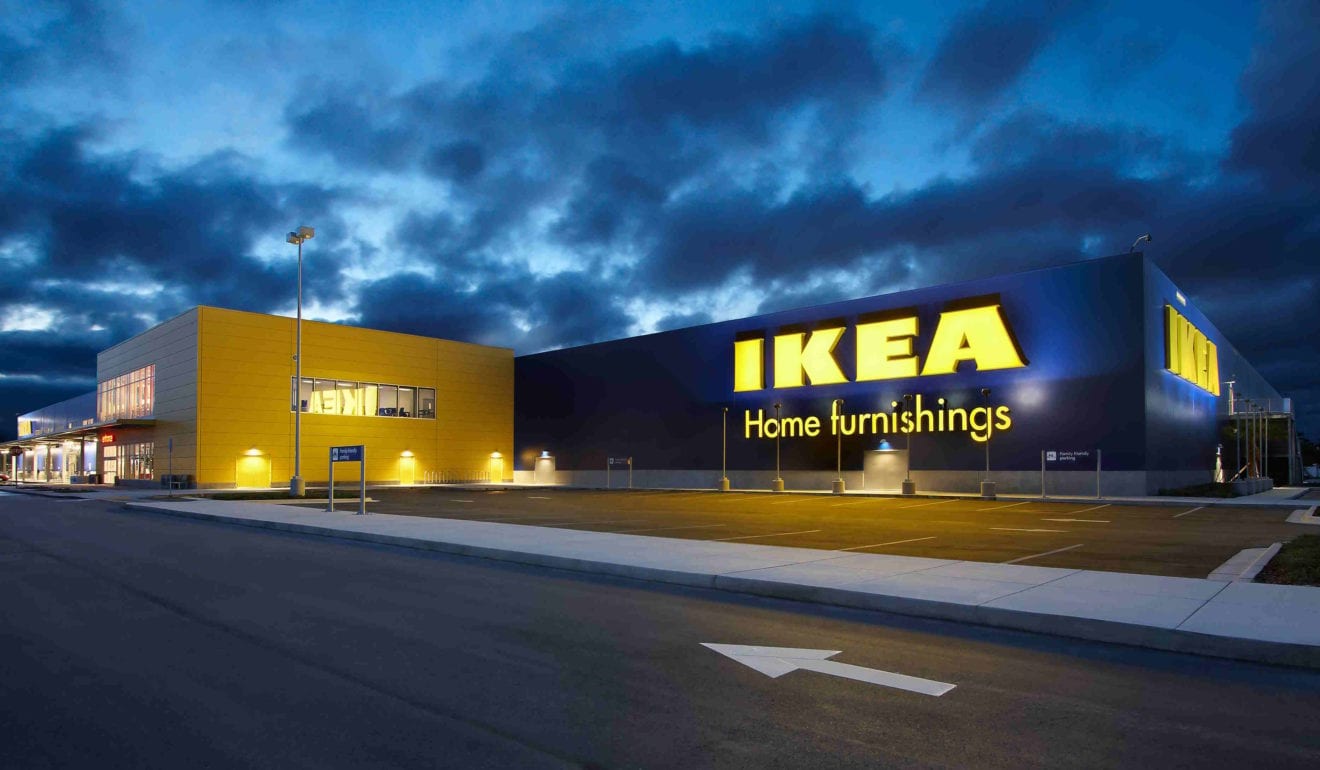
    Ikea India has acquired the land for the first of 25 stores planned for the country.

    The Swedish home furnishings company says the 13 acre site is located close to the IT hub Hitec City and is close to public transport, including a metro line under construction.

    Further details were scant, except that the land was acquired from the Telangana government. Ikea India plans 24 more stores in the long term and is currently evaluating sites in Mumbai, Bengaluru and Delhi NCR.

    Each Ikea store will cost about $100 million to establish, including land and construction costs.

    Part of the arrangement allowing Ikea to open single brand stores in India is that it has to source product from within the country. The company already has about 50 suppliers in India employing some 45,000 people. Now it is actively searching for more suppliers to boost the proportion of locally-sourced stock.

    IKEA India CEO Juvencio Maeztu described India as a promising market because it offers the company the opportunity to source, retail, conduct CSR initiatives through Ikea charitable foundation and empower social entrepreneurs through next generation projects.

    “Our focus now is to bring all of it together in Hyderabad as we have bought our first land to build an Ikea store. We will bring a unique shopping experience through our inspiring stores offering affordable home furnishing products,” he said.

  • CapitaLand sells Bedok Mall

    CapitaLand sells Bedok Mall

    CapitaLand has sold its 18 month old Bedok Mall in Singapore to a trust.

    CapitaLand subsidiaries Brilliance Residential and CMA Singapore Investments have entered into a sale and purchase agreement with HSBC Institutional Trust Services, trustee of CapitaLand Mall Trust (CMT), for the sale of the entire unitholding interest of Brilliance Mall Trust, which owns Bedok Mall. The sale is based on an agreed value of Bedok Mall of S$780.0 million and other net assets of Brilliance Mall Trust of about S$3.1 million. At the last valuation commissioned by CapitaLand, Bedok Mall was valued at S$775 million.

    Opened in December 2013 on New Upper Changi Rd, Bedok Mall has a net lettable area of 222,464 sq ft and is 99.3 per cent leased. Anchor tenants include Fairprice Finest, Uniqlo, Best Denki, Canton Paradise, Popular, McDonald’s and Din Tai Fung.

    It is the first major mall in the heart of Bedok Town Centre, serving Singapore’s largest estate of about 300,000 residents as well as other residents in the east of Singapore. It is part of an integrated retail-residential-transport development, which also includes the 583-unit condominium Bedok Residences developed by CapitaLand that received its Temporary Occupancy Permit in May 2015. The mall’s Basement 2 is directly linked to the Bedok MRT station while the new air-conditioned Bedok bus interchange, which began operations in January, is integrated with the mall on Level 2.

    Lim Ming Yan, president and group CEO of CapitaLand, said the proposed divestment, which remains subject to unitholder approval, as well as the ongoing divestment of a group of serviced residences and rental housing properties to Ascott Residence Trust and CapitaLand’s 30 per cent stake in PWC Building announced last month, are all examples of the company’s “robust capital recycling strategy”.

    “These transactions allow us to realise our investment value and development profit, and enhance our financial flexibility as we redeploy our capital into other ventures that will generate stronger returns for our shareholders.”

    Jason Leow, CEO of CapitaLand Mall Asia, said his company will continue to manage Bedok Mall.

    “We remain confident in the retail growth prospects in Singapore where we are the market leader with the largest network of 20 shopping malls. We are committed to the Singapore retail market and continue to be on the lookout for suitable new opportunities in Singapore and the region as we seek to strengthen our leadership position as Asia’s leading shopping mall developer, owner and manager.”

  • Using WeChat to Grow Your Business in China

    Using WeChat to Grow Your Business in China

    In the world of mobile commerce, all eyes are on China.

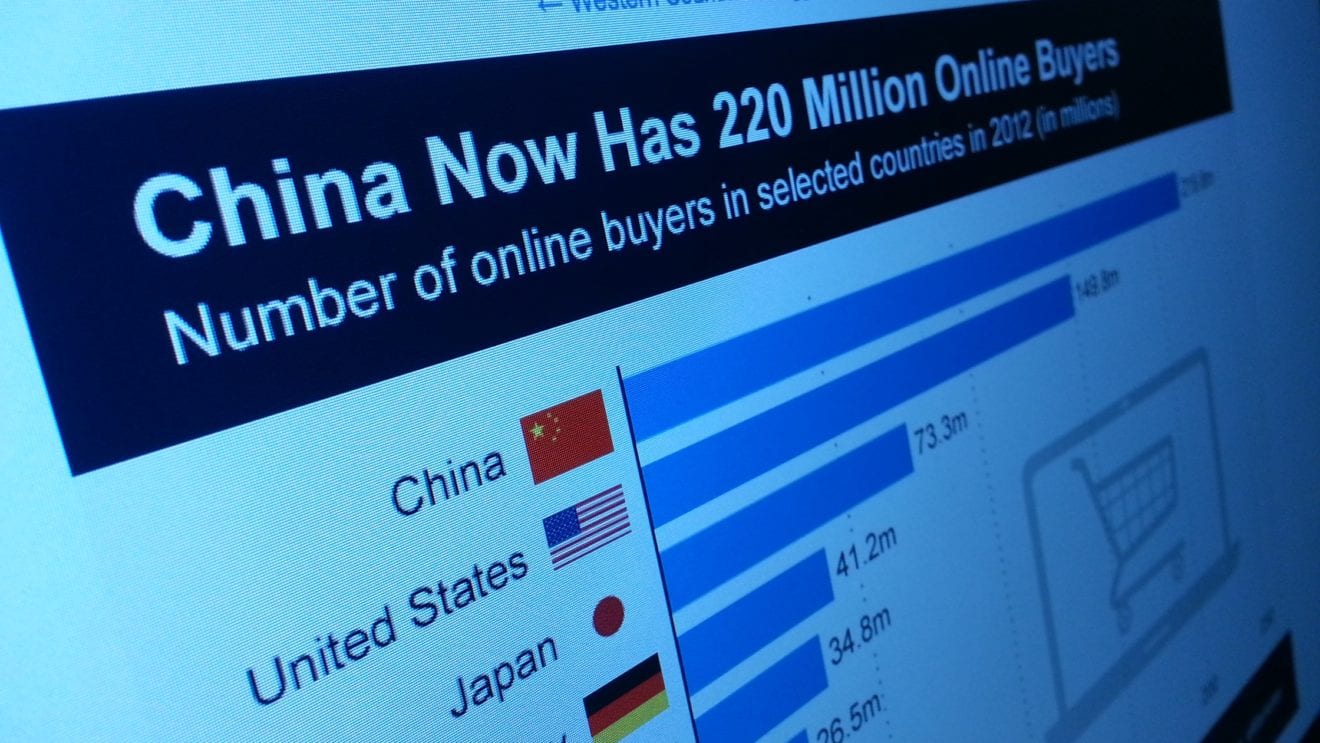
    Even as China’s economy and overall retail sales growth drops, business-to-consumer (B2C) online sales are growing by 25 per cent each year. Data gathered from iResearch in a March 2015 report states that China’s gross merchandise volume (GMV) of the mobile shopping market reached 929.71 billion RMB in 2014, increasing by 239.3 per cent from the previous year.

    The growth was significantly larger than that of the overall GMV of the online shopping market. China has the world’s largest digital marketplace, and is predicted to grow three times faster than overall retail. The industry is primed for growth not only in the first-tier cities, but also in the third-tier and lower cities with an estimated half of total online sales coming from the lower tier cities by 2018.

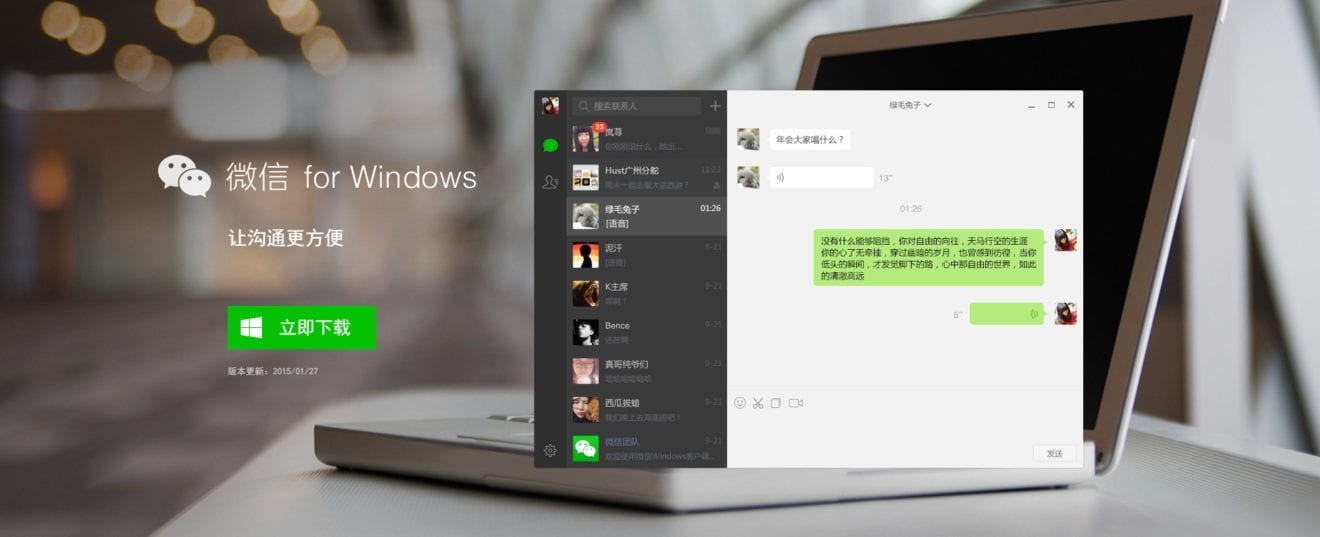
    When considering the mobile commerce industry in China, one name stands out: Tencent’s WeChat has long been impacting the lives of Chinese consumers, and with its move to digital payment systems it now has the ability to revolutionise the mobile commerce industry in China.

    WeChat has a massive scale, with over 468 million monthly active global users and 25 per cent of users checking WeChat over 30 times a day. Last year, users spent US$15.3 billion on mobile data using WeChat.  As the fastest growing social media platform in the world, and the primary source of interaction between brands and Chinese consumers, foreign investors looking to be successful in China should take note. Chinese consumers actively embrace mobile commerce due to its easy to use, cost-effective payment and delivery system.

    There is huge potential for foreign investors to take advantage of WeChat payment systems for their Chinese consumers and to maximise their profits. WeChat allows foreign investors to interact with their consumers in a way that has not reached the same scale in the Western world.

    Fewer than 20 per cent of internet users in the US have used their mobile phones to pay for services and goods while more than half of users in China have done so. Multiple incentives exist for Chinese consumers to make their purchases through WeChat; enabling businesses to use these schemes to generate profit. Loyalty cards, membership schemes and discounts for paying online all compel cost-effective shoppers to make a purchase.

    In addition to this, due to the convenience of paying through WeChat, there is a higher chance of impulse purchases. However, this ease does not simply apply to the consumer. Brands are able to bridge the gap between attracting new consumers and engaging with paying consumers, which has already begun to change the face of shopping and retailing worldwide. Businesses utilising WeChat payment systems are already experiencing huge profits, and Tencent has stated that several official accounts are now making over US$1 million.

    Not only can consumers purchase items, but can also purchase services inside WeChat. Businesses with service accounts can take advantage of WeChat’s online-to-offline (O2O) business model. Both online and offline purchases are available to consumers. Customers can either pay for services or items by scanning the QR codes of products provided by offline retailers, or pay on web pages inside the app.

    All vendors, from big name brands to small and medium-sized enterprises are able to create service accounts in WeChat. Big name companies like McDonalds, Starbucks, Xiaomi, Watsons, and Pacific Coffee have all created service accounts. WeChat allows all vendors the potential for success and the ability for SMEs to create accounts is an important aspect for foreign investors to capitalise on.

    Certain industries, such as food, beverage and retail, tend to generate more profit as they are more primed for mobile commerce. That being said, taxi companies, airlines, newspapers, government organisations, and pharmaceutical companies are all using WeChat payments to their advantage.

    Tencent has now enabled users to pay their utility bills through WeChat, and more and more businesses are finding a way to use WeChat mobile payments to grow their business and attain a competitive advantage.

    It is crucial for foreign businesses entering a new market to take advantage of domestic trends in order to be competitive in that marketplace. Mobile commerce in China is constantly evolving and businesses like WeChat are revolutionising how business is conducted. WeChat allows both big name brands and SMEs to compete in the same market space which has the ability to change the entire industry. Entering the Chinese market has its difficulties, but applications like WeChat make it easier for foreign investors to communicate effectively with their Chinese consumers.
  • Facebook, Twitter to drive online shopping growth

    Facebook, Twitter to drive online shopping growth

    New data from Juniper Research predicts global eCommerce sales will reach $1.7 trillion this year – up more than 17 per cent on last year.

    And while recent growth has been buoyed by expansion of public Wi-Fi networks and 4G, the next round of growth will be driven by social media companies creating direct sales platforms.

    The new research, Mobile & Online Purchases: Cards, Carrier Billing & Third Party Payment Platforms 2015-2020 concludes that Twitter, Facebook, Pinterest and Instagram have already launched ‘buy’ buttons on their mobile apps.

    “Such players are also likely to enhance their sales prospects through strategic retailer partnerships, with Twitter already enabling users to link their accounts to Amazon,” the report said.

    The research also finds that online retailers are increasingly seeking to reduce time-to-consumer by launching same-day delivery, while ‘bricks and mortar’ stores now widely offered next-day in-store collection – often charging a premium for this option.

    But Juniper cautions that retailers need to deliver a consistency of message, branding and shopping experience across all channels.

    “Integration between in-store and online is critical if retailers want to maximise the extent to which they can identify a unique individual’s omnichannel shopping habits,” the report said.

    Author Dr Windsor Holden said the key is to ensure consumers are allowed to choose their own path to purchase rather than have it effectively mandated by channel limitations.

    The report also concludes that smartphones will account for more than 40 per cent of online transactions by 2020.

    “While carrier billing should provide content providers with a key mechanism for monetising digital content, its use for buying physical goods is likely to be limited by comparatively higher share of revenues demanded by network operators and billing platforms.”

  • Hamleys Singapore to debut this month

    Hamleys Singapore to debut this month

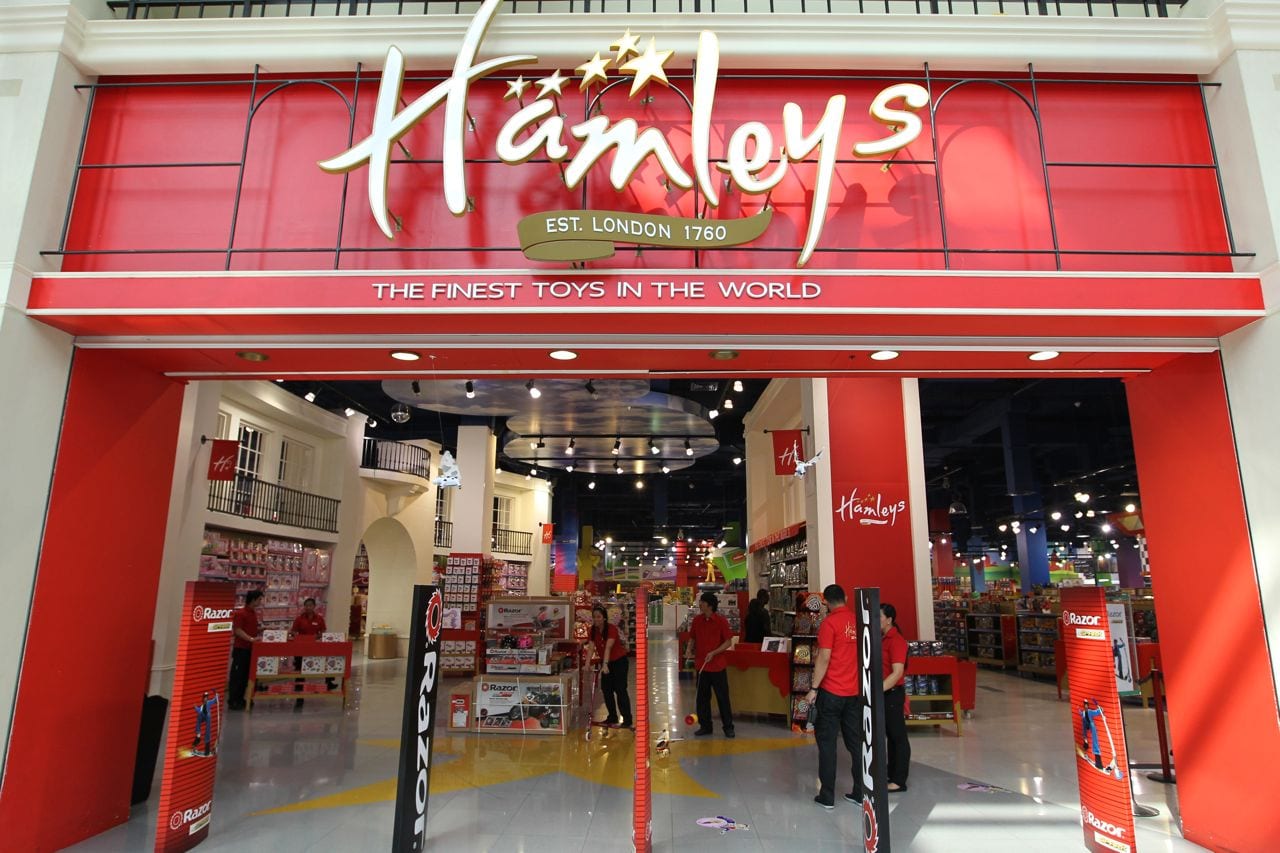
    The world’s oldest toy retailer – Hamleys – is to make its Singapore debut this month.

    Hamleys Singapore will open its first store in the Plaza Singapura extension on July 24 in a partnership with Global Retail Ventures, which also runs Hamleys’ outlets in Malaysia.

    The move is part of an aggressive global expansion strategy for the London-founded, French-owned brand which has this year opened a giant Moscow flagship, has its first store opening in Vietnam this month and in Asia is already also trading in the Philippines. The Plaza Singapura store is likely to be the first of several in Singapore. Hamleys, through a Vietnamese franchise partner, is opening in Singapore-based Mapletree’s joint venture SC VivoCity shopping centre in Ho Chi Minh City.

    The toy chain has 54 stores in 17 countries with stock range targeting children from toddlers to adults.

    The debut Singapore shop will feature 12,000 sqft of retail space across two stories and stock more than 10,000 items.

    Plaza Singapura management want to position the mall as a one-stop destination for families.

  • Macau luxury slump projected

    Macau luxury retail sales are in free fall after the downturn in gambling.

    The Macau Importers and Exporters Association has estimated a slump in luxury retail sales of between 30 and 50 per cent in the first half of 2015.

    The association’s director, legislator Sio Chi Wai, told a media conference the fall was due to the downturn in visits to the territory for gaming, suggesting the vast majority of the downturn is from mainland Chinese spending less in stores.

    Sio did not estimate the value of first-half year luxury goods sales.

    But he did say he expected that the downturn would gradually level out.

  • Teddy’s Bigger Burgers Thailand opens in Bangkok

    Teddy’s Bigger Burgers Thailand opens in Bangkok

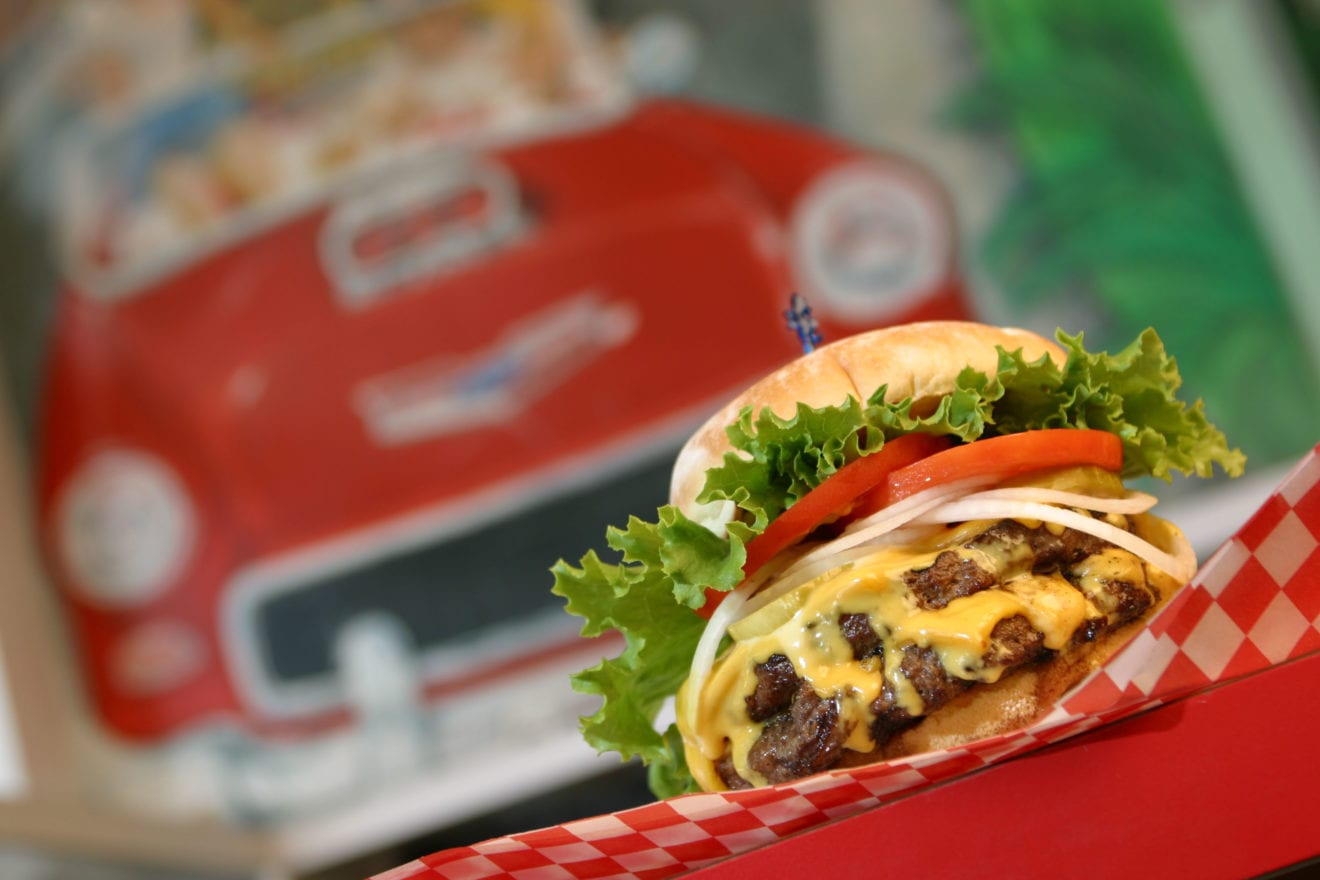
    Teddy’s Bigger Burgers Thailand is to open its first outlet in Bangkok on July 16.

    Thailand marks the third Asian market for the Hawaii-based chain, which has appointed Go Go Restaurants as its local partner for an initial eight year term. Ten stores are planned within five years.

    Teddy’s Bigger Burgers currently has 20 outlets in the US, the Philippines and Japan. It has a five year plan to open 64, with 10 in each of its three Asian markets, 30 in the US and four in Dubai.

    Teddy’s Bigger Burgers Thailand’s first outlet will be in the Gateway Ekkamai mall, adjacent to the Ekkamai BTS station. A second will open in October in CentralPlaza Pinklao.

    Co-founder Richard Stula said in an interview with the Bangkok Post newspaper that his company sees “huge opportunities” for premium burgers in Thailand.

    “However, it’s very challenging to find good locations as retail malls have several fast-food burger brands already,” he said.

  • Smoothie King eyes Asia

    Smoothie King eyes Asia

    Fresh from sealing a deal to enter the UAE, US chain Smoothie King is now seeking partners to enter seven Asian markets, along with Australia.

    With more than 700 locations worldwide and plans to top 1000 locations globally by the end of 2017, Smoothie King has signed up Al Ghurair Retail to open across the emirates, starting with multiple locations in Dubai.

    Smoothie King is currently located in Korea, Grand Cayman and Singapore, and according to Dan Hannah, VP of international business development, the company is now eyeing development in Japan, China, India, Indonesia, the Philippines, Taiwan, Australia and Brazil.

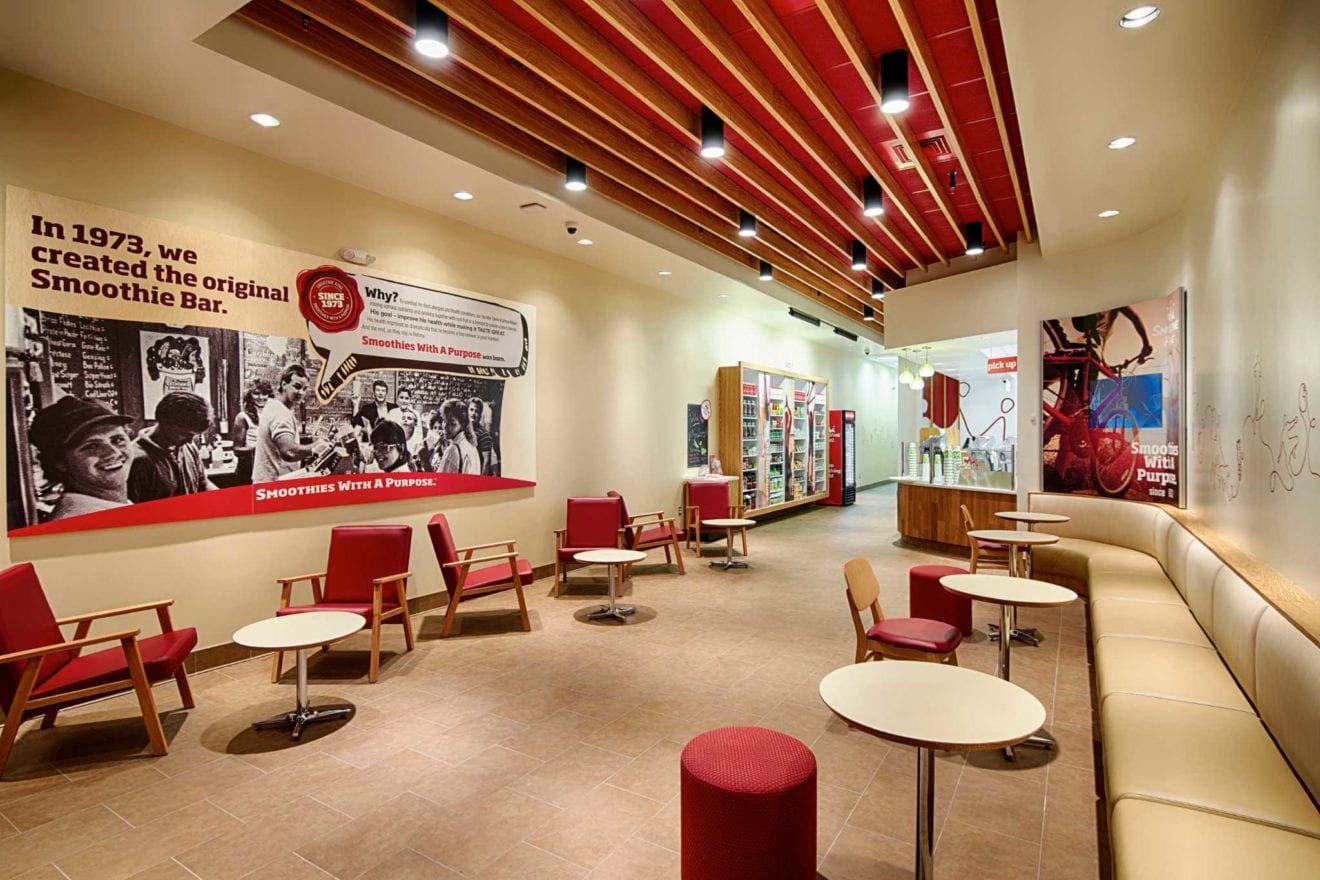
    Smoothie King is providing guests around the world with nutritional solutions that live up to the brand’s founding vision to create “Smoothies With a Purpose.”

    Smoothie King differentiates itself in the crowded juice and smoothie category as an “originator and innovator”, evolving to meet customer’s health needs since 1973. The mission since the company’s inception carries through to today: to inspire people to live a healthy and active lifestyle.

    New Orleans-based Smoothie King offers a wide variety of smoothies made with the highest quality ingredients, created to meet all nutritional goals including weight loss, weight gain and increased energy.

    “By working with dedicated and passionate partners like AG Retail, we are able to continue to build our brand and expand our presence worldwide, while preserving brand integrity,” said Smoothie King CEO Wan Kim.

  • Food fight! The next battle for China e-commerce

    Food fight! The next battle for China e-commerce

    A number of e-commerce firms in the mainland are inking deals to import foreign delicacies, reflecting growing consumer worries over a series of domestic food scandals.

    JD.com, the mainland’s largest online direct sales company, announced on Monday the launch of a new channel dedicated to selling a range of authentic Australian food products, including milk, meat and fruit, as well as wine from Treasury Wine Estates. Australia is the latest entrant to JD.com’s online ‘country malls’, which already include France, South Korea and Japan.

    “Chinese consumers are increasingly enthusiastic about trying, buying and using products from all over the world” said JD.com founder and CEO Richard Liu.

    Online supermarket Yihaodian opened a similar exclusive channel for Canadian seafood and meat earlier this month in an agreement with Agriculture and Agri-Food Canada (AAFC). Alibaba, meanwhile, already leads the way in terms of foreign food products. Last week, the e-commerce giant announced it added 11 more countries to its Tmall Global site, a platform dedicated to foreign brands. Food is Tmall’s most popular product category, according to Alibaba.

    The transaction volume of imported goods purchased online could reach $245 billion in five years, with more than 200 million Chinese consumers engaging in cross-border shopping, said a recent report from Accenture and AliResearch, Alibaba’s research arm.

    The taste for imports comes as no surprise given the country’s ongoing battle with food hygiene. Last week, authorities seized a batch of smuggled frozen meat that was 40 years old. Scandals like these explain why 75 percent of Chinese have no confidence in domestic food safety, a March survey by the China Food and Drug Administration (CFDA) showed.

    “Food safety issues, an increased focus on health and wellness, and a growing willingness to spend on children have made organic or fresh fruits, meats and vegetables, and baby-related products top spending priorities this year,” Boston Consulting Group (BCG) in a report on Monday.

    While JD.com was unable to share top-selling brands, it told CNBC that dairy and wine had traditionally been two of the biggest selling categories of Australian products.

    A two-speed market

    E-commerce trends are only a partial reflection of Chinese consumption, consulting firm BCG noted.

    China has a “two-speed consumer market,” where middle to upper-middle-class and affluent households, known as high-speed consumers, make up the bulk of digital shoppers, it said. Forty percent of these consumers shop online frequently-at least once a week-compared with 20 percent of less affluent households, i.e. the low-speed consumers.

    Wealth gaps account for the difference between the groups, BCG explained.

    “The average affluent household is expecting nearly 11 percent income growth; the average aspirant household, only 6 percent. This 5 percentage point difference, given the vast disparity in income levels between these two groups of consumers, translates into a 20-fold difference in actual earnings.”

  • Retailers Brace for Gloomy Ramadan Amid Economic Slowdown

    Retailers Brace for Gloomy Ramadan Amid Economic Slowdown

    Indonesian retailers are predicting sales to drop by 36 percent year-on-year during the Muslim holy month of Ramadan and Idul Fitri, the latest sign of the country’s weakening economy.

    Sales are expected to reach Rp 15 trillion ($1.12 billion) during the fasting period, which runs from June 18 through July 17,  compared to Rp 25 trillion in the same period last year, according to estimates from the Indonesia Retailers Association (Aprindo).

    Members of the association range from convenience store chain operators such as Sumber Alfaria Trijaya to hyper market operators like Matahari Putra Prima.

    Aprindo chairman Roy N. Mandey said consumers’ purchasing power has been under pressure this year due to rising inflation stemming from fluctuating oil prices, the weakening rupiah and slow government spending.

    President Joko Widodo shifted government subsidies for fuel prices this year to back up his $21 billion infrastructure projects. However, only 8 percent of the funds were disbursed in the first six months 0f 2014 due to red tape, dragging further on the country’s economy, which is already struggling against low commodity prices and slowing investment.

    Based on current conditions, Aprindo has revised its 2015 sales target to Rp 152 trillion from its initial total of Rp 184 trillion — a 10 percent contraction from last year’s sales of Rp 168 trillion.

    “People are not as enthusiastic [as before]. They are refraining from buying anything now,” Roy said.

    A recent consumer confidence survey from Bank Indonesia, the country’s central bank, showed that consumers have become less optimistic about their income and job availability, holding back on buying durable goods like electronics, motor vehicles and home appliances.

    Still, Matahari Putra Prima, one of the largest retailers in Indonesia and a Jakarta Globe affiliate through the Lippo Group, remains confident it will see an 11 percent increase in sales during Ramadan to Rp 3 trillion from Rp 2.7 trillion last year, banking on its expansion in the eastern part of the country.

    The company now operates 111 stores under the brands Hypermart, Foodmart and Boston Health & Beauty.

  • Naiise goes big with largest store opening at Central

    Naiise goes big with largest store opening at Central

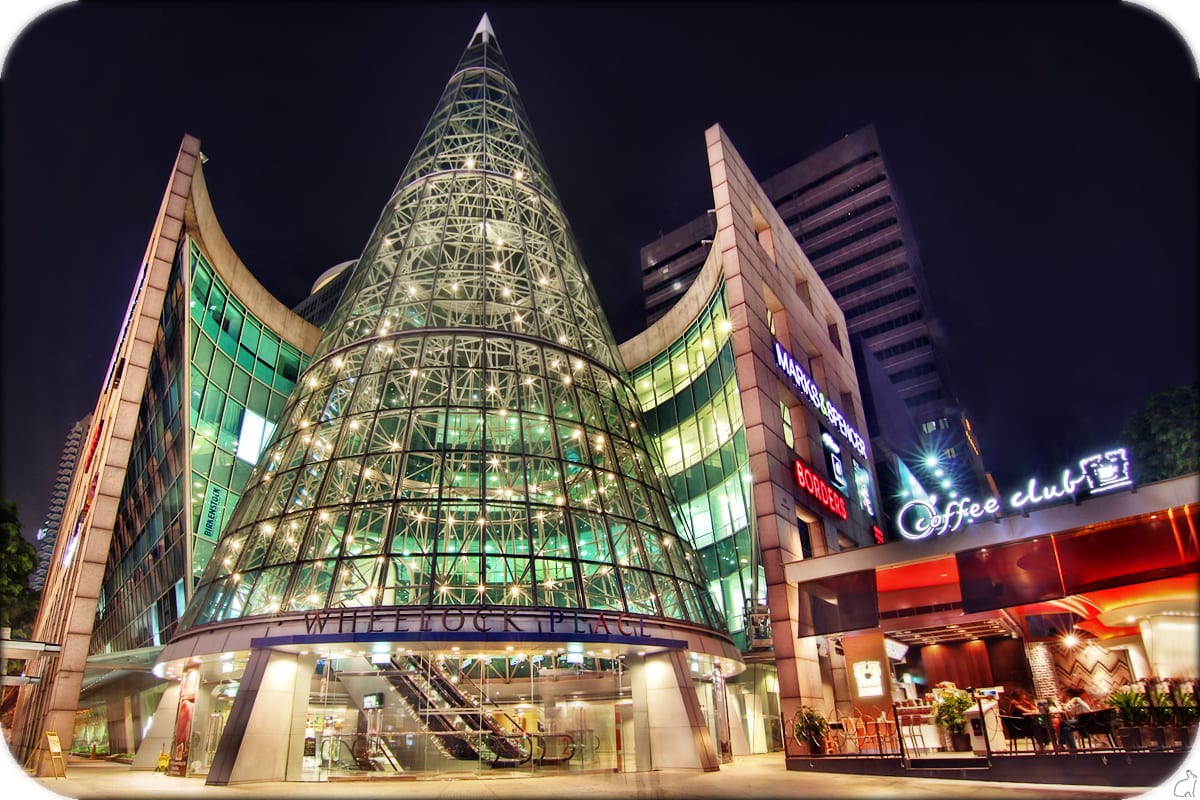
    Can someone give Naiise’s founder Dennis Tay and his team a trophy? In just two-a-half years, the retailer of Singapore-designed products went from a one-man show operating an online store to opening three physical outlets with a team of 20 employees. To boot, all three stores — in West Mall, Wheelock Place and now Central (Clarke Quay) — were launched consecutively in the last four months at a time when the retail climate is considered sluggish.

    “We have been extremely lucky in terms of consumer demand for our unique products, as well as the opportunities given by our landlords,” said Tay who was approached by landlords such as CapitalMalls Asia (WestGate) on all three occasions. He added that much effort was also made to differentiate each store and come up with “interesting and interactive” experiences” to avoid customer fatigue.

    For instance, the WestGate outlet in the heartlands of Jurong is stocked with family-oriented offerings, such as home accessories and kidswear to cater to the families in the area. Meanwhile, the selection at Wheelock is carefully curated to showcase best-sellers, new arrivals and Naiise exclusives to make better use of its smaller space.

    In contrast, Naiise’s latest outlet, which was officially launched yesterday (July 10) is billed as a “design megastore”. It occupies the whopping 6,500sqf space vacated by Hong Kong lifestyle brand, Goods Of Desire (G.O.D) which closed down in April.

    When Far East Organization first approached Tay about taking over the space, he admitted to being “quite terrified” because the space was so big”. He took the plunge believing that “the experience and benefits from this location would outweigh any costs”. To minimise cost, the layout worked around existing furnishings while the team did much of the redecorating, such as installation work, carpentry and painting, themselves. Additional fixtures were sourced, salvaged or purchased cheaply from local suppliers.

    Like the outlet at Wheelock Place, the current lease for Central runs until the end of the year but Tay is keen to continue for as long as possible. He remains unfazed by the failure of G.O.D to crack the market here, as he feels Naiise’s product offerings already resonate well with local shoppers and now with tourists. The latter make up 50 per cent of the customers at the outlet since its soft opening last month.

    Moreover, the company is banking on creating unique and experiential concepts at Central by having a dedicated workshop area for weekend sessions that can accommodate up to 20 people. The larger space also allows Naiise to introduce new product segments of books, music and magazines, and encourage customers to linger; they are invited to make themselves comfortable on Doob bean bags found around the store. More than 4,000 products, including major items like furniture, from over 400 brands can be found here. In keeping with its mission to promote Singaporean design, 60 per cent of the stocks here are designed or made in Singapore, and these items with a local spin, such as Singapore Sling-flavoured jams, have proven popular with tourists. Tay hopes this is Naiise’s small way of helping boost the awareness and demand of local designs and products with an overseas audience. Naiise is also celebrating SG50 by giving 500 S$5 cash vouchers (for every S$50 spent) on the website and any of their stores from next Monday.

    And in case you’re wondering, Naiise will be continuing with their popular pop-up events, which has seen food and art collaborations in shophouses. “Our growth strategy for Naiise is to work hard at merging all channels and platforms to seamlessly connect the shopping experience for our customers, whether online and offline,” Tay said. “Naiise will also work hard to retain its focus on bringing unique design products for everyone.”

  • S.Korea picks Hotel Shilla JV, Hanwha to operate new Seoul duty-free stores

    S.Korea picks Hotel Shilla JV, Hanwha to operate new Seoul duty-free stores

    South Korean retail giants HDC Shilla Duty Free and Hanwha Galleria Timeworld on Friday clinched a high-profile bid to operate duty-free stores in downtown Seoul in what is seen as a golden ticket to bolstering their footing in a retail industry struggling from anemic consumer spending.

    Seven companies had vied for the license, the first of its kind open to large corporations in 15 years. Lotte Duty Free, HDC Shilla Duty Free, a joint venture between Hotel Shilla and Hyundai Development Co., and SK Networks were aiming to increase their market share, while E-land, Hanwha Galleria Timeworld, Hyundai DF and Shinsegae DF were trying to make a fresh entrance into the duty-free sector.

    Currently, four companies run seven duty-free stores in Seoul, whose main customers are foreign tourists, especially those from China. Their insatiable appetite for shopping has been a rare bright spot in the local retail sector grappling with sagging sales amid a weak economy.

    Buoyed by their spending, the duty-free market has been posting double-digit growth in the past five years, compared with crawling sales growth at department stores and hypermarkets.

    In 2014, duty-free stores in Seoul posted a combined sales of 4.4 trillion won (US$3.9 billion), which accounts for more than half of the country’s 8.3 trillion won duty-free market.

    Meanwhile, the customs agency also announced two smaller retailers who will be operating duty-free stores in Seoul and Jeju, South Korea’s southernmost resort island, respectively.

    The new licenses will be valid for five years under a revised customs regulation that shortened the contract period from 10 years. The winning bidders are required to open their stores within six months.


  • DFS opens HK stand alone beauty store

    DFS opens HK stand alone beauty store

    DFS Group opened its second stand alone 18,000sq ft T Galleria Beauty by DFS store in Hysan Place, Causeway Bay at the end of June, following the earlier opening of its initial store at the Galaxy Macau Asian resort destination in May.

    The store is the first of its kind in Hong Kong concentrating solely on luxury cosmetics, skincare and fragrances, allowing customers interested mainly in personal beauty experiences to experience them in one prestigious location.

    Benjamin Vuchot, Region President, North Asia for DFS Group said: “With T Galleria Beauty by DFS, we’re breaking the beauty shopping mould to bring our customers a whole new level of choice, affordability and excitement.

    “Every element of the concept from the product selection to the store design was inspired by our customers and we’re confident that this innovative, personalized approach to the beauty shopping experience will make T Galleria Beauty the beauty connoisseur’s destination of choice in the heart of Causeway Bay.”

    DFS says the range of products includes more than 100 brands including Dior, Estée Lauder, Hermès, 3CE, Make Up Forever and Nars. It adds that DFS also takes ‘a holistic view of beauty’ through new or expanded product categories such as men’s, wellness, hair, body and nail, as well as a trend area featuring popular Korean brands.

    The retailer adds that T Galleria Beauty by DFS will also exclusively introduce popular trend cosmetic brands Nudestix, IOPE and Cargo Cosmetics in Hong Kong.

    Kitty Choy, Director, Retail, Hysan Development Company Limited said: “We’re thrilled that DFS Group has chosen Hysan Place as the location for its first T Galleria Beauty by DFS store in Hong Kong.

    “With its holistic and innovative approach to the beauty shopping experience, T Galleria Beauty by DFS will be a beauty anchor within Lee Gardens, providing customers with a personalized approach unrivalled in Causeway Bay.”

    DFS is also claiming a ‘first of its kind’ with its new 1,000sq ft Beauty Station which gives customers the opportunity to sample, mix and match products from a wide range in one location. Customers will also have access to the exclusive Beauty Concierge, a complimentary personalized beauty service that focuses on an individual customer’s preferences and personal needs.

    They will also be able to join DFS LOYAL T, which the retailer describes as the world’s most extensive global luxury rewards programme [covering more than 700 brands in 26 airports and T Galleria by DFS stores in 10 countries.

    Customers of T Galleria Beauty by DFS, Hong Kong, Causeway Bay, like all DFS customers around the world, are provided with a 100% Global Guarantee, ensuring that all merchandise is completely authentic and that after-sales service centres will refund, repair and accept the return of merchandise worldwide.

  • Apple Is Building A New Store In Hong Kong

    Apple Is Building A New Store In Hong Kong

    As part of a huge push to own the Chinese market, Apple is opening up a new store in Hong Kong.

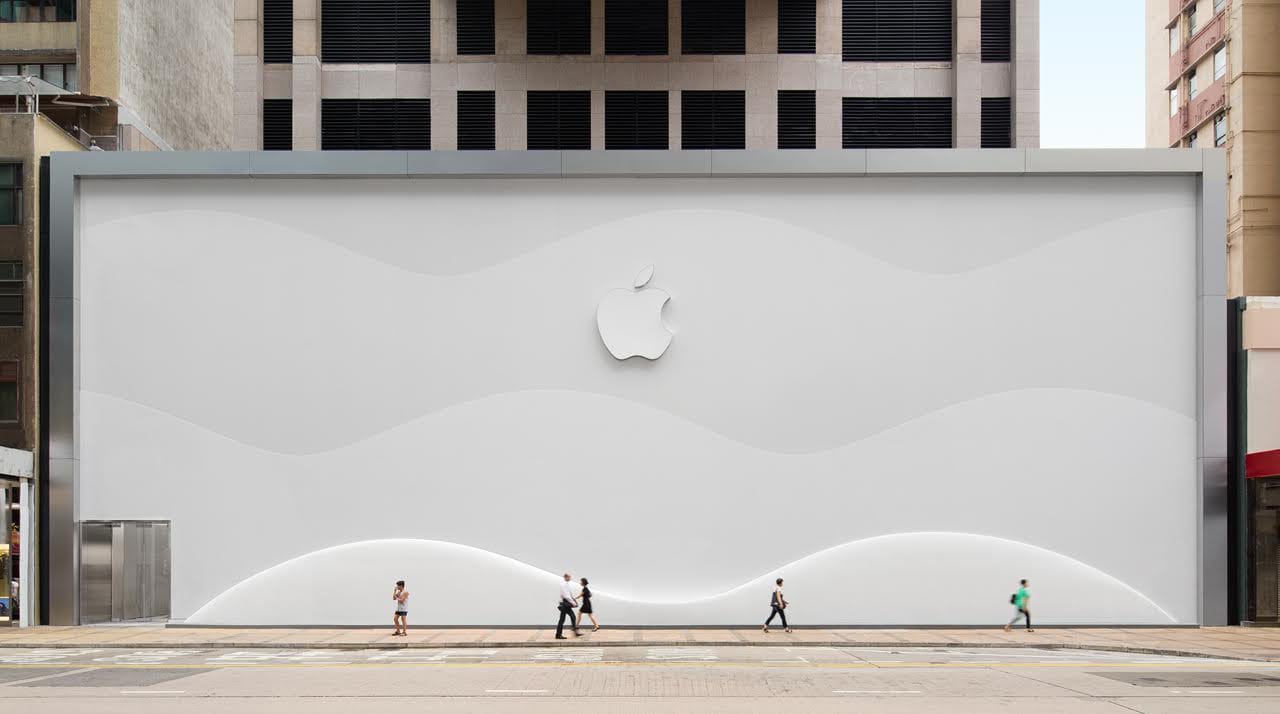
    It will be located on Canton Road, which is known for shopping, on the Kowloon side of Hong Kong. The company has yet to announce an opening date, but work is already underway behind the barricade pictured above.

    Apple currently has 19 stores in China, and the Hong Kong location will be its 20th in the country, and the fourth in that region. Shanghai, Beijing, Tianjin, Chengdu, Wuxi, Hangzhou, Shenyang, Shenzhen, Zhengzhou, and Chongqing already have at least one Apple store.

    Hong Kong is one of the more shopping-focused markets in China, and Apple currently has three stores in the area. Canton Road, however, is one of the more highly trafficked shopping streets in China and the world, and the new store should prove to be one of the biggest on the island.

    Apple has been heavily focused on building out its presence in China.

    First quarter earnings in 2015 showed that China represented sales of $16.144 billion, which is an increase of 157 percent from the quarter before and 70 percent from the previous year. Retail is a huge part of that push, and a store in Hong Kong only makes sense.

    Apple has no word on when the store will open, but you can likely expect to see more and more of a retail push in China as Apple continues to climb the charts in that market.