Tag: Retail

  • Spyder launches in Korea

    Spyder launches in Korea

    Ski and sportswear brand Spyder has launched in South Korea with an all-new product line available in freestanding stores and shop-in-shops.

    An accelerated retail rollout is planned with 25 stores opening across the country by the end of 2015.

    “We are excited to be working with Global Brands to bring Spyder to South Korea, one of the world’s most fashion-forward and trendsetting markets,” said Jamie Salter, chairman and CEO of Authentic Brands Group and owner of the brand.

    “Spyder is highly regarded and we are confident that the brand will flourish in the country.”

    Designed for the ‘style-seeking South Korean consumer’, both the men’s and women’s collections draw from the core DNA of the brand, fusing elements of performance and fashion.

    “We see tremendous equity in the Spyder brand and its ability to translate across key markets in Asia,” said Bruce Rockowitz, CEO and vice chairman, Global Brands Group.

    “We look forward to replicating the success we have achieved in other markets to South Korea, through the roll out of a number of exciting brand and category extensions.”

    Spyder is featured in shop-in-shops at fashion hot spots including Galleria Department Store, Hyundai Department Store, Lotte Department Store and AK Department Store. The brand also launches with freestanding stores in Seoul, Daegu, Gumi, Incheon and Sokcho. Spyder will be promoted in a 360 degree campaign that includes national Print, Out of Home, Digital, Social, and TV promotion beginning this month.

    Spyder is described as one of the world’s most recognisable and credible outdoor sportswear brands, focused on enhancing the ski experience both on and off the mountain. Originally founded by David Jacobs, coach of the Canadian Ski Team and Bob Beattie, coach of the United States Ski team, Spyder’s roots run deep in the ski community. The brand has been the official sponsor of the US Ski team since 1989. Spyder offers technical ski, fitness, and lifestyle apparel and accessories for men, women, and children. The highly sought after brand is available in department stores, sporting goods stores, and specialty retailers throughout North America, Europe, the Middle East and now South Korea.

  • China luxury spend offshore will double

    China luxury spend offshore will double

    The Chinese already account for 27 per cent of the world’s total luxury spending – and a staggering 80 per cent of that is spent outside the Mainland.

    China luxury spending outside China will double by 202 according to a report by China Luxury Advisors, presented to last week’s Luxury Retail Summit: Holiday Focus 2015.

    “What we’re really seeing is that [the Chinese slowdown is] just really not changing the amount of travel, it’s just changing the nature of it,” said Avery Booker, partner at China Luxury Advisors in a presentation reported in detail here by Luxury Daily.

    “We’re seeing fewer long haul trips among the middle class, and more people going to places like Japan and Korea to do shopping,” he said. “The purse shopper spending will remain strong even though average spend is going to decrease, and of course that’s just a volume issue.”

    Booker said the devaluation of the Chinese currency was so far having no perceptible effect.

    Chinese shoppers spend US$229 billion a year outside the mainland – which China Luxury Advisors predicts will double by 2020, based on the theory the $8000 per year per capita GDP is “the tipping point” at which outbound tourism booms. China has just reached that level.

    The Luxury Retail Summit was organised by Luxury Daily.

    In reaching its estimates China Luxury Advisors surveyed 1000 Chinese consumers 18 years and older, with a variety of incomes.

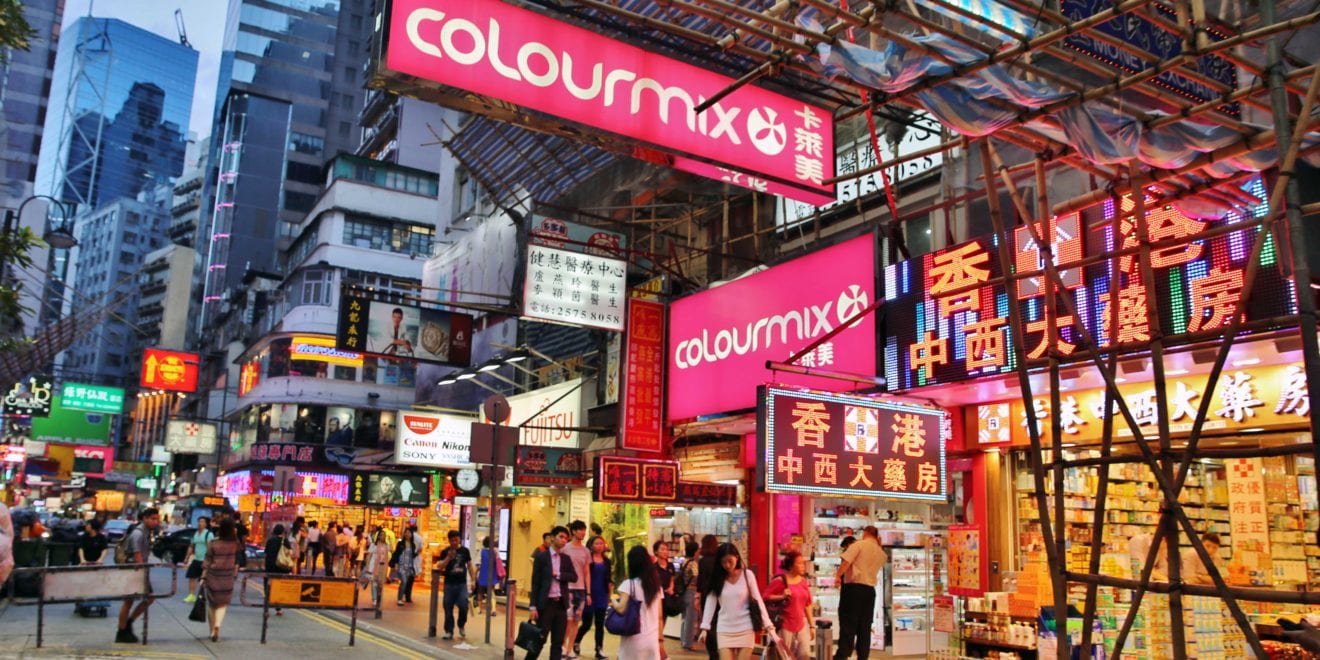
    Their most common destination outside the mainland is still Hong Kong, mainly due to its nearness and visa-free travel.

    China Luxury Advisors urged retailers to make their stores “Chinese consumer-friendly” to make the most of the booming trend. Mandarin speaking associates, Chinese dining options and accepting Alipay, Tencent or China Union Pay can make them feel at ease.

  • Issey Miyake opens in Hong Kong

    Issey Miyake opens in Hong Kong

    Japanese luxury fashion designer Issey Miyake has opened its first store in Hong Kong.

    The Issey Miyake Hong Kong boutique is located on level 1 of the Ocean Centre at Harbour City on Canton Rd in Tsim Sha Tsui.

    Bao Bao Issey Miyake - Habour city 1

    Womenswear, menswear accessories, shoes – and, of course, the brand’s famous fragrances – are all on sale in the boutique which also offers shoppers a unique outlook across the harbour.

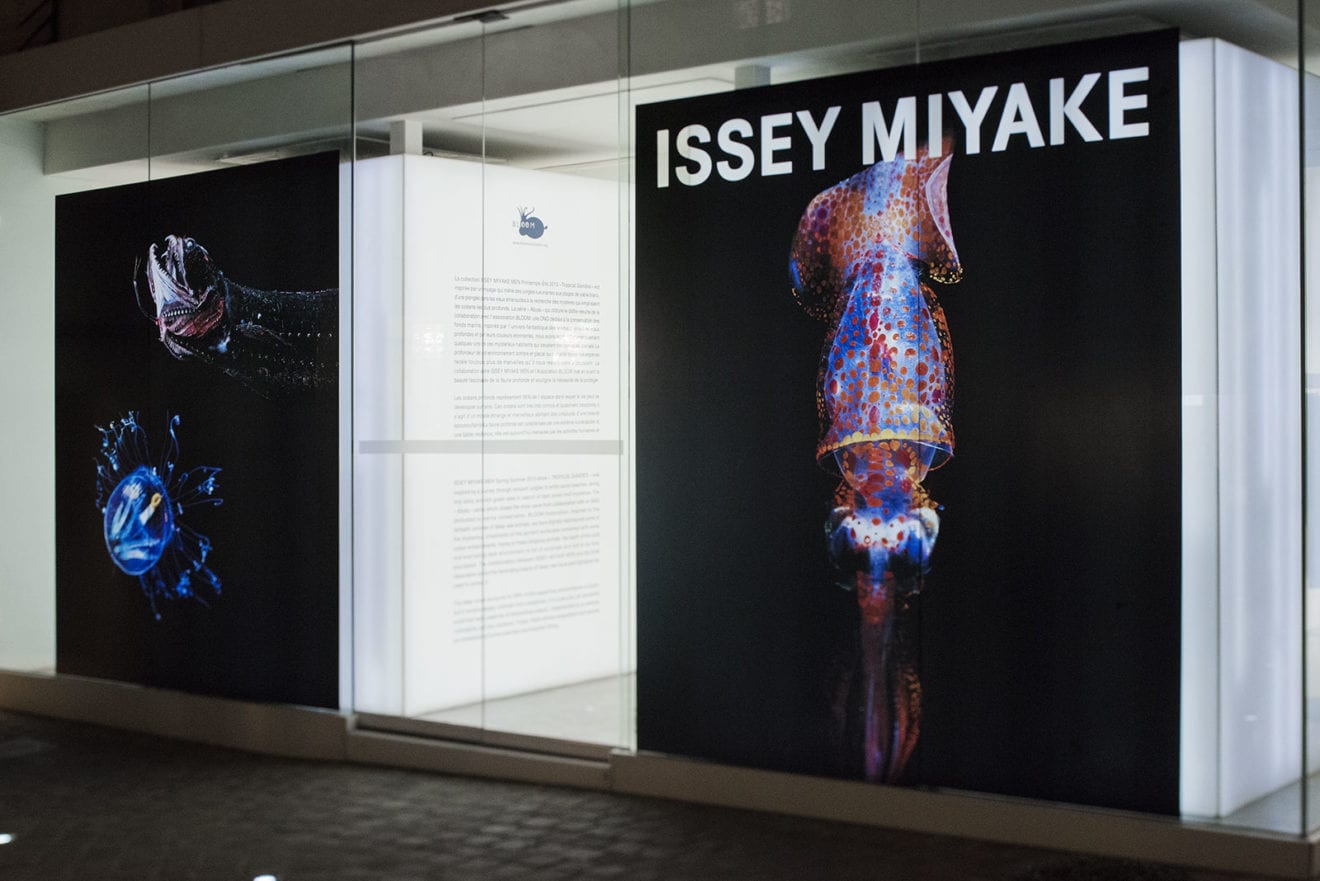
    The brand is known for it minimalist designs and the new Hong Kong boutique captures that philosophy in its design with merchandise displayed in a gallery like setting and simple black and white LED signage at the front.

    BaoBao Issey Miyake - Habour city


    Issey Miyake was born in Hiroshima and studied graphic design in Tokyo before working in Paris and New York. He returned to Tokyo in 1970 and founded the Miyake Design Studio to produce high-end women’s fashion.

    Over the years he has developed spin-off brands and expanded into fragrances in 1992.

    His flagship store is in Osaka.

  • Lama Hourani opens Shanghai boutique

    Lama Hourani opens Shanghai boutique

    Jordanian jeweller Lama Hourani has opened an exclusive boutique in Shanghai.

    But it’s been positioned as so exclusive, customers cannot enter without a prior appointment.

    Lama Hourani’s exquisite silver and gold jewellery creations are creating a stir in Asia, underpinning her rising fame as a celebrity designer in Asia. Her creations are worn by royalty, the glitterazzi and even the Pope.

    The new store is on the ground floor of a historic house in Shanghai’s French Concession. Its decor is like something from a book celebrating Arabian design: gold and marble plinths, deep blue carpet, black and white images on the walls depicting minorities, gold framed mirrors.

    “I opened [the boutique] because people in China were just so curious…The handmade aspect is special, and it’s a major plus for me to have a proper presence here.”

    Hourani these days lives in Shanghai so it is no surprise she chose the vibrant, modern city for her first retail presence. But she is also a regular visitor to Hong Kong, presenting exclusive curations of her designs to customers – again by appointment only.

    “My clients are from all over the world and are usually independent, self-established, culturally curious women… China has so much of that,” she said in a recent interview.

    “If you are talking about demographics, those who are well-travelled, the crème de la crème, they all want to wear a statement piece that says something, rather than something that makes them belong somewhere. A lot of customers in China are beyond that first stage.”

    In Hong Kong, Lama Hourani’s luxury jewellery is sold through Joyce and the website Plukka.com – as well as her own website.

    Having established a solid reputation in jewellery, Hourani says her next focus is to expand the brand into other categories: homewares is an obvious first extension.

  • India eCommerce to lead BRICs

    India eCommerce to lead BRICs

    India – not China – is set to become the fastest growing B2C eCommerce market of the BRIC countries in the next five years.

    A new publication by Germany-based secondary market research expert yStats.com India B2C eCommerce Market 2015 also reveals the main challenges faced by online retail in this country, including underdeveloped logistics and low credit card penetration.

    The rapid growth of B2C eCommerce in India is driven by a combination of its vast population, increasing internet penetration and the scarcity of organised retail – especially in small towns and rural areas.

    “Next year, India is predicted to top the USA to become the second largest country worldwide in terms of the number of Internet users, behind China. While China has been the leader among the BRIC markets in terms of online retail growth in the five years to 2014, during the next five-year period India is predicted to take over this position,” says the report.

    Online retail in India has much room for growth. B2C eCommerce share of total retail sales was estimated at less than one per cent in 2014, while the share of internet users making purchases online was below one quarter. Another sign of immaturity is the high share of online travel in total eCommerce sales, reaching close to two-thirds according to some estimates. Furthermore, Internet penetration on the 1.3 billion population in India was relatively low in 2014, although showing an improvement from a single digit figure in 2010.

    “The spread of mobile Internet is expected to especially benefit the state of connectivity in this country, while also driving mCommerce sales up,” said the report.

    Apart from low Internet penetration, some major challenges faced by B2C eCommerce in India include underdeveloped logistics infrastructure and low credit card penetration. Online merchants’ profitability suffers from the necessity of accepting cash on delivery and offering free shipping.

    The top three eCommerce companies in the country – Flipkart, Snapdeal and Amazon India – developed their own logistics capabilities using recently obtained investment. Other eCommerce players that benefited from investment pouring into the Indian market include marketplace operator ShopClues, online classifieds website Quikr and online accommodation booking website Oyo Rooms.

  • Bossini strong in retail storm

    Bossini strong in retail storm

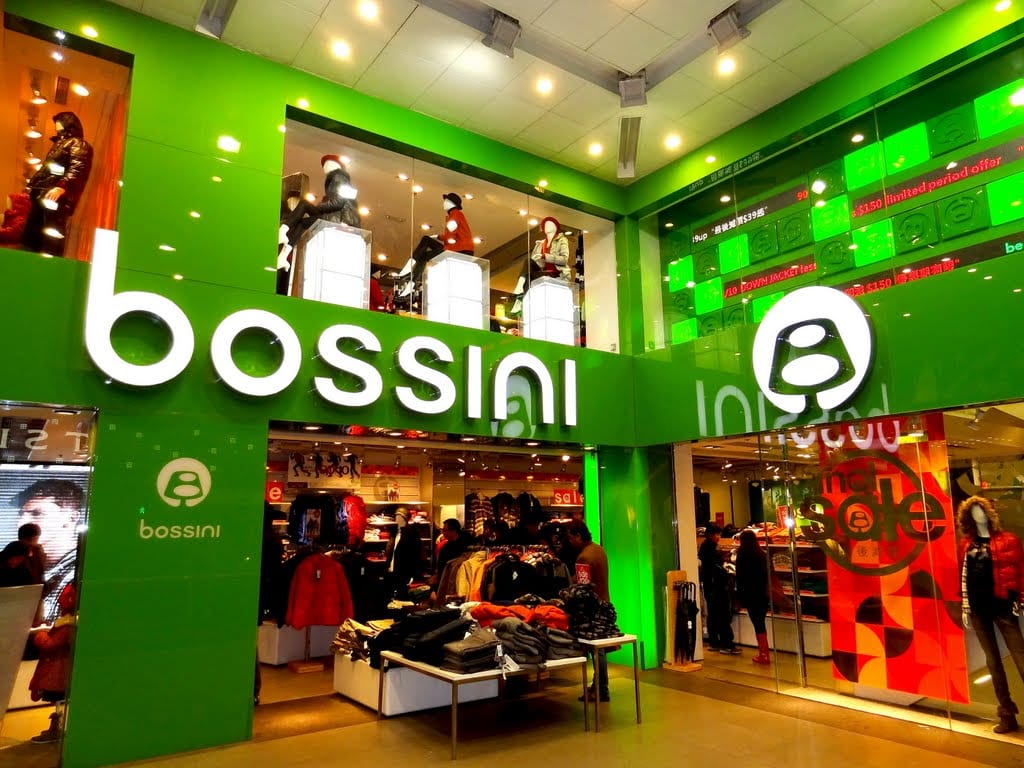
    Apparel retailer Bossini has weathered Hong Kong’s retail downturn by achieving strong growth offshore.

    The Hong Kong based company has revealed its annual results in the year to June 30, reporting a mere one per cent decline in sales to HK$2.523 billion, and a three per cent decline in gross profit to HK$1.264 billion with gross margin down one per cent to 50 per cent. profit attributable to shareholders fell nine per cent.

    “During the fiscal year 2014/15, despite facing challenging retail conditions in Hong Kong and Macau, its segmental business, which includes the export franchising operations, registered record-high sales with flat same-store sales growth for the directly managed stores,” the company said.

    “The operations in mainland China, Taiwan and Singapore all experienced improvements in segment results, resulting from the continuously improving shop productivity and stringent cost control measures. Mainland China segment achieved six per cent same-store sales growth and also recorded nine consecutive quarters of positive same-store gross profit growth. Taiwan segment saw a same-store sales growth of seven per cent, representing seven consecutive quarters of positive same-store sales growth.”

    Bossini ended the year with a presence in 35 countries and regions and a store count of 938 (down 24). Of those, 257 were directly managed stores and 681 were franchised.

    One factor in the group’s improved operational efficiency was a small reduction in inventory turnover timetable from 84 days to 83.

    Looking forward, CEO Edmund Mak said the group will benefit from lower production cost if US dollar remains strong versus Renminbi.

    “Besides, it is estimated that rents will fall in certain areas in Hong Kong as retailers are generally suffering from sales downturn, which could help partially offset the group’s ongoing difficulties. The group will be proactive in taking stringent measures to control costs, including rental costs, and continue to improve shop productivity. The group aims to remain flexible and responsive to changing market conditions.”

    Mak said Bossini sees grounds for “considerable optimism” in its overseas operations.

    “Therefore, we will focus more on expanding operations outside Hong Kong and Macau, in order to achieve a more balanced portfolio. Furthermore, we will continue to expand kids’ line, particularly in Mainland China, while launch co-branded and licensing programmes of clothing and accessories via partnerships that reinforce the core brand value ‘be happy’, striving to build “bossini”’s reputation as a vibrant, valued and competitive go-to brand.”

  • Siam Discovery ‘Breaks the Rules’

    Siam Discovery ‘Breaks the Rules’

    Bangkok shopping centre Siam Discovery has been wrapped in a giant vinyl curtain to raise awareness of the centre’s redevelopment and planned reopening early next year.

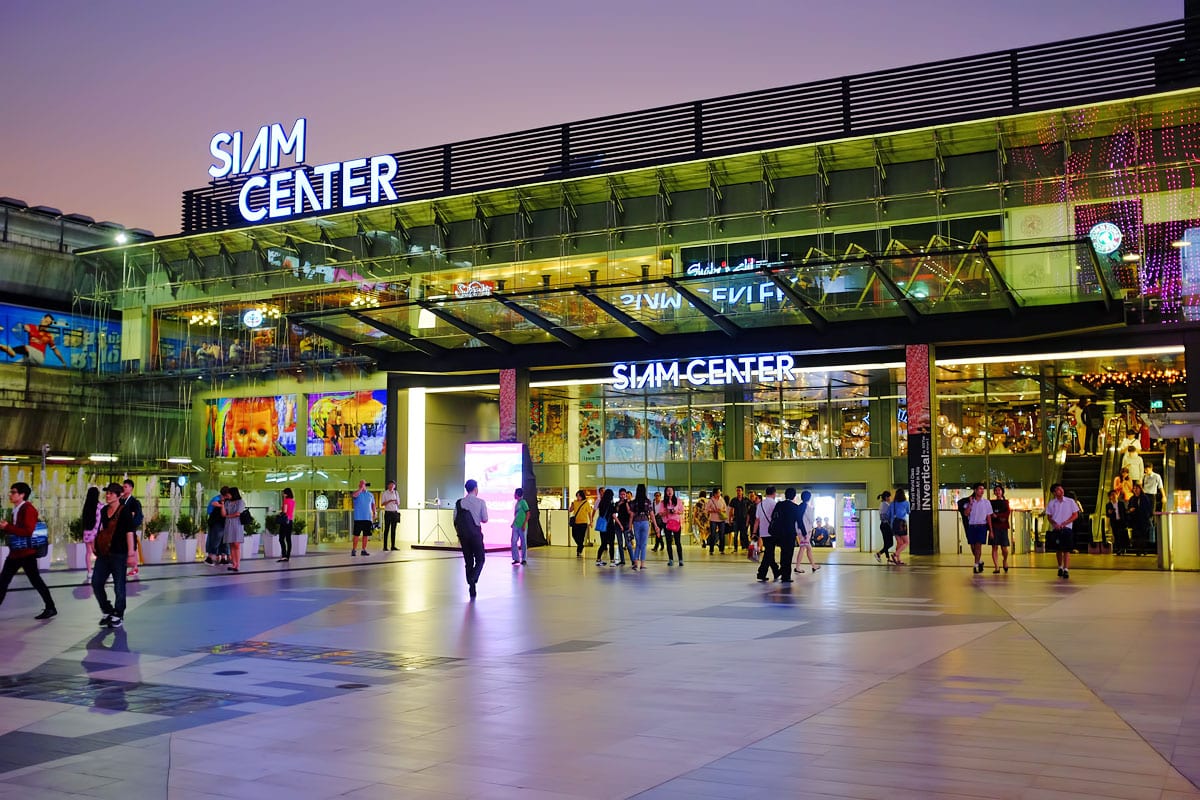
    Owner Siam Piwat says the revamped mall will reopen in the first quarter of next year with a completely renewed retail concept and execution. It follows the success redevelopment of the neighbouring Siam Centre which was reopened in 2013 and was recently named amongst the world’s best shopping centres by the US-based ICSC.

    Siam Piwat is spending 4 billion baht (US$112 million) in revamping both the interior and exterior of the Siam Discovery.

    The company has already adopted the campaign theme “Break the Rules” to promote the renewed retail destination when it reopens.

    The giant vinyl wrapper which has now appeared on the building is designed not just to prmote the redevelopment but to match international safety standards.

    Located in the center of Pathumwan Intersection, the vinyl has been formed into a gigantic billboard on which is the graphic designing of shattering glass.

    “This symbolic image represents a familiar sight of Siam district before being changed to make a better creation,” said a Siam Piwat spokesperson.

    “It is absolutely the talk of the town among both Thais and foreign tourists who look forward to seeing the new look of Siam Discovery. This will also modify Siam district to maintain its rank of being Thailand’s everlasting shopping destination.”

  • Nojima commences Vietnam rollout

    Nojima commences Vietnam rollout

    Japanese consumer electronics retailer Nojima is about to commence its store rollout program in Vietnam, following its acquisition of an additional  21 per cent of local chain Tran Anh Digital Worldlast June.

    The first of the new stores will carry both retailer’s brands when it opens in October inside the new Aeon shopping centre, currently under completion on the outskirts of the capital city Hanoi.

    Like the Nojima stores in Japan, the Hanoi shop will feature wide aisles and LED lighting, and stock a range of Japanese brand appliances. It will also stock Nojima’s house brand Elsonic.

    Tran Anh is based in Hanoi and has 15 stores in the northern regions of Vietnam. It is on track to open as many as nine more stores this year.

    Research house GfK reports home electronics sales in Vietnam exceeded US$5.5 billion last year, the second year in a row growth in the category has exceeded 20 per cent year on year.

    Nojima had held 10 per cent of the shares in Tran Anh before June and now owns about 31 per cent of the business.

  • China online shopping sales soar

    China online shopping sales grew a staggering 48.7 per cent during the first six months of this year, according to data from the China e-Business Research Center (CECRC).

    Online retail sales hit 1.6 trillion yuan (US$250 billion) and accounted for 11.4 per cent of total retail sales in China in the period.

    The number of online shoppers rose 19.1 per cent to 417 million, said the Hangzhou-based eCommerce trend tracker.

    Cross-border eCommerce has become a new driver of retail sales as online retailers connect domestic consumers with an increasing number of overseas brands, according to CECRC analyst Mo Daiqing

    Alibaba’s online marketplace Tmall continues to dominate China’s online business-to-consumer market, with 57.7 per cent of the market. Its rival JD.com comes in second, at 25.1 per cent, followed by a distant third by Suning.com, at 3.4 per cent.

    CECRC also said that more transactions are being made on mobile Internet as online retailers move to encourage consumers to shop with their mobile apps on smartphones and tablets.

    Robust online sales also boosted the revenue of China’s courier services by 33.2 per cent during the same period, to 120 billion yuan. CECRC estimates revenue will top 290 billion yuan for the whole year.

    China’s rural areas, Mo said, have emerged as the next source of growth for retail sales and online retailers are seeking deeper integration with offline retailers, reported Chinese press agency Xinhua.

  • NTUC FairPrice opens $350m HQ

    NTUC FairPrice opens $350m HQ

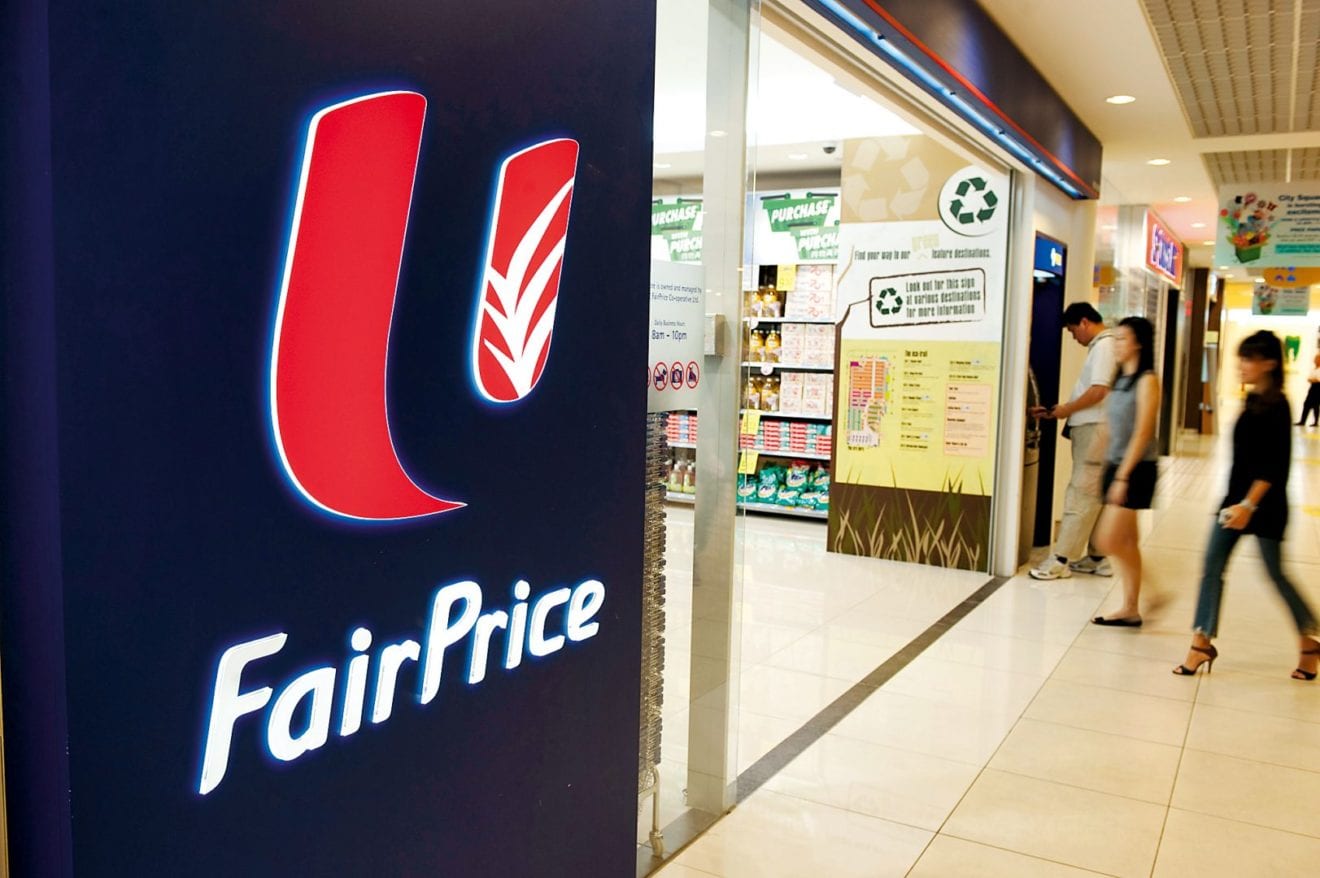
    NTUC FairPrice has officially launched FairPrice Hub, its new headquarters and high-tech distribution centre.

    The $350 million complex is equipped with technological innovations to manage increasing consumer demand for the next 20 years.

    The building was formally opened by Prime Minister, Lee Hsien Loong.

    Bobby Chin, NTUC FairPrice chairman, said FairPrice Hub is “more than just a building”.

    “It is a reminder of our past. It is serving the present and it is preparing for the future. As we celebrate a new chapter in FairPrice, we are reminded that this Hub is a reflection of our history and a tribute to all our founding members and stakeholders including our past chairmen and board members, business partners, members and loyal customers,” said Chin.

    The new distribution centre, which went operational at the end of last year, features a highly automated system that combines the Automated Storage and Retrieval System (ASRS) together with the Caddy Pick system. This system, which is the first of its kind in the Asia Pacific region, uses robotic technology and autonomous vehicles mounted on a monorail system for warehousing operations. The ASRS allows FairPrice to increase its ambient storage space with a warehouse storage capacity of over 52,000 pallets. Designed to manage a throughput of 120,000 cartons per day, it is able to achieve high productivity of 200 cartons per man hour, twice the productivity rate of a conventional distribution centre that uses manual pallet movers.

    FairPrice Hub will also serve as its new headquarters for over 600 employees, who were previously located at five different premises around Singapore. Housing its staff under one roof enables FairPrice to promote closer interaction and boost morale. Staff facilities include a running track, a fully equipped gym, a multi-purpose court, training facilities including an auditorium and a clubhouse for social gatherings.

    NTUC FairPrice has also announced commitment of another $50 million to the FairPrice Foundation by 2020 to help the poor and needy, promote community bonding and support workers’ welfare.

    Said Chin: “Besides staying at the forefront of the latest consumer trends, we will continue to abide by our philosophy to serve, to care and to give. We will Do Well in order to Do Good for the community.”

    FairPrice has since donated $88 million to FairPrice Foundation, which was set up in 2006 to focus its giving efforts to provide a better life for the community.

  • Boucheron Singapore store opens

    Boucheron Singapore store opens

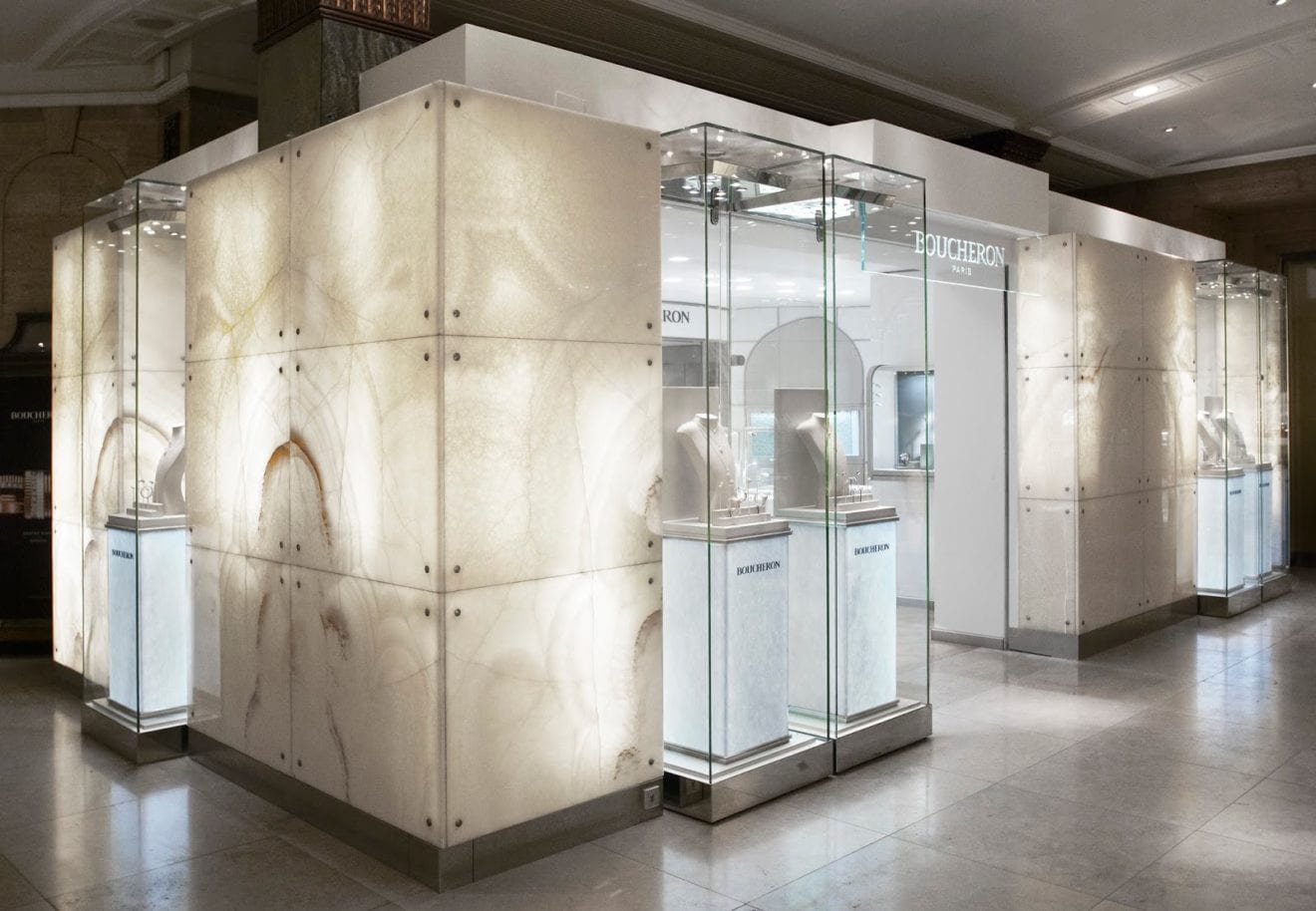
    Paris jeweller Boucheron has opened its first store in Singapore.

    Boucheron Singapore is among several new boutiques recently opened inside The Shoppes at Marina Bay Sands.

    Designed to reflect the famous jewellery brand’s Parisian flagship boutique at 26 Place Vendome, the Singapore store has a sumptuous, luxurious feel to highlight the timeless, elegant nature of its jewellery creations.

    The boutique was opened with a cocktail function early this month where more than 100 guests got the chance to view an exclusive Boucheron jewellery collection flown in from France.

  • Alibaba promises faster deliveries to US

    Alibaba promises faster deliveries to US

    Cainiao, Alibaba Group’s logistics affiliate, has agreed to work with the US Postal Service to speed delivery of merchandise ordered by US consumers on Alibaba’s international online shopping platforms.

    Under a Memorandum of Understanding (MoU), Cainiao and the US’s national mail carrier agreed to collaborate on the development of enhanced shipping solutions for cross-border eCommerce. In addition to helping provide more efficient shipping channels into the US for Chinese merchants and manufacturers selling on Alibaba’s AliExpress global-shopping website, the USPS will also work with Cainiao to expand its worldwide shipping capabilities, especially in South America, according to a press release.

    The global B2C cross-border eCommerce market is expected to grow from $230 billion in 2014 to $1 trillion in 2020, according to a report from global consulting firm Accenture and AliResearch, Alibaba Group’s research arm. To reduce barriers to shipping small parcels quickly on a global scale, Alibaba and related companies have been working with several national mail carriers including Singapore Post and Spanish Post.

    Cainiao VP Wan Lin cited the agreement with the USPS as “a key part of Alibaba’s globalisation strategy and our vision to enable consumers around the world to enjoy the convenience and benefits of e-commerce”.

    With more than 600,000 employees, the USPS is the leading postal and shipping service provider in the US, the world’s biggest consumer market.

    Cainiao and the USPS said by working together they are aiming to make it easier and more efficient for Chinese companies to sell and deliver goods directly to the homes of US consumers by improving the way goods purchased from China are processed and handled during international shipping.

    “As cross-border eCommerce grows rapidly, it is critical that we evolve shipping services to the next level, with shorter delivery times and easier methods to track a shipment,” said Wan in a statement.

    “The collaboration between Cainiao and USPS will enable us to create new solutions and ultimately improve the overall customer experience.”

  • Smiggle speeds Asian expansion

    Smiggle speeds Asian expansion

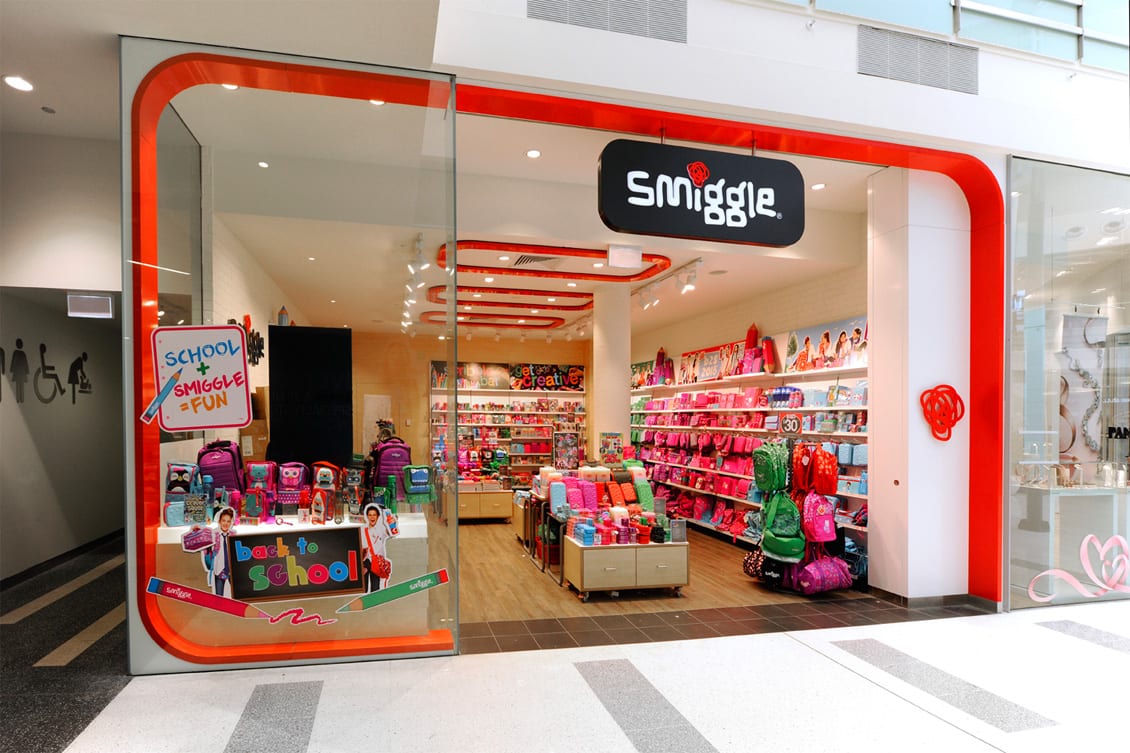
    Smiggle, the trendy, stationery retail concept from Australia, is to open stores in Hong Kong and Malaysia within 14 months.

    Smiggle – popular with students and people seeking gifts – has proven an enormous success in Singapore for its parent, Melbourne-based Premier Investments. During the announcement of the company’s trading results yesterday (read about Premier’s year here) founder and chairman Solomon Lew outlined plans to expand into Hong Kong, Malaysia, Wales and Scotland over the next 14 months.

    Based on trading figures from the company’s Singapore store network, Lew said management expected Hong Kong and Malaysia to support 50 stores within five years.

    “I am pleased to announce the expansion of the Smiggle footprint in Asia through entry into two new markets, Malaysia and Hong Kong.”

    Smiggle’s worldwide sales rose 26 per cent. The company opened 24 stores in the UK during the last trading year and expects to have another 16 open before Christmas.

    Lew says both Smiggle and its sleepwear chain Peter Alexander performed beyond expectations in the year past.

    The company opened eight new Peter Alexander stores in the first half of the current year and plans as many as 15 more over the next two years in Australia and New Zealand.

  • Lawson to accept UnionPay

    Lawson to accept UnionPay

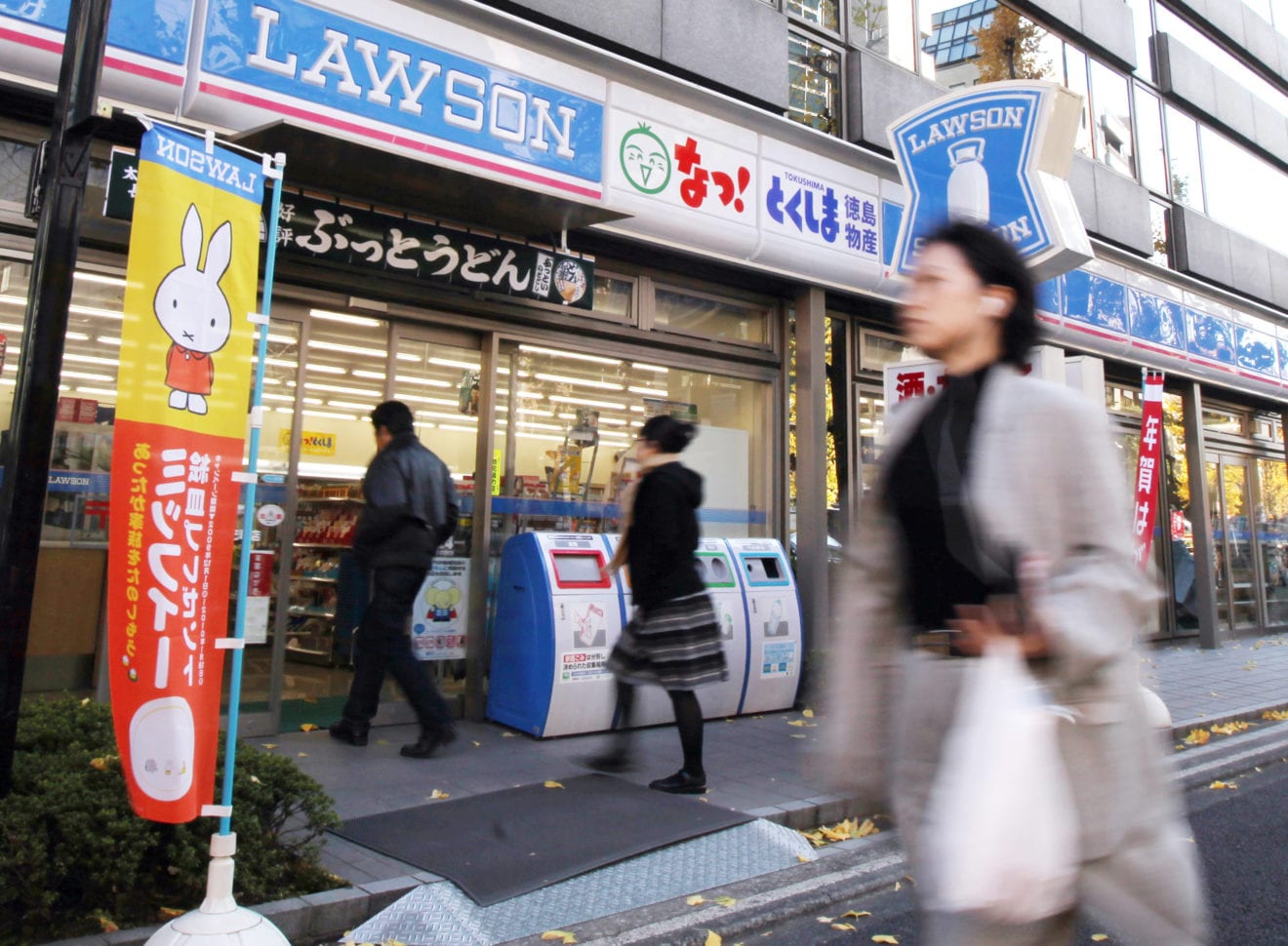
    Japanese retailer Lawson has installed 1000 ATMs in a new network to help Chinese tourists access their cash via UnionPay cards.

    And from September 24, customers will be able to pay for purchases using UnionPay credit cards at all Lawson stores in Japan – that’s 12,195 stores, trading under the Lawson, Natural Lawson and Lawson Store 100 banners.

    From September 28, customers can also withdraw Japanese yen by UnionPay credit or debit card on the newly introduced ATM network which will eventually be expanded to more than 2000.

    During the Chinese National Day holidays, a large number of Chinese tourists are expected to visit Japan. During this holiday season, Lawson will launch a coupon campaign for customers who use the UnionPay credit card for settlement. Customers who have purchased over 2000 JPY worth of goods using a UnionPay credit card can get a 200 JPY coupon ticket which can be used for their next purchase.

    The campaign runs through the month of October and the coupons can be used until November 7.

    At Lawson stores in Japan, the average shopping amount per payment is 600 JPY. Spending on credit cards is more than twice as much, at around 1300 JPY. Furthermore, in some pre-launched stores where payment by UnionPay card is already available, the average shopping amount made by UnionPay card jumps to about 3000 to 4000 JPY.

    Foreign visitors going to Lawson stores buy not only rice balls and drinks, but also confectionery and daily goods as souvenirs. This campaign will be able to meet a wide range of needs from foreign visitors to Lawson stores.

  • Hong Kong retail ‘moves to the middle’

    Hong Kong retail ‘moves to the middle’

    Hong Kong retail is moving from its traditional luxury focus to the mid market and the demographics of shoppers change, according to a report from CBRE.

    Mid-market retail brands are set to overtake luxury brands  as the main driver of retail demand in the territory, according to the report, The Changing Retail Landscape: How to Survive the  Slowdown in Hong Kong?.

    The Hong Kong retail sector outperformed over the last decade with strong sales growth for high-end products. This generated an increase of 213 per cent in average rents from 2003 to 2014 for core street shops in Causeway Bay, Tsim Sha Tsui, Mong Kok and Central.

    “But the tailwind for luxury retailers has slowed since 2014 hindered by a range of factors including Chinese government’s anti-corruption measures, milder GDP growth in China, weakening Asian currencies and the loosening of policies on travel for mainland Chinese,.” says CBRE in a summary of the report.

    These are all unfavorable factors for Hong Kong’s tourism and retail sales. The total retail sales in Hong Kong from January to July 2015 edged down by 1.8 per cent year on year, while sales of watches and jewellery plunged 15 per cent in the first seven months of this year.

    “Despite the gloomy outlook  for the retail sector, opportunities are emerging for mid-market retailers.”

    “The retail sector is experiencing a structural change,” said Joe Lin, executive director, retail services, CBRE Hong Kong.

    “Over the past decade, high-street shop landlords have reaped the benefits of strong demand from luxury retailers and massive rental growth. Landlords must now be more realistic on rental negotiations, as luxury retailers are adjusting their leasing strategies to save costs, and more mid-range brands are looking to tap into prime locations at relatively affordable rental levels. This opens the door for mid-market brands to expand. In the last quarter, we saw prime street shops leased to mid-market brands following the lease expiry of the previous luxury goods retailers.”

    To cope with the slowdown, luxury retailers are consolidating their second-tier shops, which will increase space availability in the market. Some high-end fashion, cosmetics and watch and  jewellery retailers have either stopped renewing leases or surrendered spaces well ahead of  expiry. However, they will still strive to secure flagship premises in strategic locations with  prominent addresses and good visibility, which means a higher marketing value. They may also introduce secondary lines at accessible prices, targeting young consumers with a growing  demand for mid-market products.

    Consolidation by luxury retailers in Hong Kong implies that the tenant composition in some prominent retail locations will gradually change. Meanwhile, mid-range retailers previously not able to afford to lease a space in prime locations are now looking to take up vacant space  surrendered by luxury brands. Landlords are more willing to negotiate with tenants for more  affordable terms. While rents are generally falling, shops in the most strategic locations with  good footfall and visibility are not expected to run into high vacancy risks as long as landlords are prepared to be flexible in leasing terms.

    “The sales performance of luxury products is heavily reliant on the external factors mentioned,” said Marcos Chan, head of research, CBRE Hong Kong, Macau and Taiwan.

    “In contrast, the demand for mid-market goods from both tourists and local consumers is relatively steady.”

    CBRE foresees three trends in the next five years:

    • The main driver of demand for retail space are shifting from high-end consumer goods to mid-market brands;
    • Local demand will gradually regain a bigger share in total retail sales compared with tourist spending; and
    • Decentralised areas will provide a significant proportion of new retail space, offering more leasing options.

    “These trends suggest that retail market stakeholders, including  luxury and mid-market brands, and street shop and shopping mall landlords, will have to reconsider their business strategies,” said Chan.

    “Structural changes in the retail landscape will ultimately result in a more balanced and sustainable retail market in Hong Kong,” added Lin.

    “The tenant mix of both core areas and sub-markets will become more diverse, enabling both high-end and mid-market brands to offer a broader range of products to consumers. Domestic spending will get retailers’ attention and the mid-market sector will see healthy growth potential.

    “We would recommend mid-market retailers to continue to explore opportunities in emerging districts. This will ensure they obtain first-mover advantage. Meanwhile, street shop landlords should lower their rental expectations and consider leasing to mass-market brands to avoid long-term vacancy.”

    The lack of supply in the market is another reason for pushing retail rents to a high in past years. CBRE believes that supply in the next five years will ease some pressure on retailers on rental expense but new options in the core shopping districts will continue to remain limited.  The development of several new towns in more remote districts will result in substantial growth  in residential and working populations that will need to be served with by shopping facilities.

    CBRE estimates that in the next five years, 70 per cent of the new supply will be in non-core districts and 5.6 million sqft of retail space will be shopping arcades for residential estates.

    “This will provide opportunities for mid-range retailers to expand their store networks targeting the mid-to-high income households. Government statistics suggest that the catchment areas of these regional malls usually have an above-median household income.”