Tag: Retail

  • WS Retail’s Logistics Division Has Been Bought Back By Flipkart

    WS Retail’s Logistics Division Has Been Bought Back By Flipkart

    Flipkart Ltd., the parent company of India’s homegrown ecommerce portal Flipkart.com, which is based in Singapore, has bought back the shares of their logistics business from WS Retail. Business analysts are predicting that this move has been made keeping in mind their IPO launch, which can happen somewhere between 2016 and 2017.

    This acquisition has been made via Instakart Services Pvt Ltd., a new entity which was formed in June, 2015. This new entity’s directors are Ankit Nagori (Chief Business Officer at Flipkart) and Rajnish Singh Baweja (Flipkart’s Finance Controller). It is not yet clear how much money has been traded in this acquisition, and Flipkart has refused to share more details.

    One spokesperson from Flipkart said, “We, as a policy, do not comment on specific transactions.”

    Flipkart’s IPO Plans

    By purchasing the logistics arm of WS Retail, a company which is again, a part of Flipkart Ltd., the management is trying to simplify the company structure and make it more presentable for public listing scrutiny in near future.

    In May this year, Flipkart Chief Financial Officer Sanjay Baweja said that Flipkart is not looking for IPO for the next couple of years, as they are not ready with the strict regulations and scrutiny which comes with it.

    Sanjay had said, “We are still at a stage where we do not want to stand scrutiny on a quarterly basis. We would rather keep ourselves private for as long as we can and then we will see what lies ahead.”

    Considering that Flipkart is headquartered in Singapore, an Indian listing is not possible. As per insider sources, Flipkart is aiming for a listing at New York based NASDAQ, which is world’s second largest stock market.

    Flipkart’s Complex Company Structure

    As per various speculations, WS Retail will be closed down in the next few years, as Flipkart will convert fully into a marketplace and advertisement based business model, ditching inventory based model.

    WS Retail was actually created to get around the strict FDI rules in India. WS Retail was formed in 2009, as a seller on Flipkart’s own platform.

    Technically, WS Retail buys the products from Flipkart India Pvt. Ltd., and sells to Indian customers. Flipkart India Pvt. Ltd. is the B2B division of Flipkart Ltd. And as FDI is allowed in B2B ecommerce, but not in B2C; this arrangement made sense to the tax collector.

    However, In 2013, Flipkart sold WS Retail to a group of investors led by former OnMobile Chief Operating Officer Rajiv Kuchhal. This was done to comply with other FDI norms in India, as a special investigation had started to look into the tax issues inside the company.

    Buying back the logistics arm from WS Retail is just the start of a new restructuring process, specially aimed for the IPO listing or so we think…

    We will keep you updated as more details come in.

    “WS Retail’s Logistics Division Has Been Bought Back By Flipkart Ltd; Is It Preparation For IPO Launch?”, 5 out of 5 based on 2 ratings.
  • Hong Kong plans upgrade to industrial estates

    Hong Kong plans upgrade to industrial estates

    Alan Ma Kam-sing, chief executive of Hong Kong Science and Technology Parks told that the first phase will see multi storey factories build by 2020, with a focus on “high value-added” clients such as robotics, pharmaceuticals and biomedical manufacturers.

    Ma’s company runs three industrial estates in Hong Kong and has already updated its policies to attract more technology related tenants, he said.

    These tenants will not be using “labour-intensive production, but rather modern manufacturing fueled by science and technology. This will create new industries and job opportunities throughout the advanced manufacturing value chain,” Ma said, speaking ahead of a conference on science parks and “areas of innovation” in Beijing.

    Reindustrialisation through innovation and technology is needed to counter Hong Kong’s reliance on finance and real estate, Ma said.

    Hong Kong can attract tenants due to its strong technology infrastructure, rule of law and intellectual property protection.

    Hong Kong based technology expert Paul Haswell of Pinsent Masons, the law firm behind Out-Law.com said: “High rental prices for tenants as well as an infrastructure that is built more for finance companies and retail has meant that whilst there is an abundance of tech innovation in Hong Kong, those innovators can find it hard to find a base from which to build a business.”

    “Hong Kong’s Science and Technology Park offers excellent space and facilities, as well as attractive terms for tech startups, but those startups find it hard to survive once the time comes to expand beyond the Science Park. As such, any plan to utilise Hong Kong’s warehouse and disused industrial space to build an environment where technology business should be encouraged,” Haswell said.

  • ANZ expands retail footprint in China

    ANZ expands retail footprint in China

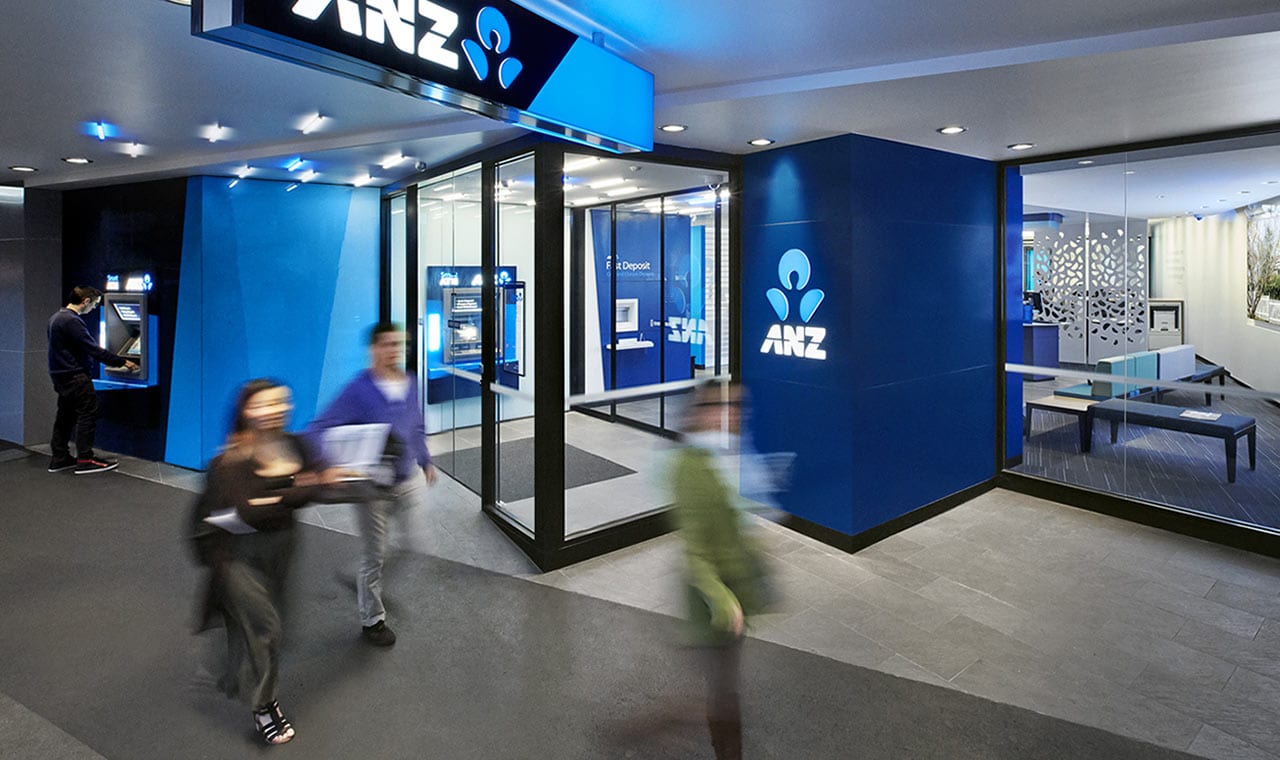
    The Qingdao branch will cover the entire Shandong Province and will offer products and services for ANZ’s corporate customers.

    Mike Smith, chief executive of ANZ, said that with a significant and growing presence in China and a network across 34 markets in the Asia Pacific, Europe, the Middle East and America, the bank is uniquely placed to support its clients looking to grow in Qingdao and the Shandong Province.

    Mr Smith said Qingdao and Shandong Province have established long-term relationships with Australia, and highlighted “major potential” for further growth in bilateral trade and investment.

    “This includes opportunities in industries such as natural resources and agriculture, and the opportunities created through the China-Australia Free Trade Agreement,” he said.

    “With our new branch, we look forward to enhancing cooperation in the Qingdao and Shandong government, and to continuing to support the development of the local financial industry.”

    Huang Xiaoguang, chief executive of ANZ China and head of greater China, said opening the new branch in Qingdao is another step in continuing to grow the bank’s Chinese footprint.

    “As the only locally incorporated Australian bank in China, we will further enhance our capability to provide comprehensive solutions and services to support local enterprises to go abroad,” he said.

    ANZ announced in July the opening of a new branch in Gurgaon, India, to better service its business customers in the country’s north.

  • MAS outlines new safeguards for retail investors

    MAS outlines new safeguards for retail investors

    Retail investors will enjoy a boost in protection with new rules for investments linked to gold and other physical assets. The enhancements also allows flexibility for accredited investors (AIs) to decide on the level of regulatory protection they want to be entitled to.

    The enhancements to its regulatory framework for safeguarding investors’ interests were announced by the Monetary Authority of Singapore (MAS) on Tuesday. They take into account feedback received on its consultation paper published in July last year.

    AIs include individuals whose net personal assets exceed S$2 million or whose income in the preceding 12 months is not less than S$300,000.

    MAS said that consumers should enjoy the regulatory safeguards for non-conventional investment products that are similar to existing capital markets products. The non-conventional investment products – previously not in MAS’ regulatory scope – will be regulated either as debentures or investment funds, depending on their features.

    Precious metals buy-back arrangements involving gold, silver and platinum with guaranteed buy-back at an agreed price will be regulated as debentures. This is because they are widely regarded as financial assets and are commonly used as collateral for such arrangements.

    Collectively-managed investment schemes intended for retail investors will require authorisation from MAS and be restricted to investments in securities or other assets that are liquid (for example precious metals), or have stable income-generating ability such as completed real estate.

    Arrangements that exist before the legislative changes will not be affected, unless additional funds are raised from retail investors after the new laws are in place.

    In the high net worth space, (AIs) will have the option to benefit from the stronger and full range of regulatory safeguards available to retail investors.

    As part of the changes, financial institutions will have to treat new customers who are AI-eligible as retail investors by default, unless the customers choose to “opt-in” to AI status. The latter could be those who wish to retain their easier access to a wider range of complex and risky products.

    For existing AIs, FIs can continue to treat them as AIs, unless they choose to “opt-out” of AI status to benefit from the full range of capital markets regulatory safeguards available to retail investors.

    Mr Lee Boon Ngiap, assistant managing director, capital markets, MAS, said that while the regulatory measures will strengthen regulatory safeguards for retail investors, they are “not a substitute for investor responsibility”.

    “All investments carry risk, so investors should buy only products that they understand and have a level of risk that they are comfortable with. In addition to seeking advice from regulated financial advisers, we encourage investors to visit the MoneySENSE website, which has a wealth of financial educational information to help investors manage their money and better understand financial products,” he said.

    MAS is still reviewing feedback on the remaining proposal to introduce a framework to rate retail investment products on their complexity and risk, and will issue a separate public response later.

  • Shinsegae joins race for duty-free shop in Seoul

    Shinsegae joins race for duty-free shop in Seoul

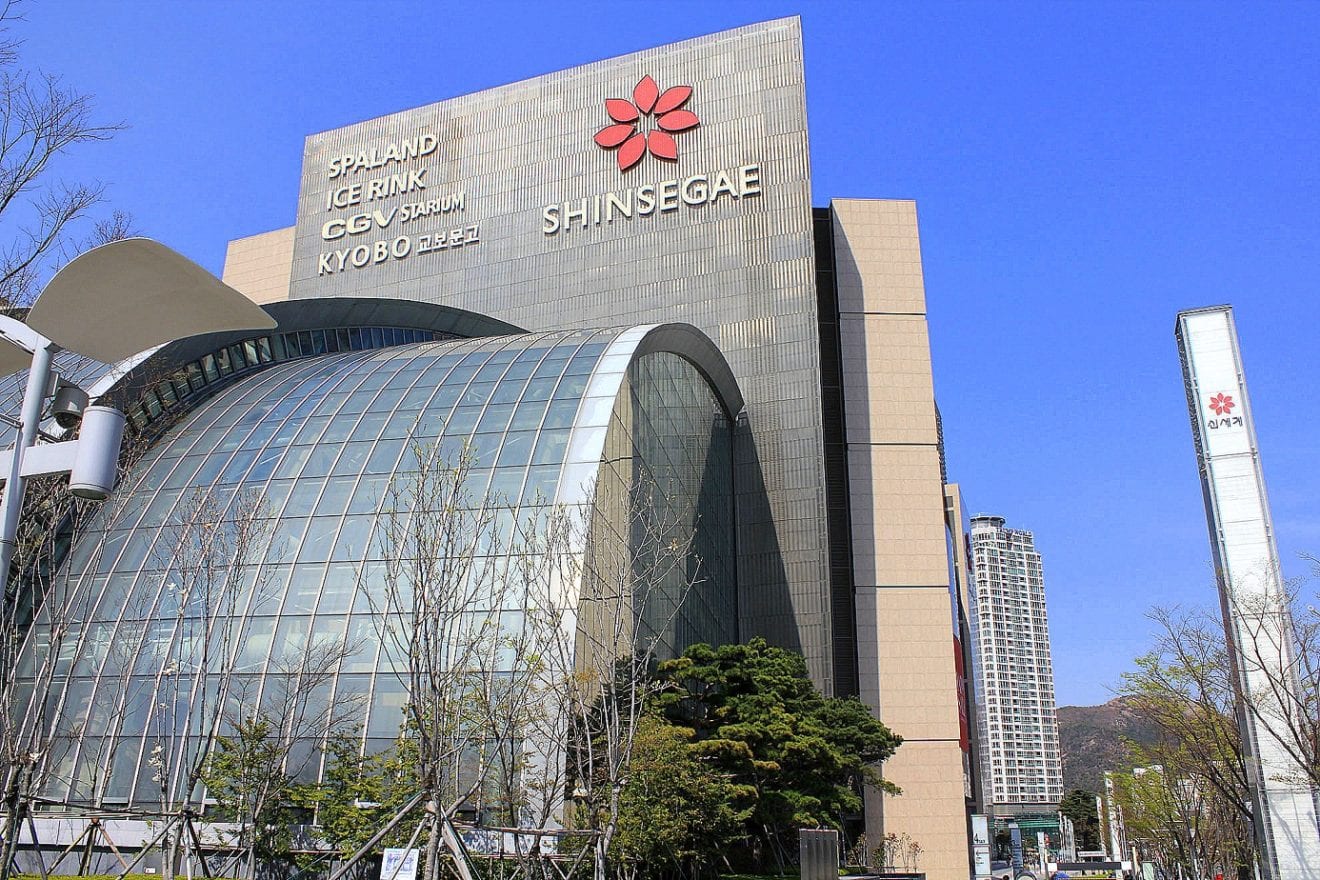
    Shinsegae said it will apply for the highly competitive bid as three duty-free operating licenses are set to expire within the year. The deadline is set for Friday and the Korea Customs Service will announce the result in November.

    Currently, Lotte Duty Free, the nation’s No. 1 operator, has two stores in Myeongdong, a major shopping district, and the affluent Gangnam region, and SK Networks Co., a trading and hotel unit under SK Group, has a store in the Sheraton Grand Walkerhill Hotel in the southeastern part of the capital.

    Separately, Shinsegae will renew its operating license for Paradise Duty Free in the southern port city of Busan as its current license also expires in December.

    “We will propose a multi-complex shopping mall in Myeongdong, the nation’s No. 1 tourist attraction,” said Sung Young-mok, who is in charge of Shinsegae’s duty free business. “For Busan, we will relocate the duty-free shop to Shinsegae Centum City to recreate it as Busan’s tourism icon.”

    It is the second bid this year after Shinsegae applied for a new license in May, proposing to renovate its landmark outlet in Myeongdong. The building, established in 1930, was home to the country’s first department store.

    If it wins the bid, the retail giant will be opening its first duty-free store in downtown Seoul.

    The bid is seen as a major opportunity for local retailers who are in search of new cash cows amid lackluster domestic demand. Duty-free stores have emerged as one of the most lucrative retail channels in tandem with a sharp influx of deep-pocketed shoppers from China.

    Last year, the six duty-free stores across the capital, mostly dominated by Lotte, posted combined sales of 4.4 trillion won (US$4 billion). Sales by a Lotte Duty Free branch in the Myeongdong area accounted for a whopping 45 percent of the total.


  • Hong Kong and Macau – Bundy’s new export destinations?

    Hong Kong and Macau – Bundy’s new export destinations?

    BUNDABERG Regional Council continues to engage with senior representatives of the Hong Kong Food Association with a view to establishing trade links to supply Hong Kong and Macau with locally grown produce.

    A delegation from the Hong Kong Food Council, Hong Kong Food Hygiene Administrators Association and Food Professionals Association visited Bundaberg from September 9 to 11 at the invitation of Mayor Mal Forman to meet with local horticultural experts and educators.

    Acting Mayor David Batt said the Bundaberg Horticultural Forum provided an exceptional opportunity to showcase the regions extensive produce portfolio.

    “The meeting in Bundaberg has since been followed up by a presentation in Hong Kong with the Hong Kong Trade and Investment Queensland (TIQ) Commissioner, Angela To presenting a detailed overview of opportunities in the Bundaberg Region.

    “It is important that as a region, we access every opportunity that comes our way regarding promoting our potential for investment, development and export.”

    Cr Batt said discussions would be ongoing between the two parties.

    “Hopefully, a further meeting may be organised for later in the year to build on the momentum these recent meetings have established,” he said.

    “The connections we have established with Nanning through our sister city relationship and now the opportunities that are being presented through this growing association with Hong Kong certainly add an exciting dimension to the expansion of horticultural activities through the Bundaberg region.”

    According to Cr Batt any return visit would be held in November to coincide with the 2015 Hong Kong Food Fiesta which runs from November 27 to December 1.

    “This would present an incredible opportunity for local producers who may wish to display their products in such a vibrant marketplace environment,” he said.

    Council economic development spokesman Greg Barnes said council’s economic development unit will continue to nurture the emerging relationship and work closely with TIQ to assist businesses interested in export opportunities with Hong Kong.

    “Anyone interested in promoting their products to the retail and wholesale sectors of the Hong Kong food industry can contact Council’s Economic Development team on 1300 883 699 or email [email protected].

    “Alternatively, contact Dion Taylor (0448 197 835) who has been instrumental in co-ordinating and organizing the business to business meetings between local producers and Hong Kong food industry professionals,” said Cr Barnes.

  • Jazz promotion hits road in Thailand

    Jazz promotion hits road in Thailand

    Jazz apples have quickly built up a niche following in Thailand over recent years, driven by the extensive marketing efforts of importer Vachamon and its supply partner T&G/Enza, which owns the rights to the variety.

    But Vachamon is not resting on its laurels. By its own admission, sales of Jazz are heavily concentrated on Bangkok and cities within a three-hour reach of the Thai capital, and the importer recently took a roadshow promotion to key regional provinces to expand the apple’s profile.

    “We want to sell Jazz on a national scale and boost our import volumes,” Vachamon’s managing director Wipavee Watcharakorn told Asiafruit. “Volumes have been quite stable for the past couple of years, with around 300 container loads coming in from New Zealand, and 100 container loads from France and the US.”

    Accompanied by Jazz ambassador – Thai actor Lek Teeradetch – Vachamon’s roadshow targeted three key regions during August: Chiang Mai, Udonthani and Phuket.

    Chiang Mai, the largest city in northeast Thailand, has a population of 1m in the metropolitan region.

    Udonthani, another major official and commercial centre in the northeast of the country, is a gateway to Laos and southern Vietnam. The city has population of almost 400,000 while the province is home to more than 1.5m people.

    Meanwhile, popular tourist destination Phuket is Thailand’s largest island. Its population of 600,000 people, a mix of international expats, migrants and locals, has significant buying power.

    In each region, Vachamon has adopted a three-pronged marketing campaign with activities spanning morning, afternoon and evening.

    “In the morning, we visited the wholesalers at the wholesale market and went to the popular wet markets in each city. We introduced Jazz to the merchants and handed out free samples for tasting,” said Watcharakorn.

    “In the early afternoon, we held retail promotions at Big C in Chiang Mai, Makro in Udonthani and Tesco in Phuket. We worked with all of the retailers to host activities and games in their fresh produce departments and run consumer promotions,” she continued.

    “In the evening, we visited the walking streets (pedestrian areas) of each city to meet and greet local consumers.”

    On the back of the roadshow activities, Vachamon has also put systems in place further support the campaign and expand sales.

    In Chiang Mai, Vachamon has recruited a regional manager to build a continuous business for the company in the city. “Our manager visits the market every week, bringing regular samples to the merchants for free tastings and getting the promotions set up with retailers,” said Watcharakorn.

    Vachamon’s new distribution hub in Khonkaen, located two hours from Udonthani, is due to open soon, and Watcharakorn says it can also be utilised to serve the wholesale market in Udonthani.

    In Phuket, Vachamon is focused on working with key distributors as well as cash and carry chain Makro to ensure smaller merchants have access to its fruit.

    Vachamon has set up a redemption programme with Makro stores in all three regions. Under the promotion, which is due to kick off next month, customers who purchase 300 cartons of Jazz apples within a month receive a free Jazz apple suitcase.

    With such operations and activities in place to support sales, Watcharakorn is confident the provincial regions can help to grow Jazz volumes in Thailand by around 30 container loads per year.

  • The Philippines-headquartered BDO Unibank Sets up Representative Office at DIFC

    The Philippines-headquartered BDO Unibank Sets up Representative Office at DIFC

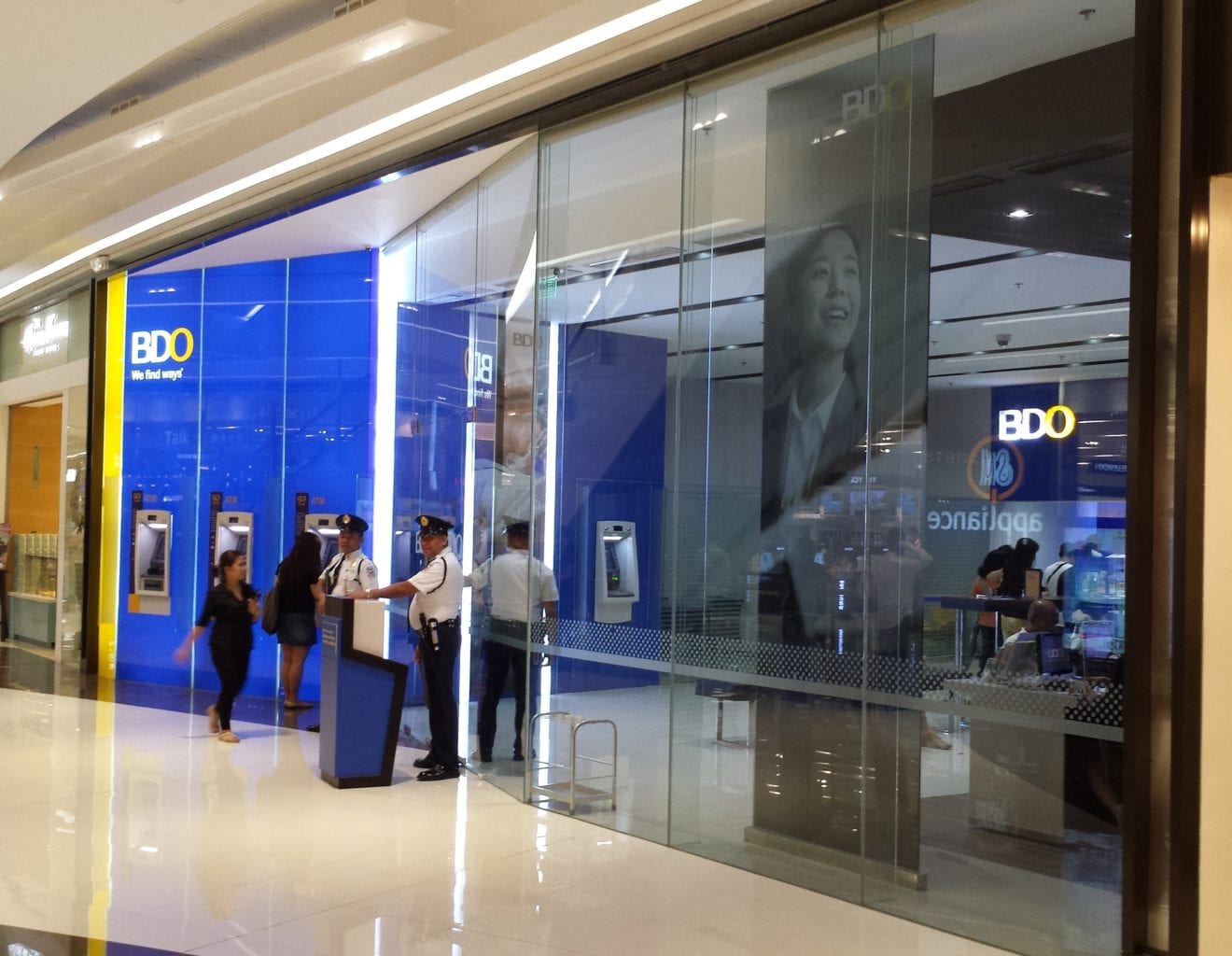
    Dubai International Financial Centre (DIFC), the financial and business gateway between the Middle East, Africa and Asia, today welcomed BDO Unibank – the first Philippine bank to operate in its premises.

    The UAE is home to an estimated 700,000 Filipino expatriates and BDO Unibank’s objectives include supporting them, while facilitating investments and money flow to the Philippines.

    Arif Amiri, Deputy CEO of DIFC Authority , said: “We are pleased to welcome BDO Unibank, a leader in the financial services field from the Philippines. This is a direct outcome of our overall strategy to facilitate integration between the Asian and Middle Eastern companies.”

    “We remain conscious of the diverse demographic constituents of the UAE and are committed to catering to the evolving requirements of each population segment,” Amiri added.

    BDO Unibank, the largest bank in the Philippines, provides a variety of corporate, commercial and retail banking services, including traditional loan and deposit products. This is in addition to treasury, trust banking, investment private banking, cash management, leasing and finance, remittance, insurance, retail cash cards and credit card services.

    Commenting on the decision to set up base in DIFC, Nestor V Tan, President and CEO – BDO Unibank said: “BDO Unibank’s establishment of a representative office in Dubai is driven by its objective to further widen our overseas network to provide support to the Overseas Filipino Workers (OFWs) and residents. This expansion into Dubai will boost our capability to service the needs of our countrymen in the entire Middle East and, hopefully, make the bank a catalyst for the progress of financial inclusion of the expatriates in the Philippines.”

    Committed to concretising its position as one of the world’s top five financial hubs, DIFC announced its 10-year growth strategy in June this year, aiming to maximise symbiosis amongst clients and further expand the Centre’s regulatory and physical infrastructure.

    Asia remains a key strategic focus for DIFC. As part of this priority, the Centre has been proactively engaging with players in the region through roadshows in China and India.

    DIFC aims to grow the financial sector’s share of the UAE economy to 18 per cent of the GDP by 2024, compared to its 12 per cent share in 2013.


  • Apple IPhone 6s, IPhone 6s Plus To Be Available At Retail Stores From Friday

    Apple IPhone 6s, IPhone 6s Plus To Be Available At Retail Stores From Friday

    Apple Inc. said Monday that its latest smartphones, the iPhone 6s and iPhone 6s Plus, will be available at the technology giant’s retail stores at 8 a.m. local time on Friday, September 25.

    The company also noted that more than 50 percent of existing devices have upgraded to iOS 9, its newest mobile operating software that was rolled out last week, marking the fastest iOS adoption ever.

    Apple said its retail stores will have the new iPhones available for walk-in customers, who should arrive at a store early. Both models will also be available on Friday from AT&T Inc. ( T ), Sprint Corp. ( S ), T-Mobile US Inc. ( TMUS ), Verizon Wireless, additional carriers and select Apple authorized resellers.

    Philip Schiller, Apple’s senior vice president of Worldwide Marketing said, “Customer response to the iPhone 6s and iPhone 6s Plus has been incredibly positive, we can’t wait to get our most advanced iPhones ever into customers’ hands starting this Friday. iOS 9 is also off to an amazing start, on pace to be downloaded by more users than any other software release in Apple’s history.”

    In early September, Apple unveiled its iPhone 6s and iPhone 6s Plus smartphones with a faster processor, new 3D Touch capabilities and an improved camera, seeking to woo customers ahead of the holiday season and to assuage investors that its flagship device still has the mojo to sustain growth.

    The phones, which look like their predecessors, are powered by A9 chip, have a new feature called 3D Touch that lets users make commands as well as avail shortcuts and menus by pressing down on the screen.

    Last Monday, Apple said it is on track to beat last year’s record for first weekend sales of iPhone 6 and 6 Plus, when sales breached the 10 million mark within just three days of its sales launch on September 19, 2014.

    The iPhone 6s and iPhone 6s Plus will be available in gold, silver, space gray and the new rose gold metallic finishes for $0 down, with 24 monthly installment payments that start at $27 and $31 respectively, from Apple’s retail stores in the U.S., Apple.com, select carriers and Apple authorized resellers.

    Both the smartphone models will also be available from Friday in Australia, Canada, China, France, Germany, Hong Kong, Japan, New Zealand, Puerto Rico, Singapore, the UK and the U.S. The iPhone will be available by reservation only in China, Hong Kong, Japan and U.S. stores in tax-free states.

    Starting this Saturday, September 26, customers will be able to visit Apple.com to reserve their iPhone for pick-up at their local Apple Store, based on availability. Apple noted that most Apple stores will also have iPhone available for walk-in customers each day.

    Every customer who buys an iPhone 6s or iPhone 6s Plus at an Apple retail store will be offered free Personal Setup to help them customize their iPhone by setting up email and show them new apps from the App Store.

    Apple-designed accessories, such as leather and silicone cases in different colors and Lightning Docks in color-matched metallic finishes, will also be available.

    While unveiling the iPhone 6s and iPhone 6s Plus earlier in September, Apple had said that the devices will come with iOS 9, which would be available as a free software update.

    iOS 9 brings more features to iPhone with a Proactive assistant that is similar to Android’s Google Now service, powerful search and improved Siri features, along with an improved security feature.

    Built-in apps on iOS 9 feature redesigned Notes app, detailed transit information in Maps, and a new News app that displays news from several sources.

    AAPL is trading at $114.33, up $0.88 or 0.78 on a volume of 4.44 million shares.


  • Myanmar retail sector ringing up sales

    Myanmar retail sector ringing up sales

    Rising incomes, an expanding economy and changing consumer patterns are attracting a growing number of international brands to Myanmar. By fuelling competition amongst existing players, their presence is expected to trigger an improvement in the range and quality of products and services on offer.

    International attention has been driven by bullish retail growth, which has expanded by an average rate of 7-15% per annum since 2011.

    Daw Win Win Tint, managing director of leading retailer City Mart Group and president of the Myanmar Retailers Association, told OBG international bands are attracted to Myanmar’s strong economic growth and increasing consumer purchasing power.

    “The average basket of goods continues to grow by around 10% per year mainly due to increasing spending power in urban cities, especially Yangon, where salaries have risen significantly,” she said.

    Fast moving

    Several international brands have made forays elsewhere the retail supply chain, making strategic greenfield investments in local processing. In the fast-moving consumer goods (FMCG) segment, Carlsberg and Heineken both opened brewing factories in Myanmar earlier this year through joint ventures with local partners, and Japan’s Kirin acquired a 55% stake in market leader Myanmar Beer for $560m in August.

    While modern retail currently accounts for just 10% of the FMCG segment, Daw Win Win Tint expects restrictions on foreign retail chains entering the Myanmar market to be lifted sometime in the future. As local purchasing power grows and Myanmar consumers have greater exposure to foreign brands via the internet and international travel, demand in the FMCG segment in particular is expected to rise.

    “There needs to be more awareness of the potential of the FMCG sector, as Myanmar has a population of approximately 51m and the prospects of becoming a manufacturing hub for South Asia,” she told OBG.

    Rising tide of consumerism

    Industry observers forecast a surge in consumer activity in the coming years, with the McKinsey Global Institute predicting in mid-2013 that Myanmar’s GDP would expand by more than four-fold by 2030, from around $45bn to $200bn. The group also predicted that rising incomes would fuel expansion of the country’s consumer class, jumping from 2.5m to 19m over the period, with consumer spending to triple to $100bn per year.

    As the country liberalises its retail market, the division of consumer spending between domestic and international retailers could see a shift. Local consumption habits continue to favour local products, though this is largely due to availability. In the beer segment for example, Myanmar Brewery accounts for more than 80% of sales.

    Though Myanmar consumers may welcome the entry of new brands and chains, such a transformation is likely to be a strain on current operators, who will have to contend with high-profile rivals with international experience and economies of scale. This will force local retailers to adapt to the changing market, which should bolster the portfolio products on offer and promote market efficiency.

    Consumer spending

    In addition to the prospect of greater competition, a decline in consumer confidence has the potential to cool sales in the shorter term. Though consumer sentiment in Myanmar remains among the most positive in the region, according to the most recent MasterCard survey, there has been a recent dip in the outlook of shoppers.

    Myanmar’s rating on the latest consumer confidence index, issued at the end of July, slipped from a regional high of 97.2 in mid-2014 to 81.6. Although still ahead of the South-east Asian average of 71 – second only to Vietnam – the 15.6-point drop was one of the sharpest recorded over the period. Although Myanmar’s position on the MasterCard index may have eased somewhat, any rating above 50 suggests that consumers remain optimistic.

    Weaker sentiment could be due in part to upcoming elections, scheduled for November, though increasing inflation is also likely to be a factor. According to the IMF, inflation reached 8% at the end of May. While low compared to an average of 23% between 2001 and 2010, this represents an increase from the 5% and 6.1% registered in FY 2011/12 and FY 2012/13, respectively.

    The ongoing depreciation of the kyat and crackdown on dollarisation could also be impacting consumer confidence, with the currency falling some 25% year-to-date against the US dollar in August. In addition to affecting the price of foreign goods, this downward movement has also increased the cost of local goods that rely on imported components.


  • Eslite Hong Kong adds second store

    Eslite Hong Kong adds second store

    The ranks of English language bookshops in Hong Kong may be dwindling, but someone forgot to tell Taiwanese retailer Eslite.

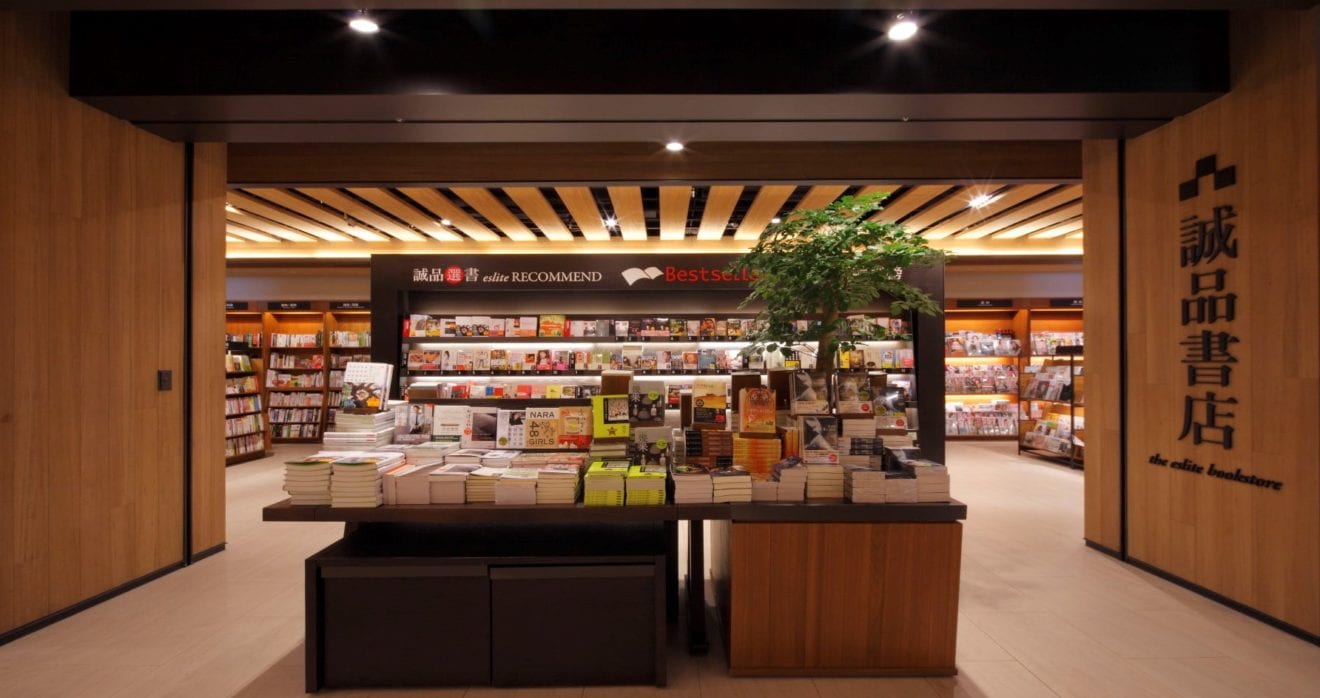
    The second store will be themed ‘Travellers, Taiwan, Diversity and Culture’, spread over two floors of Star City at 3 Salisbury Rd. It will feature more than 25,000 titles in Chinese and English and trade 12 hours a day, from 10am to 10pm.

    The doors will open on October 1 with an official launch planned for October 9.

    Eslite has enjoyed huge success with its Hysan Place store, a multi-storey venue which is as much a place to dwell as to buy books. While it cut back its trading hours from 24-seven to a late night closing, its customer numbers and sales turnover have clearly proven there remains a place for the megastore format. Reports suggest the store sold 706,000 books last year and on average its customers buy three books per visit.

    Smaller rivals like Australian chain Dymocks have closed the doors of at least three stores since 2014 and the iconic design and arts-focused Page One closed its Times Square branch last February after 18 years.

    Eslite, which has 48 stores in Taiwan, has a strategy in overseas markets of building a small number of large format stores with broad selection in major cities. It opened in Causeway Bay in August 2012. Besides books, it sells stationery and gift wares created by Taiwanese artists, and includes a cafe.

  • China’s shopping mall operators struggle against e-commerce

    China’s shopping mall operators struggle against e-commerce

    “The supply of mall space in China is outpacing demand, as growth in retail sales slows because of the country’s lower GDP growth, and in cities where mall space is abundant, vacancy rates have risen substantially,” Marie Lam, an associate managing director with ratings agency Moody’s, said in a report.

    A raft of figures pointed to waning demand at home. China’s retail sales for the first half of the year grew by just 10.4 per cent from a year earlier, the lowest rate since 2004, data released by the National Bureau of Statistics showed.

    Although acknowledging that the outlook will continue to be murky for China’s traditional retailers, Bank of China International analysts led by Tang Jiarui noted consolidation may sweep across some of the major players in the sector, discarding the weak players and leaving the stronger ones as the survivors. “The distress, on the other hand, may give birth to a mergers-and-acquisitions boom. We see some of the leading regional shopping mall operators, including Wuhan-based Zhongbai Holdings, the potential buying targets of industrial powerhouses eyeing expansion,” she said.

    Unfazed by a flagging economy, Chinese developers’ headlong rush to branch out and build more shopping malls show no signs of dying down.

    China made up of 44 per cent of total global shopping mall completions in 2014, data from real estate consultancy CBRE said. The amount of mall-space in the pipeline is even more massive, representing 60 per cent of the total worldwide.

    In 2014, the retail space under construction in China soared by more than 50 per cent year-on-year, compared with a 21.8 per cent rise of the global total for the same period.

    “Demand for mall space from retailers in China is not catching up with supply,” Lam said.

    Adding to the burden on those brick and mortar retailers are their e-commerce rivals that managed to post robust results even as the economy grew at its slowest pace in a quarter century. Online retail sales registered a 48.7 per cent jump in the first six months of 2015 from a year earlier, according to the China e-Business Research Centre.

    A study by Fung Business Intelligence Centre found department stores in China were the worst performers among all retail formats last year with many forced to close shop.

    “Fragile global and domestic economies …competition from speciality stores and online retailers were major reasons for stores’ weak performances,” the Fung report said.

    Many of traditional retailers have been shifting to asset-light business models or exploring the online-to-offline business mode to get by.

    But a transformation can be painful for any company with more uncertainty the rule going forward.

    “Success also depends on whether the changed mall can differentiate itself from other malls that have also undergone facelifts,” said Lam, who saw rising difficulty for some shopping mall property developers in refinancing the loans they took out to shift gears.

  • Counterfeit Hong Kong-brand mooncakes found in Shenzhen

    Counterfeit Hong Kong-brand mooncakes found in Shenzhen

    As the Moon Festival on Sept. 27 draws near, Hongkongers who buy mooncakes of well-known local brands or receive them as gifts need to be careful, because they might be imitations from the mainland, Apple Daily reported Friday.

    At the Longxi market in Shenzhen’s Longgang district, reporters from the newspaper found hawkers still selling counterfeit mooncakes masquerading as products of Hong Kong’s Maxim’s Group and Wing Wah Food Manufactory Ltd., despite a recent crackdown by local authorities.

    The hawkers claim the mooncakes were imported from Hong Kong.

    However, they cost as little as HK$100 (US$12.90) per box of four, about half the price of the genuine mooncakes in Hong Kong. The counterfeits’ packaging bears the correct QR codes, but it doesn’t have the anti-fake codes that only the original products have. Maxim’s said it is aware of such imitation products and reserves the right to pursue legal action.

    It called on consumers to refrain from buying its mooncakes in grocery stores or at hawker stalls. Hong Kong-made mooncakes are popular among mainland Chinese, who buy an estimated 20 billion yuan (US$3.14 billion) worth of them a year. One reason counterfeits are rampant this year may be the official ban on mooncakes imported from Hong Kong that contain egg yolks, on the grounds of disease prevention.

    The ban has resulted in a serious shortage of the genuine mooncakes in the mainland, leading to big price hikes, the report said.

    On Taobao, the online shopping mall operated by Alibaba Group Holdings Ltd., Hong Kong-made mooncakes are much pricier than at retail stores in the city, some being offered at as much as HK$100 more per box.


  • Silverlake Axis buys retail banking software firm SunGard Ambit for $12m

    Silverlake Axis buys retail banking software firm SunGard Ambit for $12m

    Singapore-listed Silverlake Axis has reached a deal to buy local firm SunGard Ambit (Singapore) Pte. Ltd. (previously known as System Access Limited) for $12 million.

    Silverlake, that provides digital economy solutions and services, told the Singapore exchange that the deal will enable it to expand its suite of software and services as well as deepen and broaden its customer relationships and geographical presence.

    On an immediate basis, the deal is expected to contribute about 15 per cent to the revenue of the enlarged Silverlake Axis Group, the company said.

    The acquisition will also enable it to add over 50 new customers to its current base of over 150 customers, extending its geographical reach to Eastern Europe, Middle East, South Asia while at the same time creating a stronger market leadership in South East Asia, it added.

    The deal will see Silverlake Axis acquire 100 percent of SAS from SunGard Asia Pacific Inc.

    “SAS brings a complementary retail banking portfolio of software and service solutions to the group’s strengths in delivering financial technology innovation to our customers. In particular, the SAS Retail Banking Product Portfolio positions Silverlake Axis for mid-tier customers while offering a broader variety of tiered deployment options from a technology and a pricing perspective. These products can be deployed on open digital platforms thereby making it possible for Silverlake Axis to address the needs of customers from mid-tier to large enterprises,” its regulatory filing said.

    Dr Raymond Kwong, Silverlake Axis chief executive and group managing director, said : “The group is constantly on the lookout for complementary software businesses to expand our suite of business enterprise software solutions. Through this acquisition, the combined and complementary multi-platform core, channels, card and payment solutions will enable us to deepen our customer solution implementation and support capabilities.”


  • Ito-Yokado to close 40 stores

    Ito-Yokado to close 40 stores

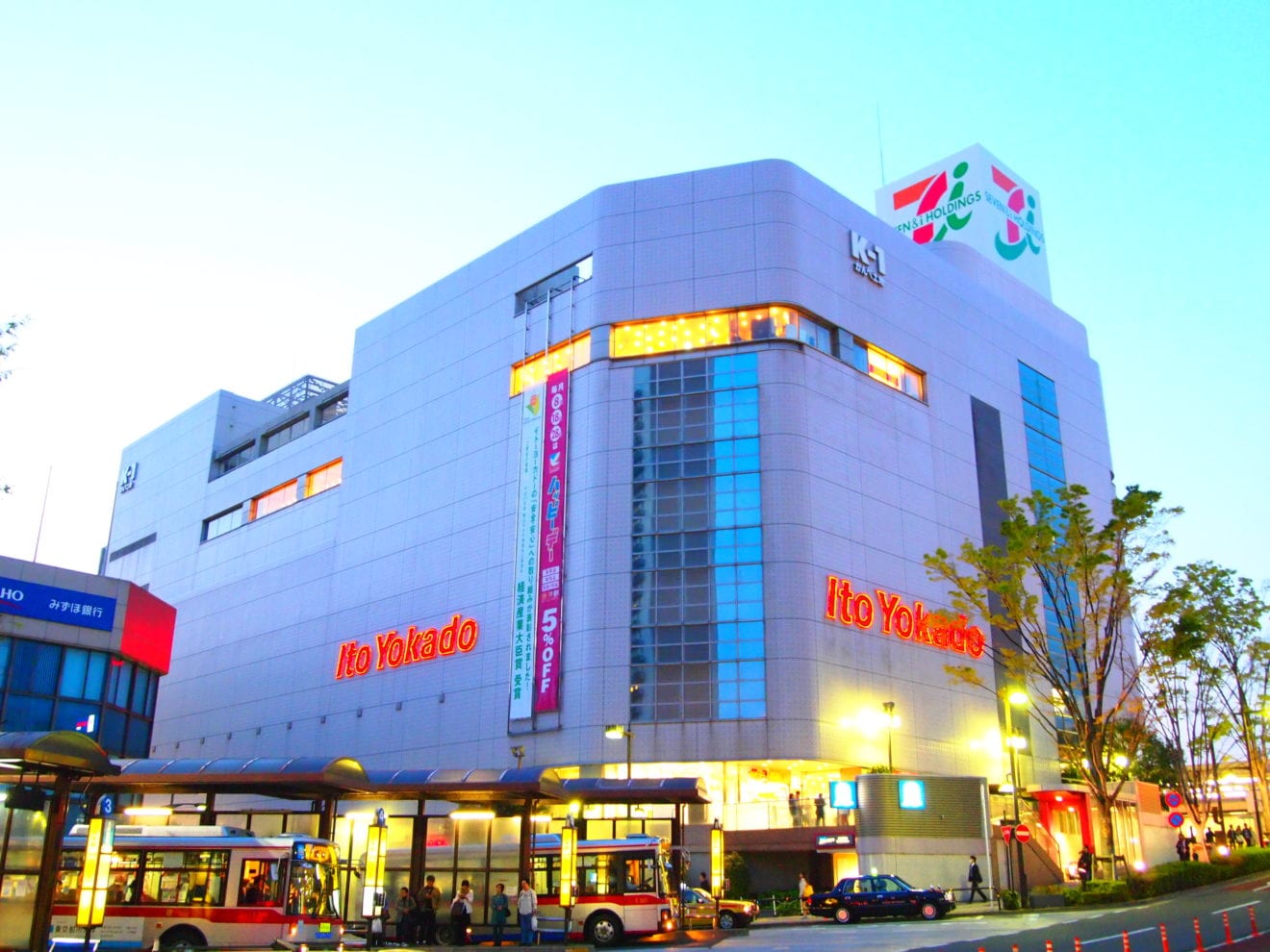
    Japanese retail giant Seven & I plans to close 40 of its Ito-Yokado branded supermarkets and general merchandise stores by 2020.

    Japan’s Nikkei reports that Seven & I, which is the parent of the 7-Eleven retail brand, expects the closures will boost profits. Forty stores represents about 20 per cent of its Ito-Yokado chain, which is struggling with lacklustre sales, especially of its apparel lines.

    “Seven & I will target money-losing and old locations outside major metropolitan areas for closings. More resources will be poured into Tokyo-area stores instead,” the Nikkei reported.

    The company’s financial year ends in February and by then, the first of the stores to be closed will be identified, with 10 more each year after that.


    While Seven & I posted a record profit in the six months to August, its Ito-Yokado arm actually lost money.

    The company says it will continue to open new stores as opportunities arise, but most likely only about one each year.

    The Nikkei reported that the company may also close some poor-performing Sogo and Seibu department stores, but there were no details of that plan.