Tag: Retail

  • Uniqlo Magic For All to debut in Shanghai

    Uniqlo Magic For All to debut in Shanghai

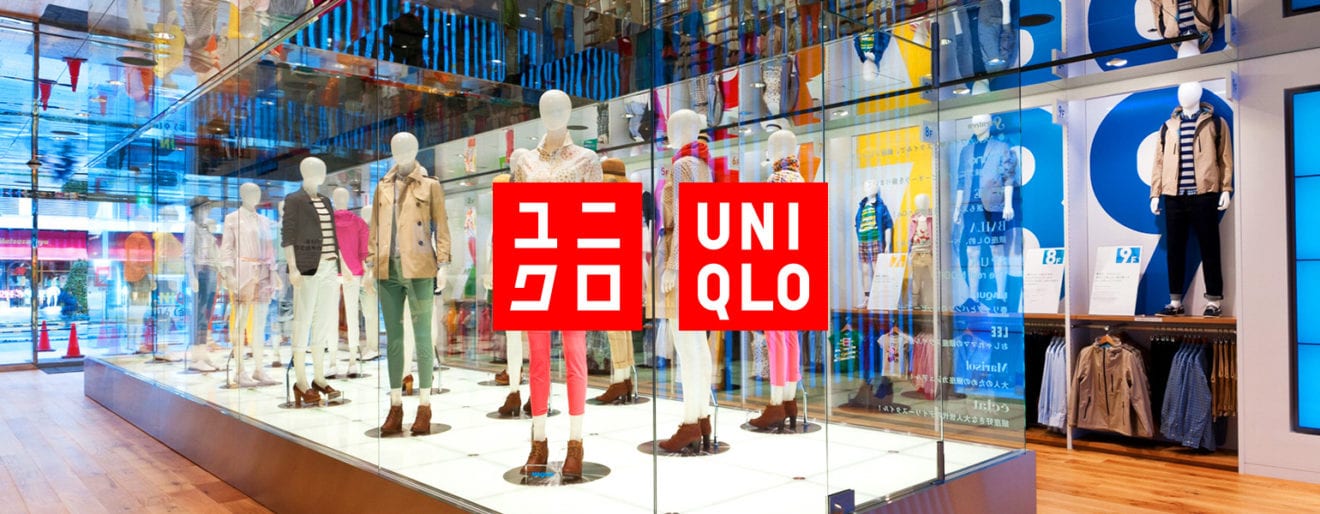
    Uniqlo will open its Magic For All store on the fifth floor of the Uniqlo Shanghai Global Flagship store on Huai Hai Rd on September 27.

    Uniqlo Magic for all 4

    It will be the first execution o fthe new partnership between the Japanese clothing brand and entertainment giant Walt Disney which will see many Disney characters feature on apparel sold by Uniqlo.

    Uniqlo Magic for all 1

    The Magic For All line of LifeWear is part of a global collaboration with Disney Consumer Products that aims to surprise and delight customers of all ages.

    Uniqlo Magic for all 6

    Customers begin their Magic For All journey at the store’s main entrance, where a 1.8 metre Mickey Mouse statue and 100 Mickey Mouse figurines await. Known as the Mickey 100 Series, the inspiration for the figurines was taken from 100 exclusive new designs for Mickey Mouse, which will be on display for the first time in Shanghai. Fifteen of the designs were reproduced on colorful UTs (Uniqlo T-shirts), including five designs for children.

    Uniqlo Magic for all 3

    Inside the Magic For All store, customers are treated to a series of “unique and immersive experiences” found only at Uniqlo in Shanghai. Tinker Bell can be seen flying across wall monitors accompanied by music, and in a world first, the store features Shout Mickey, a special area that captures joyful moments. When a customer shouts ‘Mickey’ toward the lens of a digital camera, the moment is captured and a digital image can be sent to the customer’s mobile device as a memento of the visit. The store also features a Future area, showcasing Uniqlo’s UT range of fashions, and the Colorful Fairy Tale realm for little princesses.

    Uniqlo Magic for all 2

    Unique and innovative being central to the overall shopping experience, the store is the first in China to offer Magic For All options for UTme!, a custom T-shirt design service, and for MY Uniqlo, which enables customers to add special touches to items of clothing.

  • Finance plan for Indonesia 7-Eleven

    Finance plan for Indonesia 7-Eleven

    Modern Internasional, the master franchisee for Indonesia 7-Eleven, has partnered with Credit Saison of Japan to create a fund to help finance new franchisees.

    The two companies have created a joint venture called PT Saison Modern Finance (SMF) in Indonesia. MI will take a 30 per cent stake in the business, which will have a paid-up share capital of Rp100 billion.

    The JV will support the expansion of Indonesia 7-Eleven franchise business. In the initial phase of the business, it will provide finance leases at an attractive cost for equipment installed at 7-Eleven stores, particularly for the new sub-franchisees to be secured in the future.

    “MI believes that this will reduce cost of capital for a new store opening and hence enhance the attraction of its 7-Eleven sub-franchising model. The JV also aims to develop payment products such as pre-paid cards for the customers of 7-Eleven by leveraging on CS’ strength as the third largest credit card issuer in Japan,” the companies said in a statement.

    The JV is committed to provide attractive IDR denominated leasing terms.

    “MI expects the JV will contribute positively to the development of the 7-Eleven sub-franchising business as well as improvement in 7-Eleven’s customer relationship management through its prepaid card and loyalty programs.”

    In Japan, CS has a joint venture with 7-Eleven global brand parent Seven & I Holdings for the issuance of Saison Card. The finance company also operates overseas offices in China, Vietnam and Singapore, and is seeking to further expand its business in the rapidly-growing Asian market.

  • Fung Group tests future retail concepts

    Fung Group tests future retail concepts

    Hong Kong’s Fung Group has unveiled a large-scale ‘lab’ in Shanghai where it is testing a raft of high tech concepts which could shape the future of retailing.

    Named Explorium, the laboratory is an omnichannel platform and exhibition operated by the Fung Group in partnership with data and analytics technology leader IBM, and brand activation company Pico. It is located within more than 23,000 sqm of trade exhibition space at LiFung Plaza, where it provides a controlled setting for businesses to observe and explore in real time how consumers interact with new technologies, products and environments.

    Among technologies in the laboratory, which has been functioning on a soft-opening basis for three months, are virtual-reality fitting rooms, magic mirrors that bring images to life and 3D printing for creating customised products. Brands are also using Explorium to understand opportunities in China for their products and services, based on consumer feedback collected and analysed at the laboratory. Retailers are using it to test different store concepts.

    Unveiling Explorium, Fung Group chairman Dr Victor K Fung said the initiative was sparked by challenges occurring in retail across the world, especially in China.

    “Everything we thought we knew about how consumers decide upon what they buy, where they buy, when they buy, how they buy and how they pay is changing,” he said.

    “Technology is the catalyst empowering consumers. The internet and mobile communications are disrupting the way consumers behave and, in so doing, providing unique opportunities for retailing to come up with new business models. Nowhere is this more evident than in China, one of the world’s most exciting, challenging retail markets.”

    Fung added that he believed the future for retail in China and globally is omnichannel, which is, online-to-offline (O2O) or a combination of “bricks and clicks”.

    “Chinese consumers are setting shopping trends globally, especially with their avid use of social media. And Shanghai is home, arguably, to China’s most vibrant, tech-savvy consumers. That is why we chose Shanghai as the launch pad for this major Fung Group initiative.”

    Fung added that there were no preconceived ideas about which omnichannel business models would emerge from Explorium.

    “As with most experiments of any lasting value, the greatest measure of success may simply be how much we learn from the results,” he said. “A key advantage for participating brands and retailers is that, with Explorium, they can experiment, incubate and iterate at high speed while minimising their cost and risk.”

    IBM global retail industry leader Stephen Laughlin said IBM is gathering data in the Explorium and analysing it for insights.

    “With analytics, IBM can help retailers in the Explorium deliver personalised, relevant marketing interactions to consumers in real-time, delighting them and differentiating the retailer from the competition. Consumers will be able to opt-in to receive offers and rewards from their favorite brands via social media and their mobile device – all tailored to their location and unique preferences.”

    Lawrence Chia, group chairman of Pico Far East Holdings added: “As a state-of-the art omnichannel marketing research laboratory, Explorium delivers substantial value within the omnichannel universe. We are extremely pleased that our unique 360-degree integrated marketing capabilities have played a significant role throughout the planning and implementation of Explorium.

    “Working with leaders from the retail and data technology industries, our strong project team has played a vital part in the strategy, planning and execution of Explorium in areas related to branding, experiential marketing and digital media.”

    Explorium’s Shanghai-based director, Simeon Piasecki, said it is a laboratory for rapidly testing omnichannel business strategies in a realistic environment.

    “We identify and systematically track the changing preferences of consumers. Based on what we learn from each experiment, we move quickly to the next iteration. Explorium is doing all this on a scale and intensity that we believe is unmatched.”

    Already, Explorium, which is membership based, has close to 12,000 active participants registered from among employees and family members of the Fung Group and its business partners IBM and Pico. Typically, members spend over three hours there per visit.

    “Children are among Explorium’s biggest fans,” said Piasecki. “We believe that creating a space where parents and children can bond through learning together and teaching each other will help drive purchases of higher-margin electronic toys, such as drones.”

    He added that while children’s products are a special focus during Explorium’s first phase, it will go on to feature women’s and men’s apparel, and home products.

    “Explorium’s priority in coming months is to design, build, run and measure a greater number and variety of experiments to produce a pool of data that will enable participating brands and retailers to obtain unique insights for their individual businesses,” said Piasecki.
  • Seven & I to launch online store

    Seven & I to launch online store

    Japan’s Seven & I Holdings says it will open a giant online store in November, offering products sourced from across its retail store brands.

    By February 2019, Seven & I anticipates a range of 6 million SKUs will be available on the new store, including goods specifically created for the channel in partnership with name brands, including apparel chain Uniqlo.

    It targets ¥1 trillion in annual turnover, or US$8.3 billion when fully operational.

    Seven & I is the global parent of the 7-Eleven convenience store brand, owns the Ito-Yokado chain of hybrid supermarkets and general merchandise stores and the high end department stores Seibu and Sogo.

    The new online store ‘Omni7’ will open on November 11 with a stock of 1.8 million items.

    Shoppers will be able to request delivery to their home or two any Seven & I outlets for convenient collection – such as 7-Elevens.

    Returns will be permitted over the counter at any group store.

  • Convenience Retail to offload Circle K Guangzhou

    Convenience Retail to offload Circle K Guangzhou

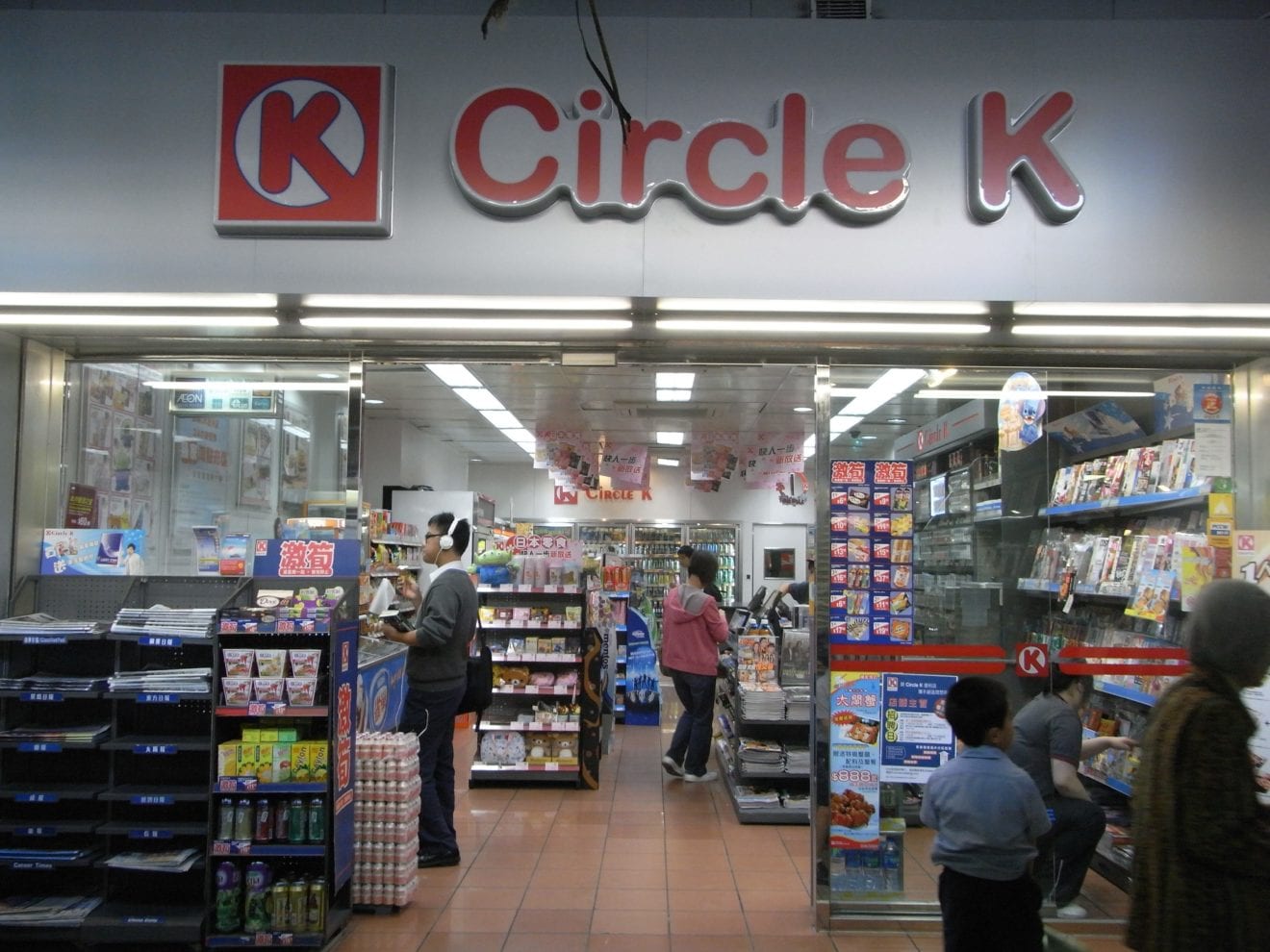
    Convenience Retail Asia, the Hong Kong-listed operator of Circle K convenience stores and Saint Honore Cake Shops in Hong Kong, Macau and Guangdong province, has reported a 36.8 per cent decline in first half year profit.

    While sales increased 5.8 per cent in the half year to HK$2.368 billion, labour and raw material costs increased, reducing its gross margins, and it incurred substantial investment costs in its eCommerce business.

    Along with its results, the company announced it would sell its stake in the loss-making Circle K Guangzhou business to its controlling shareholder and focus on the Circle K business in Hong Kong and Macau. Fung Holdings (1937) Limited will pay CRA HK$104.5 million for its share of the business.

    “The sale of the Circle K Guangzhou will help to create positive momentum for the Group’s financial performance in a difficult retail and economic environment that continues to place pressure on the results of the group,” said Richard Yeung, CRA CEO.

    “This sale, which will also result in a one time gain ($50 million), underlines our focused commitment to delivering long-term growth, profitability and shareholder value.”

    In the half year, turnover for the Circle K business increased 5.7 per cent to HK$1.902 billion, with comparable store sales rising 8.8 per cent in Hong Kong and 2.6 per cent in southern China.

    Turnover for Saint Honore Cake Shops rose 5.5 per cent to HK$498 million, with 4.1 per cent growth in comparable stores sales in Hong Kong. Core operating profit of the group decreased by 34.6 per cent to HK$42 million and net profit declined by 36.8 per cent year on year to HK$31 million.

    During the first half, the group incurred higher expenditure to support intensive marketing campaigns for its e-commerce platform FingerShopping.com, and because of investment in a pilot programme launched in late 2014 with Sinopec Marketing. The pilot program manages 10 petrol stations in addition to Easy Joy convenience stores on behalf of Sinopec Marketing in Guangzhou. Excluding the Projects expenses, core and net operating profit would have decreased, respectively, by 18.5 per cent to HK$57 million and by 16.1 per cent to HK$45 million.

    Gross margin and other income as a percentage of turnover decreased slightly by 0.8 per cent to 36 per cent compared to the same period in 2014, due to rising raw material prices and factory labour costs. Operating expenses as a percentage of turnover increased from 33.9 per cent to 34.2 per cent because of the higher operating costs as well as increased marketing and investment expenditure in projects.

    “Our ability to drive higher comparable store sales despite adverse external conditions is also a reflection of our unwavering commitment to excellent customer service, in-demand products and services, and timely, effective marketing,” Yeung added.

    “We believe these indications of strong brand equity and customer loyalty will be invaluable once the retail sector begins to improve. However, we anticipate that higher costs and declining spending will continue to affect our operations for the remainder of 2015.”

    Yeung said the company’s online consumer platform, FingerShopping.com, continued to make encouraging progress in the first half of the year. Health and beauty is the platform’s most successful anchor category.

    “FingerShopping.com is enjoying increasing customer loyalty and continues to expand its product roster, which includes a number of popular brand names. The group is now testing FingerShopping.com’s delivery services in Guangzhou and has also secured partnerships with leading Hong Kong banks as well as promotional campaigns with major retailers in Hong Kong.”

    CRA says it expects the retail market to remain weak in the foreseeable future and operating costs are likely to remain high.

    “We are trying our best to mitigate the adverse market conditions through our exit from the convenience store business in Guangzhou while continuing to invest in FingerShopping.com, strengthening our operations to retain talent, delivering first-rate customer service and driving cost efficiency,” Yeung concluded.

  • Hello Kitty says hello Malaysia

    Hello Kitty says hello Malaysia

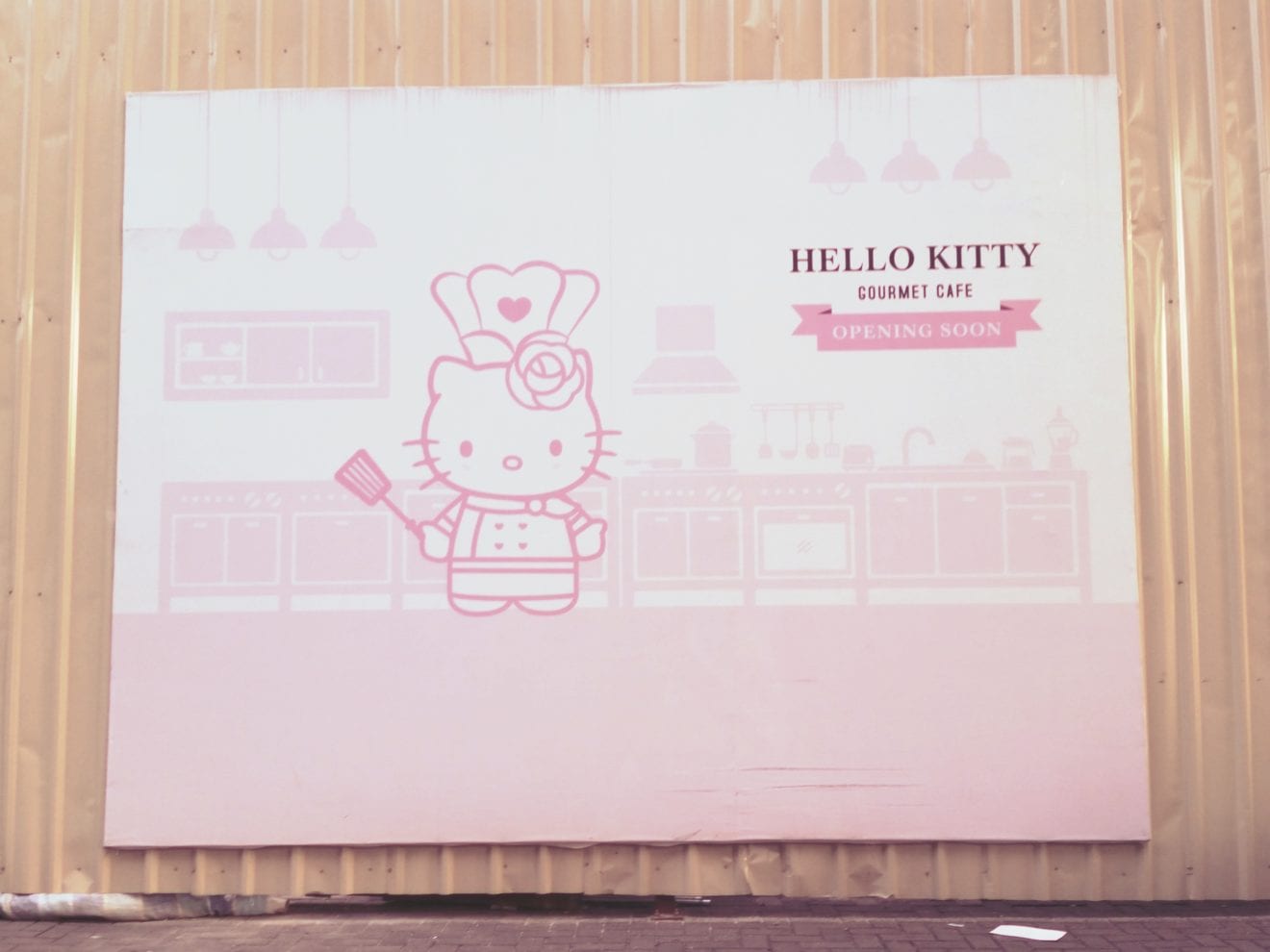
    Hello Kitty will open its first Malaysian cafe this weekend at Sunway Pyramid.

    The Hello Kitty Gourmet Cafe will be modelled on the format which has proven successful in the US, Japan, Korea and Hong Kong.

    Hello Kitty Cafe 2

    From the outside, the cafe has the appearance of a Parisian cafe with its traditional awning and glass doors. Inside, however, it is a different story. Pink dominates – it is the ‘colour’ of Hello Kitty, after all – and images of the popular icon can be found everywhere. It promises to be an immersive experience for loves of the brand – and their parents.

    Hello Kitty cafe 1

    The cafe,located on the ground floor of Oasis Boulevard, is not just a gimmick. The menu follows more of a gourmet style, including items such as Grilled Salmon (with Hello Kitty shaped potato slices), grilled duck, Strawberry Churros and Hello Kitty Waffles.

  • Hooters Thailand expands into Samui

    Hooters Thailand expands into Samui

    Just a week after opening its first outlet in Bangkok, Hooters Thailand has announced its entry into the resort town of Samui.

    Hooters Thailand, operated by Southeast Asia master franchise Destination Resorts, now has four Hooters restaurants in Thailand either trading or under construction. The others are in Pattaya and Phuket.

    The Samui location will be located at 168/2 Moo 2, Tambol Bophut, Amphur Kos Samui, Suratthani, in the heart of the bustling central Chaweng Beach area. It will open in early 2016.

    The beachfront location will seat 220 guests and feature an approximately 2277 sqft, plus a spacious 1000 sqft outdoor patio.

    Samui is part of a 30-location Southeast Asia development agreement between Hooters and Bangkok-based international franchisee, Destination Resorts, making Thailand the leader in Hooters Southeast Asia expansion efforts. Along with a recent location in Phuket and another scheduled to open in Bangkok, Samui will bolster Hooters presence in Thailand. Hooters will also open their largest international location in Pattaya, Thailand, in December.

    Said Gary Murray, CEO, Destination Resorts: “The beach oasis atmosphere for which Hooters is well-known around the world will be a perfect match for Chaweng Beach, named by Condé Nast Traveler as one of the top five best island beaches for partying earlier this year.”

    With two additional locations set to open in Bangkok in the coming months, Murray plans to continue growth in Thailand and concentrate heavily in Hong Kong and the Philippines in the coming years.

  • Gome Electrical opens 117 stores in six months

    Gome Electrical opens 117 stores in six months

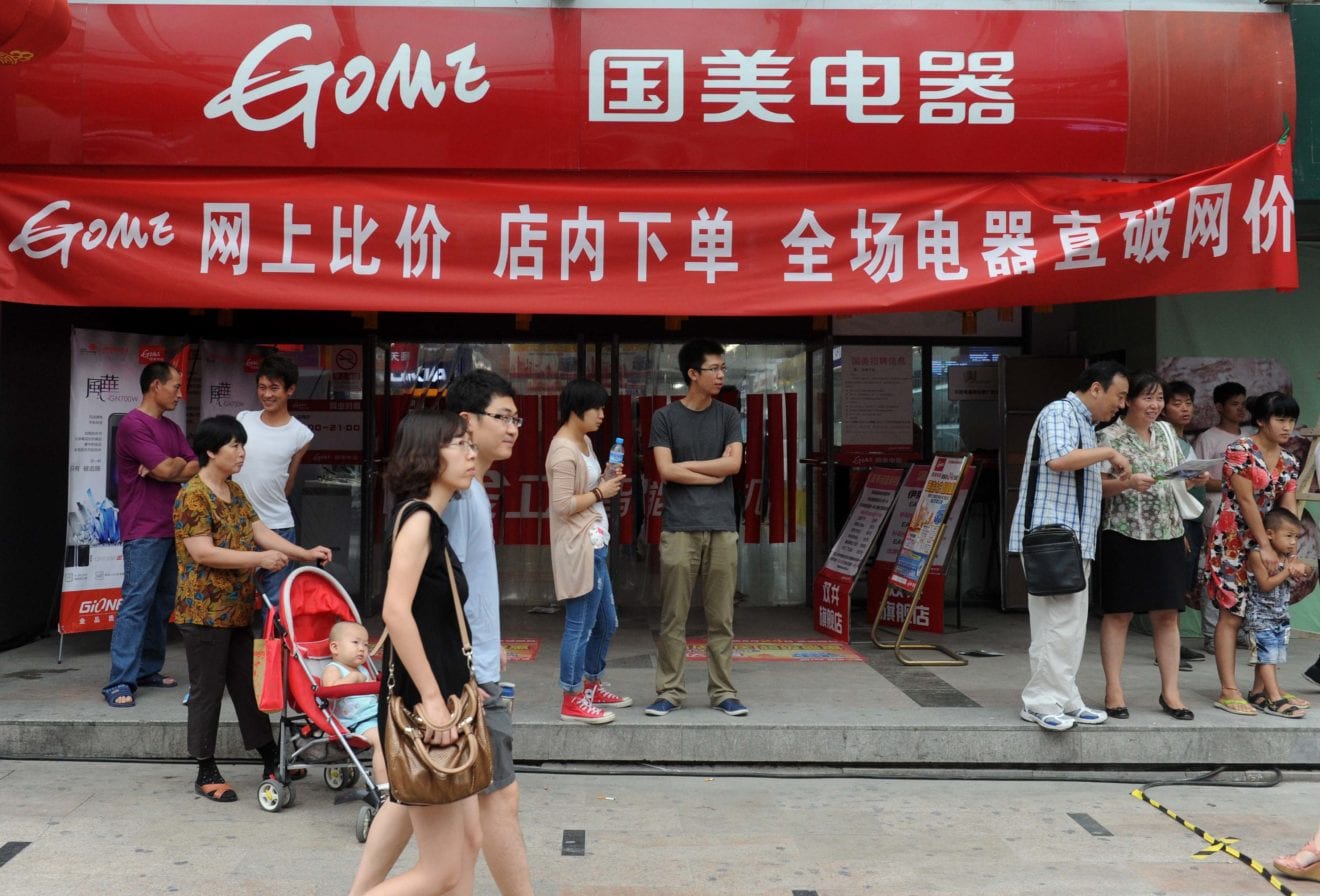
    Gome Electrical has opened 117 stores in six months on its way to an 8.8 per cent increase in sales for the half year.

    Total sales revenue was RMB 31.69 billion and its consolidated gross profit margin was 17.7 per cent.

    The store network expansion program is part of a push into tier two cities in China’s mainland where 84 of the new shops opened. Overall same store sales rose 2.3 per cent in a six month period when retail spending in China was subdued, but in tier two cities, same store sales rose 5.3 per cent.

    Gome now has stores in 41 Chinese cities where it did not have a presence just six months ago.

    Online sales were another growth powerhouse, rising 151.3 per cent in gross merchandise volume. More growth clearly lies ahead with 181 per cent year on year online growth in the last three months of the half year.

    In the remaining half of this year, Gome says it will accelerate even further its move into tier two cities, leading into ‘channel penetration’ in third and fourth-tier cities as well, largely based on eCommerce initiatives.

    “By seamlessly engaging customers across online and offline channels, the group is destined to achieve fuller integration of all channels and grow its ‘total retail ecosystem’,” the company said in its results filing.

    “This will allow customers to enjoy a total retail experience and comprehensive services at any time, any place.”

  • Benoy to design Haitang Bay centre

    Benoy to design Haitang Bay centre

    Global design studio Benoy has been chosen to provide masterplan and architectural design services for a new mixed use development in Haitang Bay, Hainan.

    The project, Benoy’s first in the popular island tourist destination, is the new China International Travel Service (CITS) Sanya Eyot scheme.

    The CITS Sanya Eyot development is located in the new resort area of Haitang Bay in Sanya. Rising as a high-end tourism destination, the area attracts visitors from around the world as a result of its world-class yachting community, international luxury hotel cluster and unspoiled natural assets.

    The scheme will introduce a 32,000 sqm  mixed-use, retail-led destination which will be differentiated from the traditional retail projects currently in Haitang Bay. Benoy’s Masterplan has prescribed strategies for celebrating the island landscape, placemaking and multi-layered environments, to establish a point of difference for this high-profile future scheme.

    “Benoy is incredibly excited to be working with CITS on their future addition for Haitang Bay and crafting a vision for what this development can offer. Through our design, we have aimed to embody the coastal landscape and develop a concept not yet seen before in this area,” said Chao Wu, a Benoy director.

    “Our team has brought new thinking to the retail, entertainment, cultural and art experiences within the development. Our Masterplan is animated by vibrant spaces and offset by quieter zones and there is significant diversity in the programmatic mix to ensure we arouse interest and appeal to a large visitor base.”

    Benoy’s design will feature a combination of indoor and outdoor spaces which will host a multitude of activities including art, water shows, cultural performances, recreational attractions, wellness programs, children’s zones and possibly a wedding chapel.

    Taking inspiration from Sanya’s local fauna, the Egretta Garzetta formed the concept behind the architecture of the development; the sweeping architectural lines mimic the graceful movement of the birds.

    The architecture also prioritises human-scale within the development with a number of small-scale blocks and pavilions designed along the waterfront edge. The collection of forms and differing façade treatments complement the faceted landscape and will add interest and variety to the visitor experience.

    The CITS Sanya Eyot scheme will commence construction in early 2016 and is due for completion at the end of 2018.

    Haitang bay centre by Benoy1

  • New app aids Chinese tourists in Korea

    New app aids Chinese tourists in Korea

    South Korean location-based coupon application provider YAP Company has launched a new app that provides Chinese tourists with various tourism-related information, including shopping and transportation.

    The app, dubbed Kayo, provides a selection of coupons and other information for 100,000 local shops at popular tourist destinations, including Seoul’s major shopping district of Myeongdong or the southern resort island of Jeju.

    YAP Company said it plans to adopt mobile payment services to Kayo in the near future by joining forces with leading Chinese platforms such as Alipay.

    Other features of Kayo include taxi hiring and online translation services.

    “Based on YAP’s high-tech technology, we plan to allow every Chinese visitor to South Korea to enjoy quality search services, discount information and mobile payment just by downloading Kayo,” a YAP spokesperson said. “The new application will also help local shop owners to attract more tourists.”

    The release of the new app came amid a steady rise in the number of Chinese visitors to South Korea. Last year, 6.12 million Chinese visited South Korea, spending about 14 trillion won (US$11.7 billion).

    The company expects the number of Chinese visitors to reach 10 million by 2018.

    YAP Company also operates an application, dubbed YAP, in South Korea, which allows users to download coupons and discount information related to shops located near the users, including major franchises.

    It stands out from its rivals as it uses what it calls “hybrid beacon” technology, which automatically displays discount information when a user enters registered stores.

  • Esprit ‘on the right track’

    Esprit ‘on the right track’

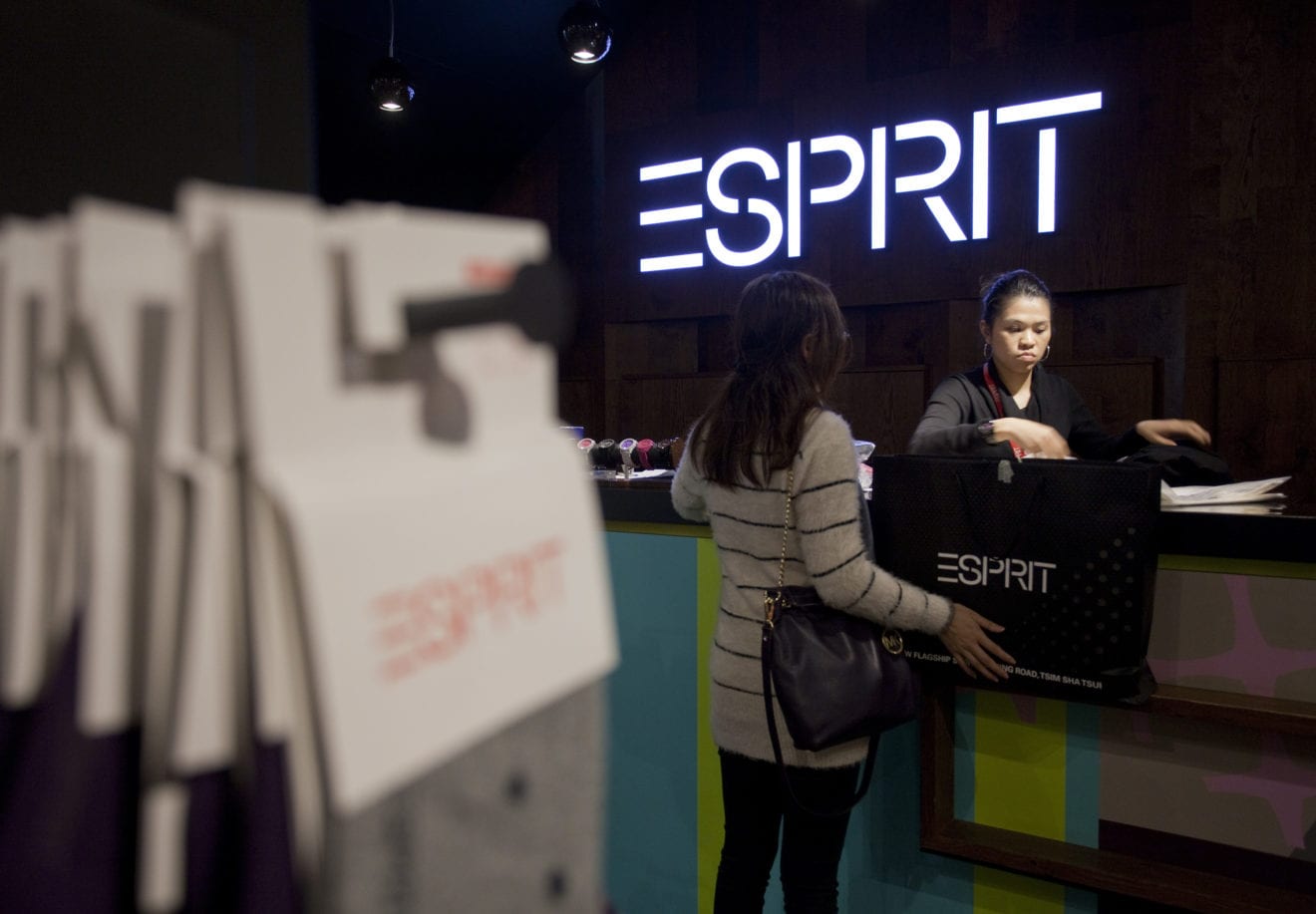
    Hong Kong listed fashion group Esprit says its full year financial loss masked a positive phase of its turnaround program.

    Full year turnover fell 11.5 per cent (or 19.8 per cent in Hong Kong dollars) and the company posted a loss of HK$3.683 billion, largely due to impairments.

    In its profit announcement the company described the year as “exceptionally challenging” with trading affected by both internal and external factors.

    “Nevertheless, from a strategic perspective, it has been a year of significant achievement as the group completed the most vital and demanding phase of our turnaround plan. We have successfully installed the foundation enabling us to enhance our products and optimise sales performance across all channels (online, offline, retail and wholesale).

    “It is encouraging to see the first signs of a positive sales trend for our new Vertical Products’, which gives us confidence we are on the right track to restoring the competitiveness of Esprit.”

    The group blamed the sales decline on reduced store numbers (down 8.8 per cent), an unusually warm winter in Europe which impacted on Autumn/Winter sales volume and prices; declining apparel sales in Germany (the total market shrunk in nine of 12 months);  internal restructuring and unfavourable exchange rates.

    Group CFO Thomas Tang said that although the challenging market had considerable impact on Esprit’s turnover, its gross margin remained stable and savings were achieved in most cost lines of our regular operations.

    “With our priority on cash preservation over the past two years, the Group is on a sound financial footing, with a healthy balance sheet that we intend to leverage to decisively execute the strategies that shall drive top line growth in the near future.”

    Esprit is debt free.

    Tang said the last financial year was devoted to the implementation of the most demanding, yet vital, part of the group’s strategic plan: the ‘Transformation’ phase. During this phase, a vertically integrated business model (‘Vertical Model’) was introduced within Esprit to enhance the speed and efficiency of its product development and supply chain processes, and thereby significantly improving the design and value for money of its products.

    More specifically, the following have been implemented:

    • Lean supply chain management (from over 350 to below 230 suppliers).
    • Category management teams (all product divisions transformed).
    • New merchandising model (buying and merchandising fully centralised).
    • Reduction in product range (30 per cent to 40 per cent reduction of options).
    • Seasonal product calendar (from 12 monthly collections to four seasons).
    • Fast-to-market product development (two to three months lead time in the Trend Division and the fast-reaction capsules in all other divisions).
    • Stock management optimisation (pending additional stock replenishment capacity and capabilities in the central distribution center).

    “More importantly, the group has observed progressively positive developments in terms of product sales performance following the introduction in February 2015 of the Spring/Summer 2015 collections, the first ones developed under the Vertical Model: Retail turnover decline has narrowed consistently over each subsequent quarter during the year (Q1 -15.0%; Q2 -10.3%; Q3 -8.3%; Q4 -6.8%).

    Same store sales rose 4.1 per cent in the quarter to August and sales in Germany, its largest market, outperformed the market in each of the last three months.

    Retail sales of the Esprit Women divisions recorded 5.3 per cent year-on-year growth for the last three months and the Trend Division (representing 2.6 per cent of group turnover), reported full year turnover growth of 29.7 per cent.

    Esprit chairman Raymond Or said the group maintained a clear focus to execute the most complex and critical phase of its transformation in the year past, and made good progress despite a difficult operating environment.

    “The growth phase that we are now embarking upon is not without its challenges, but there is much hope and excitement across all levels of our organisation as we leverage the strong foundation that we have laid over the last two years. Every successful journey takes time, and we believe that we are nearing our final destination – which is to restore the long term competitiveness of our group.”

  • RFG eyes India’s $24b franchise industry

    RFG eyes India’s $24b franchise industry

    Retail Food Group (RFG), has entered into an exclusive partnership with Franchise India, Asia’s largest integrated franchise solution company to launch its brand in India.

    Franchise India has extensive experience in pairing franchisors with qualified master franchise partners while creating a high level of interest from potential local franchisees to achieve successful international expansion for foreign brands. The organisation also runs the world’s leading franchise website.

    Andre Nell, CEO franchise of RFG, said RFG is targeting significant international growth with plans to open 130 outlets in international markets this financial year.

    “RFG’s Brand Systems are market leaders and award-winning brands in Australia, each possessing successful business models that have been proven over many years. Our goal is to replicate this success in global markets by working with motivated partners who share our vision,” said Nell.

    “RFG is looking forward to working with Franchise India and leveraging their extensive reach and intimate knowledge of franchising.”

    Franchising in India Gaurav Marya, chairman of Franchise India, said the country’s franchise industry is valued at $24 billion with year on year growth of 30 per cent.

    “India’s franchising industry continues to thrive, driven by a growing preference for internationally branded products and an emerging café culture,” said Marya.

    “The retail and food and beverage sectors have evolved over the last decade, leading to a high level of consumer interest in specialty and gourmet brands in particular. The market is expected to increase in value to around $35 billion by 2020.

    “With a rising global awareness and increasing spends on eating out among Indian consumers, the timing is opportune for RFG to enter the Indian market.”

    Under the new partnership Franchise India will use their extensive network, database and marketing systems to recruit Master Franchise Partners for RFG.

    Franchise India and RFG will be recruiting Master Franchise Partners for the Gloria Jean’s Coffees, Crust Gourmet Pizza, Donut King, Michel’s Patisserie, Brumby’s Bakery, and Pizza Capers Brand Systems.

    With the opportunity for a minimum of six licenses across India, Nell said he is confident RFG’s unique business model will be a major point of difference for potential partners.

    “RFG’s strength in brands philosophy positions us to enter the market with multiple Brand Systems, increasing our ability to effectively and efficiently provide enhanced support systems and resources to our partners in the region,” said Nell.

    “Our existing support team is currently based in India, made up of seasoned experts in franchising who, along with the experienced team at Franchise India, will be invaluable assets as we work with our prospective Master Franchise Partners to develop a successful model for their territory.”

    Behind RFG’s international expansion

    RFG’s international expansion model is based on recruiting master franchise partners who purchase a licence to develop a certain brand system in a defined territory.

    Nell said the master franchise partner model provided the company and local partners with the opportunity to forge sustainable partnerships to successfully develop RFG’s Brand Systems internationally.

    “We firmly believe our international licensees are more like our business partners. Our international model has become very collaborative and supportive as we work with partners on development schedules and growth strategies as well as marketing and training,” said Nell.

    “The benefit for partners is access to a wealth of experience in retail food franchising, proven systems and a global training and support framework, while RFG gains a partner with the strategic, operational and financial capabilities to expand each brand system within their territory.”

    Nell said RFG’s franchising expertise and strong established Brand Systems provided the company with the perfect opportunity for significant expansion into international markets.

    “Refined over 11 years and 40 global territories, RFG’s global franchising expertise and master franchise partner model provides the perfect springboard for the company’s established Australian brands to enter major new international markets.”

  • Samsung Pay hits $30m in first month

    Samsung Pay hits $30m in first month

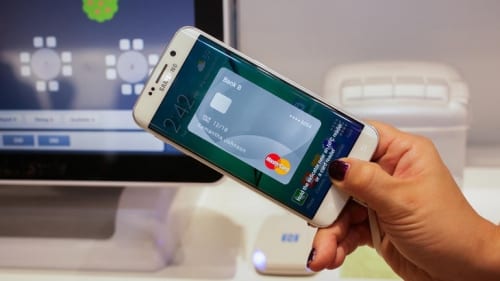
    Samsung Electronics said Thursday its mobile payment solution has processed tractions totaling US$30 million in the month after its debut in South Korea.

    The company officially released Samsung Pay in South Korea on August 20.

    The platform, available for Samsung’s high-end smartphones, including the Galaxy S6 and the Galaxy Note 5, supports magnetic secure transmission (MST) technology that works on traditional credit card machines.

    Like rivals Apple Pay and Android Pay, it also supports near field communication (NFC) that requires a separate transaction device.

    Over the one-month period, Samsung said around 1.5 million transactions have been made, with 60 per cent of them being from the Galaxy Note 5 phablet, a cross between a smartphone and a tablet PC showcased in August. Samsung Pay is also accepted at some 1000 ATMs operated by local bank Woori Bank across the nation.

    “Although the details on Samsung Pay usage are constantly being updated, the response we’ve received so far has been beyond our expectations,” said Rhee In-jong, Samsung Electronics VP.

    “We knew Samsung Pay would be a game changer in the mobile payment industry, and now with the user data, we are seeing the greater impact it is having on consumer behavior and on the lifestyles of our customers,” Rhee added.

    Samsung Pay is set to officially launch in the United States on Monday. Samsung added it will also reach Britain, Spain and China soon.

  • Daraz targets frontier Asian markets

    Daraz targets frontier Asian markets

    Online retailer Daraz is investing $56 million into creating beachheads on so-called ‘frontier markets’ in Asia: Myanmar, Pakistan and Bangladesh.

    Daraz is the leader in online retail in all three markets, selling apparel, accessories, shoes and beauty products for men and women, as well as a wide variety of electronics and general merchandise.

    The company is part of the Rocket Internet group which also owns Zalora and Foodpanda.

    It is planning a ‘mega sale’ on November 27, something like Amazon’s Black Friday in the US, offering a slew of special deals in the three Asian nations.

    Bangladesh, where it is putting most of its focus currently, will get the majority of the marketing spend, where it is partnering with local apparel brands such as Bata, Yellow and Ecstasy, as well as tech partners.

    Daraz Bangladesh chairman Sumeet Singh says the local site is attracting around 2 million visitors a month.

  • Lao Feng Xiang plans 20 Hong Kong stores

    Lao Feng Xiang plans 20 Hong Kong stores

    Lao Feng Xiang, the Chinese jewellery brand few in the west have ever heard of, is planning to open 20 stores in Hong Kong.

    Lured by the prospect of cheaper rents in high profile locations as Hong Kong’s luxury sector enters a decline, Lao Feng Xiang sees the foray as an opportunity to build its brand awareness outside the mainland.

    Lao Feng Xiang, controlled by the Shanghai Government, has a 167 year history in the mainland – and has a 3000 strong store network. It entered Hong Kong in May and now has two stores trading. Marketing manager Wang Ensheng told Bloomberg that as many as 20 will be trading within a few years.

    “The fact that Lao Feng Xiang opened stores in Hong Kong boosted our reputation,” Wang told Bloomberg in a telephone interview. “Mainland consumers know that we are now a player in this international jewelry hub.

    “This year is the best time to enter Hong Kong, an opportunity that we have waited for years.”

    The first Lao Feng Xiang store opened in Tsim Sha Tsui, an 80sqm boutique which sold more than HK$100 million of jewellery on its opening day.

    Shanghai flagship store in the year 1999

    “Hong Kong is a key market in our internationalisation strategy. We provide more diversified selections at the Tsim Sha Tsui store than any of our 2800 stores on the mainland,” said Wang at the time of the opening.

    “The logic is simple – we want to attract more young people to our fold,” he said.