Tag: Retail

  • Olympic hero goes for gold with new retail technique to boost sales

    Olympic hero goes for gold with new retail technique to boost sales

    Chinese gymnast Li Ning wowed the world with one of the highest double pikes in Olympic history to clinch a third gold medal at the 1984 Los Angeles Games. Now a sporting goods retailer, he is counting on another tactic to win over shoppers.

    Li is enticing customers to his namesake Li Ning Co stores, where they can look at and try on the latest range of Xiaoqiang basketball shoes, and Furious Rider and Rouge Rabbit runners-but not take them home. Instead, buyers are directed to the Internet to make purchases online.

    The Web-only strategy, which has generated 22 million yuan ($3.5 million) in sales during the first month, may help it reverse three straight years of losses.

    Companies from home appliance maker Haier Electronics Group Co to clothing purveyor Grana have also introduced the showroom model. Li sees it improving inventory management, a complex exercise in China, where there are about 140 cities with more than 1 million people.

    “In the past, we’d sell flagship products in physical stores,” Li, who founded his retail business in 1990, two years after retiring from gymnastics, said. “Even when we sell them online now, we have thousands of shops to promote the products, with only one warehouse behind us.”

    Distributing goods to online customers from a single warehouse cuts storage and handling costs, resulting in savings that can be passed to customers.

    It can also improve stock management, something the company has been working on to boost profitability.

    “The showroom approach might be a good way to boost sales in China in the face of rising rental and labor costs, ongoing logistics issues, and the boom in Internet retailing,” Sun Fangting, a senior analyst with market researcher Euromonitor International, said.

    The tactic may be especially helpful in penetrating smaller cities and urban areas. Online retail sales reached $165 billion in China last year, accounting for almost a fifth of the global total, according to Euromonitor.

    Haier Electronics plans to progressively strip inventory from 3,000 of its 38,000 stores across China, with 125 of these targeted to have display-only merchandise by the end of the year, the company said.

    The changes mean future shops will feature interactive, computer-simulated household models that enable customers to visualize how products will look and fit in their homes.

    In reformatted stores, sales staff assist customers to make purchases online and facilitate their interaction with designers. Goods such as refrigerators and washing machines can also be paid with cash, and delivered the same way as online-purchased products.

    Reformatted stores have recorded a 7 percent to 8 percent increase in sales, Chairman and CEO Zhou Yunjie said.

    In comparison, revenue from shops yet to be converted to online-only has declined as much as 20 percent, weighed down by an industry-wide slowdown in home appliance sales.

    Zhou said he expects the transformation of physical stores to lower inventory and staff costs by about 30 percent.

    “Integrating conventional shops with Haier’s online retail business will provide a better customer experience,” Zhou said. “Customers need to feel and see the products.”

    Showrooms make that integration possible.

    “The future is not a lot of stores,” Bruce Rockowitz, CEO of Global Brands Group Holding Ltd, said. “It’s going to be a future of showrooms in key places, and stores that showcase the brands and build the image.”

    Grana, a Hong Kong-based online clothing retailer, opened a permanent showroom in the special administrative region last month, enabling customers to try clothes on before buying them.

    The company, which ships its brand of garments to eight countries, plans to open showrooms in Singapore, Australia and the United States next year.

    “It’s really mixing the best of online and offline into one showroom concept,” CEO Luke Grana said. “Coming in, they can have fresh lemonade and we can talk to them. We can suggest styles and they can get their fits right. It’s what you can’t get from just pure online shopping.”

    The showroom approach may also suit other areas of retail, including home-wares, furniture and personal beauty care.

    “The whole nature of stores as we know it will change,” Tim Parker, chairman of Samsonite International SA, said. “(The showroom strategy) adds more value to businesses that have to keep very large inventories in the stores.”

  • Philippines ranked among most vulnerable to retail systems hacking

    Philippines ranked among most vulnerable to retail systems hacking

    The Philippines ranked among the countries in the region most vulnerable to hackers who target electronic retail systems, cybersecurity company Trend Micro’s Philippine unit said on Wednesday in a media briefing.

    Point-of-sale (POS) system malware incidents, affecting purchases made through a credit card or a debit card, are among the most prevalent cyber crimes in the Philippines.

    In the Asia-Pacific, the Philippines had the fifth highest rate of POS attacks at 6% while the United States topped the list at 31%. Countries in second to fourth place were Australia (10%), Taiwan (9%), and Brazil (8%).

    The study covers the first half of 2015.

    POS systems are becoming increasingly available to even small to medium enterprises due to the influx of card-swiping devices employing cheap hardware, it sad.

    “It’s not just the cards, but the system server where the data is stored or the gadget being used to swipe the card is also vulnerable,” said Myla V. Pilao, Trend Micro Philippines’ Director of Marketing Communications said.

    Meanwhile, online banking was also an area of concern, as the Philippines had the fourth highest number of attacks in the region. There were over one million malware detections in the Philippines for the third quarter alone, Trend Micro said.

    As Filipinos become more accustomed to make their purchases through e-commerce, Trend Micro noted that local banks still do not use the most modern security practices for their credit and debit cards.

    Financial institutions in the Philippines still do not employ EMV cards that come with embedded chips as an added security feature to the personal identification number.

    “Anything that is connected to the Internet, we have to assume that it is a target,” said Ms. Pilao.

    “It would take us years to put up regulation (against cybersecurity threats), that is the biggest hurdle. We also need capacity building. Our law enforcement, they are used to investigating crimes on the street but to get them to investigate online won’t be easy because it’s not their habit,” she said.

    The country’s e-commerce law, which Ms. Pilao pointed out, is outdated based on what is happening in real world attacks. — Nicolo Paolo A. Pascual

  • Philippine banks lead in retail financial services

    Philippine banks lead in retail financial services

    Singapore-based publication The Asian Banker sees the Philippines leading the strong  growth in the retail financial services market in Asia Pacific on the back of increasing consumption and improved access.

    A study conducted by Asian Banker Research showed the income of commercial banks from retail financial services in Asia Pacific growing 77.5 percent to $824 billion by 2020 from the projected $464 billion this year.

    “Asia Pacific’s retail financial services market will be worth $824 billion by 2020. Increasing consumption and improved access to financial services in combination with mobile banking technologies, will be key catalysts in driving retail banking income between 2015 and 2020,” The Asian Banker said.

    Retail banking income was defined as business from retail deposits, mortgages, credit cards/unsecured lending, wealth management and, wherever possible, small and medium enterprises banking.

    “The ability to generate gross income in any given market is regarded as a key indicator of wallet share and a determinant of a bank’s bench strength in retail financial services,” said Mobasher Zein Kazmi, head of research at The Asian Banker.

    The study showed the Philippines is expected to book the highest compound annual growth rate and total income generated among emerging markets between 2015 and 2020 with 18 percent followed by Indonesia with a little over 15 percent, and Thailand with 15 percent.

    Malaysia is seen to post the slowest income growth with a growth rate of six percent for the five-year period.

    “Since 2014, the Philippines has outpaced China and Thailand and is becoming one of the key growth engines in the Asia Pacific,” The Asian Banker said.

    However, China would continue to generate higher earnings by 2020.

    “Currently, China’s retail financial services industry alone generates 48 percent to total regional income, followed by India with 12 percent and Australia with nine percent,” it added.

    The Asian Banker sees income from retail financial services of commercial banks in Asia posting a CAGR of 12 percent from 2015 to 2020.

    “There are, however, stark variances in growth rates between the mature markets of Korea, Hong Kong, Australia, Japan, Taiwan and Singapore and developing markets,” it said.

    On the other hand, income growth in mature markets is lower and expected to grow by an average of five percent this year and by the same amount in subsequent years until 2020.

    Developing markets have grown on average by 13 percent annually to 2015. However there have been dramatic changes since 2014.

    The fastest growing markets up to 2013 were Thailand and China after having grown by more than 20 percent annually.  Both markets, however, have been slowing down due to economic woes.

    The Asian Banker noted that retail banking income is shifting focus on high yield businesses but sees tightening of consumer banking regulations as a key threat.

    The greatest change in regulations is a shift away from a principle-based regulatory framework to a rule-based framework. As a result regulators have much more power to intervene.

    In particular, in emerging markets, financial authorities often want to control everything down to the product level, including loan pricing and fee income.

    Commercial banks have managed the impact of new regulations imposed on banks’ wealth management businesses in the aftermath of the global financial crisis, but a second wave of regulatory scrutiny, initiated in 2012, into interest rates and fee structures, compounded by recent macro-economic weaknesses, continues to pose ongoing threats to income expansion.

    “Regulators are increasingly worried about rising consumer debt so they have resorted to tightening unsecured lending, credit cards and home loans. In addition, consumer protection and optionality, which requires banks to seek a customer’s consent to opt in or out of services, are becoming key agenda items for financial regulators in this region,” Kazmi said.

    According to The Asian Banker, the most profitable banks in Asia include Bank of Mandiri in Indonesia, Union Bank of the Philippines, and Siam Commercial Bank in Thailand.

  • Hong Kong retail rents will continue to fall in next year

    Hong Kong retail rents will continue to fall in next year

    In more than three decades in Hong Kong’s real estate industry, Sheraton Valuers’ Michael Chik Pa-fai has seen a number of up and down cycles. With retail sales falling, the managing director of the retail property-focused brokerage expects the slump in retail rents to last for at least a year before the market finds its bottom.

    Q: We saw street shop rents falling sharply in Causeway Bay and Central in the last quarter. Will the falls stop?

    A: I do not think so. The falling trend began when luxury brand Coach terminated the leasing contract of its Central shop due to slow sales of luxury goods. Adidas will now move into the three-storey shop for lower rent. The fall led to a domino effect and extended the pressure to Causeway Bay in the third quarter, and it will spread to Tsim Sha Tsui soon.

    There are still a number of shops vacant in Causeway Bay, such as those in the second-tier street Percival Street. One landlord of a Percival Street shop wanted to rent out his shop with a monthly asking rent of HK$450,000 in May this year, but no one showed interested. The shop was recently sold and the new owner cut the asking rent to HK$300,000 a month but so far it has not found a tenant.

    In Central’s China Building at 29 Queen’s Road Central, landlord Cheung Kong Property Holdings is still looking for a tenant to fill the vacant space after Italian brand Baldinini left by the end of July. Baldinini rented shops three to five on the ground floor as its Hong Kong flagship store at the beginning of this year. It moved in after Asia Commercial Holdings’ shop that traded Rolex luxury watches moved out.

    Q: Are there any tenants still planning to leave before leases expire?

    A: There are quite a lot. When retail sales were good and mainland tourists rushed to visit Hong Kong, retailers opened more than one shop on one street. Now they are considering closing the worst-performing ones. The lease of Puyi Optical’s shop at 116-120 Canton Road will expire next month. It is understood that it won’t renew the lease because it has another shop on the same street.

    Q: When will the market stabilise?

    A: The pace of rent correction in Causeway Bay is slowing after the recent decline. Rents will start to fall on Canton Road when a number of leases expire at the end of this year and next year. One example is that Asia Commercial Holdings moved into three shops in Manley House at 86-89 Canton Road in 2013 for a monthly rent of about HK$6.3 million. The retailer has been planning to sublet one shop with an asking rent of HK$1.3 million with the aim of reducing rental pressure. But it has yet to find a taker.

    When there is vacant shop, landlords of shops on the street will feel the pressure. New leases for some shops on Canton Road will be 30 per cent below old leases.

    It will take a year to let the market finds its bottom. It will go back to the rental level in 2011. Rents have jumped too fast over the years. Before Asia Commercial moved into the three shops in Manley House, Sa Sa International occupied the shops at a monthly rent of HK$1.59 million. Rents jumped more than fourfold.

    The recent downturn will pull rents down. Rents for this kind of shop will be less than HK$1 million.

    Q: Is it the worst time you have seen?

    A: Definitely not. The worst times were the years between October 1997, when Asia suffered a financial crisis, and 2003, when Hong Kong was hit by the severe acute respiratory syndrome (Sars) outbreak. The whole market picked up in 2004, bolstered by the introduction of the Individual Visit Scheme, announced in 2003, and rents kept rising since then.

    The good news is mid-range brands , which had been forced to move to secondary or tertiary locations to make way for luxury-market retailers, are taking advantage of the current market slowdown for opportunities to return to prime shopping districts. For example, Hong Kong-based cosmetics retailer Bonjour has returned to Russell Street, one of the world’s most expensive shopping streets.

    Q: What is Sheraton Valuers’ background?

    A: Chairman Yam Wing-Yin found the company in 1985. We specialise in the sale and leasing of shops and commercial premises. Our retailer clients include well-known brand names such as Emperor Watch & Jewellery, Chow Tai Fook Jewellery, Prince Jewellery & Watch, Sa Sa and Bonjour.

  • Croesus to buy retail mall in Japan for S$95.2m, proposes rights issue

    Croesus to buy retail mall in Japan for S$95.2m, proposes rights issue

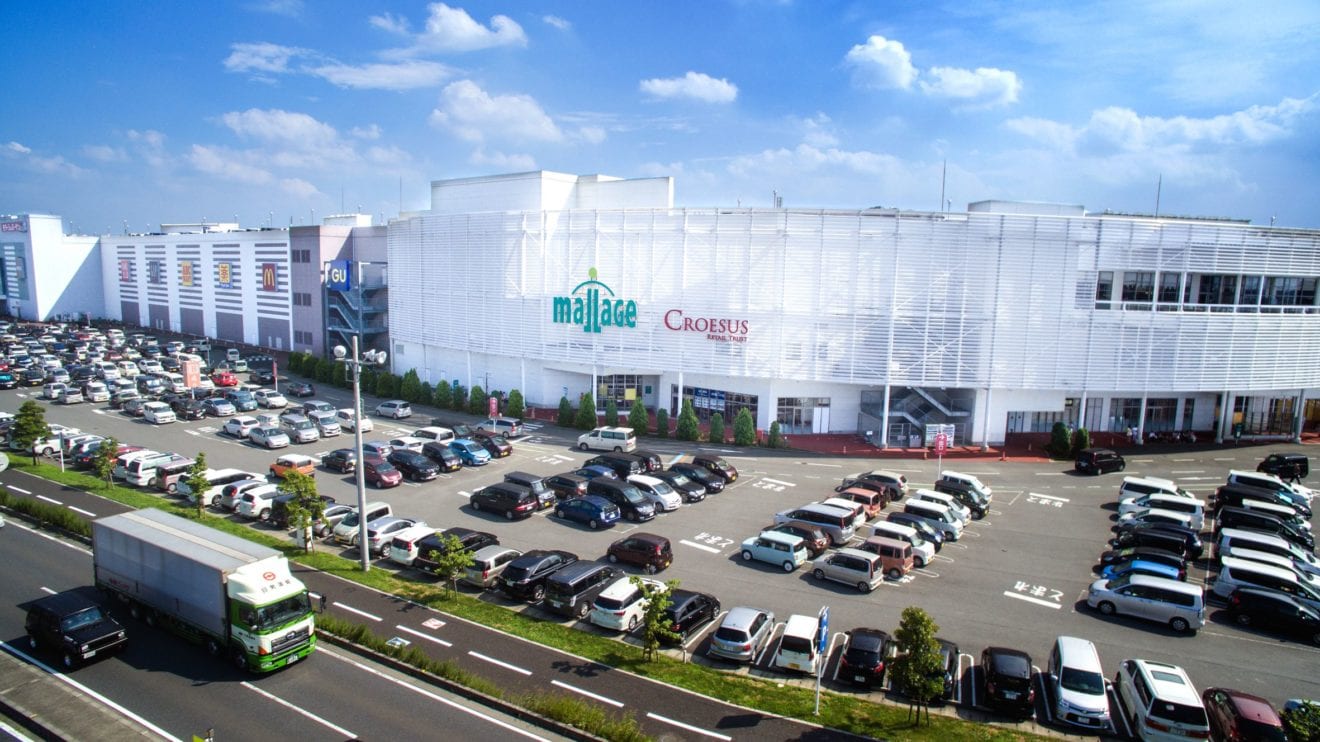
    Mainboard-listed Croesus Retail Trust has agreed to acquire Torius Property, a completed retail mall in Japan, for eight billion yen (S$95.2 million).

    The purchase price is at a 3.7 per cent discount to the property’s valuation of 8.3 billion yen (S$98.8 million).

    The property is a large-scale suburban retail mall in the satellite town of Hisayama-machi of Kasuya-gun, which is about 13 km from central Fukuoka City in Fukuoka Prefecture, on Japan’s Kyushu Island.

    Comprising 36 single or double storey buildings, Torius Property occupies a land area of 257,173 square metres and has a net lettable area of 77,032 sqm.

    It will be the eighth property in Croesus Retail Trust’s portfolio and marks its first foray into Kyushu Island.

    The purchase will be funded by a combination of debt and equity financing. Four billion yen will come from new Japanese five-year bonds, while a rights issue is expected to raise another $69.7 million.

    The rights issue comprise 114,222,677 new units based on 22 rights units for every 100 existing units at an issue price of 61 cents per rights unit.

    Croesus said the pro forma net property income (NPI) yield for Torius Property is 7.8 per cent, compared to the actual NPI yield of 5.3 per cent for its existing portfolio, for its financial year ended June 30, 2015.

    The pro forma distribution yield of the enlarged portfolio would increase to about 9.41 per cent compared to 9.4 per cent currently.

  • Black Friday Campaign Provides Shopping Catalyst in South Korea

    Black Friday Campaign Provides Shopping Catalyst in South Korea

    South Korea is trying to stem a drop in retail spending by replicating an American shopping tradition — Black Friday.

    More than 34,000 stores, including three-quarters of the country’s department stores, slashed prices by as much as 80 percent in the Korean version of bargain-oriented Black Friday through Oct 14. The two-week campaign was launched by the Korean government in an effort to offset sales lost to online commerce and to attract shoppers from neighboring China and elsewhere back into stores.

    In Korea, stores already hurt by online shopping were dealt another blow by the Middle East Respiratory Syndrome, or MERS, this year, which led to an 12 percent drop in revenue at department stores in June and another 6.5 percent decline in August. In July, sales were up very slightly, at 0.7 percent, from a year earlier as Koreans shopped ahead of the summer holiday season.

    The MERS virus has infected 186 people and killed 36 since the outbreak on May 20. It scared away tourists, reducing the number of foreign visitors by 53 percent in July, and another 27 percent in August, from a year earlier.

    Though the fallout from MERS subsided after the government declared July 28 that the virus was no longer a concern, the number of foreign tourists still continued to decline, and was down 3.8 percent in September from the previous year.

    For department stores, that has created a bleak situation, as Chinese tourists in particular are important for strong sales. So the government stepped in, figuring a western-style Black Friday campaign — which has become a seasonal retail driver in the U.S. with bargain-basement deals the day after Thanksgiving — would help stimulate interest in going back into stores in Korea.

    Sales jumped. For the two weeks through Oct. 14 at three major department stores — Lotte, Hyundai and Shinsegae — sales rose 24 percent from a year earlier, according to the finance ministry. Korean discount stores including E-mart, Home Plus and Lotte Mart reported a 3.6 percent revenue increase in the same period. The ministry estimates the overall upswing in retail sales to add about 0.1 percentage point to this year’s growth, forecast at 2.7 percent by the Bank of Korea.

    “It’s a relief, albeit temporary,” said economist Lee Jun Hyup at Hyundai Research Institute, a Seoul-based private think tank focusing on the economy. “An upturn would be meaningful in that the campaign lifted consumer spending in the weeks following the national Chuseok holiday, when people tend to cut down on shopping.”

    South Korean policymakers have been trying to expand the economy with temporary consumption tax cuts on cars and home appliances. Meanwhile, exports — which account for about half of the nation’s economic output — fell every month this year.

    Seoul’s plan is to host similar retail campaigns in the future. If successful, this could redirect local consumers back to Korean malls, which lose about 800 billion won ($707 million) every year during the peak shopping period of November and December to U.S. retailers such as Amazon.com Inc., said Lee Hyoung Ryoul, the finance ministry director in charge of organizing the event.

    In South Korea, the jicgoojok — literally, a tribe of direct buyers — increasingly buy goods from overseas online retailers at much better prices than offered at local stores. The trend is a challenge to Korea’s retailers, which have enjoyed agreements with manufacturers that allow them to charge a premium for foreign and domestic products with little concern for competition.

    A report by the Korea Customs Office last year showed that some import goods sold through exclusive dealerships including wine, lipstick, cheese and car tires were as much as 9.2 times more expensive in Korea than they were overseas.

    Unlike the U.S., where retailers control prices and offer discounts to clear out inventories ahead of the Christmas shopping season, Korean department stores often lease space to vendors without control over inventories. To stem the retail decline, the government would have to include more manufacturers and not just retailers in future Black Friday events, Lee at HRI said.

    While early results show the shopping event was successful, the discounts were limited. Most foreign brands in the high-end category, such as cosmetics and jewelry, didn’t participate, unless they were featured at select shops. Home-appliance stores directly controlled by Samsung Electronics and LG Electronics also weren’t part of the sales, according to the finance ministry.

    Still, some had their own sales — Tommy Hilfiger Kids at Lotte’s headquarters store was offering some items at a 30 percent discount last week in an event separate from the nationwide Black Friday.

    Some shoppers were disappointed that the discounts weren’t deeper — especially as they had been heavily promoted.

    “This is not much different from usual sales department stores regularly hold,” Shin Ji Hye, a 37-year-old mother said while taking a break from shopping for her toddler daughter in downtown Seoul. “I have seen some discounts on women’s clothing floors but most of them offered 10 percent. I think I will go back to online malls and wait for the real Black Friday in the U.S.”

  • Singapore’s consumer prices improves slightly in September

    Singapore’s consumer prices improves slightly in September

    Singapore’s consumer price index (CPI) came in at -0.6 percent year on year in September, slightly improved from the 0.8 percent fall in August, largely on account of a stronger pickup in the prices of consumer services and retail items, a joint press release by the Ministry of Trade and Industry (MTI) and the Monetary of Authority of Singapore (MAS)said Friday.

    Services inflation rose to 0.8 percent in September from 0.5 percent in the previous month. This mainly reflected the rise in healthcare services fees and public road transport cost, as the dampening effects of enhanced medical subsidies and SG50-related price promotions dissipated.

    The overall price of retail items was 0.6 percent higher, reversing the 0.6 percent drop in the preceding month, largely due to more costly clothing and footwear and household durables.

    Food inflation edged down to 1.8 percent from 1.9 percent a month earlier, as the increase in the cost of prepared meals moderated slightly.

    Private road transport cost decreased by 3.2 percent, extending the 2.9 percent fall in August, owing to lower Certificate of Entitlement (COE) premiums and petrol pump prices.

    The MAS Core Inflation, which excludes the costs of accommodation and private road transport, increased to 0.6 percent from 0.2 percent in August. This mainly reflected the stronger pickup in the prices of services and retail items, MAS and MTI explained.

    Looking forward, the MAS said external sources of inflation are likely to stay generally benign, given ample supply buffers in the major commodity markets and weak global demand conditions.

    For the full year, core inflation is expected to come in at 0.5 to 1.5 percent in 2016, compared to around 0.5 percent in 2015, said MAS and MTI.

    CPI-All Items inflation could continue to be dampened by lower car prices and imputed rentals on owner-occupied accommodation, amid an expected increase in the supply of COEs and newly-completed housing units.

    Therefore, MAS expects it to be between -0.5 to 0.5 percent in 2016, compared to around -0.5 percent this year.

  • Car sales drive Singapore’s retail sales up by 6.1%

    Car sales drive Singapore’s retail sales up by 6.1%

    Ironically, petrol service station sales dropped the most.

    Motor vehicle sales almost single-handedly towed Singapore’s retail sales as it grew by 5% compared to last month. Excluding motor sales, retail sales would only grow by a measly 1.3% from last year.

    According to data from the Department of Statistics, car sales almost doubled (43.9%) since last year, illustrating the gravity of the pull.

    Meanwhile, total retail sales value is at an estimated $3.5b, higher than $3.3b from August 2014.

    The massive scale of motor sales growth picked up the slack for ailing sectors such as the petrol service station sales, optical goods and books, and food and beverages, whose retail sales fell by 20%, 11.8%, and 6.4% yoy respectively.

    Medical goods and services trailed car sales in growth, elevating by 10.9%, while watches and jewellery followed with an 8.7% growth.

  • Thai Commerce Min happy with retail price slash by manufacturers

    Thai Commerce Min happy with retail price slash by manufacturers

    Commerce minister Apiradi Tantaraporn expressed his satisfaction after going on an inspection of prices of goods at several markets. After the inspection, she said the prices of vegetarian food have not been raised up too high this year, and the public could still afford to make purchases.

    She disclosed that 23 product manufacturers have notified the ministry that they have lowered the prices of 244 items, following the decrease of oil prices.

    Out of the listed items, 108 are in the food and beverages category, 35 items are construction materials, and 101 items in the lubricants category.

    The retail price cut for food and drinks will be between 1-56 baht, she said.

  • Burberry launches on Kakao

    Burberry launches on Kakao

    Burberry is the first British luxury brand to launch on Korea’s largest social platform, Kakao.

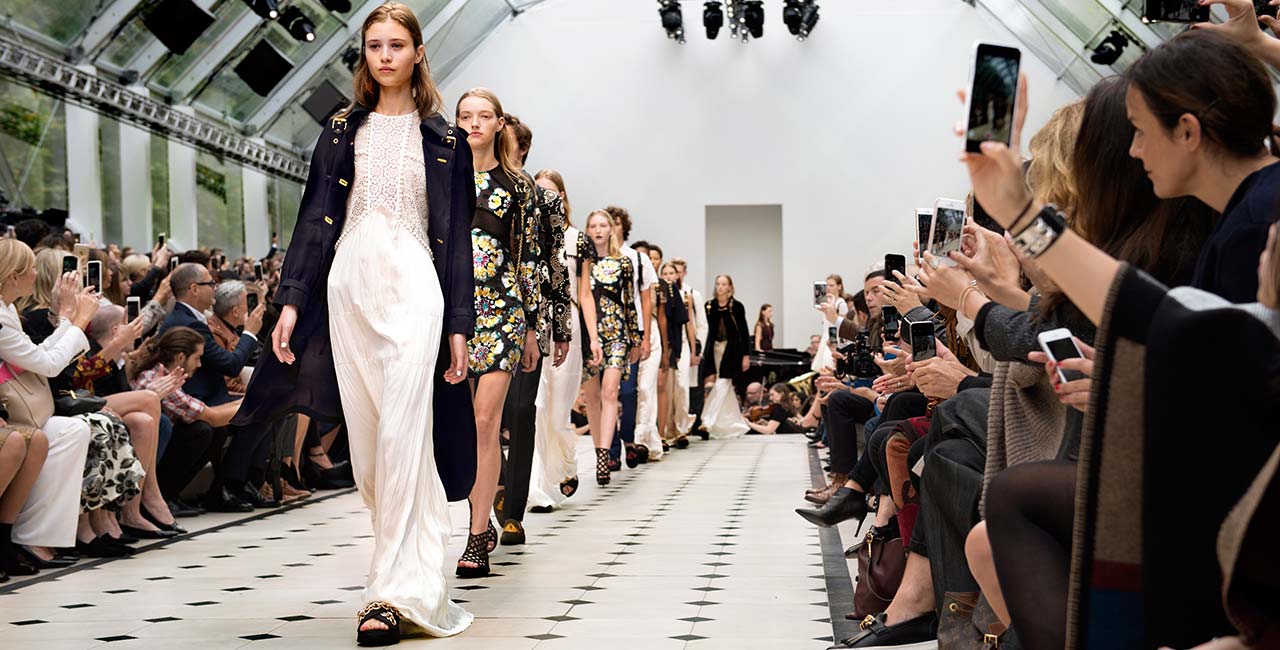
    Burberry and Kakao have formed a global partnership, which was inaugurated with the showcase of Burberry’s Womenswear Spring/Summer 2016 show last month.

    Burberry will be active across Kakao Talk, Kakao TV and Kakao Giftshop, offering Korean audiences direct access to its runway shows, campaigns and events bringing Kakao’s 190 million followers even closer to the British luxury brand.

    To celebrate the launch, Burberry will offer a selection of products to buy direct from the runway, through Kakao Giftshop.

    Burberry has also recently formalised partnerships with Apple Music, Snapchat and Line.

    Burberry CEO and chief creative officer Christopher Bailey described Kakao as “an incredibly creative and innovative company”.

    “So it is very exciting to be collaborating with them. The creative and commercial aspects of the partnership have been carefully designed to allow us showcase our culture and design heritage whilst also giving users the chance to shop at the same time.”

  • Asian startups got more than $10 billion in April-June quarter

    Asian venture capital-backed companies enjoyed 45% year-on-year growth in capital received during the second quarter of 2015, bringing in more than $10 billion in investments, according to a recent report by KPMG, an audit, tax and advisory company.

    The report notes that venture capital growth is driven by corporations on the hunt for companies with creative innovations. The buyers hope to integrate these innovations with their own businesses. Their activities are expected to continue as it is “cheaper for companies to invest in technologies rather than develop [them] internally,” the report says.

    Eight of every 10 deals in the quarter were made by Asian Internet and mobile companies, according to KPMG.

    Singapore was the top country for Southeast Asia’s venture capital activities, followed by Indonesia and Malaysia. In the second quarter, the republic had deals worth $160.7 million, while Indonesia had deals worth $3.5 million and Malaysia made $2.4 million worth of deals. For 2014, the amount of venture funds attracted by Singapore was around $1.07 billion.

    Terence Lee, managing editor of TechinAsia, an online news organization, said, “Singapore’s business-friendly environment and sound infrastructure is key.” He added that the Singapore government’s initiative to expand its Technology Incubation Scheme in 2012 “most likely led to the spike in investments in Singapore startups.”

    The government program helps to fund incubators that in turn seed startups. Under it, the government co-invests up to 500,000 Singapore dollars (around $350,000) in Singapore-based startups. An incubator can buy out the government’s stake in a startup within three years by repaying the initial capital plus interest.

    Investors have been investing in e-commerce-related companies, which are soaring in popularity in Asia. The online retail market in Singapore, Malaysia, Indonesia and three other Southeast Asian countries is worth around $7 billion. Globally, venture capital-backed companies raised $88.3 billion in 2014.

  • Mercedes restaurant opens in Hong Kong

    Mercedes restaurant opens in Hong Kong

    German car maker Mercedes-Benz has opened a new retail and dining concept in the heart of Central.

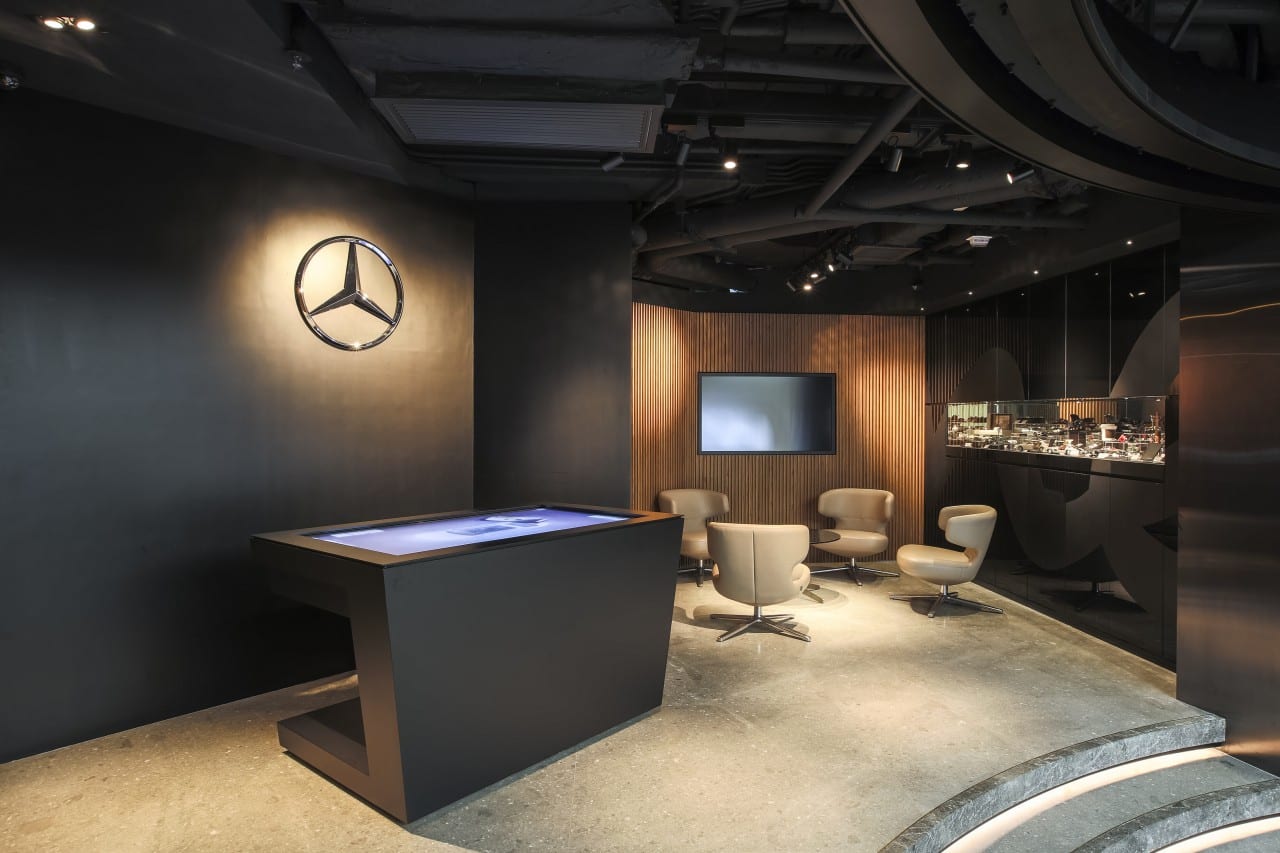
    The Mercedes restaurant, called Mercedes Me, “is about creating the ultimate personalised experience, developed organically around you and the products that you love,” the company explains.

    “Here, you can keep up to date with the latest news and events not only from the Mercedes-Benz world, but also the worlds you want to know about, such as fashion shows and Formula 1 live broadcasts. Share with us the things you love, and we will share in your passions.”

    The 480 sqm store opened last weekend in the Entertainment Building, 30 Queen’s Rd, with a glitzy cocktail function to which special guests were chauffeured in a fleet of classic and new model Mercedes-Benz cars. There was a fashion show featuring the latest range of Hugo Boss apparel and a presentation on Formula 1, currently dominated by the marque.

    Mercedes restaurant, Central Hong Kong

    Mercedes has created a destination lifestyle concept, a place to chill, a place to enjoy gourmet food, wines and cocktails, and somewhere to engage in cars, motor racing, design, art and fashion.

    It was created in partnership with Hong Kong restaurant group Maximal Concepts.

    The decor invites comparison with the interior of some of the brand’s cars: dark blue upholstered seats, polished timber and a collection of black and white photos of some of Mercedes-Benz’s greatest models from through the ages, all housed in a polished concrete shell.

    Oh, and you can take a look at the latest model cars from the brand as well.

    Mercedes Me is open for dinner from 5:30pm until 10:30pm daily. Breakfast and lunch will follow.

  • Marina Bay Sands Shoppes expands children’s collection

    Marina Bay Sands Shoppes expands children’s collection

    The Shoppes at Marina Bay Sands has added luxury label Dolce & Gabbana Junior to its growing line-up of luxury childrenswear retailers.

    The high end Singapore shopping centre which relaunched with a luxury focus in April, had already attracted Fendi Kids and Baby Dior to its retail store portfolio, part of a plan to build on its Children’s Collection to present more stylish options for “little adults”.

    Dolce & Gabbana Junior is the Italian designer label’s first Junior store in Southeast Asia.  Spanning more than 1400 sqft, the new boutique is painted with a pearl finish and furnished with lacquered wood furniture frames to create a shopping ambience that is soothing and refined. The Dolce & Gabbana Junior collection includes ready-to-wear for girls, boys, and newborn from ages up to 8.

    And more brands are yet to arrive.

    Come December, Armani Junior and Bonpoint will also be joining the The Shoppes’ Children’s Collection. Set to be its largest store in Singapore, the Armani Junior store will be showcased as a sleek and modernised concept for stylish juniors. It completes the family of Armani collections at The Shoppes – namely Armani/Marina Bay, the first and only duplex in Southeast Asia to house both Giorgio Armani and Emporio Armani, as well as Armani Collezioni.

    Armani Junior will open with its soon-to-launch Spring Summer 2016 collection featuring colorful and fun prints, while Bonpoint will unveil a selection of Shoppes-exclusive pieces from its Christmas 2015 collection and Cruise 2016 collection. Unique to the store is a special corner dedicated to its YAM collection which caters for young ladies and mothers, allowing for perfect mini-me looks that could be worn with their sisters or daughters. Bonpoint will also carry its full hypoallergenic skincare and signature perfume range in-store.

    The launch of Armani Junior and Bonpoint brings along a plethora of trendy ready-to-wear for newborns and children up to the ages of 16.

    Aside from the Children’s Collection, other boutiques that are opening at The Shoppes in the fourth quarter of 2015 include Ted Baker, the only Loro Piana store in Singapore, as well as the largest Michael Kors and Valentino stores in Singapore to date, spanning 3200 sqft and 3500 sqft respectively. More recently, the mall celebrated the opening of Furla’s Singapore flagship store and the biggest in Southeast Asia at 1600 sqft.

  • L&L Hawaiian Barbecue opens in Manila

    L&L Hawaiian Barbecue opens in Manila

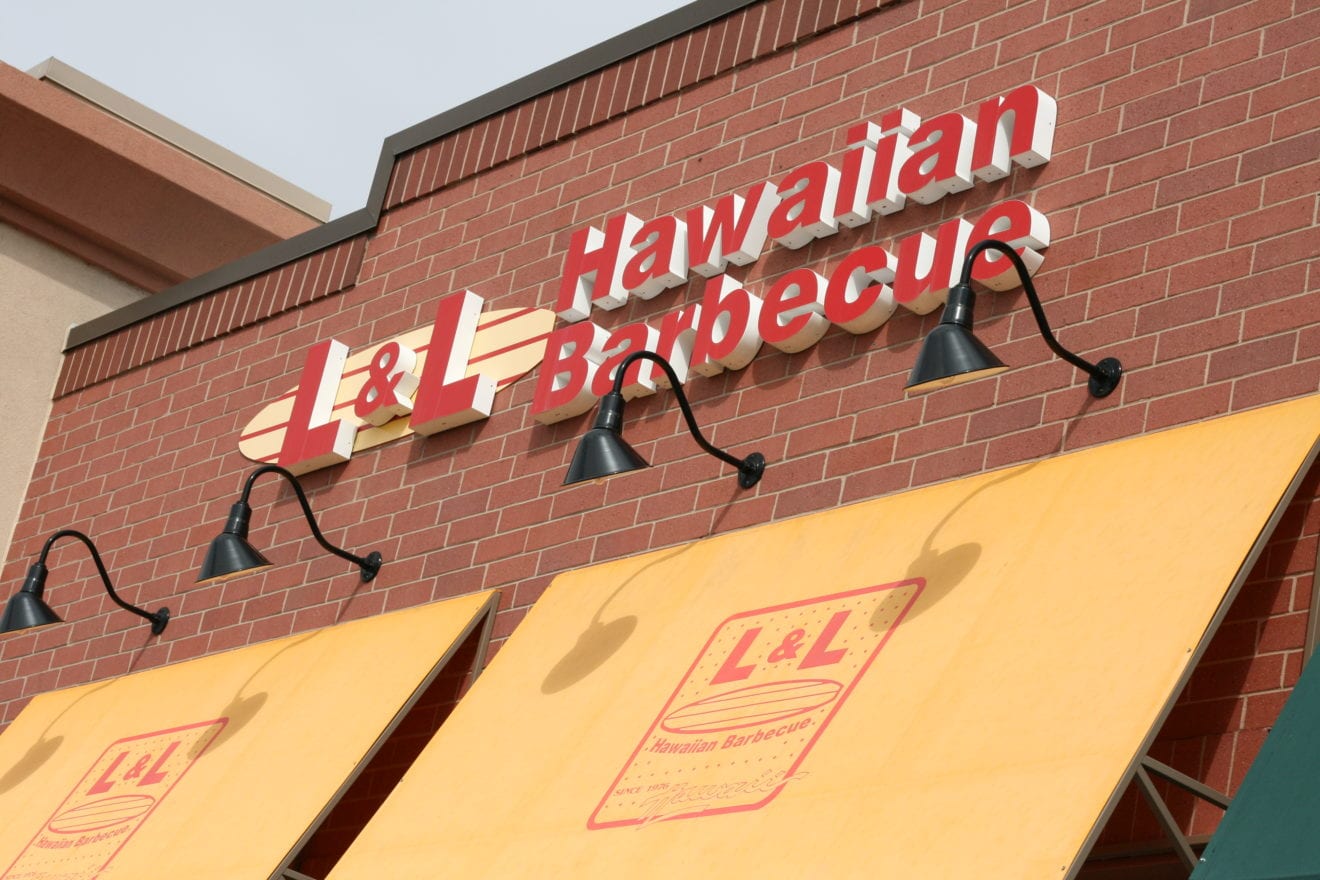
    L&L Hawaiian Barbecue has opened its first store in the Philippines, with a second one planned by November.

    The ‘plate lunch’ QSR brand made its debut quietly last month in a shopping mall at Edsa which will be followed by a second outlet in SM Megamall in Manila.

    “I think that the people there really enjoy our taste in food,” L&L Hawaiian Barbecue VP and COO Bryan Andaya told Pacific Business News. “Here, in the US, our third biggest demographic is Filipinos.”

    L&L Hawaiian Barbecue, also known as L&L or as L&L Drive-Inn in Hawaii, is a franchised restaurant chain based in Honolulu, Hawaii, centered on the traditional Hawaiian ‘plate lunch’.

    The concept expanded onto the US mainland in 1999 and there are now more than 200 locations across the US, Tokyo and Auckland, New Zealand.

    The brand has been credited with popularising the plate lunch in Hawaii, primarily through its drive-throughs.

  • Aeon Living Plaza opens at HKIA

    Aeon Living Plaza opens at HKIA

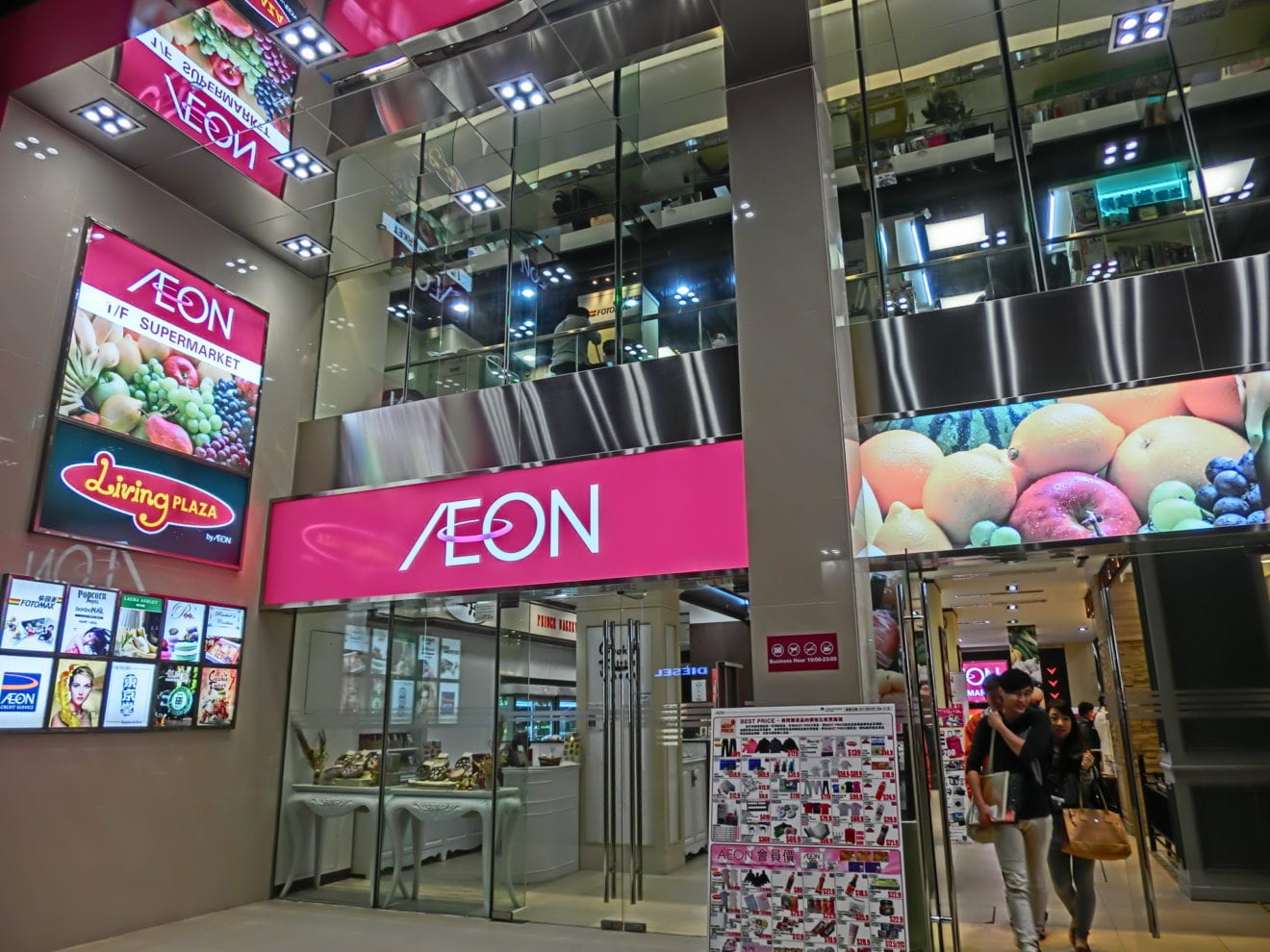
    Aeon Living Plaza has opened at Hong Kong International Airport.

    The new 4200 sqft store offers 8000 items ranging from snacks and convenience items through to home furnishings, fine stationery and other giftwares.

    Aeon Living Plaza at HKIA 1

    The shop takes up three retail spaces on the second floor of Terminal 2 and trades from 9am to 9pm daily.

    Aeon Stores (Hong Kong) Department Store was founded in 1987 and listed on the Hong Kong Stock Exchange in 1994. It operates eight integrated general merchandise department stores (GMS) in Hong Kong, five supermarkets, 27 Living Plaza by Aeon stores, six Bento Express by Aeon and two independent La Bohéme Bakery outlets. In Guangdong Province it has opened 20 GMS stores, six independent supermarkets and two shopping centres.

    Aeon Living Plaza at HKIA 2