Tag: Retail

  • Airline retail conference organiser grounded

    Airline retail conference organiser grounded

    The organiser of the Airline Retail Conference (ARC), has gone into liquidation. Memphis Media was due to host two inflight retail events in 2016 – the ARC Asia-Pacific at Marina Bay Sands Singapore on 25-26 February, and the ARC Conference Europe on 7-8 June at Olympia Conference Centre, London.

    The firm tried to transfer paid delegates from the Singapore and UK event to other conferences, the well-established Aviation Festival Asia (23-24 February), organised by Terrapinn in Singapore and a similar event in London on 8 and 9 September.

    But Memphis Media lacked the client numbers to run the events effectively, a problem exacerbated by increasing pressures on the inflight retail channel.

    The firm’s website has not been updates with teh news and managing director Karim Halwagi did not respond to our calls.

  • McDonald’s pilots new open concept in Hong Kong

    McDonald’s pilots new open concept in Hong Kong

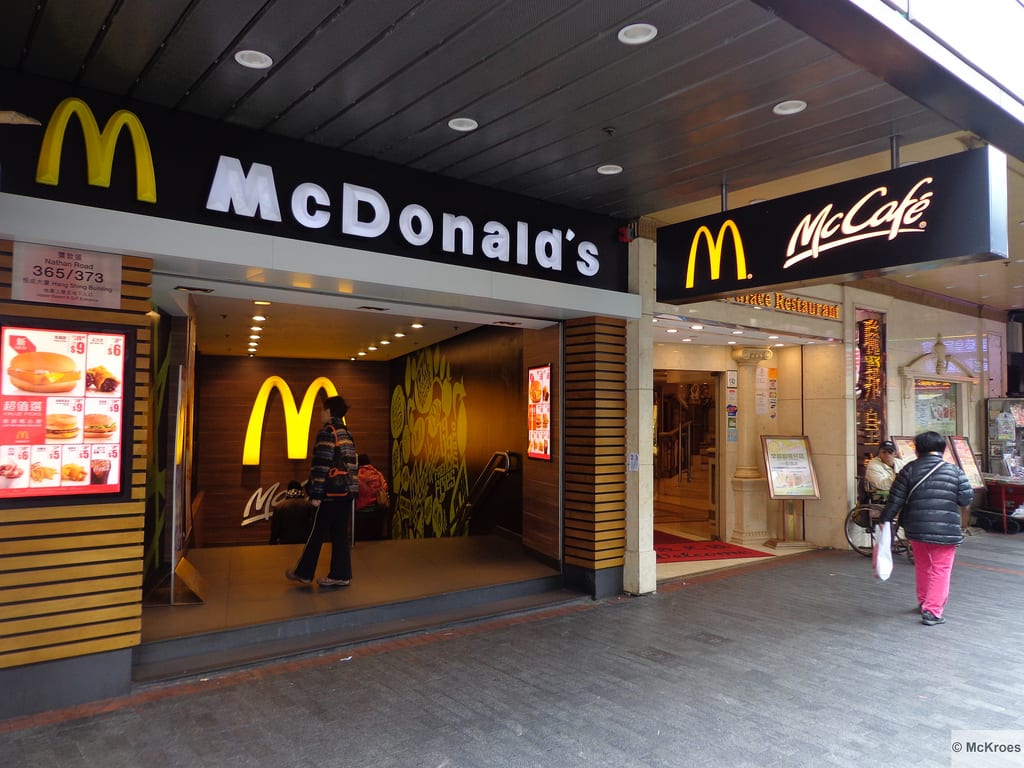
    McDonald’s first opened its doors in Hong Kong in 1975. Fast-forward 40 years and McDonald’s is pioneering a new dining concept it’s calling McDonald’s Next in the bustling city on the South China Sea.

    Billed as a “food bar,” the open-concept eatery is located in the city’s Admiralty area, a major shopping hub (and hang-out for youths) near the main Central district on Hong Kong Island.

    McDonald's Next Hong Kong digital create your taste ordering kiosk touchscreen

    While a handful of McDonald’s in Hong Kong already offer Create Your Taste digital ordering, the McDonald’s Next location in Admiralty (taglines include: “What’s Next is Now” and “Your creation. Made by us. Worth the wait”) is offering a whole new level of personalization and customer experience for the brand.

    mcdonald's next

    In addition to being open until 1:00 a.m. and offering free mobile device charging and table service after 6:00 pm, what makes the Admiralty location unique is the personalization, interactive design and social nature of the dining experience.

    McDonald's Next personalized Hong Kong table service Create Your Taste

    Almost like a sushi bar in appearance, customers sidle up to the counter (which McDonald’s calls a theater kitchen) to design and order on touchscreens their customized salads and burgers from the DIY “Create Your Taste” menu that launched in Hong Kong in 2014.

    McDonald's Hong Kong Next Create Your Taste #createyourtastehk

    McDonald's Next Hong Kong customer #createyourtastehk #cyt

    As in other CYT locations, the food is served on a wooden plank with a toothpick flag impaling the burger bun and the fries in mesh wire baskets.

    McDonald's Hong Kong Create Your Taste burger menu

    The integrated McCafe menu also includes gourmet coffee in smartly designed packaging, such as premium Ethiopian Sidamo coffee beans bagged in a style that would make third wave coffee snobs swoon.

    On the tables, customers will find various makes of charging cords for mobile devices to rejuice their ever-present smartphones.

    Coffee beverages served with latte foam art depicting characters in a marketing tie-in with the new Peanuts movie and a gingerbread man design, part of the local “Hug the Moment” holiday campaign.

    McDonald's Next Hong Kong DIY salad Snoopy foam latte

    Last but not least, for dessert customers can indulge in mixed berry Belgian waffles. Throughout the experience, they are (naturally) encouraged to share photos of their creations on social media with the hashtag #createyourtastehk.

    McDonald's Hong Kong Create Your Taste burger menu

    The “Create Your Taste” menu consist of 19 base ingredients including numerous salad options with cheese, sauces and ingredients like chopped boiled eggs, grilled chicken, couscous, quinoa, asparagus and even crayfish.

    The packaging both rewards and reflects the handiwork of each customer’s creation, with taglines such as “Your creation — made by us, served to you.”

    McDonald's Next Hong Kong Create Your Taste packaging

    On the tables, customers will find various makes of charging cords for mobile devices to rejuice their ever-present smartphones.

    McDonald's Next Hong Kong Create Your Taste mobile charging

    In another inspired touch, limited edition Create Your Taste tote bags given away during the launch promotion reproduced each customer’s unique order as a graphic illustration, whether a hamburger or a salad.

    McDonald's Hong Kong Create Your Taste tote bag

    McDonald's Next Hong Kong Create Your Taste salad tote bag

    To be sure, Create Your Taste is not unique to McDonald’s Hong Kong, and is now available in other markets including New Zealand, Australia,Canada and in select US cities including New York, where YouTube vlogger Casey Neistat reviewed the CYT “$12 burger” in September with a pal.

    The Next concept also has hints of McDonald’s “Corner McCafe” concept concept in Sydney, Australia.

    McDonald's Hong Kong Create Your Taste #cyt localization

    Beyond the customizable menu itself, the McDonald’s Next design is far from the counter interaction McDonald’s customers are use to. The open design of the bar encourages a more social space.

    McDonald's Next Hong Kong employees

    And forget the standard issue gold and red uniforms—McDonald’s Next employees wear a uniform that’s hipper and more appropriate for Hong Kong: black t-shirts. Even the balloons decorating the McDonald’s Next are chic, coming in black and silver.

    And on the tables, customers will find various makes of charging cords for mobile devices to rejuice their ever-present smartphones. McDonald’s is promoting McDonald’s Next as part of the brand’s 40th Anniversary in Hong Kong. The local press has raved about the new “food bars” with local social media users equally excited.

    It’s all designed, of course, to appeal to selfie-happy millennials and post-millennials (i.e. teens), key demographics for McDonald’s in the Chinese territory. But the local media hasn’t been all raving about the cool new McDonald’s Next, even as the Create Your Taste concept gains traction worldwide. For weeks now, Hong Kong’s newspapers have been reporting on how Western chains play into the mad economics of the city, even as BuzzFeed’s reviewers (for one) rave about McD’s only-in-Hong Kong local menu items such as flavored seasonings to shake onto your French fries.

    Scores of former fast food workers recently turned up at Hong Kong’s human services office after spiraling rents resulted in the closure of five of the city’s seven Burger King locations.

    And a homeless woman’s death in a McDonald’s booth—where she sat slumped over, unnoticed for some time—has shined a light on how the 24-hour McDonald’s locations have become de facto homeless shelters, with many of the destitute stretching out in booths overnight.

    Meanwhile, a little north in mainland China in the city of Hangzhou, McDonald’s is weathering a different kind of PR storm. Criticism has met the company’s decision to convert a historic building on the city’s famous West Lake into a McDonald’s.

    The building is the former home of Chiang Ching-kuo, son of Generalissimo Chiang Kai-shek, both of whom were Kuomintang leaders and later presidents of Taiwan—the longtime enemy and ongoing thorn-in-the-side of China’s ruling Communist party.

    Beyond the burger giants, KFC is opening its first ever location on the roof of the world. The chain is not yet in the far west of Tibet but that will change early next year when a KFC will open in Tibet’s capital of Lhasa. It will also come as Yum! Brands spins off its China operations by the end of 2016.
  • Vietnam a rising Asian retail market

    Vietnam a rising Asian retail market

    VN a rising Asian retail market

    Viet Nam is on the way to becoming one of the most developed retail markets in Asia, a seminar heard yesterday in Ha Noi.

    The Viet Nam Retailers Association (VRA) organised the Viet Nam Retail Forum 2015 with the theme of “Shopping centres and their development roadmap in Viet Nam”. The event brought together officials, retail experts, domestic retailers as well as foreign retail firms.

    According to Duong Duy Hung, Deputy Director General of the Ministry of Industry and Trade (MOIT)’s Domestic Market Department, total final consumption expenditure accounted for 70 per cent of Viet Nam’s gross domestic product (GDP), of which 90 per cent is household consumption expenditure.

    Hung added that the modern retail market is increasing its role as an engine of Viet Nam’s retail sector’s growth.

    Before Viet Nam joined the World Trade Organisation (WTO), there had been concerns that the models of traditional and modern retail channels could collapse due to the open-door policies facilitating multinational retail corporations, Hung said.

    But Viet Nam retail businesses have adapted step by step, enhancing competitiveness to survive, Hung said.

    However, domestic retailers are also facing difficulties. Foreign retail giants have poured money into trade centres and supermarkets, worrying domestic retailers, Hung added.

    VRA chairwoman Dinh Thi My Loan said Vietnamese supermarket and retail shop chains had been upgraded, but they still lacked professional factors, competitiveness in pricing, diversification in products and product quality control.

    According to the Nielsen market research firm, the middle and affluent class (MAC) in Viet Nam, whose income is from VND15 million (US$714) and above a month, will triple in size between now and 2020 and will be a key group of potential customers for retailers.

    According to a report by property services firm CB Richard Ellis (CBRE), Co.opmart supermarket chain owned by Saigon Co.op was named one of top 200 Asia-Pacific retailers in 2015.

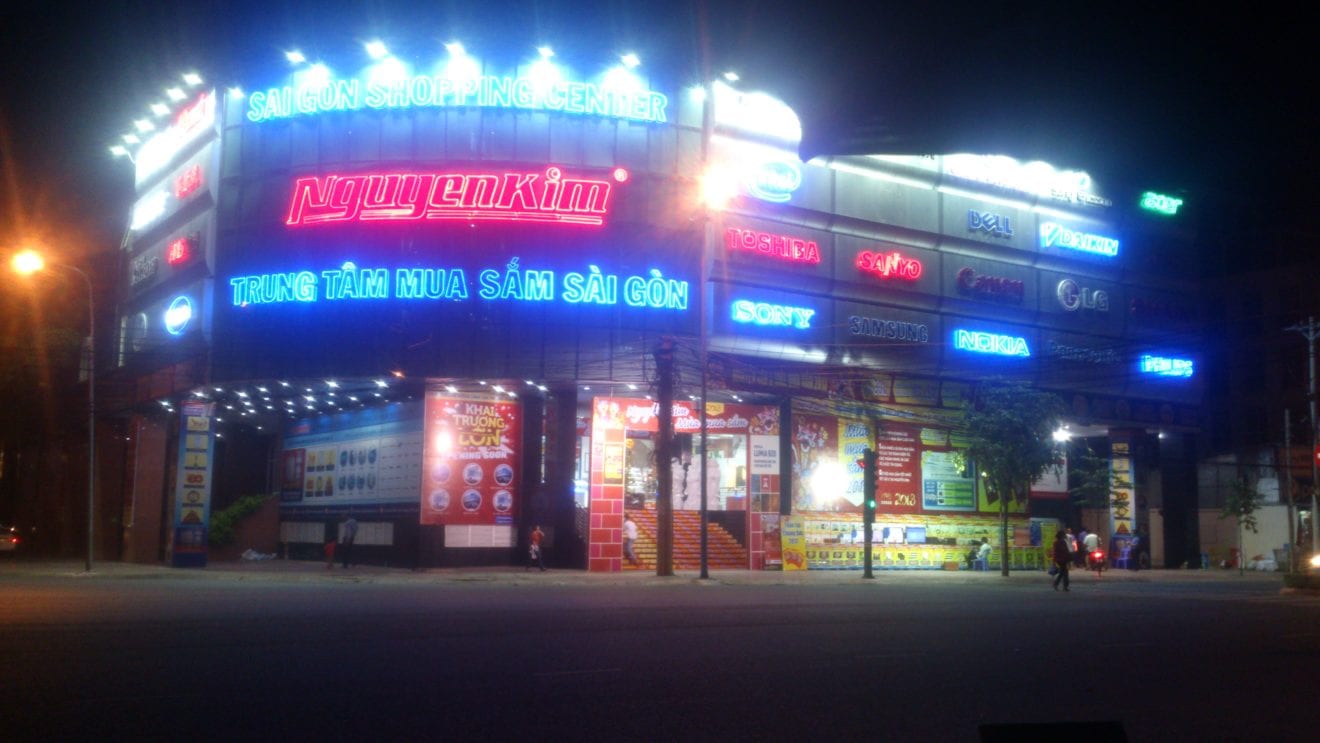
    However, in the Viet Nam’s top 10 retailer 2015 list, the leading position belongs to Saigon Jewellery SJC, followed by Nguyen Kim electronic store chains and the national mobile phone retail giant The Gioi Di Dong (Mobile World).

    This report also showed that the overall vacancy of Ha Noi’s retail space saw the highest rate in the past five years (up to 20 per cent) while this rate for HCM City has been relatively low, just under 10 per cent. This directly affects average rent in the two cities.

    As a result, average rent in Ha Noi has reduced while the figure for HCM City has increased. The rent in the central areas of Ha Noi and HCM City are very high, reportedly amounting to over $120 per sq.m per month in the third quarter of 2015, three times higher than other areas in the cities.

    The report also said that 22 per cent of Vietnamese prefer to go shopping in convenience stores rather than in big shopping malls. — VNS

  • Philippines Welcomes Chinese Smartphone Huawei Expansion

    Philippines Welcomes Chinese Smartphone Huawei Expansion

    Chinese telecommunications equipment maker is extending its reach to Southeast Asia’s retails sector.

    Huawei has launched its first experience store at the SM Mall in Manila. This new experience store represents another major step of the overseas market expansion of Huawei and the company continues to develop and grow its brand influence.

    With an area of 110 square meters, the Huawei experience store adopts a full-white minimalist design representing the “Huawei and I” idea, which aims to establish a better interaction between Huawei and its end users. In this store, users can experience Huawei’s Android watch and Google’s Nexus 6P smartphone made by Huawei.

    Charles Wu, head of the Philippines region of Huawei, said at the store opening ceremony that they launched new technologies to help users improve their quality of life. Their existing devices are widely used by users every day. Huawei provides end-to-end solutions and they introduce new products to the market with their technologies.

    Jojo Vega, Huawei’s consumer business manager, said that consumers in the Philippines show great interest in Huawei’s products. The company is now more confident and believes its stronger platform can attract more consumers and promote more interactions.

    Huawei now has 40 branded retail stores and 32 simple sales outlets in the Philippines. The company plans to increase the number of its branded stores to 60 in the country by the end of 2015.

  • New CEO for NTUC Fairprice

    New CEO for NTUC Fairprice

    NTUC FairPrice has announced the resignation of  CEO Tan Kian Chew on December 31 after 23 years with the company.

    Tan will join the Singapore Labour Foundation as CEO.

    His replacement has been named as Seah Kian Peng, who will commence on January 1. Tan joined NTUC FairPrice in 1992 as one of its assistant GMs and quickly rose to become GM (operations and corporate planning) in 1994, COO in 1995, deputy CEO in 1996 and eventually CEO in 1997.

    NTUC FairPrice chairman Bobby Chin said he deeply appreciated Kian Chew’s 23 years of service to FairPrice.

    “In [his] time, he has helped to build and strengthen the social enterprise.  He leaves FairPrice well poised to continue to deliver significant social good and in sound financial health.  He has built strong relationships not only within Fairprice but also across the group of social enterprises and the Labour Movement.  He is not only a colleague, but a friend to all and a mentor to many.  I wish him every success in his next career and I am sure all of us at FairPrice will miss him dearly.”

    During his tenure, Tan focused NTUC FairPrice on its social mission of moderating the cost of living for daily essentials. These include absorbing the initial impact of GST, launching the Everyday Low Price basket of goods and introducing the two per cent discount for seniors (on Tuesdays) and three per cent discount for pioneers (on Mondays), benefitting over 170,000 seniors every week.

    NTUC FairPrice has regularly been voted the most socially responsible company and one of the top brands in Singapore and the region by independent survey companies.

    Apart from delivering on its social mission, under Tan’s leadership NTUC FairPrice also grew quickly to become Singapore’s leading retailer with annual sales growth from $752 million in 1997 to $3.2 billion in 2014, attaining a market share of 59 per cent in 2014. Profit before tax also rose from $49 million in 1997 to $227 million in 2014 and net assets of the cooperative rose from $217 million to $1.5 billion during this period.

    “I am grateful to have spent 23 years with this great organisation, and deeply honored to have had the opportunity to lead it for the last 18 years,” said Tan in a statement.

    “I am very proud of what my colleagues and I have accomplished together during this period; in meeting competition, overcoming challenges and leading FairPrice to becoming a clear market leader in Singapore with a strong social mission.  I am leaving FairPrice with a sense of confidence as I am handing it over to Seah Kian Peng who has proven himself to be a very capable and dynamic leader.”

    Incoming CEO Seah has worked in both the public and private sector and joined the National Trades Union Congress – administration & research unit (NTUC-ARU) in June 1996 and was seconded to NTUC FairPrice in February 2001 as COO. In November 2001, Seah was re-designated as deputy CEO and continued to be overall-in-charge of supermarket operations.  In July 2006, with the announcement of the new group corporate structure, Seah was appointed MD of Singapore and was subsequently promoted to CEO of the Singapore business in April 2010.

    Under Seah’s leadership, FairPrice increased its footprint in Singapore from 99 to 290 stores with the opening of new formats to meet the evolving needs of the people in the city.

    Said Seah today: “I am humbled and excited by this continuing opportunity to serve the people of Singapore. NTUC FairPrice is an important part of the social fabric of Singapore and we will continue to focus on our social mission of moderating the cost of living for daily essentials while meeting the evolving needs and aspirations of the people of Singapore in this area.”

  • Drought holds back Thailand’s retail store expansion

    Drought holds back Thailand’s retail store expansion

    Sales have fallen at all but one of Thailand’s major supermarket retailers as the worst drought in a decade strikes at the heart of the farming sector – the backbone of the rural economy – and frustrates plans to open more stores in the provinces.

    Big C Supercenter, Thailand’s second-biggest hyper mart chain after Tesco PLC, suffered a 5.2 percent slide in third-quarter same-store sales growth (SSSG) from a year earlier, the most among its peers. About half of Big C’s sales come from the country’s interior where consumers are concerned about drought, low crop prices and a weak economic outlook, analysts say. Tesco’s Thai unit does not report quarterly SSSG numbers.

    Big C, majority-owned by Casino Group in France, has reduced its pace of expansion like many other cautious retailers. That’s in sharp contrast to the sector’s aggressive expansion plans just a few years ago.

    CP All, controlled by billionaire Dhanin Chearavanont, is taking a different tack. The operator of Thailand’s 7-Eleven stores is forging ahead with its expansion, partly to help offset slower sales at existing stores. That strategy seems to be working – same-store sales rose 1.6 percent in the third quarter. CP All was also the only retailer with any growth in sales. The company plans to open at least 600 stores a year to increase the total number of stores to 10,000 by 2018.

    Analysts say retailers’ earnings have bottomed in the third quarter, with government measures in place to stimulate consumption in the fourth quarter. That sentiment is reflected in a pickup in consumer confidence in October, the first rise in 10 months. But the road to recovery may be long, as overall consumption could be dragged down by falling farm incomes next year. Weather forecasters say parched conditions could persist through 2017. The agricultural sector is the country’s largest employer, accounting for 32 percent of Thailand’s labor force.

    “The impact of the drought will last for a long time, and that will drag down upcountry incomes and the sector’s SSSG,” said Worrapong Tuntiwutthipong, analyst at Krungsri Securities in Bangkok. “CP All will outperform others in terms of SSSG and earnings growth. Overall, consumption should remain weak, and SSSG will be at low single digits of 1-3 percent in 2016 from 0-1 percent this year.”

  • China pledges to boost retail, health and travel sectors to lift consumption

    China pledges to boost retail, health and travel sectors to lift consumption

    China will promote the development of the retail, health, travel and sports sectors in a bid to boost domestic consumption, the cabinet said on Sunday.

    In a statement on its website, the State Council said it will encourage financial institutions to accept a broader range of collateral for extending loans to “lifestyle-related businesses”.

    Other sectors that the government highlighted are service ones related to families and the elderly, culture, law, accommodation and catering as well as education and training.

    The State Council said the government will also expand consumer credit, improve the system of Internet payments and study the management of credit card fees “to further reduce overall expenses” related to their use. No details were given.

    The government will crack down on price-gouging as well the sale of counterfeit goods, and prosecute monopolies and businesses engaged in unfair competition, according to the statement.

    Top leaders have flagged a “new normal” of slower growth as it tries to shift the world’s second-largest economy to sustainable, consumption-led development.

    China’s economy is on track this year to grow at its slowest pace in more than two decades. Chinese growth dipped to 6.9 percent in the third quarter, the weakest since the global financial crisis, hurt partly by cooling investment.

    Earlier this month, the government said it will increase financial, fiscal and tax policy support to drive consumption.

  • Trafigura-Backed Puma Building $100 Million Myanmar Facility

    Trafigura-Backed Puma Building $100 Million Myanmar Facility

    Puma Energy International, the fuel retail and storage company spun off from commodity trader Trafigura Pte Ltd., is building a $100 million facility in Myanmar and seeking other deals in the once-isolated Asian country that’s opening to more foreign investment after elections this month.

    The storage tank facilities for bitumen and petroleum products at Thilawa Port, 23 kilometers (14 miles) south of the capital, Rangoon, will have a capacity of about 97,000 cubic meters. Based in Singapore and with major operations in Geneva, Puma is the first foreign company granted permission to build oil storage facilities in Myanmar, Chief Financial Officer Denis Chazarain said in an interview.

    “It is a really promising market,” he said of Myanmar, the Southeast Asian nation that suffered a half-century of isolation under a military junta. Puma is targeting potential retail service station deals as well as lubricants, marine fuel and wholesale markets, he added.

    Puma is one of 11 foreign companies that have applied for a government tender to form a joint-venture with state-owned Myanma Petrochemical Products Enterprise for a liquid petroleum gas distribution business. LPG is a staple fuel used for cooking in Myanmar, positioned on a potentially key trade route between China and India.

    “Puma Energy is interested in all segments of the market in Myanmar,” Chazarain said.

    Myanmar’s voters last week handed Aung San Suu Kyi’s opposition party an overwhelming majority, giving her a free hand to choose the next president and push through legislation. Investors and foreign companies, including Puma, are seeking details of the Nobel laureate’s plan to attract investment needed to spur economic growth, create jobs and boost wages. The nation’s military still controls two of the nation’s biggest conglomerates, which invest in everything from mining to banking.

    Puma already has an exclusive agreement to be the sole foreign distributor of jet fuel in Myanmar as part of a joint venture with MPPE. Puma has invested about $50 million in the aviation venture, Chazarain said.

    Mozambique Expansion

    Trafigura, the third-largest independent oil trader, is the biggest shareholder in closely held Puma with a 49 percent stake. Jonathan Pegler, Trafigura’s co-head of crude oil, is returning to Geneva from Singapore to become Puma’s global head of supply and trade. He will be responsible for sourcing products and oil for Puma’s growing network of 88 terminals in 46 countries.

    Puma officially opened two new terminals in Mozambique on Thursday, the company said in a statement. The 115,000 cubic-meter Matola bitumen and fuel terminals bring the company’s total capacity in Mozambique to 275,500 cubic meters, making it Puma’s second-largest storage site in Africa.

    Chazarain said he expects the company’s sales volumes to be about 20 million cubic meters this year. The company executed a series of recent acquisitions including the purchase of Murphy Oil’s shuttered Milford Haven facility in the U.K., which it has converted to storage. It also purchased BP Plc’s bitumen business in Australia and its regional jet fuel business in Puerto Rico.

    Those deals helped Puma increase third-quarter pretax earnings by 5 percent to $177 million, the company said earlier this week.

  • Courts Retail to open second  megastore by year-end

    Courts Retail to open second megastore by year-end

    PT Courts Retail Indonesia, a subsidiary of Singaporean retailer Courts Asia Ltd., will open a new megastore in Bumi Serpong Damai (BSD) City, South Tangerang, Banten, in December as part of the company’s Indonesian expansion.

    Courts Retail Indonesia CEO Roy Santoso said the 24,000-square-meter megastore was currently under construction on a 2.2-hectare plot of land in BSD, a growing township in the southwest of Jakarta with direct toll road access to South and West Jakarta.

    He said the construction of the retailer’s second megastore was 80 percent complete. The store would sell at least 12,000 items from 200 local and international brands. All the electronics and home appliances were local products, while the furniture would comprise 70 percent local and 30 percent imported brands, mostly from Malaysia and China, Roy added.

    “The store spaces will be grouped into four segments: ‘Play’ for electronics, ‘Live’ for home appliances and accessories, ‘Sleep’ for beds and ‘Relax’ for furniture,” he said in a press briefing last week.

    Currently the company has three operating stores: one megastore in Kota Harapan Indah, Bekasi, West Java, and two smaller ones in Bekasi and Bogor, both West Java. It only began active operations in Indonesia in 2014.

    Roy said that Courts Retail would open a maximum of seven stores in total within two years and 10 to 12 stores by 2019 in Greater Jakarta.

    “In these kind of economic conditions, we have to have a sustainable development plan. To reach breakeven, we plan to open two to three smaller-sized stores within two years,” Roy said.

    “Our initial plan had been to have one megastore in each western and eastern part of Greater Jakarta. The eastern part is Bekasi and the western part is BSD. We can still have vast area to build a megastore in BSD,” Roy said.

    “Courts also targets various classes of income groups. In our stores we segment our products into good, better and best so that people can choose. And BSD is easily accessible for people with different income who live in Bintaro and Pondok Indah in South Jakarta and Karawaci in Tangerang, other satellite cities with high numbers of population,” Roy added.

    The company has invested between US$3 million and $5 million for each megastore and $500,000 to $1 million for each smaller store of 2,000 sqm. In total, it has invested around $8 million so far, Roy said.

    The megastore to be launched in BSD will absorb some 300 employees, alongside overall management personnel placed there, too, as the company plans to move its headquarters from South Jakarta to the new outlet by December.

    Amid present competitors in the area, such as Kawan Lama Group’s Ace Hardware and Informa that serve similar product segments, Courts remains optimistic as it offers different product models and promotions.

    Courts Retail promotion strategy includes a flexible credit scheme and cooperation with major credit card issuers, including exclusively with BRI.

    “Other new things offered by Courts include a free delivery service, made-to-order furniture, installation, repair and cleansing services. Our e-shopping website will be ready by the end of this month,” Roy said.

  • Restaurateurs see opportunities in Hong Kong as retail rents slip

    Restaurateurs see opportunities in Hong Kong as retail rents slip

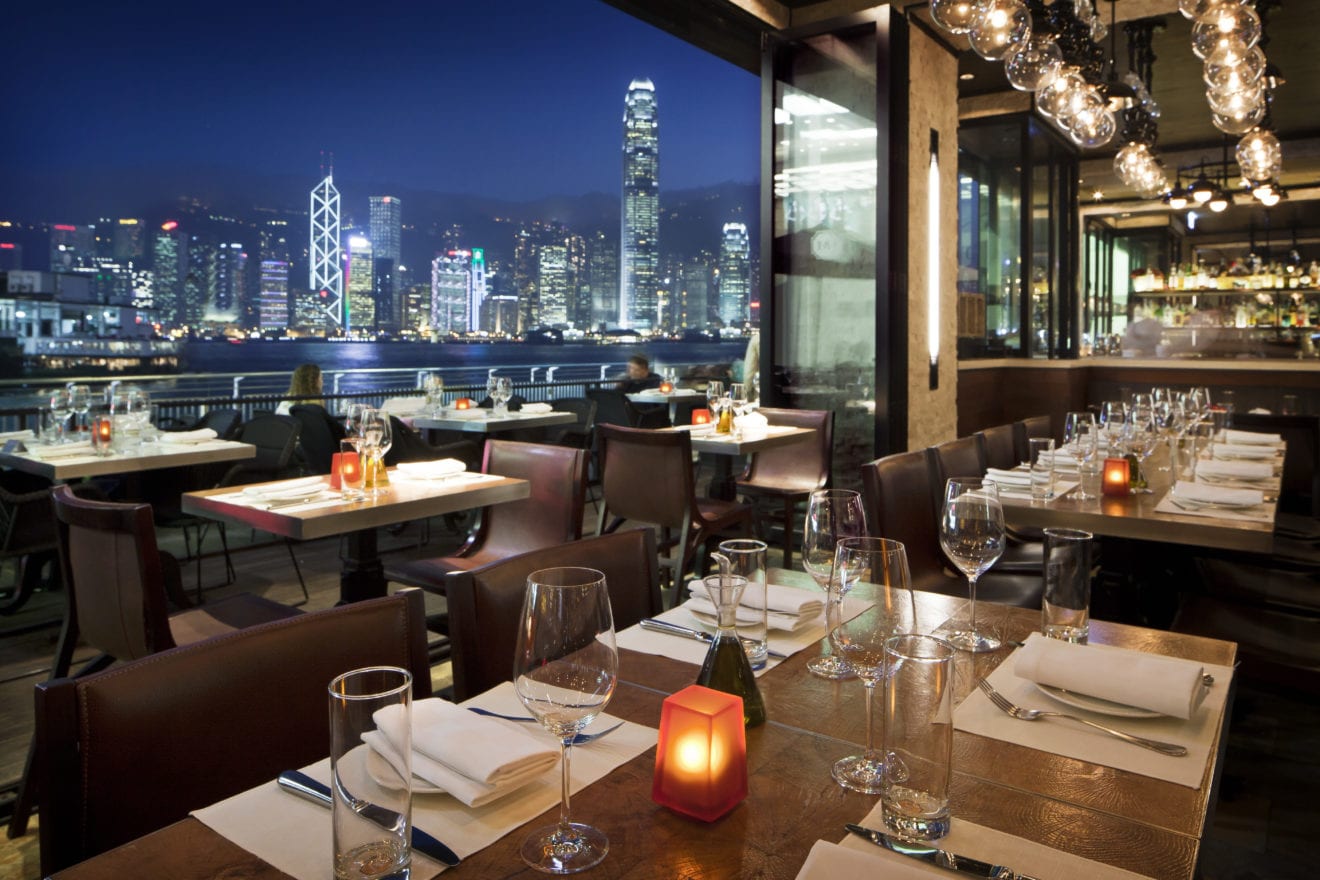
    After waving goodbye to the boom in mainland Chinese arrivals, Hong Kong’s retail leasing market is refocusing on broad-based, local consumption, including food and drink.

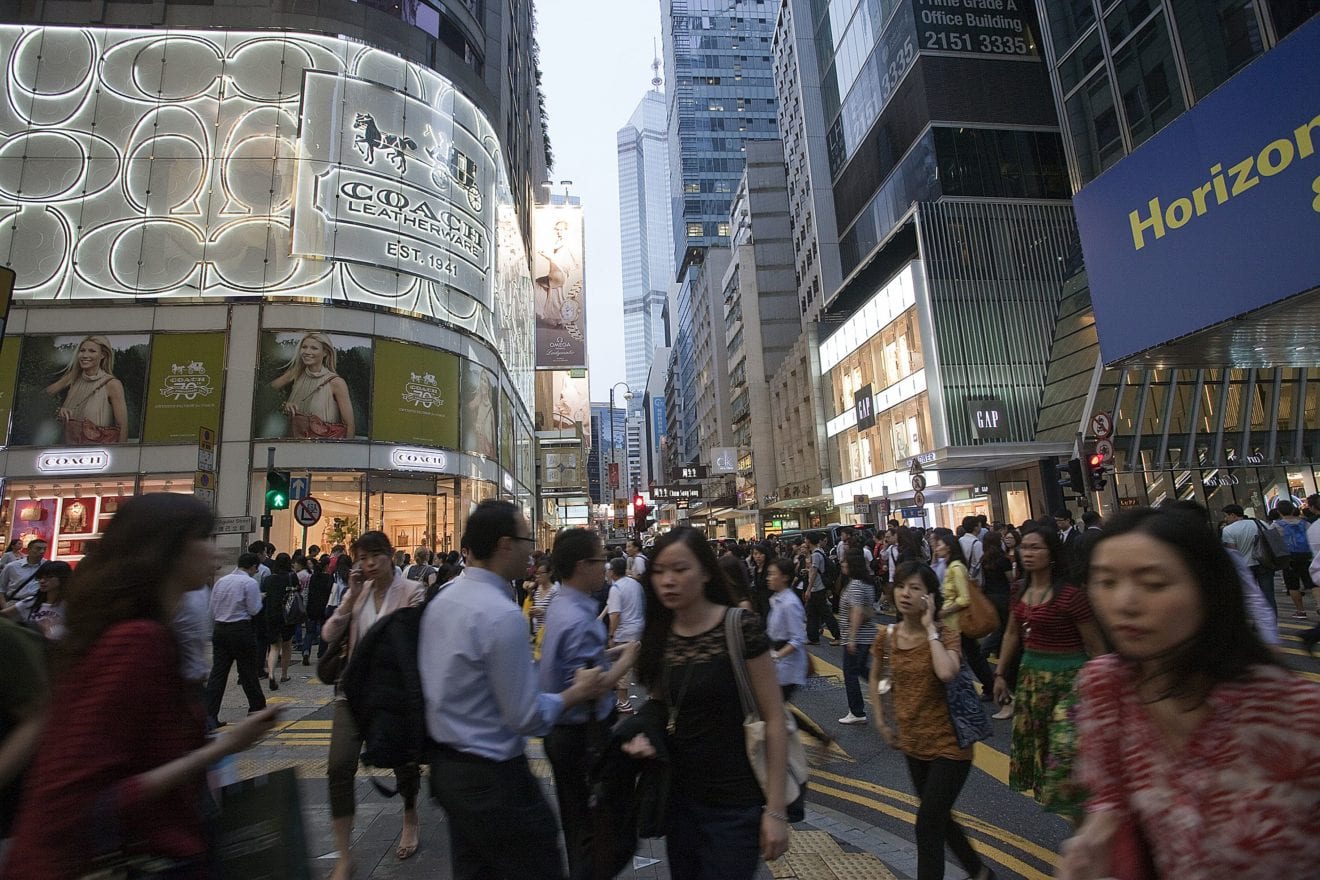
    Hong Kong shopping streets are changing as luxury shops, including watch, handbag and jewellery retailers, close stores, and restaurateurs see opportunities.

    “New dining brands entering Hong Kong in the past year were pretty successful,” said Helen Mak, retail services group head at Colliers International. “Celebrity chefs like Gordon Ramsay and Jamie Oliver have just opened their second restaurants in Hong Kong recently.”

    Hong Kong retail sales fell for six straight months to the end of August as mainland tourists spent less. Luxury retailers have been scaling back their operations as a result. New dining brands entering Hong Kong in the past year were pretty successful.

    According to data from DTZ, in the first eight months of this year high street rents declined by 29 per cent year on year in Causeway Bay and by 34 per cent in Tsim Sha Tsui.

    In September, cosmetics retailer Colourmix paid 60 per cent less than the former tenant, luxury Swiss watch brand Jaeger-LeCoultre, to take its space in Causeway Bay’s Russell Street, one of the most expensive shopping strips in the world.

    High street rent in Hong Kong’s four top shopping districts, including Causeway Bay and Tsim Sha Tsui, surged as much as 213 per cent from 2003 to 2014.

    “Restaurant rents are much more stable than storefront luxury shop rents,” said Kevin Lam, DTZ’s head of business space. He said restaurant rents in the four top shopping districts had grown by an average of about 10 per cent a year since 2010.

    “Dining out is already an integral part of Hong Kong culture and Hong Kong people love to welcome food from different countries,” Mak said. “Even for mainland visitors, they may shop less but they won’t give up the food experience in Hong Kong. The future of dining business is promising here.”

    She said many dining brands outside Hong Kong, including some from Europe, the United States, South Korea and mainland China, wanted to expand here and were looking for places to rent. Popular mainland hotpot brand HaiDiLao is among them.

    “Shop owners used to be too reliant on luxury shops,” Mak said. “Now we finally have a supply of spaces for other business.”

  • Lazada’s Marketplace offers merchants a wide one-stop retail gateway

    Lazada’s Marketplace offers merchants a wide one-stop retail gateway

    Lazada Marketplace in the region accounted for 80 per cent of the company’s Gross Merchandise Value (GMV) or overall sales as at the end of August 2015.

    Alessandro Piscini, CEO of Lazada Thailand, said Lazada Marketplace was the engine of the company’s growth, attracting local merchants who were reaping the rewards of partnering with Lazada.

    “We can fulfil all customer shopping needs effortlessly on their behalf, and added to our committed investments in logistics, tech development and payment solutions, no other eCommerce player can offer a similar one-stop retail gateway to Thai merchants,” said Piscini.

    As e-commerce continues to grow in Thailand, Lazada marketplace offers opportunities for both new and experienced sellers to reach new markets, benefit from Lazada’s support in advertising their goods and monitor critical data on how their store is performing. With more than 4.5 million daily visits to its sites and close to 100 per cent geographical distribution coverage, Lazada has become the clear choice for sellers throughout Southeast Asia, said Piscini.

    Since opening to local merchants, over 7,000 Thai businesses have chosen to sell their goods at Lazada Marketplace, supplementing products from established brand names such as Tesco Lotus, L’Oreal and Philips.

    Sellers are well-supported by Lazada’s end-to-end model that takes care of their needs from order to delivery, and they also benefit from having direct access to Lazada’s established customer base, infrastructure and analytics.

    The Seller Centre, for example, provides a one-stop online platform to manage inventory, pricing, promotions and orders, with a recently released Seller Centre Android app adding enhanced search, notifications of new orders and sales performance, helping marketplace sellers manage their business on-the-go.

    Small and medium business can also tap into Lazada University to equip themselves with marketing tools in order to increase their visibility online and maximise profits.

  • Airport Authority Hong Kong calls retail tenders at HKIA

    Airport Authority Hong Kong calls retail tenders at HKIA

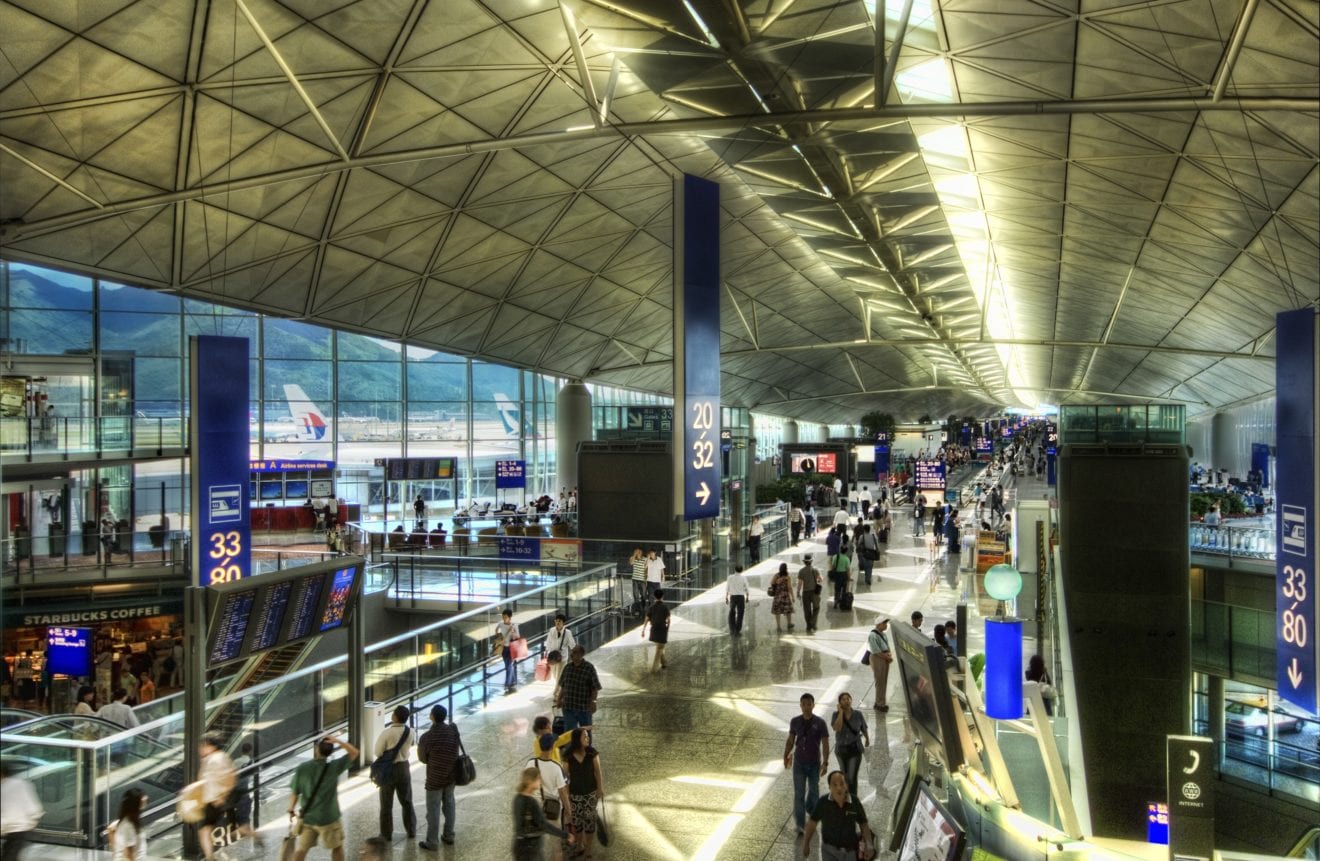
    Airport Authority Hong Kong has issued audio/visual/electronics, fashion and fashion accessories and gifts/souvenir/toys tenders at Hong Kong International airport.

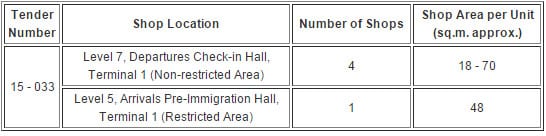
    Five consumer technology retail store concessions are available with a submission deadline of December 10. Four stores are located in terminal one departures check-in level seven and one in arrivals pre-immigration level five.

    The four T1 departure stores range from 18-70sq m with the arrivals store spanning 48sq m.

    Photo of Hong Kong airport gifts tender

    The airport, which serves over 100 airlines and handled 63.3 million passengers in 2014, an annual growth of 5.8%, said the stores represented an enticing opportunity to attract brands catering for  HKIA’s “affluent mix of passengers which come from all over the world, with over 45% being executives, professionals and proprietors.”

    Fashion and toys and gifts retailers have also been invited to bid for concessions. The deadline for submissions for the 50sq m fashion store in the north satellite concourse departures area is December 3, while interested parties have until November 5 to submit bids for a 48sqm toys and gifts store.

  • Philippine firms on billion dollar global shopping spree

    Philippine firms on billion dollar global shopping spree

    Philippine firms are on an unprecedented global shopping spree spending billions on everything from vineyards to food manufacturers and casinos reflecting the nation’s recent economic rise.

    A combination of strong domestic growth bargain prices in retreating economies abroad and rock-bottom borrowing rates have fuelled the acquisitions analysts said.

    The Southeast Asian nation has for years exported shopping malls and junk food to the region but cashed-up Filipino firms have diversified in recent years with acquisitions around the world and in many sectors.

    “It has not happened in this rapid succession. It’s like a colonial mentality in reverse” said Luis Limlingan research head at Manila stock brokerage Regina Capital.

    The pace of the acquisitions has startled both local and foreign investors according to BDO Unibank chief market strategist Jonathan Ravelas.

    “Filipino companies are moving into the global space and it’s not limited to just one sector. The opportunities abound” he said.

    In one of the most-recent big-ticket acquisitions local instant noodle firm Monde Nissin said last month it was buying British meat substitute manufacturer Quorn for 550 million pounds (833 million).

    In the last two years the private company also snapped up popular fruit juice brand Nudie and chilled dips manufacturer Black Swan both from Australia for undisclosed amounts.

    Monde Nissin is owned by Betty Ang who started her company 30 years ago and is now the nation’s 19th richest person with a net worth of 900 million according to Forbes.

    Meanwhile Emperador a company controlled by the Philippines’ fourth richest man Andrew Tan and which specialises in cheap brandy at home is looking to spend more than one billion dollars on diversifying in Europe.

    In May the company said it would bid to acquire French cognac maker Louis Royer SAS.

    There has been no resolution in that attempt yet but last year it paid 430 million pounds (726 million) for Scottish whisky maker Whyte and Mackay.

    Emperador also spent 60 million euros (82 million) last year for half of Spanish brandy producer Bodega Las Copas.

    The Philippines’ third-richest man Enrique Razon has made headlines by expanding on the port operator business that has made him his fortune by setting his sights on the Asian gaming market.

    He opened a billion-dollar casino in Manila in 2013 and then in March this year his Bloombery Resorts firm announced it was buying AN island and part of another one in South Korea for his first overseas gaming foray.

    Analysts said these were some of the highest-profile acquisitions overseas but there were many others in a wide range of sectors including telecommunications power fast food and oil.

    Awash with cash

    Filipino firms are leveraging their earnings from a robust local economy to snap up bargains in countries where growth has slowed analysts said.

    “These companies have huge stashes of cash and they are maximising it to compliment their existing businesses” said Astro del Castillo managing director at Manila stock brokerage First Grade Holdings.

    The Philippines had for decades endured low economic growth compared with other Asian tiger economies partly due to crippling corruption and red tape.

    But in recent years the economy has been one of the strongest in Asia averaging growth of 6.3 percent between 2010 and 2014.

    President Benigno Aquino whose six-year term ends in 2016 has been widely credited overseas for the economic gains due to his efforts to tackle graft and stifling government bureaucracy.

    This year the economy has slowed but still expanded by 5.3 percent in the first half.

    But many of the enduring problems remain at home and these are forcing the local firms to look elsewhere according to Victor Abola an economist at the University of Asia and the Pacific.

    “It’s not so much a lack of growth opportunities (locally)” Abola said explaining why Filipino companies were investing abroad.

    “It’s about the government changing the rules of the game midstream… and slow action on proposals.”

    The Philippines ranks 95th out of 189 economies based on ease of doing business according to The World Bank’s International Finance Group.

    But that is a huge improvement: under Aquino’s reign the Philippines has moved up 53 spots in the last four years.

  • South Korea Online Retail Market Outlook to 2019

    South Korea Online Retail Market Outlook to 2019

    Ken Research announced its latest publication on “South Korea Online Retail Market Outlook to 2019” which provides a comprehensive analysis of the retail market in South Korea. The report covers various aspects such as market size of South Korea online retail market, segmentation on the basis of product type and modes of distribution. The report is useful for government, industry consultants, online retailers, offline retailers, food and grocery stores, online electronic chains, apparel and footwear manufacturers, other stakeholders and new players venturing in the market.

    The demand in online retail market of South Korea has inclined at a substantial growth rate even after the economic slowdown in 2008. This demand has enhanced due to the increased usage of high speed internet, rising smart phone penetration and high proportion of old aged people in the country. These factors are expected to lead the growth in online retail backed by the improvements in the payment gateways, better packaging and delivering options. During the period 2009-2014, online retail market in South Korea has expanded at a substantial CAGR of 17.7%, which has marked the gross merchandise value at USD ~ billion during 2014.

    According to the research report, the South Korea online retail market will grow at a considerable CAGR rate thus exceeding USD 66.2 billion by 2019 due to the rising income level and growing influence of social media with increasing demand for clothing, fashion products, electronics and beauty products by a large number of middle aged people in the country who wish to upkeep with the trends and stay up-to-date in line with developments in the country.

    “While, rising disposable income, hike in middle aged population and increasing number of internet and smartphone users in the country will result in increased revenue from online retail in South Korea, Cyber crimes and frauds, higher competition and customers’ reluctance to pay high amounts online are few of the major challenges which will affect the growth of this industry in the future”, according to the Research Analyst, Ken Research.

    Key Topics Covered in the Report:

    South Korea Online Retail Market

    Market Size by Gross Merchandise Value, Number of Orders by Product Type, Average Order Size by Product Type Market Segmentation by Product Type Mode of Distribution Trends and Development SWOT Competition and Market Share Important Mergers and Acquisitions Important Investments Growth Drivers Government Rules and Regulations Pre-Requisites to Enter the Market Analyst Recommendation Cause and Effect Relationship Future Outlook Macro Economic Parameters

    Key Products Mentioned in the Report

    Online Clothing, Footwear and Fashion Products

    Online Books and Stationery

    Online Electronics

    Online Beauty Products

    Online Sports, Music and Entertainment Products

    Online Food and Grocery

    Online Baby Products, Household Goods, Motor Parts & Accessories and Garden Products

    Companies Covered in the Report

    eBay, GMarket, eBay Auction, 11 Street, Interpark, Lotte, Emart, GS Home Shopping, CJ O Shopping, Hyundai Home, Shopping, Lotte Home Shopping, Home and Shopping, NS Home Shopping, Fashion Plus, Dahong, Yesstyle.Com, Bershka.Com, Musinsa.Com, Fashionstart.Net, Elf Fashion, Hiphoper.Com, Etude House, Pore Lab, Thefaceshop, Missha, Roseroseshop, Moonshot-Cosmetics.Com, Naturerepublic.Com, Theskinfood.Com, Sokoglam.Com, Kyobo, Yes24, Aladin, Ypbooks.Co.Kr, Bandinlunis.Com, Libro.Co.Kr, Heyeonni.Com, Compuzone, Himart, Icoda, LG Electronics, B-Store.Co.Kr, Lots Etland, Hello Nature, KGC shop, Highstreet, Expatmart.Co.Kr, Fatbag.Co.Kr, Ezshopkorea.Com

  • 5 cutting-edge retail technology trends

    5 cutting-edge retail technology trends

    You may not think of your local department store as a hub of innovation. But technology drives almost every step of the retail experience. Here are five ways some companies are tapping emerging to provide ever more value to their customers.

    retail ecomm thinkstock

    As retailers rev up for their busiest shopping season, they know some things never change: Holiday deal-seekers will race like mad through store aisles for the best Black Friday deals. Last-minute shoppers will wait until December 24 to make their purchases. Crowds will swarm stores the day after Christmas in a whirlwind of gift returns.

    The shopping experience itself, however, has undergone massive changes over the past two decades, especially as ecommerce has won over consumers and smartphones have become the must-have accessory. These days, retailers work around the clock to navigate a digital world that continues to evolve at a dizzying pace, while tech-savvy consumers have increased their demands for seamless experiences and personalized touches, wherever and however they shop.

    “In today’s increasingly connected world, brands and retailers are struggling to find ways to appeal to omnichannel shoppers,” says Mike Paley, executive vice president of shopper marketing at agency The Marketing Arm. “Technology advances have created an environment in which the line between brick-and-mortar and e-commerce is blurred and fading fast.”

    Here are five cutting-edge technology trends taking retail to the next level:

    1. Beacons

    With millions of shoppers toting smartphones in their pocket or purse, it’s no surprise that proximity marketing, through the use of location-based technologies such as Bluetooth-connected beacons, is becoming more than a flash-in-the-pan – as retailers look for ways to provide more personalized, real-time messages, offers and promotions. Macy’s, for example, recently rolled out beacons to 4,000 stores using Shopkick’s offering, and Swirl’s platform and hardware is being used by clients including Lord & Taylor and Urban Outfitters. According to Business Insider, beacons will directly influence over $4 billion in U.S. retail sales this year and climb 10 times that next year.

    “Beacons were a novelty 15 months ago, but this year retailers are starting to take them more seriously,” says Scott Bauer, U.S. Retail & Consumer Partner at consulting firm PwC. “There’s more experimentation about how to treat users in their stores with mobile phones.” The question is how to use them, he cautions, “so it doesn’t seem creepy or annoy customers.”

    2. Biometrics

    Biometrics, which uses technologies like fingerprint systems, facial recognition, iris scanning and voice identification, seems like a natural fit for retailers. Brands and banks that want to improve targeted marketing efforts and boost security. Biometrics Research Group predicts the global biometrics market to soar to $15 billion this year, up from an estimated $7 just three years ago. And, technology consulting firm Frost & Sullivan forecast that nearly a half-billion people will be using a smartphone equipped with biometric technology by 2017.