Tag: Retail

  • Firms switching strategies in slower market

    Mr Chow Khai Cheng remembers when customers used to splurge over $1,000 on a kilogram or two of sea cucumbers at his dried goods store in Chinatown a few years ago.

    Now, such high-spending customers are a rare breed.

    “Times are bad. Customers tell me they were retrenched, changed to a lower-salary job or had lower bonuses,” said Mr Chow, 59, the second-generation owner of the 49-year-old Teck Yin Soon Chinese Medical Hall in Temple Street.

    “Now, even when they buy dried mushrooms, they opt for the China ones instead of the pricier Japanese ones.”

    Takings in the month before the recent Chinese New Year – the busiest period of the year for his shop – fell 10 per cent year-on-year, as consumers trimmed their reunion dinner budgets in anticipation of a tougher year ahead.

    Across the retail sector, from independent neighbourhood shops and department stores to luxury brands, companies are bracing themselves for a quiet year as consumer sentiment dips.

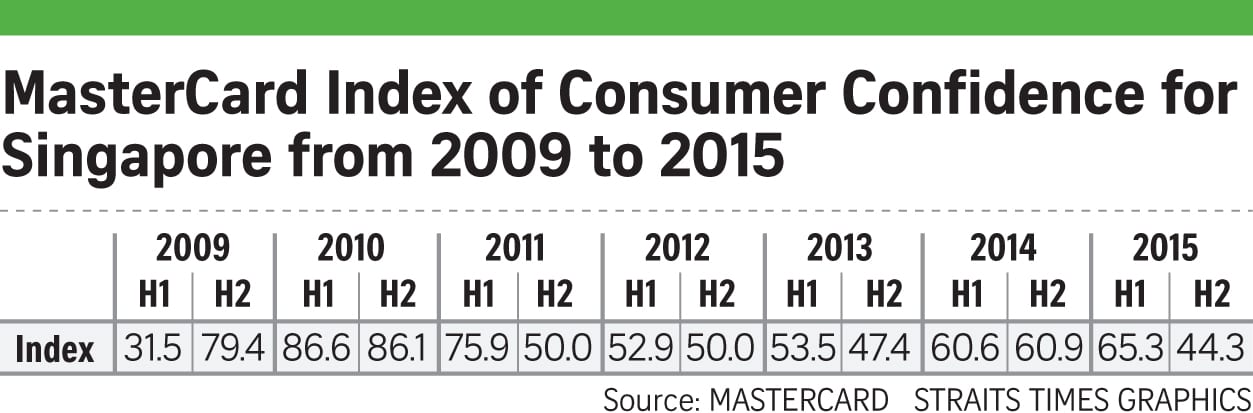
    A MasterCard survey of 447 people here found that Singaporeans went from being optimistic about the near future to being merely neutral about it in the second half of last year.

    Separately, consumer research firm Nielsen surveyed 500 people and found that consumer confidence in Singapore fell below the global average in the three months of last year. The pessimistic outlook came on the back of rising concerns about job security and a lacklustre economy.
    Financial analyst Adeline Toi, 27, has seen her friends in the banking sector get retrenched and now fears for her own job.

    With consumers tightening their belts, there are emptier malls and lower bottom lines for retailers.

    “Customers will come in, look one round, then leave without buying anything,” said Ms Irene Tan, 43, a sales assistant at clothing store VRG at the Wisma Atria shopping mall.

    Sales were down during the recent year-end festivities. Excluding motor vehicle sales, retail sales fell 2.1 per cent and 3.6 per cent last November and December respectively, compared with the same period a year ago, according to the Department of Statistics.

    Despite the gloomy outlook and the less than favourable sales during the Christmas season, retailers remain “cautiously optimistic” as they expect a boost in tourist arrivals from China this year, said Mr Anthony Gan, executive director of the Singapore Retailers Association.

    Despite the fall in visitor arrivals to Singapore last year, the number of Chinese visitors grew 22 per cent year-on-year. They were also the biggest spenders, and nearly half of their expenditure was on shopping.

    He added: ” The government forecast may have revised growth downward but, even at 1 per cent, it is still growth which many developed countries aspire to.”

    But retailers continue to be plagued by the perennial problems of high operating costs and a shortage of manpower. This could lead to further attrition and more shops closing down.

    The increasingly difficult business environment has already claimed several high-profile casualties.

    Last year, Czech shoe company Bata closed eight shops here that were either underperforming or whose leases had expired, and redeployed those employees affected. It is opening three stores this year.

    Bata managing director Pierluigi Pontecorvo said the company is not expecting to grow much this year, but does not intend to cut staff or bonuses.

    Instead, it is offering higher cash incentives and bonuses – about 10 per cent to 15 per cent more compared with last year – for staff who meet key performance indicators.

    Employees of the Bata store with the best customer service will also win a free vacation at the end of the year.

    Just last month, furniture and home accessories retailer iwannagohome said it was shutting its two stores here at the end of May.

    The victims of the slowdown also include online players such as Japan’s Rakuten – its website went offline earlier this month.

    Other companies are switching strategies in a bid to continue driving sales.

    One industry veteran, electronics retailer Challenger, is putting more resources into its online space. The company is launching its revamped online store, Hachi.sg, next month.

    The website, which will offer over 50,000 products, will be optimised for browsing on mobile phones and tablets, and customers can choose to have their purchases delivered to their homes or pick them up at six store locations, instead of the current one.

    The slower market has pushed Challenger to change the way it sells products, said its chief marketing officer, Ms Loo Pei Fen. The company’s retail revenue in Singapore last year fell marginally – 1.6 per cent – over 2014 due to weaker consumer buying power.

    “Despite tightened purse strings, customers still have the desire to buy, but in a way that’s relevant to them and allowing them to stretch their dollar,” Ms Loo added.

    Over at the Robinsons Group of stores, sales have slowed compared with last year. But it remains positive, said Mr Christophe Cann, its group chief executive for Asia.

    Instead of giving up the fight, it is doubling down and pushing ahead with plans to renovate its Robinsons department store at Raffles City, upgrade its Marks & Spencer stores here and introduce new brands to Singapore, he added.

    The good news for retailers, especially those looking to set up a brick-and-mortar shop here, is that rents are on a downward trend.

    Property consultancy R’ST Research estimates that rents in Orchard Road fell 5 per cent last year and is expected to fall by another 5 per cent this year.

    “It’s a good opportunity for retailers to bargain for lower rentals, or ask for a better location if there are vacant spaces within the same mall,” said its director, Mr Ong Kah Seng.

    The cheaper spaces, however, are not in the key malls in the Orchard Road belt, said Mr R. Dhinakaran, managing director of Jay Gee Melwani Group, which manages brands including Levi’s, Aldo and Converse.

    He added: “Rentals are going down only in the malls that are further away and are not doing as well.”
     

  • Harbour City books HK$5.94b retail revenue

    Harbour City books HK$5.94b retail revenue

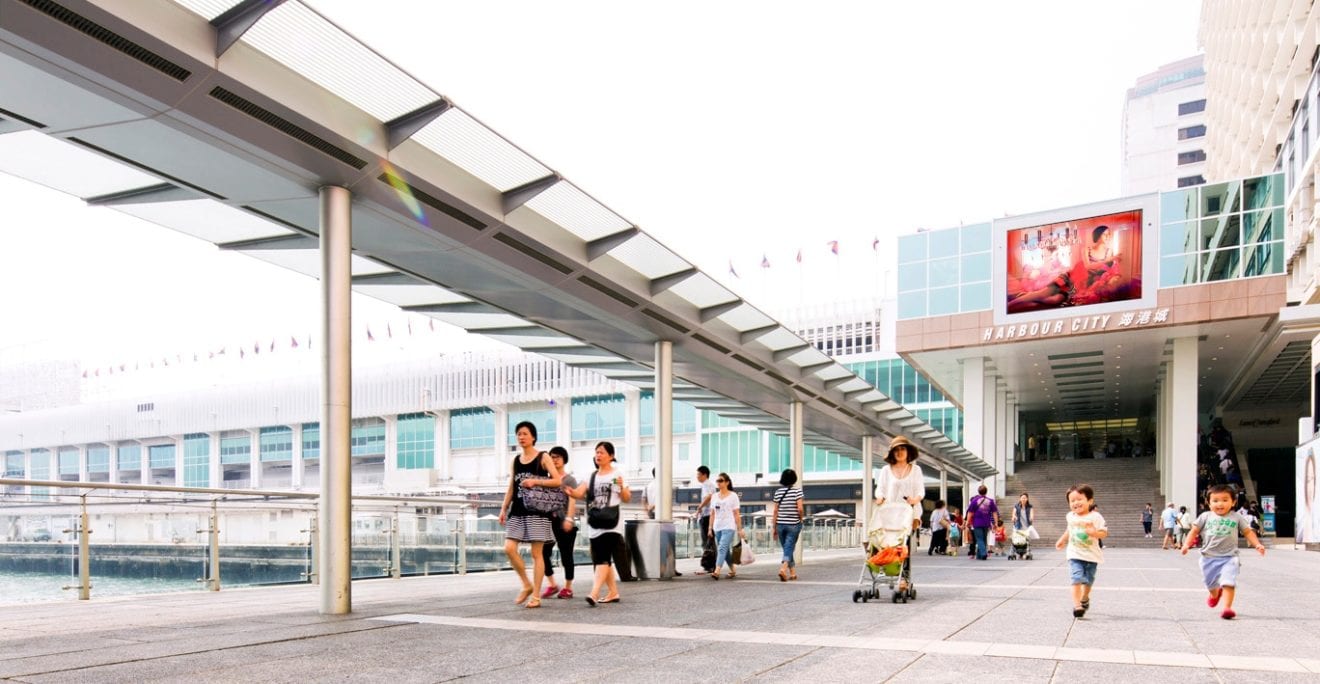
    Revenue at Tsim Sha Tsui’s popular luxury shopping mall, Harbour City, (excluding hotels) increased by 6 percent to HK$8.56 billion, Wharf Holdings (0004) reported today.

    Operating profit grew by 6 percent to HK$7.48 billion. Retail revenue increased by 5 percent to HK$5.94 billion.
    The occupancy rate was nearly 100 percent, the company reported today.

    New openings or commitments including Miu Miu (Canton Road), Philipp Plein, J. Crew, Pandora, Sulwhasoo and Rado further improved the tenant mix, the company said. The introduction of various Hong Kong and Kowloon debuts across distinct categories including Maison Margiela, Issey Miyake, Christian Louboutin Men and Tea WG Boutique continued to raise the retail and culinary experience, Wharf said.

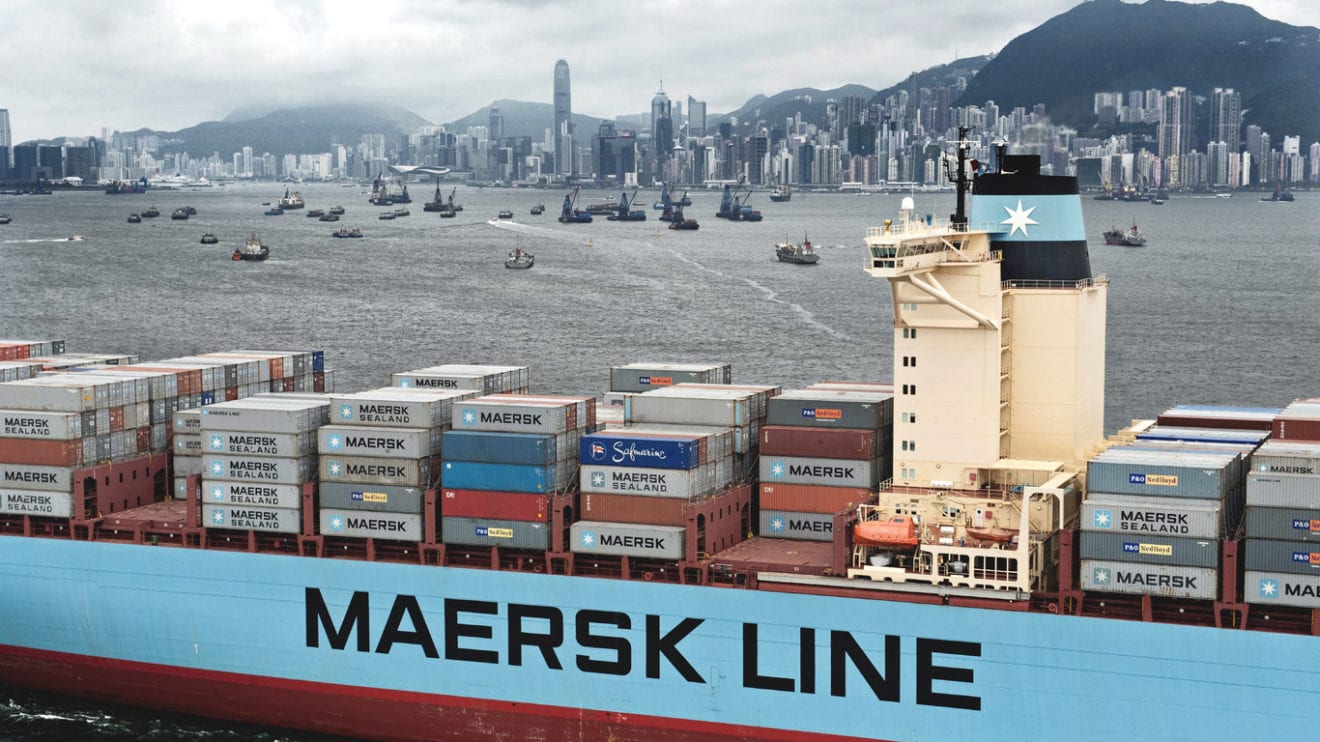
  • Maersk Line Sees Improving Asia-Europe Demand on Retail Restocking

    Maersk Line Sees Improving Asia-Europe Demand on Retail Restocking

    The container shipping arm of Danish conglomerate AP Moller-Maersk A/S says the company saw strong growth in shipping volumes from Asia to the rest of the world in the first weeks of the year, sounding a positive tone for an industry still struggling with weak demand and overcapacity.

    The world’s biggest container shipping line by capacity estimates shipping volumes out of Asia increased 10% to 15% over last year in the runup to this month’s Lunar New Year break, as retailers rushed to move goods out of China before the nation’s factories shut for a couple of weeks.

    “There has been more demand certainly this time around than it was last year…That in itself is a positive sign of a good start to the year,” Robbert Van Trooijen, chief executive of Maersk Line Asia Pacific, said in an interview.

    “What we don’t know yet is what will happen when the factories come back from collective holidays. We don’t know how fast production would pick up after factories come back and to what level of exports they would resume,” Mr. Van Trooijen said.

    Despite the strong start, falling freight prices and excess capacity continue to haunt the global shipping industry, with spot shipping rates in major trade lanes near record lows. Shipping consulting firm Drewry Maritime Research estimates the container shipping sector faces a loss of more than $5 billion in 2016.

    Overall shipping capacity for the industry rose 8% last year, with nearly all the newly-delivered ships idled, said Mr. Van Trooijen. He said it would take several years for the industry to reach a better balance between supply and demand.

    The low freight rates helped drag Maersk Line into a fourth-quarter net loss of $182 million, compared with a net profit of $655 million a year earlier. Spot freight rates in December for shipping on the key trade lane from Shanghai to Europe’s Port of Rotterdam were down 79% from early 2015 to around $222 per twenty-foot equivalent unit, a standard measurement for shipping containers. That level isn’t considered profitable for most lines.

    The performance of the container-shipping industry, which carriers a wide range of consumer goods and industrial products, is considered an important barometer of the global economy.

    “We certainly feel that the current level of freight rates isn’t creating any more demand. It’s not because of low freight rates that demand would increase,” said Mr. Van Trooijen.

    A need to restock retail warehouses and store shelves in Europe this spring after cautious retailers kept inventories very low in 2015 may help fuel demand on the Asia-Europe trade lane. Meanwhile, the trans-Pacific trade for shipments from Asia to North America will likely continue to deliver moderate growth on the back of a rebounding U.S. economy.

    But Mr. Van Trooijen said demand for shipping from Europe to Asia, which is largely dominated by goods such as base manufacturing materials, wastepaper and chemical products, will remain weak in 2016, as currency weakness in Asia and China’s economy slowdown hamper local purchasing power.

    “I don’t yet see that there’s going to be a major recovery in 2016” for the Europe-Asia trade, he said.

  • Hong Kong tourism, retail continue slump with less mainlander visits

    Hong Kong tourism, retail continue slump with less mainlander visits

    The Hong Kong Tourism Board (HKTB) said on Jan. 19 that the number of visitors to the city fell 2.5 percent last year over 2014 to 59.31 million, among whom 45.84 million were from the Chinese mainland, down 3 percent. The number of overnight mainland visitors dropped 5.7 percent to slightly less than 18 million.

    Even Christmas season failed to meet expectations, with the number of mainland travelers being merely 3.72 million in December, down 15.5 percent, the biggest monthly drop in 2015.

    The total number of visitors to Hong Kong had been on the decline for seven consecutive months since June, the HKTB said.

    On the other hand, the retail sector also had a difficult time. According to the latest data from Hong Kong’s Census and Statistics Department, retail sales totaled 475.2 billion Hong Kong dollars in 2015, down 3.7 percent from 2014, the biggest drop since 2002.

    Last December’s retail sales were estimated at 43.7 billion Hong Kong dollars, down 8.5 percent year-on-year, while the total volume of retail in the same month fell 6.1 percent.

    Sales revenues of jewelry, watches and luxury gifts registered the biggest fall, down 17 percent in December year-on-year and 15.6 percent last year from 2014. In addition, clothes, commodities at department stores, medicine and cosmetics all saw a fall in revenue.

    The retail sector has been falling since March 2015, and saw revenue drops for ten months in a row last year. Retail sales in August totaled 37.9 billion Hong Kong dollars, down 5.4 percent year-on-year, the biggest fall in 2015.

    On February 15, Hong Kong Disneyland said it suffered a net profit loss of 148 million Hong Kong dollars, the first of its kind since 2012.

    Besides, Ocean Park,recently reported a double-digit fall in the number of mainland visitors during the Spring Festival holidays, while total admissions to the park fell 14 percent in 2015. Tom Mehrmann, the park’s chief executive, said the number of mainland visitors now has dropped to a mere 40 percent of the total admissions from over 50 percent in July 2015, and he expected a further drop in numbers during the months to come.

  • Retail In China Suffers From New Year’s Hangover

    Retail In China Suffers From New Year’s Hangover

    While sales surrounding China’s Lunar New Year gave some retailers reason to celebrate, that was not the case for all of them.

    As a result, the stock value of a number of jewelry and cosmetics retailers in the country dropped yesterday. Analysts told the outlet that lackluster New Year sales were felt particularly hard by those sellers with locations in smaller neighborhood malls, as opposed to ones housed in larger ones, which saw a greater influx of foot traffic during the holiday period.

    Another factor that contributed to the stock slide for jewelry and cosmetics retailers in the region, was a dropoff in shopping by mainland tourists during the Lunar New Year. Sa Sa International, for example, reported to the outlet that its sales to mainland tourists fell 26 percent from the same period last year, with the average number of transactions among that consumer group decreasing 18 percent and the average ticket cost falling 9 percent.

    “This showed a further deterioration from the third quarter [for Sa Sa] as the Chinese tourist arrivals widened to a double-digit decline during the period,” Bocom International.

    Credit Suisse, meanwhile, told the outlet that it had visited nine shopping malls in China during the Lunar New Year and found that the majority of them were less busy within that period than they normally are on any given weekend.

    “The era of easy money in the retail industry has come to end,” Maureen Fung Sau-yim, a director of Sun Hung Kai Properties subsidiary, Sun Hung Kai Development. “Looking ahead, we have to work harder to cope with the market change” (referring to, explains the outlet, a stronger Hong Kong dollar and fewer mainland tourists).

  • China’s Monkey Week Boost Demand as Retail Sales Increased

    China’s Monkey Week Boost Demand as Retail Sales Increased

    The gloomy Chinese economy has shown a sign of stabilization during “Monkey,” the lunar New Year celebrations as retail sales have surged, suggesting an improvement in domestic demand.

    During spring festival last week, China’s retail sales recorded 11.2% year-over-year (YoY) growth, fueled by cinemas, according to the Chinese Ministry of Commerce on Saturday. The retail and restaurant sales surged to $115 billion (754 billion yuan), showing a strong potential of the food industry in the world’s most-populated country.

    The Chinese economy last year grew 6.9%, slowest GDP growth rate since 1990, owing to the soft domestic demand in the country. The Chinese authority to uplift domestic demand undertook several measures. Despite the initiatives by Beijing, the Chinese economy is still on a bumpy ride as depicted by recent gloomy economic indicators.

    However, the jump in retail sales during spring festival last week depicts that policymaker’s efforts have started paying off. From January, the People’s Bank of China (PBOC) performed massive open market operations to keep the market liquid. In January, it injected net liquidity worth about $188 billion (1.235 trillion yuan), to meet the cash demand during spring festival.

    The massive liquidity injections raised concerns among economists, who believe that this week would lead to tightening liquidity as the Chinese central bank has to mop liquidity from the economy. They also believe that increase in retail sales during the spring festival, which started on February 8-13, suggesting demand is picking up pace.

    Food demand remained strong during celebrations and medium-sized food retailers saw 10.6% YoY growth as Chinese families preferred to eat food from restaurants. Tourism also recorded modest demand during week-long holidays and nearly 1.62 million foreign tourists visited China in a week-long holiday. Mass catering services also posted record boom as Chinese families hosted reunion dinners.

    Analysts believe that the modest growth in demand shows the potential of Chinese consumers. However, they believe that the demand is seasonal and Beijing needs to devise an effective strategy to spur and sustain domestic demand in an attempt to streamline the world’s second largest economy.

  • Goldman Sachs enters Singapore retail fund market

    Goldman Sachs enters Singapore retail fund market

    Goldman Sachs Asset Management (GSAM), the asset management arm of Goldman Sachs Group Inc, is making its foray into the local unit trust industry with the launch of 13 retail funds in 1Q 2016.

    The new GSAM unit trusts, previously available only to private banking and institutional clients, will consist of fundamental and quantitative equity funds as well as those that invest in fixed income and multi-assets, according to the fund house which manages assets in excess of US$1 trillion ($1.4 trillion).

    These 13 Goldman Sachs funds approved for retail sales in Singapore include the Goldman Sachs Asia High Yield Bond Portfolio, Asia Portfolio, European Equity Partners Portfolio, European High Yield Bond Portfolio, Global Core Equity Portfolio, Global Equity Partners Portfolio, Global High Yield Portfolio,

    Global Income Builder Portfolio, Growth & Emerging Markets Broad Equity Portfolio, Growth & Emerging Markets Corporate Bond Portfolio, India Equity Portfolio, Japan Portfolio and US Real Estate Balanced Portfolio.

    “The global market volatility we are seeing right now underscores the need for world-class investment solutions that deliver highly differentiated strategies with real diversification benefits. We look forward to meeting the needs of Singapore retail investors through this range of funds,” says Sheila Patel, who is Singapore CEO of GSAM, in a statement.

    Singapore is GSAM’s Asia regional investment hub. The fund house’s team of Singapore-based investment professionals has been providing investment and advisory solutions to institutions including pension funds, sovereign wealth funds and financial intermediaries in the city state and across Asia since 1991.

  • ‘Uberization’ of Asia retail industry seen

    ‘Uberization’ of Asia retail industry seen

    Increased mobile accessibility and broadband penetration are disrupting the traditional grocery-buying business model, enabling consumers to purchase groceries anywhere, at any time.

    “We are seeing an ‘uberization’ of the retail industry in Asia,” HappyFresh CEO Markus Bihler said. “The outlook has never been more promising.”

    Citing a report by Telefonaktiebolaget L.M. (Lars Magnus) Ericsson, Bihler said mobile penetration in the Asia-Pacific region (excluding China and India) reached 110 percent in the first quarter of last year, surpassing the global average of 99 percent.

    “Opportunities abound in this region with its sophisticated food-loving consumers, growing wealth and rapid urbanization. The continued increase in mobile adoption and broadband penetration has helped boost our online grocery sales.”

    HappyFresh is an online grocery delivery service provider based in Jakarta, Indonesia. Last year, the company completed a $12-million Series A funding led by Vertex Venture, the venture arm of Temasek Holdings, and Sinar Mas Digital Ventures, the venture arm of Sinar Mas Group of Indonesia.

    “Ordering online for home delivery is gaining in popularity in the region. Currently, two out of five online shoppers want to receive real-time offers via their smartphones while they shop. We foresee a double digit growth ahead for the online grocery business,” Bihler said.

    According to Bihler, since its inception, HappyFresh has seen a ten-fold increase in the downloading of its mobile app in the region.

    “The increased popularity of online grocery shopping in Asia has been fueled by two social developments: traffic congestion and long working hours.”

    Traffic congestion is a characteristic of most Asian cities, the company said. The Southeast Asian cities of Jakarta, Bangkok and Surabaya are in the Top 10 cities with the worst traffic congestion globally. “For this reason, few people want to push their way through a crowded supermarket after a long day at work,” Bihler said.

    Asian countries also tend to have the longest working hours, according to Bihler sans citing a source. Asian countries, he said, have the highest proportion of people who spend more than 48 hours a week at work. This number is expected to rise as Asia becomes even more affluent, Bihler added sans citing his source.

    “Customers are also becoming very selective when it comes to quality foods. Today’s shoppers are seeking fresh, natural and minimally processed foods with ingredients that help fight disease and promote good health,” Bihler said citing a study by The Nielsen Co.

    According to him, this situation “presents a tremendous opportunity among niche consumer segments, especially in the healthy eating space and other categories that may be more difficult to find on in-store shelves.”

    “As a result, a number of specialty retailers have emerged in the health and wellness space, from national online grocery delivery services with extensive fresh sections to local produce delivery services.”

  • Super retail network adds speed for Pizza Hut Hong Kong

    Super retail network adds speed for Pizza Hut Hong Kong

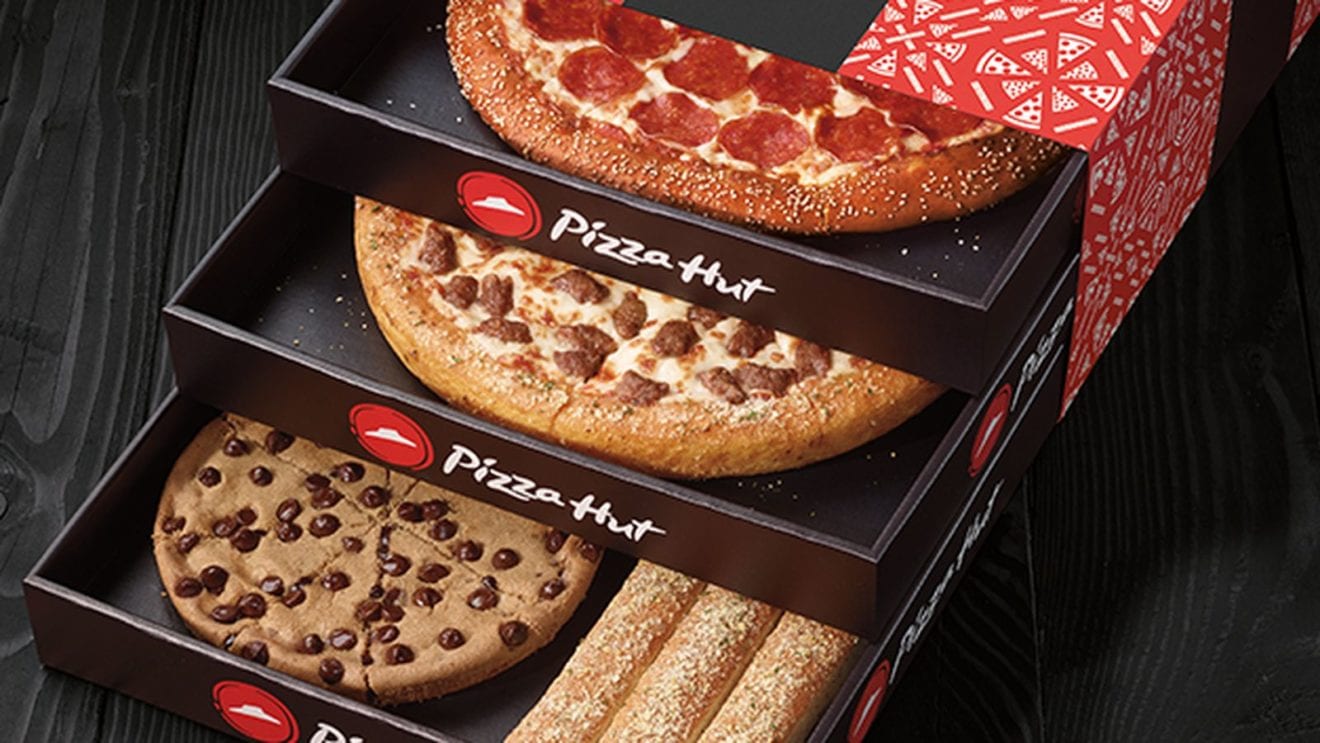
    Pizza Hut Hong Kong has is implementing a super retail network solution from Hutchison Global Communications to connect more than 100 outlets to the company’s data centers.

    Pizza Hut says the solution – a next generation metro Ethernet data capability characterised by bandwidth of up to 10Gbps and super-low latency of less than one millisecond – has enabled it to accelerate online ordering via mobile apps, the website and phone calls.

    The orders are sent to HQ which then tasks outlets closest to delivery locations.

    Super retail network (SRN) runs over a dedicated optical private network, eliminating bandwidth bottleneck issues.

    MPLS and VLAN technology and automatic network-level failover, provide high level security.

    Based on a dual-core network design, SRN delivers full core network resilience and allows quick access to company applications such as those for point of sale and online catalogue functionality.

    Howard Wong, Pizza Hut information technology director, says deployment of HGC’s SRN enabled the company to shorten the time it takes to process online ordering and boosts the restaurant’s overall operational efficiency.

    The offering also provides the capacity to expand the company’s armoury of in-store applications.

    Hutchison Telecommunications Hong Kong Holdings, of which Hutchison Global Communications is the fixed line division, says it is creating vertical retail solutions based on the next generation network’s capabilities.

  • Airport Authority Hong Kong opens Midfield Concourse retail outlets

    Airport Authority Hong Kong opens Midfield Concourse retail outlets

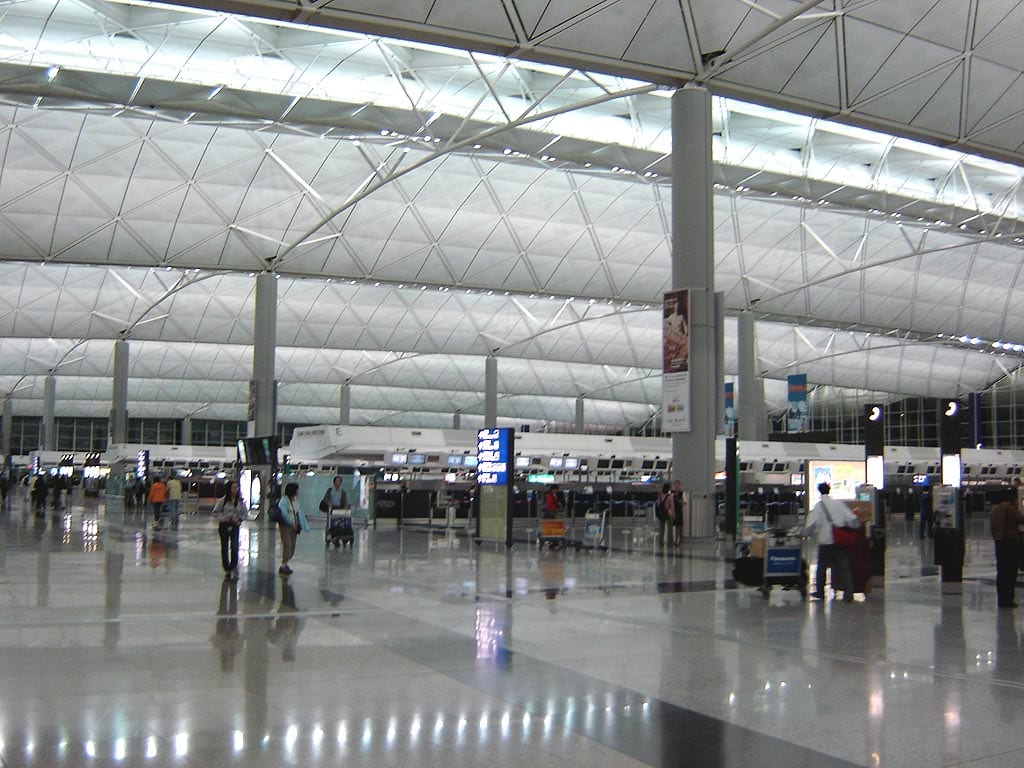
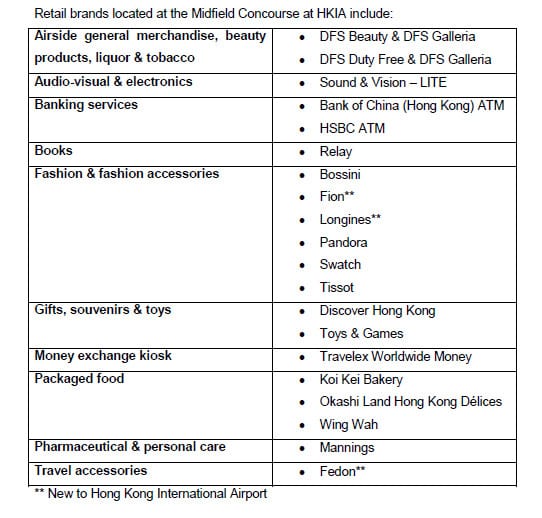
    Airport Authority Hong Kong (AAHK) has welcomed nine newly-opened retail shops and a café to the recently-inaugurated Midfield Concourse at Hong Kong International airport. In addition to the new shops outposts there are also outposts and a money-exchange kiosk.

    Positioned as a one-stop shopping destination, the Midfield Concourse offers a range of products and services catering to travellers’ needs. Travellers can find liquor and tobacco; beauty products; fashion and fashion accessories; audio-visual and electronics; packaged food; gifts, souvenirs and toys; and pharmaceutical and personal care items in the 105,000 sq m concourse.

    Soon to be opened are eight retail and three catering outlets. DFS Group will introduce a new multi-category store concept. These new DFS outlets at the Midfield Concourse will offer an abundance of brands for better shopping convenience, according to AAHK. The catering outlets will offer café and casual-dining options to departing passengers who have limited time before boarding. The Midfield Concourse also marks fast-food company MX’s first entry to HKIA.

    “The Midfield Concourse will be able to serve an additional 10 million annual passengers in order to meet the increasing passenger volume at HKIA,” said Airport Authority Hong Kong executive commercial director Cissy Chan. “We are proud to offer extended retail and catering options throughout the concourse, which will let the passengers have a pleasant and enjoyable last-minute shopping and dining experience.”

    Photo of

  • HSBC Singapore plans to transfer retail, wealth business to local subsidiary

    HSBC Singapore plans to transfer retail, wealth business to local subsidiary

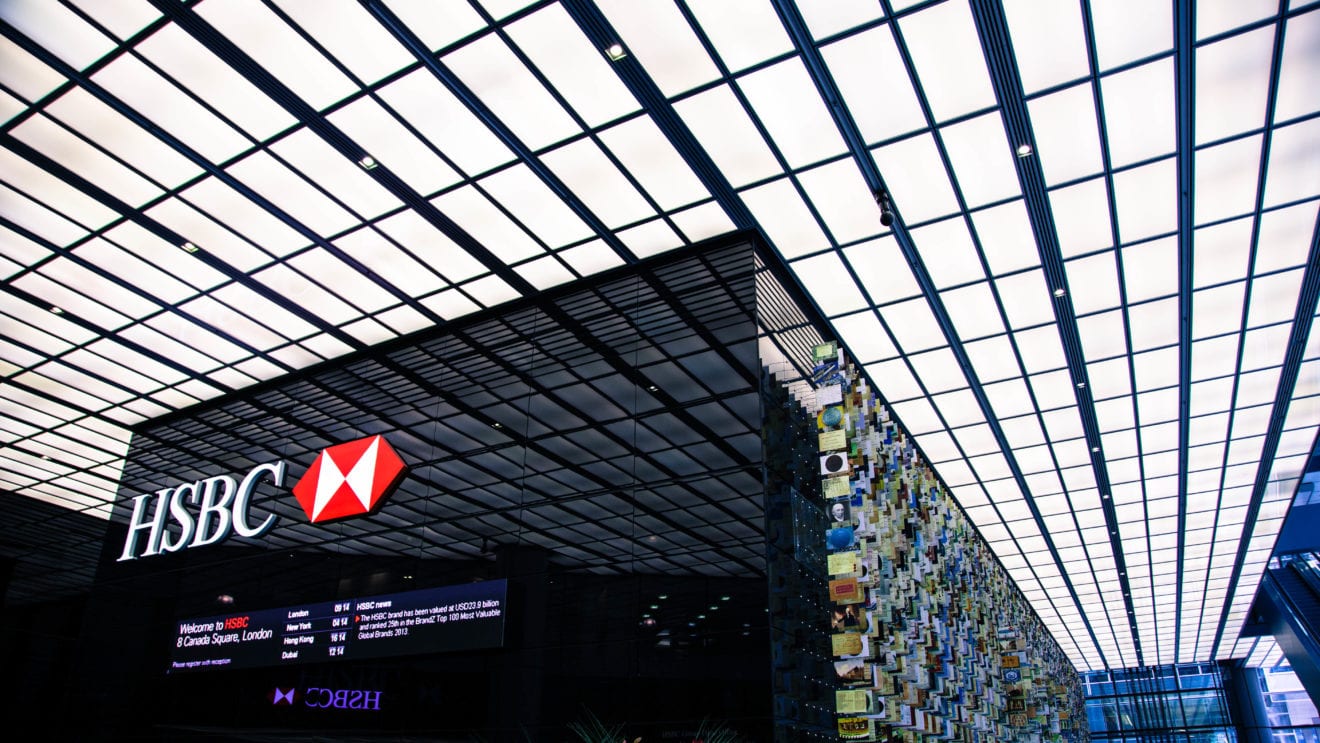
    The Hongkong and Shanghai Banking Corporation (HSBC) Singapore is planning to transfer its retail banking and wealth management (RBWM) division to a locally incorporated subsidiary named HSBC Bank (Singapore).

    Expected to become operational from 9 May this year, the subsidiary will be responsible for managing all the accounts, assets and security arrangements associated with the RBWM unit.

    The transfer of operations is subject to regulatory and court approvals.

    HSBC Bank (Singapore) will possess a full bank license with qualifying full bank privileges, which will allow the subsidiary to open more branches than other foreign banks, straitstimes reported.

    The move follows an announcement by the Monetary Authority of Singapore (MAS) in April last year that HSBC is considered one of seven domestic systemically important banks in Singapore, according to media sources.

    According to MAS, banks with a significant retail presence must locally incorporate their retail operations, a move that could help the Singapore financial system to function properly.

    HSBC Singapore CEO Guy Harvey-Samuel was quoted by Channel NewsAsia as saying: “The transfer of our retail banking and wealth management business in Singapore to a locally incorporated subsidiary reflects the success, scale of growth and significance of our retail business in this market.”

    HSBC’s other activities including commercial banking, private banking and global banking will continue to operate under the existing Singapore branch.

    “Singapore is a top-seven priority country for the HSBC Group globally and we will continue to invest in our business here. We are excited about new opportunities to further expand our presence,” Harvey-Samuel was quoted by straitstimes.

  • Retail in India, The opportunities and challenges retailers can expect

    Retail in India, The opportunities and challenges retailers can expect

    The country presents retailers with growth opportunities, including some advantages that can’t be found in China

    Lately there’s been much talk and worry about China’s long-term growth prospects and what that means for retailers counting on expanding in the country. Certainly, China seems to be in a time of transition, in which consumption seems destined to fall after years of strong and steady surges.

    Meanwhile, India also presents retailers with growth opportunities, including some advantages that can’t be found in China.

    Already, American brands constitute a large 35% of all foreign brands in India, followed by U.K. brands, at 12%, Italian and French brands at 8% each, and Japanese, Swiss, and German brands at 5% each, according to a 2015 Indian retail report from London-based real estate consultancy Knight Frank.

    In fact, Apple Inc. just last week confirmed that it has applied to India’s Department of Industrial Policy and Promotion to open and run its own stores there, a sign that it sees potential in the country.

    “I expect to see a lot of action in the next 10 years in India,” Venkat Viswanathan, founder-CEO of LatentView Analytics Corporation, told Retail Dive. “I believe we are still at a very early stage of realizing the potential of a market the size of India, and that it’s only a matter of time that India becomes an equally big part of the [business] ecosystem.”

    Language, just the beginning

    English is an official language in India, and serves as a common language for many of the sub-populations there. Therefore, language isn’t the barrier for businesses doing business there, including retailers selling to Indian consumers.

    Furthermore, while in China there’s a Chinese equivalent to Facebook, Twitter, and other social media platforms, the most widely used ones in India are the very ones that are widely used in the U.S. India gives Facebook its second-largest membership base, after the U.S. That means brands have one less barrier to bust through when reaching Indian consumers.

    And, while the Indian government’s official statistics aren’t quite as credible as those released by U.S. government agencies, says Viswanathan, they’re deemed by most as more solid than numbers released by the Chinese government, which are widely seen as untrustworthy and even confusing. (Something that has only served to increase the level of uncertainty and worry about China’s future.) India’s equivalent of the Federal Reserve is considered highly credible, says Viswanathan, and what he calls the “reasonably strong English press,” a strong judiciary, and the open and democratic parliamentary system that supports questioning and debate—plus the strength of the private sector—all help give companies doing business in India some solid ground to build on.

    Growth potential

    But above all, our experts say, India, with a population that includes a large young, mobile-first generation and a growing middle class, presents a lot of growth potential for retailers.

    A study from the Internet and Mobile Association of India last year found that there were 52 million new internet users there in the first six months of 2015, bringing the country’s total user base to 352 million as of June. And of those, 213 million, more than 60% accessed the web through their mobile devices.

    As internet and mobile use has exploded, not surprisingly, so has e-commerce. India’s top 25 retail websites took some 62% of all traffic there, according to digital market intelligence company SimilarWeb. While e-commerce is still a small fraction of retail in India—some 4% to 6%—it’s growing rapidly and expected to scale up exponentially in coming years.

    How Amazon is changing the game

    Amazon, as it has done here, is giving retailers in India fits. India’s best known online marketplace, Flipkart, looks like it’s being overtaken by Amazon, even though Amazon India wasn’t established there until two years ago. In December, for example, Amazon India registered 163.1 million monthly web visits (mobile plus desktop) compared to Flipkart’s 122.8 million, according to SimilarWeb. However, Flipkart still dominates via its mobile app, which is installed on 35% of mobile devices in India, according to SimilarWeb, at least for now.

    “Amazon is giving all the India players a run for their money,” says Viswanathan. “Step by step they’ve introduced all the new concepts have in the U.S., including Prime, which this year is expected to change the way all these marketplaces operate.”

    Challenges in India

    While many startups in India have garnered attention and money, Viswanathan says that some of that will ease up as investors get pickier about where they put their money (a smaller version of the tech bubble that many expect will burst before long, or at least deflate).

    But a more concrete challenge for retailers is the reality that, while mobile is well established and e-commerce is growing, the physical infrastructure needed to get goods from point A to point B is in need of further development, says Viswanathan.

    While retailers are used to being able to offer two-day shipping to just about anywhere in the U.S. or Europe, he says, that’s just not possible in many parts of India.

    “Many retailers assume such things exist in India and then have to completely reinvent their logistics,” he says. “Anyone with physical goods will encounter the real India, and have to adapt to the logistics realities in India.”

    However, that could also mean that state-of-the-art fulfillment capabilities like drones could do well there, especially as demand for such goods heats up.

  • Mumbai has highest potential for modern retail in India

    Mumbai has highest potential for modern retail in India

    Mumbai Metropolitan Metro has the highest potential for modern retail in the country at Rs 1.05 lakh crore, followed by Delhi-National Capital Region, which has total potential of Rs 77,900 crore, according to Knight Frank & Retailers Association of India’s ‘Think India. Think Retail. 2016’ report.

    Bengaluru is third in the list, with potential of Rs 48,600 crore.

    As part of the city-level analysis, the report has identified zone level supply-demand gap for apparel, F&B, entertainment and grocery across India’s top markets.

    It says the penetration of modern retail is set to increase from the current 13.5% to 50% by 2036 in Mumbai, from 26% to 50% by 2028 in NCR and from 24% to 50% in 2026 in Bengaluru.

    While the market potential of daily needs supermarkets and hypermarkets is pegged at Rs 58,800 crore in Mumbai and Rs 51,200 crore in NCR, it stands at Rs 24,300 crore in Bengaluru.

    The report says that modern retail penetration in India is extremely low at 19% compared to US, Singapore and China, where the figures are 84%, 71% and 63% respectively.

    According to the report, 69% of the total retail spending comes from Mumbai Metropolitan Region, NCR and Bengaluru out of the top seven cities in the country.

  • Bluetooth Beacons – Malaysia’s Retail Future

    Bluetooth Beacons – Malaysia’s Retail Future

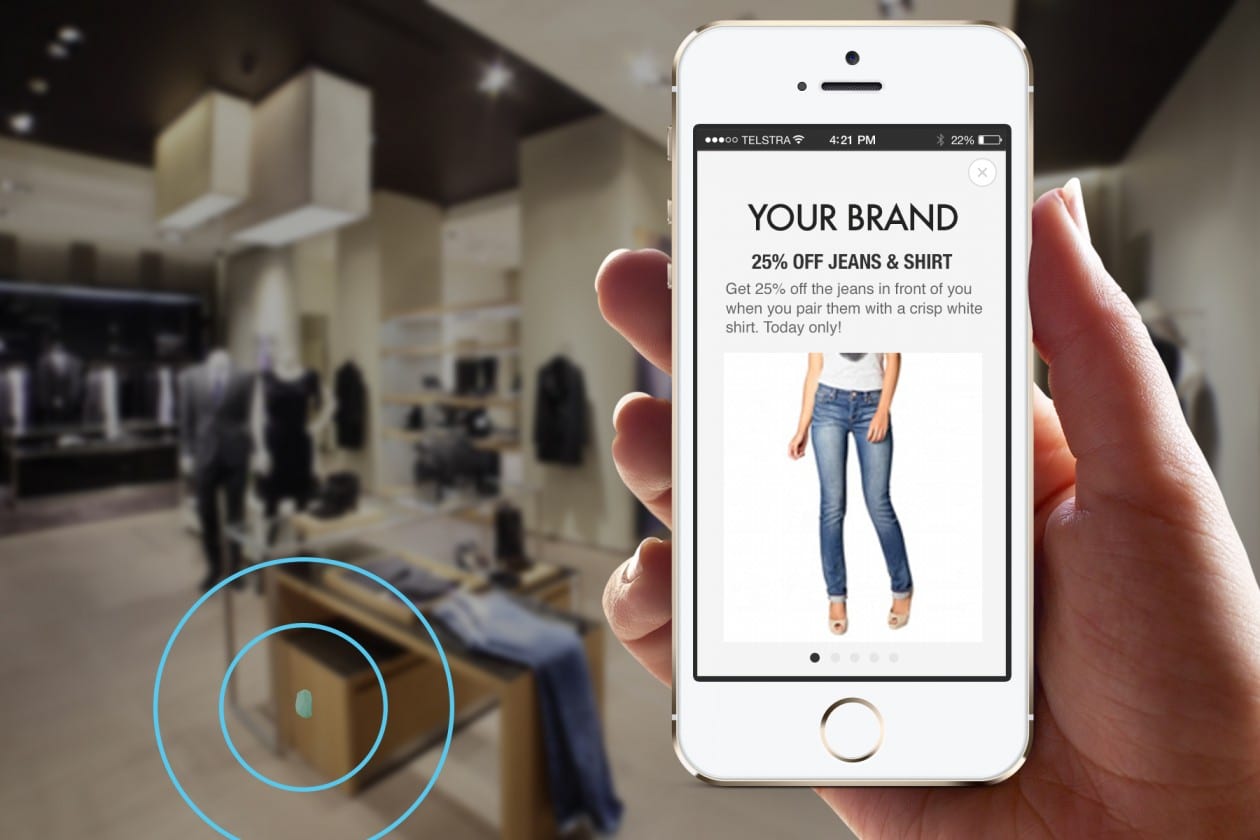
    Picture the following scenario: You walk into your favourite apparel store and your smartphone beeps with a push notification “Welcome back Linda! Only for today, we are giving you a 20% discount on all skirts”. You decide to finally get that blue skirt you have your eyes set on for weeks and decide to take a stroll through the accessories section when you stop to admire a particular necklace, after a few seconds of contemplation, your smartphone beeps again with the message “Hey Linda! Get a necklace to match your outfit, we’ll throw in a 30% discount on any necklace of your choice”. You leave the store with a new skirt and necklace at a bargain.

    You end up a happy customer, and the apparel store makes additional sales –  a win-win situation for all involved.

    The above situation may sound like a utopian future where the Internet of Things (IoT) have become a reality. However, the future is closer than we know it with the arrival of iBeacons by Apple in 2013 and Google unveiling Eddystone Beacons in July 2015.

    What Are Bluetooth Beacons?

    Beacons are transmitters which have the ability to sense nearby portable smart devices and “talk” to them via push notifications. Beacons are the most accurate form of locational based tracking device and may work with existing GPS and WiFi tracking capabilities to further enhance location tracking via triangulation.

    How Do They Work?

    Beacons use Bluetooth Low Energy (BLE) proximity sensing to broadcast universally unique identifiers (UUID) which are picked up by compatible apps and operating systems (OS). This means that users will need to have beacon-compatible apps (a relatively simple process can enable any app to be beacon-compatible) installed and have their Bluetooth switched on in order for their smartphones to interact with these beacons.

    Why Would Users Leave Their Bluetooth Switched On?

    This is a question which frequently surfaces during discussions with potential beacon adopters. It is true that a majority of smartphone users never and might even hesitate to turn on or leave their Bluetooth switched on due to the concern that the Bluetooth would contribute to a huge drain on their battery life.

    That is until 2011 when the new BLE technology were incorporated into the new iPhone 4S smartphones and subsequently, all smartphones released after that period. With the new Bluetooth Smart standard, worries of Bluetooth drainage on phone battery life were a thing of the past as the power needed to power Bluetooth is now so low that it is negligible.

    Other than that, most smart devices that are making their way into our everyday life such as smart wearables (e.g. FitbitJawboneApple Watch), Bluetooth-enabled car audios, and smart kitchen appliances require the use of Bluetooth-enabled smart devices.

    With over 10,000 Bluetooth-enabled products listed with Bluetooth SIG along with the immense growth (>100% in 2014) of the Smart Home, Consumer Electronics and Beacons markets, coupled with the growing number of users coming to understand the new Bluetooth technology as well as the growing need of users to have Bluetooth-enabled to run their everyday smart lifestyles, 24/7 Bluetooth-enabled devices will soon be a lifestyle choice much like the 24/7 WiFi-enabled devices which are part of everyday life now.

    What It Means For Retail Businesses

    With the ability to understand what interests consumers and know when they are in the proximity, brick and mortar retailers can now interact digitally with potential customers to encourage more foot traffic into their outlets and achieve higher sales conversion by sending the right message, to the right people, at the right time.

    However, the use of beacons in retail businesses does not stop at pushing promotional messages and general information. With beacons, retailers are also able to provide a personalised shopping experience to each individual customer as seen in the aforementioned story above. Depending on the nature of the business, beaconised businesses will have a a plethora of uses for beacons such as, helping customers navigate a store and providing in-store concierge services by utilising the tracking abilities of beacons. Think shopping on Amazon or Zappos, but in real life.

    press-beacon-product-2.ae0092e2

    The longer a retailer adopts the beacon technology, the more they will begin to understand their customers – who they are, what their preference is, where they like to shop, are they high or low spending customers. This is all possible as more and more data on these users are collected and analysed -allowing businesses to produce individualised ads and engage in behavioural retargeting.

    With the arrival of beacon technology, retailers with physical outlets will finally be able to gather data on their customers in real life in real time and run the most effective and efficient campaigns to target the most relevant consumer segments while providing a highly personalised shopping experience. The future of retail globally, especially here in the South East Asian region and in Malaysia, is in beacons and any retailer slow to adopt this breakthrough tech as part of their arsenal will be at a huge disadvantage moving into the future.

  • BRI records net profit of Rp25.2 trillion

    BRI records net profit of Rp25.2 trillion

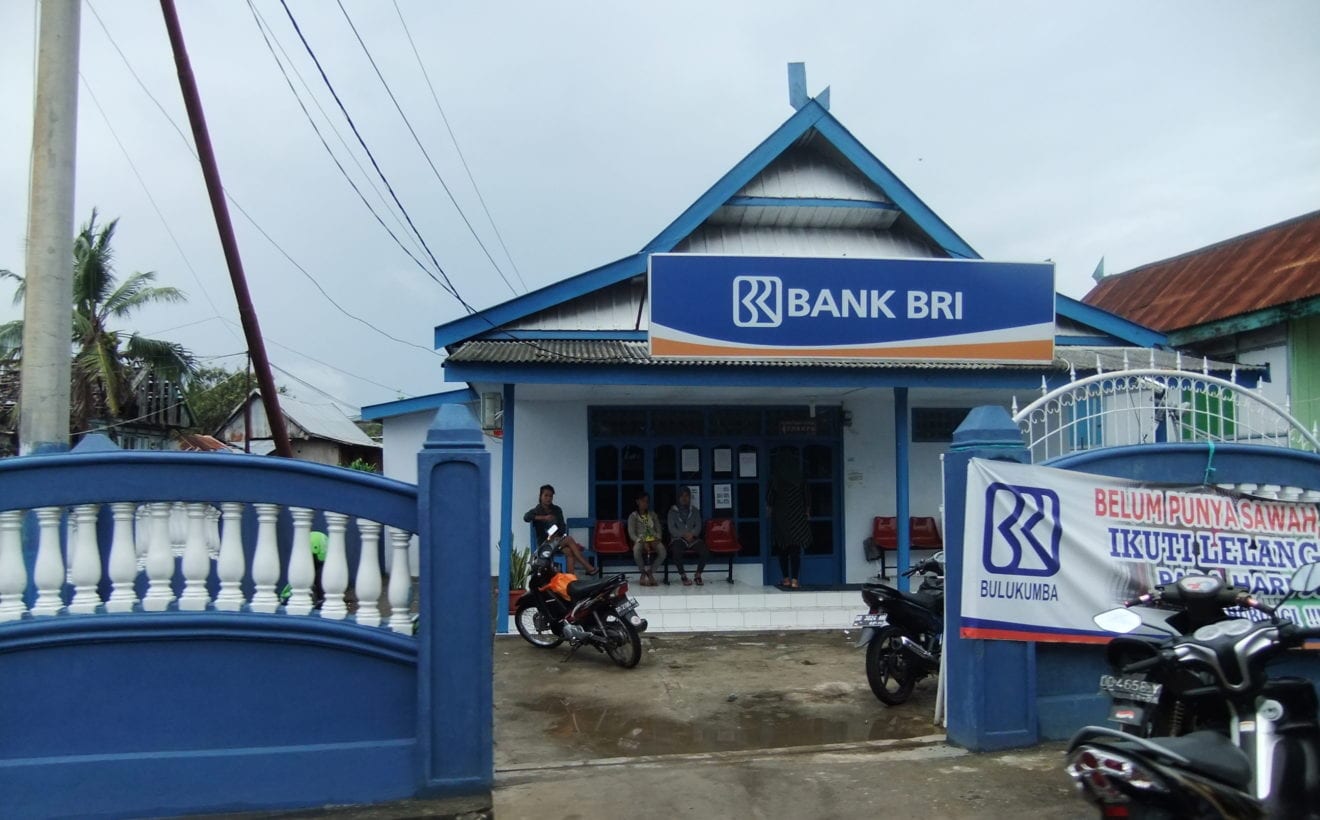
    PT Bank Rakyat Indonesia Tbk. made a net profit of Rp25.2 trillion in 2015, representing a 4.5 percent growth from Rp24.2 trillion it made in the previous year.

    “The growth is driven by an increase in the interest income that reached Rp82.2 trillion, reflecting a growth of 13.5 percent from the previous year,” the state-owned lenders president director, Asmawi Syam, said here on Wednesday.

    The banks non-interest income reached Rp14.2 trillion, up 21.4 percent from the previous years figure, taking the total income of the lender to Rp96.4 trillion, 14.6 percent above the previous figure.

    Outstanding loans distributed by Bank BRI till 2015-end reached Rp558.4 trillion, reflecting a growth of 13.9 percent year-on-year compared to the same period of the previous year. These loans were given across all business sectors.

    Credits to the micro-sector, which is the core business area of the bank, grew by 16.8 percent year-on-year to reach Rp178.9 trillion with the number of customers increasing to 7.8 million from 7.3 million, year-on-year.

    “Credit growth in the micro-sector was driven by the re-launch of a smallholder credit program (KUR) by the government in the middle of August 2015,” he said.

    Since its launch on August 18 2015, Bank BRI has extended Rp16.2 trillion in credits to more than 920,000 businessmen across the country through the KUR program.

    Credits to non-state-owned companies in the corporate segment grew 31.5 percent year-on-year to Rp75.1 trillion while credit to the consumer segment grew 9.8 percent to Rp88.5 trillion.

    Credits to state-owned companies were up 9.6 percent to Rp81.2 trillion and to small commercial and medium businesses rose 7.5 percent to Rp134.7 trillion.