Tag: Retail

  • DBS introduces a mobile-only bank in India

    DBS introduces a mobile-only bank in India

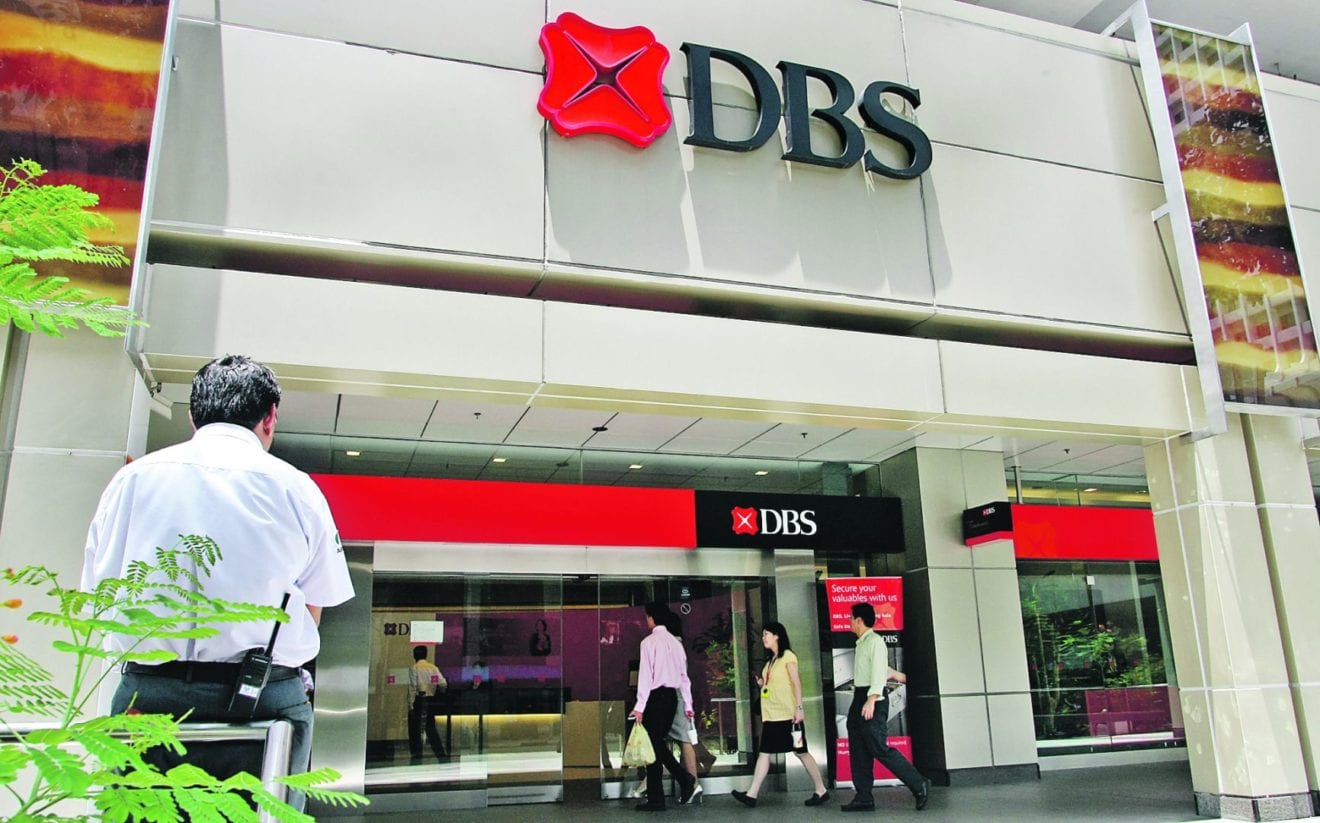
    Singapore’s DBS Bank has launched what it says is India’s first mobile-only bank. Dubbed digibank, the mobile app functions as an entirely paperless, signatureless and branchless bank for India’s residents.

    The initiative aims to break away from conventional banking norms such as form filling and other cumbersome processes.

    Account-opening can be done easily and effortlessly at an extensive network of outlets run by DBS’ partners, including over 500 cafes across India. No paperwork will be involved and instead, customer authentication is done purely using the Aadhaar card, a biometrics-enabled ID which has been issued to over 1 billion Indians.

    Other digibank features include 24/7 customer service provided by a real-time, AI-driven virtual assistant, which understands natural language and is incorporated with the ability to anticipate and answer some 10,000 customer questions.

    This AI feature was made possible due to DBS’s partnership with US-based fintech Kasisto. The latter is a spin-off from SRI International which created the technology behind Apple’s Siri.

    In-built into digibank is a budget optimizer that helps customers do their budgeting, track expenses and analyze purchasing trends. The function is equipped to understand customer behavior and preferences, synthesize data, and provide recommendations.

    The budget optimizer also studies customers’ spending patterns and prompts them if they are overspending. Conversely, if a customer’s savings regularly exceed his or her expenditure, digibank will provide suggestions on how to make one’s money work harder.

    Dynamic inbuilt security, which is safer than OTP, is employed in digibank. Most bank customers are used to receiving One-Time Passwords (OTPs) via SMS, and then typing codes into pages to authorize their mobile banking transactions. digibank has an embedded soft token security, avoiding the need to wait for SMSs to arrive and providing even stronger security for transaction authorization.

    The new offering also gives account-holders earn 7% interest from the first rupee, one of the highest in the market with no minimum balance requirements. Customers receive a physical debit card which can be used across all Visa-enabled online and POS transactions, as well as overseas. Free cash withdrawals will be available at more than 200,000 ATMs nationwide.

    Said DBS CEO Piyush Gupta, “India’s banking system is at the cusp of massive change, and as a bank committed to shaping the future of banking, we are excited to roll out a revolutionary, mobile-only bank. With digital, we are able to create a completely different customer experience. What’s more, digibank’s efficiencies and lower costs enable us to pass on significant benefits to customers in the form of greater customer value.”

  • How smaller retailers can win market share and drive growth

    How smaller retailers can win market share and drive growth

    I’m always interested in the small business owners I meet across the world, many running generations-old businesses that offer one-of-a-kind treasures. These shop owners, with their time-honored craftsmanship, quickly win over even the most casual window shopper, effortlessly converting passersby into loyal customers.

    Creating this sort of memorable customer experience is one of the keys to success for small retailers in the fashion and luxury goods sector.

    However, as the worlds of fashion, luxury and media descend upon New York for Fashion Week, these experiences and transactions seem increasingly quaint and inconsequential; one could be forgiven for thinking that high fashion remains the exclusive preserve of global retailers and big-name luxury brands.

    While that may once have been true, it’s no longer the case. Remarkably, more and more fashion retailers are starting to embrace being ‘small’ as a strategy for success and growth. Increasingly user-friendly technology tools are helping smaller retailers to speak and deliver to their niche customer sets across all channels with the same voice as they would in a shop in Hong Kong.  So what is driving their success?

    Tech-savvy

    According to research from eMarketer, e-commerce growth is projected to double the retail industry average at least until 2017. Half of all shoppers discover new products when searching with smartphones, and 82 percent of smartphone owners look online for product information when shopping. Smartphones already account for over 40 percent of ecommerce transactions in Japan and South Korea, so it is no wonder that small retailers are realizing that they need to be as tech-savvy and flexible as their customers. That means engaging and delighting shoppers on mobiles, social media and online channels.

    Highly personal

    Technological advancements and the democratizing power of the Internet have allowed retailers to scale up without sacrificing intimacy and personal service. As customers no longer think about retailers’ brands in a silo, neither does the small retailer. They analyze insights from website visitor traffic, social media interactions, and newsletter click-through rates to better understand their customers. Any retailer with a Facebook page can now easily discover that their average customer is, for example, female, aged between 16 and 24, listens to Adele, and by using this data to precisely tailor their sales and marketing strategy, they can more effectively engage and delight their customers.

    Cultivate and engage a community

    It is much more profitable to sell to loyal customers than to constantly look for new ones. A Bain study showed that just a five percent growth in customer retention could boost profitability by 75 percent.

    Small retailers are starting to use this insight to build loyal online communities, which do the selling for them. No wonder a brief Google search on the words ‘e-commerce’ and ‘social media’ turns out 101 million results, with articles such as ’12 Social Media Tactics to Drive Traffic to your E-commerce Site’ being the most visited. Another way is through loyalty programs, which 30 percent of independent retailers are planning to implement in 2016. This is on top of the quarter of independent retailers who already have a loyalty program in place.

  • China ripe for AmorePacific

    China ripe for AmorePacific

    AmorePacific, South Korea’s largest cosmetic company, has reaffirmed its commitment to China, seeing further room for growth in the rising middle-class consumers there, the firm said Thursday.

    AmorePacific has shown stellar performance in China with a range of luxury and low-end brands, thanks to the rising popularity of Korean drama and pop. It logged 5.66 trillion won (US$4.93 billion) in sales last year, up 20.1 per cent year-on-year.

    The Korean multinational owns the cosmetics and retail brands Etude House, Laneige, innisfree, and sulwhasoo, among others.

    “By 2020, the middle class population is expected to reach 500 million, and its size and influence will greatly expand in the next decade,” AmorePacific CEO Suh Kyung-bae said during a monthly meeting with senior officials earlier this month.

    While Beijing has applied non-tariff barriers, such as those on ingredients and the approval of foreign brands, Suh expects the focus of regulations will move to distribution to curb counterfeit items and the grey market.

    “However, the tightened retail regulations will have a limited impact on companies that have already established distribution channels in the Chinese market,” Suh said.

    While fledgling cosmetics producers have bloomed over the past years, Suh expects it will take time for them to match the level of its technology and brand power.

    “We will have to keep an eye on the growth of emerging local companies, but brand power is not something they can get in a short period of time,” he said.

  • Maybank to grow Singapore retail SME loan portfolio by 40% this year

    Maybank to grow Singapore retail SME loan portfolio by 40% this year

    Maybank is planning to “aggressively expand” its retail small and medium enterprises (RSME) financing across Singapore and the region, it said on Monday.

    The bank will be lending money to more businesses with revenues of up to $20 million, termed “retail SMEs” because they have simpler financing needs akin to those of retail or consumer banking.

    The move follows the implementation of its RSME model in Malaysia, which has seen a compounded annual growth rate (CAGR) of more than 30 per cent in loans since it was fully rolled out in 2013.

    Maybank Singapore said it expects to grow its total RSME loan portfolio by 40 per cent this year.

    In the two years since the RSME business was officially launched here, SME loans have increased by more than 50 per cent and deposits have risen by almost 25 per cent, according to Mr Choong Wai Hong, head of community financial services (CFS) for Maybank Singapore.

    “Our RSME business was a newly created segment which we identified as having great potential in 2011,” said Mr Lim Hong Tat, chief executive of Maybank Singapore.

    Mr Lim added that Maybank will be focusing on building its RSME portfolio regionally as the formation of the Asean Economic Community has resulted in countries placing increasing emphasis on smaller firms. “Asean economies are powered by the SME segment, which generates about 50 per cent of employment and some 40 per cent of GDP on average,” he added.

    “The SME industry itself is growing by between 8 and 28 per cent CAGR in these markets and presents an untapped potential for growth.”

    Maybank has introduced its RSME model in Indonesia, the Philippines, Cambodia, Laos and Brunei.

    The bank also has online capabilities to help small business owners improve their productivity in areas such as payroll, collections and payments. Maybank intends to devise more innovative financing solutions to help business owners manage uncertainties around their cash flow.

    “As the only bank with a presence in all 10 Asean countries, we are well-poised to help more small businesses capitalise on new opportunities to grow their business locally and access new markets in the region,” Mr Choong said.

  • Lindt Aims to Surpass Godiva’s Chocolate Retail Network by 2020

    Lindt Aims to Surpass Godiva’s Chocolate Retail Network by 2020

    Lindt & Spruengli AG wants to overtake Godiva and become the world’s largest premium chocolate retailer by 2020.

    In pursuit of the goal, Lindt plans to open 20 to 30 shops each year, the Kilchberg, Switzerland-based maker of Lindor balls said in a statement Tuesday as it reported full-year profit growth in line with analysts’ estimates and raised its dividend 10 percent.

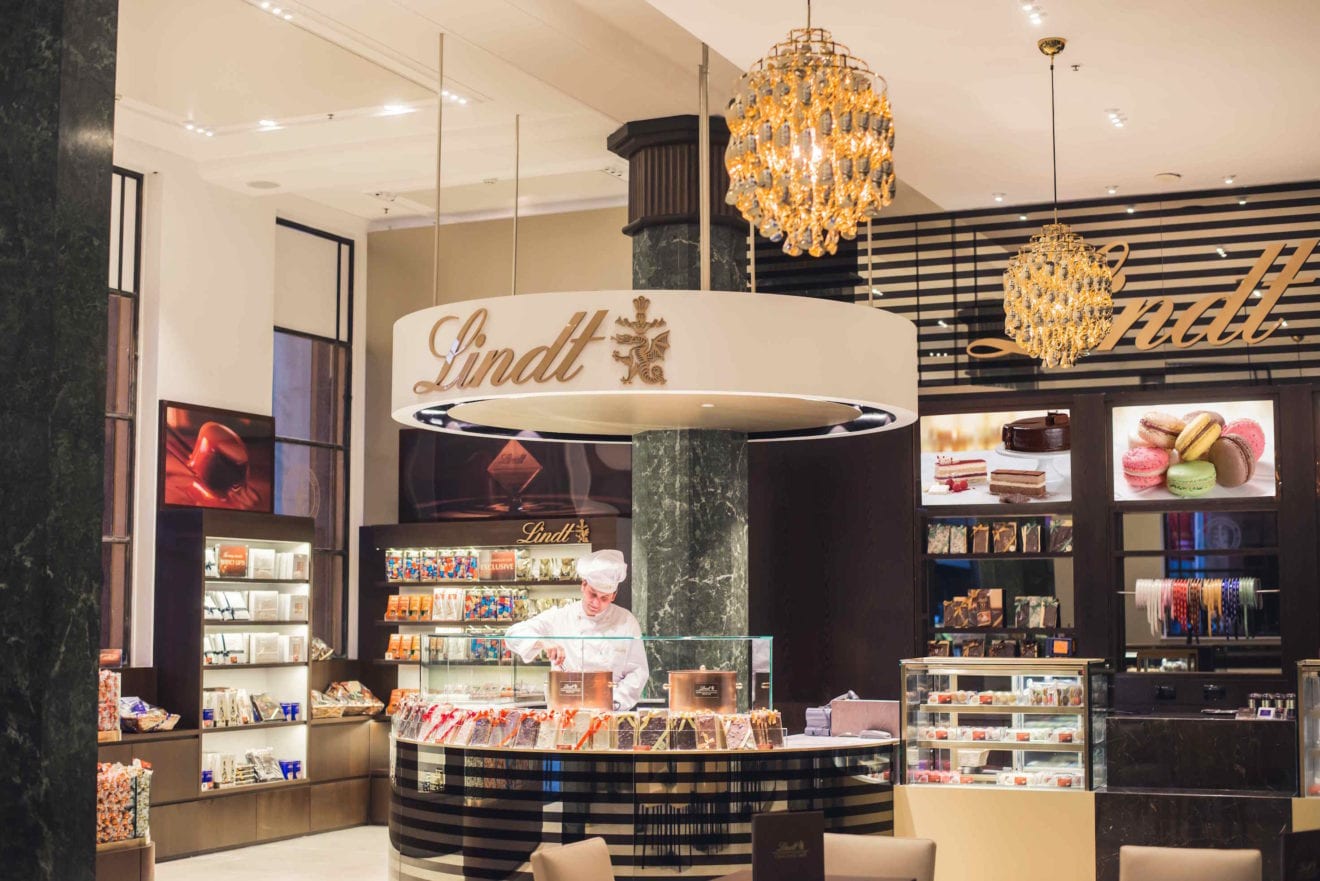
    Lindt, which has more than 300 shops, will need to accelerate its expansion plan to beat its larger rival, which runs more than 450 boutiques. The candy maker said it will use its store network to communicate with consumers, seeking prime locations and offering some products they can’t find elsewhere. Lindt added 50 stores last year, including 16 in Brazil, and retail sales rose more than 20 percent, faster than the company’s total sales growth.

    “If we continue with this pace, we’ll get there,” Chief Executive Officer Ernst Tanner said in an interview, adding that Lindt wants a “worldwide presence” while Godiva is “very strong” in certain markets such as North America and Japan.

    First-half organic sales growth will be slightly below the long-term target of 6 percent to 8 percent because of tougher comparisons to the previous year’s first half, Tanner said. Growth will be stronger in the second part of the year, he added. Lindt is not planning big price increases this year, and growth will be driven more by volume, he said.

    The stock fell 1.2 percent to 68,600 francs as of 12:46 p.m. in Zurich.

    Lindt will open its first shop in Moscow this year and add more stores in Brazil, France and the U.K., he also said.

    Earnings before interest and tax rose 9.4 percent to 518.8 million francs ($522 million). Analysts expected 519.6 million francs, according to the average estimate. Sales rose 7.1 percent on an organic basis.

    Lindt became the third-largest chocolate maker in the U.S. when it bought Russell Stover for 1.5 billion francs in 2014. North American sales rose 7.9 percent last year, slowing from 14 percent growth in 2014 as Russell Stover eliminated unprofitable products.

  • 43% of Hong Kong consumers shop on smartphones

    43% of Hong Kong consumers shop on smartphones

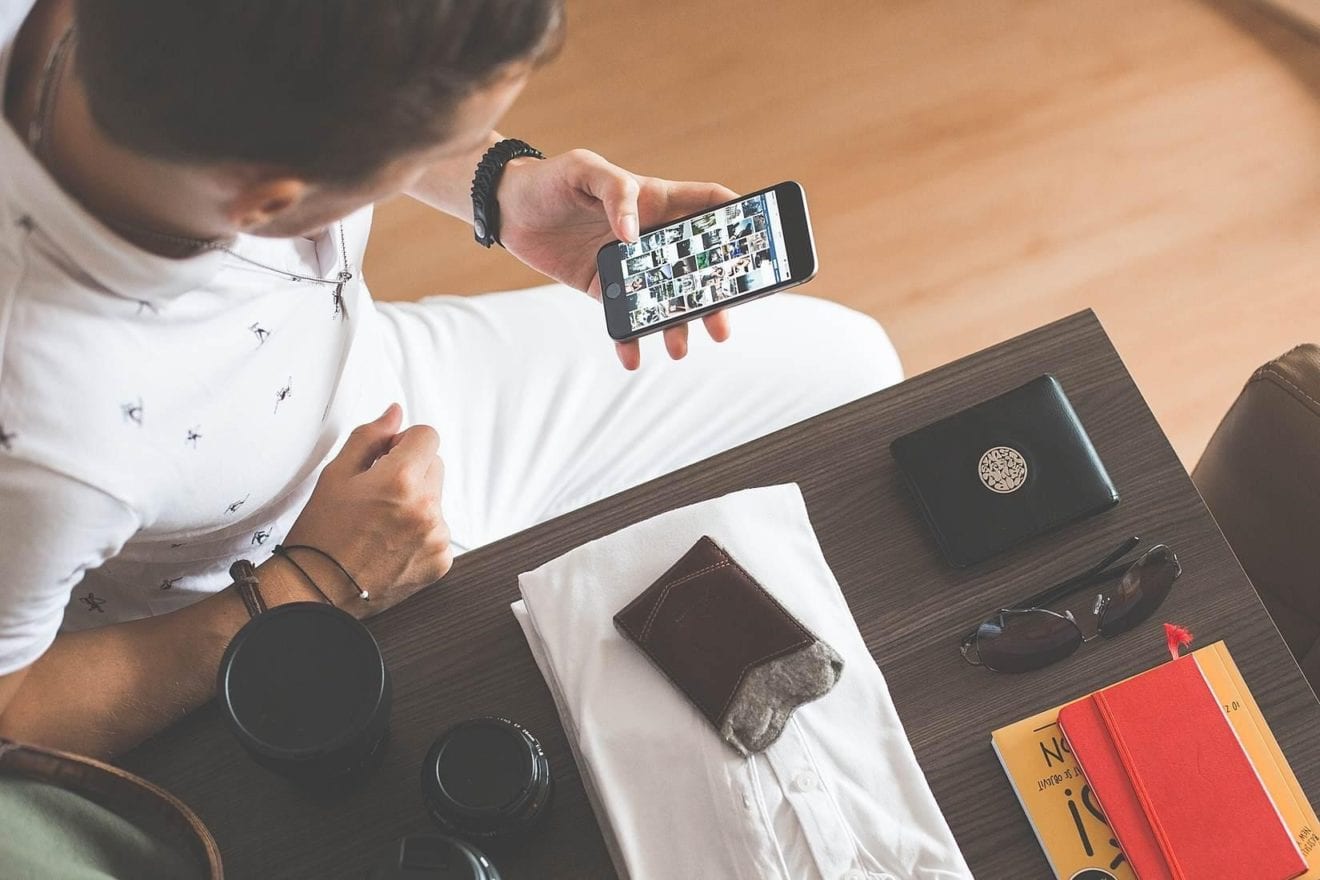
    Mobile shopping has taken hold in Hong Kong, with more than two in five consumers making purchases via their mobile device in the past three months, the latest MasterCard Online Shopping Survey reveals.

    The widespread use (98.8%) of internet-enabled smartphones in the city has set the backdrop for more and more Hong Kong consumers (42.9%) choosing to engage in mobile shopping, marking an 18.3% increase since 2011.

    The survey also indicated that an increasing number of local shoppers are now embracing new payment technologies, with 11.2% currently using digital wallets compared to 7% last year.

    Similar to previous years, convenience (53.2%) continues to be the key driver for mobile shopping, followed by the growing availability of apps that make it easy to shop (33.8%) and the ability to shop on the go (28.4%).

    Almost half (48.6%) of local respondents said they had downloaded a shopping app on a mobile phone in the last six months, and the most popular items bought via mobile shopping include clothing and other fashion accessories (24.3%), movie tickets (21.9%) and toys and gifts (16.2%).

    Hotel accommodation (14.3%) and items from supermarkets (12.4%) also climbed up the list as some of the most common spending categories among local consumers.

    The majority of Hong Kong consumers (84.2%) made at least one purchase online in the past three months, and their average length of online shopping experience is 3.2 years. And 81.8% of local consumers planned to shop online in the next six months.

    But over three quarters (77.8%) regarded security of payment facility as a key consideration when shopping online.

    When asked about the major improvement area for online shopping, more than half of the respondents (54.4%) also expressed that one should be assured that transactions are secure.

    “While Hong Kongers cited convenience as the top motivating factor for mobile and online shopping, we also understand that security of payment facility remains a key consideration,” said Anna Yip, head of Hong Kong and Macau, MasterCard.

    Overall, consumers in Asia-Pacific are embracing new payment technologies with one in five (19.5%) using digital wallets, a two-fold increase from two years ago (9.7%). Emerging markets are leading the way with smartphone users in China (45%), India (36.7%) and Singapore (23.3%) being the region’s biggest adopters of digital wallets.

    In terms of online shopping, China continues to lead the Asia-Pacific region as in previous years, with almost every respondent (97%) having shopped online at least once in the previous three months. However, when it comes to mobile shopping, India surpassed China (76.1%) for the first time, with 76.4% of respondents indicating that they had made a purchase through their smartphones.

  • Sanrio and Universal Parks & Resorts Open New Hello Kitty Retail Store Concept

    Sanrio and Universal Parks & Resorts Open New Hello Kitty Retail Store Concept

    Sanrio, the global lifestyle brand best known for beloved pop iconHello Kitty, and Universal Parks & Resorts have opened the Hello Kitty Shop Featuring Hello Kitty and Friends at Universal Orlando Resort.

    The Hello Kitty Shop at Universal Studios Florida marks Sanrio’s official retail debut and Hello Kitty’s first appearance at a theme park in North America. The supercute retail experience, located along Hollywood Boulevard in the theme park, offers specialty merchandise including stationery, home goods, apparel, accessories, collectibles and confectionery treats. The majority of product will be exclusive to the park. Additional Sanrio characters including Chococat, My Melody, Badtz-Maru,Pompompurin and Keroppi will also be featured.

    “As Sanrio’s first official retail debut at a theme park in North America, the Hello Kitty Shop offers a new retail experience for fans of all ages,” said Jill Koch, Sr. Vice President of Brand Management and Marketing at Sanrio, Inc. “Our partnership with Universal delivers a new touch point for the brand through special products, unique merchandising and a fully branded store experience that incorporates many of our beloved characters.”

    The Hello Kitty Shop at Universal Studios Florida offers a supercute, immersive environment that fans of all ages will love. Customers can shop for exclusive merchandise, enjoy photo opportunities, create souvenir versions of Hello Kitty’s signature bow, mail letters and receive small gifts. With four specially themed areas within the Hello Kitty Shop, fans can find treats at the “Hello Kitty Sweet Yummy Shop,” loungewear and home goods in the “Hello Kitty Lounge” area, multi-character accessories, stationery and gifts in the “Hello Kitty and Friends Town” area, and collectibles featuring Sanrio characters reimagined with classic Universal properties in the “Hello Kitty at the Movies” area. New products and designs will be released regularly so fans will always find something new.

    Beginning March 31st, guests can also say hello to Hello Kitty herself. Hello Kitty will make regular appearances, greet fans and take photos.

  • Retail sector woes continue despite New Year festivities

    Retail sector woes continue despite New Year festivities

    Hong Kong’s retail sector woes continued in the second month of this year when sales tumbled by more than 20 percent during the period when the Lunar New Year is celebrated. The value of total retail sales in February, provisionally estimated at HK$37 billion, was down by 20.6 percent compared with the same month in 2015. The revised estimate of the value of total retail sales in January dropp…

    Hong Kong’s retail sector woes continued in the second month of this year when sales tumbled by more than 20 percent during the period when the Lunar New Year is celebrated. The value of total retail sales in February, provisionally estimated at HK$37 billion, was down by 20.6 percent compared with the same month in 2015.

    The revised estimate of the value of total retail sales in January dropped by 6.6 percent compared with a year earlier. For the first two months of this year, retail sales fell by 13.6 percent compared with the same period in 2015.

    January and February retail sales of jewelry, watches and clocks, and valuable gifts dropped by 24.2 percent, the government said.

    Apparel sales fell by 11.4 percent, while commodities in department stores fell by 12.3 percent.
    Sales of electrical goods and photographic equipment were down by 26.7 percent and miscellaneous consumer durable goods dropped by 31.9 percent. Motor vehicles and parts sales tumbled by 21.2 percent.

  • Will Hong Kong retail market, like Jesus, rise from the dead?

    Will Hong Kong retail market, like Jesus, rise from the dead?

    Spring is here, but our struggling retailers have yet to notice its arrival.

    Last week Li Ka-shing said the economy this year is the worst in 20 years, especially in the case of the retail market, which is facing a situation that is worse than SARS in 2003.

    It’s nice to know, though, that while Cheung Kong is grumbling, rival Sun Hung Kai Properties has come up with a way to cope with the situation.

    At its trendy shopping mall APM in Kwun Tong, Hong Kong’s No. 1 landlord is introducing short-term tenancy.

    Six shops of between 100 square feet and 300 square feet will be coming on stream for tenancy of no more than six months, says Maureen Fung Sau-yim, general manager (leasing) of Sun Hung Kai Real Estate Agency.

    Fung says the tenancy will involve a new profit-sharing system, in which 10 to 12 percent of the sales will be taken as rental.

    This new deal is breaking away from the traditional three-year lease where retailers have to pay 20 percent of their sales to the landlord.

    Landlords are adjusting their leasing strategies in the wake of the poor retail sentiment brought about by slowing tourist arrivals.

    Swire Properties, for example, is terminating the leases of underperforming tenants such as Dan Ryan and Grappa’s (and before that, the beloved of the middle class Marks & Spencer) as part of efforts to transform Pacific Place in Admiralty.

    From the tenants’ side, gold, jewelry and luxury watch shops, along with pharmacies or cosmetics outlets, are giving their spaces back to food stalls and other small operators who previously could not afford the high rent.

    Kowloon Watch, for example, has just closed its store at a shopping mall near my residence, its fifth closure in the past 12 months, leaving only seven shops in operation.

    The short-term tenancy seems the most logical strategy in the new business climate. Some trendy retailers, such as Bathing Ape, which used to draw long queues for its limited edition products, will be perfectly suited for this flexible scheme.

    In the first three months, visitors to APM surged over 10 percent to 27 million with sales topping HK$900 million, according to Fung.

    This coming Easter, the mall will be spending an advertising budget of HK$2.3 million, up 10 percent from the previous year, in anticipation of a huge wave of visitors, especially those coming from the Kai Tak Cruise Terminal.

    Hopes are high that the local retail market, like Jesus Christ, can rise from the dead after its extended crucifixion.

  • Singapore’s SME retail exporters can now gain better access to US market

    Singapore’s SME retail exporters can now gain better access to US market

    The revised de Minimis Threshold increases the limit to the United States from US$200 to US$800.

    Web-based small and medium enterprises (SMEs) retail exporters in Singapore can now gain better access to the United States market with the revision of de Minimis Threshold.

    The revised de Minimis Threshold – the amount at which US import duties apply – increased the limit from US$200 to US$800. This means that sellers no longer need to pay the US import duties when the price of their products is under US$800.

    “The revised de Minimis Threshold provides a timely opportunity for local businesses to internationalise. The US is the number one export destination for eBay Singapore sellers with its strong consumer purchasing capacity and high expenditure in e-commerce,” said Teri Canayon, country manager of eBay Singapore Cross-Border Trade. “With a lower barrier for cross-border e-commerce for our Singapore SMEs, there will be even greater incentives to boost exports to the US market, ultimately driving greater growth.” 

    Sellers can also mail higher value products directly to the US market, which allows them to better manage their supply chain and inventory costs.

    In addition, the cost of products to American consumers is lowered. This encourages them to buy more overseas, which may eventually give Singapore businesses a better chance to grow sales in the US market.

  • BNI Set to Penetrate ASEAN Market

    BNI Set to Penetrate ASEAN Market

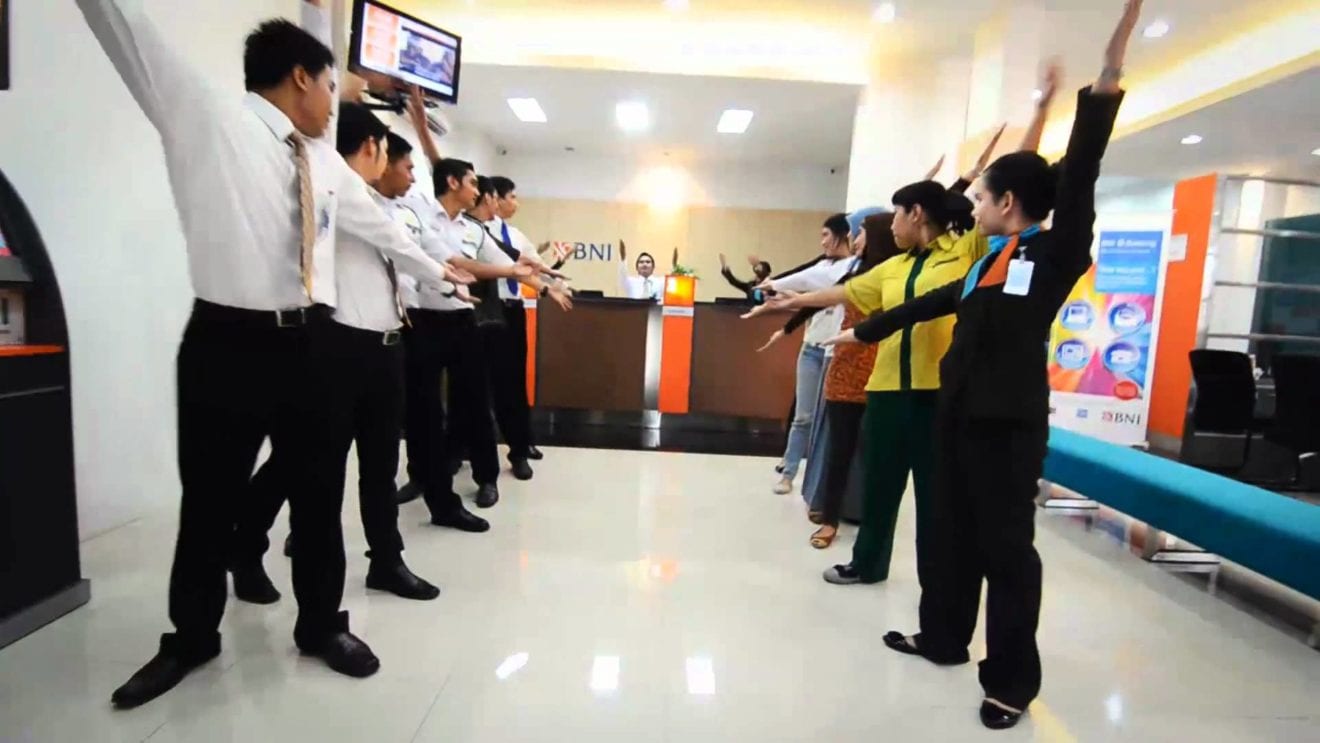
    Bank Negara Indonesia (BNI) president director Achmad Baiquni said that state-owned lender BNI would expand its business in other Southeast Asian countries, in addition to Myanmar.

    “There are some countries targeted by BNI, but we can’t reveal them yet, because it’s too early,” Baiquni told us during a tree-planting event at kilometer 59 of the Jakarta-Cikampek toll road on Saturday, March 26, 2016.

    Baiquni added that the expansion plan would be executed based on existing business potentials. Myanmar was selected since other state-owned companies were expanding their business in the country.

    “We have to follow our customers,” Baiquini explained.

    Baiquni admitted that BNI had looked into the business potential in Myanmar. He also expected that the expansion plan would be realized this year.

    BNI and Bank Mandiri are preparing to expand their businesses in the ASEAN market prior to Financial Services Authority’s agreement signings with Central Bank of Myanmar and Bank Negara Malaysia.

  • Maldives laments HSBC retail banking loss

    Maldives laments HSBC retail banking loss

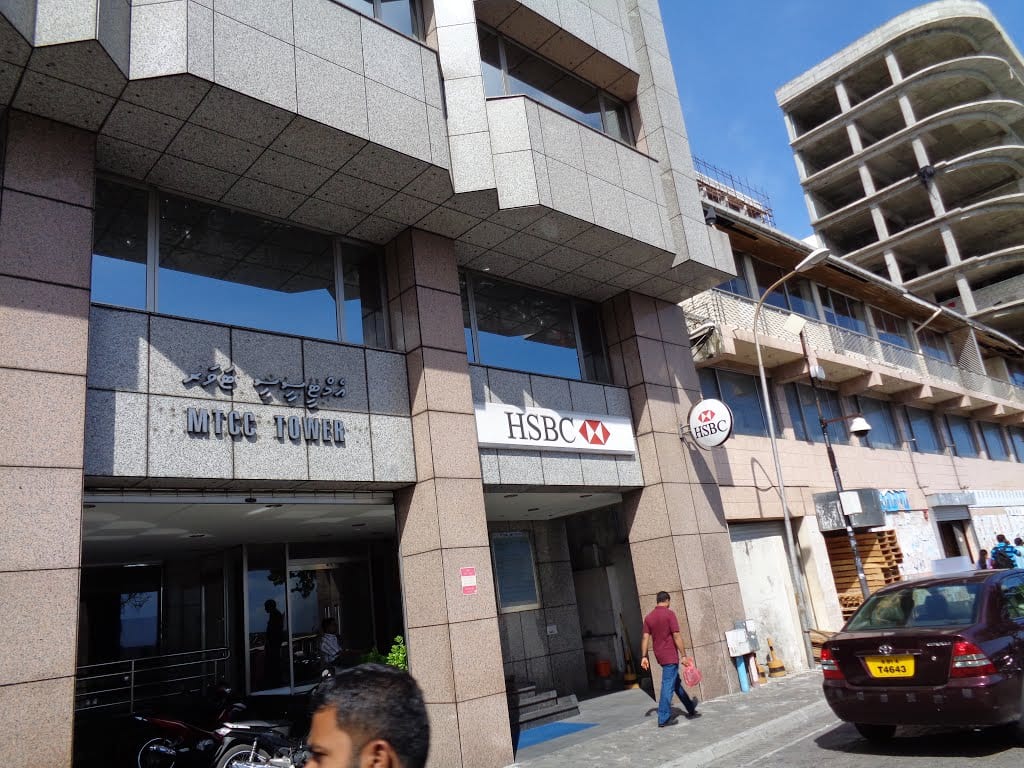
    Maldives central bank on Thursday lamented the decision by Banking giant Hong Kong and Shanghai Banking Corporation (HSBC) to cease retail banking in the Maldives from April.

    Speaking at the parliamentary finance committee governor Azeema Adam insisted that the Maldives Monetary Authority (MMA) does not wish HSBC to cease retail banking services in the Maldives but said the country still needed the bank’s other services.

    Male branch of HSBC had decided to cease retail banking operations from April 28 and is now informing its customers.

    An official from the Maldives Monetary Authority (MMA) also confirmed the plans by HSBC’s Male branch to shift to corporate-only operations. The official, however, did not give details.

    HSBC was not available for comment.

    HSBC operates in Maldives as a trading desk of the HSBC branch in Sri Lanka.

    The governor however, pointed out that HSBC’s decision was not limited to the Maldives.

    “Every bank has its own standards. Certain services that they offer. Instead of forcing something on them we look to find out how it could prosper as a business. We put in a lot of effort to bring HSBC to the Maldives,” Azeema explained.

    “Even when they [HSBC] first came they had sought to serve high net worth customers and individuals. We had given them the operating license knowing that all those years ago.”

    Azeema also revealed that several challenges had prompted the bank to adopt cost cutting measures.

    “It’s not something we also want. But if we look at the services provided by the banks in Maldives, HSBC is the third largest bank in the country. In terms of deposit size and loan size,” she continued.

    HSBC is the second highest banking profit tax payer in the Maldives, she added.

    An account in HSBC has to be opened with an initial deposit of MVR 50,000; the highest initial deposit required of any bank that operates in Maldives. The bank also pays the lowest deposit interest rate at 1 – 1.75 percent. Deposit interest rate on US Dollar accounts is 0.10 percent.

    As the bank charges a high amount in fees, the bank mainly hosts Maldivian businesses.

    In May 2014, complaints mounted over the bank’s decision to close down accounts held by many small and medium businesses citing administrative reasons. The businesses had complained that the move was made without prior notice.

    The decision by one of the biggest banks in the world comes a week after it was revealed that the Maldives had lost a major international banker.

    President Abdulla Yameen Abdul Gayoom told residents of Gaafu Dhaal atoll Gadhdhoo on February 15 that one of the major correspondent banks had dropped Maldives from its client list, while another one is considering a similar move. The reason, according to the president, is false claims made about Maldives, including threats posed by home-grown jihadists.

    “When we make such claims without considering the repercussions, it’s the people of Maldives that has to suffer,” he said, after inaugurating a project to establish a clean water system in the island.

    The president did not identify the bank that had dropped the Maldives. Haveeru, however, understands that US-based JPMorgan Chase had terminated its dealings with Maldivian banks in 2013.

    A correspondent bank is a financial institution that provides services on behalf of another, equal or unequal, financial institution. It can conduct business transactions, accept deposits and gather documents on behalf of the other financial institution.

  • Joyo Financial to Provide Retail Investors’ Access to IPO

    Joyo Financial to Provide Retail Investors’ Access to IPO

    The tech sector is always a main focal point for investors and consumers’ alike as it lays down the bench mark for what will be common place for most people whether it is in the home, places of business, or recreationally.

    In the bustling IPO market which covers a variety of numerous product sectors by some of the marketplaces more recognizable and also some not so well known companies, whose products are among the best innovative and pioneering ideas to date. These companies offer many different options to potential investors and have the retail, corporate and institutional clients as well as the management at Joyo Financial Ltd., drooling at the prospects.

    Joyo Financial Ltd., a Japanese brokerage company with an office in Hong Kong, has made all the right noises in relation to at least 2 impending IPO’s that they will be involved with this year.

    Charles Leung, Chief Investment Officer at Joyo Financial Ltd, attending the 23rd annual SXSW Interactive festival in Austin, Texas, USA had the following to say, “I love coming to these expos, the companies demonstrating their latest products and achievements are always insightful and never fail to provoke thought on what can and what almost definitely will be a standard in our ever evolving world.” The SXSW festival is an annual set of film, interactive media, and music festivals and conferences that take place in mid-March.

    When asked about Joyo Financials plans in the Tech sector this year he remarked, “I really would like to reveal more on 2 IPO projects in particular we’re involved with this year. I can say this, that one is in the tech sector and will be huge and the other is in the more conventional mining sector and will just as big, full details will be disclosed shortly.”

  • ABK named ‘Best Retail Bank in Kuwait’

    ABK named ‘Best Retail Bank in Kuwait’

    Al Ahli Bank of Kuwait (ABK) was recently recognized as the ‘Best Retail Bank in the Middle East’ by the Asian Banker; one of the most prestigious awards programs in the industry of financial services and one of Asia’s leading consultancies in financial services research, benchmarking and intelligence. The award was received by Stewart Lockie, General Manager Retail Banking at ABK, during an awards ceremony that was held on March 16th, at the W Hotel in Hong Kong.

    The ‘Best Retail Bank in the Middle East’ award reaffirms the Bank’s outstanding initiatives and  solid performance and demonstrates its unwavering efforts to provide superior services to its customers through the implementation of its ‘Simpler Banking’ strategy, which focuses on creating a simpler banking model offering convenience, speed and security.

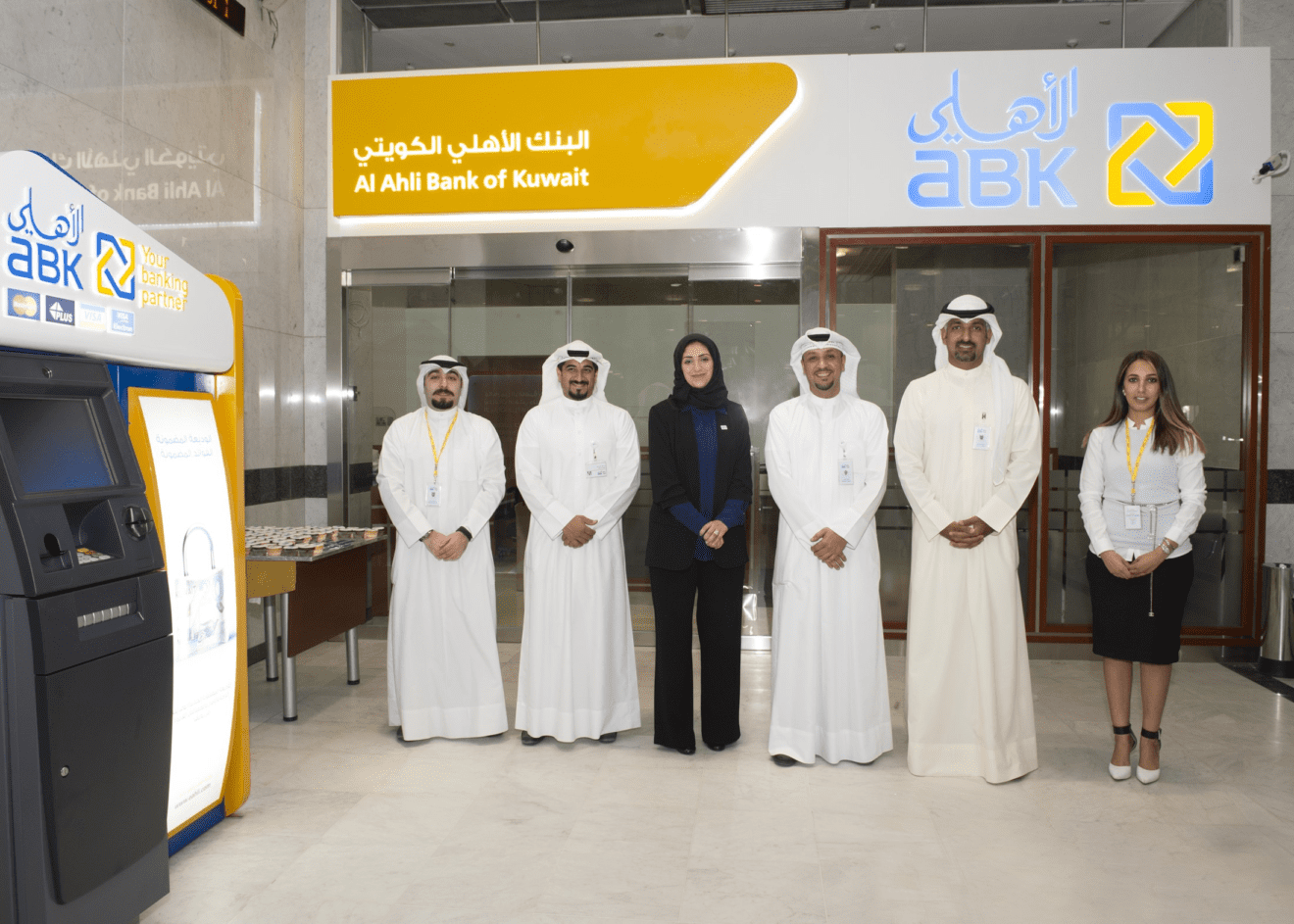
    Stewart Lockie with Retail Banking staff

    Commenting on the Bank’s achievement, Stewart Lockie, General Manager Retail Banking at ABK said, “It is an honor to be recognized as the ‘Best Retail Bank in the Middle East’ by the Asian Banker since we received the award last year for Most Improved Retail Bank. ABK made a tremendous effort throughout 2015 to make substantial enhancements and developments to its services and systems with the aim of to simplify the banking process. I would like to thank the judging committee for realizing this effort and rewarding us for it and I would also like to congratulate the Retail Banking team on this award, and thank them for their continuous hard work and diligence.”

    ABK recently deployed a series of new enhancements to its systems as part of its ‘Simpler Banking’ strategy, such as reducing ‘End to End Loan’ processing time from six days to one day and the account opening process from nine hours to six minutes. It also introduced ‘Biometric Verification’ as an enhancement to its mobile banking system, as an additional security measure, in addition to several other developments.

    The Bank will continue to build on this great success and introduce further developments and enhancements that serve to differentiate ABK‘s services and support its ‘Simpler Banking’ strategy, with focus on delivering more convenience, security and speed.

  • QNB chosen ‘Best Retail Bank in Qatar’

    QNB chosen ‘Best Retail Bank in Qatar’

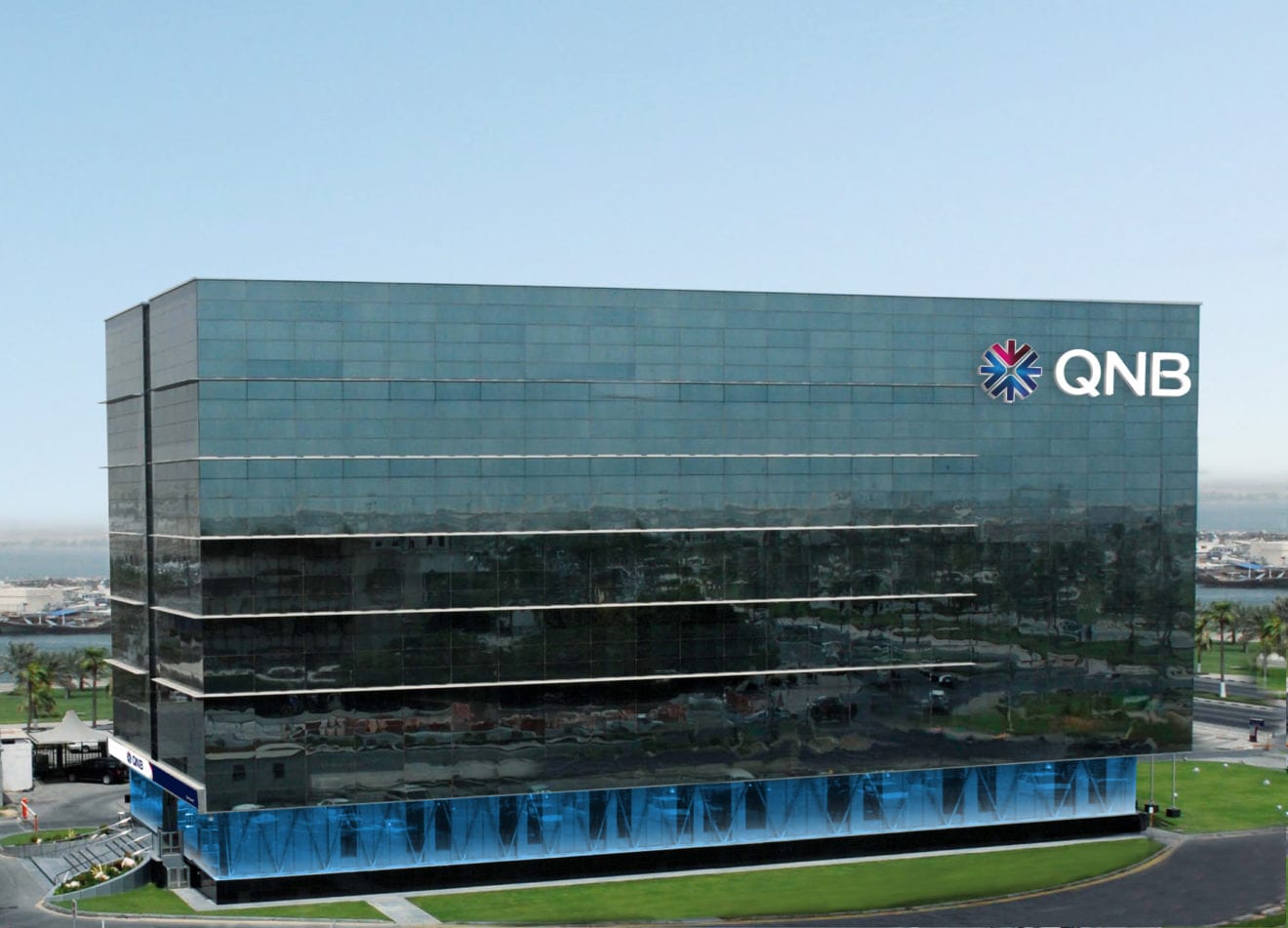
    QNB has been recognised as the “Best Retail Bank in Qatar” by the Asian Banker Magazine.
    The prestigious award was received during The Asian Banker’s International Excellence in Retail Financial Services Awards 2016 ceremony held recently in Hong Kong.

    The awards ceremony was held in conjunction with The 15th Annual Excellence in Retail Financial Services Convention. It is considered an important financial event in the global retail banking agenda, where regional and global elite retail bankers can come together and enjoy unprecedented networking opportunities.

    According to The Asian Banker, QNB, a leading financial institution in the Middle East and Africa, received the “highly competitive award after successfully undergoing all the stringent valuation” for the international excellence in Retail Financial Services Programme.

    “The award is a true testament to the excellence of QNB’s retail services, given that the programme is considered the most prestigious, comprehensive and anticipated awards programme that recognises excellence amongst the world’s leading retail financial institutions as well as the undisputed performance benchmark of the best retail banks in an increasingly fierce marketplace,” QNB said.

    As a leading provider of strategic intelligence on the financial services industry, The Asian Banker facilitates awards programmes known for their rigor, impartiality and transparency.

    QNB is a previous recipient of these distinguished awards, gaining such recognitions as “Best Transaction Bank in the Middle East & Africa”, “Best Direct Bank”, “Best Cash Management Bank in Qatar”, and “Best Trade Finance Bank in Qatar”.

    QNB Group’s presence through its subsidiaries and associate companies extends to some 27 countries across three continents providing a comprehensive range of advanced products and services.
    The total number of employees is more than 15,200 operating through more than 635 locations, with an ATM network of 1,390 machines.