Tag: Retail

  • Myanmar businesses want policies

    Myanmar businesses want policies

    There are concerns the new government, which took office in April, has not yet revealed its economic policies. Businesses are also concerned that if the policies further open up the economy, some companies would not be ready for potentially intense foreign competition.

    At a panel discussion of the Economist Events’ Myanmar Summit 2016, Sai Sam Htun, executive chairman of Loi Hein Co, the No 1 beverage firm in Myanmar and the producers of Alpine drinking water, said local business were showered with optimism and challenges.

    “Currently, local business people are worried,” he said. “We expect the government to come up with the road map, model and vision for the country. We expect that as soon as possible. Otherwise, we are in the dark and do not know where to go, what to do and what will happen in the future.”

    He welcomed the national agenda to achieve reconciliation, but that should not be the single priority.

    “The new government brings us to the road to democracy, but that doesn’t guarantee that everything will be smooth,” he said. “We are expecting our leader Daw Aung San Suu Kyi to say something about the future economy of Myanmar.”

    Kyaw Win, planning and finance minister and chairman of the Myanmar Investment Commission, said the policies should be revealed by the end of this month.

    Win Win Tint, chief executive officer of City Mart Holdings, the nation’s largest retail chain, noted that Myanmar needed to consider whether foreign investment should be allowed in trading, the services industry and retailing.

    Currently, Myanmar’s retail industry is fragmented. Modern trade accounts for only 10 per cent of the retail industry, compared to 45 per cent in Thailand and 25 per cent in Vietnam.

    There is a huge growth potential, but poor infrastructure and low consumption may hold back the potential growth. Suppliers are still unable to support retailers, pushing the ratio of imported products to 80 per cent.

    “One thing we always tell our policy-makers is that local businesses are not on a level-playing field,” Win Win Tint said. “If the MIC allows foreign players in these industries, they will enjoy tax incentives and access to overseas financing.”

    She added that the old foreign investment law did not take local business interests into consideration.

    Sai Sam Htun, however, is not afraid of foreign players. He recalled the situation a few years ago when all businesses fretted about the entry of foreign players.

    “I was quite scared that I would be out of business. But I aggressively worked on the branding aggressively,” he said. “If you are in the market, you just have to be consistent. Then you can compete with any competitor and face any challenge.”

    He noted that foreign and local businesses could have win-win strategies. Foreign companies like Coca-Cola, PepsiCo and multinational beer companies have successfully forged partnership with local players.

    Loi Hein has formed four joint ventures with foreign companies – two each with Japanese and Thai counterparts.
  • Losses Likely To Continue For South Korea Market

    Losses Likely To Continue For South Korea Market

    The losing streak has hit four sessions now for the South Korea stock market, which has surrendered more than 55 points or 2.9 percent along the way. The KOSPI now rests just above the 1,970-point plateau, and the market is looking at continued weakness again on Wednesday.

    The global forecast for the Asian markets is negative ahead of key risk events – specifically today’s FOMC’s rate decision, and next week’s Brexit vote. The European and U.S. markets were down and the Asian markets are tipped to follow suit.

    The KOSPI finished modestly lower on Tuesday as losses from the retailers were tempered by support from the technology stocks and shipping companies.

    Among the actives, Samsung Electronics added 0.44 percent, while SK hynix jumped 2.65 percent, Hanjin Shipping surged 6.26 percent, Hyundai Merchant Marine advanced 2.75 percent, Lotte Confectionery skidded 2.54 percent and Lotte Chilsung tumbled 3.93 percent.

    The lead from Wall Street is soft as stocks were down on Tuesday, if well off their worst levels of the day.

    The Dow slipped 57.66 points or 0.3 percent to 17,674.82, while the NASDAQ edged down 4.89 points or 0.1 percent to 4,843.55 and the S&P 500 dipped 3.74 points or 0.2 percent to 2,075.32.

    Traders expressed trepidation ahead of the Federal Reserve’s monetary policy announcement later today. The Fed is widely expected to leave interest rates unchanged, but traders will keep a close eye on the accompanying statement.

    Ongoing concerns about next week’s referendum on whether Britain will remain in the European Union also weighed on the markets.

    In economic news, the Commerce Department reported stronger than expected retail sales growth in May. The Labor Department also noted that import prices surged more than expected in May amid another substantial increase in fuel prices.


  • Indonesia’s retail attractiveness rank jumps significantly

    Indonesia’s retail attractiveness rank jumps significantly

    Indonesia has significantly improved its position in the Global Retail Development Index by leaping from 12th position in 2015 to a new high fifth position. China and India are still the countries with the most attractive retail business taking first and second, followed by Malaysia and Kazakhstan.

    The consulting firm AT Kearney created the index in 2001 to measure the attractiveness of the retail sector in developing countries. It includes three main criteria namely population, country risk, and time pressure.

    AT Kearney partner Hana Ben-Shabat said Indonesia’s recent policies of loosening barriers in the retail sector including e-commerce and foreign investment were regarded as positive to investors amid the negative growth average of 2.3 percent in the last three years.

    “Local and international retailers are speeding up expansion plans,” she said on Monday in Jakarta, citing Indomaret, which planned to open 1,600 stores after the 1,560 new stores last year and United Arab Emirates’ Lulu that would invest US$500 million over the next five years.

    As market saturation would increase, Hana continued, existing retailers were experimenting to capture the niche market.

    Matahari Putraprima has launched a premium supermarket Foodmart Primo in June 2015, while Transmart Carrefour has expanded to restaurants, retail chains and entertainment.

    With the increasing usage and number of smartphones, retailers are boosting up their e-commerce. Happy Fresh has recently acquired $12 million to fund its e-commerce expansion, while Alfamart has rebranded its alfaonline.com into alfacart.com by including third-party products.

    More recently, Korea and Japan-based retailer Lotte Group and Indonesia’s Salim Group have announced that they will create a joint-venture to develop an e-commerce and logistics system. Salim and Lotte would hold a 50-50 share of the platform.

    “Now, Indonesians youngsters are paying less physical visit to retail shops. We need to catch on with this new trend,” Salim Group chairman Anthoni Salim told us on Friday.

  • BRI Goes Digital for Cashless Society Program

    BRI Goes Digital for Cashless Society Program

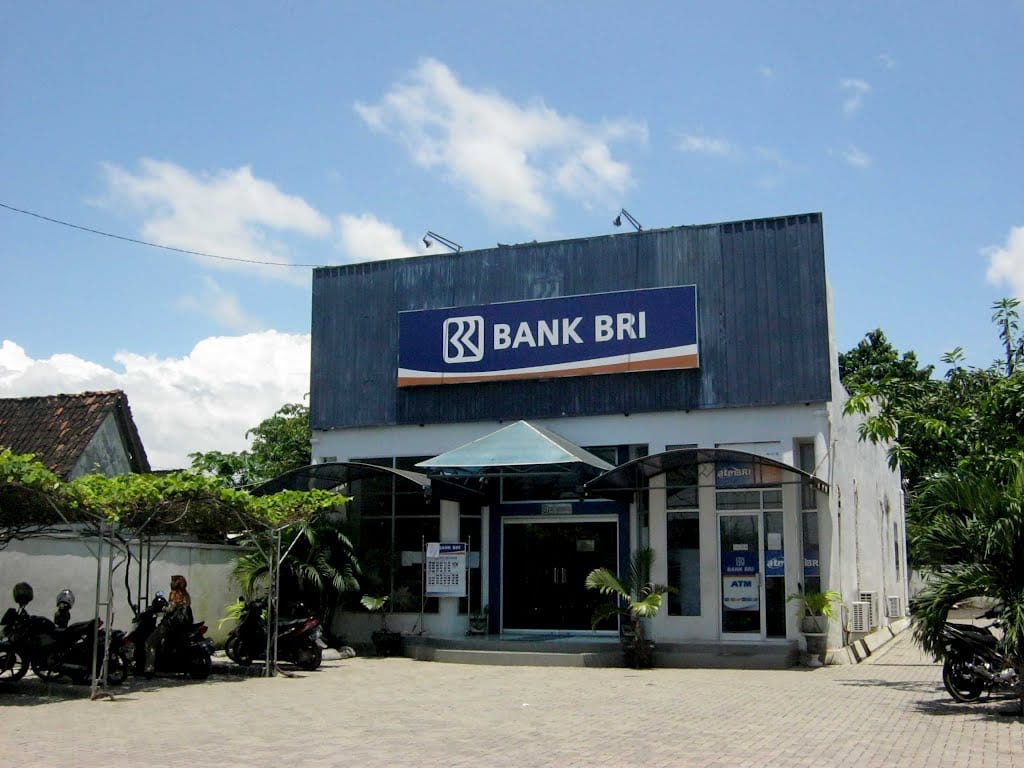
    Bank Rakyat Indonesia (BRI) has been revamping its digital banking services as part of its “cashless society” program and in support of the central bank’s Non-Cash Payment Movement (GNNT), a senior BRI official said last week.

    BRI Consumer Director Sis Apik Wijayanto said the top small-business lender intends to reduce cash to a minimum for every transaction.

    “This is the digital era, tech support is crucial. The goal is to improve payment efficiency and offer customers  the utmost convenience,” Sis said.

  • CIMB’s Corporate Card Solutions to see big growth

    CIMB’s Corporate Card Solutions to see big growth

    CIMB Bank Bhd’s newly-launched Corporate Card Solutions is expected to gain significant growth momentum, given that it is a gamechanger in the market.

    In collaboration with MasterCard, the CIMB Corporate Card Solutions offers convenience, control and transparency for business operational expenditure, through its corporate card, purchasing card and virtual card solutions.

    “We are very excited about this launch because the corporate segment has been a domain of the consumer segment in the past.

    “This is a very new solution, for us and in the market as well.

    “A lot of banks now do not do this business,” said CIMB Group transaction banking head Thomas Tan after the launch ceremony yesterday.

    New cards: (from left) MasterCard South-East Asia Indonesia, Malaysia and Brunei group country manager and Islamic payments group head Safdar Khan, Zafrul, MasterCard Asia/Pacific co-president Ari Sarker, and Tan having a closer look at the mock credit cards at the launch of CIMB’s Corporate Card Solutions.

    The Corporate Card Solutions offers unique, customised solutions for companies, such as setting spending limits and customising merchant categories by each individual card holder, with real-time overview of employees’ travel and entertainment expenditure.

    Meanwhile, the purchasing card automates the company’s procurement process by capturing card transactions in real time, which facilitates account reconciliation.

    Companies also have the option to decide on the billing cycles, like a 45-day or 60-day credit interest-free period, unlike consumer credit cards which have one determined billing cycle.

    As for the virtual card solution, businesses can randomly generate a 16-digit virtual card number that is associated with a specific payment, which is then securely transmitted to a specific supplier when payment is due.

    Data is captured real time and matching a unique virtual card number to a specific payment improves reconciliation and aids data analysis.

    These solutions help optimise cash flow, enabling businesses to operate more efficiently through the entire value chain.

    “In today’s business environment where cost management is a high priority, it is our aspiration to help organisations to significantly improve their operational and cost efficiency by automating their transactional flows.

    “These solutions offer unique savings features by optimising cashflows and working capital.

    “Our digital banking solutions such as these are also a response to Bank Negara Malaysia’s call for a reduction in the usage of cheques from 207 million in 2011 to 100 million by 2020,” said CIMB Group chief executive Tengku Datuk Sri Zafrul Aziz.

    The CIMB Corporate Card Solutions is targeted towards government and state agencies, small and medium enterprises (SME) as well as corporate sectors.

    Prior to yesterday’s official launch, CIMB had converted five corporate clients to its Corporate Card Solutions during the soft launch.

  • Woori Bank to offer insurance products in Indonesia, Vietnam

    Woori Bank to offer insurance products in Indonesia, Vietnam

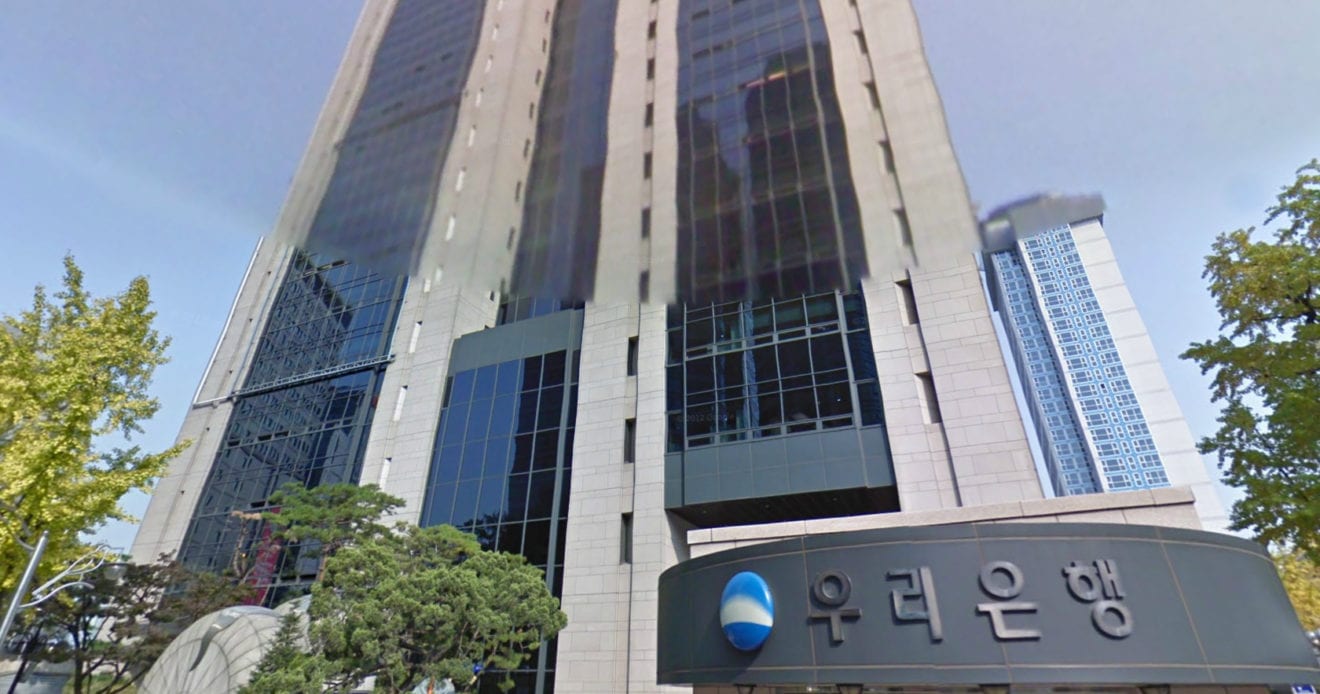
    South Korea’s commercial bank Woori Bank will join hands with local insurance companies to provide insurance service and products from its global outlets starting with its local unit in Indonesia.

    According to bank sources, the bank will be able to sell insurance products of Hanwha Life Insurance Co. through its Indonesian unit Bank Woori Saudara in the second half of this year. The bank wants to establish up to 300 outlets across the globe and decided to add insurance service, a bank official said.

    Hanwha Life Insurance’s Indonesian operation was established in October 2013 and currently has eight branches and 1,200 insurance planners. It will sell savings insurance products like variable annuity through 131 Bank Woori Saudara outlets. The partnership will be a win-win arrangement for the two since they can save costs by mixing business and sharing business.

    Depending on demand, Woori Bank will also sell non-life insurance products of Samsung Fire & Marine Insurance Co. and KB Insurance Co. via its Indonesian operation.

    Woori Bank will also target Vietnamese bancassurance market in partnership with Hanwha Life Insurance. The bank has two branches in Ho Chi Minh and Hanoi in Vietnam. Since the branches have the license to sell bancassurance products, it plans to sell saving insurance products of Hanwha Life Insurance and later products of Samsung Fire & Marine.

    Hanwha Life ranked eighth in terms of new insurance contracts in Vietnam last year. The insurer has 12,500 insurance planners in 54 branches.

    According to Woori Bank, the Indonesian life insurance market has almost doubled from $5.3 billion in 2010 to $9.8 billion in 2014. Vietnam showed similar growth.

  • Shinhan Bank officially launches its Indonesian operations

    Shinhan Bank officially launches its Indonesian operations

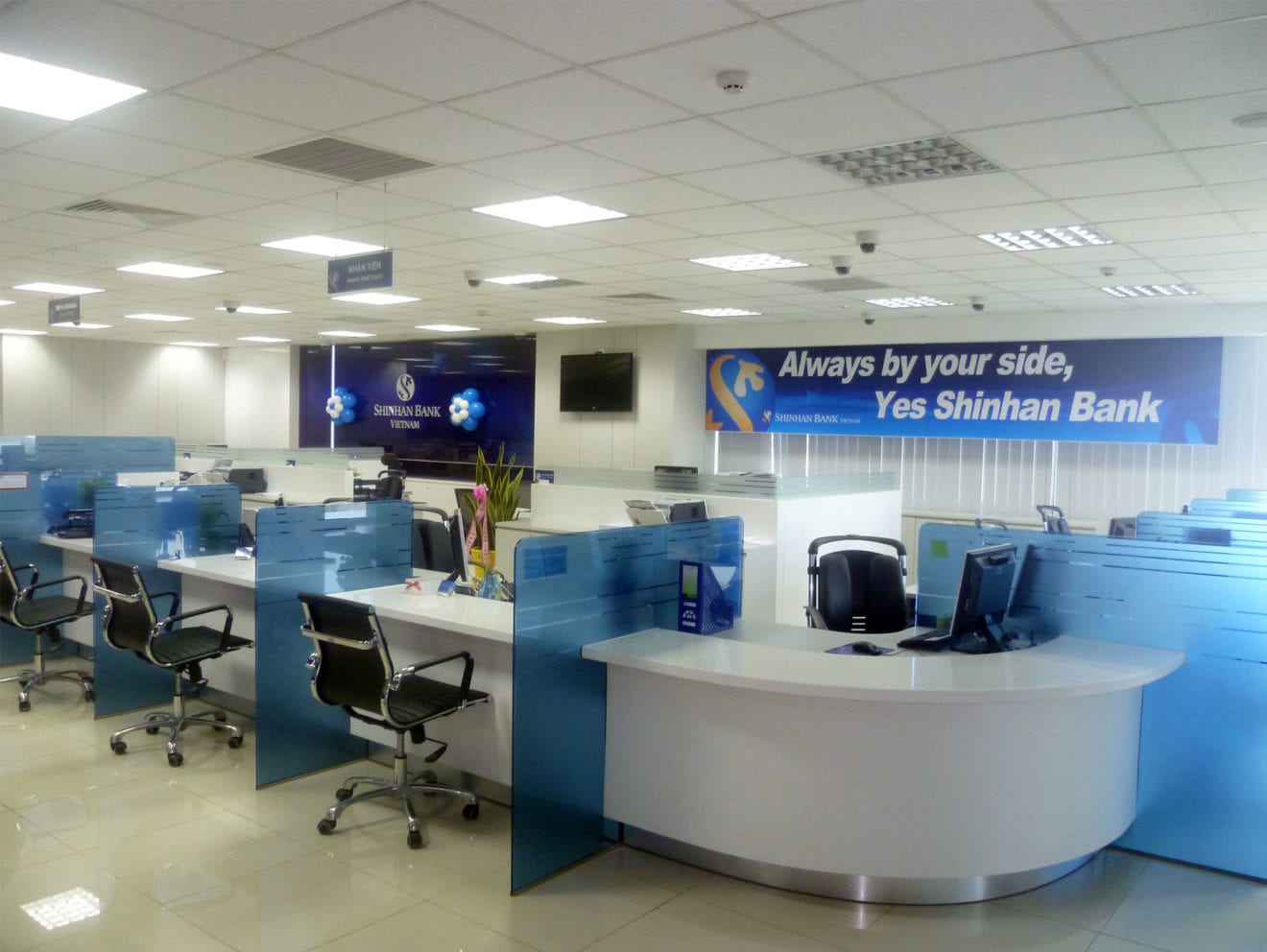
    South Korea’s Shinhan Bank has embarked on operations in Indonesia via Shinhan Bank Indonesia, a move that is expected to help the Korean bank expand its presence not only in the Southeast Asian country but also across Asia.

    Shinhan Bank said on Tuesday it officially launched Shinhan Bank Indonesia, which was renamed from Bank Metro Express (BME), a Jakarta-based bank with 19 branches that was acquired by the Korean bank last year. Shinhan Bank Indonesia is newly headquartered in the International Financial Center Tower 2 in Jakarta, the capital city of Indonesia.

    The kickoff of Shinhan Bank Indonesia’s operations follows a series of launches of the Korean bank’s overseas operations in other Asian countries such as Japan, China and Vietnam in recent years. The latest overseas operation is expected to help Shinhan Bank achieve its ambitious goal to build an extensive financial network across Asia.

    The Korean bank also aims to merge Shinhan Bank Indonesia with Centratama Nasional Bank (CNB), another Indonesian bank that it took over last December, later this year. The Indonesian bank has 41 branches across Surabaya, the second biggest city in Indonesia, and other cities in Java Island.

    Once the merger is complete, the Korean bank would have 60 networks across Indonesia, the world’s fourth most populous country. It currently has 141 overseas networks across 19 countries. It would also be the first in the Korean banking industry to purchase two offshore banks and merge them.

    Cho Yong-byung, the president of Shinhan Bank said at the launching ceremony on Tuesday that he expects the merger of the two Indonesian banks would set a new milestone in Indonesia.

  • Shanghai is among the world’s best for top shops

    Shanghai is among the world’s best for top shops

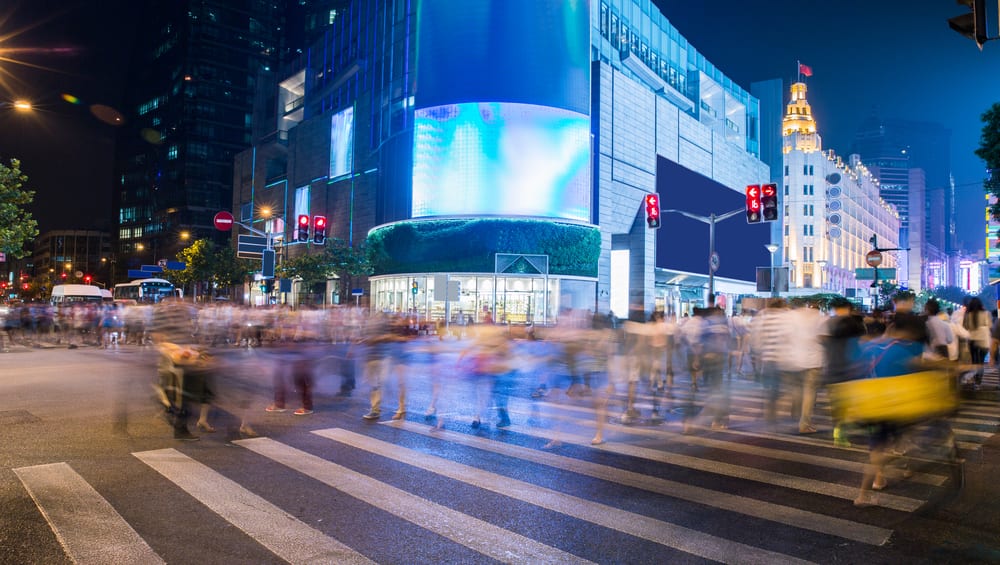
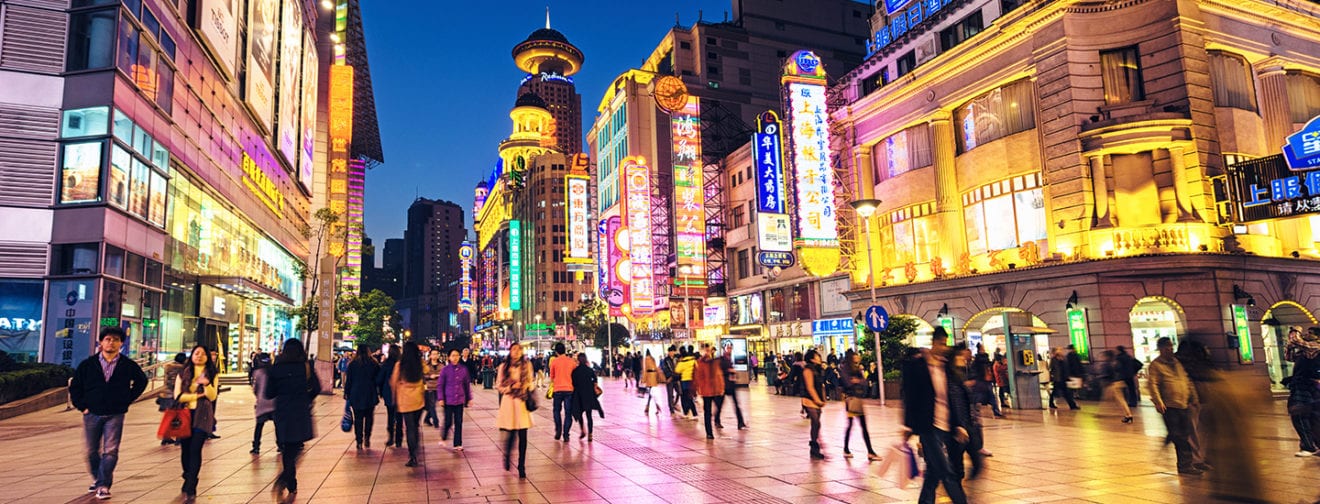
    Shanghai is the world’s sixth-most popular city for luxury goods retailers, according to an industry report.

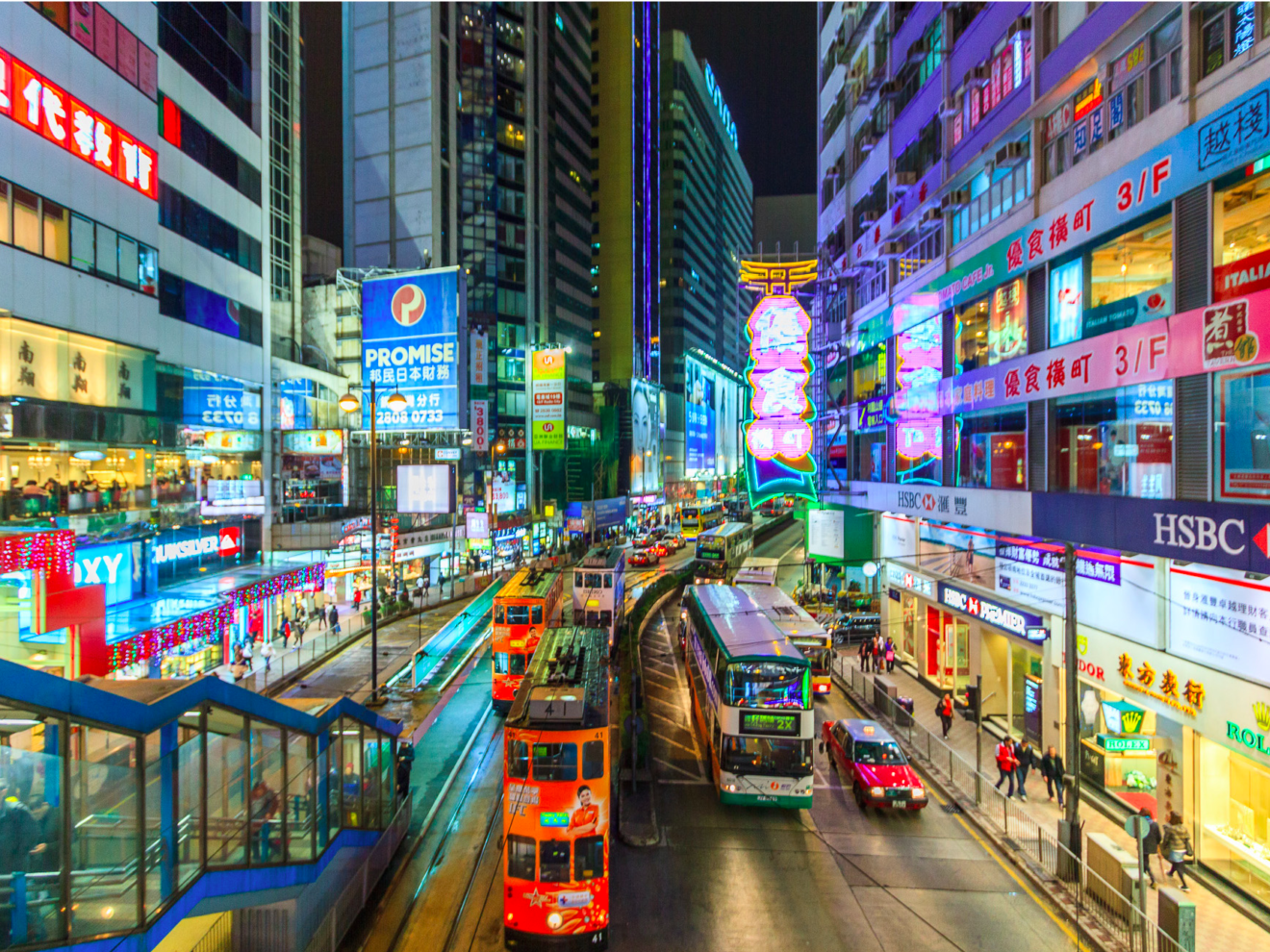
    The Destination Retail 2016 study of 240 international brands by real estate consultancy JLL, ranks London in the top spot, followed by Hong Kong.

    “Hong Kong remains Asia’s leading destination with many retailers using it as a springboard for expansion into the Chinese mainland,” said James Assersohn, director of retail for Asia-Pacific at JLL.

    “Thanks to a diverse economy and wealthy consumer base, Shanghai has become a favorite place for international brands to test the Chinese market and gain exposure,” he said.

    Retailers are drawn to the dynamism of Shanghai due to its “trend-setting nature” while Beijing, which ranked ninth on the list, is favored for its “high sales potential thanks to the strong base of high-net-worth individuals,” the report said.

    Four more of the top-10 places (11 if you count the tie for 10th) are filled by cities in the Asia-Pacific region, namely Tokyo (fourth), Singapore (tied for seventh), Osaka and Taipei (tied for 10th).

    The dominance of Asian cities “highlights the attractiveness of the region to retailers, thanks to its burgeoning middle classes and growing levels of affluence,” the report said.

    The expected growth of high-income households over the next 15 years, should help “keep Asia at the forefront of luxury spending growth,” it said.

    The other cities to make the top 10 include Paris (third), New York (fifth) and Dubai (tied for seventh).

  • Further Slowdown for Hong Kong’s Economy in Q1

    Further Slowdown for Hong Kong’s Economy in Q1

    New figures released by Hong Kong’s government suggest the city’s economy has seen a further slowdown through the first quarter. New stats show Hong Kong’s GDP grew by 0.8-percent year-on-year through the first 3-months. This is a 4-year low in term of quarterly growth.

    Hong Kong’s exports dropped 3.6-percent through Q1. Unemployment in the city has jumped by one-percent to sit at 3.4-percent.

    Hong Kong Financial Secretary Tsang Chun-wah admits the outlook for Hong Kong’s economy this year doesn’t appear promising.

    “The global economy is full of risks in 2016. With such an external environment, Hong Kong’s economy will be facing a downward pressure. As we can tell from the latest data, our exports, tourism industry, retail sectors and many other sectors have all been affected.”

    Housing prices in Hong Kong are down some 12-percent after hitting a peak in September.

    A slowdown in exports, coupled with a slowdown in spending from mainland tourists, has been dragging down Hong Kong’s economic fortunes over the past year.

    The city’s retail sector has borne the brunt of the slowdown.

  • Bangkok 18th most attractive retail city

    Bangkok 18th most attractive retail city

    Bangkok ranks 18th in terms of international retailer attractiveness, just ahead of Las Vegas, in a new report from real estate consultant JLL. “The Destination Retail 2016” report also revealed that Asia boasts five out of the 10 most appealing destinations for international retailers globally.

    According to JLL’s report, which for the first time provides a global ranking of 140 cities by their appeal to cross-border retailers, Hong Kong is second only to London in popularity. Also among the top 10 are Shanghai, Singapore, Beijing and Tokyo.

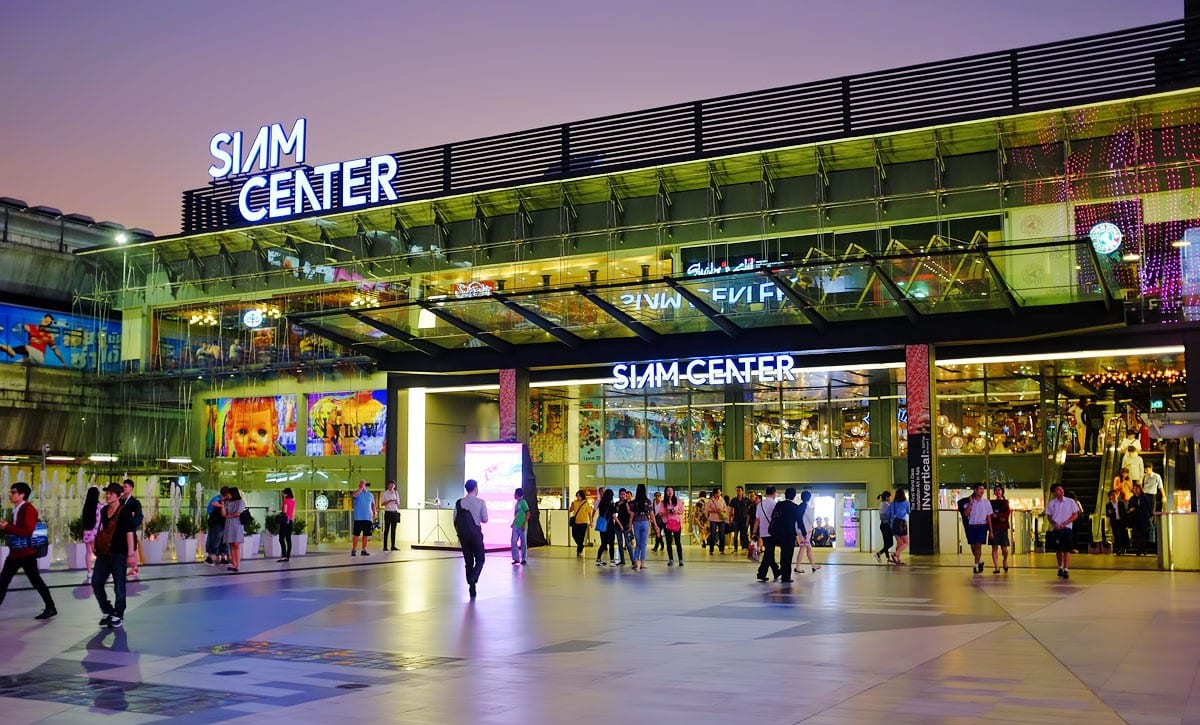
    Boosted by rising income levels and growing tourism numbers from across the world, Bangkok has attracted many international brands, such as H&M, Zara Home, Pull & Bear and Victoria’s Secret. Recently, retailers such as Dior Homme, Pierre Herme, A Bathing Ape and Tiffany & Co have started trading in the city. The Ratchaprasong area is Bangkok’s retail centre and attracts many locals as well as tourists, thanks to its central location and adjacent skytrain. It houses 11 shopping centres, including Siam Paragon, CentralWorld and Siam Square One.

    The recently completed EmQuartier, Central Westgate and CentralFestival EastVille, all outside the city centre, are providing new attractive opportunities to international retailers.

    Bangkok’s retail landscape continues to diversify, with renovations at Siam Discovery and several suburban CentralPlaza retail stores, the opening of HaHa Market and the continued success of Asiatique The Riverfront, a combined shopping centre and night bazaar.

    Cities in Asia-Pacific are the most appealing destinations for luxury retailers to set up shop. Seven Asia-Pacific cities are among the global top 10: Hong Kong, Tokyo, Shanghai, Singapore, Beijing, Osaka and Taipei.

    “Hong Kong remains Asia’s leading luxury shopping destination with many retailers using it as a springboard for expansion into China,” said James Assersohn, retail director for Asia-Pacific at JLL. “While there has been a noticeable slowdown in luxury sales due to China’s slowing economy and the government’s anti-corruption crackdown,Hong Kong continues to attract many high-spending Chinese tourists,” he said.

    More broadly, the dominance of Asian cities in the index highlights the attractiveness of the region to retailers, thanks to its burgeoning middle-class and growing levels of affluence, said Mr Assersohn.

    Tokyo, which takes fourth place globally, has seen a revival in luxury retailer’s demand for high quality real estate as a result of an improving economic climate and rising tourism numbers. The yen, which has devalued by nearly 30% since 2012, has made Japan a magnet for retail tourism across the region. International visitors to Japan rose 47% in 2015 with the largest contingent from China. A weaker yen is also encouraging Japanese to make the most of their luxury purchasing power at home.

    Shanghai, meanwhile, at number six in the ranking, is catching up fast on Hong Kong to become one of Asia’s leading luxury retail destinations and remains China’s premier shopping destination.

    “Thanks to a diverse economy and wealthy consumer base, Shanghai has become a favourite place for international brands to test the Chinese market and gain brand exposure,” said Mr Assersohn.

    (Original article from BangkokPost)

  • Consumer markets drive property retail growth in Philippines

    Consumer markets drive property retail growth in Philippines

    Retail opportunities are growing in Southeast Asia’s property sector due to the region’s strong consumer market, particularly in populous countries such as the Philippines and Indonesia, according to a report by global real estate services firm Jones Lang Lasalle.

    JLL head of research for Southeast Asia Dr. Yang Liang Chua noted that the recent real estate deals made in the region highlight the confidence of investors in the potential of retail opportunities in Southeast Asia.

    Some of the transactions cited by Chua include Alibaba’s taking a majority stake in Singapore-based Lazada.com, Chinese online computer retailer JD.com creating a sub-domain for Indonesia, and the expansion of SM Mall of Asia in the Philippines, which could become the world’s largest mall with an estimated gross floor area of more than 600,000 to 700,000 square meters.

    Chua noted that retail opportunities are particularly the strongest in Indonesia and the Philippines due to their growing urban population.

    “Jakarta and Manila have more than 140 million and 45 million urbanites, respectively, and are expected to grow at an average of 0.9 to 3.2 million people per annum between now and 2025,” Chua noted.

    Aside from the growing population, Chua said both Jakarta and Manila possess highly literate young adults, with literacy rates at 94 and 96 percent, respectively.

    “Continual urbanisation with a young and educated population will support economic growth in these cities,” Chua said. “As individuals accumulate wealth and income grows, discretionary spending is likely to increase and drive both online and physical retail demand.”

    Chua noted that the emergence of foreign brands in Manila and Jakarta are a testament to retailers’ confidence in these two consumer markets.

    In a separate report, Cushman and Wakefield agreed with Chua’s observations, noting that Manila’s retail sector is being fuelled by the entrance of foreign brands into the country.

    “Robust activity due to healthy domestic consumption on the back of higher income from remittances and the BPO industry,” Cushman and Wakefield said.

    In another report, global real estate advisor CBRE noted that the expansion of both local and foreign retail brands in the Philippines are driven by strong household consumption and steady growth in remittances from overseas Filipinos.

    “Taking advantage of the robust demand from consumers and seeing this continuing, developers have been announcing their retail expansion plans which are expected to traverse in the coming quarters,” said CBRE

    However, Chua noted that despite the huge potential of the Southeast Asian retail market, the region faces several challenges when it comes to e-commerce, citing the weak infrastructure and low network-readiness in most countries except for Singapore and Malaysia.

    “Governments could liberalise and invest more into their Information and Communication Technology industry and infrastructure, and adopt national logistics policies that focus not only on physical transportation but issues faced by traders and logistics service providers, to help facilitate the growth of e-commerce in SEA,” Chua concluded.

  • South Korea cuts natural gas rates by 6% on lower LNG import costs

    South Korea cuts natural gas rates by 6% on lower LNG import costs

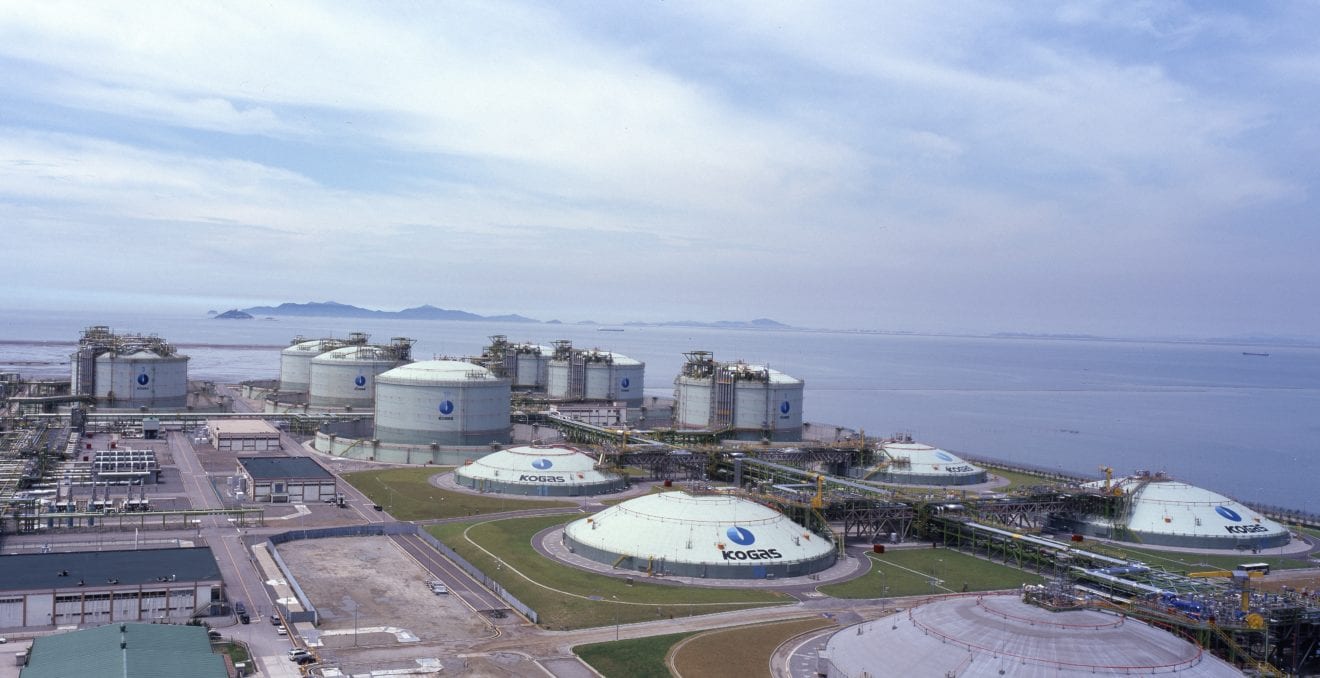
    South Korea will cut retail natural gas prices for households and industry by an average of 5.6% from May 1 to reflect reduced LNG import costs, the Ministry of Trade, Industry and Energy said Thursday.

    It marks the third cut this year after rates fell 9% in January and 9.5% in March. South Korea cut city gas rates by more than 20% last year — 10.3% in May, 10% reduction in March, and 5.9% in January.

    “City gas rates have dropped by more than 38% since the end of 2014,” the ministry said in a statement.

    Despite the price cuts, the country’s LNG demand has been declining. LNG sales by state-owned Korea Gas Corp., which has a monopoly on domestic natural gas sales, fell 4.4% year on year to 3.14 million mt in March.

    For the first three months, Kogas’ LNG sales are estimated at 10.79 million mt, up 1% from 10.68 million mt a year earlier as its sales over January-February increased 3.4% year on year on a cold snap.

    Kogas sold a total of 31.46 million mt of LNG last year, down 10.6% from 35.17 million mt in 2014, which marks the second consecutive year of decline.


  • Indonesian online retailer Bhinneka plans IPO to fund expansion

    Indonesian online retailer Bhinneka plans IPO to fund expansion

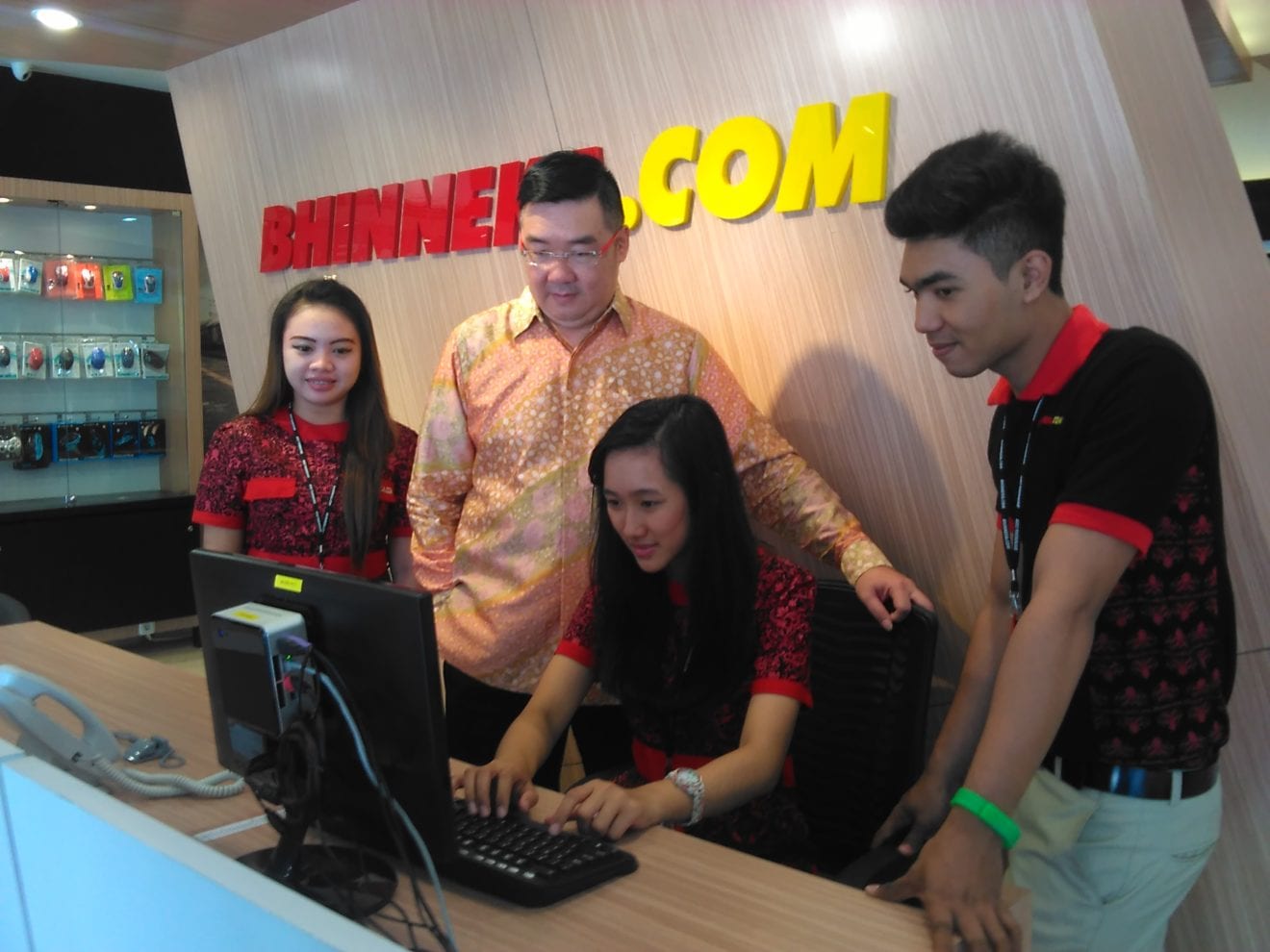
    Indonesian online retailer PT Bhinneka Mentari Dimensi is planning an initial public offering (IPO) in 2018 to widen its reach, one of its directors said on Thursday, as the e-commerce battleground heats up in Southeast Asia’s biggest economy.

    The e-commerce market in the country of 250 million people is ripe with potential but it is fragmented and comes with complex regulatory and logistical barriers.

    “Our objective to go public is for scaling,” director Andi Boediman said, adding that the company plans to expand its store network and strengthen its supply chain while investing in technology and marketing.

    The company operates online through Bhinneka.com, with customers able to have purchases delivered to their homes or its physical stores, which also serve as retail outlets for the electronic goods specialist.

    Bhinneka is in a good position to attract investors, Boediman told reporters on the sidelines of a conference in Jakarta.

    “We are an online retailer that is focused and reasonably sizeable,” Boediman said, adding that revenue “at least doubled” last year and that he expects a strong performance in 2016.

    Bhinneka decided to pursue an IPO in Indonesia because it can be a dominant player on its home ground, Boediman added. He declined to disclose how much the IPO is expected to raise or the company’s financial figures.

    The company’s domestic rivals include SoftBank-backed Tokopedia, Blibli and Indonesian conglomerate Lippo Group’s MatahariMall.com. Lippo is also considering an IPO for its e-commerce business, a director said in February

    The Indonesian market is still growing while being supported by a large consumer base, said David Rimbo, managing partner for transaction advisory services at Ernst & Young in Indonesia.

    “I think the timing is right for Indonesian players to actually realize basically decent valuations,” he said.

  • Weaker Economic Environment in Asia Continues to Impact Commercial Markets

    Weaker Economic Environment in Asia Continues to Impact Commercial Markets

    According to CBRE’s Q1 2016 MarketView, total commercial property investment turnover in Asia Pacific in the first quarter of 2016 declined by 36% quarter-on-quarter as investors generally turned more risk-averse, due to stock market volatility and weaker economic environment. Asian capital in particular, however, remained active across the region with the completion of three big-ticket transactions in Greater China by Chinese investors.

    Q1 2016 saw Hong Kong’s second largest-ever transaction for an office property, in which China Everbright Limited acquired the Dah Sing Financial Center for around US$1.3 billion. Regardless of this key deal though, investment activity on the whole remained low in Hong Kong.

    “Despite slower activity in the investment environment overall, international institutional investors are continuing to display strong preferences for core assets in major markets to increase their exposure for strategic diversification,” said Dr. Henry Chin, Head of Research, CBRE Asia Pacific. “In Australia and Japan, however, even though international investors remain active with strong demand for core assets, transaction volume in both markets declined. High prices in Australia discouraged domestic fund managers from purchasing, with some opting to sell non-core assets to recycle capital for future investments. In Japan, despite strong demand from investors, the lack of stock was a limitation as there were fewer institutional quality properties being offered for sale, especially in core markets such as Tokyo.”

    Concerns over the economic climate, along with weaker business and consumer sentiment, have also led to softening occupier markets across the region in Q1 2016.

    “The first quarter of the year is traditionally a quiet period for office leasing,” said Dr. Chin. “The office sector saw a slowdown in leasing momentum overall, however, in China’s tier-one markets such as Shanghai and Shenzhen, office demand remains robust with solid rental growth. Elsewhere, leasing demand is being driven by flight-to-value relocations with firms moving to decentralized areas to reduce costs. Expansionary demand is confined to Shanghai and Mumbai. In light of weakening corporate sentiment, landlords are also becoming more cautious and focusing on tenant retention, especially in markets such as Hong Kong and Tokyo.”

    In the retail sector, Hong Kong suffered its biggest decline in retail sales since 1999, falling by 13.6% year-on-year in January and February combined, due to the sharp drop in tourist arrivals and weaker domestic consumer sentiment. The bulk of Asia Pacific’s leasing demand was driven by fast fashion and F&B retailers. Most Asian markets were quiet but leasing momentum in the Pacific remained healthy.

    “Most Asian retail markets are still negatively impacted by the change in tourist consumption and traveling patterns, especially by Mainland Chinese tourists. The weak Chinese yuan is affecting their spending power. Additionally, in contrast to the last couple of quarters, the strong Japanese yen is beginning to impact visitor spending in Japan, which places pressure on retail sales growth. In Q1 2016, Tokyo saw luxury brands scale back their rate of expansion after a decline in sales, whereas in Pacific, demand from new international retailers remains strong,” said Dr Chin.

    “Many international retailers remain very sensitive to location, driven by flight-to-quality. The coming quarters are likely to see investors re-focus on core properties in major shopping districts. With the current challenging climate, management expertise and knowledge are key issues for retail investors,” he added.

  • Bank Negara unit MyClear to set up new retail payment platform

    Bank Negara unit MyClear to set up new retail payment platform

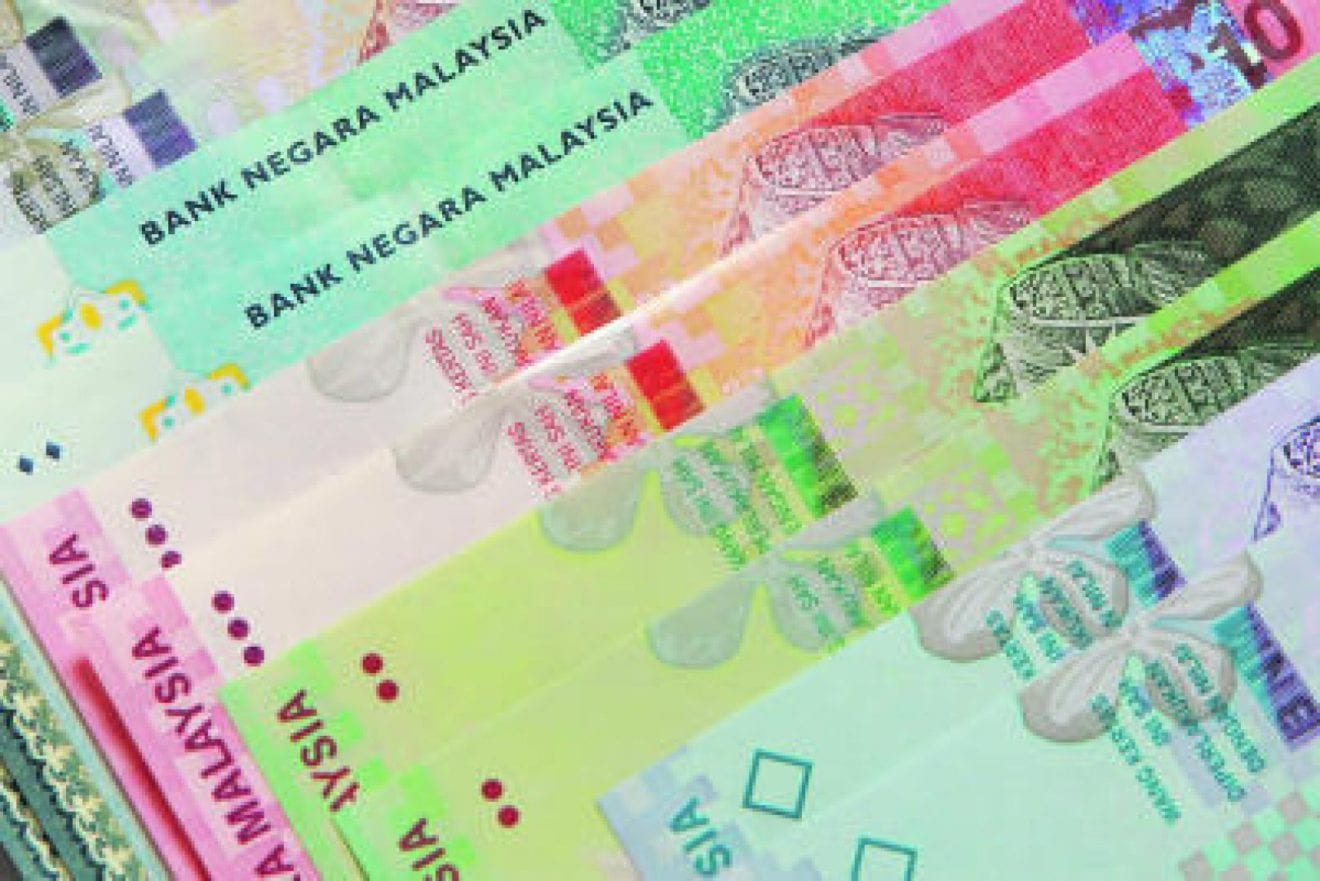
    The Malaysian Electronic Clearing Corp Sdn Bhd (MyClear), a wholly-owned subsidiary of Bank Negara Malaysia (BNM), is developing a new real-time retail payments platform to serve both as a catalyst and enabler for innovative payments in Malaysia.

    BNM deputy governor Datuk Muhammad Ibrahim said the enhancement, which is expected to launch in 2017, would adopt a multi-currency system that leveraged on the SWIFT messaging system for large value payments.

    “The enhanced Real-Time Gross Settlement System (RENTAS) would cater for multiple messaging formats including the internationally-recognised ISO 20022 which supports the transmission of richer remittance data and facilitates interconnectedness with other economies within the region,” he said in his keynote address at the Malaysia E-Payment Excellence Awards (MEEA) in Kuala Lumpur on Monday.

    He said BNM would continue to foster an enabling environment for infrastructure building and network expansion, adding the enhanced platform also promoted effective competition among industry players to spur the development of innovative solutions, provide greater choices and value proposition to the public and, in the process, lower costs.

    Meanwhile, MyClear managing director Peter Schiesser said the retail payment platform initiative is in line the implementation of faster payments in the United Kingdom, Singapore and Sweden.

    The platform has also delivered significant economic benefits, as well as new immediate payment initiatives in Australia, the United States and the European Union, he added.