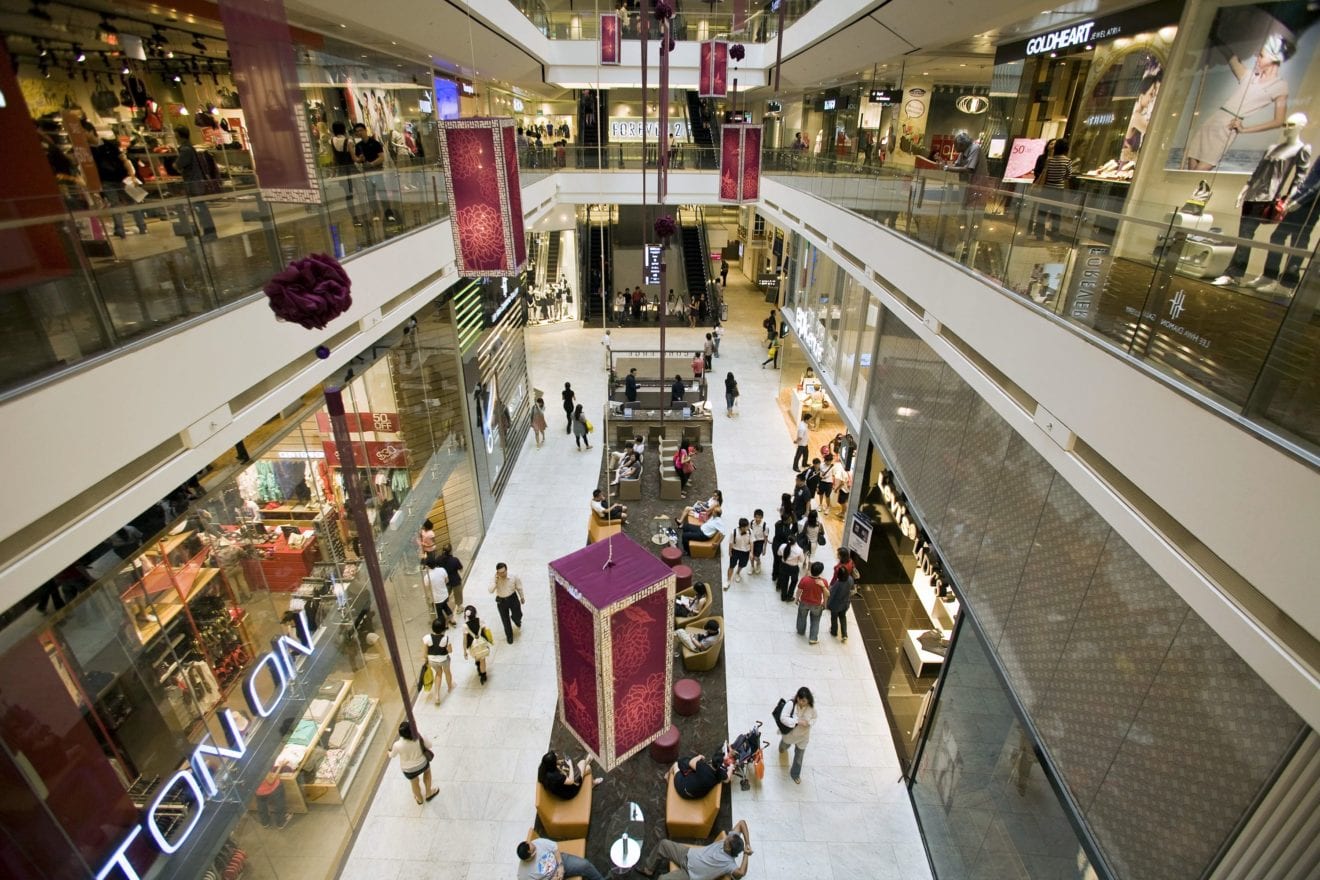
Singapore’s retail sector is going through a rough patch. As the economy slows, shops are being boarded up and retail rents are falling.
And yet, amid this gloom, consumers continue to spend – though there is a shift in the pattern and quantum of their spending.
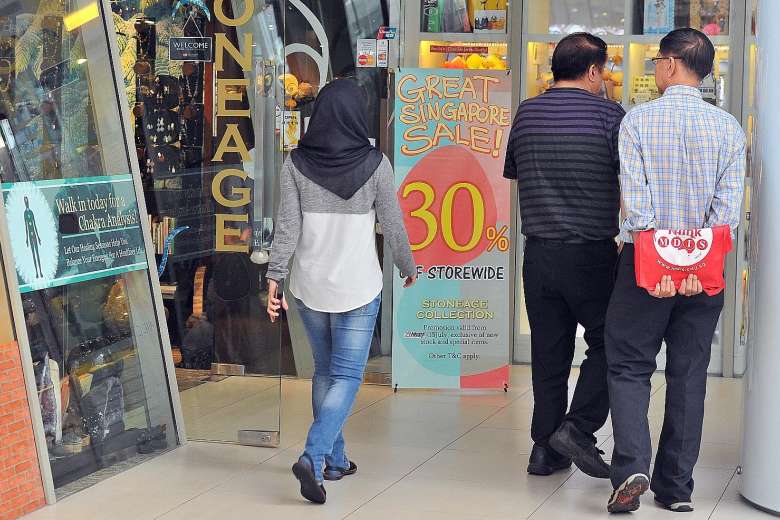
In June, the first month of the Great Singapore Sale, retailer sales were down 3 per cent compared with the same month last year. It is not just tourists who are staying away, but local consumers are also looking more closely at price tags.
The mood has not been helped by the fact that about 4,800 people were laid off in the second quarter, 48 per cent more than in the same period last year.
Landlords are feeling the pinch as well. Average monthly gross rents for prime first-storey speciality retail shops dipped 1.2 per cent in the three months to September from the previous quarter, said property consultancy Edmund Tie & Company recently.
Vacancies in the Orchard planning area rose again in the second quarter to 9.2 per cent, after reaching what was then a five-year high of 8.8 per cent in the first quarter.
ANZ economist Ng Weiwen pointed out that home prices have fallen for 12 consecutive quarters, while bank lending has shrunk for 11 straight months. This has translated into weaker spending.
However, the decline has been gentle across the board and there have been some bright spots. Those who find this surprising should look at the unemployment rate. While it rose from 1.9 per cent in March to 2.1 per cent in June, it remains quite low. Said OCBC economist Selena Ling: “When unemployment rate is anything below 3 per cent, it is effectively at full employment.”
It could be one reason why consumers continue spending on mid-range goods and services, such as travel and at cafes, even as they cut back on luxury items and seek better deals for necessities.
ANZ’s Mr Ng said: “For the different tiers of consumer spending, the high-end consumer segment will be more sensitive to changes in consumer income, so it’s not surprising.
“The mid-range segment will still hold up in the near term as wages are still holding up.”
In fact, more are paying their credit card bills on time. Only 32.25 per cent of card holders did not pay their bills in full for the second quarter, down from 33.91 per cent in the first quarter. Ms Ling said: “People have been turning slightly more cautious with spending.”
They may spend less on fashion. And malls could take a hit if their offerings are the same as the ones available on Taobao and the like, she added.
But cheaper options like house brands at supermarket chain FairPrice are seeing stronger demand.
This is what a slowing economy looks like – in Singapore.
Three major mobile operators in Thailand including AIS, DTAC and TRUE have announced will begin selling the iPhone 7 and iPhone 7 Plus on Oct. 21.
While the pre-ordering will start early on Oct. 14 for all three companies, AIS and DTAC have opened a page for interested customers to register and guarantee the chance to pre-order the phones.
Apple Watch Series 2, a product announced by Apple at the event in San Francisco on the same day as the new iPhone, will also launch in Thailand on Oct. 21.
Apple has faced controversy by removing the headphone jack in the iPhone 7 in order to offer a waterproof handset. However, the new phone comes with a 12-megapixel camera and optical image stabilization, an impressive upgrade from the camera in iPhone 6s.
The iPhone 7 comes in Silver, Gold and Rose Gold and the new colors Black and Jet Black.
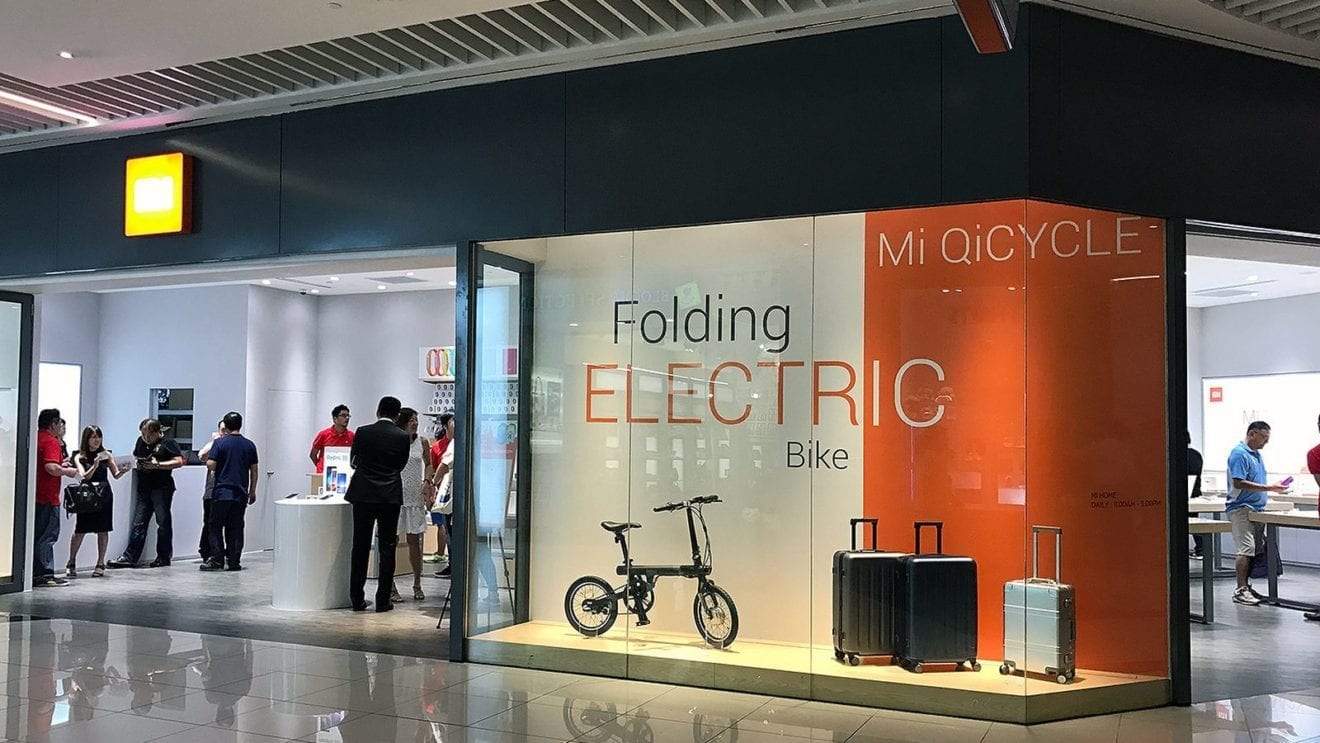
Xiaomi phones are finally available offline in southeast Asia as the company has opened a shop outside greater China for the first time ever.
The sunny island state of Singapore hosts the first Mi Home store to open outside of China, Hong Kong and Taiwan. The Singapore Mi Home store, located at popular shopping mall Suntec City, sells Xiaomi’s line of phones and accessories. But unlike other stores, it doesn’t stock the company’s other Mi ecosystem products such as the Mi TV or the Mi Rice Cooker.
Xiaomi says that it plans to bring in more of its product lineup in time. But for now, customers will have to make do with the Mi Max, Mi 5, Redmi 3S, Redmi Note 3, Mi Band 2 and other accessories such as portable speakers and power banks.
The Chinese manufacturer is using a local partner to run the store — unlike the ones in China, Hong Kong and Taiwan, which are run by Xiaomi itself.
The company is also turning to regional online retailer Lazada to manage its online sales, an area it’s managed by itself in Singapore up to now.
These moves to divest itself of retail responsibilities in Singapore could point towards a shift in Xiaomi’s current strategy. It’s possible the Chinese giant will focus on its home market to make up for ground lost to rivals Huawei, Oppo and Vivo.
While the company continues to battle it out for India — the second largest smartphone market in the world after China — it’s likely Xiaomi will use the same retail strategy from Singapore across the Southeast Asian region as the company shifts its focus towards India, China and a possible US launch next year.
Korean retail giants Lotte and Shinsegae are competing to improve employment conditions for women.
The two companies are pushing forward with efforts to provide more opportunities for women to move up in their corporate hierarchies and implementing women-friendly systems as part of their company policies. Korean gender employment issues are of growing concern in a traditionally male-dominated business culture.
According to industry watchers, Shinsegae’s discount store franchise E-Mart instituted a shortened work-hour system for all of its pregnant employees starting in April, with employees eligible regardless of whether they apply for the benefits or not, and offering them 100 per cent of their wages. Under the arrangement, pregnant employees have their work day shortened by two hours.
The system had been difficult for female workers to take advantage of given both the company atmosphere which tended to discourage the practice, as well as reduced wages, said a company official.
In addition, E-Mart announced in March a new leave of absence policy for employees having difficulties with pregnancy, and it also plans to implement its own maternity leave system that allows employees to take up to a year of maternity leave, on top of the legally-guaranteed period of 20 months (eight months for maternity, 12 for childcare). The latter has already been implemented by another Shinsegae franchise, Shinsegae Department Store.
In contrast, Lotte’s women-friendly policies focus more on employing a greater number of women as new recruits.
Since 2006, Lotte has been increasing the number of female employees at its affiliate enterprises by hiring more women through its recruiting process. In 2015, 35 per cent of new recruits were women, a rate that the group plans to increase to 40 per cent this year.
Furthermore, Lotte also operates a special recruiting platform specific to retired female officers from the military, an endeavor which took off in 2011 with cooperation from the defense ministry.
As a result, the number of women at Lotte with positions as section chiefs or higher now stands at 870, an increase from 95 in 2008, and 19 of the group’s board members are also female.
Meanwhile, Lotte established eight additional daycare centers for its employees in the first half of 2016 for working mothers, while allowing women to automatically take their year-long childcare leave right after their maternity leave, so they won’t have to face unnecessary guilt or unwelcome comments from colleagues or bosses.
“Chairman Shin Dong-bin seems to be taking extra attention to nurture female employees and their talent,” said a Lotte official. “Our goal is to create a work environment where women can work without facing gender discrimination.”
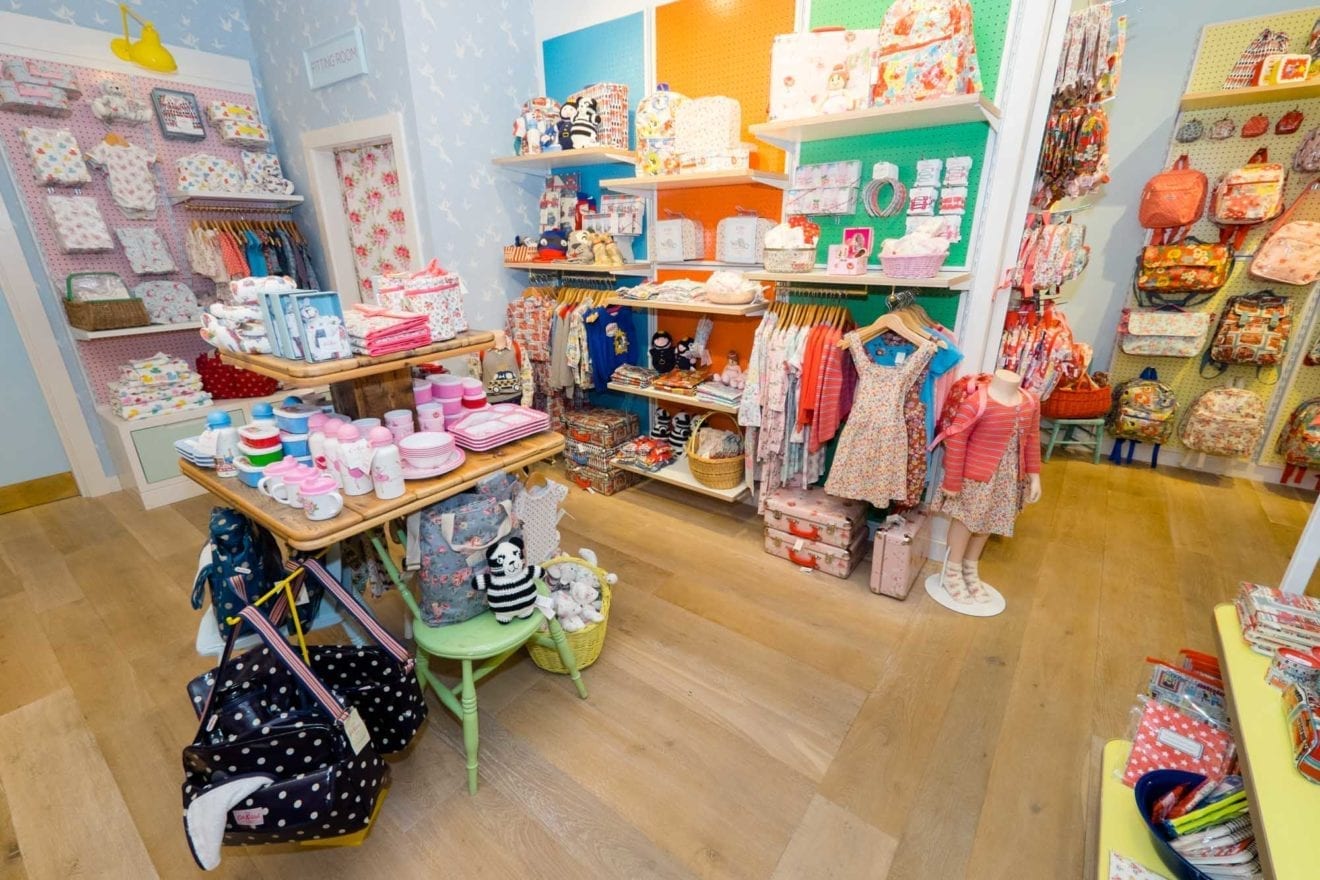
Cath Kidston Group has been acquired by Asian private equity company Baring Asia and its chairman is to step down. The lifestyle brand has attained new ownership after its previous majority stakeholder TA Associates sold its shares to Baring Asia, who have now become the controlling majority stakeholders. Paul Mason, who has been chairman of the group for six years, is to step down following the acquisition. He will be replaced by a senior advisor to Baring Asia and former chief executive of Gucci Wiliam Flanz.
This comes as the brand continues expansion into the Asian market. With 70 per cent of its outlets located outside of the UK, Asia has been a key focus for the group in recent years. Its stores in the region have gone from 91 to 131 since 2014, when Baring Asia first invested in the company. The group was reportedly attracted to the group due to their expertise in the region, and its role as one of the most established private equity firms across Asia.
It now has plans to open in India in Delhi and Mumbai this autumn.
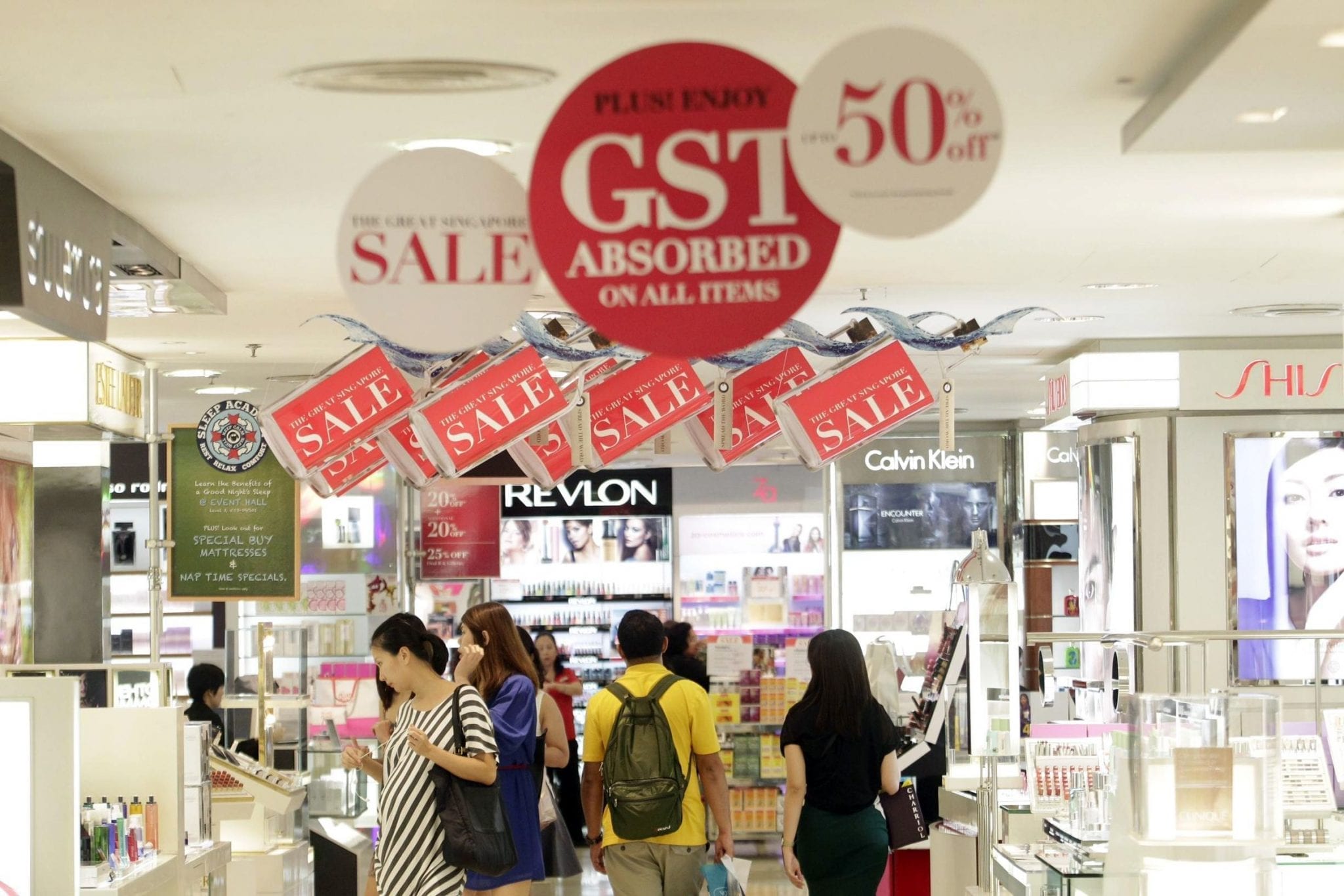
With the relevance of the Great Singapore Sale (GSS) in doubt, going by falling retail sales, questions have been raised about what went wrong with the sale.
Many consumers have pointed out that the annual sale of 23 years is not that great, as the discounts offered here are not as steep compared with those in sales overseas.
They also lamented that the discounts are mostly for older merchandise. A possible reason for this is that Singapore has no seasons.
Associate Professor Prem Shamdasani, from the National University of Singapore Business School’s marketing department, said the summer sales in Tokyo and Hong Kong tend to be more successful than the GSS due to the seasonality of the products sold.”(This) encourages (their) retailers to offer deep discounts to clear inventory and make room for new arrivals, which are also attractively marked down to entice local shoppers and tourists,” he said.
Offering steep discounts is also not sustainable for businesses here, said Singapore Polytechnic senior retail lecturer Sarah Lim.
“(This) will eat into the retailer’s overall profit, and with rental and manpower costs all added in, the retailer may not be able to sustain the business,” she said.
Singapore Retailers Association (SRA) president R. Dhinakaran previously said holding sales to clear old stock is common worldwide.
The retail scene has been slow in recent months. Latest official statistics show that retail sales excluding motor vehicles in June and July each fell 3 per cent over the same months last year.
This is despite the attempts for this year’s GSS – which took place from June 3 to Aug 14 – to draw tourists and residents with an extended sale, more payment options and a more targeted focus on tourists from China. The poor showing, and similar sales declines in June last year and 2014, prompted the SRA, which organises the GSS, to suggest a need to discuss with the Singapore Tourism Board about continuing the event or revamping it.
Retailers and retail experts have pointed to the slowing economy here and overseas as a key factor for the slump this year, but there are other concerns as well.
One issue raised about this year’s GSS is its length and timing.
The event started in June – a week later than last year – and was extended to 10 weeks to cover the bulk of China’s summer holidays.
In the past 12 years, the annual sale stretched over eight weeks.
But a 10-week sale might have led to sale fatigue among Singaporeans inundated with “end-of-season sales” or “anniversary sales” year round, said retail experts.
Research suggests that local consumers with strong spending power are disciplined spenders and tend to spend more during the early weeks of the GSS, said Dr Guan Chong, head of marketing programme at SIM University’s School of Business. “Thereafter, their spending pattern should likely stay low for the rest of the GSS period,” she said.
GSS’ new sale period also clashes with big sales elsewhere such as Tokyo’s famous end-of-summer sales, which start around the third week of July, she noted.
Then, there is the perennial problem of retailers holding their own sales earlier to beat their rivals, dampening the effect of the GSS.
Department stores Robinsons, Metro and OG started their GSS sales in May this year, while baby supplies store Mothercare and hardware chain Home-Fix held pre-GSS sales. Robinsons said this was done in line with shoppers’ expectations for the GSS to start in May, as in previous years. Mothercare did so because its competitors were also holding their sales early.
SRA cannot stop retailers from holding their sales earlier, or dictate the duration of their sales.
There also appears to be a lack of awareness of the GSS and whether it was still going on, in part because of its length, said experts.
Given this, events could be held every weekend during the GSS period to highlight store promotions by themes – such as food or children – to create buzz and remind people the sale is ongoing, said Mr Steven Goh, executive director of the Orchard Road Business Association.
Another suggestion is not to focus on only discounts. Dr Lynda Wee, an adjunct associate professor at Nanyang Business School, said the GSS should add a lifestyle spin and combine shopping and dining promotions with leisure deals, such as those for spa sessions, movies and cooking lessons.
Dr Chong said merchants can ride on the digital marketing wave to connect with an international audience, such as using popular social media platforms.
Still, lower retail sales should not be blamed on the GSS alone, said Ms Lim, adding: “Orchard Road, Raffles City, Marina (Bay) and Suntec (City) lack strong positioning. Can our malls be differentiated so that tourists desire to visit each one of them because they are different?”
Singapore’s retail sector may be looking gloomy, but all is not lost as six trailblazers share ideas on how to brighten up the scene
To describe shopping here, six individuals – including influencers in their own industries – throw up the words homogeneous, safe, scripted.
The outspoken Ms Patrina Tan, senior vice-president for retail, marketing and leasing at property developer OUE, calls it as it is: boring and dead.
This lack of imagination, compounded by restrictions imposed by landlords, unadventurous shoppers and uninspired service staff, has eroded the Republic’s reputation as a shopping paradise, they say.
One has to look only as far as the ailing Great Singapore Sale (GSS), seen by many as a microcosm of the wider malaise affecting the industry here, to see how times have changed.
Launched by the Singapore Tourism Board in 1994 to market the city, the GSS had helped to cement Singapore’s standing as a shopper’s haven.
Tourists flocked to the island during the sale period, stores trotted out steep discounts and Singaporeans would wait for the sale to make big-ticket purchases.
But its golden days are over. Last week, GSS organisers questioned its relevance after three consecutive years of dwindling takings. Discussions are under way to see if it should be scraped.
Critics say the GSS and brick- and-mortar stores in Singapore have failed to evolve with changing consumer preferences, letting regional competitors such as Hong Kong and Japan steal their thunder.
Others point out that retailers here have a lot to grapple with – a slowing economy, falling tourism spending, a labour crunch, the rise of e-commerce as well as high operational costs.
But, across the board, all agree on one thing: Singapore is simply not the shopping paradise it once was.
Can the island recover its shine?
SIX WAYS TO BEAT THE RETAIL BLUES
1. Loosen up, mall owners
Malls’ uniform appearance and short-term leases make them unappealing to set up business in, says Mr Loh Lik Peng
If hotelier-restaurateur Loh Lik Peng could say one thing to mall landlords, it would be this: Please stop your obsession with the polished, corporate look.
And please, please, give longer-term leases.
This will breathe new life into Singapore’s cookie- cutter retail scene, dominated by shopping malls all too similar to one another, he says.
Drawing from past experience, the director of Unlisted Collection, which runs a stable of restaurants including Salted & Hung, Pollen and Esquina, says malls typically tell prospective tenants to submit a design of their restaurant or shop that is “subject to approval from mall management”.
“I think this is unfortunate because malls here are obsessed about how they look in terms of their facade. You do not encourage innovation when you do that,” says the 44-year-old, who also manages hotels including New Majestic in Bukit Pasoh Road and Wanderlust in Little India.
“You are ‘strongly encouraged’ to have that very sort of, frankly, that very polished look. So you don’t find interesting shop fronts,” says the father of two.
“All the malls want that shiny kind of look with the double storey and huge branding. This uniformity is driven by the malls.”
The Republic has more than 100 malls across the island. Along Orchard Road – the country’s famous retail belt – there are at least 40 shopping centres, with many standing side by side along the 2.2km boulevard.
Despite numerous requests, Mr Loh has yet to open a restaurant in a mall.
“It never reached the stage of us giving them a rendering, we just could not be bothered. Most malls want a cookie-cutter thing. They want the retail experience to be very uniform as the customer walks through. That is just not us,” says Mr Loh, who was one of the first movers in the heritage boutique hotel segment here – he opened Hotel 1929 in Keong Saik Road in 2003.
Non-mall landlords, he says, give tenants free rein and “nobody dictates how you must look, how wide your door is”.
Mr Loh, who is drawn to the quaint vintage shops in Notting Hill in London, as well as the “small-tailoring” shops in the nearby Spitalfields district, says: “You can never get this kind of store here.”
The short lease terms and requirement that tenants put down a large rental deposit, he says, are too prohibitive.
In Singapore, landlords typically offer a “three plus three” retail lease agreement, which is fixed for the initial three years, but leaves room for rental adjustments and a reassessment thereafter.
“If you go to England or Australia, your minimum lease is 15 years. Here, even if you build a successful outlet, chances are, the next round, the landlord will raise the rent because he sees you doing well,” he says.
“It is a landlord’s market in Singapore. Three plus three, it’s crazy, it does not encourage people to take risks.”
2. Know the shopper
Retailers should identify their consumer and build their concept on their target group’s lifestyle and needs, says Ms Patrina Tan
Bigger and better do not cut it anymore – not if you want shoppers to bite.
To get them to stick, businesses must study what makes them tick, says Ms Patrina Tan, senior vice-president for retail, marketing and leasing at property developer OUE.
“Find out what their lifestyle is now, so that you can put forth a proposition that relates to them, that will make them sit up and want to part with their time, attention and money. Then, evolve with them,” says Ms Tan, speaking to The Straits Times at a cafe in Mandarin Gallery, which OUE manages.
This, says the 48-year-old, must be the approach taken to revamp retail here – shops cannot simply import concepts from overseas or hire a good interior designer to create “just another pretty place”.
Adding that many retailers here take this short-cut, she says: “Who can do better in terms of interior design, how sustainable is that?”
“The question to ask is, really, what is it that is holding the customer?”
Downtown Gallery, OUE’s bold retail concept in the Central Business District to open by the first quarter of next year, is the property developer’s attempt to answer that question. But it is not for every shopper, of course – specifically, it targets working adults who value fitness and want to live well.
This market, says Ms Tan, includes the highly sought-after consumer segment, Middle-Aged Men In Lycra or Mamils – cycling enthusiast fathers aged between 35 and 45 who ride expensive racing bicycles for leisure and wear spandex for comfort.
Retail is ancillary at the 145,000 sq ft compound. Instead, it is dominated by services – gyms, chiropractors and a 4,000 sq ft “social kitchen” where shoppers can book slots and bring their own ingredients to cook.
“In this space, they can work out, get themselves cleaned up, have a meal that supports their lifestyle of eating clean, then pick up things they need – like a yoga top – or do their hair,” says the mother of four, adding that OUE works with tenants to pull out specific products to appeal to this target market.
There will also be a trend gallery on the ground floor with the latest “in eating well, keeping well and looking well”.
This laser-beam precision is sorely lacking among retailers here, she says, describing them as “jittery”.
“Halfway through things, they get kiasu and start widening their nets to try and catch a little bit here, a little bit there for fear of losing out. When you do that, everything gets diluted and you end up being nothing to anyone.”
Orchard Road, she says, is still known for its luxury brands, as suburban malls are unable to bait them for now. But the challenge, she says, is for such brands to reach out to the millennials.
“Your Louis Vuitton, Prada, Bottega Veneta – these may not be luxury to them. The definition of luxury is changing. For some, living well is a badge of luxury; for others, it is being able to mix and match different classes of things at different price points to form a statement. Luxury is not confined to brands anymore.”
Shoppers, she says, are now exposed to a cornucopia of brands worldwide – bespoke ones, streetwear and independent labels – many of them more statement- making as far as the individual is concerned.
Retail in Singapore now, “it is boring, it is dead”.
She adds: “Most of the retailers here, sadly, you try to sell them a concept and they just throw up their hands and complain that consumers are jaded and not spending, that online is cannibalising their business, all these excuses.
“But the truth is, what are you doing about it in your own space?”
3. Set up brand temples
The future of retail is to create brand temples where consumers can experience the brand, says creative director Chris Lee.PHOTO: YANG TAN
Brand bombing – where businesses flood the market with outlets, one in every mall – is passe.
Retailers should instead have one or two “brand temples” for shoppers to visit to “breathe in the brand”, says Mr Chris Lee, founder and creative director of design agency Asylum. The bulk of sales can then be conducted online.
Such temples, says the 46-year-old, let retailers introduce themselves and paint a narrative.
“Such temples are a way to get buy-in, to reel consumers in to become advocates,” says Mr Lee, whose firm is behind the branding of National Gallery Singapore.
“People now want to be connected to what they are buying and they want to know the story behind everything – where the fabric is from, how is it made.”
Take, for instance, an Asylum project in Beijing – a four-storey Johnnie Walker House opened in 2013, one of the whisky label’s “brand temples”.
Its reception area is a modern take on a grocery store, as the label’s founder John Walker started as a grocer in Scotland.
From there, you enter a room adorned with the primary ingredients of whisky, with walls of barley, peat and a flowing water wall.
Old Johnnie Walker advertisements from Hong Kong and China in the early 1900s, around the time the brand started reaching out to the China market, are fashioned into lamp shades and wallpaper.
Bottles are tagged with radio frequency identification chips. Place one on the table and it turns into a screen with information of what ingredients are in that particular bottle and how to appreciate it.
The public is allowed into the bar in the basement, but the other floors are open only to invited guests.
Visitors can buy limited-edition bottles that cannot be found anywhere else or customise a barrel.
Such houses, says Mr Lee, helped create an edge for Johnnie Walker in the saturated whisky market.
Other brands are starting to catch on, he says, pointing out Uniqlo’s new flagship store in Orchard Central which boasts curated spaces co-created with home-grown production houses, brands and musicians. When the store opened on Sept 2, consumers queued up to attend workshops and snag limitededition totes.
“People always want a reason to go to a store. I would make the retail space as entertaining as the shopping,” he says, throwing out a suggestion to retailers.
“Why not, instead of selling me clothes, sell me mood. Are you thinking party or a weekend away in Phuket? Then direct me to specially curated areas.
“Shops here just don’t do enough.”
4. Make service staff love the job
Having happy employees gives an edge to a retail store or restaurant, says chef Bjorn Shen.
Give chef Bjorn Shen the chance and he would kill this oft-uttered phrase: The customer is always right.
This mentality, he says, turns away self-respecting individuals who want to work in the service sector – and puts retail in Singapore at a disadvantage.
“This has been my biggest beef with the industry, this phrase, that the customer is always right. It needs to have been dead 10 years ago,” says the 34-year-old, who owns restaurants Artichoke Cafe & Bar in Middle Road and Bird Bird in Tanjong Pagar.
“When business owners have this mentality, staff feel powerless and servile. They will never love their job, they will never see it as something for the long term.”
This is one reason Singapore cannot compete with competition overseas, he says.
“It’s not like in other countries where you walk into a shop and someone says, ‘Hi, how are you? Can I help you with anything? All right I will be here if you need any help.’
“In Singapore, the sales staff say a very scripted thing or tail you wherever you go. A lot of that natural warmth is missing,” he says.
“Ask me what my name is or how my day has been. Don’t just say, ‘What size you want?’ Or, “This one also got this colour.’” he quips, with a chuckle.
The change, says the father-to-be, has to come from the top.
Take, for example, an incident at Artichoke, when a customer demanded to change an order that she claimed was put in “a minute ago”.
Chef Shen quickly checked the restaurant’s CCTV camera and found that the order had been placed eight minutes ago. The diner was told, but left happy after she was served the dish she asked for free of charge.
“My staff, they felt we did the right thing. If I had given them a hard time, they’d have felt a great sense of injustice,” he says, adding that one thing he asks of his staff is to make an emotional connection with every table.
At fried chicken eatery Bird Bird, employees are given a stack of shot glasses and told to hand out free shooters on busy Friday nights.
“What we are trying to create is an atmosphere of generosity. It’s not like we are going to strip you of every dollar you have. In fact, here is something free,” he says, describing the move.
“When you do that, people become better friends. It’s much more than the product, it’s the delivery, the atmosphere, the energy – everything else.”
Having happy staff is what he hopes will give him an edge – which is crucial now, a time he calls “the breaking point” in the service industry.
“We have pushed ourselves to the point that the bubble has burst. How many shops and restaurants can Singapore sustain? How much can someone eat and buy? I think we have gone beyond the breaking point,” he says, adding that businesses have definitely been affected.
“We cannot reverse the fact that we just have too many shops and restaurants. Now, the only way to survive is to find a way to take someone else’s piece of the pie.”
5. Support home-grown shops
Singaporeans can help the retail scene by giving new brands and styles a chance, says artist Woon Tien Wei.ST PHOTO: MARCUS TAN
What ails Singapore’s retail scene is that it is just “too safe”, says home-grown artist Woon Tien Wei.
The curator of Post-Museum, an independent cultural and social space in Rowell Road, says he sees this on all fronts – consumers are too cautious and so are retailers and landlords.
The result is a bland retail destination flooded with duplicate stores from major brands, with sparing content from home-grown designers and few unique offerings.
“We are too safe. Shoppers shy away from exploring new styles, new brands,” says the 41-year-old.
“They stick to the tried-and-tested, the mainstream brands. People should go to a different neighbourhood, see what others are doing.
“It’s like in the arts, people go to big, loud, mainstream events such as the Night Festival. But in such a space, you won’t get to experience the more quiet works. Give them a chance too. Are we watching only blockbuster movies? These are of a cookie-cutter format. What about alternatives? The same can be said about fashion.”
Being nationalistic, he says, should not be just about putting up your flag once a year.
He points out, for instance, that Singapore niche retailers in the books industry – such as Books Actually, Grassroots Book Room and Select Books – would find it hard-pressed to grow.
“I would like to see them grow and become good, big bookstores, like retail bookstore chain Eslite in Taiwan, which has become an institution, a purveyor of culture,” he says.
“I don’t see that happening here. Consumers think of book stores as a sunset business.”
He adds: “There are genuine people out there doing good, honest, solid business and we should get to know them and support them for what they do.”
When consumers shy away from the new and different, it affects retailers, he says.
“They stick to what they know will work and will ensure their survival. They stop imagining,” says Woon, pointing out that even hipster stores in Haji Lane are starting to follow a formula, offering similar clothing and the same bare-essentials decor.
“They will always have the Kinfolk magazine and the Flying Pigeon bicycle,” he says, referring to the hip indie magazine and the retro bicycle brand.
Landlords, too, have this mindset, preferring to take the easy way out by bringing in brands with a good track record: flagship stores of major brand names and luxury maisons.
Rents are also high, a huge challenge for fledgling brands.
“Malls think, I bring an H&M in here, a Uniqlo there – it will work,” he says, adding that prominent spaces in malls tend to be leased to tenants who can pay the most.
“Singapore brands go to less prominent spaces because they cannot afford the rent.
“And with a population that may not seek them out and having no money to advertise, well, it’s just a vicious circle.”
6. Help shoppers hone their style
Fashion stores should curate accessories that complement their products to enhance the shopping experience, says Ms Neo Lirong.
Shoppers these days want to make a statement.
“Retailers should help us do that,” says Ms Neo Lirong, 29.
The freelance fashion stylist mostly shops overseas, at second-hand stores in Omotesando, Japan, or at the wholesale centres in Dongdaemun, South Korea.
These areas, she says, “speak” to her – a feeling that she does not get here.
“Over there, I go from shop to shop and I find something I want in every one. It’s almost like the items have been curated to suit my style,” she says, adding that each area attracts certain shops based on the district’s personality.
Shopping in Singapore, on the other hand, is just “not here, not there”, she says.
“Every mall is so formulaic. It wants to appeal to everyone – there is a movie theatre, something for kids, a supermarket, a foodcourt,” she says, adding that she turns to online fashion stores such as Asos for “the basics”.
“It’s boring in Singapore, there is no vibe. Why would I take the time to go out and shop when I can get everything I want so conveniently online?”
She describes her style as street and rock chic, an image she feels projects her carefree and relaxed personality.
To achieve her look, she picks mostly monochrome colours spiced up with a statement piece – a pair of Gucci fur-lined loafers, for instance, or a studded leather jacket, or a vintage bag.
Occasionally, she throws on a hat or her favourite item, a pair of Adidas sneakers.
“Shoppers like me, we want to stand out from our peers. Dressing up, to me, is about mixing items and making a statement,” she says. “It’s not really about specific brands anymore.”
The bachelorette, who styles Mediacorp artists such as Chen Liping and Rui En, hopes retailers here can help her hone her style.
She suggests they curate accessories or shoes that may complement items in their collection, or have a stylist on site to give tips to shoppers.
Subscription boxes – where shoppers pay a fixed amount each month for a bumper box of fashion items – may also be a good way for businesses to snag her as a loyal customer.
“I may not like every item in the box, but you are giving me new ideas,” she says. “And that’s a real bonus.”
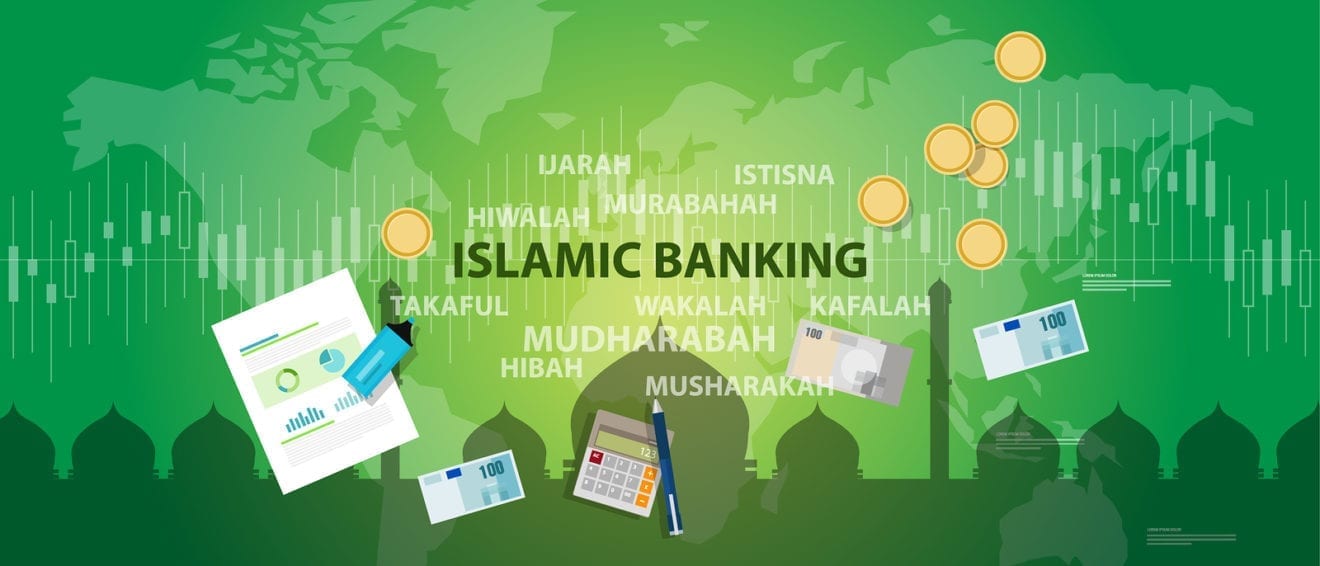
The Financial Services Authority (OJK) says that the sharia finance still sees promising future despite the slowing down of global economic growth.
“I’m optimistic on the promising future of the sharia finance industry. However, there will be many challenges and uncertainty,” said Sarjito, OJK Deputy Commissioner for Capital Market Supervision, Thursday, September 29, 2016.
The challenges and uncertainty include the difficulty in expanding the business in a different jurisdiction that gets hit by local regulations and also the interpretation of sharia itself.
Sarjito continued, the other challenge is the weak of the sharia finance management and its governance. “The last one is the lack of human resources that are competent enough and having the adequate capacity in sharia finance,” he said.
The sharia finance industry in Indonesia has shown an unbelievable progress. Based on the report of the Indonesian Islamic Finance, the asset of the sharia finance industry has a 10% growth, and reached Rp617 billion in 2015.
The number has exceeded the conventional finance asset’s growth. The same trend is also seen in other countries that are also developing the sharia finance.
Deputy Chairman of the Indonesian Retailers Association (Aprindo) Tutum Rahanta, said that the Association is currently aiming for the ASEAN market, specifically countries like Vietnam, the Philippines, Laos, Myanmar, and Cambodia.
Tutum predicted that hundreds of millions can be gained if Indonesian retailers can tap into international markets. “I think if we can penetrate the market, it would be like serving 600 million people, and it is three times bigger than Indonesian market,” Tutum said on Monday, September 26, 2016.
Tutum said that Indonesian retailer has plenty of open chances and opportunities to tap into the ASEAN market, especially in terms of expansion costs, which according to Tutum, would be similar to expanding their business in Indonesia. In addition, Indonesian retailers would have better chances at expanding in ASEAN with the recent establishment of the ASEAN Economic Community.
“It would be much different if retailers wanted to expand to Japan, opening one outlet there equals opening 30 outlets [in Indonesia], it doesn’t make sense,” Tutum said.
Tutum added that despite retailers’ readiness to expand to ASEAN, Aprindo expected the government to show support by facilitating bureaucratic affairs and adapting regulations.
“The government can lobby the foreign country’s government to see if there are any obstructing regulations, then they can inform retailers,” Tutum said.
Come 30 September, Singapore Retailers Association (SRA) will launch Singapore Golden Week (SGW) 2016 – a brand new lifestyle event to be held over three weekends from 30 September to 16 October, with global payment network UnionPay as the Official Card. With the aim of heightening the appeal of Singapore as a choice lifestyle destination for locals and tourists, the inaugural SGW 2016 will feature a suite of golden retail privileges, sure-win rewards and pampering experiences for consumers to indulge in.
GOLDEN “RETAIL” PRIVILEGES
Over 200 participating outlets across retail, food and beverage (F&B), beauty and wellness, as well as hotels and attractions categories among others, will be giving UnionPay Cardholders more reasons to spend with exclusive “Golden Retail Privileges” at SGW 2016.
Cardholders can enjoy exclusive discounts as well as gifts with purchase when they shop at participating merchants with their UnionPay cards atSGW 2016. Popular participating merchants include department stores Isetan Scotts, Metro and Robinsons; clothing labels Dockers, Dorothy Perkins, Karen Millen, Levi’s, T.M.Lewin, Topshop, Topman, Warehouse; local attraction Alive Museum and many more.
GOLDEN “SURE-WIN” REWARDS
During SGW 2016, Cardholders who make a minimum purchase of S$50* with their UnionPay card anywhere in Singapore can take part in the “Golden Sure-Win Rewards” game located at ION Orchard’s Level 1 Atrium. In addition, shoppers who make purchases within ION Orchard can enjoy double chances of winning. Shoppers who spend $688 and above at selected Premier Tax Free merchants are entitled to a free limousine ride*. With over S$10,000 worth of shopping vouchers and prizes up for grabs in the “Golden Sure-Win Rewards” game, everyone can be a winner at SGW 2016!
GOLDEN “PAMPERING” EXPERIENCES AT THE UNIONPAY GOLDEN LOUNGE
In addition to the golden retail privileges and sure-win rewards, SGW 2016 promises pampering experiences for all locals and tourists, including non UnionPay Cardholders. Simply pop by the exclusive UnionPay “Golden Pampering Lounge” located at ION Orchard’s Level 1 Atrium, to enjoy a fresh cup of gourmet coffee, free flow gourmet cookies and take a break from the busy downtown shopping environment.
UnionPay Cardholders can also present their UnionPay card to gain access to the exclusive VIP area, decked out with OSIM massage chairs for an even more luxurious experience. Plus, Cardholders can enjoy a special cup of gourmet “Gold Brew” coffee sprinkled with edible gold dust for the additional gold rush. With mobile charging ports available for the power-hungry and some of Singapore’s favourite brands and foods on show, there will not be a single dull moment at the “Golden Pampering Lounge”.
“UnionPay is delighted to be named as the Official Card for Singapore Golden Week 2016. As a brand new lifestyle event to be held over three weekends in September and October, we hope that this will light up the local retail scene, and offer new lifestyle experiences for both local and overseas UnionPay Cardholders to enjoy. And as we continue to build on the momentum to provide better products and services for consumers here in Singapore, we also hope to be able to, at the same time, bring fresh experiences, more choices and excitement to everyone,” said Mr. Wenhui Yang, General Manager of UnionPay International Southeast Asia.
“Singapore Retailers Association is pleased to partner UnionPay again to bring consumers yet another event to look forward to and a new golden opportunity for the industry to leverage on. With a base of over 5.4 billion UnionPay Cards issued worldwide, Singapore Golden Week aims to create a new opportunity for retailers to drive spending among the overseas UnionPay Cardholders who will be here, as well as UnionPay Cardholders in Singapore. We are excited about the new business opportunities that SGW presents and the benefits that our partnership with UnionPay can potentially bring to participating merchants,” said Mr. Anthony Gan, Executive Director, Singapore Retailers Association.
“ION Orchard is a favourite mall among locals and Chinese tourists and is the ideal location for UnionPay’s first Singapore Golden Week campaign. We are especially delighted to be the official mall that houses UnionPay’s Golden Pampering Lounge for their campaign for all redemptions. The central location along Orchard Road will certainly make shopping more convenient – and for purchases made at ION Orchard, shoppers will enjoy double chances when playing the ‘Golden Sure-Win Rewards’ game at the lounge, making it a truly rewarding shopping experience,” said Mr. Chris Chong, CEO Orchard Turn Developments.
UnionPay International focuses on supporting the growth of UnionPay’s global payments business. With an acceptance footprint covering 160 countries and regions globally, UnionPay serves the world’s largest cardholder base by providing quality, cost-effective and secure payment services to over 5.4 billion Cardholders worldwide.
In Singapore, UnionPay enables efficient and cost-effective payment services that are tailored to the needs of local businesses and consumers. UnionPay cards are issued by Bank of China (BOC), DBS Bank (DBS), Industrial and Commercial Bank of China (ICBC) and United Overseas Bank (UOB) in Singapore, and are accepted at over 80 percent of retail, lifestyle and food and beverage establishments locally, as well as at almost all automated teller machines (ATMs) across the island.
In parallel with the iPhone 7 and 7 Plus launching in Hong Kong, Apple has simultaneously halted all returns and exchanges for Apple and Beats products bought at the company’s local retail stores.
The change is noted on the company’s website. Previously, people were able to return or exchange products within 14 days, so long as they had their original receipt and packaging.
Why Apple would clamp down the same day as a major product launch is unclear, but the decision might be related to China’s black and gray markets, which take advantage of Hong Kong’s lower import duties and taxes. Smuggling iPhones into mainland China can be lucrative, even though Apple has launched iPhones there simultaneously for several years.
Hong Kong is likely to see a crush of iPhone sales in the next few weeks, in no small part because of scalpers and smugglers. By stopping returns and exchanges, it may be able to better manage the chaos involved and deter anyone from trying to commit fraud.
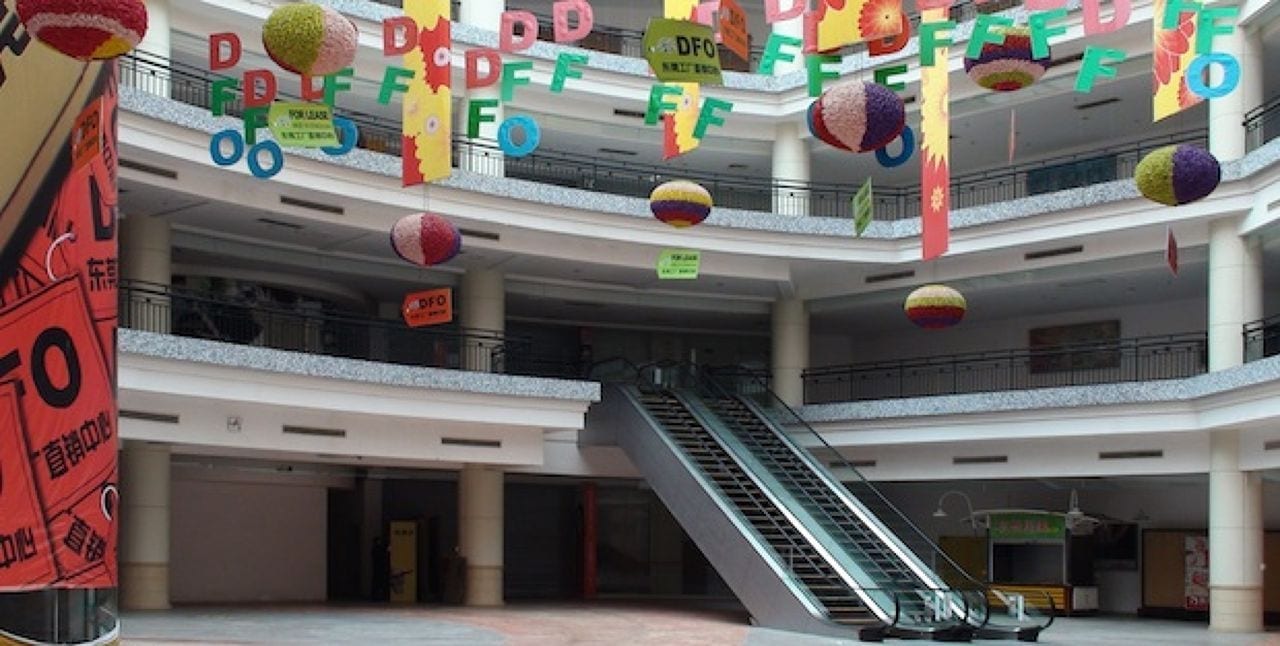
More bad news for China’s struggling brick and mortar retailers as a recent report from the Chinese Academy of Sciences and Social Sciences Academic Press predicted as many as one-third of all shopping centers in China will close their doors during the next five years.
With ecommerce heavyweights Alibaba and JD.com dominating the retail sales, some of China’s largest mall operators are already feeling the pinch. Joy City Property and Maoye International posted profit warnings earlier in the year as buyers opt to shop online.
Change Predicted for All Mainland Retail Centres
The report by the respected central government think tank predicted change across the board for Chinese shopping centres, foreseeing that, in addition to the malls expected to close, another third will be transformed into experiential shopping centres, while the remaining third will adopt an online to offline (O2O) model that integrates the Internet with physical shopping.
While two decades ago China had an undersupply of malls, the country has quickly overcome the deficit, with the mainland now home to 4,000 shopping centers — three times the US total. That population of malls is expected to grow to 10,000 by 2025, according to the CASS report. Research from JLL revealed 40 million square metres in new mall space is expected to enter the market between 2015 and 2017.
Department stores in the country fared still worse than shopping centres, with sales growth contracting 0.7 percent during 2015, according to data from the Fung Business Intelligence Centre.Malaysia-based department store Parkson, which operates 59 outlets in China, announced it was selling assets to offset heavy losses in the country.
Chinese Shoppers Swap Malls for the Internet
Jack Ma’s ecommerce empire has been taking a bite out of China’s traditional retail sector
According to Reuters, Suning, one of China’s largest retail chains, needed 12 months to bring in the same amount of sales that Alibaba’s Tmall website generated in two months. And while the electronics retailer is able to keep the lights on, others have not been so lucky.
A total of 138 department stores, 262 supermarkets and 9,464 clothing stores closed in China between 2012 and 2015 according to data from the Business Economics Institute under Beijing Technology and Business University. That goes hand-in-hand with findings from the McKinsey Global Institute that showed ecommerce accounted for 20 percent of all clothing purchased and 15 percent of all household goods purchased in 266 cites in China.
McKinsey predicts ecommerce marketplaces will bring in anywhere from $420 billion to $650 billion in sales by 2020. That is in stark contrast to the slowing sales physical retailers are coping with.
Data from Fung Business Intelligence Centre showed there was 4.3 percent sales growth last year among China’s top 100 retail chain operators, the lowest total since 2007.
Physical Stores Not Going Down Without a Fight
While the mainland’s earth-bound retail sector has been taking a beating, not everyone is ready to give up. China Properties Group, a Shanghai-based developer which owns and operates the Concord City mixed-use project and the World Trade Plaza in Chongqing, took out a full page ad in the New York Times international edition late last year pleading with consumers to boycott online shopping.
Other retailers are opting for a more modern way to fight back against China’s growing ecommerce sector.
Of China’s top 100 retail chain operators, 83 currently have their own online stores in 2015. Of this number, 20 also have a mobile shopping app for consumers to use.
“Physical stores should abandon the old model. They can use online shopping and WeChat to facilitate transactions and provide more convenient service,“ Hong Tao, director of the Business Economics Institute, proclaimed.
Southeast Asia has all the ingredients for a promising ecommerce market—rising internet and mobile penetration, a growing middle class with greater discretionary spending, and an increasing supply of digital platforms. Still, many challenges continue to hamper ecommerce growth in the region, as explored in a new report, “Ad Fraud in the US: How More Sophisticated Methods Are Hurting Mobile, Video and Performance Measurement”
Retail sales in the six largest economies in Southeast Asia—Indonesia, Malaysia, Philippines, Singapore, Thailand and Vietnam—will total $786.45 billion this year, representing 3.6% of worldwide sales. Indonesia, the most populated country in Southeast Asia, will also have the largest retail market, with $245.86 billion in sales. Thailand and Vietnam will follow, at roughly $190 billion and $161 billion, respectively.
Retail potential in Southeast Asia is determined in large part by population size and purchasing power. Collectively, these six nations benefit from having a population of over 561 million people as of 2016, according to estimates from the US Census Bureau. And that number will continue to expand, growing to nearly 583 million people in 2020, adding about 21.7 million new consumers over the next four years.
Robust economic growth in these markets is giving way to rising incomes and expanding middle classes. Data from the International Monetary Fund (IMF) shows that total GDP rose from $1.824 trillion in 2010 to $2.462 trillion in 2016. These figures, which account for inflation, are forecast to rise even further, topping $3.346 trillion by 2020.
Southeast Asia is also experiencing a boom in urbanization, which will also help drive further retail expansion across the region. Generally, retail players focus on urban areas because they have the greatest opportunity (i.e., large population sizes) and favorable conditions for development—such as developed transportation systems, supply chains and technology. Several of the most densely populated cities in Southeast Asia are also the ones growing quickly in population size and retail infrastructure.
Additionally, rapid ecommerce growth continues to increase in Southeast Asia. eMarketer estimates that the digital retail market—including retail products ordered online via mobile—will reach $14.04 billion in 2016, up from $10.50 billion in 2015, an increase of 33.6% year over year
Nonetheless, ecommerce’s contribution to retail sales in Southeast Asia is still relatively small. In the six countries tracked by eMarketer, digital retail sales will make up 1.8% of total retail sales in 2016, with the lowest ecommerce share in the Philippines (0.9%) and the highest in Singapore (4.5%). These figures stand in sharp contrast to the more developed ecommerce markets in China and South Korea, where digital retail will represent 18.4% and 12.1%, respectively.
Southeast Asia is on the cusp of an ecommerce boom, as fast-growing mobile and internet usage propels consumer spending. There are over 262 million internet users residing in these six markets. And many of these consumers are mobile-first internet users, or people who primarily access the web through their mobile phones. eMarketer estimates that about 177 million people—or 67.5% of internet users—will own and use a smartphone in 2016.
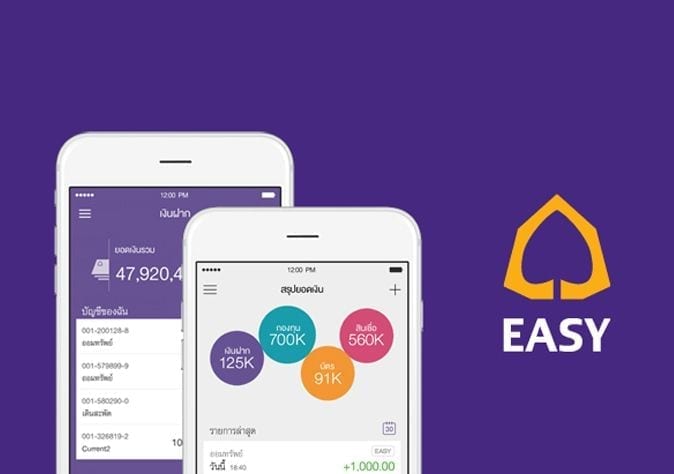
Customers of Siam Commercial Bank (SCB) might have recently found out the hard way that the SCB Easy App is on the fritz and hasn’t been working as properly as it should’ve been.
SCB has already suspended the service of the app yesterday, in order to be able to properly update the system.
According to SCB, the disruption of service was due to the increased use of system for financial transactions. However, the app will hopefully be up and running again by Sept. 10 after the system upgrade.
Customers, fortunately, are still able to use the bank’s services through other channels, including their website: www.scbeasy.com
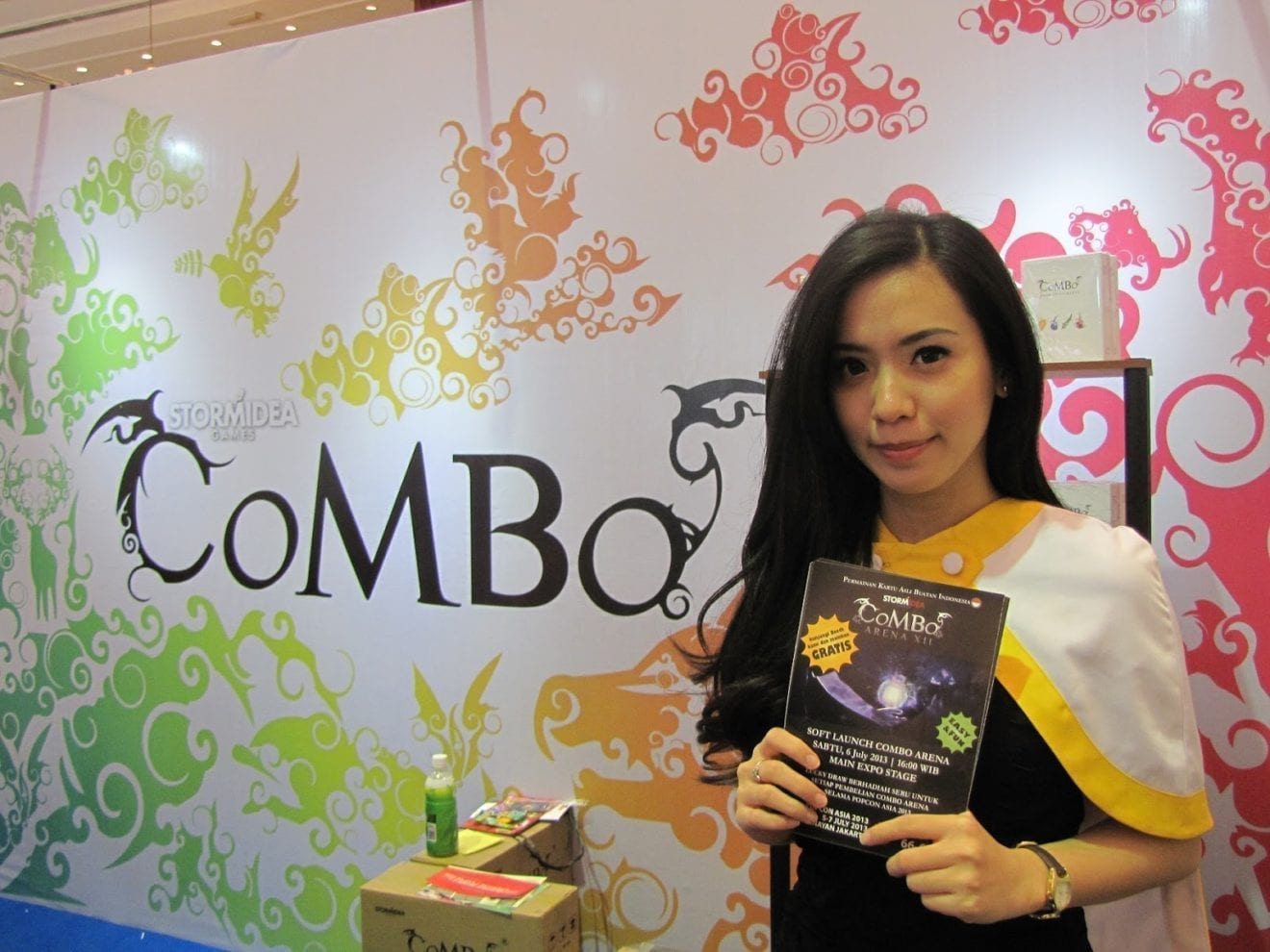
The combo card that promotes non-cash social assistance will be tested in 40 cities until the end of 2016, Bank Indonesia (BI) has stated.
If the trial goes off well, on January 1, 2017, the entire social assistance from the government can be channeled through the Family Welfare Card (KKS) Red and White combo device, Director of Elektronifikasi Program and Financial Inclusion of Bank Indonesia Pungky Purnomo Wibowo said Friday (September 2) night.
“January 1, 2017, we apply all of the Family Hope Programs and the rice prosperous social assistance (Rastra). Further, the student aid program and the School Operational Assistance (BOS) will be around that time as well,” he said.
The combo card can be used to avail the Rastra, and family expectations (PKH) aid, Pungky explained in the demonstration project or the pilot project.
The combo card used in the “e-waroeng” (electronic shop and gotong royong/mutual help) are also agents of Financial Services Digital (LKD).
The beneficiaries of social grants (bansos) bring the Cards Family Welfare (KKS) issued by the Bank to the new joint four, namely Bank Mandiri, Bank Rakyat Indonesia, Bank Negara, and Bank Tabungan Negara, and exchange it at “e-waroeng”.
With the KKS, the public can receive Rastra basic foodstuffs such as rice, sugar, flour, and oil at subsidized prices.
Furthermore, the combo cards can not only be used to get help in the LKD functions, but can also be used for transactions such as cash withdrawals or transfers, as well as saving money, such as bank function nirkantor (branchless banking), Pungky said.
This combo card can make the distribution of social aid meet the rules of 6T – the right target, the right amount, the right price, right time, right quality, and right administration, Deputy Governor of BI Ronald Waas said on the occasion.
The government budget for social protection in 2017 reached Rp158 trillion, the BI recorded. With that budget, social protection assistance would be effective and appropriate.