Tag: Retail

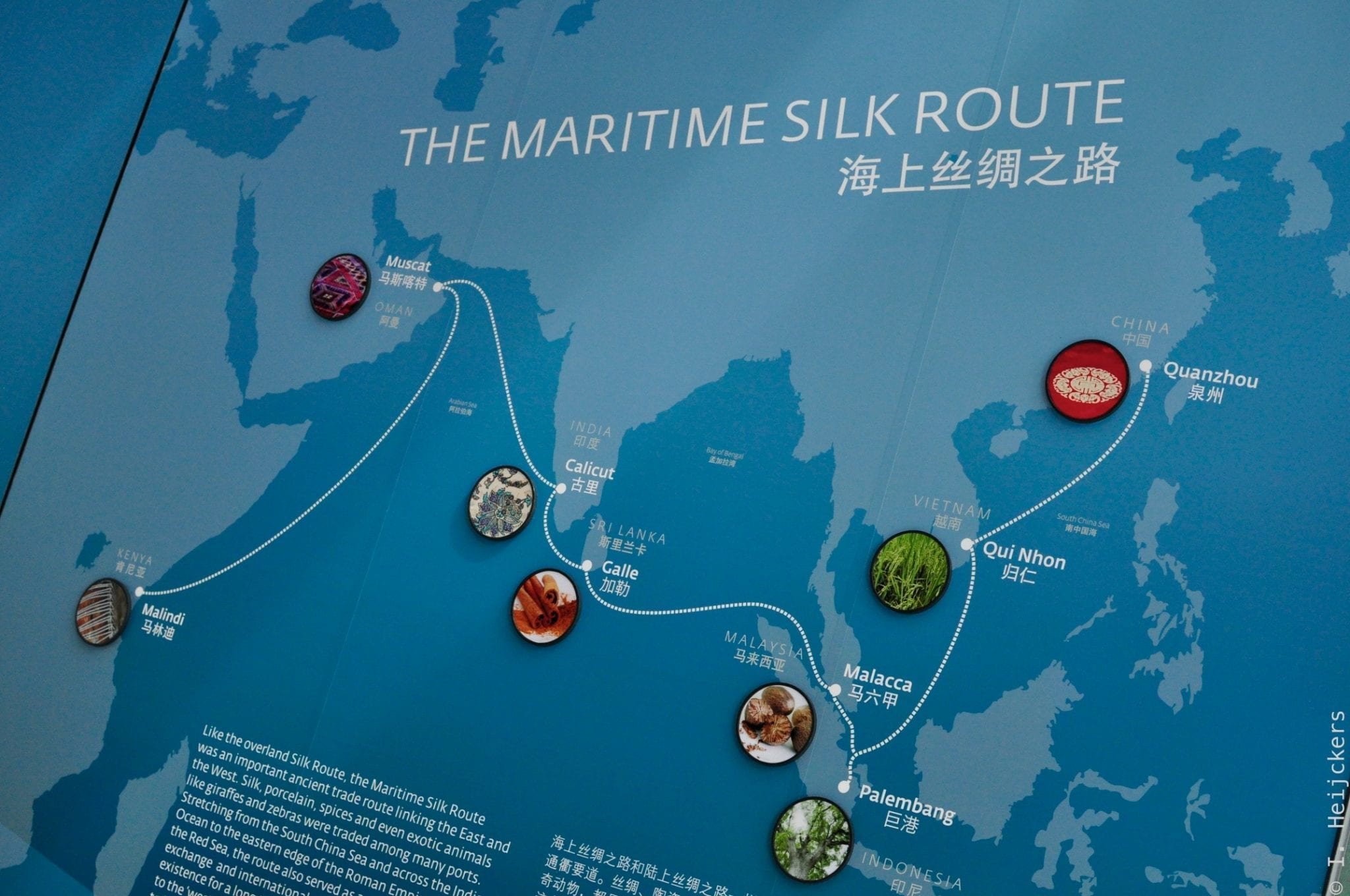
  • Indonesia has role in tourism development in maritime silk route

    Indonesia has role in tourism development in maritime silk route

    Indonesia has an important role and can take advantage of tourism development in the maritime silk route of the 21st century in China, according to China National Tourism Administration (CNTA) Information Center Director Cai Jiacheng.

    “Indonesia has its own uniqueness as a global tourist destination, especially for the countries along the maritime silk road of the 21st century in China,” Jiacheng told.

    According to him, Indonesia has a lot of cultural diversity and unique and attractive natural sceneries that can make the country a world tourist destination.

    “However, Indonesia must fix the infrastructure and build good connectivity with a number of other countries, particularly with countries along the maritime silk road,” Jiacheng noted.

    “Indonesia should actually be able to provide maximum services, ranging from easing visas and providing adequate infrastructure, including connectivity, to attract tourists to come to the country,” he added.

    Jiacheng added that Chinese travelers can visit other countries through the ASEAN countries such as Indonesia, Thailand and Singapore.

    “Therefor e, Indonesia has opened the path for China to ASEAN, because of its strategic position to support tourism development in the maritime silk road of the 21st century that can also provide a great advantage for the country,” he said.

    Tourism is playing an increasingly important role in the economic growth of China. Tourism sector accounted for about 10.8 percent of the total growth in Gross Domestic Product (GDP) and 10.2 percent of the national job last year.

    CNTA is targeting 137 million foreign tourists to visit China in 2016, or up to 2.5 percent compared to that of the previous year, while the amount of targeted revenue from foreign tourist arrivals is US $ 121 billion, up by 6.5 percent over the previous year.

    “Therefore, China is serious to work on the tourism sector by using destination packages, connectivity, and the use of information technology for marketing and promotion,” he said, adding that Indonesia can take advantage of the tourism development in the maritime silk road of the 21st century.

  • Korean anti-corruption law impacts on retail sales

    Korean anti-corruption law impacts on retail sales

    The Korean anti-corruption law may be showing its desired extra effect of creating more time for family and home cooking if sales record at a leading retailer is any indication.

    October sales figures from E-mart released show an 11.5 per cent increase for the month to 1.14 trillion won (US$987.3 billion) compared to a year ago. Discount chain E-mart marked a 7.6 per cent jump while the retailer’s warehouse outlet Traders made a 43.7 percent leap. The online store E-mart Mall showed a 28.3 percent increase.

    The retailer had recorded a 6.1 per cent sales increase for the third quarter.

    Company officials said the Korean anti-corruption law that took effect on September 28 likely boosted the sales. The law sets limit to the price of gifts and paid meals that can be provided to public employees, school teachers and journalists. People who may serve one’s interests are also restricted by the price limit.

    Advocates of the law, still under controversy for restricting even gifts of good will and intent, had argued that the law will free individuals from business-related dinners and engagements, giving them personal evening time.

    “People leaving office on time and shopping for groceries, all due to the anti-corruption law, appear to have contributed largely to the double-digit growth in E-mart’s sales,” Lee Joon-ki of Mirae Asset Daewoo said.

    Food sales at E-mart rose 13.1 per cent in the month from a year ago, outdoing the average sales increase. In a breakdown, sales of fresh foods jumped 14.1 per cent while ready-made meals increased 14.5 per cent. Sales of processed foods were up 11.2 per cent.

    The number of customers coming in from 6pm had also increased, according to E-mart. The retailer had 3.5 per cent more shoppers since the day of the law’s enactment to November 8. The number of customers in the 6-9 pm period was up 5.3 percent.

    “We are focusing our marketing on foods section for our 23rd anniversary event since food sales are improving,” Choi Hoon-hak, marketing team chief at E-mart, said. “We intend to continue to introduce a variety of products that fit into the lifestyle changes of the customers.”

  • Indonesian government taking steps to tackle growth of e-commerce industry

    Indonesian government taking steps to tackle growth of e-commerce industry

    The volume of e-commerce transactions in Indonesia is still relatively small but the government is taking anticipatory steps in the face of e-commerce industry growth as it is developing as a global trade model.

    Indonesias e-commerce transactions still account for about one to two percent of retailer transactions or much lower than the global average of eight percent. However, it is predicted that e-commerce transactions in Indonesia will increase drastically from US$12 billion in 2014 to about US$24.6 billion this year.

    Therefore, the government sees that the e-commerce industry is one of the business sectors that has good prospects in the future, and for this it is issuing an e-commerce development roadmap through an economic policy package.

    The roadmap is appearing in the 14th economic policy package announced by the government on Thursday, November 10, 2016.

    “The policy package is aimed at encouraging people all over Indonesia to expand their economic activities efficiently and to connect them to the rest of the world. With this roadmap, they will be able to enhance their business in a better way,” Coordinating Minister for Economic Affairs Darmin Nasution said while announcing the package at the Presidential Office along with Communication and Information Minister Rudiantara and Cabinet Secretary Pramono Anung.

    Therefore, the next economic policy package is expected to sufficiently address the issue.

    “E-commerce should not be treated as a general form of trading. The tariff should be lower as it is a fledgling industry, an early adopter,” Industry Minister Airlangga Hartarto underlined while speaking on the sidelines of the launch of a book on “Developing Populist Economy and Winning ASEAN Economic Community” recently.

    Indonesian businesses hope that the tax tariff for e-commerce business will be lower than that of the non-e-commerce industry.

    The Indonesian Employers Association (Apindo) hailed the issuance of the package. Businesses badly need the governments support, particularly on the fiscal system with regard to the issuance of the economic policy package on e-commerce, Fredy Ongko Saputro, chairman of Apindo for East Nusa Tenggara, said.

    “The tax tariff should be lower than non-e-commerce because this is a new industry. We hope the tax traffic is set at a modest rate,” the Apindo chairman for East Nusa Tanggara, said.

    The regulation to be issued would determine the success of e-commerce in Indonesia as it has the potential to guarantee the survival of fledgling businesses using e-commerce, economic observer Agustinus Prasetyantoko said, elaborating the point.

    Agustinus is also of the opinion that tax exemption would help boost e-commerce in the country.

    “In certain cases, tax could even be abolished during the start-up phase,” he underscored.

    Singapore could be used as the reference country to study ways to develop and expedite the expansion of e-commerce. It provides tax facilities and a low tax for start-ups in addition to assistance in the form of access to cheap capital.

    The e-commerce market has begun to grow in Indonesia. In 2014, transactions were valued at $12 billion. E-commerce spending in Indonesia was only 1 to 2 percent of the total retail sales as against 16 percent in South Korea, 12 percent in the United States and the world average of 8 percent.

    However, it is worth noting that the performance in 2014 represented a significant increase from $8 billion in 2013. In 2016, the value of transactions is predicted to rise to $24.6 billion.

    Therefore, it is being predicted that Indonesia would be among the top ranked countries in e-commerce in the future after China and India in Asia, which is why the government drew up a roadmap.

    Chief Economic Minister Darmin Nasution expressed the hope that the roadmap for the development of e-commerce industry will encourage younger generations to come up with new and innovative products and services.

    The roadmap is also expected to induce certainty in business besides facilitating the e-commerce industry. Therefore, with strategic direction and guidance, the electronic-based national trade system can be put in place during the 2016-2019 period, he noted.

    The roadmap is also expected to accord priority to and protect the national interests, particularly the interest of small and medium entrepreneurs and startups, he commented.

    “It will also help the human resources and e-commerce agents to improve their knowhow. Also, it will provide terms of reference to the government and all stakeholders for determining or adjusting sector-based policies as part of the effort to develop the e-commerce industry,” he explained.

    Darmin pointed out that the policy package deals with at least eight issues, including funding, taxation, consumer protection, human resource development and education besides cyber security.

    Meanwhile, Communication and Information Minister Rudiantara underlined that digital economy has a huge potential in Indonesia.

    “The Indonesian digital economy is so huge that all transaction services using digital technology will continue to develop,” he observed.

    He reminded that the package also covers several provisions to address seven key issues, including human resources and education, access to capital, tax incentives, consumer protection, cyber security, logistics and communication infrastructure.

  • Porsche Customers Most Satisfied Overall

    Porsche Customers Most Satisfied Overall

    The Porsche brand has ranked highest among all nameplates, according to the latest J.D. Power 2016 U.S. Sales Satisfaction Index (SSI) Study released today. The brand also placed higher than all other luxury manufacturers for the second consecutive year. Porsche improved upon its 2015 standing by 72 points to capture the overall ranking for the second time in the 30-year history of the SSI Study.

    The SSI Study measures satisfaction with the sales experience among new-vehicle buyers and rejecters — those who shop a dealership and purchase elsewhere. Buyer satisfaction is based on four measures: working out the deal (25%); salesperson (19%); delivery process (16%); and facility (15%). Porsche ranked highest among all automotive brands across all four categories. Rejecter satisfaction is based on five measures: salesperson (10%); fairness of price (4%); experience negotiating (4%); facility (3%); and variety of inventory (3%). Porsche improved this year in the areas of price, facility and inventory.

    “Customer satisfaction is our highest priority in our endeavor to deliver a unique and rewarding Porsche experience,” said Klaus Zellmer, President and CEO, Porsche Cars North America, Inc. “We pride ourselves on building exciting and innovative sports cars, but our success is ultimately measured by the approval and appreciation of our customers. I would particularly like to thank our dealer partners who have made it their mission to provide a benchmark experience for their clients who are purchasing a Porsche.”

    The 2016 SSI Study is based on responses from 28,979 buyers who purchased or leased their new vehicle in April or May 2016. The study is a comprehensive analysis of the new-vehicle shopping and purchasing experience and measures customer satisfaction at U.S. dealerships.

  • EU wants more access to Indonesian F&B market

    EU wants more access to Indonesian F&B market

    The EU demands Indonesia to ease trade barriers in the food and beverage (F&B) sector to give European producers more access to  Southeast Asia’s largest market, an official representing the world’s largest trading bloc has said.

    EU Commissioner of Agriculture and Rural Development Phil Hogan said many European producers had expressed their interest to enter the Indonesian market. However, both tariff and non-tariff measures, such as import quotas and local content requirements, held them back from doing so.

    “Many businesses are interested in Indonesia but they are waiting for improvement in market access,” Hogan said during the 6th EU-Indonesia Business Dialogue in Jakarta on Tuesday.

    He also mentioned the requirement to provide halal certificate as an obstacle for European F&B companies that wanted to explore opportunities in the world’s largest Muslim-majority country. Some European producers, Hogan said, had experiences in producing halal products, but some others did not.

    “We respect religion, but it [halal certification] prevent exports to Indonesia,” he said.

    He suggested that halal certification should be an option instead of being obligatory. Then producers that had not yet obtained certification could still export their products to Indonesia.

    Indonesia and the EU are currently in talks for the Comprehensive Economic Partnership Agreement (CEPA). The anticipated agreement, expected to be concluded by 2019, will remove various trade barriers between both parties.

  • Matheson Flight Extenders has signed an agreement with Cathay Pacific

    Matheson Flight Extenders has signed an agreement with Cathay Pacific

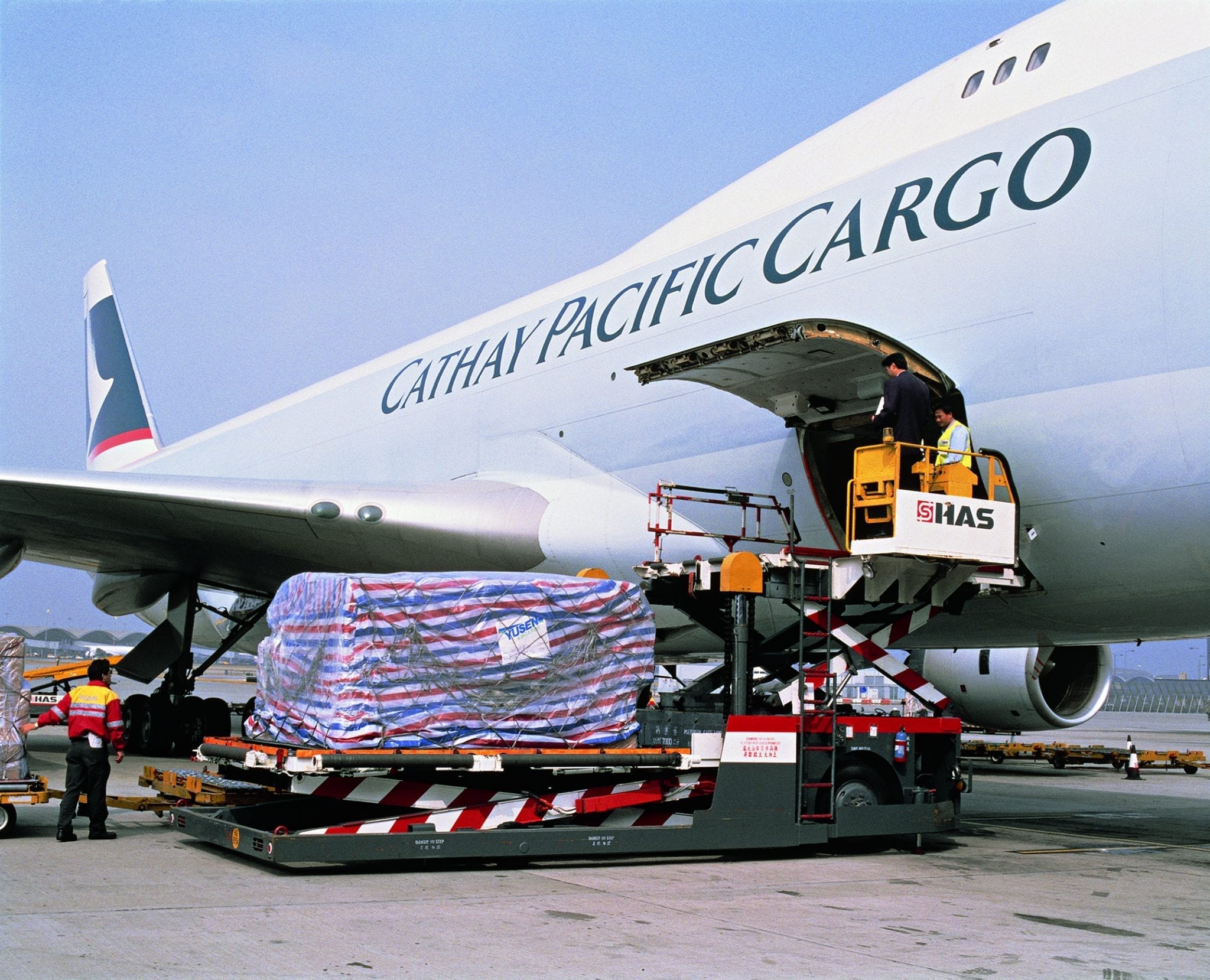
    Matheson Flight Extenders, Inc. has signed an agreement with Cathay Pacific to act as a freight consolidation agent to provide export and import services at Portland International Airport.

    Matheson Flight Extenders, Inc., a subsidiary of Matheson Trucking Inc., recently added eight employees to support Cathay’s new twice-weekly Boeing 747-8F flight to Hong Kong via Anchorage which was launched on November 3.

    “This is an exciting opportunity for Matheson to once again expand into the international freight arena,” said Charles Mellor, chief operating officer for Matheson. “We handled similar services for Asiana Airlines and are proud to be a key facilitator in the partnership between the Port of Portland and Cathay Pacific. Providing consolidation for import/export goods benefits the economy of Portland and businesses in the region.”

    According to Mellor, Cathay first contacted Matheson about providing consolidation services at Portland.

    “We quickly presented a bid and began negotiations,” he said. “The referral was a result of our previous partnership with Asiana. We have the ramp space to park a 747 close to our hangar, making it more convenient to load and unload the aircraft.”

    Cathay expects the flight to carry 40 to 60 tonnes of cargo from Portland every month, including semi-finished footwear and apparel, electronics and perishables such as blueberries, cherries, Dungeness crabs and oysters.

    The Portland flight operates every Thursday and Saturday and is routed via Anchorage and Los Angeles from Hong Kong, and via Anchorage on the way back.

  • Volvo recalls vehicles in US, Canada for seat belt problem

    Volvo recalls vehicles in US, Canada for seat belt problem

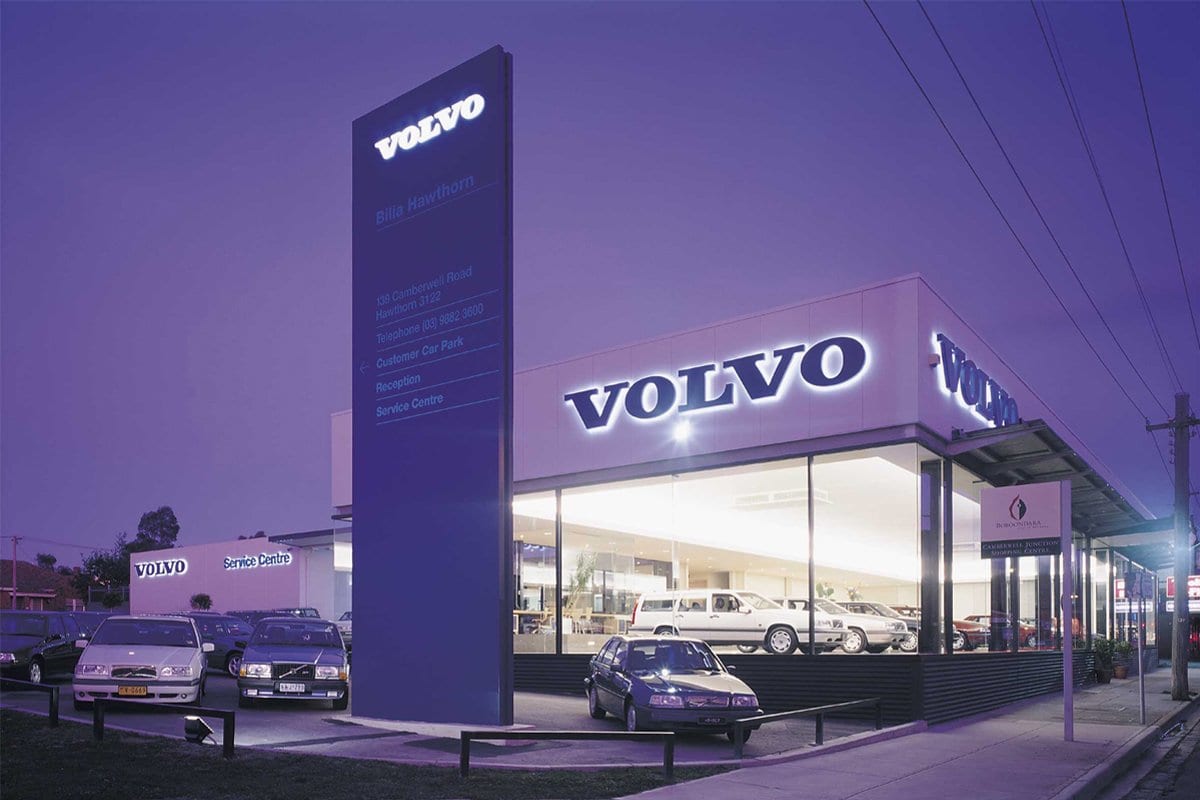
    Volvo is recalling about 79,000 cars and SUVs in the US and Canada because the front passenger seat belt may not hold people in a crash.

    The recall covers certain S60, S90, V60, XC60 and XC90 vehicles from the 2016 and 2017 model years.

    Volvo says in government documents that a buckle stud can come loose, allowing the buckle to separate from a bracket. If that happens, the belt may not hold the front passenger in a crash. The company said Wednesday it has no reports of injuries. It does not expect to find any loose studs but says it’s recalling the vehicles as a precaution.

    Dealers will replace the buckle if needed at no cost to owners starting December 12.

    Volvo began investigating the problem after getting reports of buckle failures starting in August. It traced the trouble to cars made from February 16, 2015, to August 22, 2016

  • Lane Crawford selects Orange Services’ Cloud to improve digital shopping experience

    Lane Crawford selects Orange Services’ Cloud to improve digital shopping experience

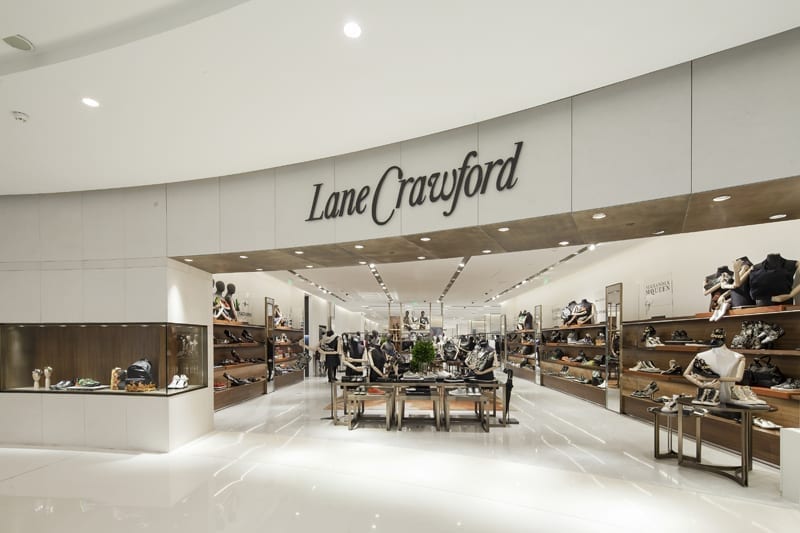
    Orange Business Services has been selected by Lane Crawford, a multi-brand designer label luxury retailer, to provide a cloud-based platform to extend, secure and manage its IT resources in Hong Kong and China. This deployment will enable Lane Crawford to marry offline strengths with digital advantages and offer its customers a more connected retail experience.

    Founded in 1850, Hong Kong-based Lane Crawford is widely recognized as a leading retailer of specialty and luxury goods in Hong Kong and China. Through Orange Business Services’ cloud platform, Lane Crawford will have higher flexibility and scalability to accommodate changes in demand due to seasonal shopping, sales and promotional activities, and ad-hoc use. By adopting a cloud-based platform, Lane Crawford can appropriately align its business with the rapid growth of online shopping in China and meet the needs of new and existing customers.  In addition to meeting Lane Crawford’s needs for its digital transformation, Orange Business Services’ solution delivers an enhanced level of security infrastructure and business continuity plans.

     “Lane Crawford has a long history of delivering high quality products and excellent experiences to its customers,” said Jack Zhang, General Manager, Orange Business Services China.  “We are very pleased to have been selected as a partner in their digital transformation journey and to support them based on our deep understanding of the retail business and Lane Crawford’s existing infrastructure environment.”

    Lane Crawford selected Orange Business Services’ cloud platform for its ability to easily scale to meet rapid changes in consumer demand and its one-stop solution for all the needs it had for connectivity, flexibility and security.  Orange Business Services’ platform is fully compatible with other business critical applications being used by Lane Crawford.

     “Our former infrastructure did not provide adequate flexibility for scalability or future business growth,” said Raymond Liu, Senior Manager, IT Infrastructure, Lane Crawford.  “Orange Business Services’ cloud-based solution gives us cost-efficient performance, enhanced security and protection, and support of on-line transaction applications.  For Lane Crawford, this is a critical step forward in our digital transformation.”

  • China Singles Day: a retail goldmine

    China Singles Day: a retail goldmine

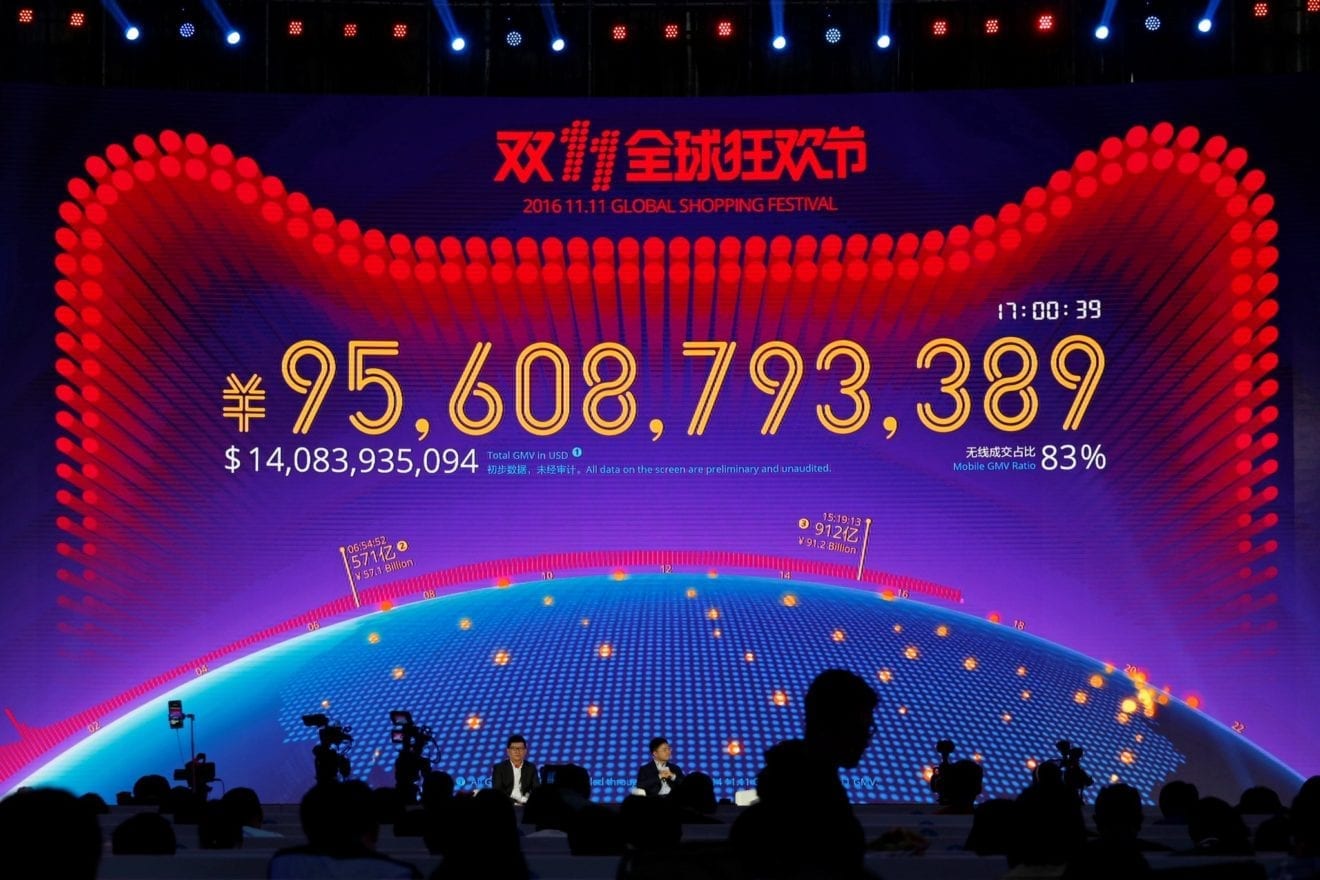
    China Singles Day is an entertaining festival widespread among young Chinese people, to celebrate the fact that they are proud of being single.

    To celebrate these singletons like to shop, for some reason.

    Regardless of motive, the opportunities an event like this presents is vast, and global retailers should be taking advantage.

    Delivering an effective online shopping in China is a challenge for outside retailers, but the benefits are worth investing in overcoming this.

    In a market with 600 million internet users, sales last year hit $14.3 billion, in comparison to the $1.35 billion taken on Black Friday. This is predicted to rise to $20 billion this year, which is absurd. But profitable.

    With a rapidly expanding population, China is by far the largest e-commerce market in the world, forecast to reach $1.1 trillion by 2020. China Singles Day is the largest retail day of the year, by some margin.

    Digital performance specialist Dynatrace has tested the websites of retailers around the world to see how geared up they are to maximise their revenue potential on the biggest shopping day of the year, and found that global retailers need to be doing more to tap into this market.

    Chinese retailers are outperforming the global competition, with an average time of 3.4 seconds before their websites become usable for Chinese customers (compared to 7.7 seconds for global retailers).

    H&M stood out as a shining light amongst the global retailers; with an average time of just 2.4 seconds before customers could start interacting with its website from China.

    Lean website design is critical to success in the Chinese e-commerce market; the best performing sites have minimal third-party host integrations, lighter pages with a low object count, and are hosted locally, in China or Hong Kong.

    Dave Anderson, VP Marketing EMEA and APAC for Dynatrace explained that by “digging a little deeper, we can see that the better performing sites are typically designed for speed. They use minimal third party hosts and keep objects in check. Page weight is also an important consideration – the lighter the better. Another fundamental, strategic decision is to host content locally or in HK.”

    Anderson went on to suggest that “user experience is fundamental to e-commerce success today, so retailers must be ready to tackle new markets with a localised site strategy. You can’t just replicate a site from another country, attach a local URL and assume it will work. This is especially the case in China.”

    “You need to be careful about how you use Google APIs, YouTube, marketing automation software or cart abandonment tools. Big images, video and pop up ads also create complexity that result in a poor experience for Chinese consumers. Best starting point is to strip the site back and measure the performance of everything very closely.”

    Alibaba is providing stats from the ‘festival’ in real-time.

  • Food Retail Market Analysis, Size, Share, Development and Demand Forecast to 2020

    Geographically, Asia Pacific dominated the global food retail market in 2014; it is then followed by Europe. Growth of food retail market in Asia Pacific …

  • China’s garment retail sales grow 7.2% in Jan-Sept ’16

    China’s garment retail sales grow 7.2% in Jan-Sept ’16

    Retail sales of garments, footwear, hats and knitwear of Chinese enterprises above designated size increased 7.2 per cent year-on-year during the first nine months of 2016. The total value of retail sales of these goods was 1,002 billion yuan ($148.121 billion). However, the growth rate was lower compared to total retail sales of consumer goods.

    During January-September 2016, the total retail sales of consumer goods reached 23,848.2 billion yuan, up by 10.4 per cent year-on-year. Of the total, the retail sales of consumer goods of units above designated size was 10,834.4 billion yuan, up 7.8 per cent, according to the National Bureau of Statistics of China.

    The national online retail sales of goods and services during the nine-month period was 3,465.1 billion yuan, up 26.1 per cent year-on-year. Of this, the online retail sales of physical goods was 2,795.0 billion yuan, growing at 25.1 per cent and accounting for 11.7 per cent of the total retail sales of consumer goods. Of the online retail sales of physical goods, clothing sales went up by 16.3 per cent.

    The Bureau also released its preliminary estimate of the Chinese economy during the first three quarters of 2016. According to the estimate, the gross domestic product (GDP) of China in the first three quarters of this year was 52,997.1 billion yuan, a year-on-year increase of 6.7 per cent at comparable prices.

    The value added of the primary industry was 4,066.6 billion yuan, up by 3.5 per cent year-on-year; that of the secondary industry was 20,941.5 billion yuan, up by 6.1 per cent; and that of the tertiary industry was 27,989.0 billion yuan, up by 7.6 per cent.

    In terms of external trade, the total value of imports and exports in the first three quarters of 2016 was 17,531.8 billion yuan, a decrease of 1.9 per cent year-on-year. The total value of exports was 10,058.5 billion yuan, registering a drop of 1.6 per cent. The value of imports was 7,473.3 billion yuan, down by 2.3 per cent. The trade surplus was 2,585.2 billion yuan.

  • FPT Retail Vietnam sets up milk store chain

    FPT Retail Vietnam sets up milk store chain

    Vinamilk and FPT Retail Vietnam have entered a joint venture to open a chain of stores specialising in dairy products.

    This “uncommon partnership” is hoped to bring benefits to both parties, FPT adding extensive retail industry experience and insight, Vinamilk a household name and favourite brand.

    A six-month pilot program will see the concept trialled at two of 200 FPT stores in Ho Chi Minh City, with a nationwide rollout to follow if the trial proves a success. Most of the stores will be located alongside an FPT store.

    Vinamilk-FPT instore

    The two sides hope this ‘win-win partnership’ will maximise their own strengths in manufacturing, distribution and retail.

    Shoppers at the Vinamilk stores will have access to product information, direct or online consultation, delivery and other promotions and offers.

    Vinamilk started selling dairy products online earlier this month to compete with new players in the dairy market, including Dutch Lady, Mead Johnson, Nestle, Abbott and TH True Milk.

  • Volkswagen centralizes ASEAN after-sales operations in Malaysia

    Volkswagen centralizes ASEAN after-sales operations in Malaysia

    German automaker, Volkswagen Group has announced the relocation of its regional after sales center for the Asia-Pacific region. Previously, Singapore supplies for the regional retail outlets in the Asia-Pacific Region. The Volkswagen Group, however, decided to relocate it to Malaysia expanding their logistics capacity to almost 50,000 square meters.

    “The expansion and the relocation of our regional genuine parts center from Singapore to Malaysia reflect the significance and potential of these growing markets and will lay the foundation for further growth. Malaysia will be the new hub for after sales logistics in the region,” said Imelda Labbé, Head of Volkswagen Group After Sales.

    “Our new regional logistics center in South-East Asia will allow us to supply parts throughout the region even faster than before. From 2018, directly connected dealerships in Singapore and Malaysia will receive two deliveries per day. This will significantly improve our customer service in the region at the same time as laying the foundation for further growth,” added Marcus Edelmann, Director After Sales for the Volkswagen Group Regional Office in South-East Asia.

    Starting on 2018, the company says it will be able provide faster supply of genuine parts to 28 markets in the Asia-Pacific region through their new supplier, Malaysia. Meanwhile, the regional retail outlets will then receive of up to 2 deliveries per day. Work will start on the logistics center on January 2017. There are also plans for the later integration of the after sales activities of other Group brands and the regional pooling of the delivery chain for genuine parts.

    These parts will be built in the Port of Tanjung Pelepas (PTP) free trade area in Johor Bahru, at the southern tip of the Malay Peninsula. The automaker says that the direct connection to the port eliminates the need for intermediate handling. As a result, Volkswagen says the logistics processes will become more efficient and environmentally compatible.


  • UOB Indonesia offers Rp 1.1 trillion in bonds to strengthen lending

    UOB Indonesia offers Rp 1.1 trillion in bonds to strengthen lending

    United Overseas Bank (UOB) Indonesia plans to issue Rp 1.1 trillion (US$84.5 million) in bonds in November. The issuance hopes to raise cash to support the bank’s lending capacity next year.

    UOB Indonesia president director Kevin Lam said Rp 1 trillion in proceeds would come from the senior bond while the remaining Rp 100 billion would come from the subordinated bond. Both will be offered from Nov. 17 until Nov. 22.

    “The bond will enable us to maintain solid funding as we help our customers seize business opportunities arising from increased infrastructure development and consumer demand,” he said during a public expose in Jakarta on Wednesday.

    The senior bond is divided into three series with a buy-back option, he further explained.

    Series A is offered with 370 days of maturity and a 7.4 percent coupon rate per annum. Series B will mature in 3 years with an 8.25 percent coupon rate. Series C will have a 5-year tenor with a coupon rate of 8.5 percent.

    Meanwhile, the subordinated bond has a 7-year tenor with a 10 percent coupon rate. All the coupons will be paid every three months.

    In the first half of 2016, UOB Indonesia saw its interest income increase by 22.32 percent year-on-year (yoy) to Rp 1.73 trillion.

    Net profits rose by 86.81 percent yoy to Rp 281.69 billion.

  • StanChart, Uber launch multi-market partnership

    StanChart, Uber launch multi-market partnership

    Standard Chartered Bank and Uber announced a partnership that offers all Standard Chartered credit cardholders in six markets (Singapore, Indonesia, Malaysia, Vietnam, India and the United Arab Emirates) across two continents up to 25% cashback for all global Uber rides. This is the first ever multimarket partnership for both Standard Chartered Bank and Uber, the world’s most popular transport app.

    Collaborating with Uber is part of Standard Chartered’s digital agenda to deliver simple and convenient banking through digital channels for increasingly tech-savvy clients. To meet clients’ needs in the new digital ecosystem, the Bank believes that collaboration between the financial and technology sectors will lead the way forward. Ride hailing service providers such as Uber are fast becoming a mainstream feature of transportation globally, and continue to gain popularity exponentially. This collaboration between Standard Chartered and Uber capitalises on key areas of synergies, which are mainly an extensive geographical network, highly-mobile client base and the desire to provide innovative offerings to clients.

    Sebastian Arcuri, Regional Head, Retail Banking, ASEAN and South Asia, Standard Chartered Bank said:

    “There has been a dramatic shift towards digital and cashless payments across the region and we are seeing success in the seamless integration of the Bank’s services in our clients’ everyday life. As a global bank with a focus on Asia, Africa and Middle East, we are pleased to partner Uber, a transport network operating in more than 425 cities, to engage our clients for both their local and overseas transport needs.”

    Commenting on the partnership, Chan Park, Uber’s Regional General Manager for Southeast Asia, said:
    “We are thrilled to partner with Standard Chartered Bank, one of the region’s longstanding and illustrious banks. Together, we will bring to life our shared passion for delighting customers and bring even more value to riders. We also look forward to welcoming cardholders as first-time Uber riders to join over 50 million riders globally to experience the ridesharing revolution.”

    VisaNet data reveals that in Singapore, in-app payments account for around one third of total card spend under the transportation category. The overall consumer spend in transportation witnessed a healthy growth of 35% year-on-year, driven primarily by a growth in spend for in-app merchants. On the average, third party transportation booking apps account for more than 1.5 million transactions every month.

    Andrew Chia, Head of Retail Banking, Standard Chartered Bank Singapore, said:

    “We constantly seek new ways to delight our clients and are excited to partner Uber in delivering greater value and a more seamless travel experience for our cardholders. Given the shift towards a cashless society in Singapore, there is strong demand for more accessible digital payment options. With this partnership, our cardholders are rewarded with convenience and cashback when they go cashless with Uber.”