Tag: Retail

  • Despite recent setbacks, LeEco has big retail ambitions in China

    Despite recent setbacks, LeEco has big retail ambitions in China

    LeEco may have had some high-profile setbacks in recent weeks, with news coming from the company that it had overextended itself financially in some areas, but the Chinese electronics maker and service provider is still doing ambitious things in retail, starting with a new flagship store it opened at its Beijing headquarters earlier this year.

    We toured the store, and spoke to LeEco VP of retail Steve Zhao about some of the inspiration for the retail space and its intended purpose. A significant portion of Chinese electronics shoppers do their buying online, so the focus is on building a store that provides experiences and examples of how LeEco devices and services might work for a consumer in their daily lives, rather than on stocking shelves with as much inventory as possible.

    From flooring and furniture materials to layout and staff, the LeEco store feels like an Apple Store, which isn’t surprising given its aims and intent. But this is also only the first iteration of what’s to come; Zhao told me that their first major retail location in a shopping centre will dwarf the current flagship in size and scope, with a launch planned for sometime later in 2017.

  • MManila 53rd most expensive retail property location in the world

    MManila 53rd most expensive retail property location in the world

    The Philippines has slipped by a notch on the list of most expensive retail property locations this world due to lower-than-expected sales volume so far in the year, a global real estate services firm said.

    In a report, Cushman and Wakefield said in Metro Manila dropped from the 52nd spot last year. It cited a slowdown in the sales of luxury properties.

    “The luxury segment experienced a slowdown as lower-than-expected sales volumes in existing stores led to upscale brands re-evaluating expansion plans,” the report said.

    In spite of the slowdown, Cushman and Wakefield noted the Philippine market continues to enjoy the support of international brands.

    “International brands continue to drive the Philippine retail sector, supported by the rising disposable income of a growing middle class population,” the report noted.

    Global mid-tier brands accounted for a significant volume of leasing activity in recent quarters.

    “In particular, fast fashion retailers and F&B operators are leading the growth of the segment as brands such as Uniqlo and H&M continue to aggressively expand their footprints within and outside Metro Manila,” Cushman and Wakefield said.

    Growing competition among mall developers has led to the formation of new retail concepts as a way of expanding market share.

    “There is also a shift in the tenant mix, where mall operators are increasing the share of F&B in their retail developments,” the report said.

    By region, the Asia Pacific retail market has been seeing a cautious 2016.

    “Overall, retailers continued to be cautious in their store expansion across the region due to a number of concerns including continued global economic instability, and we see this trend continuing well into 2017, said Cushman and Wakefield Asia Pacific Head of Retail Theodore Knipfing.

    Once retailers start expanding, the focus would be on high-performing malls and high streets with strong pedestrian traffic, Knipfing noted.

    “All in all, despite the cautious outlook across the region, major international and regional retailers will have to eye overseas growth, as their respective domestic markets reach saturation point and investors demand results,” Knipfing said.

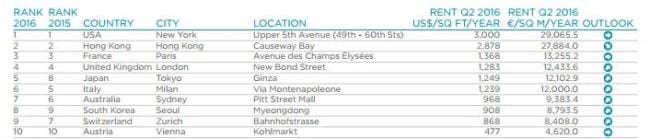
    Moreover, Upper 5th Avenue encompassing 49th—60th Streets in New York, USA remains number one on the list of most expensive shopping locations in the world at $3,000 per square feet.

    This is followed by Causeway Bay in Hong Kong at $2,878 per square feet and Avenue des Champs Élysée in Paris France at $1,368.

    Retail rent in Philippines, particularly Rockwell and Century City in Makati, is at $57 dollars per square feet.

  • Liquid Pay targets 25,000 retailers in Singapore with QR code mobile payments

    Liquid Pay targets 25,000 retailers in Singapore with QR code mobile payments

    Some 25,000 retail locations in Singapore are expected to accept a new mobile payment service within the next 12 months. Liquid Pay enables consumers to make payments by scanning a QR code at the point of sale, and compare merchant discounts and rewards from within the mobile app.

    “Liquid Pay has just successfully completed trials at select hawker stalls in Bukit Timah and Tiong Bahru markets, food and beverage (F&B) outlets at One-North/Galaxis and all Spinelli Coffee Company outlets,” Liquid Pay says.

    “Deployment to 30 more hawker centres and multiple F&B chains is expected to complete before the end of the year, with the target of 25,000 acceptance points in Singapore within 12 months.”

    “By adding their credit and debit cards onto the Liquid Pay app, consumers are able to compare the various card discounts and merchant rewards when making payments,” the company adds.

    Offers and rewards

    “To pay for their purchase at checkout, consumers scan the merchant’s individual QR code at the point of sale with Liquid Pay’s QR code reader.

    “Consumers can then view the savings, offers and rewards available with different payment methods, select the most beneficial one for that particular purchase and complete their transaction.

    “Merchants accept payments via QR codes without the need to upgrade equipment or make any costly upfront investment. Merchants and banks can also deepen engagement with customers by extending dynamic, real-time, hyper-personalised promotions and offers.

    “Liquid Pay’s robust architecture also enables banks and merchants to introduce e-cards (prepaid, debit, credit, discount and gift cards) instantaneously, with contextual data analytics for deep consumer insights.”

  • FINE jewellery launches into travel retail in China

    FINE jewellery launches into travel retail in China

    The 130-piece Treasure Collection includes silver pendants and earrings with cubic zirconia, diamonds and pearls, with each piece presented in a transparent sealed box. Prices range from US$49 to US$499.

    F.I.N.E Managing Director Ari Johansson said: “Jewellery is the most profitable category per cubic centimetre in retail, and we’ve developed a unique brand and a range of jewellery that inspires the wearer.

    “We also created a product that travel retailers can stock and manage more efficiently. Our extensive experience in manufacturing, logistics and training is reflective in the way we innovate in this space, be it in the box, on the box or out of the box.”

    Johansson will address the conference and trade fair on ‘Three ways to improve jewellery sales in duty free’.

  • Sue Lewis named as Asia Pacific Travel Retail Director for Sisley

    Sue Lewis named as Asia Pacific Travel Retail Director for Sisley

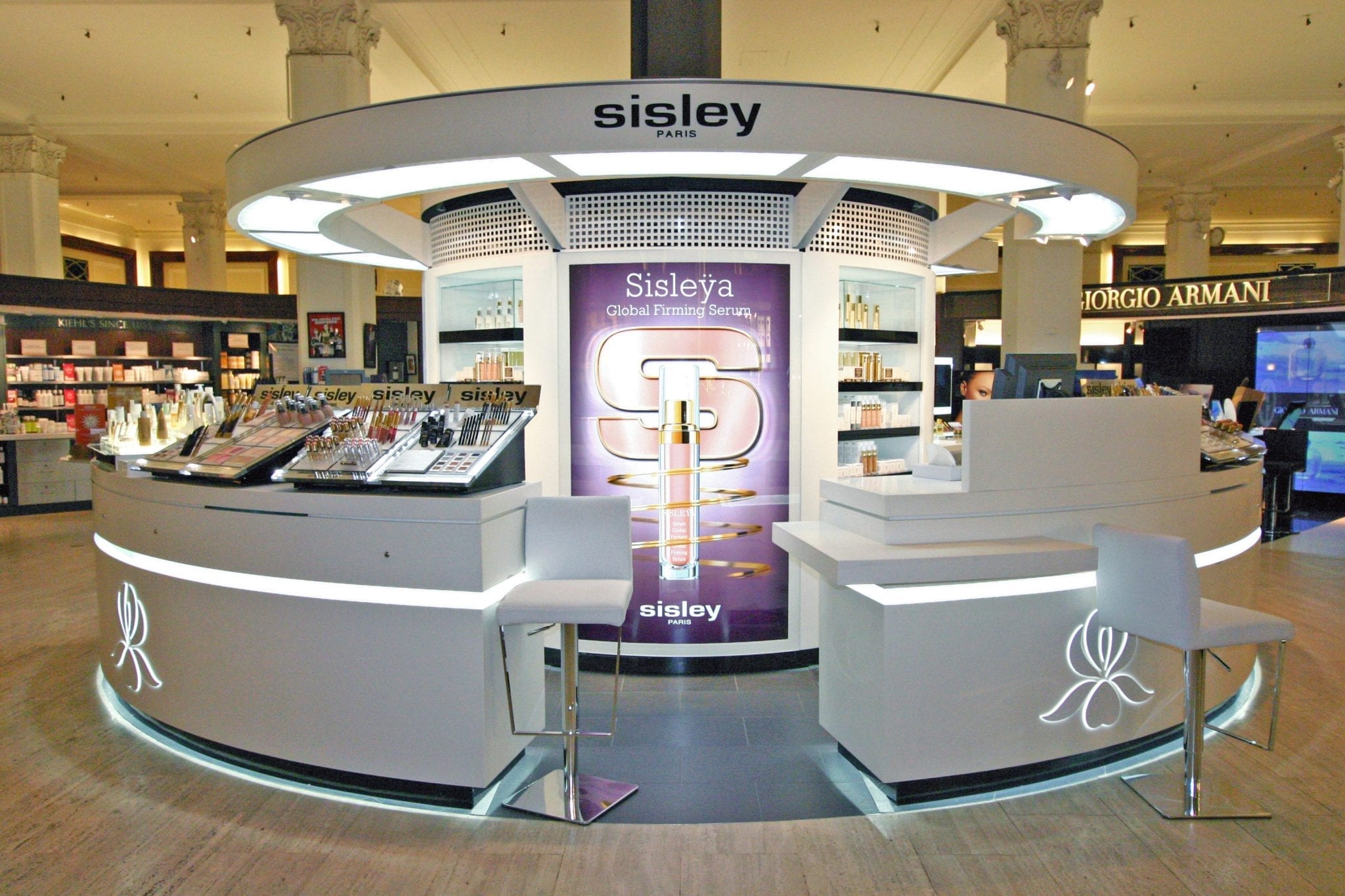
    Independent French beauty house Sisley has appointed Sue Lewis as Asia Pacific Travel Retail Director, based in Hong Kong. The highly experienced and much-respected Lewis succeeds Benoit Wagner.

    Sisley Regional Managing Director, Asia Pacific Nicolas Chesnier commented: “I would like to thank Benoit personally and on behalf of Sisley, for his more than ten years of contribution to the development of the brand in different roles.

    “Sue comes with a large experience of travel retail in cosmetics worldwide. After a start in travel retail with successive positions in Europe and the USA, Sue has since worked in Asia Pacific for more than ten years with management of both travel retail and local markets.”

    Ms Lewis spent many years with The Estée Lauder Companies (including travel retail), most recently as Regional Brand Director – Asia Pacific for La Mer & Jo Malone until June 2010. She also worked as CEO Hong Kong & Asia Export Markets for Crabtree & Evelyn until March 2015 and subsequently for Kate Somerville Skincare.

    Sisley has been one of Asia Pacific travel retail’s best-performing international skincare brands in recent years

  • Myeong-dong ranked as world’s 8th most pricey retail area

    Myeong-dong ranked as world’s 8th most pricey retail area

    Seoul’s Myeong-dong street was ranked the eighth most expensive retail street in the world, according to a report by real estate service company Cushman & Wakefield Thursday.

    (Cushman & Wakefield)

    Cushman & Wakefield’s “Main Streets Across the World 2016/2017” priced real estate in Seoul’s shopping district Myeong-dong at $908 per square foot (0.093 square meter) per year, with an outlook to further rise. Although consumers in South Korea are increasingly turning online for shopping, the report said the “inflow of Chinese tourists” is supporting the demand for shop units.

    Other major shopping streets noted in Korea were around Gangnam Station and Garosu-gil, as well as the trendy Hongdae district.

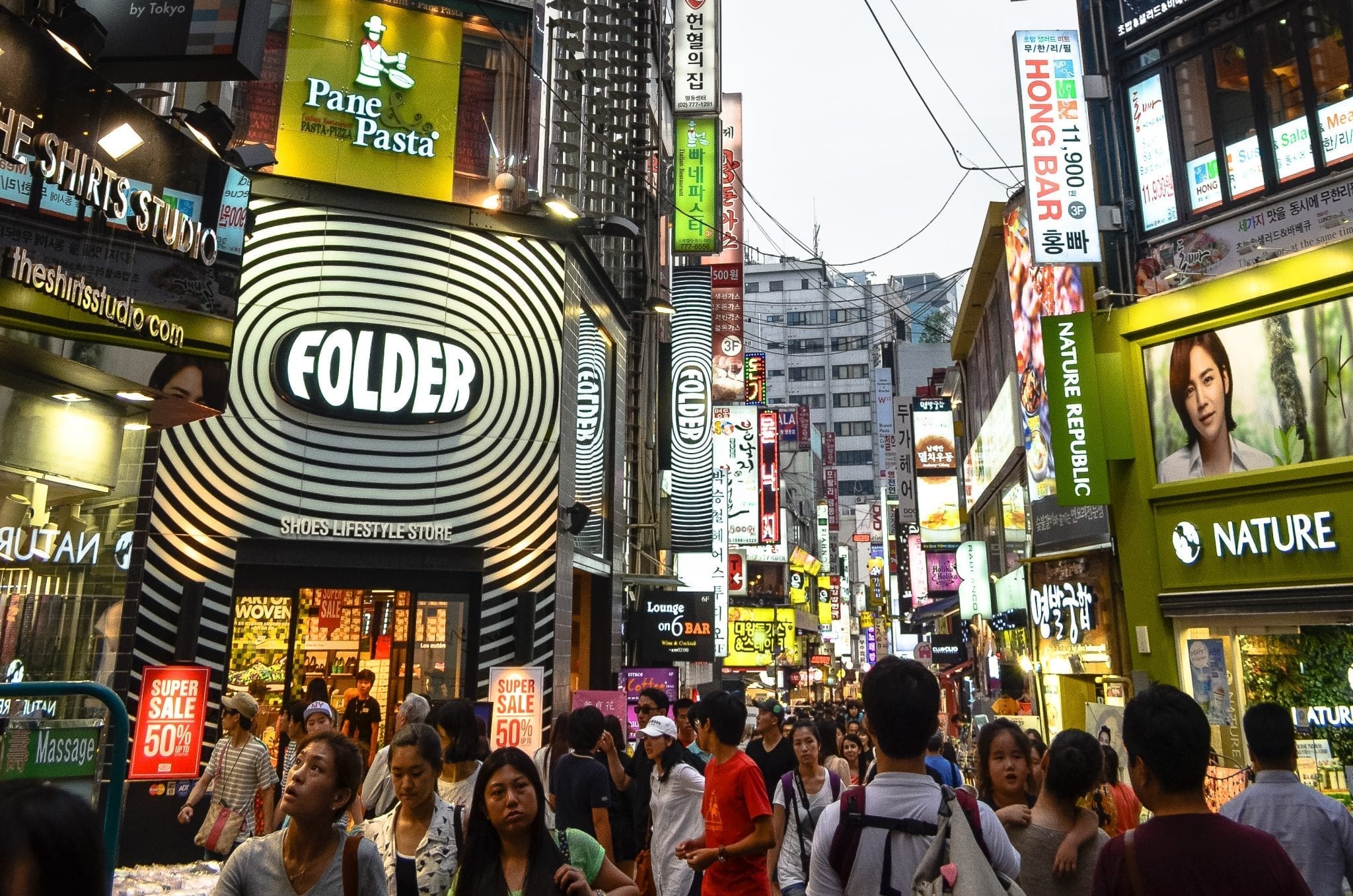
    The Nature Republic cosmetics store in Myeong-dong has been the most expensive plot of real estate in Korea for the past 12 years, according to the Ministry of Land, Infrastructure and Transport this year.

    According to the Cushman & Wakefield report, the most expensive shopping district in Asia is Hong Kong’s Causeway Bay at $2,878 per square foot, followed by Japan’s Tokyo Ginza district at $1,249. The most expensive shopping street in the world is Upper 5th Avenue in New York City, at $3,000 per square foot.

  • China’s personal shoppers are cashing in

    China’s personal shoppers are cashing in

    Julie Li is laden with Harrods carrier bags full of cosmetics, but they are not hers; the 30-year-old finance graduate from Beijing is a fulltime freelance retail consultant, something known in China as a daigou.

    “I worked as a daigou alongside my day job for about three years, but six months ago, I decided to quit my job to fully concentrate on the business because the profit margin is lucrative and the hours are more flexible,” said Li, who asked to be known by a pseudonym.

    Dressed in a fashionable white Reiss dress and holding a light color Chanel leather handbag, Li is glued to her smartphone. She is using the messaging app Wechat to communicate with clients in China who are willing to pay a premium for authentic luxury goods that are usually relatively cheaper than they are in China.

    Having developed three major wholesale clients, each with around 300 customers, Li buys 10,000 pounds’ worth of top-end lipsticks on behalf of clients every day.

    “The weak pound after Brexit is also giving a boost to my business and sales have doubled in recent months,” Li said.

    Charging 5 percent of the retail price and handling large quantities on a daily basis, she is able to pocket as much as 20,000 pounds in commission during a good month.

    “My clients are usually middle-incomers in China who have a strong appetite for high-quality products,” she said. “I believe the quality standards, the product ranges and the cheaper prices are the main reasons why Chinese consumers look to the West.”

    Li said a high-end daigou has to know about products, prices, colors, range, and availability.

    Experts say the agents have challenges because customers need to be convinced the goods they receive are genuine and that suppliers are reliable.

    “An important issue is the uncertainty faced by consumers who wonder whether products are genuine because, the higher the demand for a product, the more there is a chance it will be a fake or an adulterated product,” said Pervez Ghauri, professor of international business at Birmingham Business School.

    The buyers are mainly from the Chinese mainland and specialize in helping customers in China buy luxury products, including bags and cosmetics, as well as health supplements, such as baby milk formula.

    Business has boomed in recent years, accounting for RMB 34 billion to RMB 50 billion ($5 billion to $7.4 billion) in global sales last year, according to a report from consultants Bain & Company.

    In 2008, the baby milk scandal, in which Chinese milk and infant formula was contaminated with melamine, led to many Chinese parents shopping overseas for milk formula. At the height of the boom in demand for milk formula, retailers in the UK rationed the sale of powdered baby milk to ensure availability for domestic parents.

    Observers note that safety standards are one of the reasons why some Chinese consumers buy Western products.

    Geoffrey Wood, dean of the Essex Business School, said many Chinese consumers believe Western countries have more rigorous production standards, and the will to enforce rules ensuring quality.

    Seizing the opportunity presented by the baby milk scandal, 29-year-old Jimmy Zhen-not his real name-began buying milk powder for his Chinese customers in 2009 while working a fulltime job.

    “In the beginning, I only shopped for family and friends who knew I was abroad and felt the authenticity of the products was assured. Through word of mouth, I developed a large customer base, and built trust with my clients,” he said. After demand rose, he became a fulltime shopper in 2011.

    A restriction brought in by the UK government in 2013 to cap the sales of milk formula at two cans per customer stacked the deck against Zhen’s business, but he managed to find a way out by paying students 50 pence above the retail price for every can they sold him. He currently ships more than 8,000 tins each month.

    Earlier this year, the Chinese authorities tightened regulations around cross-border online shopping. Commentators say the changes, to Chinese customs regulations and ecommerce has dented the daigou’s trade, but Zhen has adjusted by shipping four cans at a time instead of six. It ensures he avoids paying import tax.

    Daigou shoppers admit their industry exists in a grey zone legally and is likely to be short-lived, but Li is cashing in for as long as she is able.

  • Changi Airport Group issues tenders for T3 Fashion & Jewellery

    Changi Airport Group issues tenders for T3 Fashion & Jewellery

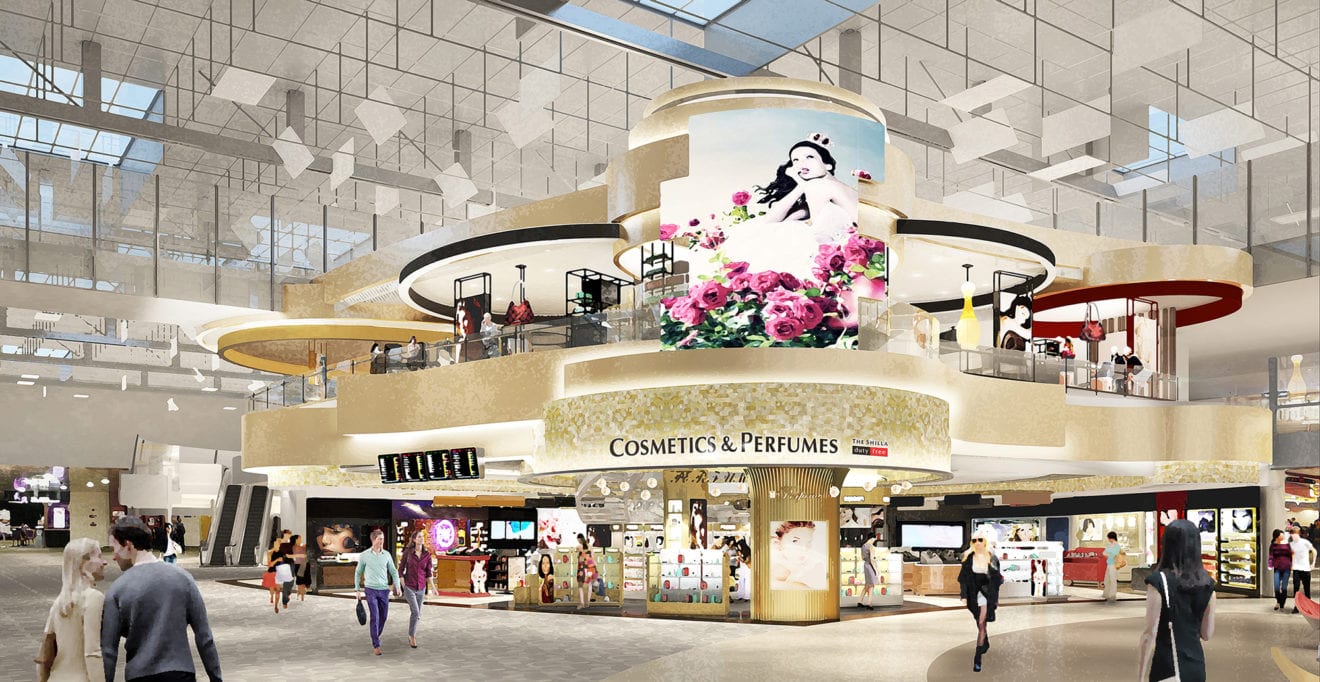
    Changi Airport Group (CAG) has issued retail tenders across fashion and jewellery categories, as well as for a short-term tenancy shop.

    CAG has opened two individual commercial opportunities in fashion, in search for established mid-price fashion names to operate at the terminal three North departure/transit lounge, spanning 94sq m and 41sq m respectively. The operators will run the units for three years between July 9 2017 to July 8 2020.

    One retail unit will be designated for a jewellery name to operate a 35sq m store concession at T3’s South departure/transit lounge. The three-year tenancy contract will also begin from July 9 2017 to July 8 2020.

    The airport operator stated it was searching for “unique and exciting mid-price fashion brands and concepts as well as unique and exciting jewellery brands that are currently not represented at terminal three of Singapore Changi airport that will inject buzz to and differentiate the retail offerings at Singapore Changi.”

    This is in twine with a short-term tenancy shop totalling 21sq m at T2 North departure/transit lounge, with a tenancy period of one year from May 20 2017 or upon the date of physical handover of the premises to the successful operator. The airport said all product categories may be considered, with the exception of liquor and tobacco and perfumes and cosmetics concepts.


  • Mobile marketing cuts printing cost for Pizza Hut

    Mobile marketing cuts printing cost for Pizza Hut

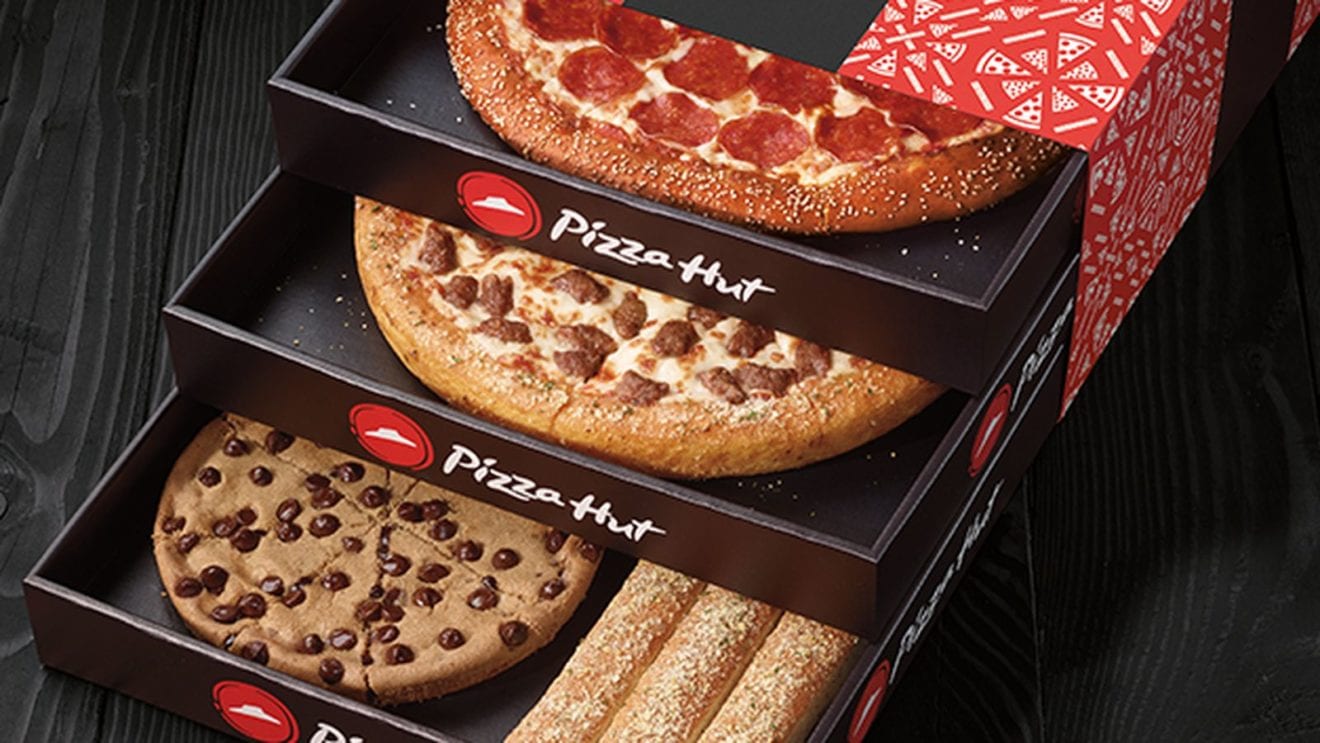
    With over 70 restaurants in the city, half of Pizza Hut’s business in Hong Kong is dine-in. This gives the diner a great incentive, but at the same time, huge pressure to improve its customer experience.

    In 2014, Pizza Hut started its mobile marketing campaign project. The primary objective was to better serve its customers. Additionally, it wanted to cut out a huge portion of its printing costs on direct marketing materials.

    Pizza Hut has been a customer of Salesforce. “When we started the mobile marketing campaign project in 2014, however, we didn’t know that Salesforce Marketing Cloud could help us to manage marketing campaigns,” said Ravel Lai, group IT director at Jardine Restaurant Group Hong Kong and Macau, in an interview with Computerworld Hong Kong. Jardine Restaurant Group operates Pizza Hut and the KFC restaurants throughout the city.

    Lai’s team studied different marketing solutions and decided to adopt Salesforce Marketing Cloud. “We considered other marketing tools such as those from Oracle and Adobe. We had even approached IBM, but they didn’t have a marketing solution,” he recalled.

    Evaluating a marketing solution was different from that of an IT solution. “This was not a traditional ERP solution, but something new to the IT team. We invited the marketing people and bosses at Pizza Hut and KFC to view the solution demo, and then we let everybody vote,” Lai said.

    Extra 7-10% revenue

    “We were not trying to solve a particular technology problem, but to improve on our marketing campaign management,” said Lai.

    In the past, Pizza Hut used to mail cash coupons to its customers. This involved different stages of production, which were all time-consuming, such as graphic design and printing, before it can finally distribute and mail out the coupons.

    With the new solution, conducting mobile marketing campaigns has become much easier. Now, Pizza Hut would only need to involve an in-house graphic designer to design the digital marketing material, which could be ready for distribution in just two hours.

    “Last year on one rainy morning, I asked my team to send a mobile message along with a coupon to our customers. After preparing the customer segmentation, we decided to send the message to 15,000 housewives and office workers at around 11:00 am to catch up with lunchtime at noon,” said Lai. “The results were good, as we generated an extra 7-10% in revenue for the day.”

    90% printing cost savings

    In the past, Pizza Hut used to distribute paper coupons to customers. The printing and mailing costs involved had been 10 times higher than if the marketing campaigns were conducted on Salesforce Marketing Cloud.

    “This is a very good tool for us to do the job. Instead of sending physical leaflets, we now use the mobile marketing platform, which incurs just 10% of the original printing cost,” said Lai.

    “Besides, the replacement of physical leaflets with mobile marketing messages makes Pizza Hut more environmentally friendly, too.”

    Express ticket

    According to Lai, many restaurant groups have developed their own mobile applications, but their primary function is largely limited to remote ticketing. “When everybody does the same thing, we ask ourselves, ‘How should we do it differently?’”

    To distinguish its restaurant mobile app from the competition, Lai borrowed the idea of “Fast Pass” from Disneyland theme park. A Disneyland Fast Pass allows a visitor to shorten his or her waiting time by getting a pass in advance for selected attractions, and return within specific timeframes.

    Using Pizza Hut HK’s mobile app, a user can obtain a queue number before they even reach the restaurant. This cut down the time and money required for us to issue queue numbers.

    By doing proper customer segmentation on Salesforce Marketing Cloud, Pizza Hut can send messages to customers whose last visit was over one month. The typical message would read: “Dear customer, you visited us one month ago and purchased a meal in our restaurant. We are so sorry that you had to wait for 15 mins. Here is an express ticket for you so you can jump queue upon your next visit. The express ticket is good for two weeks,” Lai suggested.

    Loyalty points reward system

    Pizza Hut HK’s mobile app also provides a points rewarding system. With every HK$5 of purchase at the restaurant, a customer gets one point. “With 50 points, our customers can redeem four pieces of chicken wings,” Lai said.

    Pizza Hut’s loyalty points are transferrable. “When you come to the restaurant with your friends, you and your friends can combine the points together to redeem the reward, for example, 50 points for a pizza,” said Lai.

    Social CRM

    With Salesforce Marketing Cloud, Pizza Hut’s mobile marketing campaign platform has enabled the restaurant group to tap on social CRM. “When I sold the idea of social CRM to the management, I emphasized not just on the benefits, but the improvement on the customer journey,” Lai said.

    Regarding Pizza Hut’s implementation of mobile marketing campaign project, Lai summed up, “If I do it now, I am the pioneer. If I do it later, I would just be a follower.”

  • Thailand takes a long-term gamble on Isaan region

    Thailand takes a long-term gamble on Isaan region

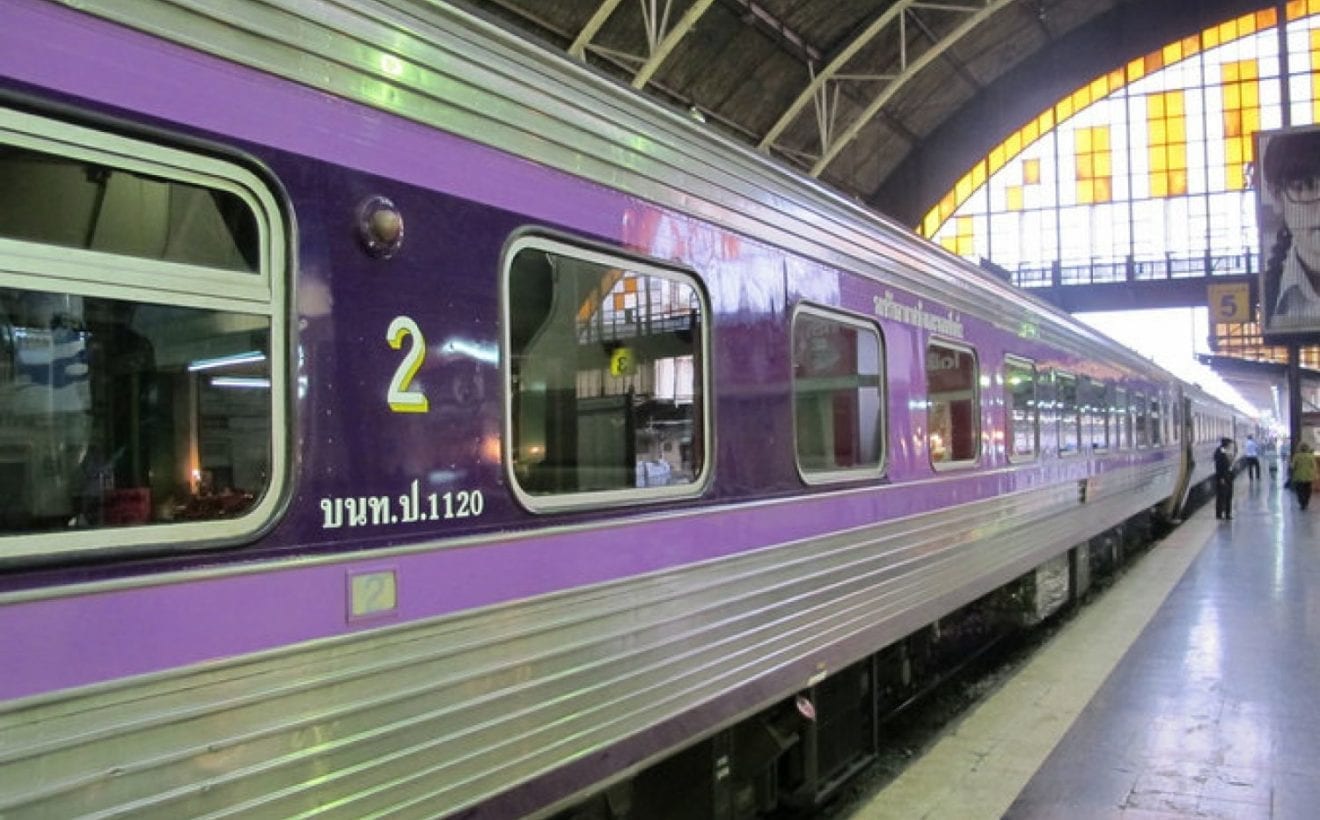
    If all goes according to plan, Thai Prime Minister Prayuth Chan-ocha will make a media splash next year with the launch of a 60 kilometer stretch of dual-track train line between Nakhon Ratchasima and Khon Kaen provinces in northeast Thailand.

    Work on the short spur — part of a larger project to upgrade the region’s freight transport to Thailand’s main deep sea port — is being speeded up to be completed before the next election. But whether the planned publicity stunt will win Prayuth’s coup-installed government popularity in the country’s poor northeast region remains to be seen.

    Prayuth’s government is banking on heavy investments in infrastructure to both stimulate growth during the current economic doldrums and strengthen Thailand’s competitiveness in the future. While most economists concur that the expenditure on infrastructure is long overdue, some say a lot more could be done to help the country’s rural poor in the short term. And most of Thailand’s rural poor live in the country’s northeastern region, known locally as Isaan.

    Isaan was the only region to reject the draft of a military-guided constitution in the Aug. 7 referendum, with 51.4% of the people voting against it compared with a nationwide 61.40% endorsement. Isaan, accounting for one third of Thailand’s 67 million population but only 10% of its gross domestic product, is also the power base of the Pheu Thai Party, whose de facto leader is Thaksin Shinawatra, the populist politician and the present regime’s number one enemy. Prayuth and his officers originally came to power after a May 2014 coup, toppling Thaksin’s sister, former Premier Yingluck Shinawatra.

    Prayuth, using his sweeping powers under an interim constitution, has fast-tracked at least 20 megaprojects that will cost the country an estimated 2 trillion baht ($57 billion) over the next six years. Of that amount about 10% will be spent in Isaan — primarily on a new motorway linking Bangkok to Nakhon Ratchasima, Isaan’s largest city, and an expanded dual-track train link connecting Khon Kaen, Isaan’s second largest city, to Nakhon Ratchasima and on to the port of Laem Chabang on the eastern seaboard southeast of Bangkok. A single track already exists, but is too congested to serve as an efficient freight link for the Isaan region to transport its main crops to markets abroad. A third megaproject, a so-called Sino-Thai high speed train between Bangkok and Nakhon Ratchasima, has yet to receive cabinet approval.

    “The fact that the government is seriously interested in infrastructure is something, anyway, because if you trace the history we haven’t been investing enough in infrastructure here,” said Somchai Lertlarpwasin, director of the Bank of Thailand’s North Eastern Regional Office. “If the government puts 200 billion baht in the region over six years, it’s over 2% of the gross regional product in the northeast, so it means that you’ve lifted up GRP by 2% already, not even accounting for the crowd-in effects.”

    Retail boom

    There have been some “crowd-in” effects already. Nakhon Ratchasima, also called Korat, is fast becoming a shopping paradise for people in the region and from farther afield in neighboring Cambodia and Laos. All three of Thailand’s largest Bangkok-based department store chains have invested in massive outlets in the city, which will boast 1 million sq. meters of retail space by late next year.


    The Mall has had an outlet in the city since 1996, and recently invested 100 million baht to build an extension that includes a “Snow Zone,” treating Issan customers to a winter wonderland of ice skating, sledding and snowball-throwing. The Mall’s expansion was driven by increased competition, the advent of the ASEAN Economic Community earlier this year and the government’s approval of the new motorway to the capital which will halve travel time to Korat to around 2.15 hours.

    “Korat’s prospects are bright. If the government had not committed to investing in infrastructure it might have been harder to persuade the board to invest in the expansion,” said Preecha Limoua, general manager of The Mall’s Nakhon Ratchasima Branch. The department store’s Snow and Ice Planet is proving a new tourist attraction for the city. “Cambodian families are already coming here to see the snow. It is the only snow in Isaan.”

    Terminal 21, owned by Siam Retail Development, will open a 250,000 sq. meter outlet in December, boasting the city’s first observation tower on the outside and a replica of the Eiffel Tower on the inside. Central Group plans to open a Central Grand Plaza outlet with 320,000 sq. meters of retail space in September 2017. The Mall Korat, with its snow zone extension launched in October, now occupies 360,000 sq. meters. There is also a Makro, eight Tesco-Lotus convenience stores and several Big C locations, while Sweden’s Ikea and Japan’s Aeon are both reportedly looking for locations in the city.

    Klang Plaza, a local department store chain that opened its first outlet in Korat 50 years ago, has three outlets already and is investing in a fourth near the city’s railway station. The local chain, which operates under the motto “The Korat Department Store,” is not afraid of the upmarket competition from Bangkok, given its strategy of concentrating on supermarkets and stationery supplies and keeping its outlets within walking distance from Korat’s city communities. “Korat can handle 10 department stores,” said Pairat Manasilp, vice president of Klang Plaza Company.

    Korat grows, Issan flounders

    Korat province has a population of 2.7 million people, and a GDP of about 250 billion baht, the highest in Isaan. Only 250 kilometers northeast of Bangkok, Korat is an obvious gateway to the northeast and a logistical hub. It is already an industrial hub. U.S.-based Seagate Technology Company has a huge HRD disk drive factory in Korat, employing more than 12,000 people. The province is best known, however, as a hub for food processing using Isaan’s main commercial crops — rice, tapioca and sugar. Isaan accounts for half of Thailand’s exports of the three crops, which employ more than 700,000 Isaan families.

    In the long run, the dual track rail line running from Khon Kaen to Laem Chambang will provide a vital and cheaper transport link for these commodities that could make them more price competitive abroad.

    “The problem with Thailand is transportation costs. We don’t have efficient transport like trains,” said Hassadin Suwattanapongchet, president of the Nakhon Ratchasima Chamber of Commerce. Rail currently accounts for only 2% of Thailand’s goods transport, although freight is about half the cost of road transport per ton and is less polluting.

    Work has commenced on the dual track line, but it will take four to five years before the connection to Laem Chabang port is completed. “That’s a long time. People cannot imagine what it will be like in five years, so if the government can last for five years some people will be grateful,” Hassadin said. Villagers to be displaced by the new motorway have long opposed the project, but their opposition has been silenced by Prayuth’s edict.

    While Korat’s prospects look bright, the rest of Isaan is still suffering. Since last year, the region’s farmers have been hit by a triple whammy of declining demand for their commodities in China, low commodity prices worldwide and drought.

    All commodity prices except sugar are down, while sugar cane has also suffered in the aftermath of the 2015-16 drought. The price of tapioca, which is exported mainly to China, has dropped from 2.30 baht per kilogram last year to 1.40 baht now. Other than short-term measures, such as paying cash to farmers to compensate for low prices, the government has seemed stumped by the challenges facing regional agriculture. For instance, the Federation of Thai Tapioca Growers has been urging the government to strengthen efforts to promote of the use of tapioca in ethanol fuel and plastics, but so far, the official response has been slow.

    The region’s rice, tapioca and sugar cane farmers were the target of populist measures under the previous two elected governments designed to boost their incomes. A controversial rice pledging scheme under Yingluck’s government, promising to buy rice at 40% above market prices, was particularly popular but crashed down in scandals over corruption allegations. It seems unlikely that Prayuth’s transport projects, due for completion years from now, will win him similar kudos. The former Army Commander-in-Chief has made it clear he would be willing to become prime minister after the next election, albeit as an appointed one.

    “The government can invest in the motorway, or a high-speed train, or whatever, but the fact remains that most of the people here are farmers and the price of their crops — rice, tapioca and sugar — are low, so the people will have no money to drive cars on the motorway, or ride the high speed train, or shop in department stores,” said Pornchai Amnuaysap, senior adviser to the tapioca growers’ federation. “They will just stay at home and try to survive.”

  • Japan factory output and retail sales flat in September

    Japan factory output and retail sales flat in September

    Japan’s factory output and retail sales were flat last month, data showed Monday, painting a bleak picture for the world’s number three economy as the central bank kicks off a policy meeting.

    The lukewarm readings come on the heels of disappointing inflation figures last week and point to a tepid expansion in July-September economic growth, analysts said.

    Japan’s third-quarter growth figures are due later this month.

    The government data on Monday showed Japan’s industrial output for September was unchanged from the previous month, weighed by slower production of certain electronic components, according to the ministry of economy, trade and industry.

    That was well short of a market forecast for a 0.9-percent rise after an on-month expansion in August.

    Retail sales were also unchanged, missing forecasts of a 0.2-percent rise.

    The Bank of Japan kicked off a two-day meeting with a policy announcement expected on Tuesday.

    The BOJ has repeatedly pledged to continue monetary easing as needed until inflation reaches a two percent target, a cornerstone of Prime Minister Shinzo Abe’s economic revival policy.

    More than three years on, however, doubts are growing over Abe’s faltering bid to kickstart growth and conquer a long battle against deflation.

    Japan’s economy contracted in the last three months of 2015, before bouncing back in January-March with a 0.5 percent rise on-quarter and then a 0.2 percent expansion in April-June.

  • 3HK to offer a year’s free OTT video subscription

    3HK to offer a year’s free OTT video subscription

    Hutchison Telecommunications Hong Kong Holding’s mobile division 3 Hong Kong is offering a year’s free subscription to its premium subscription TV and VOD service to all new and existing 4G users.

    The mobile version of the myTV SUPER and TVB Premium subscription VOD service will be made available free of charge. A 12-month subscription has a usual price of HK$380 ($49).

    The operator has also launched the TVB Data Pack subscription service, offering 1GB, 3GB or 6GB of data for HK$20, HK$50 or HK$80 respectively.

    HTHKH COO Jennifer Tan said the company has introduced the offer to help usher Hong Kong into the 4.5G era after converging its FDD and TDD networks.
    “Our smooth and stable network, together with abundant bandwidth from our 4.5G network, provides the capacity needed to build an OTT service platform, so we are now ready to carry all kinds of dynamic mobile apps,” she said.

    “myTV SUPER has become one of the most popular OTT offerings following inception earlier this year – and we are delighted to offer 12 months’ service free of charge to all 3 Hong Kong’s 4G users to help celebrate launch of our 4.5G network.”

    Broadcaster TVB has been expanding the reach of its myTV SUPER subscription TV service. Earlier this month, the broadcaser expended its relationship with fixed line operator HKBN to cover the delivery of more myTV SUPER set top boxes for the company’s fixed line customers.

  • Arvato opens bonded warehouse in China

    Arvato opens bonded warehouse in China

    Arvato SCM Solutions is expanding its presence in China with a new bonded warehouse that will serve clients in the high-tech and entertainment and consumer products industries. The new 2,000 m² facility is located in the Shanghai Waigaoqiao Free Trade Zone.

    “The launch of our third distribution center in China is necessary as we meet an increasing demand for logistics services in the region,” said Raoul Kuetemeier, Head of Arvato SCM Solutions Asia.

    The Shanghai Waigaoqiao Free Trade Zone is unique for its government incentives and preferential tax policies; a strategic location for the distribution of goods into mainland China and trade between Asia and rest of the world. “This new bonded warehouse enhances our logistics network in the Chinese market and underscores our commitment to provide the most flexible and competitive supply chain solutions for our clients.” said Kuetemeier. Arvato is already represented by five distribution centers across Asia.

    Arvato will provide end-to-end logistics services in the new multi-user facility. This includes the processing of imports and exports as well as warehousing, multi-channel distribution, returns management, and other value-added services. The access-controlled location is also equipped with a monitoring system and has more than five loading bays. In the licensed bonded warehouse, goods can be stored duty-free indefinitely.

    The new logistics center in Shanghai’s Pudong district offers outstanding structural conditions for efficient distribution. It is within close proximity to the Waigaoqiao harbor and Yangshan deep-water port. The airport, central highways and container freight station within Shanghai are also easily accessible.

  • Volkswagen’s Audi in talks with China’s SAIC Motor on tie-up

    Volkswagen’s Audi in talks with China’s SAIC Motor on tie-up

    Volkswagen’s Audi premium brand is in talks with China’s largest automaker, SAIC Motor, on a potential long-term collaboration, Audi said in a statement on Monday.

    Reuters reported on Saturday, citing a source familiar with the matter, that the two had signed an agreement that could pave the way for Volkswagen’s joint venture with SAIC to make Audi brand cars.

    An early entrant to China, the world’s largest car market, Audi is the best-selling premium car brand although it is rapidly losing ground to newer car models from Daimler’s Mercedes-Benz and non-German automakers like Toyota’s Lexus and General Motor’s Cadillac.

    Audi cars are now only made in China through a joint venture with China FAW Group, providing a lifeline to a state-owned company whose own brand cars have struggled with falling sales.

    Audi reaffirmed its commitment to FAW in the release announcing the talks with SAIC, saying it had outlined growth plans with FAW for the next 10 years that include making green energy SUVs and sedans in every major segment.

    Audi will also form a new joint venture company with FAW to be based in Beijing and focus on mobility and digital services, according to the statement.

  • Oppo R9 becomes the best-selling device in China

    Oppo R9 becomes the best-selling device in China

    The latest smartphone OS sales data from Kantar Worldpanel ComTech shows a solid 5.2% percentage point US market share increase for iOS during the third quarter of 2016 to 34.2%. Both iOS and Android made gains across most of the EU5 countries. However, Android posted a 3.3 percentage point decline in the US from 66.7 to 63.4%, while iOS share fell in Germany from 17.5% to 15% and in Urban China from 18.7% to 14.2%. 

    Europe’s big five markets include Great Britain, Germany, France, Italy, and Spain.

    In Urban China, Android accounted for 85.3% of smartphone sales in the third quarter of 2016, its second highest share ever in this market. 

    Oppo continues to see significant growth, gaining 8.2 percentage points over the past year to become the 4th largest manufacturer in Urban China with 11.2% of smartphone sales. The Oppo R9 overtook the iPhone 6s as the best-selling device in the third quarter, reported Tamsin Timpson, Strategic Insight Director at Kantar Worldpanel ComTech Asia. iOS posted yet another year-on-year decline to 14.2% of smartphone sales in the third quarter of 2016. Importantly, this marks a period-on-period return to growth in sales, up from 13.5% in the three months ending in August. With supply constrained on the iPhone 7, and particularly the 7 Plus, this positive turn for Apple is a good sign, suggesting that as supply grows to meet demand, Apple will be able to turn the tide in Urban China. 

    In the US, the new iPhone 7 and 7 Plus models made an immediate impact, becoming the best-selling smartphones in the month of September at 17.1%, said Lauren Guenveur, Consumer Insight Director for Kantar Worldpanel ComTech. Strong sales of the iPhone 7 and the lower-priced iPhone 6s, the second best-selling device in the US in September, contributed to an overall growth of iOS to 34.2% in the third quarter of 2016.

    Despite some sales from the beleaguered Samsung Galaxy Note 7, still technically available through the month of September, Samsung posted a year-on-year decline from 36.9% to 33.8% of US smartphone sales in the third quarter, Guenveur continued. The holiday sales season may prove to be more challenging than normal for Samsung, who competes head-to-head with Apple during this crucial time of year. Fallout from the Note 7 recall could have an unintended impact on continuing sales of other, similarly-named Samsung devices (chiefly the Galaxy S7 and S7 edge), as consumers may not always understand the difference between the model names. However, deep holiday discounts, as we saw with the Galaxy S6 last year, may counteract any expected negative impact, as the driving reason for choice among US consumers remains finding a good deal on the price of the phone.

    In Great Britain, the iPhone 7 and 7 Plus were top-sellers during the month of September, accounting for 15.1% of sales, said Dominic Sunnebo, Business Unit Director for Kantar Worldpanel ComTech Europe. In the third quarter of 2016, iOS accounted for 40.6% of smartphone sales, a 2.4 percentage point increase from the same period a year ago. Its interesting to note the continued success of the iPhone SE in Britain, accounting for 8.5% of sales in the quarter vs. a share of just 3.5% in the US. 

    Britain is the only market where Samsung made year-on-year gains, totaling 30.4% of smartphone sales, Sunnebo added. In Italy, Huawei replaced Samsung as the reigning smartphone leader to become the top brand sold at 27.3%, a 15.2 percentage point gain vs. the third quarter 2015. Samsung accounted for 24.7% of smartphone sales in Italy, a decline from 40.6%. In Spain, Huawei and Samsung are now neck-and-neck, with Samsung edging out Huawei 24.2% vs. 23.3%.