Tag: Retail

  • O’Ringo shoe shop steps into Hong Kong

    O’Ringo shoe shop steps into Hong Kong

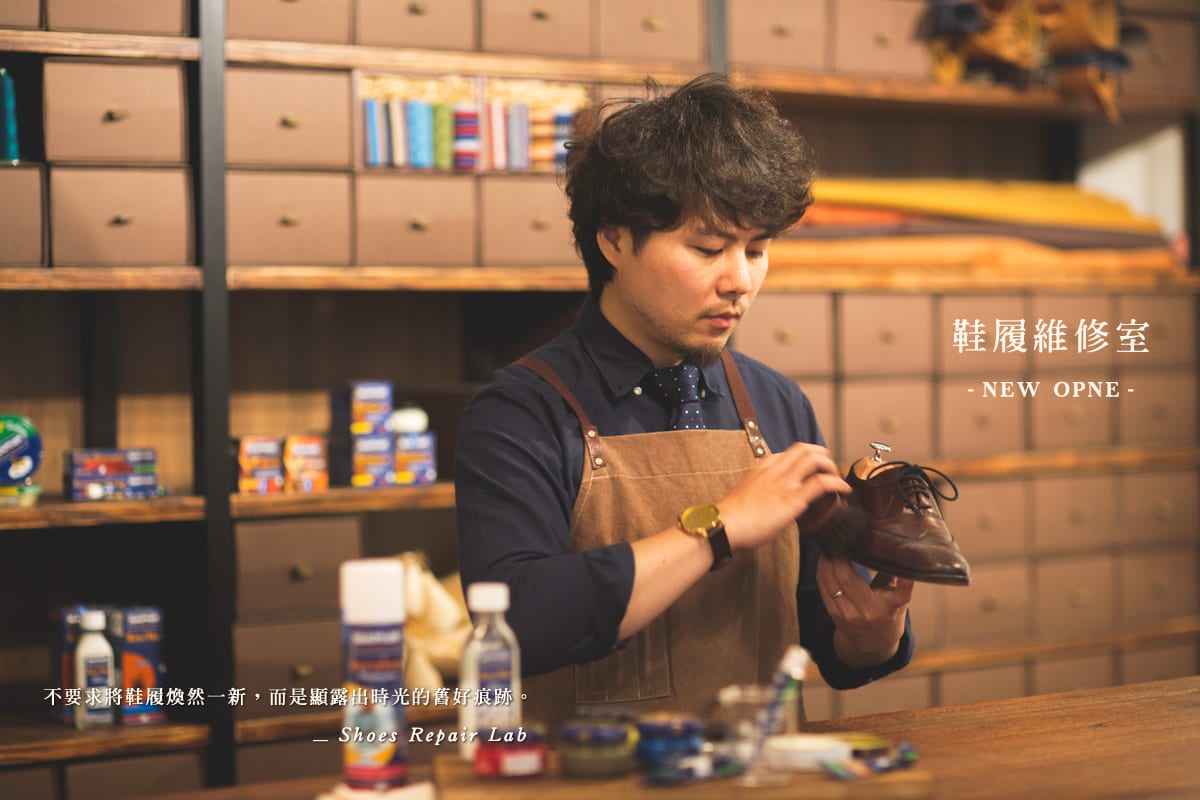
    Taiwanese handmade leather shoe brand O’Ringo has opened its first store outside Taiwan – in Hong Kong.

    It is just the fourth store operated by the nine year old brand, which has three in Taiwan.

    O’Ringo sells handmade leather shoes for men. It started online before opening its first physical stores

    Committed to keeping Taiwanese traditional art of shoemaking alive, the company ensures that all its shoes are handmade by Taiwanese shoemaking masters as part of the bid to promote their skills.

    The company sources everything from Taiwan, including its leather and other shoe materials.

    Founder Tseng Hsin-Ju said he hoped the Hong Kong shop can showcase the international status of Taiwanese shoemaking craftsmanship.

    “Hong Kong is one of the most international cities in Asia. It is also the perfect springboard from which to get access into the mainland market. With this unique role as a dual platform, the city offers a foothold for our company to test our brand acceptance and expand our business in both the international and mainland markets.

    “Taiwanese culture and products, from TV drama to movies, food and beverages, are very popular among Hong Kong people,” he added.

    “We hope to make use of Hong Kong’s international status to promote our handmade shoemaking craftsmanship.”

    Associate director-general of investment promotion, Dr Jimmy Chiang, said Hong Kong is a place where East meets West.

    “Together with its international business environment and huge number of international and mainland visitors, it is the ideal place for overseas companies to go global and enter into the mainland markets. We wish O’Ringo every success in Hong Kong and that it will expand its global and Mainland business from our city.”
  • Grofers shifts base to Singapore

    Grofers shifts base to Singapore

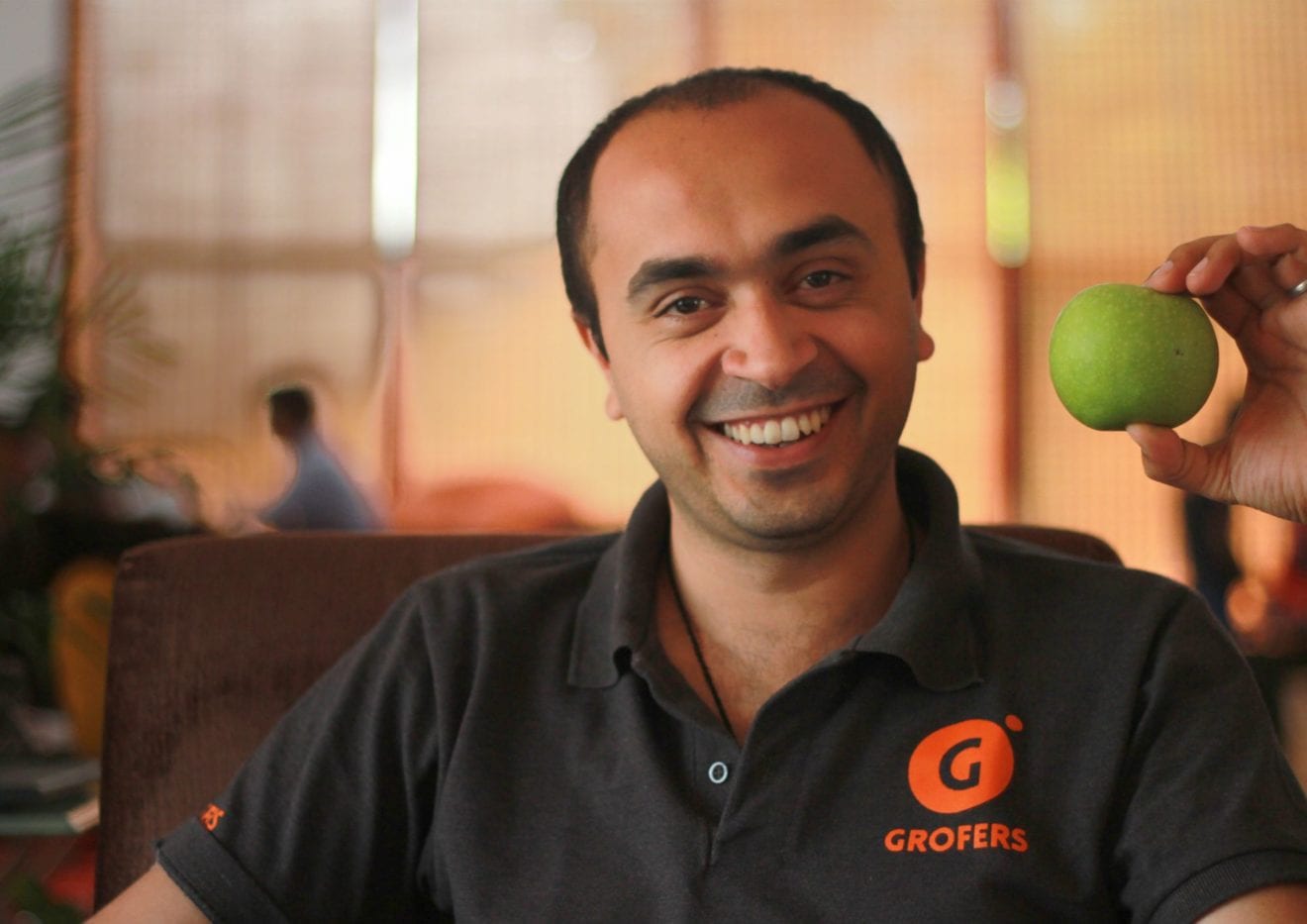
    PM Narendra Modi may have been the flag-bearer of `Make in India’, with his recent trip to the US being a highlight for `Digital India’. But another Indian startup has joined the growing list of new companies moving base out of India. Gurgaon-based Grofers decided to shift headquarters to Singapore from India.

    A hyperlocal grocery delivery firm, Grofers’ moving out is primarily due to a friendlier corporate regime in foreign countries.

    The shift has again highlighted a `brain drain’ of sorts with regards to Indian companies. Earlier, companies like Mobikon and AdNear had also moved out of India. In fact, Indian e-commerce’s poster boy Flipkart too shifted its base to Singapore, while some of the others like Fresh Desk and Druva chose USA.

    Grofers co-founder Albinder Dhindsa said, “Our main reason for a Singapore holding company is owing to listing potential in the future. Our assets are still on the books of the Indian entity, so tax equation remains same for us.”

    India’s high corporate tax rates and compliance issues are the key reasons for companies to join the exodus, industry experts pointed out.

    In fact, investors too are more confident putting money into a startup when the company headquarters operates out of a tech-friendly foreign country .Corporate tax rate is 30% in India, while the same in Singapore is 17%. “India is a hot spot for startups now. But it is yet to catch up in terms of regulations and tax structures. In a tech-friendly market, which is mature enough to house them, getting relatively higher fundings and more valuation becomes easier,” said a domestic investor.

    Key stakeholders pointed out what also makes it even tougher for early stage or emerging companies in the new economy space is the fact that a fairly modestvalued company has to exercise same sort of compliances which an established conglomerate is expected to meet in India. “It is a strenuous task for even a middlesized company to match the corporate compliance standards of, say , a behemoth like ITC,” a corporate lawyer said.

    For Grofers’ next round of funding too, the Singapore entity might come in handy as its competitors like BigBasket and PepperTap have recently raised funds for expansion and acquired consumers in a sector which is the hottest in the ecommerce arena in India.What remains to be seen is whether the government can arrest the rising exodus and `Make In India’ becomes a reality.

  • Despite Slowdown, China’s Outbound Tourists Reach 242 Million

    Despite Slowdown, China’s Outbound Tourists Reach 242 Million

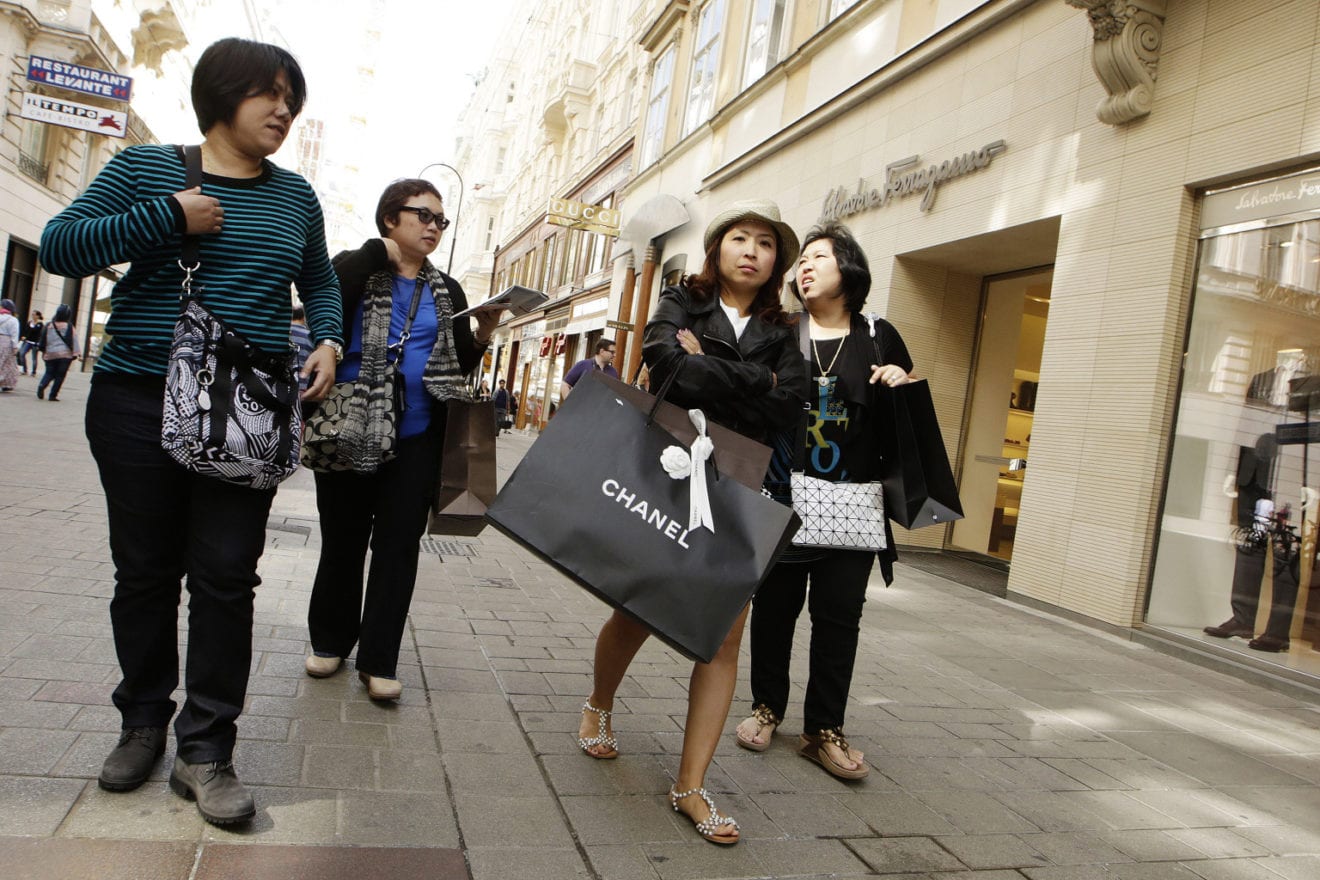
    As Chinese tourists head across the globe for Golden Week this week, luxury retailers are worried that an ailing stock market and devalued yuan will lead to muted growth compared to holiday seasons of the past. But according to newly released figures, long-term growth prospects remain strong for Chinese travelers, who are expected to double in number over the next decade.

    Some destinations may be in for a Chinese spending slump when it comes to luxury shopping over the holiday. According to recent figures released by Global Blue, UK luxury retailers are especially expected to feel the pain of China’s current economic woes during Golden Week.

    The retail tourism firm reported that the devaluation of the yuan in June led to a 2 percent year-on-year decline in Chinese tourist spending in August for the UK, down from 8 percent growth in spending between January and July.

    According to an official statement, “Global Blue is anticipating the Golden Week rush will be significantly weaker this year, and the decline could continue throughout the fourth quarter as Chinese are left disinclined to book trips abroad.”

    But retailers shouldn’t fret too much about long-term prospects, as a recent study published by HSBC found that outbound Chinese traveler numbers are expected to hit 242 million by 2024—a number more than double last year’s amount, which was estimated by HSBC to be 116 million. In addition, a recent report by the Fung Business Intelligence Center and China Luxury Advisors found that outbound Chinese traveler spending will hit $422 billion by 2020, up from an estimated $200 billion this year.

    Even as retailers fret about their sales prospects for this Golden Week, not everyone is expected to lose out. A weak euro still makes Europe a popular destination despite the devalued Chinese currency, and Global Blue found that Chinese shopper numbers in Europe rose by 74 percent in the first half of this year.

    Online travel agency Ctrip still expects outbound tour bookings to double for the period, and has reported that Hong Kong, Tokyo, and Bangkok are the top three holiday destinations for Chinese tourists. While luxury retailers in some destinations may be noticing the slowdown much more than others, those that keep their eye on the prize when it comes to Chinese travelers are more likely to have a fruitful decade to come.

  • Gold at Discount for Fourth Week in India, China Goes on Holiday

    Gold at Discount for Fourth Week in India, China Goes on Holiday

    Gold prices in India continued to trade at a discount for a fourth straight week, while premiums in China fell before it went on a week-long national holiday, in signs of sluggish demand in top consuming region Asia.

    Persistent weakness in India and China, which together account for about half of global demand, could add more pressure on gold prices, already reeling from a looming US interest rate hike.

    In India, retail demand dwindled due to the start of Shradh, a two-week period considered an inauspicious time to buy gold, property or any big purchases.

    Demand was also reduced by a weak monsoon that has eroded farmers’ income. Two-thirds of Indian gold demand comes from rural areas, where jewellery is a traditional store of wealth.

    “Prices are attractive, but retail demand has moderated due to the start of Shradh,” said Kumar Jain, vice-president of the Mumbai Jewellers Association.

    Discounts remained steady from last week at $6-$8 an ounce to the global benchmark.

    “Local refiners are aggressively selling due to duty advantage they are getting on dore import,” said a Mumbai-based bullion dealer with a private bank.

    A lower import duty of 8.24 per cent on dore, versus the 10.30 per cent on refined gold, is helping refiners offer a bigger discount than banks, he said.

    In top consumer China, premiums slipped to $1-$2 an ounce this week, from around $5 early last week, before markets closed on Thursday for a week-long holiday.

    Robust imports across the region since July, when gold price dropped to a 5-1/2-year low, was also adding to woes in the physical market.

    “There is an oversupply in the precious space,” said a dealer with a bullion bank in Hong Kong. “There was a lot of enthusiasm earlier with the price drop but now not so much.”

    “Physical demand is subdued so we are in a situation where we are stuck with the metal,” he said.

    However, things could pick up as the fourth quarter is a seasonally strong period for gold demand in both the countries.

    Chinese demand is expected to pick up from the ongoing Golden Week holiday, when millions of people travel and spend more than usual, boosting retail sales, and lasts until Lunar New Year early next year.

    In India too, an auspicious period kicks off around mid-October.

    “After Shradh, demand will improve significantly as festivals and wedding season are lined up,” said Mumbai Jewellers Association’s Jain.


  • Sri Lanka to revive Sathosa with help from Singapore

    Sri Lanka to revive Sathosa with help from Singapore

    Sri Lanka’s state owned retail chain Lanka Sathosa, plans to get support to revive from Singapore as the retail chain is making continues losses, ministry of industry and commerce said in a release.

    Lanka Sathosa owned more than 310 outlets around the Island.

    “We are restructuring LAKSATHOSA and are still experiencing monthly losses,” Rishad Bathiudeen, minister of industry and commerce was quoted saying in the release.

    In 2014, Singapore became the fourth in importing products and services to Sri Lanka representing 6.6 percent of Sri Lanka’s total import.

    Sri Lanka import petroleum oils, milk & creams, fertilizers, iron, steel and plastics from Singapore at around 1.2 billion dollars.

    “I recommend you to follow Singapore’s NTUC Fairprice Co-operative model for LAKSATHOSA. NTUC Fairprice is Singapore’s largest retailer with multiple retail formats,” Chandra Das, High Commissioner of Singapore and the former Member of Parliament of Singapore from Chong Boon was quoted saying in the release.

    “I see that SATHOSA too is basically a cooperative model. I was NTUC Chairman for 33 years therefore I can see that it’s a good model you can adopt. We have made NTUC Fairprice shops world-class. NTUC Fairprice competes on a “patronage rebate and a 10 percent lower price than comparable popular brands” model of retail, which brought it a revenue of 2.2 billion dollars in 2014,”

    “NTUC Fairprice belongs to workers and trade unions and NTUC profits are given back to Singaporeans who buy its shares,”

    “I notice that there is no central warehouse for LAKSATHOSA! You need to establish central logistics,”

    Das had asked to send a study team from sathosa to Singapore for a NTUC Fairprice training.

    “We’ll do this for Sri Lanka. Singapore is pleased to support LAKSATHOSA.” He added.

    Since it was founded by the labour movement in 1973, NTUC Fairprice today sells more than 2000 house-brand products across 120 outlets in Singapore serving more than 400,000 shoppers daily.

    However in June the industry and commerce ministry said the Lanka Sathosa, will be given a 7.5 billion rupee bail out from the treasury and audit firm  KPMG has been appointed to look into ways of re-structuring it.

    “The Finance Minister Ravi Karunanayake had agreed to give 7.5 billion rupees from the treasury to keep the firm out of trouble,” Rishard Bathiudeen, Minister of Trade and Commerce said in June.

    “Lanka Sathosa owes 10 billion rupees to two state banks and three billion rupees to suppliers and we are facing problems to keep it profitable,”

    “KPMG is expected to find ways to sustain Lanka Sathosa in a profitable manner.”

  • Hong Kong retail sales slump by widest margin since January

    Hong Kong retail sales slump by widest margin since January

    Retail sales in Hong Kong declined for a sixth straight month in August due to a slowdown in inbound tourism and sluggish economic conditions.

    The value of total retail sales in August declined 5.4 per cent year on year to HK$37.9 billion, following a 2.8 per cent drop in July, according to the latest figures from the Census and Statistics Department.

    The fall was the biggest since January’s year-on-year decline of 14.5 per cent.

    The government said on Friday that the tourism downturn and recent stock market gyrations might have dented consumer sentiment.

    The total number of visitors dropped 6.6 per cent to 5.6 million in August, while the largest source of visitors -from the mainland – declined by 7.1 per cent.

    The spokesman also said the different timing of the MidAutumn Festival, which fell in late September this year but early September last year, pushed back some sales and added weakness to the performance in August.

    Sales of Chinese drugs and herbs recorded the biggest drop of 17.4 per cent among the various sectors.

    Apparel and department store sales suffered further retreats of 13.5 per cent and 8.6 per cent respectively, after dropping 13.1 per cent and 7.3 per cent in July. The value of jewellery, watches and clocks and valuable gifts dropped for an eleventh month, with a decline of 8.8 per cent in August.

    Bank of Communications economist and strategist Kelvin Lau Gin-yip said the continued fall in retail sales was expected, and warned that the worst was yet to come.

    “It is just the beginning,” Lau said.

    “The tourism downturn results in downsizing for the retail sector, which further dents local consumer sentiment. This is reflected in the decline in apparel and department store sales.”

    Lau also said the near-term outlook for retail sales remained subject to uncertainties, and he could not see any prospect for recovery in the short run because of the strong US dollar to which the local currency is pegged.

    However, there was some positive news. Sales of miscellaneous consumer durable goods surged 50.2 per cent in August. No explanation was given.

    Commerce minister Greg So Kam-leung said yesterday that the spending pattern of tourists, especially mainlanders, had changed.

    He added that the government noted weakening Asian currencies had prompted tourists to visit alternative destinations, and economic uncertainties had dented tourist sentiment, which had led to slumping retail sales. He said the government would closely monitor the situation and consider possible strategies to help tourism.

  • Robinsons Retail acquires Savers Electronic World

    Robinsons Retail acquires Savers Electronic World

    Robinsons Retail Holdings Inc., the retail arm of the Gokongwei family, has acquired 90 percent of Savers Electronic World, an electronics and appliance store chain that operates 24 stores around the country.

    In a disclosure to the Philippine Stock Exchange (PSE), Robinsons Retail said its wholly owned subsidiary Robinsons Inc. has entered into a partnership with Saver’s Appliance Depot, which is owned and operated by Savers Electronic World.

    The Saver’s Alliance Depot has 13 stores in Central Luzon, eight stores in Cagayan Valley and three in Metro Manila with a combined gross floor area of 25,900 square meters.

    “Robinsons Retail will own 90 percent of Savers Electronic World,” the company said.

    Robina Gokongwei-Pe, president and COO of Robinsons Retail, said the partnership would expand Robinsons Retail’s footprint in the consumer electronics and appliance business.

    “We are excited to partner with Saver’s Appliance Depot in growing the consumer electronics and appliance business of the group. As the economy expands, discretionary spending is seen to surge ahead and this format should be a strong beneficiary. Also, the increasing scale of the group is expected to strengthen our market position in the industry,” Gokongwei-Pe said.

    Specifically, she said the partnership with Saver’s Appliance Depot would strengthen and expand Robinsons Retail’s coverage in the consumer electronics and appliance business, particularly in Central Luzon and in Cagayan Valley.

    After the purchase, Saver’s will continue to be managed by Jaime Uy as the managing director of Saver’s Appliance Depot.

    Saver’s Appliance Depot opened its first appliance store in 1986 and has been in operation for 29 years now.

    It was recognized and awarded as the 2014 Best Regional Retail Player by the Philippine Retailers Association.

    Saver’s Appliance is also considered one of the top 10 consumer electronics and appliance players in the country.

    “We are happy to become part of the Robinsons Retail family. The group has proven track record in growing and retaining the equity value of the companies or businesses that they acquired. We have strong presence in Northern Luzon which should add to the group’s growing presence in this region,” Uy said.

    Robinsons Retail continues to be on the lookout for new businesses to acquire to further boost growth.

    In the first half of the year, the retailer grew its net income to P1.86 billion, up by 36.2 percent from P1.37 billion in the same period last year.

    Growth came from a double-digit growth in sales on new store openings as well as the newly acquired businesses A.M. Builders’ Depot and Chavez Pharmacy.

  • Beauty e-tailer JD.com plows ahead with strengthening its Asia reach

    Beauty e-tailer JD.com plows ahead with strengthening its Asia reach

    The Hong Kong office is intended to help JD.com expand its local market presence and warehousing capabilities, enabling it to better engage with brands and retailers across Singapore and major Southeast Asian markets, who are looking to tap the online retailer’s 118 million active users in Mainland China.

    The company plans to employ a team there to focus on targeting and attracting new retail partners from around the region.

    We have seen rapid growth in demand from our customers for Asian brands and products, and from leading brands and retailers across the region who want to reach our huge base of upwardly mobile customers,” says JD.com’s chief human resources officer, Rain Long. 

    “This new office will expand our ability to attract and service brands from around the region, and ultimately to ensure that we continue to bring our customers the most exciting and diverse selection of international products.”

    To help with warehousing, customs clearance and shipping services from Hong Kong to Mainland China, JD.com has teamed up with logistics provider, Cosco Logistics.

    “This partnership gives our customers easy access to more of the best Asian and international products, and allows more regional and global retailers to target our unrivaled base of Chinese consumers directly from Hong Kong,” said Carol Fung, Vice President of JD.com.

    Sa Sa also jumps on board..

    As part of its efforts in Hong Kong, JD.com also announced that Asian cosmetics retailer Sa Sa will launch a flagship store on its platform offering a range of international cosmetics brands and products available online in China.

    It will be synchronized with the company’s global ecommerce portal, Sasa.com, to ensure that JD.com’s customers have easy and immediate access to the full range of products available on Sa Sa’s global site.

    “We’re excited to partner with JD.com and to give Chinese consumers more extensive access than ever before to Sa Sa’s huge selection of globally renowned cosmetics brands. JD.com has an unmatched reputation for guaranteeing quality, convenience, and service, and we’re looking forward to working with them to deliver a premium online shopping experience to consumers throughout China,” said Sa Sa Chief Financial Officer, Dr. Guy Look.

  • New Disney park in China to bolster sales, Uniqlo chief says

    New Disney park in China to bolster sales, Uniqlo chief says

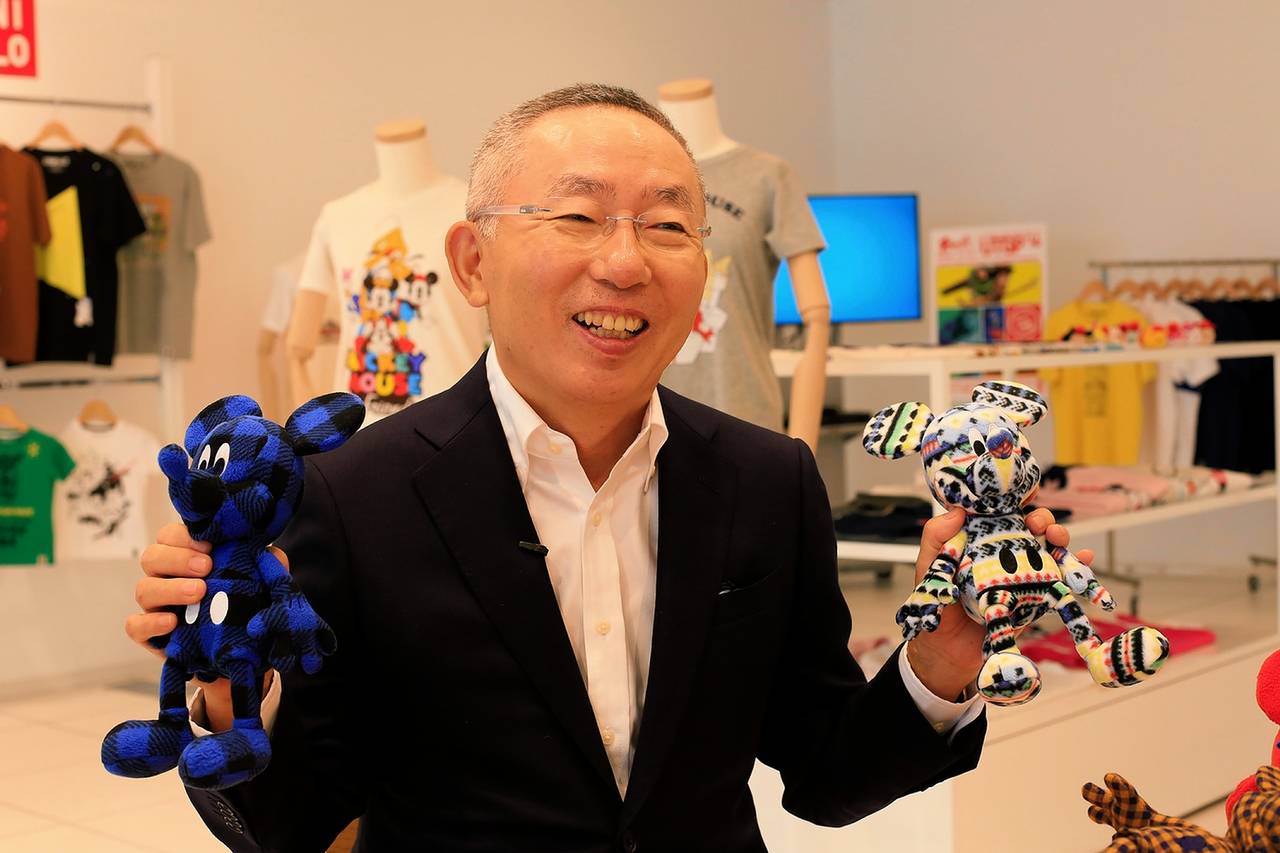
    Fast Retailing Co. Chairman Tadashi Yanai said Walt Disney Co.’s new park in Shanghai will help his Uniqlo casual clothing brand expand in China, shrugging off concerns over an economic slowdown in the Japanese retailer’s largest overseas market.

    “The opening of the Shanghai Disneyland gives both of us, Uniqlo and Disney, a business opportunity,” Chairman Tadashi Yanai told reporters in Shanghai, where Uniqlo will open a new Disney-inspired concept store. “Our business is getting absolutely no impact” from China’s slowdown, he said.

    Starting Sunday, Uniqlo will devote an entire floor at its six-story China flagship store in central Shanghai to products jointly designed with Disney. A human-sized Mickey Mouse statue greets visitors to the store, where T-shirts and toys depicting characters such as Tinker Bell, Woody of Disney Pixar’s “Toy Story” animated films, and Darth Vader from the Star Wars movies are on display.

    Japan’s richest person, Yanai plans to open 100 stores a year in China as Uniqlo competes with Hennes & Mauritz AB’s H&M and Inditex SA’s Zara to win over consumers in the world’s most populous country. The retailer’s design tie-up comes as Disney prepares to open its $5.5 billion Shanghai theme park next year, its biggest foreign investment and a bet on the country’s booming middle class.

    The Disney collaboration should help Uniqlo boost sales in China “as buzz builds around the opening of Shanghai Disneyland,” said Bloomberg Intelligence retail analyst Thomas Jastrzab. “Expanding store-specific limited edition merchandise offerings should help Uniqlo increase regular foot traffic and improve customer loyalty.”

    Fast Retailing rose 3.3 percent to ¥46,800 ($388.09) at the close of trading in Tokyo on Friday. The shares are up by 6.3 percent so far this year, compared with the 3.3 percent gain in the benchmark Topix index.

    Uniqlo has about 360 stores in mainland China, the most in any country outside Japan, where it has almost 850 shops. The company plans to expand its Greater China network, including mainland China, Hong Kong and Taiwan, to 1,000 outlets.

    China is a key market for Fast Retailing as Yanai attempts to turn Asia’s biggest clothing retailer into the world leader, with a target of ¥5 trillion in sales by 2020 from its forecast of ¥1.65 trillion for the fiscal year ended Aug. 31.

    Yanai said demand for Uniqlo products will increase amid an economic slowdown in China. Everyday clothes with basic designs and advanced materials that Uniqlo sells at affordable prices fit well as China shifts its focus to consumer purchasing from manufacturing, he said.

    “An economic slowdown in China could boost Uniqlo’s sales, particularly as shoppers increasingly look for value-for-money when purchasing clothing essentials such as T-shirts and pants,” Jastrzab said.

    China’s apparel and footwear market is highly fragmented, with market leader Bestseller AS, owner of brands such as Jack & Jones and Vera Moda, holding a 1.7 percent market share by value in 2014, according to Euromonitor International. Uniqlo ranks eighth with 0.6 percent, while Inditex is ninth with 0.5 percent and H&M is out of the top 10 with 0.4 percent.

    “Our concept of manufacturing is fundamentally different and unique,” said Yanai. “We don’t chase trends, but we would rather want to incorporate fashion into our basic clothes.”

  • Rents tumble on HK shopping strip that was world’s priciest

    Rents tumble on HK shopping strip that was world’s priciest

    “Landlords have to face the reality, no matter how reluctant they are,” Lawrence Wong, a director at property agent Sheraton Valuers Ltd., said in a telephone interview Saturday. “It’s still better than leaving their property empty.”

    Russell Street has lost its claim as the most expensive shopping street on the planet to New York’s Fifth Avenue, according to broker Cushman & Wakefield Inc. in November. A July research report by Jones Lang LaSalle Inc. predicted prices for space in prime locations will drop 15 percent to 20 percent in Hong Kong this year.

    Retail rents were down 12 percent in Causeway Bay and 3 percent in Central at the end of June, Oriental Daily reported earlier this month, citing data from CBRE Group Inc. The broker said in a report that the decline came after rents for shops at prime locations in Hong Kong’s four shopping districts, including Tsim Sha Tsui and Mong Kok, increased by 213 percent from 2003 to 2014.

    Hong Kong’s retail property market has slumped with China facing its slowest growth in a quarter-century. The world’s second-largest economy will announce a growth objective of 6.5 percent to 7 percent for 2016, according to eight of 15 economists in a Bloomberg News survey conducted Sept. 17-22. All of those surveyed said they expect next year’s target will fall short of the about 7 percent set by Premier Li Keqiang for 2015 growth.

    The Hong Kong government is closely monitoring developments in the city’s property market and will make policy changes if necessary, Financial Secretary John Tsang told reporters on Sunday.

    Hong Kong’s property prices are being affected by an increase in supply and volatile external factors such as a high probability that the U.S. may raise interest rates, Tsang said.

    Colourmix, run by Veeko International Holdings Ltd., will rent a 1,000 square-foot space in Causeway Bay for almost HK$1 million ($129,000) per month, 43 percent lower than what luxury Swiss watch brand Jaeger-LeCoultre is currently paying, said Wong, whose company handled the transaction.

    In Central, Hong Kong’s business district, Adidas Hong Kong Ltd. will pay 23 percent less for the space being vacated by Coach Hong Kong Ltd., according to Land Registry data. The sports brand’s rent is HK$4.34 million a month, down from HK$5.6 million paid by Coach, the designer handbag maker.

    Hong Kong’s residential market is also experiencing weaker sentiment. “Housing market outlook will likely become more cautious amid increased volatility in the global and Hong Kong’s financial markets,” the Hong Kong Monetary Authority said in a report released Friday. “The risk of downward adjustment has picked up steadily.”

  • Shiseido creates Global Travel Retail marketing team in Singapore

    Shiseido creates Global Travel Retail marketing team in Singapore

    Japanese beauty products giant Shiseido has created a Global Travel Retail (GTR) marketing team based in Singapore.

    The company said that the new team is aligned with the Group Vision 2020 and reflects the priority role of travel retail in the expansion of its brands globally,

    “Working closely with our travel retail regional teams and as a hub towards our brands’ partners, we aim at further elevating our services and product offering towards an ever more demanding global traveller,” Shiseido said.

    The team is headed by Global Shiseido Travel Retail Marketing Director Elisabeth Jouguelet-Aparicio, who reports to Group Travel Retail President Philippe Lesne.

    Underlining the group’s commitment to the travel retail channel, the team includes a dedicated travel retail exclusives products Manager (Constance Raboulin).

    The company said: “As the Global Travel Retail team, we aspire to be the beacon for brands by infusing their DNA into regional offices. We relentlessly work towards becoming an innovation hub that provide specialised and value-added services. We commit to acting as the bridge between brands and regions.”

  • H&M plans to open another 240 stores by end of the year

    H&M plans to open another 240 stores by end of the year

    Hennes & Mautitz AB (H&M), Swedish multinational retail-clothing company, known for its fast-fashion clothing for men, women, teenagers and children plans to open an additional 240 new stores this year. In the third quarter, H&M opened 36 new stores, but in the fourth quarter 240 new stores are scheduled to open, most of which will be in China and the US. H&M already has 299 locations in China, but growth in the country’s apparel industry makes it a promising hotbed for retailers.

    China, in particular, will account for much of the expected growth, encompassing almost one-third of regional demand for clothing by 2018. As the Asian clothing and apparel sector is expected to grow rapidly over the next five years. Annual average expenditure growth on clothing and footwear, at 9.5%, will comfortably outstrip that of any other region, said PricewaterhouseCooper’s retail consultants in their 2015-2016 outlook report on the retail and consumer products sector in Asia.

    Beyond its traditional flagship brand, H&M also owns premium brand Cos. The company hopes to introduce Cos in China as well, catering to the country’s growing upper-middle class.

    Cheap prices and a continuous supply of new looks keep customers coming back to chains like H&M and Zara. And according to Ms. Paula Rosenblum, Forbe’s retail analyst. H&M’s success comes amid a growing demand for fast fashion.

    But despite fast fashion’s growth, chains including H&M are increasingly facing criticism over both environmental and social justice concerns.

    Though fast fashion offers consumers a wider variety of styles, the rising trend has also been tied to growing amounts of textiles in landfills. In the US alone, clothing, footware, and other non-durable textiles generated 12.4 million tons of landfill waste in 2013. Only about 15 percent, or 1.8 million tons of the textile waste was recovered for reprocessing or recycling, reported the US Environmental Protection Agency.

    Furthermore, many fast fashion retailers rely on cheap labor to produce high quantities of their products. Many laborers used to come from China, but with rising wage demands, companies have looked to Taiwan, Indonesia, Vietnam, and Bangladesh, among other southeast Asian countries instead.

    According to Bloomberg Business, H&M has seen significant growth this year, second only to the Spanish clothing retailer Zara in size. Third-quarter sales grew 16 percent, surging to nearly 46 billion Swedish kronor, with revenue coming in at 39 billion kronor.


  • Lotte Signs Five-year Exclusive O2O Deal In China

    Lotte Signs Five-year Exclusive O2O Deal In China

    Chinese B2C e-commerce website JD.com and South Korean retail giant Lotte.com have signed a strategic cooperation agreement and an exclusive agreement under which JD.com will become the sole strategic partner of Lotte.com in the Chinese mainland for five years.

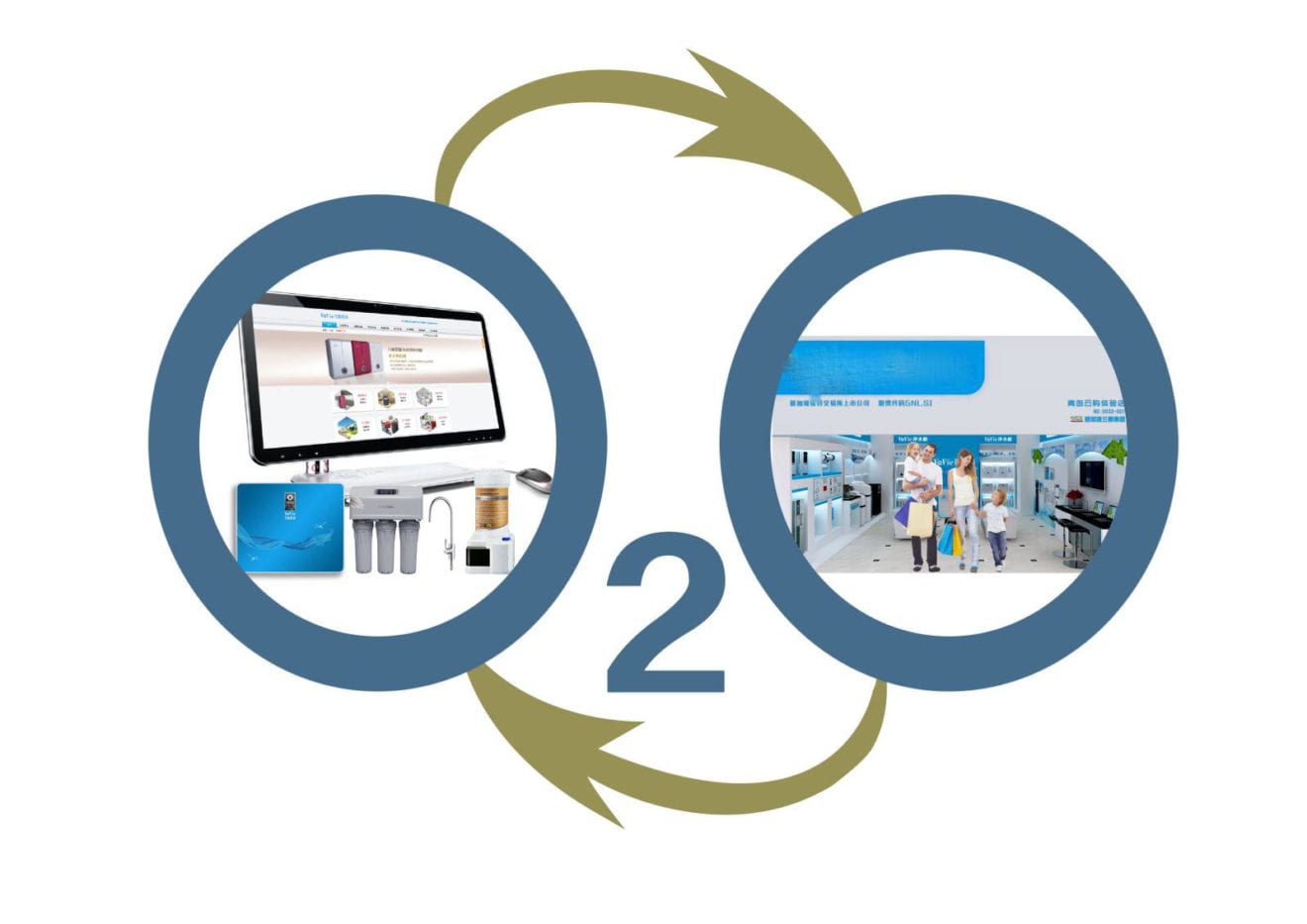
    JD said that with the strategic cooperation agreement, Lotte Group’s products and services will enter the Chinese market via JD’s global shopping platform. In the future, the two parties will implement cooperation in tourism and service O2O.

    Global strategy is currently an important reason for Chinese e-commerce providers to team with international retailers. Lotte.com is responsible for the online sales of products and services of all subsidiaries of Lotte Group. Lotte.com will integrate Lotte Group’s branches to establish a “Lotte hall” on JD.com, covering Lotte Department Store, Lotte Mart, Hi-Mart, Lotte Duty Free, Lotte Hotel, and Lotte World.

    The “Lotte hall” will not only sell infant products, cosmetics, and fashion products, but also will offer household products and home appliances. Over the next three years, the two parties aim to expand their cooperation range to about 200,000 kinds of products.

  • HKIA experiments with home delivery service

    HKIA experiments with home delivery service

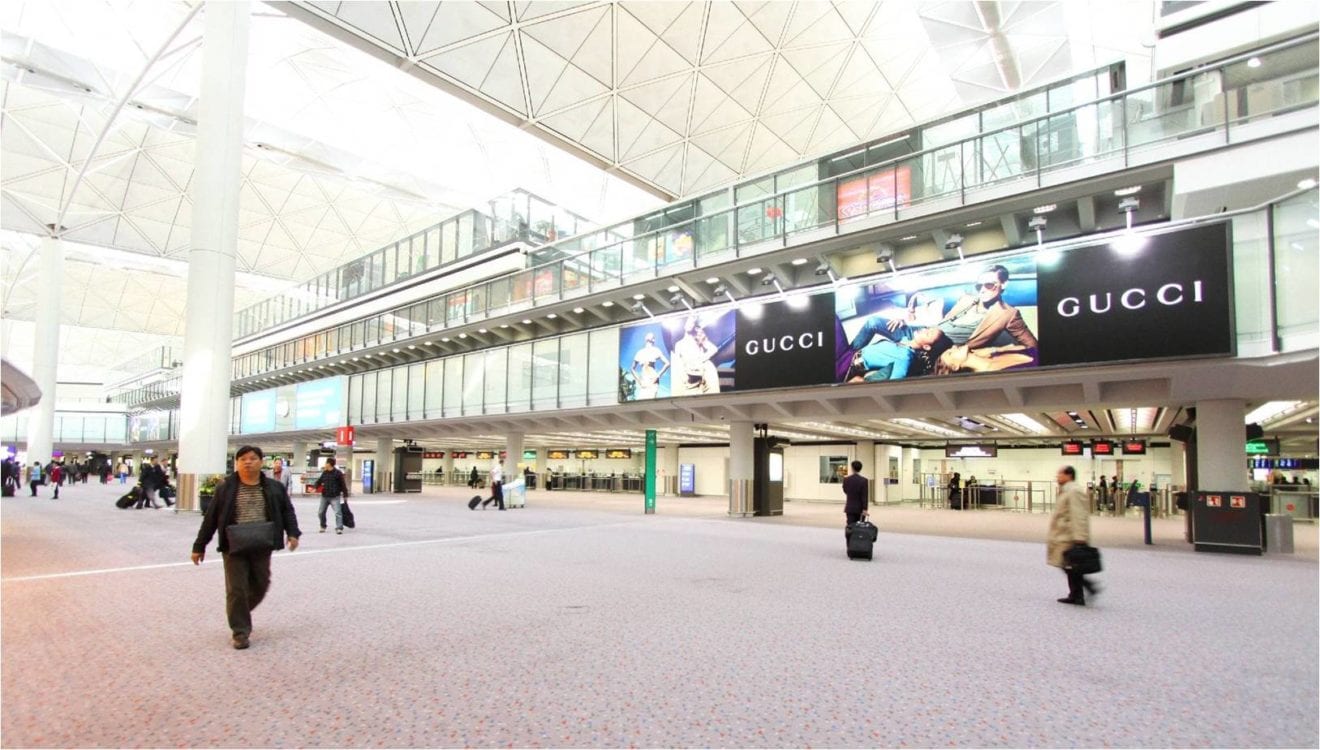
    Hong Kong International Airport (HKIA) is launching a new trial local delivery service for passengers who spend more than HK$1,000 ($129) in its shops at the airport.

    Cissy Chan, Executive Director Commercial, HKIA said Airport Authority HKIA also plans to experiment with trial deliveries to the homes of a few individuals in two other countries as a trial run.

    In a session entitled ‘Future Positive’ at this month’s Trinity Forum 2015 in Hong Kong, she said HKIA is engaged in concentrating on the passenger experience, utilising the four ‘Es’ which she qualified as eating, entertainment, ease and engagement.

    The airport is now on a mission to try and make the environment more exciting after research showed that most people only enter the shops because they are bored.

    As a result – and in addition – the airport is installing interactive amusements in relevant shops to build up interest, while pop up stores will feature more regularly.

    Chan added that the airport is also working on building in entertainment facilities like a virtual golf zone, as well as employing food court ambassadors. These new recruits will find seats for passengers who are already holding trays of food, alongside a service pledge of 15 minutes.

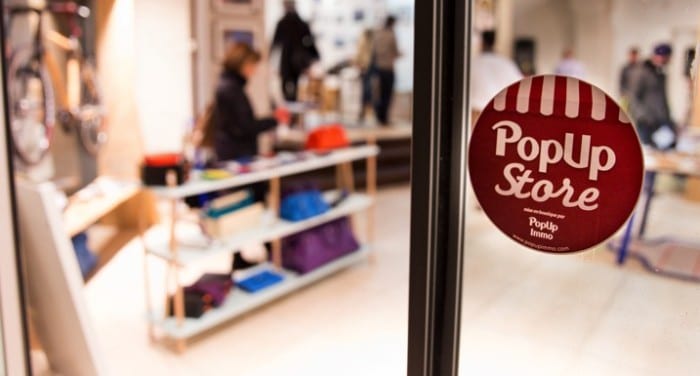
  • Pop up stores change Korea retail face

    Pop up stores change Korea retail face

    More and more specialised retailers or service providers – ranging from barbershops to paint stores – are making appearances inside Korean department stores.

    These special shops are appearing as pop up stores rather than taking up permanent residence. The phenomenon is the result of retailers choosing pop up stores to publicise their brands, which allows them to avoid sales pressure that comes with leasing permanent space in a department store.

    Lotte Department store has opened a Club Monaco Men’s shop. The barbershop Herr’ has been added to the already existing select shop, offering consulting services related to style and haircuts. The barbershop is also offering customers a traditional English wet shaving. It is the first time for a barbershop to enter an apparel store, which makes the ‘special store’ extra special.

    A pop up store called Men’s AGIT gathered many popular hobby goods such as cameras, camera accessories, drones, plastic figures and RC cars in one spot.

    Another notable pop up store is the ‘Home and Tones’ shop at Hyundai Department Store. Since the number of people redecorating their homes by themselves has increased, Samhwa Paint has been managing a pop up store since September 7. Eco friendly paints, as well as paint that turns into a blackboard when applied are exhibited, and paint that can be mixed on-site through toning machines, are drawing the attention of consumers.

    The ’99 Avant’ pop up store sells the creations of young artist Han Seung-woo. Hyundai department store officials say that the pop up store is gaining positive reaction from customers as they can communicate with the artist in person.

    Shinsegae department store made space on its sixth floor just for pop up stores. Many brands including whiskey brand Balvenie’s ‘craft lounge’, shoe care brand ‘Resh’, and BMW’s Mini cars and bicycles have all opened pop up stores at the location.

    Shinsegae officials mentioned that the sales of pop up stores are threatening sales at official stores.

    “Now, already existing brands are also using popup stores as a method to introduce their new products. Department stores are also benefitting from the pop up stores because various brands can be presented so customers have no time to be bored.”