Retail News CRM

Tag: Retailers

  • EU Slaps AliExpress with Record $629 Million Fine Over Counterfeit Goods Crackdown Failure

    EU Slaps AliExpress with Record $629 Million Fine Over Counterfeit Goods Crackdown Failure

    On Monday, AliExpress, Alibaba’s subsidiary, was slapped with a record-breaking €550 million (US$629 million) fine by the European Union for its failure to address sales of illegal, dangerous and counterfeit items on its platform. This penalty is considered to be the largest to date, issued by the European Commission in line with the EU’s Digital Services Act, a prominent law that mandates online platforms of substantial size to augment their efforts in combating harmful and illicit content.

    This penalty is the third of its kind issued by the European Commission, following charges placed on AliExpress in June of the previous year for non-compliance with a Digital Services Act stipulation. This regulation requires platforms to evaluate and reduce the risk of distributing illegal products. AliExpress was given until October 20 to suggest corrective actions. Should the regulatory body determine in December that the company has failed to meet the requirements of the Digital Services Act, further sanctions may be levied.

    The EU’s tech chief, Henna Virkkunen, expressed concern over this issue, describing it as highly risky for consumers and unfair to companies that abide by the rules. She highlighted the vast user base of AliExpress in Europe, standing at 193 million last year, compared to Shein’s 156 million and Temu’s 130 million. Temu has also been subject to fines under the Digital Services Act, and Shein is currently under investigation.

    AliExpress has voiced its intention to contest the fine, deeming it as excessive. “Today’s decision and disproportionate fine disregards our robust risk management structure and the substantial, proactive improvements we’ve implemented,” AliExpress stated via email. The company also indicated its active collaboration with the Commission to satisfy its evolving expectations.

    Assessment and Criticism of AliExpress’s Risk Management Practices

    The Commission criticized AliExpress for not adequately assessing whether it had sufficient personnel to manage risks and for overestimating the efficacy of its system in identifying and removing illicit products. Furthermore, the Commission took issue with the company’s ineffective penalty policy, which allowed penalized businesses to continue selling illegal products on its platform.

    The regulator also noted that AliExpress’s “brand authorisation” system, designed to deter counterfeit sales, was insufficient and easily bypassed by traders selling fraudulent items. There was also criticism of the company’s advertising and recommender systems for contributing to the spread of illicit products and relying on one quantitative indicator to assess the moderation system’s effectiveness in preventing the appearance or re-emergence of illegal products in similar forms.

    However, the regulator did consider the novelty of the Digital Services Act as a mitigating factor when determining the fine, which could have been even larger. This penalty far surpasses the €120 million fine imposed on Elon Musk’s social media platform X and the €200 million fine on Temu, both for Digital Services Act violations.

    Questions & Answers

    What is the significance of the fine imposed on AliExpress by the European Union?

    This penalty, amounting to €550 million (US$629 million), is a record-breaking fine issued by the European Commission under the EU’s Digital Services Act. It highlights the EU’s stance on ensuring large online platforms take more responsibility in preventing the distribution of illegal and harmful content.

    How has AliExpress responded to the fine?

    AliExpress has expressed its intention to appeal the fine, deeming it as excessive. The company asserts that this penalty neglects the robust risk management framework they have established and the proactive enhancements they’ve implemented in their operations.

    What criticisms has the European Commission voiced regarding AliExpress’s operations?

    The Commission has criticized AliExpress for inadequately assessing risks and overestimating its system’s effectiveness in identifying and removing illicit products. Other criticisms include the company’s ineffective penalty policy, its “brand authorisation” system’s shortcomings, and its advertising and recommender systems’ role in spreading illegal products.

  • Vicca Ng Steps into COO Role at Hextar Retail: Driving Expansion and Strategic Partnerships

    Vicca Ng Steps into COO Role at Hextar Retail: Driving Expansion and Strategic Partnerships

    Vicca Ng has been appointed as the Chief Operating Officer (COO) of Hextar Retail, a Malaysian retail conglomerate. Ng’s new role takes effect immediately and she will continue to supervise the group’s retail operations, in addition to serving as an executive director.

    Vicca Ng’s Role in Hextar Retail

    Ng has been instrumental in the expansion of Hextar Retail. She has successfully managed the brand’s growth, fostered strategic partnerships, and developed retail operations across a growing portfolio. Her background encompasses business expansion, retail operations, and commercial development. In her new role as COO and Executive Director, Hextar Retail looks forward to Ng’s continued leadership as the company evolves and expands.

    Hextar Retail, initially established in 1988 as Classic Scenic Berhad, was rebranded in 2024. The company is a subsidiary of the larger Malaysian conglomerate, the Hextar Group. The Hextar Retail portfolio covers a range of sectors, including lifestyle, apparel, food and beverage, as well as convenience retail sectors.

    Questions & Answers

    What is the new role of Vicca Ng in Hextar Retail?
    Vicca Ng has been appointed as the Chief Operating Officer and will function as an Executive Director. She will supervise the group’s retail operations.

    What role has Vicca Ng played in the expansion of Hextar Retail?
    Ng has been instrumental in the company’s expansion, overseeing brand growth, fostering strategic partnerships, and developing retail operations across the growing portfolio.

    What sectors does Hextar Retail’s portfolio cover?
    Hextar Retail’s portfolio spans a wide range of sectors, including lifestyle, apparel, food and beverage, and convenience retail sectors.

  • Singapore Online Retailers Exposed: Dark Patterns Mislead Shoppers into Rushed Purchases

    Singapore Online Retailers Exposed: Dark Patterns Mislead Shoppers into Rushed Purchases

    In Singapore, three prominent online retailers, namely Boarding Gate, Origin Sleep, and Light In The Box, have been implicated in deceptive practices aimed at manipulating consumers’ purchasing behaviors.

    These retailers were found to be manipulating elements of their websites. They employed tactics often referred to as ‘dark patterns’, which included showcasing sham visitor counts, fraudulent countdown timers, and bogus discount claims. These tactics are used to generate an unnatural sense of urgency and product demand.

    Deceptive Tactics

    In the case of Boarding Gate, the company’s website was found to be displaying random figures that purportedly represented the number of viewers per product. This sly practice gives consumers the impression of high demand and real-time visitor activity, thereby pressuring them into making rapid purchasing decisions.

    Origin Sleep, also, resorted to similar manipulative strategies. The company’s website featured countdown timers suggesting that purchases had to be finalized before the given time ran out, even though these timers held no actual significance. Moreover, Origin Sleep was found to be conducting a supposedly limited-time sales offer. However, this “flash sale” was discovered to have continued for nearly two years under various pseudonyms.

    Light In The Box, on the other hand, displayed ‘Almost sold out’ notifications on items to suggest scarcity. In actuality, these labels were arbitrarily applied to create promotional effects. The company also provided misleading information about savings by comparing discounted prices with higher ‘original’ prices, which were never genuinely offered.

    Alvin Koh, the CEO of the Competition and Consumer Commission of Singapore (CCS), said that “dark patterns are insidious as they are difficult to detect and erode consumer trust in the digital marketplace.” He vowed that the CCS would continue to act firmly to safeguard consumer trust and honest businesses from those who engage in unfair competition.

    The three accused companies have since provided formal promises to the CCS. They have ceased their misleading actions and pledged to refrain from unjust trading practices in the future.

    Previous Violations

    In the previous year, Courts and Prism+, retailers of electronics and home appliances, were found to have contravened trading laws. They either charged consumers for products that were not selected or employed specific website features to create a false sense of urgency to purchase.

    Questions & Answers

    What are ‘dark patterns’?
    Dark patterns refer to manipulative techniques used on websites to influence consumers’ purchasing decisions.

    How have companies employed these ‘dark patterns’?
    Companies have used bogus visitor counts, fraudulent countdown timers, and false discount claims to generate an unnatural sense of urgency and product demand.

    What are the steps taken by the Competition and Consumer Commission of Singapore (CCS) to prevent such practices?
    The CCS has been proactive in detecting and combating such unethical practices. The implicated companies have been made to cease their deceptive tactics and have pledged to refrain from unfair trade practices in the future.

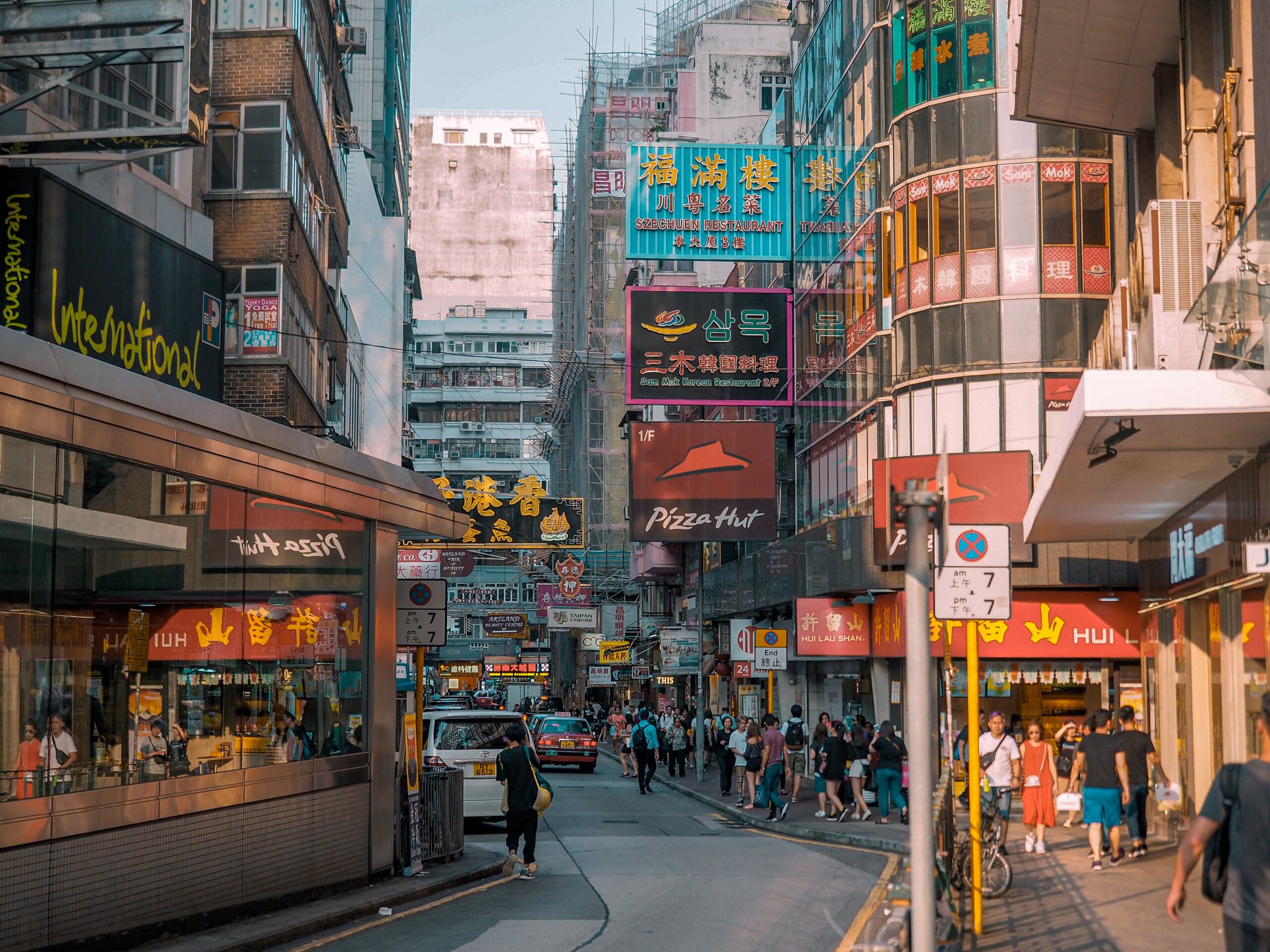
  • Hong Kong Retail Sales Soar for 11th Consecutive Month, Fueled by Local Demand and Tourism Surge

    Hong Kong Retail Sales Soar for 11th Consecutive Month, Fueled by Local Demand and Tourism Surge

    In March, Hong Kong’s retail sector saw a 12.8% increase in sales compared to the same month in the previous year. This marks the 11th consecutive month of growth, according to recent government data. Sales touched HK$33.9 billion (US$4.33 billion), demonstrating a healthy economy. In February, the year-on-year rise was recorded at 19.3%.

    Key Growth Areas

    Motor vehicle sales exhibited notable progress, with a surge in purchases just before the first registration tax concessions for electric private cars expired at the end of March.

    When it comes to sales volume, a 9.8% increase was observed in March compared to the same period last year. This is slightly less than February’s 17.5% rise.

    For the initial quarter of 2026, the total value of retail sales rose by 12.1% year-on-year, while the volume of retail sales witnessed a 9.8% increase.

    A government representative attributed the positive trajectory of retail sales to the recovery of local demand, steady growth in tourist arrivals, and a favourable macro-financial environment.

    The Hong Kong Tourism Board reported a 14% year-on-year increase in visitor arrivals in March, reaching 4.35 million. Chinese mainland visitors, who account for a significant portion of these arrivals, increased by 15.9% year-on-year to 3.19 million.

    Sector-Specific Performance

    Specific sectors such as jewellery, watches, clocks, and valuable gifts experienced a robust growth of 27.2% year-on-year in March, following a 24.2% rise in February.

    The motor vehicles and parts sector saw an impressive 80.8% year-on-year jump in March, substantial growth from the 37.3% rise seen in February.

    Meanwhile, the clothing, footwear, and related products sector saw a modest increase of 5.9% year-on-year in March, a decrease from the 14.1% rise recorded in February.

    Questions & Answers

    What was the percentage increase in Hong Kong’s retail sales in March?
    Retail sales in Hong Kong saw a 12.8% rise in March compared to the same month in the previous year.

    Which sectors saw significant growth in March?
    The motor vehicles and parts sector, as well as the jewellery, watches, clocks, and valuable gifts sector, experienced substantial growth in March.

    What factors contributed to the positive outlook for retail sales?
    The recovery of local demand, steady growth in inbound tourism, and a favourable macro-financial environment have all played a role in the optimistic outlook for retail sales.

  • Reliance Retail Ups Beauty Game with Acquisition of Priyanka Chopra Jonas’s Anomaly

    Reliance Retail Ups Beauty Game with Acquisition of Priyanka Chopra Jonas’s Anomaly

    Reliance Retail, the premier retailer in India, has recently added the Anomaly haircare brand, owned by globally renowned actor Priyanka Chopra Jonas, to its portfolio.

    Strategic Acquisition of Anomaly

    Anomaly was established by Chopra Jonas in 2021. It offers a range of affordable vegan haircare products that are sold globally. The brand was acquired from Maesa, a U.S.-based beauty company. The acquisition marks a strategic move for Reliance Retail as it continues to diversify its range of offerings with cutting-edge, fast-growing beauty brands.

    Isha Ambani, Executive Director at Reliance Retail Ventures, commented on the acquisition. She stated that Anomaly’s powerful global presence, commitment to clean formulation, and affordable pricing make it a valuable addition to the company’s ecosystem. Ambani sees substantial potential for growth in a collaborative effort with Chopra Jonas, aiming to expand Anomaly’s market in India by capitalizing on Reliance Retail’s omnichannel capabilities and deep consumer insight, while also increasing the brand’s international footprint.

    Plans for Expansion

    Reliance Retail intends to concentrate on expanding Anomaly’s presence in India. The company will also work towards increasing the brand’s market in North America, the United Kingdom, and the Middle East.

    Chopra Jonas expressed her excitement about the new journey Anomaly embarks on following the acquisition by Reliance Retail. She remarked that what started as a deeply personal endeavor has now evolved into a brand with a significant purpose and global ambitions.

    Questions & Answers

    What is Anomaly and who owns it?
    Anomaly is a vegan haircare brand that was founded in 2021 by the world-renowned actor Priyanka Chopra Jonas.

    Who acquired Anomaly?
    Anomaly was recently acquired by Reliance Retail, the largest retailer in India.

    What are Reliance Retail’s plans for Anomaly?
    Reliance Retail plans to expand Anomaly’s presence in India using its omnichannel capabilities and deep consumer insights. It also aims to increase the brand’s market in North America, the United Kingdom, and the Middle East.

  • DFI Retail Group Sees Robust Sales Boost Driven by Beauty and Health Segment Amid Global Challenges

    DFI Retail Group Sees Robust Sales Boost Driven by Beauty and Health Segment Amid Global Challenges

    The Hong Kong-based DFI Retail Group has recently announced a steady increase in sales for the first quarter of the year, primarily fueled by their health and beauty sector.

    Driving Growth with Health and Beauty

    Excluding cigarette sales, the DFI Retail Group reports a 4% sales rise on a year-on-year basis, using a constant currency, and a 3% increase on a like-for-like (LFL) basis. The health and beauty division is credited with a large part of this growth, with a 7% boost in LFL sales, thanks to increased transaction counts and larger basket sizes.

    In Hong Kong, Mannings saw notable growth due to a surge in tourist store sales, driven by an uptick in visitor arrivals. Similarly, Guardian’s sales in Southeast Asia reflected a robust performance in the wellness category. Standout growth was seen in Indonesia and Vietnam, which delivered double-digit LFL sales growth due to increased customer traffic.

    Divisional Performance and Growth

    Excluding cigarette sales, the convenience division, which includes 7-Eleven, saw a 2% growth on a LFL basis. Sales at 7-Eleven increased by 3% in both Hong Kong and Singapore, while sales in South China remained stable.

    The food division showed signs of improvement, with a reported 1% sales increase in Hong Kong. Home furnishings (Ikea) also showed positive trends, with a 4% growth. Both Hong Kong and Taiwan saw mid-single-digit LFL sales growth, owing to Chinese New Year promotions. Meanwhile, Indonesia bolstered its omnichannel strategy with robust online sales growth.

    Profit Growth Despite Market Challenges

    Operating profit from continuing businesses, excluding impacts from the divestment of the Singapore food business and the closure of Mannings China, grew by 12%. The underlying profit from ongoing businesses significantly increased by 49%.

    Despite a dynamic trading environment and increasing geopolitical uncertainties, DFI management stated the group remained resilient. This resilience was attributed to sourcing improvements and cost optimization, which supported price competitiveness and mitigated the impact of oil price volatility.

    DFI confirmed its full-year guidance of an underlying profit in the range of US$270 million to $300 million, supported by an organic revenue growth of approximately 2-3%.

    Questions & Answers

    What division drove the most growth for DFI Retail Group in the first quarter?
    The health and beauty division was the primary driver of growth in the first quarter, with a 7% increase in LFL sales.

    How did geopolitical uncertainties impact DFI Retail Group’s performance?
    Despite geopolitical uncertainties, DFI remained resilient due to sourcing improvements and cost optimization, which helped maintain price competitiveness and minimize the impact of oil price volatility.

    What is the projected full-year guidance for DFI’s underlying profit?
    DFI’s projected full-year guidance for underlying profit is in the range of US$270 million to $300 million, supported by an expected organic revenue growth of about 2-3%.

  • Thriving Metro Retail Surpasses $662M Revenue Mark, Propelled by Store Expansion and Steady Sales Growth

    Thriving Metro Retail Surpasses $662M Revenue Mark, Propelled by Store Expansion and Steady Sales Growth

    Metro Retail Stores Group (MRSGI) has achieved remarkable revenue growth in FY25, exceeding the PhP40-billion (approximately US$662.8 million) milestone. This growth was fueled by consistent sales growth, margin expansion, and ongoing network development.

    Income and Sales Data

    MRSGI reported a net income of PhP682.64 million (US$12.2 million), marking a 12 per cent increase from the previous year. This substantial increase was driven by improved operational efficiency and the contributions derived from new store launches.

    The company’s total sales for the year amounted to PhP41.56 billion (around US$742 million), representing a 4.9 per cent increase compared to 2024 figures. The same-store sales growth was 0.6 per cent, indicating steady underlying demand despite the challenging operating conditions.

    Strategic Execution and Growth

    “Last year marked a period of disciplined strategy implementation and tangible impact for MRSGI,” stated Joselito G Orense, the company’s president and COO.

    “Through our strategic expansion towards regions of high growth and the introduction of innovative store designs, our market presence was significantly enhanced. We witnessed increased sales and margins and improved cash earnings. These outcomes illustrate the commitment and dedication of our nationwide teams and our commitment to providing customers with modern retail experiences while pursuing sustainable, long-term growth.”

    Network Expansion and Sustainability

    MRSGI broadened its presence with the introduction of 10 new stores in Luzon and the Visayas during the past year. This expansion included additional Metro Value Mart outlets and a new Metro Supermarket and Department Store in Bais, Negros Oriental.

    The company also continued to develop its Metro Corner format. The inauguration of its Mandani Bay store signified a move into the elite urban retail sector.

    MRSGI also advanced its sustainability initiatives, implementing solar photovoltaic systems in up to 19 stores to aid in energy cost management. By the end of FY25, MRSGI was operating 81 stores across the nation in its primary retail formats.

    Questions & Answers

    What drove the increase in MRSGI’s net income in FY25?
    The increase in net income was driven by improved operational efficiency and the contributions from new store openings.

    How has MRSGI expanded its network?
    The company opened 10 new stores across Luzon and the Visayas, including additional Metro Value Mart branches and a new Metro Supermarket and Department Store in Bais, Negros Oriental.

    What sustainability initiatives has MRSGI undertaken?
    The company has implemented solar photovoltaic systems in up to 19 of its stores to manage energy costs more efficiently.

  • Crackdown in Da Nang: Seven Retailers Face Hefty Fines for Peddling Counterfeit Luxury Brands

    Crackdown in Da Nang: Seven Retailers Face Hefty Fines for Peddling Counterfeit Luxury Brands

    The Market Surveillance Department has issued fines totaling VND215 million (US$8,163.74) to seven retail stores in Da Nang, Vietnam for selling fake merchandise from brands such as Gucci and Nike. The shops, located in popular tourist areas Son Tra and Hoi An, have been instructed to dispose of all counterfeit items.

    Counterfeit Items Seized in April Raid

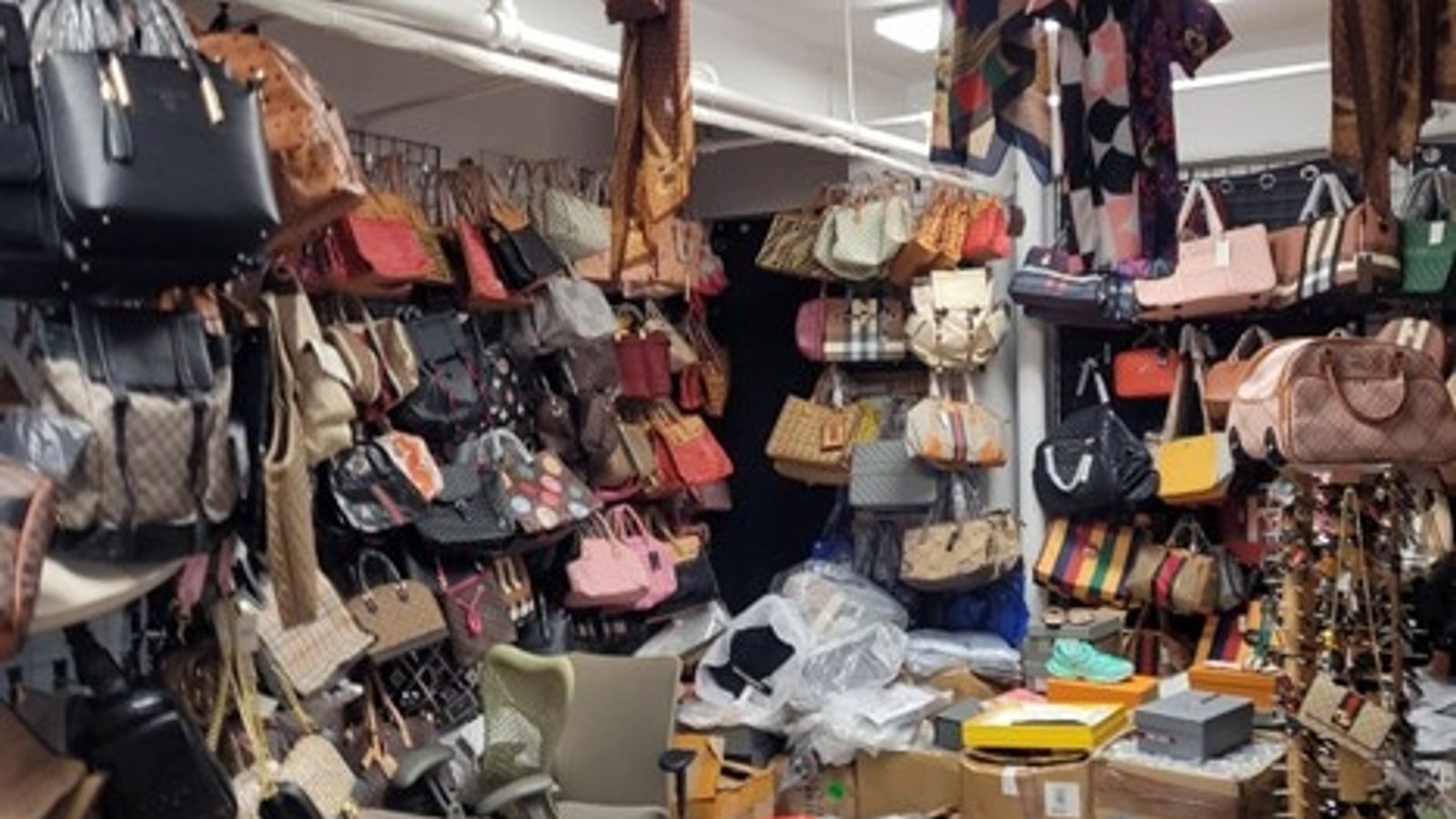
    The fines come as a result of an early April raid, during which authorities seized 295 handbags from brands such as Gucci, Chanel, Hermes, and Fendi, along with 27 pairs of Nike sneakers. All of these items were suspected to be counterfeit.

    The raided establishments were unable to provide proper documents or invoices for these goods, which are estimated to have a value of nearly VND178 million if they were authentically produced.

    Raids Part of Broader Campaign

    These raids are part of a larger initiative leading up to the Da Nang International Fireworks Festival, an annual event that draws large crowds of both local and international tourists.

    The Market Surveillance Department has indicated that they will continue to conduct inspections in shopping and tourist areas. They warned that repeat or serious offenders may be referred to investigative authorities if there is evidence of criminal activity.

    In an effort to further prevent the sale of counterfeit and low-quality goods, authorities are also ramping up public awareness campaigns. These initiatives aim to educate businesses on legal compliance and help consumers identify counterfeit products.

    Questions & Answers

    Why were these retail stores in Da Nang fined?
    They were fined for selling counterfeit merchandise from brands including Gucci and Nike.

    What action was taken after the counterfeit items were discovered?
    The shops were levied with fines and ordered to dispose of all counterfeit goods.

    What measures are authorities taking to prevent the sale of counterfeit goods?
    Authorities are conducting regular inspections, particularly in tourist and shopping areas. They are also running public awareness campaigns to educate businesses about legal compliance and help consumers detect counterfeit and low-quality goods.

  • Uniqlo’s Parent Company Fast Retailing on Path to Historic Earnings amid Global Expansion and Resilience to Middle East Crisis

    Uniqlo’s Parent Company Fast Retailing on Path to Historic Earnings amid Global Expansion and Resilience to Middle East Crisis

    Fast Retailing, the Japanese firm which owns the Uniqlo brand, has upgraded its yearly forecast, anticipating another year of record-breaking profits driven by strong international expansion. The company reported a 29.4% increase in operating profits during the quarter ending in February, reaching 189.8 billion yen (approximately US$1.19 billion) from last year’s 146.7 billion yen.

    This robust growth in earnings surpassed the 161.6 billion yen average estimate drawn from seven analysts. Consequently, Fast Retailing raised its full-year operating profit forecast from 650 billion yen to 700 billion yen, setting the stage for the fifth consecutive year of record earnings.

    Projected Stability Amidst Global Tensions

    In its statement, the company indicated it doesn’t foresee any significant repercussions from the ongoing Middle East crisis affecting its production and logistics for the fiscal year 2026. The conclusion of the company’s second financial quarter occurred just before the commencement of the US-Israeli air strikes against Iran. This conflict has led to an escalation in oil prices and disrupted supply chains, creating an atmosphere of uncertainty in the markets around the feasibility of a permanent peace agreement.

    The main concern for Fast Retailing is how the crisis in Iran could impact the production costs for Uniqlo, a retailer known for affordable basic clothing, many of which are made of polyester.

    Despite a 0.5% drop in Fast Retailing’s shares on the Tokyo Stock Exchange ahead of the results, the company’s shares have risen by over 18% so far in 2026. Teijin Frontier, a supplier to the company based in Japan, recently announced a 20% increase in polyester fibre prices due to the hike in oil prices.

    Retail Industry’s Concerns

    European retailers, including clothing behemoth H&M and British supermarket chain Co-op, have voiced concerns that a protracted Middle East conflict could push prices upward and hamper consumer demand. Fast Retailing’s CFO, Takeshi Okazaki, stated that the crisis has already complicated air freight from production bases in Southeast Asia to Europe.

    Fast Retailing is regarded as a barometer for consumer spending in Japan and mainland China, where it operates nearly 900 stores. From humble beginnings in 1984 with one store in Hiroshima, Uniqlo has expanded to over 2,500 locations worldwide, with a particularly aggressive growth strategy in Europe and North America.

    The company’s North American and European segments have reported an annual sales growth of 30% – 50% since fiscal 2022. The company expects annual revenue from these regions to reach 3 trillion yen each over the medium term, a significant increase from this fiscal year’s 300 billion yen and 500 billion yen, respectively.

    Challenges and Reforms

    While the weak yen has generated a tourism boom that has bolstered Fast Retailing’s Japanese sales, growth in China has decelerated due to weak consumer sentiment, leading to store closures and restructuring. Okazaki commented on the situation in China, stating, “We’re pushing forward with structural reforms … I think it’s fair to interpret that the results are now beginning to show in our performance.”

    The company’s Asia-based supply chain faced pressure last year from the US’s frequently changing tariffs, and it now confronts the added challenge of increased costs due to the Middle East conflict. Tadashi Yanai, Fast Retailing’s founder, Japan’s wealthiest individual, and an outspoken critic of the risks posed by tariffs, has an ambitious goal to make his company the world’s top clothing brand.

    Questions & Answers

    How has the Middle East crisis impacted Uniqlo?
    The crisis has the potential to increase production costs for Uniqlo, especially as many of its products are made with polyester, the price of which is likely to rise due to increased oil prices. The situation has also complicated air freight from production bases in Southeast Asia to Europe.

    What is Fast Retailing’s future growth strategy?
    Fast Retailing is pursuing aggressive growth in Europe and North America, expecting these regions to generate annual revenues of 3 trillion yen each over the medium term.

    How has consumer sentiment in China affected Fast Retailing?
    The weak consumer sentiment in China has slowed growth, leading to store closures and restructuring. However, the company is pushing forward with structural reforms, the results of which are beginning to show in their performance.

  • Hong Kong Retail Sales Skyrocket by 19%: A Decade of Growth Boosted by Surge in Visitor Numbers

    Hong Kong Retail Sales Skyrocket by 19%: A Decade of Growth Boosted by Surge in Visitor Numbers

    February saw a significant upswing in Hong Kong’s retail sales, with a 19.3 per cent surge compared to the same month in the previous year. This marks a full 10 months of consistent gains, demonstrating the robust health of the retail sector.

    Broad-Based Growth Across Retail Outlets

    A variety of retail outlets experienced growth in February, according to government data. In fact, the month’s surge was the most substantial since June 2023, when retail sales saw a 19.5 per cent increase. Prior months also showed steady growth, with a 5.5 per cent rise in January and a 6.6 per cent hike in December’s retail sales.

    An official spokesperson for the government anticipates the trend to continue, citing the local economy’s resilient growth and an increase in inbound visitors as key supporting factors for retail businesses.

    High-End Goods and Clothing Sales on the Rise

    Certain sectors saw particularly notable increases in February. Jewelry, watches, clocks, and other valuable gifts experienced a 24.2 per cent spike, following a 31.1 per cent increase in January. Meanwhile, sales of clothing, footwear, and related products also rose by 14.1 per cent, emerging from a marginal 0.2 per cent rise in January.

    Retail Sales Growth in Volume Terms

    Viewed in terms of volume, retail sales in February soared 17.5 per cent from the same period last year, a significant leap compared to January’s revised rise of 3.5 per cent. This is the largest percentage gain observed since March 2023, which experienced a staggering 39.3 per cent increase.

    Spike in Visitor Arrivals

    The Hong Kong Tourism Board reported a 40.2 per cent increase in visitor arrivals in February, totalling 5.14 million, compared to the same month last year. The number of visitors from Mainland China saw an even more dramatic rise, skyrocketing by 53.4 per cent to reach 4.25 million.

    Questions & Answers

    What was the percentage growth in Hong Kong’s retail sales in February?
    Hong Kong’s retail sales grew by 19.3 per cent in February.

    Which sectors experienced significant sales increases in February?
    Sectors that saw significant sales increases included jewelry, watches, clocks, and valuable gifts, along with clothing, footwear, and related products.

    How much did the visitor arrival number increase in February, according to the Hong Kong Tourism Board?
    The Hong Kong Tourism Board reported a 40.2 per cent increase in visitor arrivals in February.

  • Hong Kong Office Market Revival: Downtown Vacancy Rates Hit 2-Year Low

    Hong Kong Office Market Revival: Downtown Vacancy Rates Hit 2-Year Low

    The prime office space vacancy rates in Hong Kong’s central business district have once again dipped into single figures for the first time in over two years, marking a resurgence in demand within the previously struggling office market.

    A Turnaround in Demand

    The primary business district, situated on the northern coast of the island, saw the vacancy rate for Grade A offices drop to 9.9% in February, a slight decrease from January’s 10.1%. The district last recorded a single-digit vacancy rate in December 2023, standing at the same figure of 9.9%.

    This trend isn’t limited to the central business district. Across Hong Kong, the overall prime office vacancy rate also fell slightly, dropping to 13.4% in February from the 13.5% recorded in the previous month.

    Rising Rents

    In line with the declining vacancy rates, rental costs for Grade A offices in the central district also experienced a rise. The first two months of the year saw rent prices increase by 3.5%.

    Banking remains the main driver for leasing activity, with the demand focusing on newer office buildings within the central business districts. Two districts have begun to show early signs of improvement, a trend that is expected to continue throughout the year. However, non-core districts, such as Kowloon East, are anticipated to remain under strain.

    Increased Optimism

    CK Asset Holdings, a property development company owned by billionaire Li Ka-shing’s family, has also expressed positive expectations for leasing demand this year. The company saw leasing remain under pressure during the previous year, but recent renewals have started to show small increases in rental costs.

    Both rent and sales are projected to see a surge. The overall non-residential property market is expected to continue adjusting and seeking support levels. However, rental and sales prices for offices located in the core districts may stabilize first.

    Uneven Recovery

    According to a report, the recovery within the office market varies across Hong Kong. The premium Grade A buildings in the central district, such as Two IFC, Chater House, and The Henderson, have maintained occupancy rates above 88%. In contrast, older properties within the same district have recorded occupancy rates below 75%. This uneven recovery rate highlights the growing preference for modern, high-specification buildings, reinforcing the “flight-to-quality” trend within Hong Kong’s office sector.

    Questions & Answers

    What is the current vacancy rate for prime office space in Hong Kong’s central business district?
    The vacancy rate for prime office space in Hong Kong’s central business district is currently 9.9%.

    What trends are emerging in Hong Kong’s office sector?
    There is a growing preference for modern, high-specification buildings, and non-core districts like Kowloon East are likely to continue facing pressure.

    What is the forecast for rental and sales prices in the near future?
    Rental and sales prices for overall non-residential properties are expected to continue adjusting, with prices for offices in the core district possibly stabilizing first.

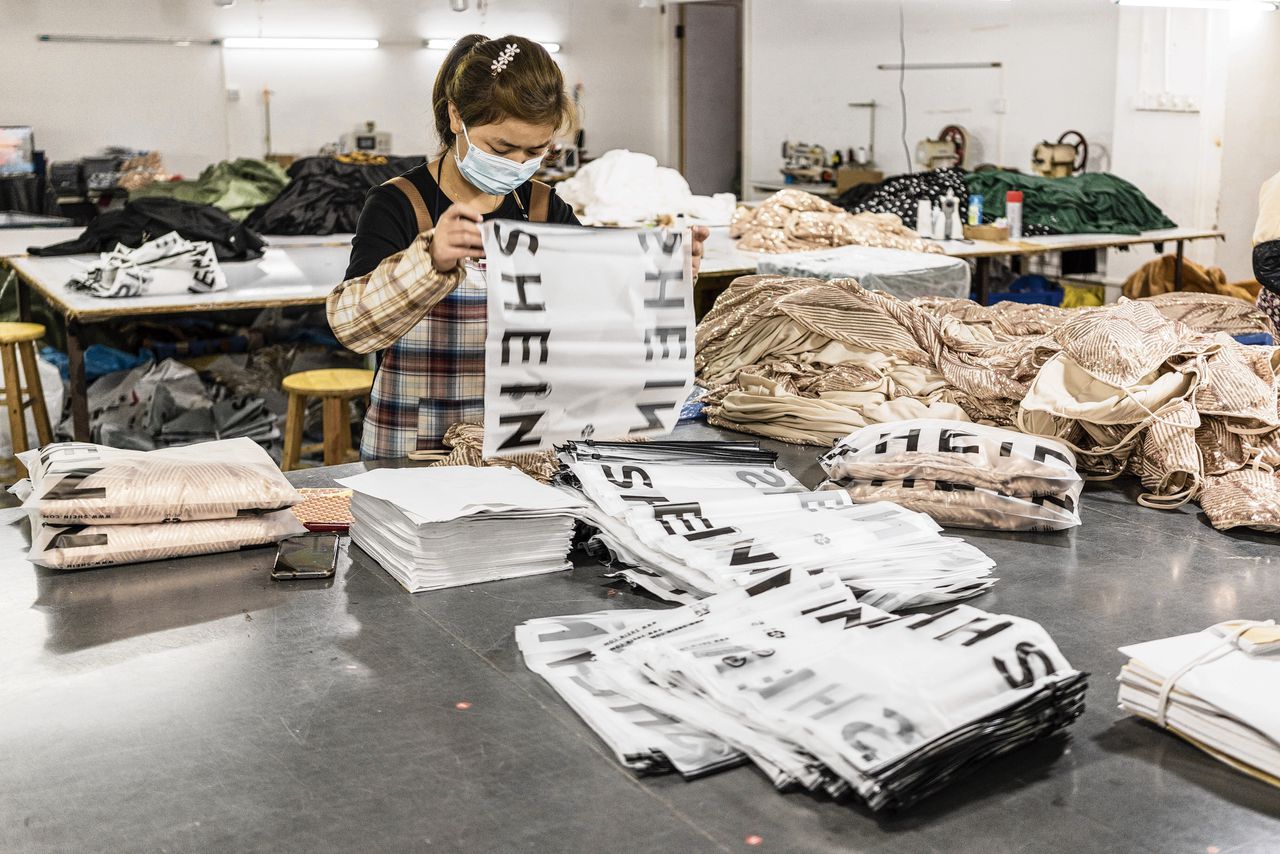
  • Paris Court Upholds Shein’s Marketplace Despite Pressure From French Government

    Paris Court Upholds Shein’s Marketplace Despite Pressure From French Government

    Shein, a Chinese online retailer popular for its fast-fashion offerings, emerged victorious after the Court of Appeal in Paris dismissed France’s plea for the suspension of the platform. The court’s decision came in the aftermath of a controversy where the sale of child-like sex dolls and illegal weapons on Shein’s marketplace was uncovered, leading to governmental legal intervention.

    Previously, the French authorities had demanded a complete prohibition of Shein’s operations. However, this was later reduced to the demand for a suspension of its marketplace operations. A lower court had already rejected the government’s request in December, but the decision was appealed. Shein, which boasts millions of customers worldwide due to its low-cost clothing, gadgets, and accessories, has been facing criticism in France since the damning findings were disclosed in November.

    Shein operates as a multifaceted platform, selling its own branded products while also providing a marketplace for third-party sellers to offer a wide variety of items, ranging from kitchen appliances to smartphones. In response to the investigation, the company temporarily halted its marketplace operations in France, resuming only after the December court ruling.

    The Court’s Decision

    The appeals court upheld the earlier verdict, dismissing the additional demands presented by the French State. Furthermore, the court reiterated that Shein is prohibited from listing such controversial products on its platform without implementing adequate age-verification measures.

    Reacting to the court ruling, the French government pledged to be “extremely vigilant” in ensuring that Shein adheres to the court-imposed conditions.

    Shein’s Response

    In response to the court’s ruling and the controversy, Shein has announced the rollout of age-verification measures. It has also ceased to permit third-party sellers to list sex dolls on its platform across all markets.

    The company released a statement following Thursday’s verdict, stating, “Over the last several months, we have continued to significantly reinforce our controls for both sellers and products on our marketplace, to ensure that our consumers in France can enjoy a safe and enjoyable online shopping experience.”

    The statement also mentioned that Shein has been in constant communication with French and European authorities and is actively engaging with the European Commission regarding the implementation of stricter age-verification measures.

    Future Challenges

    Despite the favorable court ruling, the fast-fashion giant is not out of the woods yet. Shein is currently under investigation by the European Union for potential violations related to illegal products and the potentially addictive design of the platform.

    Furthermore, Shein is likely to face continued scrutiny from the French government. The country’s minister for small and medium-sized businesses has indicated that online retailers like Shein will face a “year of resistance”, suggesting that the platform enjoys an unfair competitive advantage over European retailers.

    Questions & Answers

    What was the controversy that led to the French government’s request for a ban on Shein?
    The company was found to be selling child-like sex dolls and illegal weapons on its platform, which led to the call for a ban on Shein’s operations in France.

    What are the implications of the recent court ruling for Shein?
    The court dismissed the French government’s request for a suspension of Shein’s marketplace. However, it mandated strict age-verification measures for certain products.

    What measures has Shein taken following the controversy?
    Shein has stopped allowing third-party sellers to list sex dolls on its platform. It is also implementing age-verification measures and enhancing controls for sellers and products on its marketplace.

  • Alibaba’s Profits Tumble Amid Unsuccessful Retail Promotions and Emerging AI Challenges

    Alibaba’s Profits Tumble Amid Unsuccessful Retail Promotions and Emerging AI Challenges

    Alibaba, China’s largest e-commerce firm, reported a modest 1.7% increase in third-quarter revenue, significantly below expectations. However, more concerning was the staggering 66.3% drop in net income, largely due to heavy spending on one-hour delivery and extensive promotional activities during peak shopping periods, which did not translate into higher demand as anticipated.

    The company’s US-listed shares fell over 6% in early trading following the report. Alibaba’s revenue for the quarter, which ended in December, reached 284.84 billion yuan (US$41.28 billion), a far cry from the predicted 3.7% rise. The company’s adjusted earnings amounted to 7.09 yuan per American Depository Share, significantly below the estimated 11.64 yuan.

    Focusing on AI Profitability

    On a brighter note, Alibaba’s cloud revenue exceeded expectations, posting a growth of 36%. This growth was driven by the company’s aggressive integration of AI agents into the consumer-facing aspects of its business, along with increased investments.

    The tech industry, both in China and globally, is closely monitoring the progress of AI monetization as firms grapple with turning this revolutionary technology into a profitable venture. In line with this, Alibaba recently announced its decision to segregate its AI businesses from its cloud computing division.

    The newly created Alibaba Token Hub business group, under the leadership of CEO Eddie Wu, marks the company’s clear shift towards AI-based digital assistants. These AI models use significantly more tokens, or data units for generating language, compared to traditional Q&A chatbots.

    Alibaba recently launched a pre-Chinese New Year promotional campaign featuring its chatbot Qwen. This has now evolved from answering questions to assisting consumers with ordering food and e-commerce products. This strategy led to a significant increase in daily active users to around 50 million. However, usage has since declined.

    “Unfortunately, 30-day retention remains relatively low, as users are primarily engaging in general entertainment and consumer-related scenarios, which indicates low user loyalty,” commented Jamie Chen of Third Bridge.

    CEO Eddie Wu shared the company’s ambitious vision during a call with analysts, stating, “Over the next five years, our goal is to surpass $100 billion in combined cloud and AI external revenue.”

    The Impact of the Ongoing Property Crisis

    By the end of last year, a drawn-out property crisis and income stability concerns continued to negatively impact consumer sentiment. This resulted in reduced spending, even during traditional periods of high expenditure.

    Even an extended Singles’ Day sales event in November, that lasted over a month, received a lukewarm response. Retailers increased discounts and subsidies to boost spending, but cautious consumers and year-round deals diluted the event’s traditional sales spike.

    Aggressive spending by Alibaba and JD to provide discounts and faster delivery to capture market share from food-delivery leader Meituan led to pressure on profit margins.

    In upcoming quarters, the focus for Alibaba will be on improving unit economics for its Taobao Quick Commerce division. Executives have reiterated their aim to achieve a gross merchandise volume of 1 trillion yuan and predict that the business will turn profitable by the fiscal year 2029.

    Questions & Answers

    What were the Q3 results for Alibaba?
    Alibaba reported a 1.7% rise in third-quarter revenue and a 66.3% drop in net income, both below analysts’ estimates.

    What is Alibaba’s focus in the tech industry?
    Alibaba is focusing on AI monetization, integrating AI agents into the consumer-facing side of its business, and separating its AI businesses from its cloud computing arm.

    How did the property crisis affect Alibaba’s performance?
    A prolonged property crisis and concerns about income stability weighed on consumer sentiment, limiting spending even during traditional periods of high expenditure. This resulted in lower-than-expected revenues for Alibaba.

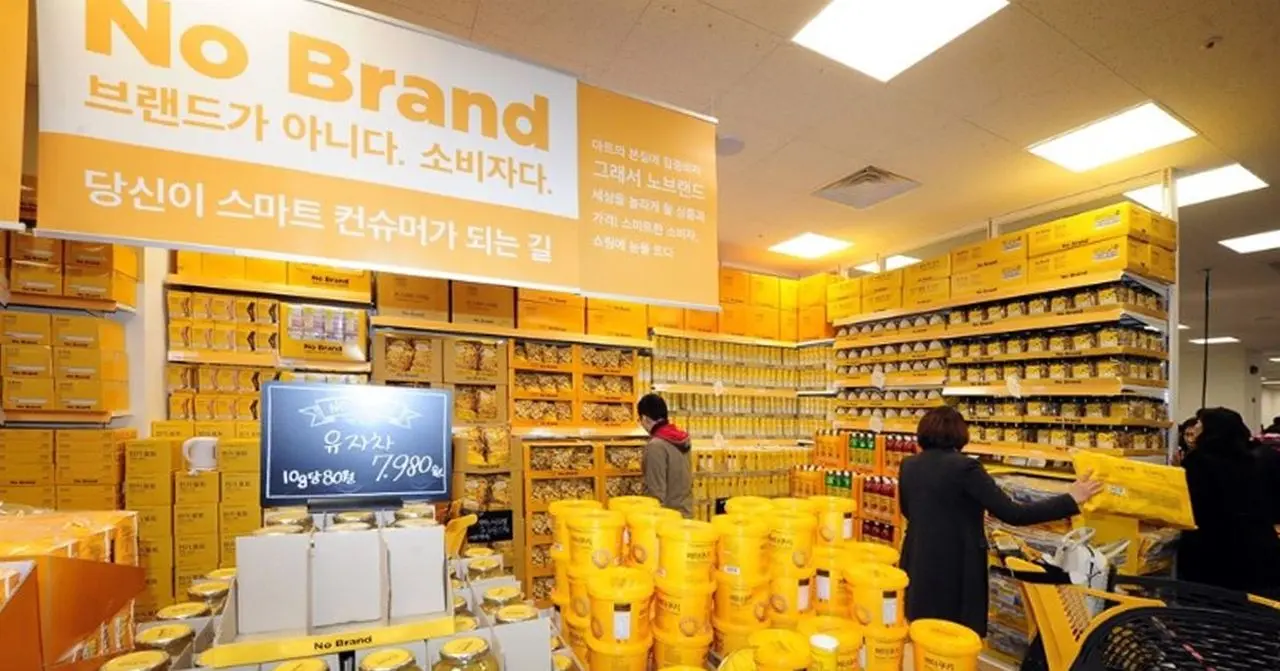
  • No Brand Korean Retail Concept Makes Grand Debut in Thailand through Central Food Retail Partnership

    No Brand Korean Retail Concept Makes Grand Debut in Thailand through Central Food Retail Partnership

    Central Food Retail, a division of Central Retail, is broadening its operations via a collaboration with Emart, a South Korean retailer, to introduce No Brand, a store model focused on value, in Thailand.

    First No Brand Store in Thailand

    The No Brand store, the first of its kind in Thailand, will commence operations at Central Bangna on March 31. This move signifies the official entrance of the brand into the Thai market. The forthcoming Bangkok outlet will stock over 2,200 items, encompassing Korean treats, essential pantry items, and household products.

    According to Central Food Retail, the No Brand concept appeals to customers who are after value but do not want to sacrifice quality. The store concept aims to leverage the ongoing popularity of Korean culture and products in Thailand.

    Broadening Retail Offerings

    MD Thanawat Jirajariyavej stated that the alliance with Emart forms part of their strategy to expand the group’s retail offering while meeting the demand for value-oriented products among Thai consumers. “This initiative signifies another crucial step in enhancing our portfolio towards becoming a global grocery destination through a value-driven retail model that consistently delivers quality, design, and value to our consumers,” Jirajariyavej stated.

    He also added that this partnership underscores Thailand’s potential as a strategic consumer hub in Southeast Asia, a region that continues to exhibit steady growth and attract top-tier brands to extend their reach in this area.

    About No Brand and Central Food Retail

    Emart launched No Brand in South Korea, and the chain now operates over 270 stores in the country. The brand has also extended its operations to other international markets, including the Philippines and Laos, and exports its products to more than 20 countries.

    Central Food Retail manages grocery and specialty retail formats, such as Tops, Tops Food Hall, Tops Daily, Tops Online, Tops Care, and Matsukiyo.

    Questions & Answers

    What is the new initiative of Central Food Retail in Thailand?
    Central Food Retail is expanding its portfolio through a partnership with South Korean retailer Emart to launch the value-focused store concept No Brand in Thailand.

    What is the aim of the No Brand store concept?
    The No Brand concept targets consumers seeking value without compromising on quality, and seeks to leverage the continued popularity of Korean culture and products in Thailand.

    What does the collaboration with Emart signify for Central Food Retail?
    The collaboration forms part of Central Food Retail’s strategy to expand its retail offering while meeting the demand for value-oriented products among Thai consumers. It also highlights Thailand’s potential as a strategic consumer hub in Southeast Asia.

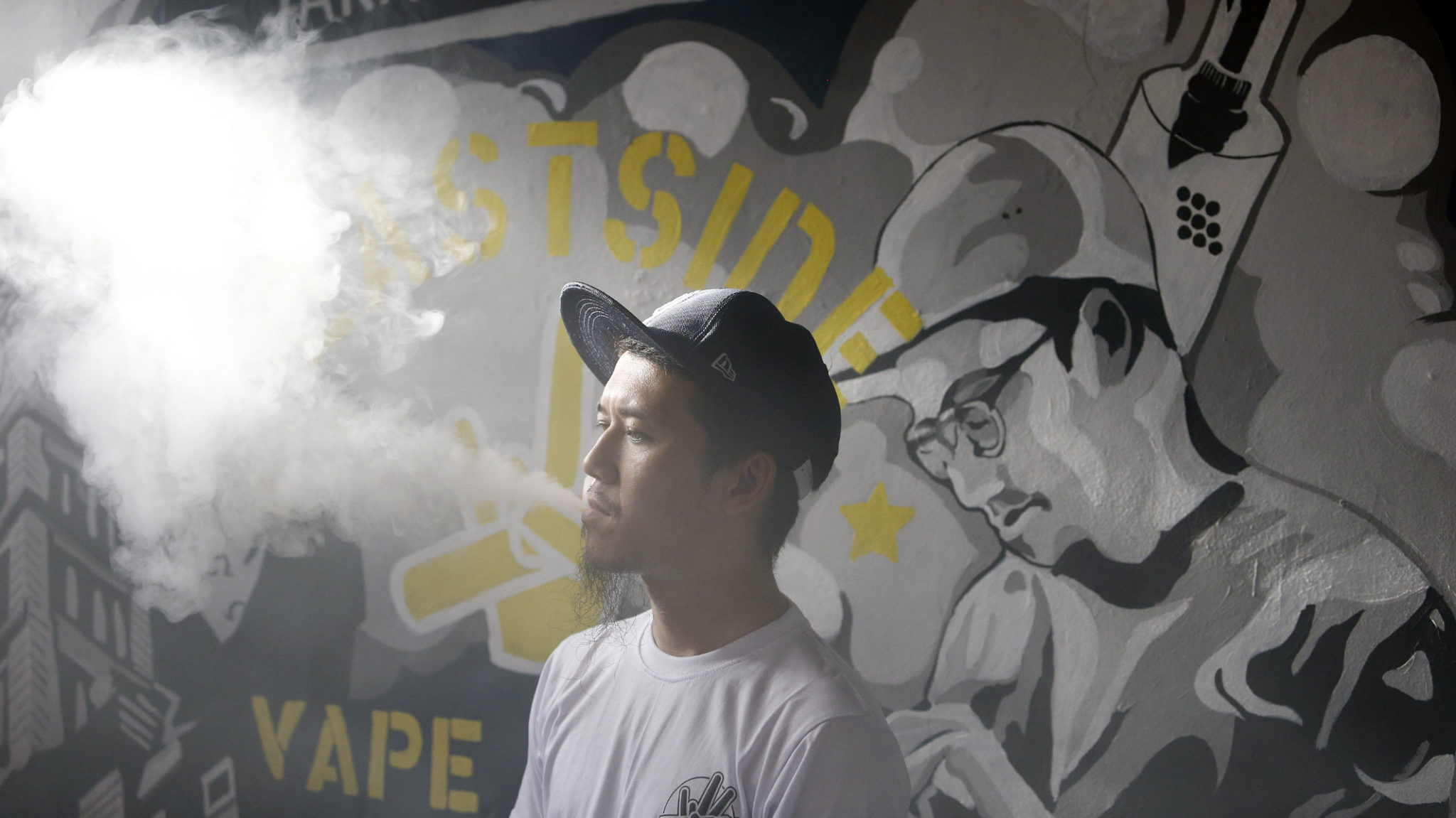
  • Indonesian Vape Retailers Implement 21+ Policy to Curb Youth Smoking Rates: A Step Toward Healthier Choices

    Indonesian Vape Retailers Implement 21+ Policy to Curb Youth Smoking Rates: A Step Toward Healthier Choices

    The Association of Indonesian Vape Retailers (Arvindo) has issued a directive to all its member stores to cease the sale of e-cigarettes to individuals under the age of 21. The Association has mandated that retailers display signage indicating the age restriction and confirm the age of customers using valid identification.

    The Chairman of Arvindo, Fachmi Kurnia, stated that this move aligns with governmental attempts to restrict access to vaping amongst the youth. This sentiment is shared by the Tar and Smoke Free Movement (Gebrak), which advocates for the usage of alternative tobacco products to be limited to adult smokers only.

    Additionally, Arvindo has encouraged policymakers to incorporate science-based regulations into their considerations and recognize the potential of vaping to reduce harm. This suggestion was supported by a 2025 study from the JAMA Network, which found that e-cigarettes were the leading tool for smoking cessation in England.

    On the other hand, Garindra Kartasasmita, Chairman of Gebrak, emphasized that e-cigarette retailers need to take a more proactive role in informing customers about the health risks associated with smoke and tar. He also urged retailers to provide comprehensive information about alternative products.

    These developments come at a time when Indonesia is grappling with persistently high smoking rates. According to government data, there are an estimated 70 million active smokers in the country, a significant portion of which are youths.

    Data from a global youth survey further revealed an increase in the smoking prevalence amongst students aged 13-15, from 18.3% in 2016 to 19.2% in 2019. The survey also indicated high smoking rates amongst those aged 15-19.

    Questions & Answers

    What directive has Arvindo issued to its member stores?
    Arvindo has asked all its member stores to stop selling e-cigarettes to customers under 21, display 21+ signage, and verify the customers’ age with valid identification.

    What is Arvindo asking of policymakers?
    Arvindo is urging policymakers to adopt science-based regulation and to consider the potential of vaping as a harm reduction strategy.

    What has been the trend in smoking prevalence among young people in Indonesia?
    According to a global youth survey, smoking prevalence among students aged 13-15 in Indonesia increased from 18.3% in 2016 to 19.2% in 2019, with the highest rates seen among those aged 15-19.