Retail News CRM

Tag: Retailers

  • Singapore Retail Sales Rise in September, Pace Moderates: Jewellery and Watches Lead Growth

    Singapore Retail Sales Rise in September, Pace Moderates: Jewellery and Watches Lead Growth

    Retail sales in Singapore continued their upward trajectory in September, albeit at a slower rate than in August.

    Retail Sales Trend

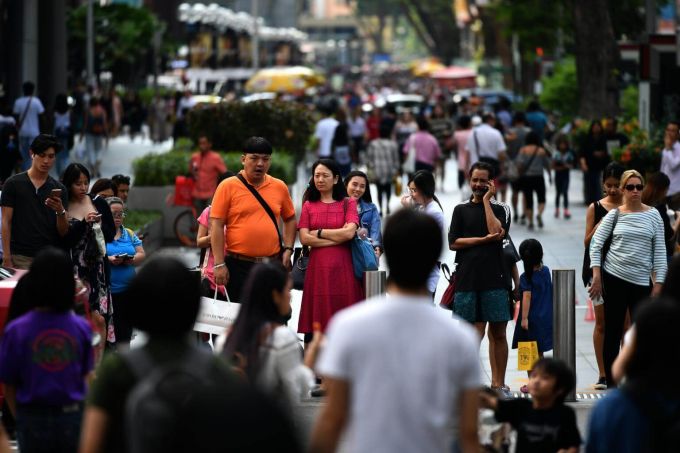
    In September, retail sales, excluding motor vehicles, rose by 2 per cent. This is a slight dip compared to the 4.7 per cent increase witnessed in August. The total value of retail sales for September was estimated at SG$3.5 billion ($2.67 billion USD), with online sales accounting for 17.6 per cent of that figure. However, on a seasonally adjusted basis, retail sales in September saw a decline of 2.3 per cent when compared to August.

    Industry Performance

    The watches and jewellery sector remained at the forefront of sales growth in September with a substantial year-on-year increase of 16.6 per cent. This growth was primarily fueled by a surge in jewellery sales. The recreational goods sector trailed behind in second place with an 11 per cent increase, followed by supermarkets and hypermarkets, which saw a 5.1 per cent rise.

    On the other hand, petrol service stations and retailers of clothing and footwear saw a drop in sales by 8 per cent and 3.6 per cent respectively. The food and beverage services also experienced a decline, with sales slipping by 1.6 per cent, a steep fall from the 0.2 per cent decrease reported in the previous month. This slump was largely attributed to the underperformance of the restaurant sector.

    The overall sales value of food and beverage services was estimated at SG$966 million, with online sales representing 26.3 per cent.

    Questions & Answers

    Q: How did the retail sector perform in Singapore in September?
    A: Retail sales, excluding motor vehicles, rose by 2 per cent in September, a slower pace compared to the 4.7 per cent increase in August.

    Q: What sectors led the growth in retail sales in September?
    A: The watches and jewellery sector led the growth with a 16.6 per cent year-on-year increase, followed by the recreational goods sector and supermarkets and hypermarkets.

    Q: Which sectors experienced a decline in sales in September?
    A: Petrol service stations and clothing and footwear retailers saw a decrease in sales, with declines of 8 per cent and 3.6 per cent respectively. The food and beverage services sector also experienced a drop in sales, declining by 1.6 per cent.

  • Rush for Retail Reign: AI Firm Harex InfoTech Joins Bid War for Korean Giant Homeplus

    Rush for Retail Reign: AI Firm Harex InfoTech Joins Bid War for Korean Giant Homeplus

    In the quest for acquiring the South Korean retail giant Homeplus, two contenders have stepped forward. The attempt to secure new ownership for Homeplus is aimed at stabilizing its operations.

    AI company Harex InfoTech and an anonymous bidder have expressed their interest by submitting their respective letters of intent (LOIs) before the cut-off date of October 31, as informed by investment banking insiders.

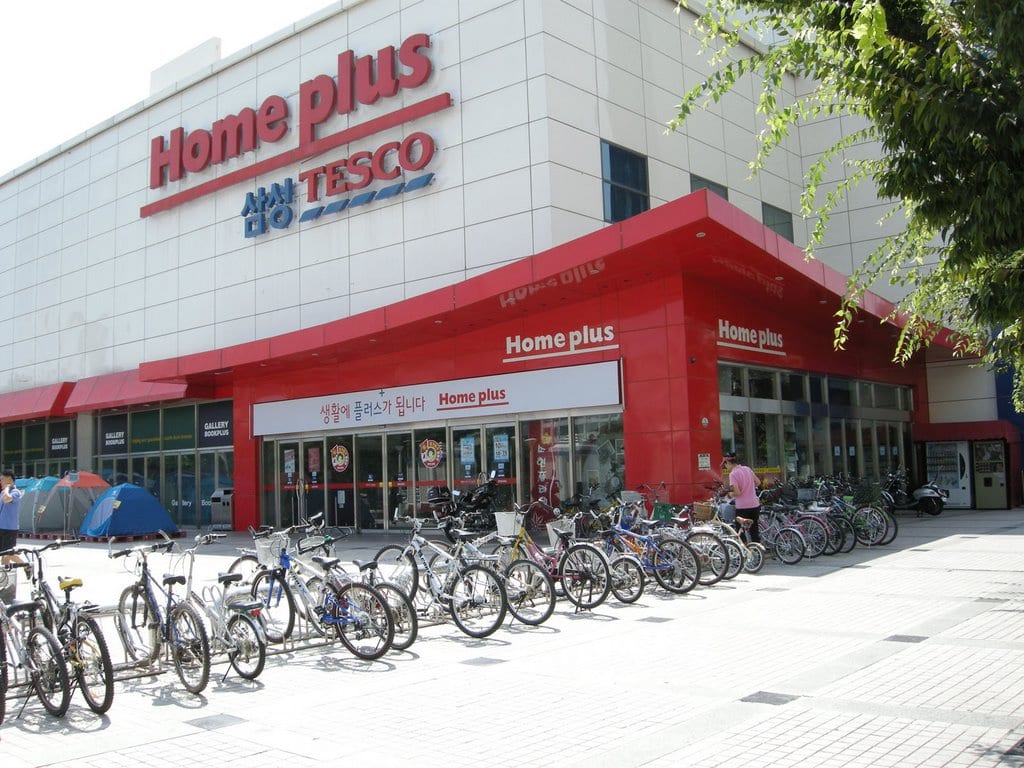
    Homeplus, a retail arm which MBK Partners took over from Tesco in 2015, went bankrupt following years of falling sales and liquidity crunches. It was reportedly grappling with basic expenditures, such as electricity bills. However, in March, the court gave Homeplus the green light to look for a buyer under its rehabilitation scheme.

    In preparation of its bid, Harex InfoTech is said to be strategizing to amass approximately 2 billion US dollars in the United States. With the proposed deal, all regular shares owned by MBK Partners would be voided. In contrast, new shares would be allocated to the bidder who succeeds.

    It is obligatory for the triumphant bidder to assume Homeplus’ debts. These include a debt of 940 million US dollars owed to Meritz Financial Group and preferred shares amounting to 405.8 million US dollars held by the National Pension Service (NPS).

    The process of due diligence for qualified bidders will persist through to November 21, with ultimate bids scheduled to be submitted by November 26.

    While the existing deadline for presenting Homeplus’ rehabilitation plan is November 10, those keeping a close watch on the industry anticipate the court to prolong it to sync with the bidding timeline.

    Questions & Answers

    What is the current development with Homeplus’ ownership?
    Two firms have submitted their letters of intent to bid for the ownership of Homeplus.

    Who are the current bidders for Homeplus?
    AI firm Harex InfoTech and an undisclosed bidder have shown interest in acquiring the South Korean retail giant.

    What financial obligations will the successful bidder of Homeplus have to assume?
    The winning bidder is required to tackle Homeplus’ debts, which consist of a 940 million US dollar debt to Meritz Financial Group and preferred shares valued at 405.8 million US dollars held by the National Pension Service.

  • Shinsegae Duty Free to Exit Incheon Airport’s DF2 Zone Amid Rising Losses: A Strategic Shift or an Economic Warning?

    Shinsegae Duty Free to Exit Incheon Airport’s DF2 Zone Amid Rising Losses: A Strategic Shift or an Economic Warning?

    Shinsegae Inc, a major retail conglomerate in South Korea, announced on Thursday that it plans to shut down its duty-free business unit in Incheon International Airport’s DF2 zone. This decision has been prompted by growing losses.

    Motivation Behind the Decision

    As South Korea’s second-largest department store chain, Shinsegae has resolved to enhance the operational efficiency of its duty-free business by confronting escalating losses head-on. The company intends to cease operations within the DF2 zone, which houses cosmetics, perfumes, liquor, and tobacco offerings, by April 27, 2026.

    However, Shinsegae DF Inc’s duty-free outlets in the airport’s DF4 zone will continue business as usual.

    Challenging Market Conditions

    A representative from Shinsegae cited a myriad of adverse and unpredictable circumstances plaguing the duty-free market, such as high exchange rates, economic downturn, and diminished spending among primary consumers. The company had previously sought rent modifications from the Incheon International Airport Corp (IIAC), but the airport authority denied these requests.

    Future Business Focus

    With the impending shutdown of its DF2 zone outlet, Shinsegae DF plans to concentrate on its continuing operations in the airport’s DF4 zone and its city center store in Myeongdong, central Seoul.

    Just last month, Hotel Shilla Co relinquished its DF1 zone license to the airport due to mounting losses. The IIAC is predicted to initiate a new bidding process for the DF1 zone license previously held by Shilla Duty Free later this year.

    Questions & Answers

    Why is Shinsegae closing its duty-free business in the DF2 zone?
    Shinsegae is closing its duty-free operations in the DF2 zone due to escalating losses and a desire to improve overall operational efficiency.

    What areas does the DF2 zone cover?
    The DF2 zone houses a variety of products, including cosmetics, perfumes, liquor, and tobacco.

    What will be the future focus of Shinsegae DF?
    Following the closure of its DF2 zone outlet, Shinsegae DF will focus on its remaining operations in the airport’s DF4 zone and its downtown store in Myeongdong.

  • Amazon’s Massive Restructure: 30,000 Corporate Jobs on the Chopping Block

    Amazon’s Massive Restructure: 30,000 Corporate Jobs on the Chopping Block

    Amazon is reportedly planning to eliminate around 30,000 jobs in its corporate division, a move that one analyst referred to as a ‘deep cleaning’ of the organization’s workforce. This reduction would affect about 10% of Amazon’s nearly 350,000 corporate employees. Overall, the company has approximately 1.55 million workers, including non-corporate roles.

    Trimming to Improve Efficiency

    Sources indicate that the primary goal of these layoffs is to reduce costs and rectify a situation of overstaffing that occurred during the height of the pandemic. The spokesperson for Amazon declined to comment on this matter. It is anticipated that these cuts could impact a range of divisions, including human resources, operations, devices and services, and Amazon Web Services. It is also suggested that the specific number of layoffs could fluctuate over time, in line with shifts in the company’s financial priorities.

    In terms of scale, this would be Amazon’s most substantial job reduction since late 2022 when it cut roughly 27,000 roles.

    Analyzing Amazon’s Decision

    Neil Saunders, the Managing Director of GlobalData, commented on the situation, characterizing the impending layoffs as a ‘deep cleaning’ of Amazon’s corporate workforce. He suggested this is part of a broader pattern of efficiency initiatives within the company, aimed at refining the focus of its corporate divisions.

    “Although Amazon could never be described as a flabby organization, it has become more complex and layered over time, and there is scope for some simplification,” Saunders said.

    He drew a distinction between Amazon’s situation and that of other companies, such as Target. According to Saunders, Amazon operates from a position of strength, with positive growth and room for further expansion. However, he warned that even a successful company like Amazon is not immune to the pressures of tight markets and rising fundamental costs. To maintain a robust bottom-line performance, Saunders believes it is necessary for the company to take decisive steps.

    He emphasized that these actions are particularly crucial given the high level of investment Amazon is making in areas like logistics and artificial intelligence. Saunders interpreted these layoffs as a move away from human capital towards technological infrastructure.

    In June, Amazon CEO Andy Jassy hinted at a possible reduction in the company’s corporate workforce due to the increased use of AI tools, particularly for automating repetitive and routine tasks.

    Hiring and Firing

    Despite these layoffs, the retail giant recently announced plans to hire 250,000 temporary workers across its fulfillment and transportation networks in the US in preparation for the upcoming holiday season.

    Questions & Answers

    Why is Amazon planning to lay off up to 30,000 corporate employees?
    Amazon is reportedly planning these layoffs to reduce costs and correct a situation of overstaffing that was exacerbated during the pandemic.

    Which divisions could be affected by Amazon’s layoffs?
    The layoffs could impact a variety of divisions, including human resources, operations, devices and services, and Amazon Web Services.

    Is Amazon hiring new employees despite the layoffs?
    Yes, Amazon recently announced plans to hire 250,000 temporary workers across its fulfillment and transportation networks in the US to prepare for the holiday season.

  • Korean Wave Drives Tourism Boost: Retailers Enhance Strategies To Meet K-culture Demand

    Korean Wave Drives Tourism Boost: Retailers Enhance Strategies To Meet K-culture Demand

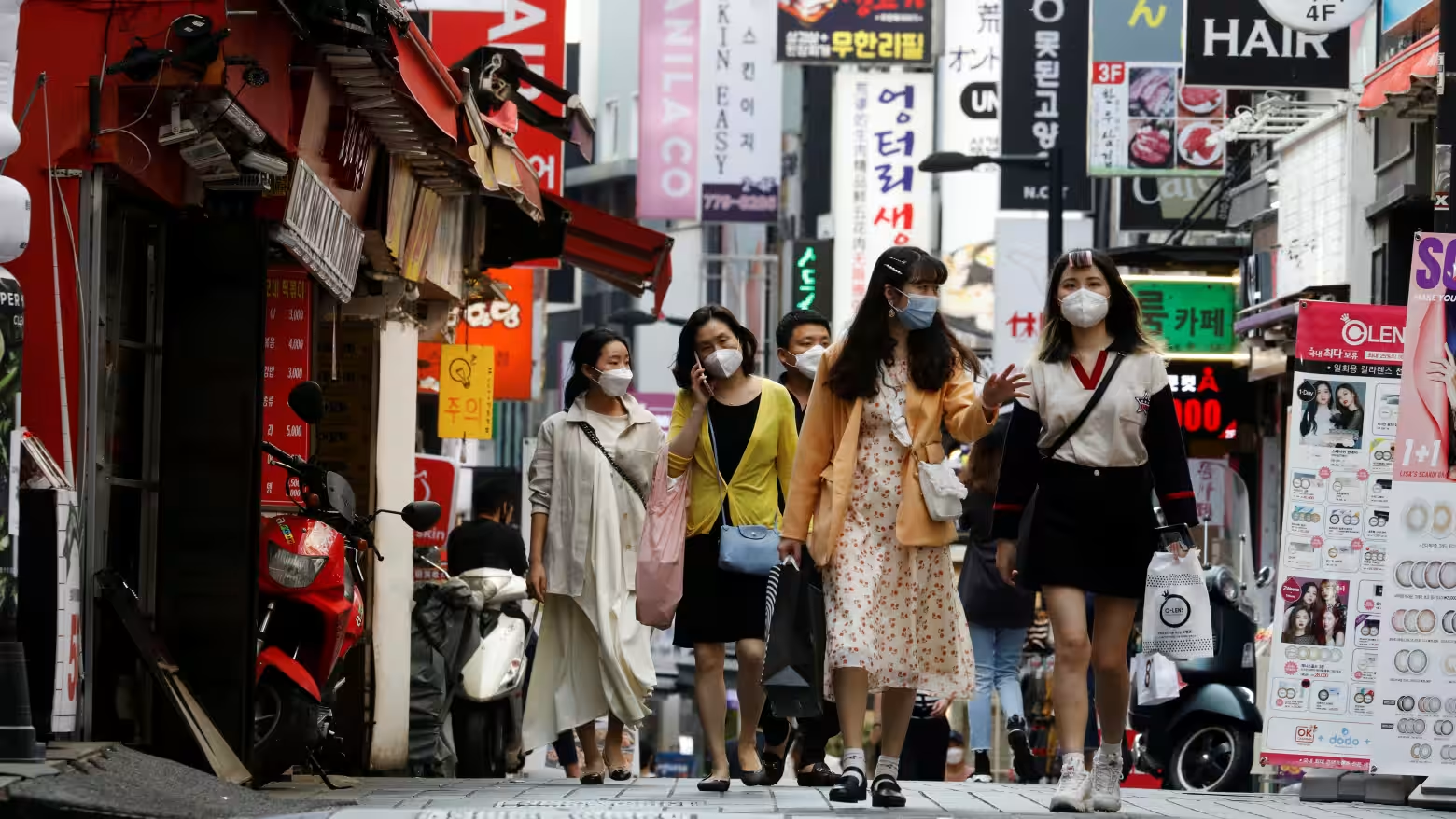
    The rising popularity of South Korean culture, often referred to as the ‘Korean Wave’, is driving record numbers of international tourists to the country. In response, South Korean retailers are intensifying their marketing strategies to cater to the growing demand for K-beauty products, K-pop merchandise, and unique cultural experiences.

    Boost in Tourist Numbers

    Data from the industry, released on October 19, indicated that the number of foreign tourists visiting Korea between January and August reached 12.38 million. This is a 16 per cent increase compared to the same time frame in 2024 and even exceeds pre-pandemic levels in 2019 by nearly 8 per cent. Capitalizing on this influx, retailers are offering a variety of services such as beauty consultations, pop-up stores, and immersive events that blend modern retail with traditional Korean culture.

    Beauty and Tourism Merge

    One of the leading health and beauty retailers, CJ Olive Young, expanded its ‘personal shopper’ and skin consultation services at its flagship stores, which are typically frequented by foreign visitors. At its Central Gangnam location, tourists can schedule a 45-minute personalized shopping session via the travel platform Klook. These sessions include product recommendations and makeup advice.

    At Olive Young N Seongsu, guests are offered skin and scalp analysis, personalized color consulting, and custom beauty tutorials. A company spokesperson highlighted the high interest of foreign tourists in understanding K-beauty trends and receiving customized product advice. They noted that foreign customers now constitute 60 to 70 per cent of consultation users at the Seongsu branch.

    Olive Young has also introduced K-pop pop-up stores at its Myeongdong, Seongsu, and Hongdae locations. These stores allow shoppers to buy albums and receive exclusive photo cards, a strategy aimed at capturing the worldwide K-pop fan base.

    Convenience Stores and Duty-Free Retailers Participate

    Convenience store chains are also morphing into mini K-culture centers. GS25’s “New Annyeong Insadong” location features an AI-powered beauty device that analyzes a visitor’s facial shape and personal color, providing immediate product recommendations that can be bought on-site.

    Seven-Eleven, under Lotte Group, has established special retail zones that sell albums and merchandise from popular groups like SF9, NCT Wish, and Seventeen.

    Duty-free retailers are also providing experiences beyond shopping. Shilla Duty Free’s Seoul branch offers complimentary jjimjilbang (Korean sauna) vouchers to Taiwanese customers who buy a certain amount of K-brand products. Lotte Duty Free’s Myeongdong main store organizes postcard-writing events, allowing visitors to send messages overseas.

    Combining Pop Culture and Tradition

    Retailers are also leveraging the global interest generated by the Netflix animated film K-Pop Demon Hunters, which showcased traditional Korean medicine and crafts. Lotte Duty Free is issuing discount coupons to tourists visiting Seoul K-Medi Center, the real-life counterpart to the film’s setting.

    Hyundai Department Store’s The Hyundai Seoul recently hosted a traditional crafts event. Here, foreign visitors could create Korean accessories like norigae charms and bracelets, guided by English-speaking instructors.

    According to industry experts, these initiatives reflect the retail sector’s transformation beyond conventional shopping towards immersive experiences steeped in Korean culture. As articulated by a tourism official, “Korean retailers are no longer just selling products – they’re selling a piece of Korea itself.”

    Questions & Answers

    Q: What is the ‘Korean Wave’?
    A: The ‘Korean Wave’ refers to the global rise in popularity of South Korean culture, encompassing music, television dramas, films, fashion, and beauty trends.

    Q: How are South Korean retailers responding to the increased number of foreign visitors?
    A: Retailers are tailoring their services to cater to these visitors. This involves offering personalized shopping sessions, setting up pop-up stores dedicated to K-pop, and organizing events that blend modern retail with traditional Korean culture.

    Q: How are convenience stores participating in the trend?
    A: Convenience stores are transforming into mini K-culture hubs. For example, GS25 provides an AI-powered beauty device that provides immediate product recommendations, while Seven-Eleven sells albums and merchandise from various K-pop groups.

  • South Korea’s Retail Industry Expands Private Label Business Beyond Food And Household Items

    South Korea’s Retail Industry Expands Private Label Business Beyond Food And Household Items

    South Korea’s retail industry is swiftly growing its private label (PB) business by extending beyond food and household items to include clothing, innovative digital platforms, and even international markets. This expansion comes as firms ranging from convenience stores and hypermarkets to e-commerce businesses vie to fortify their brand identities and profitability.

    Private Label Sales on the Rise

    BGF Retail, the parent company of the CU convenience store chain, reported noteworthy growth in PB sales. The years 2023 and 2024 saw increases of 17.6 percent and 21.8 percent, respectively, followed by an additional 19.1 percent surge during the first nine months of 2025.

    GS25, another retail chain, offers around 800 PB items via the YouUs line, which now make up nearly 30 percent of total sales. Their affordable Real Price range saw a significant year-on-year increase of 125 percent.

    Leading supermarkets are also jumping on the bandwagon. Approximately 8 percent of Emart’s sales and 10 percent of Lotte Mart’s sales come from private-label goods. Emart boasts well-known PB labels such as No Brand, Peacock, 5K Price, and Days, while Lotte Mart promotes Today’s Good and Cookit.

    Online retailers aren’t left behind either. Kurly, for example, reported a year-on-year increase of over 10 percent in sales of its flagship PB lines, echoing the growing consumer demand for retailer-exclusive products.

    Expanding Across Platforms and Borders

    The once rigid boundaries between retailers are now blurring as PB products start to appear across rival platforms. Even Coupang, an e-commerce platform, sells Lotte Mart’s Today’s Good and Homeplus’s Simplus brands, while Emart’s Peacock products can be found on Kurly’s online marketplace.

    Convenience chains are also making their mark on the global stage. GS25 exports PB products to 33 countries, including the United States, Australia, Japan, and China. CU also sells its own-label items in more than 20 countries, through outlets such as Japan’s Don Quijote stores.

    Earlier this year, BGF Retail forged a partnership with China’s Ningxing Youbei, a prominent importer and distributor. The partnership’s goal is to introduce CU-branded sections on Chinese e-commerce platforms and operate pop-up stores that showcase its products.

    In addition, 7-Eleven Korea ventured into the clothing sector in April, launching its own line of socks, underwear, and T-shirts, and recently, knitwear.

    A spokesperson from the retail industry emphasizes that selling robust PB products via external channels provides both marketing and revenue advantages. The more positive experiences that customers have with a retailer’s PB products, the more likely they are to become loyal to that retailer’s own platform.

    The Challenges and Risks of Brand Identity

    Despite the success of the PB trend, it has stirred concerns about potential conflict with national brands. For instance, Coupang was previously accused of allegedly manipulating search rankings to favor its own PB products.

    Experts also caution that expanding PB lines too broadly across platforms could blur brand identity and complicate logistics and inventory management, thereby undermining the very benefits that PB lines are intended to provide.

    Kurly, which previously sold select CU PB products, reverted to an in-house-only model. A spokesperson stated that the company is more interested in preserving brand integrity than achieving broader exposure, and has no plans to offer its PB products on external platforms.

    Questions & Answers

    What is the trend of private label sales growth in South Korea’s retail industry?
    The trend shows consistent growth, with companies like BGF Retail reporting significant year-on-year increases in private label sales.

    How is the expansion of private labels affecting the retail industry?
    The expansion is blurring boundaries between retailers, causing them to compete on multiple platforms. It’s also leading retailers to venture into new markets like clothing and international sales.

    What are the potential risks associated with the expansion of private label lines?
    Potential risks include conflicts with national brands, the blurring of brand identity, and complications with logistics and inventory management.

  • Australia Mandates Acceptance Of Cash For Fuel, Groceries: Exemptions And Future Plans Explained

    Australia Mandates Acceptance Of Cash For Fuel, Groceries: Exemptions And Future Plans Explained

    The Australian Federal Government has made significant strides towards safeguarding the validity of cash as a payment mode for everyday necessities by issuing key provisional regulations mandating the acceptance of cash for fuel and groceries.

    Details of the Draft Regulations

    Outlined after a public consultation conducted in the early part of the year, these draft regulations dictate that the obligation to accept cash for fuel and groceries will be restricted to face-to-face transactions of less than $500.

    However, small businesses with a combined turnover of less than $10 million, along with those businesses that are part of a franchise arrangement netting under $10 million, are exempt from these regulations. Additionally, companies that face challenges in managing cash transactions are also exempt.

    Daniel Mulino, the Assistant Treasurer and Minister for Financial Services, agrees that while Australians are progressively opting for digital payment methods, the government recognizes that cash will still be a vital part of society. He appreciates this as a balanced, pragmatic, and judicious move to aid cash users while also taking businesses into account.

    A Three-Year Review Plan

    The Federal Government has announced that it will evaluate the mandate in three years to ensure the policy is effectively serving its purpose. This evaluation will also explore whether the mandate should extend to cover other businesses. It will consider the potential impact on companies presently affected by the mandate and any advancements concerning cash distribution and access.

    The Council of Financial Regulators and the Australian Competition and Consumer Commission, back in July, issued a consultation paper suggesting various propositions on the regulation of cash distribution. Mulino assured that the government would closely examine the CFR’s recommendations alongside industry feedback, and work diligently to ensure that Australians continue to have access to cash.

    Questions & Answers

    What are the new draft regulations issued by the Australian Federal Government?
    The new draft regulations mandate the acceptance of cash for fuel and groceries, specifically for in-person transactions that are less than $500.

    Who are exempted from these new regulations?
    Small businesses with an aggregate turnover of under $10 million, businesses that are part of a franchise arrangement netting under $10 million, and companies that find managing cash transactions difficult are exempted.

    What is the future plan for these regulations?
    The Federal Government will review the mandate after three years to evaluate its effectiveness. This review will also consider whether the mandate should extend to other businesses and the potential impact on the currently affected companies.

  • Lanvin leader David Chan to step down this month

    Lanvin leader David Chan to step down this month

    David Chan, the executive president and chief financial officer of Lanvin Group, has announced his decision to step down from his position effective October 27. While he plans to explore fresh opportunities, Chan is also slated to provide advisory support during the transition period. His successor, however, remains to be declared.

    Zhen Huang, the chairman of Lanvin Group, acknowledged Chan’s valuable contributions to the company. “His remarkable contributions have played a crucial role in charting the strategic course and transformational initiatives of the group,” remarked Huang. He further added, “As he embarks on his new journey, we extend our best wishes for his continued success.”

    Despite the departure of Chan, who served as the executive president since the company’s inception, the Lanvin Group remains confident about its future potential. In addition to the high-profile responsibilities handled by Chan, including mergers and acquisitions, brand operations, and performance management, he was also instrumental in the strategic planning and leadership recruitment across the group’s portfolio. Huang reaffirmed, “Lanvin Group continues to stand strong with plans to sustain growth and create enduring shareholder value.”

    Established in Shanghai and jointly headquartered in Milan, Lanvin Group is supported by Fosun International. It commands a strong brand portfolio, which includes names like Lanvin, Wolford, Sergio Rossi, and St John Knits.

    Questions & Answers

    Why is David Chan leaving Lanvin Group?
    David Chan is stepping down from his role at Lanvin Group to pursue new opportunities. He will continue to serve in an advisory capacity during the transition period.

    Who will succeed David Chan as the executive president and CFO of Lanvin Group?
    The successor to David Chan has not been announced yet.

    What impact has David Chan had on the Lanvin Group?
    David Chan has been instrumental in shaping the strategic direction of Lanvin Group since its inception. He has overseen a wide range of responsibilities, including mergers and acquisitions, brand operations, strategic planning, leadership recruitment, and performance management across the group’s portfolio.

  • Uniqlo’s Bold Expansion In U.s. Amid Rising Tariffs: A Strategy For Success?

    Uniqlo’s Bold Expansion In U.s. Amid Rising Tariffs: A Strategy For Success?

    In the face of ever-changing tariffs and an increase in living costs that have impacted consumer spending, many brands are struggling to maintain a physical retail presence, let alone expand it. However, one international retailer is boldly rising to this challenge: Uniqlo.

    Uniqlo’s Expansion Plans

    This week, the Japanese retail and lifestyle behemoth Uniqlo announced plans to expand its retail footprint in the United States by 2026. The expansion entails the opening of flagship stores in Chicago and San Francisco, and four new locations in New York City.

    Uniqlo plans to inaugurate a total of 11 new stores across the United States in the forthcoming spring/summer season, increasing the total number of its American stores to 89. This is a significant milestone for the clothing titan.

    Uniqlo’s management had previously announced their intention to add between 20 and 30 new locations every year in North America, aiming for a goal of 200 stores by 2027.

    Christine Russo, Principal of Retail Creative and Consulting Agency (RCCA), noted that although Uniqlo is slightly off its projected schedule with its current 76 stores, geopolitical instability and tariffs are likely the cause.

    Russo explained that the timing of Uniqlo’s expansion aligns with the rise of “recession-core”, a consumer behavior trend that emerges during economic downturns. This trend is characterized by a preference for minimalism, with consumers opting for practical, versatile, and durable clothing over more flamboyant items that have a shorter shelf life.

    Uniqlo’s Appeal to Consumers

    Uniqlo has garnered consumer attention with its commitment to steadfast quality, a stark contrast to other fast-fashion brands. The company offers durable basics and a limited number of designs per season, and their dedication to technological innovation is evident in their patented Heatech and Airism fabrics.

    Neil Saunders, Managing Director of Global Data, also believes that Uniqlo’s appeal lies in its commitment to creating sturdy, yet stylish basic wardrobe items. He stated that Uniqlo’s reputation for quality distinguishes it from other fast-fashion competitors, a characteristic that appeals to shoppers who prefer to buy durable items that last.

    Moreover, Uniqlo has made significant efforts to create engaging store environments in its U.S. locations that encourage consumers to browse and make purchases. For instance, several U.S. stores now offer services that were once exclusive to its Asian locations, including custom embroidery and clothing repair services.

    The Brand’s Future Growth

    Despite its success in the U.S. market, Uniqlo has yet to fully penetrate this retail region. Saunders believes that Uniqlo’s expansion plans will allow the brand to establish a presence in larger cities where they can open flagship stores, thus increasing brand visibility and potentially boosting sales volume in the U.S.

    Uniqlo’s unique differentiation points, according to style publications such as Esquire and GQ, include a carefully curated selection of items ranging from innovative products designed to combat extreme temperature variations to the perfect everyday white t-shirt. The brand’s methodical approach to growth and consistency in quality underscore its enduring appeal.

    Questions & Answers

    What is Uniqlo’s expansion plan in the U.S.?
    Uniqlo plans to open 11 new stores across the U.S. in the forthcoming spring/summer season, bringing the total number of its American stores to 89.

    What makes Uniqlo stand out from other fast-fashion brands?
    Uniqlo distinguishes itself with its commitment to quality, offering durable, basic clothing items and a limited number of designs each season. The company’s focus on technological innovation is also prominent, as reflected in their patented Heatech and Airism fabrics.

    How is Uniqlo planning to increase its brand visibility and sales in the U.S.?
    Uniqlo aims to increase its brand visibility and sales by expanding into larger cities where it can establish flagship stores. It also continues to offer engaging store environments and services that encourage consumers to browse and make purchases.

  • Highsnobiety Shifts Focus From E-commerce To Cultural Influence; Overhaul Impacts 50 Roles, Transforms Flagship Store

    Highsnobiety Shifts Focus From E-commerce To Cultural Influence; Overhaul Impacts 50 Roles, Transforms Flagship Store

    Berlin-based platform Highsnobiety is set to halt its e-commerce operations by the end of the current year in a strategic pivot towards its foundational publishing and cultural agency operations.

    Restructuring and Refocusing

    As part of a larger restructuring process within the company, about 50 roles across the retail and associated departments are anticipated to be impacted. Highsnobiety is taking measures to ensure that the employees affected by this decision are given adequate support throughout the transition period.

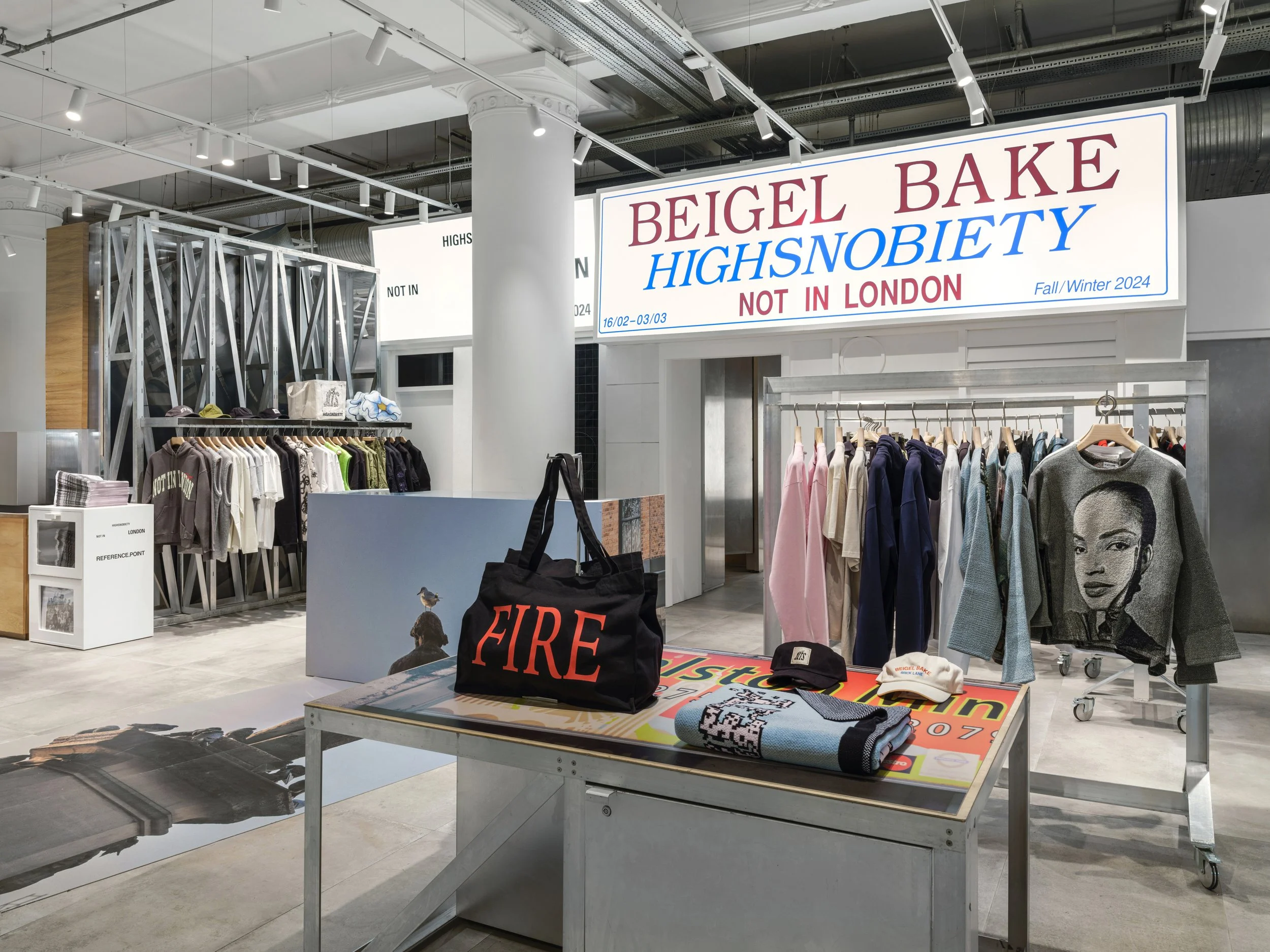
    Notably, this overhaul will also affect the brand’s flagship store, situated on Berlin’s Unter den Linden Boulevard. Having been opened just last year, the store is slated to undergo a significant transformation. The space will be repurposed into a hub for brand collaborations, activations, and temporary pop-up experiences.

    From Digital Publication to E-Commerce

    Highsnobiety was originally established as a digital publication focusing on youth culture and the streetwear segment. In an attempt to enrich its editorial content, the company ventured into e-commerce in 2019 by launching a platform that offered a curated selection of fashion and lifestyle products. This included collaborations with several prominent brands.

    However, upon reflection, the company has concluded that it can make its most meaningful long-term contributions by influencing culture, rather than running a third-party retail model.

    Shaping Culture

    David Fischer, the founder and CEO of Highsnobiety, reflected on the ethos of the company. He emphasized that Highsnobiety has always aimed to help its community understand emerging trends and aid brands in gaining credibility with relevant audiences.

    In the last half a decade, Highsnobiety has successfully created cultural moments that have extended far beyond the realm of traditional publishing. Fischer expressed that looking forward, the company’s focus and efforts will be squarely directed at continuing this cultural influence.

    Questions & Answers

    What changes is Highsnobiety making?
    Highsnobiety is terminating its e-commerce operations by the end of the year and refocusing on its original publishing and cultural agency operations.

    What is the impact of this decision on the company’s employees?
    Approximately 50 roles related to retail and associated departments are expected to be affected. However, Highsnobiety is working to provide ample support to the affected employees throughout the transition.

    How is Highsnobiety’s flagship store on Berlin’s Unter den Linden Boulevard being restructured?
    The flagship store will be transformed into a space for brand activations, collaborations, and temporary pop-up experiences.

  • Style Theory Shuts Down: High Operational Costs, Investor Departure Mark End Of Fashion Rental Platform

    Style Theory Shuts Down: High Operational Costs, Investor Departure Mark End Of Fashion Rental Platform

    Style Theory, a Singapore-based online clothing rental platform, has recently ceased operations due to increasing operational costs and the departure of its key investors.

    Established in 2016, Style Theory functioned as an online rental platform that operated on a subscription basis. For monthly fees ranging from $89 to $149, it provided its customers with access to designer clothing and fashionable accessories via its proprietary app.

    The company announced on its online platform that it discontinued its subscription service as of September 30. All related services including rental, delivery, membership, support among others, were also discontinued. Customers were alerted that unused points would not be refunded and they could retain any rented items indefinitely.

    The firm will go into liquidation, and those owed money will be classified as creditors. The economic climate, which the company describes as increasingly challenging, along with rising costs and unforeseen circumstances, including the withdrawal of key investors, were cited as the main factors behind this decision.

    Style Theory was supported by notable investors including Alpha JWC Ventures, Quest Ventures, The Paradise Group, and SoftBank Ventures Asia.

    The decision to shut down was not taken lightly, as stated by the founders. The main mission of Style Theory, since its inception, was to make fashion more sustainable, accessible, and circular. The unexpected discontinuation of services is regrettable, and the company sincerely apologizes for any disappointment caused. The founders assured that every possible alternative was considered before reaching this conclusion.

    This closure follows the shut down of the company’s operations in Indonesia in June. The company stated at that time that it wanted to concentrate its resources on strengthening its foundations in Singapore and Hong Kong.

    Questions & Answers

    Why has Style Theory ceased operations?
    Style Theory has ceased operations due to escalating operational costs and the departure of key investors.

    What happens to the customers who have unused points?
    Customers were informed that their unused points would not be refundable. They can, however, keep any items they have currently rented indefinitely.

    What was the primary mission of Style Theory?
    The primary mission of Style Theory was to make fashion more sustainable, accessible, and circular. The company aimed to achieve this through its online rental platform.

  • Unlocking AI Success: How Data Readiness Paves the Way for Retail Innovation

    Unlocking AI Success: How Data Readiness Paves the Way for Retail Innovation

    In the rapidly evolving landscape of retail technology, the integration of artificial intelligence (AI) is increasingly becoming a cornerstone for businesses across Asia. Yet, amid the excitement lies a pressing question: How prepared are organizations in Singapore and the broader APAC region to embrace AI on a meaningful scale? While AI can be a game changer, the capability to leverage it effectively hinges significantly on one crucial element—data readiness.

    Data Preparedness Is Key to AI Success

    According to predictions by Gartner, by 2026, more than half of AI projects will falter due to a lack of AI-ready data, rendering even the most sophisticated algorithms ineffective. Disorganized, fragmented, or incomplete data can undermine an organization’s AI ambitions, leading to costly missteps, missed opportunities, and potential compliance breaches. In Singapore, where regulatory measures around data governance are rigorous, the challenge becomes not just gathering data but ensuring it is clean, structured, and secure enough for effective AI utilization.

    An Inside Look at AI Implementation

    To dissect the realities of data readiness and the journey toward sustainable innovation, iTNewsAsia sat down with Norihiro (Nick) Katagiri, the Senior Vice President at Canon in Singapore, who has been partnering with organizations to integrate smart technologies into their digital strategies.

    Katagiri notes that businesses in Asia are accelerating their AI adoption—a trend most evident in Singapore, where companies are eager to harness AI, often before fully articulating their goals. “While AI is used to enhance workflow efficiency and overall competitiveness, the challenge of widespread employee adoption remains paramount,” he explains. Even the fanciest AI tools can flop if the workforce lacks the understanding or trust needed to use them effectively.

    Assessing AI Readiness in Organizations

    Organizations looking to tap into the power of AI should first concentrate on achieving data readiness. Many enterprises still house valuable information in paper and analogue forms, and digitizing these records is essential to transform inert data into usable assets. Only after this can they categorize their data—into structured, semi-structured, and unstructured types—thus ensuring they can apply the right AI tools effectively.

    However, ensuring data readiness is just the beginning. Organizations must also focus on their technological capabilities, identifying specific workflows where AI can deliver immediate value. This requires careful planning rather than an expansive disruption of existing systems. It is equally crucial to prioritize workforce readiness, ensuring staff have the skills and training necessary to leverage AI effectively. After all, a well-prepared team can turn technological potential into tangible business results.

    Navigating the Challenges of AI Adoption

    The appetite for AI in APAC is strong, with investments projected to grow at a compound annual rate of 24 percent from 2023 to 2028. Yet, organizations often grapple with aligning their ambitions and operational readiness. Hurdles abound—companies frequently struggle to define measurable KPIs, ensure data accuracy, and manage their data effectively. One common pitfall is the continuing reliance on analogue records that inhibit the ability to leverage AI technology for critical business decisions.

    “Robust data governance is non-negotiable,” emphasizes Katagiri. Maintaining compliance, securing sensitive information, and fostering trust in AI-driven processes are essential elements for success.

    The Weight of Data Quality and Integrity

    At the heart of AI efficacy lies data quality. Flawed data, often resulting from human error—like mis-entered data or illegible handwriting—can derail even the most promising AI initiatives. Moreover, data consolidation fosters seamless collaboration by uniting various data channels into a cohesive platform, enabling AI to deliver insights from a singular, reliable source.

    For organizations operating on a multinational scale, the complexity multiplies as data transcends geographic and linguistic barriers. Convincing everyone to tidy up the data before calling in the AI cavalry is crucial to achieving reliable outcomes.

    Turning Data into Actionable Insights

    To unlock data’s true potential, organizations must first recognize the types of data they manage. While structured documents are straightforward for data capture solutions, semi-structured and unstructured documents require more sophisticated handling. Fortunately, modern AI can automate the processing of all types of documents, using Natural Language Processing (NLP) to derive context and discern meaning, thereby reducing the manual labor involved.

    For instance, Canon’s document capture solutions can process over 1,000 invoices daily, drastically reducing manual input and errors—a win-win that not only speeds up processes but also enhances compliance.

    Spearheading Smart Technology Implementation

    While the introduction of smart technologies can enhance collaboration and productivity, poorly integrated systems can lead to employee disengagement rather than empowerment. Recent surveys show that 51 percent of organizations face challenges in getting their staff to embrace new technologies, highlighting the need for human-centric design and robust change management.

    “It’s crucial to illustrate the real, practical benefits of smart technologies,” says Katagiri, emphasizing that tangible improvements in day-to-day operations can foster greater trust and engagement with new tools.

    Real-World Successes in AI Adoption

    In the legal sector, where professionals often juggle numerous documents under tight deadlines, AI can facilitate significant time savings. For example, tools developed for automated document comparison enable law firms to identify discrepancies quickly, while summary tools distill lengthy legal documents into concise overviews, equipped precisely for strategic decision-making. These advancements are reshaping how law firms manage workflow and maintain compliance.

    A Word of Caution in the Rush to AI

    As organizations feel pressure to jump onto the AI bandwagon, they must tread carefully to avoid common pitfalls. Treating every data set homogenously can lead to inefficiencies; similarly, a lack of clarity around objectives hinders performance evaluation. Organizations also need to fortify their data governance frameworks to mitigate risks related to compliance and security breaches.

    Ultimately, a comprehensive assessment of risks—beginning with disciplined data management—is vital for ensuring that AI initiatives yield actionable insights and sustainable business value.
    – Norihiro (Nick) Katagiri, Senior Vice President, Canon, Singapore

    Practical Steps Towards AI and Data Transformation

    To effectively embark on an AI and data transformation journey, organizations should begin with digitization, converting paper records into digital formats that promote accessibility and accuracy. This initial step paves the way for embedding advanced tools into everyday workflows, transitioning from basic data storage to innovative, data-driven decision-making.

    By methodically organizing their digital strategy—building from data capture to advanced analytics—organization can ensure a solid, risk-managed foundation that facilitates seamless integration of AI technology.

    Preparing for an AI-Driven Future

    Canon is actively adapting its technology and data infrastructure to support evolving customer needs across various sectors. By collaborating closely with clients, Canon gathers insights to deliver tailored solutions that meet specific challenges while optimizing operational efficiency.

    Canon’s commitment extends to deploying AI-driven security solutions across workplaces and retail environments, which not only enhance operational efficiency but also ensure compliance and protection of sensitive data. Their approach positions them poignantly at the intersection of innovation and practicality.

    To sustain and future-proof AI initiatives, organizations must begin with a robust data strategy, ensuring alignment between business aims and measurable KPIs. Investing in scalable, interoperable infrastructure is pivotal as the volume of data continues to grow.

    As AI technology evolves, adopting a modular and adaptable framework allows for the seamless integration of future innovations, ensuring longevity and relevance in a fast-paced digital marketplace.

    Questions & Answers

    What is the most critical first step for organizations looking to implement AI?
    Data readiness is paramount. Organizations must first digitize their analogue records to transform data into a usable format before they can successfully integrate AI tools.

    How does employee engagement impact AI implementation?
    Without trust and understanding from employees, even the best AI solutions can fail. Successful implementation requires human-centric design and robust change management strategies to ensure smooth adoption.

    What common challenges do organizations face in AI adoption?
    Many organizations struggle with defining clear business objectives, ensuring data accuracy, and integrating new technologies with existing workflows, hindering their ability to leverage AI effectively.
  • Asia’s Retail Revolution: Navigating Sustainability, Technology, And Supply Chain Challenges

    Asia’s Retail Revolution: Navigating Sustainability, Technology, And Supply Chain Challenges

    As the retail landscape in Asia continues to evolve, industry leaders are vying for sustainable growth and competitive advantages. One of the most notable trends emerging from this shift is the surge in omnichannel retailing, where companies seamlessly integrate online and offline platforms to enhance the customer experience. It’s not just about clicking a button; it’s about creating a shopping journey that feels like a curated experience, touching on every sensory level.

    Shifting Focus: Sustainability and Consumer Preferences

    With increased awareness around sustainability, retailers are transforming their strategies to align with eco-conscious consumer preferences. The push for sustainable practices is more than a trend; it’s becoming a vital aspect of a brand’s identity. From sourcing materials responsibly to implementing energy-efficient store operations, brands across the region are taking innovative steps that not only appeal to green-minded shoppers but also comply with increasingly stringent regulations.

    This growing emphasis on sustainability is not merely about polishing a brand’s image; it’s about survival. Consumers, especially younger generations, are prepared to pay a premium for products that showcase a genuine commitment to the environment. As they use their purchasing power as a form of activism, retailers are finding it essential to communicate their sustainability initiatives transparently and compellingly.

    The Digital Frontiers: Technological Advancements

    Moreover, the rapid development of technology tools is reshaping retail dynamics. From virtual reality shopping experiences that whisk consumers into immersive environments to artificial intelligence that personalizes recommendations in real time, retailers are leveraging technology like never before. One standout example is the rise of livestream shopping events, which blend entertainment and commerce, making online shopping almost as exhilarating as attending a concert—that’s right, retailers are turning your shopping spree into a rock concert!

    Retailers are also exploring the potential of advanced analytics to gain profound insights into customer behavior, enabling them to tailor their offerings with pinpoint accuracy. This data-driven approach not only enhances sales effectiveness but also represents a growing shift towards customer-centric retailing in Asia.

    Challenges Ahead: Navigating Supply Chain Issues

    However, while the prospects seem bright, retailers must navigate an array of challenges. Global supply chain disruptions continue to be a thorny issue, with delays and shortages affecting inventory levels and customer satisfaction. Brands are seeking innovative solutions, such as diversifying their sourcing strategies and investing in local manufacturing initiatives to mitigate risks.

    Furthermore, as competition intensifies, the pressure to differentiate is stronger than ever. Retailers are finding themselves in a relentless battle for consumer attention, with brands employing more creative marketing and product strategies to capture the market amidst a flurry of choices available at consumers’ fingertips.

    As the retail industry in Asia embarks on this journey of transformation, the blend of sustainability, digitalization, and agility will shape the path forward. The ultimate winners may just be those who can harmonize these elements to create not just a shopping experience but an unforgettable saga that resonates with today’s consumers.

    Questions & Answers

    What is driving the shift towards sustainability in retail?
    The increasing eco-consciousness among consumers, particularly younger generations, is driving this shift. They tend to favor brands that demonstrate genuine commitment to sustainable practices, often willing to pay a premium for such choices.

    How are technology advancements impacting retail in Asia?
    Technological advancements are reshaping consumer interactions with retail through tools like virtual reality, artificial intelligence, and livestream shopping, creating immersive and personalized shopping experiences.

    What challenges are retailers facing in the current landscape?
    Retailers are grappling with global supply chain disruptions, which affect inventory and customer satisfaction, while they also face intense competition that necessitates differentiating strategies to capture consumer attention.

  • Asia’s Retail Revolution: Uniting Online And Offline Shopping Through Omnichannel Strategies

    Asia’s Retail Revolution: Uniting Online And Offline Shopping Through Omnichannel Strategies

    Retailers across Asia are increasingly embracing omnichannel strategies to meet the evolving demands of consumers, who now expect seamless shopping experiences that blend online and offline platforms. This shift is not just a response to the challenges posed by the pandemic but is also driven by a competitive retail landscape where adaptability is key. As businesses strive to engage customers more effectively, the adoption of advanced technologies and innovative practices is transforming the way the region views retail.

    Unpacking the Omnichannel Advantage

    The omnichannel approach allows retailers to create integrated experiences by linking digital and physical shopping environments. Companies are focusing on delivering personalized customer service, which has become paramount in attracting and retaining shoppers. For example, major players like Alibaba and Tencent are investing heavily in technology that facilitates a smoother transition from virtual showrooms to real stores, thus uniting the best of both worlds.

    Digitization on the Rise

    As the retail sector modernizes, a significant rise in digitization is taking place, with brands utilizing data analytics to anticipate consumer trends and preferences. Retailers are not merely responding to individual purchasing patterns but are actively predicting future needs, which can lead to more effective inventory management and enhanced customer satisfaction. Surprising as it may sound, some retailers are even employing AI to curate real-time personalized shopping experiences — a nod to the sci-fi future that’s suddenly more real than imagined.

    Challenges in a Changing Landscape

    Despite the promising direction of omnichannel retail, challenges persist. Traditional retailers are grappling with adapting their business models to accommodate new technologies while also maintaining their customer base. Moreover, the economic backdrop remains volatile, with fluctuations impacting purchasing power across the region. For many, the path to adopting such extensive changes is fraught with hurdles that range from financial constraints to training staff in advanced digital tools.

    Building Trust with Consumers

    In a crowded market, building trust is integral for brands looking to stand out. Retailers are increasingly prioritizing transparency, ensuring that customers feel informed and secure throughout their shopping journey. Initiatives that underscore ethical sourcing, sustainability, and data privacy are becoming critical components of brand marketing, resonating well with a more conscientious consumer base.

    Looking Ahead: The Future of Retail

    As we navigate through 2023, the future appears bright for the omnichannel retail model in Asia. With innovations continually emerging, retailers that dare to embrace change may find themselves leading the charge into a dynamic new retail landscape. As technology integrates even more deeply into shopping experiences, one thing is clear: the way we shop will never be the same.

    Questions & Answers

    What is driving the shift towards omnichannel strategies in Asia?
    The shift is primarily driven by evolving consumer expectations for seamless shopping experiences, heightened by the pandemic, alongside a need for retailers to remain competitive in a rapidly changing landscape.

    How are retailers using technology to enhance customer experiences?
    Retailers are utilizing data analytics and AI to personalize shopping experiences, predict consumer trends, and streamline inventory management, creating a more tailored approach to customer needs.

    What challenges do traditional retailers face in adopting omnichannel practices?
    Challenges include adapting existing business models to new technologies, maintaining customer loyalty amid changes, and addressing financial constraints that hinder the implementation of advanced digital tools.

  • Onitsuka Tiger and Hoka Unveil Bold New Storefronts Across Japan’s Retail Landscape

    Onitsuka Tiger and Hoka Unveil Bold New Storefronts Across Japan’s Retail Landscape

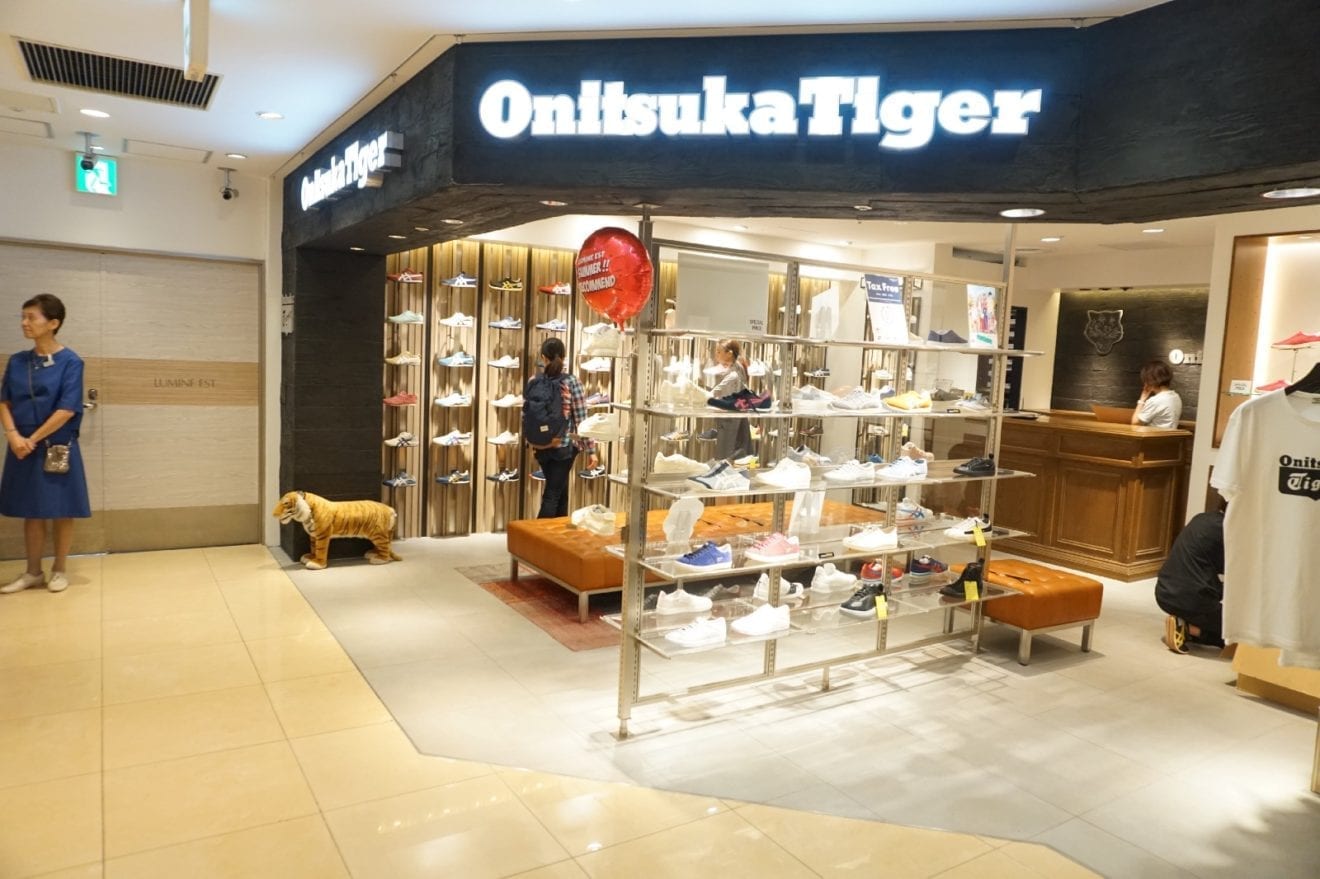
    In Tokyo and other major Japanese cities, the race is on among outdoor and sportswear manufacturers to secure coveted street-level retail spaces. These brands are making their mark in urban environments as they tap into the growing demand for high-quality, functional clothing tailored for both adventure and urban lifestyles.

    Among the notable mentions is Goldwin, whose recent addition in Kyoto has unveiled a captivating storefront, harmonizing natural stone with modern design sensibilities. This trend isn’t just about aesthetics; it’s a strategic move for brands seeking to enhance customer engagement by providing an immersive shopping experience.

    The surge in retail activity creates a vibrant scene for urban dwellers and tourists alike. Just imagine transitioning from a busy shopping street into a tranquil outdoor oasis housed in a boutique—it’s a clever shift that not only beckons the nature enthusiast but also piques the curiosity of those merely window shopping.

    Furthermore, the lifting of pandemic restrictions has accelerated this retail renaissance. Brands are eager to reconnect with consumers through innovative storefronts that serve as both retail spaces and community hubs. With the backdrop of the post-COVID landscape, companies are reimagining how their products are presented, often incorporating elements that appeal to the senses, from textures to interactive displays.

    Today’s retail landscape is about storytelling, and outdoor and sportswear brands are crafting narratives that resonate with consumers’ lifestyles. As they embrace urbanity while celebrating the outdoors, the result is a refreshing fusion that promises to invigorate the shopping experience.

    Questions & Answers

    What motivated outdoor and sportswear brands to open more street-level stores?
    The growing demand for high-quality, functional clothing aimed at both outdoor adventures and urban lifestyles has driven these brands to secure prominent retail spaces.

    How are these new storefronts enhancing customer engagement?
    By creating immersive shopping experiences that blend modern design with their brand identities, these stores invite customers to explore product offerings in engaging and innovative settings.

    What impact has the post-pandemic environment had on retail strategies?
    With the lifting of pandemic restrictions, brands are eager to reconnect with consumers, leading to the rise of innovative retail spaces that not only serve as shops but also as hubs for community engagement.