Tag: Retailers

  • Arla Foods Launches Protein Pudding Range In Australia, Strengthening Regional Presence

    Arla Foods Launches Protein Pudding Range In Australia, Strengthening Regional Presence

    Arla Foods, a leading global dairy company, has introduced its Protein Pudding range to the Australian market. The range, which includes two flavours – Chocolate and Salted Caramel, is being distributed by a number of local retailers such as Coles, Harris Farm Markets, Costco, and 7-Eleven.

    The Protein Pudding Range

    Available in two flavours, the Protein Pudding range is an exciting addition to Arla Foods’ line-up of products. The Chocolate and Salted Caramel variants are not only delicious but are also low in fat, free from added sugar, and packed with 20g of protein per 200g serving. The puddings have been developed in response to the increasing demand for snacks that are both functional and indulgent. With a thick, creamy texture, these puddings provide a guilt-free snacking option or a satisfying dessert alternative for consumers.

    Expansion Across the Region

    Arla Foods continues to strengthen its presence in the region. In May, the company extended its regional reach by partnering with Alchemy Agencies. This collaboration led to the distribution of five premium nutrition ingredients across Australia, New Zealand, and the Pacific Islands. This move forms part of Arla Foods’ broader strategy to grow its footprint in Southeast Asia and the ANZ/Oceania region.

    Questions & Answers

    What is unique about Arla Foods’ Protein Pudding range?
    The Protein Pudding range by Arla Foods is low in fat, free from added sugar, and provides 20g of protein per 200g serving. It also serves as a functional yet indulgent snack or dessert alternative.

    Which flavours are available in the Protein Pudding range?
    The Protein Pudding range is available in two flavours – Chocolate and Salted Caramel.

    What was the outcome of Arla Foods’ partnership with Alchemy Agencies?
    The partnership with Alchemy Agencies resulted in the distribution of five premium nutrition ingredients across Australia, New Zealand, and the Pacific Islands.

  • Singapore’s Retail Sector Sees Robust Growth In July, Led By Tech Industry

    Singapore’s Retail Sector Sees Robust Growth In July, Led By Tech Industry

    In July, the retail sector in Singapore displayed promising growth, with most categories reporting an uptick in sales.

    July’s Retail Sales Growth

    Singapore’s retail industry experienced an impressive 4.1% increase in July, a significant improvement over June’s modest 0.5% rise, when motor vehicle sales are excluded from the total. The total estimated retail sales value for the month was SG$3.6 billion (US$2.8 billion), with online sales accounting for 15.5% of this figure.

    On a seasonally adjusted basis, July’s retail sales figures represented a 3.8% increase from the previous month.

    Industries Contributing to Retail Growth

    The majority of industries within the retail trade sector contributed to July’s growth. The most substantial improvement was observed in the computer and telecommunications equipment industry, which reported a year-on-year increase in sales of 11.1%.

    Sales in the watches and jewellery sector, as well as supermarkets and hypermarkets, rose by 9.6%. Department stores, cosmetics, recreational goods, along with optical goods and books, also experienced sales uplifts, ranging between 4.1% and 8.6%.

    However, not all industries enjoyed a rise in sales. Food and alcohol, apparel and footwear, and petrol service stations saw declines in sales of between 2% and 5.6%.

    Growth in Food and Beverage Services

    The food and beverage services sector also registered growth in July. This sector saw a rise of 1.7% in sales, an improvement over the flat growth reported in June. The total sales value of F&B services was approximately SG$1 billion, with online sales representing 25.9% of this figure.

    Questions & Answers

    Which retail sector experienced the most substantial growth in July?
    The computer and telecommunications equipment industry reported the most significant growth, with sales up 11.1% year-on-year.

    Did all retail sectors in Singapore experience growth in July?
    No, the food and alcohol, apparel and footwear, and petrol service stations sectors saw a decline in sales.

    How did the food and beverage services sector perform in July?
    The food and beverage services sector saw a 1.7% rise in sales, compared to flat growth in June. Online sales made up 25.9% of the total sales in this sector.

  • Over 70% of Singaporeans Embrace AI as a Valuable Tool for Holiday Shopping

    Over 70% of Singaporeans Embrace AI as a Valuable Tool for Holiday Shopping

    In the fast-evolving landscape of holiday shopping, the future is undoubtedly digital—and Singaporeans are embracing it with open arms. As the holiday season approaches, a striking 74% of consumers in the city-state are turning to artificial intelligence (AI) tools for gift inspiration, according to the 2025 Holiday Shopping Report from IAS. This data reveals a significant shift in how people are making purchasing decisions, with 27% planning to use AI for online research on products and gift ideas.

    Ads as Essential Decision-Makers

    Interestingly, advertisements are playing a pivotal role in guiding consumer choices. The report highlights that three-quarters of shoppers find that ads significantly influence what they buy. “Instead of wish lists scribbled on paper, shoppers this year are guided by algorithms, trusted platforms, and festive ads that meet them at just the right moment,” says IAS. Despite rising economic pressures, the spirit of giving remains robust, with many Singaporeans intent on either maintaining or increasing their spending this season.

    Spending Trends Indicate Consumer Optimism

    According to the report, 57% of respondents are planning to spend more during the holidays, while 66% will be vigilant about discounts. Discounts emerge as the primary driver of holiday spending for 74% of shoppers, followed closely by festive content at 53% and family recommendations at 51%.

    Holiday Shopping Patterns Unveiled

    The early bird catches the present: half of all shoppers begin their holiday shopping as early as August or October, with the majority of expenditures peaking in November. Laura Quigley, Senior Vice President of APAC at Integral Ad Science, notes, “Our data shows impressions alongside holiday content surge by 150% between November 15 and December 3, a clear signal for brands to frontload their campaigns.”

    The Intersection of Trust and Technology

    With the rising consumer trust in ads and the innovative role of AI in gift discovery, this festive season presents an unparalleled opportunity for brands—not just to capture attention, but to convert that interest into tangible sales. As Quigley aptly puts it, “The opportunity isn’t just to capture eyeballs, but to convert them into meaningful outcomes.” It’s an exciting time for retailers who can navigate this new digital terrain.

    Questions & Answers

    How are Singaporeans using AI tools for their holiday shopping?
    Many Singaporeans are leveraging AI tools for gift inspiration, with 74% integrating these technologies into their shopping experience, particularly for online research about products and gifts.

    What role do advertisements play in consumer purchasing decisions?
    Advertisements significantly influence consumer choices, with three in four shoppers acknowledging that ads guide their buying decisions, highlighting the effectiveness of advertising during the festive season.

    When do most shoppers start their holiday shopping in Singapore?
    Half of the shoppers in Singapore begin their holiday shopping as early as August to October, while the peak spending period is in November, according to the report findings.

  • Singapore Emerges as Asia Pacific’s 6th Easiest Business Hub, Surpassing Vietnam and Thailand

    Singapore Emerges as Asia Pacific’s 6th Easiest Business Hub, Surpassing Vietnam and Thailand

    Singapore has found itself in a challenging position in the latest Global Business Complexity Index, landing 48th out of 79 global destinations for 2025. This index, which scrutinizes how easy or difficult it is to set up and operate businesses around the world, reveals a landscape where the top-ranked countries exhibit significant complexity and the lower-ranked ones showcase simpler business environments.

    Asia’s Competitive Landscape

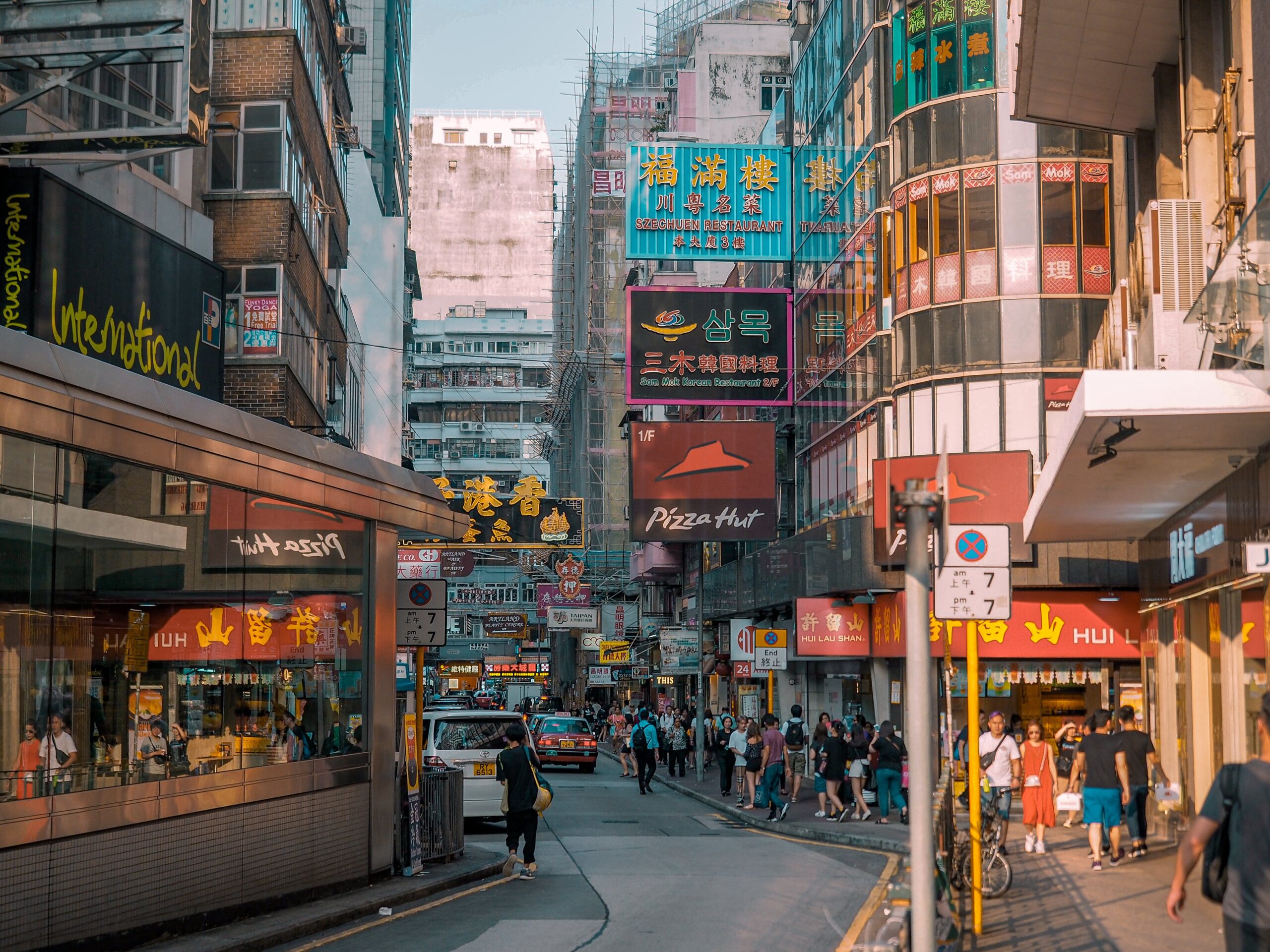
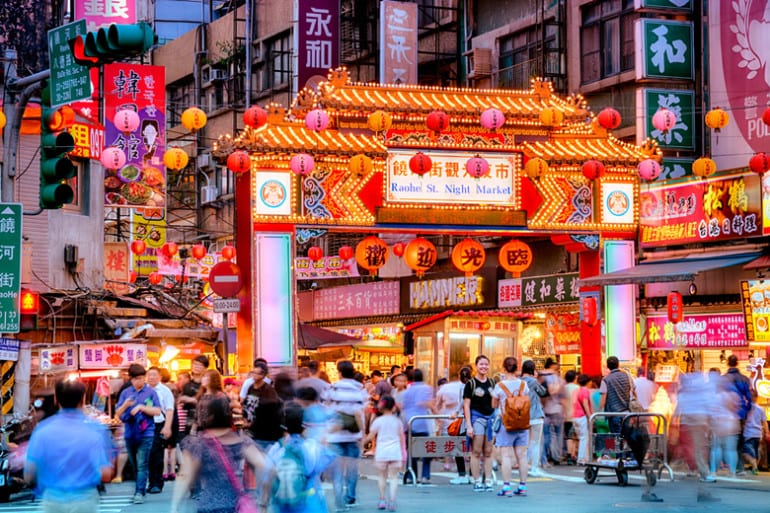
    In the Asia Pacific region, Singapore’s ranking pales in comparison to its neighbors, trailing behind New Zealand (77th), Hong Kong (76th), Thailand (56th), Vietnam (54th), and Taiwan (51st).

    A Comprehensive Evaluation

    Compiled by TMF Group, a global professional services firm now in its 12th iteration, the index assesses a whopping 79 locations representing 94% of global GDP and 95% of foreign direct investment inflows. The evaluation is based on 292 distinct indicators spanning legislation, compliance, accounting standards, tax procedures, and human resources practices.

    Investment and Infrastructure Benefits

    The report highlights Singapore’s ongoing investment in physical and digital infrastructure—supported by enhancements to its ports, airports, and digital networks—which bolsters its status as a pivotal trade hub in the region. According to Singapore Business Review, this focus on infrastructure elevates Singapore’s appeal in a highly competitive landscape.

    A Work-Life Balance Conundrum

    Interestingly, there has been a positive shift in the “human resources and payroll” category, with Singapore attracting global talent through streamlined immigration policies and competitive salaries. However, the flip side of progress comes with heightened regulatory complexity. Stricter anti-money laundering measures and tighter corporate service regulations have made the business climate more intricate.

    Balancing Transparency and Bureaucracy

    Mark Weil, CEO of TMF Group, acknowledges the intent behind Singapore’s compliance frameworks, stating they are designed to ensure transparency and maintain financial integrity. Yet, they inevitably introduce additional bureaucratic hurdles for firms looking to thrive. “Regulatory bodies like the Monetary Authority of Singapore are known for their efficiency but also for upholding high standards, particularly in finance and data governance,” Weil remarked in a recent interview with The Straits Times.

    Challenges in Talent Acquisition

    Weil also pointed out complications arising from restrictions on hiring foreigners in certain sectors and stringent employment pass requirements, which can stymie recruitment efforts. New flexible work policies introduced late last year have added another layer of complexity for companies navigating Singapore’s evolving regulatory framework.

    The Southeast Asian Perspective

    Other Southeast Asian economies didn’t fare too poorly either, with the Philippines ranking 26th, Malaysia at 27th, and notably, Indonesia impressively at 14th. On the global stage, Greece takes the crown of the most complex business environment, followed by France, Mexico, and Turkey, driven largely by their multifaceted regulatory setups.

    Questions & Answers

    How does Singapore rank in comparison to other countries in Asia?
    Singapore ranks 48th out of 79 destinations in the Global Business Complexity Index, falling behind countries like New Zealand, Hong Kong, and Thailand in the Asia Pacific region.

    What factors contributed to Singapore’s ranking?
    The ranking took into account Singapore’s regulatory complexity amid stricter anti-money laundering measures and enhanced corporate regulations, despite improvements in human resources recruitment.

    Which country is deemed the most complex globally, and why?
    Greece is recognized as the most complex market globally, primarily due to ongoing legislative changes related to tax, accounting, and human resources.

  • Asia’s Retail Revolution: Embracing Digital, Personalization, Sustainability, And Experiential Shopping

    Asia’s Retail Revolution: Embracing Digital, Personalization, Sustainability, And Experiential Shopping

    As the retail landscape continues to evolve rapidly in Asia, businesses are gearing up for the challenges and opportunities ahead. With consumer behavior shifting toward digital channels and a preference for personalized shopping experiences, retailers are finding innovative ways to adapt and thrive.

    Embracing Digital Transformation

    The COVID-19 pandemic accelerated a digital shift already underway, and now, retailers are fully embracing e-commerce. In 2022, online retail sales in Asia reached an impressive $1.4 trillion, reflecting a rise that even the most optimistic of forecasters couldn’t have predicted. Brands are investing heavily in technology to streamline logistics, improve inventory management, and enhance the online shopping experience.

    The Power of Personalization

    Personalization is becoming a cornerstone of retail strategy. Customers are not just looking for products; they seek experiences that resonate with their individual preferences. Retailers utilizing data analytics are able to provide targeted recommendations and tailored promotions, making shoppers feel special and valued—just like a barista who remembers your usual order.

    Sustainability Takes Center Stage

    Another trend reshaping the retail sector in Asia is the increasing demand for sustainability. Today’s consumers are more conscious of their environmental impact, leading brands to reevaluate their sourcing and production practices. Companies are not only focusing on eco-friendly materials but also on reducing waste across their supply chains. Retailers who embrace this shift stand to capture a growing market segment that prioritizes planet-friendly purchasing.

    The Rise of Experiential Retail

    As online shopping flourishes, brick-and-mortar stores are reimagining their roles to provide unique experiences that cannot be replicated online. By hosting events, interactive displays, and immersive experiences, retailers are enticing customers to step away from their screens and into the store. This approach not only boosts foot traffic but also fosters community connection and brand loyalty.

    Conclusion: A Dynamic Future Awaits

    With technological advancements surging and consumer preferences shifting, the fate of the retail sector in Asia is evolving at breakneck speed. Brands that successfully navigate this landscape will not only survive but thrive, transforming challenges into opportunities for growth. The question remains: who will dance ahead of the retail rhythm, and who will miss the beat?

    Questions & Answers

    How has the pandemic influenced retail trends in Asia?
    The pandemic has significantly accelerated the shift towards e-commerce and digital transformation, prompting retailers to enhance their online presence and customer engagement.

    What role does personalization play in modern retail?
    Personalization fosters a stronger connection between brands and consumers, with retailers leveraging data analytics to provide tailored shopping experiences that resonate with individual preferences.

    Why is sustainability becoming a vital aspect of retail strategy?
    Consumers are increasingly prioritizing environmentally friendly practices in their purchasing decisions, prompting retailers to adopt sustainable sourcing and production methods to meet this demand.

  • Global Retail Giants Redefine Strategy Amid Booming Asian Market

    Global Retail Giants Redefine Strategy Amid Booming Asian Market

    Amid ongoing challenges in the global retail landscape, several industry giants are adapting their strategies to capture the unique opportunities presented by the Asian market. The latest results from major players like Uniqlo, Zara, and H&M underscore a notable shift toward localized approaches that blend global best practices with regional insights.

    Retail Behemoths Adapt to Local Markets

    In a vibrant display of resilience, Uniqlo, part of SoftBank Group Corp., reported robust sales growth in its Asian segments, buoyed by a renewed focus on in-store experiences and digital integration. With consumers seeking both convenience and connection, the brand has revamped its store layouts to reflect local tastes while maintaining its commitment to quality and affordability. In just one of several delightful turns, their new store design in Singapore now features interactive zones where shoppers can test the innovative fabric technology firsthand. Who wouldn’t want a sneak peek at the future of fashion while browsing through their favorite essentials?

    Zara and H&M: The Fast Fashion Frontier

    Zara’s parent company, Inditex, has also made waves by enhancing its customer engagement strategies. Recently, the brand launched its “Zara Everywhere” initiative in Southeast Asia, optimizing mobile shopping experiences and expanding its online presence. This agile response comes as retailers race to stay relevant in a fast-changing retail environment. Meanwhile, H&M is championing sustainability through its Conscious Collection, carefully produced with eco-friendly materials, making it a hit among increasingly conscientious consumers. A single glance at their collection may leave you questioning—can fashion really save the planet?

    The Online Shopping Boom

    The pandemic may have pushed many retail operations online, but in Asia, the ascent of e-commerce has been dramatic. Brands are doubling down on digital platforms, innovating payment options, and enhancing logistics to ensure a seamless consumer journey. The convenience of mobile shopping, particularly in countries like China and India, is reshaping the retail environment, making it essential for brands to adapt quickly. As savvy shoppers continue to embrace the convenience of buying online, retailers are finding that capturing their attention requires more than just a website—it demands creativity and excitement.

    Amid these changes, consumer expectations are ever-evolving, driven by a blend of local culture and international influence. Retailers are realizing that traditional marketing tactics won’t cut it anymore; they need to engage, entertain, and inspire.

    The Asian retail scene is not just a marketplace; it’s a dynamic stage where innovation meets tradition, and brands that can dance to this rhythm are likely to thrive.

    Questions & Answers

    How are Uniqlo and other retailers enhancing their store experiences in Asia?
    Uniqlo is implementing redesigned store layouts that reflect local tastes, incorporating interactive zones for consumers to engage with products, while emphasizing digital integration.

    What strategies are Zara and H&M employing to remain competitive in the Asian market?
    Zara is launching its “Zara Everywhere” initiative to optimize mobile engagement, while H&M is focusing on sustainability with its Conscious Collection, targeting eco-conscious consumers.

    Why is the e-commerce boom significant in Asia for retail brands?
    The rapid growth of e-commerce is transforming retail, as consumers in Asia increasingly prefer the convenience of mobile shopping, prompting brands to innovate their online presence and logistics capabilities.

  • Hong Kong Rises To Second In Asia’s Smart City Rankings: A Look At Its Success

    Hong Kong Rises To Second In Asia’s Smart City Rankings: A Look At Its Success

    In a recent evaluation of global urban centers, Hong Kong has emerged as a standout performer within Asia, claiming the second spot in the region, just behind Tokyo, which secures the fifth position worldwide. This assessment comes from the ISUI Smart City Index 2025, prepared by the Hong Kong Polytechnic University in collaboration with the International Society for Urban Informatics (ISUI).

    Smart City Development Takes Center Stage

    Released on Wednesday, the index scrutinizes the impact of smart city advancements on residents’ quality of life across 73 cities worldwide, including 25 in Asia. The evaluation rests on six essential dimensions: citizens, environment, social landscape, economy, infrastructure, and governance. An impressive 97 specific indicators, derived from publicly available data like the ratio of facilities to residents, contributed to this comprehensive analysis.

    Hong Kong’s Sustainable Edge

    Hong Kong’s remarkable standing can be attributed to its commitment to environmental sustainability, robust digital economic growth, and effective governance structures, as reported by The Standard. The index underscored the city’s strides toward carbon neutrality, bolstered by a sophisticated digital infrastructure and an open-access spatial data sharing platform that now offers over 1,000 datasets from various municipal departments for public access.

    Improving and Inspiring

    Professor John Shi, president of ISUI and the study’s lead academic, remarked on Hong Kong’s leap from ninth place in 2023 to its current rank. “It’s very strong, very encouraging. The city is excelling in its smart city development,” he stated, as quoted by Hong Kong broadcaster RTHK. He also stressed that the findings could play a pivotal role in shaping future policies, particularly in expanding active transportation infrastructure, such as cycling paths and electric vehicle charging stations.

    Global Competitors in the Mix

    Other notable Asian cities also shone in the index with South Korea’s Seoul at 13th, China’s Beijing at 15th, and Singapore at 21st. On the global stage, Stockholm, Sweden, took the top honors, succeeded by Washington, D.C., Barcelona, and London.

    Questions & Answers

    How does Hong Kong’s smart city ranking compare to previous years?
    Hong Kong climbed from ninth place in 2023 to secure second place in Asia this year, highlighting significant improvements in its smart city initiatives.

    What factors contributed to Hong Kong’s high ranking?
    The city’s achievements in environmental sustainability, digital economic development, and effective governance were crucial to its high ranking in the ISUI Smart City Index.

    How do other Asian cities rank in the smart city index?
    In addition to Hong Kong and Tokyo, Seoul ranked 13th, Beijing 15th, and Singapore 21st, showcasing a competitive landscape among leading Asian urban centers.

  • Singapore Retailers Association announces The Singapore Retail Festival celebrating fresh, energised experiences

    Singapore Retailers Association announces The Singapore Retail Festival celebrating fresh, energised experiences

    In a bold move to offer shoppers unique and one-of-a-kind retail moments beyond sales to rejuvenate the retail industry and re-establish Singapore as a shopping destination for the world, the Singapore Retailers Association (SRA) announced the inaugural Singapore Retail Festival (SRF).

    SRF, to be held from 26 September to 12 October, 2025, will be an industry-wide celebration of innovation and transformation to reignite consumer excitement in visiting physical stores, while spotlighting the innovation, creativity, and spirit of Singapore’s retail sector.

    Mr Ernie Koh, President of Singapore Retailers Association, remarked that “by bringing back the magic of discovery, engagement, and on-ground experiences, the Singapore Retail Festival is looking to transform the everyday shopping journey into something fresh, vibrant, and memorable – strengthening Singapore’s position as a dynamic and future-ready retail destination for both Singaporeans and tourists. Shoppers can look forward to a dynamic, value-driven celebration of Singapore retail that reflects the changing needs of today’s consumers and the modern retail landscape”.

    This new initiative by the association was conceived to provide the much-needed united push with collective marketing, to amplify visibility and footfall across Singapore’s retail ecosystem, especially for the physical stores. SRA will work with retailers and key partners such as BHG, Eu Yan Sang, Harvey Norman, IN GOOD COMPANY, Metro, OG, Pet Lovers Centre, TANGS, TC Acoustic, Watson’s, among other retailers, and Brands for Good (BFG) to reimagine the festival, focusing on value beyond price and emphasising experiential retail, meaningful consumer engagements, and innovation.

    Mr Koh added that “this is no longer just a sale. It’s a celebration of Singapore’s retail creativity, and the unique value presented by its retail community. The Singapore Retail Festival represents a united push to uplift our retail sector. It’s about delivering value beyond discounts, creating one-of-a-kind moments that shoppers simply cannot find anywhere else.”

    One of the key features of SRF will be the introduction of experiential retail concepts from interactive in-store activations to limited-time concepts such as pop-ups, workshops, masterclasses, sensory or personalisation activities, to create immersive environments that excite and engage shoppers and reward them from stepping out to enjoy the vibrancy of the retail scene. This feature, among others such as exclusive value-driven offerings in the form of limited-time product drops, bundles and exclusive collaborations, offering unique and meaningful buys that go beyond conventional discounts, will make the festival markedly different from the Great Singapore Sale (GSS), the once much-anticipated annual affair that placed Singapore on the world map for great shopping. Once synonymous with deep discounts, GSS gradually lost its lustre with increasing competition from neighbouring cities often offering retail experiences at a lower price.

    What’s New

    •  Exclusive Value-Driven Offerings: The festival would feature limited-time, specially curated product offerings and exclusive collaborations for unique and meaningful buys that go beyond conventional discounts.
    • Experiential Retail Concepts: From interactive in-store activations to limited-time concepts such as pop-ups, to create immersive environments that excite and engage shoppers for memorable experiences and Instagram-worthy compelling alternatives to the convenience of online shopping.
    • New Retail Brands: SRF will spotlight not just established household names but also new retail brands entering the scene. These newcomers bring fresh ideas, niche offerings, and bold concepts that appeal to evolving consumer tastes, adding vibrancy and diversity to the overall retail experience. Their participation also reflects Singapore’s continued appeal as a launch pad for innovative retail ideas.
    • Thematic Celebrations: Each year, the SRF will adopt a distinct theme to keep the experience fresh, relevant, and aligned with consumer trends – something to look out for and experience first-hand. This approach not only allows for creative storytelling and curated retail experiences, but will also help drive year-on-year excitement and deeper engagement for both retailers and shoppers.

    Introduced in celebration of Singapore’s 60th year of independence, the festival will also coincide with the Formula 1 Singapore Grand Prix 2025 this year, leveraging the seasonal surge in international visitors and tourists. More detailed information on SRF 2025 will be announced later.

    SRA invites retailers across the island to join the festival by contacting SRA to share innovative retail ideas for collaboration and indicate their interest to participate in the festival. Please refer to the annex of the attached document for the list of confirmed participating retailers and malls to date.

  • Tourist Tax-Free Spending Plummets, Foreshadowing Challenges for Japan’s Retail Sector

    Tourist Tax-Free Spending Plummets, Foreshadowing Challenges for Japan’s Retail Sector

    Sales at Japanese department stores have shown signs of slowing in recent months, raising concerns that even the wealthiest shoppers may be curbing their extravagant expenditures. This shift is attributed partly to the ripple effects of U.S. President Donald Trump’s aggressive tariff policies, which have begun to take a toll on consumer sentiment.

    Once a hotspot of opulence, where luxury purchases were practically an everyday occurrence, the shopping landscape is shifting. Data from the Japan Department Stores Association indicates that, while the overall department store sales dipped by 0.4% year-on-year in August, the high-end segment is particularly feeling the pressure. Consumers that once splurged with abandon are now more discerning, raising eyebrows and speculation in the retail sector.

    In a bid to attract the scrupulous shopper, renowned stores like Tokyo’s Isetan Shinjuku have embraced technology, launching an innovative smartphone app tailored for overseas visitors. This app offers users enticing discount coupons as well as comprehensive information about the store in English, Chinese, and Korean. Such initiatives not only enhance the shopping experience but also seek to capture a significant slice of the lucrative tourist market.

    As retailers grapple with these changes, they are stepping up efforts to adapt. The high-end fashion scene finds itself at a crossroads, where luxurious brands must navigate a delicate balance between aspirational pricing and accommodating the evolving preferences of their consumer base. Will the lavish lifestyles of the past return, or are shoppers’ appetites for luxury purchases shifting irreversibly? Only time will tell, but for now, retailers seem to be polishing their strategies and hoping for a spark of that former extravagance — who wouldn’t want a weekend shopping spree to feel like a scene from a Hollywood film?

    Questions & Answers

    How have recent economic factors impacted Japanese department store sales?
    Japanese department store sales have dipped by 0.4% year-on-year, with concerns that high-end consumers are becoming more discerning due to factors like U.S. tariffs.

    What strategies are department stores implementing to attract overseas customers?
    Stores like Isetan Shinjuku have launched smartphone apps offering discount coupons and information in multiple languages, aimed at enhancing the shopping experience for foreign tourists.

    What does the future hold for high-end retail in Japan?
    As consumer preferences evolve, luxury brands face a challenge in balancing aspirational pricing with the desires of a more cautious shopping base, raising questions about the future of extravagant spending.

  • Hong Kong Retail Sales Rise In June, Slower Pace Indicates Stabilization

    Hong Kong Retail Sales Rise In June, Slower Pace Indicates Stabilization

    In June, Hong Kong experienced an increase in retail sales, albeit at a slower pace than the previous month of May. The total retail sales for the special administrative region came in at HK$30.1 billion (US$3.8 billion), marking a 0.7 per cent year-on-year growth. This rise, however, was less than the 2.4 per cent increase witnessed in May, which was the first surge in retail sales observed in over a year.

    The Impact of Price Changes

    When considering the impact of price changes during this period, the provisional estimate of retail sales for June revealed a 0.3 per cent year-on-year decrease. This is in comparison to a 1.9 per cent uptick seen in May.

    Industry-Specific Performance

    Breaking down the increase in retail sales by industry, the sectors of jewellery, watches and clocks, and valuable gifts led the pack, enjoying a 6.8 per cent upswing in June. The following industries also saw notable growth: medicines and cosmetics, with a 6 per cent increase; commodities in department stores, with a 5.7 per cent rise; and optical shops, which saw a 1 per cent surge in sales.

    On the other hand, some sectors witnessed a decline in sales. Sales of wearing apparel dipped by 4.3 per cent, while food, alcoholic drinks and tobacco dropped by 1.5 per cent. Additionally, sales in furniture and fixtures saw a significant decrease of 16.3 per cent, with books, newspapers, stationery and gifts experiencing a 4.7 per cent fall.

    First-Half Overview

    Looking at the bigger picture, retail sales in Hong Kong for the first half of the year showed a downward trend, dropping by 3.3 per cent when compared to the same period last year.

    However, a government spokesperson conveyed optimism, noting that the retail sector has been exhibiting signs of stabilization in recent months. The spokesperson cited several favourable factors contributing to this trend, including the steady rise in employment earnings, a robust stock market, and concerted efforts from the government and businesses to promote tourism. These factors are anticipated to augment consumer sentiment and provide a strong support for the retail sector.

    Questions & Answers

    What was the value of retail sales in June in Hong Kong?
    The value of retail sales in Hong Kong in June was HK$30.1 billion (US$3.8 billion), representing a 0.7 per cent year-on-year increase.

    Which sectors led the growth in Hong Kong’s retail sales in June?
    The sectors of jewellery, watches and clocks, and valuable gifts led the growth in June with a 6.8 per cent increase. Other sectors experiencing growth included medicines and cosmetics, commodities in department stores, and optical shops.

    What are the factors contributing to the stabilization of Hong Kong’s retail sector?
    The stabilization of Hong Kong’s retail sector can be attributed to the continuous increase in employment earnings, a solid stock market performance, and government and business efforts to boost tourism.

  • Small Sellers Struggle to Keep Up Amid E-Commerce Surge: Challenges and Opportunities Ahead

    Small Sellers Struggle to Keep Up Amid E-Commerce Surge: Challenges and Opportunities Ahead

    Tuan Anh, a seller operating his online printed T-shirt shop in Ho Chi Minh City, has made the difficult decision to close his business after struggling to make sales. Despite his hopes of earning some extra money on the side, Tuan Anh found the competitive landscape daunting. “There are too many competitors on e-commerce platforms”. “The only way to sell is by running ads, which is not feasible for small vendors like me who lack funds.”

    This sentiment is echoed across the industry. According to recent data from Metric, the first half of the year saw a staggering decline of 80,000 in the number of e-commerce vendors securing at least one order, reflecting the increasing challenges faced by small sellers. “The market is increasingly favoring larger sellers capable of maintaining stable order volumes,” noted a representative from Metric.

    Market Gains, but Not for Everyone

    While the e-commerce sector appears to be thriving, particularly for larger players, smaller sellers are struggling to keep pace. Consultancy firm YouNET ECI reported that the gross merchandise value generated by the four largest multi-category retail platforms—Shopee, TikTok Shop, Lazada, and Tiki—reached an impressive VND222.1 trillion (approximately US$8.8 billion) during the first half of the year, marking a 23% increase year-on-year. Yet, in stark contrast, the number of active sellers on these platforms dipped by 1.3% to 578,700.

    Nguyen Phuong Lam, director of market analysis at YouNet ECI, emphasized that while official brand stores enjoyed significant revenue growth of 34%, smaller vendors continue to falter. Data from Metric reveals that shop malls, although representing only 3.4% of the total shops, accounted for a robust 28.7% of sales. This trend highlights consumers’ increasing preference for trust and reliability when shopping amidst an influx of low-quality goods.

    Marketing Woes for Small Sellers

    The hurdles for small sellers don’t stop at competition; limited marketing resources significantly hinder their visibility. Nguyen Khac Tu, founder and CEO of Bigshop, an established electronics and household appliance retailer, pointed out, “If vendors on Shopee do not run ads, they get very few orders. Similarly, TikTok Shop livestreams without advertising attract hardly any viewers.” Coupled with rising platform fees, the environment has become stifling for many small, under-resourced sellers.

    YouNet ECI’s Lam reiterated the detrimental impact of escalating fees. “With mounting pressure from rising platform costs, many small, unprofessional, or under-invested sellers feel compelled to exit the market,” he commented. Adding to these challenges, the days of quick profits from low-quality goods seem to be fading fast, as stricter regulations targeting product quality and a crackdown on counterfeit items push some sellers out.

    Future Prospects Amidst Challenges

    Despite these obstacles, the e-commerce market continues to expand at a rapid pace. Metric forecasts a notable 21.6% sales increase in the third quarter of 2025, predicting that the gross merchandise value for the four dominant platforms will hit VND122.8 trillion. Long-term projections from the e-Conomy report by Google, Temasek, and Bain & Company envision Vietnam’s online market soaring to $63 billion by the decade’s end—nearly triple the anticipated figure for 2024.

    However, the road to success is becoming increasingly exclusive to professional shops equipped with the necessary financial backing. Lam further stressed that today’s consumers expect quality and cannot tolerate platforms being mere dumping grounds for surplus inventory. “Serious investment in branding, service quality, and robust financial preparation is vital for survival,” he emphasized. “Vietnam’s e-commerce market no longer has room for short-term thinking.”

    In light of the current challenges, a proposed E-commerce Law aims to enhance market quality and transparency. This legislative initiative seeks to impose stricter accountability on platforms, mandating the removal of any violating products within 24 hours of detection, and requires sellers to verify their identities for traceability. Nguyen Huu Tuan, director of the E-commerce and Digital Technology Development Center, expressed that sellers will face tighter regulations regarding product ownership and labeling, with comprehensive details mandatory for all listings. “The days of posting products with arbitrary information are over,” he declared. And it appears, in the evolving e-commerce landscape, the only thing more certain than growth is the push for professionalism.

    Questions & Answers

    What challenges are small online sellers facing in Vietnam’s e-commerce market?
    Small sellers are encountering intense competition and limited marketing resources, making it difficult for them to gain visibility and secure orders. Rising platform fees further exacerbate these challenges, forcing many to exit the market.

    How are larger platforms performing compared to smaller sellers?
    Larger platforms like Shopee and TikTok Shop are thriving, with significant increases in gross merchandise value, while the number of active small sellers is declining as they struggle to compete.

    What legislative changes are being proposed to improve the e-commerce landscape?
    A proposed E-commerce Law aims to enhance market transparency and accountability, requiring platforms to promptly remove violating products and enforce stricter identity verification for sellers.


  • Revolutionizing Retail: Sensetime And K11’s Art-tech Pop-up Transforms Hong Kong’s Shopping Scene

    Revolutionizing Retail: Sensetime And K11’s Art-tech Pop-up Transforms Hong Kong’s Shopping Scene

    Hong Kong’s shopping landscape is poised for a remarkable transformation with the introduction of a unique retail pop-up venture by SenseTime and Hong Kong’s own K11 Art Mall. This innovative concept aims to blend art, technology, and retail in a synergy that promises to captivate shoppers and art aficionados alike. Designed to be an immersive experience, the pop-up installation is scheduled to run through October 2023, positioning itself at the forefront of the city’s retail evolution.

    A Fusion of Art and Technology

    Visitors to the pop-up can expect to walk through a mesmerizing journey where AI-generated art meets high-quality merchandise. Imagine stepping into a space where the boundaries between the virtual and the physical dissolve, offering a fresh perspective on both shopping and artistic appreciation. SenseTime, renowned for its advancements in artificial intelligence, has created interactive art pieces that respond to visitors, sparking engagement in ways that traditional retail environments seldom achieve.

    A Unique Shopping Experience

    What sets this venture apart isn’t just the novelty of AI-driven artwork. Shoppers will also have the opportunity to purchase selected products that feature these unique designs, allowing them to take home a piece of the experience. It’s not every day that a shopping bag can feel like a piece of the Metaverse! The K11 Art Mall aims to create a space where shopping transcends mere transaction and evolves into an exploration of culture and creativity.

    Community Engagement and Cultural Impact

    In addition to promoting consumer engagement, the pop-up event is a conscious effort to promote local artists alongside technological marvels. By showcasing their work, SenseTime and K11 Art Mall are nurturing a vibrant cultural scene in Hong Kong. This initiative reflects a broader trend within the retail industry across Asia, where brands are increasingly recognizing the importance of blending cultural elements with shopping experiences to enrich consumer interaction.

    As the pop-up continues to draw attention, it stands as a testament to the changing face of retail in Asia. With consumer preferences evolving towards experiences rather than mere products, forward-thinking brands are learning to adapt by integrating art, technology, and community into their retail strategies.

    Questions & Answers

    What can visitors expect from the SenseTime and K11 Art Mall pop-up?
    Visitors can look forward to an immersive experience that merges AI-generated art with unique merchandise, creating a intertwined environment that redefines shopping.

    How does this initiative support local artists?
    The initiative showcases local artists, providing them with a platform to reach new audiences while intertwining cultural elements into the shopping experience.

    What broader trend does this pop-up reflect in the retail industry?
    This pop-up exemplifies a growing trend where retailers are focusing on experiential shopping, merging art, technology, and cultural engagement to attract modern consumers.

  • Walmart Unveils Four Cutting-Edge AI ‘Super Agents’ with Strategic Tech Recruitment Boost

    Walmart Unveils Four Cutting-Edge AI ‘Super Agents’ with Strategic Tech Recruitment Boost

    The retail landscape in Asia has been buzzing with activity as major players adapt to the evolving market dynamics. With the ongoing embrace of e-commerce and a resurgence of physical shopping, businesses are honing their strategies to capture the attention of an increasingly discerning consumer base.

    Asia’s Digital Retail Rise

    Digital retail in Asia has witnessed unprecedented growth, fueled by a blend of technological advancements and changing consumer behavior. According to recent reports, the region is on track to surpass a staggering $2 trillion in online sales this year. Beyond mere numbers, this seismic shift reflects a cultural transformation — imagine purchasing a new outfit with a few swipes on your smartphone while sipping bubble tea. It’s convenience served with a splash of personality.

    Bricks and Mortar Make a Comeback

    While e-commerce continues to thrive, the allure of physical retail stores has not dimmed. Many brands are rethinking their brick-and-mortar strategies, merging the tactile experience of shopping with digital savviness. Retailers are increasingly investing in immersive experiences that engage shoppers beyond traditional transactions, sparking excitement for customers keen to explore the latest trends in person.

    Adaptation in the Face of Challenges

    Retailers in Asia are not just riding the wave of digital sales; they are also navigating significant challenges like supply chain disruptions and inflationary pressures. Industry leaders are finding innovative ways to address these hurdles, from streamlining operations to diversifying their supply chains. The savvy among them are even leveraging local artisans and manufacturers to reduce lead times and foster closer community ties.

    Eco-Conscious Consumers Drive Sustainability Efforts

    An emerging trend is the demand for sustainability — consumers are increasingly making purchasing decisions based on a brand’s environmental impact. This rising awareness has prompted retailers to embrace more sustainable practices, integrating eco-friendly products into their offerings and emphasizing transparency in their supply chains. For many brands, being green is not just a marketing gimmick; it’s a commitment to the planet that resonates with their audience.

    Looking Ahead: The Future of Retail in Asia

    The future of retail in Asia looks bright and dynamic. As companies continue to innovate and adapt, the sales strategies of tomorrow will be shaped by technology, sustainability, and a deeper understanding of consumer needs. Expect to see more personalized shopping experiences, AI-driven recommendations, and, possibly, a few unexpected trends that could take the market by storm — like that grassroots coffee shop that becomes a nationwide sensation overnight.

    Questions & Answers

    How is e-commerce changing the retail landscape in Asia?
    E-commerce is revolutionizing retail in Asia by driving online sales to unprecedented levels, with projections exceeding $2 trillion this year, transforming consumer shopping habits along the way.

    What trends are influencing brick-and-mortar stores?
    Bricks-and-mortar stores are evolving to enhance customer engagement, blending physical allure with digital conveniences to attract shoppers who enjoy the tangible shopping experience.

    Why is sustainability becoming a key factor for consumers?
    Sustainability is rising in importance as more consumers are considering a brand’s environmental impact in their purchasing decisions, leading retailers to adopt eco-friendly practices and increased transparency.

  • Taiwan’s Retail Sales Suffer Third Consecutive Month Of Decline Amidst Auto Sector Slump

    Taiwan’s Retail Sales Suffer Third Consecutive Month Of Decline Amidst Auto Sector Slump

    Retail activity in Taiwan took a hit in June, as sales dropped by 2.9% to approximately NT$390 billion or US$13.3 billion, marking the third consecutive month of decline.

    Industry Specific Declines

    The slump was consistent with the projected range of a 0.4% to 3.4% decrease in sales. The most significant dip was observed in the automotive sector, with car, motorcycle, and auto parts and accessories sales plummeting by 17.3% year on year. This industry-wide slowdown was exacerbated by customers holding off on purchases while awaiting the outcome of Taiwan’s tariff discussions with the United States.

    Meanwhile, the fabric and clothing industry also suffered, recording a 6.3% drop in sales. This decline was partly due to a reduction in the number of holidays in June. Similarly, department stores experienced a 3.6% drop in sales.

    Food and Beverage Sector

    The food and beverage industry, which had previously enjoyed three months of consecutive growth, reported a 2% decrease in sales. According to the Ministry of Economic Affairs, this decline was largely driven by a slump in restaurant sales.

    Overall Retail Landscape in Taiwan

    Cumulatively, the country’s retail sales slid by 1.6% for the second quarter and 0.4% for the first half of the year. Looking ahead, the Ministry of Economic Affairs predicts that retail sales growth in July could range from a 2% decline to a 1% increase.

    Questions & Answers

    What was the overall decline in Taiwan’s retail sales in June?
    Sales fell by 2.9% to approximately NT$390 billion or US$13.3 billion.

    Which sector experienced the most significant sales decline?
    The automotive sector, which includes cars, motorcycles and auto parts and accessories, experienced the most steep decline with a drop of 17.3%.

    What are the projected retail sales for July as per the Ministry of Economic Affairs?
    The Ministry expects the retail sales growth for July to range between a decrease of 2% and an increase of 1%.

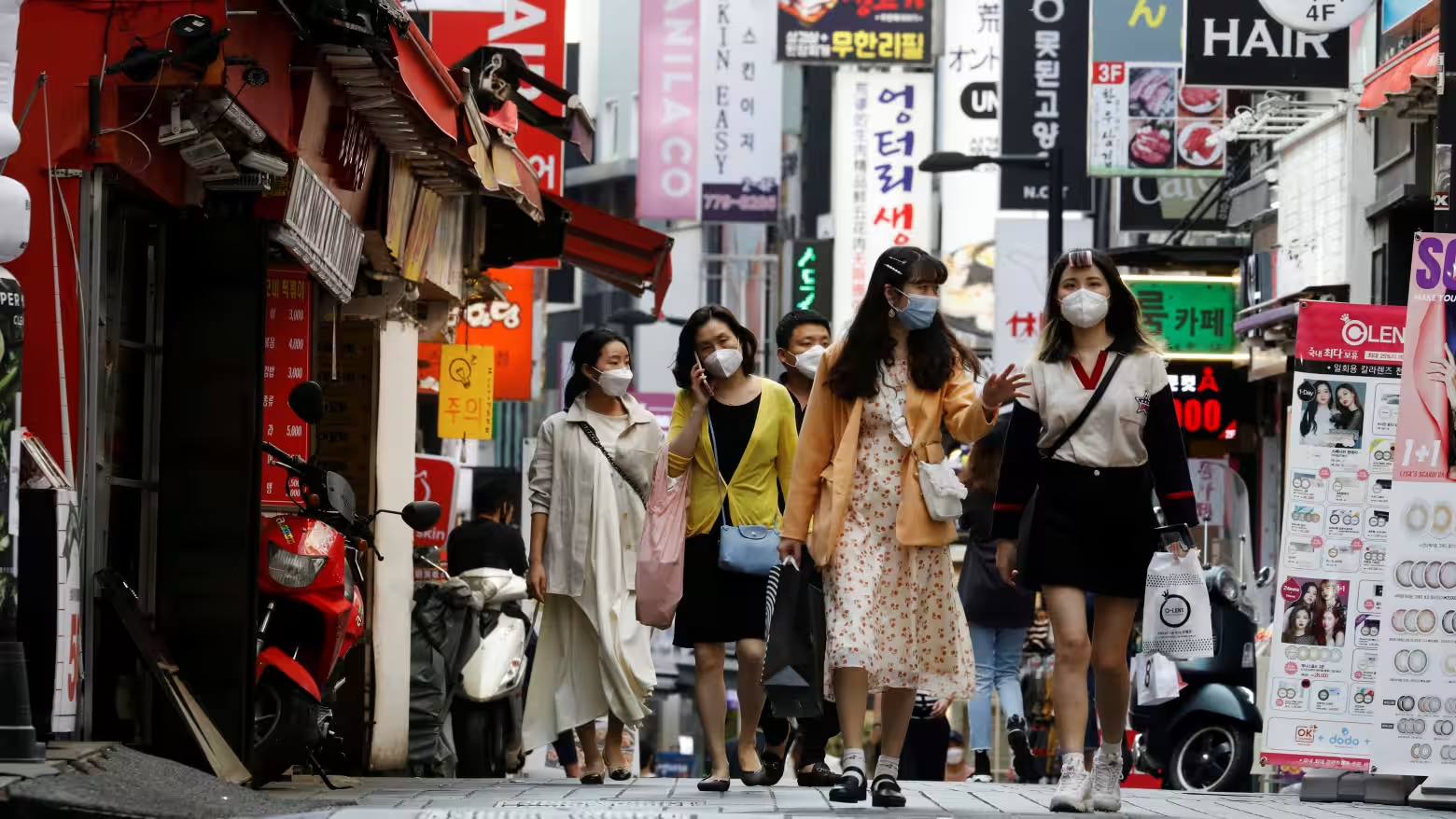
  • South Korea’s ‘mallcations’ Trend: Unprecedented Weather Boosts Indoor Retail Sales

    South Korea’s ‘mallcations’ Trend: Unprecedented Weather Boosts Indoor Retail Sales

    As South Korea experiences an intense summer marked by unprecedented heatwaves and monsoon downpours, there’s been a noticeable uptick in customers choosing to spend their leisure time indoors. This trend, known as “mallcations,” is resulting in a significant surge in sales for department stores and outlet malls.

    Increased Footfall and Sales

    Major retailers have reported a sharp increase in foot traffic from July 1 to 17, compared to the same time frame last year. Lotte Department Store noted a 10% surge in visitor numbers, while Shinsegae and Hyundai Department Store registered increases of 14% and 13% respectively, translating into sales growth of 11.1% and 10.7%. Meanwhile, Hyundai Premium Outlet, which boasts an underground parking feature, saw its sales skyrocket by 21.2%.

    This changing consumer behavior is largely attributed to the unpredictable weather conditions, making air-conditioned indoor spaces far more appealing than outdoor venues. Notably, families are driving an increase in food and beverage (F&B) sales: Lotte observed a 10% rise, while Shinsegae and Hyundai reported increases of 15.8% and 12.4% in F&B revenue respectively.

    Seasonal Products and Experiences

    As the summer vacation season looms, seasonal product categories have also shown strong sales performance. Sales of swimwear at Lotte have jumped by 15%, supported by a government tax incentive for cultural activities. Appliance sales have increased by 10% under an energy efficiency rebate program.

    Cooling bedding has emerged as another hot-selling item. Shinsegae saw a 33.7% surge in its bedding category, while Hyundai recorded growth of 23.9% in sportswear and 18.8% in home living products.

    In addition to the increase in sales, retailers are also rolling out immersive, summer-themed experiences to capitalize on the increased footfall. Lotte is set to launch a “Summer Gourmet Week” across all its locations, complete with sweepstakes for F&B customers. The retail chain will also host a “Summer Wine Festa”, offering discounts on spirits, and pop-up jewelry boutiques catering to seasonal accessory shoppers.

    Shinsegae, on the other hand, has introduced pop-ups featuring surfing gear and is hosting art exhibitions. Hyundai Department Store is revamping its spaces with a Hawaiian resort theme under the “Hu’i Hu’i Maui” campaign which will run through August 21.

    Reinventing Retail

    With the Korean climate becoming increasingly erratic, retailers are adopting climate-proof leisure strategies. They are redefining malls as not just shopping centers, but as cool and curated summer destinations.

    Questions & Answers

    What is a “mallcation”?
    A “mallcation” refers to the trend of consumers spending their leisure time indoors at malls due to unfavorable weather conditions.

    What factors have contributed to the growth in foot traffic and sales for retailers?
    Unpredictable weather conditions, the appeal of air-conditioned indoor spaces, and the introduction of immersive, summer-themed experiences by retailers have contributed to the increase.

    How are retailers capitalizing on the rising trend of “mallcations”?
    Retailers are rolling out immersive, summer-themed experiences and pop-up shops, hosting art exhibitions, and transforming their spaces to provide a more engaging and enjoyable shopping experience for consumers.